
Cleric Guide for Beginners: Mastering the Cleric in D&D 5e

The Cleric is a divine spellcaster and a cornerstone of many adventuring parties in Dungeons & Dragons 5th Edition (D&D 5e). Under the current 5.5e rules used in 2026, Clerics draw divine magic from a deity, pantheon, or other immortal entity and can use that power to heal allies, protect the party, control the battlefield, and punish enemies. This class is perfect for players who enjoy being versatile, balancing offensive and defensive magic, and playing a key role in their party’s success.
Why Play a Cleric?
- Healing and Support: Clerics have excellent healing, defensive, and support options, including spells and Channel Divinity abilities that can keep allies in the fight.
- Versatility: With access to a broad Cleric spell list, Divine Orders, and subclasses (Domains), Clerics can adapt to many different party roles.
- Thematic Roleplaying: Play as a servant of a deity, pantheon, sacred cause, or other divine power, adding depth and flavor to your character.
Core Features
Key Mechanics and Abilities
- Spellcasting: Clerics prepare spells from the Cleric spell list and can change their prepared spells after finishing a Long Rest. Under the current 5.5e rules, the number of prepared spells is determined by the Cleric class table rather than your Wisdom modifier plus your Cleric level. Wisdom remains your spellcasting ability.
- Channel Divinity: Beginning at level 2, Clerics gain Channel Divinity with two core options: Divine Spark and Turn Undead. Divine Spark can either restore Hit Points or deal Radiant or Necrotic damage, while Turn Undead can Frighten and Incapacitate nearby Undead that fail their saving throws.
- Divine Domain: Your chosen Domain shapes your playstyle and grants additional spells and features. Under the current rules, Clerics choose their subclass at level 3 rather than level 1. Clerics also choose a Divine Order at level 1, becoming either a Protector for Martial weapon proficiency and Heavy armor training or a Thaumaturge for an extra Cleric cantrip and improved Arcana or Religion checks.
- Divine Intervention: At level 10, Divine Intervention no longer relies on a percentage roll. You can use a Magic action to cast a Cleric spell of level 5 or lower that does not require a Reaction, without spending a spell slot or providing Material components. At level 20, Greater Divine Intervention can instead allow you to select Wish, after which Divine Intervention becomes unavailable for 2d4 Long Rests.
Suggested Ability Scores
- Wisdom (Primary): Powers your Cleric spellcasting, including your spell attack modifier and spell save DC, and contributes to several Cleric features.
- Constitution (Secondary): Increases your Hit Points and helps with Constitution saving throws used to maintain Concentration.
- Strength or Dexterity: Choose according to your equipment and combat style. Strength is more useful for weapon-focused Protector builds using heavier equipment, while Dexterity can help with initiative, Dexterity saves, and Armor Class in appropriate armor.
Recommended Races
- Dwarf: The current Dwarf species retains strong defensive traits, including Dwarven Resilience and Dwarven Toughness. Unlike the older Hill Dwarf, ability score increases no longer come from your species.
- Human (Variant): The current Human offers flexible character-building features, including an additional Origin Feat. This replaces the old 2014 Variant Human approach for characters built with the current rules.
- Aasimar: Aasimar are now a core Player’s Handbook species and provide useful traits such as Healing Hands, Celestial Resistance, and Celestial Revelation that fit naturally with many Cleric concepts.
- Half-Elf: Half-Elf remains recognizable to players searching for D&D 5e character options, but it is not one of the species presented in the current 5.5e Player’s Handbook. Groups using compatible older character options may still allow it, while new 5.5e characters can choose another current species and build the desired ability scores through their background.
Playing as a Cleric
Role in a Party
Clerics are valuable support characters, capable of healing, buffing, protecting allies, and controlling dangerous areas of the battlefield. However, the class is not limited to healing. Divine Order, Blessed Strikes, subclass features, and the Cleric spell list allow Clerics to become durable front-line combatants, ranged spellcasters, damage dealers, or battlefield controllers.
At level 7, Blessed Strikes further specializes your combat style. Divine Strike adds Radiant or Necrotic damage to a weapon hit once on each of your turns, while Potent Spellcasting adds your Wisdom modifier to the damage of Cleric cantrips.
Tips for New Players
- Prepare Spells Wisely: Tailor your spell selection to the challenges you anticipate, and remember that you can change your prepared Cleric spells after a Long Rest.
- Use Channel Divinity Effectively: Divine Spark gives every Cleric a dependable healing or damage option, while Turn Undead can dramatically change encounters involving Undead. Your Domain can provide additional Channel Divinity options.
- Balance Offense and Support: Don’t hesitate to deal damage or control enemies when your party doesn’t need immediate healing. Preventing damage can sometimes be more effective than restoring Hit Points afterward.
Roleplay Suggestions
- Faithful Priest: A dedicated servant of your deity, pantheon, or divine power, spreading its teachings.
- Mystic Seeker: A scholar of divine mysteries and ancient lore.
- Reluctant Prophet: Someone burdened with divine power they didn’t ask for.
Clerics aren’t just spellcasters. They’re champions of a cause, often tied to temples, orders, or larger organizations that shape their purpose. Remarkable Guilds & Their Heroes is a great way to bring that side of the class to life.
It introduces a range of guilds and heroic factions that can easily represent religious orders, sacred missions, or divine callings. Instead of your Cleric feeling like a lone figure with powers, they become part of something bigger. That opens the door for deeper roleplay, meaningful choices, and story hooks that connect directly to your character’s beliefs and goals.
Subclasses Overview
Clerics have a wide range of Divine Domains, each providing unique features and thematic flavor. Under the current 5.5e rules, Life, Light, Trickery, and War are the four updated Cleric subclasses in the current Player’s Handbook. Several older D&D 5e Domains remain backward compatible with the current Cleric, with their subclass features adjusted to begin at level 3 when necessary.
Here’s an overview of the most iconic Domains:
- Life Domain Cleric Handbook: The current Life Domain specializes in healing and protecting allies, with updated Domain Spells and revised healing features.
- Light Domain Cleric Handbook: Focused on radiant and fire-based offense, defensive bursts of light, and powerful area effects.
- War Domain Cleric Handbook: A combat-focused Cleric that enhances weapon attacks, supports allies in battle, and works especially well with the Protector Divine Order.
- Grave Domain Cleric Handbook: A backward-compatible Domain focused on the boundary between life and death, aiding severely wounded allies and making enemies vulnerable to devastating attacks.
- Forge Domain Cleric Handbook: A backward-compatible Domain built around fire, durability, armor, weapons, and the divine traditions of crafting.
- Tempest Domain Cleric Handbook: A backward-compatible Domain that commands storms, thunder, and lightning while supporting an aggressive combat style.
- Twilight Domain Cleric Handbook: A backward-compatible support Domain with strong defensive abilities, enhanced darkvision, and protection for nearby allies.
- Arcana Domain Cleric Handbook: A backward-compatible Domain combining divine spellcasting with arcane magic, additional Wizard cantrips, and abilities useful against magical effects.
- Order Domain Cleric Handbook: A backward-compatible Domain centered on authority, enchantment, discipline, and helping allies make additional attacks.
- Peace Domain Cleric Handbook: A backward-compatible support Domain focused on strengthening the bonds between party members, improving important rolls, and protecting allies.
- Trickery Domain Cleric Handbook: An updated 5.5e Domain built around deception, illusion, mobility, and magical duplicates that help confuse enemies and reposition allies.
- Knowledge Domain Cleric Handbook: A backward-compatible Domain for scholars and seekers of hidden truths, with abilities centered on knowledge, skills, languages, and divination.
- Nature Domain Cleric: A backward-compatible divine spellcaster with druidic flavor, combining Cleric magic with abilities associated with nature and the elements.
- Death Domain Cleric: A backward-compatible Domain originally presented in the 2014 Dungeon Master’s Guide, focused on necromancy and dealing Necrotic damage. Because it originated as a Dungeon Master option rather than a standard Player’s Handbook subclass, check with your DM before using it.
Each Domain allows you to specialize your Cleric to suit your playstyle, whether you want to focus on healing, damage-dealing, defense, control, or utility. Current 5.5e Clerics choose their Domain at level 3. If you use a backward-compatible subclass, follow the current Cleric progression rather than assuming its original 2014 feature levels still apply. Be sure to check out the dedicated blog posts for each subclass to explore their unique abilities and strategies.
Gear and Dice Recommendations
Suggested Equipment
- Weapons: The current Cleric starts with Simple weapon proficiency, and the standard starting equipment includes a mace. Choosing the Protector Divine Order at level 1 also grants Martial weapon proficiency, allowing weapon-focused Clerics to use options such as a warhammer.
- Armor: Clerics normally have training with Light armor, Medium armor, and Shields. Heavy armor is not granted by most Domains under the current rules. Instead, choosing the Protector Divine Order at level 1 grants Heavy armor training.
- Holy Symbol: A holy symbol can serve as a Cleric’s Spellcasting Focus. Current options include an amulet, emblem, or reliquary, with an emblem able to be borne on fabric or a Shield.
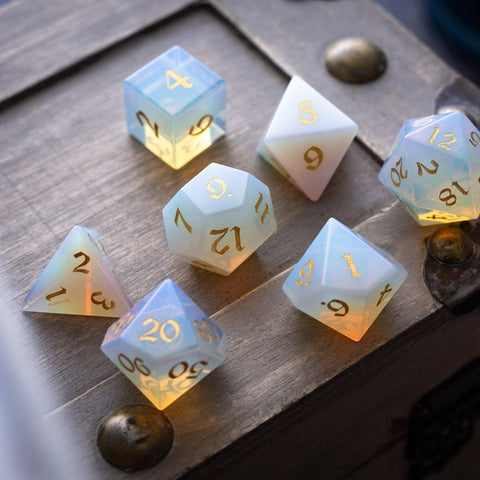
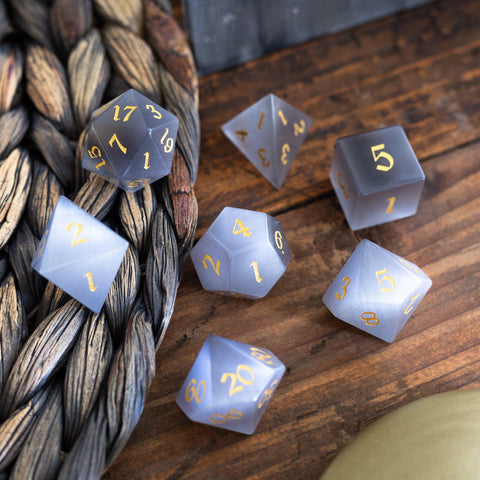
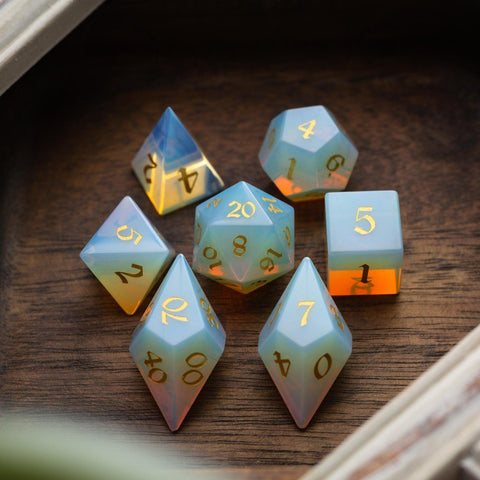
Dice Recommendations from Runic Dice
Clerics channel divine power into every spell, strike, and prayer. The right DND dice set can reflect your divine connection, whether you are a healer, a protector, or a warrior of faith. Choosing dice that capture the essence of your domain can add flavor to your character and reinforce their themes at the table.
- Life Domain: For a touch of healing greens, consider the Green Water Glass DND Dice Set. These handmade dice feature swirling green hues reminiscent of lush forests, symbolizing vitality and life.
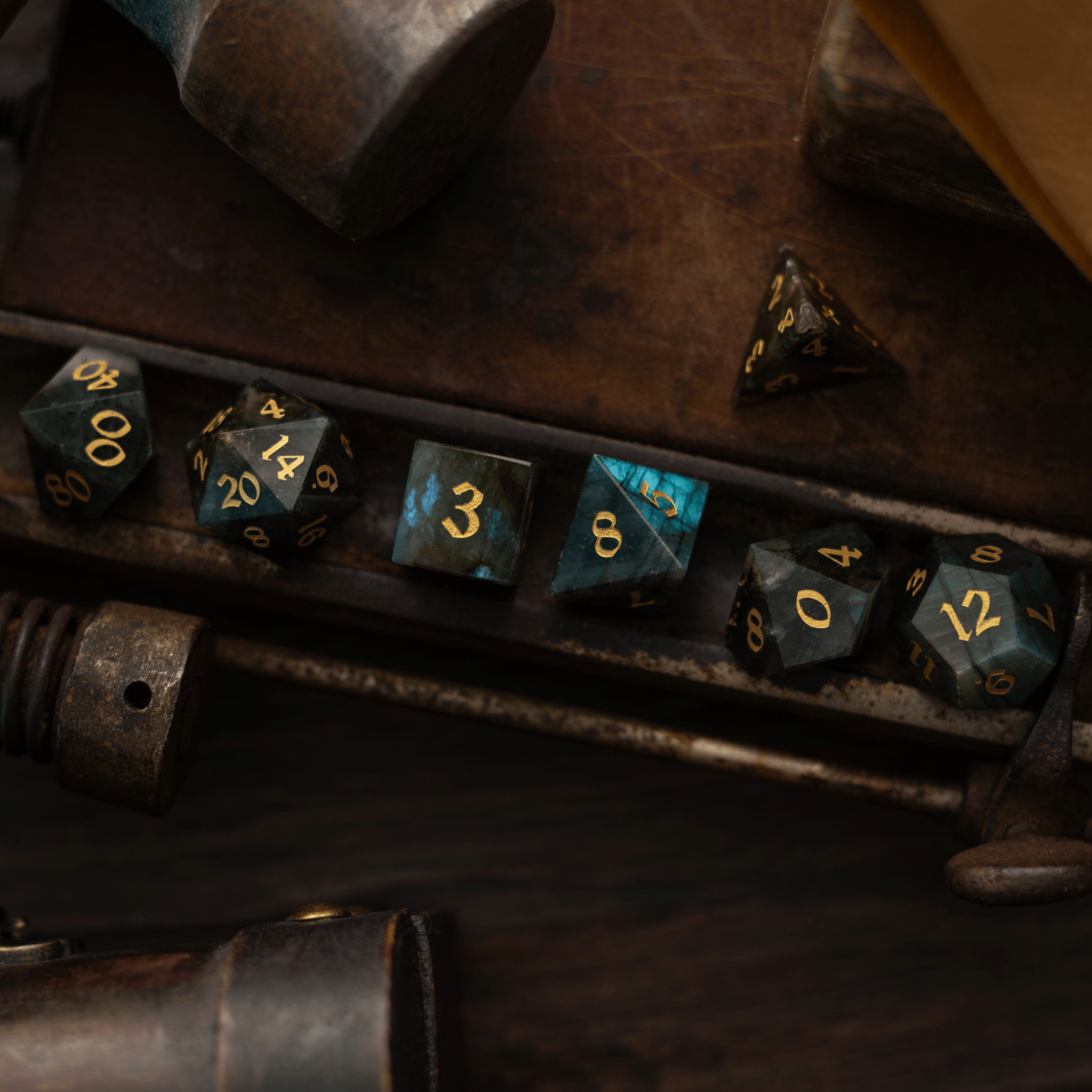
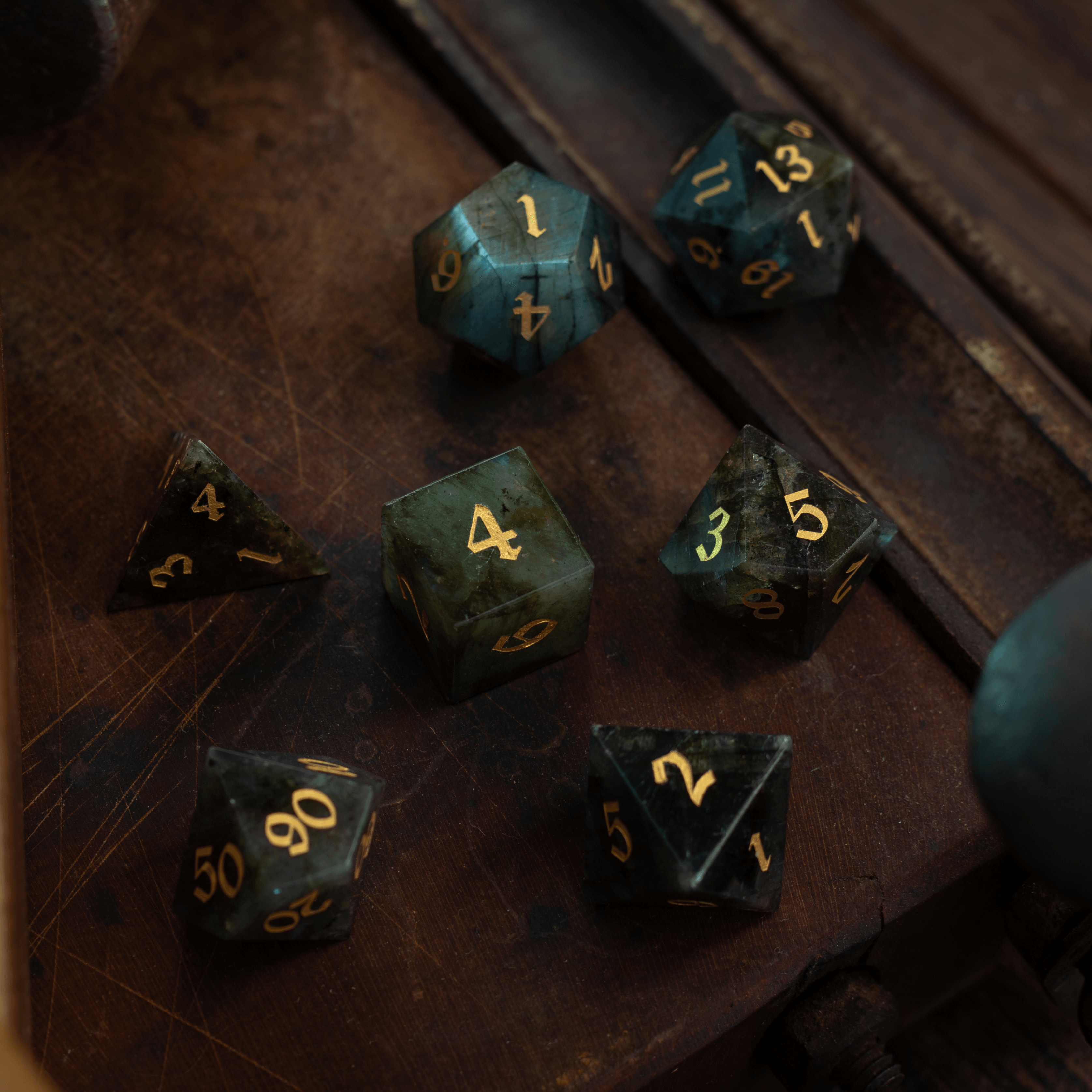
- Light Domain: Embrace radiant energy with the Yellow Tiger's Eye Gemstone DND Dice Set. Hand-carved from genuine tiger's eye gemstone, these dice display a vibrant golden-yellow hue, capturing the essence of light and divinity.
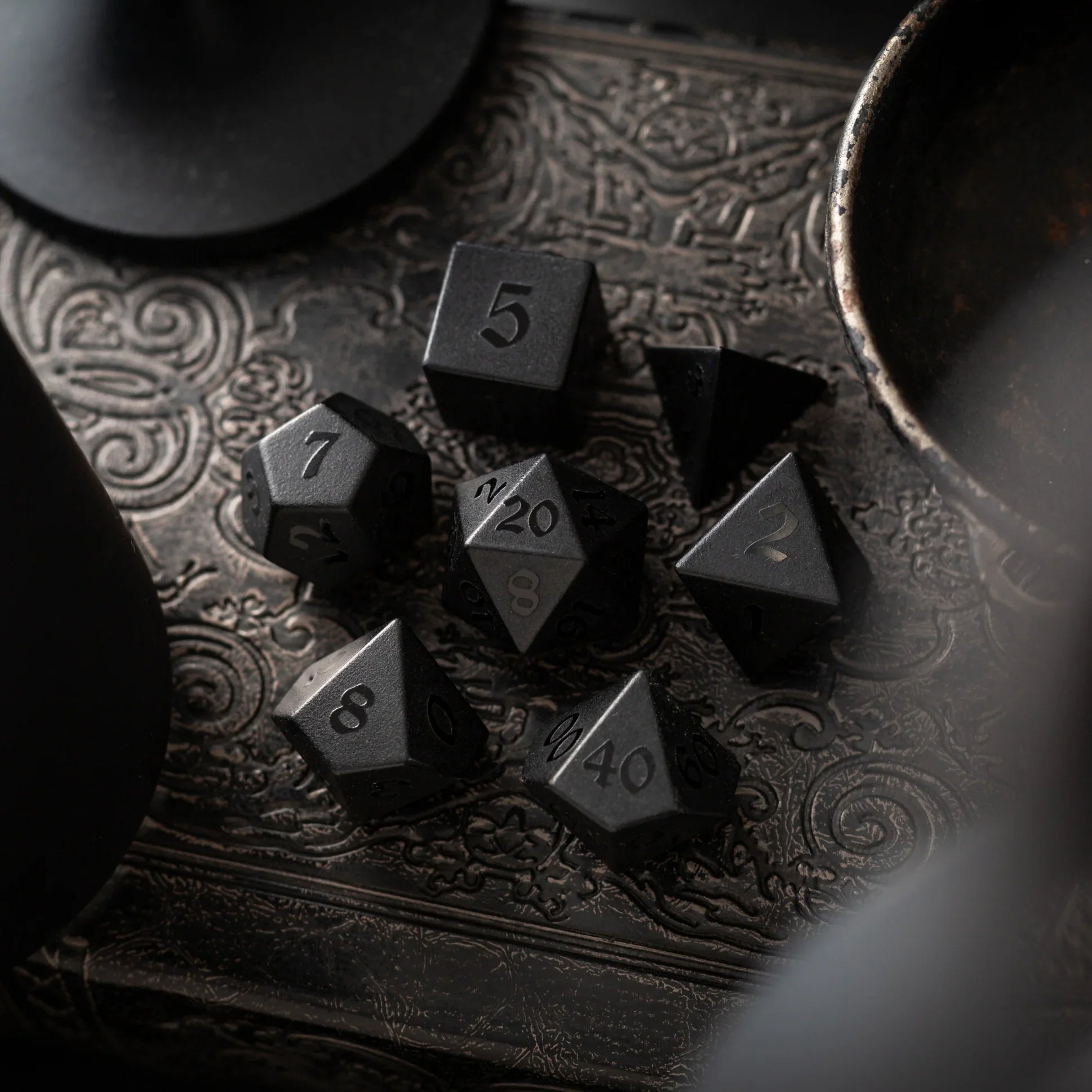
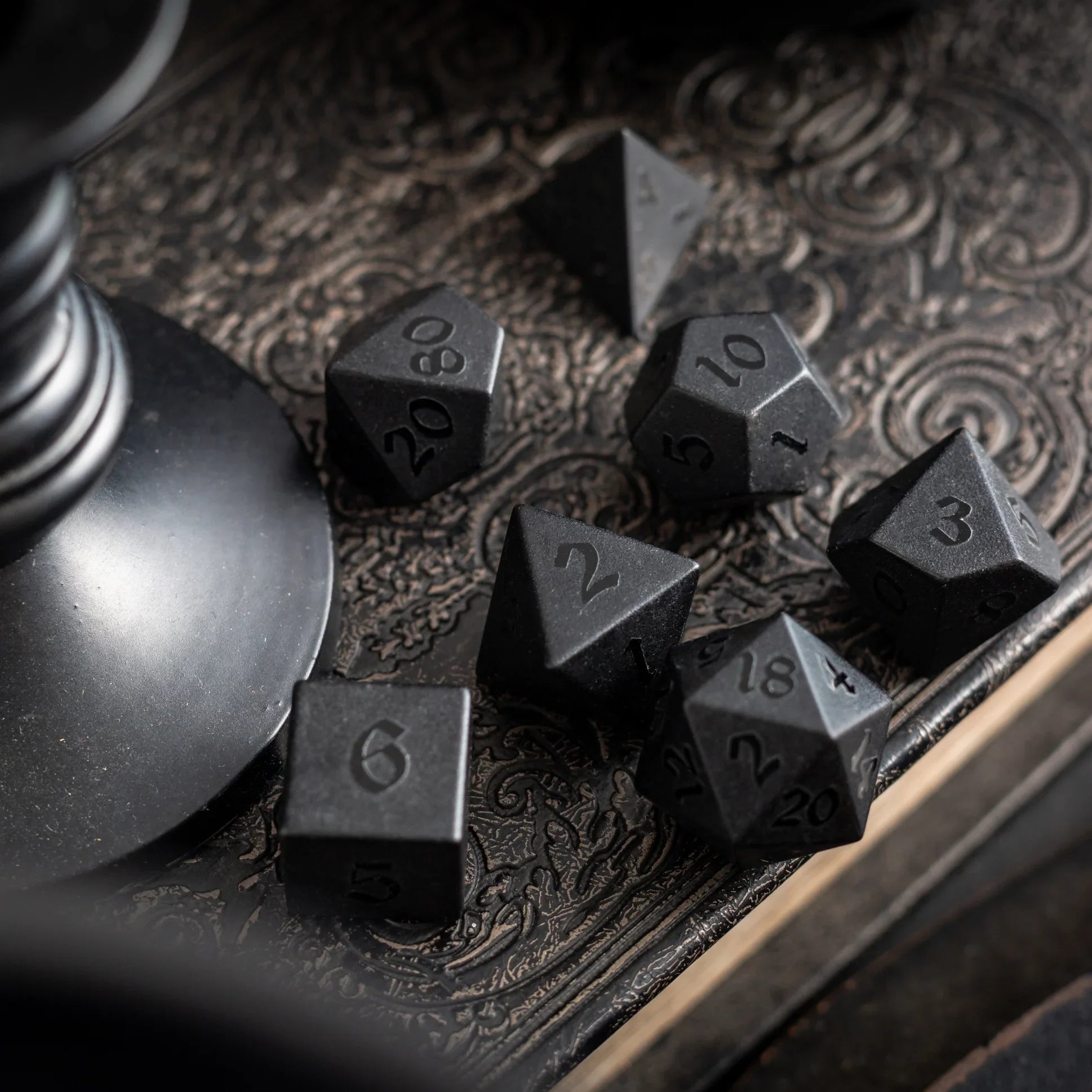
- War Domain: For bold, battle-themed dice with metallic tones, the Black Obsidian Gemstone DND Dice Set offers a striking deep black appearance with a glossy finish, embodying the strength and resilience of a war cleric.
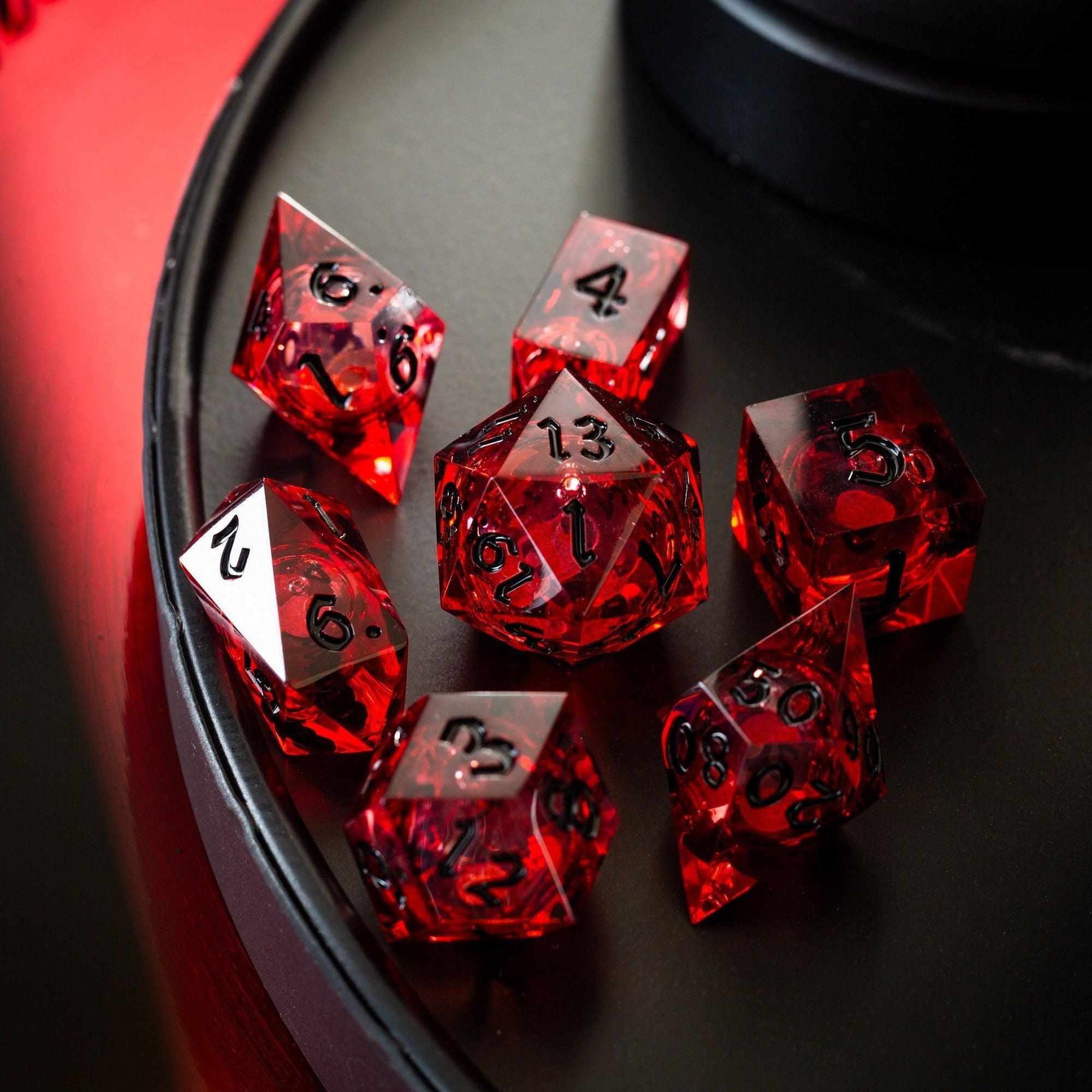
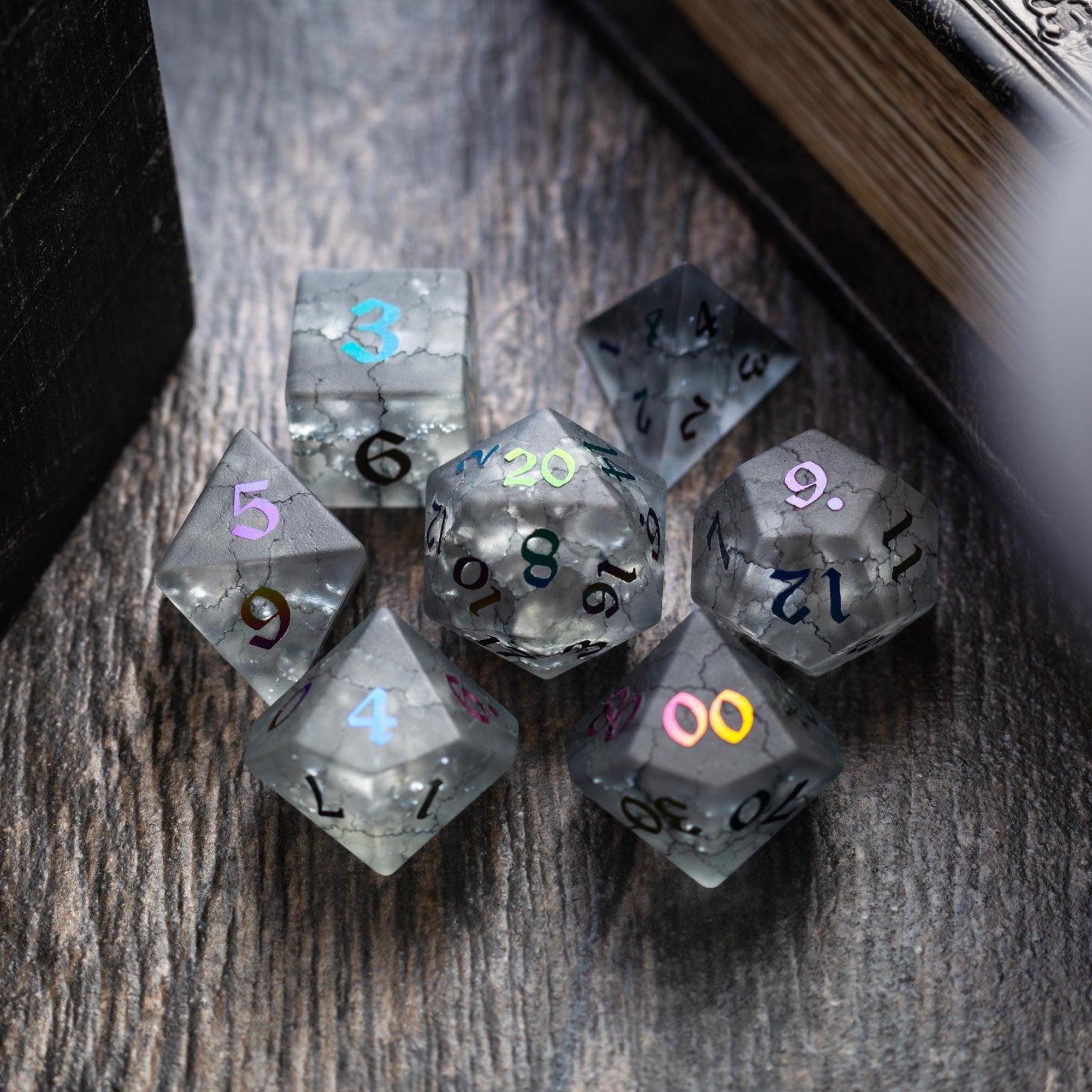
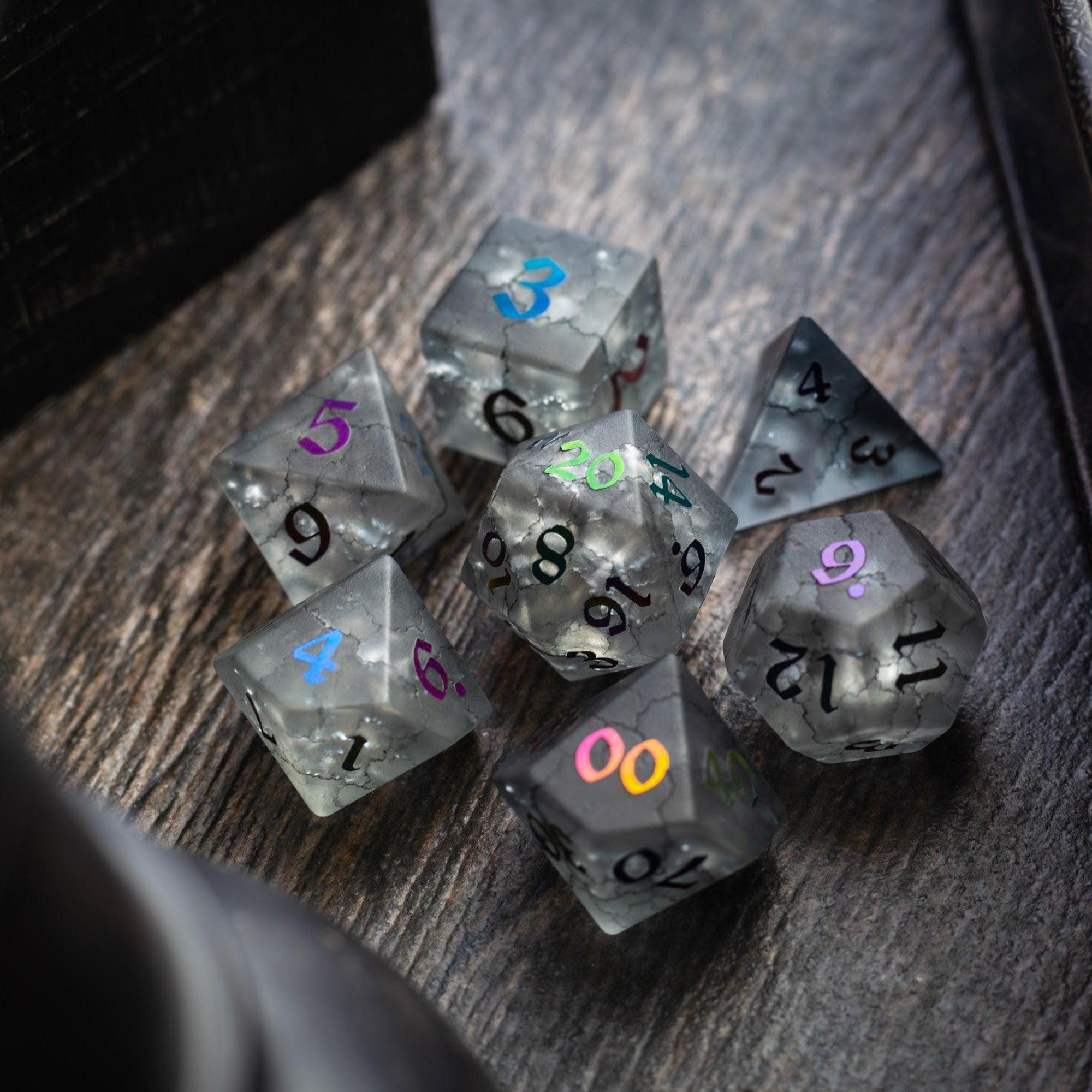
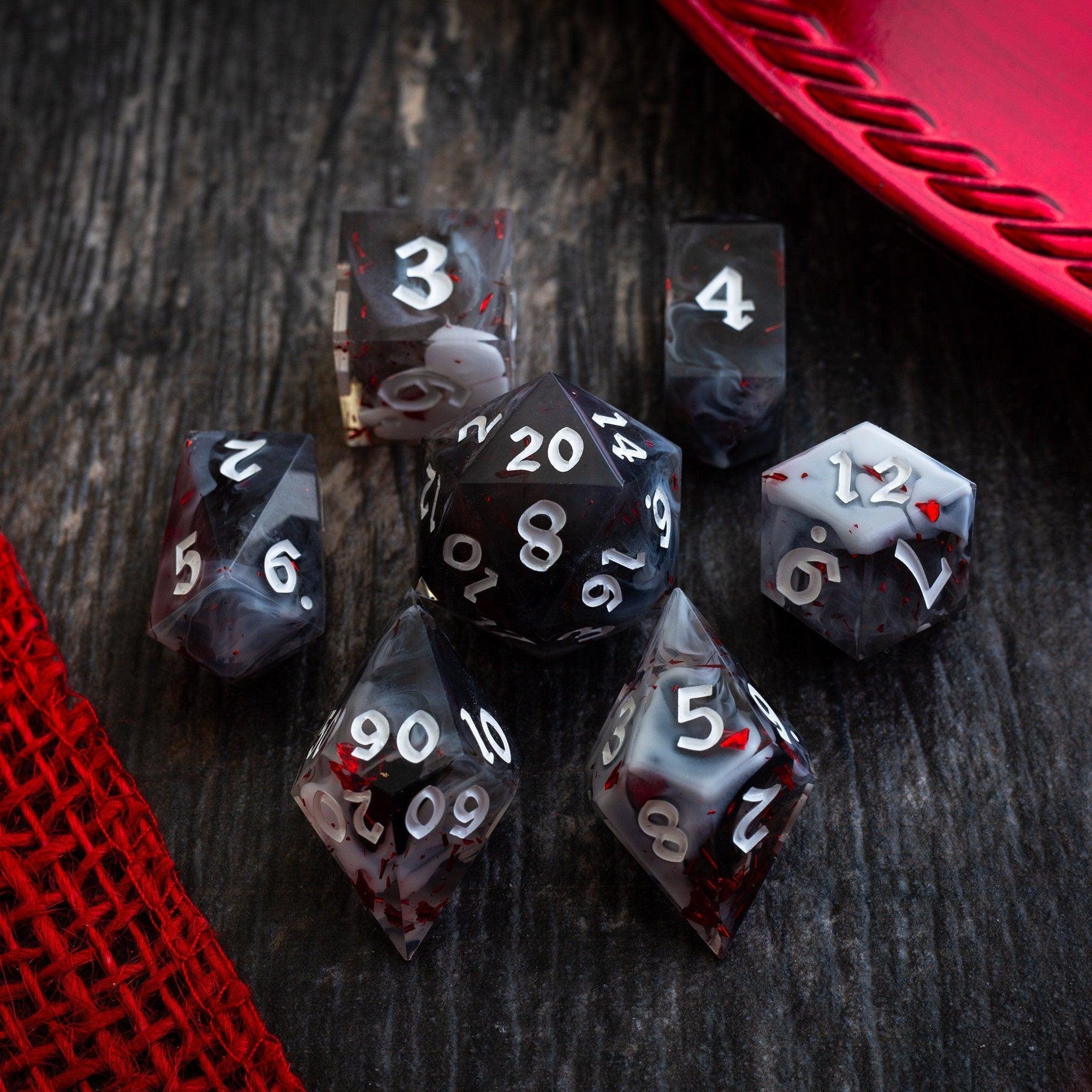
- Grave Domain: Reflect the somber tones of this domain with the Black and Silver Glitter Liquid Core Resin DND Dice Set. These dice feature a dark base infused with swirling silver glitter, exuding a mysterious and eerie aura.
When you roll your polyhedral dice, it can become part of your Cleric’s characterization: a prayer, a blessing, or a divine strike. Picking a set that suits your Domain can help connect the physical side of the game with your character’s beliefs and divine calling.
Advanced Tips and Tricks
Optimization Strategies
- Feats: Consider War Caster for Clerics who regularly maintain Concentration in combat. Resilient can also be useful when used to gain Constitution saving throw proficiency, particularly for characters who frequently rely on Concentration spells.
- Multiclassing: Cleric can pair with another class when the character concept and ability scores support it, but multiclassing carries real tradeoffs because every level outside Cleric delays higher-level Cleric spells and class features. Paladin can support a divine warrior concept, while Wizard can broaden magical options for characters with enough Intelligence, though neither is automatically stronger than remaining a single-class Cleric.
- Spell Combos: Use spells like Spirit Guardians or Bless according to the encounter rather than attempting to maintain both at once, since both require Concentration. Spirit Guardians is excellent for controlling space around your Cleric, while Bless improves allies’ attack rolls and saving throws.
Advanced Builds
- Tank Cleric: Choose the Protector Divine Order if you want Heavy armor and Martial weapons, then combine a Shield with defensive and battlefield-control spells such as Shield of Faith or Spirit Guardians. Remember that both of those spells require Concentration, so you cannot maintain them simultaneously.
- Blaster Cleric: Focus on Wisdom and use offensive Cleric spells such as Guiding Bolt, Spirit Guardians, and Flame Strike. At level 7, Potent Spellcasting can further improve a cantrip-focused Cleric by adding your Wisdom modifier to the damage of Cleric cantrips.
Mastering the Cleric class allows you to shape the course of an adventure with divine power and versatility. Under the current 5.5e rules, features such as Divine Order, Divine Spark, Blessed Strikes, the revised subclass progression, and dependable Divine Intervention give Clerics more control over how they are built and played. With the right Domain and strategies, you can heal, protect, control the battlefield, and deal powerful divine damage while filling the role your party needs.








.%20Under%20the%20current%205.5e%20rules%20used%20in%202026,%20Clerics%20draw%20divine%20...)
Leave a comment
This site is protected by hCaptcha and the hCaptcha Privacy Policy and Terms of Service apply.