

Tempest Domain Cleric Guide for Beginners: Mastering the Tempest Cleric in D&D 5e

The Tempest Domain Cleric is a storm-wielding warrior who calls upon thunder and lightning to devastate foes and control the battlefield. Introduced in the Player’s Handbook, this subclass is perfect for players who want to blend divine magic with raw elemental fury, striking down enemies with thunderous might while still supporting their allies.
Unlike other Cleric subclasses that focus on healing or defense, the Tempest Cleric excels at damage-dealing, battlefield control, and imposing fear on enemies. If you love the idea of a storm-calling battle priest who smites foes with divine lightning, this subclass is for you!
Why Play a Tempest Domain Cleric?
Key Benefits
- High Burst Damage – Deal devastating thunder and lightning damage with spells and features that hit hard when it matters most.
- Tanky Frontline Presence – Heavy armor and martial weapon proficiency make you durable enough to stand toe-to-toe with enemies.
- Push and Control Enemies – Knock enemies back and disrupt positioning with abilities like Thunderwave and Thunderbolt Strike.
- Channel Divinity: Maximize Lightning Damage – Turn key lightning or thunder spells into guaranteed maximum damage for clutch moments.
- Awesome Roleplay Opportunities – Play a storm god’s champion, a sea-bound priest, or a wandering herald of divine wrath.
Compared to other Clerics, the Tempest Domain offers a rare blend of offense, durability, and control, making it one of the most battle-ready options in D&D 5e.
Core Features
Key Mechanics and Abilities
Bonus Proficiencies (Level 1)
- Gain proficiency with martial weapons and heavy armor.
- Makes you much tankier than most Clerics, letting you survive in melee combat.
- Example: You can wear full plate armor and wield a warhammer, making you as durable as a Fighter.
Wrath of the Storm (Level 1)
- Use your reaction to deal thunder or lightning damage when a creature within 5 feet of you hits you with an attack.
- Damage = 2d8 (lightning or thunder, your choice), half damage if they succeed on a Dexterity save.
- Number of uses = Wisdom modifier per long rest.
- Example: A goblin slashes you with a dagger—you unleash Wrath of the Storm, electrocuting them on the spot!
Channel Divinity: Destructive Wrath (Level 2)
- When you deal lightning or thunder damage, you can maximize the damage instead of rolling.
- Turns spells like Call Lightning and Thunderwave into devastating attacks.
- Example: Instead of rolling 3d10 for Call Lightning, you automatically deal 30 damage (before resistances or vulnerabilities).
Thunderbolt Strike (Level 6)
- When you deal lightning damage, you can push an enemy 10 feet away.
- Does not require a saving throw, making it a guaranteed battlefield control tool.
- Example: A bandit tries to charge you, but you blast them with Shocking Grasp and send them flying backward!
Divine Strike (Level 8)
- Once per turn, add 1d8 thunder damage to your weapon attacks.
- Increases to 2d8 at level 14.
- Example: If you're wielding a warhammer, your attack now deals 1d8 + Strength modifier + 1d8 thunder damage.
Stormborn (Level 17)
- Gain flying speed while outdoors equal to your walking speed.
- Allows you to hover over the battlefield like a storm god, unleashing lightning from above.
These features make Tempest Clerics feel powerful from start to finish, offering a mix of damage, tankiness, and battlefield control.
Suggested Ability Scores
- Primary: Wisdom – Boosts spellcasting power and Channel Divinity effectiveness.
- Secondary: Strength or Constitution – Choose Strength for melee combat or Constitution for survivability.
- Tertiary: Dexterity – Improves initiative and ranged spell accuracy.
Recommended Races
Since Tempest Clerics focus on durability and lightning damage, the best races include:
- Half-Orc – Relentless Endurance lets you survive a fatal hit, and Strength bonuses make you great in melee.
- Goliath – Stone’s Endurance reduces damage, and Strength bonuses make you a better frontline warrior.
- Aasimar (Protector or Scourge) – Radiant Soul boosts your damage, and resistance to radiant and necrotic fits the divine storm theme.
- Triton – Resistance to cold damage, gains spells like Gust of Wind, and fits the theme of a stormy sea cleric.
Playing as a Tempest Domain Cleric
Role in a Party
- Frontline Fighter & Damage Dealer – Can wear heavy armor, wield weapons, and still cast devastating spells.
- Crowd Control Caster – Push enemies away with Thunderwave and Wrath of the Storm.
- Support & Tank – Heals allies while absorbing damage on the frontlines.
Compared to other Clerics, Tempest Clerics are more aggressive and melee-oriented, excelling at both offense and defense.
Tips for New Players
- Use Wrath of the Storm frequently – Free damage whenever an enemy hits you.
- Save Channel Divinity for big damage – Destructive Wrath turns a spell like Call Lightning into an instant powerhouse.
- Position yourself wisely – Stay close enough to fight but far enough to avoid being overwhelmed.
- Use Thunderbolt Strike for battlefield control – Knocking enemies away disrupts enemy strategies.
Roleplay Suggestions
- The Stormbringer – A fierce warrior-priest chosen by a god of storms.
- The Sea Cleric – A guardian of the ocean, wielding the power of the storm to protect sailors and travelers.
- The Thunder Herald – A wandering priest who brings divine justice through lightning and thunder.
Tempest Clerics are all about raw, elemental power. Thunder, lightning, and the force of nature itself shape how they fight and interact with the world. That energy really stands out when the environment supports it. Wondrous Expeditions – Forests is a great way to bring that kind of atmosphere into your game.
It’s filled with encounters, story hooks, and environmental details that make the wilderness feel active and unpredictable. Instead of static battlefields, you get shifting conditions and tense moments that let your abilities shine. For a Tempest Cleric, that means more opportunities to feel powerful and connected to the forces they channel.
Gear and Dice Recommendations
Suggested Equipment
Weapons
- Warhammer – Great Strength-based weapon that fits the storm cleric theme.
- Quarterstaff – Pairs well with the Shillelagh cantrip for Wisdom-based attacks.
Armor
- Plate Armor – Best AC for survivability in melee.
- Shield – Boosts AC for maximum tankiness.
Magic Items
- Stormgirdle (Magic Belt) – Grants lightning resistance and extra lightning damage on melee hits.
- Wand of Lightning Bolts – Extra firepower to complement your storm magic.
- Cloak of the Stormcaller – Enhances lightning damage and provides resistance.
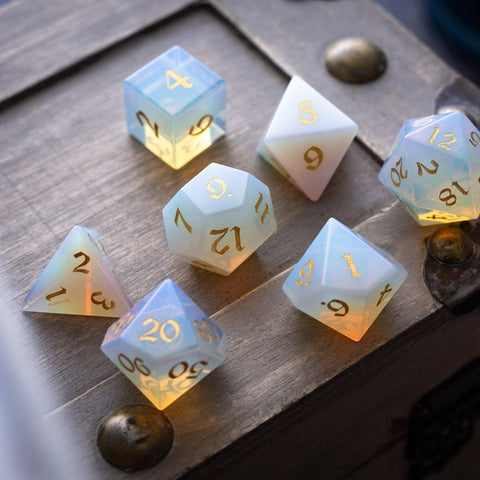
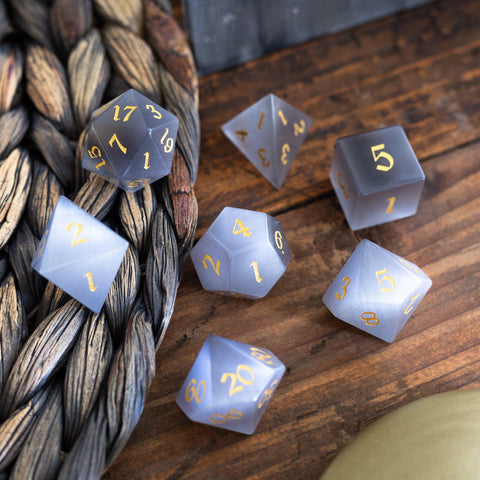
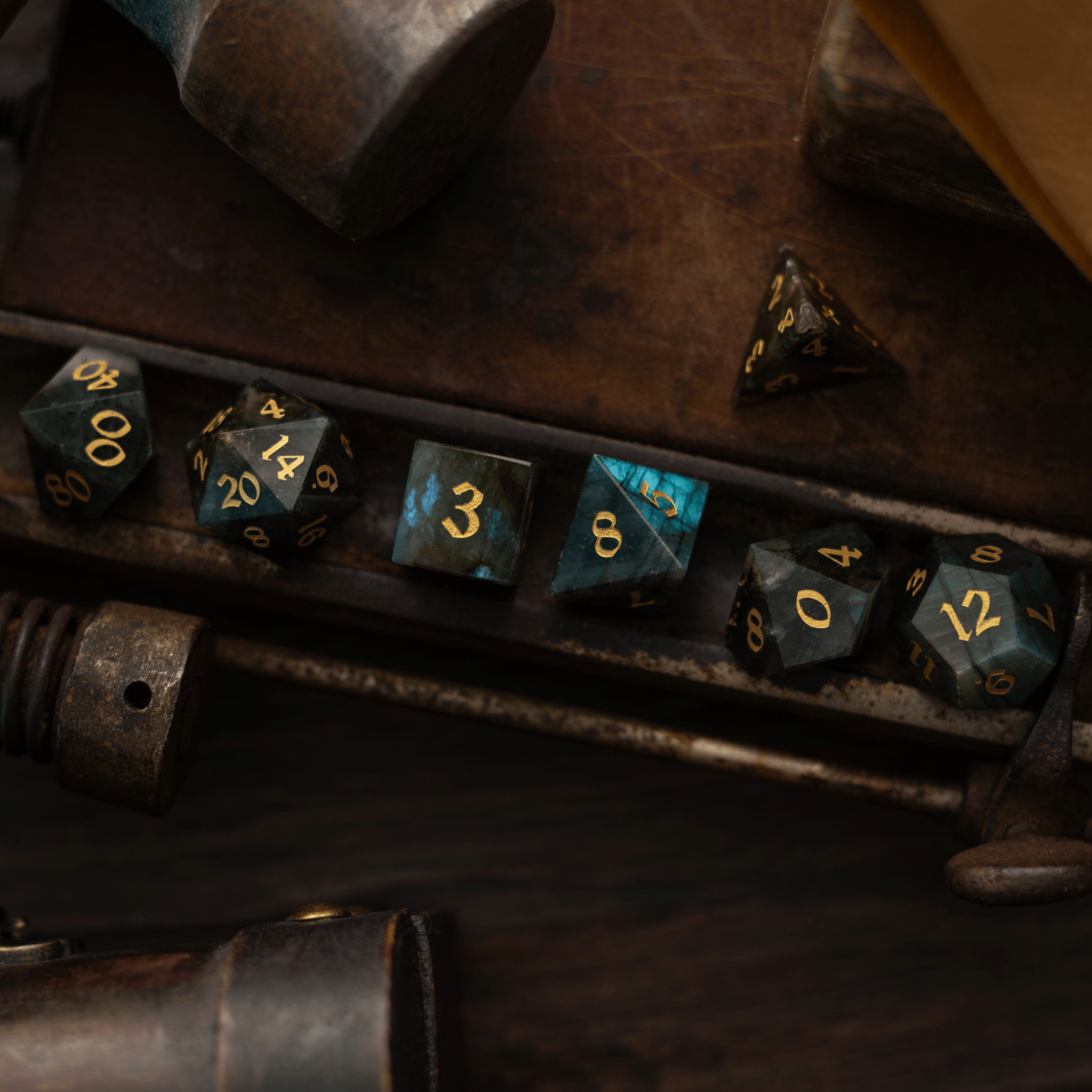
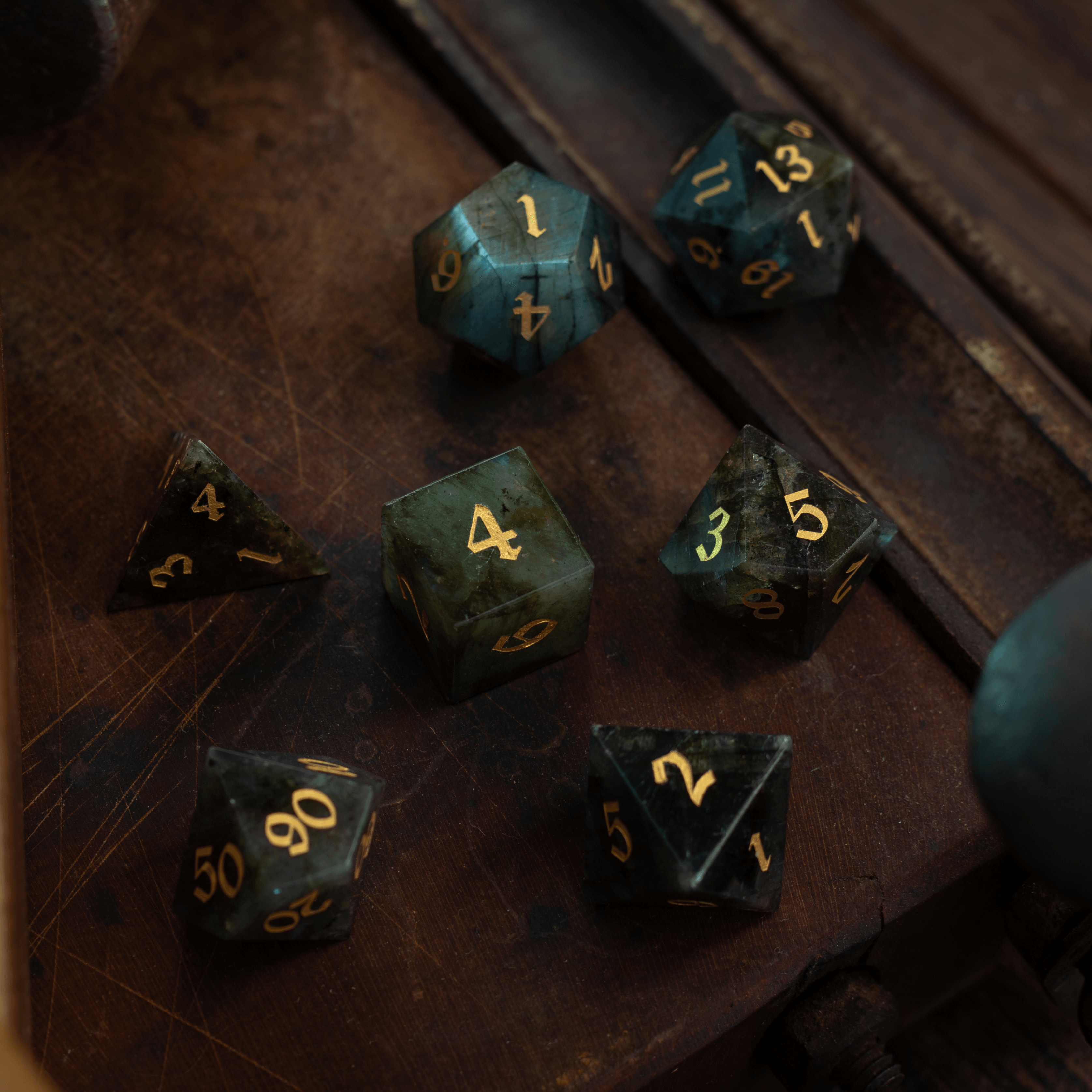
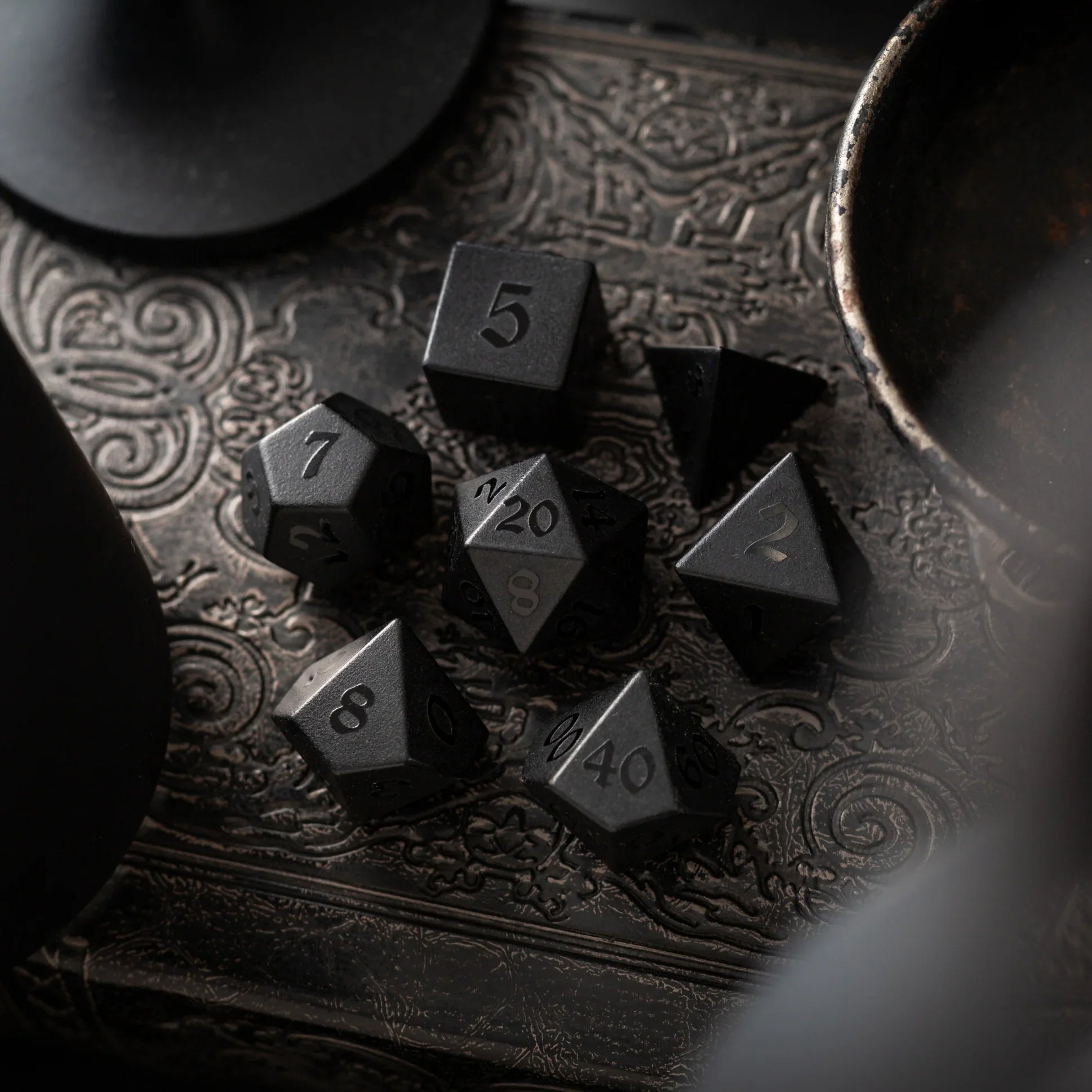
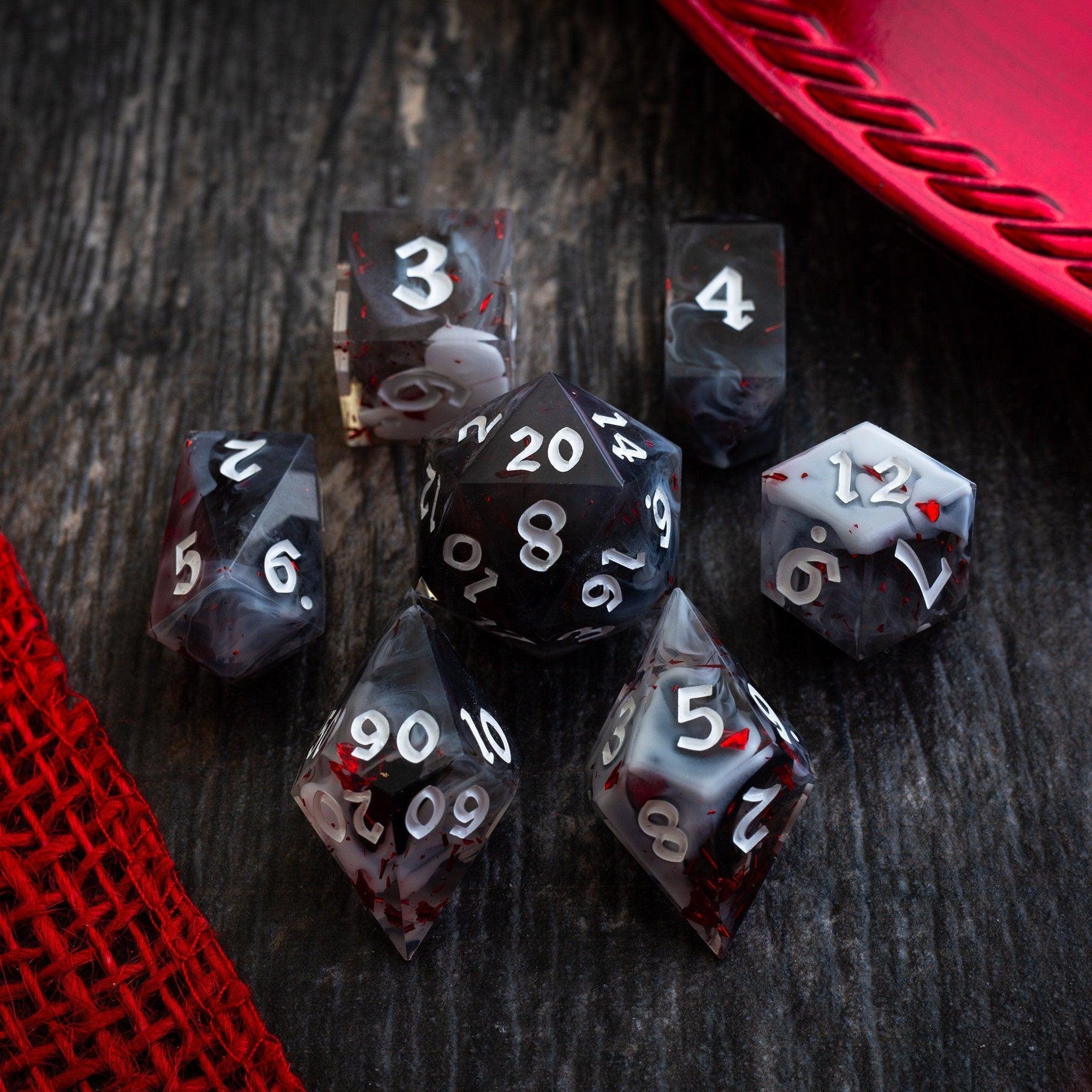
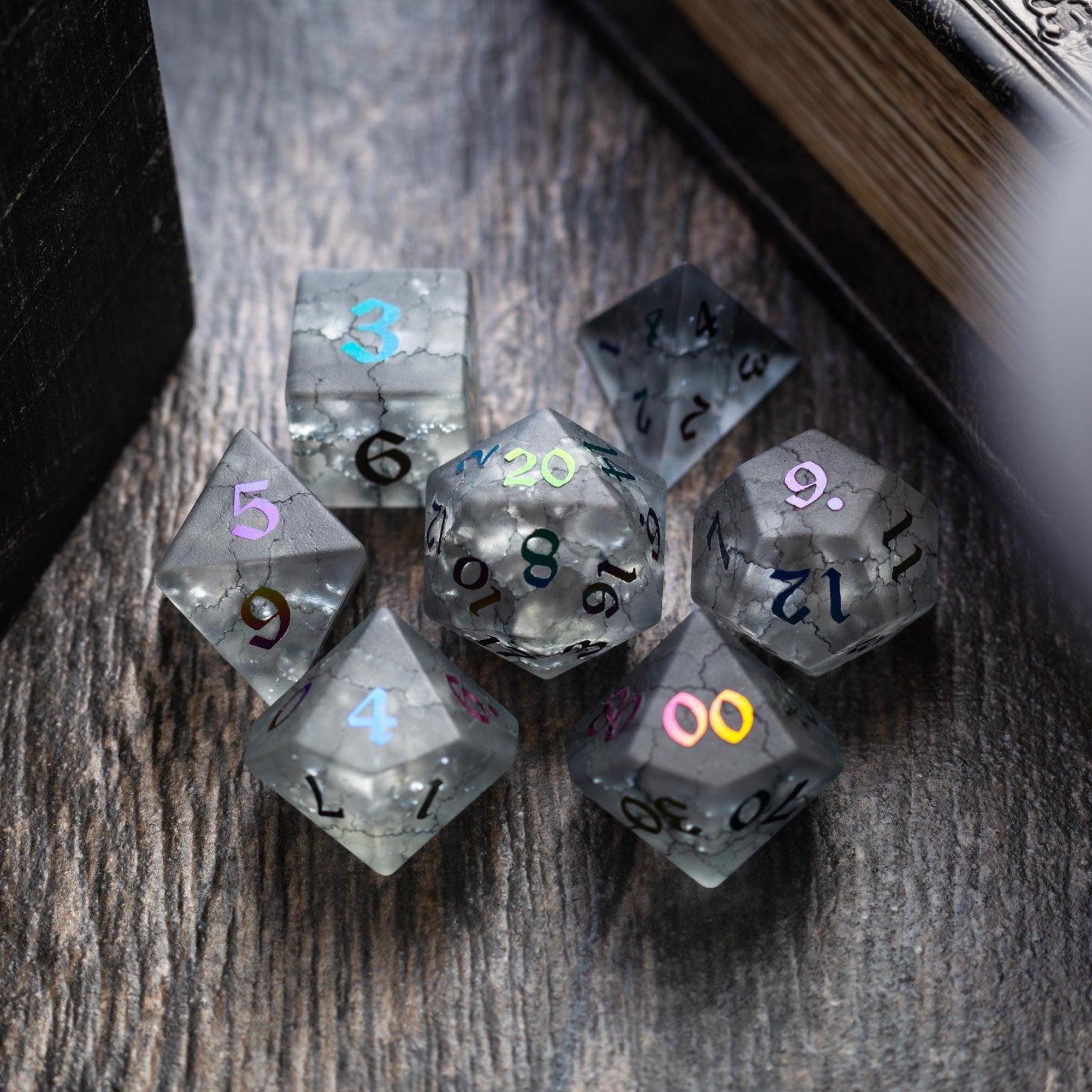
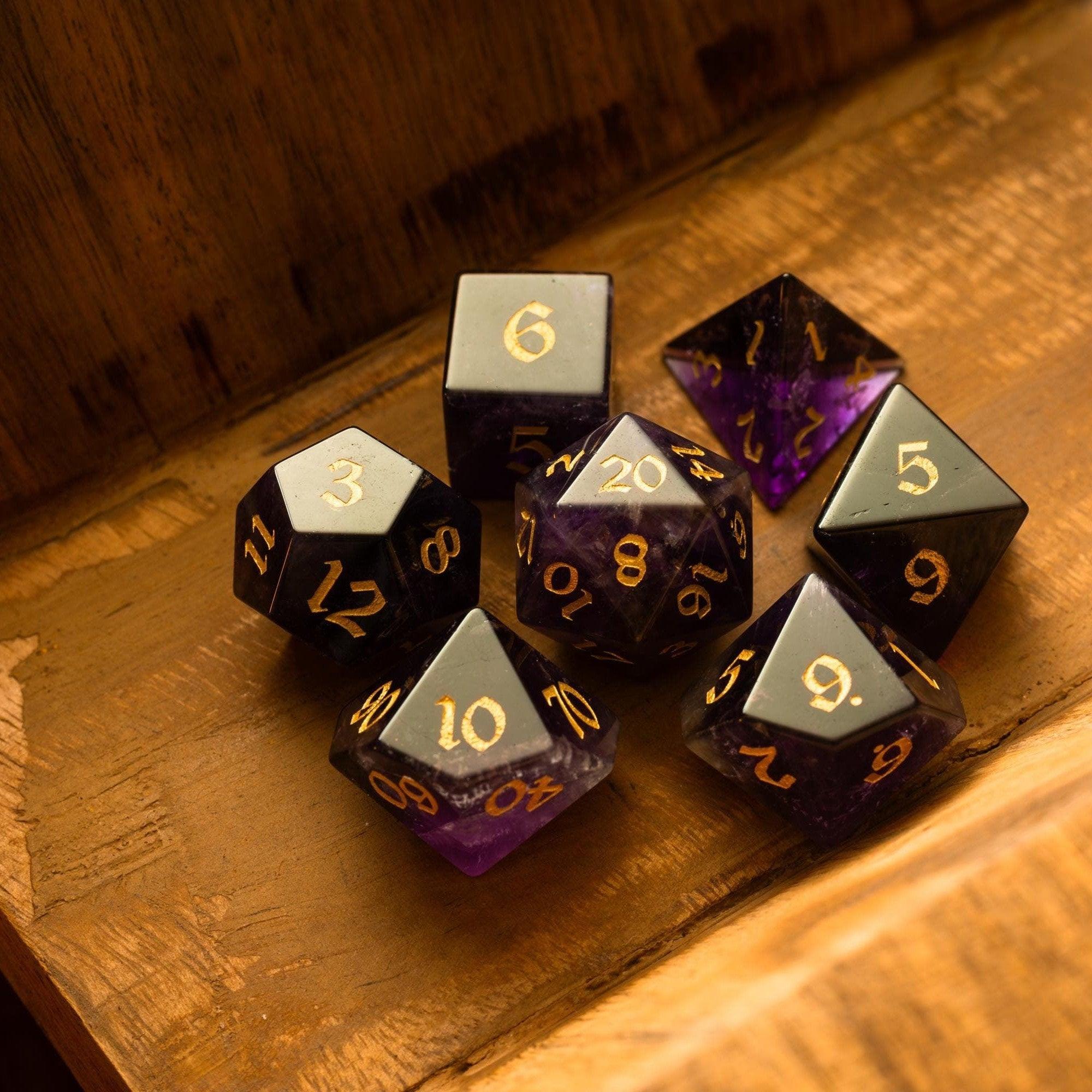
Dice Recommendations from Runic Dice
The right DND dice set enhances the experience of playing a stormcaller. Here are some perfect storm-themed options:
- Stormcaller: For blue and white swirls resembling a raging storm, consider the Blue Glitter Liquid Core Sharp Edge Resin DND Dice Set. This set features vibrant blue hues with a dynamic liquid core, capturing the essence of a tempestuous sea.
- Lightning Surge: To match lightning magic with electric blue and silver tones, the Black Inked Lightning Cracked Glass DND Dice Set is an excellent choice. It showcases a striking cracked glass design with black inked numerals, evoking the raw energy of a lightning storm.
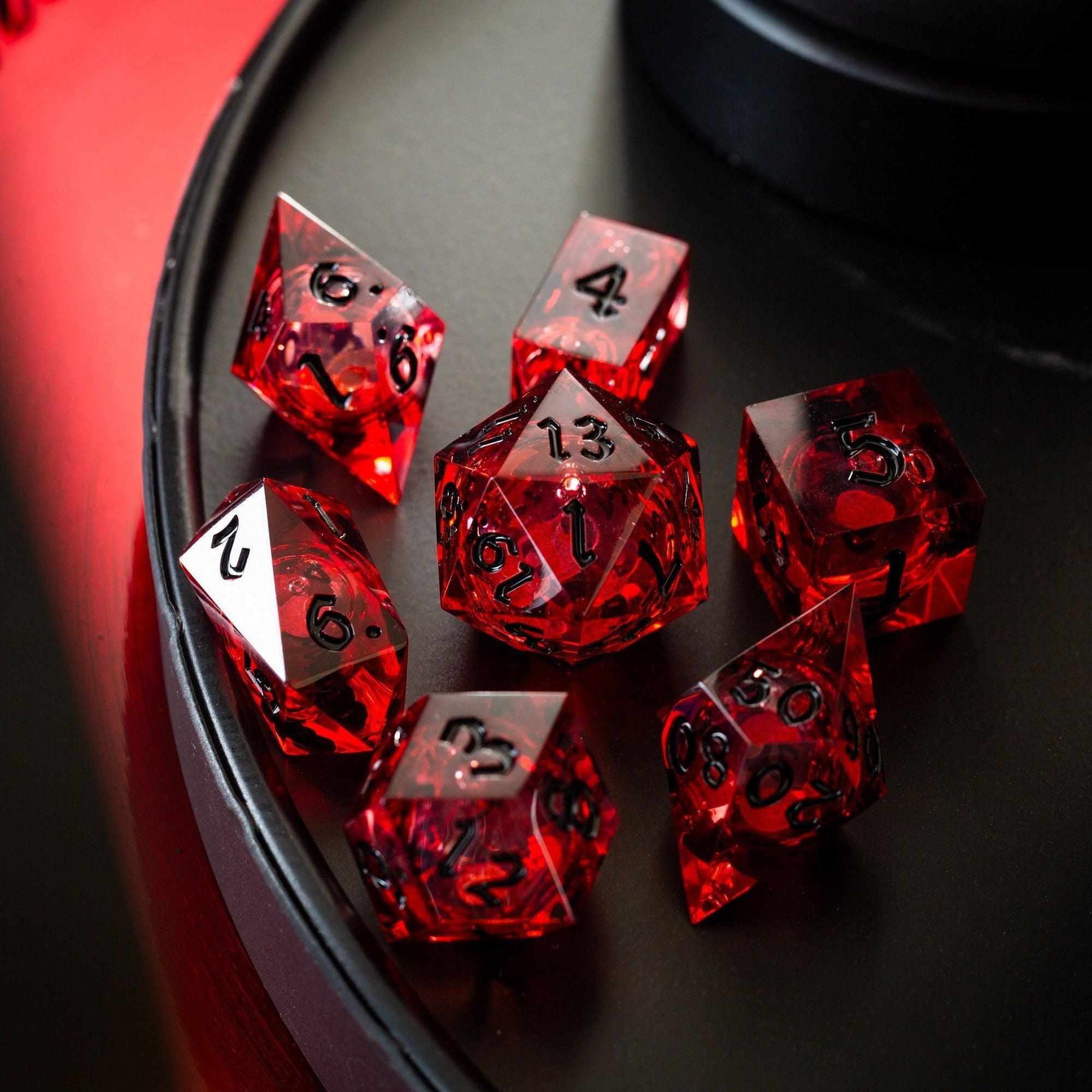
- Tempest Fury: Reflecting divine power with dark clouds and gold accents, the Red and Gold Glitter Liquid Core Resin DND Dice Set offers shimmering red and gold tones with a dynamic liquid core, symbolizing the might of a storm deity.
These gemstone dice and resin dice sets not only look incredible on the table but also connect thematically with the Tempest Cleric’s storm-powered identity.
Advanced Tips and Tricks
Feats
- War Caster – Maintain concentration while fighting in melee.
- Tough – Extra HP makes you tankier.
- Elemental Adept (Lightning) – Ignore lightning resistance, a huge boost to your damage.
Multiclassing
- Fighter (Champion or Battle Master) – Gain extra attacks and maneuvers.
- Sorcerer (Storm Sorcery) – Double down on storm magic with mobility boosts and spell variety.
Advanced Builds
- The Thunder Tank: Focus on heavy armor, Wrath of the Storm, and melee attacks with thunder smites.
- The Storm Blaster: Maximize Wisdom, stack lightning spells, and abuse Destructive Wrath.
- The Storm Herald: Hybrid build mixing battlefield control, healing, and mobility.
The Tempest Domain Cleric stands out as one of the most exciting and dynamic subclasses in D&D 5e. With the ability to deal massive damage, control the battlefield, and survive on the frontlines, it offers a playstyle that feels both powerful and cinematic.
If you want to call down lightning, command the storm, and stand as a divine force of nature, the Tempest Cleric is an unforgettable choice.











Leave a comment
This site is protected by hCaptcha and the hCaptcha Privacy Policy and Terms of Service apply.