
Death Domain Cleric Guide for Beginners: Mastering the Death Cleric in D&D 5e

The Death Domain Cleric channels necrotic magic to weaken enemies, strike at close range, and command the undead. First published in the 2014 Dungeon Master’s Guide as a villainous class option, this D&D 5e subclass remains an option for a 2026 campaign when the Dungeon Master approves it.
With the updated 5.5e Cleric rules, you choose your subclass at level 3 instead of level 1. That changes when you receive the Death Domain’s early features, but not its dark, combat-focused identity. Here is how to build and play one without mixing up the older subclass rules and the current Cleric class.
Why Play a Death Domain Cleric?
Key Benefits
- Necrotic damage: Combine damaging cantrips, spells, and Channel Divinity to pressure dangerous enemies.
- Two-target cantrips: Reaper can affect two nearby creatures with one qualifying necromancy cantrip.
- Undead servants: Animate Dead lets you create and direct skeletons or zombies.
- Close-range options: Martial weapons and melee spell attacks give you ways to fight near the front line.
- Character stories: Play a forbidden priest, graveyard guardian, or servant of a frightening god.
The Death Domain favors offense, but you are still a Cleric. Healing, protective spells, and emergency support remain part of your toolkit.
Core Features
Key Mechanics and Abilities
Important for 2026: Under the updated Cleric rules, you receive the Death Domain’s original level 1 and 2 subclass benefits together at level 3. Later features arrive at levels 6 and 17. The old level 8 Divine Strike is handled through the Cleric’s level 7 Blessed Strikes feature instead.
Bonus Proficiencies (Original Level 1; Now Level 3)
The Death Domain grants martial weapon proficiency. If you chose Protector through Divine Order at level 1, you already have that proficiency, along with heavy armor training. Thaumaturge instead improves your cantrip and knowledge-focused options.
Reaper (Original Level 1; Now Level 3)
Learn one necromancy cantrip from any spell list. It counts as a Cleric cantrip for you. When you cast a necromancy cantrip that normally targets one creature, Reaper can target two creatures within the spell’s range and within 5 feet of each other.
Toll the Dead works well against two clustered foes. Chill Touch is another thematic option, but its updated version has Touch range, so both targets must be within your reach.
Channel Divinity: Touch of Death (Original Level 2; Now Level 3)
When you hit with a melee attack, you can expend Channel Divinity to add necrotic damage equal to 5 + twice your Cleric level. At level 6, that is 17 additional damage. A melee weapon attack or a melee spell attack, such as Chill Touch, can qualify.
Be careful with Inflict Wounds: its updated version requires a Constitution saving throw rather than an attack roll, so it does not trigger Touch of Death.
Inescapable Destruction (Level 6)
Necrotic damage from your Cleric spells and Channel Divinity ignores resistance to necrotic damage. It does not overcome immunity, and it does not automatically apply to every other source of necrotic damage.
Divine Strike and Blessed Strikes (Level 7)
With the updated Cleric, choose Divine Strike to add 1d8 necrotic or radiant damage to one weapon hit on your turn, or Potent Spellcasting to add your Wisdom modifier to Cleric cantrip damage. At level 14, Improved Blessed Strikes enhances your chosen option. Do not stack the older Death Domain Divine Strike with this new feature.
Improved Reaper (Level 17)
When you cast a necromancy spell of levels 1–5 that normally targets one creature, you can instead target two creatures within range and 5 feet of each other. If the spell consumes material components, supply them separately for both targets.
Death Domain Spells
The subclass also grants always-prepared spells, including False Life, Ray of Sickness, Blindness/Deafness, Ray of Enfeeblement, Animate Dead, Vampiric Touch, Blight, Death Ward, Antilife Shell, and Cloudkill. Use updated spell descriptions when playing under 5.5e rules.
Suggested Ability Scores
- Wisdom first: Improves spell attacks, spell save DC, and key Cleric abilities.
- Constitution second: Helps you survive melee combat and maintain Concentration.
- Strength or Dexterity third: Choose according to your weapons and preferred armor.
Recommended Species
Aasimar fits the divine theme and offers useful resistances. Human provides flexibility, while Reborn or Shadar-kai suit a death-themed character if your DM allows those older species options. Under 5.5e, your background helps determine ability score increases.
Playing as a Death Domain Cleric
Role in a Party
- Damage dealer: Use Reaper when enemies cluster and save Touch of Death for important hits.
- Undead controller: At Cleric level 5, Animate Dead creates skeletons or zombies. It requires no Concentration, but control normally lasts 24 hours unless renewed.
- Backup support: Keep practical Cleric spells prepared so your party is not left without healing or protection.
Tips for New Players
- Ask your DM about the subclass before building. It originated as a villain option and might not fit every campaign.
- Check whether a spell makes an attack roll or forces a saving throw before combining it with Touch of Death.
- Stay close enough to help allies, but avoid rushing into melee just because you have martial weapon proficiency.
- Discuss undead followers with your group, especially in towns where necromancy could cause trouble.
Roleplay Suggestions
You might be the Dark Acolyte guarding a forbidden shrine, the Necrotic Warlord seeking power over an undead army, or the Grim Reaper’s Chosen hunting those who cheat death. A Death Cleric does not have to behave cruelly in every scene, though the subclass’s original villainous framing makes a group discussion worthwhile.
For campaign connections, Remarkable Cults & Their Followers offers inspiration for secret orders, rival believers, and rituals tied to your character’s faith.
Gear and Dice Recommendations
Suggested Equipment
Weapons
- Greatsword or Greataxe: Strong two-handed choices for a Strength-focused Cleric.
- Mace or Quarterstaff: Practical alternatives when using a shield and holy symbol.
Armor
- Scale Mail or Half Plate: Medium armor choices that benefit from Dexterity, up to the usual +2 limit.
- Shield: Adds 2 to AC when equipped; Protector Clerics can also consider heavy armor.
Magic Items
- Amulet of the Devout: Improves Cleric spellcasting and provides an additional use of Channel Divinity.
- Pearl of Power: Helps recover a spell slot during the adventuring day.
- Cloak of Protection: Provides a useful defensive bonus to AC and saving throws.
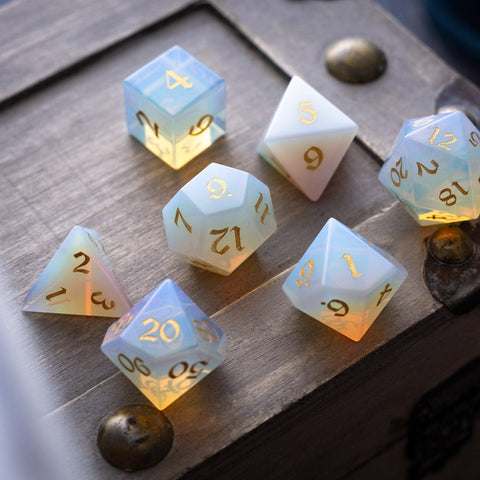
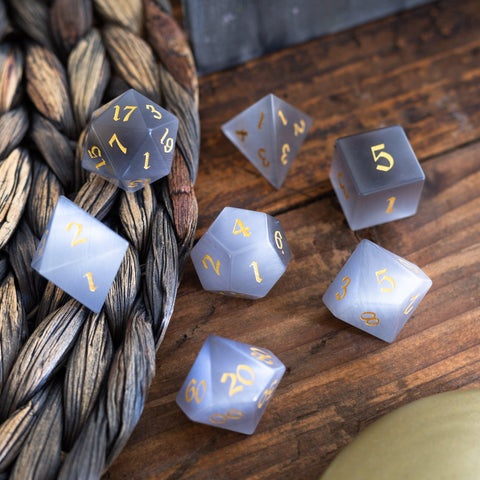
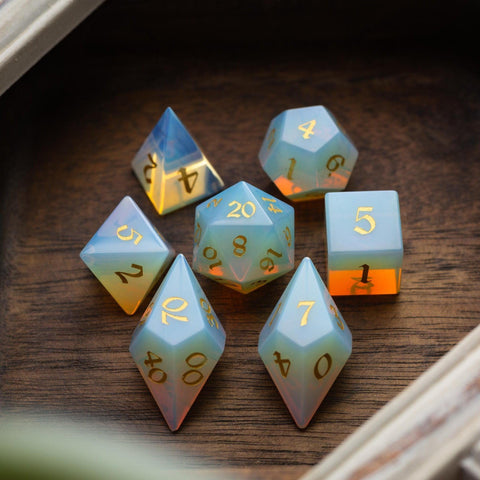
Dice Recommendations from Runic Dice
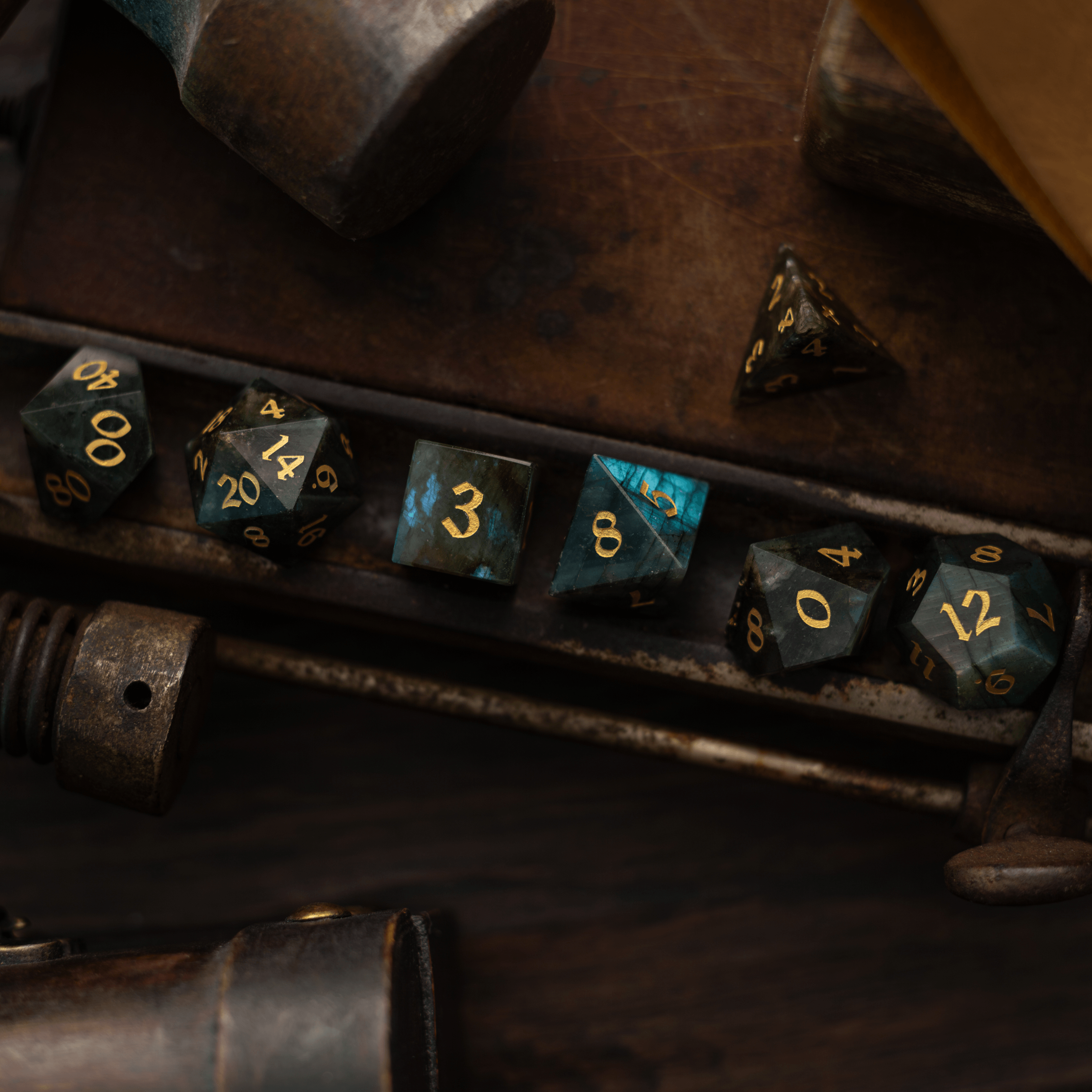
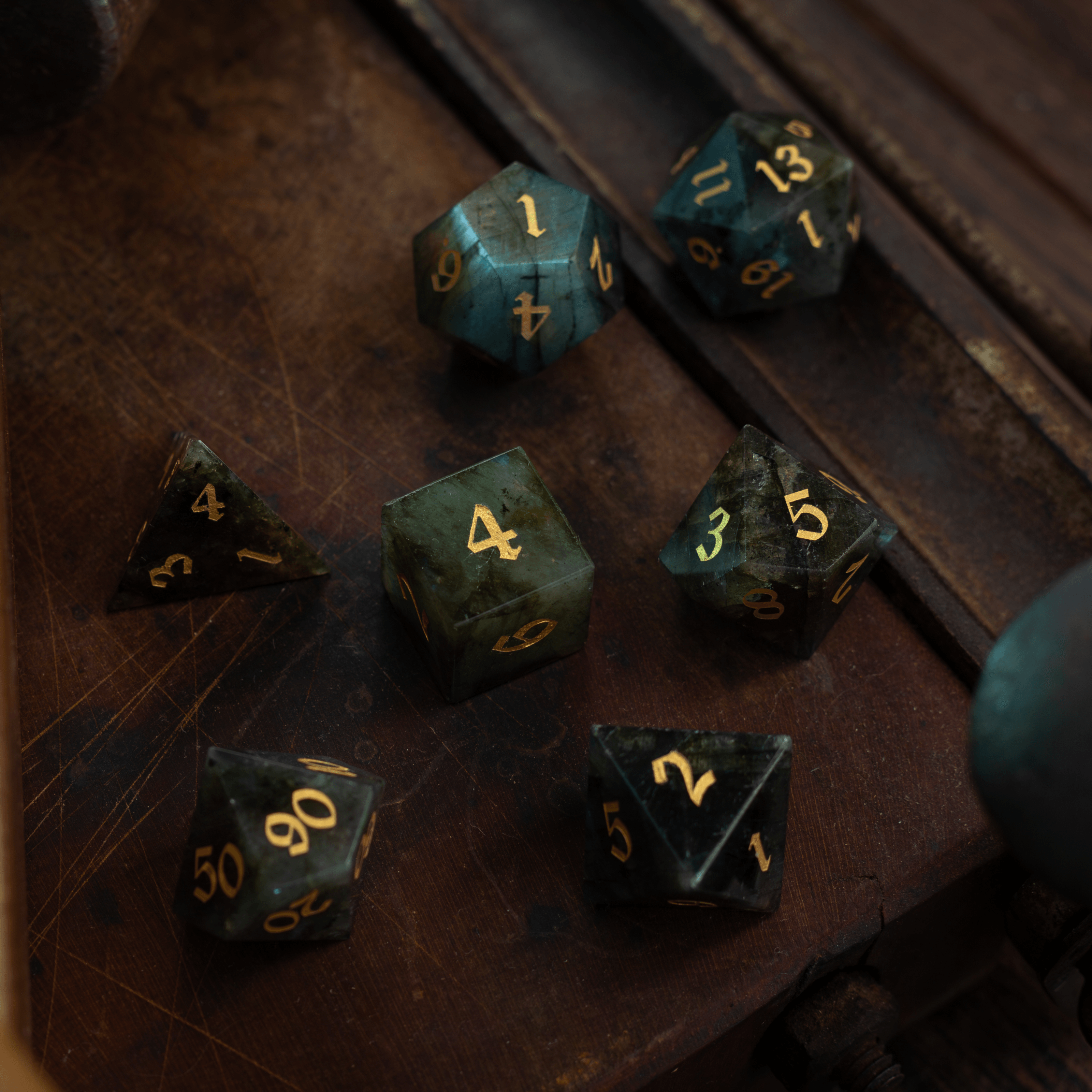
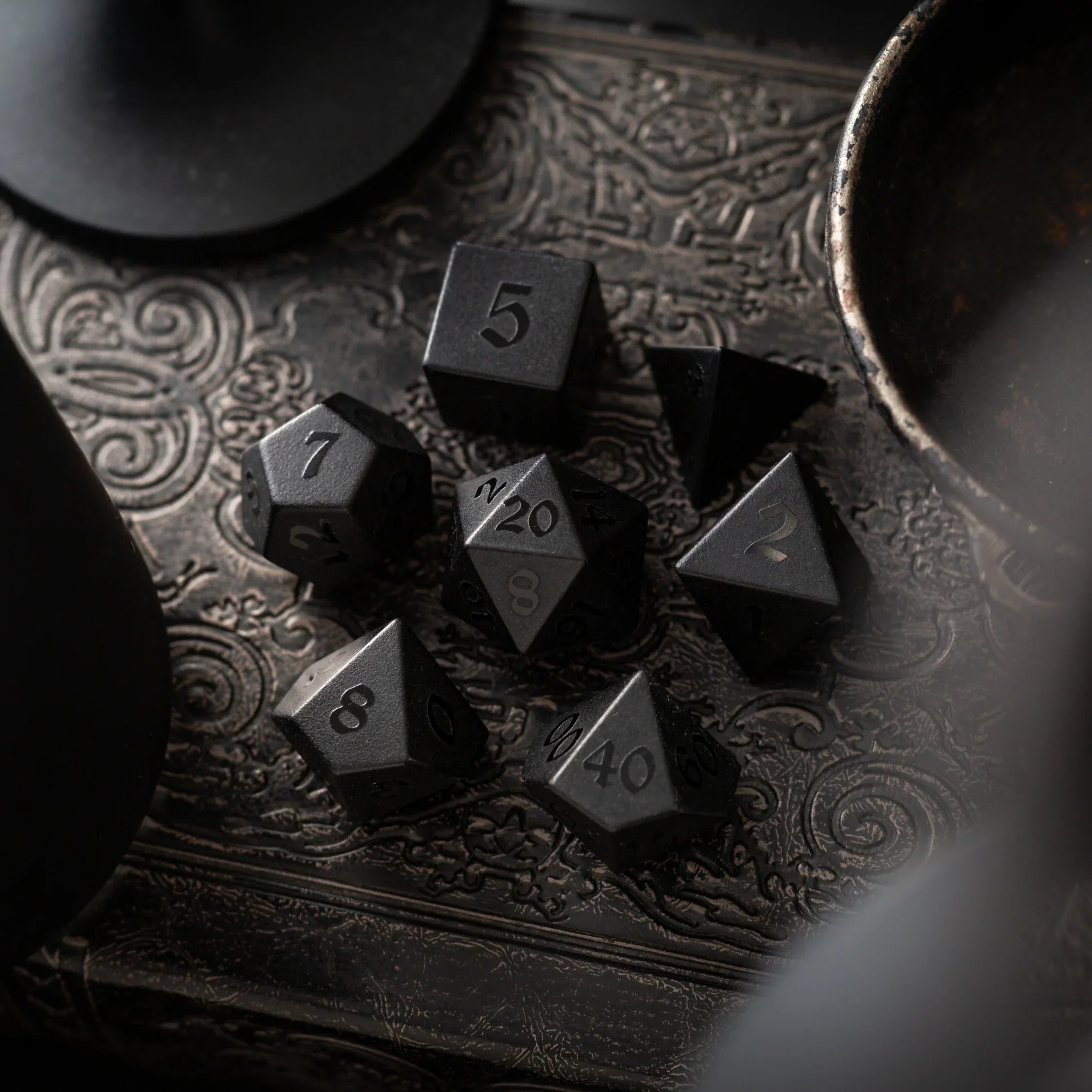
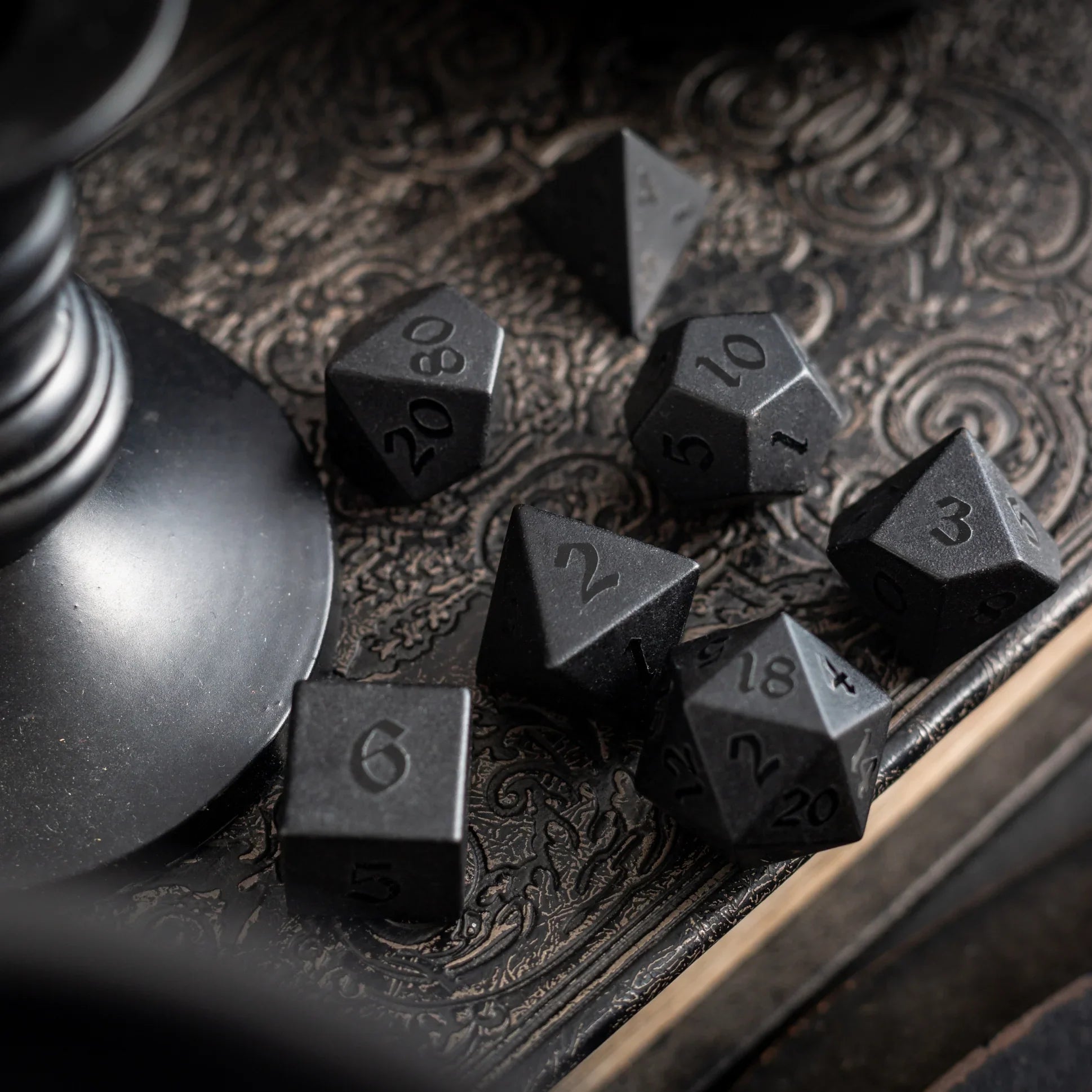
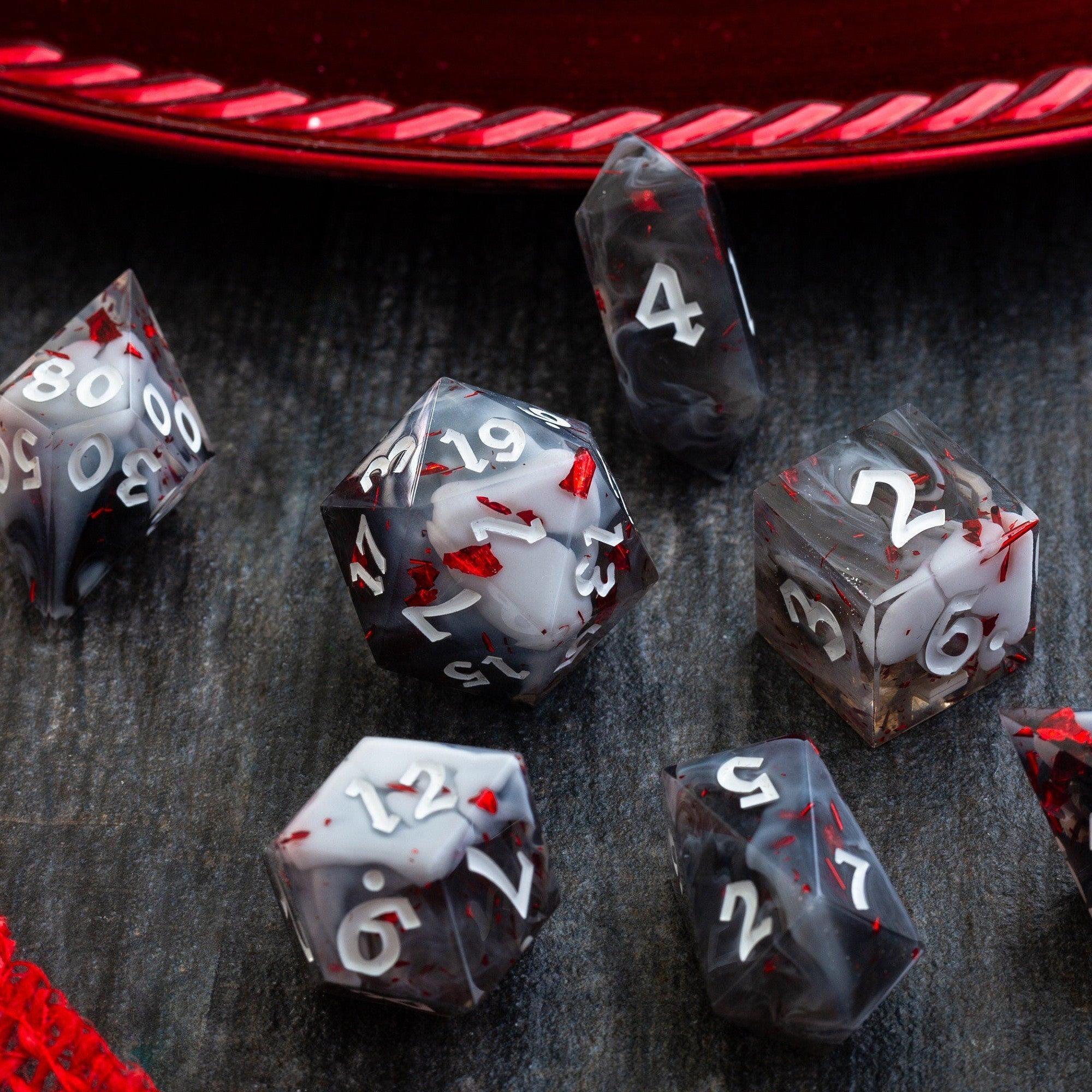
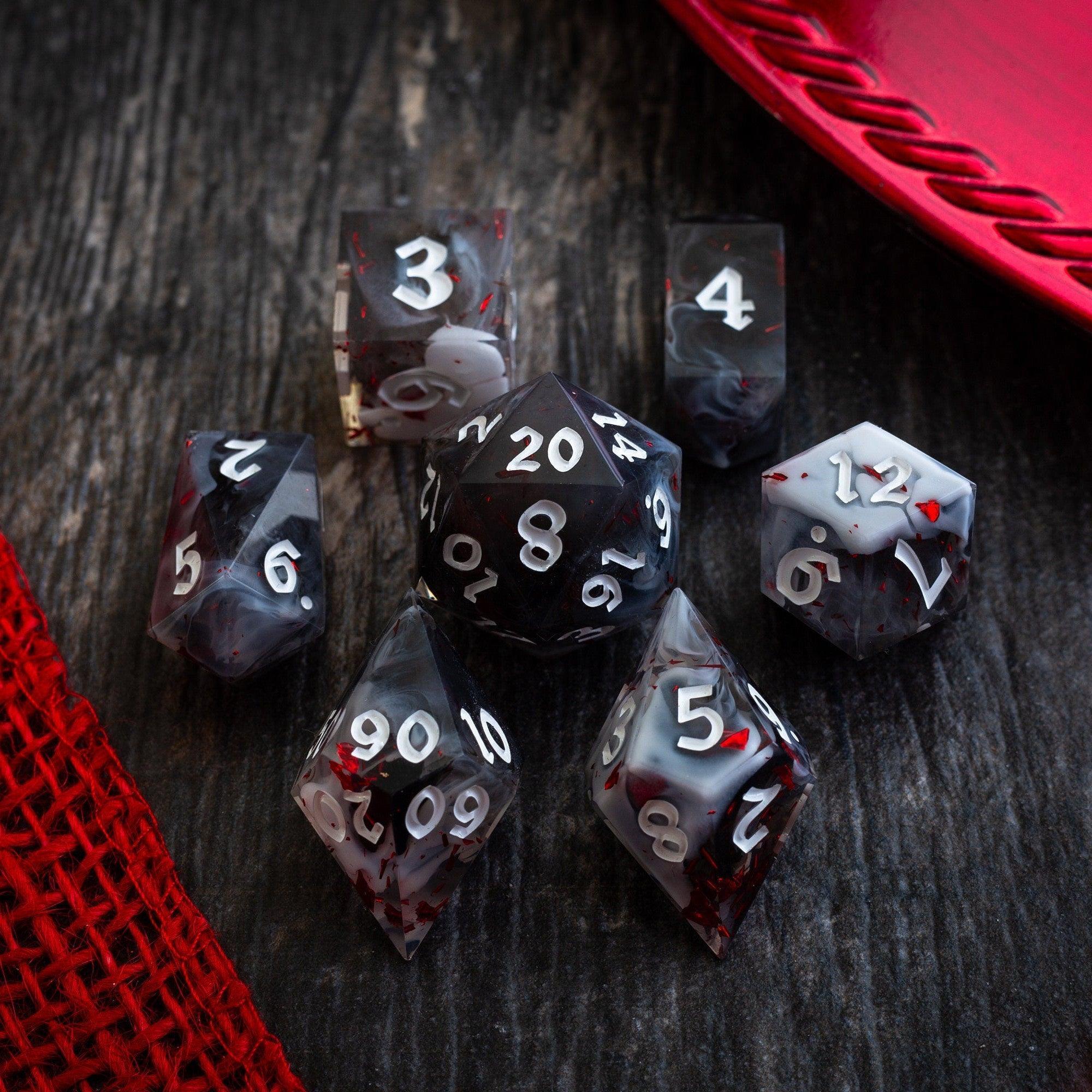
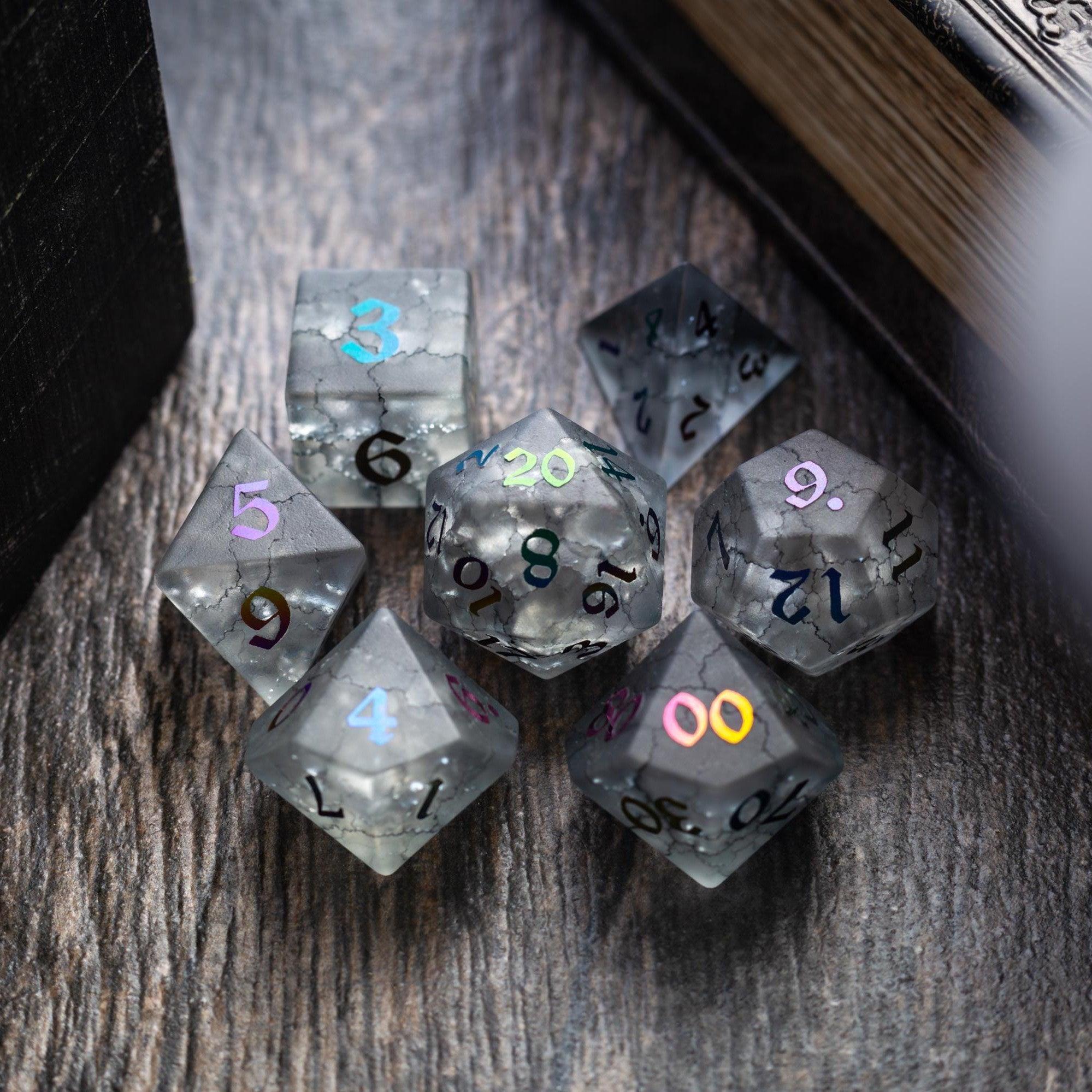
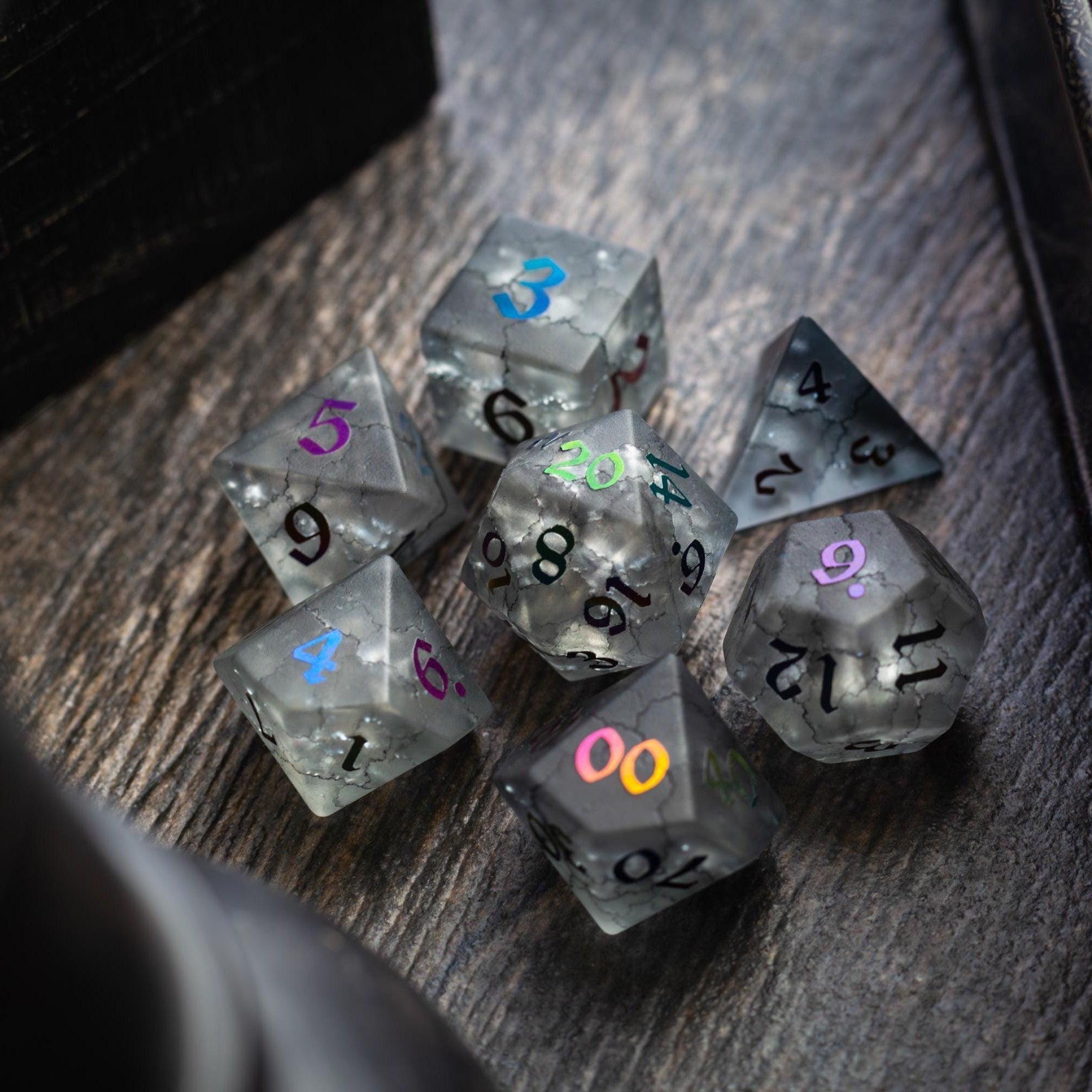
For a Death Domain Cleric, dark colors and stone-like finishes fit the character’s theme:
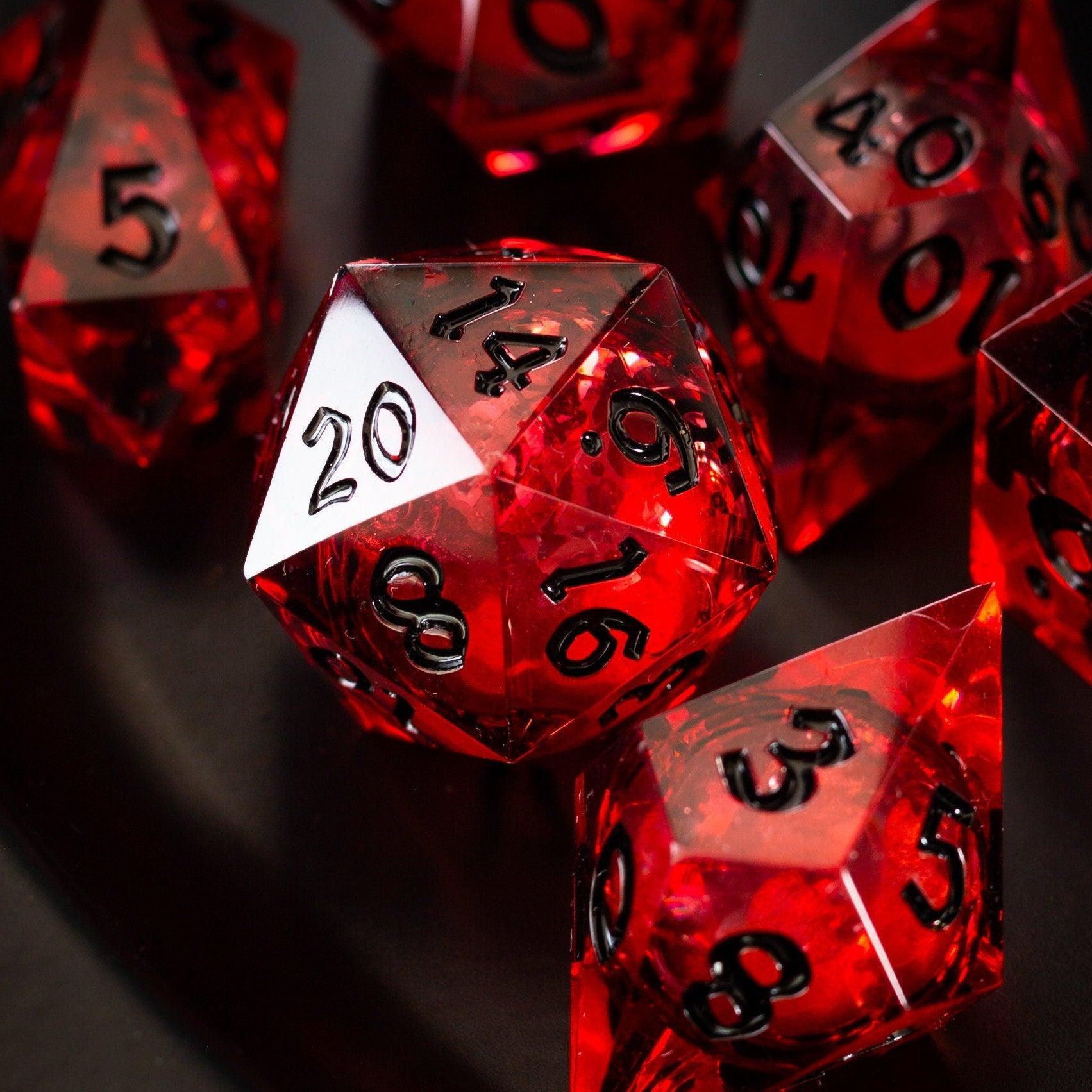
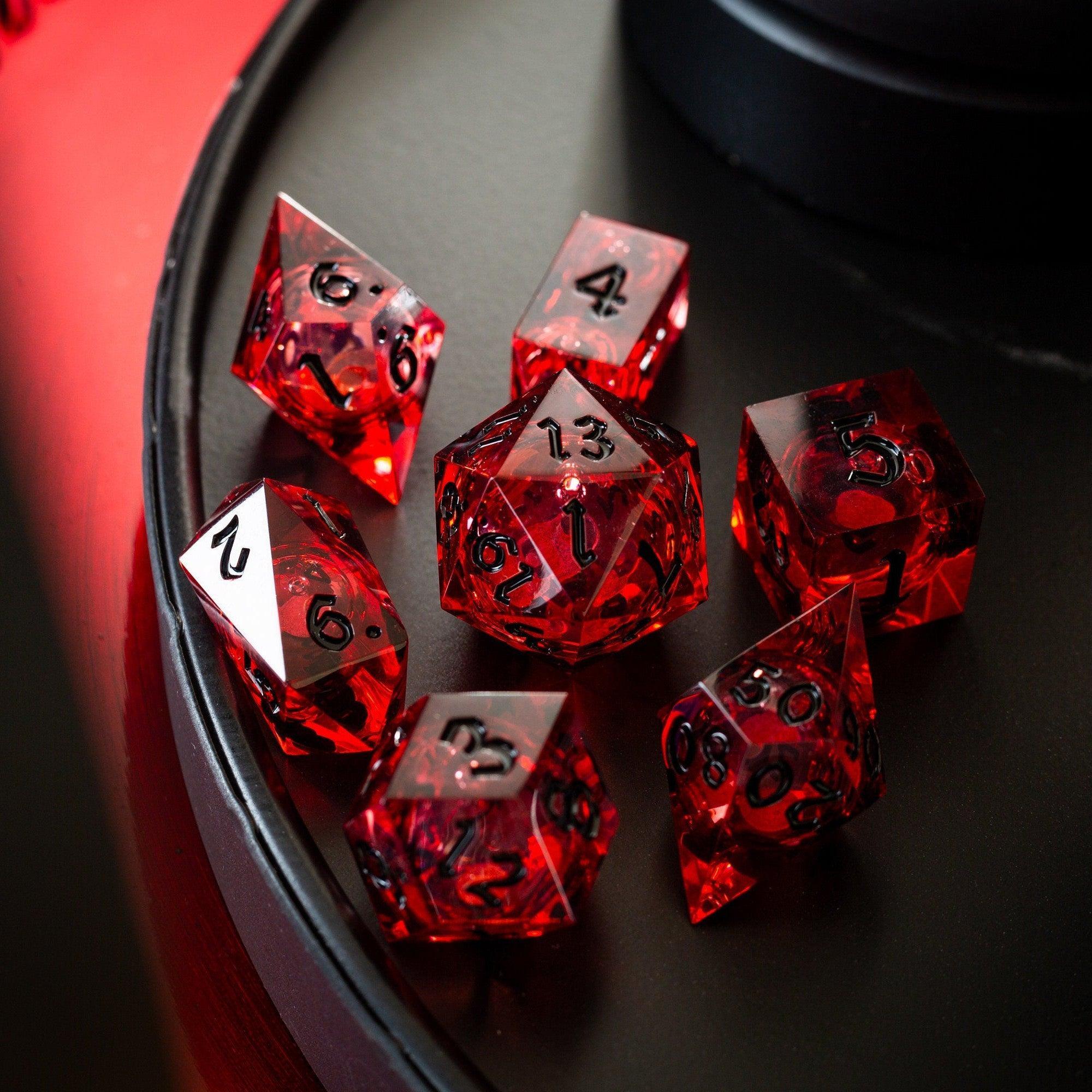
- Obsidian Death: For black and red hues evoking necrotic energy, consider the Synthetic Gemstone Two Tone Red/Black DND Dice Set. This set features a striking contrast of fiery red and enigmatic black, capturing the essence of necrotic power.
- Grim Reaper’s Call: To represent undeath with bone-colored dice featuring dark swirls, the Smoke and Blood Resin DND Dice Set is an excellent choice. It showcases a blend of smoky grays and deep reds, evoking the eerie presence of the Grim Reaper.
- Dark Runes: For purple and silver tones capturing forbidden magic, the Purple Gemstone Amethyst DND Dice Set offers a rich, royal purple hue with a polished finish, embodying the mystique of arcane secrets.
Advanced Tips and Tricks
Optimization Strategies
- War Caster: Helps you maintain Concentration on spells such as Spirit Guardians or Vampiric Touch. Animate Dead does not require Concentration.
- Tough: Adds hit points if you regularly stand near enemies. Raising Wisdom is often a better early investment for spell-focused builds.
- Multiclassing: Sorcerer or Paladin can support a particular character concept, but ability score requirements and delayed Cleric progression make staying single-classed easier for beginners.
The Death Domain Cleric rewards careful timing rather than nonstop aggression. Use your spells to control the fight, take opportunities for a strong melee hit, and remember that your allies may need your healing as much as your necrotic magic.







Leave a comment
This site is protected by hCaptcha and the hCaptcha Privacy Policy and Terms of Service apply.