
Trickery Domain Cleric Guide for Beginners: Mastering the Trickery Cleric in D&D 5e

The Trickery Domain Cleric is a divine trickster, channeling the power of deception, illusion, and mischief to confound enemies and aid allies. Introduced in the Player’s Handbook and substantially revised in the 2024 Player’s Handbook, this subclass is perfect for players who want to blend divine magic with stealth, deception, teleportation, and illusion-based trickery.
Unlike traditional Clerics who focus heavily on healing or protection, Trickery Clerics specialize in misdirection, subterfuge, and battlefield manipulation. If you love the idea of a cunning trickster-priest who deceives enemies and creates chaos while still supporting the party, this subclass is for you!
Why Play a Trickery Domain Cleric?
Key Benefits
- Stealth & Illusions – Gain Domain Spells focused on disguise, stealth, Enchantment, Illusion, and misdirection.
- Duplicate Yourself for Tactical Advantage – Create an illusory duplicate with Invoke Duplicity that can serve as the origin point for your spells.
- Invisibility & Teleportation – Domain Spells such as Invisibility support infiltration, while Trickster’s Transposition lets you teleport by swapping places with your duplicate.
- Excels in Social & Intrigue-Based Campaigns – Perfect for spies, con artists, infiltrators, and divine tricksters.
- Flexible Playstyle – Works as a control caster, sneaky spellcaster, support character, or illusion-focused Cleric.
Compared to other Clerics, Trickery Clerics play more like divine infiltrators and illusionists, using deception, mobility, and misdirection to control encounters.
Core Features
Key Mechanics and Abilities
Blessing of the Trickster (Level 3)
- 5e (2014): This feature was originally gained at level 1, couldn't target yourself, and lasted for 1 hour.
- Current 5.5e: You gain Blessing of the Trickster when you choose the subclass at level 3.
- As a Magic action, choose yourself or a willing creature within 30 feet.
- The target gains Advantage on Dexterity (Stealth) checks.
- The blessing lasts until you finish a Long Rest or use the feature again.
- Example: Before infiltrating an enemy stronghold, give the blessing to your Rogue. If you're scouting or sneaking yourself, you can now use the feature on your own Cleric instead.
This is a meaningful improvement over the 2014 version because you can finally benefit from your own stealth-focused subclass feature, and its duration is much longer. D&D Beyond confirms both changes.
Channel Divinity: Invoke Duplicity (Level 3)
- 5e (2014): Creating the duplicate required an Action and Concentration.
- Current 5.5e: As a Bonus Action, expend one use of Channel Divinity to create a perfect visual illusion of yourself in an unoccupied space you can see within 30 feet.
- The illusion is intangible and doesn't occupy its space.
- It lasts for 1 minute, but unlike the old version, it does not require Concentration.
- You can move the duplicate and reposition it around the battlefield.
- While it is active, you can cast spells as though you were in the illusion's space, although you still use your own senses.
- Example: Position the duplicate on the opposite side of a dangerous battlefield and use its location as the origin point for an appropriate spell without placing your actual Cleric there.
This is one of the subclass's largest improvements. Removing Concentration means Invoke Duplicity no longer competes with important Cleric Concentration spells, while changing its activation from an Action to a Bonus Action makes it much easier to establish during combat.
Channel Divinity: Cloak of Shadows (Level 6)
- 5e (2014): The original Trickery Cleric received Cloak of Shadows, allowing the Cleric to become temporarily Invisible.
- Current 5.5e: Cloak of Shadows has been removed.
- It is replaced by Trickster’s Transposition at level 6.
- Whenever you take the Bonus Action to create or move the illusion from Invoke Duplicity, you can teleport, swapping places with the illusion.
- This turns Invoke Duplicity into both a spell-positioning tool and a mobility feature.
- Example: Send your duplicate toward a safer position and then use Trickster’s Transposition to swap places with it, helping you escape an enemy or rapidly reposition.
You don't completely lose access to invisibility, either. The revised Trickery Domain's Domain Spell list includes Invisibility, replacing Mirror Image from the older version.
Divine Strike (Level 8)
- 5e (2014): Trickery Clerics originally received Divine Strike at level 8, adding Poison damage to weapon attacks.
- Current 5.5e: The subclass-specific Poison Divine Strike is no longer part of Trickery Domain.
- Instead, all current Clerics receive Blessed Strikes at level 7.
- Choose Divine Strike if you want to improve weapon attacks or Potent Spellcasting if you want to strengthen your Cleric cantrips.
- Divine Strike adds 1d8 Radiant or Necrotic damage to a weapon hit once on each of your turns.
- At level 14, Improved Blessed Strikes improves your chosen option.
- For many spell-focused Trickery Clerics, Potent Spellcasting can be a natural fit, while a weapon-oriented build can choose Divine Strike.
Improved Duplicity (Level 17)
- 5e (2014): The original version allowed you to create multiple duplicates.
- Current 5.5e: Improved Duplicity instead makes your single duplicate significantly more useful.
- When you or one of your allies attacks a creature within 5 feet of the illusion, the attacker has Advantage on that attack roll.
- When Invoke Duplicity ends, you can restore Hit Points equal to your Cleric level to yourself or a creature within 5 feet of the illusion.
- Example: Place your duplicate next to an important enemy so your party can gain Advantage when attacking that creature, then use the healing effect when the illusion disappears.
The current feature is therefore very different from the old "four duplicates" capstone.
These abilities make Trickery Clerics excellent at battlefield deception, stealth, unusual spell positioning, and mobility while still retaining the full Cleric spellcasting toolkit.
Suggested Ability Scores
- Primary: Wisdom – Boosts Cleric spell attacks, spell save DCs, and important class abilities.
- Secondary: Dexterity – Enhances Stealth, initiative, Dexterity saving throws, and AC when using appropriate armor.
- Tertiary: Constitution or Charisma – Constitution improves survivability and Concentration, while Charisma supports a character who regularly uses Deception and other social skills.
Recommended Races
Since Trickery Clerics focus on deception, stealth, illusions, and mobility, several species work especially well:
- Changeling – A compatible older species option whose shape-changing ability strongly complements a character focused on disguises and infiltration.
- Tiefling – The current Tiefling offers different Fiendish Legacies and innate magic, providing several thematic options for a deceptive divine caster. Current characters do not use the old species-based ability score bonuses.
- Elf – Current Elf lineages such as Drow and High Elf provide additional magical abilities that can complement an infiltration-focused Cleric.
- Human – The current Human gains an additional Origin Feat, providing excellent flexibility for a Trickery Cleric. This replaces the old Variant Human approach for current 5.5e characters.
Playing as a Trickery Domain Cleric
Role in a Party
- Illusion & Deception Specialist – Creates a duplicate, uses disguise and stealth magic, and misleads enemies.
- Support & Control Caster – Uses Cleric spells alongside Domain Spells such as Charm Person, Invisibility, Pass without Trace, Hypnotic Pattern, Dimension Door, and Modify Memory.
- Stealthy Spellcaster – Offers infiltration abilities that are unusual for the Cleric while retaining healing, support, and divine spellcasting.
Compared to other Clerics, Trickery Clerics focus on stealth, illusions, mobility, and battlefield misdirection rather than direct tanking.
Tips for New Players
- Use Invoke Duplicity often – It now uses a Bonus Action and doesn't require Concentration, making it substantially easier to combine with your other Cleric abilities.
- Use your duplicate to reposition spells – One of Invoke Duplicity's defining advantages is the ability to cast spells as though you occupied the illusion's space. Think about positioning rather than treating the duplicate as another creature.
- Pair with a Rogue or other attacker – At high levels, Improved Duplicity can grant Advantage against creatures near the illusion. Before level 17, however, the duplicate does not automatically create flanking or grant Advantage.
- Use Trickery in Roleplay – Disguise Self, Charm Person, stealth magic, and eventually Modify Memory can make you an excellent infiltrator and information gatherer.
Roleplay Suggestions
- The Divine Charlatan – A silver-tongued trickster who hides genuine divine power behind scams, disguises, and false identities.
- The Phantom Cleric – A mysterious priest who appears and disappears, leaving enemies unsure which image is real.
- The Illusionist Prophet – A divine trickster who uses deception and spectacle to teach lessons, expose arrogance, or perform apparent "miracles."
Gear and Dice Recommendations
Suggested Equipment
Weapons
- Daggers – Simple, concealable weapons that suit the deceptive, roguish playstyle.
- Quarterstaff – A practical Cleric weapon that fits a traveling mystic or trickster-priest.
- Rapier – Requires Martial weapon proficiency, so a current Trickery Cleric would need access from something such as the Protector Divine Order rather than receiving it from the subclass.
Armor
- Breastplate or Studded Leather – Useful options when you want to prioritize Stealth, since both avoid the Stealth Disadvantage imposed by some heavier armor.
- Shield – Clerics have Shield training, providing a useful AC increase when combat begins.
Magic Items
- Ring of Invisibility – A powerful Legendary magic item that can provide sustained invisibility, making it an extremely valuable high-level infiltration tool rather than something a character should expect to obtain early.
- Hat of Disguise – Allows you to cast Disguise Self from the item, reinforcing the Trickery Cleric's infiltration theme.
- Amulet of the Devout – Improves your Cleric spell attack rolls and spell save DC while also supporting Channel Divinity.
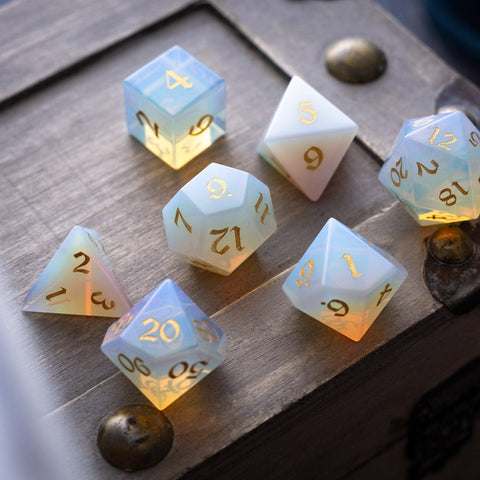
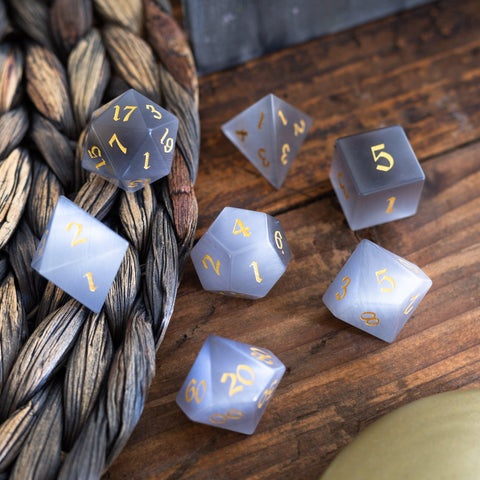
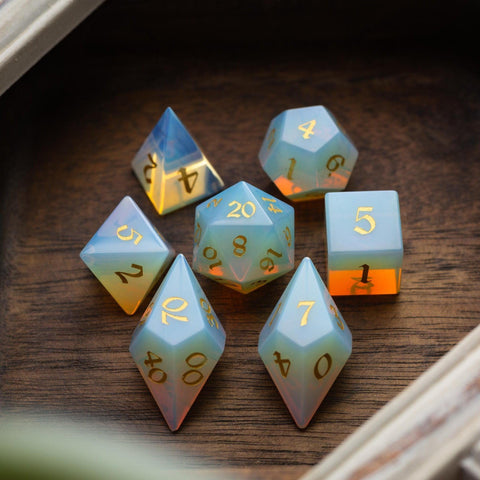
Dice Recommendations from Runic Dice
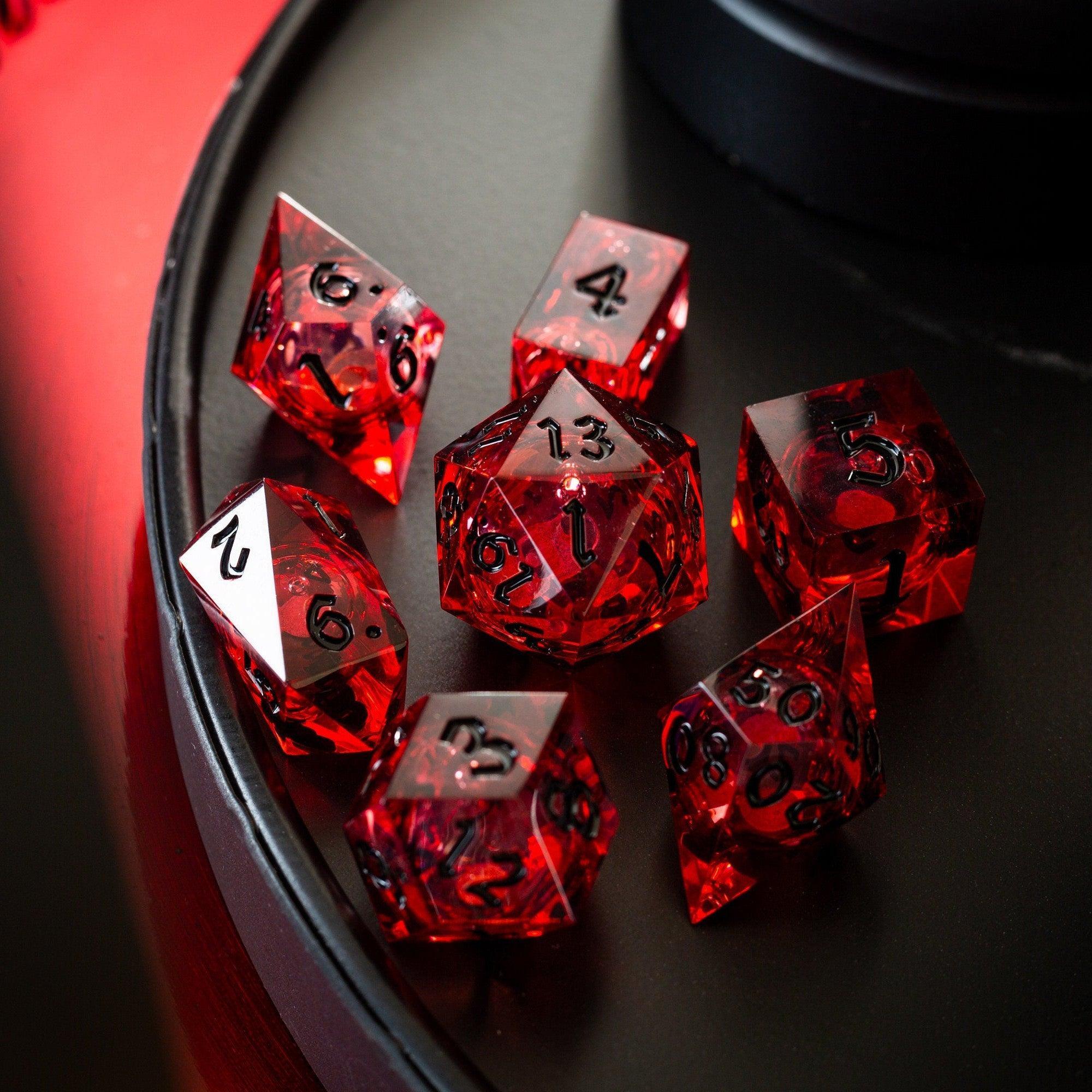
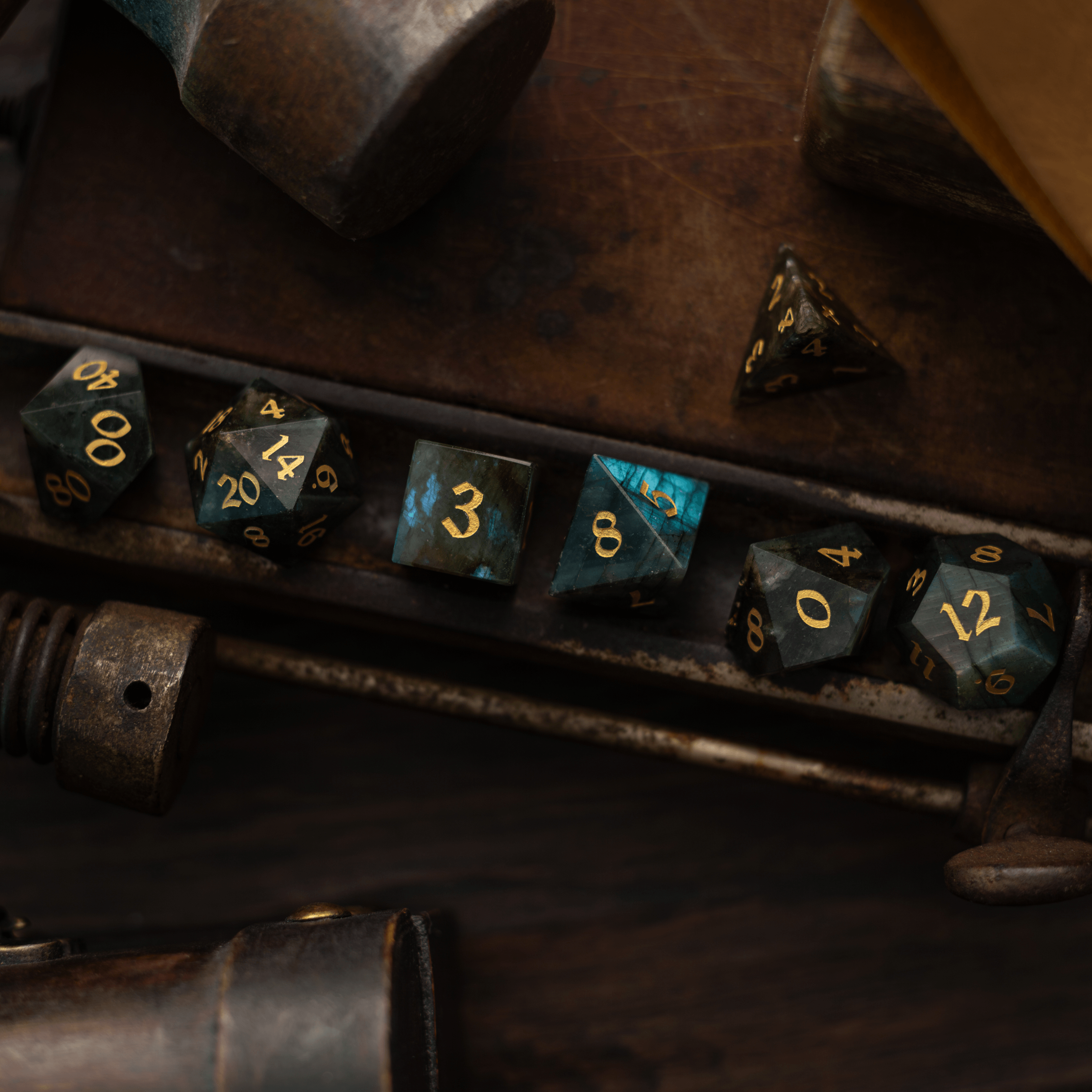
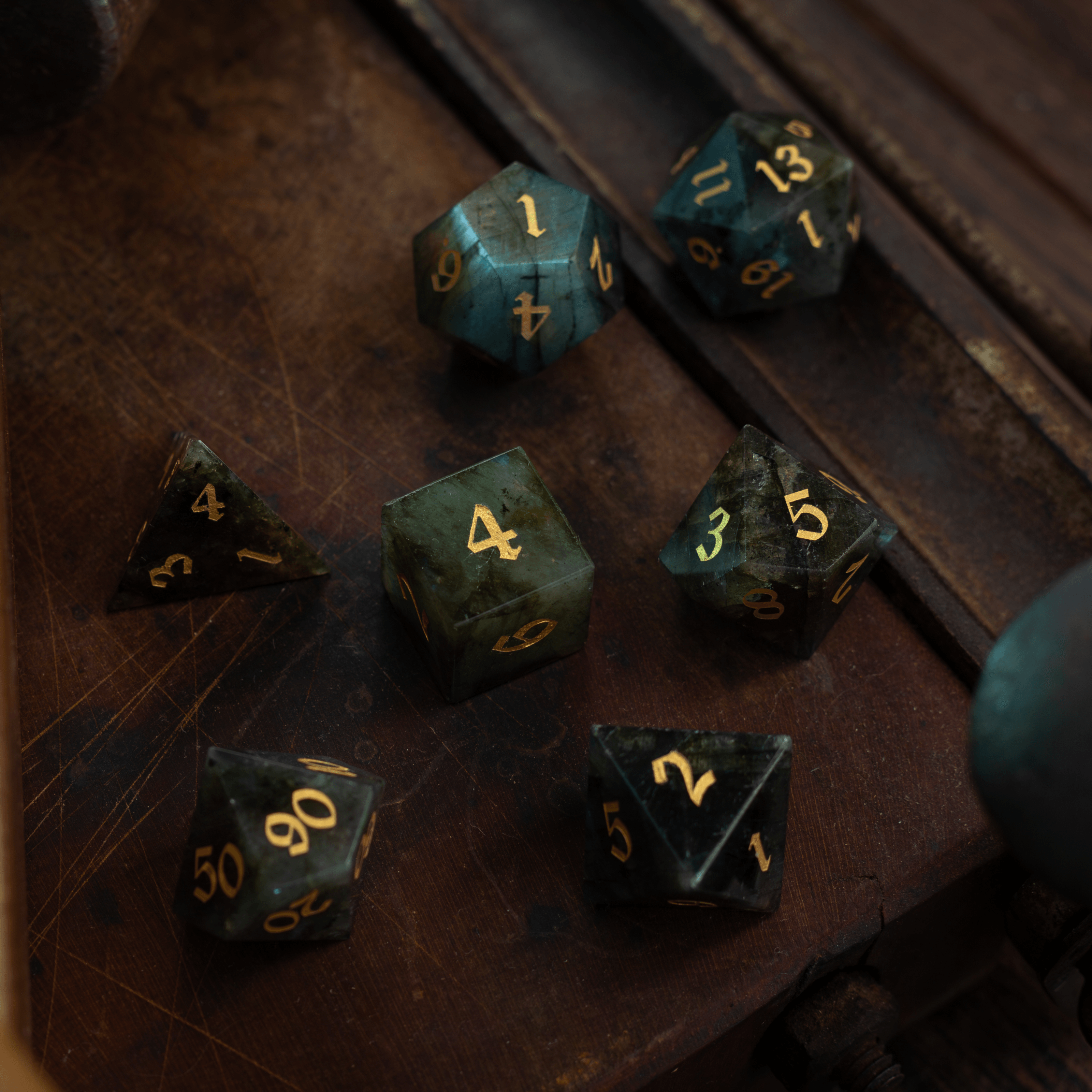
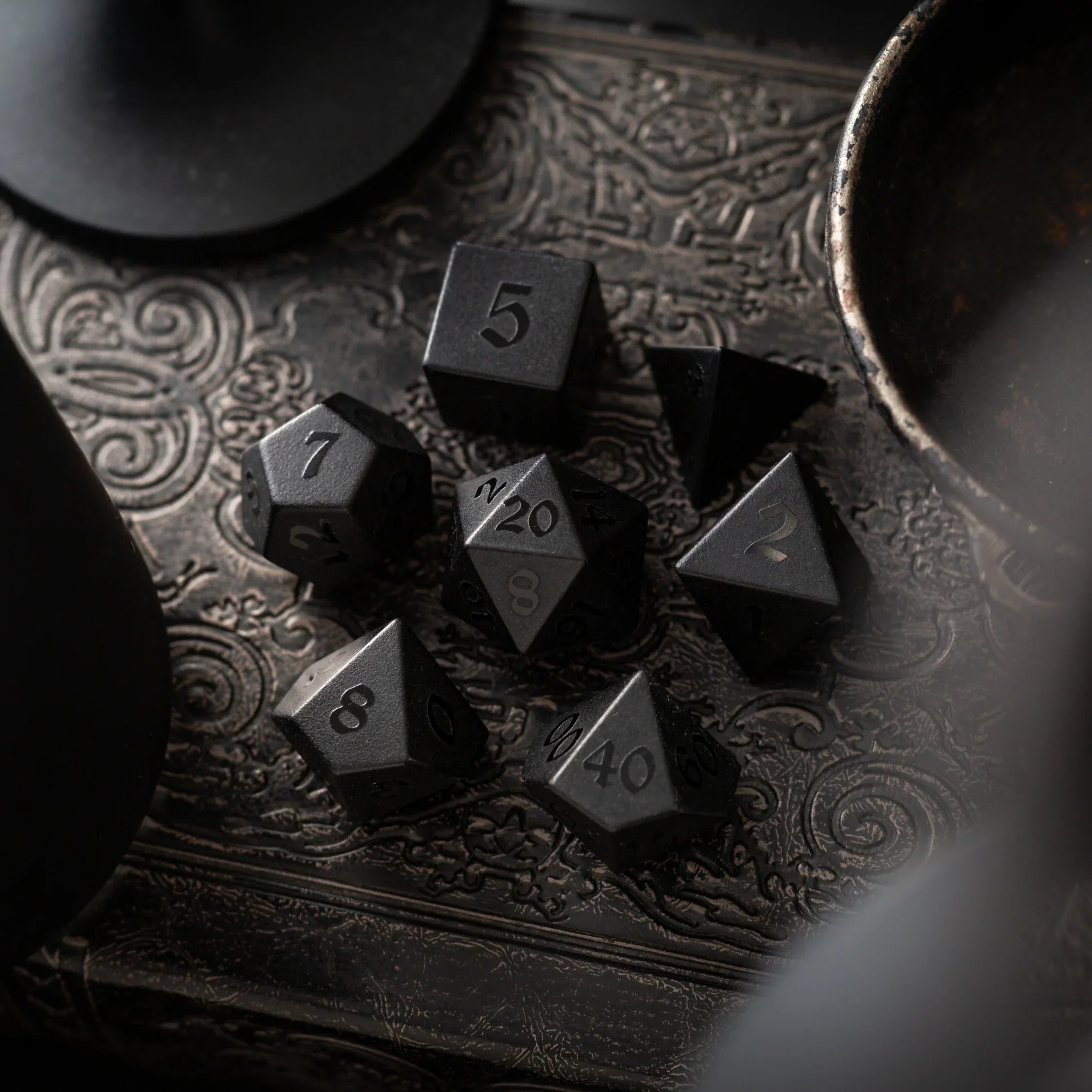
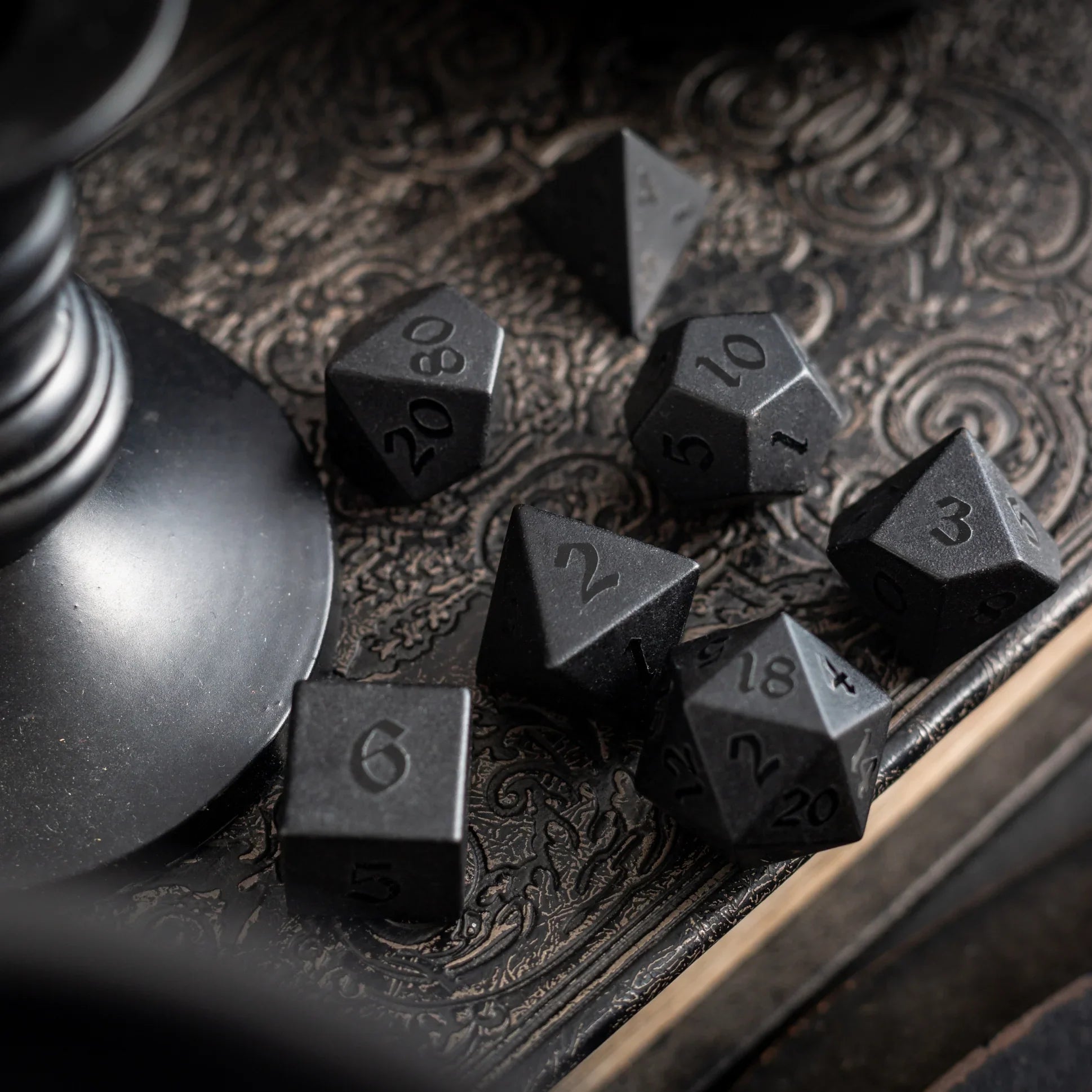
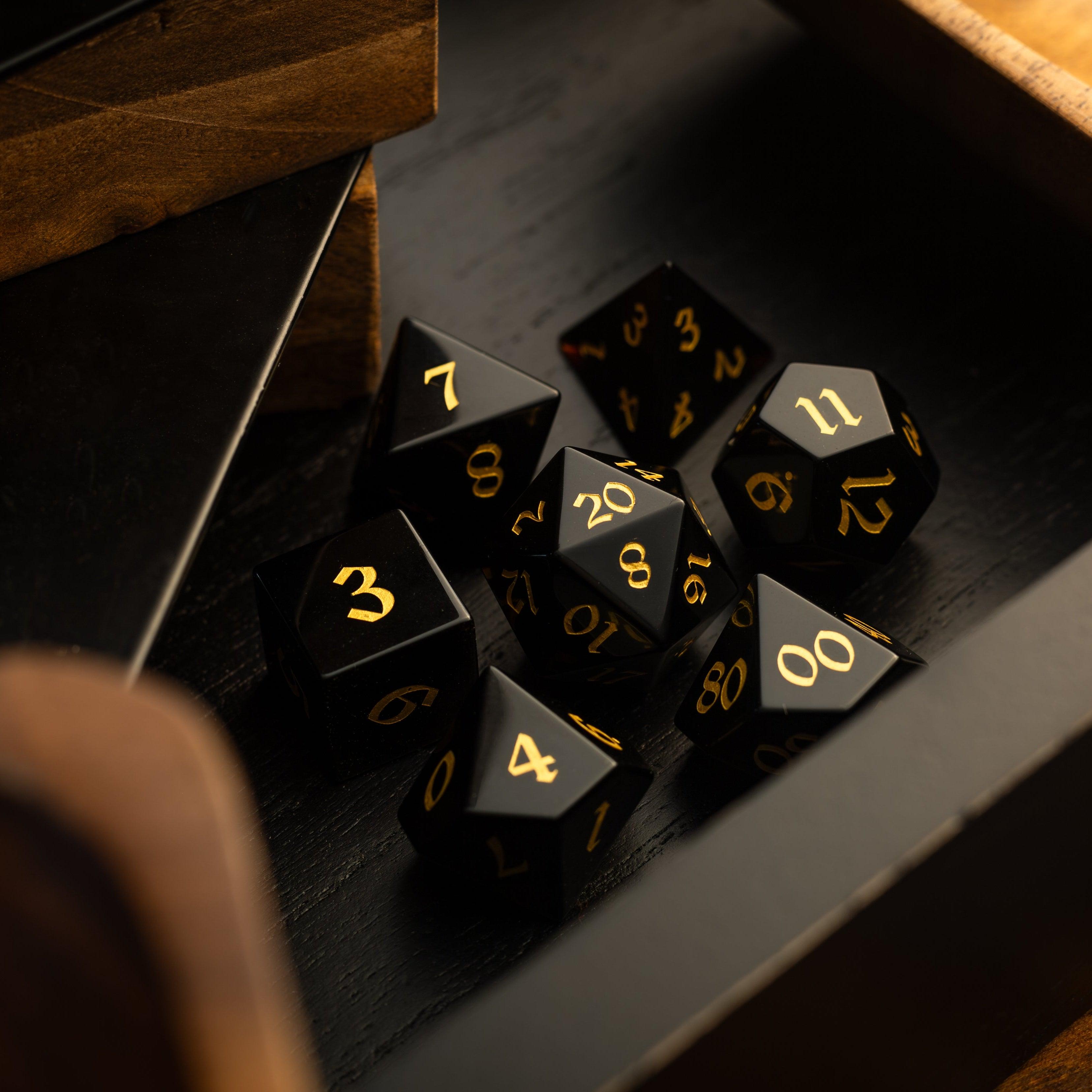
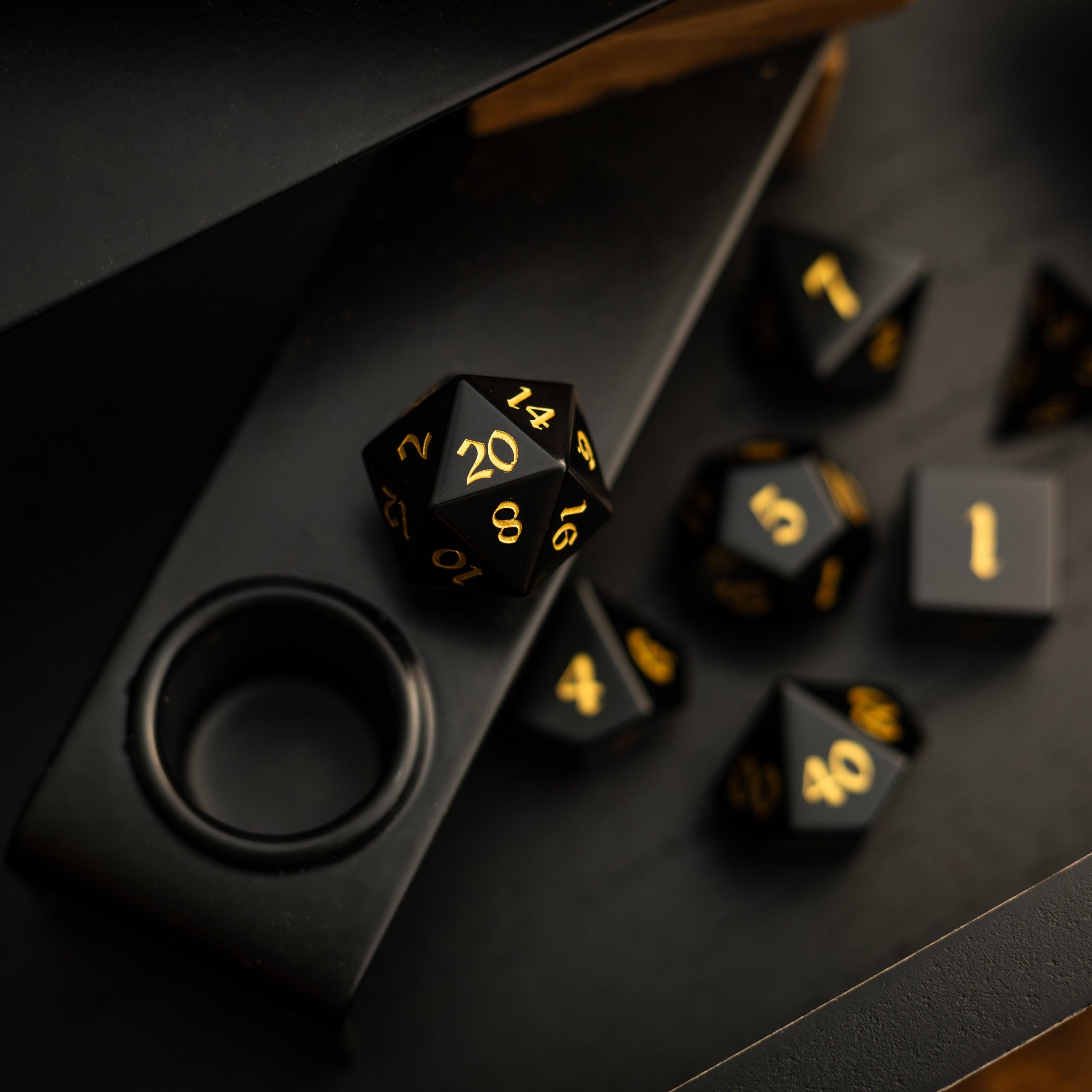
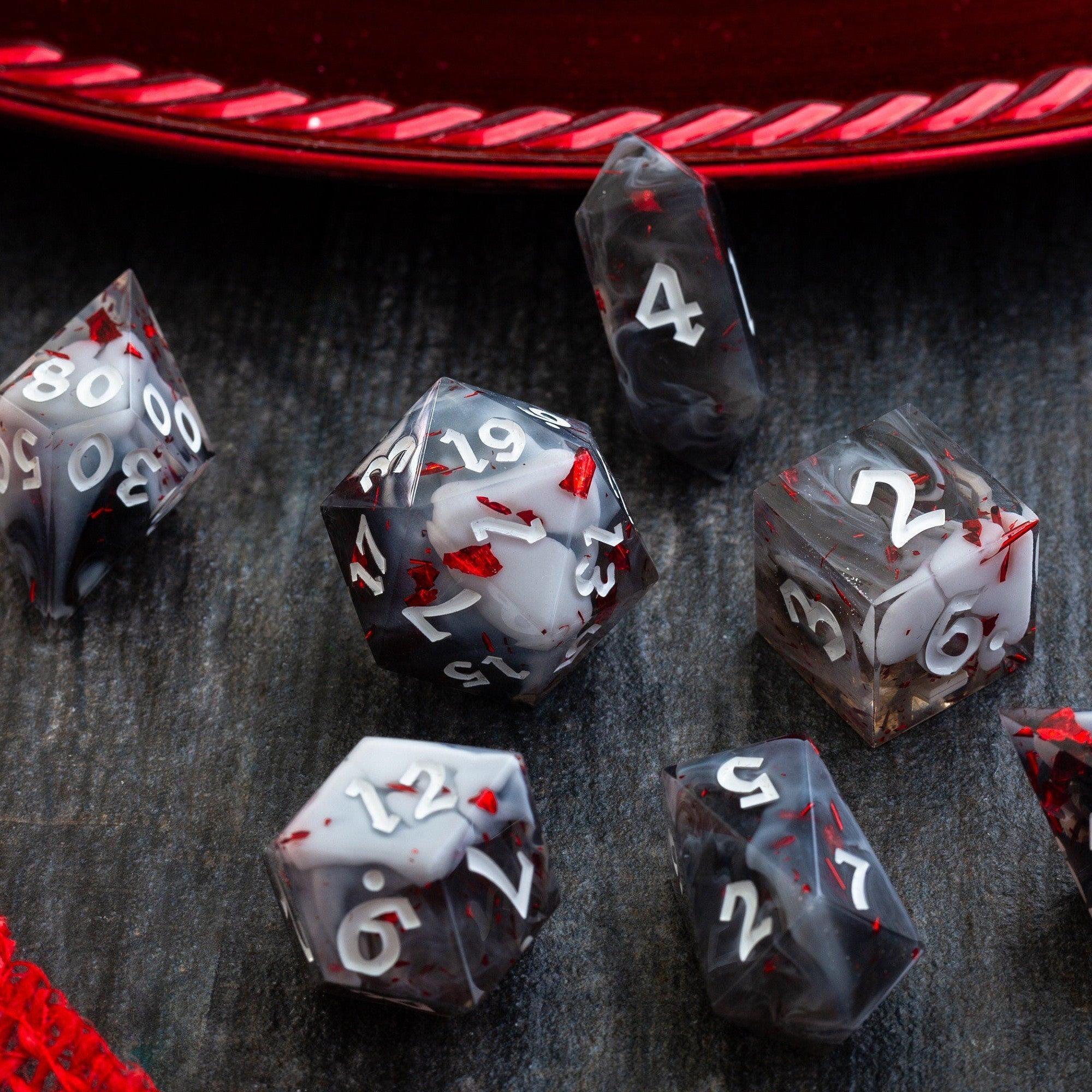
Trickery Clerics thrive on deception, illusion, and unpredictability. Every roll of the dice can mean the difference between a daring escape or a clever illusion, making the right DND dice set an important part of your table presence.
- Shadow Trickster: For dark purple and silver tones evoking deception and mystery, consider the Purple Gemstone Amethyst DND Dice Set. Handcrafted from genuine amethyst, these dice feature a rich purple hue, symbolizing the enigmatic nature of a trickster.
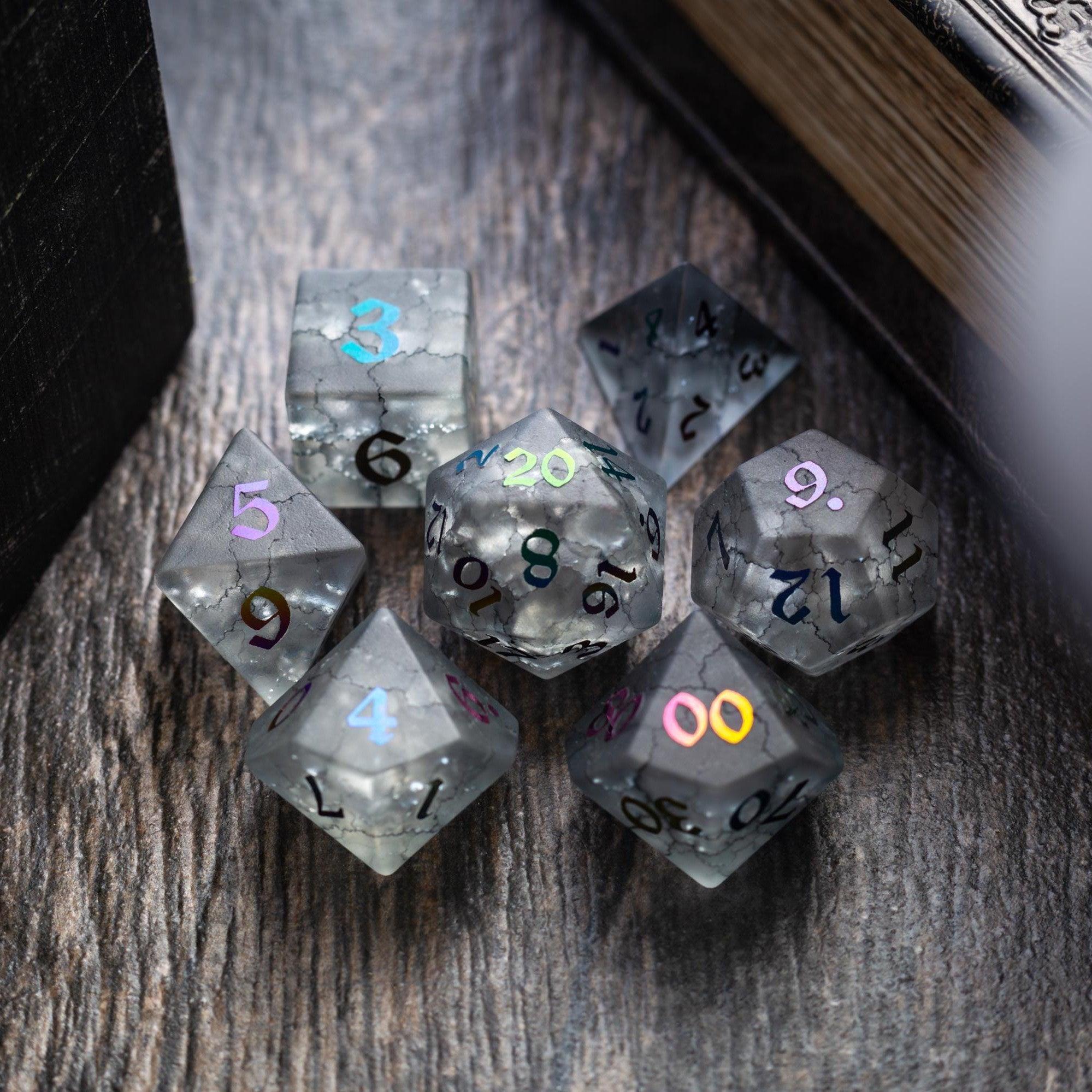
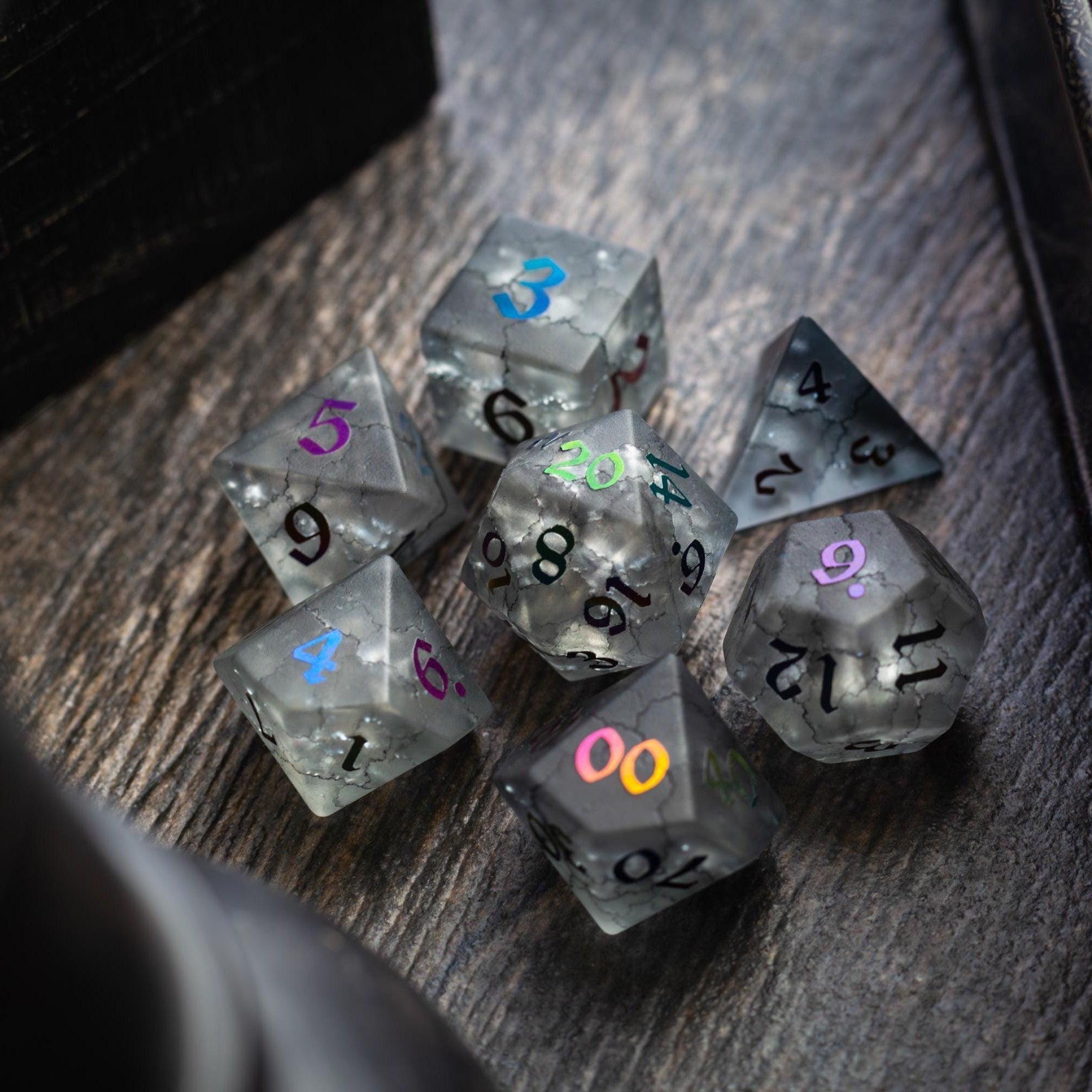
- Misdirection’s Gambit: To represent divine trickery with gold and black colors, the Black Inked Lightning Cracked Glass DND Dice Set is an excellent choice. This set showcases a striking cracked glass design with black inked numerals, capturing the essence of cunning and misdirection.
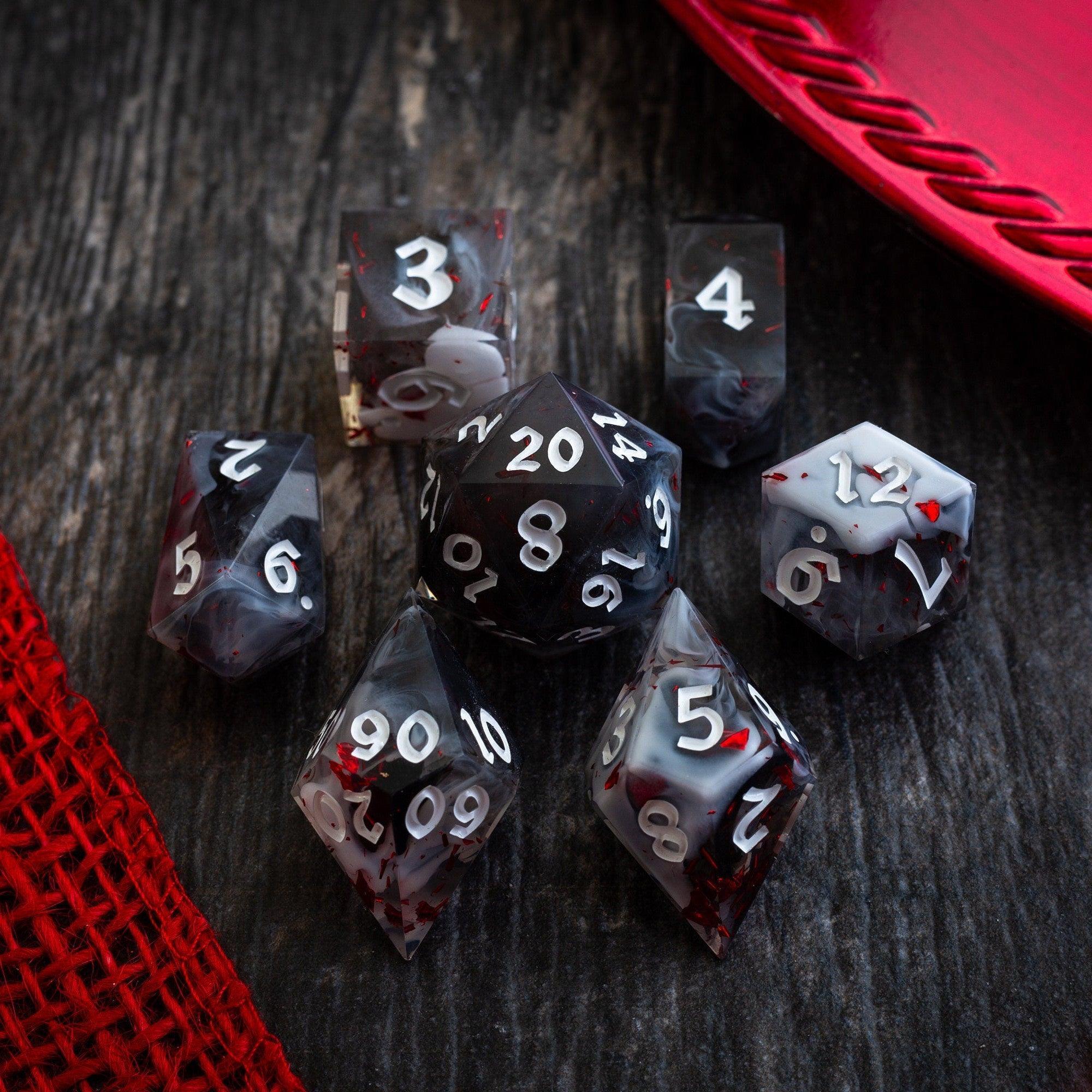
- Phantom Illusion: For swirling blues and grays mirroring illusion magic, the Blue Smoke Resin DND Dice Set offers deep blue tones with swirling patterns, embodying the ethereal nature of illusions.
Choosing dnd dice that feel slippery, shimmering, or unpredictable can add immersion to your character’s theme. Whether you’re casting Mirror Image to confuse enemies or Invoke Duplicity to outmaneuver them, your dice rolls should feel just as mischievous as your magic.
Advanced Tips and Tricks
Optimization Strategies
-
Feats:
- Lucky – The current Lucky Origin Feat provides Luck Points that can give you Advantage on D20 Tests or impose Disadvantage on attacks against you.
- Magic Initiate (Wizard) – Can provide additional Wizard magic for a more illusion-focused character. Choose your spells according to the current feat's spellcasting rules rather than relying on the old "Magic Initiate (Illusion)" terminology.
- War Caster – Particularly useful for a Cleric who expects to maintain Concentration while operating near enemies. Invoke Duplicity itself no longer requires Concentration, but many of your other important spells still do.
-
Multiclassing:
- Rogue – Can add Expertise and other roguish abilities to an infiltration-focused build, although multiclassing delays your Cleric spell and subclass progression.
- Bard – Can expand social, skill, and spellcasting options for a deceptive character, but requires Charisma investment and likewise delays higher-level Cleric abilities.
The Trickery Domain Cleric is one of the most unique and unconventional Cleric subclasses in current D&D 5.5e, excelling at deception, illusion magic, teleportation, stealth, and battlefield manipulation. The revised version is considerably smoother in combat than its 2014 predecessor because Invoke Duplicity now uses a Bonus Action and no longer requires Concentration, while Blessing of the Trickster can finally target the Cleric who uses it.
If you want to outwit enemies, infiltrate dangerous places, reposition through illusions, and support your party through divine trickery, the current Trickery Domain is an excellent choice.






Leave a comment
This site is protected by hCaptcha and the hCaptcha Privacy Policy and Terms of Service apply.