Forge Domain Cleric Guide for Beginners: Mastering the Forge Cleric in D&D 5e

The Forge Domain Cleric is a divine smith, channeling the power of gods associated with creation, fire, and craftsmanship. Introduced in Xanathar’s Guide to Everything, the Forge Domain remains available as a backward-compatible subclass for the current 5.5e Cleric in 2026. It is one of the most durable Cleric options, offering fire resistance, improved defenses, equipment-enhancing abilities, and strong thematic ties to smithing and creation.
Unlike other Clerics, Forge Clerics excel in durability, equipment enhancement, and fire-themed magic, making them well suited to players who want to stand strong on the battlefield while practicing the sacred art of craftsmanship. If you love the idea of a battle-hardened blacksmith who channels divine magic through weapons, armor, and flame, the Forge Domain Cleric is for you!
Why Play a Forge Domain Cleric?
Key Benefits
- Incredible Durability – Heavy armor through the Protector Divine Order, Fire Resistance, and AC-boosting abilities can make Forge Clerics extremely difficult to bring down.
- Enhance Weapons & Armor – Blessing of the Forge temporarily gives a nonmagical weapon or suit of armor a +1 magical bonus.
- Strong Melee & Spell Balance – Choose Protector for Martial weapons and Heavy armor, then combine weapon combat with full Cleric spellcasting.
- Fire-Themed Abilities – Gain Fire Resistance and Domain Spells such as Heat Metal and Wall of Fire.
- Great Roleplay Opportunities – Play as a divine blacksmith, sacred artisan, or battle-hardened craftsman.
Compared to other Cleric subclasses, Forge Clerics specialize in equipment enhancement, defensive durability, and fire-themed divine magic. Their features also fit naturally with the current 5.5e crafting rules, although the subclass does not automatically allow you to create permanent magic items.
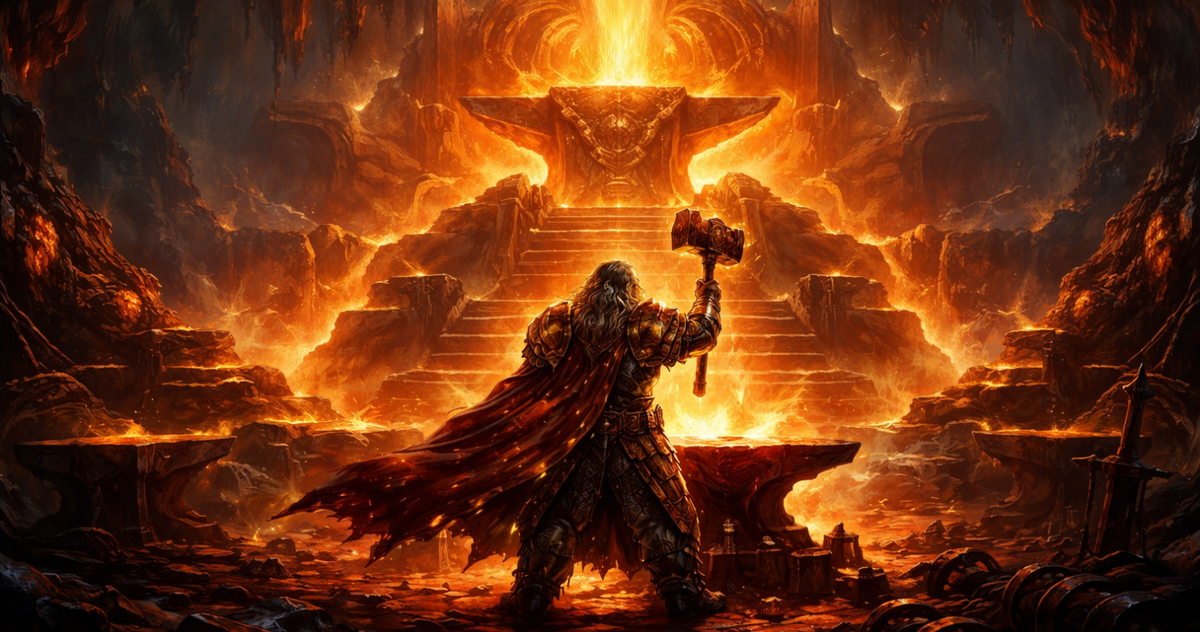
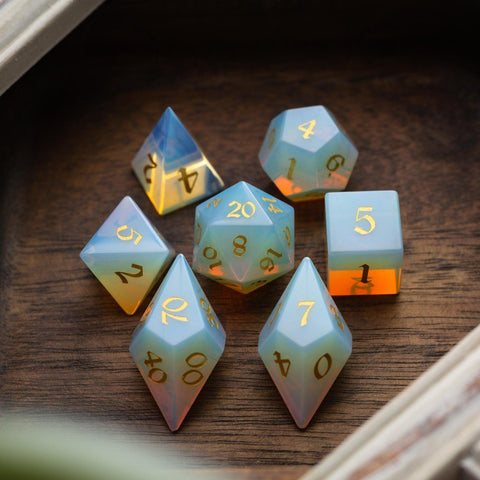
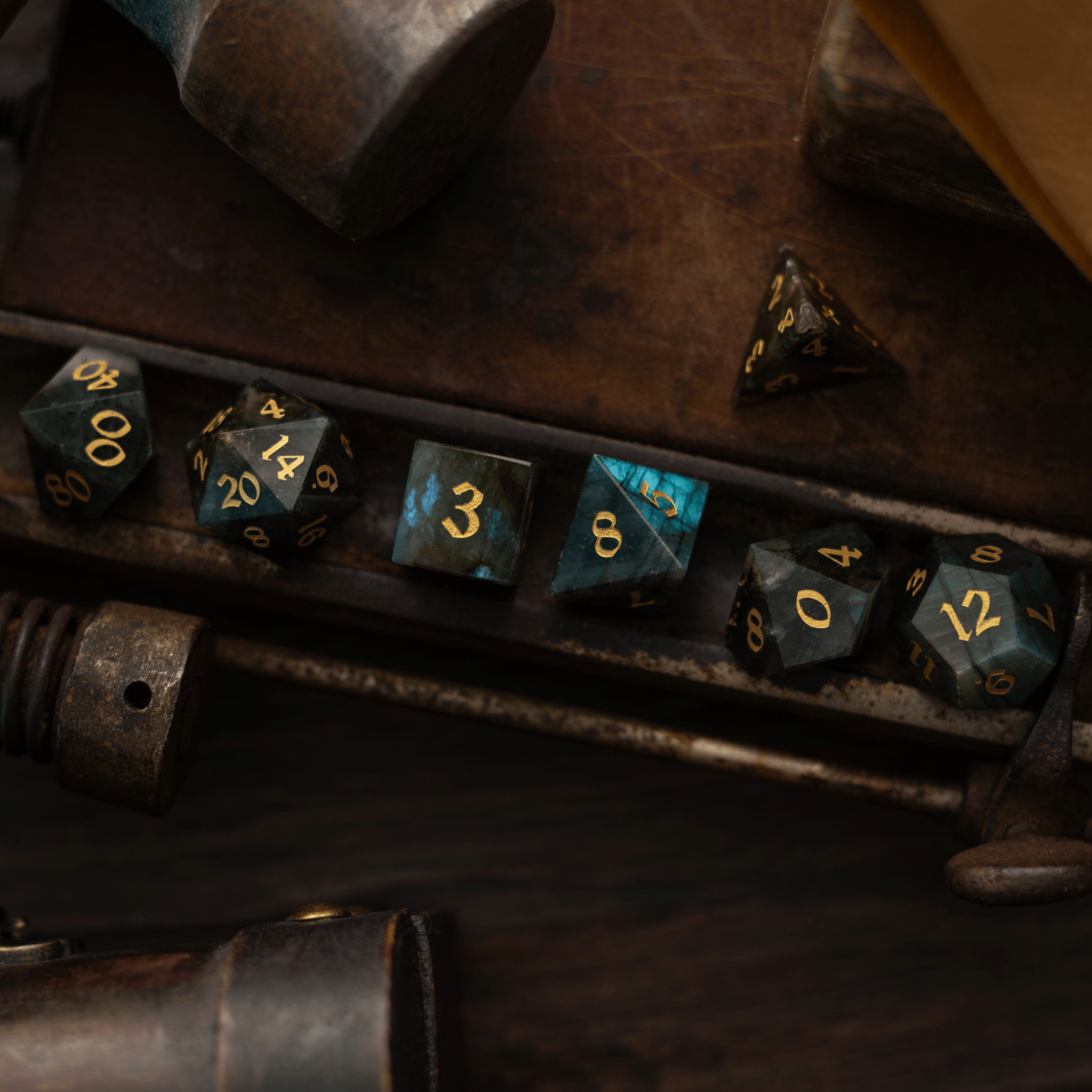
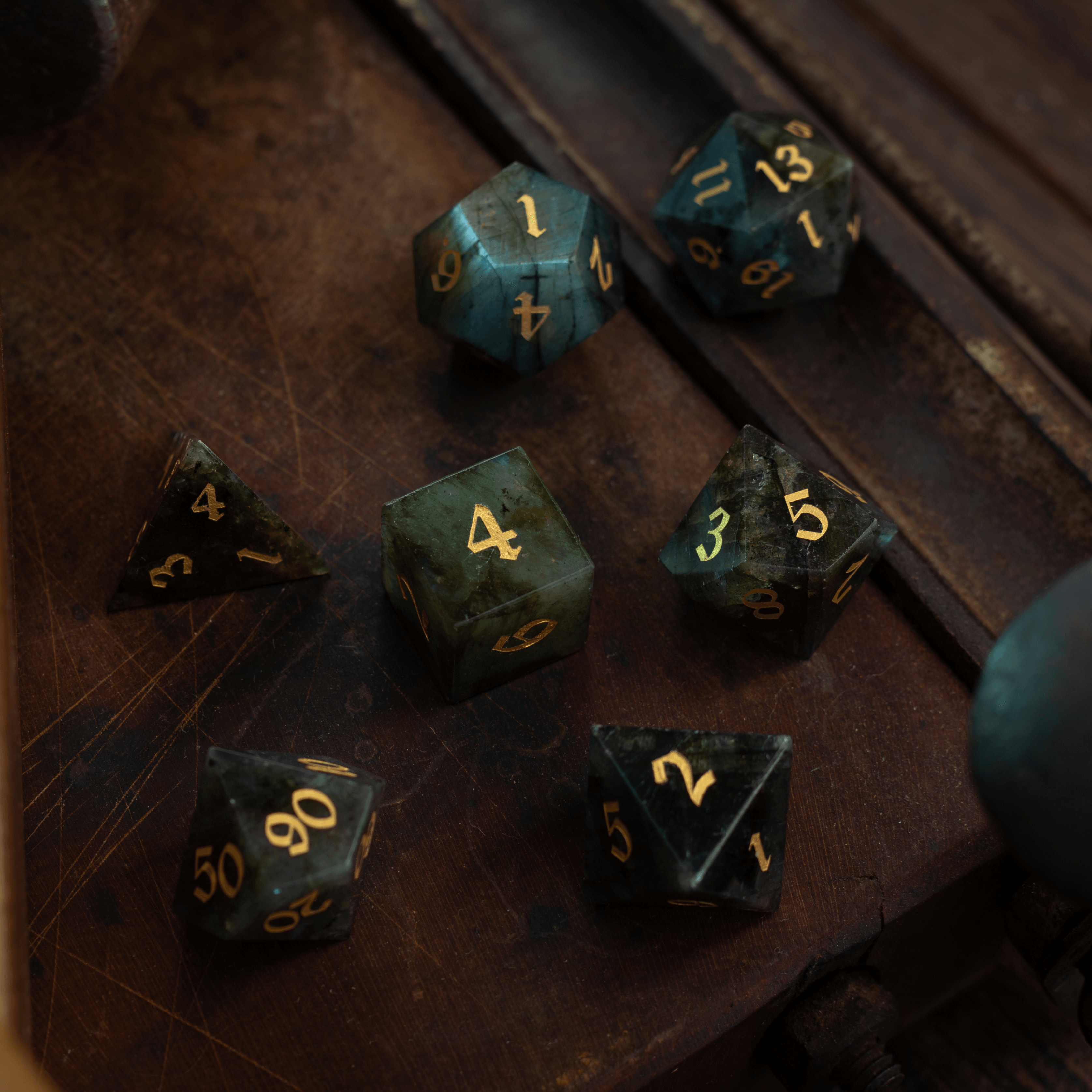
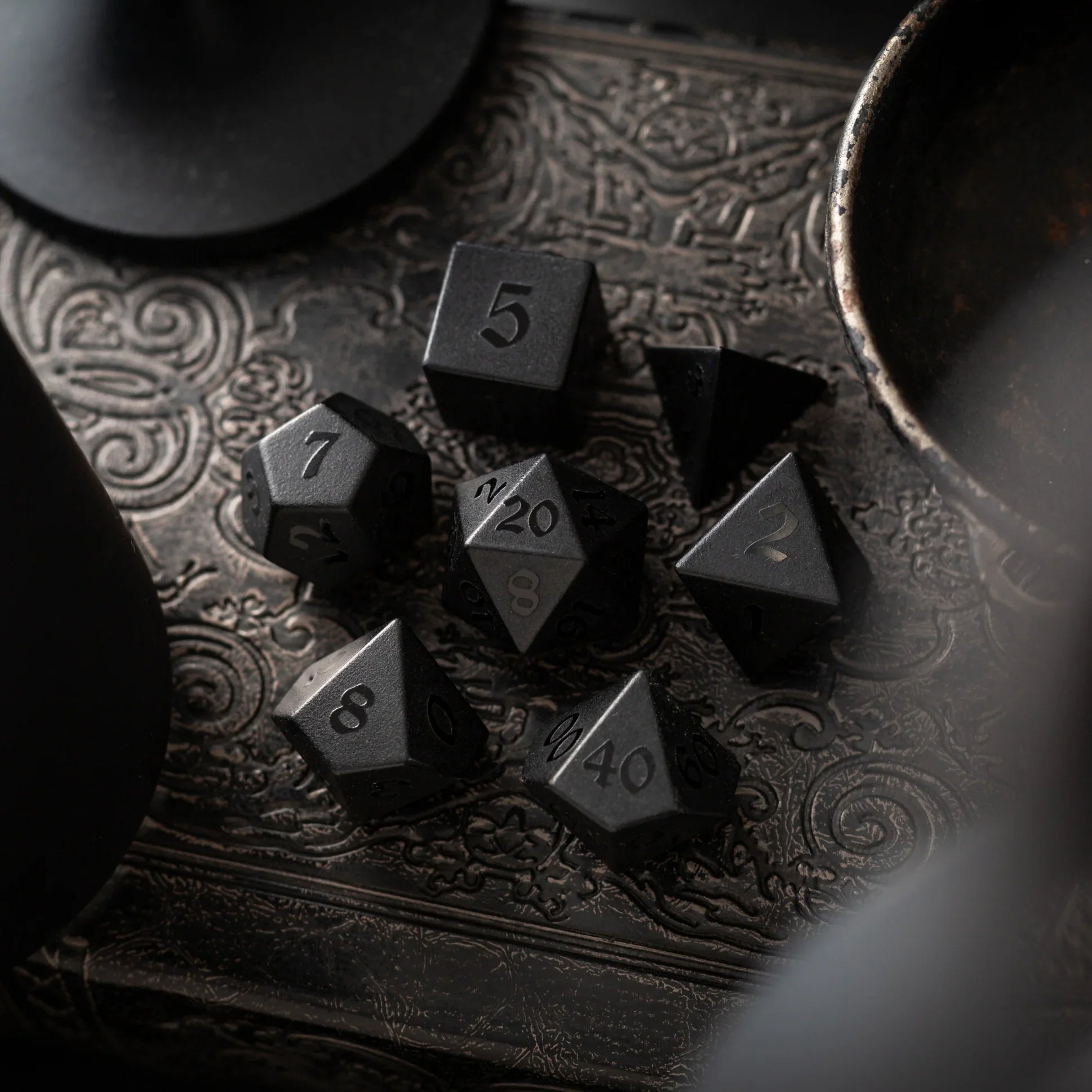
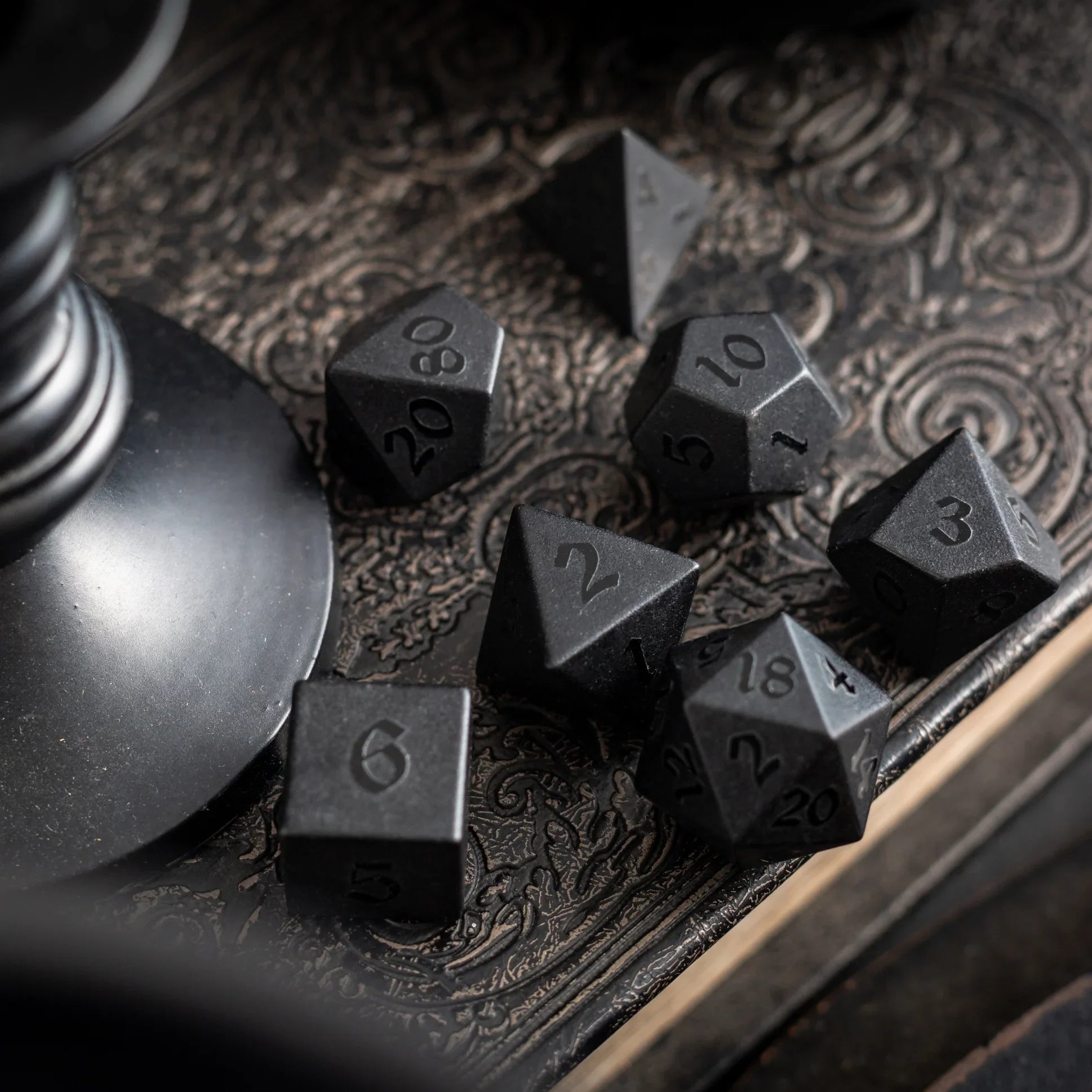
A Forge Domain Cleric doesn’t just wield divine magic, they embody the craft of creation itself. From the clang of the hammer to the glow of molten metal, every part of their presence tells a story of skill, faith, and fire. The right Dungeons & Dragons dice can reflect that same forged-in-the-flames spirit, turning each roll into an extension of your character’s craftsmanship.
Core Features
Key Mechanics and Abilities
Bonus Proficiencies (Level 1)
- 5e (2014): The original Forge Domain granted proficiency with Heavy armor and Smith’s Tools at level 1. It did not grant Martial weapon proficiency.
- Current 5.5e: Clerics now choose a Divine Order at level 1. Choose Protector to gain Martial weapon proficiency and Heavy armor training.
- Forge Domain remains strongly associated with Smith’s Tools, but current crafting follows the broader 5.5e tool and crafting rules.
- Example: Choose Protector if you want the classic heavily armored Forge Cleric who wears Plate Armor and fights with a warhammer.
Blessing of the Forge (Level 3)
- 5e (2014): Blessing of the Forge was originally gained at level 1.
- Current 5.5e: You gain it when you select Forge Domain at Cleric level 3.
- At the end of a Long Rest, you can touch one nonmagical suit of armor or one nonmagical Simple or Martial weapon.
- Until the end of your next Long Rest, or until you die, that object becomes magical.
- A weapon gains a +1 bonus to attack and damage rolls, while armor gains a +1 bonus to Armor Class.
- You can use the blessing on your own equipment or an ally’s qualifying item.
- This feature enhances an existing item temporarily. It does not permanently craft a +1 magic weapon or +1 armor.
- Example: If your Barbarian has a nonmagical greataxe, Blessing of the Forge can temporarily turn it into a magical weapon with a +1 bonus to attack and damage rolls.
Channel Divinity: Artisan’s Blessing (Level 3)
- 5e (2014): This feature was originally gained at Cleric level 2.
- Current 5.5e: You gain the Forge Domain Channel Divinity option when the subclass comes online at level 3.
- You perform an hour-long ritual to create a nonmagical object that must include metal.
- The object can be worth no more than 100 GP.
- As part of the ritual, you must provide metal, which can include coins, with a value equal to the item you create. That metal is transformed into the finished object.
- You can create qualifying equipment such as certain weapons, tools, ammunition, or other metal objects that meet the feature’s restrictions.
- Example: If you need a 10 GP Shield and have 10 GP worth of metal available, Artisan’s Blessing can transform that material into the Shield.
- This ability does not create permanent magic items and does not eliminate the material cost.
Soul of the Forge (Level 6)
- Gain Resistance to Fire damage.
- While wearing Heavy armor, you gain a +1 bonus to Armor Class.
- This makes the Protector Divine Order particularly attractive for a Forge Cleric because Protector supplies the Heavy armor training needed to benefit from the AC bonus.
- Example: Plate Armor normally provides AC 18. Plate Armor, a Shield, and Soul of the Forge can provide AC 21 before other bonuses, provided you have the appropriate armor training.
Divine Strike (Level 8)
- 5e (2014): Forge Clerics originally received Divine Strike at level 8, adding 1d8 Fire damage to a weapon hit once per turn and increasing to 2d8 at level 14.
- Current 5.5e: The legacy subclass’s Divine Strike feature is removed when used with the current Cleric. Instead, every Cleric receives Blessed Strikes at level 7.
- Choose Divine Strike to deal an additional 1d8 Radiant or Necrotic damage with a weapon hit once on each of your turns, or choose Potent Spellcasting to improve your Cleric cantrip damage.
- At level 14, Improved Blessed Strikes strengthens whichever option you selected.
- The current Divine Strike therefore no longer automatically deals Fire damage for a Forge Cleric.
Saint of Forge and Fire (Level 17)
- Gain Immunity to Fire damage.
- While wearing Heavy armor, you also gain Resistance to Bludgeoning, Piercing, and Slashing damage from nonmagical attacks.
- This builds directly on Soul of the Forge and makes high-level Forge Clerics extremely resistant to conventional physical and fire damage.
- Example: A high-level Forge Cleric can completely ignore Fire damage while greatly reducing qualifying weapon and natural-attack damage from nonmagical sources.
These features make Forge Clerics some of the most durable Clerics in D&D, combining equipment enhancement, fire defenses, Heavy armor builds, and full divine spellcasting.
Tip: Consider keeping more than one set in your quiver, gemstone dice for dramatic spell shots, and resin or metal dice for quick skirmish rolls. It’s a subtle way to make your in-game actions feel even more intentional.
Suggested Ability Scores
- Primary: Wisdom – Powers your Cleric spells, spell save DC, spell attacks, and many important Cleric abilities.
- Secondary: Constitution – Increases Hit Points and helps maintain Concentration while fighting near the frontline.
- Tertiary: Strength – Useful for Protector builds using Heavy armor and Strength-based Martial weapons, although spell-focused Forge Clerics can prioritize Constitution instead.
Recommended Races
Since Forge Clerics focus on durability and craftsmanship, several species fit especially well:
- Dwarf – The current Dwarf retains excellent thematic and defensive features for a Forge Cleric, including Dwarven Resilience and Dwarven Toughness. The old Mountain Dwarf +2 Strength and +2 Constitution ability score bonuses are no longer part of current character creation.
- Warforged – A compatible older species option with a natural connection to craftsmanship, armor, and constructed beings. Its current use depends on the source material your game allows.
- Goliath – The current Goliath uses Giant Ancestry rather than the old fixed +2 Strength, Cold Resistance, and Stone’s Endurance package. Options such as Stone Giant ancestry can reinforce a durable frontline build.
- Human – The current Human gains an additional Origin Feat, offering excellent build flexibility. This replaces the old Variant Human approach for current 5.5e characters.
Playing as a Forge Domain Cleric
Role in a Party
- Frontline Tank & Damage Dealer – Choose Protector for Heavy armor and Martial weapons, then combine defensive equipment with Cleric spells and weapon attacks.
- Equipment Enhancer & Crafter – Temporarily improve a nonmagical weapon or armor with Blessing of the Forge and use Artisan’s Blessing to create qualifying nonmagical metal objects.
- Fire-Themed Caster – Domain Spells such as Heat Metal and Wall of Fire give the Forge Cleric useful fire-based offensive and control options.
Compared to other Clerics, Forge Clerics excel at blending frontline durability, equipment-focused abilities, and fire-themed divine spellcasting.
Tips for New Players
- Always use Blessing of the Forge – Unless your party’s relevant equipment is already magical, there is usually little reason to leave this feature unused after a Long Rest. Choose between improving a weapon or increasing a suit of armor’s AC according to the party’s needs.
- Use Heat Metal against the right targets – Heat Metal can be extremely effective against creatures wearing or carrying suitable manufactured metal objects. Its exact effects depend on the object being heated and whether the creature can drop or remove it.
- Position yourself on the frontlines carefully – Protector, Heavy armor, a Shield, Soul of the Forge, and defensive magic can make you durable, but you are still a full spellcaster whose Concentration can be disrupted by repeated attacks.
- Use Artisan’s Blessing for practical problems – The feature requires an hour and equal-value metal, so it is better for preparation and creative problem-solving than emergency crafting in the middle of combat.
Roleplay Suggestions
- The Holy Smith – A blacksmith blessed by the gods who treats craftsmanship as an act of worship.
- The Fire-Forged Warrior – A battle-hardened Cleric who sees fire as both a destructive force and a tool of creation.
- The Artificer Priest – A divine craftsperson who combines sacred ritual with practical smithing and equipment-making.
Gear and Dice Recommendations
Suggested Equipment
Weapons
- Warhammer or Battleaxe – Strong thematic Martial weapons for Forge Clerics who choose the Protector Divine Order.
- Mace – A Simple weapon available to Clerics that fits the blacksmith aesthetic without requiring Martial weapon proficiency.
Armor
- Plate Armor – Excellent protection for a Forge Cleric with Heavy armor training. Soul of the Forge adds another +1 AC while you wear Heavy armor.
- Shield – Provides +2 AC and combines naturally with a durable frontline Forge Cleric build.
Magic Items
- Gauntlets of Ogre Power – Sets your Strength to 19 while worn, which can greatly help a Forge Cleric who wants strong melee attacks without investing as heavily in Strength.
- Adamantine Armor – A thematic defensive option for a heavily armored Forge Cleric and generally more useful than Fire Resistance armor once Soul of the Forge already gives you Fire Resistance.
- Hammer of Thunderbolts – A legendary, highly thematic weapon for a high-level Forge Cleric with Martial weapon proficiency. Its strongest properties have additional item requirements, so it is best treated as a late-game goal rather than standard equipment.
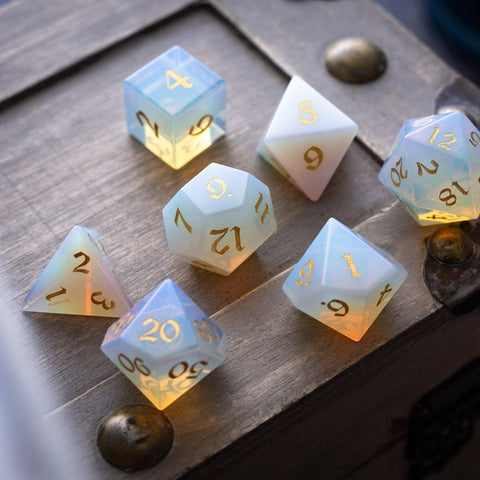
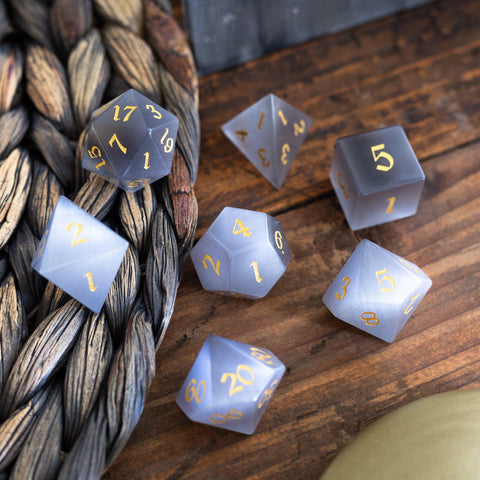
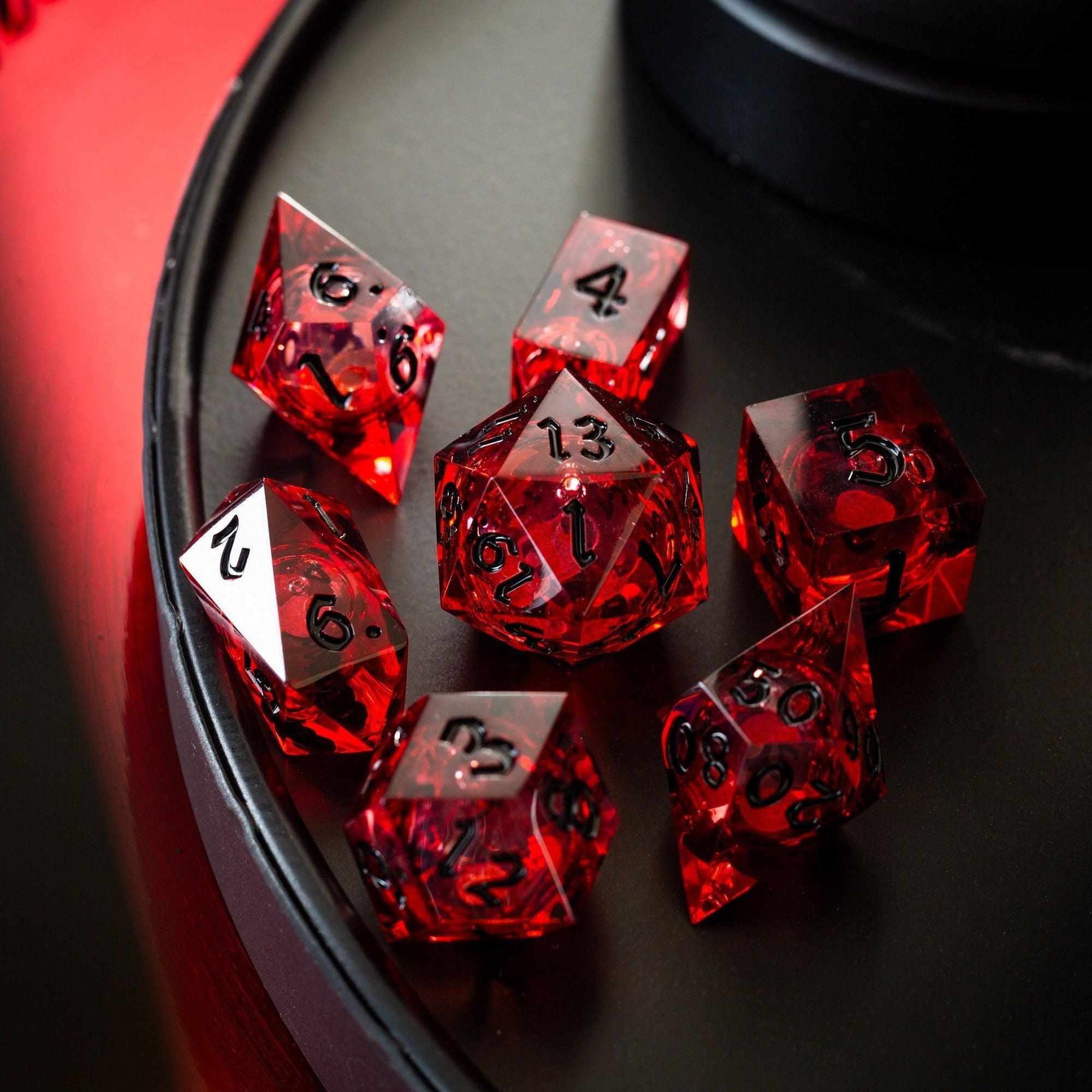
Dice Recommendations from Runic Dice
Enhance your blacksmith warrior aesthetic with these Forge-themed dice sets:
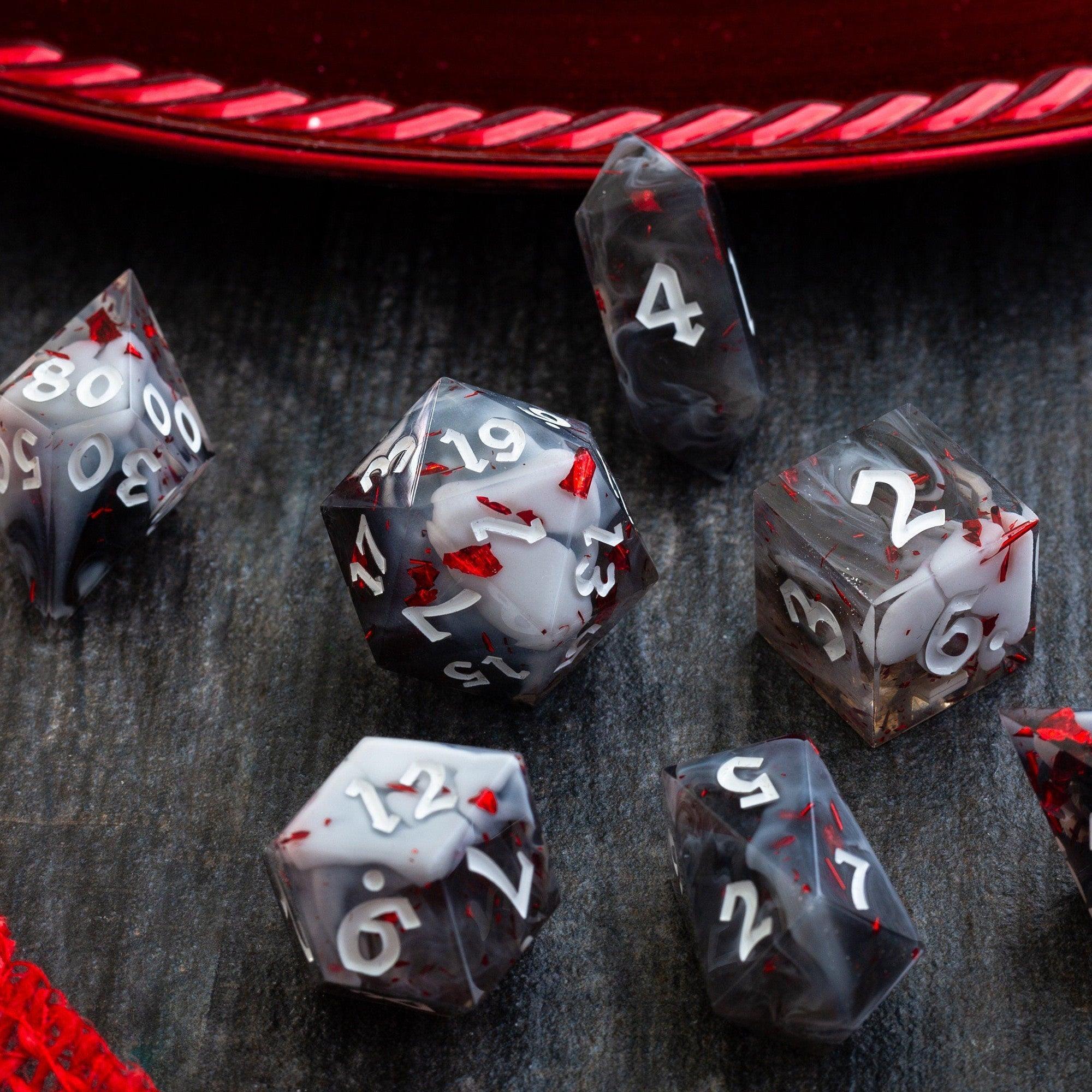
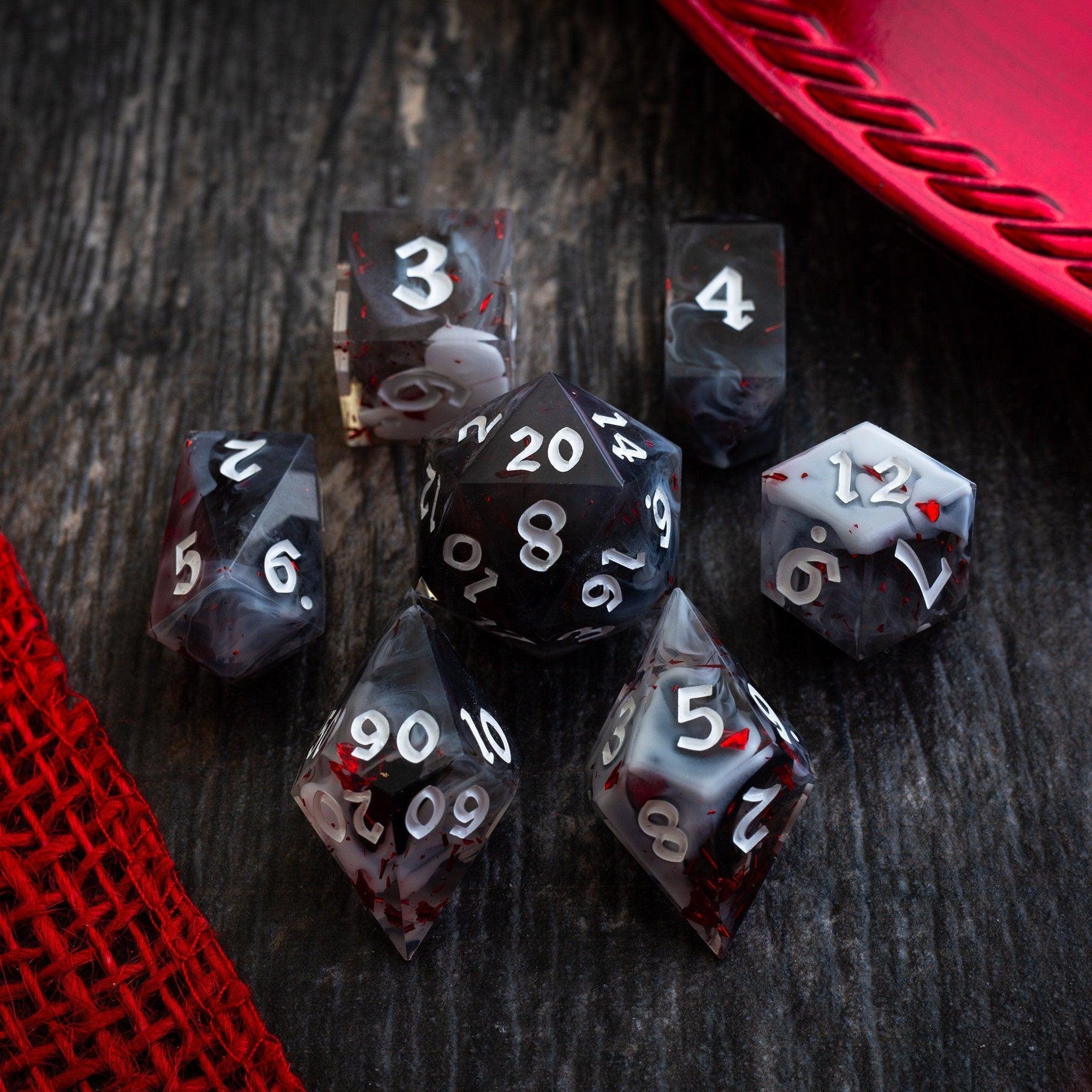
- Molten Core: For red and black hues resembling smoldering lava, consider the Blood Red Glitter Liquid Core Resin DND Dice Set. This set features deep red tones with a dynamic liquid core, capturing the essence of molten magma within the forge.
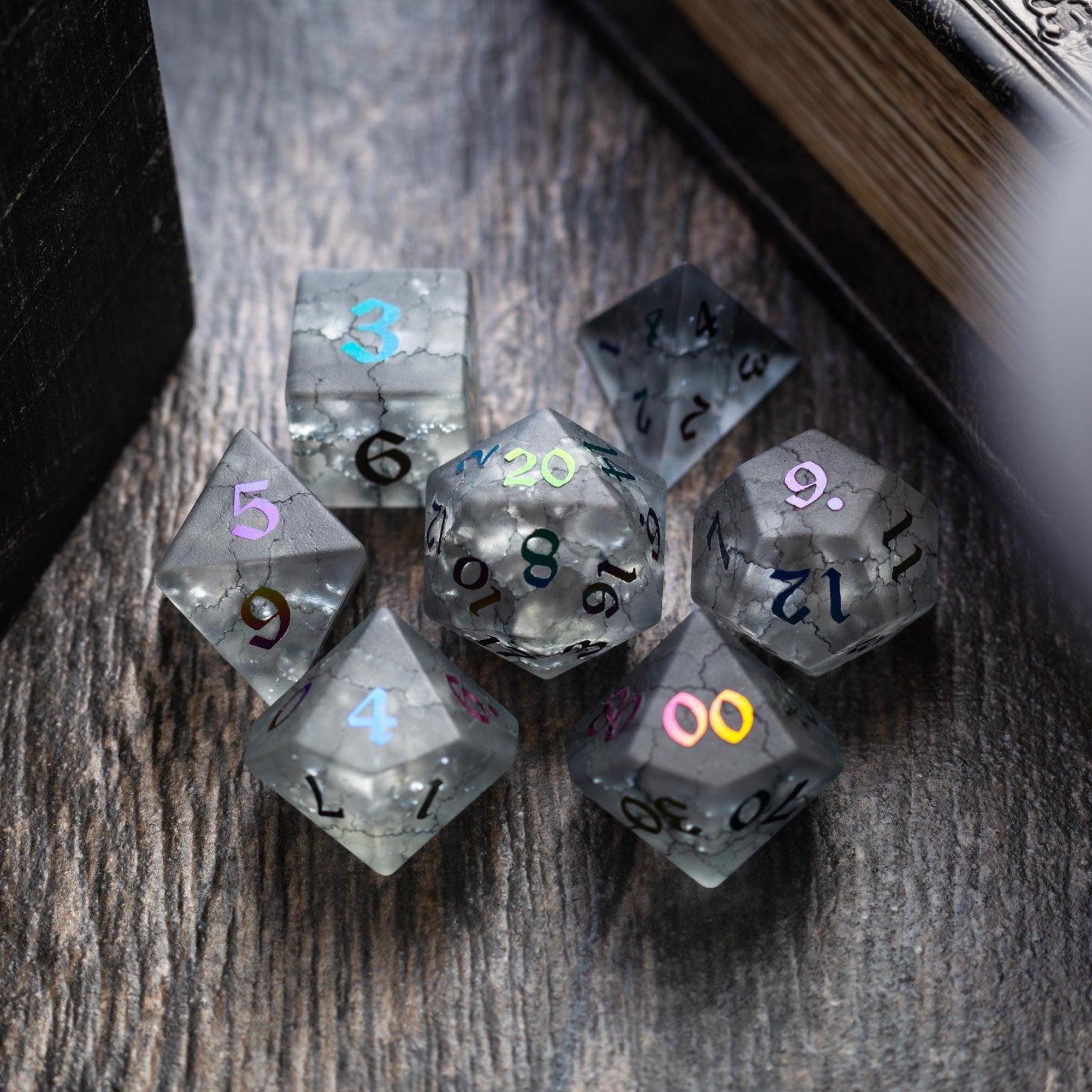
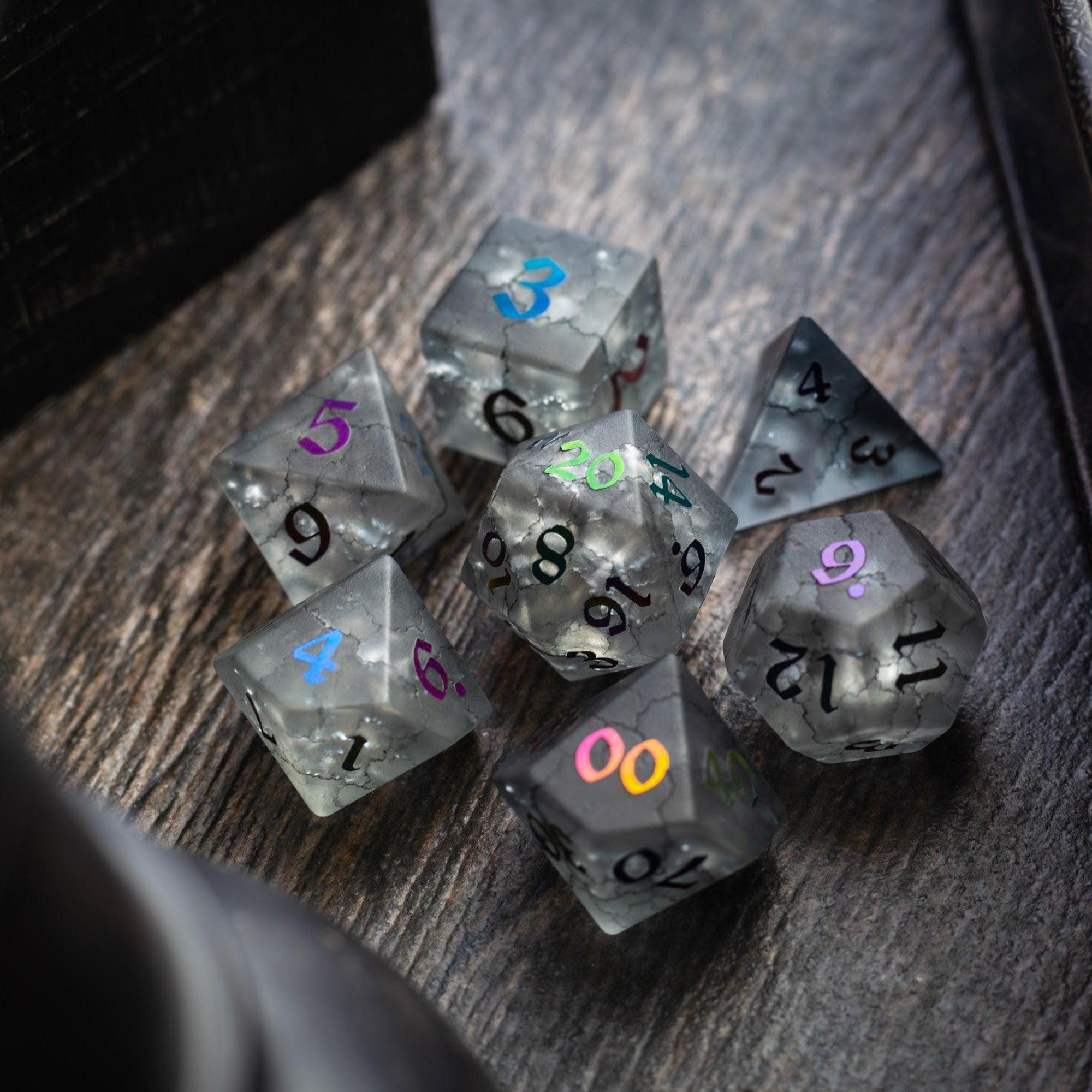
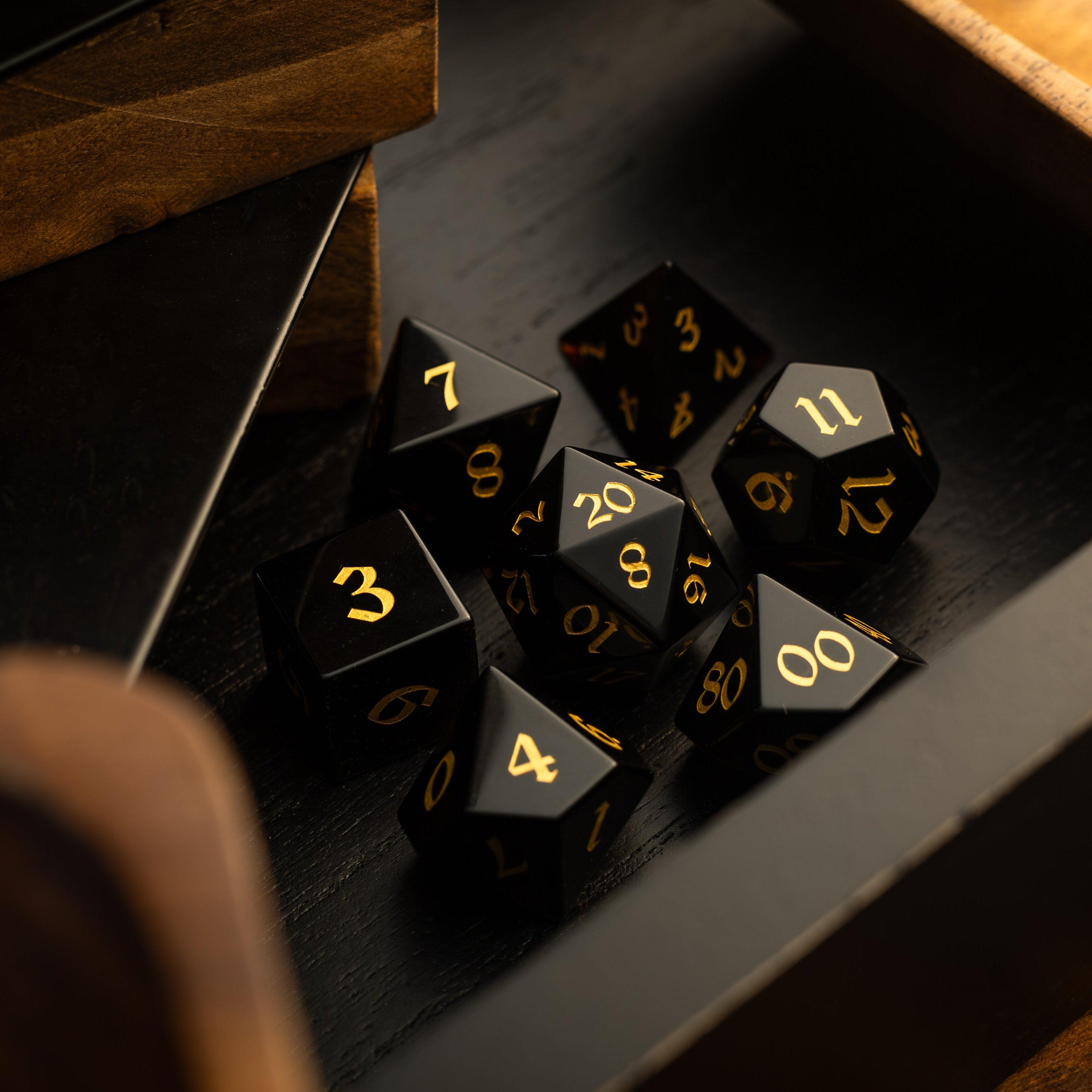
- Hammerstrike Metal: To mimic forged steel with metallic gray and bronze tones, the Black Inked Lightning Cracked Glass DND Dice Set is an excellent choice. It showcases a striking cracked glass design with black inked numerals, evoking the resilience and craftsmanship of a master blacksmith.
- Infernal Forge: For orange and gold hues evoking the flames of creation, the Red and Gold Glitter Liquid Core Resin DND Dice Set offers shimmering red and gold tones with a dynamic liquid core, symbolizing the fiery heart of the forge.
Advanced Tips and Tricks
Optimization Strategies
-
Feats:
- War Caster – Helps protect Concentration on important spells such as Spirit Guardians and provides other benefits for casting while armed.
- Tough – Increases your Hit Point maximum for greater frontline durability.
- Shield Master – Can improve a Shield-focused build with defensive and tactical benefits under the current feat rules.
-
Multiclassing:
- Paladin – Can reinforce a divine warrior concept and provide Paladin-specific features, but there is no official Oath of the Forge subclass. Multiclassing also requires the appropriate ability scores and delays higher-level Cleric spells and Forge Domain abilities.
- Fighter – Can add martial features such as a Fighting Style and Action Surge, but Protector already provides Martial weapon and Heavy armor access, so Fighter should be chosen for its class features rather than equipment proficiency alone.
The Forge Domain Cleric remains an exceptionally durable divine spellcaster and sacred craftsman, offering strong defenses, fire-themed magic, temporary equipment enhancement, and unique metalworking abilities. Although the subclass originated in Xanathar’s Guide to Everything, it remains compatible with the current 5.5e Cleric when its features are placed into the modern subclass progression.
If you want to stand strong in battle while treating forging, creation, and craftsmanship as expressions of divine faith, the Forge Domain remains an excellent choice.







Leave a comment
This site is protected by hCaptcha and the hCaptcha Privacy Policy and Terms of Service apply.