
Light Domain Cleric Guide for Beginners: Mastering the Light Cleric in D&D 5e

The Light Domain Cleric in Dungeons & Dragons 5e combines divine fire, radiant magic, and protection. Instead of focusing only on healing, this Cleric can damage groups of enemies, reveal hidden threats, and use light to protect companions. You can cast Fireball without losing Cleric support spells.
This guide covers the revised 2024 Player’s Handbook rules, also called 5.5e on D&D Beyond in 2026. Differences from the original 2014 rules are noted throughout. For an official overview, see D&D Beyond’s Cleric rules comparison.
Why Play a Light Domain Cleric?
Key Benefits
- Strong Offensive Magic: Use Burning Hands, Scorching Ray, and eventually Fireball to pressure multiple enemies.
- Battlefield Control: Faerie Fire can reveal creatures and make them easier to hit, while Wall of Fire can restrict movement.
- Reliable Defense: Warding Flare can make an attack less likely to hit you or a teammate.
- Flexible Support: You still have Cleric staples such as Healing Word, Bless, and Spirit Guardians.
Compared with the Life Domain's stronger healing focus, Light Domain Clerics put more emphasis on area damage and preventing attacks. You need not fight in melee or heal every turn.
Core Features
Key Mechanics and Abilities
Bonus Cantrip (2014 Rules)
Under the 2014 rules, choosing Light Domain at level 1 grants the Light cantrip for free. The revised subclass does not grant this separate bonus cantrip. You can still choose Light from the Cleric cantrip list to illuminate dark areas or objects.
Warding Flare (Level 3 in Revised Rules)
- When a creature you can see within 30 feet makes an attack roll, use your reaction to impose disadvantage on that roll.
- You have uses equal to your Wisdom modifier, with a minimum of one, regained after a long rest. At level 6, the recovery improves.
- The feature does not actually give the attacker the Blinded condition. It makes that particular attack less likely to hit.
For example, if a monster attacks your injured Fighter, Warding Flare may turn a hit into a miss. In 2014, this feature begins at level 1 and initially protects only you.
Channel Divinity: Radiance of the Dawn (Level 3 in Revised Rules)
- Use a Magic action and one Channel Divinity use to emit light in a 30-foot area around you.
- Dispel magical darkness in that area and choose which creatures must make a Constitution saving throw.
- Chosen creatures take 2d10 + your Cleric level radiant damage on a failed save, or half on a successful save.
Unlike Fireball, you can exclude allies from this damaging effect. The original 2014 version starts at level 2 and affects hostile creatures, with total cover providing protection. Check the wording in your chosen ruleset.
Improved Warding Flare (Level 6)
In the revised rules, you regain Warding Flare uses after a short or long rest. Whenever you use it, you can also give the target of the attack temporary hit points equal to 2d6 + your Wisdom modifier. In the 2014 version, the level 6 feature instead expands Warding Flare so it can protect allies.
Potent Spellcasting (Level 7 in Revised Rules)
At level 7, all revised Clerics choose a Blessed Strikes option. Potent Spellcasting adds your Wisdom modifier to the damage of your Cleric cantrips, strengthening Sacred Flame when conserving spell slots. Alternatively, Divine Strike supports weapon attacks. In the 2014 Light Domain, Potent Spellcasting is received automatically at level 8.
Corona of Light (Level 17)
Activate an aura of sunlight for up to one minute. It sheds bright light for 60 feet and dim light for another 30 feet. Enemies in the bright light have disadvantage on saving throws against your Radiance of the Dawn and spells that deal fire or radiant damage. In revised rules, you can use Corona of Light a number of times equal to your Wisdom modifier, minimum once, per long rest.
Light Domain Spells
Revised Light Clerics automatically prepare Burning Hands, Faerie Fire, Scorching Ray, and See Invisibility at level 3; Daylight and Fireball at level 5; Arcane Eye and Wall of Fire at level 7; and Flame Strike and Scrying at level 9. In 2014, Flaming Sphere replaces See Invisibility, and Guardian of Faith replaces Arcane Eye.
Suggested Ability Scores
- Wisdom: Your top priority for spell attacks, saving throw DCs, and Warding Flare uses.
- Constitution: Supports hit points and concentration on Bless.
- Dexterity: Supports initiative and Armor Class when wearing medium armor.
Recommended Races and Species
- Aasimar: Fits the radiant theme and offers useful defensive and healing traits.
- High Elf: Adds magical options and a fitting background for a scholarly light bearer.
- Firbolg: Suits a guardian of nature who connects sunlight with growth and renewal.
- Human: Provides flexibility; the revised Human receives an additional Origin feat, while the 2014 Variant Human has its own feat rules.
Under the revised rules, species do not supply the old fixed ability score bonuses. Those increases come from your background, so choose a concept you enjoy instead of relying on outdated race bonuses.
Playing as a Light Domain Cleric
Role in a Party
- Mid-Range Spellcaster: Use Radiance of the Dawn against nearby groups and Fireball when enemies are clustered safely away from allies.
- Defender and Support: Keep your reaction available for Warding Flare, and prepare a healing option for emergencies.
- Revealer of Hidden Threats: Combine Faerie Fire, See Invisibility, and your light-themed abilities when darkness or deception complicates a fight.
Tips for New Players
- Watch your positioning: Stay within 30 feet of allies you want to protect, without standing directly beside dangerous melee enemies.
- Track your reaction: You usually have only one reaction between your turns, so decide which attack deserves Warding Flare.
- Protect concentration: Bless, Faerie Fire, and Spirit Guardians require concentration. You cannot maintain all three at once.
- Save spell slots: Use Sacred Flame against a minor threat and save Fireball for a meaningful group of enemies.
Roleplay Suggestions
- The Divine Exorcist: A priest who hunts undead and investigates haunted ruins.
- The Sun God's Chosen: A devoted protector who treats each sunrise as a promise of renewal.
- The Seeker of Truth: An investigator who uses knowledge to expose corruption.
Gear and Dice Recommendations
Suggested Equipment
Weapons
- Quarterstaff or Mace: Practical backup weapons, though ordinary attacks use Strength rather than Wisdom.
- Warhammer: Consider one only if you have the required proficiency, such as through the revised Protector Divine Order.
Armor
- Medium Armor: A good default for most Light Clerics. Heavy armor such as chain mail requires appropriate training.
- Shield: Adds +2 Armor Class while leaving you able to cast Cleric spells with the proper components.
Magic Items
- Cloak of Protection: Grants +1 to Armor Class and saving throws.
- Ring of Fire Resistance: Helps against enemy fire attacks and other sources of fire damage.
- Amulet of the Devout: Supports your Cleric spellcasting and Channel Divinity.
Dice Recommendations from Runic Dice
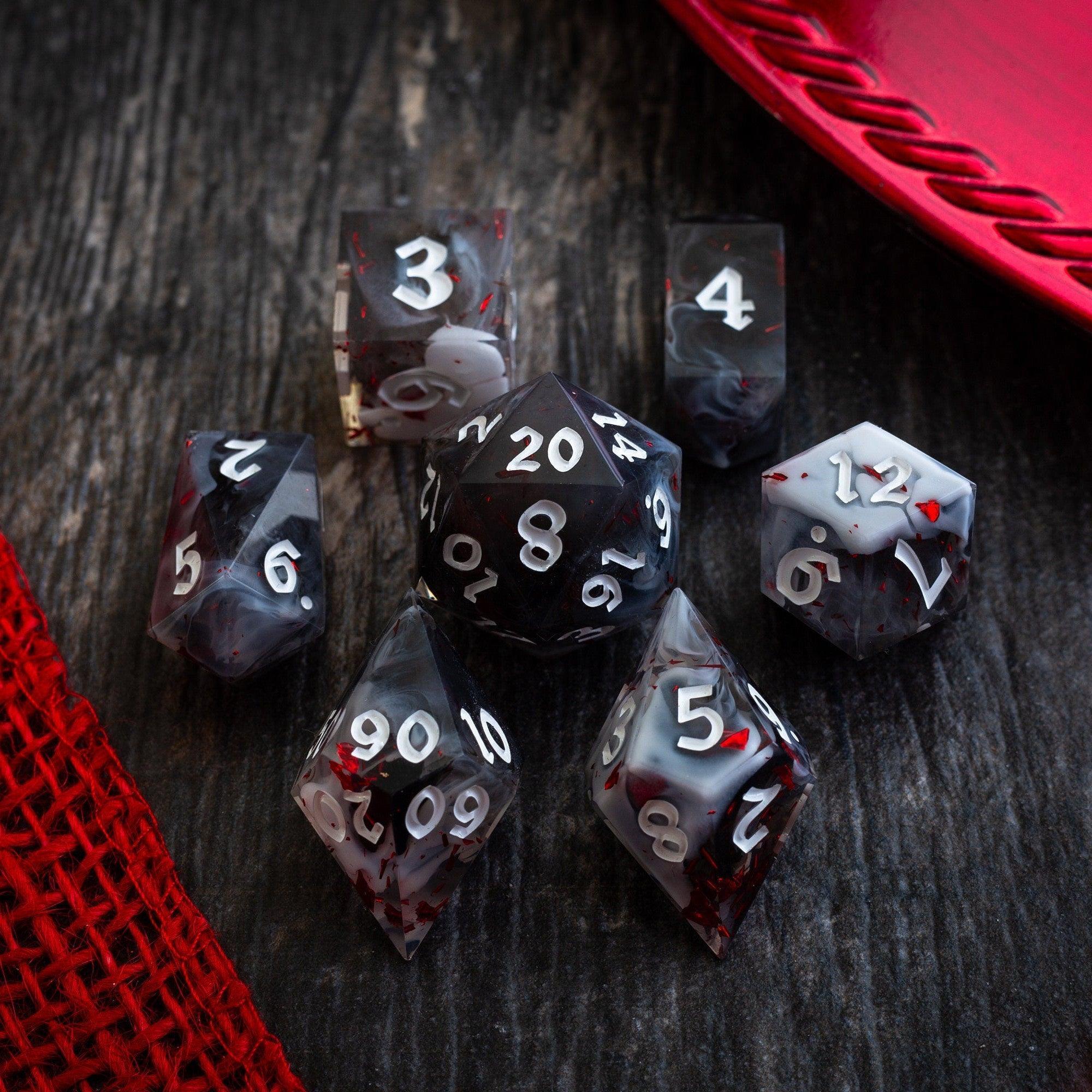
For a radiant or fiery character theme, these sets match the look of a Light Domain Cleric:
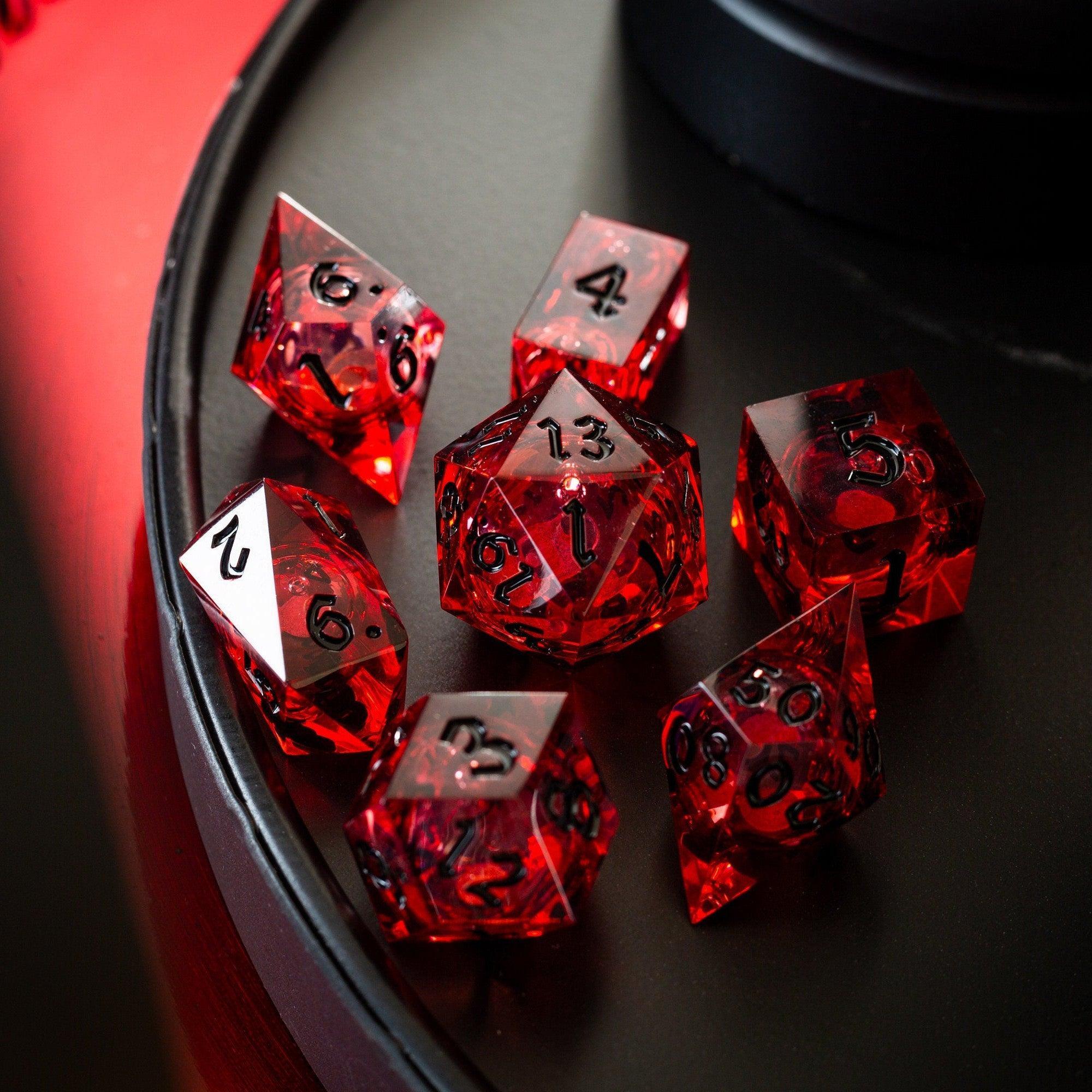
- Sunburst Gold: For bright gold and red hues perfect for a divine fire caster, consider the Red and Gold Glitter Liquid Core Resin DND Dice Set. This set features shimmering red and gold tones with a dynamic liquid core, capturing the essence of divine flames.
- Celestial Light: To evoke radiant divine energy with blue and white tones, the Blue Glitter Liquid Core Sharp Edge Resin DND Dice Set is an excellent choice. It showcases vibrant blue hues with a dynamic liquid core, reflecting the purity and brilliance of celestial light.
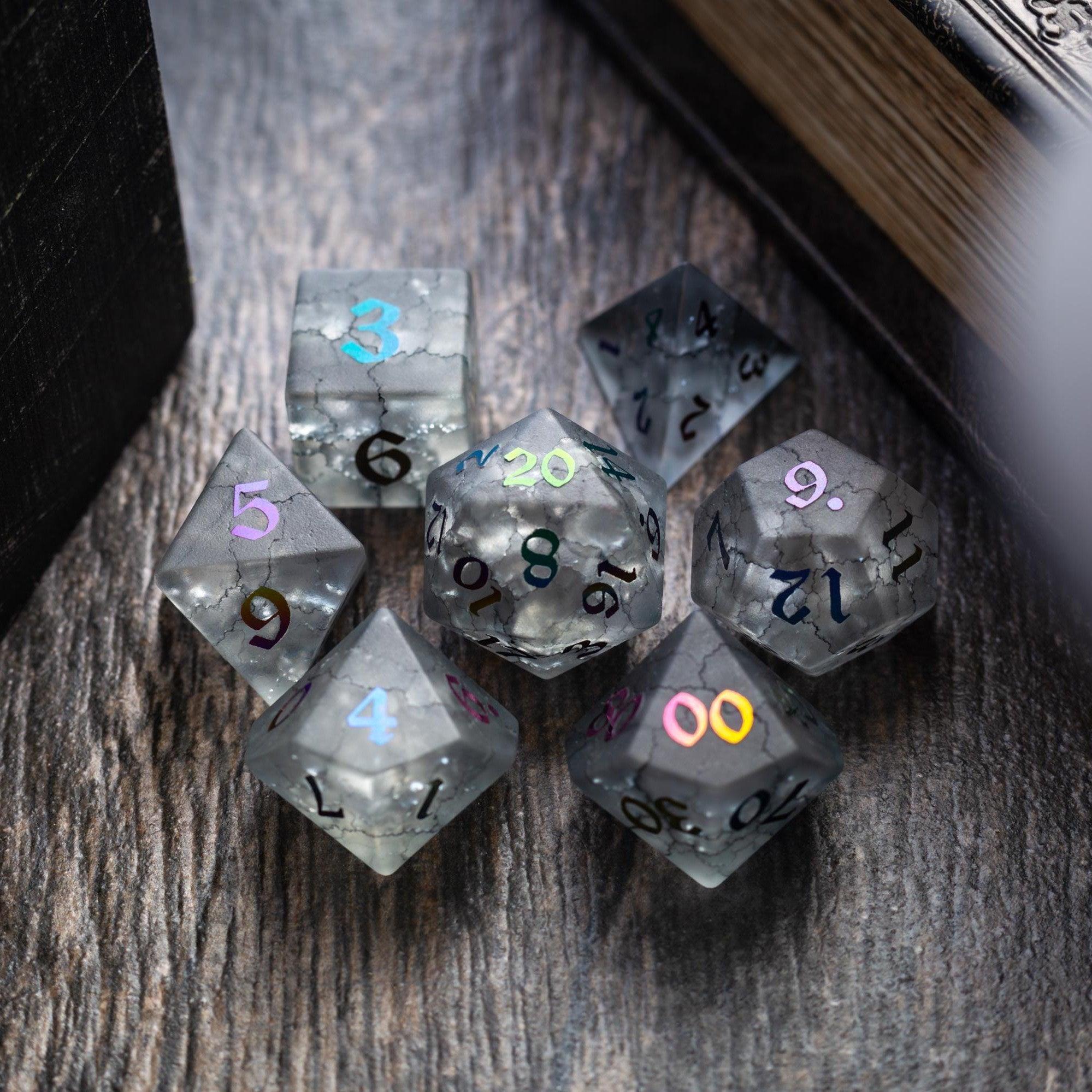
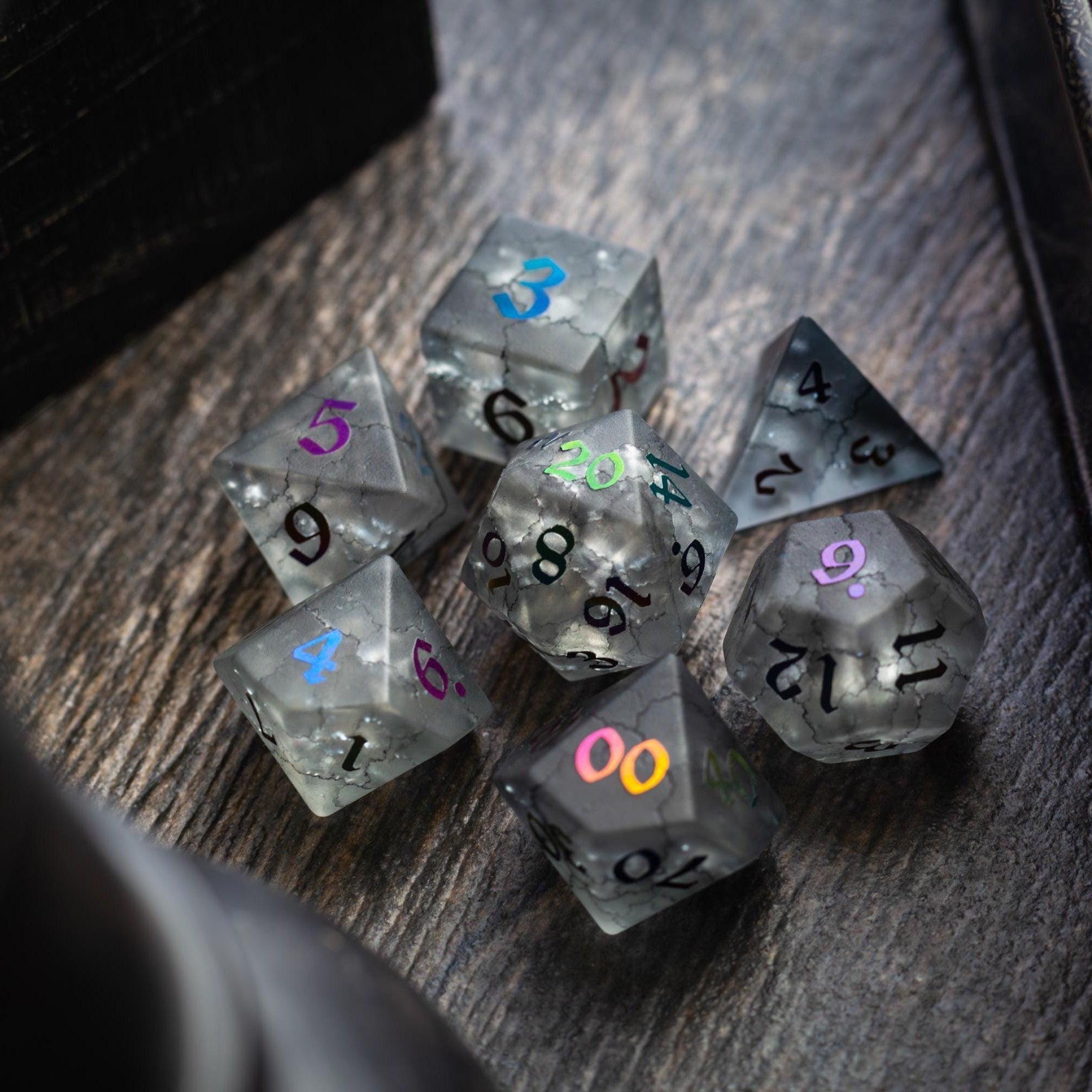
- Flameborn Resin: For fiery orange and yellow swirls ideal for those who love casting Fireball, the Orange Inked Lightning Cracked Glass DND Dice Set offers a vibrant orange hue embodying the explosive energy of fire magic.
These dnd dice can match a character sworn to bring light into dark places.
Advanced Tips and Tricks
Optimization Strategies
- Feats: War Caster is helpful for maintaining concentration. Elemental Adept (Fire) helps when facing fire-resistant enemies. Tough provides extra hit points.
- Multiclassing: Sorcerer or Wizard levels can add options, but require the appropriate ability scores and delay your Cleric features. Staying single-classed is usually simpler for beginners.
Advanced Builds
- The Sunfire Cleric: Focus on area spells, choosing fire damage when enemies are grouped.
- The Holy Shield: Prioritize Wisdom, Warding Flare, defensive positioning, and concentration.
- The Lightbringer: Use radiant damage, healing, and detection spells in undead-heavy campaigns.
Final Thoughts
The Light Domain Cleric is a flexible D&D 5e subclass for players who want strong spell damage without abandoning support. Its biggest strengths are choosing the right moment for area spells, protecting companions with Warding Flare, and using Wisdom-based magic to help the whole party.
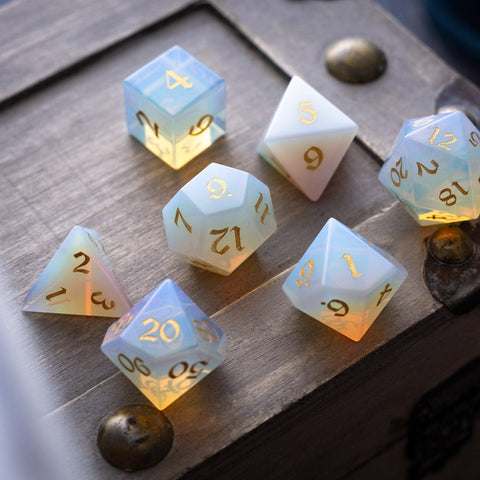
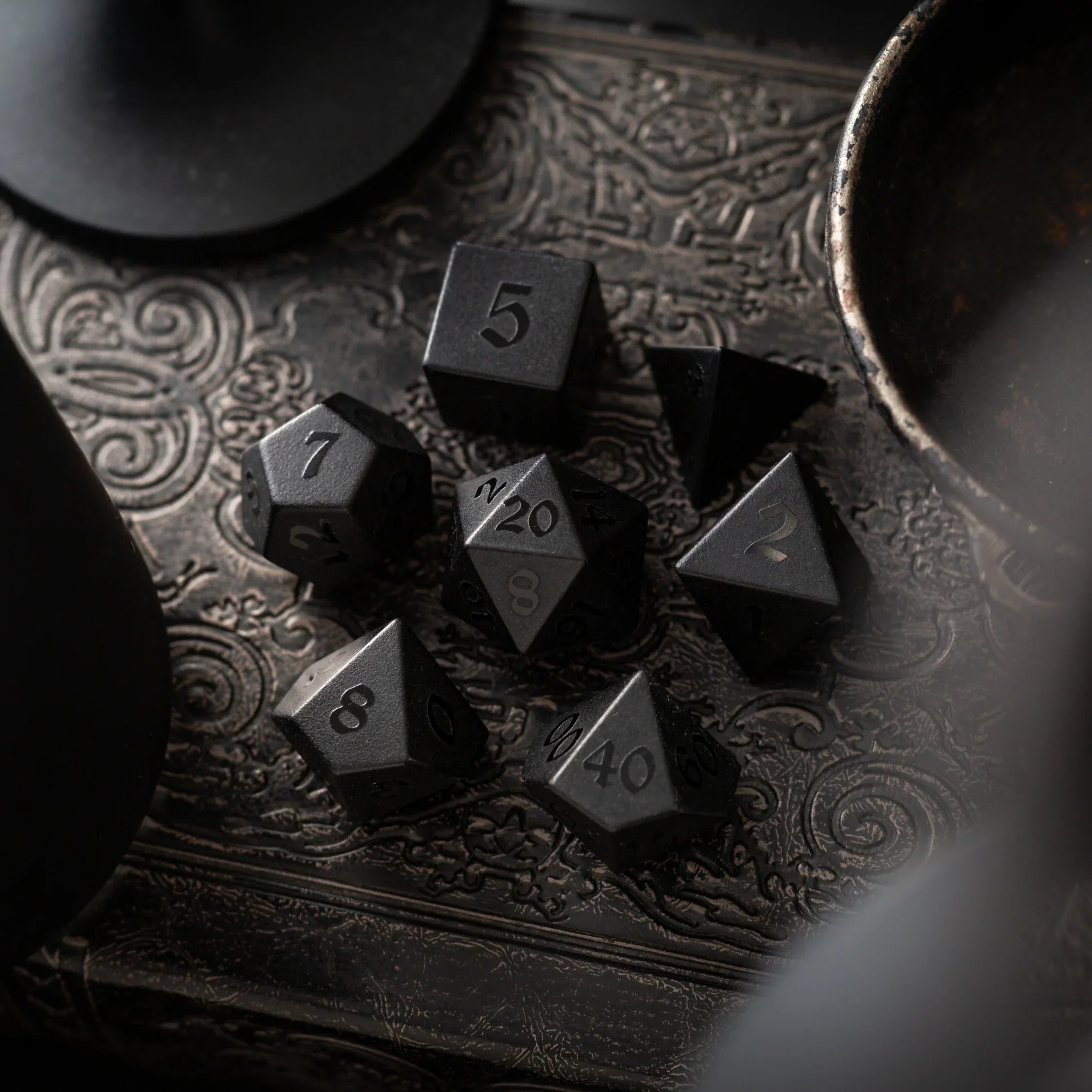
Match the features on your character sheet to the rules your group uses. For a fitting tabletop look, explore gemstone or resin dice sets for your Cleric.














Leave a comment
This site is protected by hCaptcha and the hCaptcha Privacy Policy and Terms of Service apply.