

Twilight Domain Cleric Guide for Beginners: Mastering the Twilight Cleric in D&D 5e

The Twilight Domain Cleric is a divine guardian of the boundary between light and darkness, protecting allies from the dangers that lurk in the night. Introduced in Tasha’s Cauldron of Everything, this subclass is one of the strongest defensive support options in D&D 5e, offering temporary hit points, exceptional darkvision, battlefield mobility, and protection against harmful conditions.
Unlike Clerics who primarily focus on healing, Twilight Clerics excel at preventing damage before it reduces their allies' hit points. They can fight on the frontlines, support spellcasters, and guide their party through dangerous environments.
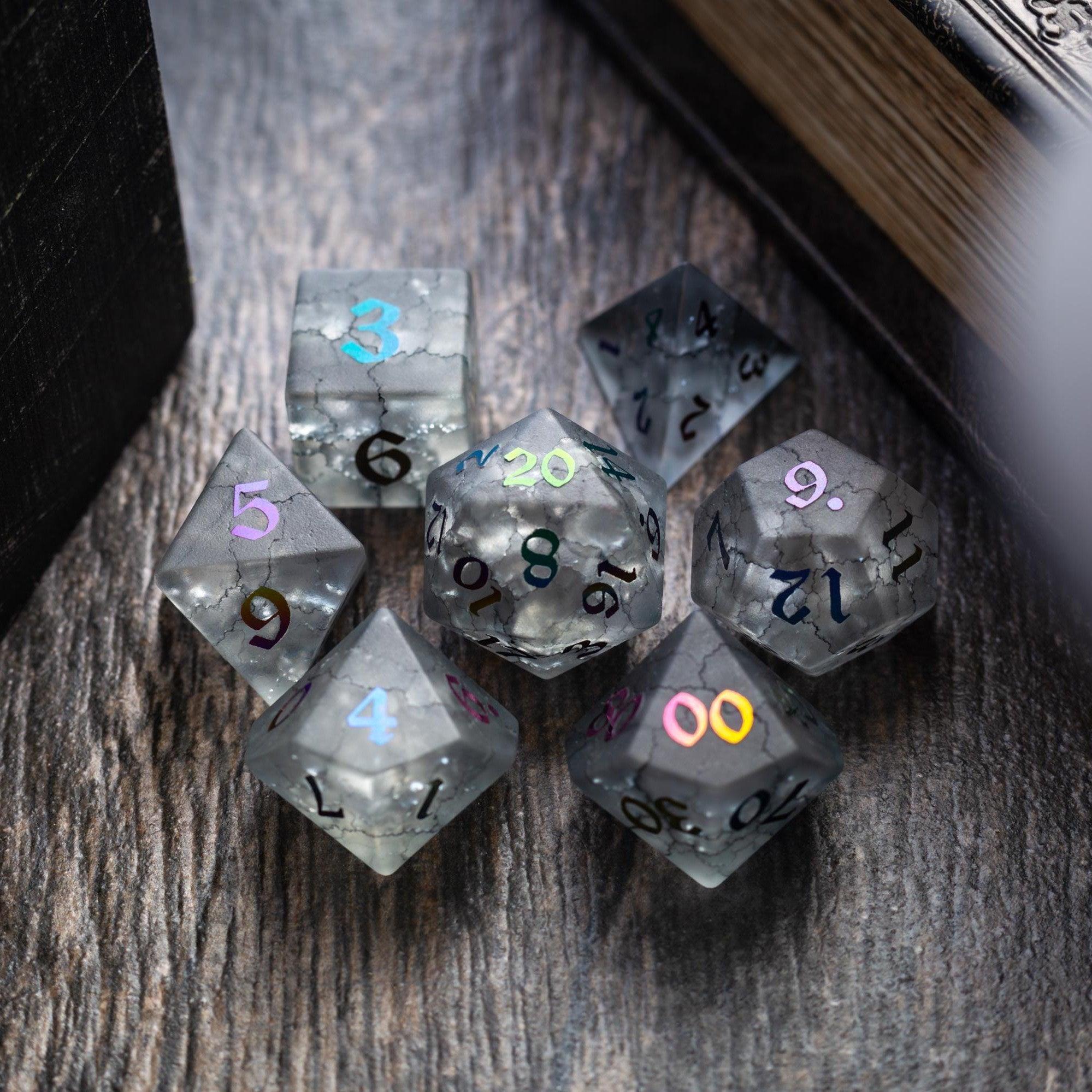
If you enjoy playing a mystical warrior who protects companions through divine twilight magic, this subclass is an excellent choice. Set the mood for your adventures with a set of premium DnD dice, or explore our Cleric dice collection.
2026 Rules Update: The Twilight Domain originates from the 2014-era rules and was not reprinted in the 2024 Player’s Handbook. With your DM’s approval, it can be used with the revised Cleric class. This guide explains the original subclass features and their compatibility with the revised rules.
Why Play a Twilight Domain Cleric?
Key Benefits
- Exceptional Darkvision: See up to 300 feet in ordinary darkness and share this ability with companions.
- Powerful Defensive Aura: Replenish temporary hit points at the end of creatures' turns.
- Flight in Darkness: Gain temporary flight without using a spell slot.
- Condition Removal: End effects causing allies to become charmed or frightened.
- Strong Defensive Equipment: Access martial weapons, shields, and heavy armor.
- Initiative Support: Help an ally act earlier in combat through Vigilant Blessing.
Compared to other Cleric subclasses, Twilight Clerics specialize in sustained party protection. While Life Domain Clerics excel at restoring hit points, Twilight Clerics help prevent damage from reaching those hit points in the first place.
Core Features
Key Mechanics and Abilities
Bonus Proficiencies (Level 1)
- Gain proficiency with martial weapons and heavy armor under the original subclass rules.
- With the revised Cleric, the Protector Divine Order also provides these benefits at level 1.
- Heavy armor and a shield make it easier to maintain a central position during combat.
Eyes of Night (Level 1)
- Gain darkvision with a range of 300 feet. This does not automatically penetrate magical darkness.
- Use an action to share your darkvision with willing creatures within 10 feet that you can see.
- The number of recipients equals your Wisdom modifier, with a minimum of one.
- Shared darkvision lasts for one hour. You can share it again after a long rest or by spending a spell slot.
Vigilant Blessing (Level 1)
- Use an action to grant yourself or a creature you touch advantage on their next initiative roll.
- The benefit ends after that roll or when you use the feature again.
- Granting this blessing to yourself can help you activate Twilight Sanctuary earlier in combat.
Channel Divinity: Twilight Sanctuary (Level 2)
- Spend an action and a Channel Divinity use to create a moving, 30-foot-radius sphere of dim light centered on yourself.
- The sphere lasts one minute unless you become incapacitated or die.
- When a creature ends its turn inside the sphere, you can grant it temporary hit points equal to 1d6 + your Cleric level or end one effect causing it to be charmed or frightened.
- Twilight Sanctuary does not require concentration.
For example, a level 5 Twilight Cleric can provide between 6 and 11 temporary hit points to each eligible creature at the end of its turn. Temporary hit points do not stack, restore consciousness, or count as healing.
Steps of Night (Level 6)
- Use a bonus action while standing in dim light or darkness to gain a flying speed equal to your walking speed.
- Flight lasts for one minute.
- You can use this feature a number of times equal to your proficiency bonus per long rest.
- Twilight Sanctuary provides the dim light needed to activate this ability under normal conditions.
Divine Strike (Level 8)
- Under the original rules, deal an additional 1d8 radiant damage with a successful weapon attack once during each of your turns.
- The additional damage increases to 2d8 at level 14.
- Revised Clerics use the level 7 Blessed Strikes feature instead and cannot stack both versions.
Twilight Shroud (Level 17)
- You and your allies gain half cover while inside Twilight Sanctuary.
- Half cover provides a +2 bonus to Armor Class and Dexterity saving throws.
Using the 2024 Cleric Rules in 2026: Eyes of Night, Vigilant Blessing, and Twilight Sanctuary become available at level 3 when using the revised Cleric class. Steps of Night and Twilight Shroud retain their original levels. Consult the original subclass sourcebook and revised Cleric rules for character creation.
Twilight Domain Cleric Spells
Domain spells are always prepared once unlocked and do not count against your normal prepared spell limit.
| Cleric Level (Original Rules) | Domain Spells |
|---|---|
| 1 | Faerie Fire, Sleep |
| 3 | Moonbeam, See Invisibility |
| 5 | Aura of Vitality, Leomund’s Tiny Hut |
| 7 | Aura of Life, Greater Invisibility |
| 9 | Circle of Power, Mislead |
Revised Clerics receive the first two groups at level 3 and use updated spell descriptions where available. Other useful Cleric spells include Bless, Healing Word, Aid, Spirit Guardians, and Revivify.
Suggested Ability Scores
- Primary: Wisdom improves spell attacks, saving throw DCs, and certain healing spells.
- Secondary: Constitution increases hit points and helps maintain concentration.
- Tertiary: Strength or Dexterity supports weapon attacks and your preferred armor type.
Recommended Races and Species
- Drow Elf: Innate magic provides additional utility, although Eyes of Night makes its natural darkvision less important.
- Aasimar: Celestial abilities complement the subclass's divine protection theme.
- Firbolg: Hidden Step and innate magic provide defensive and exploration benefits.
- Variant Human: A useful original-rules option for obtaining an early feat such as War Caster.
- Dwarf: Additional durability makes this a reliable frontline option under the revised rules.
Under the revised rules, ability score increases come from character backgrounds rather than species.
Beginner-Friendly Twilight Cleric Build
- Species: Dwarf.
- Background: Farmer under the revised rules.
- Ability Scores: STR 15, DEX 10, CON 16, INT 8, WIS 16, CHA 8 after background adjustments using point buy.
- Divine Order: Protector.
- Equipment: Chain mail, shield, warhammer, and holy symbol when available.
- Recommended Feats: War Caster or Resilient (Constitution).
- Combat Strategy: Activate Twilight Sanctuary during dangerous encounters and use Spirit Guardians once available.
Playing as a Twilight Domain Cleric
Role in a Party
- Defensive Support & Tank: Protect companions with temporary hit points while maintaining strong personal defenses.
- Mid-Range Spellcaster: Use Spirit Guardians to damage nearby enemies while supporting allies.
- Battlefield Controller: Improve initiative, provide darkvision, and reposition using flight.
Tips for New Players
- Save Twilight Sanctuary for meaningful encounters: Avoid spending limited Channel Divinity uses on easy fights.
- Use Vigilant Blessing before combat: Give your party a better chance of establishing an early advantage.
- Stay near your companions: Allies must finish their turns inside your sanctuary to receive its benefits.
- Protect your concentration: Twilight Sanctuary can operate alongside concentration spells such as Bless or Spirit Guardians.
- Keep healing spells prepared: Temporary hit points cannot replace actual healing.
- Use Steps of Night carefully: Flying too far above allies may put them outside your protective aura.
Roleplay Suggestions
- The Shadow Guardian: A mystic protector who ensures travelers reach their destinations safely.
- The Midnight Sentinel: A watchful warrior who protects settlements from nocturnal monsters.
- The Dream Walker: A devoted Cleric who interprets dreams and comforts those troubled by nightmares.
Twilight Clerics are often defined by their responsibility to protect others. Remarkable Guilds & Their Heroes provides inspiration for connecting that responsibility to guardian orders, night watch groups, or sacred organizations.
Working with your DM to establish these connections gives your Cleric meaningful duties, allies, and personal motivations beyond combat.
Gear and Dice Recommendations
Suggested Equipment
Weapons
- Longsword or Warhammer: Reliable Strength-based melee weapons.
- Quarterstaff: Supports Wisdom-based attacks if you obtain the Shillelagh cantrip through another feature or feat.
Armor
- Plate Armor: Provides 18 AC. Strength 15 avoids its normal movement penalty.
- Shield: Provides an additional +2 AC.
Magic Items
- Cloak of Protection: Provides +1 AC and saving throws.
- Amulet of the Devout: Improves spell attacks and spell save DCs while providing an additional daily Channel Divinity use.
- Wand of the War Mage: Improves spell attack rolls but not spell save DCs.
Dice Recommendations from Runic Dice
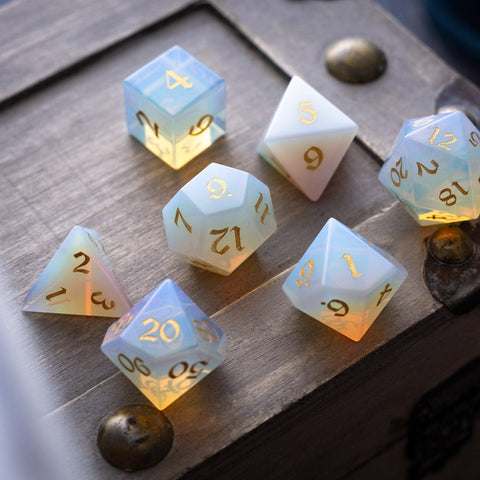
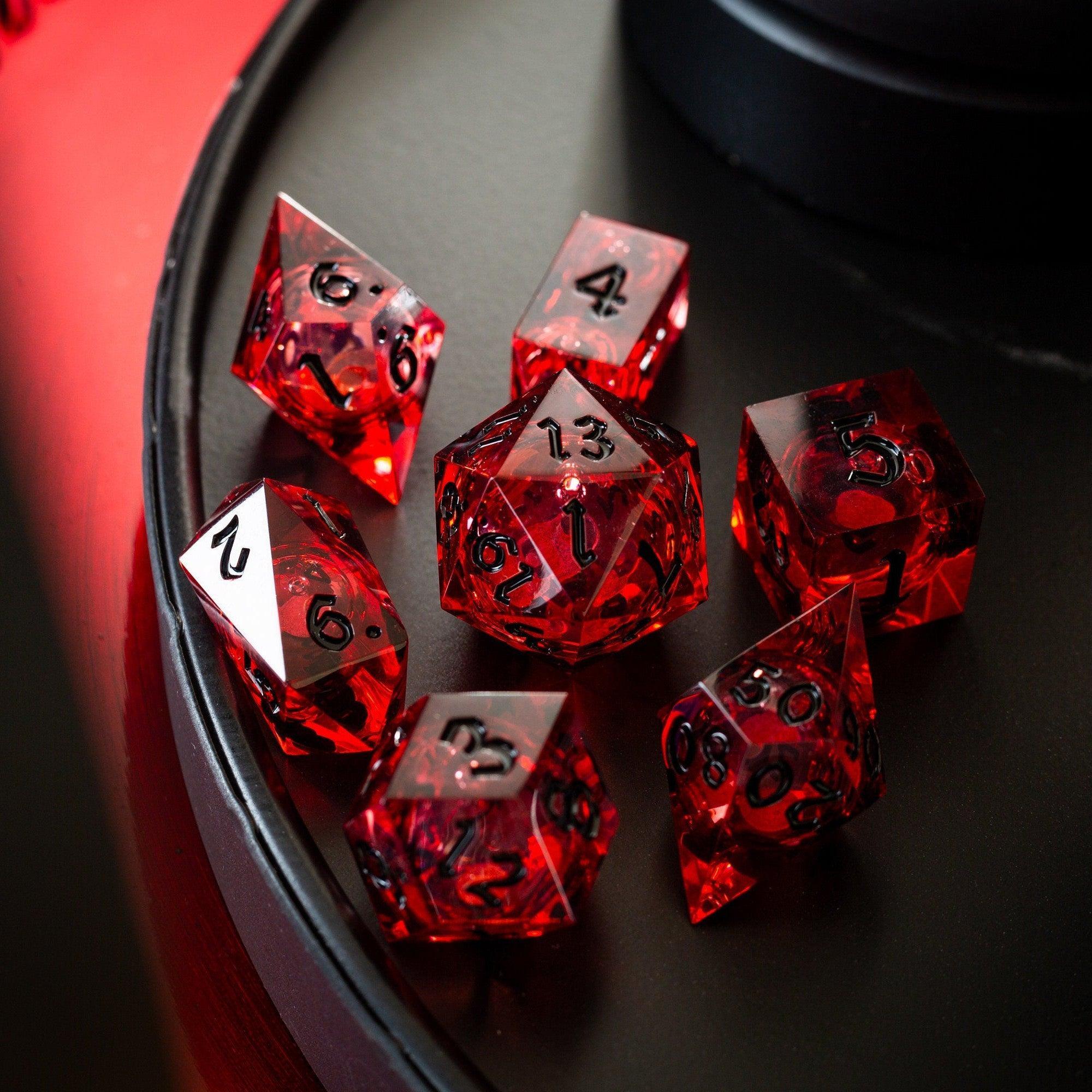
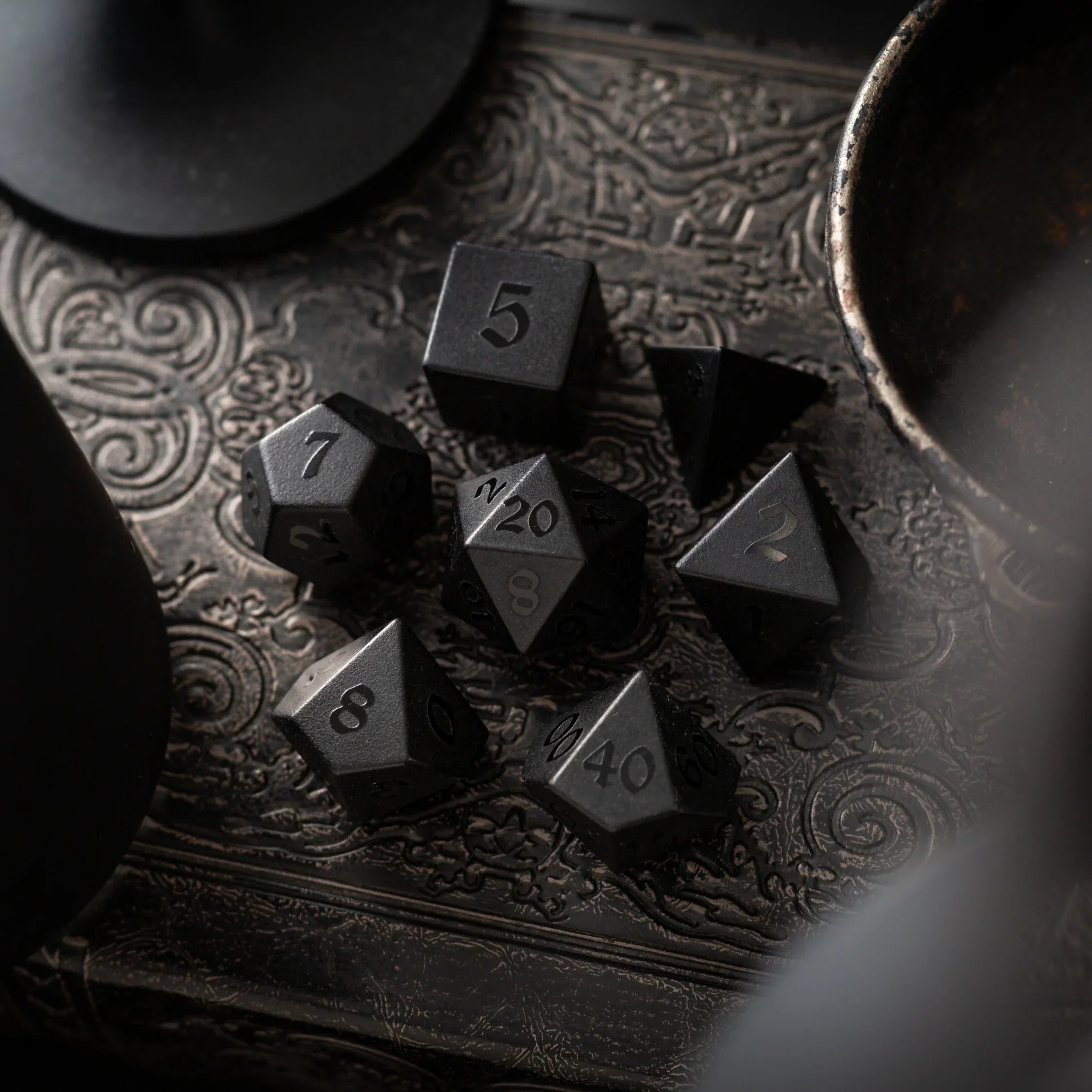
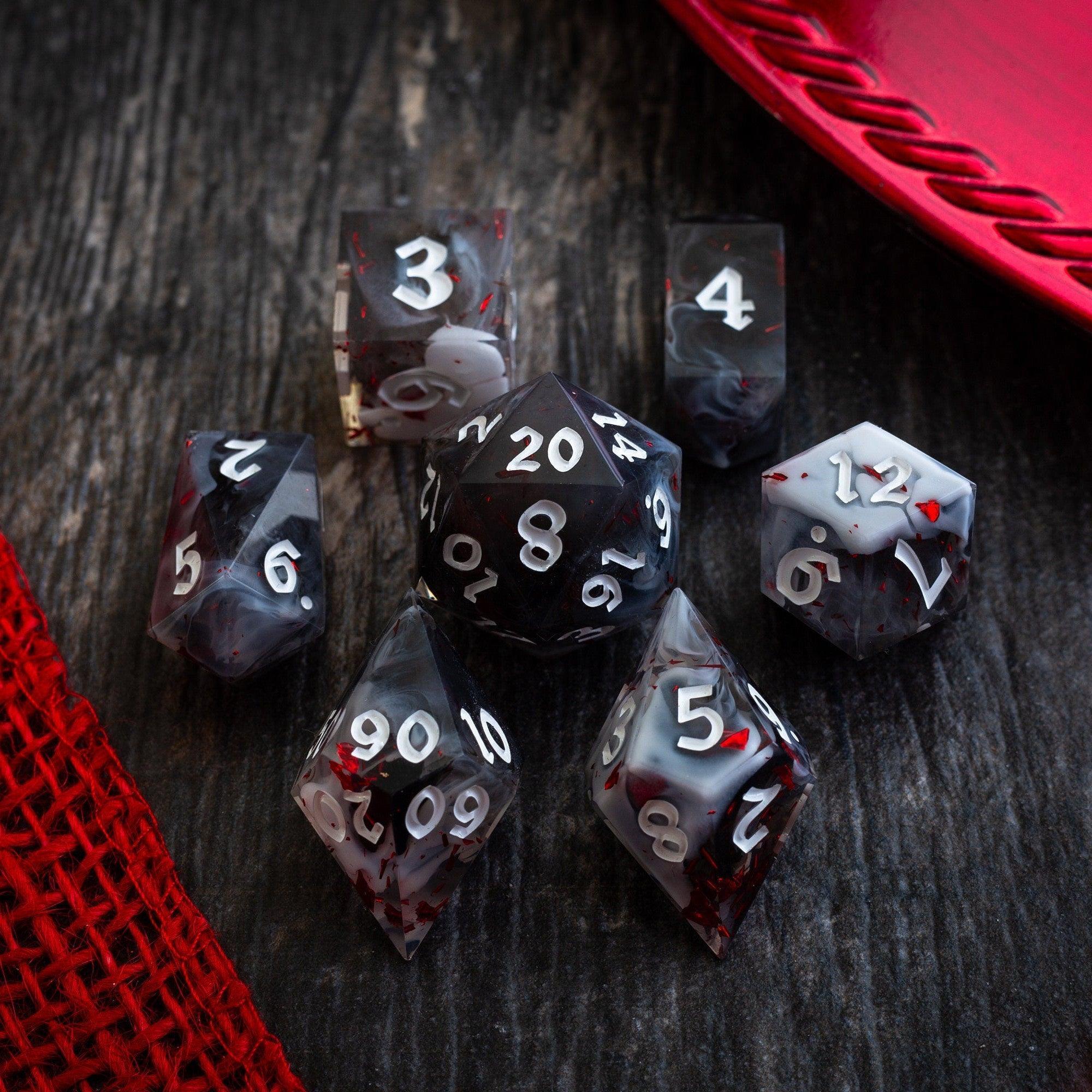
The Twilight Cleric embodies the sacred balance between dusk and dawn, and your DND dice set should reflect that same sense of mystery and brilliance. At Runic Dice, we carry gemstone dice, sharp-edge resin dice, and liquid core dice sets that capture the perfect aesthetic for channeling twilight magic.
- Midnight Guardian: For dark purple and silver swirls evoking twilight magic, consider the Purple Gemstone Amethyst DND Dice Set. Handcrafted from genuine amethyst, these dice exude a deep purple hue, symbolizing the enigmatic allure of twilight.
- Celestial Twilight: To represent the balance between light and dark with blue and gold tones, the Blue Glitter Liquid Core Sharp Edge Resin DND Dice Set is an excellent choice. It showcases vibrant blue hues with a dynamic liquid core, reflecting the harmonious blend of celestial energies.
- Moonshadow Resin: For black and gray hues with glowing hints, perfect for a Twilight Cleric, the Smoke and Blood Resin DND Dice Set offers a blend of smoky grays and deep reds, evoking the mysterious and shadowy aspects of twilight.
With these premium dice sets, every spell you cast and every roll you make will carry the weight of twilight’s divine grace.
Frequently Asked Questions
Is Twilight Domain Cleric overpowered?
Twilight Clerics are exceptionally strong because Twilight Sanctuary repeatedly absorbs damage across multiple party members without requiring concentration. Discuss the subclass with your DM before playing.
Does Twilight Sanctuary remove exhaustion?
No. It only ends one effect causing the charmed or frightened condition, or provides temporary hit points.
Can Twilight Clerics see through magical darkness?
Not automatically. Eyes of Night grants extended darkvision, not truesight or the ability to see through darkness created by the Darkness spell.
Is Twilight Cleric good for beginners?
Yes. Its defensive abilities are straightforward, although players must track temporary hit points, positioning, and resource usage.
The Twilight Domain Cleric remains an excellent choice for players who enjoy protecting their party, controlling the battlefield, and practicing divine magic. Its greatest strength is keeping companions alive through damage prevention rather than relying entirely on healing.
Find a dice set that matches your character's divine connection in our full Cleric Dice Collection.
More D&D Guides You'll Love
- Best Magic Items for Clerics 5e - Divine equipment for Cleric characters.
- Best Magic Items for Paladins 5e - Sacred gear for holy warriors.
- Best Magic Items for Druids 5e - Nature-inspired magic items for spellcasters.















Leave a comment
This site is protected by hCaptcha and the hCaptcha Privacy Policy and Terms of Service apply.