

Life Domain Cleric Guide for Beginners: Mastering the Life Cleric in D&D 5e

The Life Domain Cleric is one of the strongest dedicated healers in Dungeons & Dragons 5e. Under the current 5.5e rules used in 2026, the Life Domain specializes in restoration magic, keeping wounded allies in the fight, and strengthening the Cleric's already powerful healing spells. Presented in the current Player's Handbook, Life Clerics channel the positive energy that sustains life throughout the multiverse.
Unlike other Cleric subclasses, Life Clerics amplify healing spells, gain a powerful Channel Divinity healing option, and eventually maximize healing dice. If you love the idea of a divine guardian who mends wounds and helps ensure the survival of the party, this subclass is for you.
Why Play a Life Domain Cleric?
Key Benefits
- Exceptional Healing – Life Clerics add extra Hit Points to healing spells cast with spell slots, making them one of D&D's strongest dedicated healing subclasses.
- Durable Support – The base Cleric's Divine Order feature lets you choose Protector at level 1 for Heavy armor training and Martial weapon proficiency if you want a tougher frontline healer.
- Healing Spells Are More Effective – The Disciple of Life feature adds bonus healing when you restore Hit Points with a spell slot.
- Restores Large Amounts of Hit Points in Combat – With Preserve Life, you can rapidly distribute healing among Bloodied creatures without spending a spell slot.
- Great Roleplay Potential – Play as a devoted healer, a selfless guardian, or a holy protector.
Compared to other Cleric subclasses, Life Clerics specialize heavily in restoring Hit Points and keeping wounded party members in the fight. The current 5.5e rules also make this role stronger because important healing spells such as Cure Wounds and Healing Word restore more Hit Points than their 2014 versions.
Core Features
Key Mechanics and Abilities
Bonus Proficiency (Level 1)
- 5e (2014): The original Life Domain granted Heavy Armor proficiency as a subclass feature at level 1.
- Current 5.5e: This subclass feature no longer exists. Instead, every Cleric chooses a Divine Order at level 1. Choose Protector to gain Martial weapon proficiency and Heavy armor training.
- Example: A Life Cleric who wants to serve as a heavily armored frontline healer can choose Protector at level 1, then choose the Life Domain when Cleric subclasses become available at level 3.
Disciple of Life (Level 3)
- When a spell you cast with a spell slot restores Hit Points to a creature, that creature regains additional Hit Points on the turn you cast the spell.
- The additional healing equals 2 + the spell slot's level.
- This boosts spells such as Cure Wounds, Healing Word, and Mass Cure Wounds.
- Example: If you cast Cure Wounds using a 2nd-level spell slot, the current spell restores 4d8 + your Wisdom modifier, and Disciple of Life adds another 4 Hit Points.
Channel Divinity: Preserve Life (Level 3)
- As a Magic action, present your Holy Symbol and expend one use of Channel Divinity to restore Hit Points equal to 5 times your Cleric level.
- Choose Bloodied creatures within 30 feet, which can include yourself, and divide the healing among them.
- Preserve Life still cannot restore a creature beyond half its Hit Point maximum.
- Example: At level 5, you have 25 Hit Points of healing to distribute among eligible Bloodied creatures without spending a spell slot.
Blessed Healer (Level 6)
- When you cast a spell with a spell slot that restores Hit Points to one or more creatures other than yourself, you also regain Hit Points.
- You regain Hit Points equal to 2 + the spell slot's level.
- This helps keep you healthy while spending your resources healing the rest of the party.
- Example: Cast Mass Healing Word with a 3rd-level spell slot to heal your allies, and Blessed Healer restores 5 Hit Points to you.
Divine Strike (Level 8)
- 5e (2014): Life Clerics received Divine Strike at level 8, adding Radiant damage to weapon attacks.
- Current 5.5e: Divine Strike is no longer a Life Domain subclass feature. Instead, all Clerics receive Blessed Strikes at level 7.
- You choose between Divine Strike, which adds 1d8 Radiant or Necrotic damage to a weapon hit once on each of your turns, or Potent Spellcasting, which adds your Wisdom modifier to the damage of your Cleric cantrips.
- This means both weapon-focused and spell-focused Life Clerics have an offensive option without the subclass forcing them toward melee combat.
Supreme Healing (Level 17)
- When you would normally roll one or more dice to restore Hit Points with a spell or Channel Divinity, use the highest possible result for each healing die instead.
- This makes dice-based healing exceptionally reliable at high levels.
- Example: A 1st-level Cure Wounds normally restores 2d8 + your Wisdom modifier. With Supreme Healing, those two d8s automatically restore 16 Hit Points, plus your Wisdom modifier and any applicable Disciple of Life healing.
These abilities make the Life Cleric one of the strongest healers in current D&D 5.5e, especially when the party needs dependable Hit Point restoration during difficult encounters.
Suggested Ability Scores
- Primary: Wisdom – Powers your Cleric spellcasting, including your spell attack modifier and spell save DC.
- Secondary: Constitution – Boosts your Hit Points and helps you maintain Concentration on important Cleric spells.
- Tertiary: Strength or Dexterity – Strength can support a Protector build using Heavy armor and melee weapons, while Dexterity can benefit Clerics using Medium armor and improve initiative and Dexterity saving throws.
Recommended Races
Since Life Clerics focus on healing and durability, several species work particularly well:
- Dwarf – The current Dwarf offers useful defensive traits, including Dwarven Resilience and Dwarven Toughness. Unlike the older Hill Dwarf, your ability score increases now come from your background rather than your species.
- Aasimar – Healing Hands, Celestial Resistance, and Celestial Revelation fit naturally with a divine healer, and Aasimar are a core species in the current Player's Handbook.
- Firbolg – Firbolg remains an option when your game allows compatible material from earlier fifth-edition books. Its magical and defensive traits can work well with a nature-oriented Life Cleric.
- Human – The current Human is highly flexible and receives an additional Origin Feat. This replaces the old Variant Human approach for characters built using the current 5.5e rules.
Playing as a Life Domain Cleric
Role in a Party
- Primary Healer & Support – One of the strongest subclasses for restoring Hit Points and helping injured allies stay in combat.
- Tanky Backline or Frontline Support – Choose the Protector Divine Order if you want Heavy armor and Martial weapons, or Thaumaturge if you prefer stronger spellcasting utility.
- Emergency Life Saver – Preserve Life and powerful healing spells can rapidly restore multiple wounded party members during difficult encounters.
Compared to other Clerics, Life Clerics focus more heavily on restoring Hit Points and sustaining the party, rather than specializing primarily in damage, deception, or martial combat.
Tips for New Players
- Keep Healing Word available – Under the current rules, Healing Word restores 2d4 + your Wisdom modifier at 1st level and can be cast as a Bonus Action at a range of 60 feet, making it extremely useful when an ally needs healing quickly.
- Use Preserve Life strategically – It doesn't use a spell slot, so it can be especially valuable when several Bloodied creatures need healing at the same time.
- Position yourself wisely – Stay close enough to reach injured allies while avoiding unnecessary damage that could break your Concentration or force you to spend healing resources on yourself.
- Don't neglect offensive spells – Clerics have strong offensive and control options when healing isn't necessary. Toll the Dead provides cantrip damage, while Spiritual Weapon remains useful in the right encounter, although the current version now requires Concentration.
Roleplay Suggestions
- The Selfless Guardian – A holy protector devoted to defending the weak.
- The Wandering Healer – A merciful traveler, healing those in need across the land.
- The Divine Chosen – A chosen disciple of a healing deity, tasked with preserving life.
Life Clerics aren’t just healers in combat. They’re often part of something bigger, serving communities, protecting others, and carrying out a divine purpose. Remarkable Guilds & Their Heroes is a great way to bring that side of the class to life.
It introduces a range of factions that can easily represent temples, healing orders, or groups dedicated to protecting others. Instead of your Cleric feeling like a standalone support character, they become part of a larger mission. That adds depth to your roleplay and gives your DM plenty of ways to tie your character into the story through allies, responsibilities, and shared goals.
Gear and Dice Recommendations
Suggested Equipment
Weapons
- Mace or Warhammer – A mace is a straightforward option for any Cleric. A warhammer becomes available through Martial weapon proficiency, such as from choosing the Protector Divine Order.
- Quarterstaff – A Simple weapon available to Clerics. Wisdom-based weapon attacks require an appropriate feature or spell, so Shillelagh is not automatically part of the standard Cleric spell list.
Armor
- Plate Armor – An excellent Heavy armor option for a Life Cleric who chooses the Protector Divine Order and meets the armor's requirements.
- Shield – Clerics have Shield training, making a Shield a strong defensive option for both frontline and backline Life Clerics.
Magic Items
- Periapt of Wound Closure – Helps protect you when making Death Saving Throws and doubles the Hit Points restored when you roll a Hit Point Die to regain Hit Points.
- Amulet of the Devout – A useful Cleric-focused magic item from compatible fifth-edition material that can improve your spell attacks and spell save DC while also supporting Channel Divinity.
- Cloak of Protection – Provides a +1 bonus to Armor Class and saving throws, making it useful for a Cleric who wants better overall defenses.
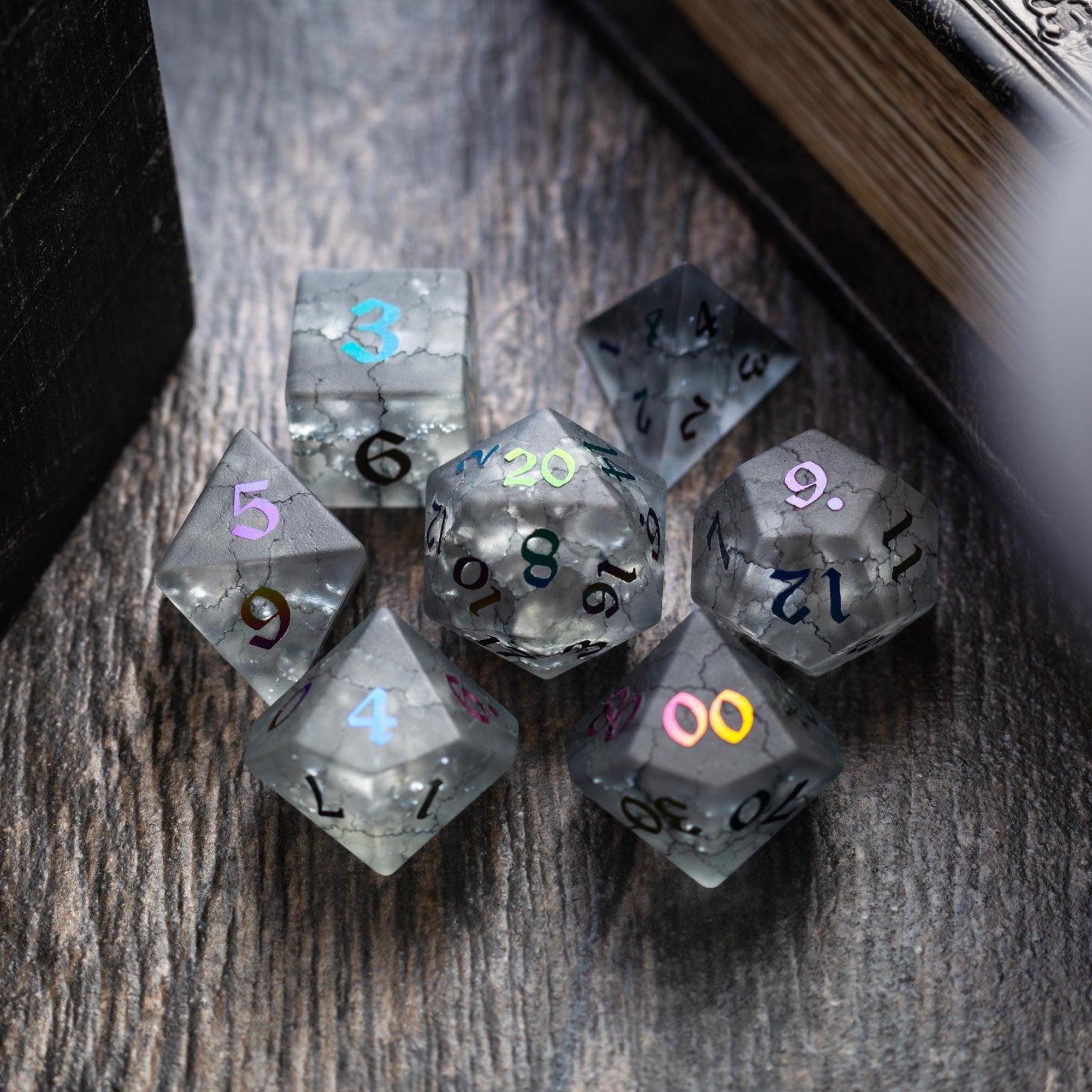
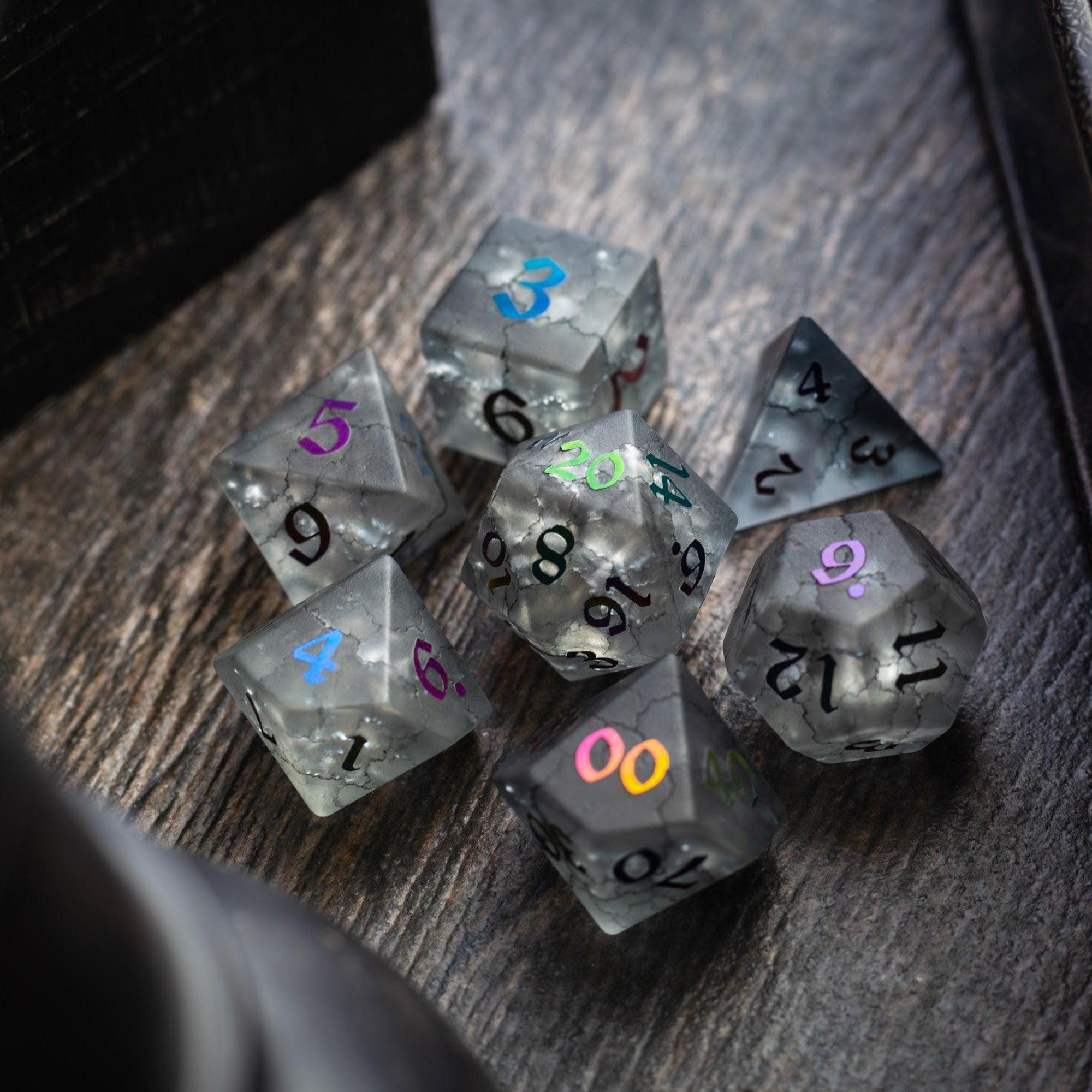
Dice Recommendations from Runic Dice
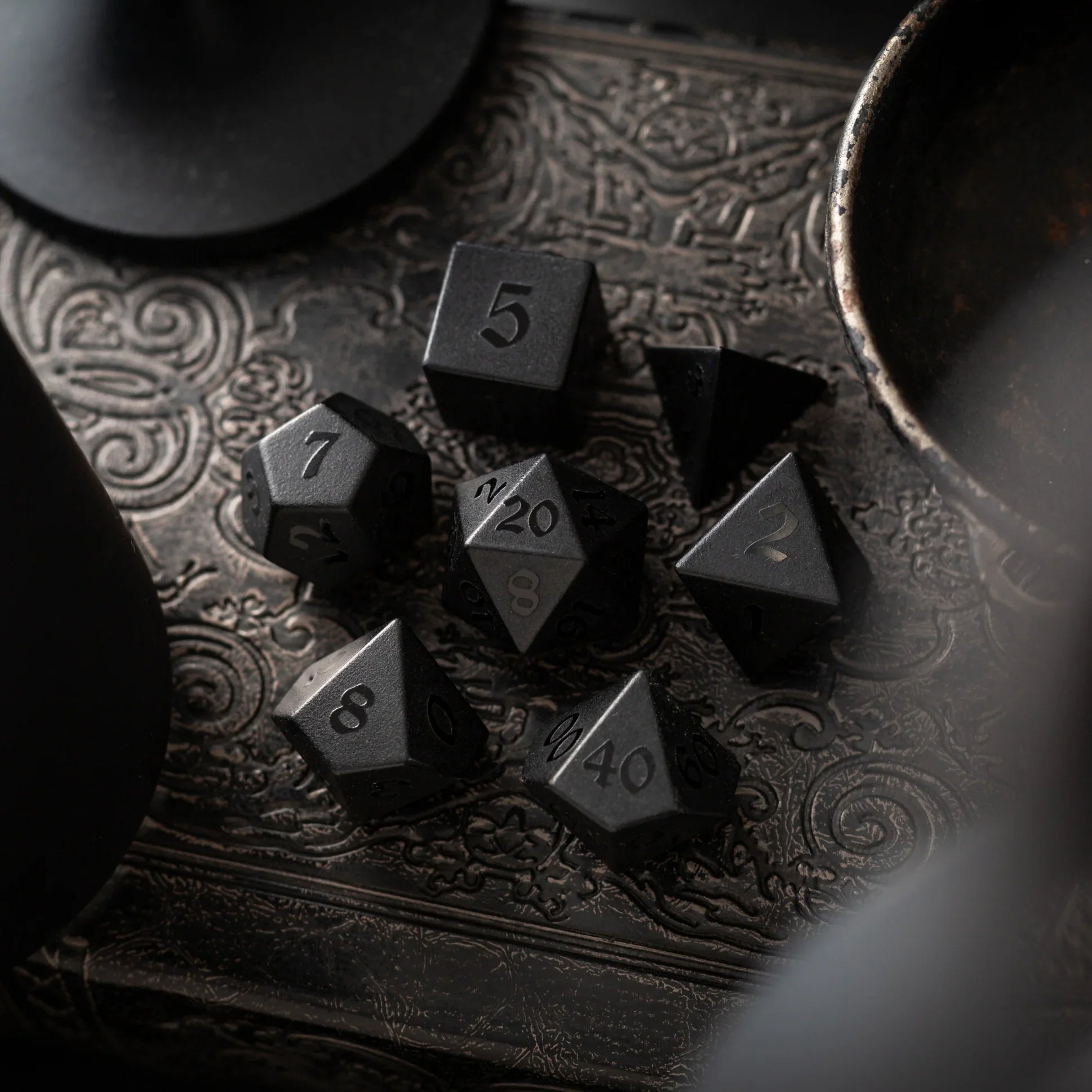
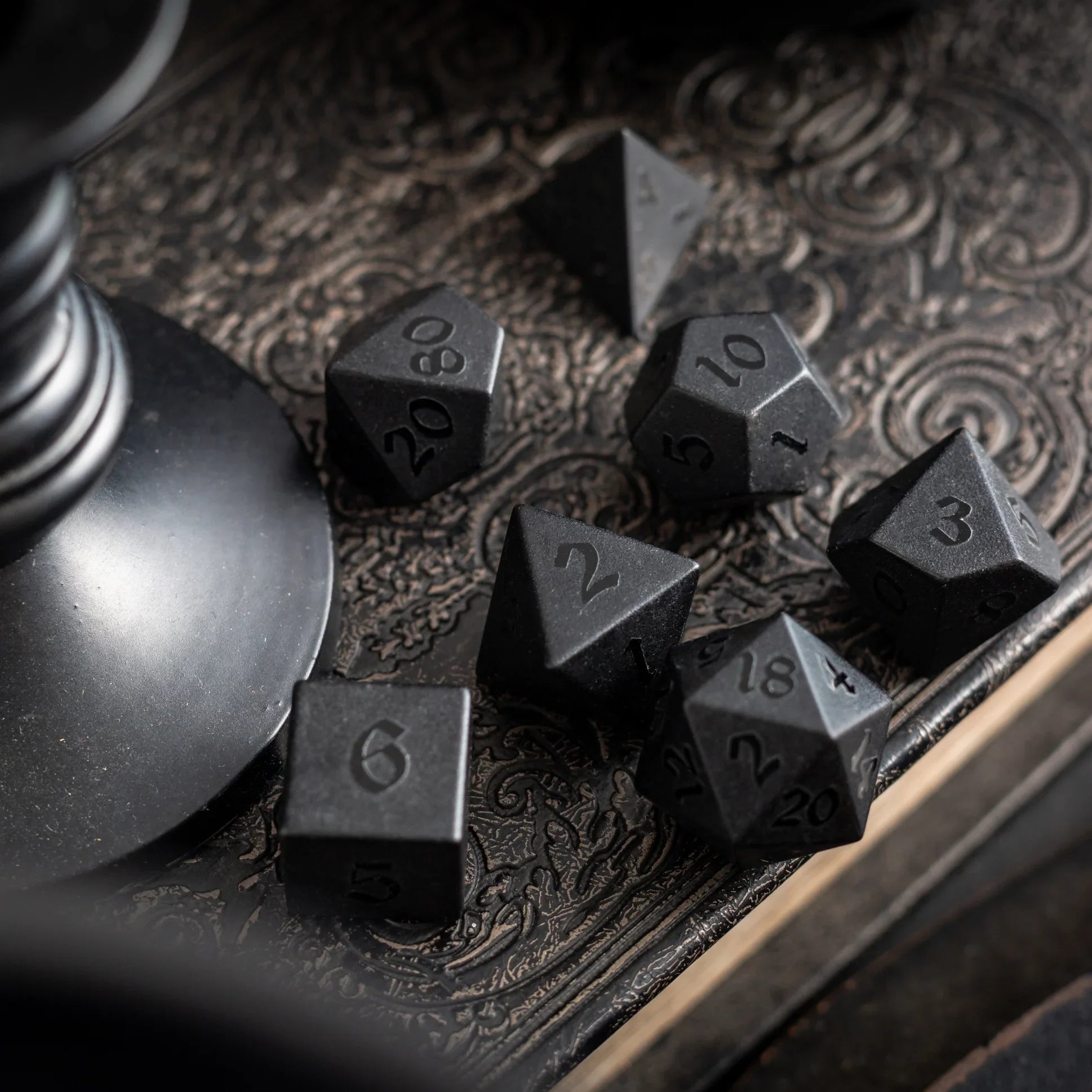
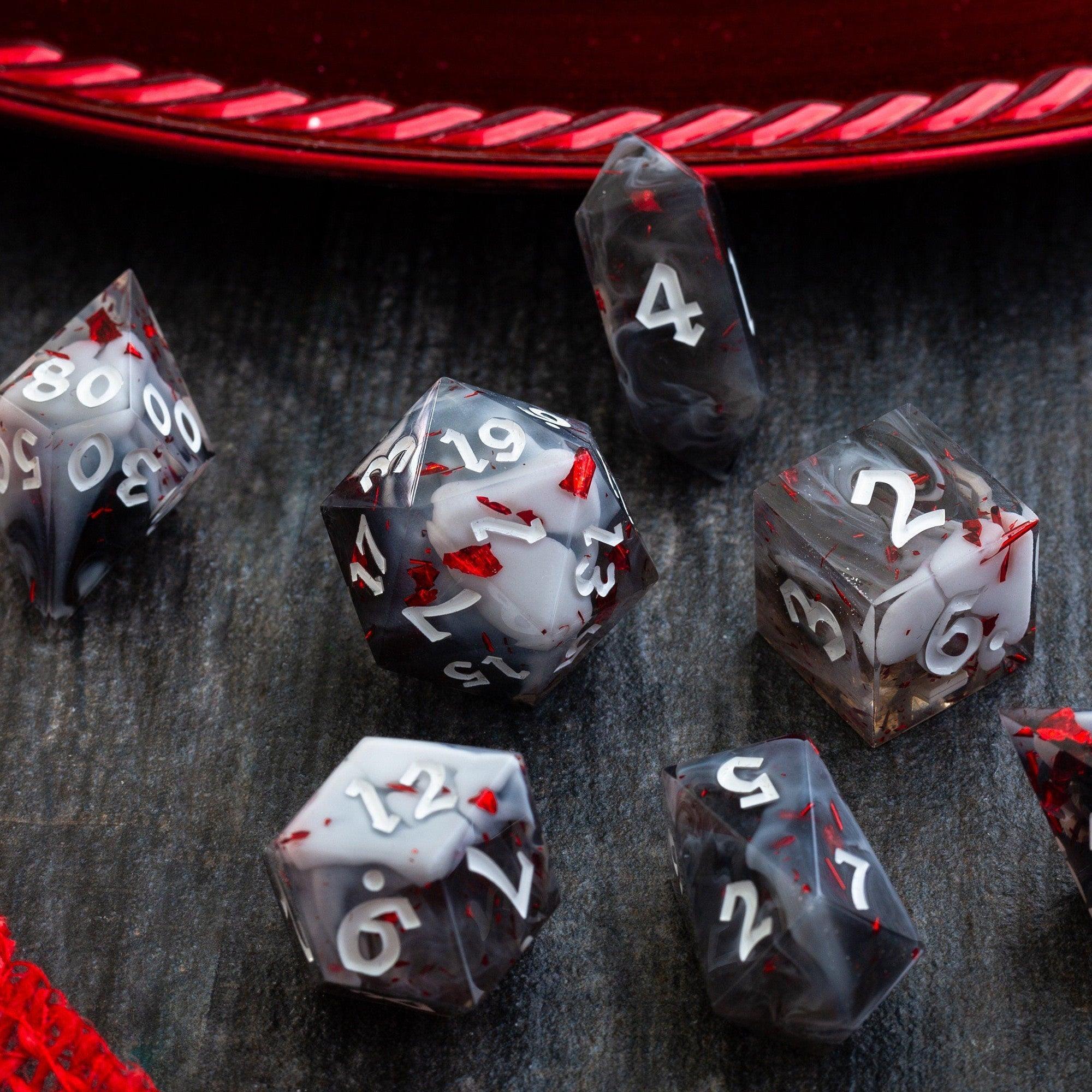
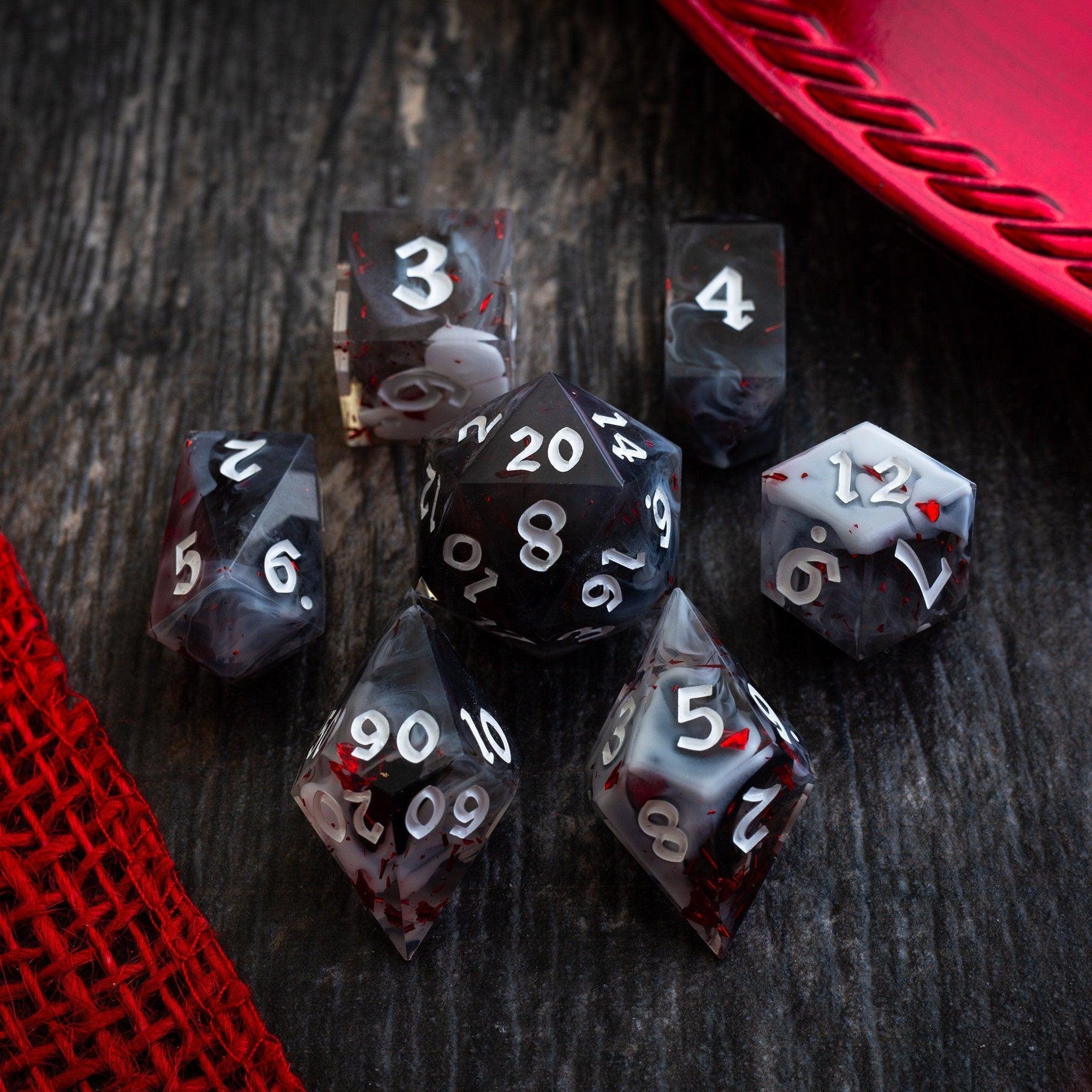
Enhance your holy healer aesthetic with these divine-themed dice sets:
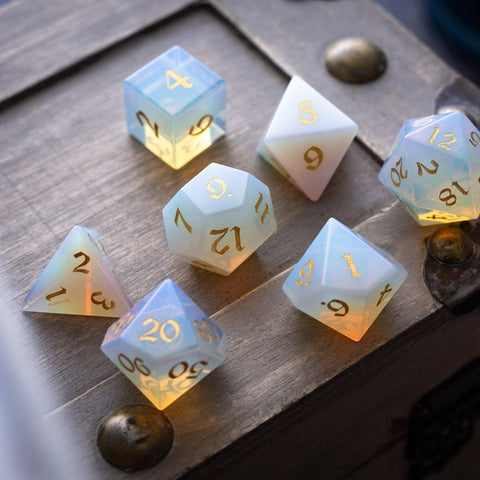
- Divine Light: For a gold and white color scheme befitting a holy healer, consider the Gemstone Opalite (Gold Font) DND Dice Set. Handcrafted from opalite with gold numbering, these dice exude a luminous quality, symbolizing divine light and purity.
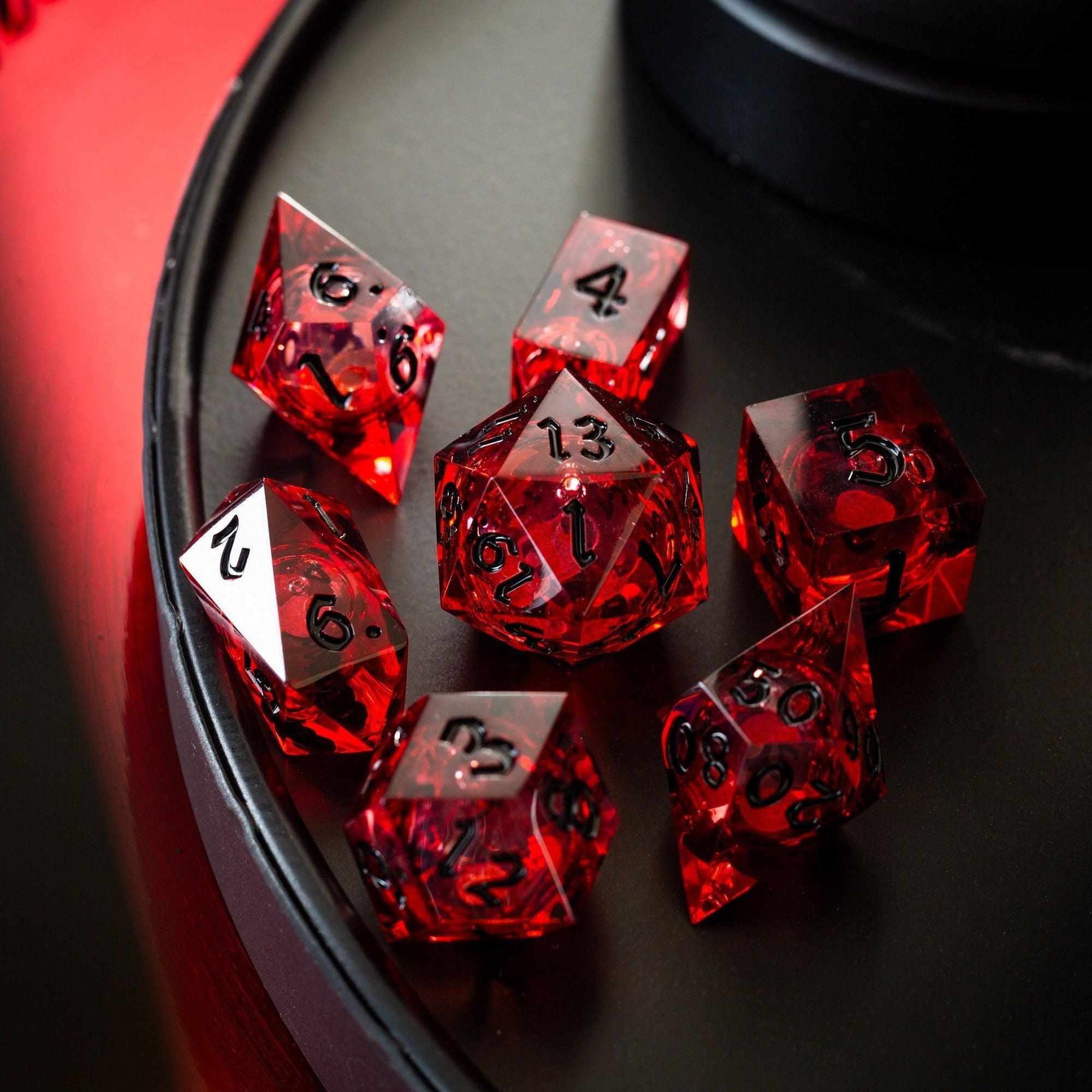
- Sanctified Radiance: Reflecting pure divine energy, the Blue Glitter Liquid Core Sharp Edge Resin DND Dice Set features shimmering blue tones with a dynamic liquid core, capturing the essence of sanctified radiance.
- Emerald Grace: For a gentle and wise healer, the Green Glitter Liquid Core Sharp Edge Resin DND Dice Set offers a harmonious blend of green hues with a sparkling liquid core, embodying the grace and wisdom of a benevolent healer.
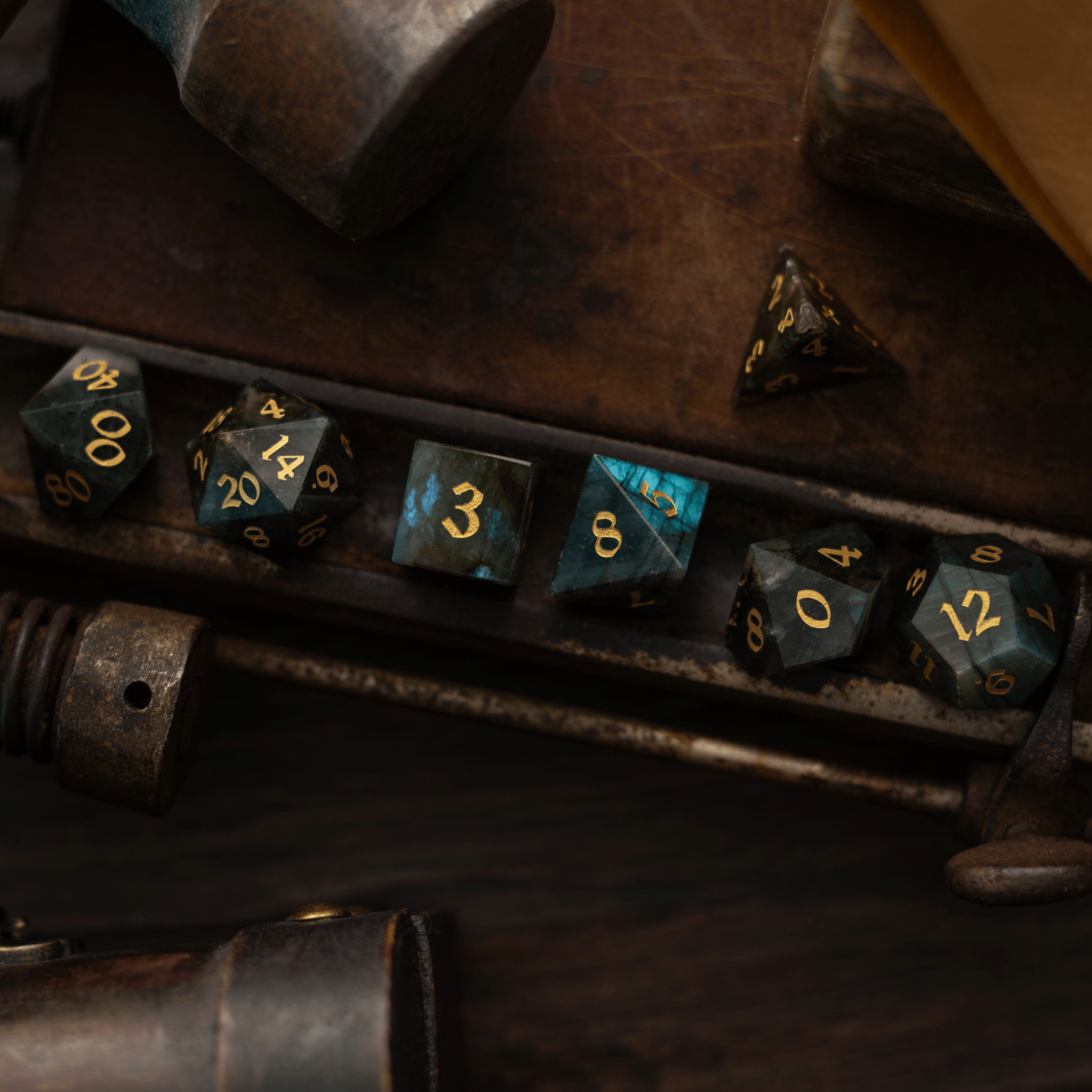
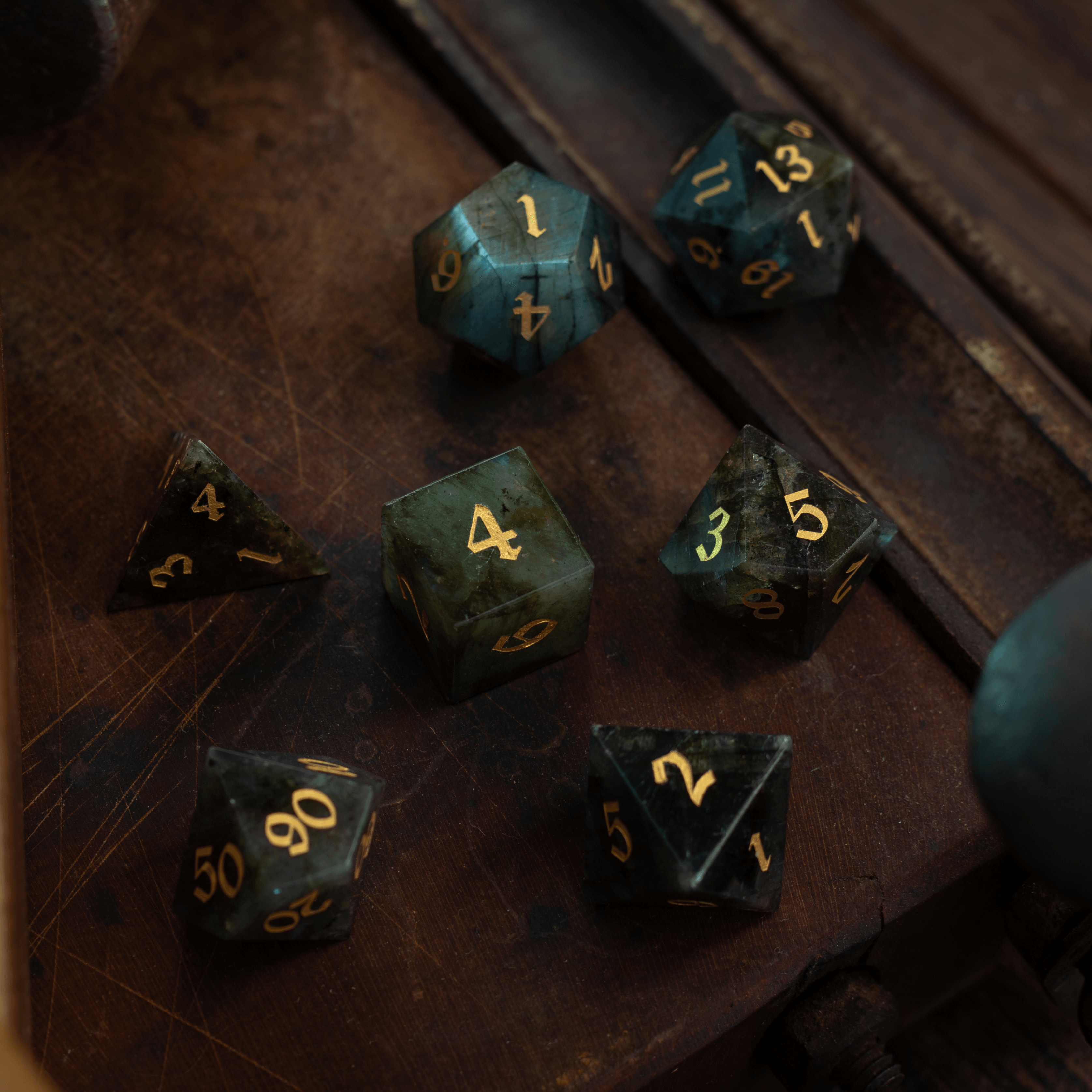
These DND dice sets not only reflect the essence of a Life Cleric but also add a special touch to your table presence. For many players, gemstone dice become more than tools, they are talismans of their characters’ journeys.
Advanced Tips and Tricks
Optimization Strategies
-
Feats:
- War Caster – Grants Advantage on Constitution saving throws made to maintain Concentration, allows you to perform Somatic components while holding weapons or a Shield, and provides an improved spellcasting option when a creature provokes an Opportunity Attack.
- Resilient (Constitution) – Can grant proficiency in Constitution saving throws, helping protect Concentration and improving other Constitution saves.
- Tough – Increases your Hit Point maximum, improving your overall survivability.
-
Multiclassing:
- Druid (Circle of Stars) – Can provide additional spellcasting and support options, but multiclassing delays your Cleric spell progression and Life Domain features.
- Paladin – Can support a heavily armored divine-warrior concept, but the current Cleric already has access to Heavy armor and Martial weapons through Protector, so multiclassing solely for equipment proficiency is unnecessary.
Advanced Builds
- The Unkillable Healer – Choose Protector for Heavy armor, carry a Shield, prioritize Wisdom and Constitution, and use defensive magic to remain standing while supporting your allies.
- The Divine Protector – Focus on buffs, healing, battlefield control, and defensive spells that reduce the pressure on wounded party members.
- The Battle Healer – Choose Protector and Divine Strike if you want to combine weapon attacks with healing, or choose Potent Spellcasting if you prefer dealing damage through Cleric cantrips.
The Life Domain Cleric remains one of D&D 5e's strongest dedicated healers, but its mechanics have changed significantly under the current 5.5e rules. Life Clerics now choose their Domain at level 3, gain Heavy armor through the optional Protector Divine Order rather than their subclass, use the revised Disciple of Life and Preserve Life features, and benefit from stronger modern healing spells. If you want to be the party's healer, a divine guardian, and a dependable support character, the current Life Domain remains an excellent choice.










Leave a comment
This site is protected by hCaptcha and the hCaptcha Privacy Policy and Terms of Service apply.