
Bard Guide for Beginners: Mastering the Bard in D&D 5e

If you’re looking for one of the most flexible classes in Dungeons & Dragons, the Bard is a strong choice. Updated in the 2024 Player’s Handbook and commonly referred to as part of the D&D 5.5e rules, the Bard combines spellcasting, skill expertise, support abilities, and creative roleplaying. Bards can help allies recover from failed rolls, control enemies, handle social encounters, and fill gaps when the party needs an extra specialist.
Why Play a Bard?
- Versatility: Bards can heal, support allies, control enemies, handle skill checks, and contribute damage when needed.
- Roleplaying Flexibility: Charisma, broad skill access, Expertise, and social spells make Bards excellent in campaigns with negotiation, intrigue, and character-driven scenes.
- Reliable Support: Bardic Inspiration gives allies another chance to turn failed D20 Tests into successes, while the Bard spell list offers useful support and control options.
Core Features
Key Mechanics and Abilities
- Bardic Inspiration: Starting at level 1, you can use a Bonus Action to give a Bardic Inspiration die to another creature within 60 feet that can see or hear you. If that creature fails a D20 Test within the next hour, it can roll the die and add the result to the d20. Uses equal your Charisma modifier, with a minimum of once. The die is a d6, becoming a d8 at level 5, a d10 at level 10, and a d12 at level 15. At level 5, Font of Inspiration restores uses on a Short or Long Rest and lets you spend a spell slot to recover one use.
- Expertise and Jack of All Trades: At level 2, you gain Expertise in two skill proficiencies, and you gain Expertise in two more at level 9. Jack of All Trades also arrives at level 2, adding half your Proficiency Bonus, rounded down, to eligible ability checks using skills you lack proficiency in.
- Spellcasting: Charisma is your spellcasting ability. You begin with two Bard cantrips and four prepared level 1 Bard spells. Your prepared spell total grows with level, and you can replace one prepared spell whenever you gain a Bard level. A musical instrument can serve as your Spellcasting Focus.
- Countercharm: At level 7, Countercharm becomes a useful defensive Reaction. When you or a creature within 30 feet fails a saving throw against an effect that applies the Charmed or Frightened condition, you can cause that save to be rerolled with Advantage.
- Magical Secrets: Starting at level 10, your spell choices expand dramatically. Whenever your Bard level increases the number of spells you can prepare, those new spells can come from the Bard, Cleric, Druid, or Wizard spell lists. When you replace a prepared Bard spell, you can also choose a replacement from those lists.
Suggested Ability Scores
- Charisma (Primary): Your most important ability because it powers Bard spellcasting and determines how many Bardic Inspiration uses you can grant.
- Dexterity (Secondary): Helps Armor Class, initiative, Dexterity saving throws, and attacks with finesse or ranged weapons you are proficient with.
- Constitution: More Constitution means more Hit Points and stronger Constitution saving throws, which matter when maintaining Concentration on spells.
Recommended Species
Under the current rules, ability score increases come from your background rather than your species, so there is no single “best race” for a Bard. Choose a species whose traits fit the character and playstyle you want.
- Human: Gains Heroic Inspiration after a Long Rest, one extra skill proficiency, and an Origin feat of your choice, making Human a flexible option for a skill-focused Bard.
- Elf: Offers Darkvision, Fey Ancestry, Keen Senses, Trance, and lineage-based magic. High Elf, Wood Elf, and Drow each bring different spells or mobility benefits.
- Tiefling: Provides Darkvision, Thaumaturgy, and a Fiendish Legacy that grants resistance plus additional magic based on the chosen legacy.
- Halfling: Luck lets you reroll a 1 on the d20 of a D20 Test, while Brave, Halfling Nimbleness, and Naturally Stealthy offer useful defensive and exploration benefits.
Playing as a Bard
Role in a Party
Bards work best when they respond to what the party needs. One turn may call for Bardic Inspiration, another for a control spell, and another for Healing Word. Outside combat, proficiency in any three skills plus Expertise makes them strong problem-solvers.
Tips for New Players
- Use Bardic Inspiration Before Trouble Starts: Because the die lasts for an hour, you do not always need to wait until combat is already underway.
- Watch Your Bonus Action: Bardic Inspiration competes with some spells and subclass abilities for your Bonus Action, so plan your turn before committing it.
- Choose Spells for Different Situations: A mix of healing, control, utility, and social magic gives you more ways to help the party.
- Protect Concentration: Many strong control and support spells require Concentration, so positioning and Constitution matter more than they may first appear.
Roleplay Suggestions
- Traveling Minstrel: Collect stories, songs, rumors, and local legends wherever the party travels.
- Mysterious Storyteller: Use performances and carefully chosen tales to reveal pieces of a hidden past.
- Eccentric Performer: A Bard does not have to be a musician. Dance, poetry, acting, comedy, or storytelling can shape the character’s identity.
Subclasses Overview
Bard subclasses are called Colleges. The revised 2024 Player’s Handbook includes College of Dance, College of Glamour, College of Lore, and College of Valor. Older subclasses not replaced by revised versions can still be used when your game allows those sourcebooks.
- College of Lore Bard: A skill-heavy Bard that uses Cutting Words to interfere with enemy rolls and gains extra magical flexibility through subclass features.
- College of Valor Bard: A combat-ready Bard with expanded weapon and armor training. Its revised Extra Attack can replace one attack with a Bard cantrip.
- College of Glamour Bard: A Feywild-inspired support and control Bard that uses supernatural presence to influence enemies and reposition allies.
- College of Dance Bard: A 2024 subclass built around movement, defense, and powerful Unarmed Strikes fueled by Bardic Inspiration.
- College of Swords Bard: An older melee-focused subclass from Xanathar’s Guide to Everything that uses Blade Flourishes to add mobility, defense, or extra damage.
- College of Whispers Bard: An intrigue-focused option from Xanathar’s Guide to Everything with features built around fear, deception, and psychic damage.
- College of Creation Bard: A creative support subclass from Tasha’s Cauldron of Everything that can create objects and animate items.
- College of Eloquence Bard: A social specialist from Tasha’s Cauldron of Everything known for strong Persuasion and Deception tools plus dependable Bardic Inspiration support.
Gear and Dice Recommendations
Suggested Equipment
- Weapons: The 2024 Bard is proficient with simple weapons. The standard starting package includes two daggers, while subclasses such as College of Valor expand your weapon options.
- Armor: Bards have Light armor training by default. College of Valor adds access to tougher defensive equipment.
- Instruments: A level 1 Bard chooses proficiency with three musical instruments, and a musical instrument can be used as a Spellcasting Focus for Bard spells.
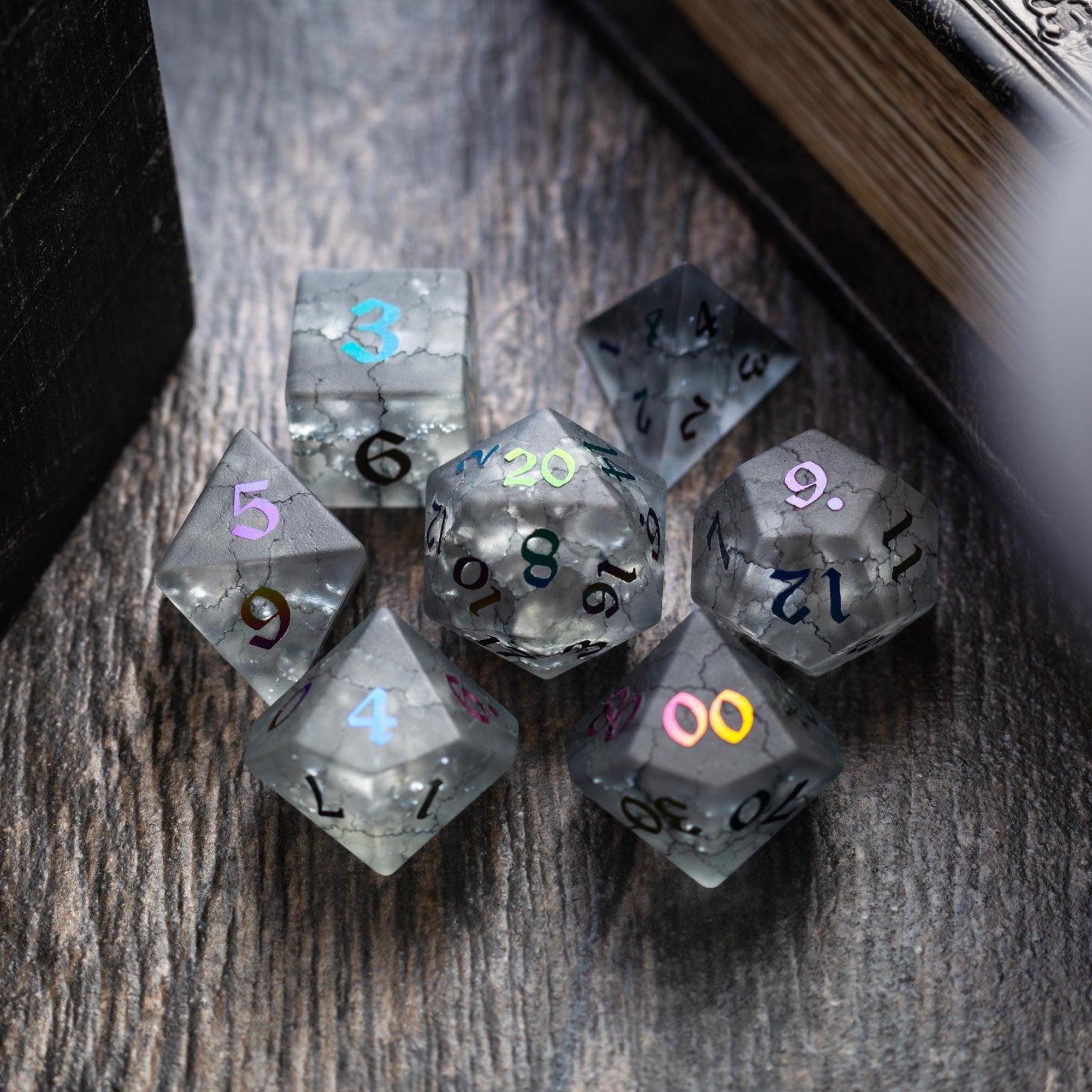
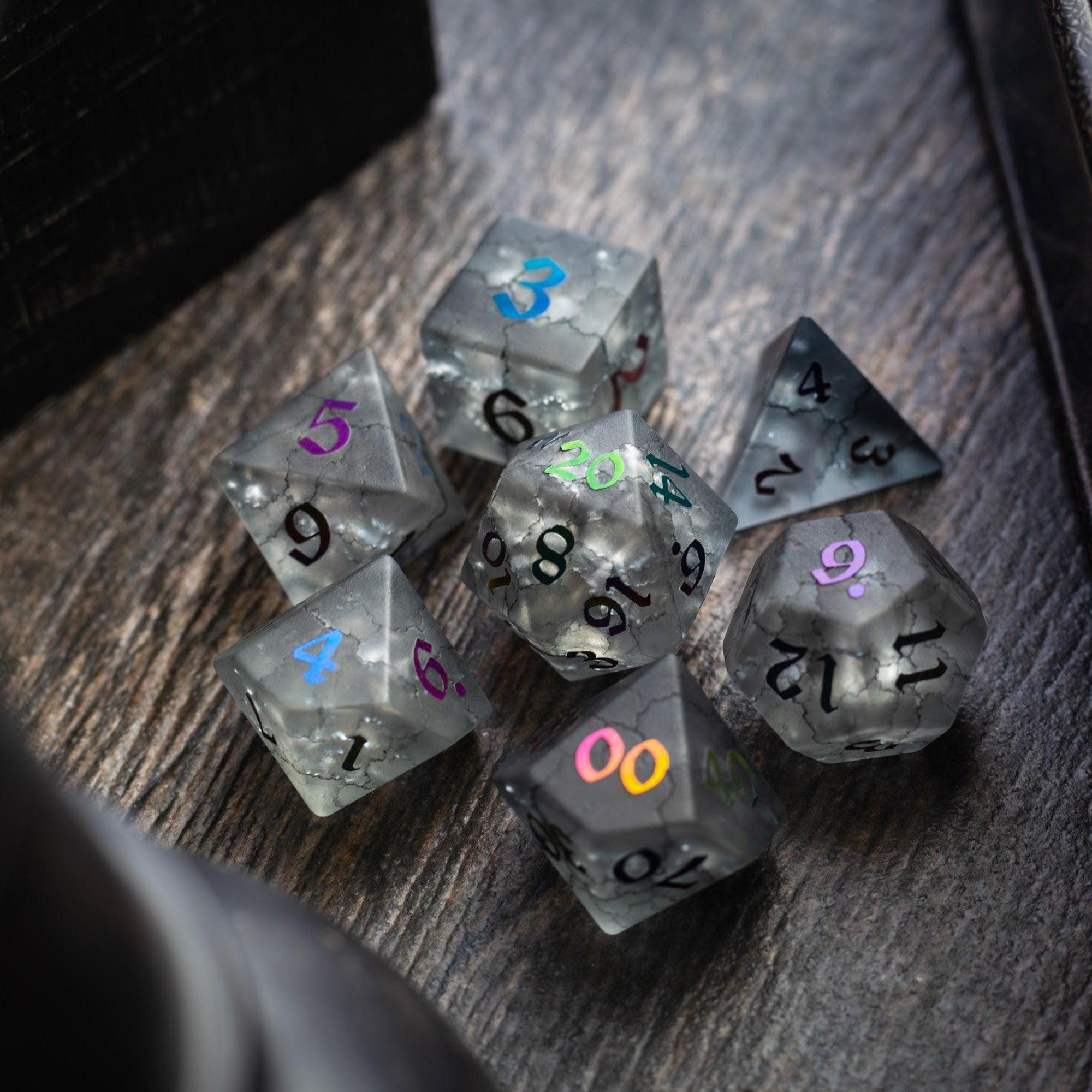
Dice Recommendations from Runic Dice
If you like matching dice to a Bard’s personality, these themes work naturally without affecting the character’s mechanics:
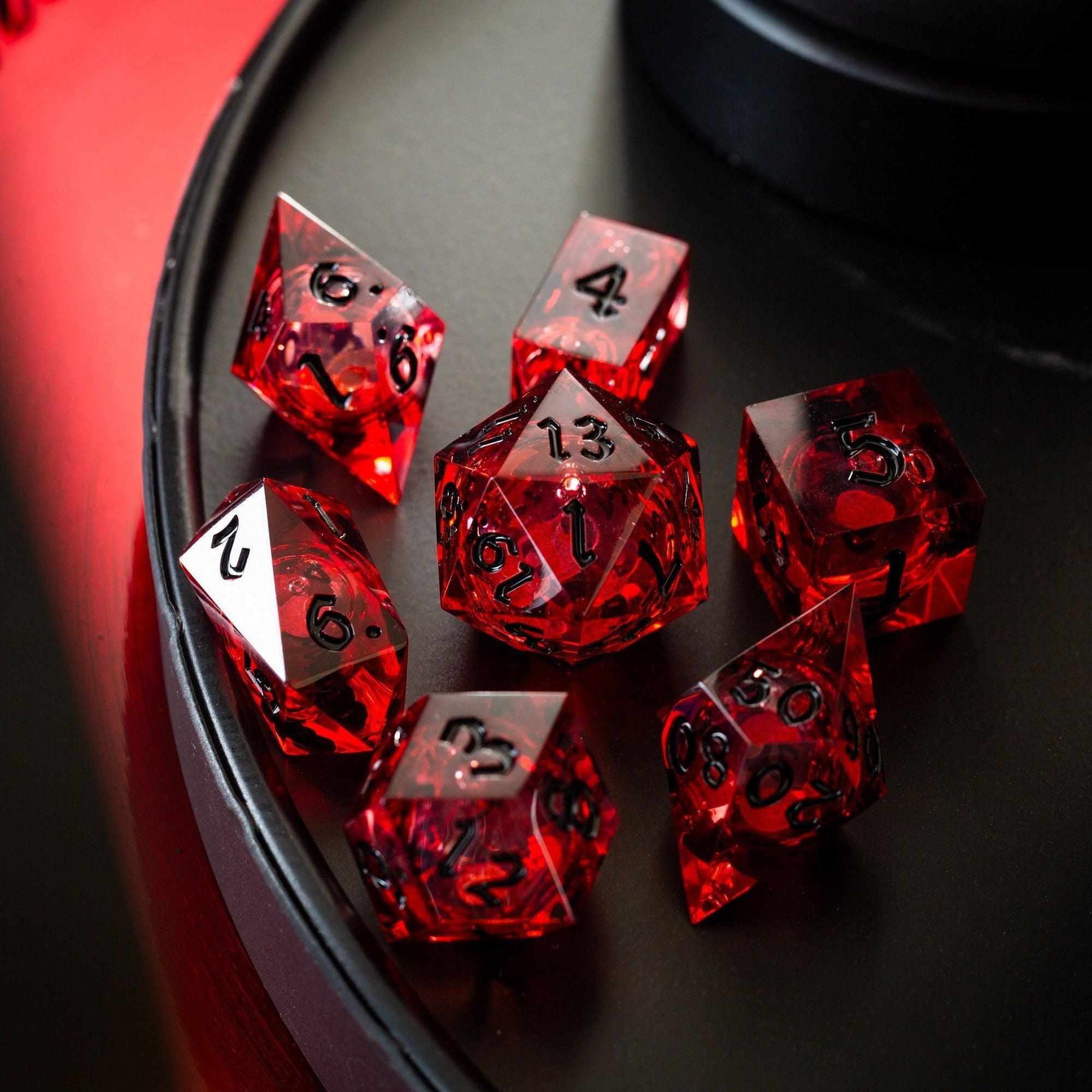
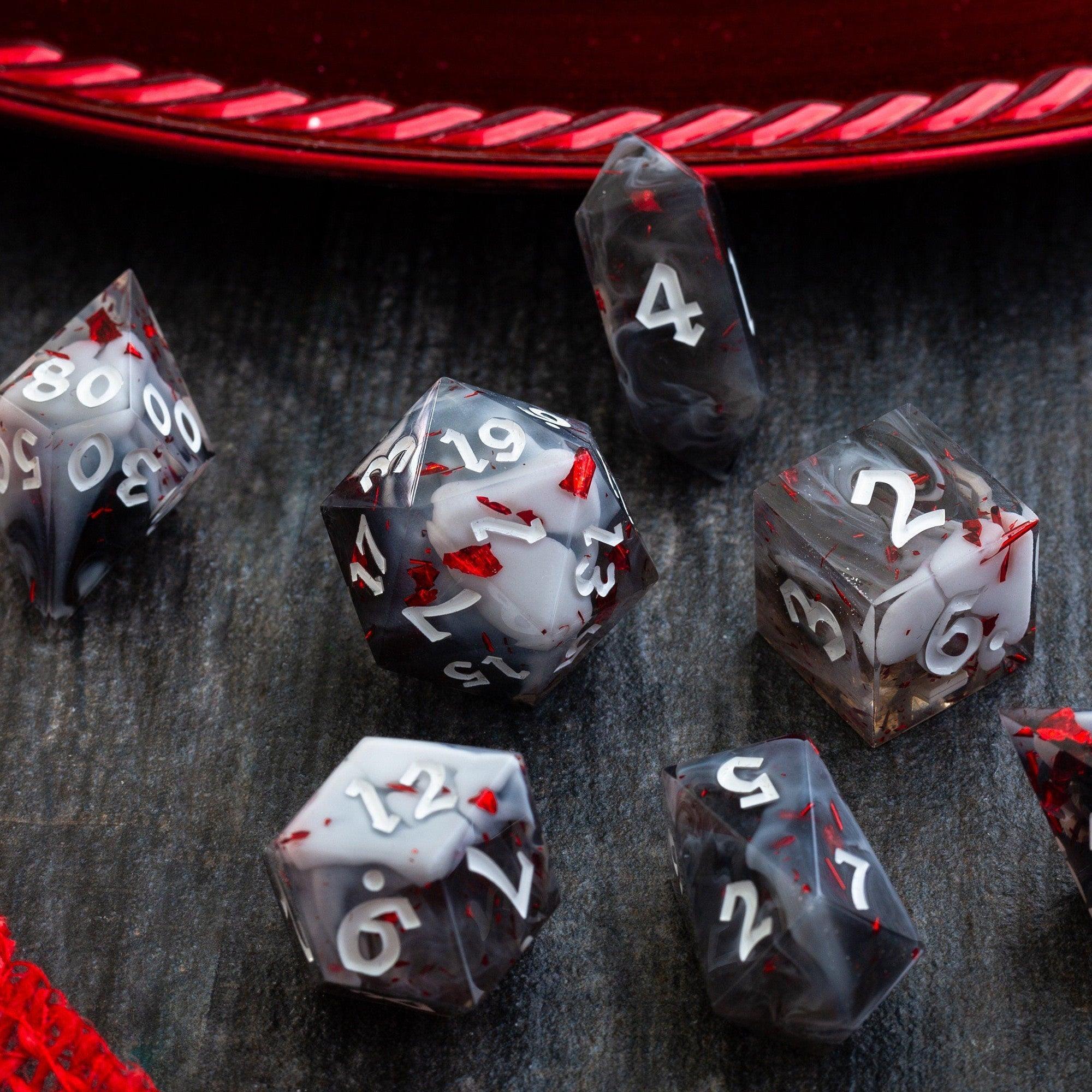
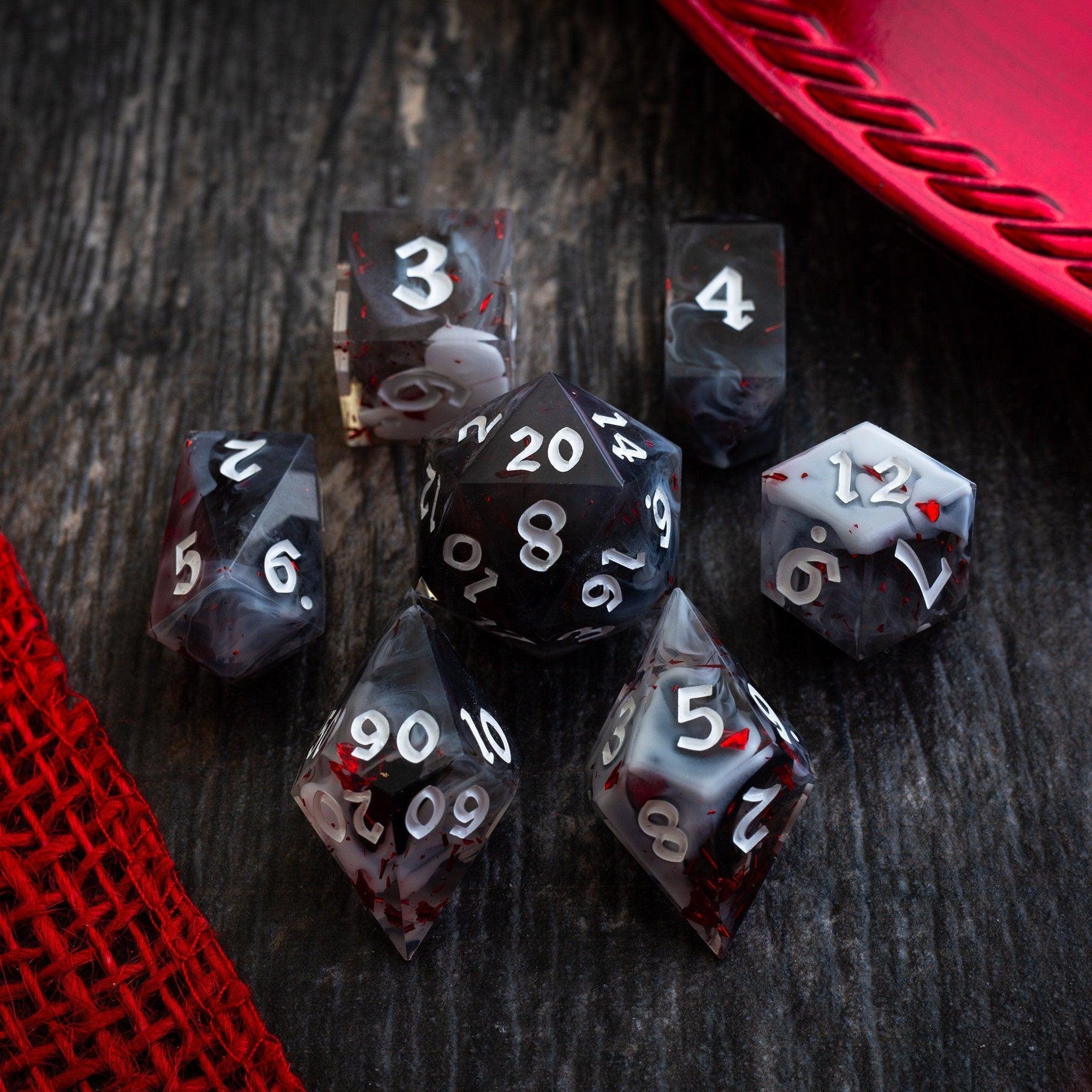
- Charismatic Performer: The Blood Red Glitter Liquid Core Handmade Resin DND Dice Set suits a dramatic stage performer or bold College of Glamour character.
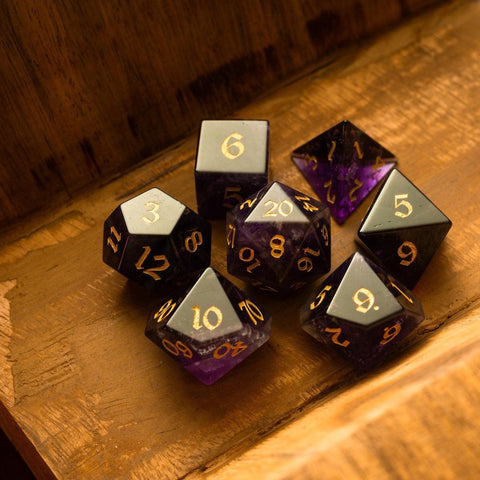
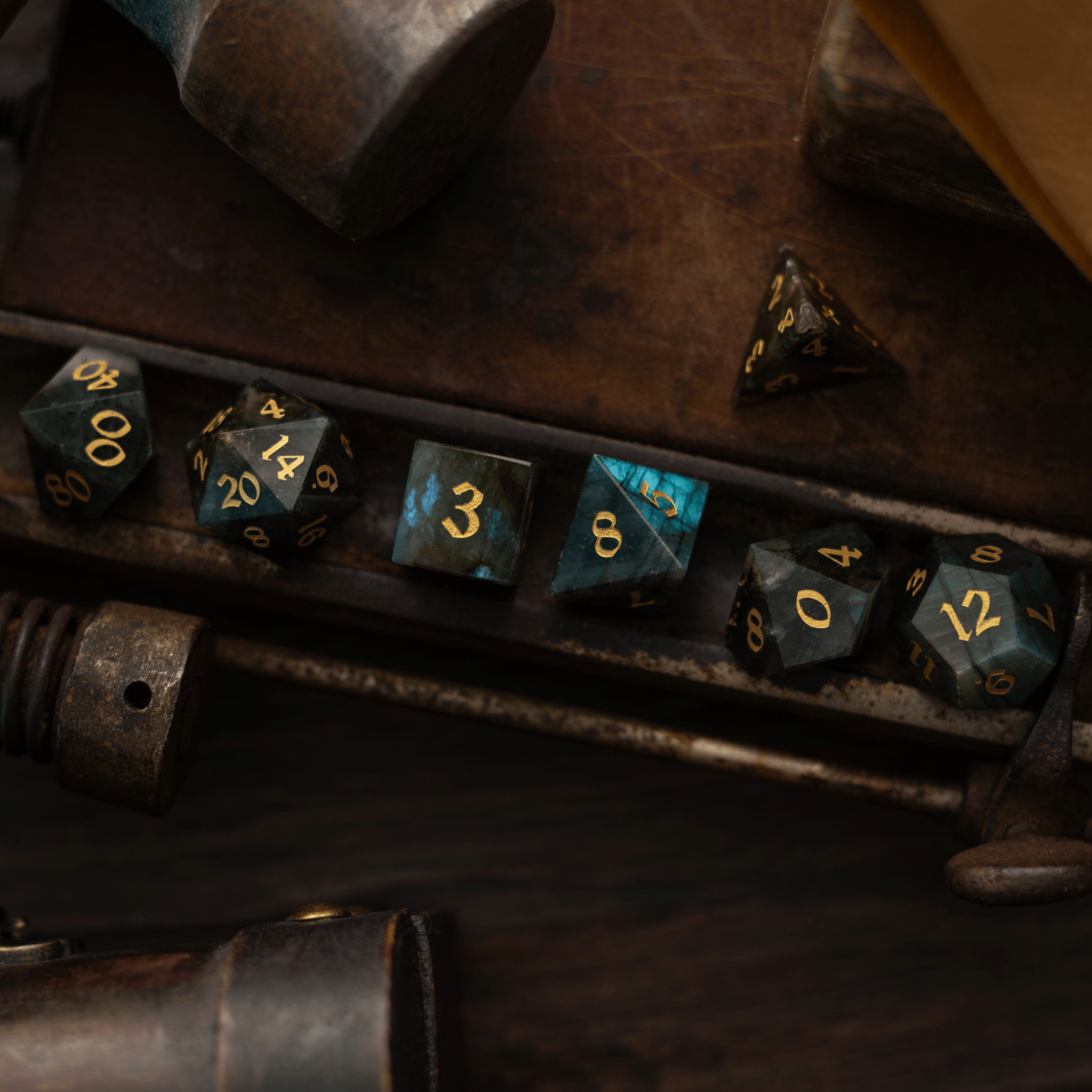
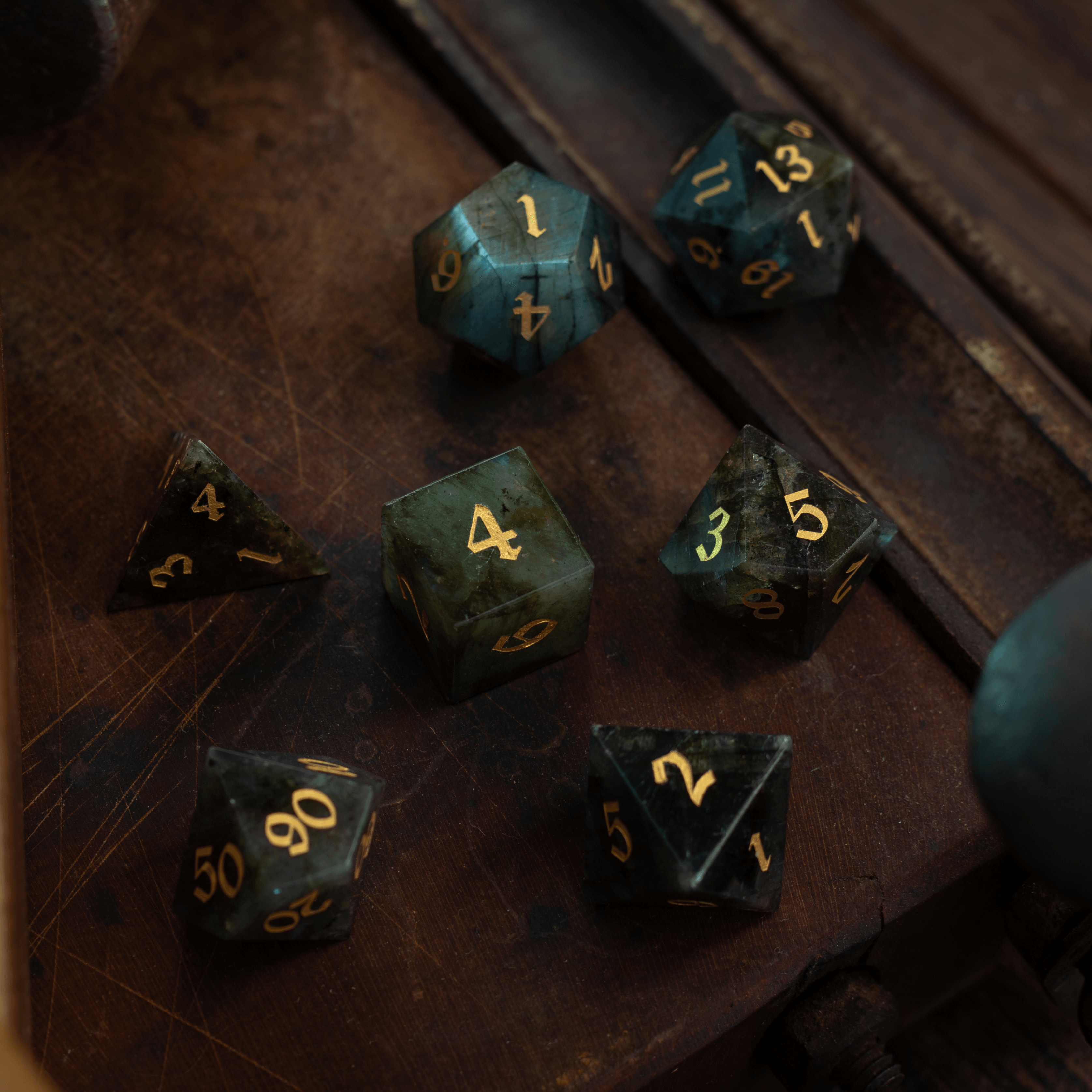
- Mysterious Enchanter: The Purple Amethyst Gemstone DND Dice Set fits a mystical storyteller, fortune-teller, or lore keeper.
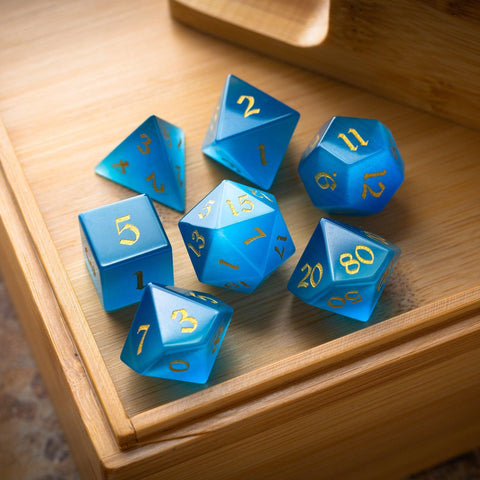
- Playful Entertainer: The Blue Snowflake Handmade Resin DND Dice Set works well for a whimsical performer or winter-themed character.
Advanced Tips and Tricks
Optimization Strategies
- Feats: Inspiring Leader can add more party support, while War Caster can be useful for Bards who rely heavily on Concentration spells.
- Multiclassing: Charisma-based classes can combine well with Bard, but every multiclass level delays Bard features, spell progression, and access to higher-level Bard abilities.
- Magical Secrets Picks: From level 10 onward, use the Cleric, Druid, and Wizard lists to cover weaknesses in your party rather than choosing spells only for raw damage.
Advanced Builds
- Support Bard: Focus on Bardic Inspiration, healing, battlefield control, social skills, and spells that make allies more effective.
- Battle Bard: Choose a martial subclass such as College of Valor and combine weapon attacks with full Bard spellcasting.
The Bard remains one of the most adaptable classes in modern D&D. The 2024 rules make Bardic Inspiration easier to use, improve its recovery through Font of Inspiration, turn Countercharm into a practical Reaction, and expand Magical Secrets. Whether you want to be the party’s face, controller, support caster, explorer, or battle-ready performer, the Bard can shift roles as the adventure changes.











Leave a comment
This site is protected by hCaptcha and the hCaptcha Privacy Policy and Terms of Service apply.