

College of Swords Bard Guide for Beginners: Mastering the College of Swords in D&D 5e

The College of Swords Bard is a daring and dynamic combatant in Dungeons & Dragons 5th Edition (D&D 5e). Specializing in weapon combat, Swords Bards use their flair and agility to dazzle enemies and protect allies. This subclass is ideal for players who enjoy mixing melee combat with a touch of magic.
Why Play a College of Swords Bard?
Key Benefits
- Weapon Mastery: Proficiency in medium armor, scimitars, and one fighting style.
- Blade Flourish: Unique combat maneuvers that enhance your attacks and mobility.
- Versatile Combatant: Balance between melee prowess and spellcasting support.
- Roleplay Potential: Be a swashbuckling duelist or captivating performer.
If you love the idea of combining swordplay with magic, the College of Swords Bard is perfect for you.
Core Features
Key Mechanics and Abilities
- Bonus Proficiencies: Gain proficiency in medium armor and scimitars.
- Fighting Style: Choose between Dueling or Two-Weapon Fighting to suit your combat preference.
- Blade Flourish: Use Bardic Inspiration to enhance attacks with defensive, mobile, or damage-dealing maneuvers.
- Extra Attack: Attack twice instead of once when taking the Attack action.
Suggested Ability Scores
- Charisma (Primary): Powers your spellcasting and social interactions.
- Dexterity (Secondary): Boosts your AC, initiative, and weapon attacks.
- Constitution: Increases your survivability in melee combat.
Recommended Races
- Half-Elf: Bonuses to Charisma and two other ability scores, plus extra skills.
- Human (Variant): Flexible stats and a free feat.
- Tiefling: Bonus to Charisma and innate spellcasting abilities.
- Tabaxi: High Dexterity and unique movement abilities make a nimble Swords Bard.
Playing as a Swords Bard
Role in a Party
Swords Bards excel in melee combat while offering magical support. You’ll likely fill these roles:
- Melee Striker: Use Blade Flourish and Extra Attack to deal consistent damage.
- Buffer/Debuffer: Use spells and Bardic Inspiration to enhance your allies or hinder enemies.
- Mobile Combatant: Reposition easily on the battlefield to control engagements.
Tips for New Players
- Use Blade Flourish strategically to protect yourself or maximize damage.
- Choose spells like Healing Word and Faerie Fire to complement your melee focus.
- Don’t neglect your role as a Bard—use your Charisma for social interactions and roleplay opportunities.
Roleplay Suggestions
- The Dashing Duelist: A charismatic swordsman who thrives on flair and showmanship.
- The Wandering Bladesinger: A poetic warrior with a tale for every duel.
- The Knight-Errant: A noble adventurer who fights for honor and glory.
Swords Bards are all about style. It’s not just winning the fight, it’s how you win it. That kind of flair really shines in the right setting, and Remarkable Inns & Their Drinks (Hardcover) helps create those moments.
It’s packed with lively taverns, colorful NPCs, and built-in story hooks that naturally lead to dramatic encounters. Whether it’s a friendly rivalry turning into a duel or a performance that shifts into combat, these environments give your Bard space to show off both skill and personality. Instead of every fight feeling the same, you get scenes that feel cinematic and memorable.
Gear and Dice Recommendations
Suggested Equipment
- Weapons: Scimitars, rapiers, or other finesse weapons.
- Armor: Medium armor for a balance of mobility and protection.
- Adventuring Gear: Carry performance tools like juggling props or a rapier adorned with flair.
Dice Recommendations from Runic Dice
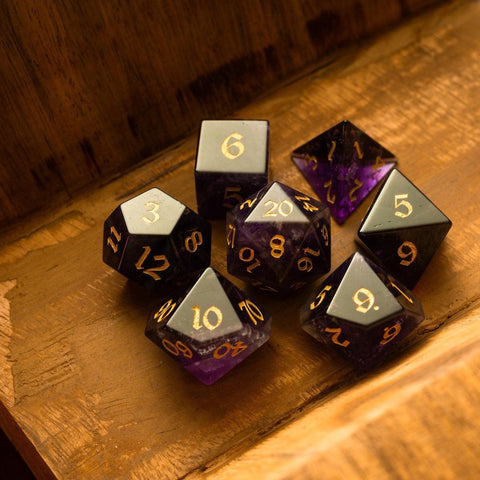
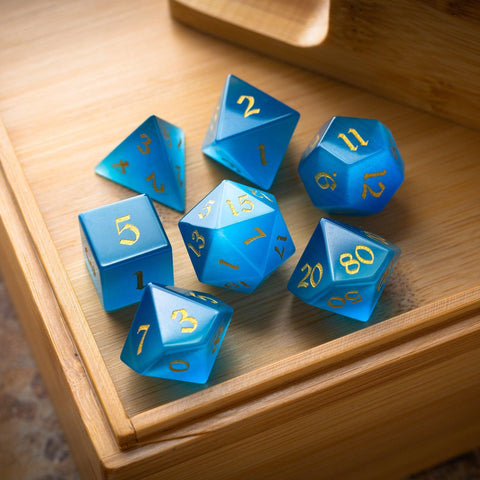
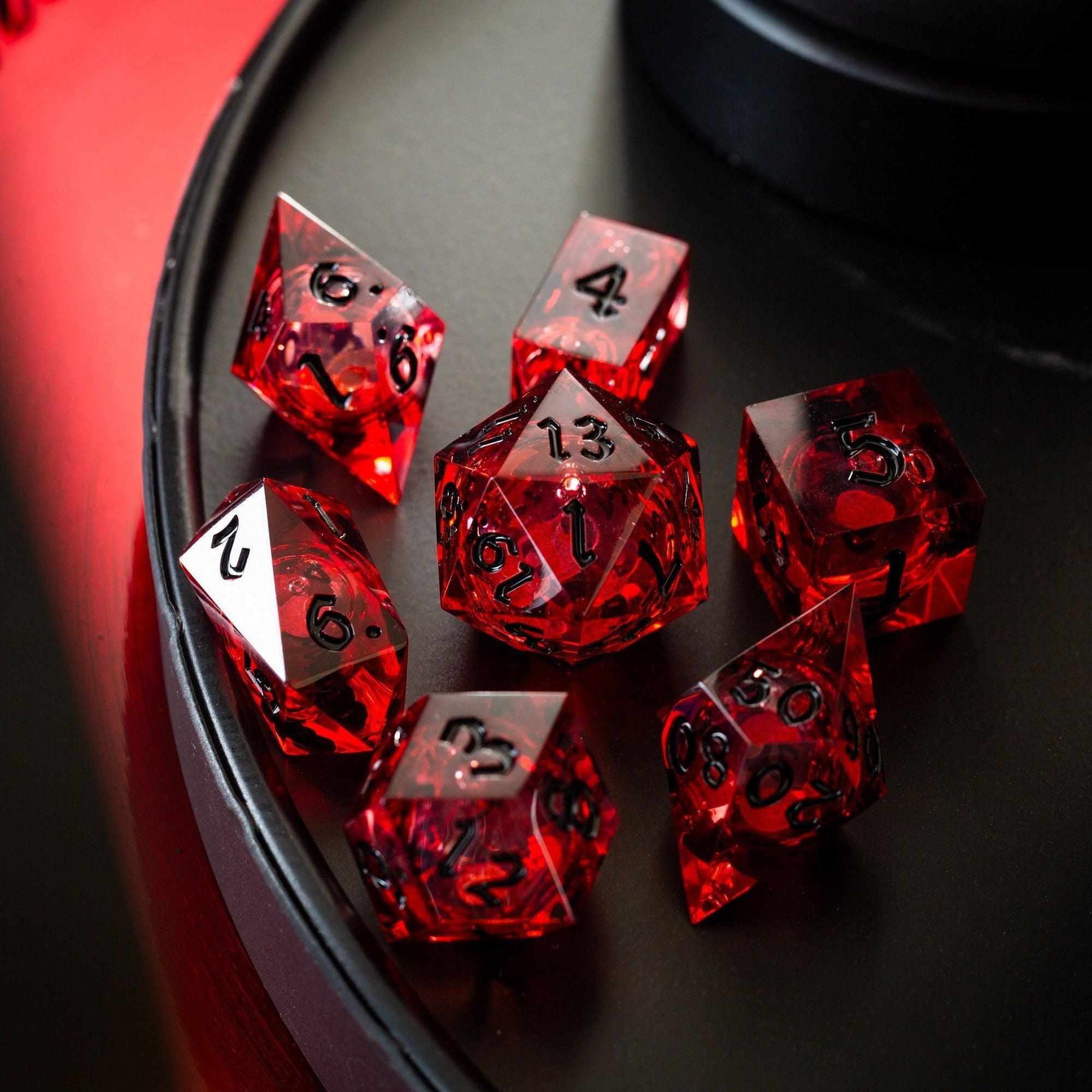
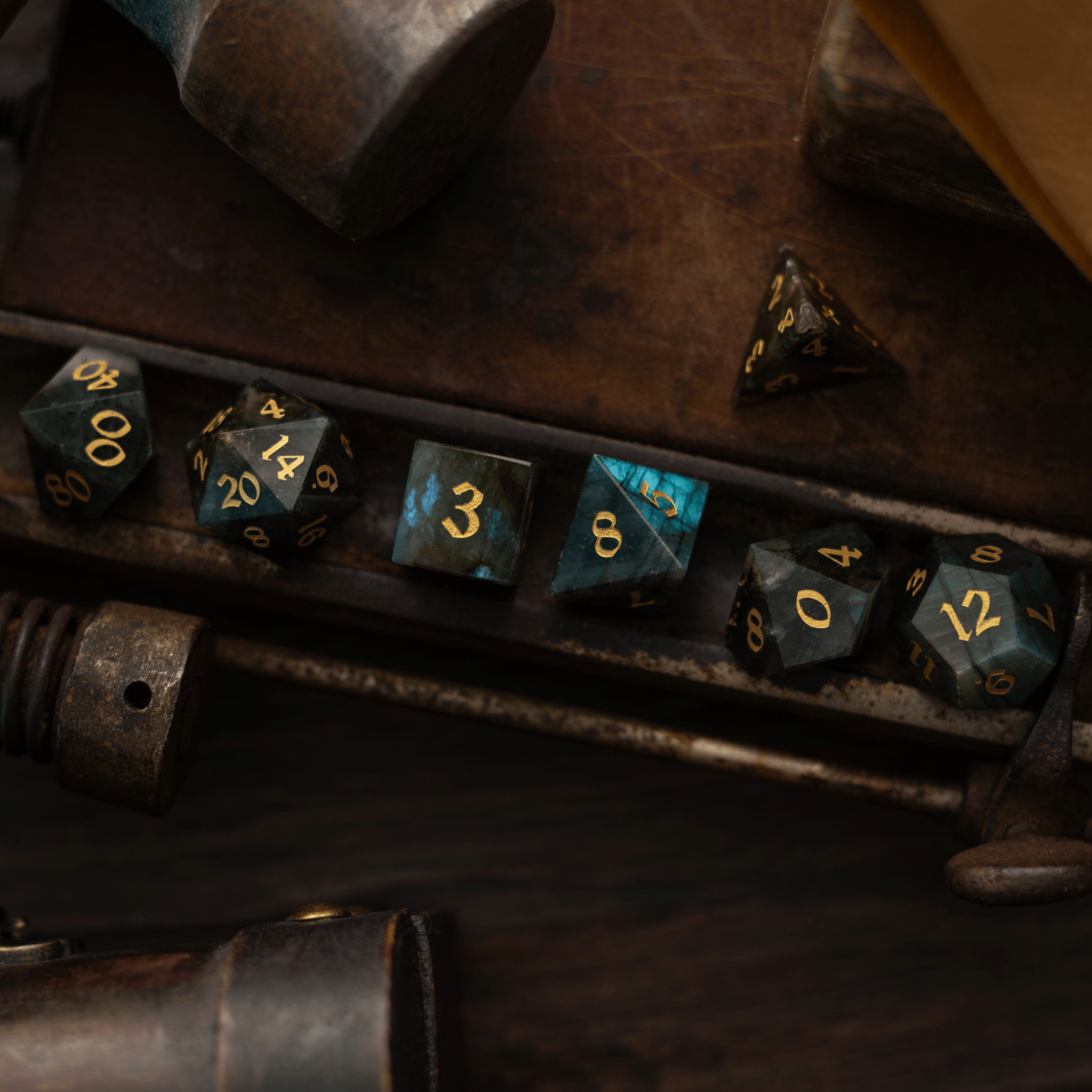
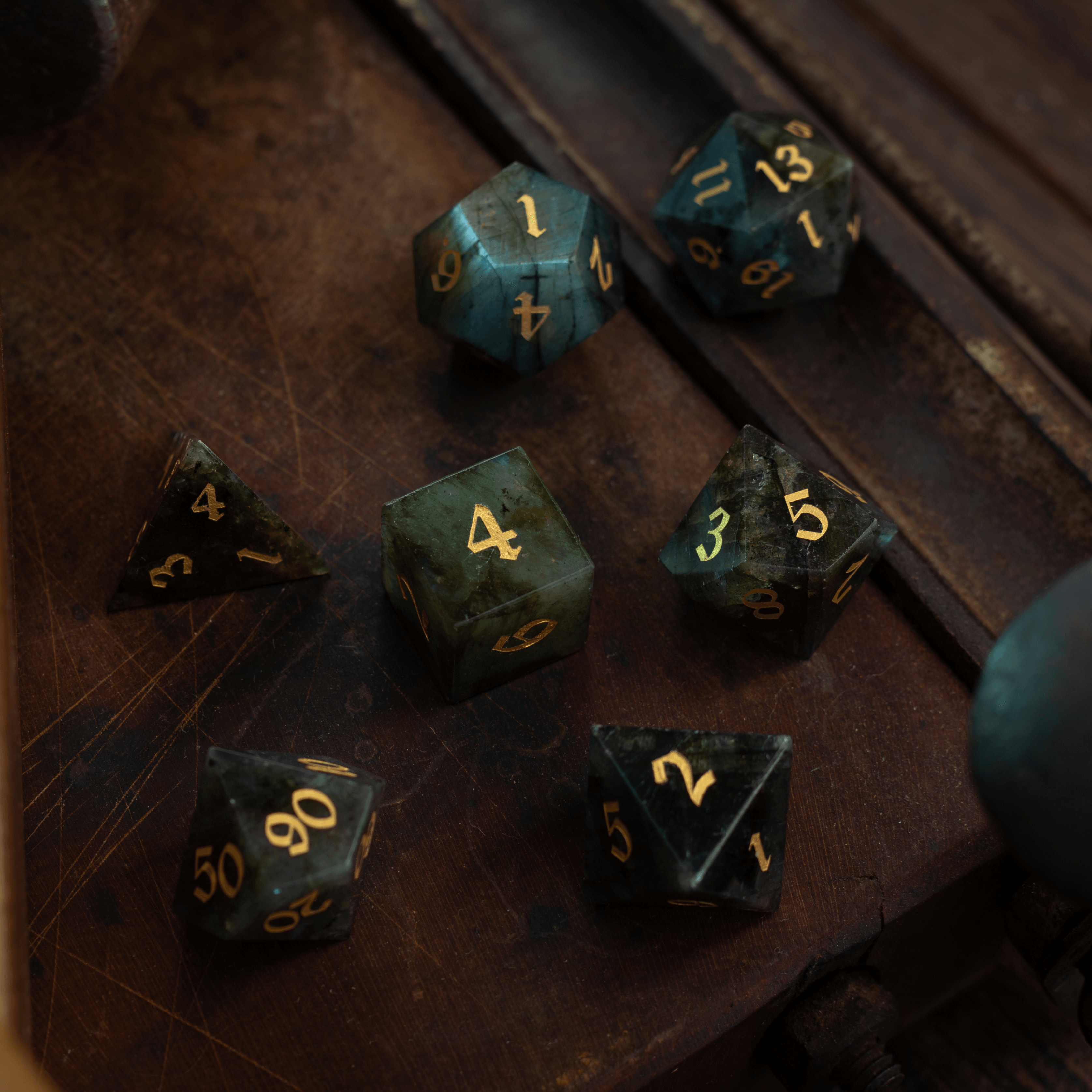
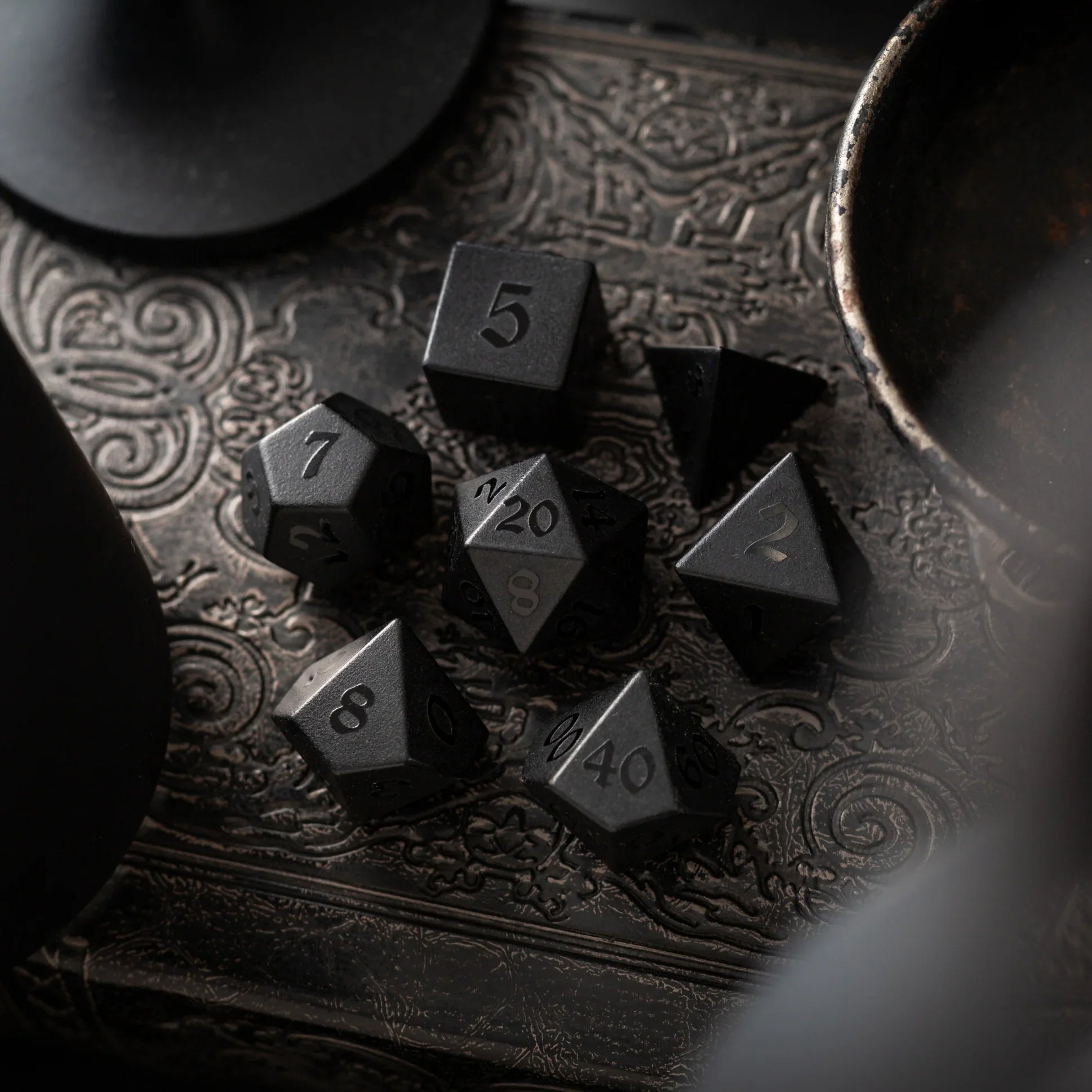
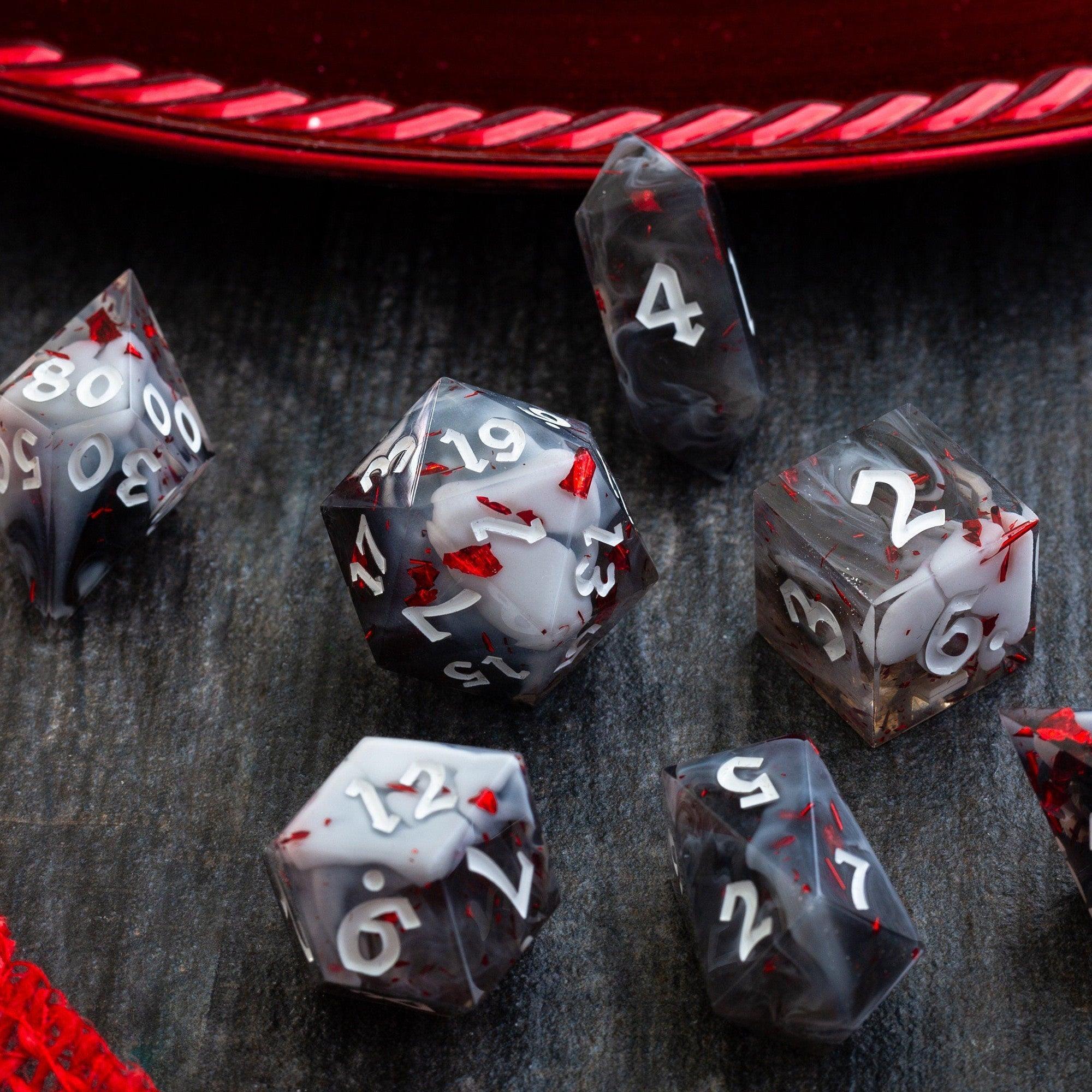
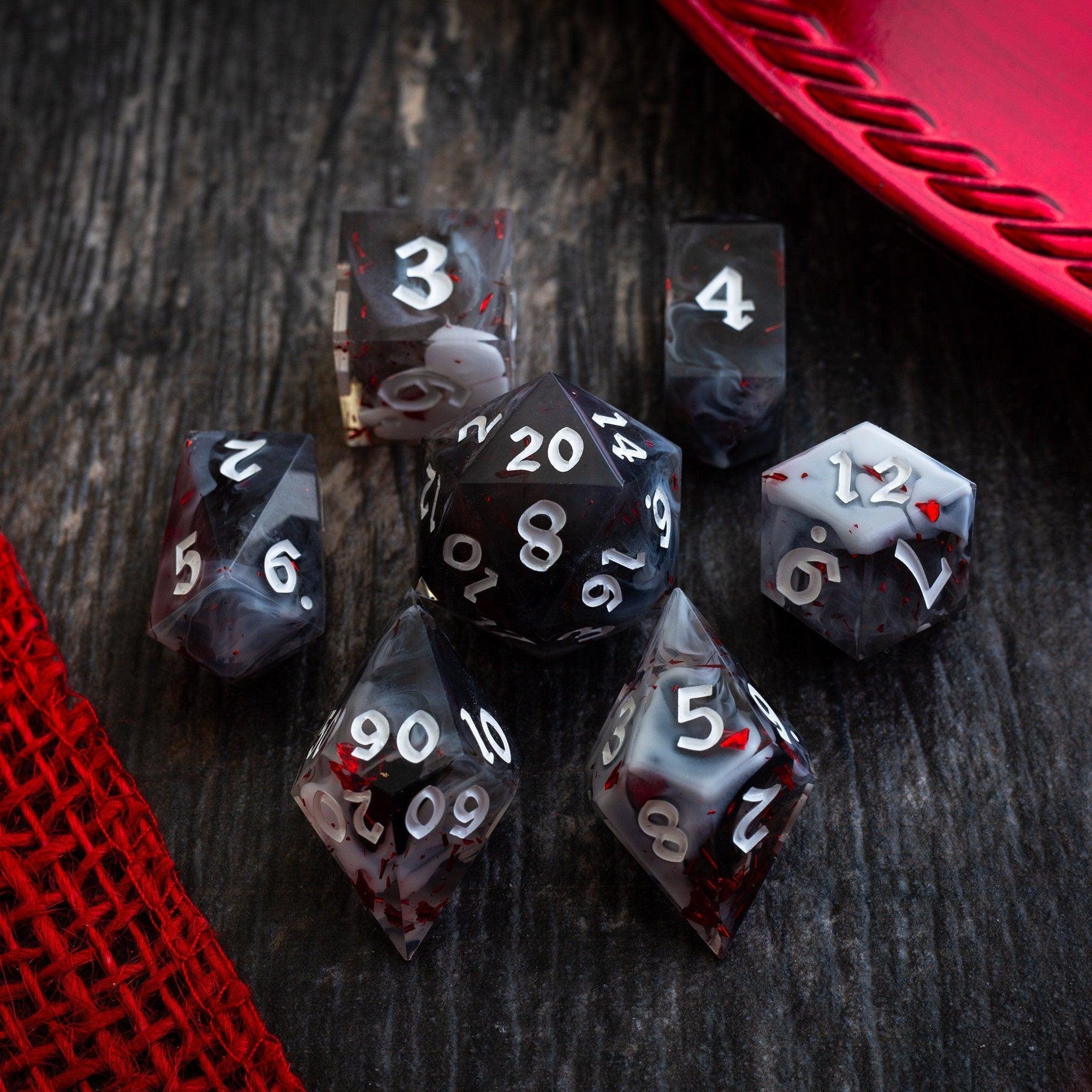
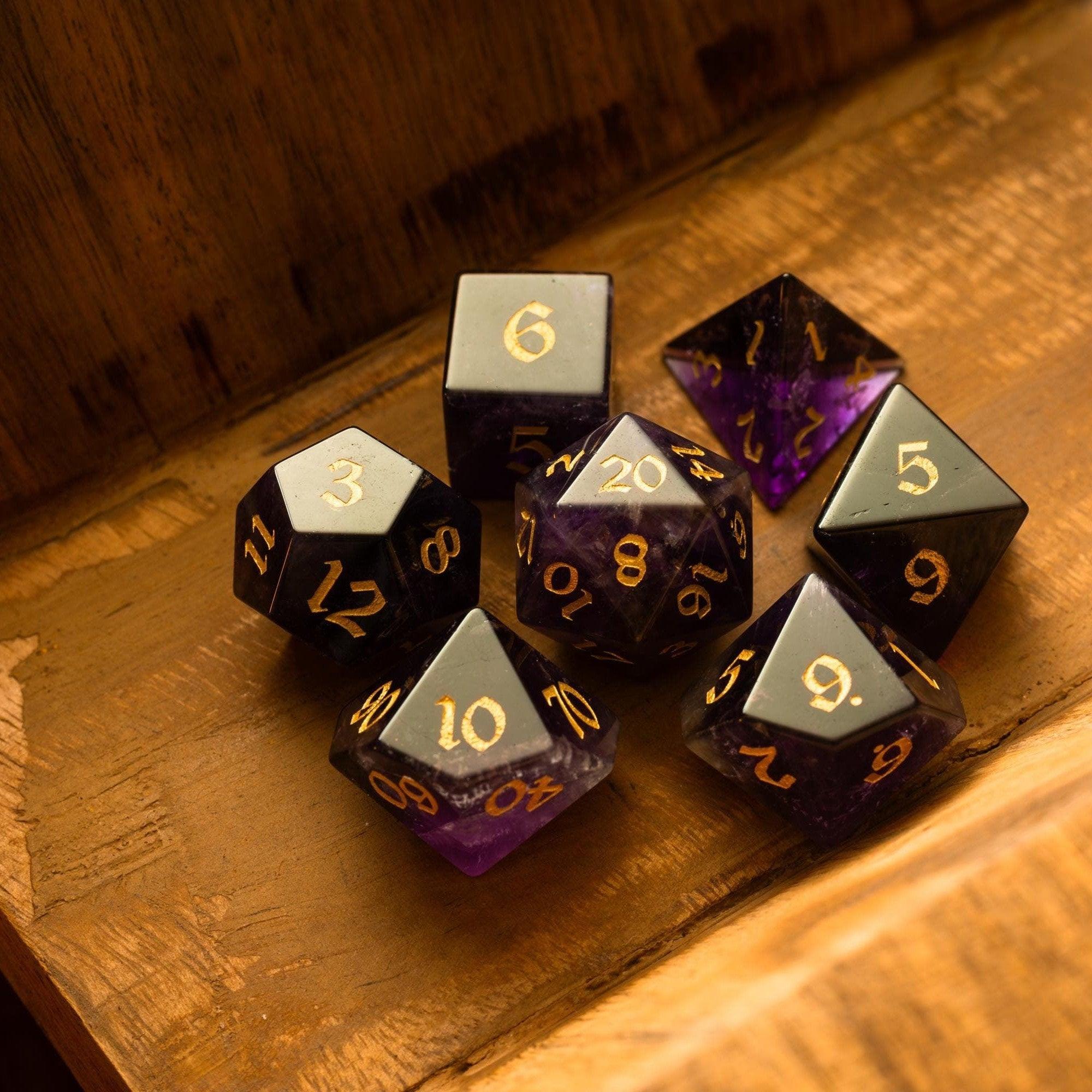
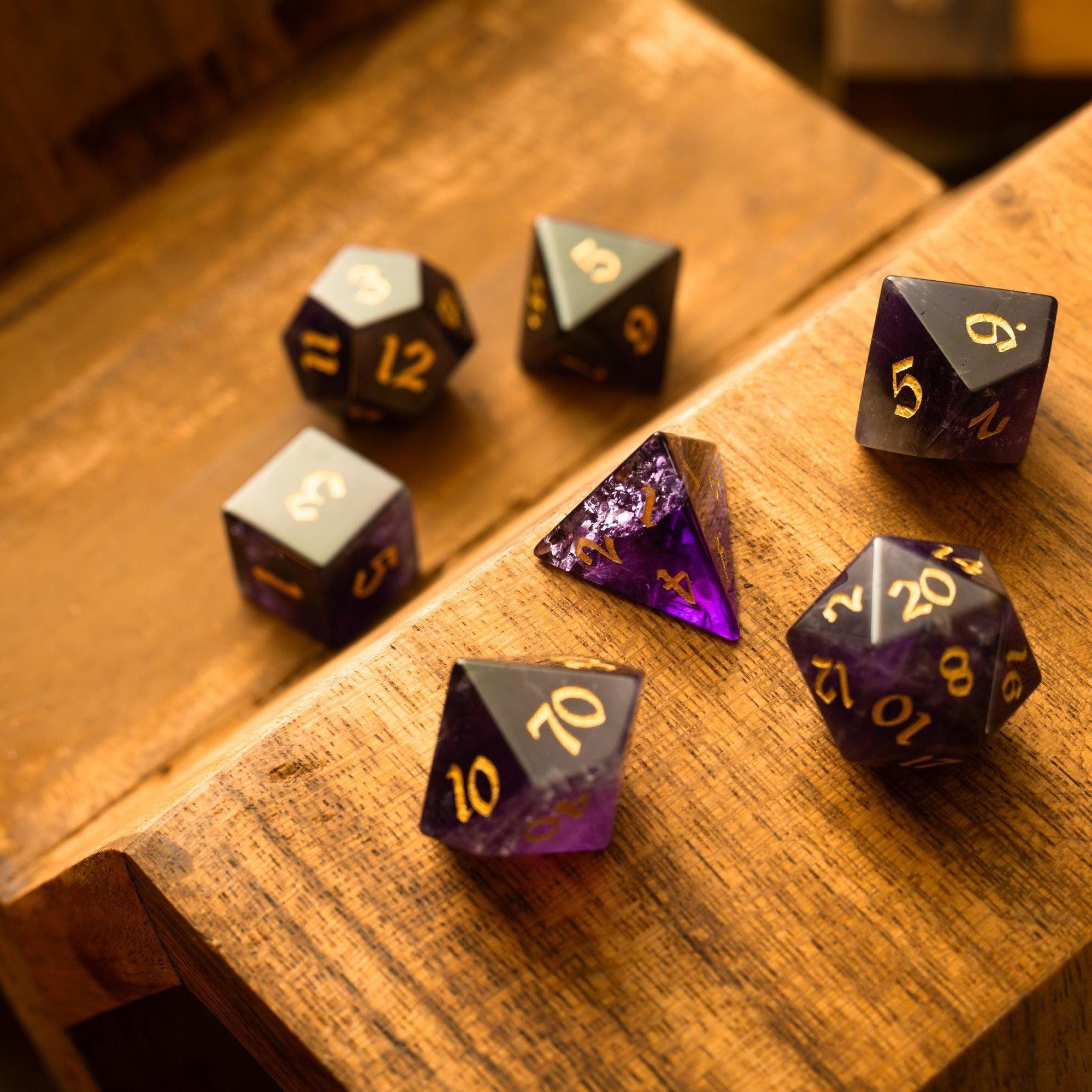
Swords Bards fight with style, weaving dazzling flourishes into every strike. Your DND dice set should be just as bold and eye-catching, whether you prefer sleek gemstone dice or dynamic resin dice.
- Dueling Elegance: Embody the grace of a master swordsman with the Shield and Sword Gold Hollow Metal DND Dice Set. This set features intricate designs of shields and swords in a hollow gold metal structure, reflecting the refined artistry of dueling.
- Flourishing Performer: Capture the flair of Blade Flourish with the Red and Gold Glitter Liquid Core Resin DND Dice Set. Displaying shimmering red and gold tones with a dynamic liquid core, these dice symbolize the vibrant and dynamic performances of a Swords Bard.
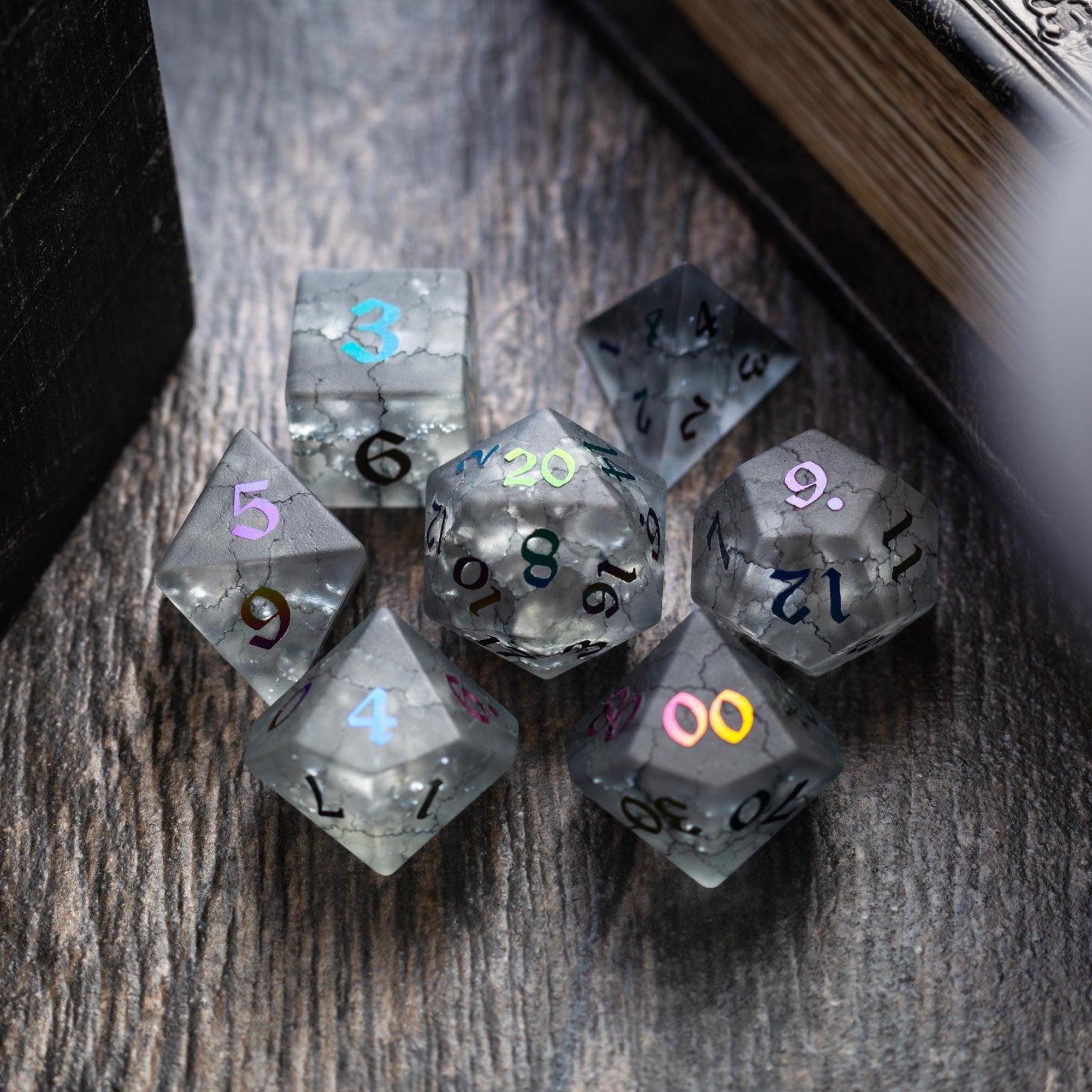
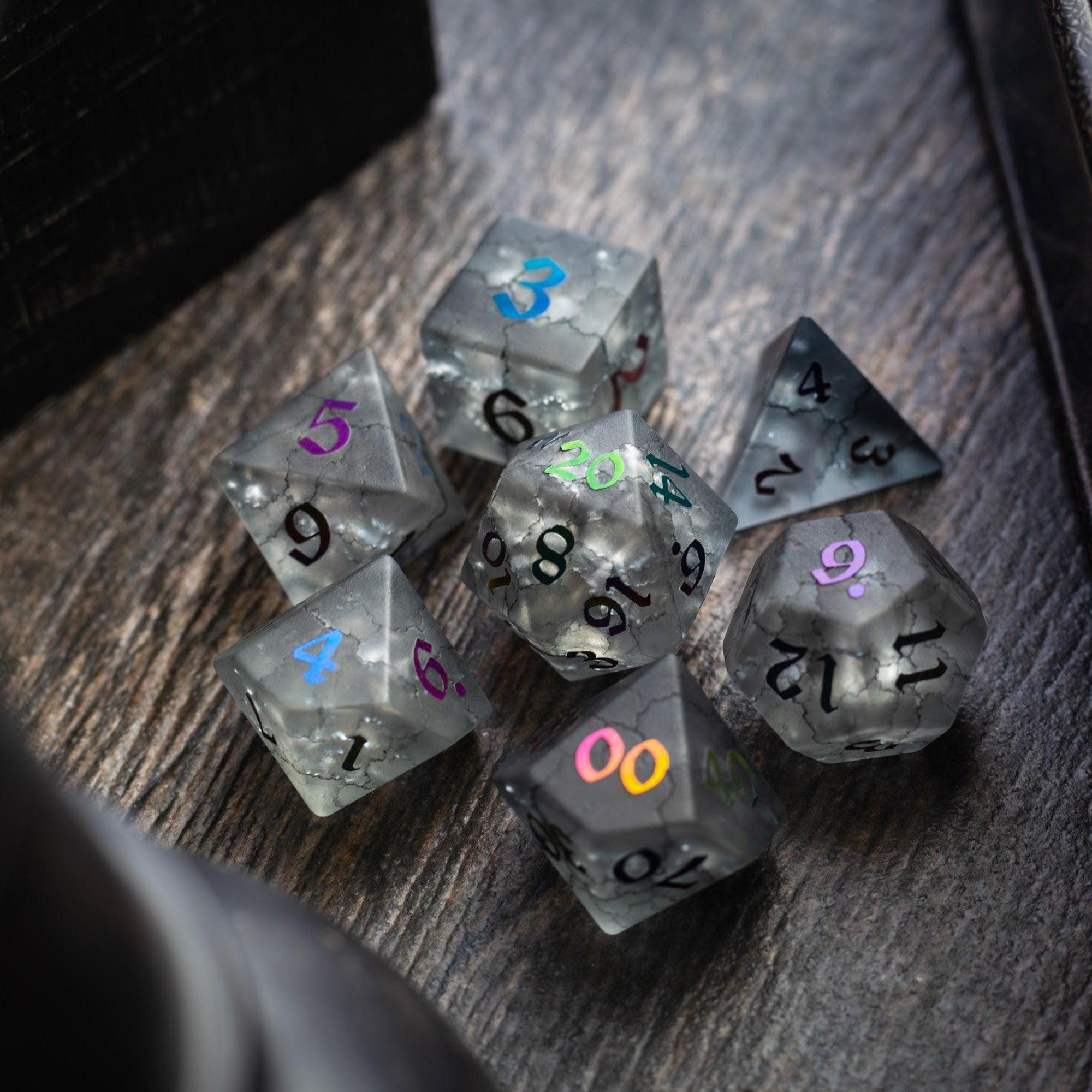
- Combat Precision: Reflect a precise and calculated fighter with the Black Inked Lightning Cracked Glass DND Dice Set. Featuring a striking cracked glass design with black inked numerals, this set evokes the sharpness and clarity of a well-executed strike.
At Runic Dice, our resin dice, gemstone dice, and full polyhedral DND dice sets bring artistry to every roll. The right dice don’t just decide outcomes, they tell your bard’s story with every spin across the table.
Advanced Tips and Tricks
Optimization Strategies
- Feats: Take Mobile for increased speed or War Caster for better spell concentration.
- Spell Combos: Use Faerie Fire to give yourself advantage in combat.
- Multiclassing: Dip into Fighter for more combat abilities or Rogue for Sneak Attack synergy.
Advanced Builds
- Duelist Bard: Focus on single-target damage with the Dueling fighting style.
- Flurry Bard: Use Two-Weapon Fighting and Blade Flourish for a flurry of attacks.
- Hybrid Bard: Combine spells and melee combat for balanced versatility.
The College of Swords Bard in D&D 5e offers a thrilling mix of combat prowess and theatrical flair. With careful planning and roleplay, you’ll dazzle allies and enemies alike with your skills.







.%20Specializing%20in%20weapon%20combat,%20Swords%20Bards%20use%20their%20flair%20and%20agility%20to%20dazzle%20e...)
Leave a comment
This site is protected by hCaptcha and the hCaptcha Privacy Policy and Terms of Service apply.