

College of Valor Bard Guide for Beginners: Mastering the College of Valor in D&D 5e

The College of Valor Bard is a warrior-poet built for players who want martial combat without giving up the Bard’s full spellcasting and support tools. In the revised rules from the 2024 Player’s Handbook, used as the current 5.5e rules on D&D Beyond in 2026, Valor Bards keep their classic battlefield-leader identity while gaining useful updates to weapon-focused spellcasting and Extra Attack. If you want to fight beside your allies, inspire them under pressure, and still solve problems with magic and skills, this subclass gives you plenty to do in and out of combat.
Why Play a College of Valor Bard?
Key Benefits
- Martial Versatility: At level 3, you gain proficiency with martial weapons plus training with medium armor and shields.
- Combat Inspiration: Your Bardic Inspiration can help an ally deal more damage after hitting or raise their AC against an attack that hits them.
- Spell-and-Weapon Combat: At level 6, your Extra Attack lets you replace one attack with a Bard cantrip that has a casting time of an action.
- Full Bard Utility: You still have Bard spellcasting, Expertise, Jack of All Trades, and a strong Charisma-based skill package.
The College of Valor works best for players who enjoy switching roles instead of repeating the same action every turn. One round you may attack and cast a cantrip. On another, a control spell, healing spell, or Bardic Inspiration may be the better choice.
Core Features
Key Mechanics and Abilities
- Martial Training: At level 3, you gain proficiency with martial weapons and training with medium armor and shields. You can also use a simple or martial weapon as a Spellcasting Focus for your Bard spells, which makes weapon-and-spell play much easier to manage.
- Combat Inspiration: At level 3, a creature holding one of your Bardic Inspiration dice can use it offensively after hitting with an attack roll, adding the die to that attack’s damage. If that creature is hit by an attack, it can instead use its Reaction to roll the die and add the result to its AC against that attack, potentially turning the hit into a miss.
- Extra Attack: At level 6, you can attack twice whenever you take the Attack action on your turn. You can replace one of those attacks with a Bard cantrip that normally takes an action to cast. This lets you mix a weapon attack with a cantrip such as Vicious Mockery when the situation calls for it.
- Battle Magic: At level 14, after you cast a spell with a casting time of an action, you can make one weapon attack as a Bonus Action. This gives high-level Valor Bards another way to combine major spellcasting turns with martial pressure.
Remember that the base Bard also changed in the revised rules. Bardic Inspiration is more forgiving than it was in the 2014 rules, and at level 5 Font of Inspiration lets you recover expended uses on a Short or Long Rest and spend a spell slot to regain one use. That makes your subclass’s Combat Inspiration easier to use throughout an adventuring day.
Suggested Ability Scores
- Charisma (Primary): Powers your Bard spells, Bardic Inspiration, and many of the social skills that make Bards so useful outside combat.
- Dexterity (Secondary): Helps with Armor Class, Initiative, Dexterity saving throws, and attacks made with Finesse or ranged weapons.
- Constitution: Adds Hit Points and helps with Constitution saving throws to maintain Concentration when you take damage.
Under the revised character-creation rules, ability score increases come from your background, not your species. Look for a background that supports Charisma and either Dexterity or Constitution, then choose the option that best fits both your build and character story.
Recommended Species
- Human: A flexible choice because the 2024 Human gains an Origin Feat of your choice, a skill proficiency, and Heroic Inspiration after a Long Rest.
- Elf: Offers useful senses and lineage-based magic, giving a Valor Bard more utility.
- Tiefling: Provides innate magic and a resistance tied to Fiendish Legacy, adding more magical options.
- Dwarf: A durable thematic option for a sturdy skald or battle chronicler.
Playing as a Valor Bard
Role in a Party
Valor Bards are flexible contributors rather than dedicated front-line tanks. Medium armor and shield training make them tougher than many Bards, but valuable Concentration spells still need protection. Think of the subclass as a mobile support combatant who can stand near the front when needed.
- Martial Support: Make weapon attacks when a straightforward hit is useful, especially after level 6.
- Buffer and Debuffer: Use Bard spells and Bardic Inspiration to strengthen allies, limit enemies, and shape the battlefield.
- Tactical Leader: Decide each turn whether attacking, casting, inspiring, repositioning, or helping an ally creates the most value.
Tips for New Players
- Do not spend every Bardic Inspiration die on damage. The defensive option from Combat Inspiration can be more valuable when it prevents a dangerous hit.
- At level 6, use your revised Extra Attack creatively. A weapon attack plus a cantrip can provide more utility than two normal attacks, but two weapon attacks may still be better when simple damage is the priority.
- Protect Concentration. If an important control or support spell is active, avoiding unnecessary damage may matter more than moving deeper into melee.
- Remember that martial training expands your options; it does not replace your identity as a Bard. Your spells and skills remain central to the class.
Roleplay Suggestions
- The Battle Bard: A veteran who inspires allies by fighting where the danger is greatest.
- The Skald: A traveling poet who records heroic deeds so victories and sacrifices are not forgotten.
- The Knightly Minstrel: A courtly warrior who treats speeches, songs, and swordplay as parts of the same calling.
Gear and Dice Recommendations
Suggested Equipment
- Weapons: Finesse weapons such as a rapier are natural choices for Dexterity-focused builds, while martial weapon proficiency leaves room for other concepts.
- Armor: Medium armor and a shield can provide reliable protection when you expect to fight near the front line.
- Adventuring Gear: A horn, drum, stringed instrument, or battle standard can reinforce the character’s identity even when it has no special mechanical effect.
Dice Recommendations from Runic Dice
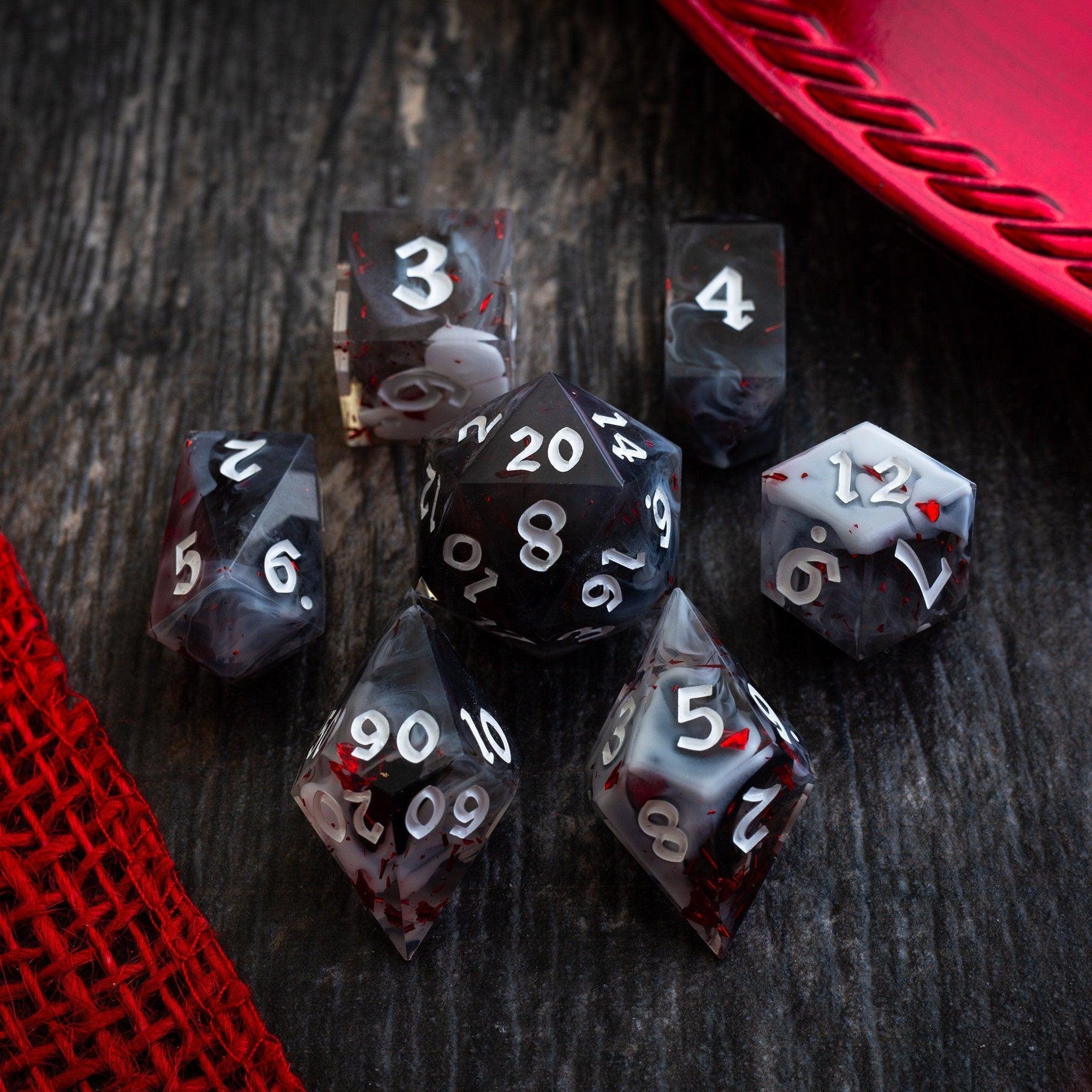
If you like matching your Valor Bard’s battlefield theme with a DND dice set, materials such as gemstone dice and resin dice offer different visual styles.
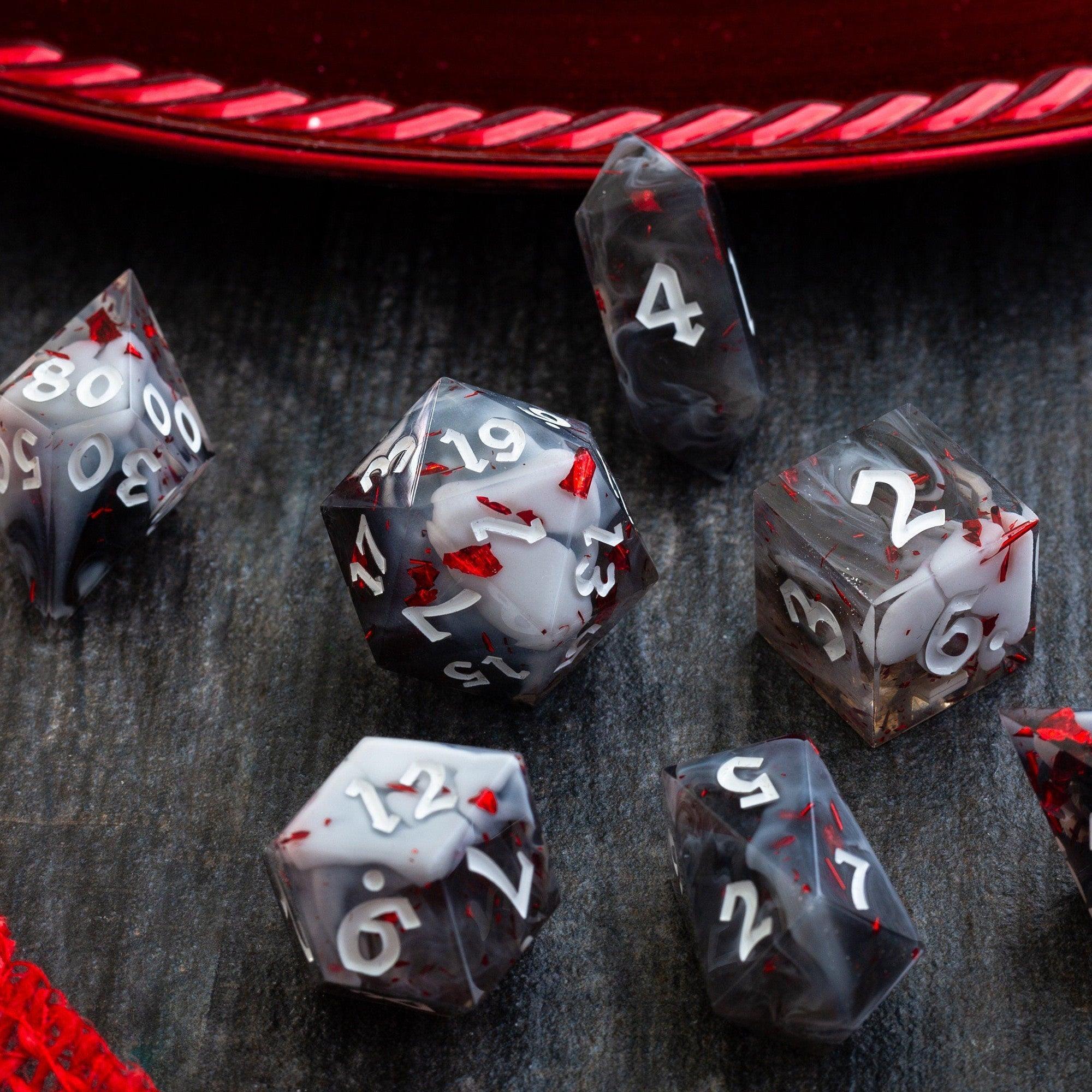
- Heroic Deeds: The Red and Gold Glitter Liquid Core Resin DND Dice Set suits a bright, ceremonial Valor Bard inspired by banners, medals, and victory songs.
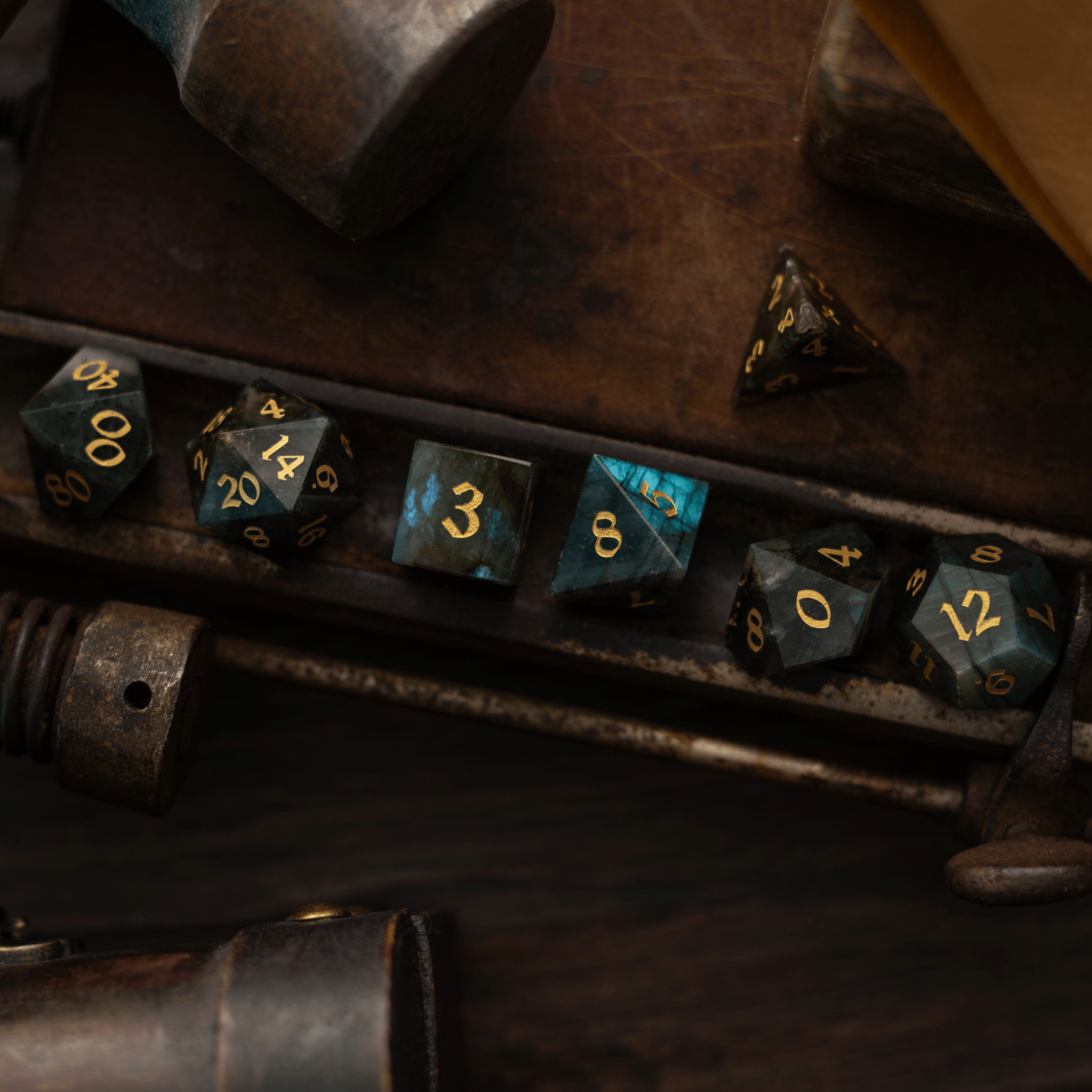
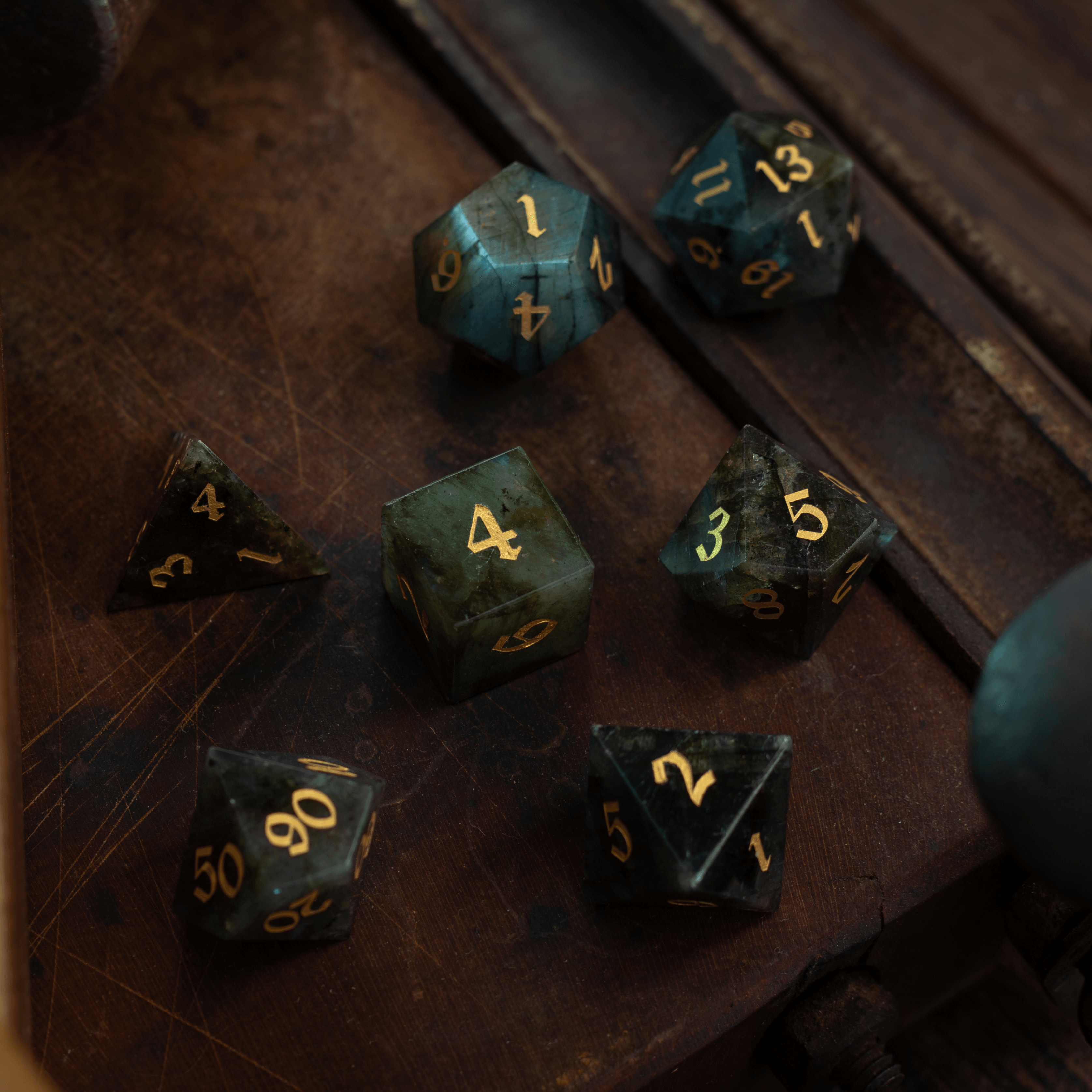
- Warrior’s Spirit: The Gemstone Black Night Raised Obsidian DND Dice Set fits a seasoned skald or grim battlefield chronicler. Because gemstone dice can chip on hard surfaces, use a soft dice tray or playmat.
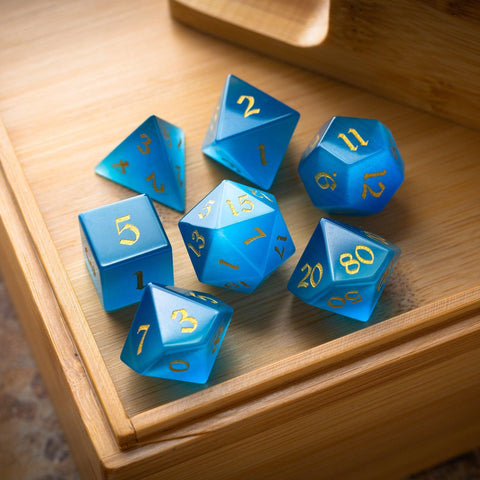
- Tactical Commander: The Blue Glitter Liquid Core Sharp Edge Resin DND Dice Set works well for a calmer, strategic character theme.
Advanced Tips and Tricks
Optimization Strategies
- Feats: War Caster is a strong level 4+ option for a Valor Bard who often maintains Concentration in melee. The 2024 version can increase Charisma by 1, grants Advantage on Constitution saving throws made to maintain Concentration, and lets you perform Somatic components while holding weapons or a shield.
- Spell and Attack Choices: Do not treat the level 6 Extra Attack as a fixed combo. Sometimes two weapon attacks are best; sometimes one attack plus a cantrip is better; and sometimes your whole action should be spent on a leveled spell.
- Multiclassing: Fighter or Paladin levels can add martial tools, but every level outside Bard delays Bard spell progression and later subclass features. Multiclass only when the tradeoff supports a specific character plan.
Advanced Builds
- Defender Bard: Use medium armor, a shield, defensive magic, and Combat Inspiration to make yourself and nearby allies harder to punish.
- Spellblade Bard: Build around Dexterity and Charisma, then use the revised Extra Attack to mix cantrips and weapon attacks as the encounter changes.
- Support Leader: Prioritize Charisma, Bardic Inspiration, control spells, healing, and buffs while using martial attacks when you have a good opening.
The College of Valor Bard remains a strong choice for players who want a flexible mix of martial combat, spellcasting, support, and battlefield leadership. The 2024 revision makes that identity smoother by letting your weapon serve as a Bard Spellcasting Focus and allowing a cantrip to replace one of your attacks at level 6. In practice, the subclass rewards good judgment more than constant aggression. Fight when a weapon attack helps, cast when magic can change the encounter, and use Combat Inspiration when one well-timed die can protect an ally or push an important hit further.















Leave a comment
This site is protected by hCaptcha and the hCaptcha Privacy Policy and Terms of Service apply.