
College of Creation Bard Guide for Beginners: Mastering the College of Creation in D&D 5e

The College of Creation Bard is one of the most imaginative Bard subclasses in Dungeons & Dragons. Introduced in Tasha’s Cauldron of Everything, it lets you enhance Bardic Inspiration, create useful nonmagical objects, and animate an object as a Dancing Item. In 2026, this legacy subclass remains usable with the current Bard because it has not been replaced by a revised College of Creation. D&D Beyond now labels the revised 2024 rules as 5.5e and the 2014 rules as 5e. It is a strong choice for players who enjoy support, utility, creative problem-solving, and battlefield control.
Unlike Bard subclasses that lean mainly toward weapon combat or social manipulation, the College of Creation rewards players who look at the environment and ask what they can make or animate to help the party. Its features can matter in combat, exploration, puzzles, and roleplay.
Why Play a College of Creation Bard?
Key Benefits
- Creative Utility: Performance of Creation can produce a qualifying nonmagical object when normal equipment is unavailable.
- Enhanced Bardic Inspiration: Mote of Potential adds a different benefit when Bardic Inspiration helps an ability check, attack roll, or saving throw.
- Battlefield Presence: Animating Performance gives you a Dancing Item that can move, attack, and affect nearby movement without requiring Concentration.
- Flexible Roleplay: The subclass fits artists, crafters, musicians, storytellers, inventors, and characters inspired by the Song of Creation.
College of Creation Bard Features
Level 3: Mote of Potential
Whenever you give a creature a Bardic Inspiration die, you can create a Tiny mote that remains with that creature until the die is used or lost. Its extra effect depends on how the Bardic Inspiration die is used.
- Ability Check: The creature can roll the Bardic Inspiration die again and choose which Bardic Inspiration roll to use.
- Attack Roll: After the die is rolled for an attack, the target and creatures of your choice within 5 feet of it must make a Constitution saving throw or take Thunder damage equal to the Bardic Inspiration roll.
- Saving Throw: The creature gains Temporary Hit Points equal to the Bardic Inspiration roll plus your Charisma modifier.
Why It’s Strong: Under the current Bard rules, Bardic Inspiration lasts for up to 1 hour, and the recipient can roll it after failing a D20 Test. At level 5, Font of Inspiration also restores expended Bardic Inspiration on a Short or Long Rest and lets you spend a spell slot to recover one expended use.
Level 3: Performance of Creation
As an action, you can create one nonmagical item in an unoccupied space within 10 feet. The item must appear on a surface or in a liquid that can support it. Its value cannot exceed 20 times your Bard level in GP, it starts at Medium size or smaller, and it lasts for a number of hours equal to your Proficiency Bonus.
- At Bard level 6, the maximum size becomes Large.
- At Bard level 14, the maximum size becomes Huge.
- You can normally use the feature once per Long Rest, or use it again by expending a level 2 or higher spell slot.
A rope, crowbar, container, ladder, or other ordinary object can solve a problem without using a spell. The item still has to follow the feature’s restrictions, so unusual requests may need DM judgment.
Level 6: Animating Performance
As an action, you can animate one Large or smaller nonmagical item you can see within 30 feet. It becomes a Dancing Item for up to 1 hour and acts immediately after your turn. If you do not command it, it takes the Dodge action. You can use a Bonus Action to command it, and when you use Bardic Inspiration, you can issue that command as part of the same Bonus Action.
The Dancing Item does not require Concentration, so you can keep a control or support spell active at the same time. Its Irrepressible Dance trait can also increase or decrease the walking speed of a creature that starts its turn near it. After using Animating Performance, you normally need a Long Rest before using it again unless you expend a level 3 or higher spell slot. You can have only one Dancing Item from this feature at a time.
Level 14: Creative Crescendo
Creative Crescendo removes the normal GP value limit from Performance of Creation and lets you create multiple items at once. The number equals your Charisma modifier, with a minimum of two. Only one can be the maximum size available to you, while the rest must be Small or Tiny. This makes the feature much more flexible when the party needs several objects at once.
Best Species (Races) for Creation Bard
Under the current character creation rules, ability score increases come from your background rather than your species. You no longer need to pick a species for an old Charisma bonus. Choose traits that support your build or character concept.
- Human: Flexible thanks to Resourceful, Skillful, and an additional Origin Feat through Versatile.
- Elf: Useful for Darkvision, Fey Ancestry, Keen Senses, and lineage-based magic.
- Tiefling: Offers Darkvision, a fiendish legacy with Resistance, and additional spells as you level.
- Gnome: Gnomish Cunning strengthens Intelligence, Wisdom, and Charisma saving throws, while gnome lineages add magical options.
Best Spells for Creation Bard
Early Game: Healing Word, Faerie Fire, and Dissonant Whispers provide emergency healing, team support, and disruption.
Mid Game: Hypnotic Pattern, Major Image, and Leomund’s Tiny Hut support control, deception, and safer rests.
Late Game: Animate Objects, Mass Suggestion, and True Polymorph offer powerful combat, social, and transformation options.
Spell Strategy Tips
- Prioritize control, support, and utility spells that complement your subclass features.
- Watch your Concentration. Faerie Fire, Hypnotic Pattern, and Animate Objects cannot normally run at the same time.
- Use your Dancing Item alongside a Concentration spell because Animating Performance does not require Concentration.
Playing as a Creation Bard
Role in a Party
- Support: Improve failed D20 Tests with Bardic Inspiration and reinforce allies with healing, control, and Temporary Hit Points.
- Battlefield Controller: Combine spells and your Dancing Item to pressure enemies and influence movement.
- Problem Solver: Use Performance of Creation when the party needs a practical object nobody prepared or packed.
Tips for New Players
- Remember that Mote of Potential changes based on how the Bardic Inspiration die is used.
- Plan your Bonus Action carefully because Bardic Inspiration, spells, and Dancing Item commands can compete for it.
- Ask your DM how they handle unusual created objects before relying on a borderline interpretation.
Gear and Dice Recommendations
Suggested Equipment
- Weapons: The current Bard has proficiency with simple weapons. Daggers are a useful default. A rapier requires proficiency from another source.
- Armor: Bards have Light armor training, so choose protection that fits your Dexterity and equipment options.
- Adventuring Gear: Tools, paints, writing supplies, instruments, or crafting materials can reinforce your character concept.
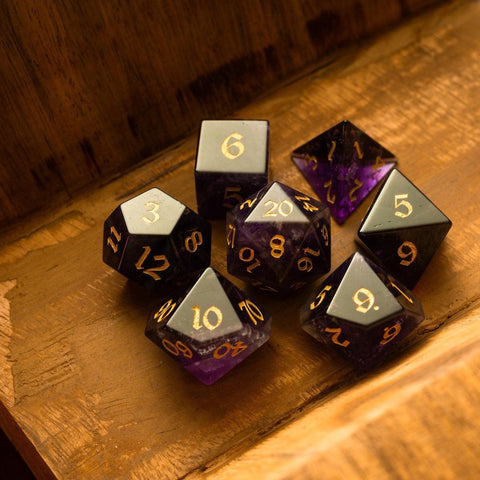
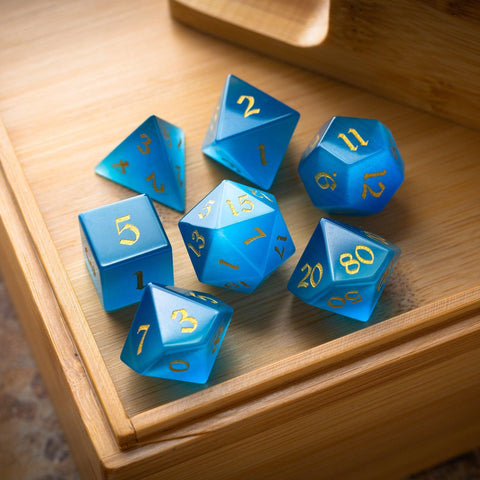
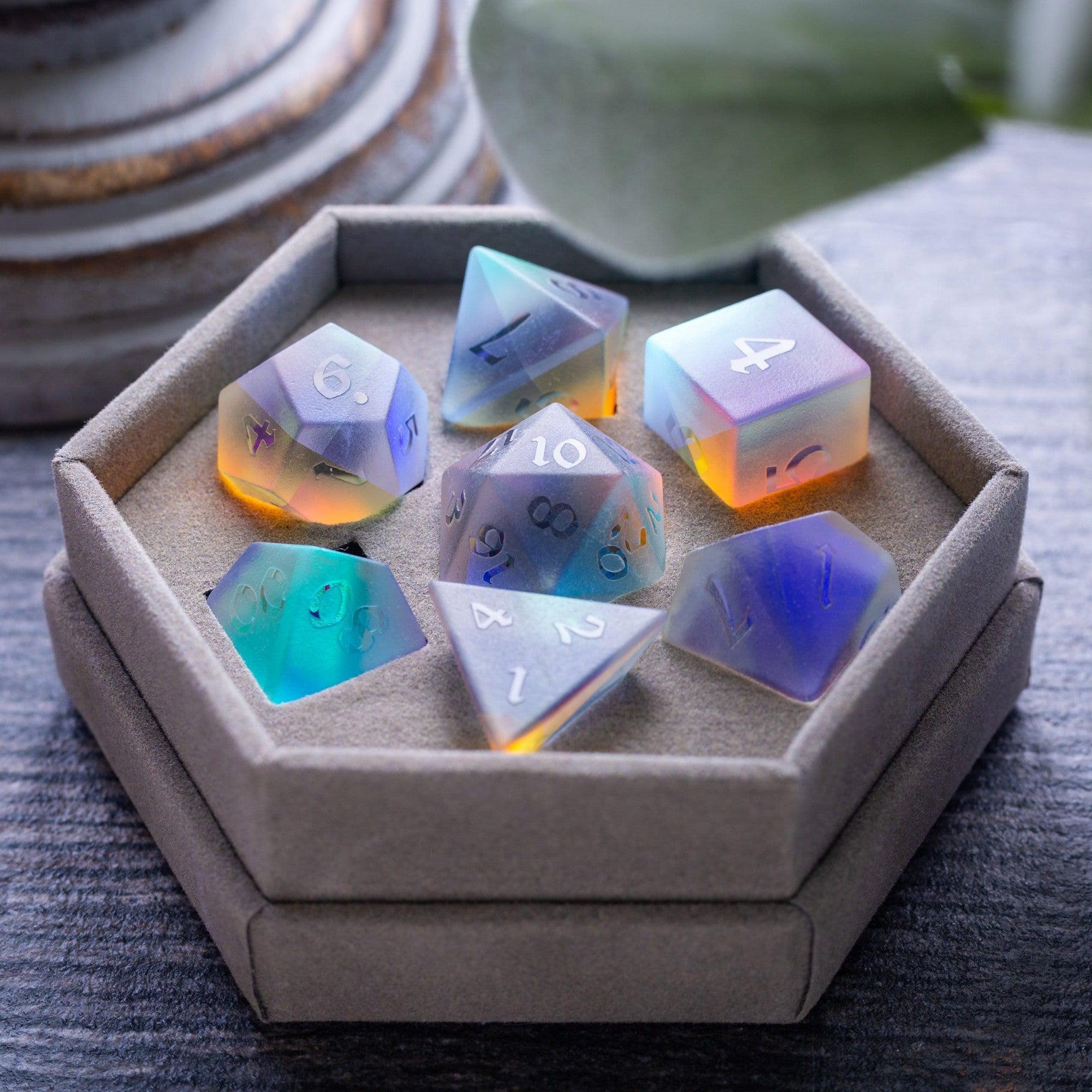
Dice Recommendations from Runic Dice
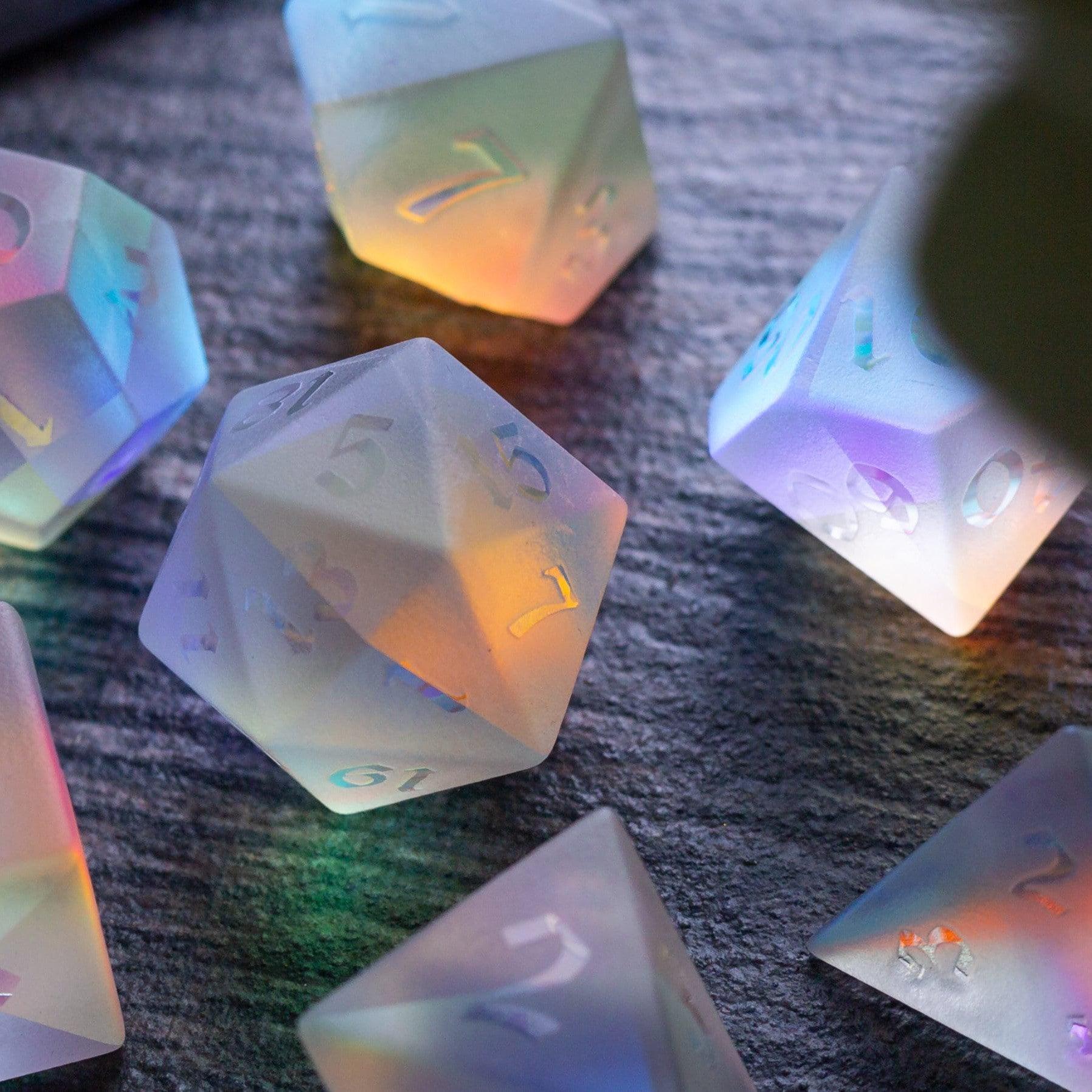
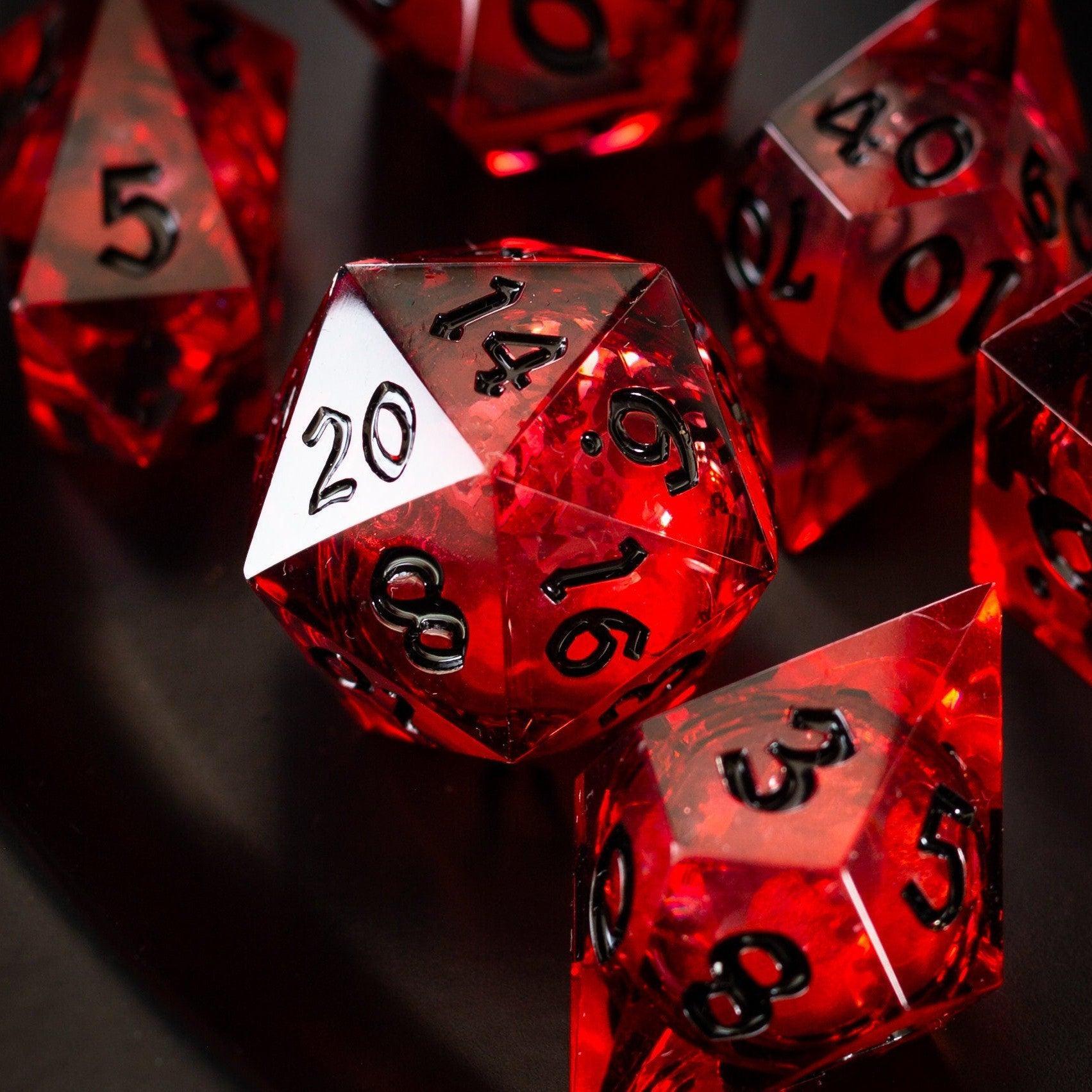
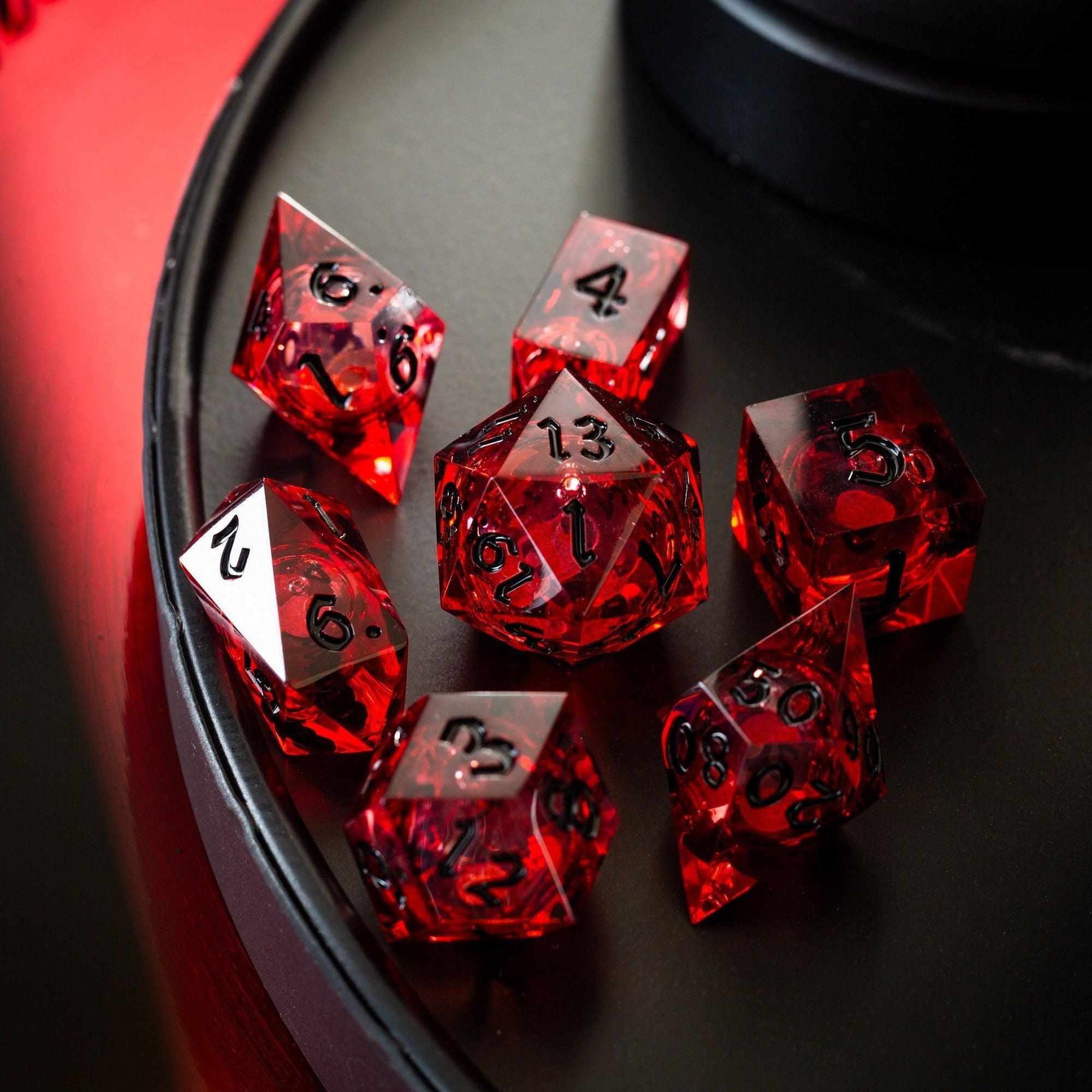
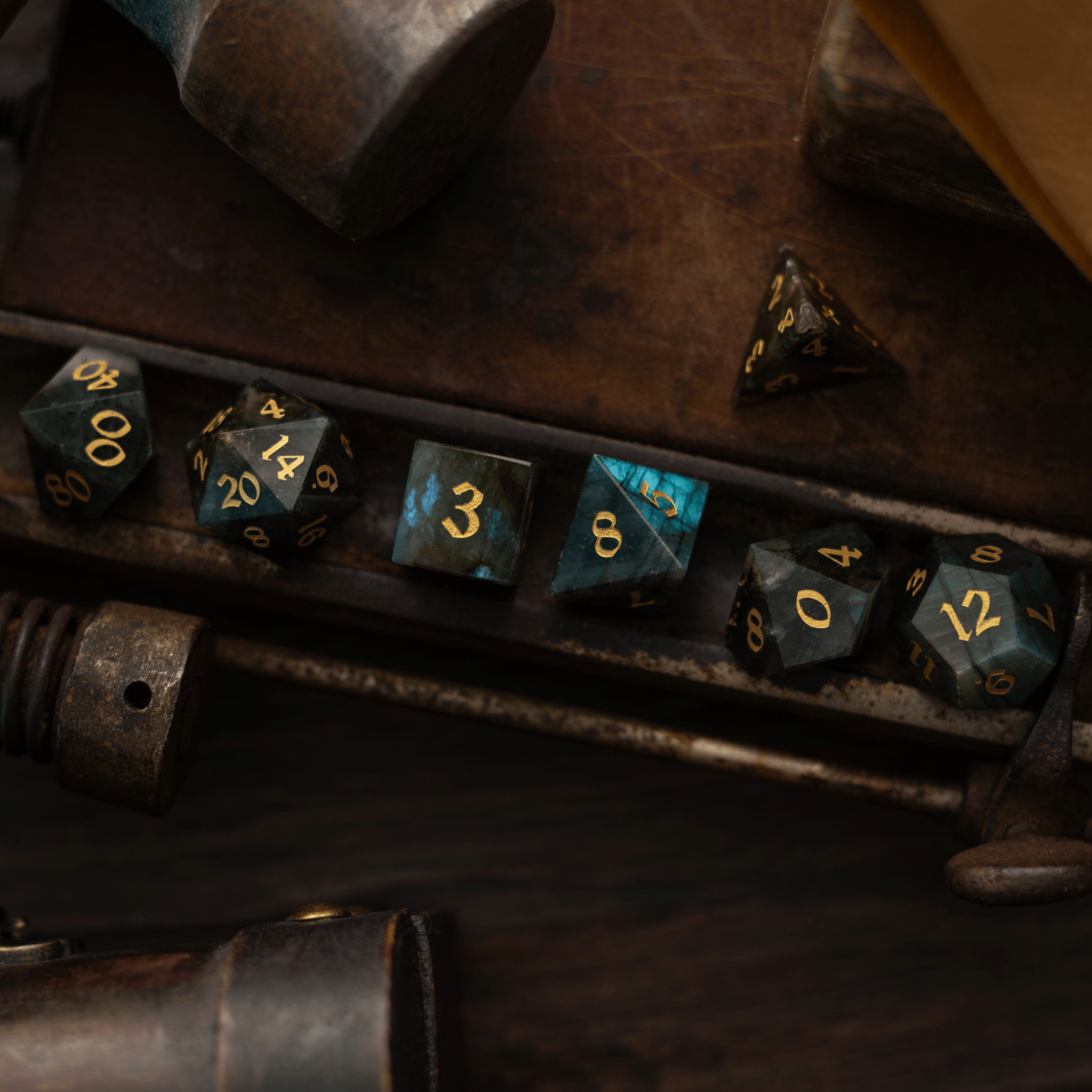
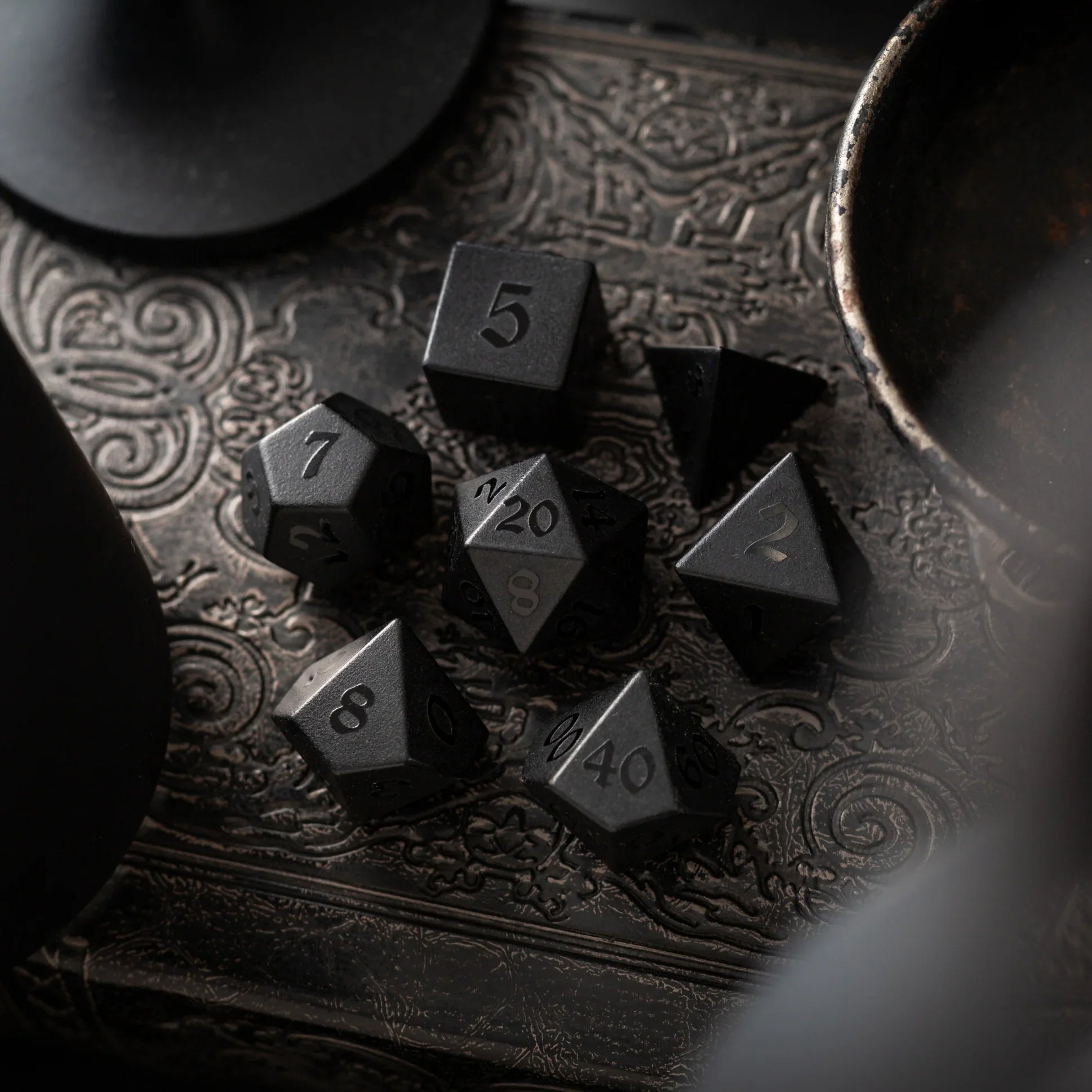
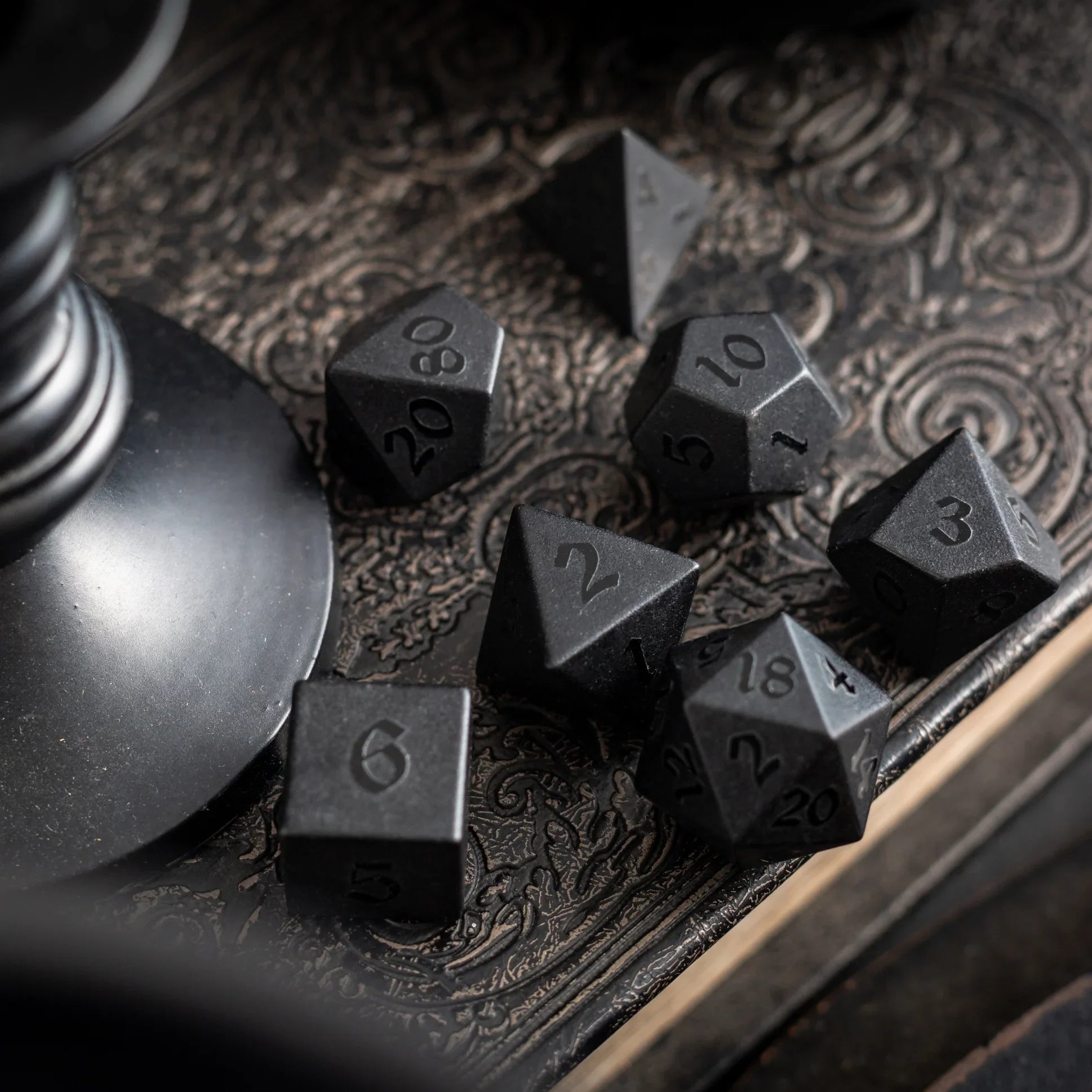
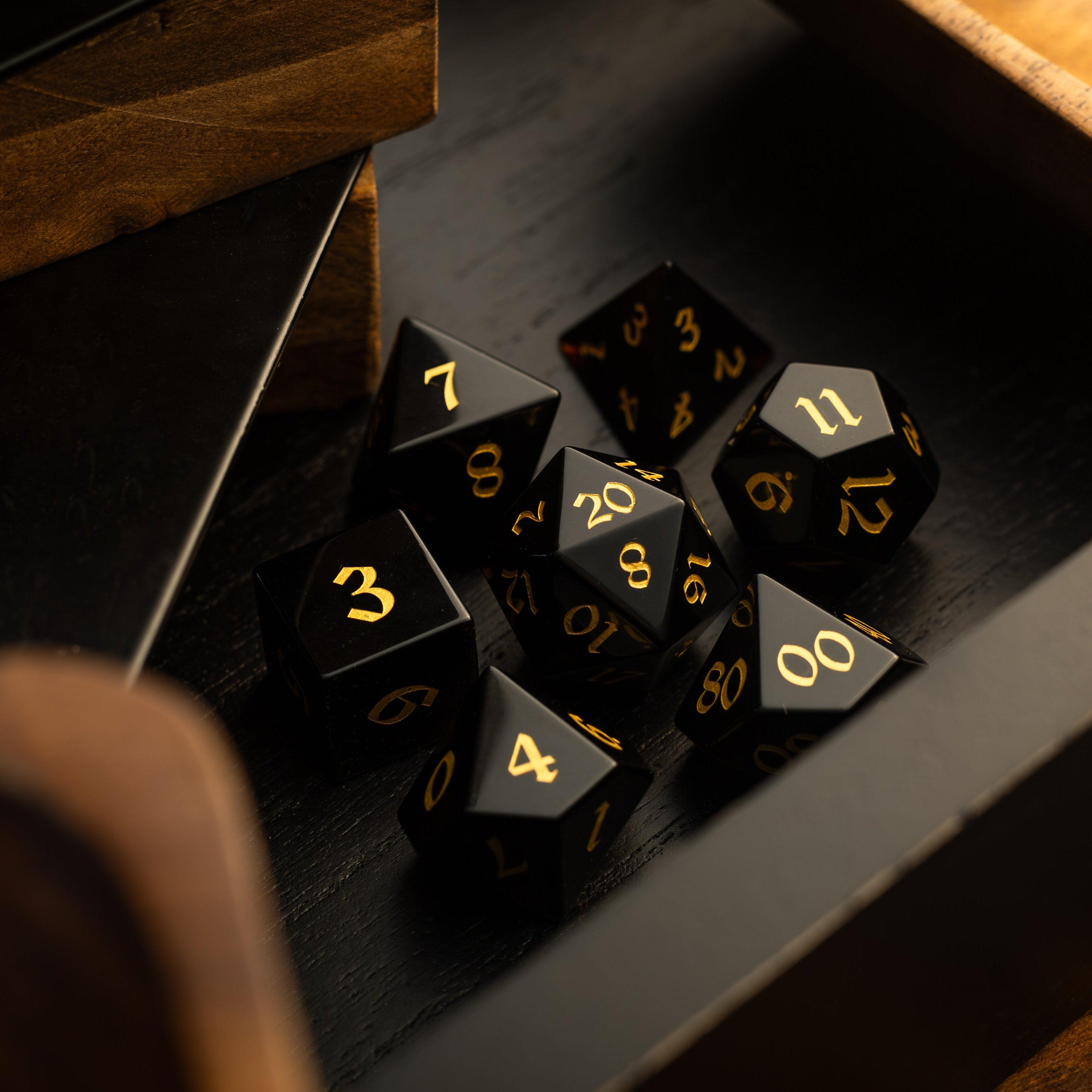
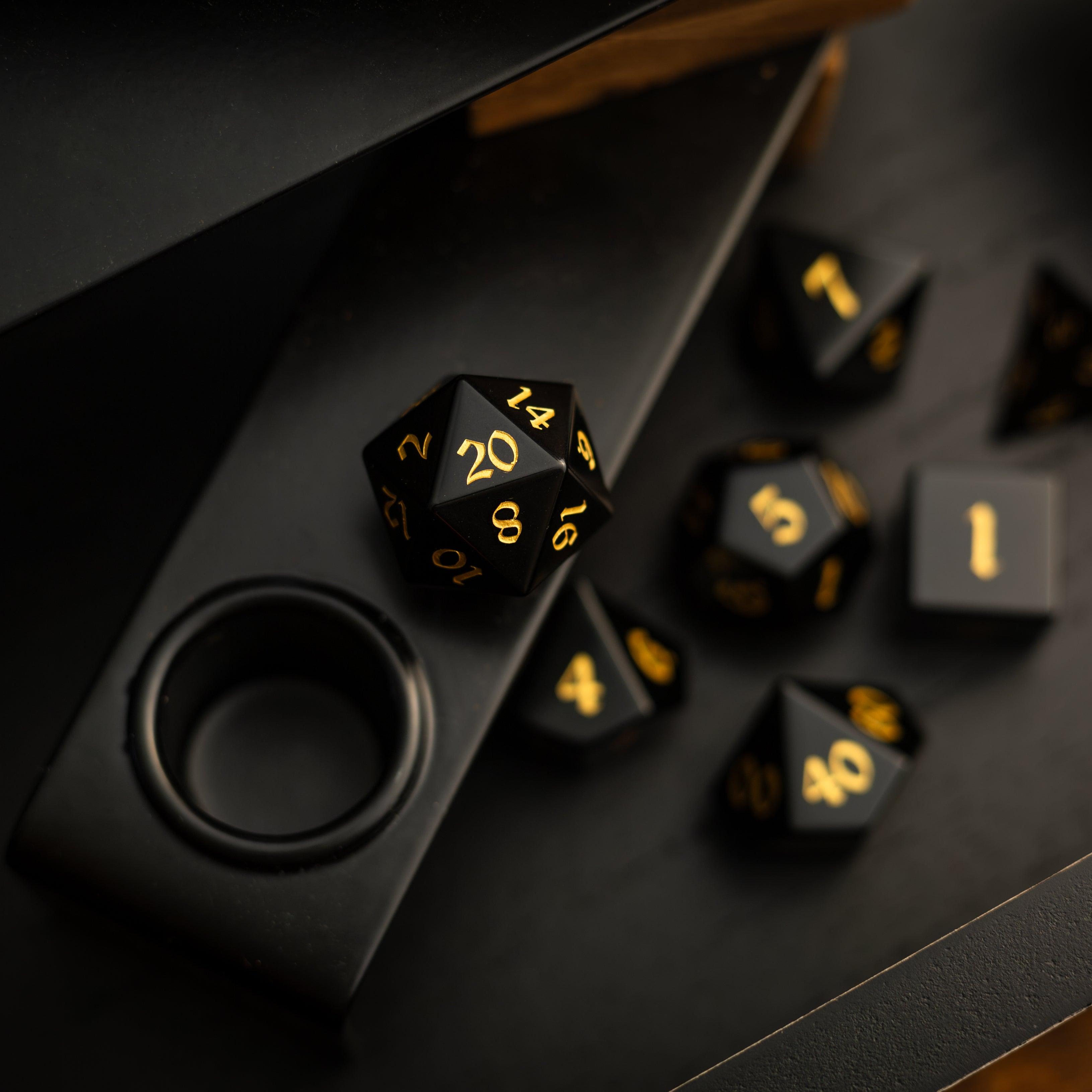
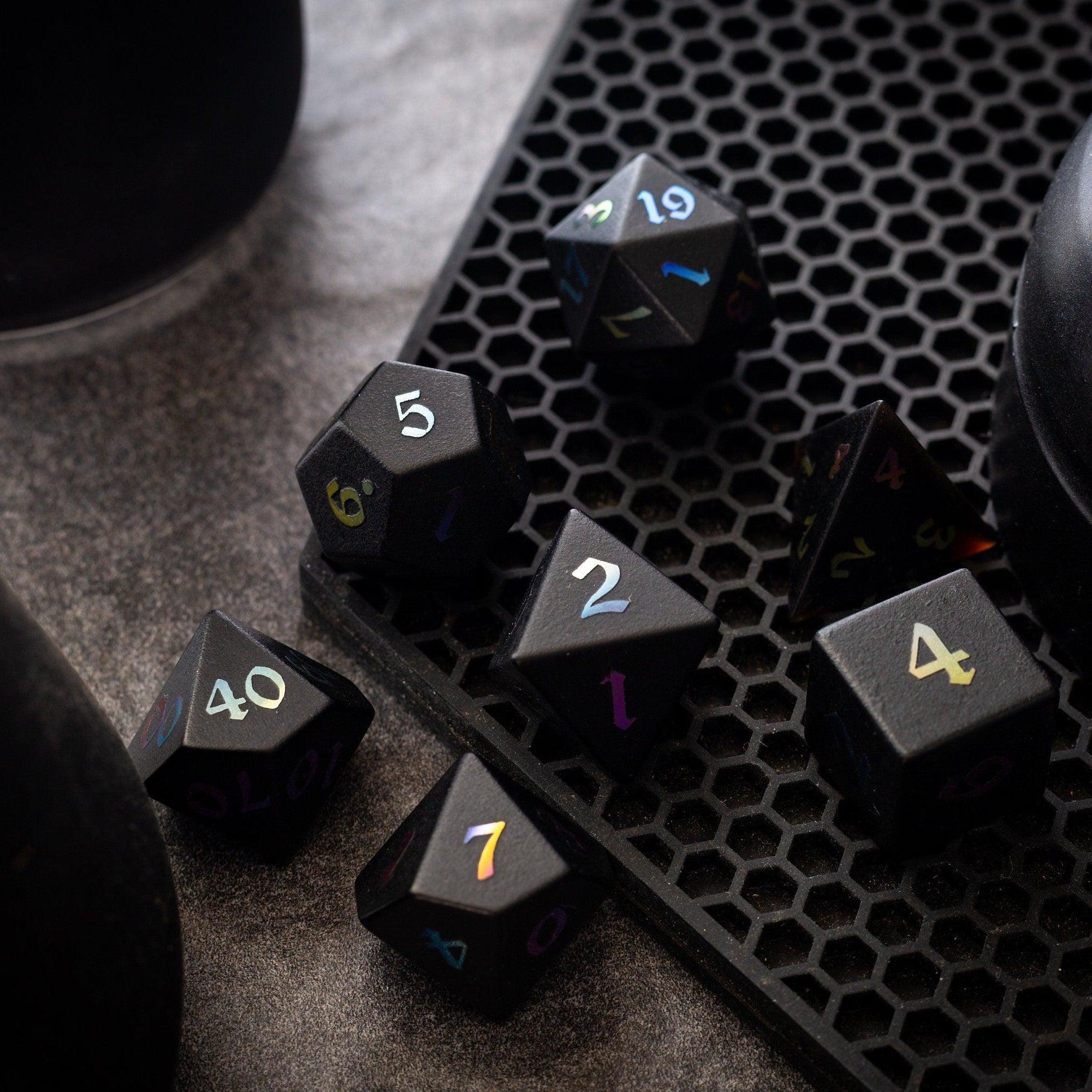
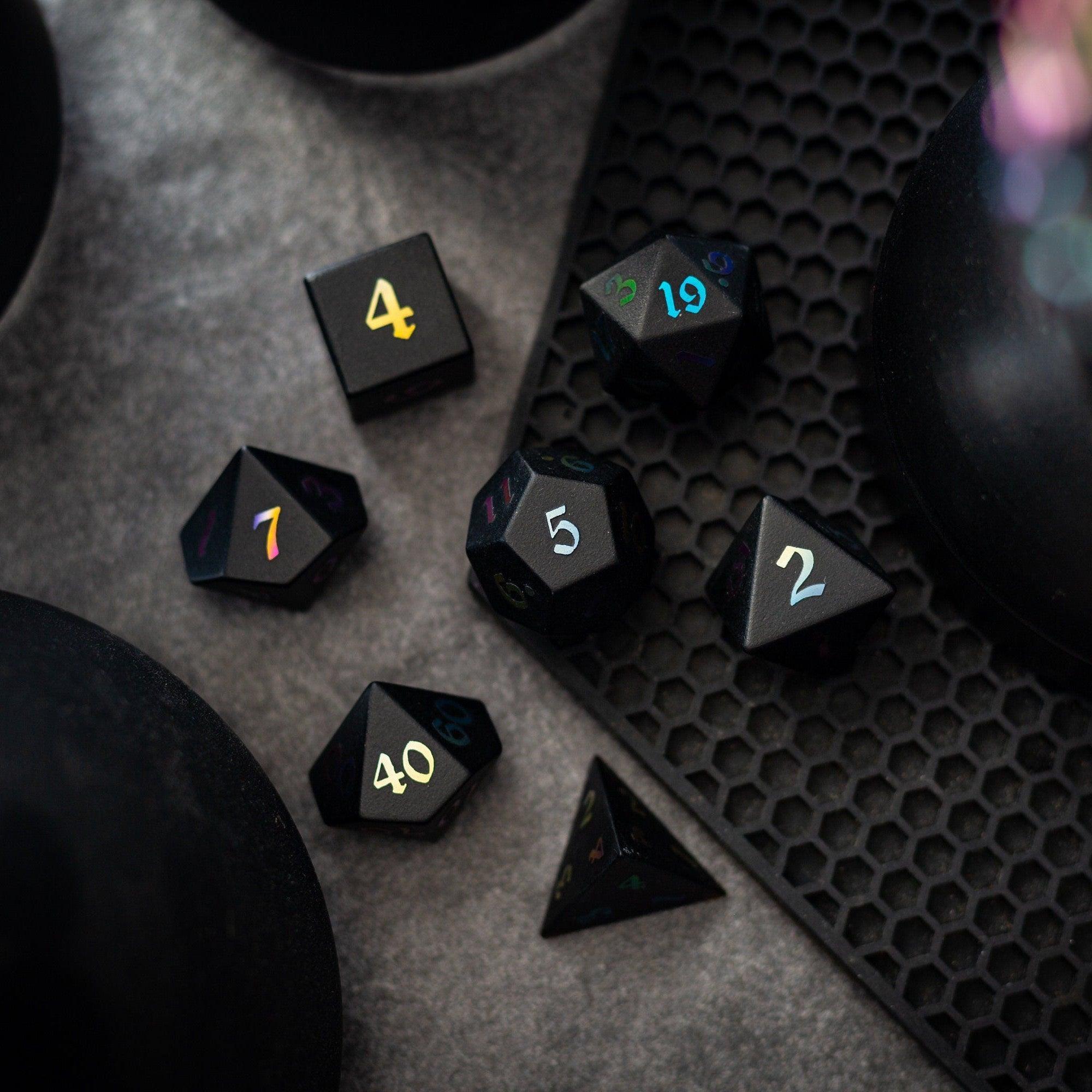
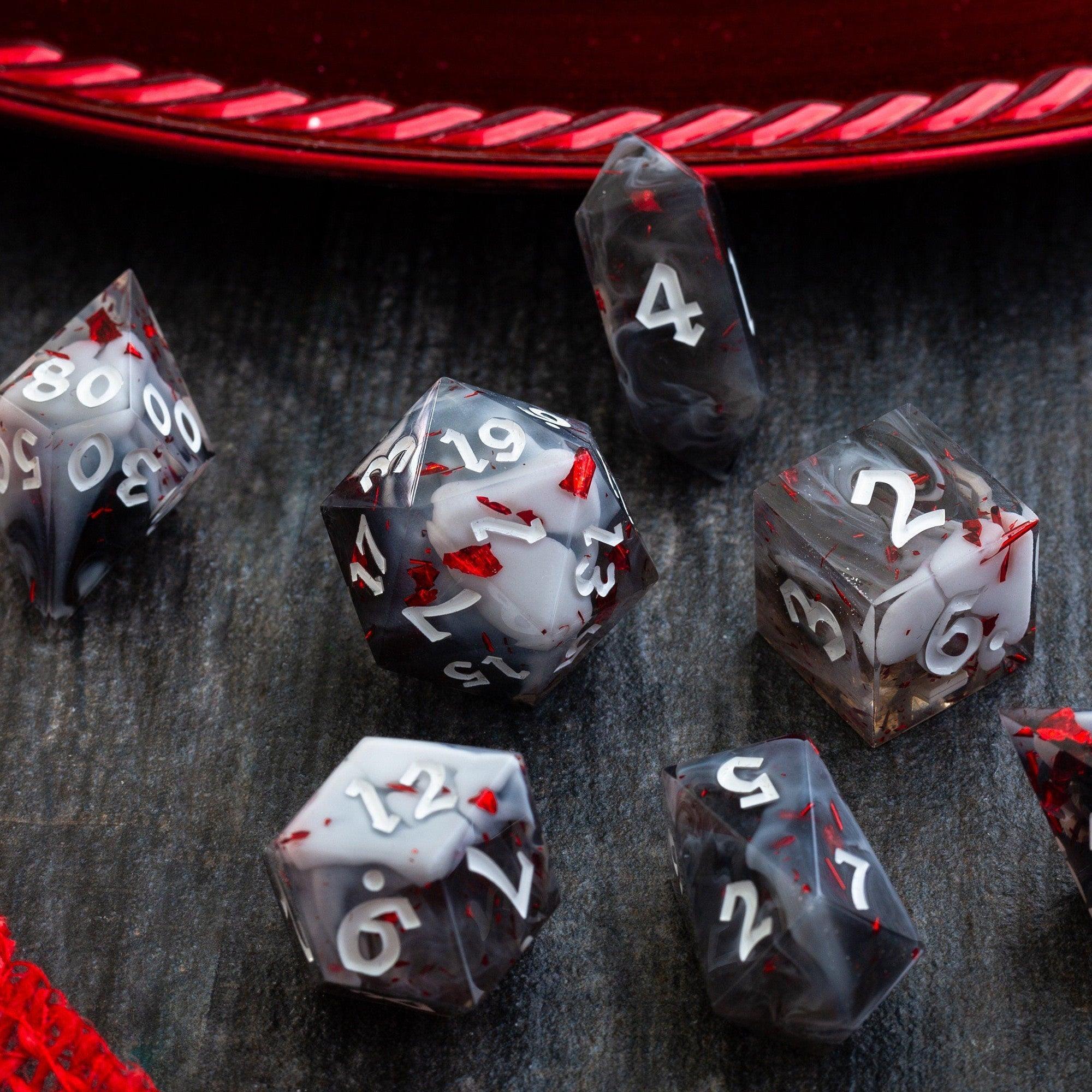
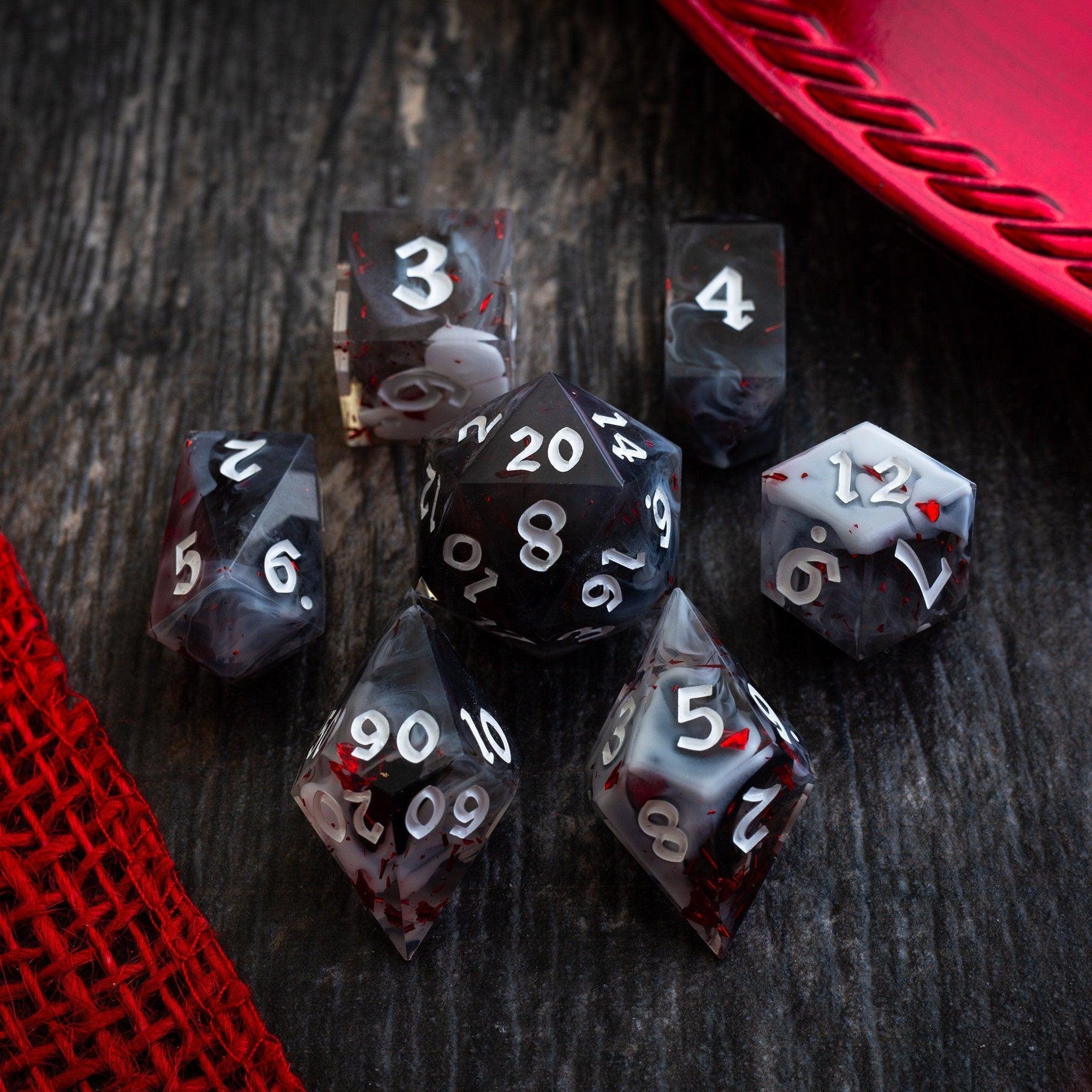
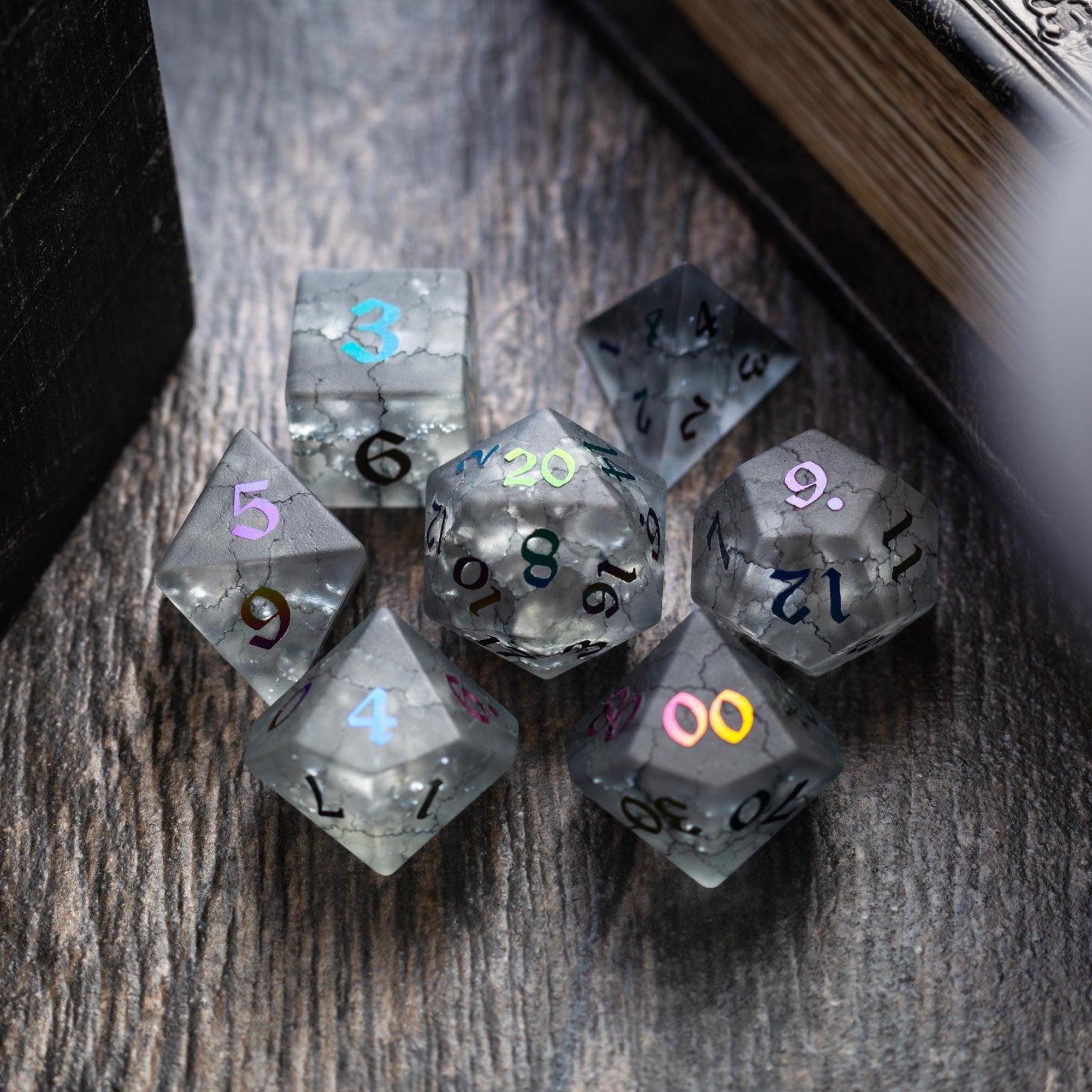
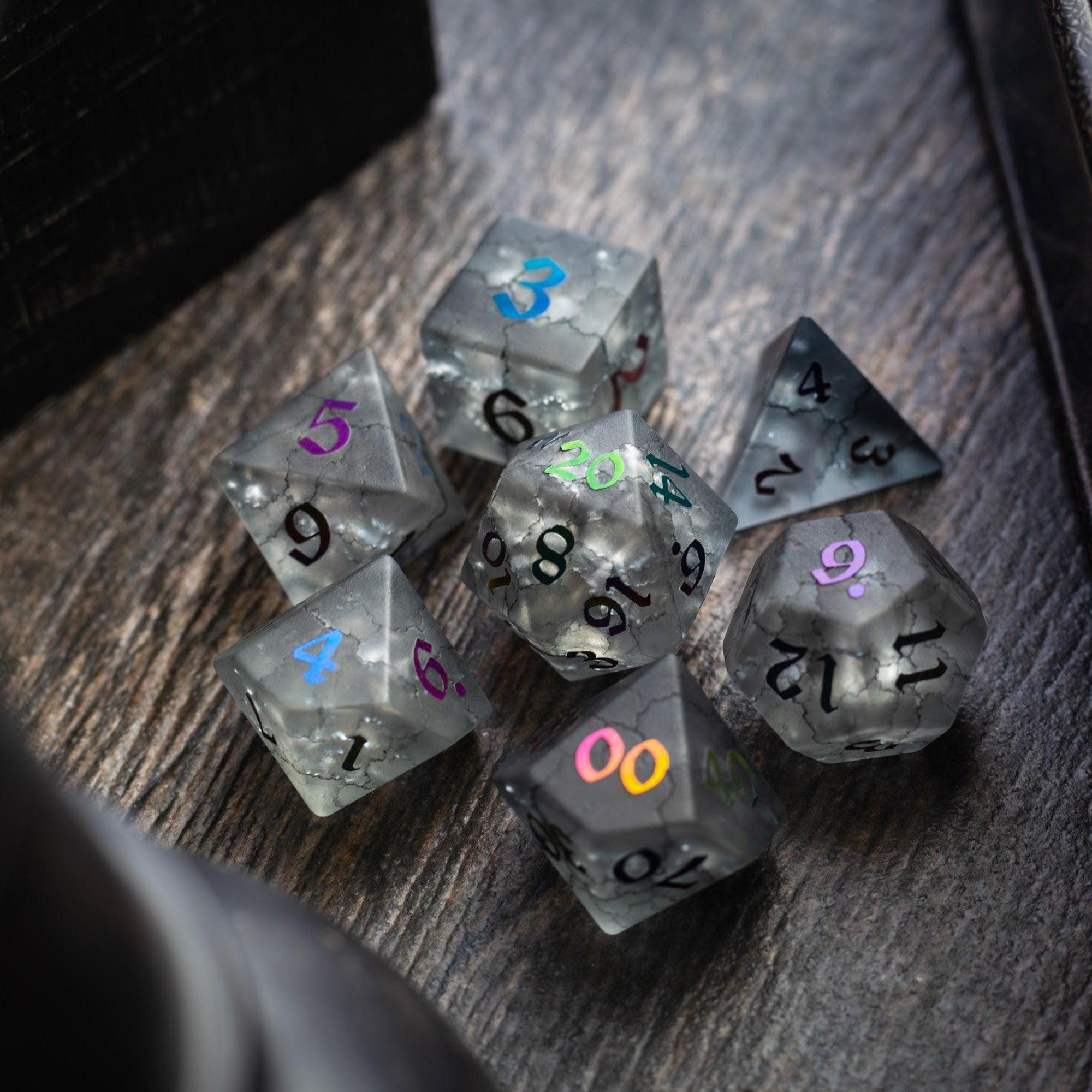
A Creation Bard has a strong theme of artistry, motion, and unusual materials. If you like matching dice to a character concept, gemstone dice and resin dice both fit naturally.
- Yellow Tigers Eye Gemstone DND Dice Set: The shifting golden bands suit an artisan, performer, or character whose magic is tied to crafted beauty.
- Blue Glitter Liquid Core Sharp Edge Resin DND Dice Set: The moving liquid core matches the animated feel of the subclass.
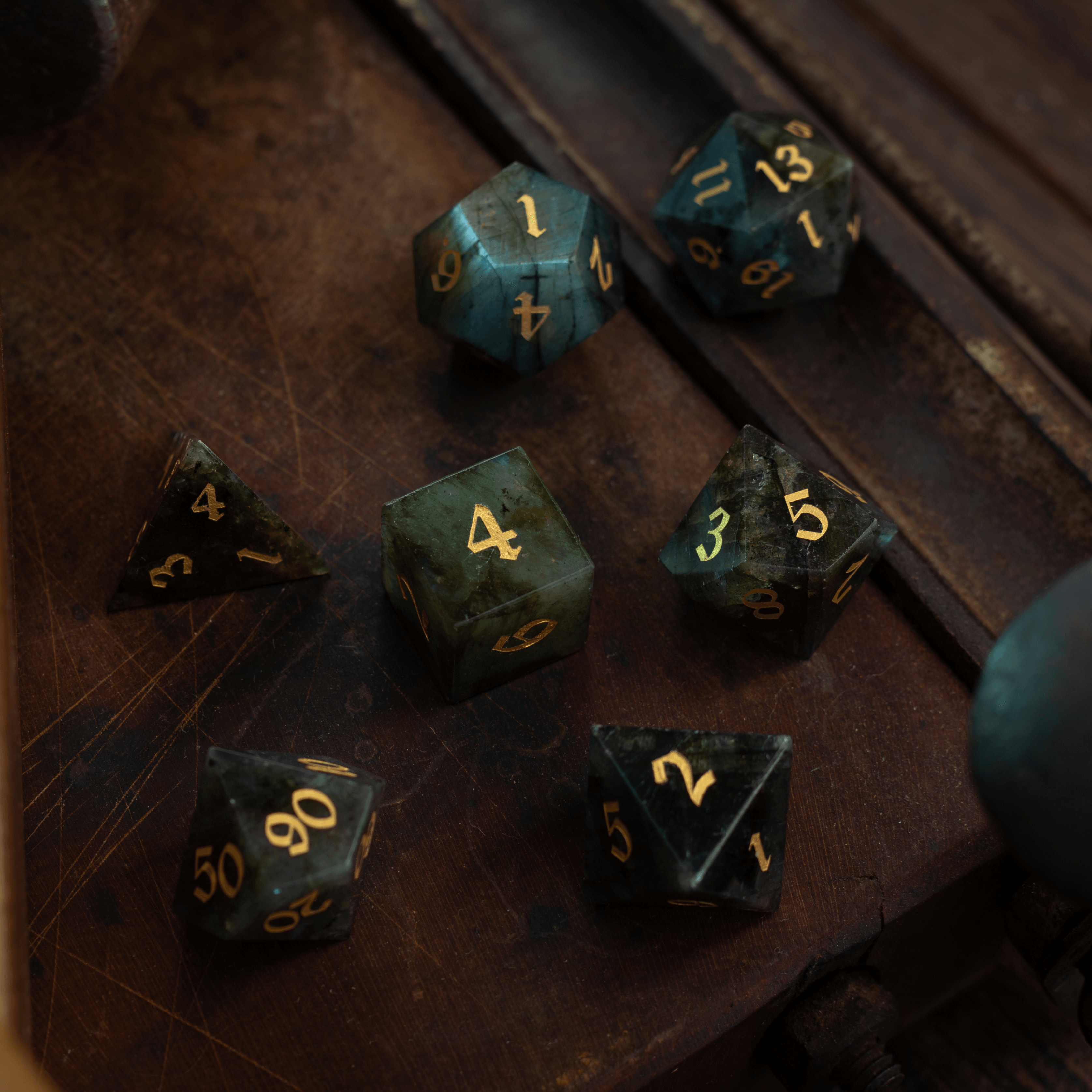
- Gemstone Light Blue Cats Eye Stone DND Dice Set: Its luminous appearance works well for a Bard inspired by celestial art, music, or magical creation.
For more options, visit Runic Dice.
Advanced Tips and Tricks
- Feats: Lucky is useful for broad D20 reliability, while Inspiring Leader can add another source of Temporary Hit Points.
- Action Economy: Your Bonus Action is valuable. Decide whether Bardic Inspiration, a spell, or a Dancing Item command gives the best result each round.
- Multiclassing: Wizard or Artificer can fit a magical-crafter theme, but multiclassing delays Bard spell progression and College of Creation features.
Is College of Creation Bard Good in 2026?
Yes. The College of Creation Bard remains a flexible legacy subclass for the current D&D 5.5e Bard rules. D&D Beyond specifically lists College of Creation from Tasha’s Cauldron of Everything among the subclasses that are backward compatible with the revised Bard. Its biggest strengths are broad utility, enhanced Bardic Inspiration, a non-Concentration Dancing Item, and creative problem-solving that matters outside combat.
If you want a Bard who can create objects, animate the environment, support allies, and solve problems in unexpected ways, the College of Creation remains a strong and distinctive choice in 2026.


Leave a comment
This site is protected by hCaptcha and the hCaptcha Privacy Policy and Terms of Service apply.