
Circle of the Moon Druid Guide for Beginners: Mastering the Moon Druid in D&D 5e

The Circle of the Moon Druid is a shapeshifting specialist in Dungeons & Dragons 5e. Instead of casting spells from the back of the party every turn, a Moon Druid can become a bear, wolf, or other beast to defend allies, fight up close, and explore dangerous places.
This guide follows the revised 2024 Player's Handbook rules, labeled D&D 5.5e on D&D Beyond in 2026. The 2014 subclass works differently, particularly its Wild Shape hit points and elemental transformations. Check which rules your group uses before building your character.
Why Play a Circle of the Moon Druid?
Key Benefits
- Stronger Wild Shape: Access higher-challenge beasts earlier than most Druids.
- Reliable Durability: Gain extra temporary hit points and better Armor Class while transformed.
- Flexible Combat: Make beast attacks while retaining access to selected spells.
- Exploration Options: Scout, swim, climb, or eventually fly using suitable animal forms.
- Roleplay Potential: Play a wilderness guardian, wandering shapeshifter, or protector of sacred ground.
Compared with spell-focused Druid circles, Moon Druids invest more subclass features in close combat. You still gain the Druid's full spellcasting progression, so animal forms are an additional tool rather than a replacement for magic.
Core Features
Key Mechanics and Abilities
Wild Shape (Druid Level 2)
- All Druids using the revised rules transform as a bonus action. You choose Circle of the Moon at level 3.
- You retain your normal hit points instead of gaining the beast's hit points. Ordinary Wild Shape provides temporary hit points equal to your Druid level.
- You start with two uses, regain one after a short rest, and regain all after a long rest. Additional uses arrive at higher levels.
- You initially know four eligible beast forms. After a long rest, you can replace one known form with another eligible option.
Circle Forms (Level 3)
- Your maximum beast Challenge Rating (CR) equals one-third of your Druid level, rounded down: CR 1 at level 3, CR 2 at level 6, and CR 3 at level 9.
- Your beast-form AC becomes 13 plus your Wisdom modifier if that is higher than the beast's listed AC.
- You gain temporary hit points equal to three times your Druid level when you transform. That's 9 at level 3. Temporary hit points don't stack.
You must still choose from your known eligible beast forms; the higher CR limit doesn't automatically teach you every beast. Ask your DM which stat blocks are available in your campaign.
Circle of the Moon Spells (Level 3)
These spells are always prepared once you reach the listed Druid level. Unlike most Druid spells, you can cast them while using Wild Shape:
- Level 3: Cure Wounds, Moonbeam, and Starry Wisp.
- Level 5: Conjure Animals.
- Level 7: Fount of Moonlight.
- Level 9: Mass Cure Wounds.
This lets you heal a nearby ally without dropping your beast form. You can also maintain concentration on a spell cast before transforming. Most other spells cannot be cast in beast form until you gain Beast Spells at level 18.
Improved Circle Forms (Level 6)
- Lunar Radiance: When a beast-form attack hits, choose its normal damage type or Radiant damage.
- Increased Toughness: Add your Wisdom modifier to Constitution saving throws while transformed, including concentration saves.
Moonlight Step (Level 10)
- Use a bonus action to teleport up to 30 feet to an unoccupied space you can see.
- Gain advantage on your next attack roll before the end of the turn.
- Use it a number of times equal to your Wisdom modifier (minimum once) per long rest. Spending a level 2 or higher spell slot restores one use.
Lunar Form (Level 14)
- Once per turn, deal an extra 2d10 Radiant damage when a Wild Shape attack hits.
- Bring one willing creature within 10 feet of you when using Moonlight Step, placing it in an unoccupied space within 10 feet of your destination.
The revised Moon Druid replaces the 2014 subclass's Elemental Wild Shape and Thousand Forms with lunar abilities. See D&D Beyond's official Circle of the Moon overview for the differences.
Suggested Ability Scores
- Primary: Wisdom. Improves spellcasting, beast-form AC, Constitution saves, and Moonlight Step.
- Secondary: Constitution. Raises your normal hit points and helps concentration.
- Tertiary: Dexterity. Supports initiative and defenses outside Wild Shape.
Recommended Races (Species)
Under the revised rules, ability score increases generally come from your background rather than your species. Choose a species for its features and character concept.
- Goliath: Stone Giant ancestry provides a defensive feature for a frontline guardian.
- Firbolg: Suits a quiet forest protector; ask your DM about this older species option.
- Shifter: Works well for an animal-themed character if your campaign allows it.
- Lizardfolk: Fits a swamp or coastal Druid, although its natural armor and bite don't automatically improve beast attacks.
Playing as a Circle of the Moon Druid
Role in a Party
- Frontline Defender: Fight beside your Fighter or Paladin and put pressure on enemies.
- Scout and Explorer: Use small or mobile forms to investigate difficult terrain.
- Support Caster: Heal allies, maintain concentration, or return to normal form when other spells are needed.
Tips for New Players
- Keep beast stat blocks handy. A Brown Bear or Dire Wolf is a CR 1 combat option at level 3. At level 6, a Giant Constrictor Snake offers grappling options if your DM allows the form.
- Learn movement limits. The revised rules allow swimming forms early, but beast forms with a Fly Speed require Druid level 8.
- Track temporary hit points separately. Losing them doesn't automatically end Wild Shape. Damage beyond them reduces your normal hit points.
- Plan your bonus action. Wild Shape and Moonlight Step both use it, so you can't use both on the same turn.
- Remember concentration. Transforming doesn't end a concentration spell, but taking damage can trigger a Constitution save.
Beast forms also have different senses, movement speeds, and attacks. Check the actual stat block instead of assuming every animal can climb, grapple, or attack multiple times.
Roleplay Suggestions
- The Savage Protector: Defends a forest threatened by hunters and monsters.
- The Wandering Shapeshifter: Learns about the world through different animal forms.
- The Primal Guardian: Protects a sacred grove and follows moonlit rituals.
Gear and Dice Recommendations
Suggested Equipment
Weapons
- Quarterstaff: A useful backup weapon; a wooden staff can also serve as a Druidic focus.
- Scimitar or Sickle: Thematic melee options, depending on your weapon proficiencies.
Armor
- Leather Armor and Shield: A simple starting setup. Revised Druids aren't universally barred from metal armor, and Warden Primal Order provides medium armor training.
Magic Items
- Moon Sickle: Supports spellcasting and healing when you're able to use it.
- Amulet of Health: Helps your normal Constitution; check whether your beast form can wear it.
- Ring of Animal Influence: Suits a character who prefers interacting with animals.
Equipment that merges into Wild Shape has no effect until you leave the form. Ask your DM about items your animal form can realistically wear.
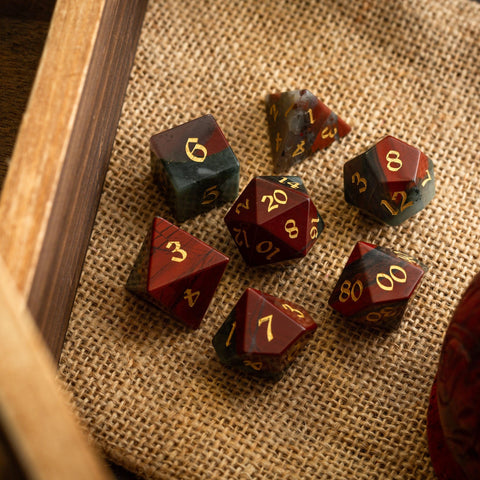
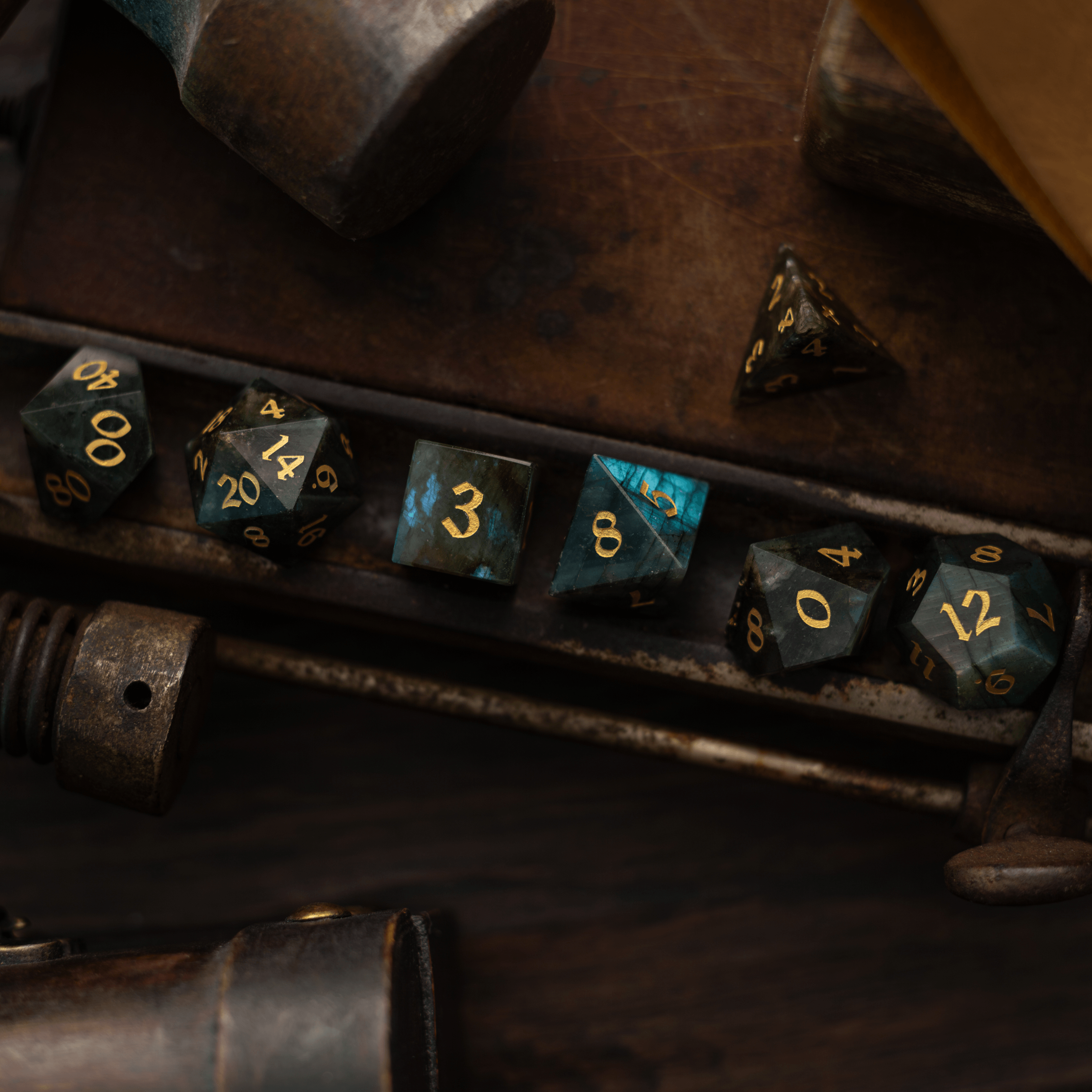
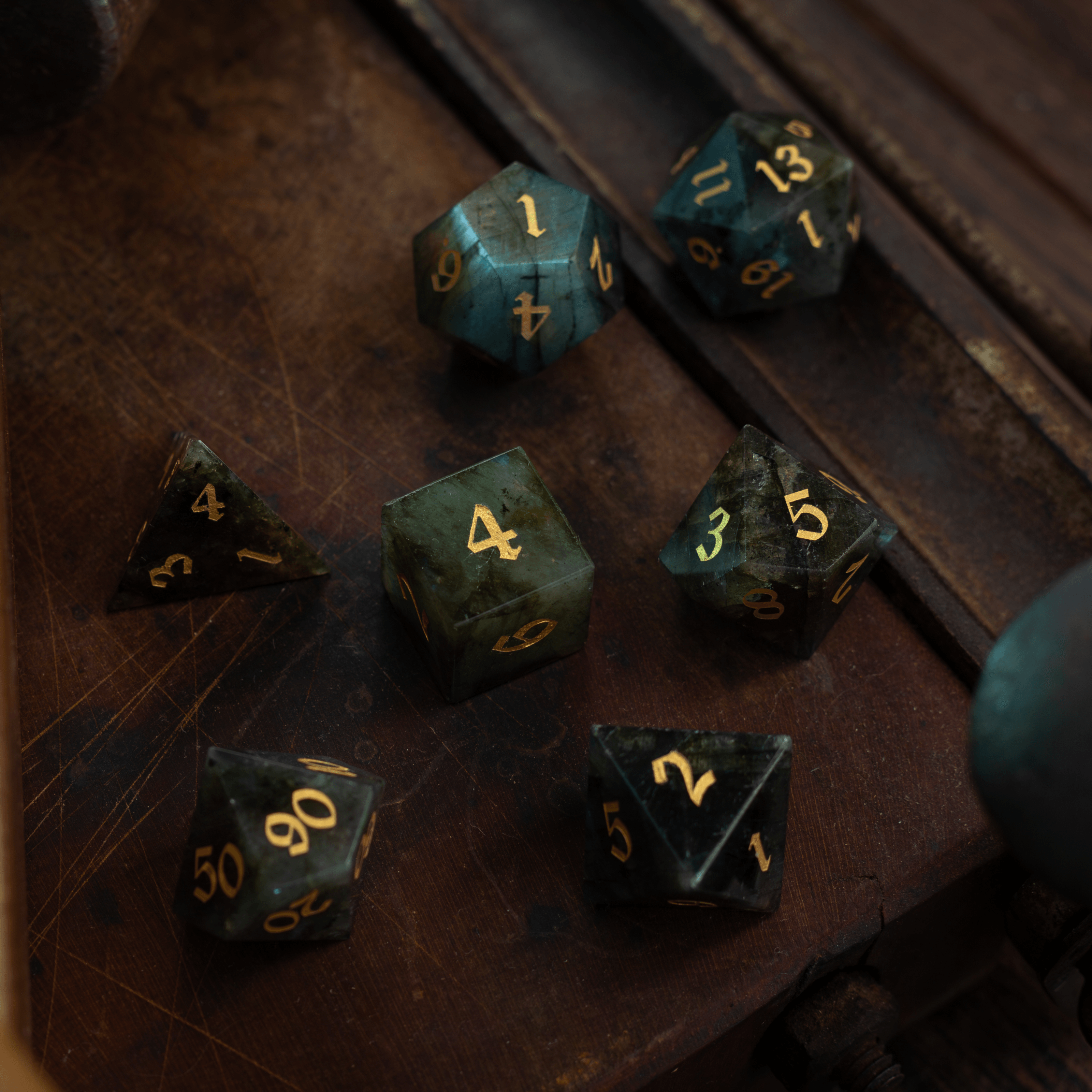
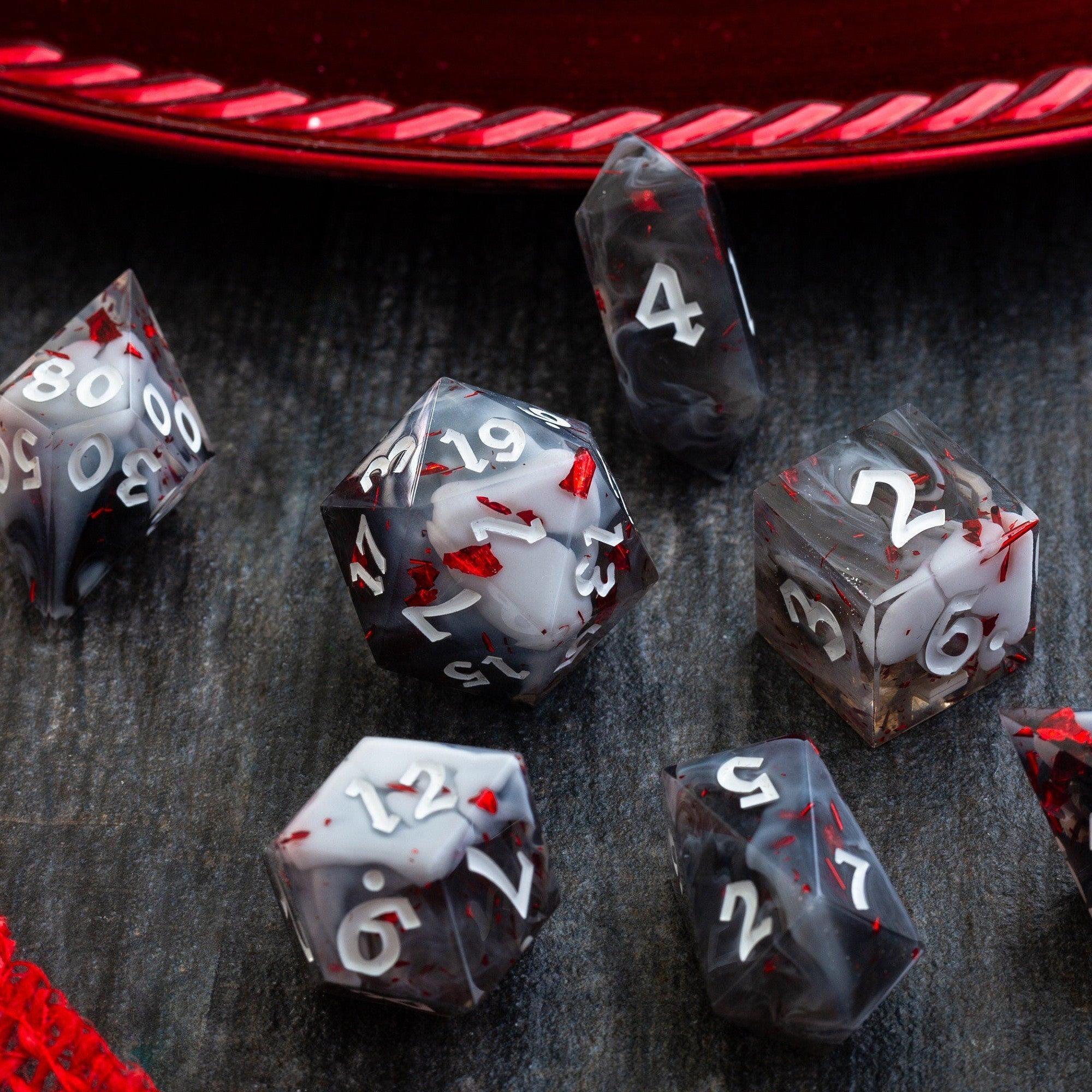
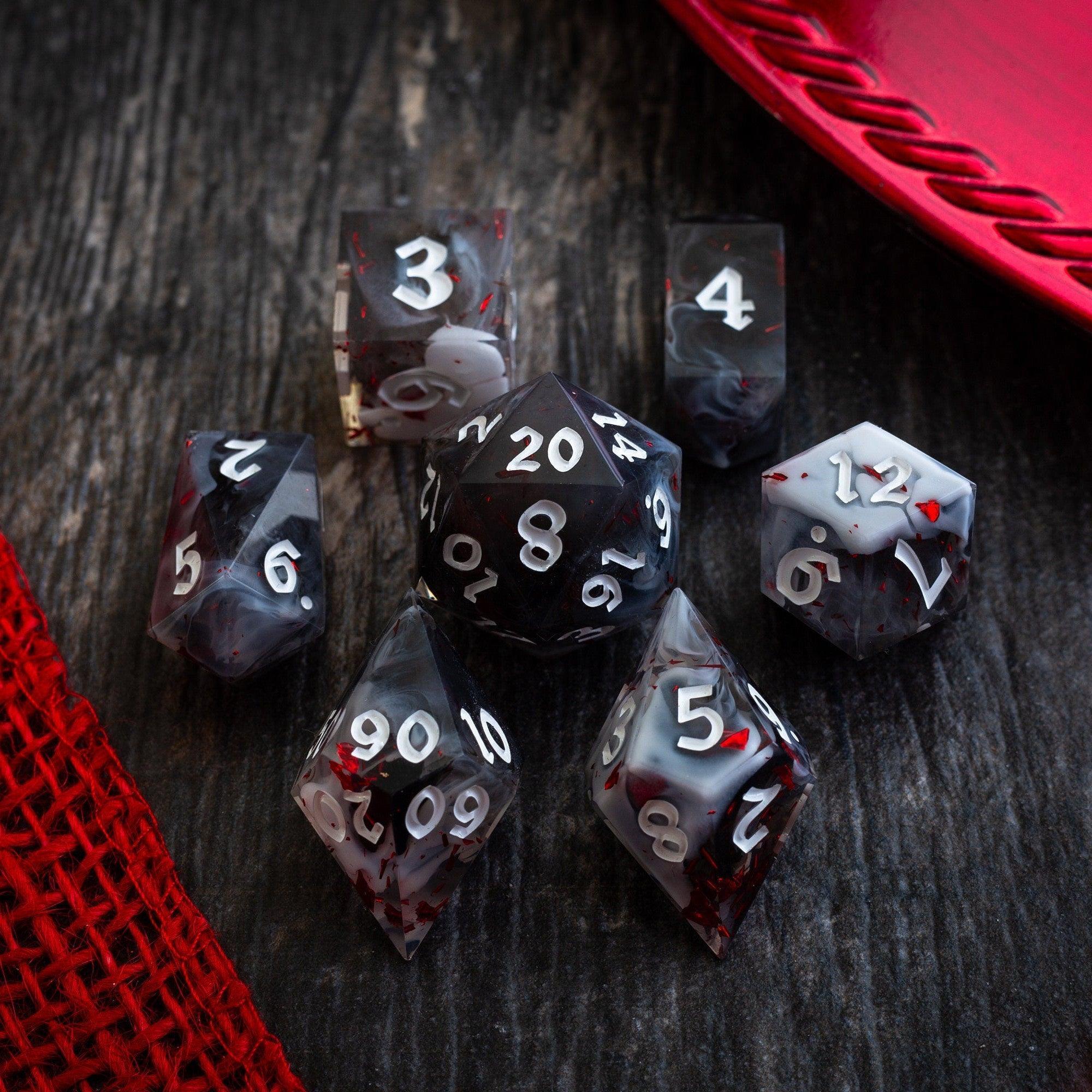
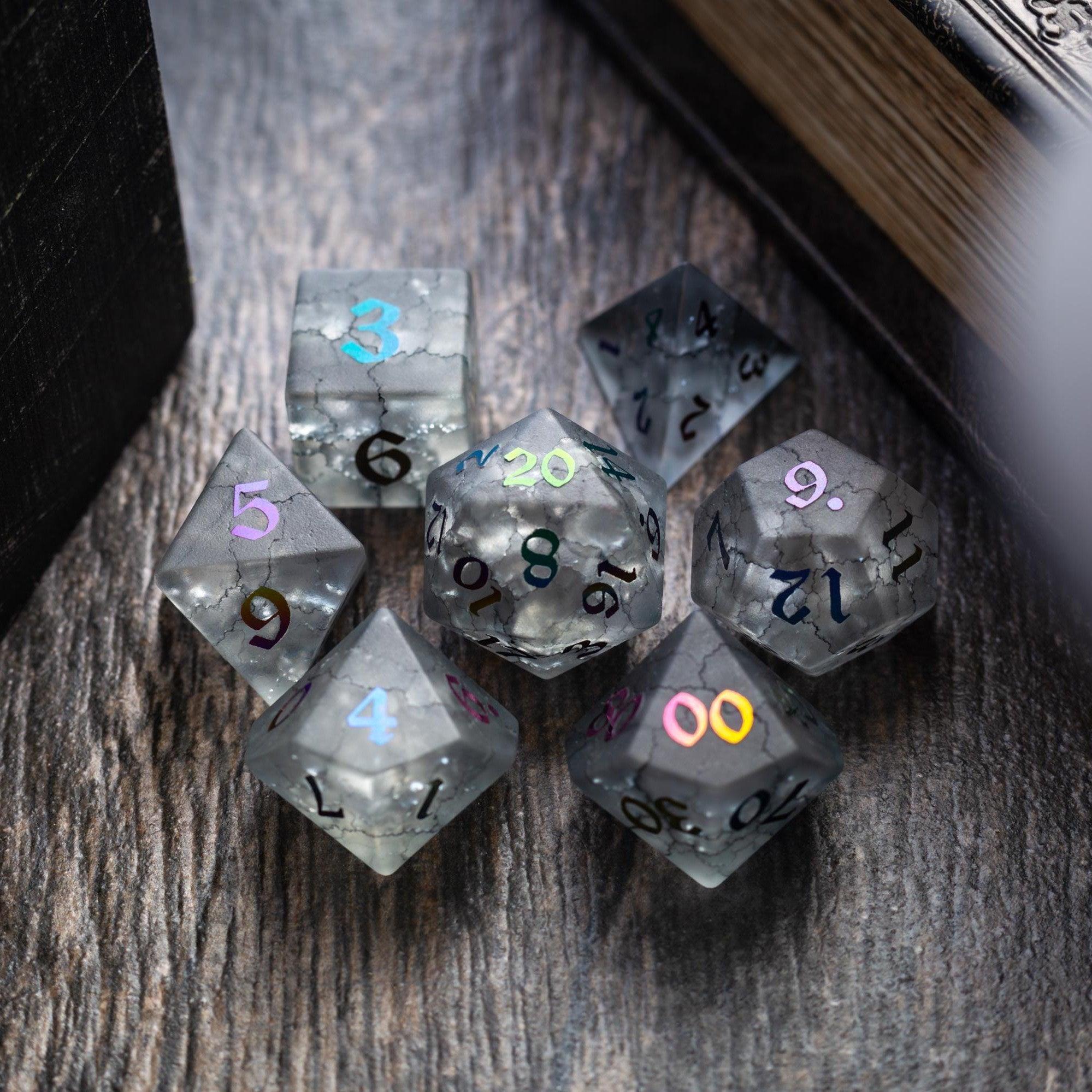
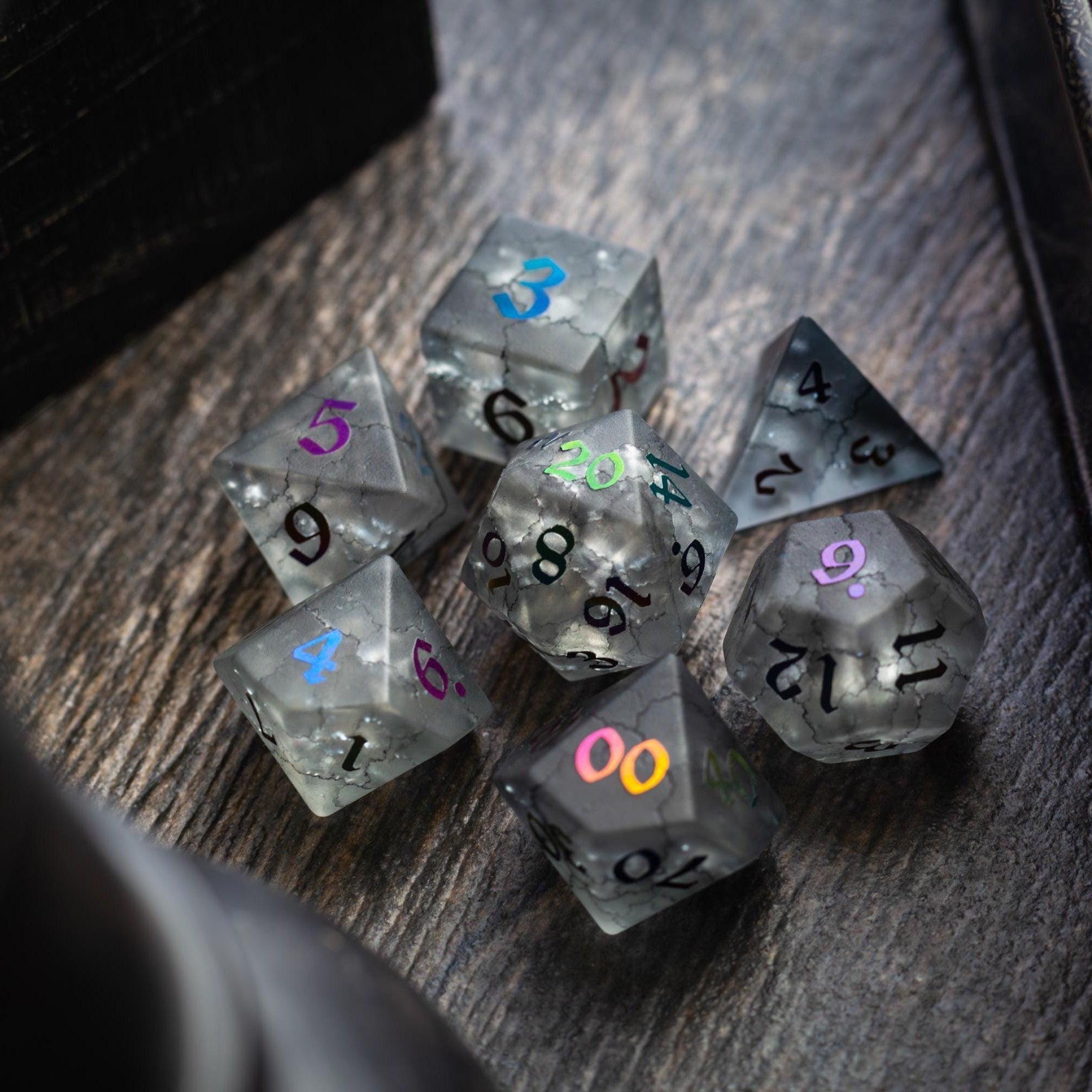
Dice Recommendations from Runic Dice
For a Moon Druid, nature-inspired D&D dice sets make an easy match for the character without affecting any game mechanics:
- Moonlit Forest: The Witchwood Heart Liquid Core DND Dice Set suits a Druid whose magic feels mysterious and untamed.
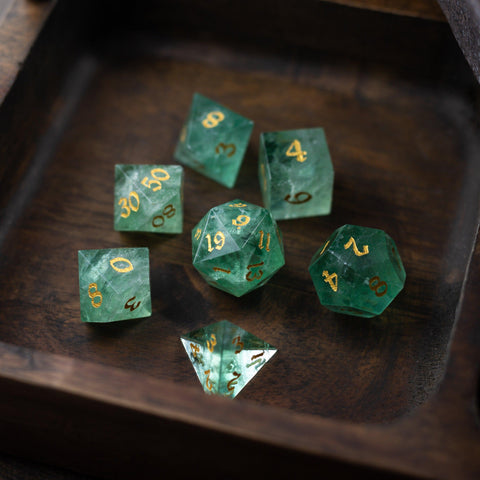
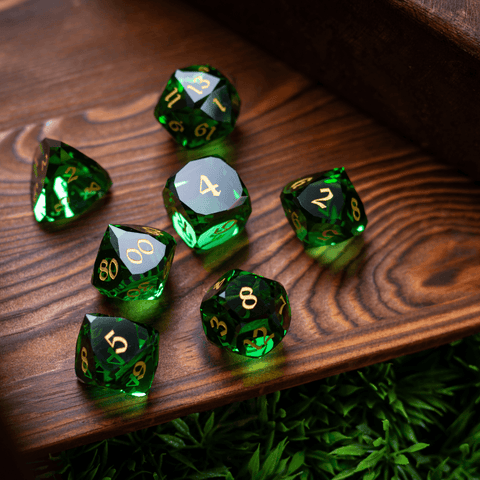
- Primal Beast: The Dwarf Cut Green Gemstone Glass Premium DND Dice Set gives a forest guardian a bold green look.
- Sacred Grove: The Enchanted Forest Gold Resin DND Dice Set fits a protector of ancient woodlands.
Advanced Tips and Tricks
Optimization Strategies
-
Feats:
- Resilient (Constitution): Helps Constitution saves and concentration.
- Tough: Adds normal hit points, useful because Wild Shape retains your own health.
- Speedy: A movement-focused option under the revised rules.
-
Multiclassing:
- Barbarian: Rage suits a beast-focused character but prevents spellcasting and concentration while active. Multiclassing delays Druid features.
- Ranger: Adds an outdoorsy theme, but staying a Druid usually unlocks stronger beasts and spells sooner.
At level 7, consider Primal Strike from Elemental Fury if you spend most fights making beast attacks. It adds elemental damage once on each of your turns when an eligible attack hits.
Beginner build example: Start as a level 3 Moon Druid with high Wisdom, solid Constitution, and Brown Bear among your known forms. In combat, transform as a bonus action, then use the bear's attacks. If an ally is badly hurt on a later turn, cast Cure Wounds without leaving Wild Shape. Between adventures, change a known form when the terrain or party's needs call for it.
The Circle of the Moon Druid is a great choice if you want to fight as animals while retaining the flexibility of a full spellcaster. Learn a few reliable beast forms, manage your temporary hit points, and know when a spell matters more than another attack. Those habits will serve you throughout your campaign.






Leave a comment
This site is protected by hCaptcha and the hCaptcha Privacy Policy and Terms of Service apply.