
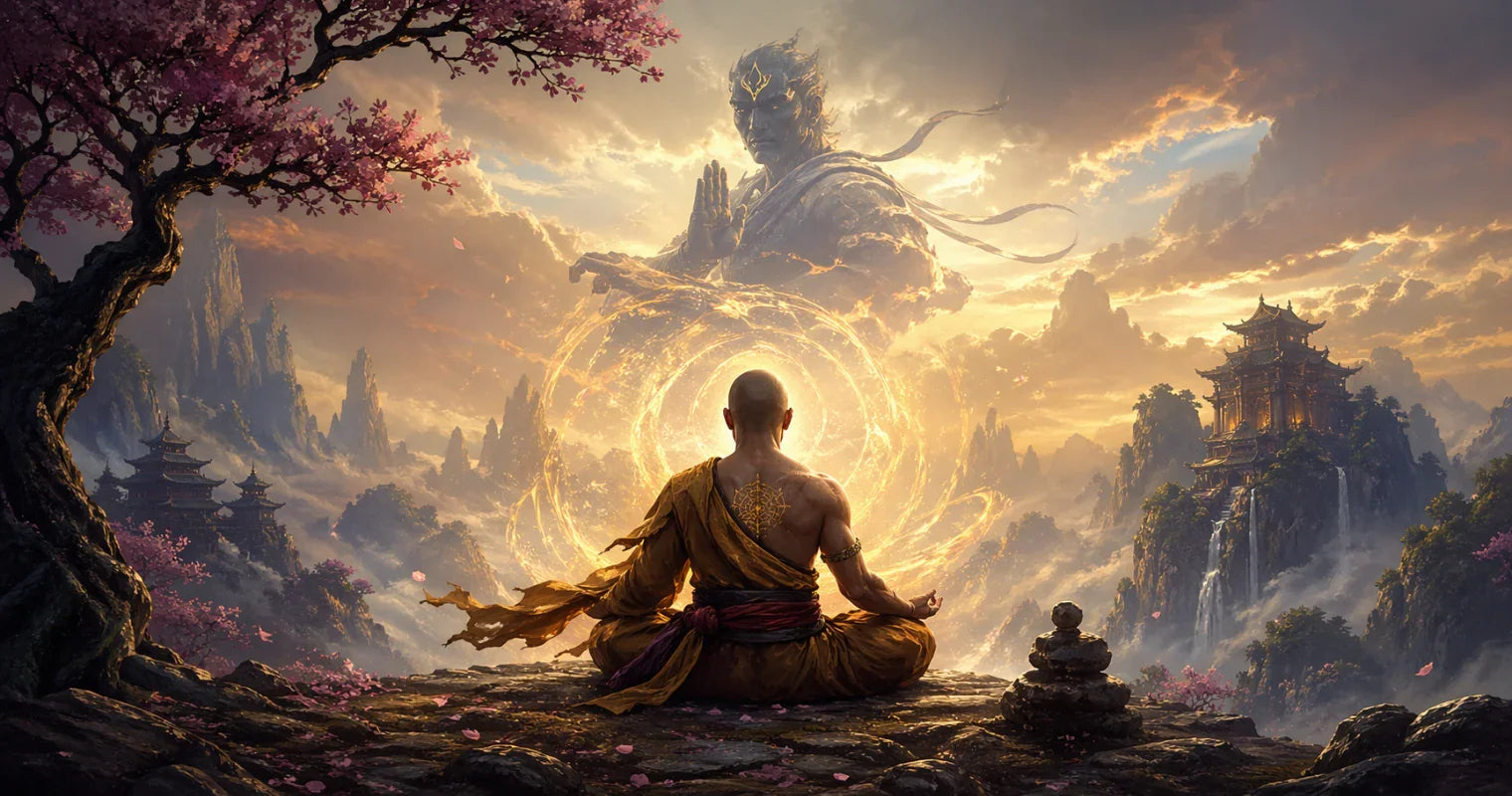
D&D Mystic Arts Monk Guide for Warrior Focus

There’s something unforgettable about monk characters in Dungeons & Dragons. While armored knights charge into battle with steel and shields, monks rely on discipline, speed, inner focus, and supernatural martial arts mastery. Every movement feels deliberate. Every strike carries purpose.
The monk fantasy is not just about combat. It is about balance between body and spirit. A mystic monk might spend years meditating beneath frozen waterfalls, wandering ancient mountain roads, or studying forgotten martial traditions hidden deep within ruined temples.
For many players, monks represent one of the most immersive character fantasies in D&D. They are spiritual warriors who combine agility, wisdom, and supernatural techniques into a fighting style that feels graceful, dangerous, and deeply personal.
Whether you imagine a silent traveler wrapped in flowing robes or a mystical martial artist channeling glowing ki energy through their hands, this monk guide 5e overview will help you explore the heart of the warrior monk fantasy.
What Makes a Mystic Arts Monk?
A mystic monk dnd character stands apart from traditional warriors because their strength comes from within. Instead of relying on heavy armor or massive weapons, monks train their bodies and minds into living instruments of power.
At the center of most monk characters is ki, a spiritual force that fuels supernatural abilities and martial techniques. In gameplay, this often appears as bursts of speed, impossible agility, stunning strikes, or strange mystical powers.
But the real appeal goes deeper than mechanics.
Mystic monks often embody themes like:
-
Self-control and discipline
-
Spiritual awakening
-
Ancient traditions
-
Balance between peace and violence
-
Inner conflict and emotional restraint
-
Wandering warrior lifestyles
-
Mastery through patience and training
A monk can feel equally at home in a quiet monastery or in the middle of a desperate battlefield.
Players who enjoy martial arts dnd storytelling often love monks because every fight becomes cinematic. Instead of standing still and trading blows, monks leap across rooftops, sprint along walls, and strike with flowing precision.
Core Themes of the Warrior Monk Fantasy
Speed and Precision
Monks thrive on movement. Their combat style feels fluid and controlled, almost like a dance.
A warrior monk fantasy character might:
-
Dodge arrows with supernatural reflexes
-
Move through crowds without being touched
-
Deliver rapid combinations of strikes
-
Escape danger through agility rather than toughness
This creates a combat style that feels energetic and tactical without becoming overly complicated.
Meditation and Inner Discipline
Many monk characters spend hours in silent reflection, breathing exercises, or ritual training.
Meditation can become an important roleplay tool:
-
Centering emotions after battle
-
Seeking visions or spiritual guidance
-
Honoring fallen allies
-
Maintaining control over dangerous inner power
Elemental or Supernatural Energy
Some monks channel elemental power or spiritual manifestations into combat. This can create incredible visual flavor during gameplay.
Examples include:
-
Hands glowing with fire-like ki
-
Spectral arms striking enemies
-
Shadows twisting around movement
-
Wind swirling during acrobatic attacks
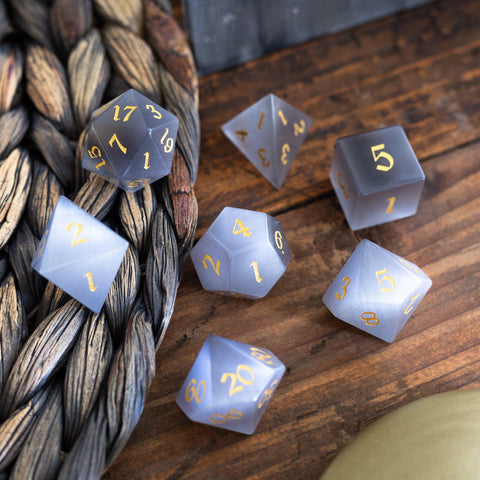
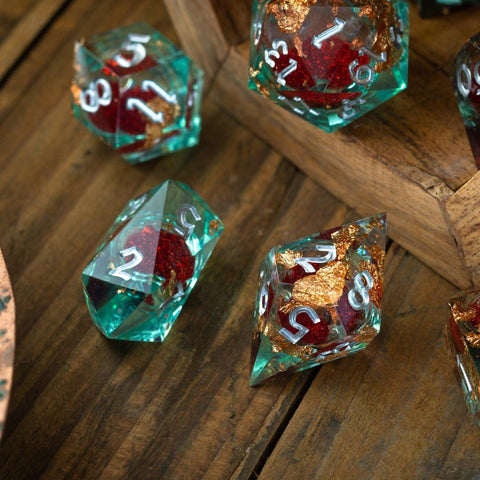
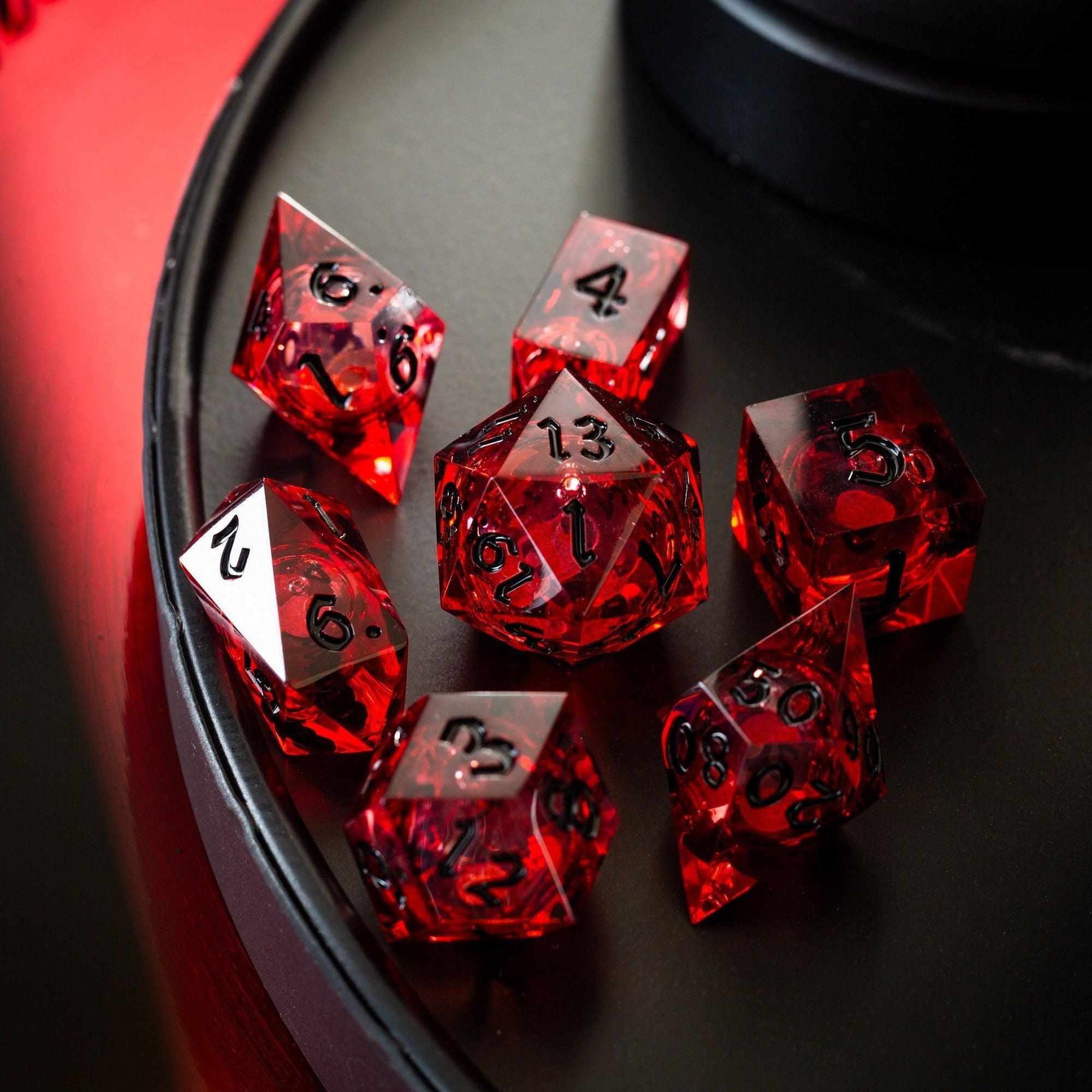
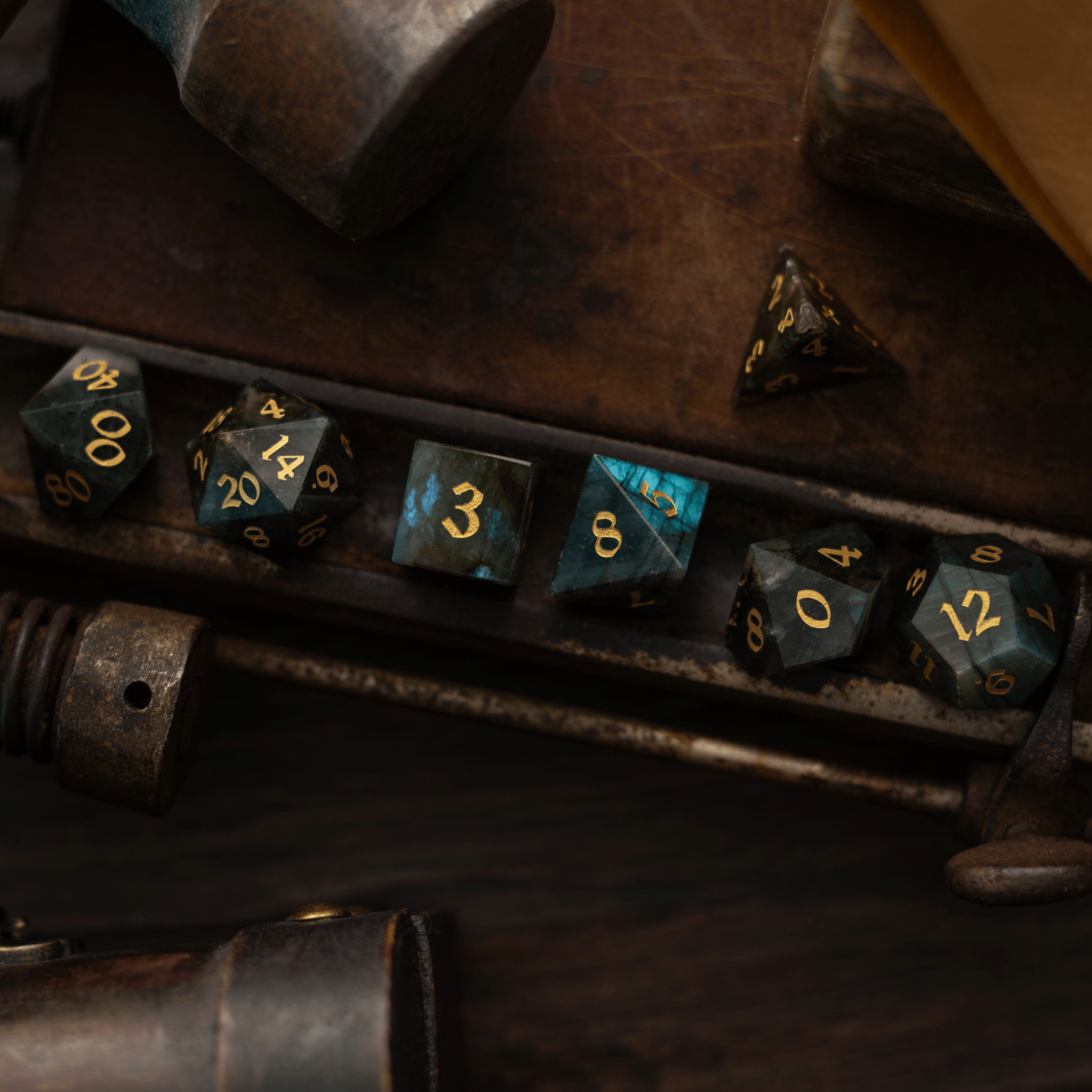
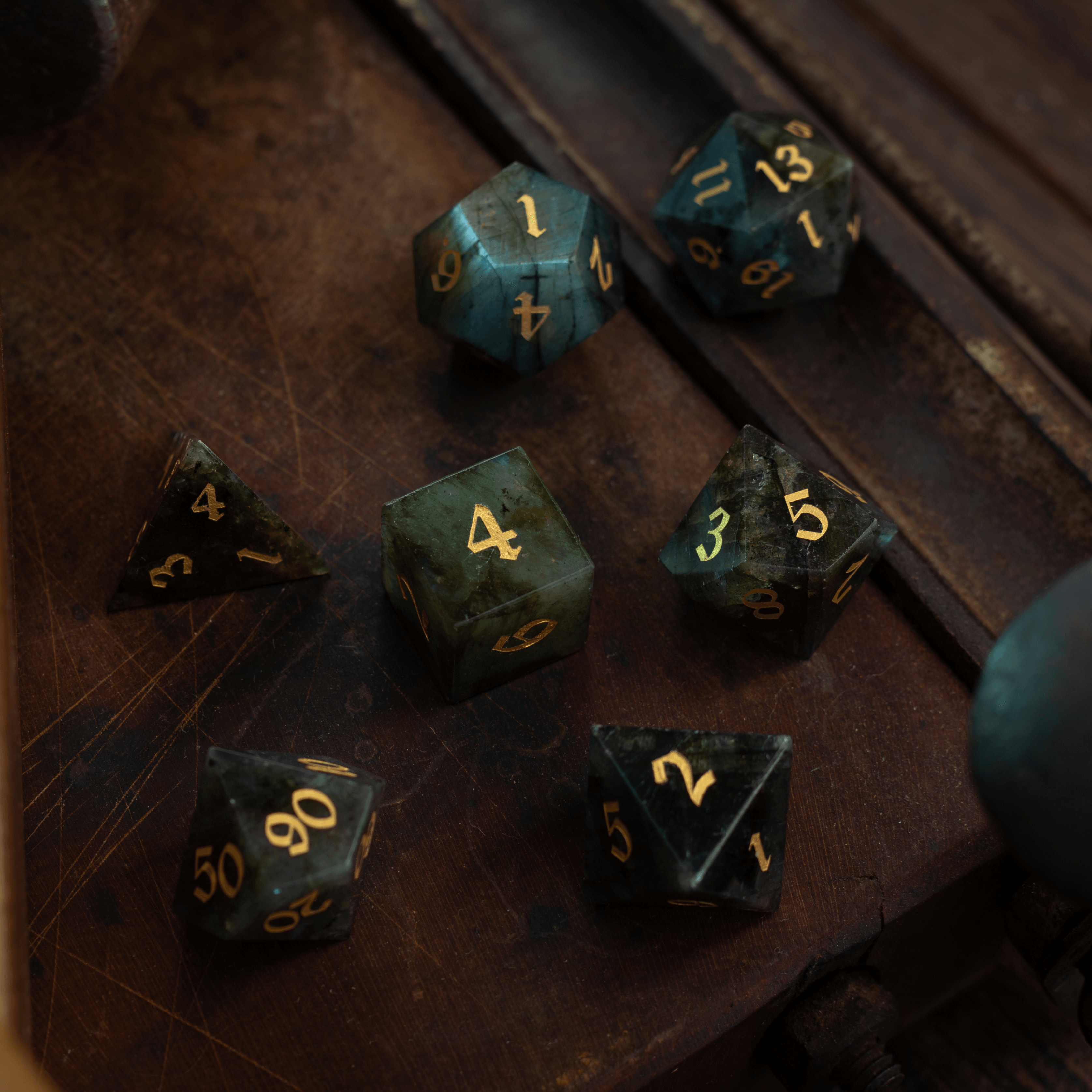
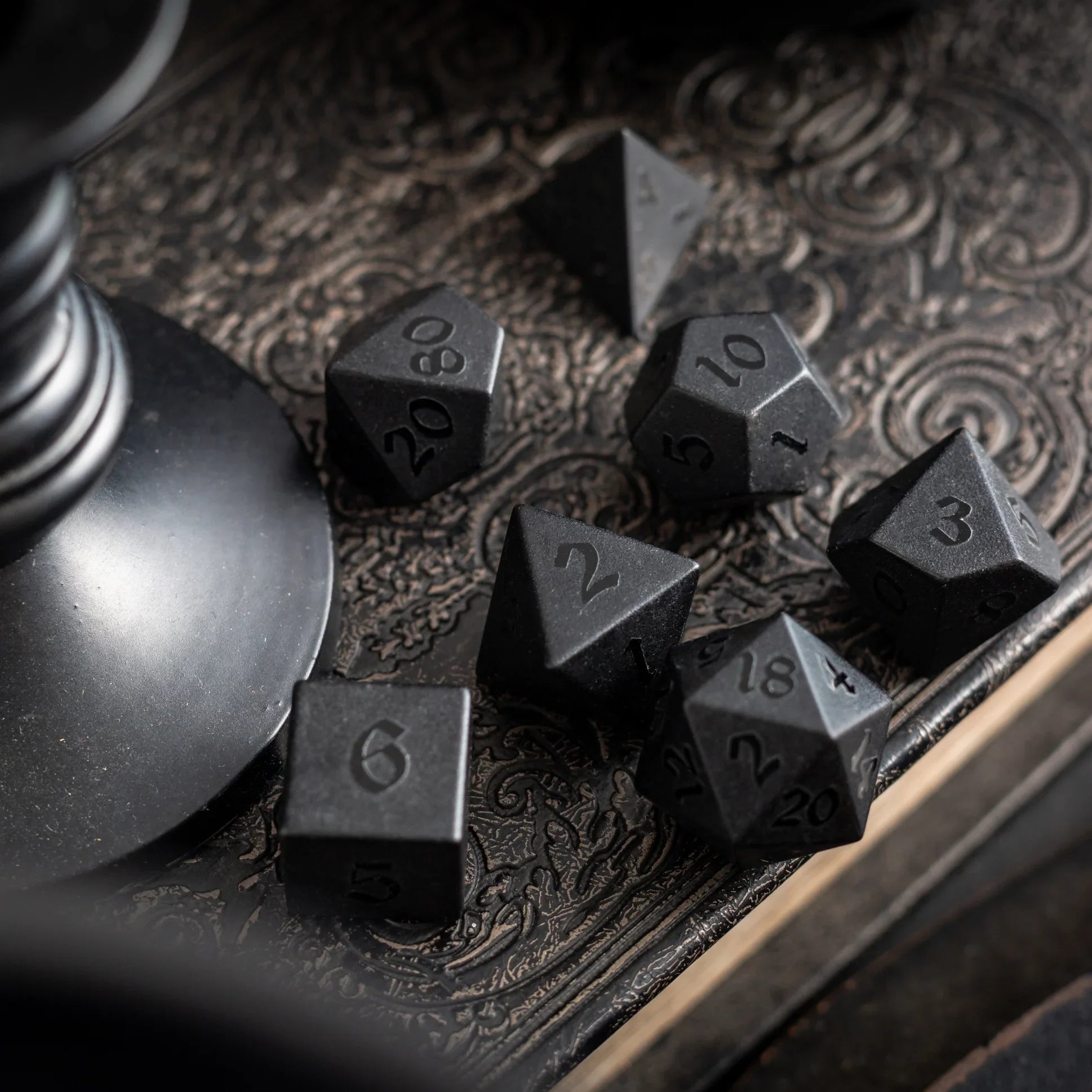
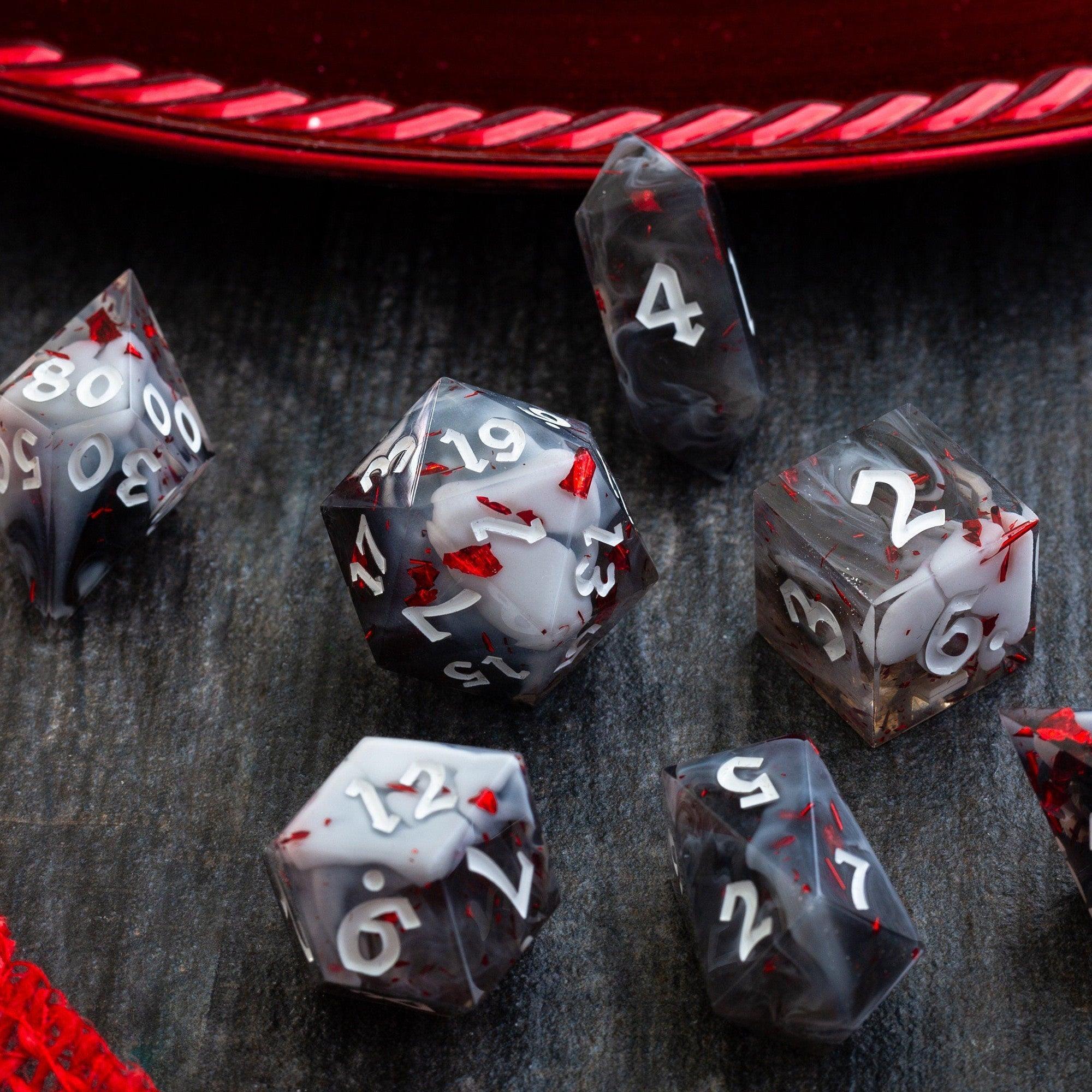
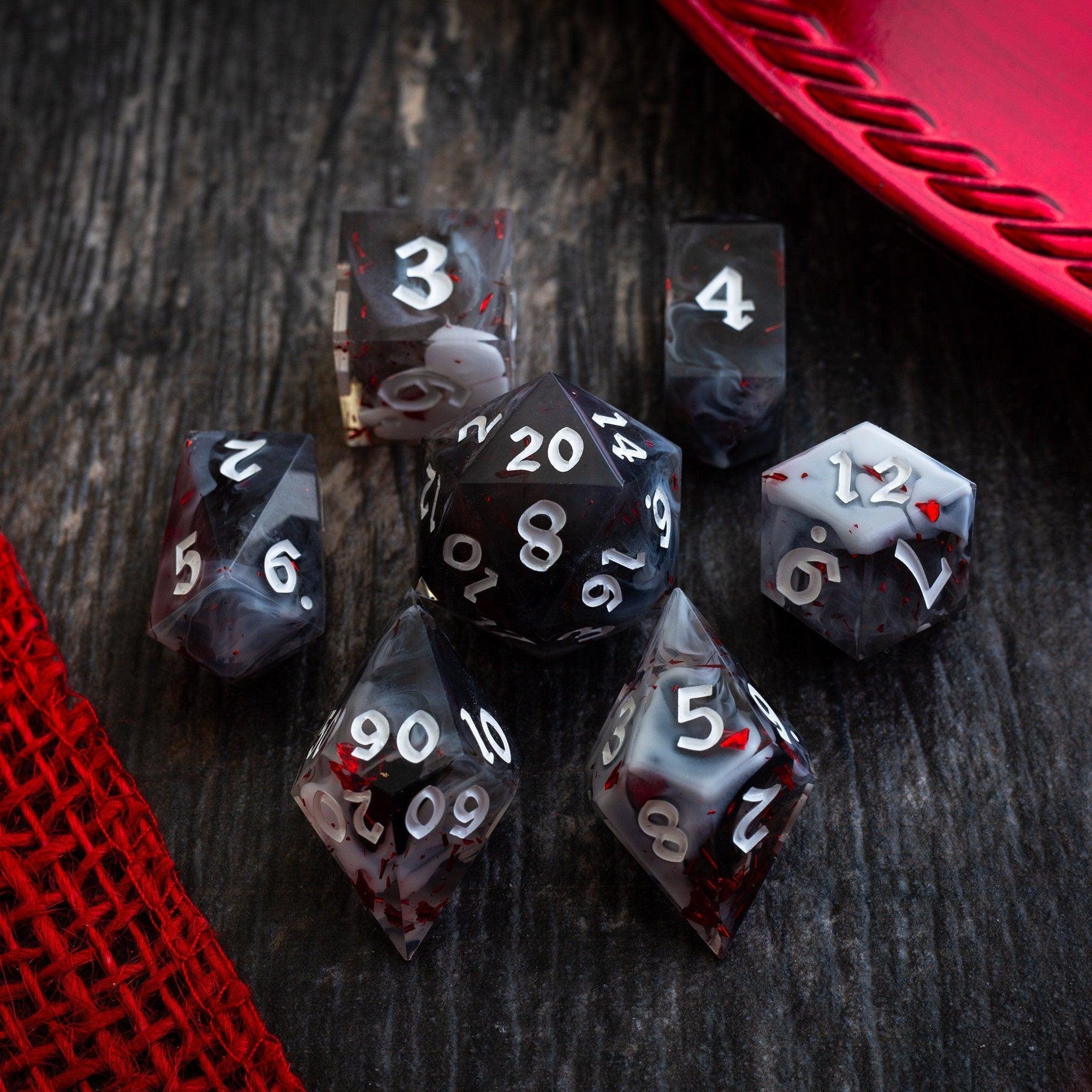
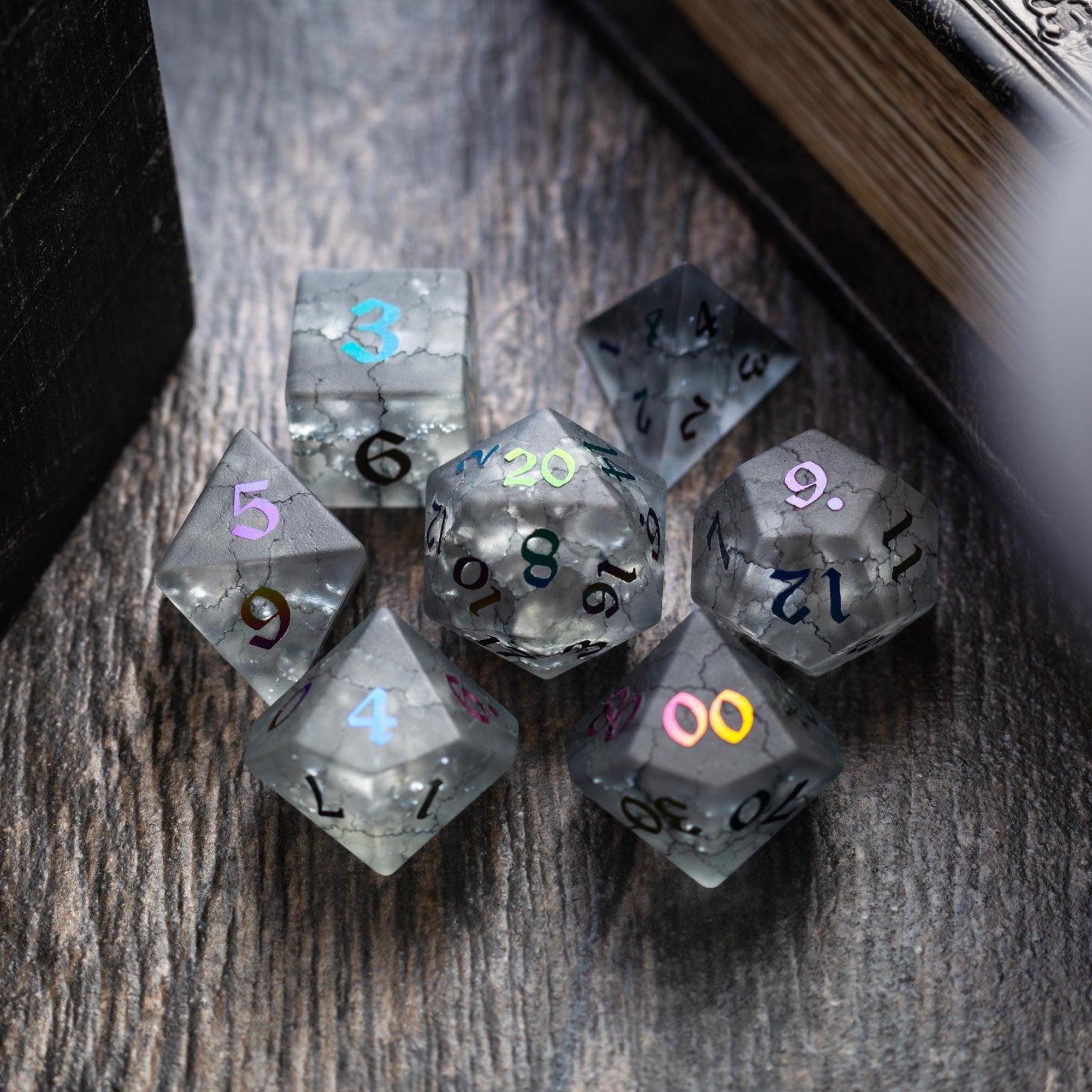
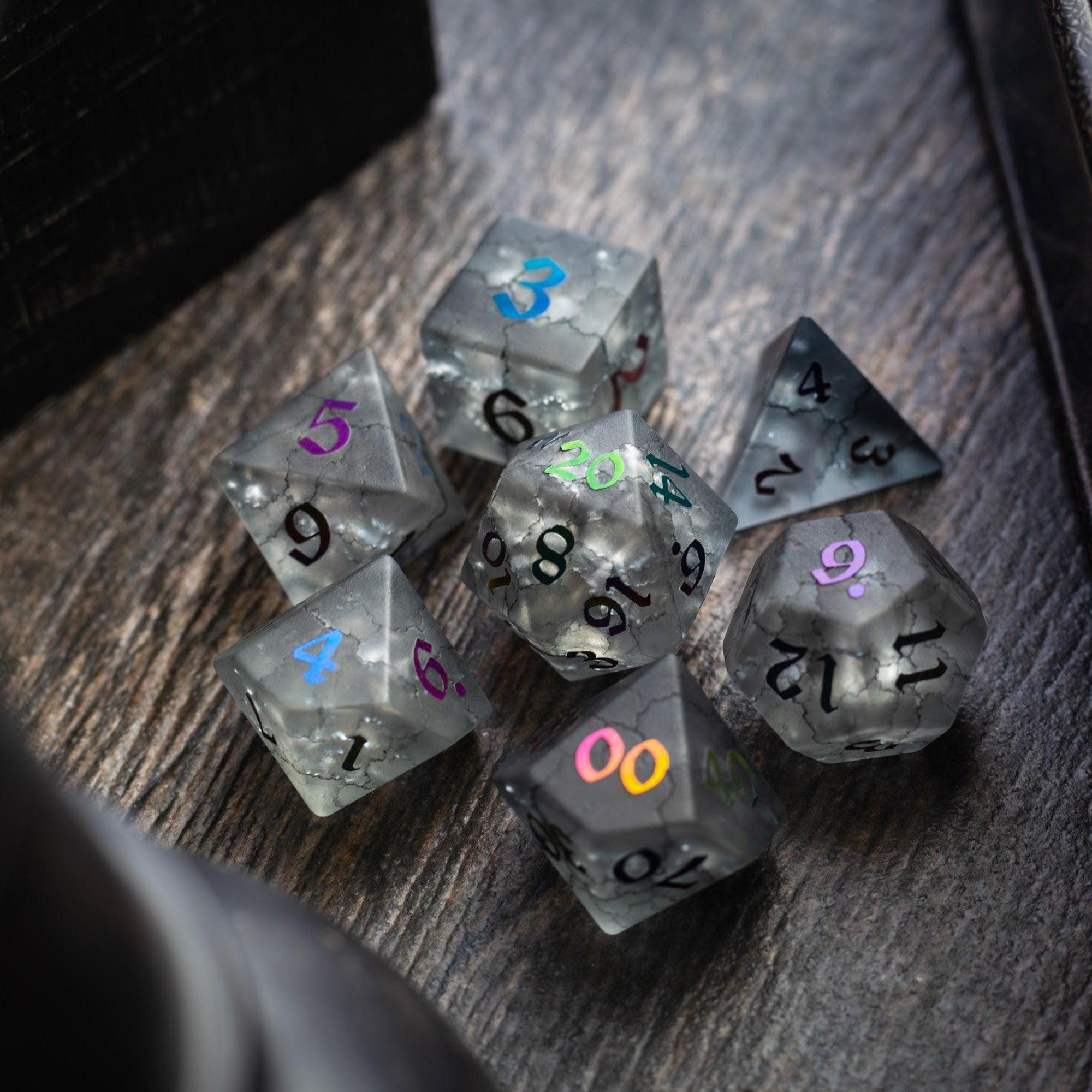
Players often enjoy matching their dice to these themes. Flowing liquid core dice can beautifully reflect shifting ki energy during combat scenes, while gemstone dice can reinforce themes of spiritual clarity and inner balance.
The Wandering Warrior Archetype
One of the most iconic monk fantasies is the wandering martial artist traveling between distant lands.
These characters often seek:
-
Enlightenment
-
Redemption
-
Ancient knowledge
-
A lost master
-
Hidden temples
-
Spiritual balance
This naturally creates strong story hooks for campaigns.
Best Monk Subclass Styles for Mystic Warriors
Different monk subclasses create very different fantasy experiences. Some lean toward stealth and mystery, while others embrace elemental power or spiritual projection.
Way of Shadow
The Way of Shadow monk feels mysterious and elusive. These monks move through darkness like spirits, striking before enemies even realize danger is near.
This subclass works well for:
-
Silent wanderers
-
Ninja-inspired themes
-
Secret temple guardians
-
Mystical assassins
Their roleplay often centers around secrecy, discipline, and hidden knowledge.
Way of the Open Hand
The classic martial arts master fantasy lives here.
Open Hand monks focus on:
-
Precision strikes
-
Battlefield control
-
Physical mastery
-
Calm confidence
This subclass feels perfect for players who want the purest martial arts experience possible.
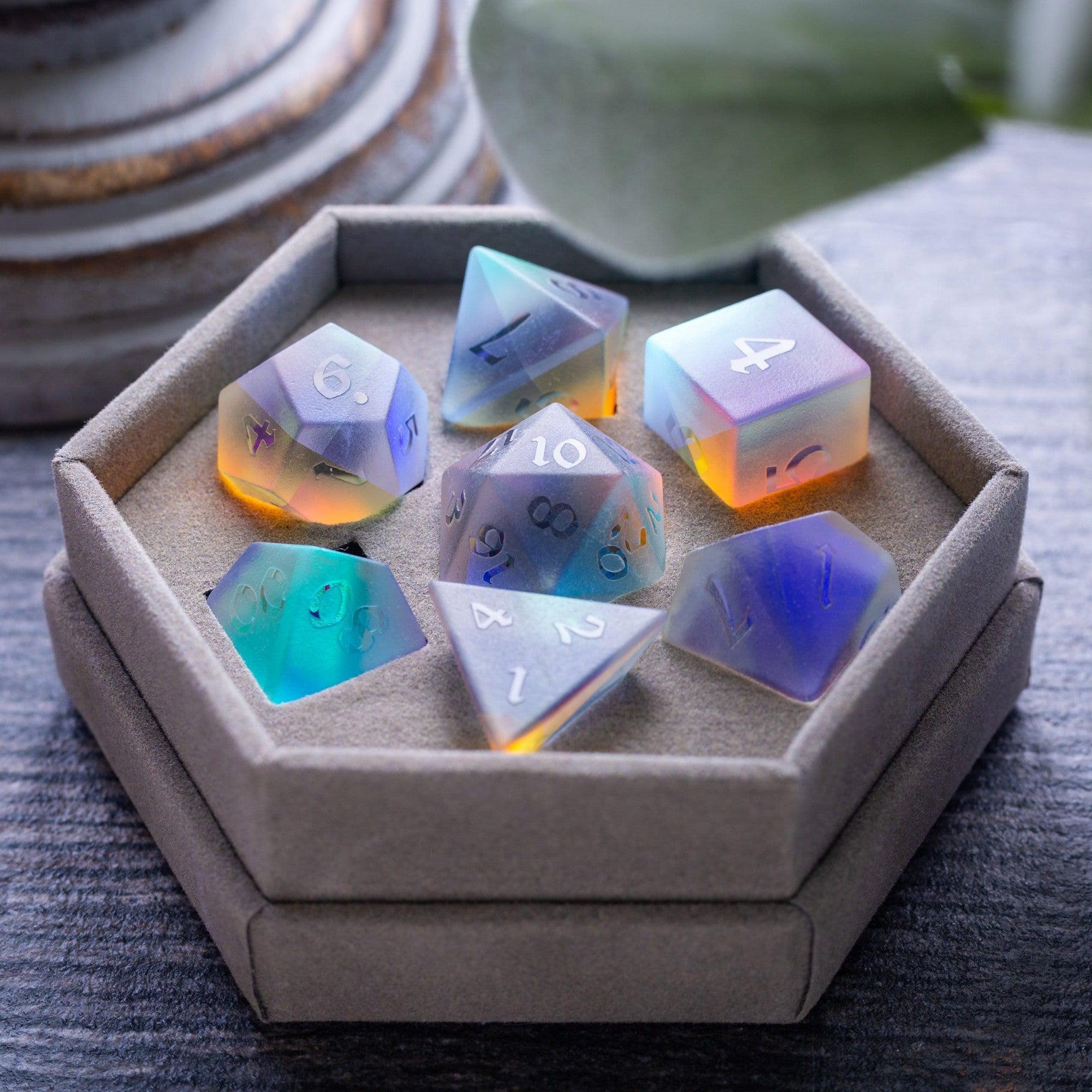
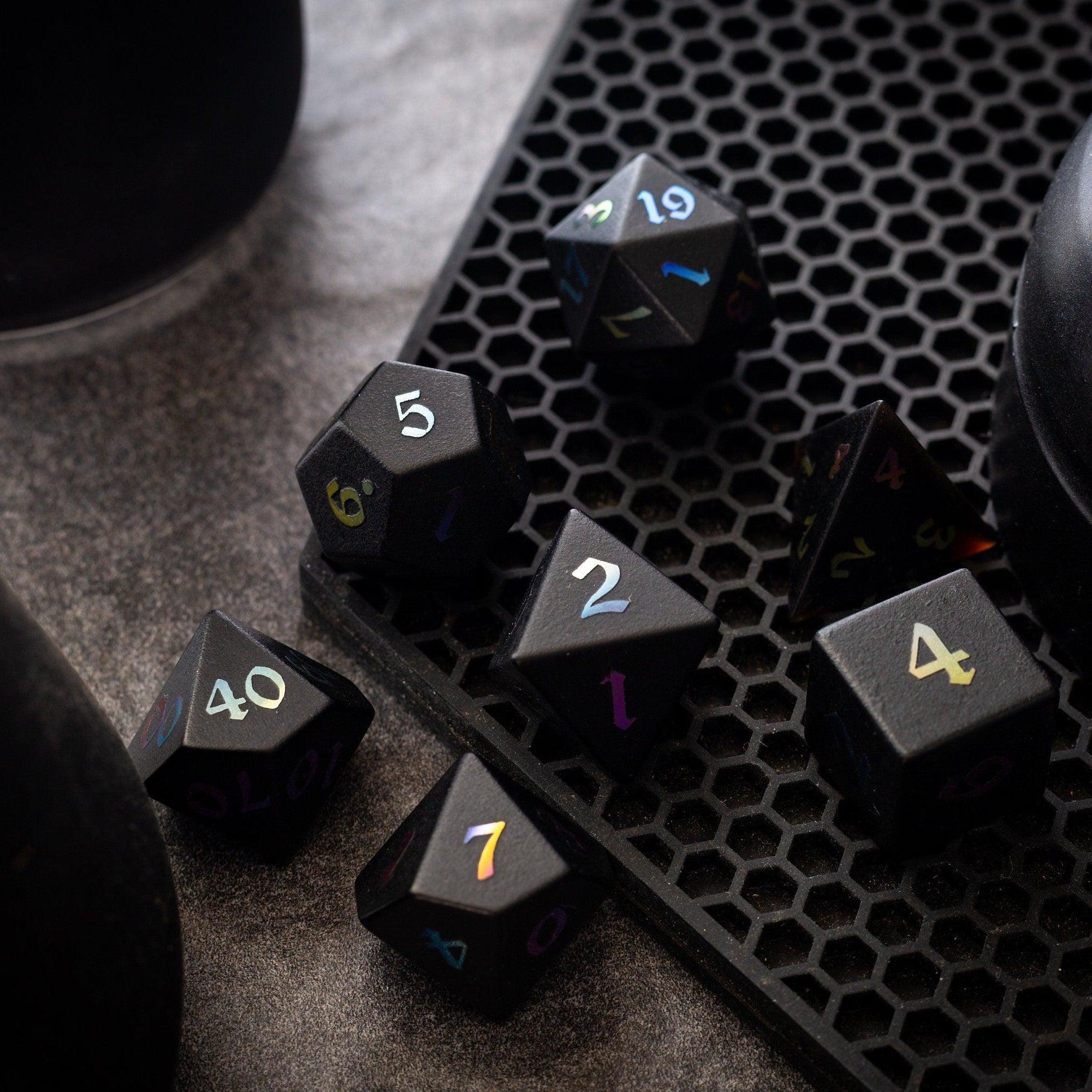
A clean set of resin dice often fits this grounded martial arts aesthetic beautifully, especially styles inspired by earth tones, flowing water patterns, or spiritual symbols.
Way of the Four Elements
For players who want supernatural elemental combat, Four Elements monks offer dramatic thematic potential.
These monks might:
-
Channel flame through punches
-
Summon bursts of wind
-
Manipulate flowing water
-
Shake the ground with forceful strikes
The subclass captures the feeling of ancient elemental martial arts traditions.
Way of the Astral Self
Astral Self monks embrace spiritual manifestation and inner awakening.
Their abilities can feel eerie and divine:
-
Spectral arms
-
Glowing spiritual energy
-
Supernatural awareness
-
Manifested inner power
Liquid core dice work especially well for this kind of character fantasy because the shifting interiors resemble living spiritual energy moving beneath the surface.
Monk Style Comparison Table
|
Subclass Style |
Fantasy Vibe |
Combat Feel |
Roleplay Theme |
|
Way of Shadow |
Mysterious and stealthy |
Fast ambush tactics |
Secrets and hidden knowledge |
|
Way of the Open Hand |
Traditional martial arts master |
Precision and control |
Discipline and balance |
|
Way of the Four Elements |
Elemental warrior mystic |
Supernatural battlefield attacks |
Harmony with nature |
|
Way of the Astral Self |
Spiritual projection warrior |
Spectral strikes and awareness |
Inner awakening |
Combat Tactics for Mystic Monks
Mobility and Positioning
Monks succeed by staying mobile. Standing still often wastes one of their greatest strengths.
Good monk combat habits include:
-
Moving around enemies
-
Escaping dangerous positions
-
Targeting vulnerable opponents
-
Using terrain creatively
Think of monks like flowing water rather than immovable walls.
Hit-and-Run Combat
A dnd monk build often feels strongest when striking quickly and repositioning immediately afterward.
This creates exciting cinematic moments where the monk:
-
Rushes through enemies
-
Delivers rapid attacks
-
Avoids retaliation through movement
-
Controls the pace of battle
Using Ki Strategically
Ki abilities are most exciting when used at dramatic moments rather than constantly.
Saving powerful abilities for:
-
Climactic duels
-
Dangerous enemies
-
Critical story moments
can make combat feel more meaningful and memorable.
Controlling the Battlefield Through Speed
Monks often influence battles through disruption rather than brute force.
They excel at:
-
Stunning dangerous enemies
-
Reaching enemy spellcasters
-
Protecting vulnerable allies
-
Breaking enemy formations
Large resin chonk dice can make these dramatic finishing blows feel especially satisfying at the table, adding weight and impact to major combat moments.
Roleplay Tips for Monk Characters
Create Personal Rituals
Small habits make monk characters feel real.
Examples:
-
Morning meditation routines
-
Prayer beads or scroll recitations
-
Ritual tea preparation
-
Practicing forms before sleep
These details help reinforce dnd monk roleplay immersion.
Develop a Personal Philosophy
Your monk’s worldview matters more than their combat style.
Ask questions like:
-
What does strength mean to them?
-
Do they believe violence should be avoided?
-
What emotions do they struggle to control?
-
What spiritual lesson are they pursuing?
Avoid Emotional Flatness
A common mistake is making monks too detached or emotionless.
A disciplined character can still:
-
Laugh with companions
-
Feel anger or grief
-
Form strong bonds
-
Struggle with fear or doubt
Their emotional restraint becomes more meaningful when emotions still exist beneath the surface.
Building a Memorable Warrior Monk
A memorable warrior monk fantasy character often has a strong visual identity.
Consider:
-
Distinct martial arts movements
-
Unique meditation practices
-
Temple tattoos or symbols
-
Prayer scrolls or charms
-
Specialized weapons
-
Elemental visual effects
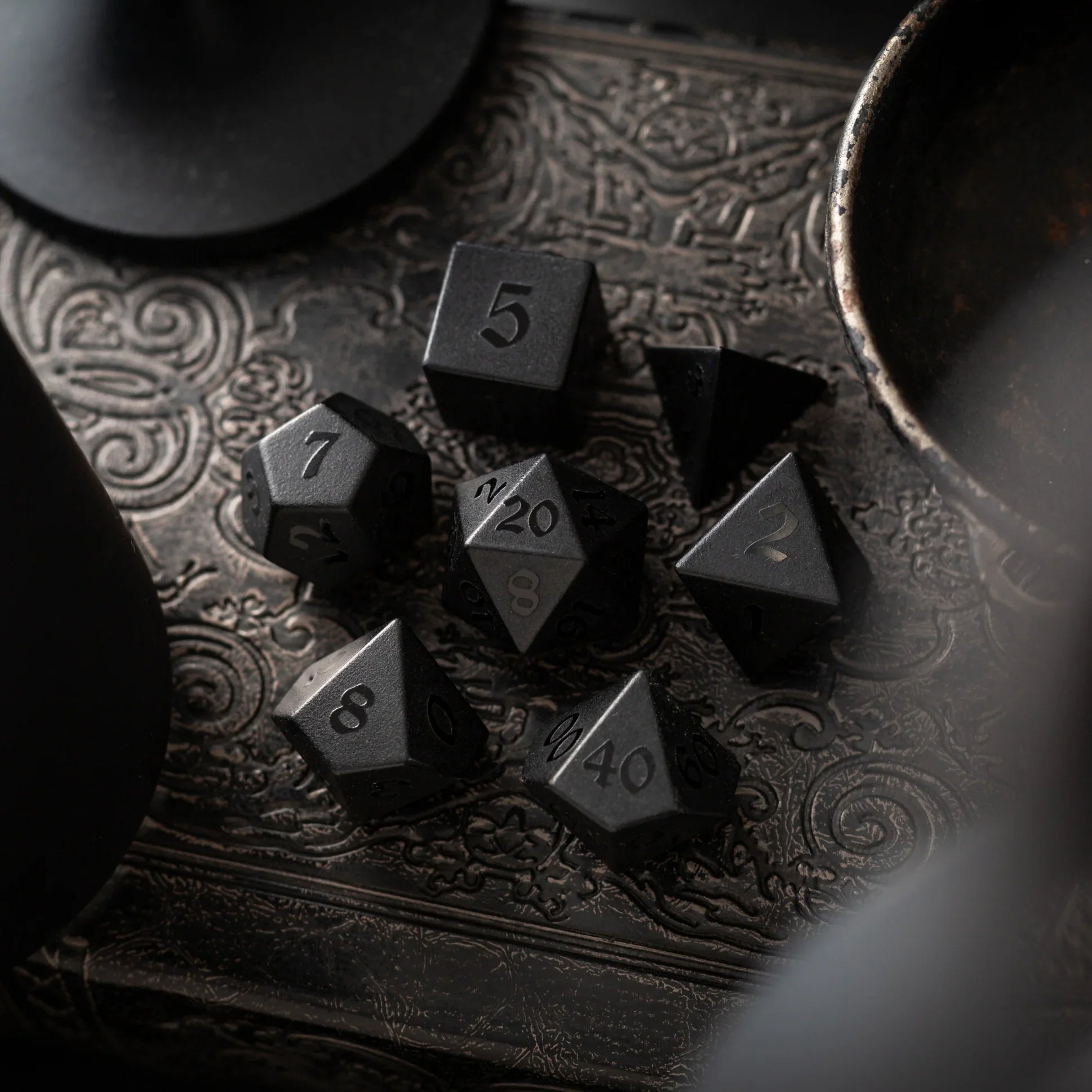
Even your dice choices can reinforce character identity.
Examples include:
-
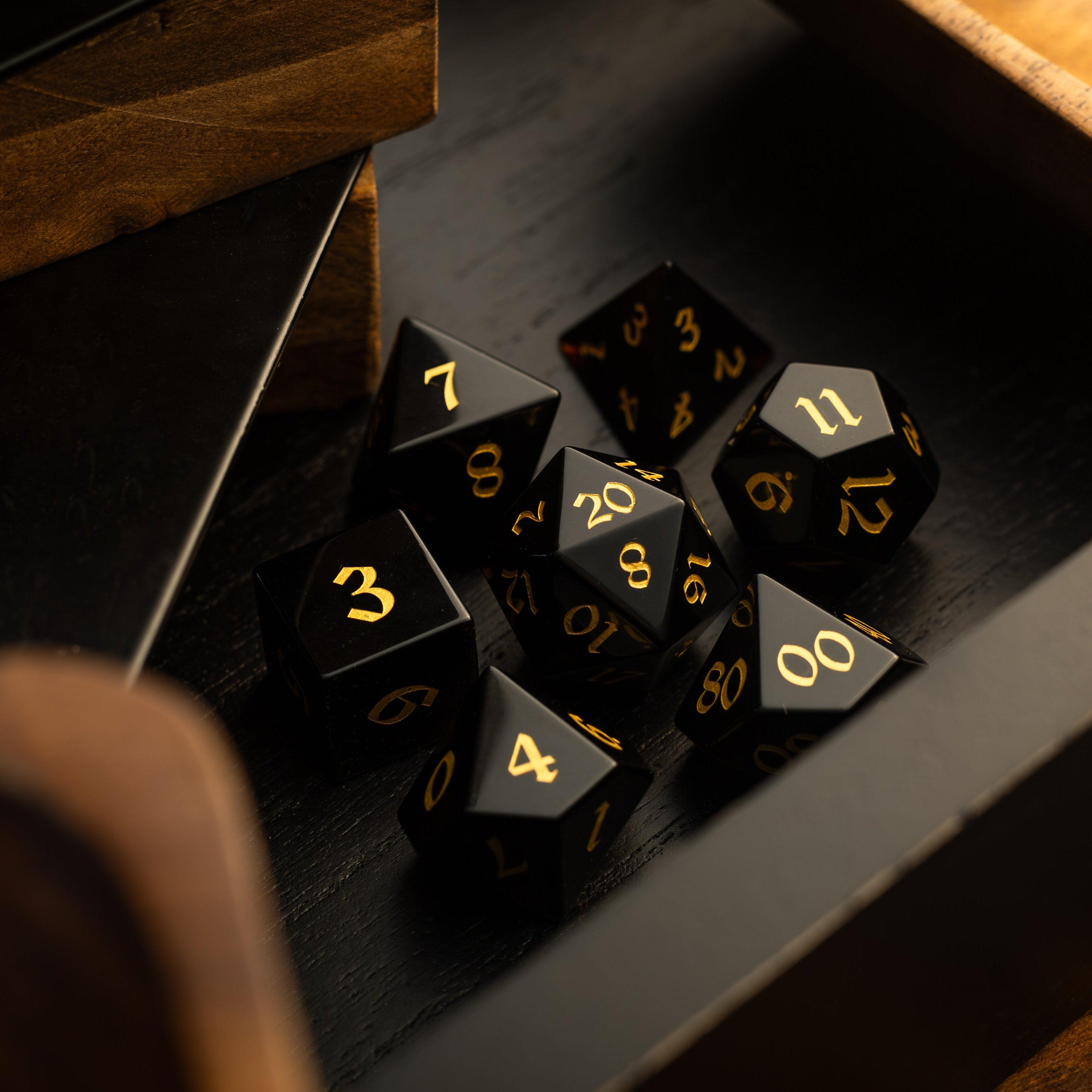
Gemstone dice for serene spiritual masters
-
Resin dice inspired by elemental energy
-
Liquid core dice for flowing supernatural ki
-
Resin chonk dice for explosive finishing strikes
These details create stronger immersion during important story moments.
Mystical Training & Character Growth
Monk stories often revolve around personal growth rather than external power.
Great monk character arcs include:
-
Overcoming pride
-
Learning emotional balance
-
Forgiving old enemies
-
Mastering dangerous inner power
-
Discovering forgotten teachings
Mentors can also become powerful storytelling tools.
A monk’s master might:
-
Offer cryptic wisdom
-
Disappear mysteriously
-
Hide dangerous secrets
-
Test the student’s discipline
-
Return during a moment of crisis
This creates emotional depth beyond combat mechanics.
Common Mistakes When Playing Monks
Overextending in Combat
Monks move quickly, but they are not invincible. Charging too far ahead can leave them isolated.
Ignoring Mobility Advantages
Some new players forget how important movement is to the monk fantasy.
A stationary monk often feels far less exciting.
Making the Character Too Emotionally Distant
Mystical does not have to mean cold or robotic.
Characters become memorable through relationships, flaws, and personal struggles.
Tips for Dungeon Masters
Create Cinematic Monk Encounters
Monks shine brightest in dynamic environments.
Consider encounters featuring:
-
Rooftop chases
-
Bamboo bridges
-
Crumbling temples
-
Cliffside monasteries
-
Sacred ruins
These locations naturally enhance martial arts storytelling.
Use Ancient Temples and Forgotten Traditions
Monks feel most immersive when connected to larger spiritual histories.
Introduce:
-
Ancient martial scrolls
-
Rival monasteries
-
Sacred relics
-
Lost combat techniques
-
Spiritual guardians
Reward Creative Martial Arts Descriptions
Encourage players to describe:
-
Combat stances
-
Acrobatics
-
Spiritual energy
-
Meditation techniques
-
Stylish finishing blows
This keeps monk gameplay cinematic and immersive.
Conclusion
The monk remains one of the most unique and flavorful classes in D&D because it combines martial skill with inner transformation. A mystic monk dnd character is not simply a fighter with fast punches. They are spiritual warriors shaped by discipline, philosophy, sacrifice, and supernatural mastery.
Whether your character channels elemental energy, walks hidden shadow paths, or seeks enlightenment through endless training, the warrior monk fantasy offers incredible opportunities for immersive storytelling.
Every battle becomes a test of balance.
Every journey becomes a path toward mastery.
Every quiet moment carries the weight of inner growth.
And somewhere beyond the mountain temples and forgotten ruins, another wandering monk continues their endless search for perfection through spirit, discipline, and the power hidden within.






Leave a comment
This site is protected by hCaptcha and the hCaptcha Privacy Policy and Terms of Service apply.