
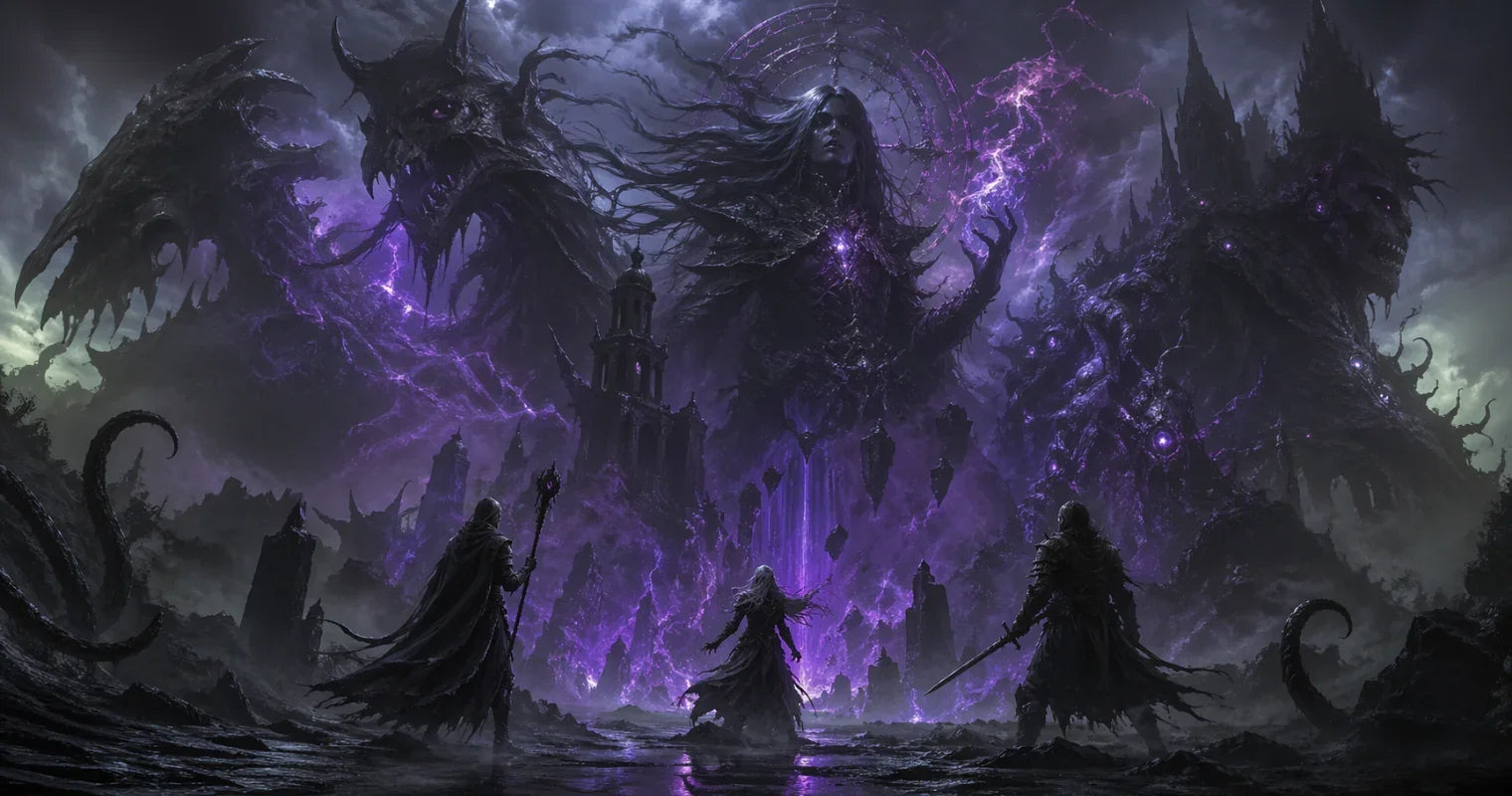
Dark Magic in D&D: Spells, Monsters, and Themes

There’s something unforgettable about dark magic in fantasy storytelling. A glowing ritual circle hidden beneath ruined catacombs. A forgotten tome chained inside an abandoned library. A wizard who whispers to powers no mortal was meant to understand.
In Dungeons & Dragons, dark magic creates tension, mystery, and emotional stakes that make adventures feel larger than life. It turns ordinary quests into eerie journeys filled with temptation, secrets, and dangerous choices. Whether you are a player crafting a morally conflicted warlock or a Dungeon Master building a cursed kingdom, dark fantasy themes can make a campaign feel deeply immersive without becoming grim or overwhelming.
The best dark magic stories are not about shock value. They are about atmosphere. They thrive on mystery, forbidden knowledge, and the uneasy feeling that something ancient is watching from beyond the torchlight.
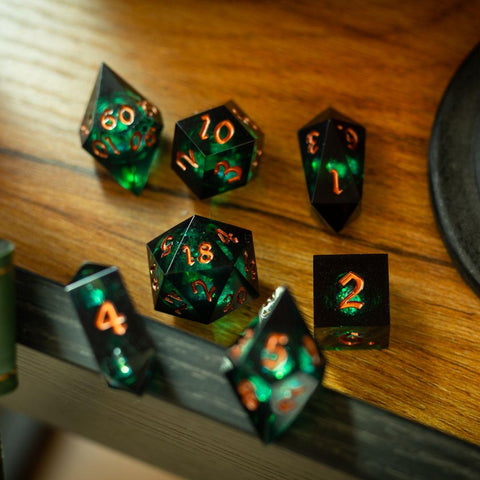
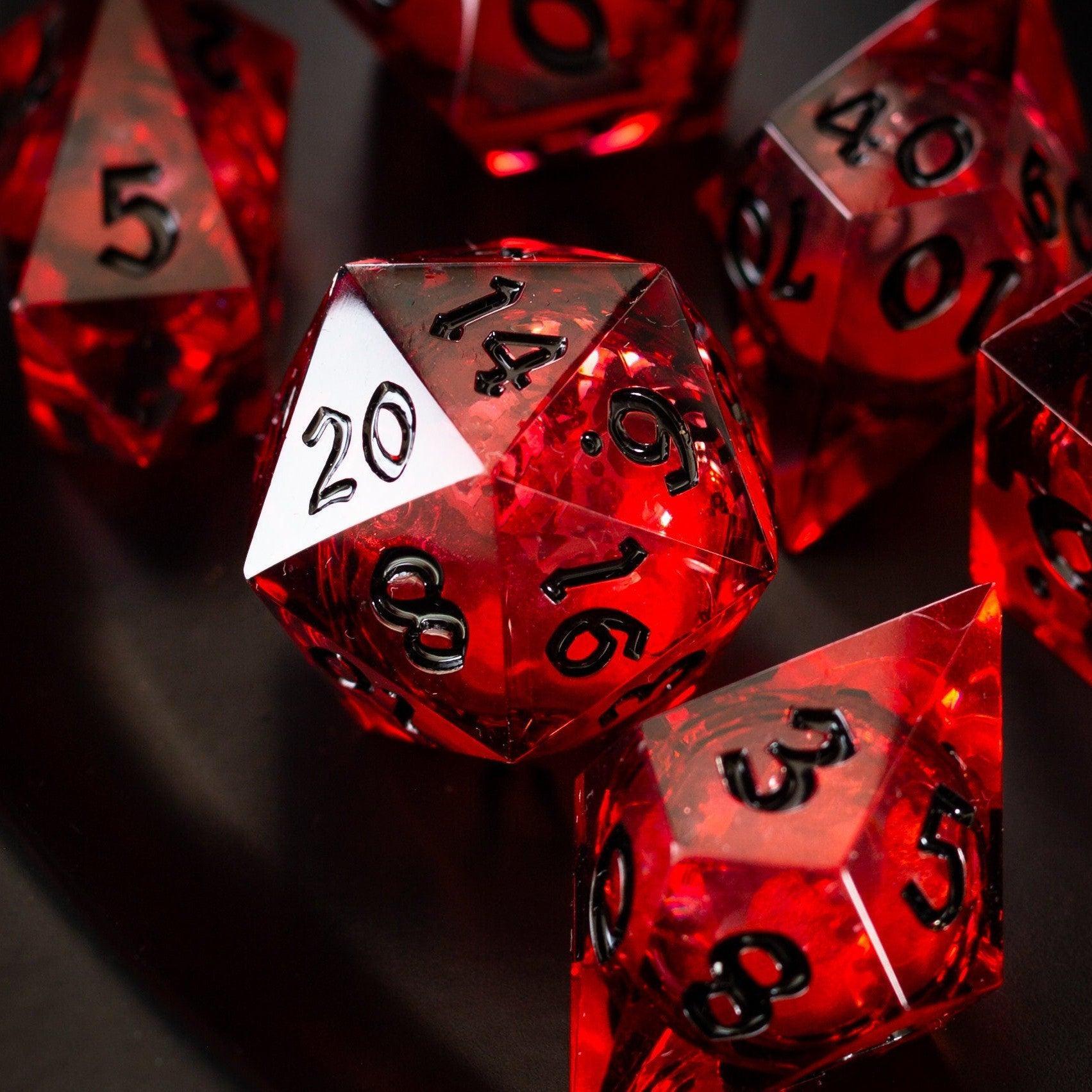
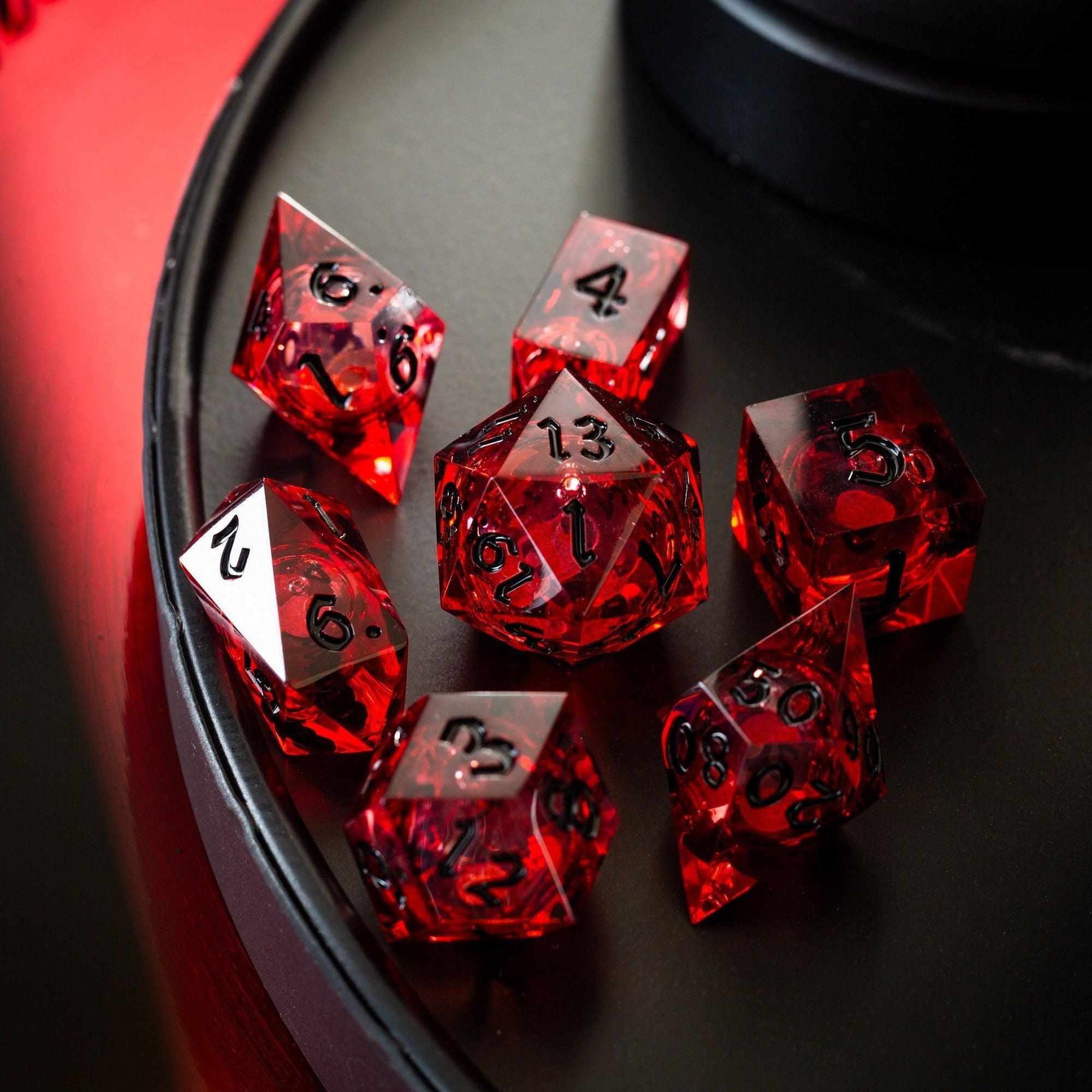
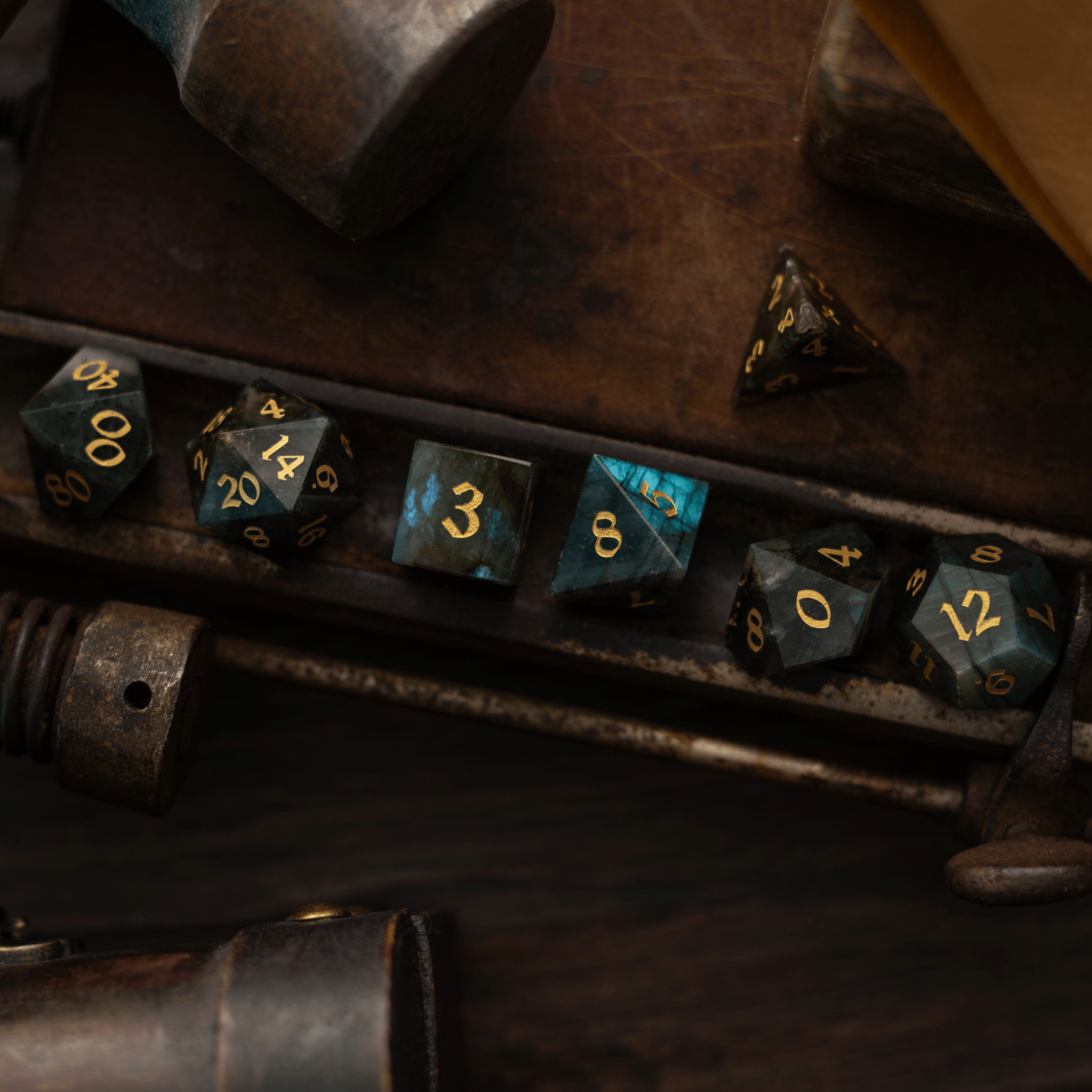
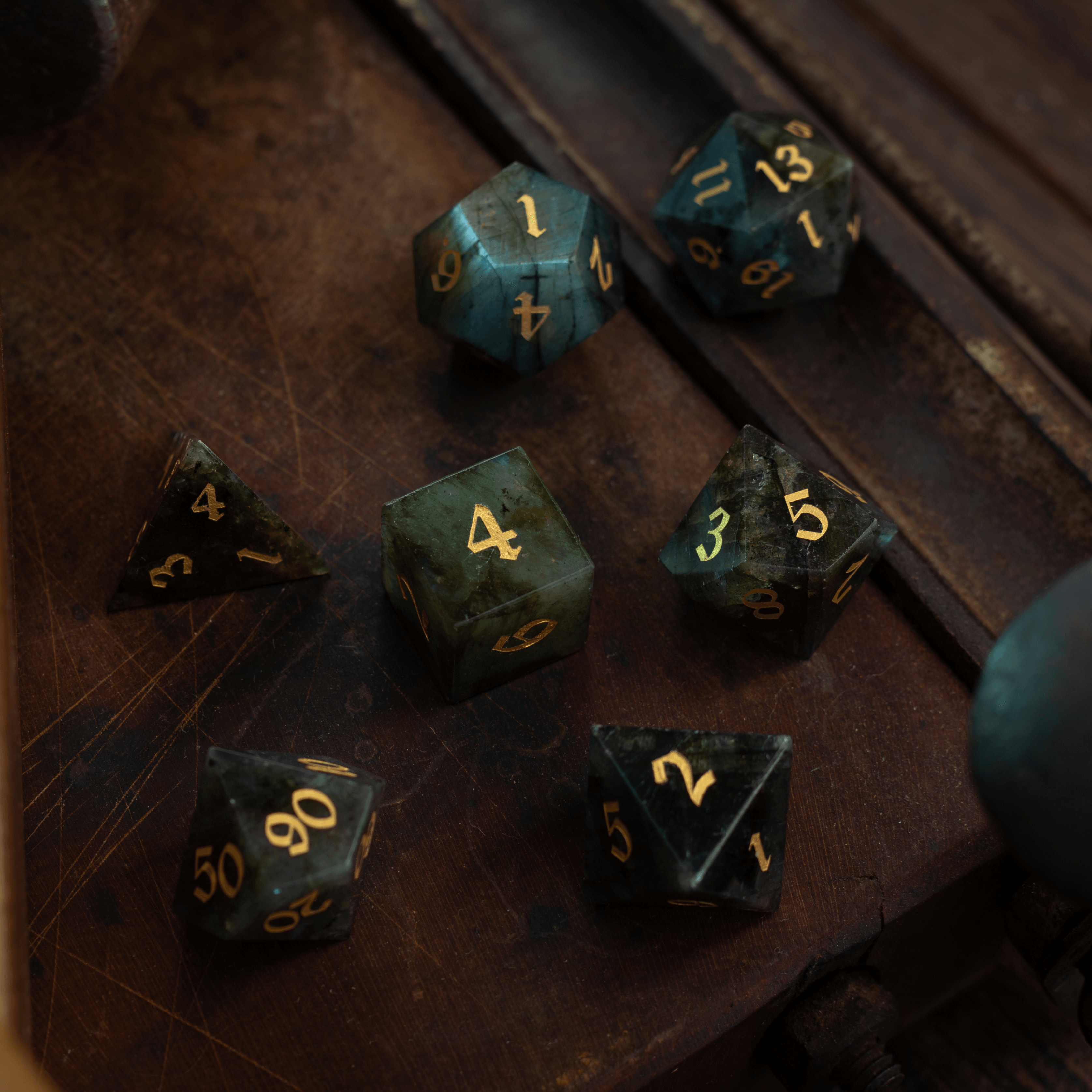
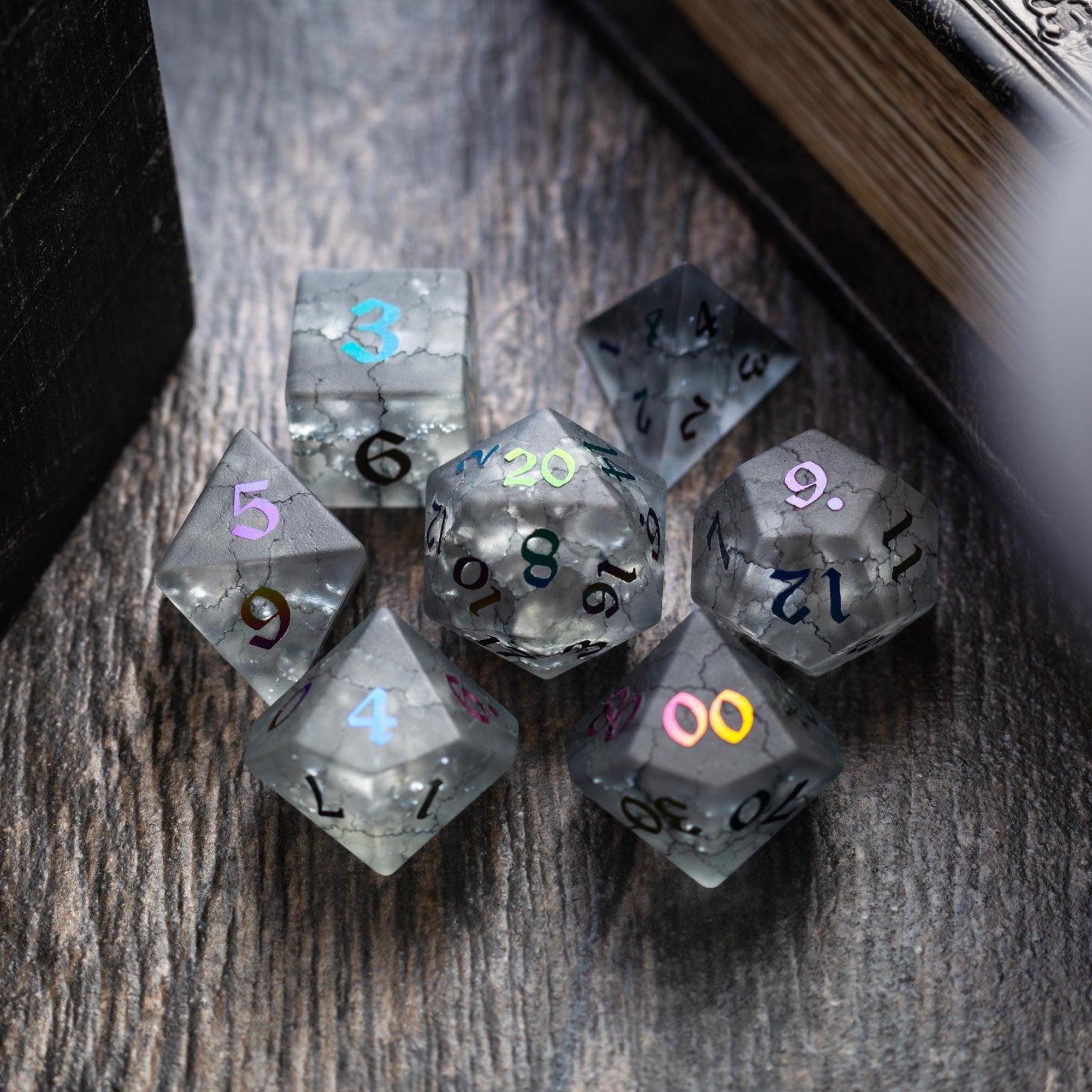
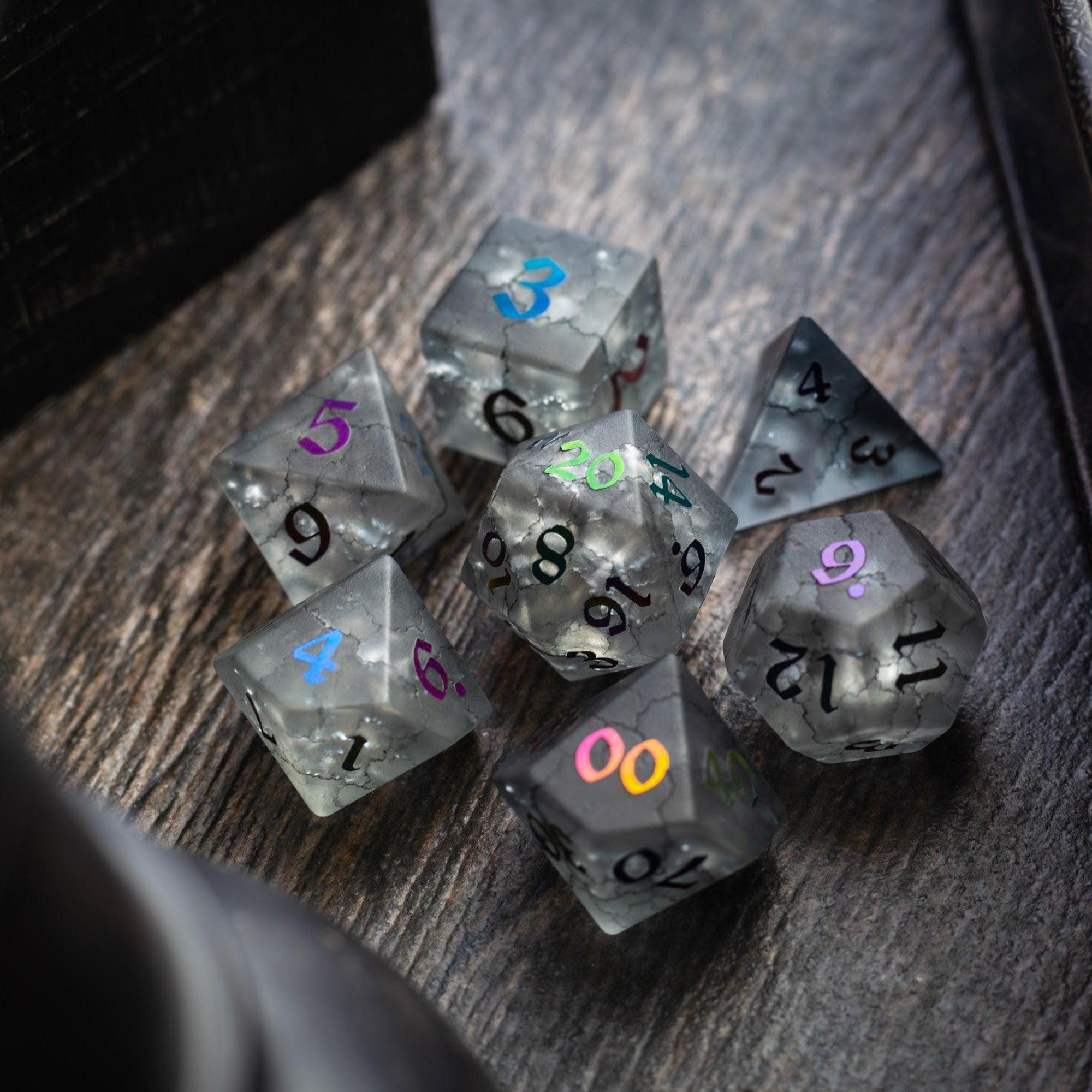
For many groups, even the table atmosphere becomes part of the experience. Deep purple resin dice, smoky gemstone dice, or swirling liquid core dice can help reinforce the feeling of unstable arcane power during dramatic spellcasting scenes. A heavy resin chonk dice rolling across the table during a villain’s final ritual can feel like fate itself crashing into the story.
What Counts as “Dark Magic” in D&D?
Dark magic in D&D is less about evil alignment and more about dangerous power. It usually involves magic that feels forbidden, corrupting, mysterious, or unnatural.
Some of the most common dark fantasy elements include:
-
Necromancy and death magic
-
Shadow manipulation
-
Cursed artifacts
-
Forbidden rituals
-
Ancient gods and eldritch entities
-
Blood oaths and magical bargains
-
Corrupting magical influence
-
Dangerous magical experimentation
Many classic D&D settings use dark magic as a source of temptation. Characters often gain power quickly, but every spell or ritual carries consequences. This tension creates incredible roleplay opportunities.
A wizard obsessed with immortality may slowly lose their humanity. A cleric who studies forbidden scriptures may uncover truths nobody was meant to know. A warlock might question whether their patron is helping them or quietly manipulating them.
That uncertainty is what makes gothic fantasy D&D stories so compelling.
Dark Spells That Create Atmosphere
Some spells immediately change the emotional tone of a scene. Even simple magic can feel sinister when described with the right imagery and storytelling.
Here are a few types of spells commonly associated with dark magic D&D campaigns.
Shadow and Darkness Magic
Spells involving darkness often create suspense before combat even begins.
Examples include:
-
Darkness
-
Shadow Blade
-
Arms of Hadar
-
Hunger of Hadar
Instead of simply describing mechanics, DMs can emphasize unnatural silence, flickering shadows, or cold air creeping through ruined halls.
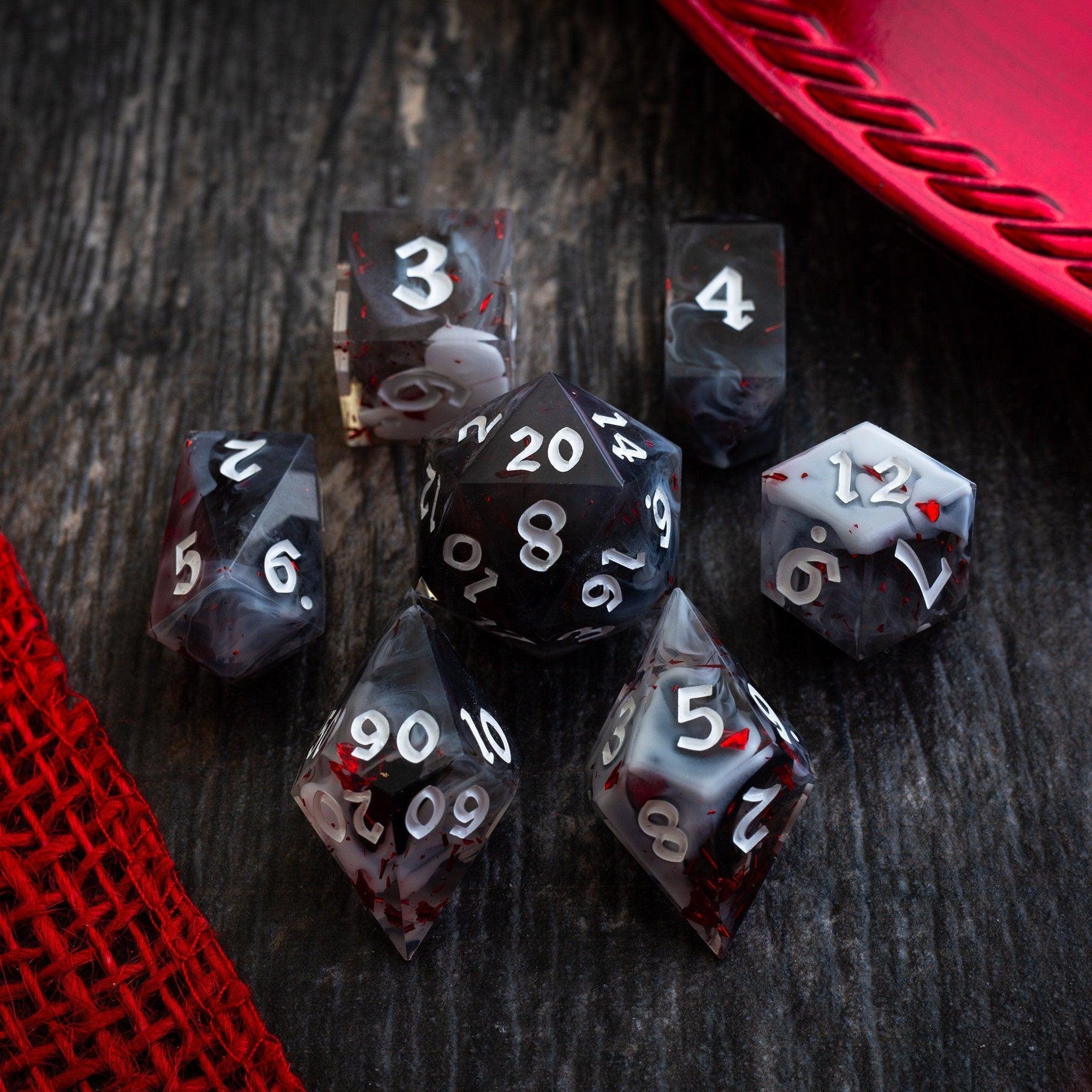
A swirling black-and-silver liquid core dice set fits these scenes perfectly, especially when the dice seem to glow like unstable void energy beneath candlelight.
Fear and Illusion Magic
Fear-based spells create psychological tension without relying on graphic horror.
Popular examples include:
-
Cause Fear
-
Phantasmal Force
-
Fear
-
Hallucinatory Terrain
Illusion magic works especially well in gothic fantasy D&D because players never fully know what is real.
A hallway might stretch impossibly long. A mirror might reflect someone standing behind the party. A castle may subtly rearrange itself every night.
Necromantic Magic
Necromancy is one of the most iconic forms of dark magic D&D storytelling.
Examples include:
-
Animate Dead
-
Blight
-
Danse Macabre
-
Finger of Death
Necromancy works best when it feels ancient and tragic rather than purely destructive. A forgotten battlefield where skeletal warriors still guard a fallen king creates far more atmosphere than simple combat encounters.
Dark gemstone dice with smoky interiors or deep crimson veins often complement necromancer-style characters beautifully because they feel mysterious and ancient rather than flashy.
Mind-Affecting Magic
Mind-affecting spells create paranoia and uncertainty.
Examples include:
-
Detect Thoughts
-
Modify Memory
-
Dream
-
Suggestion
These spells remind players that dark magic is not always loud or explosive. Sometimes the most unsettling magic is quiet.
Monsters Connected to Dark Magic
Few things define gothic fantasy D&D more than terrifying creatures hidden in forgotten places.
Dark fantasy monsters often feel memorable because they carry emotional weight and mystery alongside combat danger.
Vampires
Vampires are classic gothic villains because they blend charm, tragedy, and menace. They often manipulate entire kingdoms from the shadows while hiding behind elegance and nobility.
A vampire encounter feels strongest when it begins long before initiative is rolled. Strange disappearances, pale villagers, and candlelit banquets build suspense naturally.
Liches
Liches represent obsession taken to its ultimate extreme. These ancient spellcasters sacrificed their humanity for immortality and forbidden knowledge.
What makes liches interesting is not just their power. It is the loneliness and corruption that came with it.
Ancient libraries, ruined towers, and magical laboratories make excellent lairs for lich-focused campaigns.
Shadows and Shadow Creatures
Shadow monsters work especially well because they create uncertainty.
Players may see movement in corners or hear whispers before ever encountering the creature itself. Darkness becomes threatening, which changes the emotional tone of exploration.
Spirits and Undead
Ghosts, banshees, revenants, and cursed spirits are perfect for emotionally driven storytelling.
These creatures often carry unfinished business, ancient regrets, or forgotten histories. Their stories can become mysteries for players to uncover rather than simple battles to survive.
Dark Magic Themes Table
|
Theme |
Example Spell or Monster |
Storytelling Vibe |
|
Forbidden Knowledge |
Contact Other Plane |
Dangerous curiosity |
|
Necromancy |
Lich |
Corruption through obsession |
|
Fear and Madness |
Phantasmal Force |
Psychological tension |
|
Shadow Magic |
Shadow Demon |
Unseen danger |
|
Cursed Bloodlines |
Vampire |
Temptation and tragedy |
|
Haunted Ruins |
Ghosts and Spirits |
Ancient sorrow |
|
Eldritch Power |
Hunger of Hadar |
Cosmic mystery |
|
Corrupting Artifacts |
Sentient cursed weapons |
Moral temptation |
Using Dark Magic in Roleplay
Dark fantasy roleplay becomes memorable when characters face meaningful emotional choices.
Some excellent themes for players include:
Temptation
A magical artifact offers incredible power, but every use changes the character slightly.
Forbidden Lore
A wizard discovers knowledge hidden for centuries. Learning the truth may save lives, but reading further could attract dangerous attention.
Fear of Losing Control
A sorcerer’s magic becomes unstable during emotional moments, creating tension even outside combat.
Moral Dilemmas
Dark magic often asks difficult questions:
-
Is power worth the cost?
-
Can corruption be resisted?
-
Should forbidden knowledge stay buried?
-
Can someone who uses dark magic still remain heroic?
These questions create strong character arcs without needing excessive violence or hopelessness.
Building a Gothic Fantasy Atmosphere
Atmosphere matters far more than gore in gothic fantasy D&D campaigns.
Small environmental details create immersion quickly:
-
Fog drifting through graveyards
-
Candlelit libraries filled with chained books
-
Ancient castles overlooking dead forests
-
Whispering voices in abandoned temples
-
Rain tapping against stained-glass windows
-
Hidden crypts beneath ruined cathedrals
Music, lighting, and table presentation also help set the mood during sessions.
Many groups enjoy using dark-themed resin dice or gemstone dice during these campaigns because they visually reinforce the setting. Smoky translucent resin dice can resemble cursed mist, while swirling liquid core dice feel almost alive when rolled during dramatic ritual scenes.
Large resin chonk dice are especially fun for climactic encounters involving ancient curses, eldritch monsters, or devastating spells.
Tips for Dungeon Masters
Dark fantasy works best when it builds suspense gradually.
Focus on Mystery
Players fear the unknown far more than constant explanations.
Let rumors spread before revealing the truth behind a villain or curse.
Use Atmosphere Instead of Shock
Describe environments, sounds, and emotional tension rather than graphic violence.
A locked door with claw marks and whispering behind it is often scarier than explicit horror.
Balance Darkness With Adventure
Players still need moments of hope, humor, and victory.
Dark campaigns feel strongest when heroes can actually make a difference.
Let Players Make Choices
Dark magic stories become powerful when characters choose whether to embrace or resist temptation.
Avoid forcing corruption onto players without meaningful decisions.
Creating Dark Magic Villains
Great gothic villains feel intelligent, tragic, or emotionally complex.
Some classic archetypes include:
Corrupted Wizards
Scholars who pushed beyond safe magical boundaries in pursuit of forbidden truths.
Cult Leaders
Charismatic manipulators who believe they serve a higher purpose.
Cursed Nobles
Rulers trapped by ancient bargains, family curses, or supernatural afflictions.
Ancient Entities
Unseen beings manipulating events through dreams, whispers, or hidden servants.
The best villains rarely think of themselves as evil. They believe their actions are necessary, justified, or inevitable.
Common Mistakes When Using Dark Themes
Dark fantasy campaigns can lose impact when everything becomes relentlessly bleak.
Here are some common mistakes to avoid:
Too Much Edge
Constant suffering or excessive darkness can make stories feel exhausting instead of immersive.
Removing Player Agency
Players should always feel their choices matter.
Explaining Everything
Mystery is part of the appeal. Leave some questions unanswered.
Making the World Completely Hopeless
Hope creates contrast. Without moments of light, darkness loses emotional impact.
Why Dark Fantasy Works So Well in D&D
Dark fantasy creates emotional tension that players remember for years.
It transforms simple dungeon crawls into atmospheric stories filled with secrets, temptation, and difficult choices. Characters feel vulnerable in ways that heroic high fantasy sometimes avoids, which makes victories feel even more meaningful.
A single candlelit ritual scene or confrontation with a cursed villain can become more memorable than dozens of ordinary battles.
Dark magic also encourages creative roleplay. Players lean into fear, curiosity, ambition, and uncertainty in ways that naturally deepen character development.
Most importantly, gothic fantasy D&D stories invite players into worlds that feel mysterious and alive. Every ruined castle might hide forbidden lore. Every shadow could conceal ancient magic waiting to awaken.
Conclusion
Dark magic in D&D is not just about necromancy, curses, or terrifying monsters. It is about atmosphere, temptation, and the thrill of stepping into places where dangerous secrets still linger beneath the dust.
Whether you are exploring haunted ruins, bargaining with forbidden powers, or uncovering lost magical knowledge, dark fantasy storytelling creates unforgettable adventures filled with tension and wonder.
The next time your party enters a fog-covered castle or opens an ancient spellbook bound in cracked leather, lean into the mystery. Let the shadows breathe. Let the silence linger.
Somewhere beyond the firelight, ancient magic is still waiting to be discovered.












Leave a comment
This site is protected by hCaptcha and the hCaptcha Privacy Policy and Terms of Service apply.