Psion Class in DnD: Mind Powers and Gameplay Essentials

There’s something unforgettable about a character who can bend reality with thought alone.
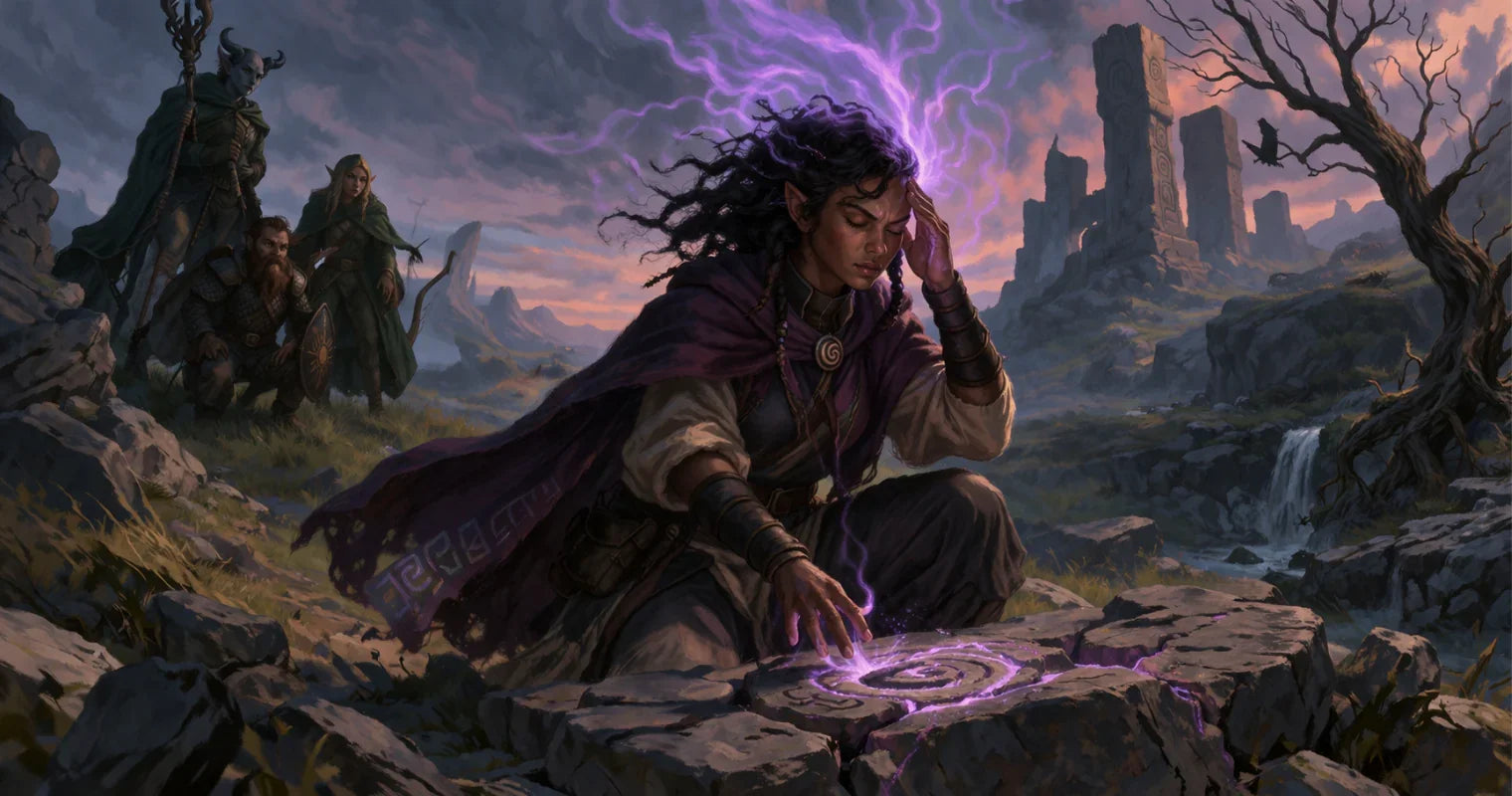
In fantasy tabletop RPGs, psionic heroes stand apart from traditional wizards and sorcerers. Their power does not come from ancient spellbooks, divine blessings, or elemental forces. Instead, it comes from the mind itself. A psion can move objects without touching them, communicate silently across vast distances, or overwhelm enemies with pure psychic force.
That fantasy creates a very different atmosphere at the table. Psionic characters often feel mysterious, disciplined, and emotionally intense. Their abilities can turn quiet conversations into tense mental duels or transform a battlefield into a storm of invisible energy.
Whether you are building a psychic warrior, a telepathic scholar, or a dream-walking mystic, this psion class DnD guide will help you explore the fantasy of mental powers and immersive psychic storytelling.
What Is a Psion in Fantasy RPGs?
A psion is a character who channels mental energy into supernatural abilities.
Instead of chanting spells or wielding magical components, psionic characters rely on concentration, emotion, willpower, and psychic discipline. Their abilities often include:
-
Telepathy
-
Telekinesis
-
Mind-reading
-
Emotional manipulation
-
Psychic barriers
-
Illusions born from thought
-
Dream-based powers
In many fantasy settings, psions are viewed with suspicion because their powers feel subtle and difficult to understand. A fireball is obvious. A whispered thought inside someone’s mind is far more unsettling.
This makes psionic powers DnD characters especially fun for players who enjoy mystery, roleplay tension, and unconventional problem-solving.
Psionics vs Traditional Magic
One of the most interesting things about psychic characters is how different they feel from standard spellcasters.
Traditional magic often appears dramatic and external. Wizards throw lightning. Clerics channel divine energy. Druids command nature.
Psionics feel internal and personal.
A psychic character build usually emphasizes:
-
Mental focus over magical rituals
-
Emotional control instead of raw arcane study
-
Invisible force rather than flashy explosions
-
Precision and manipulation instead of brute magical power
At the table, this changes the mood of gameplay considerably.
A psion quietly reading thoughts during a tense negotiation creates a completely different atmosphere than a wizard casting a visible enchantment spell. Even combat encounters can feel more cinematic when enemies suddenly freeze mid-charge from psychic pressure they cannot see.
For players who enjoy subtlety and psychological tension, mind powers fantasy RPG archetypes offer incredible storytelling potential.
Popular Psionic Character Archetypes
Psionic characters can take many forms depending on how you imagine their abilities and personality.
The Telepathic Scholar
This archetype focuses on knowledge, memory, and mental communication.
They might:
-
Speak directly into allies’ minds
-
Sense hidden emotions
-
Uncover ancient secrets
-
Study forgotten psychic disciplines
These characters often feel calm, observant, and emotionally distant.
The Psychic Warrior
A psychic warrior combines combat skill with mental force.
They may:
-
Enhance reflexes with psychic focus
-
Strike enemies with telekinetic bursts
-
Shield themselves with invisible barriers
-
Predict attacks moments before they happen
This archetype blends physical action with intense mental discipline.
The Dream Mystic
Dream mystics blur the line between reality and imagination.
Their powers may involve:
-
Prophetic visions
-
Sleep manipulation
-
Illusions
-
Dreamwalking experiences
These characters often feel eerie, poetic, and unpredictable.
The Mind-Controlling Manipulator
This psionic archetype specializes in influence and emotional control.
They might:
-
Implant suggestions
-
Alter memories
-
Create fear or calm
-
Manipulate social situations
These characters thrive in political campaigns and mystery-focused adventures.
The Ancient Mentalist
An ancient mentalist taps into forgotten psychic traditions lost to history.
They often:
-
Study ancient ruins
-
Protect dangerous knowledge
-
Channel disciplined meditation
-
Treat psionics as sacred philosophy
This archetype fits beautifully into worldbuilding-heavy campaigns.
Psionic Archetype Comparison Table
|
Archetype |
Core Power |
Playstyle |
Fantasy Theme |
|
Telepathic Scholar |
Mind-reading & telepathy |
Investigation & support |
Hidden knowledge |
|
Psychic Warrior |
Telekinetic combat |
Aggressive frontline control |
Mental discipline |
|
Dream Mystic |
Illusions & visions |
Roleplay & mystery |
Surreal dream magic |
|
Mind Manipulator |
Emotional influence |
Social encounters |
Psychological control |
|
Ancient Mentalist |
Psychic wisdom |
Exploration & storytelling |
Forgotten civilizations |
Using Psychic Powers in Gameplay
One reason players love psion gameplay tips and psychic character concepts is the flexibility they bring to adventures.
Battlefield Control
Psionic abilities often excel at controlling combat rather than simply dealing damage.
Examples include:
-
Freezing enemies with fear
-
Moving opponents telekinetically
-
Creating psychic barriers
-
Disrupting concentration
This can make battles feel tactical and cinematic.
Mind-Reading During Social Encounters
Psychic powers create fascinating roleplay opportunities during conversations.
A telepathic character may:
-
Detect lies
-
Sense hidden motives
-
Secretly communicate with allies
-
Influence negotiations
This creates tension and creativity during non-combat scenes.
Telekinetic Problem-Solving
Psionic characters often approach obstacles differently from traditional adventurers.
Instead of brute force, they may:
-
Move distant objects mentally
-
Open mechanisms remotely
-
Levitate across hazards
-
Manipulate environments silently
This encourages inventive gameplay and teamwork.
Psychic Exploration and Mystery
Psions work especially well in mystery-heavy campaigns.
Their abilities naturally connect to:
-
Forgotten ruins
-
Ancient psychic relics
-
Dream visions
-
Secret societies
-
Hidden memories
This creates rich storytelling opportunities for both players and Dungeon Masters.
Creating a Memorable Psion Character
The best psychic characters feel emotionally distinct, not just mechanically powerful.
Think About Emotional Control
Does your character suppress emotion to maintain focus?
Or do strong emotions make their powers more dangerous?
That internal tension can create memorable roleplay moments.
Develop Strange Habits
Psionic characters often feel more immersive when they behave differently from ordinary people.
Examples include:
-
Avoiding eye contact
-
Speaking quietly inside allies’ minds
-
Pausing as if listening to distant thoughts
-
Meditating during stressful moments
Small details make psychic characters feel believable.
Build Inner Conflict
Many psychic heroes struggle with:
-
Isolation
-
Fear of losing control
-
Overwhelming mental noise
-
Distrust from society
Those flaws make characters more human and emotionally compelling.
Common Mistakes With Psionic Characters
Even experienced players sometimes make psychic characters less engaging than they could be.
Making Powers Too Vague
Psychic abilities become more immersive when described clearly.
Instead of saying:
“I use psychic powers.”
Try:
“Invisible pressure ripples through the room as the candles flicker and the guard suddenly clutches his head.”
Specific descriptions create stronger atmosphere.
Ignoring Teamwork
Some players accidentally treat psychic characters as lone masterminds.
But tabletop RPGs work best when:
-
Powers support allies
-
Telepathy improves teamwork
-
Psychic abilities create group opportunities
Collaborative storytelling always feels stronger.
Overcomplicating Psychic Themes
A beginner-friendly DnD psion guide should emphasize simplicity and atmosphere over endless mechanics.
You do not need complicated systems to make a psychic character memorable. Strong roleplay and vivid descriptions matter far more.
Focusing Only on Combat
Psionics shine brightest outside battle too.
Some of the most memorable moments involve:
-
Shared dreams
-
Emotional confrontations
-
Secret mental conversations
-
Terrifying psychic discoveries
That emotional storytelling is part of what makes psionic characters unique.
Making Psionics Feel Cinematic
The atmosphere surrounding psychic powers matters just as much as the abilities themselves.
Describe your powers with sensory details:
-
Air vibrating softly
-
Sudden silence
-
Flickering lights
-
Distorted whispers
-
Floating dust and objects
-
Ringing pressure inside the mind
These descriptions create tension without relying on flashy explosions.
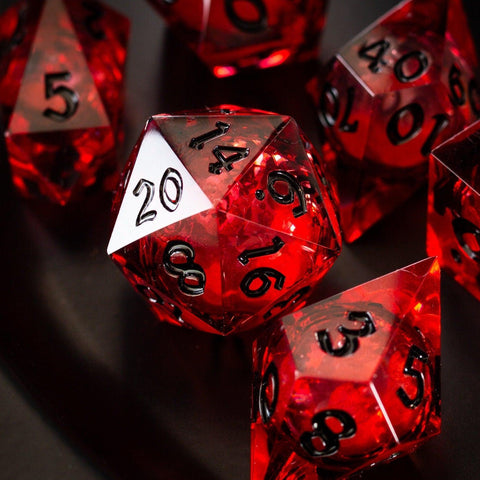
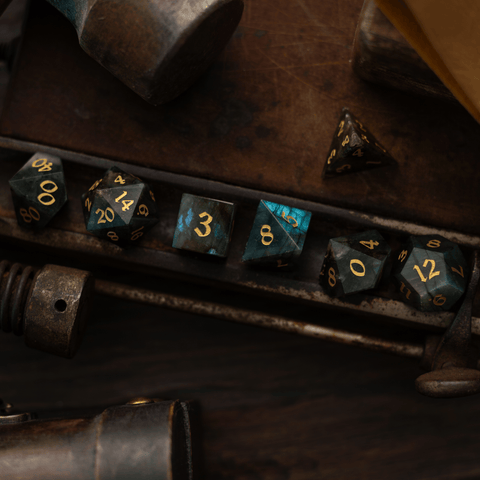
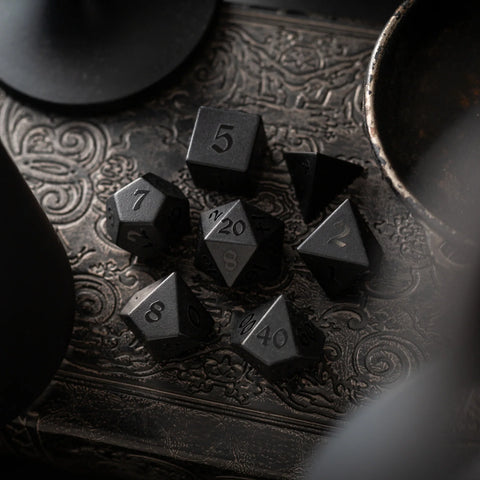
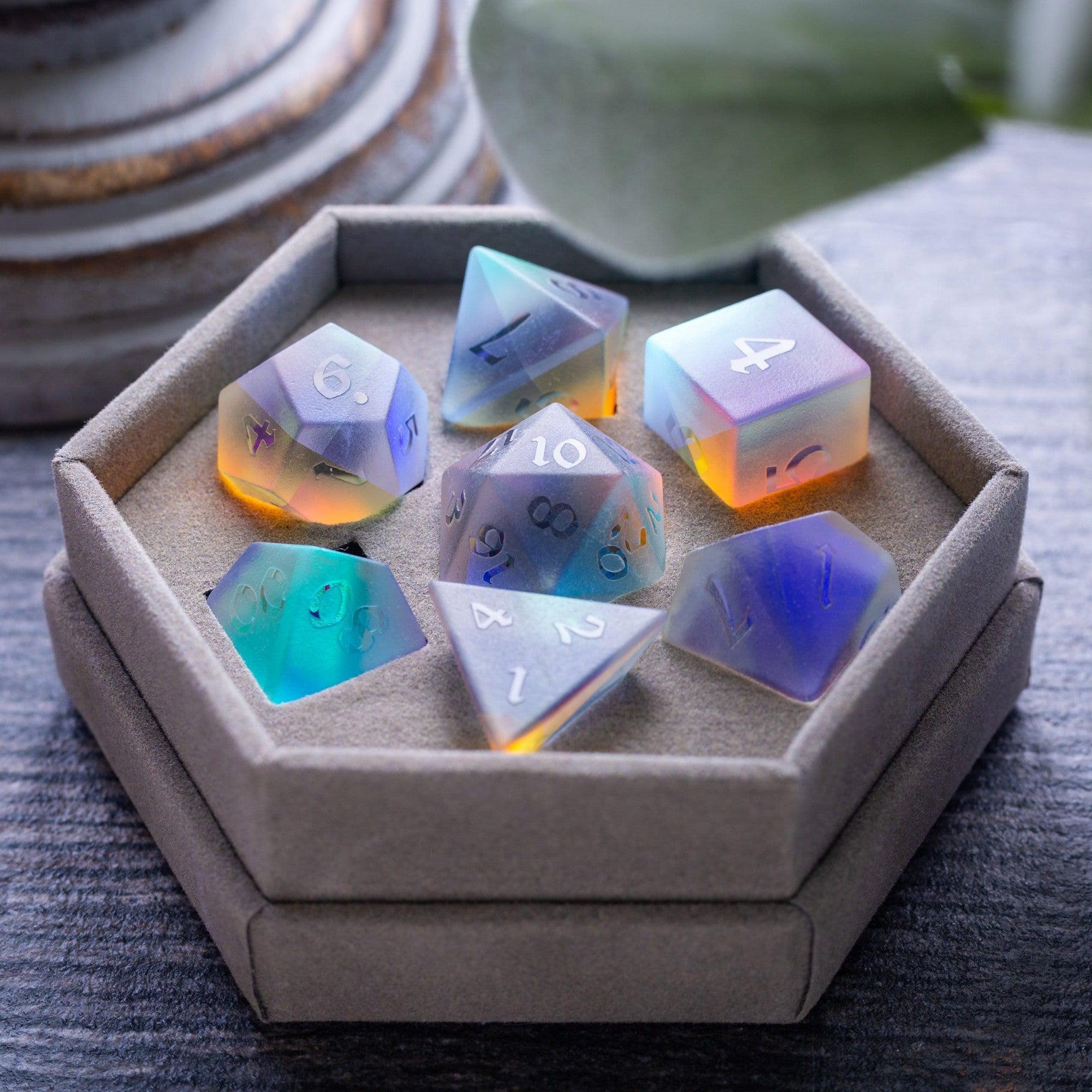
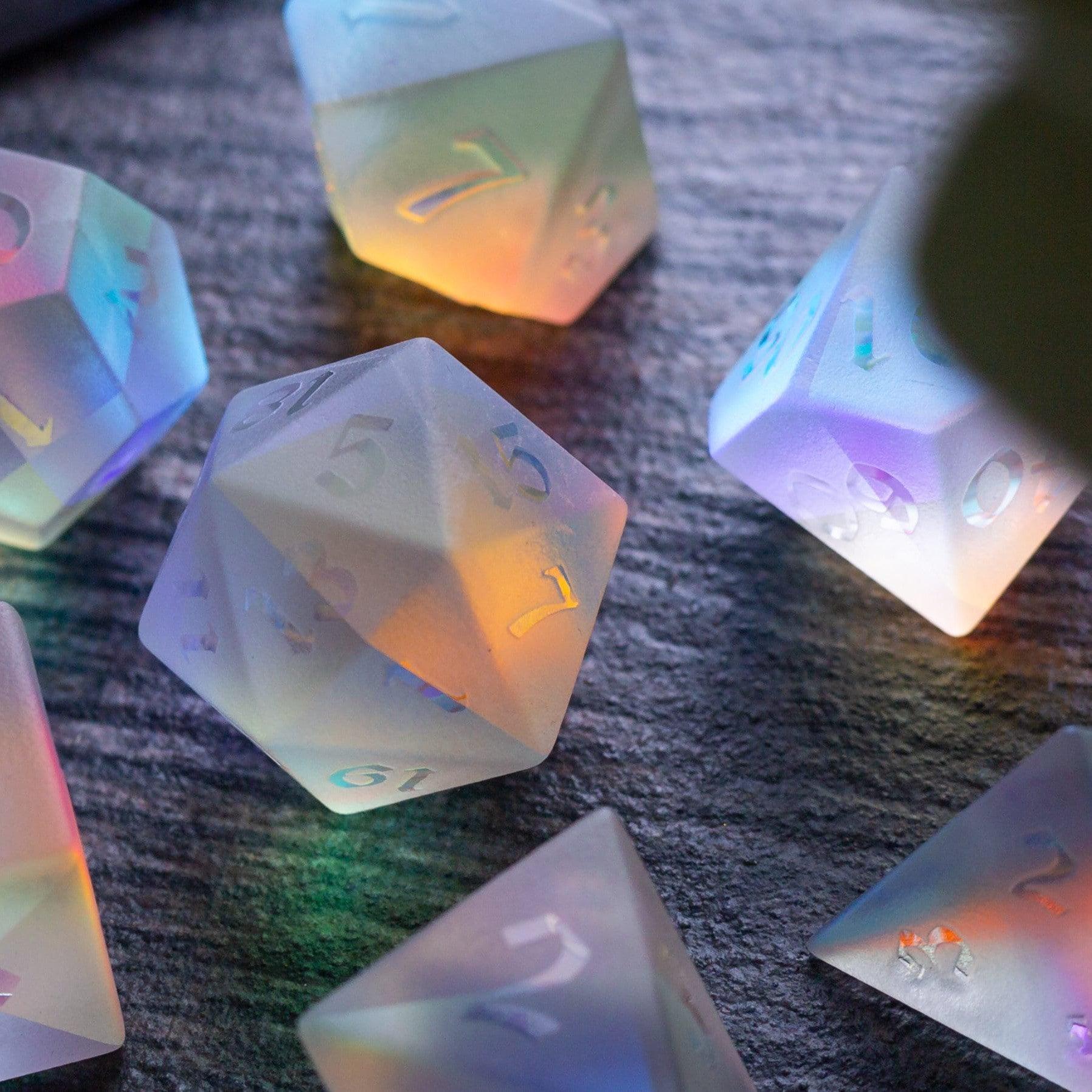
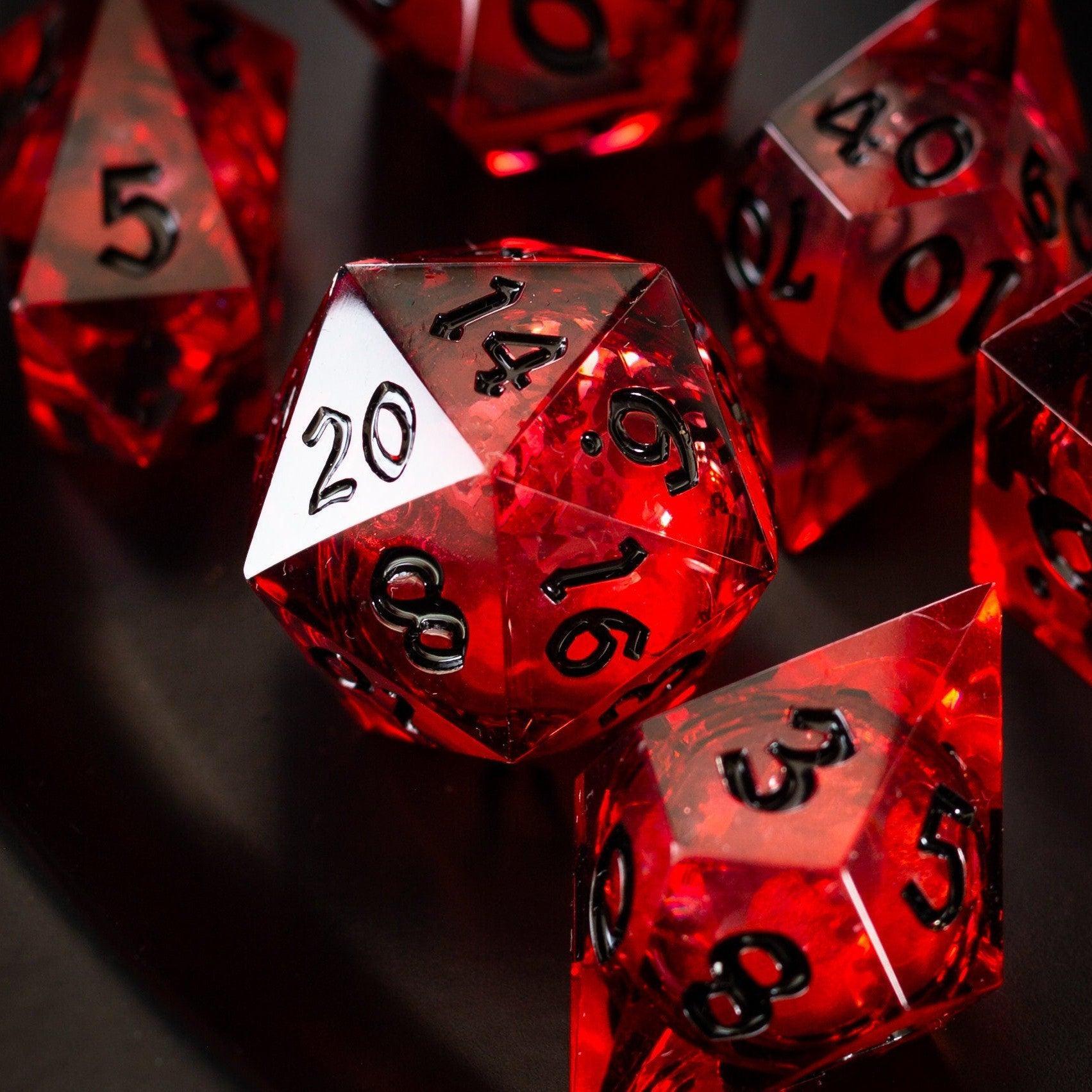
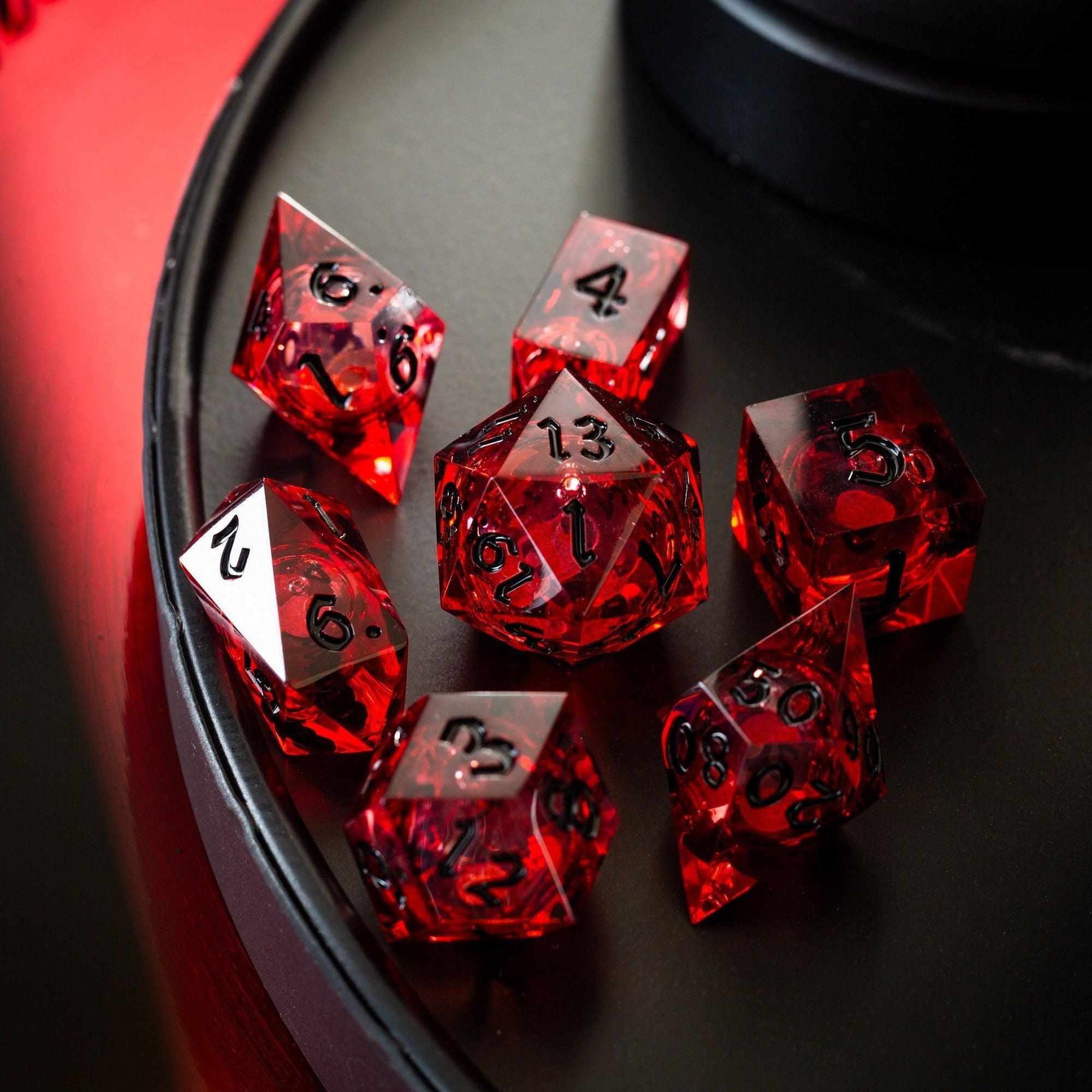
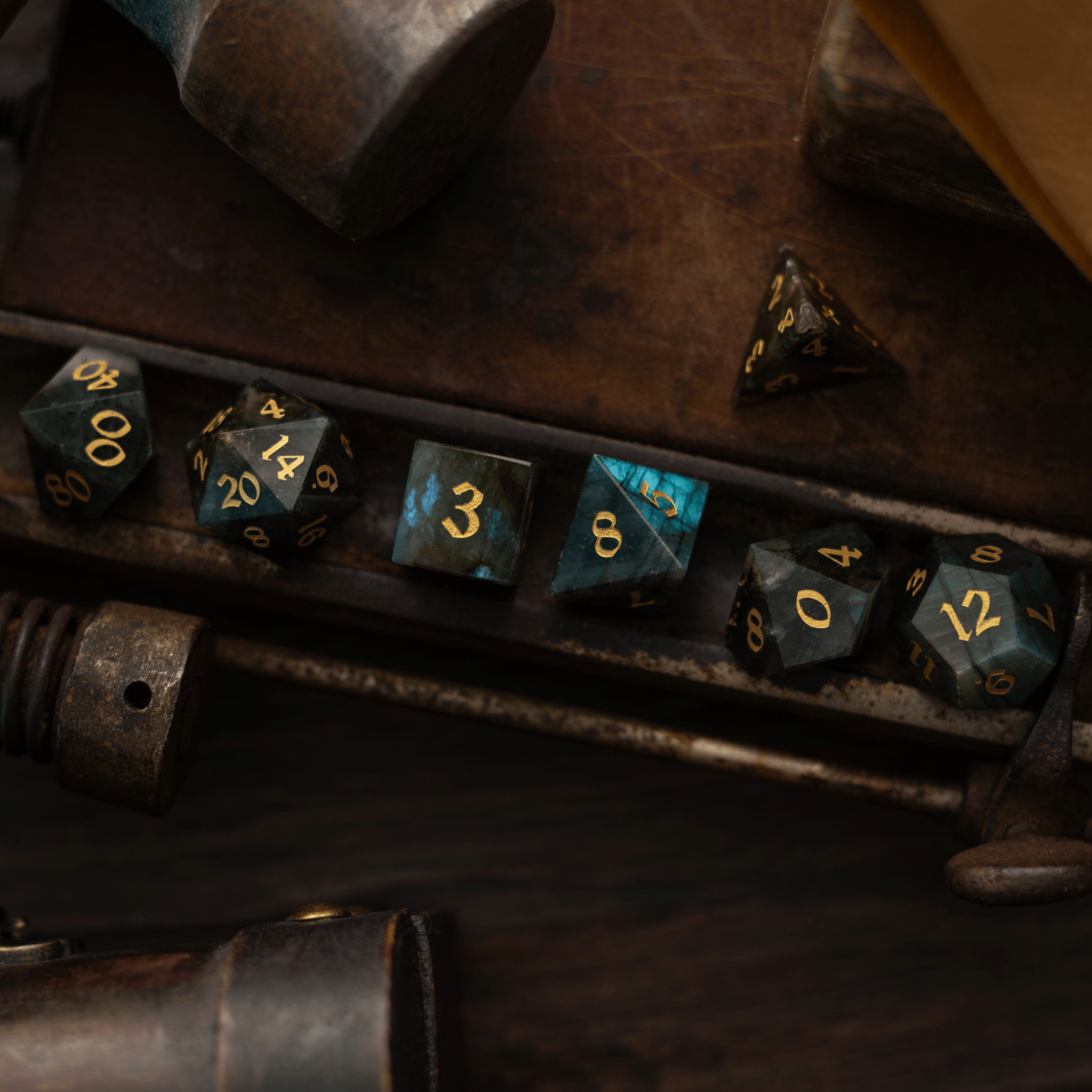
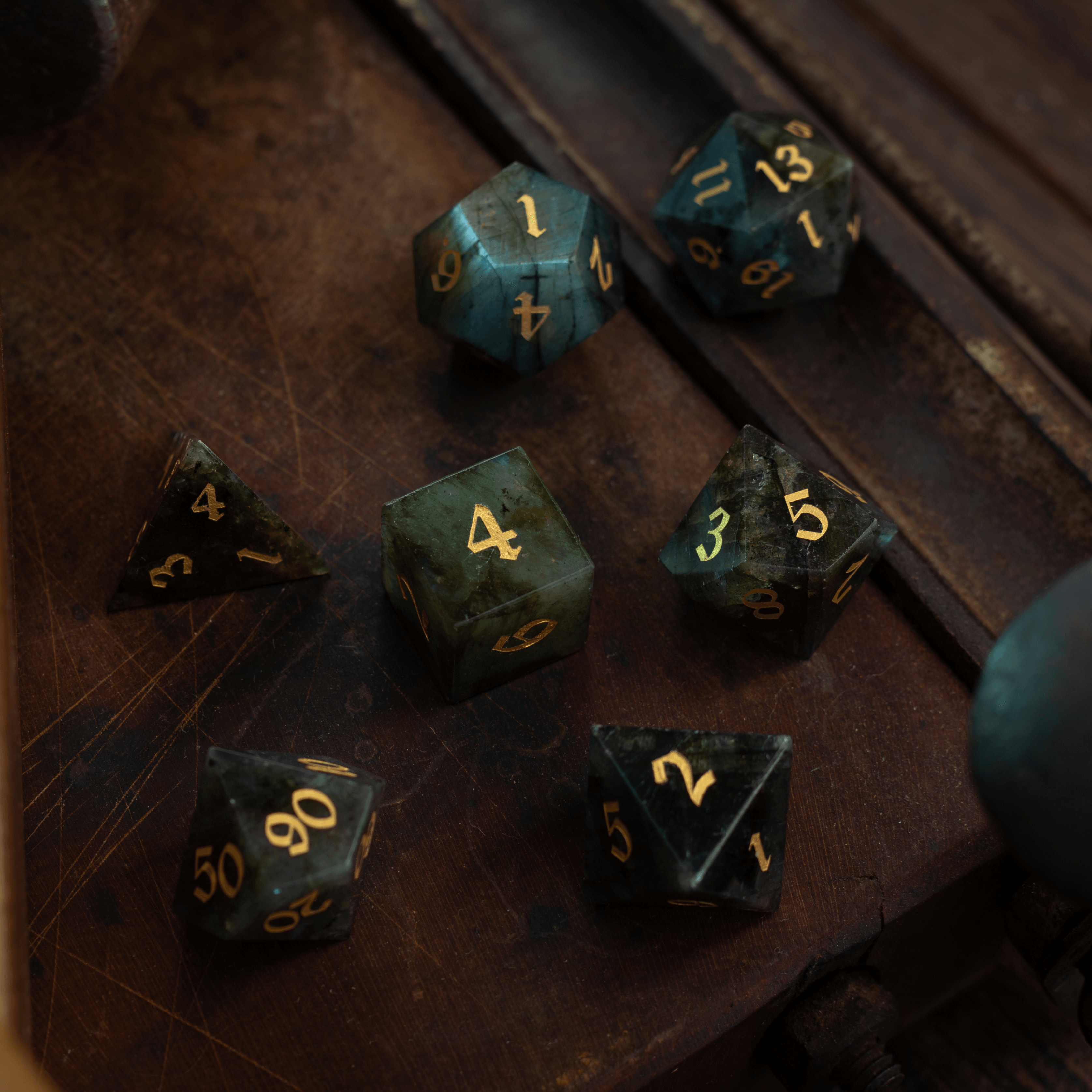
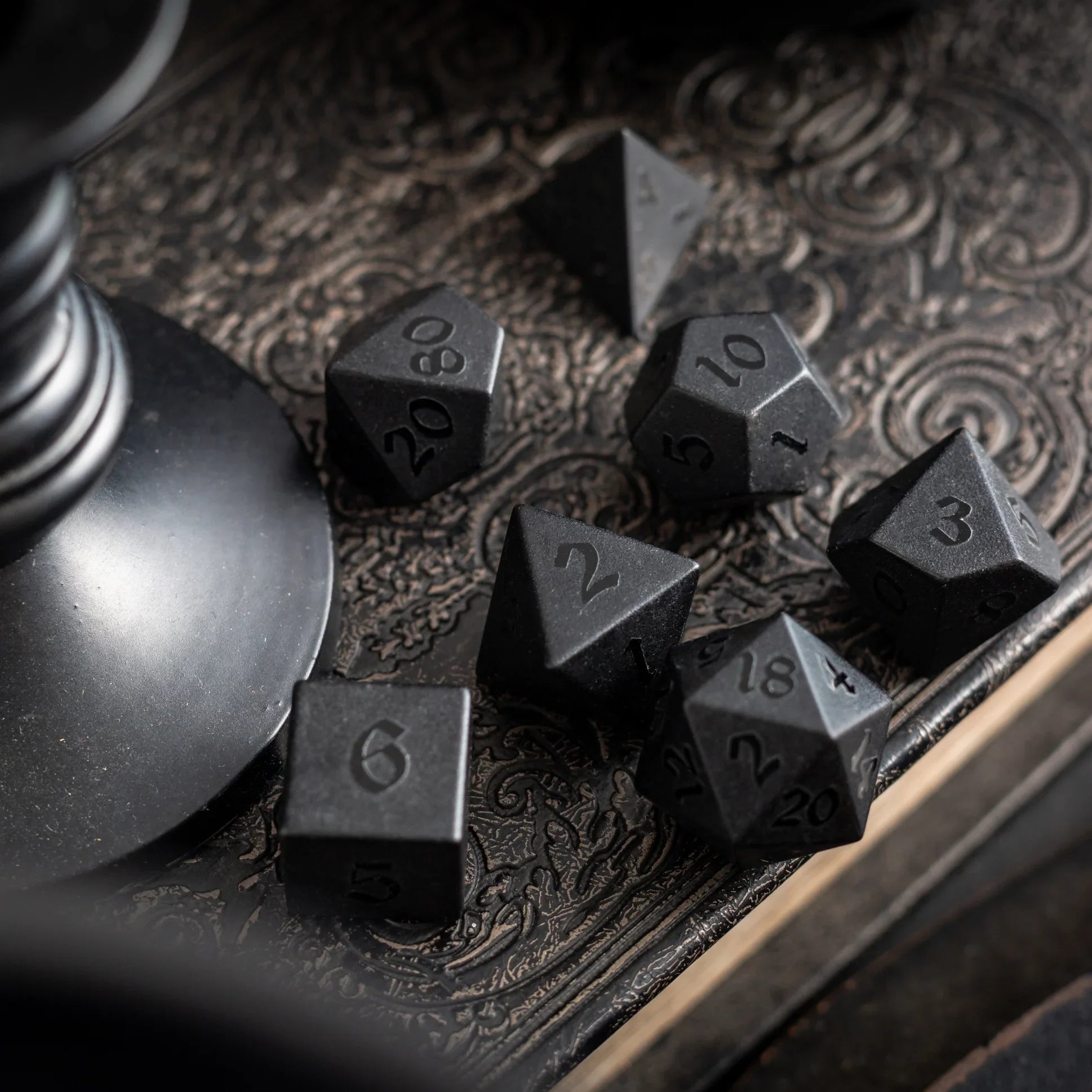
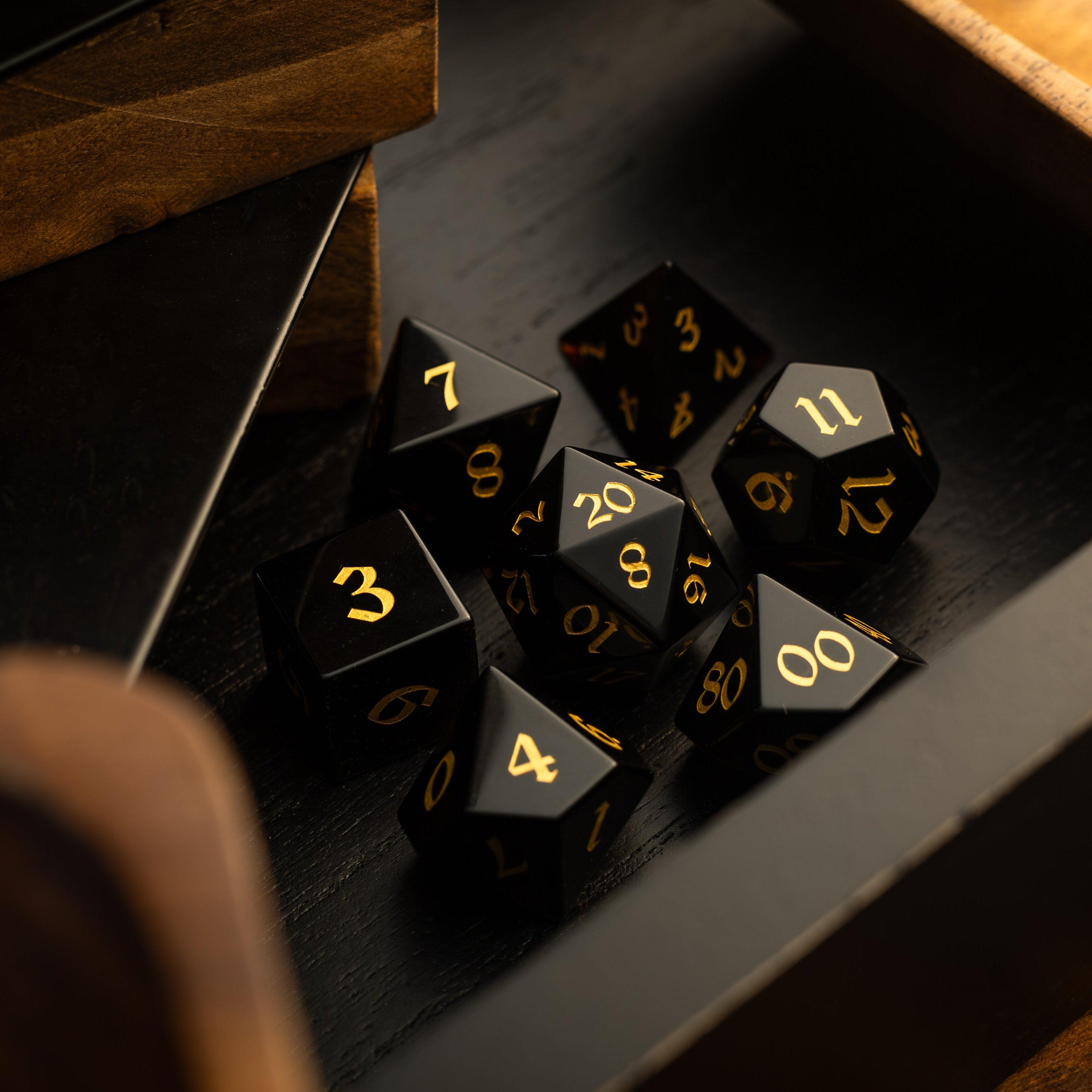
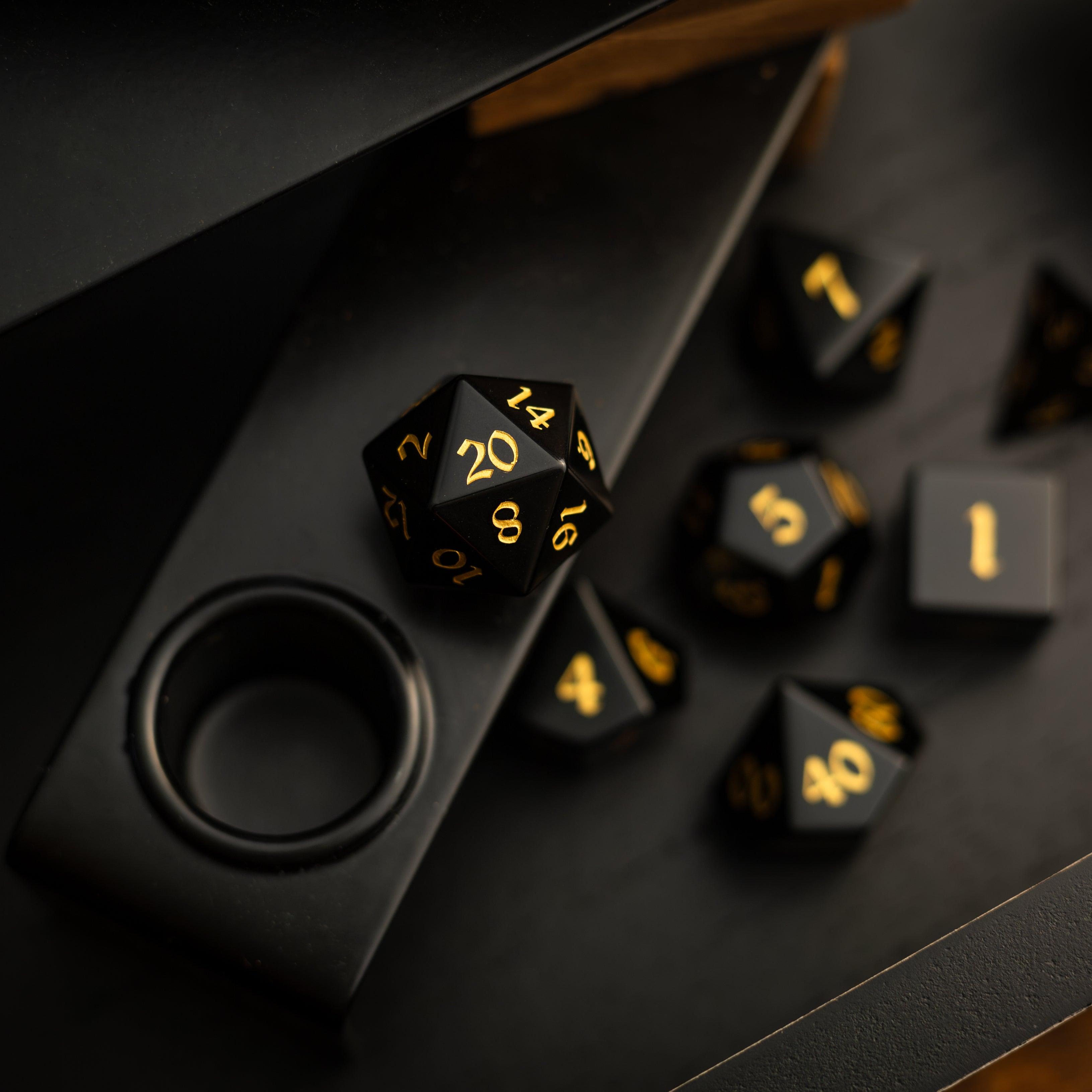
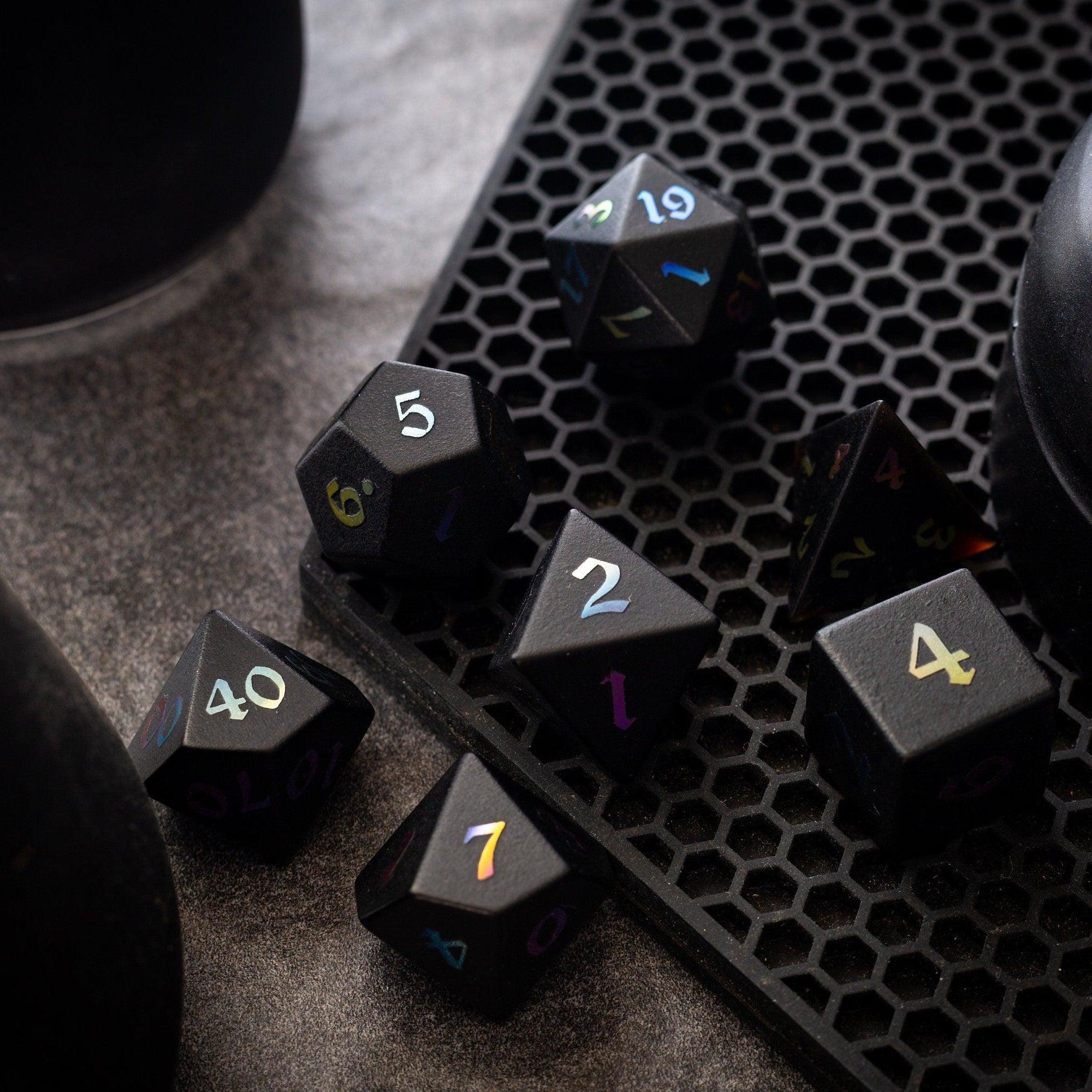
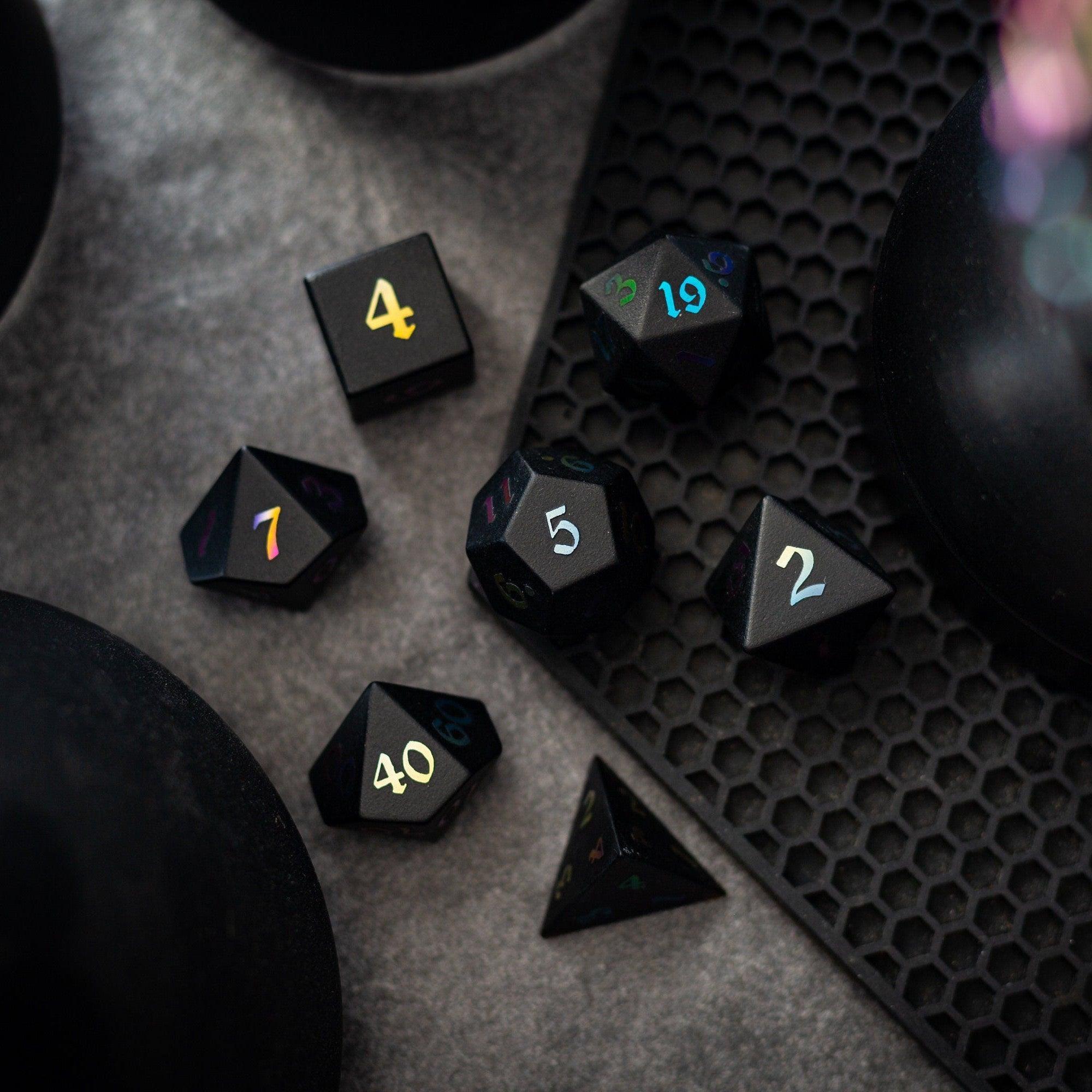
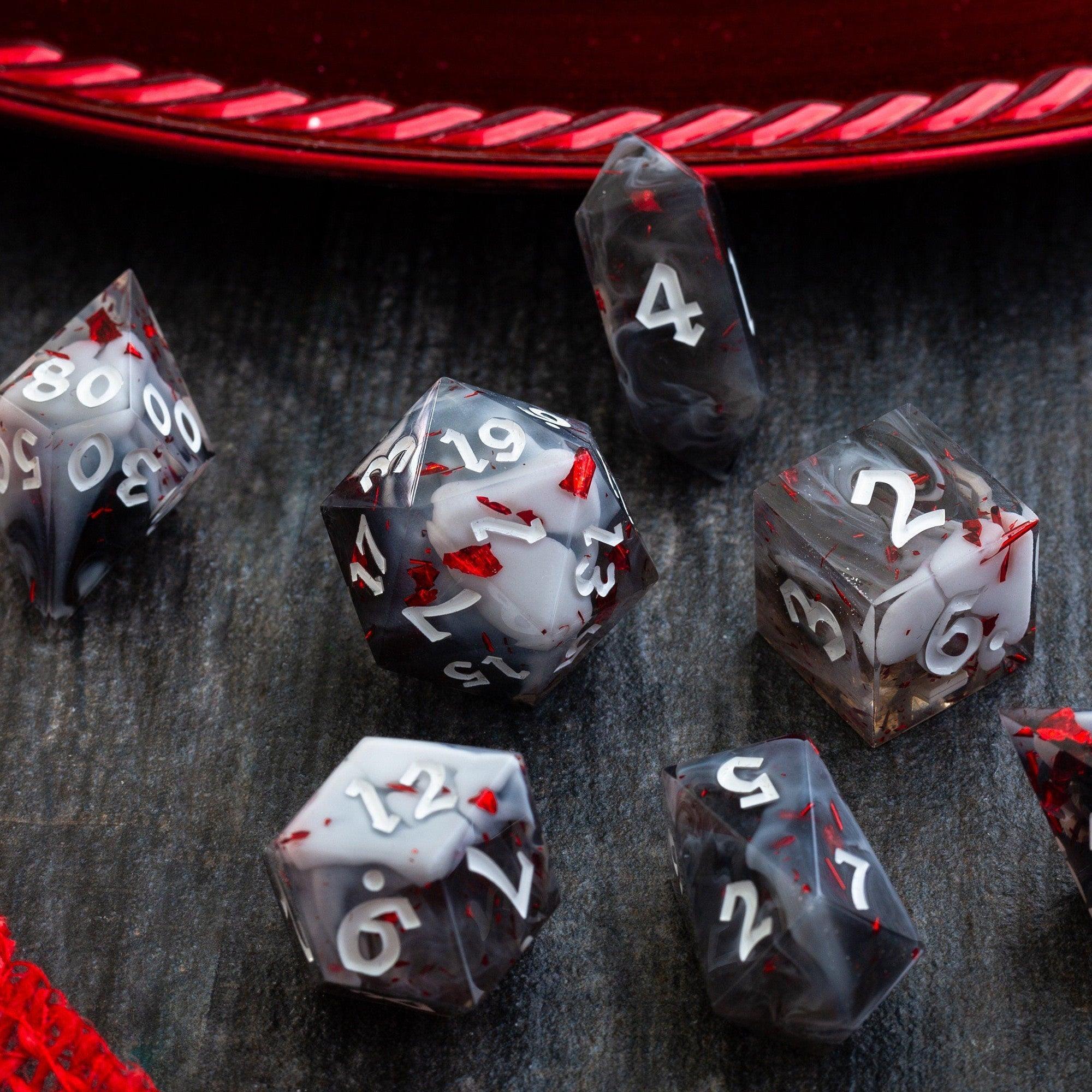
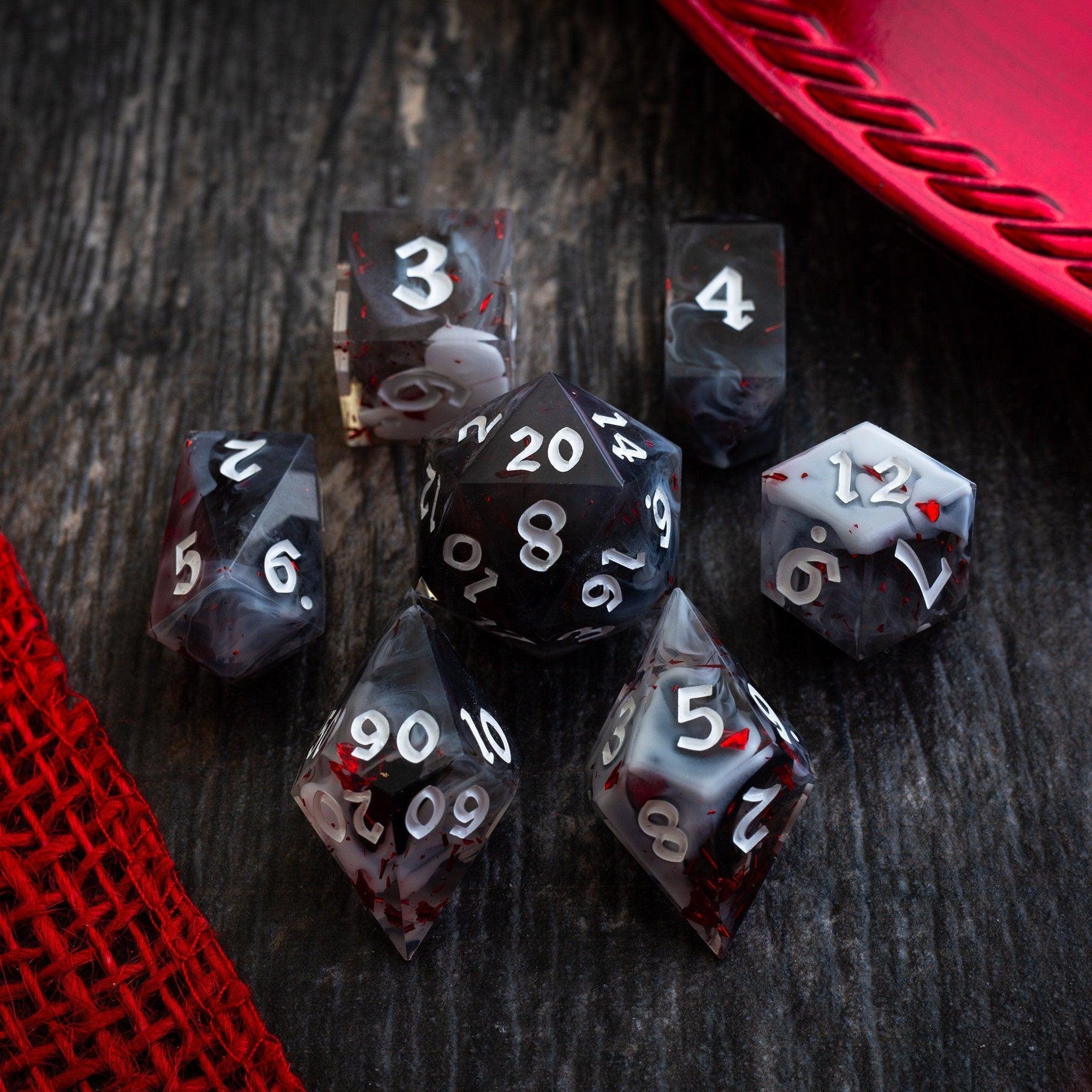
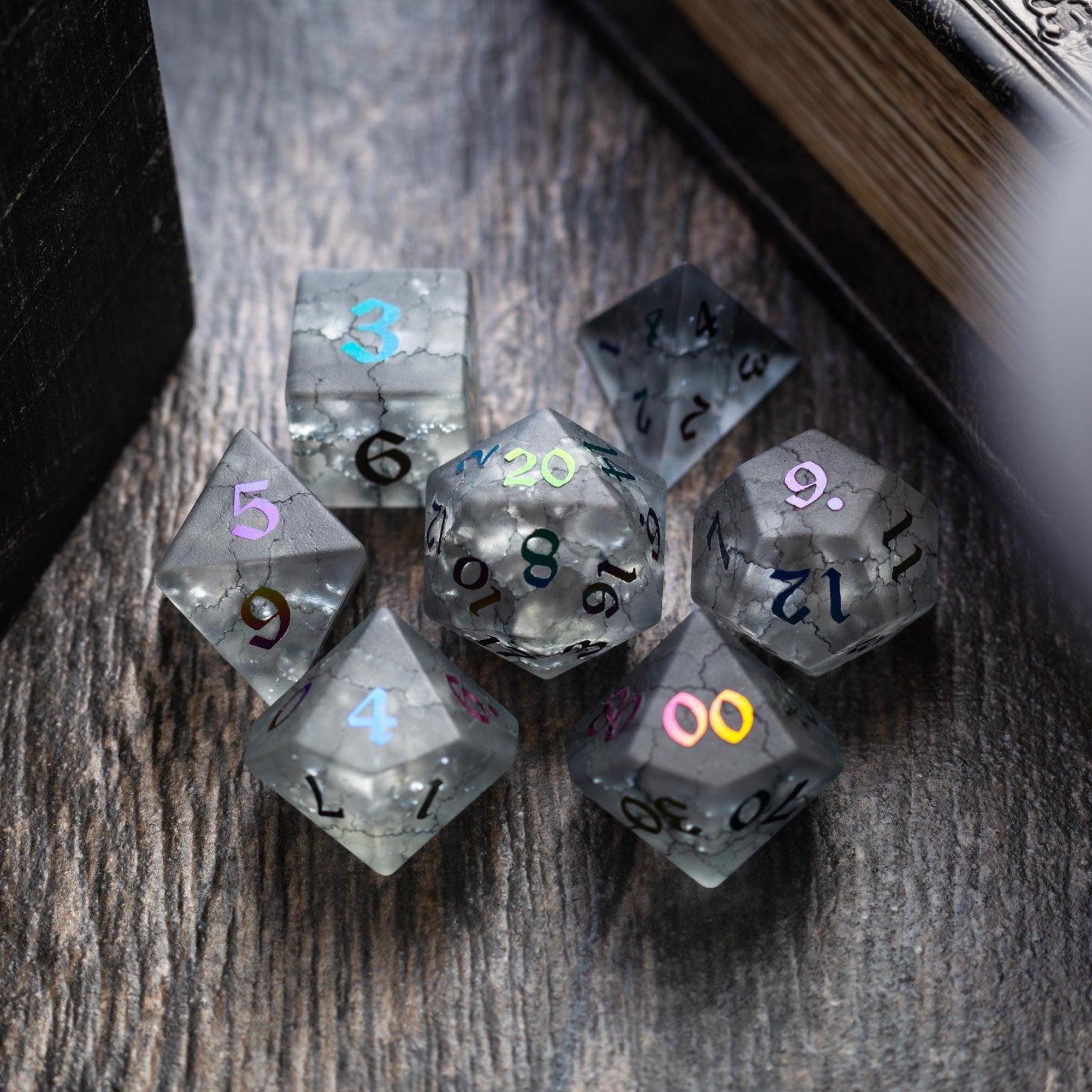
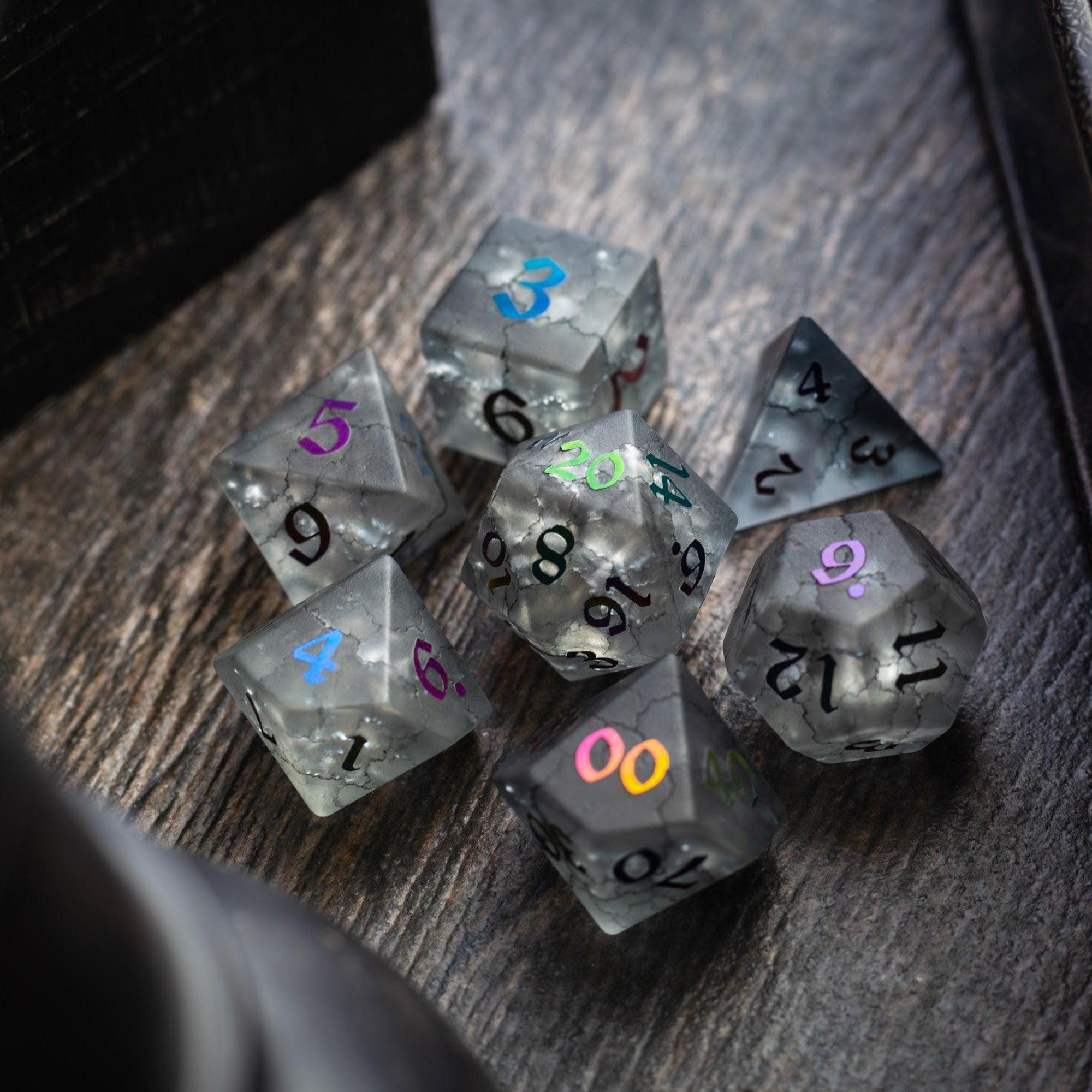
Many players also enjoy using visually thematic dice during psychic scenes. Swirling liquid core dice can resemble unstable psychic energy shifting beneath the surface, while gemstone dice often match the mysterious feel of ancient mentalists and telepathic scholars.
Dreamlike resin dice with soft purples, blues, and cosmic patterns can enhance the atmosphere of vision-based characters, while oversized resin chonk dice make dramatic moments feel even more intense during psychic duels or high-stakes mental confrontations.
Used naturally, those small visual touches help reinforce the fantasy identity of a psionic character during gameplay.
Why Players Love Psychic Characters
Psychic heroes offer a completely different kind of fantasy power.
Players are drawn to psions because they provide:
-
Unique roleplay opportunities
-
Emotional storytelling
-
Creative problem-solving
-
Mysterious atmosphere
-
Subtle but powerful abilities
Many fantasy classes focus on visible power. Psionic characters focus on invisible influence, emotional tension, and psychological mystery.
That difference makes them unforgettable.
Psionics in Campaign Worldbuilding
Dungeon Masters can create incredible settings by incorporating psychic themes into the world itself.
Ancient Psychic Civilizations
Long-forgotten empires may have relied entirely on mental power.
Ruins could contain:
-
Telepathic archives
-
Psychic crystals
-
Living memories
-
Thought-based defenses
Forbidden Mental Disciplines
Some worlds may fear psionics because of their potential for manipulation.
That fear can create:
-
Secretive psionic schools
-
Hidden cults
-
Political paranoia
-
Witch-hunt style conflicts
Secret Psionic Orders
Ancient psychic orders work wonderfully in fantasy campaigns.
These groups might:
-
Guard dangerous knowledge
-
Train gifted individuals
-
Protect dream realms
-
Study cosmic consciousness
This kind of worldbuilding makes psionics feel deeply woven into the setting instead of simply acting as another magic system.
Conclusion
Psychic characters bring a unique kind of mystery to fantasy tabletop RPGs.
They create stories built around thought, emotion, memory, and invisible force rather than traditional spellcasting alone. Whether you prefer a disciplined psychic warrior, a dream-haunted mystic, or a quiet telepath uncovering forbidden secrets, the fantasy of psionics opens the door to some of the most atmospheric roleplay in tabletop gaming.
The best psionic powers DnD characters are not defined only by what they can do. They are defined by how their powers shape their identity, relationships, and emotional struggles.
When players fully embrace the strange beauty of psychic storytelling, psionic characters begin to feel less like spellcasters and more like living mysteries capable of bending reality itself.

Leave a comment
This site is protected by hCaptcha and the hCaptcha Privacy Policy and Terms of Service apply.