
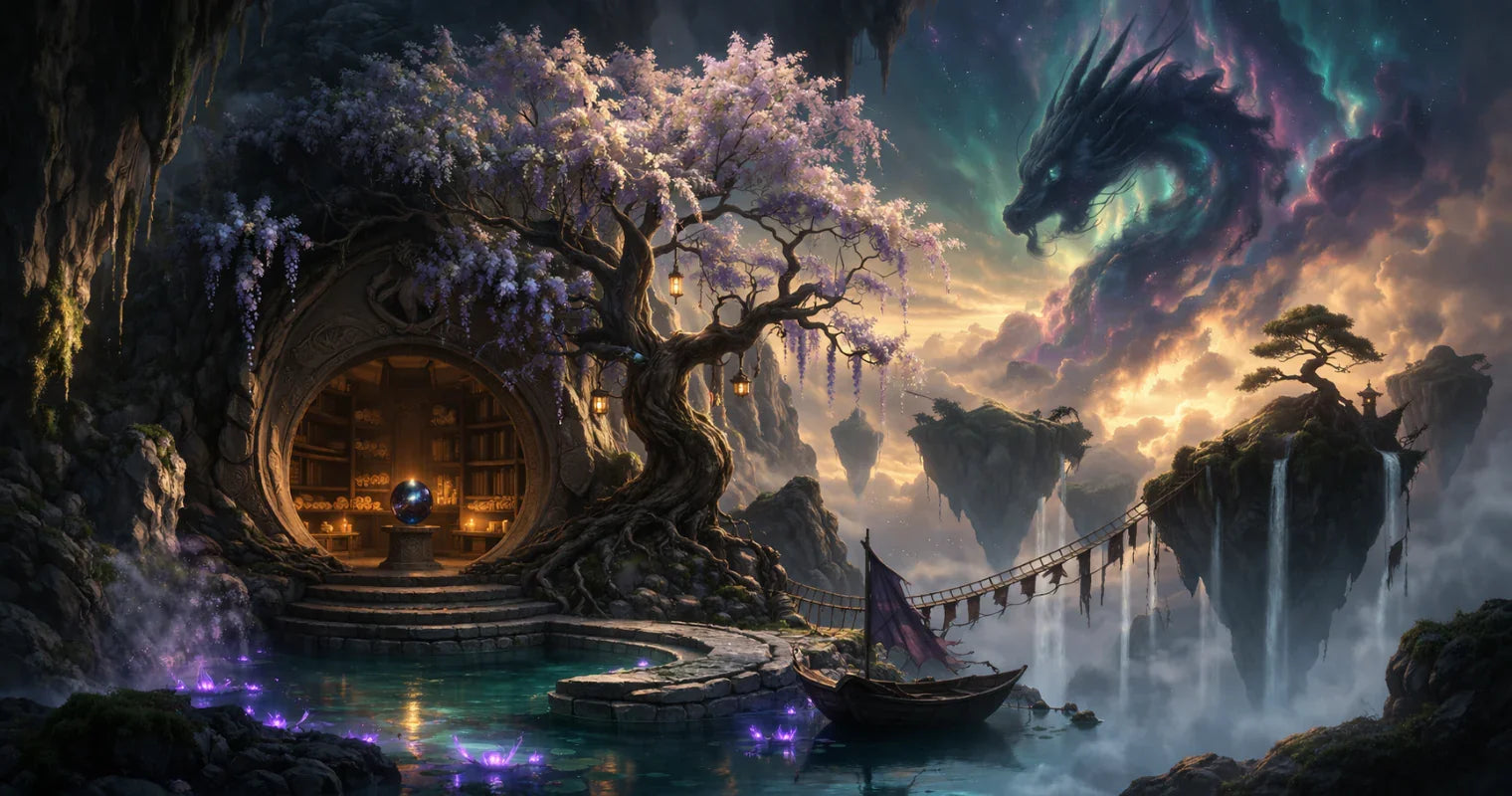
Dragon Mythology Guide: Legendary Lore for Fantasy RPG Campaigns

Few fantasy creatures capture the imagination quite like dragons. They tower over ruined kingdoms, sleep beneath mountains of gold, and shape entire worlds through fear, wisdom, or ancient magic. Whether they appear as terrifying tyrants or mysterious guardians, dragons remain at the heart of fantasy storytelling because they feel larger than life in every possible way.
For tabletop RPG players and Dungeon Masters, dragon mythology offers endless inspiration. A single dragon can become the centerpiece of an entire campaign, a living symbol of forgotten history, or a force powerful enough to reshape nations. The best dragon stories are not simply about defeating monsters. They are about mystery, legend, ambition, greed, wonder, and the feeling that the world is older and stranger than anyone realized.
Why Dragons Matter in Fantasy Worlds
Dragons endure because they represent so many ideas at once. They are ancient and unknowable, but also deeply emotional creatures driven by pride, hunger, curiosity, rage, or loneliness.
In fantasy RPGs, dragons often symbolize:
-
Immense power
-
Forgotten history
-
Natural disasters made intelligent
-
Ancient magic
-
Greed and temptation
-
Wisdom beyond mortal understanding
A kingdom might build its culture around appeasing a dragon sleeping beneath nearby mountains. An entire religion could worship dragons as creators or destroyers. A wandering dragon may carry centuries of memories from civilizations long vanished from the map.
That sense of scale is what makes dragon mythology so effective for storytelling. Dragons make worlds feel ancient.
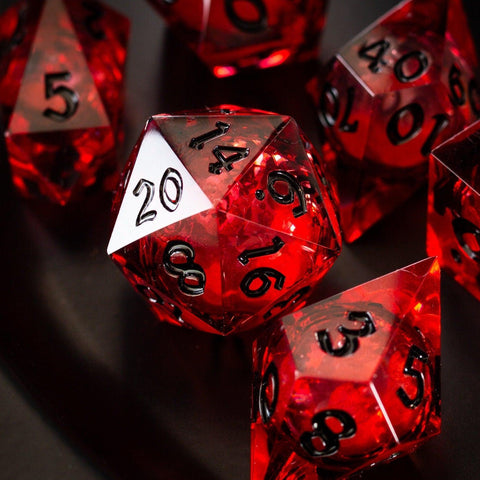
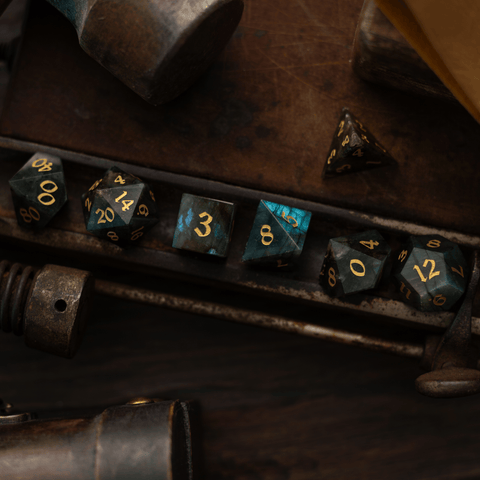
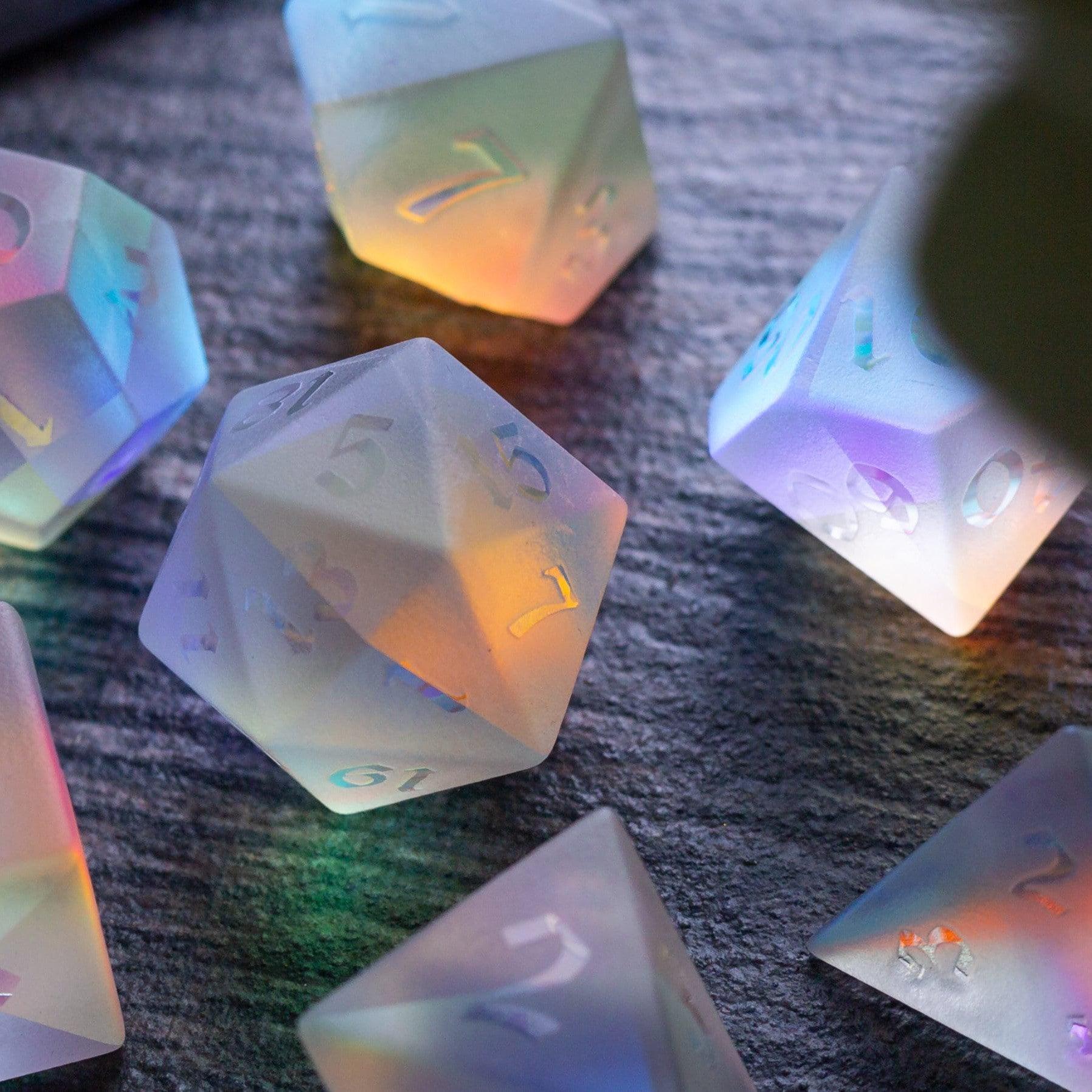
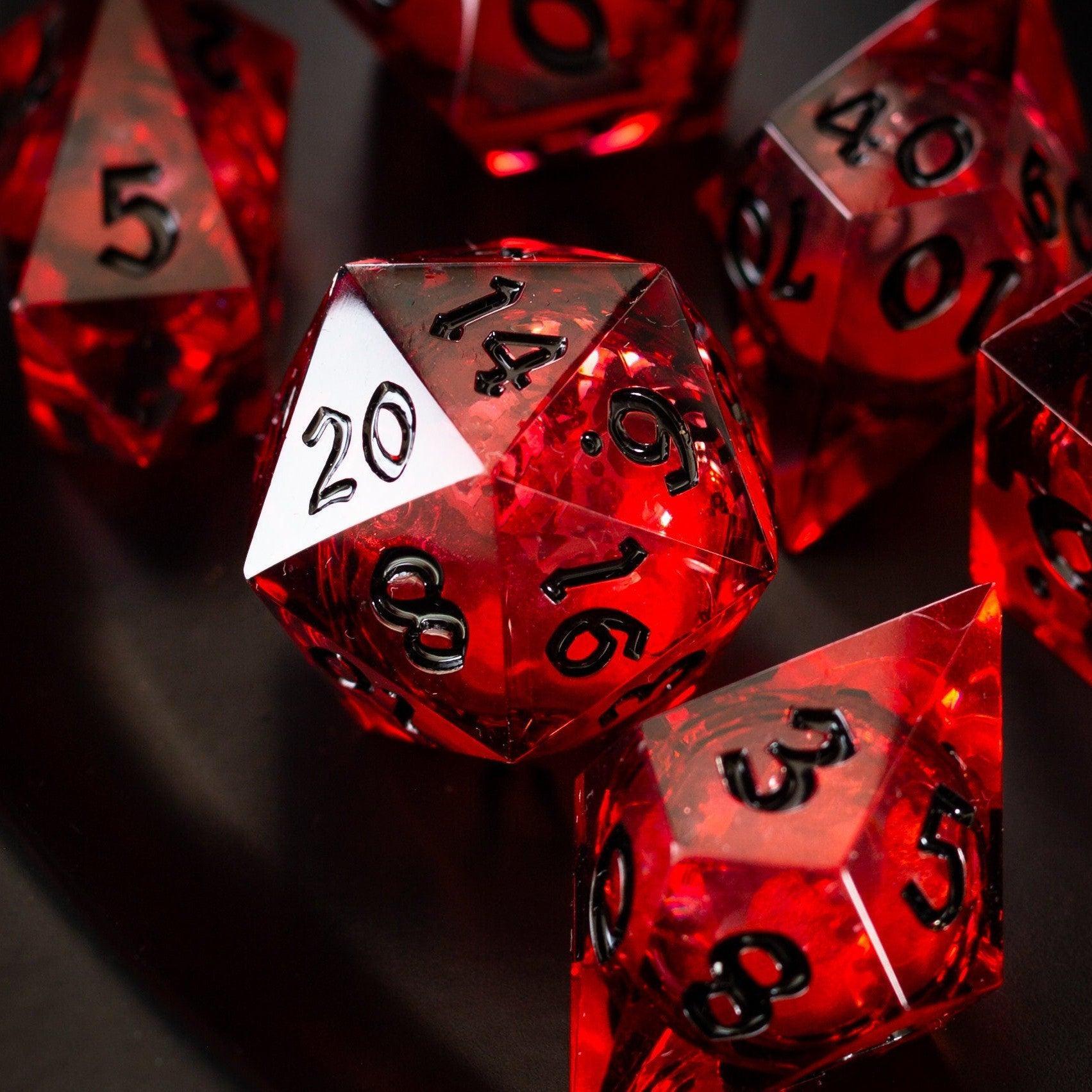
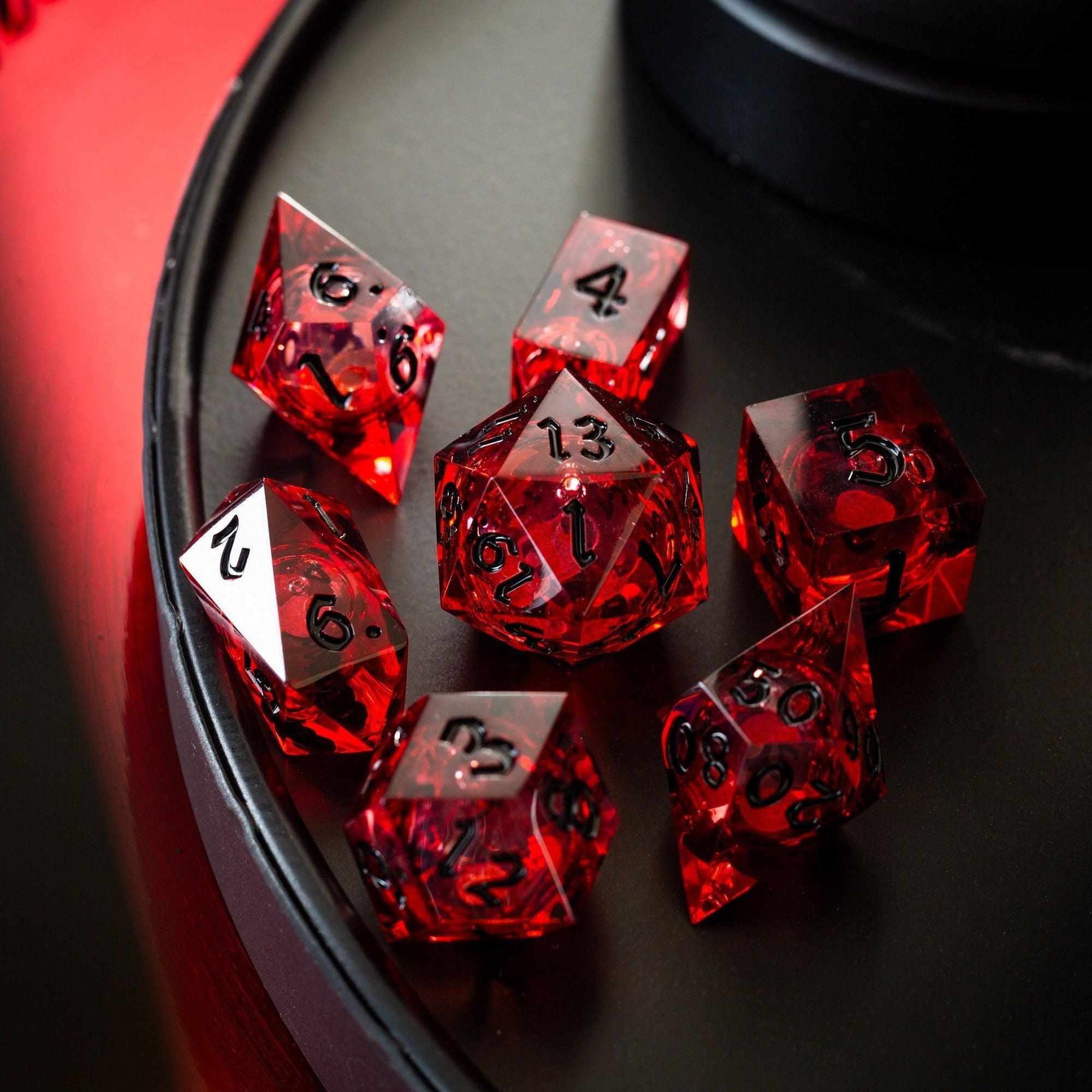
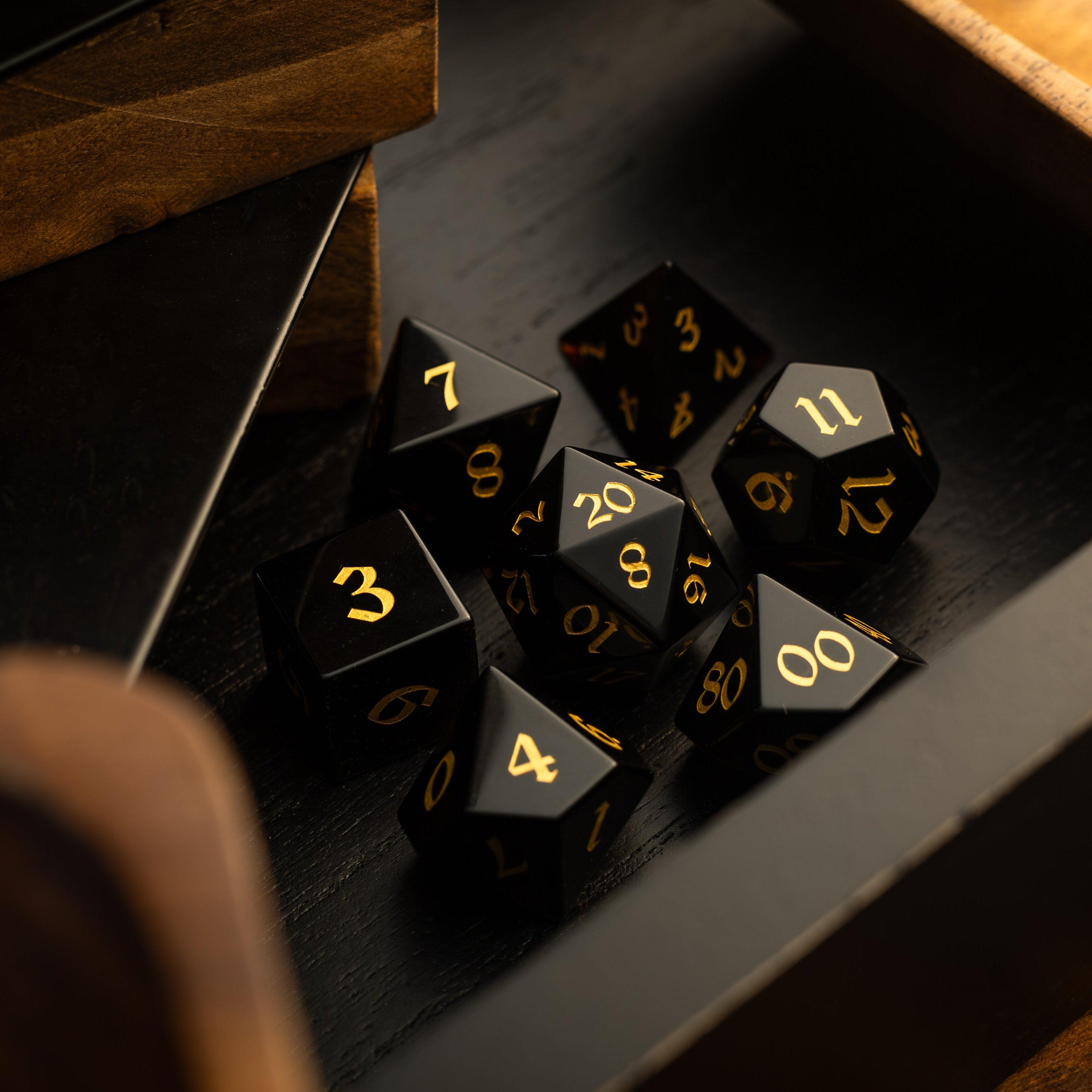
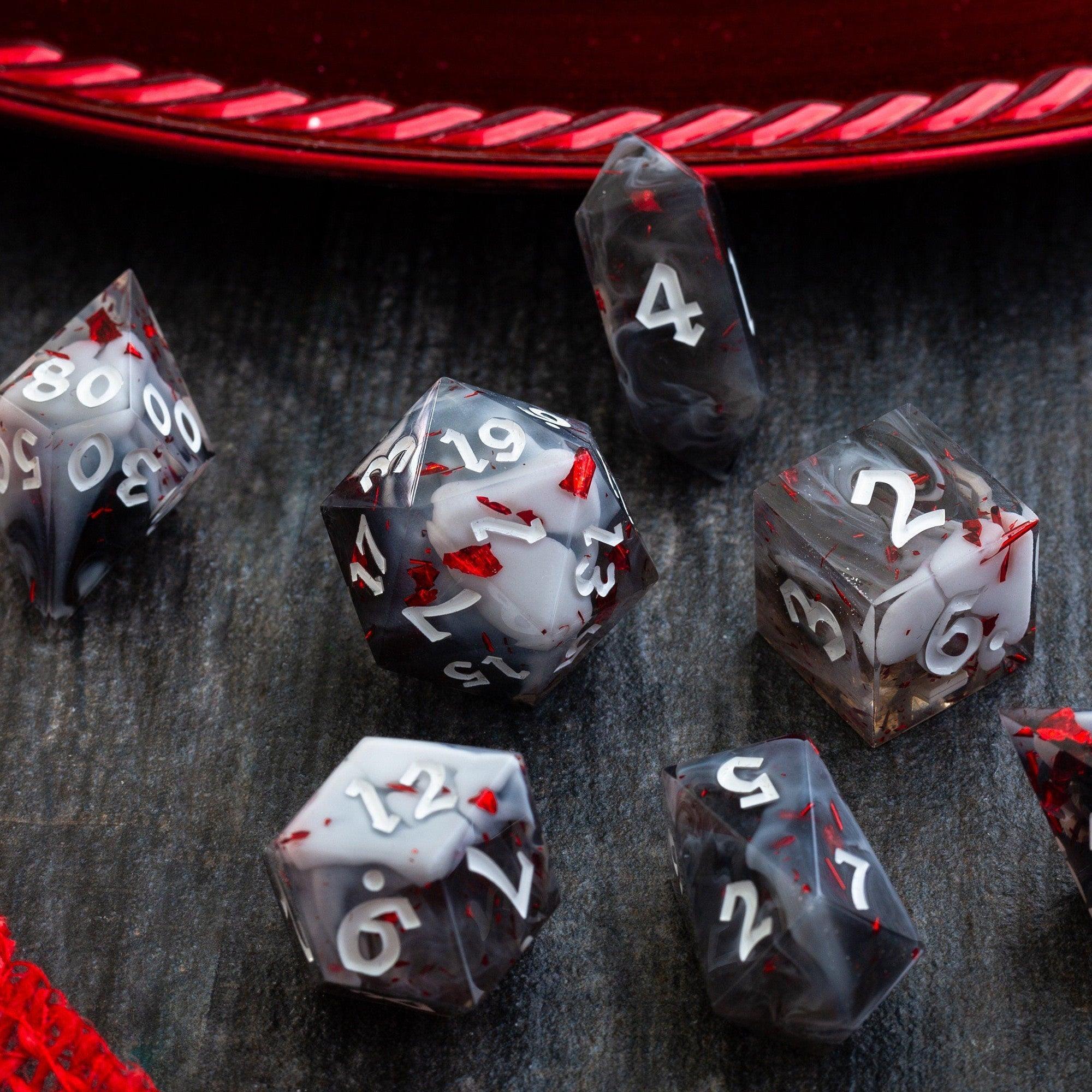
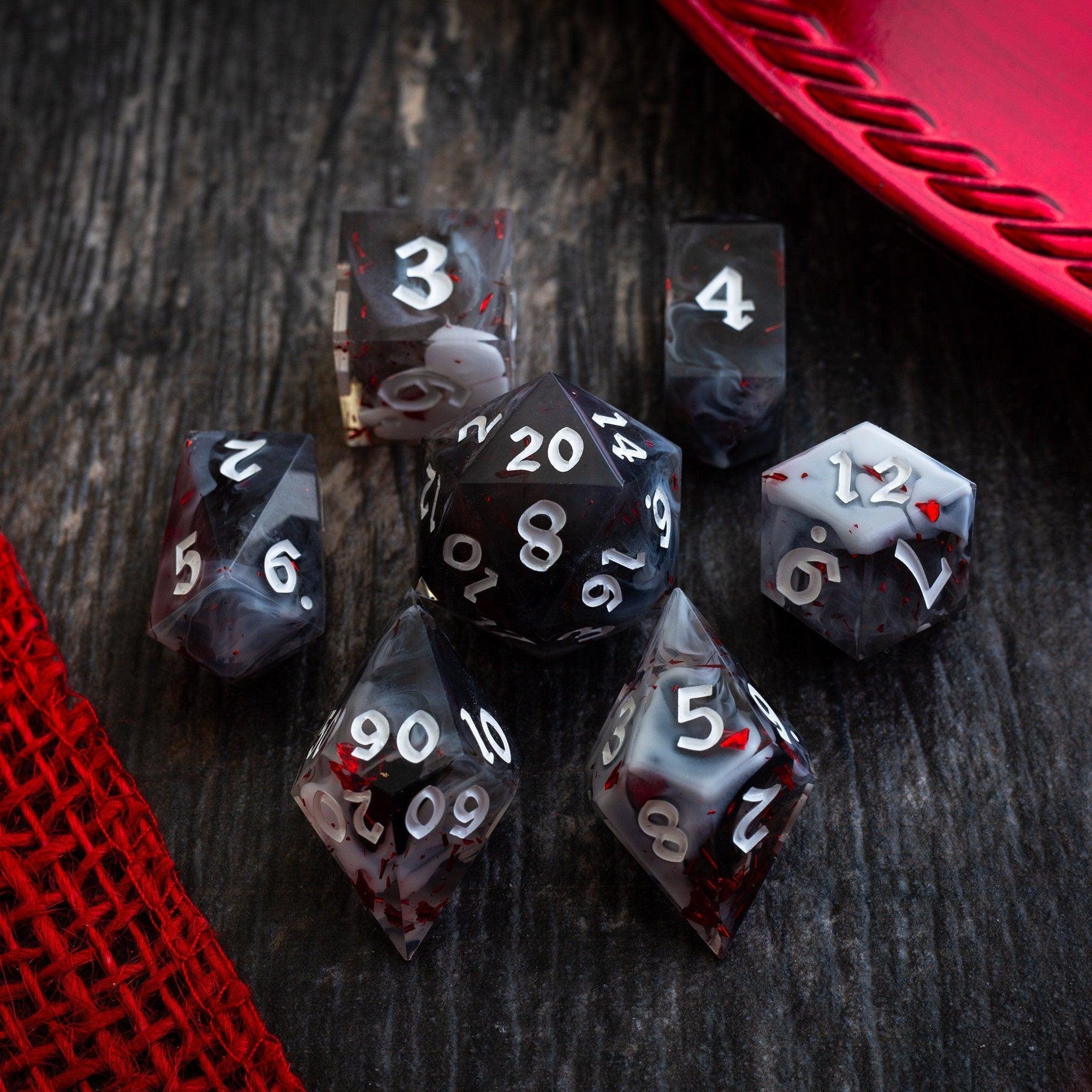
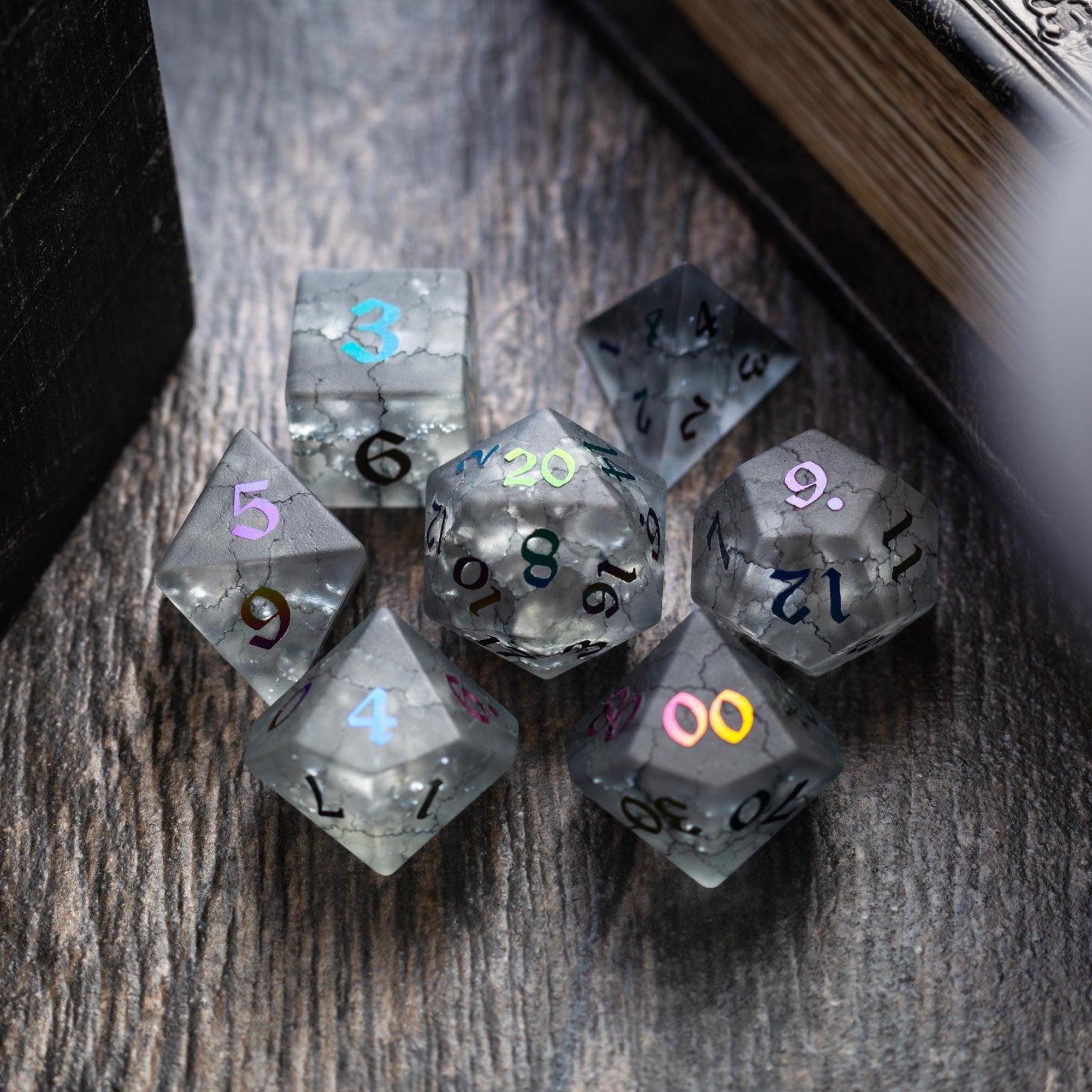
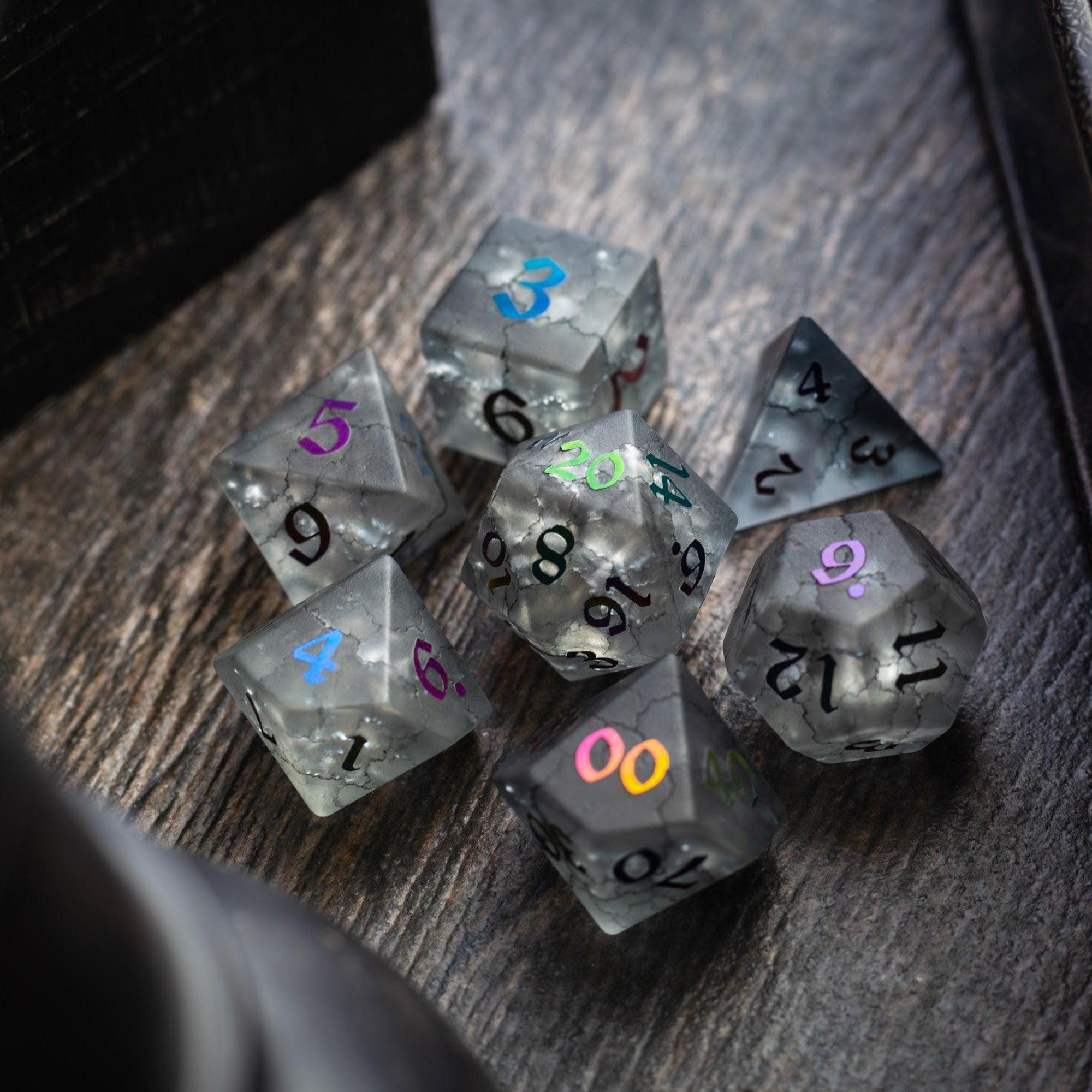
Many Dungeon Masters also use dragon-themed dice to deepen immersion during important campaign moments. Rolling gemstone dice during a treasure hoard discovery or using swirling liquid core dice during an elemental dragon encounter can make major scenes feel even more atmospheric and memorable at the table.
Common Dragon Archetypes in Fantasy RPGs
Not every dragon should feel the same. The most memorable campaigns treat dragons as unique legendary beings with distinct personalities, motives, and histories.
Wise Ancient Dragons
These dragons are often portrayed as scholars, prophets, or keepers of forbidden knowledge. They may live in isolated mountain temples, hidden forests, or forgotten ruins.
Rather than seeking conquest, they collect stories, magical secrets, or ancient relics. Players might visit them for guidance, only to discover that every answer comes with a dangerous cost.
These dragons work especially well in mystery-focused campaigns or story-heavy adventures.
Tyrannical Conquerors
Some dragons see themselves as rightful rulers of the world. They demand tribute from nearby kingdoms and crush rebellions with terrifying force.
A tyrannical dragon can shape an entire region:
-
Villages may offer sacrifices
-
Roads become abandoned
-
Mercenary groups rise to oppose the threat
-
Nobles secretly collaborate to survive
These dragons often become unforgettable long-term villains because their influence reaches far beyond combat encounters.
Elemental Dragons
Elemental dragons embody primal forces of nature. A volcanic fire dragon may leave ash-covered wastelands in its wake, while an ice dragon transforms entire valleys into frozen graveyards.
Elemental dragons help campaigns feel cinematic because the environment itself changes around them.
Examples include:
-
Storm dragons surrounded by permanent thunderstorms
-
Desert dragons hidden beneath shifting dunes
-
Ocean dragons ruling sunken ruins
-
Forest dragons tied to ancient wilderness magic
Liquid core dice are especially fitting for these encounters because their swirling interiors can reflect magical breath weapons, elemental energy, or unstable arcane power.
Cosmic or Magical Dragons
Some fantasy settings portray dragons as creatures tied directly to stars, dreams, time, or magical dimensions.
These dragons feel alien compared to traditional fantasy beasts. They may speak in riddles, manipulate reality, or exist partially outside mortal understanding.
A cosmic dragon encounter should feel strange and unsettling in the best possible way.
Protective Guardian Dragons
Not every dragon needs to be evil. Some guard sacred locations, protect ancient forests, or defend hidden civilizations from outside threats.
A guardian dragon might test the morality of adventurers before allowing them passage into a forgotten sanctuary.
These dragons often create emotionally complex stories because players may eventually realize the “monster” was protecting the world from something far worse.
Building Better Campaigns with Dragon Lore
Strong dragon mythology creates ripple effects across an entire setting. Dragons should influence cultures, politics, architecture, and history even when they are not physically present.
Ancient Ruins and Lost Civilizations
Dragons work beautifully alongside forgotten empires and buried kingdoms.
Perhaps an ancient civilization once worshipped dragons and built massive temples in their honor. Maybe a ruined fortress was destroyed centuries ago during a dragon war.
Environmental storytelling helps these ideas feel real:
-
Burned stone walls
-
Giant claw marks
-
Ancient dragon statues
-
Underground treasure vaults
-
Massive skeletons buried beneath deserts
These details make the world feel layered with history.
Dragon Cults and Worshippers
Dragon cults add tension and mystery to campaigns. Some worship dragons out of fear, while others believe dragons hold divine wisdom.
Cultists might:
-
Guard dragon eggs
-
Seek forbidden magic
-
Attempt to awaken sleeping dragons
-
Spread prophecies about world-ending beasts
Dragon cults also create excellent recurring enemies because they can appear almost anywhere in the world.
Dragon Politics and Rivalries
Dragons are intelligent beings with long memories. Rivalries between ancient dragons can shape entire continents.
A campaign might revolve around:
-
Two ancient dragons competing for influence
-
Metallic and chromatic dragon alliances
-
Dragon families fighting over ancient territory
-
Mortal kingdoms caught in the middle of draconic conflicts
This approach makes dragons feel like political powers rather than isolated monsters.
Dragon Mythology Comparison Table
|
Dragon Type |
Personality |
Storytelling Role |
Campaign Theme |
|
Ancient Wise Dragon |
Patient, mysterious |
Mentor or keeper of secrets |
Discovery and prophecy |
|
Tyrant Dragon |
Proud, ruthless |
Major villain |
Oppression and rebellion |
|
Elemental Dragon |
Wild, destructive |
Environmental threat |
Survival and chaos |
|
Guardian Dragon |
Protective, honorable |
Ally or moral challenge |
Balance and responsibility |
|
Cosmic Dragon |
Alien, unknowable |
Reality-altering force |
Mystery and magical horror |
|
Treasure Dragon |
Greedy, paranoid |
Dungeon centerpiece |
Temptation and ambition |
Using Dragons Beyond Simple Boss Fights
One of the biggest mistakes in fantasy RPG storytelling is treating dragons like oversized monsters waiting at the end of a dungeon.
The best dragons affect the story long before initiative is rolled.
Political Manipulation
A dragon disguised as a noble advisor can quietly manipulate kingdoms for decades.
Players may slowly uncover clues that reveal the kingdom’s prosperity came at a terrible cost.
Mentors and Allies
A dragon ally can become one of the most memorable characters in an entire campaign.
Imagine a wounded dragon secretly helping adventurers prevent an ancient evil from returning. Players may initially fear the creature before realizing it is one of the last defenders of the realm.
Living Forces of Nature
Some dragons should feel unstoppable. Instead of hunting the players directly, they reshape the world around them.
Villages evacuate. Crops fail. Rivers boil. Entire forests burn.
This creates tension even when the dragon is nowhere nearby.
Creating Memorable Dragon Encounters
A legendary dragon encounter should feel dramatic before combat even begins.
Give Dragons Distinct Personalities
Every dragon should speak, behave, and think differently.
Questions to consider:
-
What does the dragon value most?
-
What does it fear?
-
Does it enjoy conversation?
-
Is it lonely?
-
Does it respect courage?
-
Does it hate mortals?
Distinct motivations instantly make dragons more believable.
Use Environmental Storytelling
Dragon lairs should feel alive.
A fire dragon’s cave may radiate unbearable heat. Ice-covered bones could litter the lair of a frost dragon. Ancient murals might depict the dragon’s victories from centuries ago.
Resin dice with vivid elemental colors can help reinforce the atmosphere of these encounters, especially during dramatic initiative rolls or climactic saving throws.
Create Fear and Wonder
Players should feel awe when encountering dragons.
Instead of immediately attacking, describe:
-
Trembling ground
-
Massive shadows overhead
-
Ancient voices echoing through ruins
-
The smell of smoke or ozone
-
Gold reflecting torchlight across cavern walls
The goal is to make the dragon feel legendary before combat starts.
Dragon Hoards, Relics, and Ancient Secrets
Dragon treasure should tell stories.
A hoard is not just gold. It is history frozen in time.
A dragon’s collection may contain:
-
Crowns from fallen kingdoms
-
Weapons from forgotten wars
-
Ancient maps
-
Magical artifacts
-
Cursed relics
-
Journals from dead adventurers
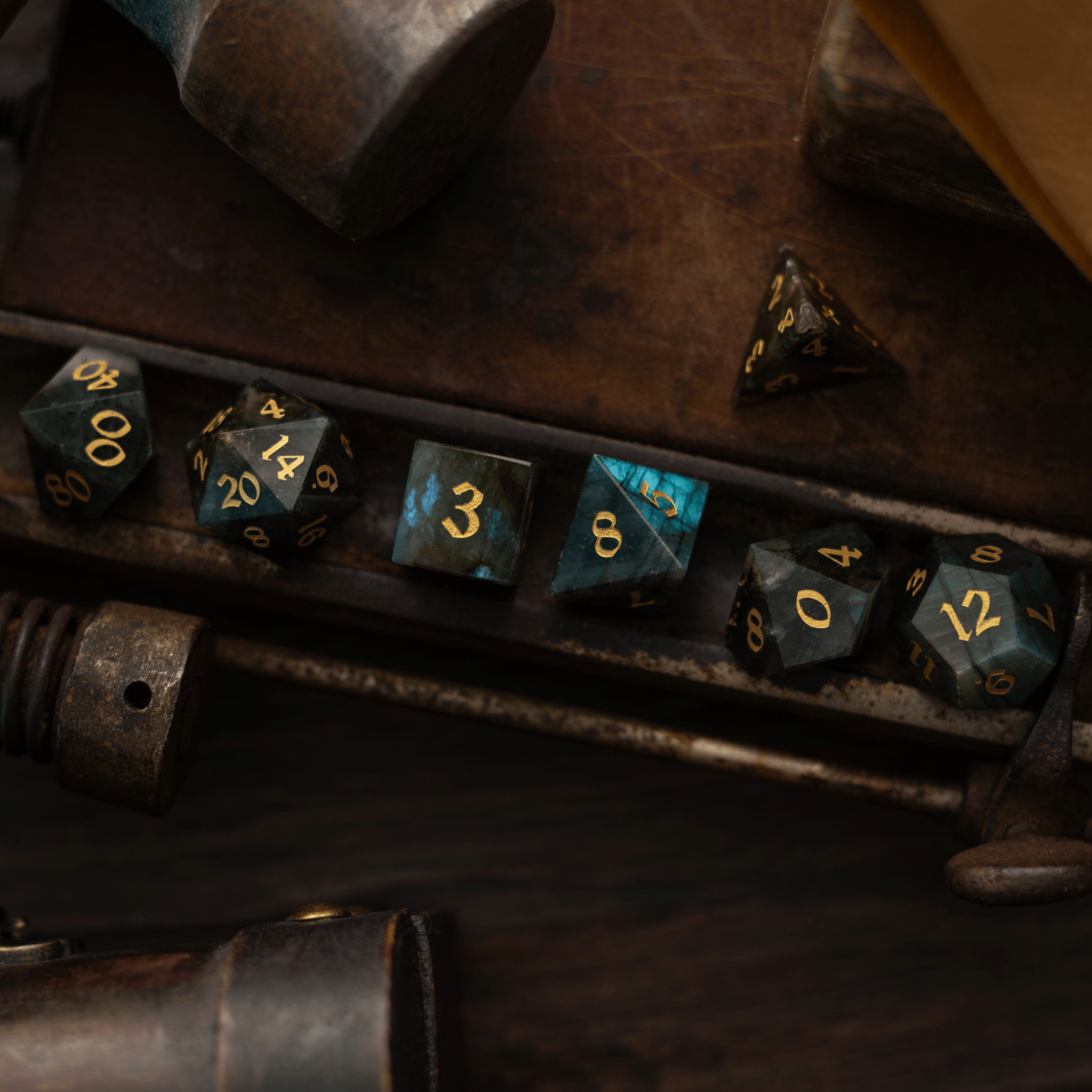
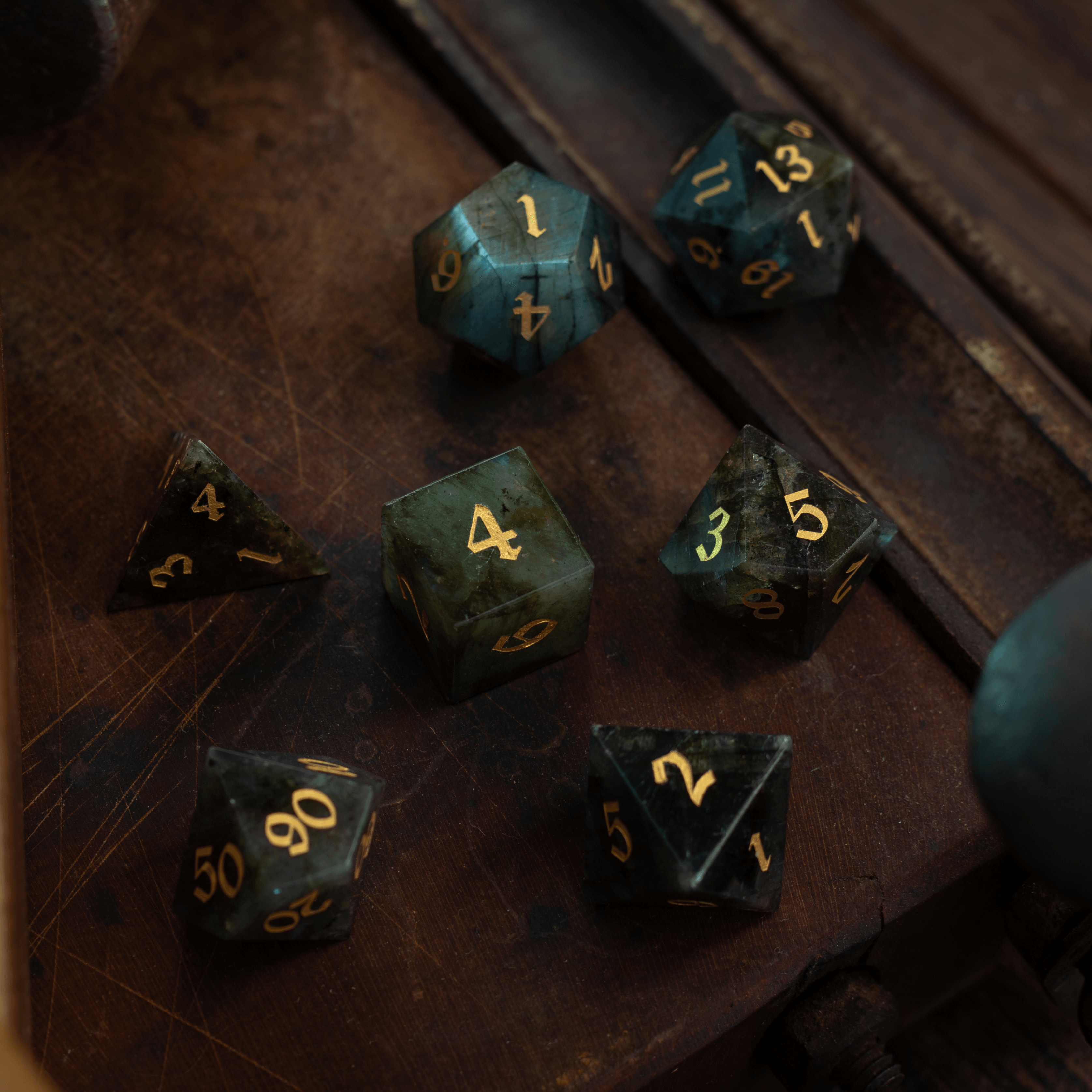
Gemstone dice fit naturally into these scenes because they resemble treasures pulled directly from a dragon’s vault. Glittering stone textures and polished finishes can reinforce the feeling that players are standing inside an ancient treasure chamber filled with priceless relics.
Resin chonk dice are also perfect for major dragon battles where every critical hit feels massive and cinematic.
Common Mistakes When Using Dragons in Campaigns
Even incredible creatures can lose impact if overused or handled poorly.
Making Dragons Feel Generic
A dragon without personality quickly becomes forgettable.
Give dragons unique goals, speech patterns, and emotional depth.
Using Dragons Only for Combat
Dragons should influence politics, culture, religion, and history.
The world should react to their existence.
Ignoring Intelligence
Most dragons are ancient and incredibly intelligent. They should plan carefully, manipulate enemies, and protect themselves strategically.
Overusing Dragons
Dragons feel special because they are rare.
If players fight dragons every few sessions, the sense of wonder disappears.
Why Players Love Dragon Stories
Dragons combine nearly every fantasy element players enjoy:
-
Epic danger
-
Ancient mystery
-
Treasure and exploration
-
Emotional storytelling
-
Mythological symbolism
-
Legendary victories
Few tabletop moments feel more satisfying than standing victorious after a hard-fought dragon encounter that has been building for months of gameplay.
That emotional payoff is why dragon mythology continues to inspire fantasy worlds generation after generation.
Dragon-Inspired Character and Worldbuilding Ideas
Need inspiration for your next campaign or character? Dragon mythology offers endless possibilities.
Character Ideas
-
A dragon-blooded sorcerer searching for their ancestry
-
A knight sworn to slay an immortal tyrant dragon
-
A scholar obsessed with translating ancient draconic prophecies
-
A treasure hunter seeking a lost dragon vault
Worldbuilding Ideas
-
Floating islands ruled by storm dragons
-
Dragon-protected kingdoms hidden from the outside world
-
Ancient battlefields scarred by dragonfire
-
Rival dragon clans controlling trade routes
-
Volcano cities built around sleeping fire dragons
These ideas help dragons feel woven directly into the fabric of the setting rather than randomly inserted into the campaign.
Conclusion
Dragon mythology remains one of the strongest foundations for fantasy storytelling because dragons represent more than simple monsters. They embody power, mystery, greed, wisdom, destruction, and wonder all at once.
The best tabletop RPG dragons feel ancient and meaningful. They shape kingdoms, inspire legends, and leave scars across history long before adventurers ever meet them. Whether they appear as terrifying conquerors, mystical guardians, or living natural disasters, dragons become unforgettable when they feel connected to the world around them.
For Dungeon Masters and players alike, dragon lore offers endless creative potential. Every ruined castle, forgotten relic, ancient prophecy, or glowing treasure hoard can become part of a larger myth waiting to unfold across the gaming table.
And somewhere beyond the mountains, beneath gathering storm clouds, wings still beat against the dark sky while ancient eyes watch the world below.








Leave a comment
This site is protected by hCaptcha and the hCaptcha Privacy Policy and Terms of Service apply.