Eberron Campaign Setting Guide: Characters, Lore, and Adventure Ideas

Fantasy adventures often begin in quiet villages beneath distant castles. Eberron begins somewhere different: a crowded city where magical lights glow above busy streets, an elemental-powered train carries suspicious passengers, and the peace after a terrible war feels dangerously fragile.
The Eberron campaign setting combines familiar Dungeons & Dragons fantasy with magical industry, political intrigue, and daring action. Its adventures can feel like detective mysteries one session and treasure-hunting films the next. This guide explains the world, its character options, and practical ways to run a DnD Eberron campaign using current rules.
What Makes Eberron Unique?
Eberron treats accessible magic as part of everyday society. Skilled workers called magewrights provide practical magical services, while powerful organizations shape transportation, communication, manufacturing, and trade. That does not mean everyone owns powerful magic items. Extraordinary magic remains exceptional, even in a world built around smaller magical conveniences.
Magical Technology and Everyday Life
In larger settlements, enchanted lighting, magical services, and other conveniences help give Eberron a distinctive atmosphere. The setting is not modern science fiction with spells replacing every machine. Magic operates within an established fantasy society, and access to its benefits depends on location, money, and influence.
The lightning rail, operated by House Orien, travels along conductor stones using elemental power. Elemental airships associated with House Lyrandar open another kind of journey, with room for sabotage, hijackings, and dangerous rescues. A rail ticket or airship passage can become the beginning of an adventure rather than a shortcut past it.
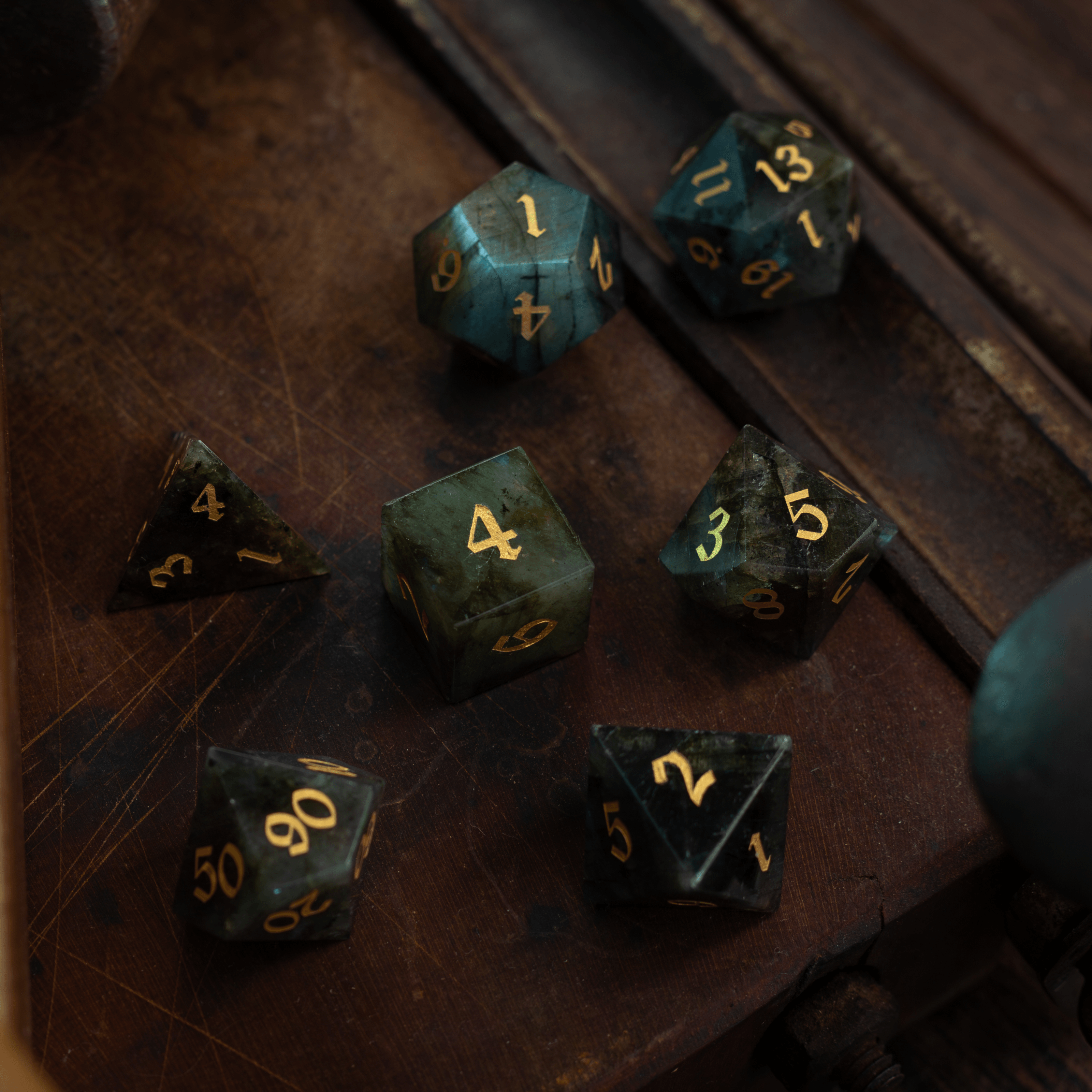
For a tabletop detail that fits this atmosphere, liquid core dice can echo the look of swirling arcane energy without changing any game mechanics.
The Last War and an Uneasy Peace
Much of Eberron's drama comes from the Last War, a long conflict that shattered alliances across Khorvaire. The mysterious Mourning destroyed the nation of Cyre, leaving the dangerous wasteland called the Mournland. Although the war has ended, former enemies still distrust one another, veterans struggle to adjust, and refugees seek new homes.
These tensions give even small adventures personal stakes. A stolen letter might threaten a peace agreement. A missing soldier may be hiding a secret that several nations want buried.
Understanding Eberron's Pulp and Noir Tone
Pulp Adventure
Pulp stories emphasize bold heroes, perilous locations, and quick decisions. An Eberron session might involve a chase across a lightning rail, a desperate escape from an ancient ruin, or a battle on an airship deck. The action matters most when characters have something to gain or lose beyond winning a fight.
Noir Mystery
Noir stories focus on investigations, divided loyalties, corruption, and difficult choices. An employer may be hiding an important detail without being the villain. A criminal might be protecting an entire neighborhood. Give players evidence they can interpret and people whose motives make sense, even when their methods are questionable.
These styles work together. A missing-person investigation can lead to a rooftop chase, while a thrilling robbery can reveal a conspiracy. Not every adventure needs both, but the contrast gives the Eberron campaign setting much of its character.
Popular Character Ideas for Eberron
Artificers and Magical Inventors
Artificers use magic through tools, crafted objects, and inventive techniques. They suit Eberron especially well, whether playing a former military engineer, an investigative tinkerer, or a scholar chasing a dangerous discovery.
For games using the revised fifth-edition rules, Eberron: Forge of the Artificer, released in December 2025, provides an updated Artificer class. Its five subclasses are Alchemist, Armorer, Artillerist, Battle Smith, and the new Cartographer. Check which rules version your group uses before making a character.
Dragonmarked Heirs
Dragonmarks are magical marks linked to bloodlines and influential houses. A house heir might work in transportation, healing, communication, or another specialized field while facing pressure from relatives and rivals. In Forge of the Artificer, dragonmarks are represented by feats, providing updated options for characters using the revised rules.
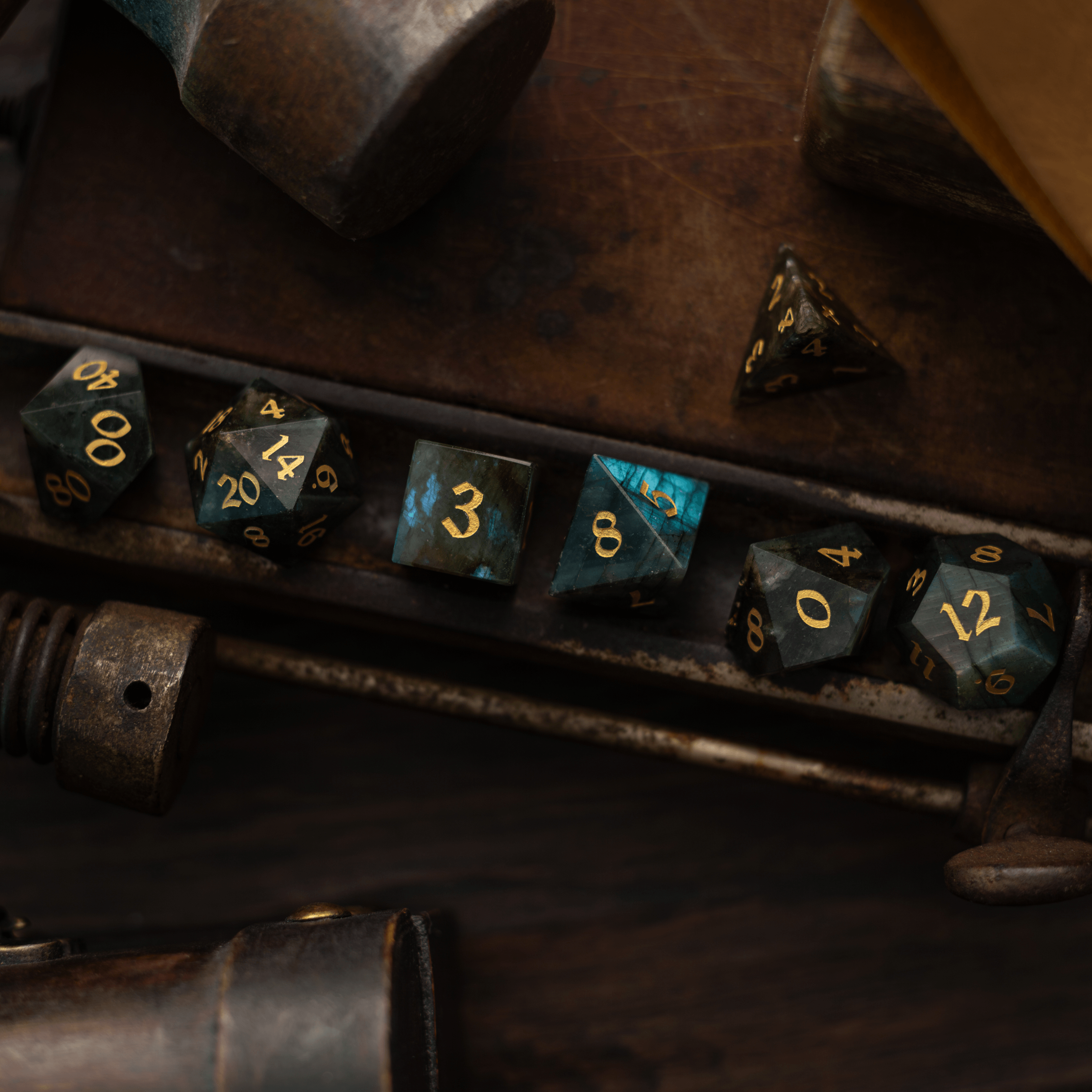
A dragonmarked diplomat who must choose between family business and innocent lives offers a clear roleplaying conflict. Gemstone dice can suit that character's formal style, although readable numbers and a protected rolling surface matter more than matching colors.
Warforged Veterans and Urban Investigators
Warforged are living constructs originally made to fight in the Last War. Now they can pursue their own goals, raising questions about independence, identity, and belonging. Another strong choice is a Sharn-based investigator: a rogue, bard, or other character who knows how to find witnesses, follow money, and survive dangerous streets.
Eberron Character and Campaign Ideas
| Character Concept | Story Hook | Campaign Style |
|---|---|---|
| Warforged veteran | Investigates a missing wartime comrade | Character drama |
| Dragonmarked heir | Uncovers a house's secret deal | Political intrigue |
| Artificer inventor | Retrieves a stolen prototype | Pulp adventure |
| Arcane detective | Follows clues through Sharn | Noir mystery |
| Sky pirate | Protects a ship carrying a fugitive | Aerial action |
| Scholarly explorer | Maps an abandoned ruin | Expedition |
Best Locations and Themes in Eberron
Sharn, the City of Towers
Sharn's immense towers, bridges, and different social levels make it a natural home for urban campaigns. Wealthy districts sit high above struggling neighborhoods, while rival criminal groups compete for influence. A detective story can stay within one district and still offer plenty of suspects, dangers, and memorable locations.
The Mournland and Ancient Ruins
The Mournland offers hazardous exploration among the remains of Cyre. Its strange magical effects and unanswered questions make each expedition uncertain. Elsewhere, Xen'drik offers ancient ruins and opportunities for treasure hunters, researchers, and explorers. Decide what the party hopes to recover before planning the dangers along the way.
Secret Organizations and Dragonmarked Houses
Eberron has room for intelligence agencies, criminal syndicates, religious groups, and powerful dragonmarked houses. These factions should want specific things: information, access to a route, a valuable artifact, or protection from a rival. A clear goal makes an organization easier for players to understand than a long history lesson.
Running Better Eberron Campaigns
Begin With a Small Mystery
Start in one neighborhood, on one train, or with one expedition. Give the party a simple shared reason to work together, such as a job from a newspaper, an adventurers' guild, or an inquisitive agency. The group patron ideas in Keith Baker's Eberron starting guide are useful for this.
For example, a courier vanishes shortly before a lightning rail leaves Sharn. The party discovers three clues: an altered ticket, a witness who fears a dragonmarked house, and a package addressed to a dead soldier. Each clue points toward a different lead, so one missed check does not stop the story.
Blend Investigation With Action
Let discoveries change the situation. When the heroes identify a suspect, that person might flee through a crowded station. If they protect a witness, a rival faction might offer a bargain instead of attacking. Plan the motives and consequences, but leave room for players to solve problems in unexpected ways.
Make Travel Matter
A journey can reveal character and setting. Introduce a fellow passenger with an unusual request, a border official searching for contraband, or a sudden disruption to the rail route. These scenes are more effective when they connect to the party's larger goal rather than interrupt it without purpose.
Common Beginner Mistakes in Eberron
- Treating every town like generic medieval fantasy: Show how local people use available magic, but remember that magical services vary by place and cost.
- Explaining too much lore: Introduce factions when players meet them. A name, goal, and recognizable contact are enough to begin.
- Making every character untrustworthy: Moral complexity works better when the party also has dependable friends and communities worth protecting.
- Forgetting character choices: Let investigations and negotiations affect what happens next, not merely lead to a predetermined fight.
Which Eberron Books Should You Use in 2026?
Eberron: Rising from the Last War remains a valuable fifth-edition source for setting history, Sharn, factions, locations, and campaign inspiration. For a game built on the revised 2024 core rules, Eberron: Forge of the Artificer supplies updated character material and campaign frameworks. The two books serve different purposes and can be used together. Check your group's chosen rules when combining older character options with newer ones.
Eberron works best when its unusual features become meaningful choices. A magical train is exciting because someone aboard needs help. A dragonmarked house matters because its influence affects people the characters care about. Start with that human-scale problem, then let the mystery, magic, and action grow from the players' decisions.

















Leave a comment
This site is protected by hCaptcha and the hCaptcha Privacy Policy and Terms of Service apply.