New D&D TV Series Explained: What It Means for Your Campaign
Dungeons & Dragons has always been built around shared stories. At the table, players create heroes, explore dangerous places, make unpredictable decisions, and change the direction of the adventure through choices and dice rolls.
Television works differently. A series needs established characters, planned episodes, controlled pacing, and a story that can be followed from beginning to end. That difference makes any D&D television adaptation interesting for players because it translates an open-ended roleplaying game into a structured fantasy story.
As of July 2026, the primary scripted project that best matches the phrase “new D&D TV series” is The Forgotten Realms, a live-action Dungeons & Dragons series in development at Netflix. Hasbro has publicly described the project as a live-action D&D series currently in development at Netflix. Earlier trade reporting identified Drew Crevello as writer and showrunner, with Shawn Levy’s 21 Laps involved alongside Hasbro Entertainment. (Hasbro)
This is separate from Dungeon Masters, the official D&D actual-play series that premiered on YouTube in April 2026, and from the separately developing Baldur’s Gate television project at HBO.
Here is what players and Dungeon Masters need to know, and how the excitement around a new D&D television show can become inspiration for an original campaign.
What Is the New D&D TV Series?
The Forgotten Realms is a scripted live-action Dungeons & Dragons series in development at Netflix. Its title points directly to the Forgotten Realms, one of D&D’s best-known campaign settings.
The project was first reported in 2025, with Drew Crevello attached as writer and showrunner and Shawn Levy involved as an executive producer through 21 Laps. Hasbro Entertainment is also involved. Hasbro later publicly listed Forgotten Realms among its developing entertainment projects.
What has not been announced is equally important. No confirmed release date, full cast, detailed plot, or complete character lineup has been publicly established in the sources available as of July 2026.
Development also does not guarantee that a television project will ultimately reach release. Until production and release plans are formally announced, The Forgotten Realms should be described as a series in development.
Confirmed Details vs. Open Questions
| Topic | What Is Confirmed | What Remains Unknown |
|---|---|---|
| Series format | Scripted live action | Exact visual approach and episode structure |
| Setting | The project is titled The Forgotten Realms | Specific regions, cities, and historical era |
| Platform | In development at Netflix | Release schedule |
| Creative team | Drew Crevello and Shawn Levy are among the reported key creatives | Additional writers and directors |
| Cast | No complete confirmed cast has been announced | Characters and major roles |
| Story | A D&D series based around the Forgotten Realms setting | Main conflict, villains, and detailed premise |
| Release | No confirmed release date | Production and premiere timing |
| Continuity | No direct connection to other screen adaptations has been established | Possible relationships to other D&D stories |
The safest approach is simple: treat announced information as confirmed, reliable trade reporting as reported, and everything else as unknown.
Is It Connected to the Forgotten Realms?
Yes. Unlike a generic fantasy TV series using D&D rules as inspiration, this project is specifically called The Forgotten Realms.
The Forgotten Realms is a vast D&D campaign setting whose central continent, Faerûn, contains famous cities, kingdoms, wilderness regions, gods, factions, ancient ruins, and centuries of conflict. It has served as the setting for tabletop adventures, novels, and video games.
That does not tell us exactly where the series will take place.
The Forgotten Realms includes far more than one city or adventuring region. A story set there could focus on political intrigue, ancient magic, wilderness exploration, criminal factions, divine conflicts, or countless other subjects. Until specific locations and story details are announced, assuming a particular city or plot would be speculation.
For Dungeon Masters, this scale is part of the setting’s appeal. You can use established D&D lore as a foundation without feeling required to include every famous location or character.
Is the Series Connected to Baldur’s Gate?
Not automatically.
Baldur’s Gate is a city within the wider Forgotten Realms, but the name also refers to the famous video game series, including Baldur’s Gate 3. Sharing the same broad fantasy world does not make two stories direct sequels.
There is also a separate Baldur’s Gate television project in development at HBO, reported in 2026 with Craig Mazin involved. That project and Netflix’s The Forgotten Realms are distinct productions.
Players should therefore avoid treating the new D&D live-action series as a Baldur’s Gate 3 adaptation unless an official connection is announced.
Is It Connected to Honor Among Thieves?
No confirmed continuity connection has been announced between The Forgotten Realms and Dungeons & Dragons: Honor Among Thieves.
The film used D&D creatures, spells, factions, and Forgotten Realms locations, but shared game elements do not automatically create one screen continuity.
This is familiar territory for tabletop players. Two Dungeon Masters can run adventures in the same setting while creating completely different versions of its people, conflicts, and history.
Television Storytelling vs. a D&D Campaign
A scripted Dungeons & Dragons series and a tabletop campaign may use similar fantasy ingredients, but they create stories differently.
| Television | Tabletop D&D |
|---|---|
| Predetermined character arcs | Characters change through player decisions |
| Planned scenes | Players can ignore expected paths |
| Controlled pacing | Sessions can speed up or slow down |
| Fixed episodes | Adventures take as long as needed |
| Scripted outcomes | Dice can change major events |
| Designed cliffhangers | Endings often emerge naturally |
| Writers control the story | The entire group shares authorship |
A Dungeon Master can borrow atmosphere, themes, and structural ideas from television. Trying to reproduce a television episode exactly is usually much harder.
Players may refuse the mysterious stranger’s quest. They may trust the supposed villain. They may spend an hour investigating a minor clue or defeat an important enemy earlier than expected.
That unpredictability is not a problem. It is the heart of a tabletop RPG campaign.
What the Series Could Mean for New D&D Players
A successful D&D television adaptation could introduce viewers to character classes, fantasy factions, magical traditions, monsters, adventuring parties, and D&D lore.
Some viewers may then arrive at their first game expecting a polished fantasy drama. Actual tabletop play includes much more:
-
Rules discussions and tactical decisions
-
Failed rolls and unexpected consequences
-
Improvised plans
-
Quiet character moments
-
Jokes that derail serious scenes
-
Encounters that develop differently from anything the Dungeon Master expected
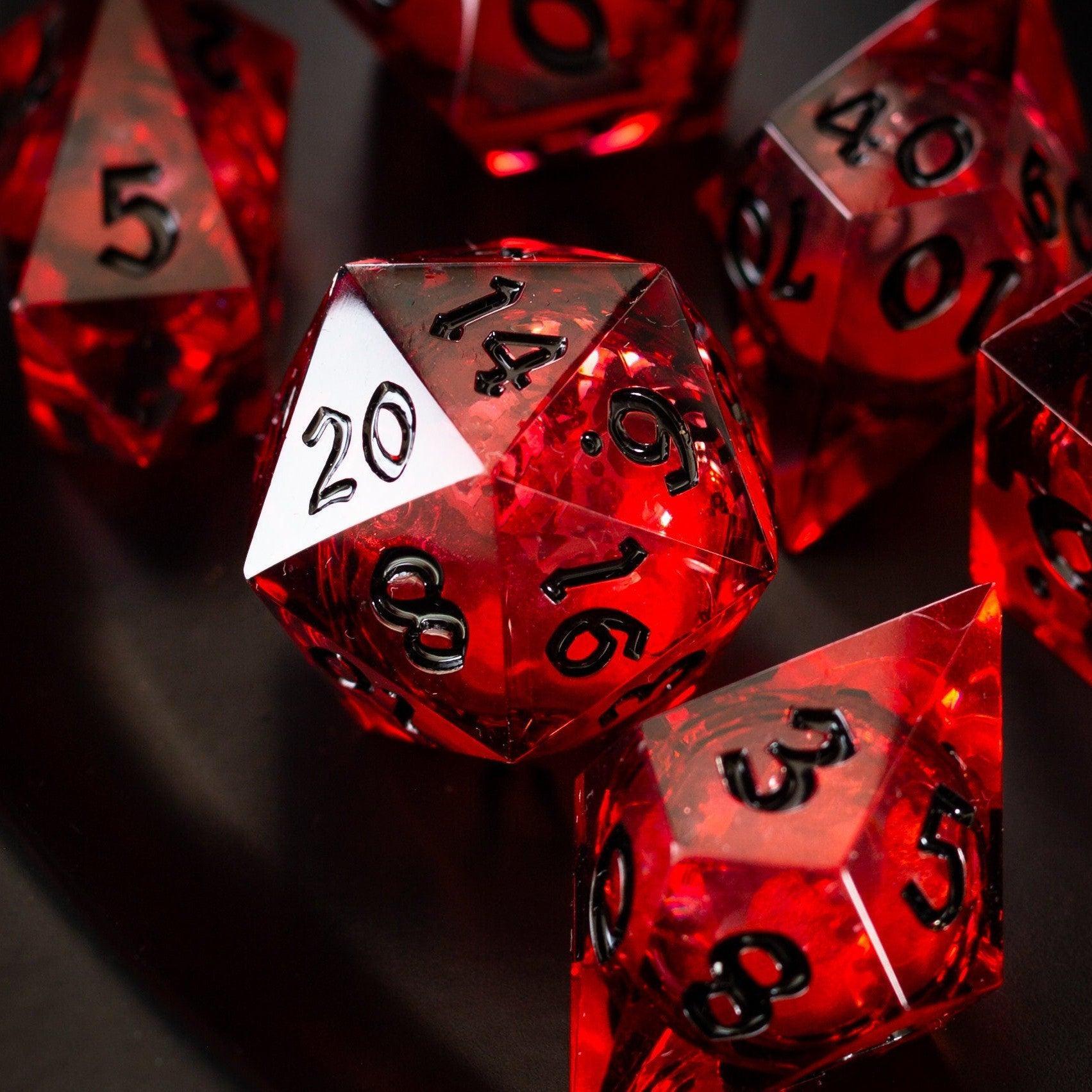
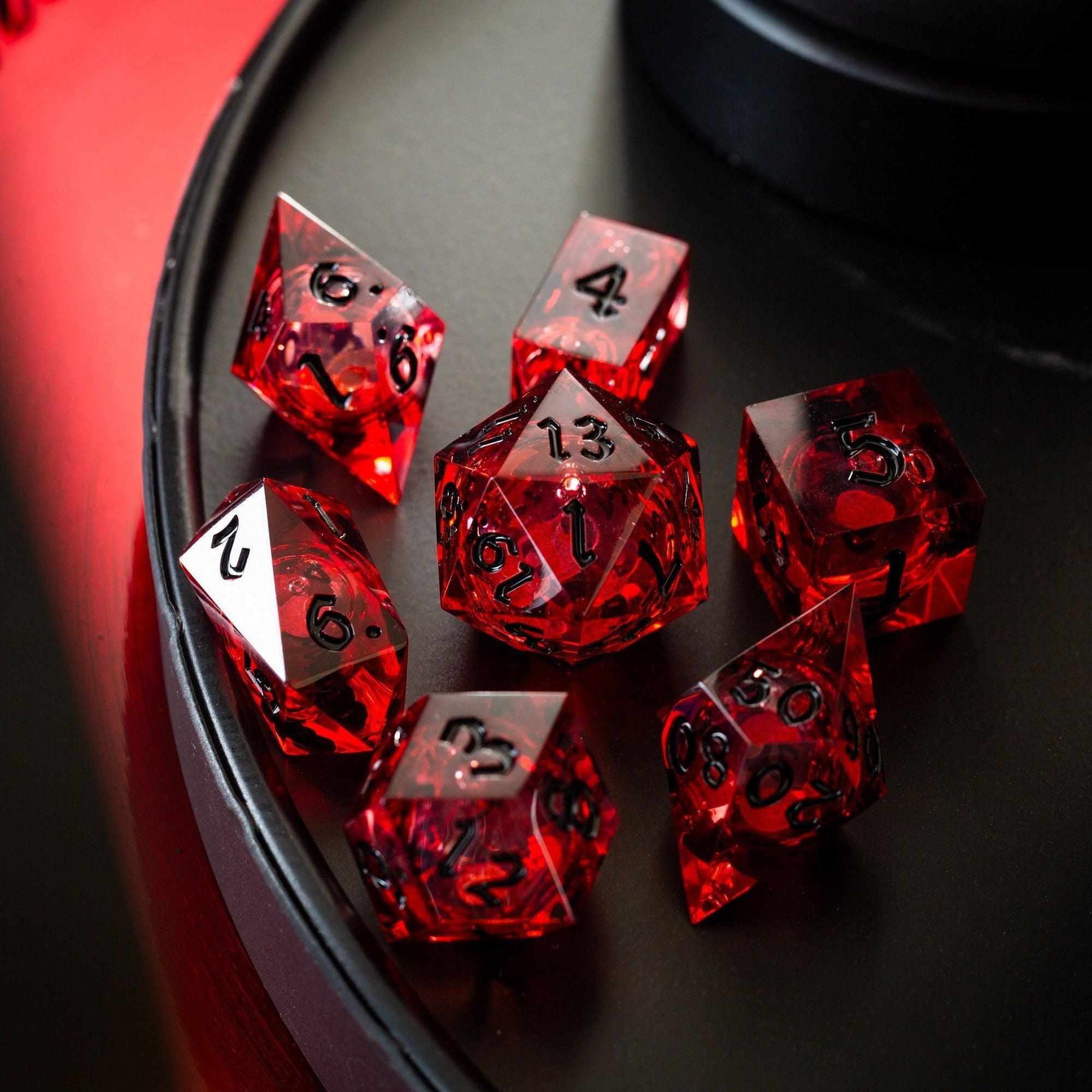
New players do not need to memorize the Forgotten Realms before joining a game. They only need a character they understand, a readable polyhedral dice set, a character sheet, and a basic idea of what their main abilities do.
The story grows through play.
How Dungeon Masters Can Use the Show for Inspiration
The strongest D&D campaign ideas usually come from borrowing principles rather than plots.
A Dungeon Master might take inspiration from:
-
A strong opening conflict
-
Distinct factions with competing goals
-
Memorable locations
-
Character secrets
-
Recurring enemies
-
Mysteries revealed gradually
-
Consequences that reshape the world
-
Relationships that change under pressure
Suppose an episode features a city threatened by an arcane conspiracy. Instead of copying its characters and scenes, create three competing magical guilds. One wants to control dangerous magic, another wants to destroy it, and a third believes magical knowledge should belong to everyone.
Now the players can investigate, negotiate, choose allies, betray factions, or invent a solution the Dungeon Master never expected.
Build a Campaign Around the Theme, Not the Plot
A television story may explore found family, ambition, loyalty, redemption, political corruption, faith, sacrifice, or the cost of power.
Those themes are more adaptable than specific plot points.
For example, take the theme “Who should control dangerous magic?” One faction may demand strict regulation. Another may argue that knowledge should remain free. A third may secretly exploit magical disasters to gain political power.
The Dungeon Master creates the pressure. The players decide what happens.
That approach preserves the emotional inspiration while allowing the Dungeons and Dragons campaign to become something original.
Turn Cinematic Locations into Playable Adventure Sites
A beautiful television location is designed to be watched. A tabletop location must be designed to be explored.
Useful adventure sites need:
-
Multiple entrances
-
Discoverable secrets
-
Interactive terrain
-
NPCs with goals
-
Several possible routes
-
Consequences for waiting
-
Opportunities for combat, exploration, and roleplaying
A spectacular ruined fortress becomes more useful when rival expeditions are already inside. A magical city becomes playable when its districts contain competing factions and hidden routes. A temple becomes an adventure when the party can negotiate with its guardians, investigate its history, or enter through forgotten tunnels.
Visual inspiration is only the beginning.
Create Original Characters Instead of Copies
A memorable television character can inspire excellent D&D character ideas, but copying every detail often creates problems.
Borrow one element and transform it.
Instead of recreating a television Wizard, play an expelled academy scholar who discovered something the faculty wanted buried. Instead of copying a Rogue, create a supernatural investigator who relies on old criminal contacts.
You can draw inspiration from a character’s:
-
Class
-
Moral conflict
-
Background
-
Fighting style
-
Magical theme
-
Relationship with the party
Then ask one important question: What makes this character belong in our campaign?
That is where inspiration becomes an original hero.
Manage Expectations About Classes and Abilities
A D&D television adaptation may simplify or dramatize game mechanics.
An on-screen character might cast spells differently, move farther during a fight, recover quickly, or perform actions that do not map neatly onto initiative and action economy.
That does not automatically create a new tabletop rule.
A player can describe a spell cinematically while still using its normal mechanics. A Fighter can narrate a dramatic leap while the Dungeon Master resolves the action using the agreed rules.
The screen provides inspiration. The rulebooks and the group’s rulings govern the game.
Does Television Lore Become Campaign Canon?
Canon becomes complicated when a setting appears across television, films, video games, novels, sourcebooks, and published adventures.
A television adaptation may reinterpret characters, locations, timelines, monsters, or historical events.
Your campaign does not have to follow every version.
A Dungeon Master can:
-
Use the television interpretation
-
Follow tabletop sourcebooks
-
Combine selected ideas
-
Create a completely different version
Campaign consistency matters more than matching every official adaptation.
Campaign Inspiration Comparison Table
| Television Element | Tabletop Adaptation | What to Avoid |
|---|---|---|
| Dramatic opening battle | Start with an urgent problem and several choices | Forcing one scripted escape |
| Mysterious villain | Give the villain goals, resources, and weaknesses | Making the villain untouchable |
| Cinematic city | Add districts, factions, secrets, and routes | Creating scenery players cannot interact with |
| Character secret | Connect it to future decisions | Forcing a predetermined reveal |
| Episode cliffhanger | End with a discovery or difficult choice | Interrupting play just to imitate TV |
| Party conflict | Give characters different loyalties | Forcing player-versus-player conflict |
| Magical spectacle | Use vivid descriptions with normal mechanics | Granting unsupported abilities |
| Seasonal storyline | Build around a growing threat | Planning every scene in advance |
Use Television-Style Campaign Arcs Carefully
A campaign can borrow the broad structure of a television season:
-
An opening event introduces the threat.
-
Early adventures reveal factions and conflicts.
-
Character backstories become connected to the problem.
-
The enemy’s larger plan becomes clearer.
-
The party suffers a setback or difficult revelation.
-
Earlier choices affect the final conflict.
-
The ending creates consequences and new possibilities.
Keep that structure flexible.
Prepare threats, motives, locations, and faction goals rather than deciding exactly what must happen in every session. Players should be able to change the direction of the campaign.
Prepare for Players Who Join Because of the Show
When a new viewer wants to try D&D, make the first session approachable.
Explain the basic d20 mechanic. Give the party a clear initial goal. Limit unnecessary rules explanations until they become relevant. Make sure every character has something useful to contribute.
Do not test newcomers on D&D lore.
A player does not need to know centuries of Forgotten Realms history before entering a haunted ruin. Give them the information their character needs and let curiosity develop naturally.
Create a Watch-to-Table Session
A group can turn an episode’s atmosphere into a themed game night without recreating its story.
Choose one theme or location. Identify the conflict it suggests. Create original NPCs and factions. Give the party a clear goal with several possible approaches. Add one consequence that can change the campaign.
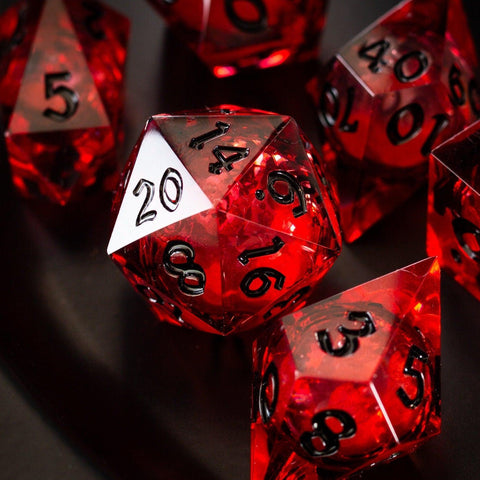
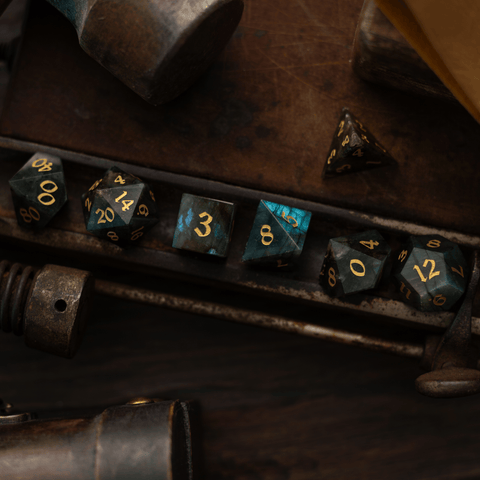
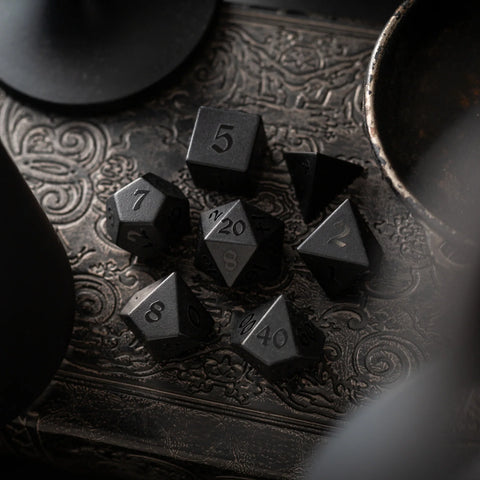
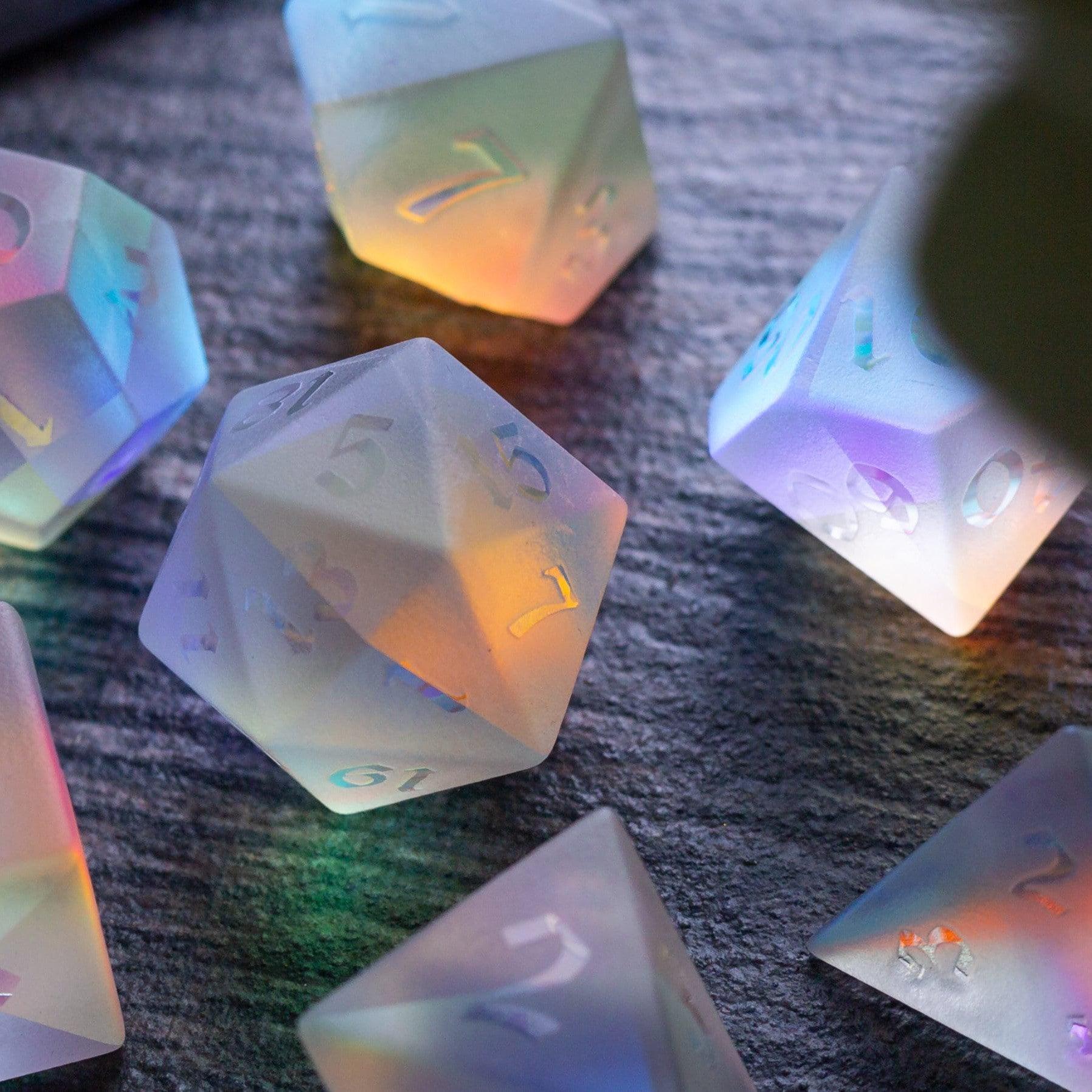
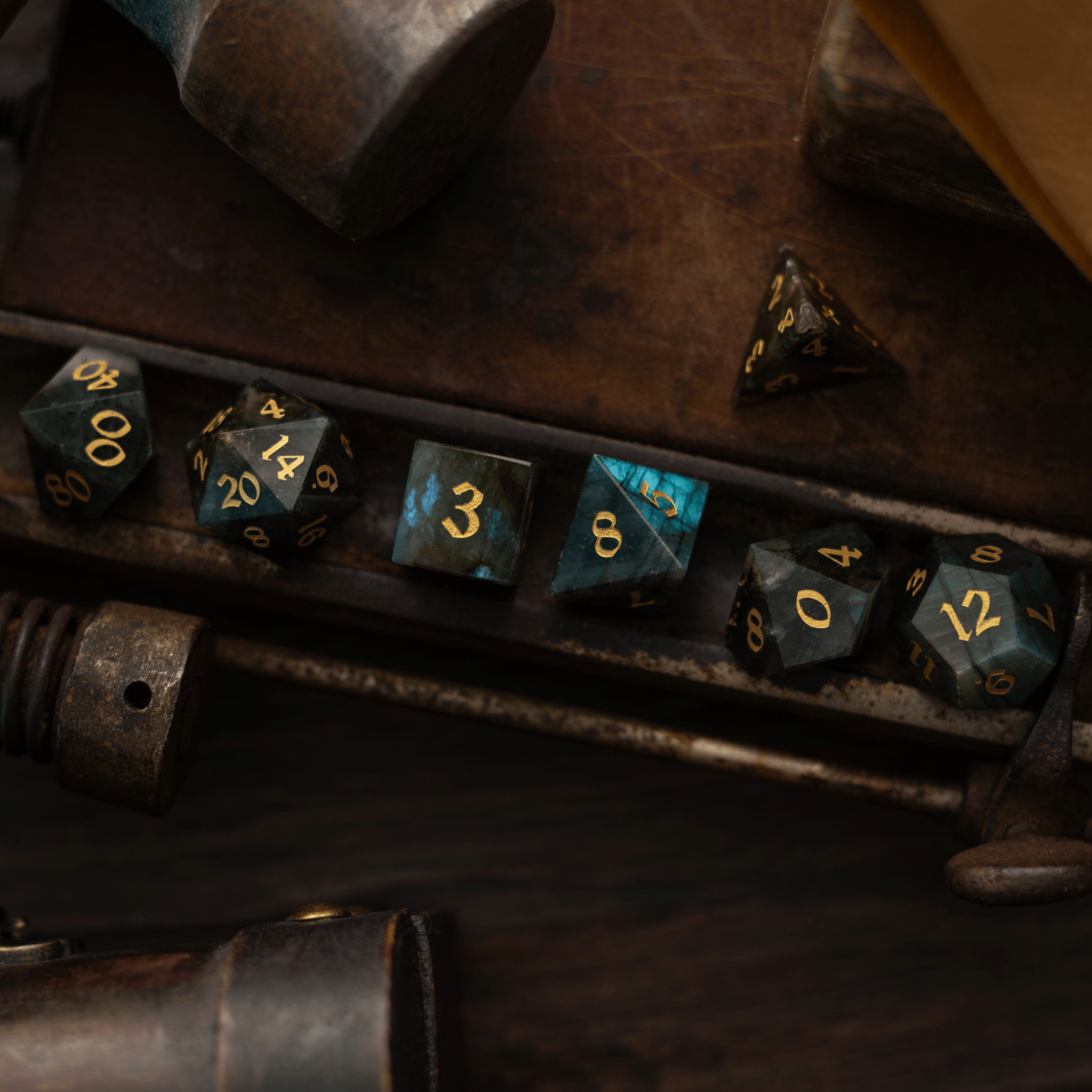
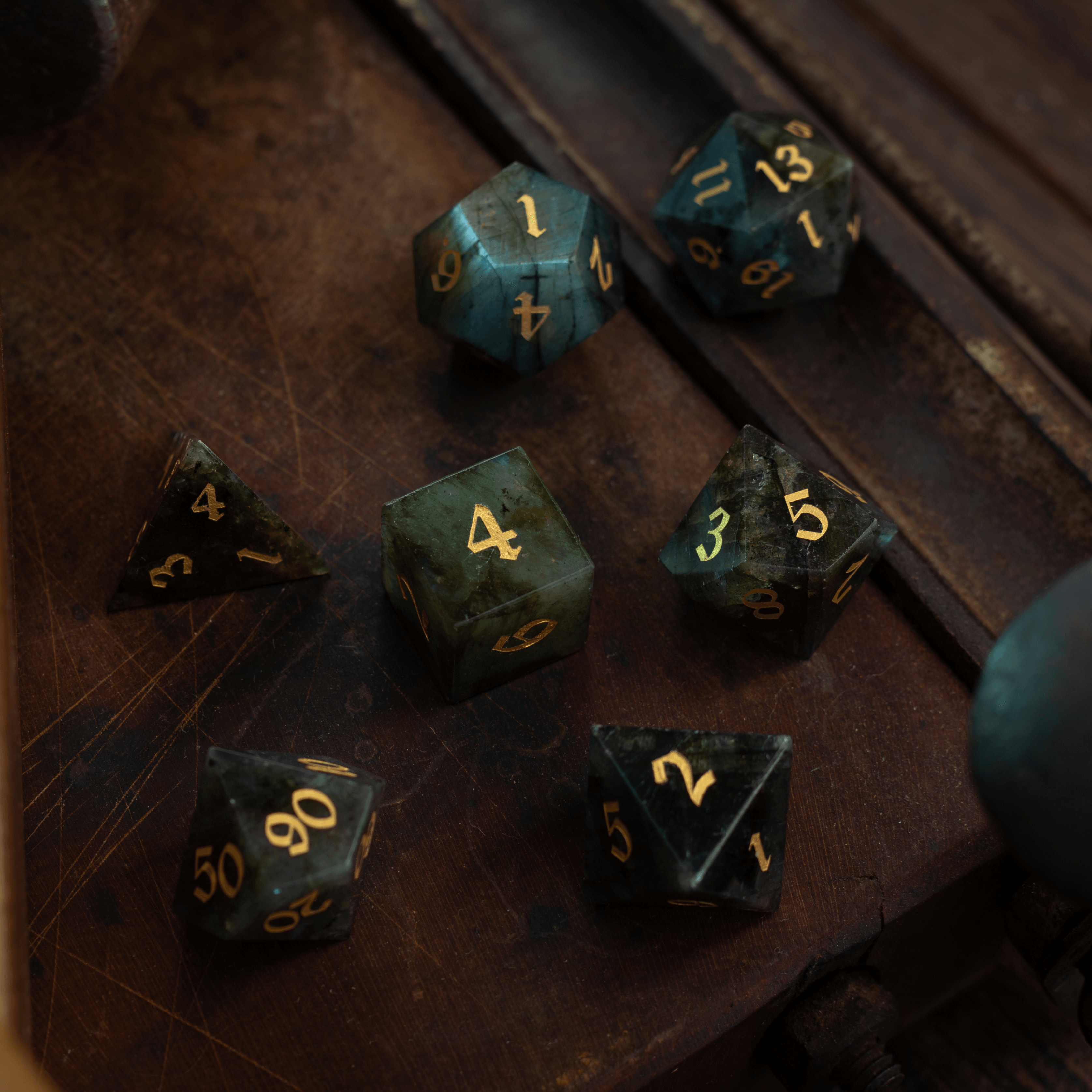
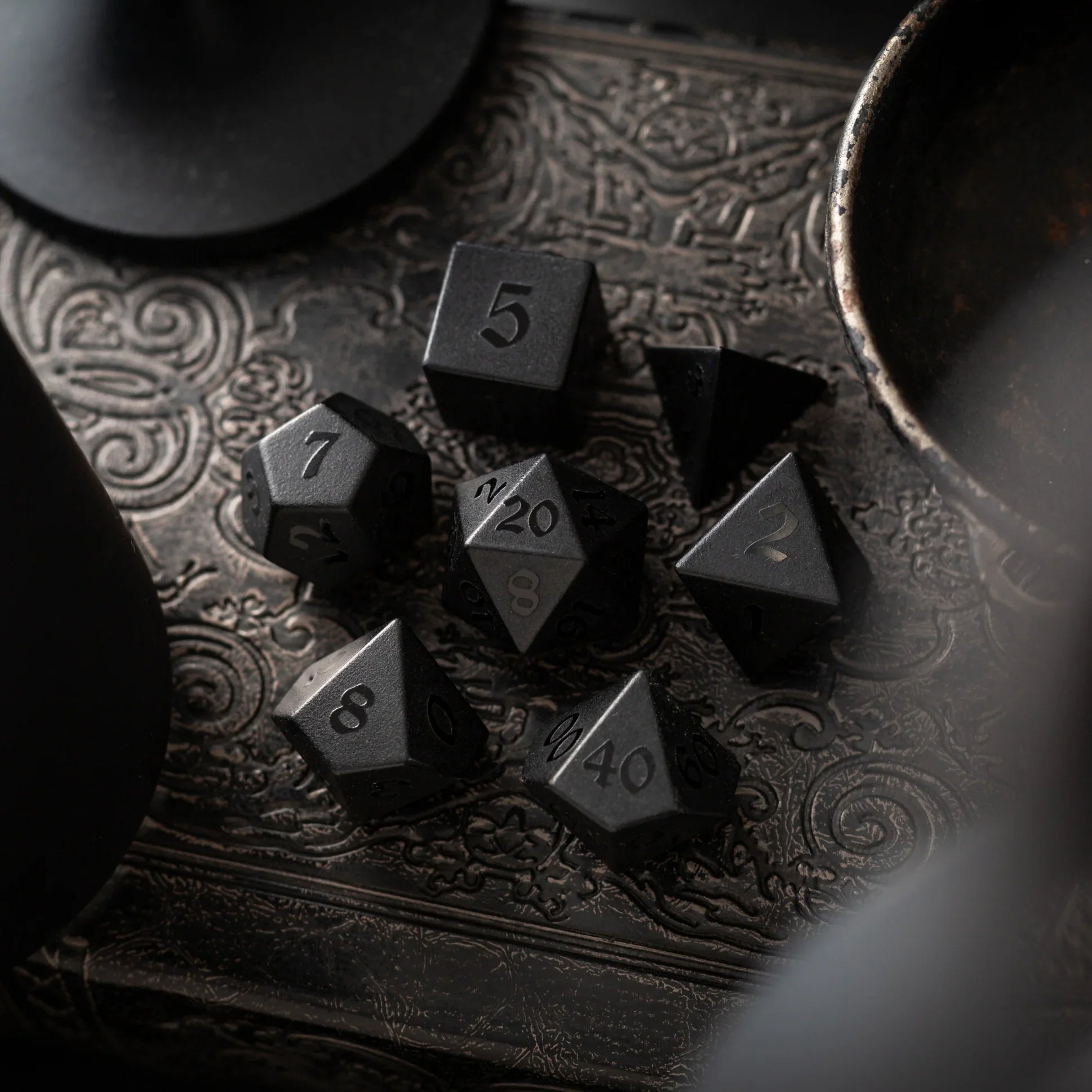
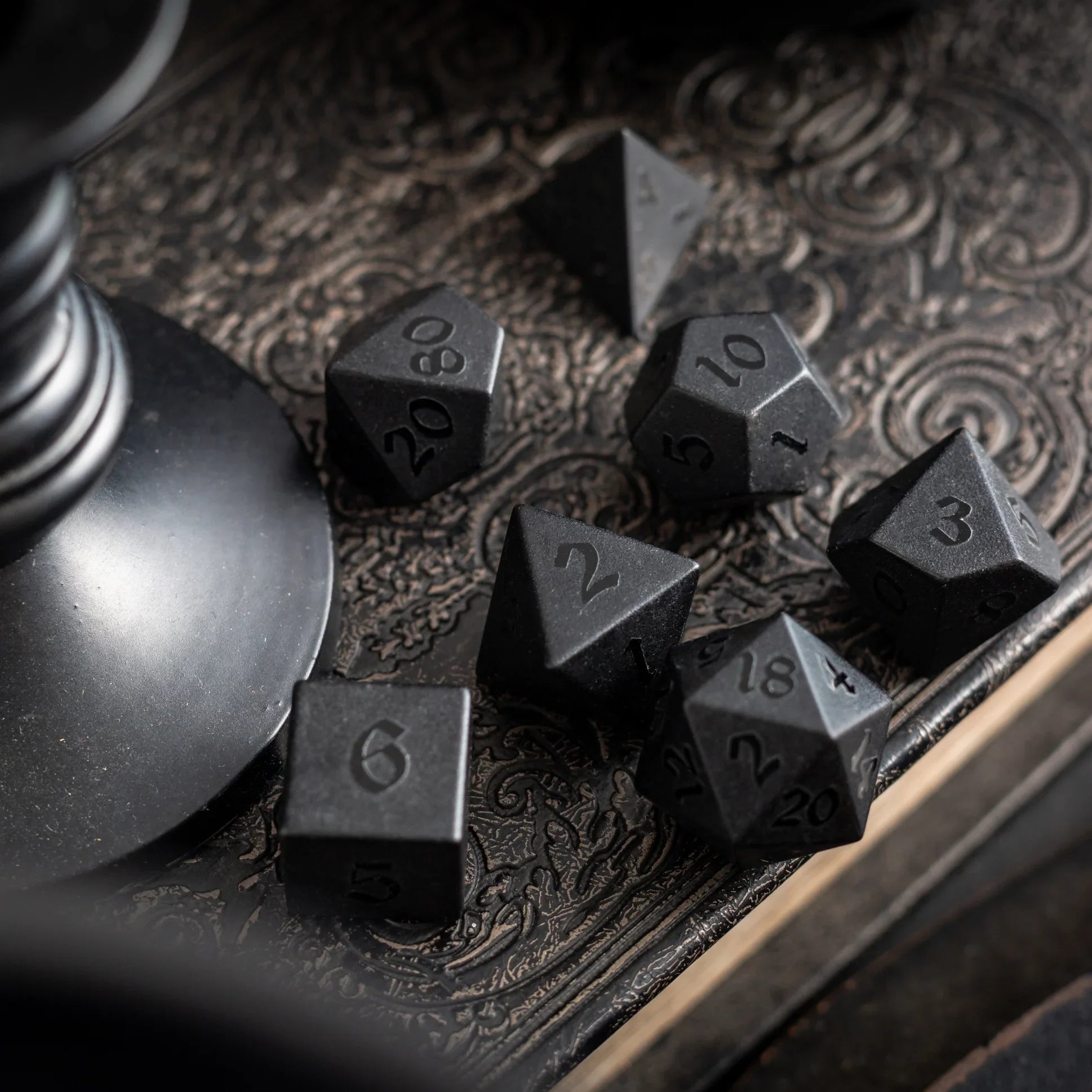
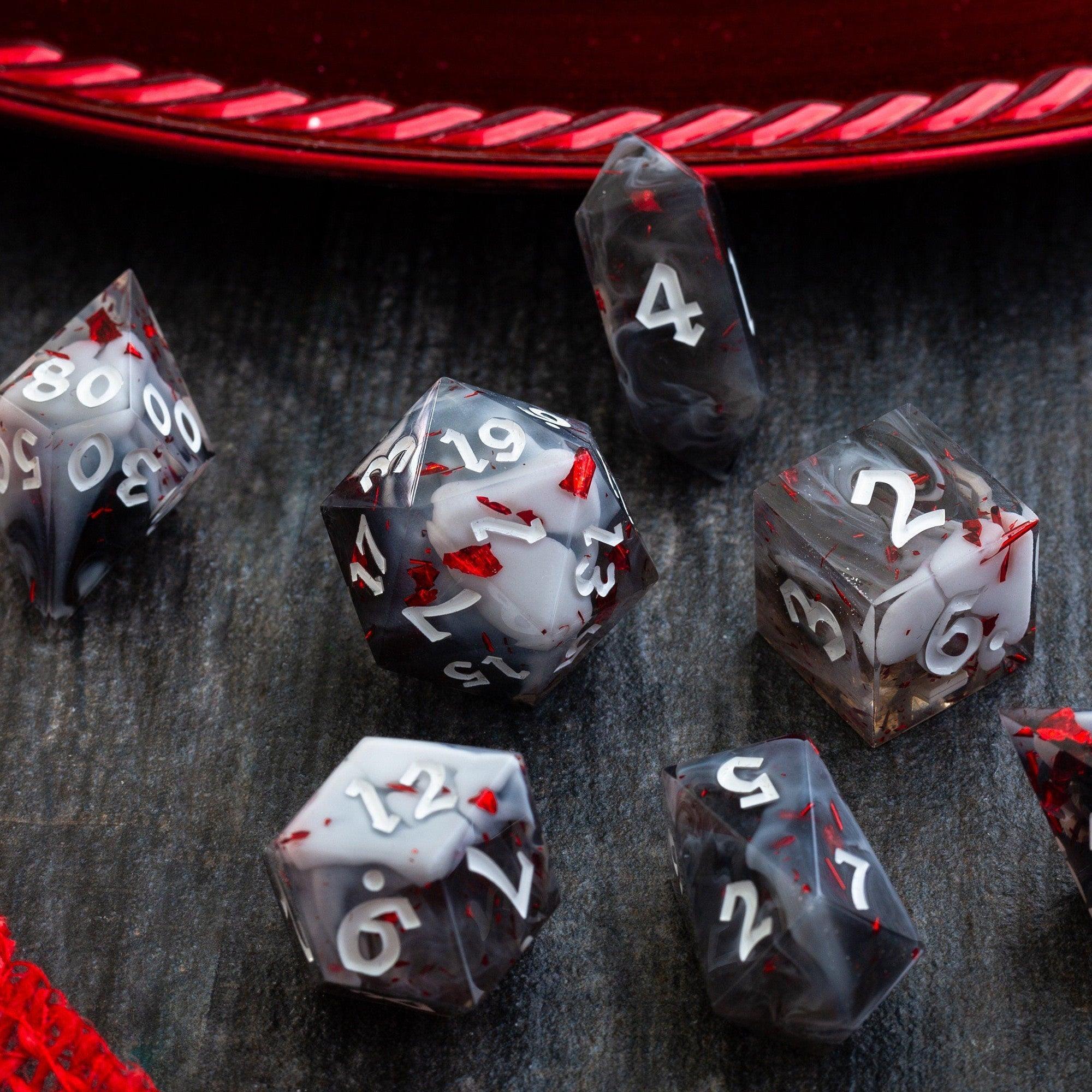
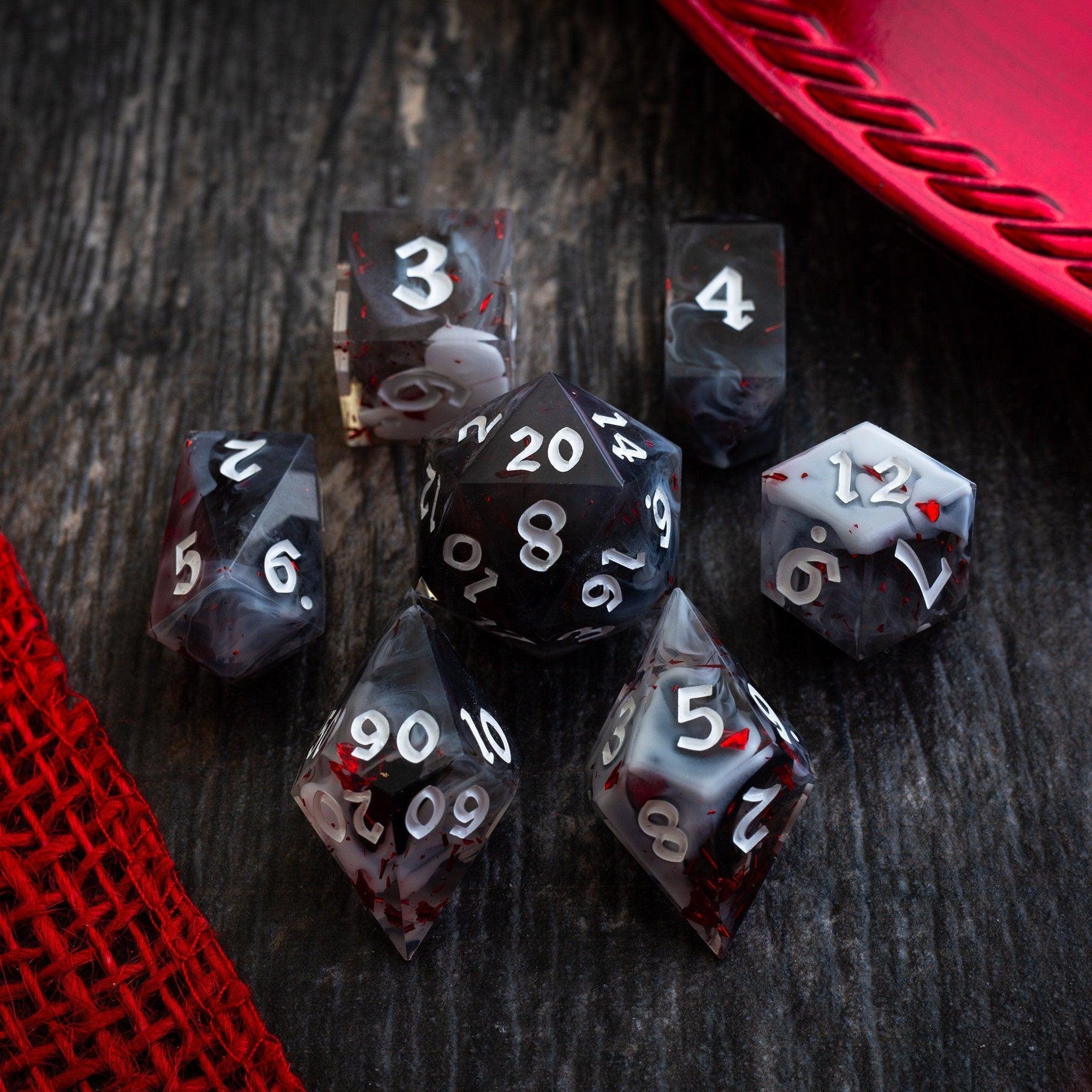
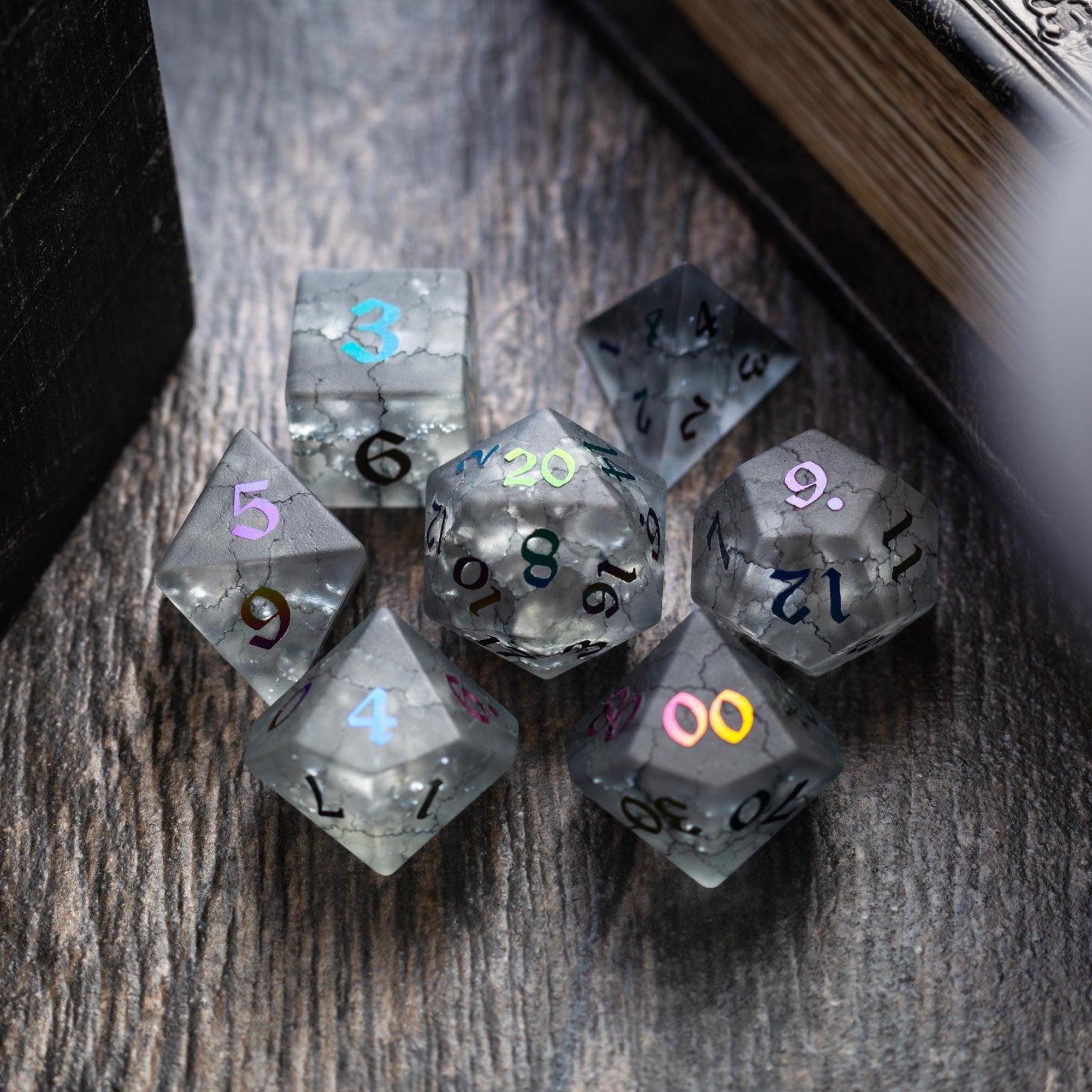
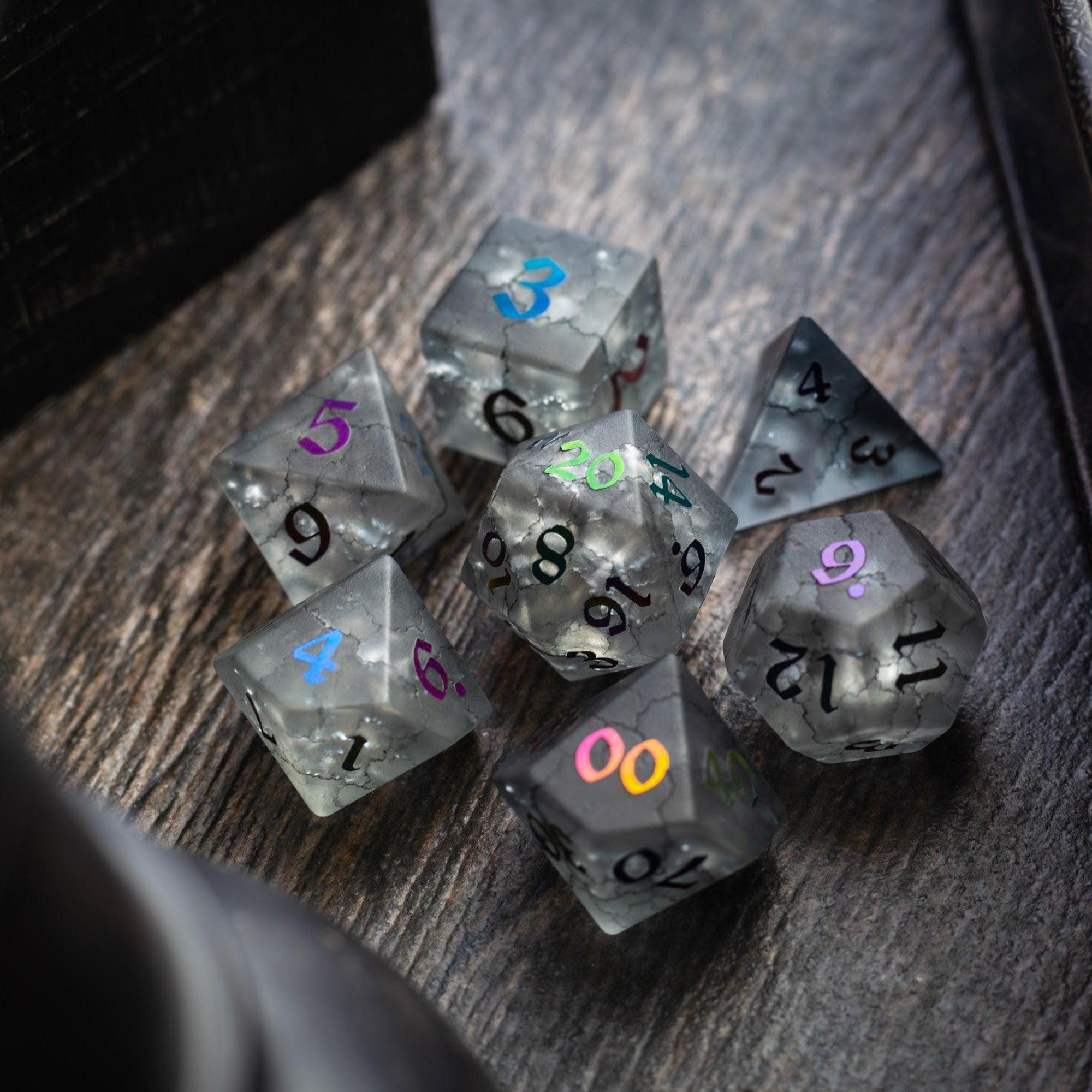
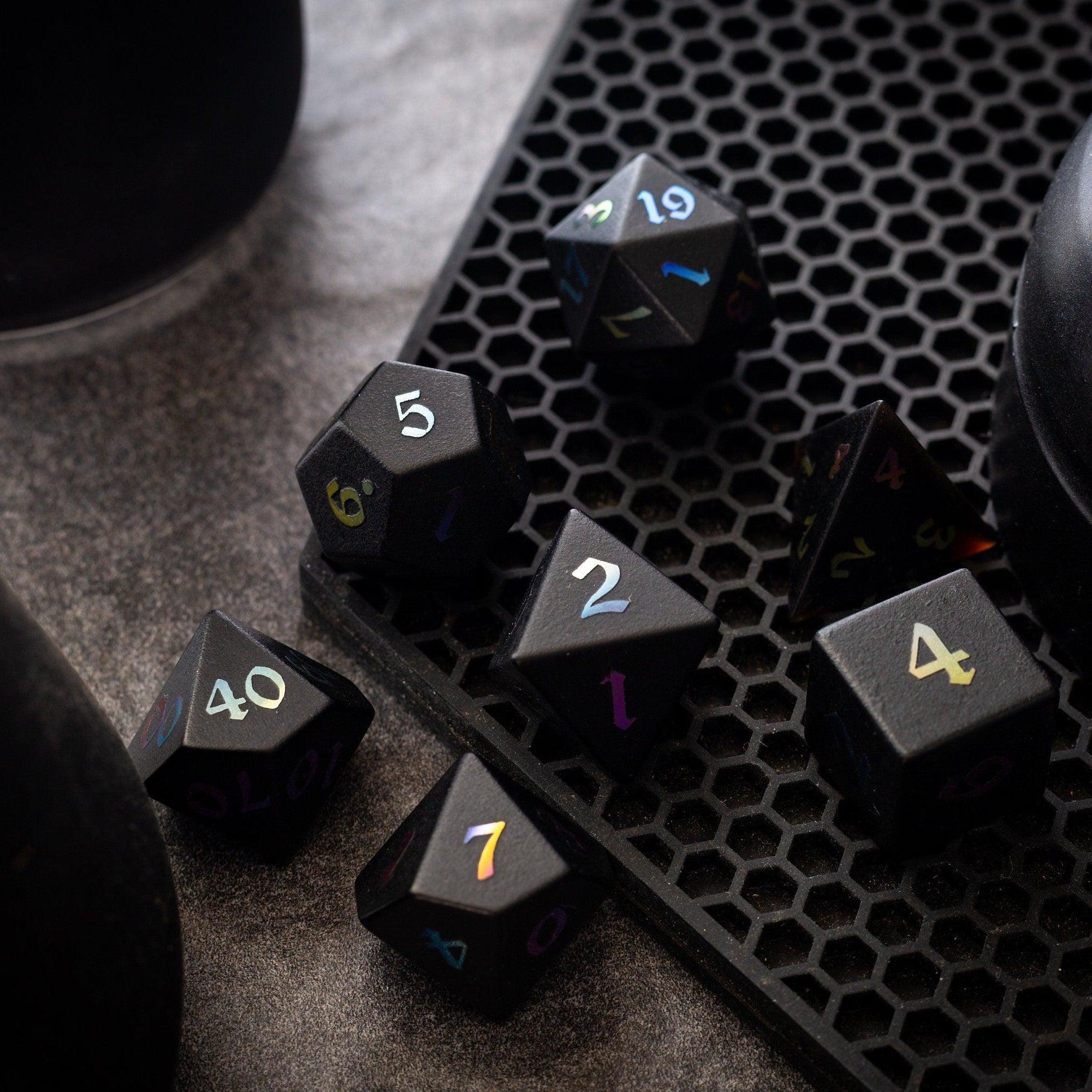
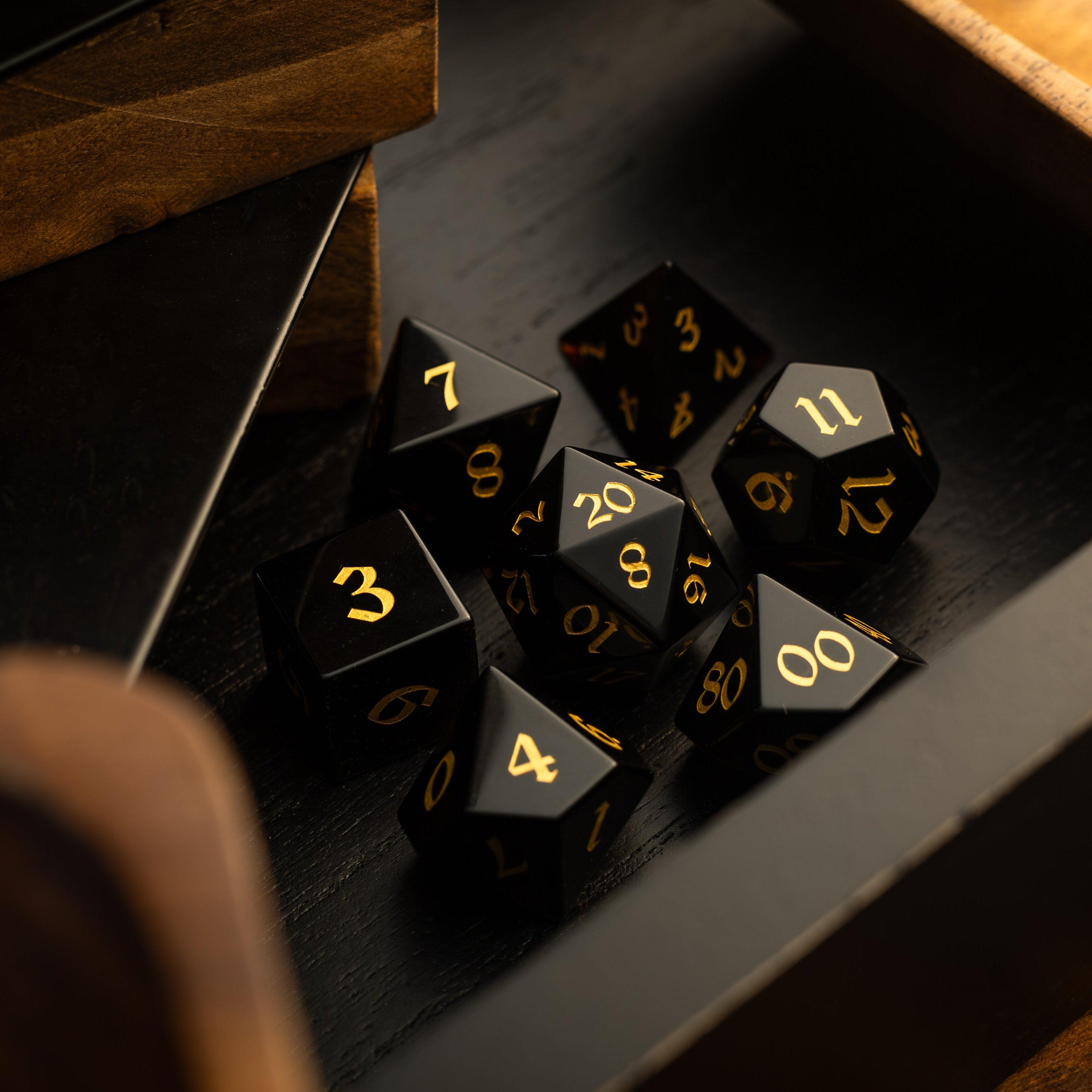
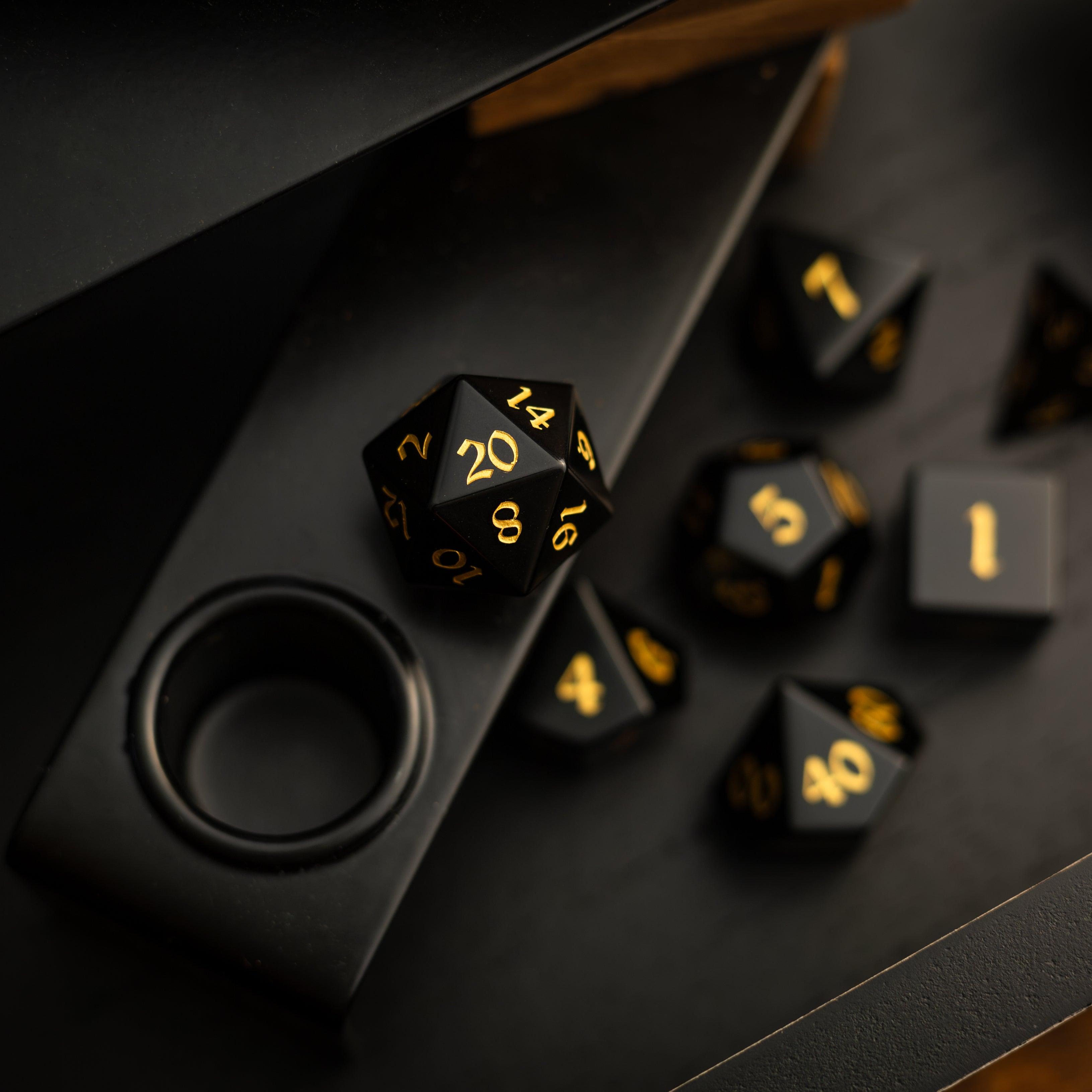
The tabletop setup can support the atmosphere without becoming the focus. Starlit Rift Resin dice might fit a planar mystery, while Black Obsidian can complement a darker underground adventure. When maps, notes, and character sheets crowd the table, a dice tray can simply keep rolls contained and easy to find.
The important part is still the adventure.
Avoid Spoilers and Respect Different Viewing Progress
Not everyone watches a series at the same speed.
Before using recent episodes as inspiration, agree on whether spoilers are allowed, which episodes everyone has seen, and whether direct character or plot references are welcome.
Broad themes are usually safer than specific twists.
A campaign inspired by “a kingdom divided by magical fear” can work without revealing exactly what happened in an episode.
Common Mistakes When Adapting a TV Series to D&D
The most common mistake is treating the television story as a script players must follow.
Avoid copying scenes one by one, forcing players to imitate the main cast, treating cinematic actions as official rules, or using established characters to solve the party’s problems.
Also avoid assuming everyone has watched the show or wants television canon to control the campaign.
Most importantly, do not build encounters that require one exact solution. Television characters follow a script. D&D players do not.
A Practical Campaign Inspiration Checklist
-
Verify the latest series information.
-
Separate confirmed details from rumors.
-
Identify one theme worth adapting.
-
Create original characters and factions.
-
Turn visual locations into interactive spaces.
-
Use tabletop rules for character abilities.
-
Give players several possible approaches.
-
Let dice and decisions change the outcome.
-
Avoid forcing the television plot.
-
Protect players from unwanted spoilers.
-
Explain expectations to newcomers.
-
Keep product mentions subtle and relevant.
-
Make the campaign distinct from the series.
Let the Series Open the Door, Then Build Your Own Adventure
The new Dungeons and Dragons TV series may bring fresh attention to the Forgotten Realms, D&D lore, fantasy adventuring, and collaborative storytelling. It may encourage viewers to create their first characters, become Dungeon Masters, return to old campaigns, or explore a setting they have never played before.
But television follows a planned story. A tabletop campaign belongs to the people around the table.
Use The Forgotten Realms as a possible starting spark rather than a script. Borrow a sense of danger, wonder, mystery, humor, or companionship. Then create new characters, new conflicts, and outcomes that no television writer could predict.
The best result of a D&D television adaptation is not a campaign that copies the show perfectly.
It is a group gathering around the table and creating a story that becomes entirely their own.



Leave a comment
This site is protected by hCaptcha and the hCaptcha Privacy Policy and Terms of Service apply.