Dungeons & Dragons Novels: A Guide to Epic Realms and Lore
Dungeons & Dragons is best known for character sheets, campaign books, dice, and adventures created around a shared table. Yet the worlds of D&D extend far beyond the gaming table. For decades, Dungeons and Dragons novels have allowed readers to explore legendary realms through the eyes of warriors, wizards, rogues, rulers, monsters, and ordinary people caught in extraordinary events.
These stories can reveal what daily life feels like in a famous city, how wars reshape entire regions, why rival factions hate each other, and how gods and magic influence personal choices. They also provide exciting fantasy stories that can inspire new characters, villains, locations, and campaigns.
You do not need to understand every rule or piece of D&D lore before opening your first book. The best approach is simply to choose a world and storytelling style that interests you.
What Are Dungeons & Dragons Novels?
D&D novels are fantasy stories set within official Dungeons & Dragons worlds. Unlike rulebooks, campaign setting books, published adventures, monster manuals, and player guides, novels focus on characters and stories.
Some follow legendary heroes across many adventures. Others explore wars, mysteries, political struggles, magical discoveries, or personal conflicts. The setting may be familiar to tabletop players, but the story is told through dialogue, action, relationships, and difficult choices rather than game mechanics.
This makes Dungeons & Dragons books approachable even for readers who have never played the tabletop game.
Do You Need to Play D&D to Enjoy the Novels?
No. Experience with Dungeons & Dragons can provide extra context, but it is not required.
Players may recognize familiar elements such as:
-
Character classes and adventuring roles
-
Fantasy peoples and cultures
-
Spells and magical items
-
Famous monsters
-
Gods and religions
-
Cities, kingdoms, and planes
However, good D&D fantasy books still work as fantasy stories. A reader can become interested in a character without knowing their class abilities or enjoy a magical battle without understanding the rules behind every spell.
Choose according to your interests. Readers who enjoy heroic fellowship may prefer one setting, while fans of gothic horror, political intrigue, or harsh survival stories may prefer another.
Forgotten Realms Novels
The Forgotten Realms is one of the best-known D&D settings. It is an enormous fantasy world filled with powerful cities, ancient ruins, dangerous wilderness, competing organizations, active gods, magical traditions, and legendary adventurers.
Because the setting is so broad, Forgotten Realms novels cover many styles of fantasy. Readers can find heroic adventure, sword fighting, magical conflict, political intrigue, journeys into the Underdark, and stories about the complicated relationships between gods and mortals.
One of the most recognizable characters is Drizzt Do’Urden, the drow ranger created by author R. A. Salvatore. His stories are a popular entry point for readers interested in action, friendship, identity, and long-running character development.
You do not need to explore every corner of the Forgotten Realms at once. Choose a character or series that interests you and begin there.
Dragonlance Novels
Dragonlance has a different emotional character. Its stories are strongly associated with companionship, war, dragons, sacrifice, faith, and relationships that change under pressure.
Many new readers begin with the original Dragonlance Chronicles, written by Margaret Weis and Tracy Hickman. The trilogy introduces a central group of companions and places them within a conflict that affects the wider world of Krynn.
Common elements of Dragonlance novels include:
-
Close friendships
-
Heroes with personal flaws
-
Large-scale conflicts
-
Dragons and ancient powers
-
Loyalty and difficult choices
-
Faith and doubt
-
Tragedy and sacrifice
Dragonlance is a strong choice for readers who enjoy ensemble casts. Instead of following only one hero, the story gives readers a group of characters whose relationships become an important part of the journey.
Ravenloft Novels
Ravenloft takes D&D fiction into darker territory. This setting is built around gothic horror, cursed lands, haunted locations, dangerous supernatural forces, and tragic figures whose choices often have terrible consequences.
Ravenloft novels may explore themes such as isolation, corruption, obsession, fear, undeath, curses, and moral compromise. The result can feel very different from a traditional story about heroes traveling across a bright fantasy kingdom.
Strahd von Zarovich is one of Ravenloft's most recognizable figures, but the setting contains many other dark domains and troubled characters.
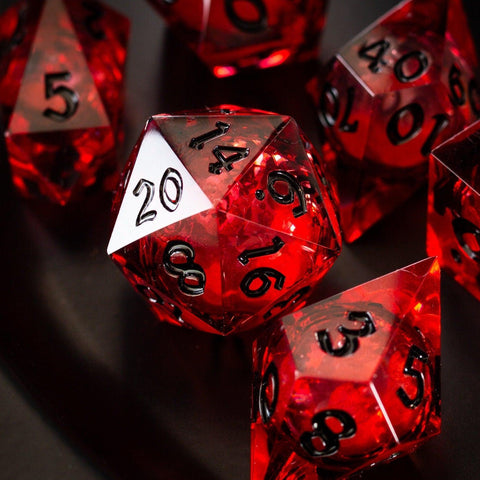
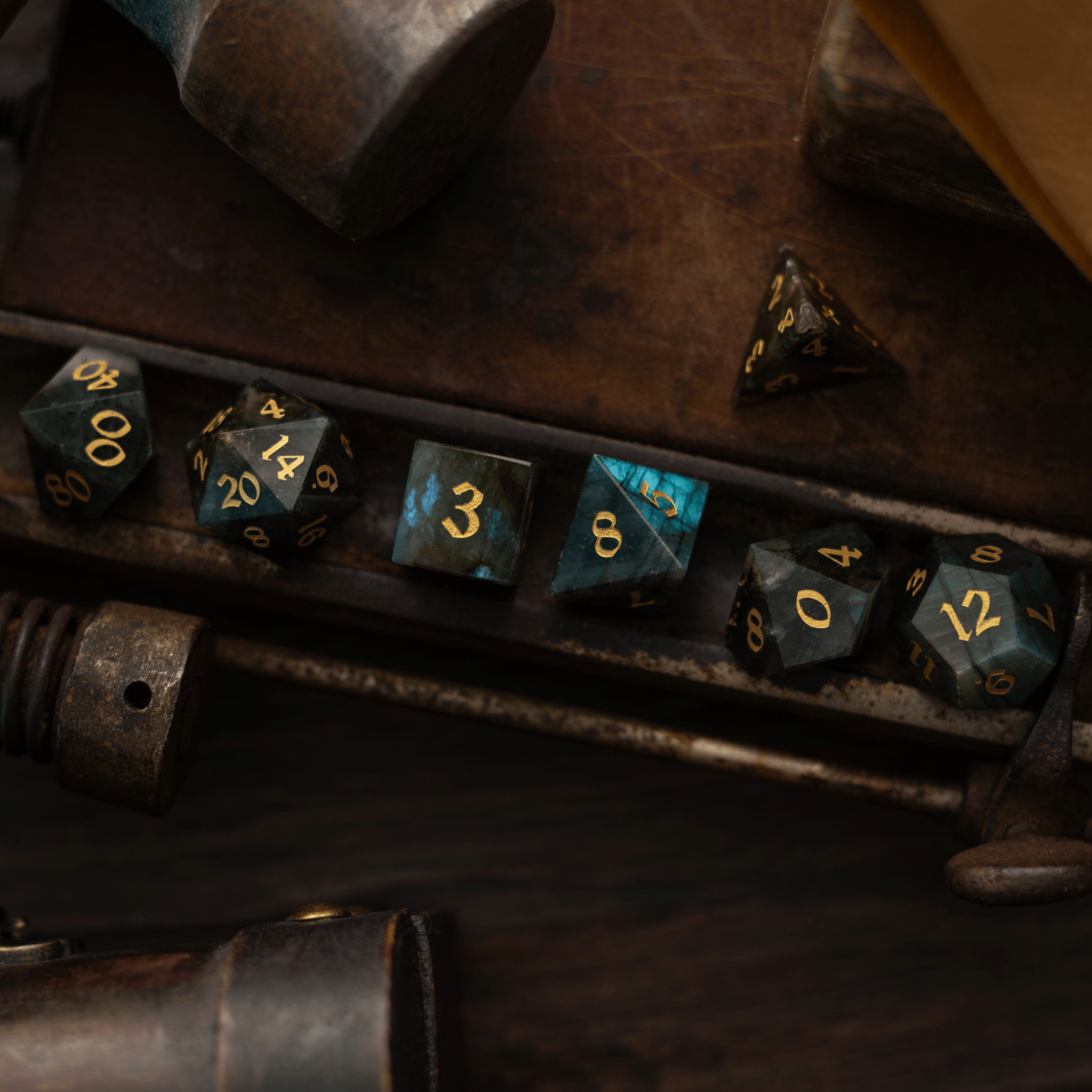
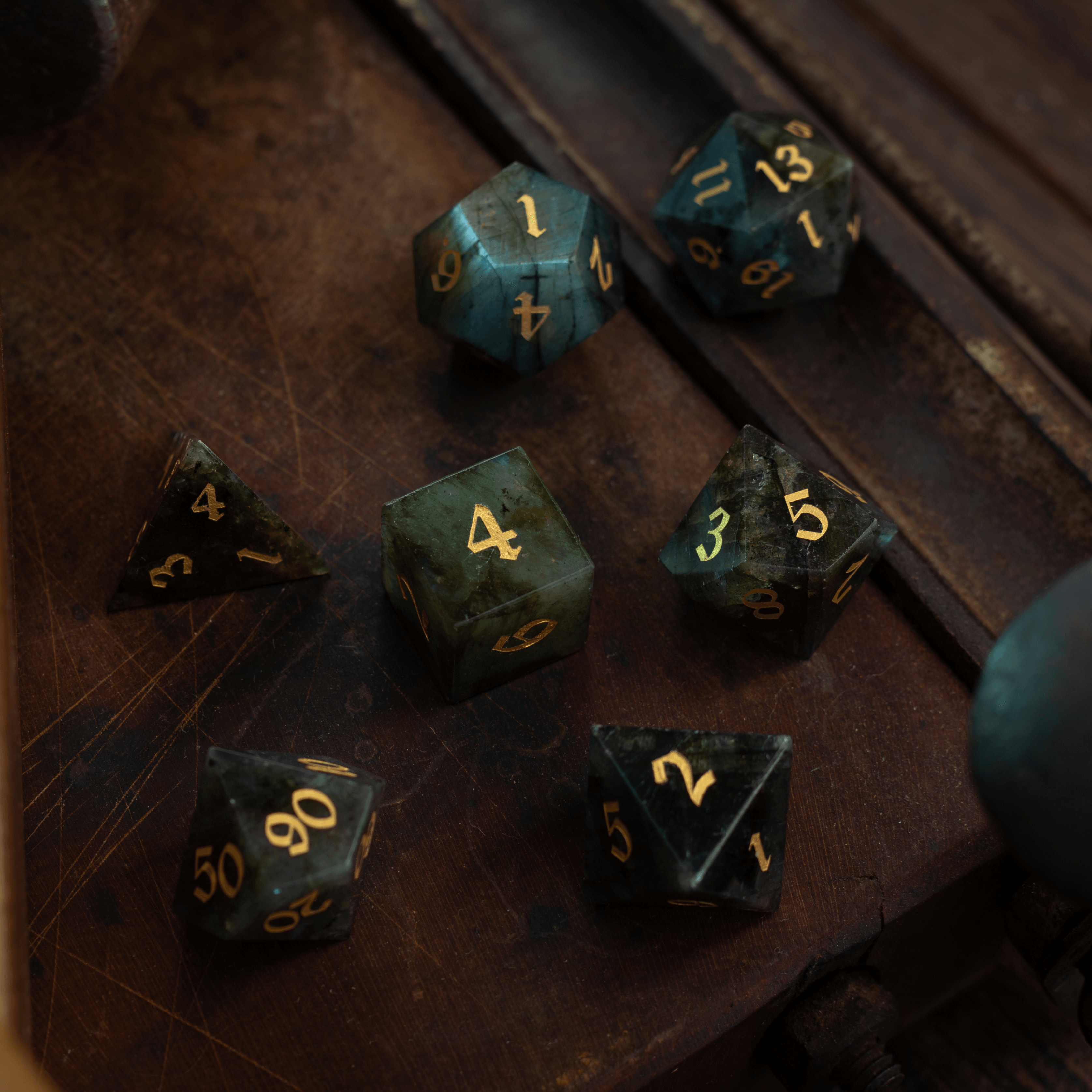
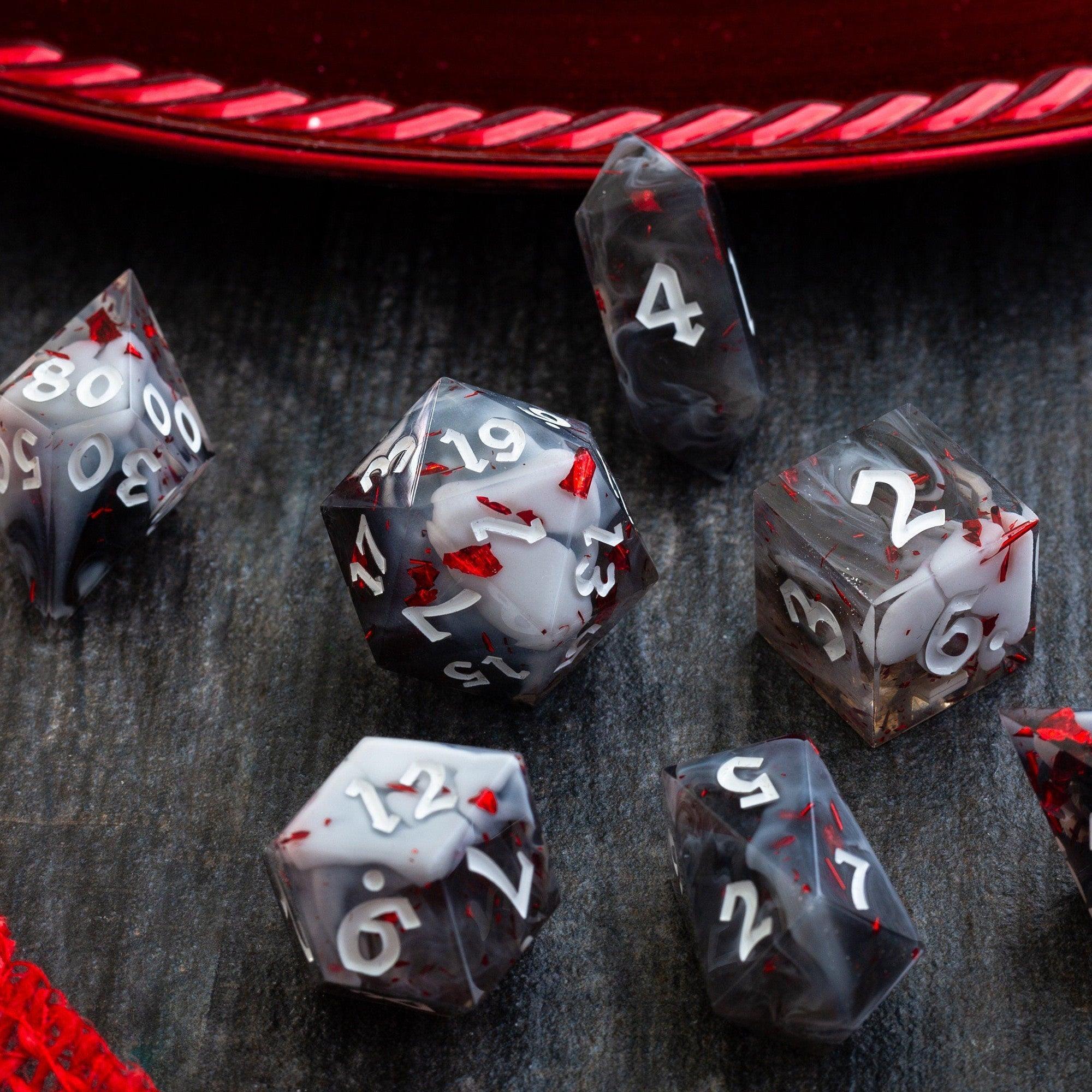
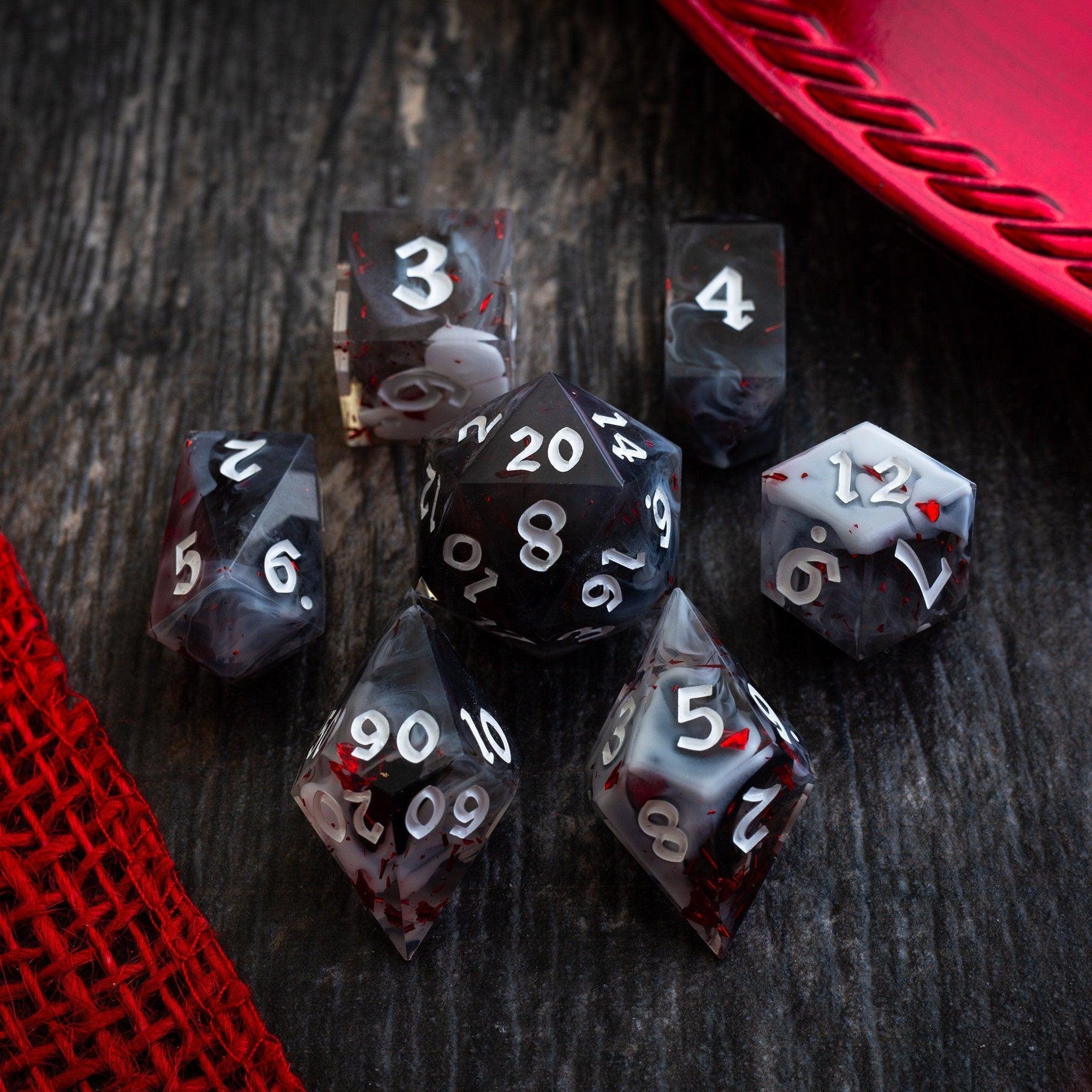
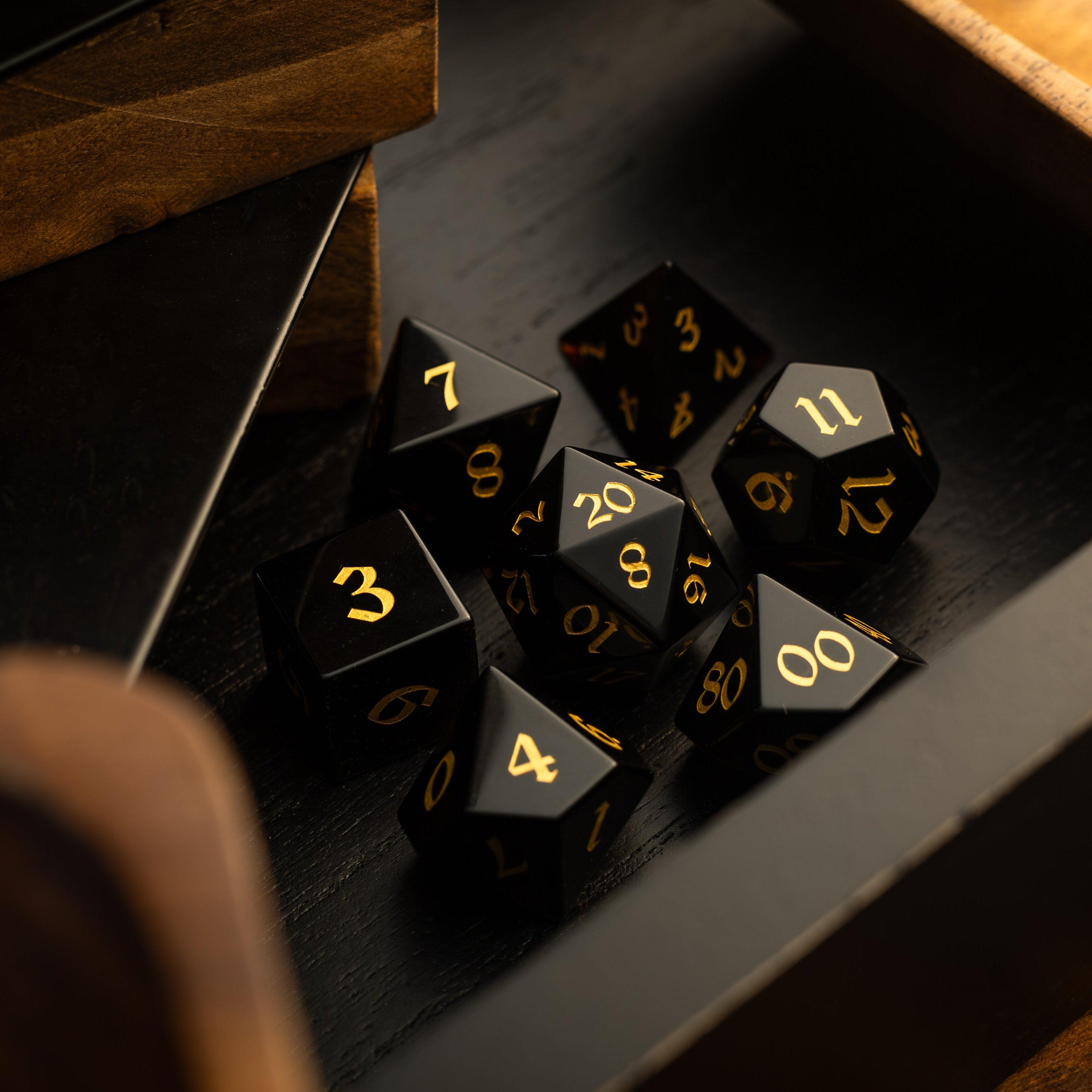
Readers who enjoy haunted castles, psychological tension, supernatural danger, and complicated villains may find Ravenloft particularly appealing. A dark reading or character-planning setup might naturally include Black Obsidian dice beside a notebook, but the atmosphere ultimately comes from the stories themselves.
Other D&D Worlds Worth Exploring
The major library of D&D book series reaches beyond the Forgotten Realms, Dragonlance, and Ravenloft.
Eberron
Eberron blends fantasy with magical technology, political tension, mystery, and the consequences of a devastating war. It is a strong setting for readers interested in intrigue, unusual inventions, competing organizations, and adventures where the truth is not always obvious.
Dark Sun
Dark Sun presents a harsh world shaped by scarcity, tyranny, dangerous power, and survival. Its approach to fantasy civilization is very different from the prosperous kingdoms found in many traditional settings.
Greyhawk
Greyhawk holds an important place in D&D history and is associated with classic fantasy adventure, dangerous dungeons, powerful figures, and political conflict.
Spelljammer
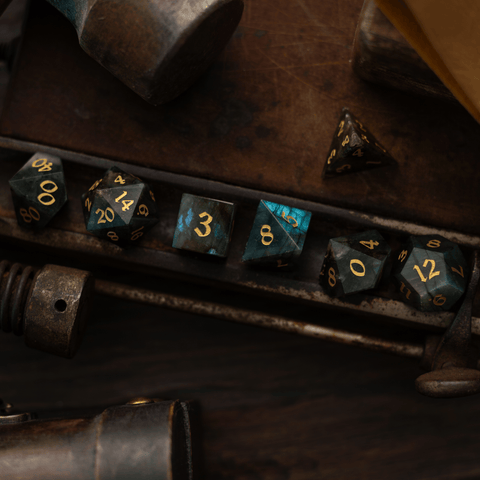
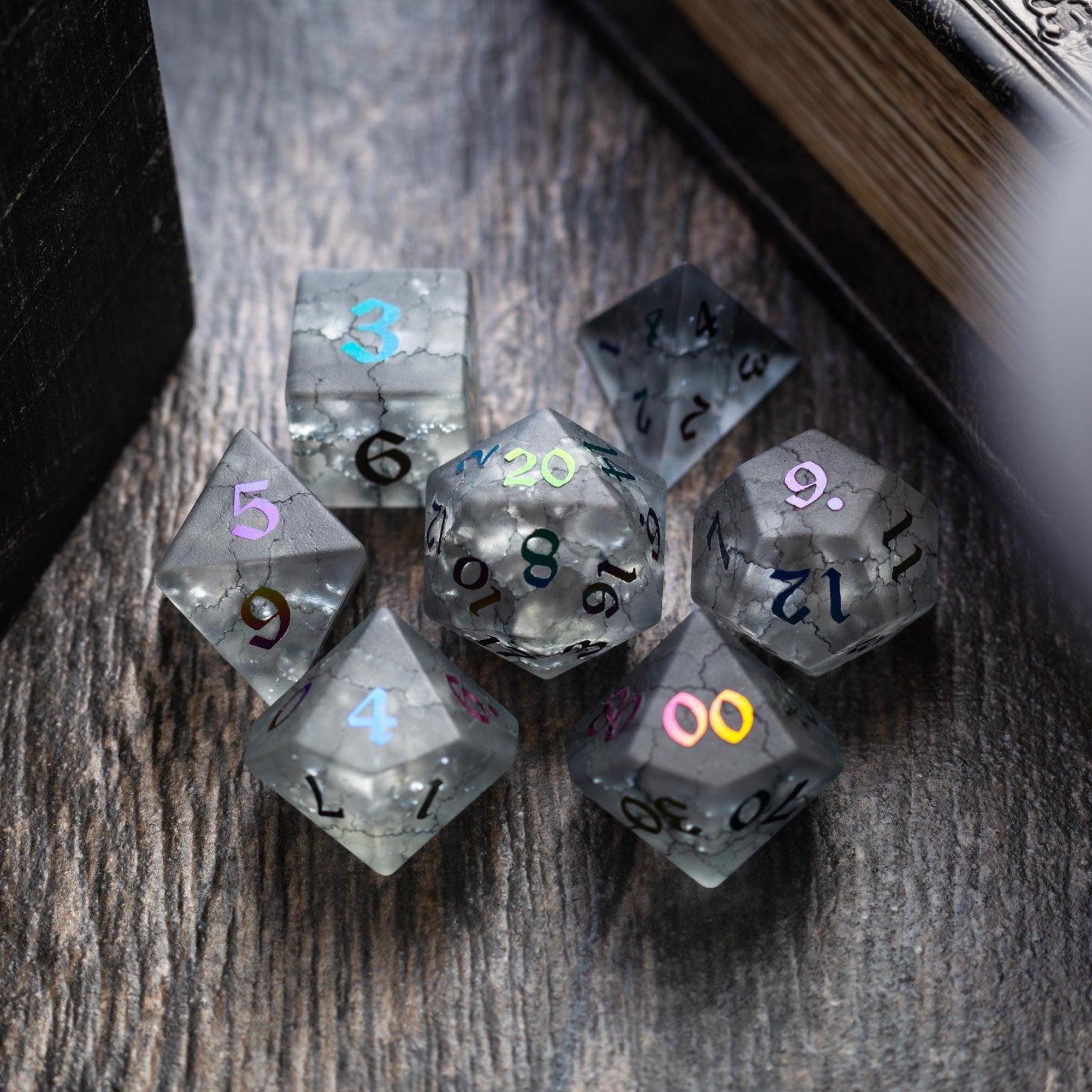
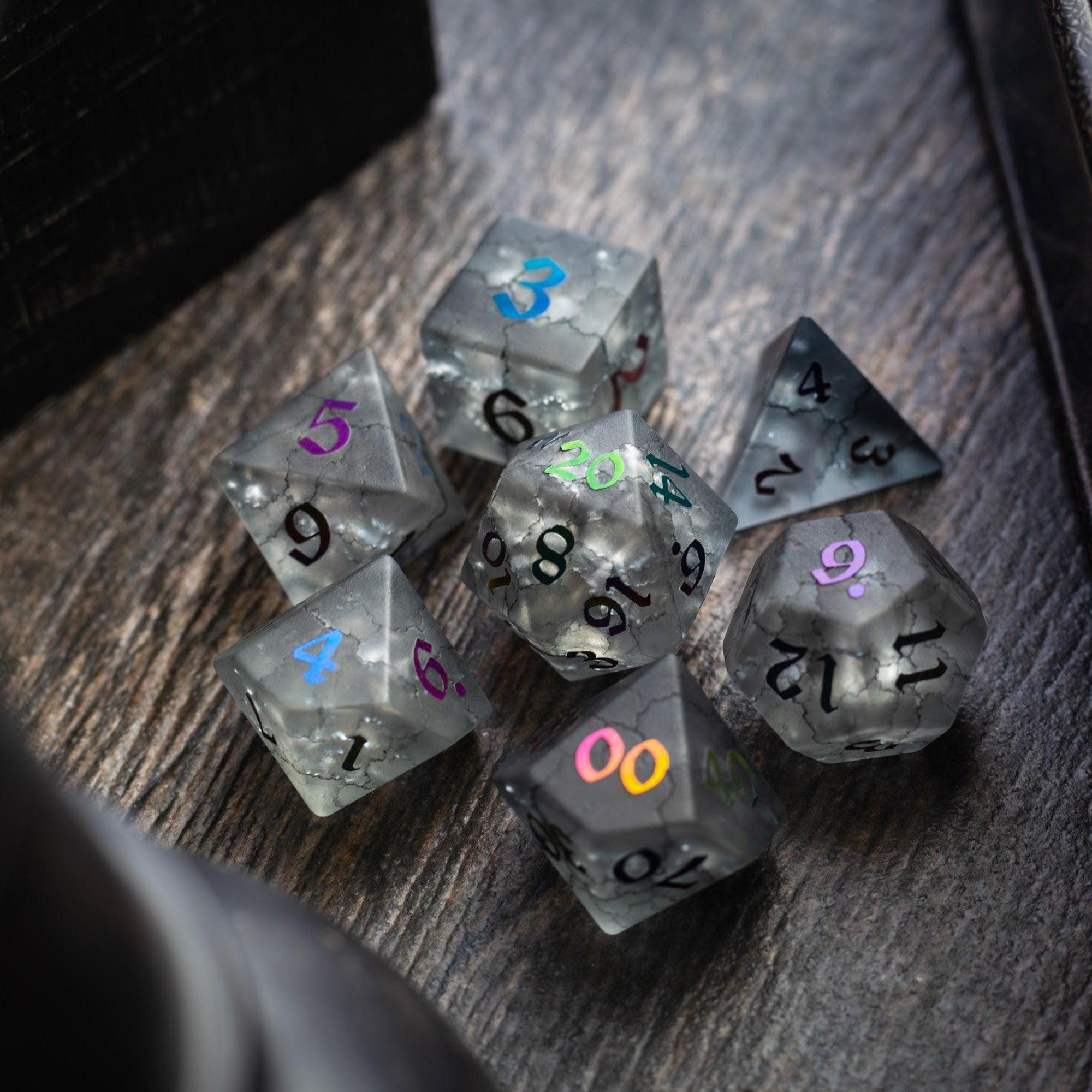
Spelljammer takes fantasy adventurers beyond conventional worlds. Strange creatures, magical travel, unusual civilizations, and distant destinations create a sense of discovery. For players inspired by this style of adventure, something like Starlit Rift Resin dice can add a fitting visual detail during later character creation or campaign planning.
D&D Novel Setting Comparison
| Setting | General Tone | Common Themes | Best For Readers Who Enjoy |
|---|---|---|---|
| Forgotten Realms | Expansive heroic fantasy | Adventure, magic, conflict, legendary heroes | Long-running characters and detailed worlds |
| Dragonlance | Emotional epic fantasy | Friendship, war, dragons, faith, sacrifice | Ensemble casts and sweeping journeys |
| Ravenloft | Gothic horror | Curses, tragedy, fear, corruption | Dark fantasy and haunted settings |
| Eberron | Magical intrigue | Mystery, politics, invention, postwar tension | Noir-inspired stories and magical technology |
| Dark Sun | Harsh survival fantasy | Scarcity, tyranny, survival, rebellion | Dangerous worlds and difficult choices |
| Spelljammer | Fantastical exploration | Strange worlds, magical travel, discovery | Unusual settings and adventurous journeys |
Where Should a New Reader Start?
There is no single perfect answer when choosing among the best D&D novels for a new reader. Start with the kind of fantasy you already enjoy.
-
Choose Forgotten Realms for broad adventure and long-running heroes.
-
Choose Dragonlance for companionship and epic conflict.
-
Choose Ravenloft for gothic horror and tragic villains.
-
Choose Eberron for mystery, politics, and magical technology.
-
Choose Dark Sun for survival in a brutal world.
-
Choose Spelljammer for strange destinations and exploration.
You do not need to begin with the earliest D&D novel ever published. Look for a clear opening volume, a standalone story, or the first book in a series that interests you.
Do D&D Novels Need to Be Read in Order?
Sometimes.
Certain books form a clear trilogy or longer sequence, making reading order important. Others are standalone stories or are connected primarily because they share the same world.
Before beginning, check whether a book is:
-
The first volume of a trilogy
-
Part of a character-focused series
-
A direct sequel
-
A standalone story
-
A later entry that assumes knowledge of previous events
Do not assume every Forgotten Realms or Dragonlance novel belongs to one enormous continuous sequence. These settings contain separate stories, characters, historical periods, and series.
How D&D Novels Expand Campaign Lore
A campaign setting book may describe a city in a few pages. A novel can show what it feels like to walk through its streets, hear rumors in its taverns, witness its political tensions, and understand how ordinary people react when danger arrives.
Dungeons and Dragons lore becomes more personal through fiction. Novels can demonstrate:
-
How cultures view one another
-
How religions influence decisions
-
How magical organizations operate
-
How war affects ordinary communities
-
How heroes become legends
-
How villains justify their choices
-
How historical conflicts shape the present
However, novels should not always be treated as strict rules references. Storytelling needs, changing editions, and later setting updates can create differences between fiction and tabletop sourcebooks. Use novels as inspiration and context rather than unquestionable game rules.
How Players and Dungeon Masters Can Use D&D Novels
Players can use fantasy novels for D&D fans to develop richer characters without copying a famous hero.
A story might inspire an outsider searching for acceptance, a wizard tempted by forbidden knowledge, or a knight caught between friendship and duty. Players can borrow themes involving mentors, rivalries, cultural backgrounds, magical traditions, factions, and personal goals.
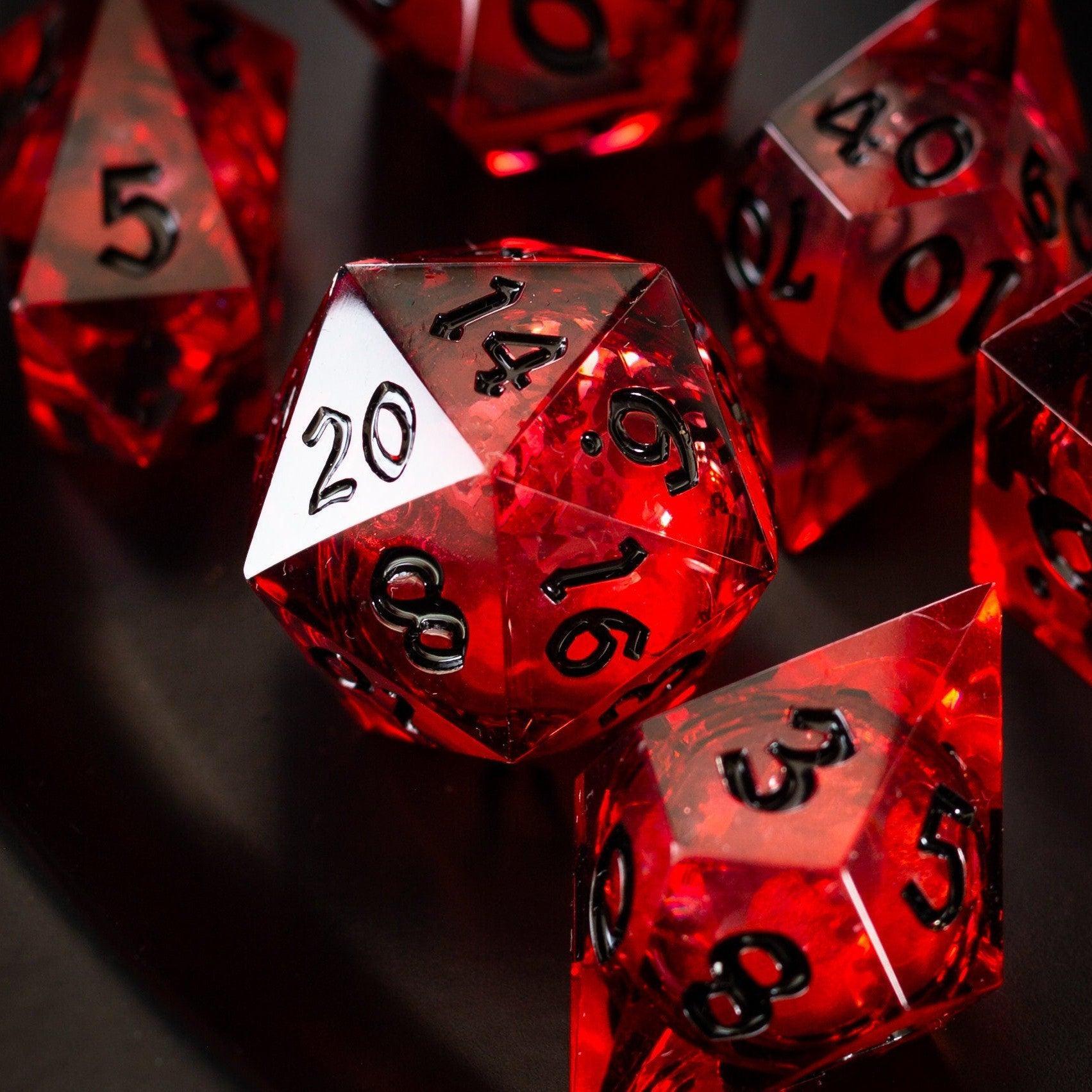
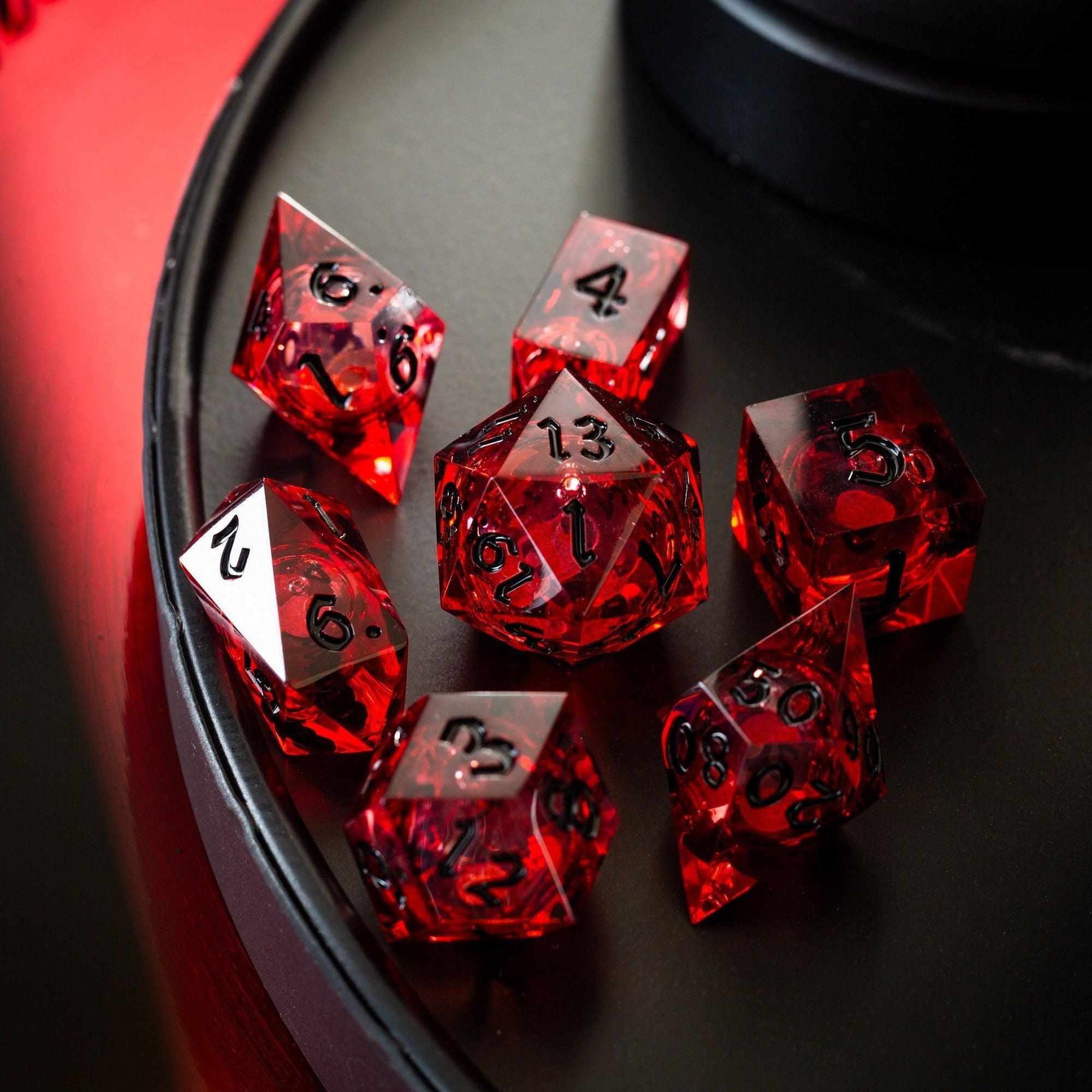
A mysterious arcane scholar might inspire a character setup featuring Mystic Violet Resin dice, while a hero connected to strange magical forces might suggest Purple Amethyst. These are simply atmospheric details that can help a character concept feel more personal.
Dungeon Masters can also study how novels introduce locations, villains, factions, mysteries, and historical conflicts. Useful approaches include adapting the structure of a journey without copying its plot, creating factions with internal disagreements, and showing how major events affect ordinary people.
Reading and campaign preparation can easily become part of the same routine. A novel, map, notebook, dice tray, and character notes can all help turn an interesting idea into something ready for the table.
Reading D&D Novels Without Becoming Overwhelmed
The size of the D&D fiction library can look intimidating, but reading should feel like exploration rather than homework.
A simple approach works well:
-
Choose one setting.
-
Select one character or series.
-
Begin with an opening volume.
-
Avoid spoiler-filled searches for every possible reading order.
-
Finish a short series before jumping between several worlds.
-
Keep simple notes on characters or factions if needed.
-
Stop reading a series if its style does not appeal to you.
You do not need to know everything about D&D to enjoy one story.
Common Mistakes When Exploring D&D Fiction
One common mistake is assuming every D&D novel has the same tone. A heroic Forgotten Realms adventure can feel very different from a Ravenloft horror story or a Dark Sun survival tale.
Other mistakes include starting in the middle of a tightly connected series, expecting novels to explain tabletop rules, treating every fictional event as current campaign canon, and searching so deeply for lore that major spoilers are revealed.
Choosing by setting, tone, and character is usually more useful than attempting to read every book chronologically.
Choosing D&D Novels as Gifts
When choosing a D&D novel for someone else, consider their favorite campaign setting and preferred fantasy genre. Do they enjoy horror, mystery, war stories, heroic adventure, or long character-driven series?
Also check whether they already own part of a trilogy and whether they prefer physical books, ebooks, or audiobooks.
A book can be paired naturally with a tabletop item connected to the reader's interests. A Ravenloft fan might enjoy keeping Black Obsidian dice nearby for future gothic campaigns, while a Dragonlance reader might prefer a colorful resin set suited to classic heroic fantasy. The story should remain the heart of the gift.
Open the Door to a Larger D&D World
Dungeons and Dragons novels offer another way to experience the worlds behind the tabletop game. They introduce legendary characters, explore famous settings, uncover forgotten history, and show how enormous fantasy conflicts affect individual lives.
You do not need to read every series or understand every piece of D&D lore before beginning. Start with the realm, character, or storytelling style that interests you most.
Whether you choose heroic adventure in the Forgotten Realms, companionship and war in Dragonlance, gothic horror in Ravenloft, or magical intrigue in Eberron, each story can open another path into the larger world of Dungeons & Dragons.
Begin with one story, one world, and one group of characters. The rest of the library can wait beyond the next page.









Leave a comment
This site is protected by hCaptcha and the hCaptcha Privacy Policy and Terms of Service apply.