Mystic Subclasses: How to Pick Your Arcane Path Guide

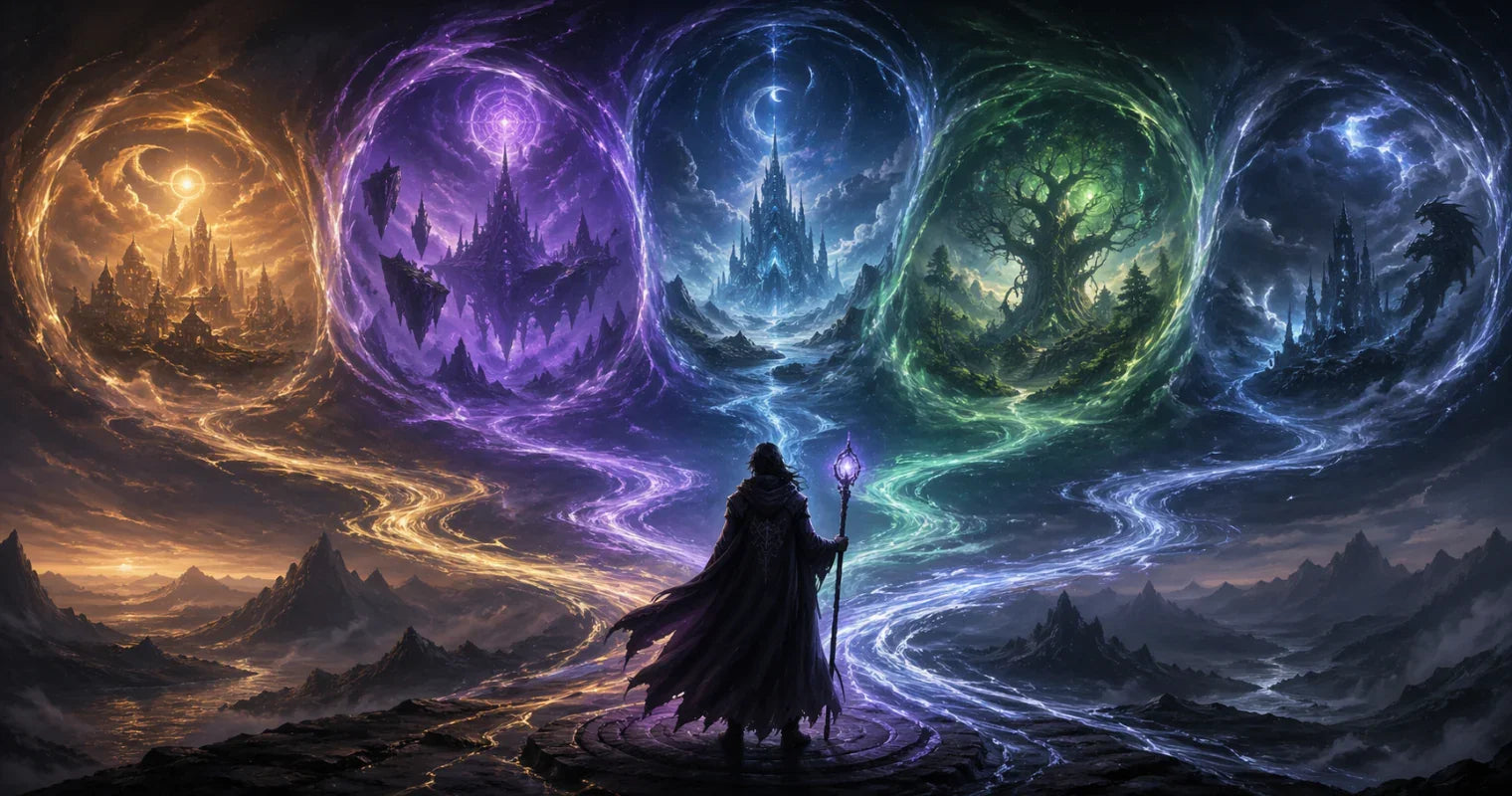
There is something unforgettable about creating your first spellcaster in Dungeons & Dragons. Before the adventure even begins, you already imagine the glow of runes in the dark, whispered incantations echoing through ancient ruins, or the feeling of bending reality with a flick of the hand.
But choosing your subclass is where that fantasy truly comes alive.
Your arcane path shapes far more than combat abilities. It defines how your character views magic, how they interact with the world, and what kind of mystical story you want to tell at the table. Some spellcasters command storms and fire with explosive confidence. Others manipulate shadows, unravel secrets, or twist perception itself.
This guide explores some of the most iconic mystic subclasses D&D players love, helping you discover which magical identity feels right for your character and your imagination.
What Makes an Arcane Subclass Feel Unique?
When players first explore arcane subclasses 5e offers, they often focus on mechanics alone. But the most memorable spellcasters are usually the ones built around a strong fantasy identity.
A subclass affects:
-
Your spellcasting style
-
Your personality and worldview
-
Your magical aesthetics
-
Your roleplay opportunities
-
The emotional tone of your character
Some arcane characters feel scholarly and controlled. Others feel chaotic, emotional, or dangerous. Even two wizards casting the same spell can feel completely different depending on their arcane path.
A fireball from an Evocation wizard might look like a disciplined burst of military precision. A fireball from a shadowy necromancer could resemble screaming souls wrapped in black flame.
That distinction is what makes choosing a subclass so exciting.
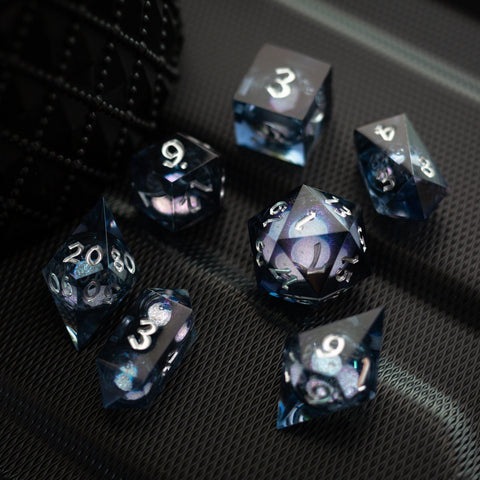
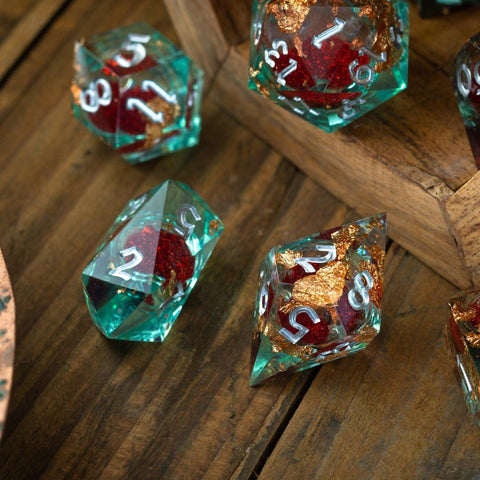
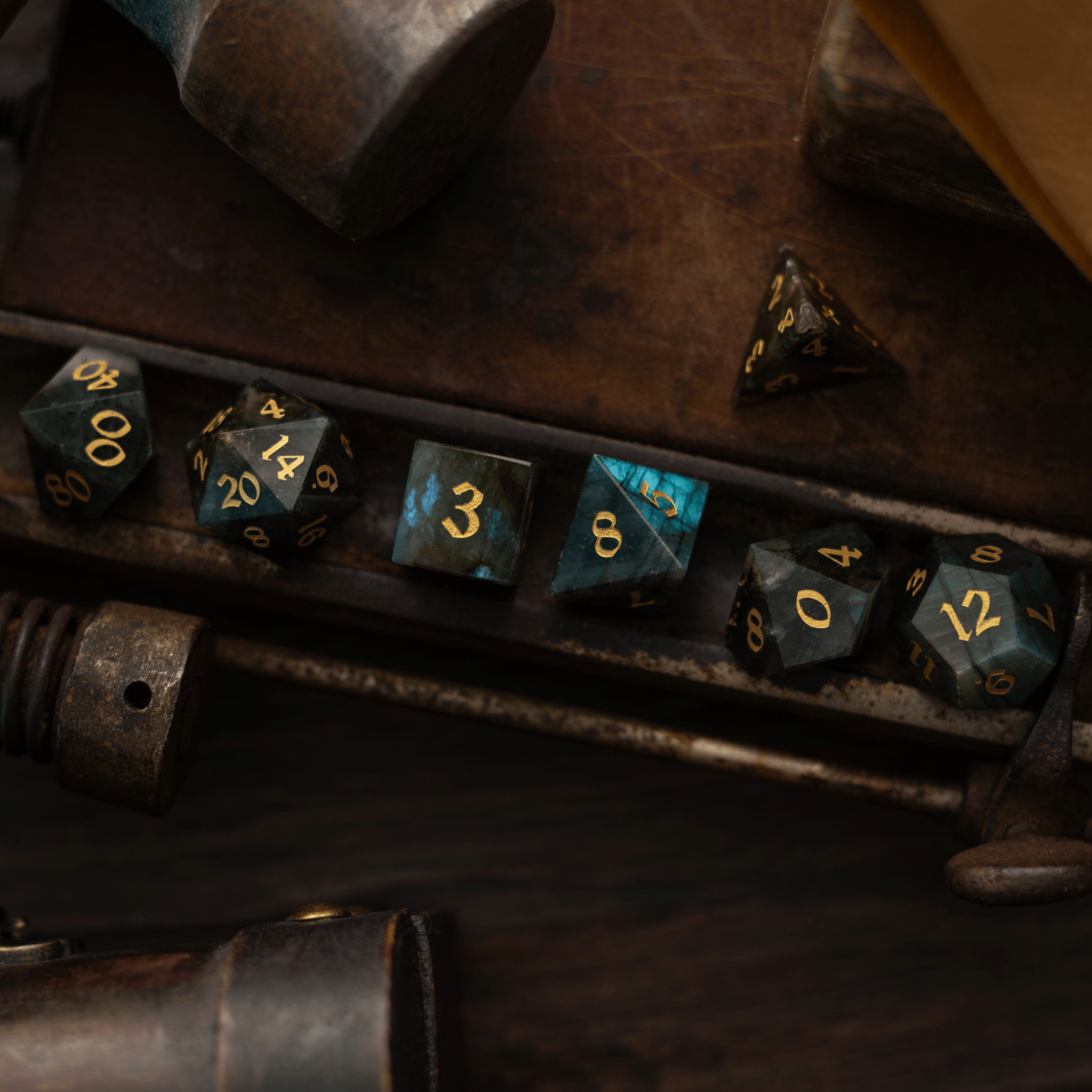
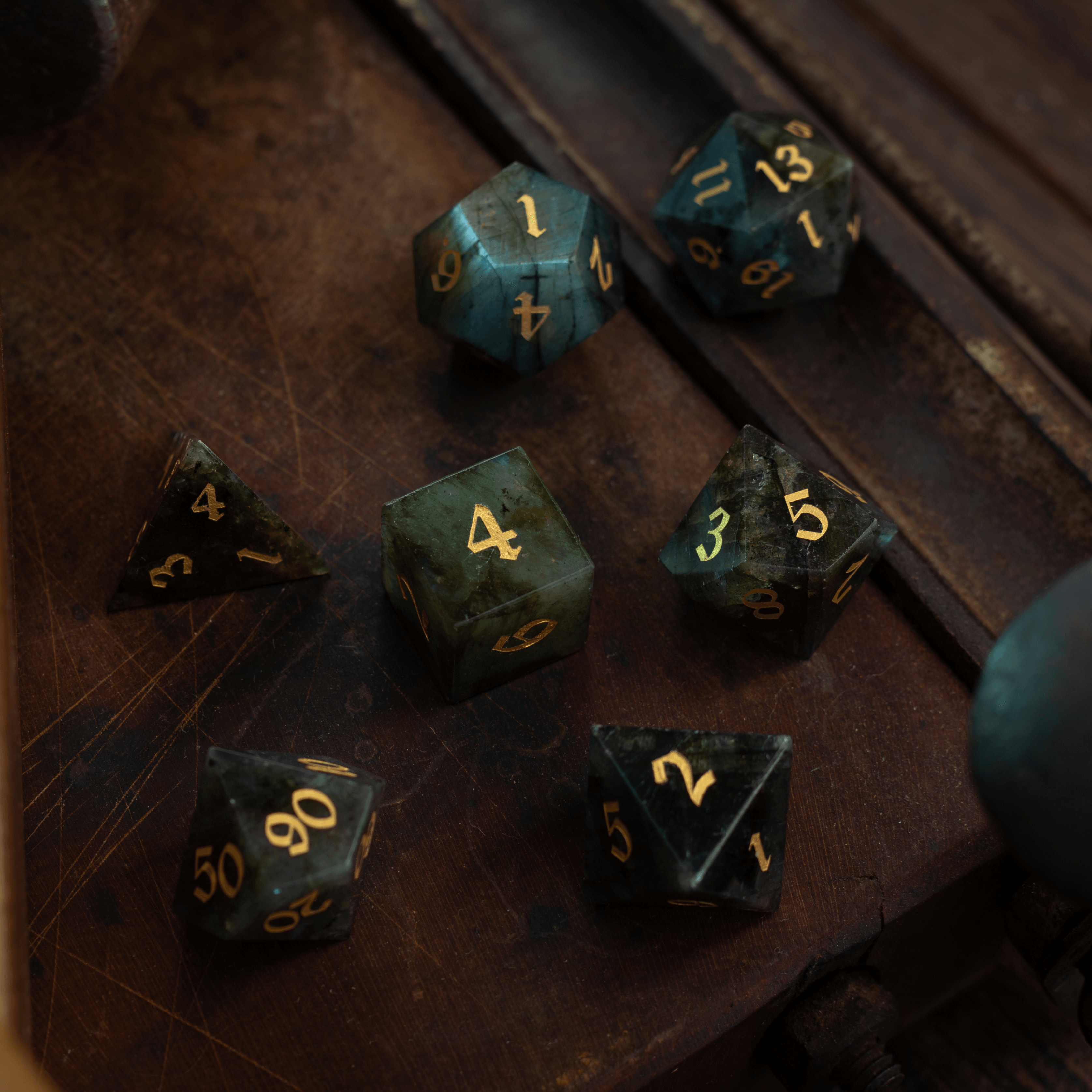
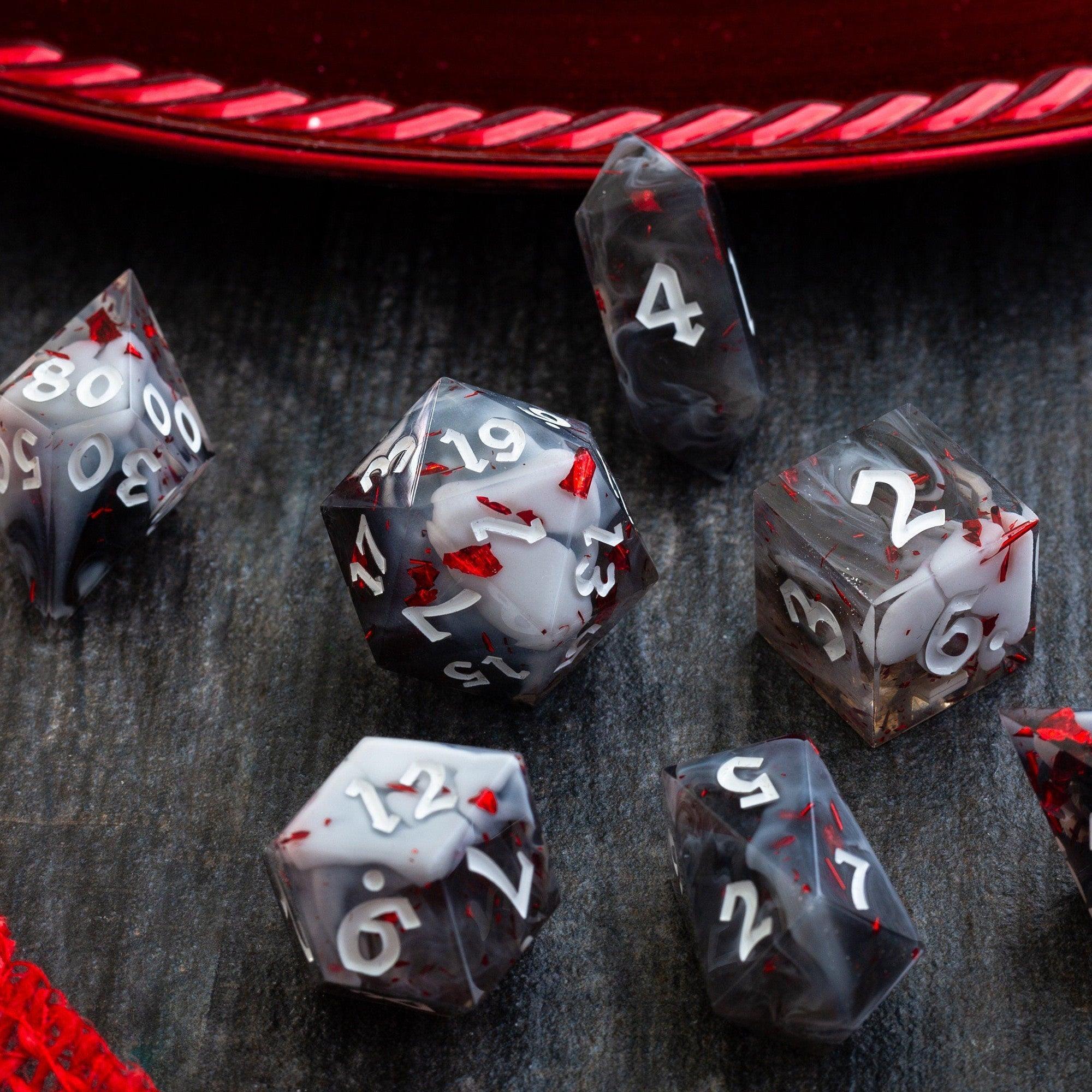
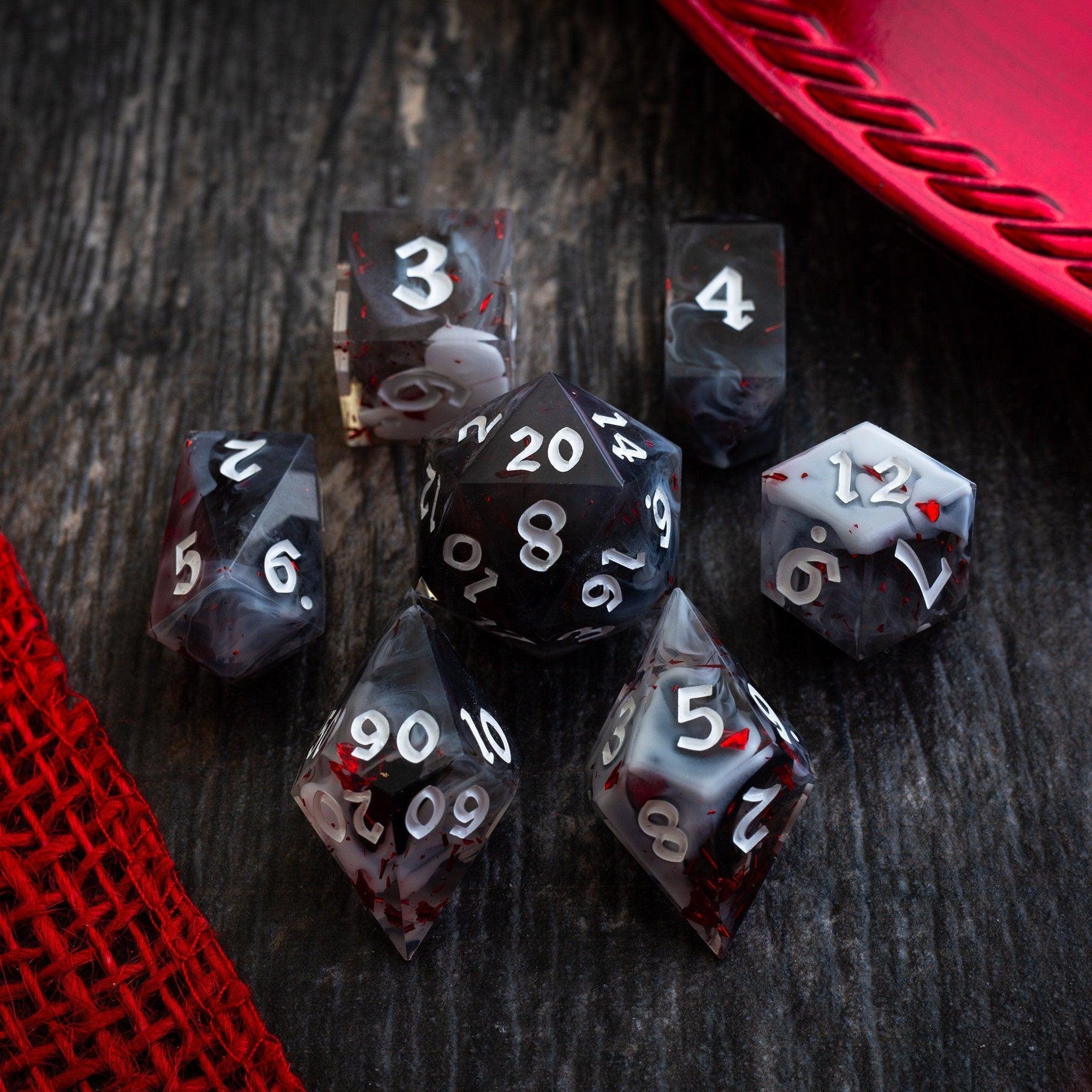
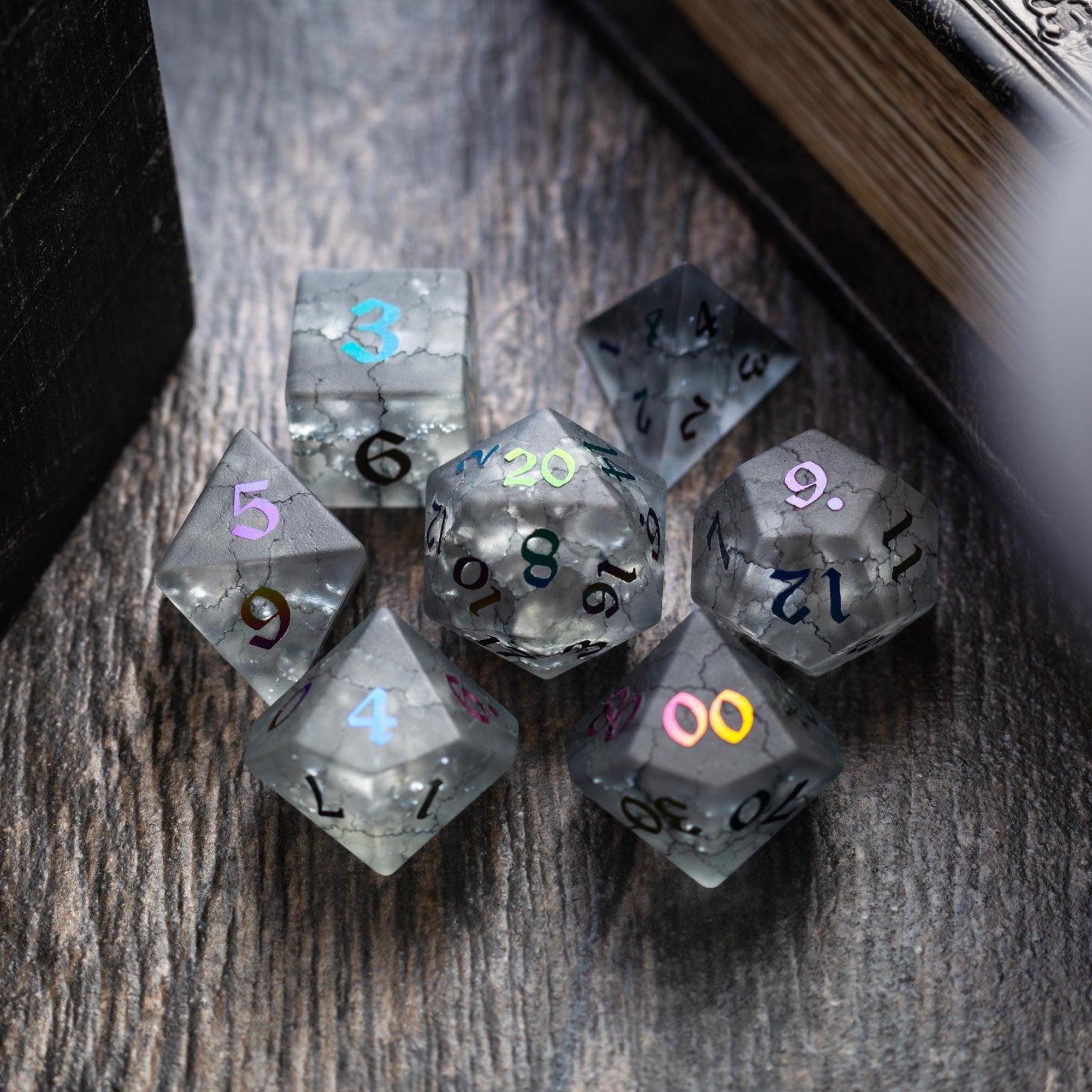
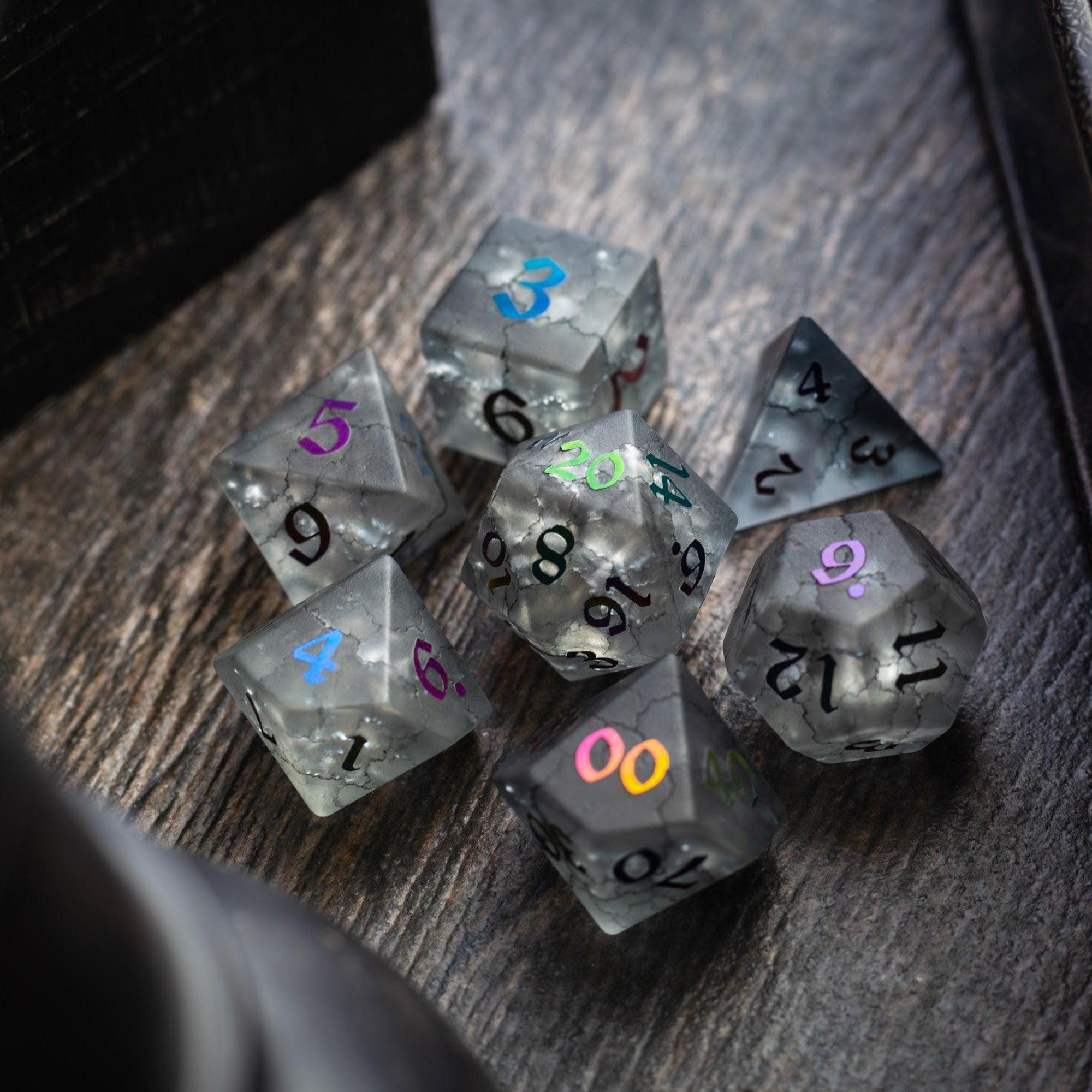
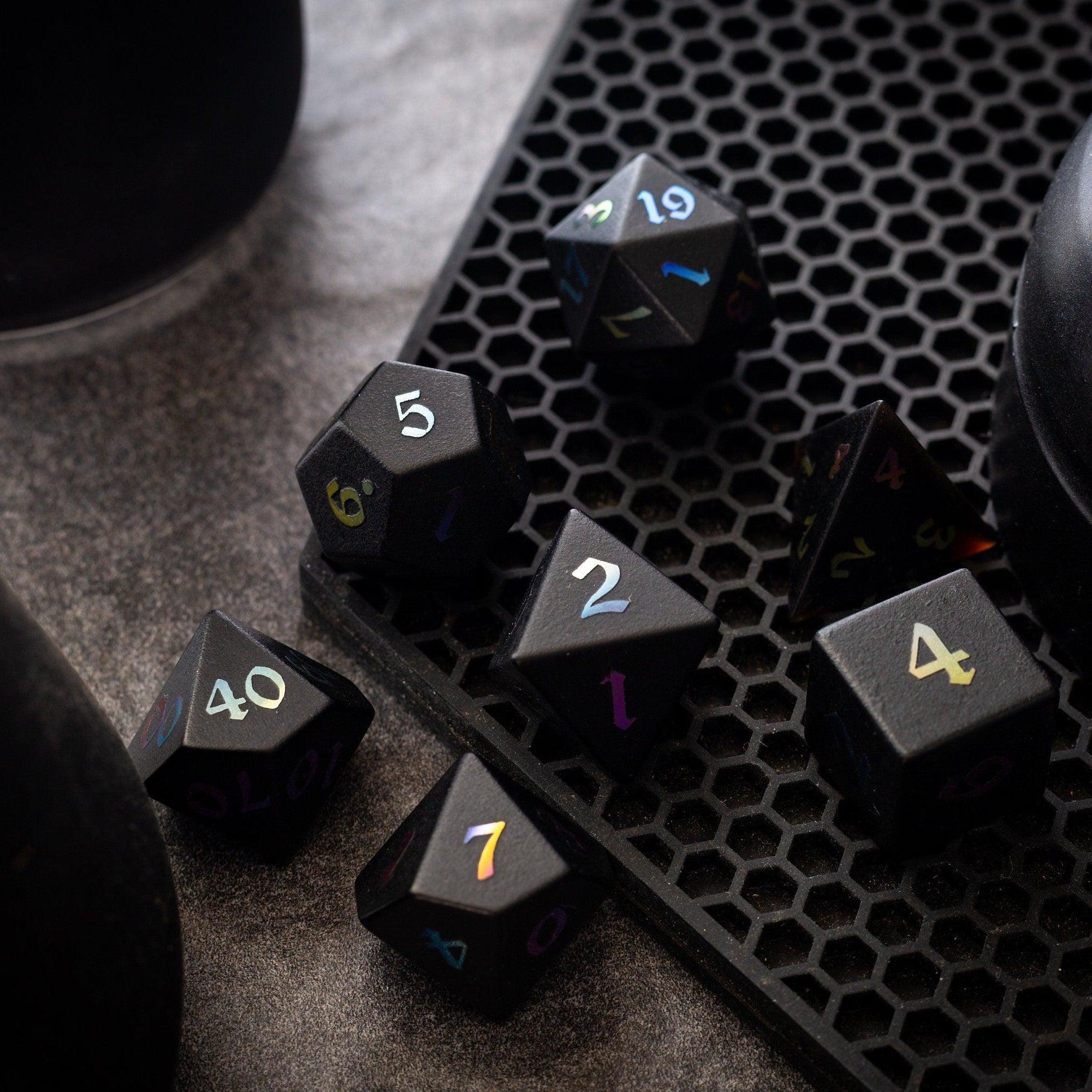
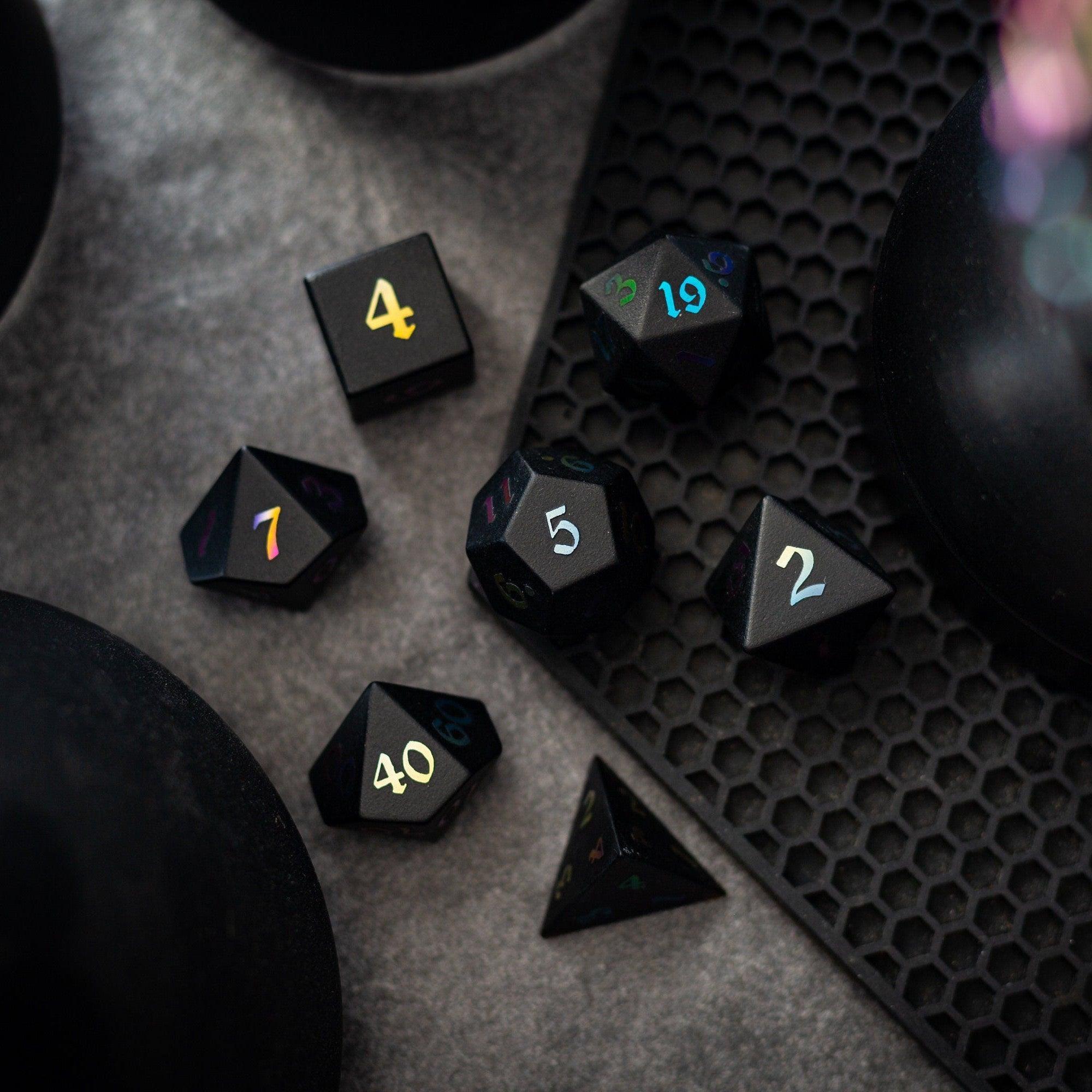
For many players, even their dice become part of that magical identity. Swirling liquid core dice often feel perfect for unstable magical energy or cosmic power, while elegant gemstone dice can enhance the atmosphere of scholarly or noble spellcasters surrounded by ancient tomes and forgotten secrets.
Evocation Specialists
Few magical fantasies are as iconic as the battle mage standing in the center of chaos while elemental power erupts around them.
Evocation-focused subclasses embrace raw magical force. These are spellcasters who love dramatic moments, explosive visuals, and commanding presence.
The Fantasy of the Battle Mage
Evocation specialists often feel:
-
Bold and fearless
-
Emotionally intense
-
Confident in their magical power
-
Protective of allies despite destructive magic
Players drawn to this path usually enjoy cinematic combat moments and visible magical power.
Imagine lightning tearing through storm clouds as your wizard raises a glowing staff. Picture volcanic fire illuminating ancient dungeon walls. These subclasses turn combat into spectacle.
Best For Players Who Enjoy:
-
Elemental magic
-
Direct spellcasting
-
Fast-paced combat
-
Heroic magical imagery
-
Big dramatic moments
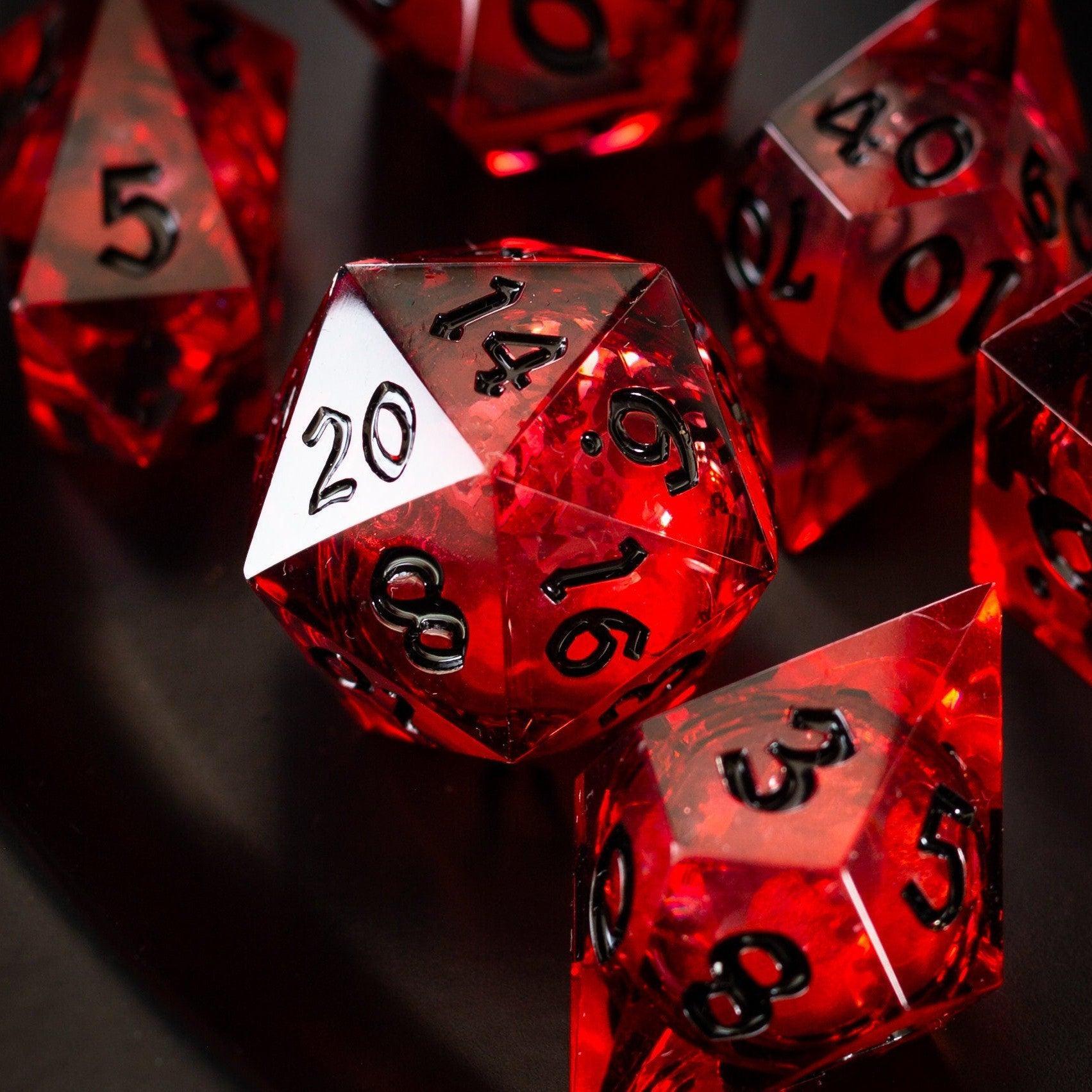
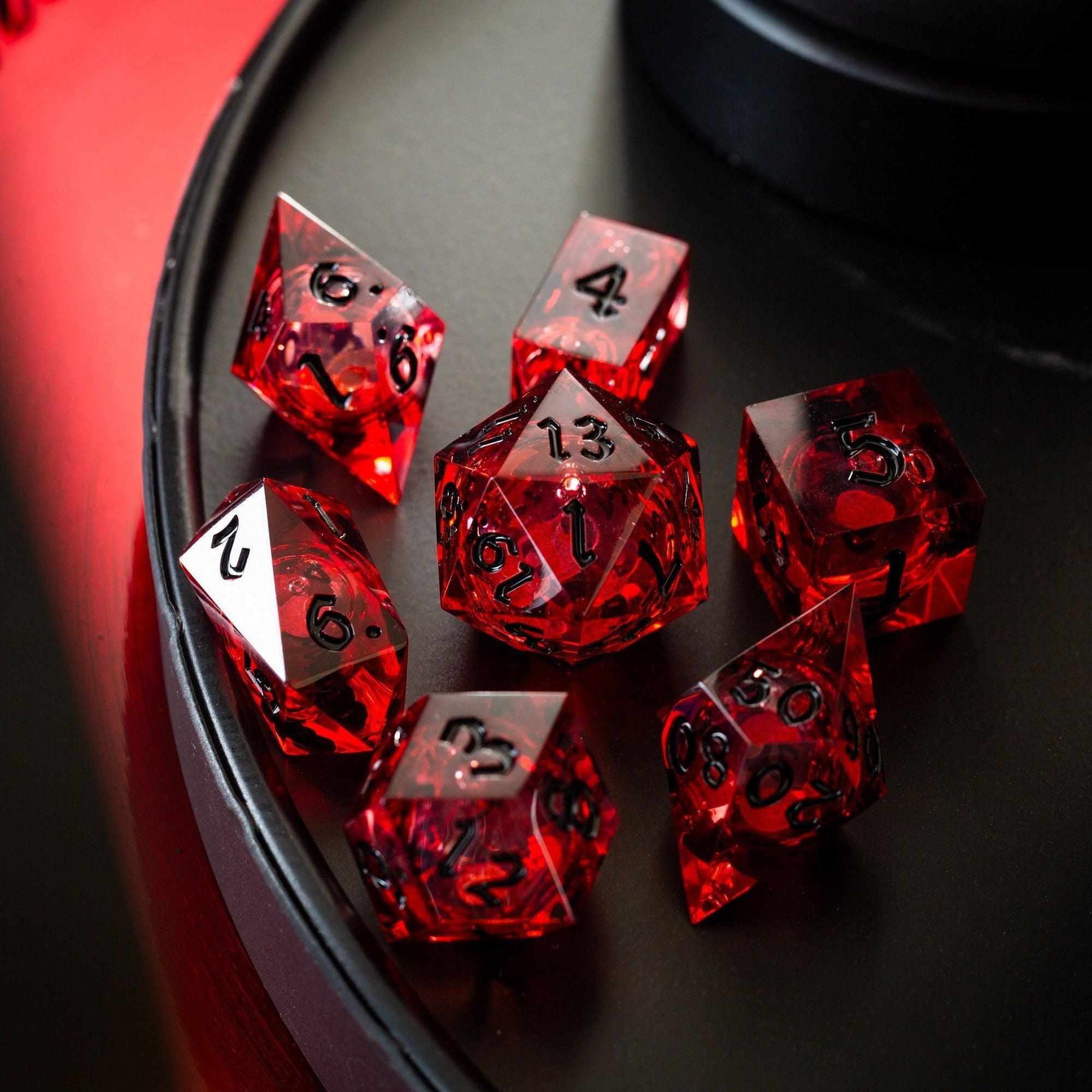
Many players enjoy pairing elemental-themed resin dice with these characters. Bright swirling reds, icy blues, or storm-colored resin sets can make each spell feel even more immersive during gameplay.
And for truly climactic spell moments, oversized resin chonk dice bring a satisfying sense of weight and drama to powerful rolls.
Illusion & Trickster Paths
Not every spellcaster wants to dominate a battlefield with fire and thunder.
Some prefer mystery.
Illusion and trickster subclasses focus on deception, creativity, and bending perception. These characters thrive on cleverness and imagination rather than overwhelming magical force.
The Fantasy of the Arcane Manipulator
Illusion-focused characters often feel:
-
Mysterious
-
Playful or theatrical
-
Clever and unpredictable
-
Deeply creative
These subclasses reward players who enjoy roleplay and unconventional problem-solving.
Instead of destroying enemies outright, illusionists manipulate fear, confusion, or curiosity. A locked door might become an illusion. A terrifying monster may be nothing more than magical smoke and light.
These spellcasters often become unforgettable storytellers within the party.
Best For Players Who Enjoy:
-
Creative roleplay
-
Outsmarting opponents
-
Magical mystery
-
Psychological tricks
-
Story-driven gameplay
Liquid core dice feel especially fitting for illusion magic because of their shifting, swirling appearance. Watching the moving interior catch the light during a tense spellcasting moment can feel wonderfully arcane at the table.
Necromantic & Shadow-Themed Paths
Some players are drawn toward darker magic.
Necromantic and shadow-themed mystic subclasses D&D campaigns feature often explore forbidden knowledge, mortality, ambition, and sacrifice. These subclasses create some of the most atmospheric spellcasters in the game.
The Fantasy of Forbidden Power
Necromancers and shadow casters often feel:
-
Isolated or misunderstood
-
Morally conflicted
-
Obsessive scholars
-
Haunted by dangerous knowledge
These characters thrive in gothic fantasy settings filled with ancient crypts, cursed kingdoms, and whispered prophecies.
What makes these subclasses compelling is not simply darkness, but complexity. A necromancer might seek immortality to prevent future suffering. A shadow mage may use forbidden magic to fight even greater evils.
That tension creates incredible roleplay opportunities.
Best For Players Who Enjoy:
-
Gothic fantasy themes
-
Morally gray storytelling
-
Atmospheric roleplay
-
Dark magical aesthetics
-
Mysterious character arcs
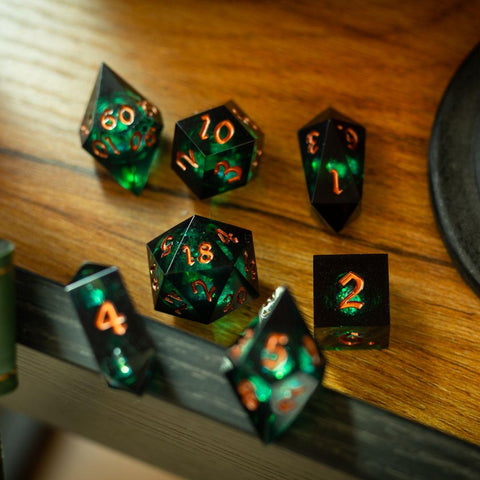
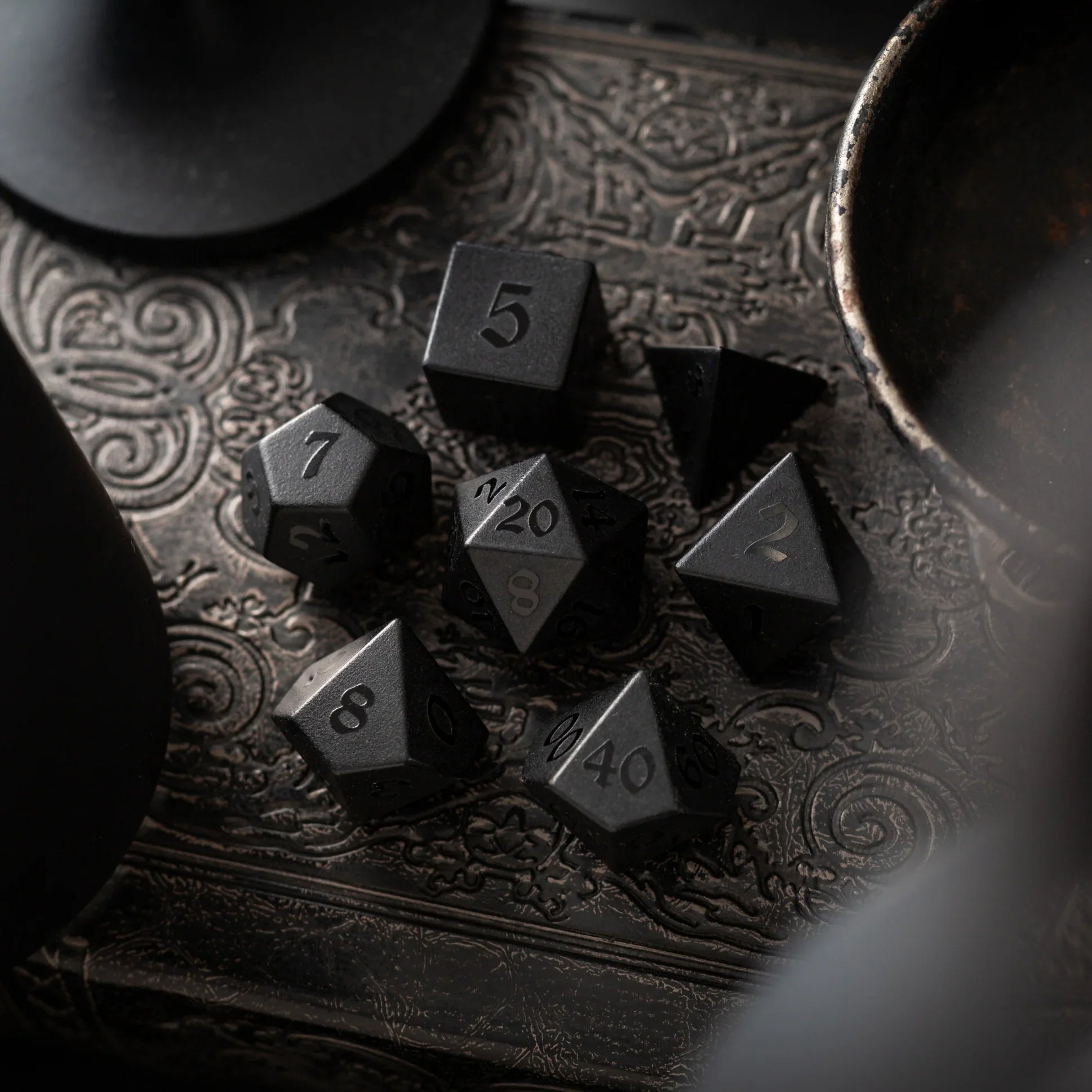
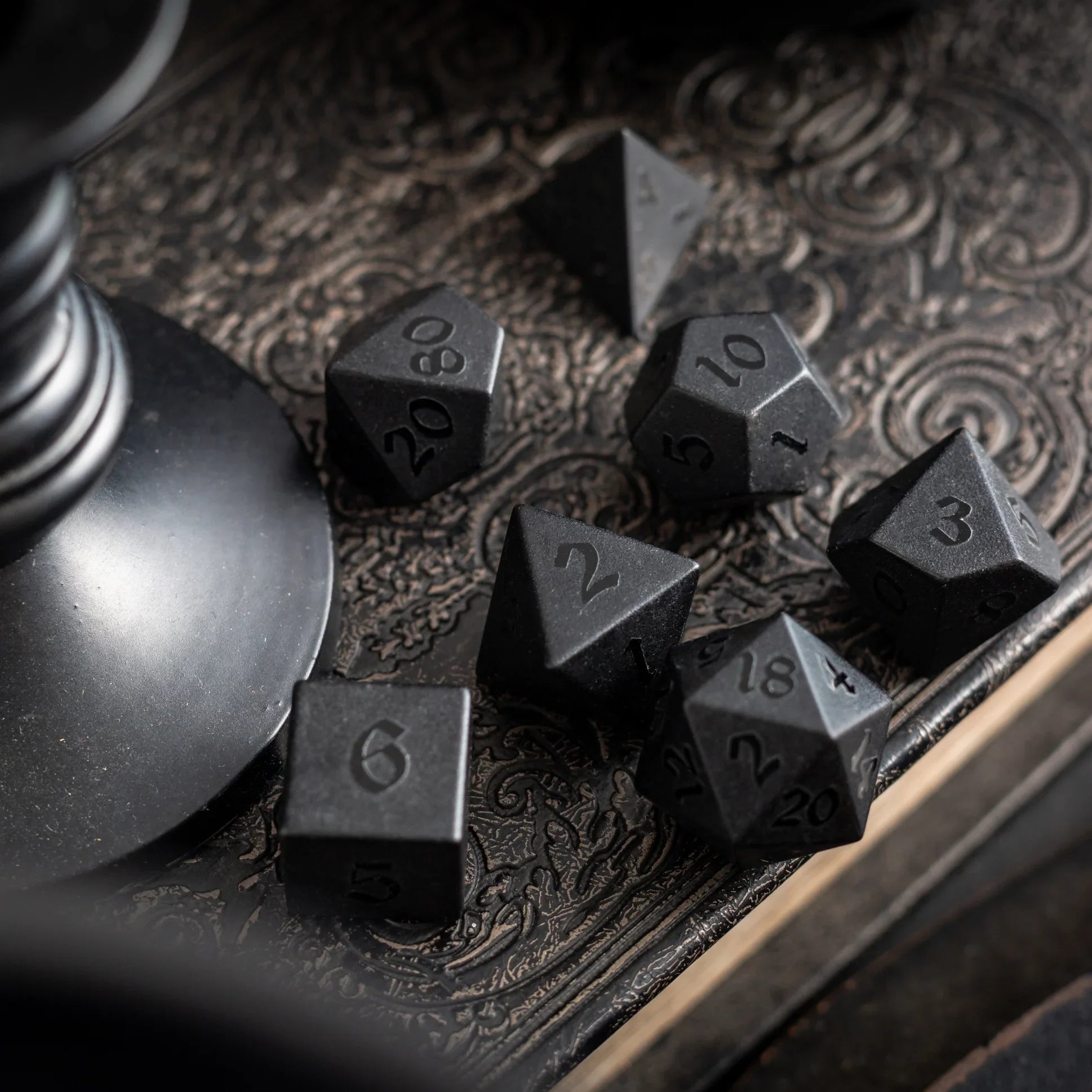
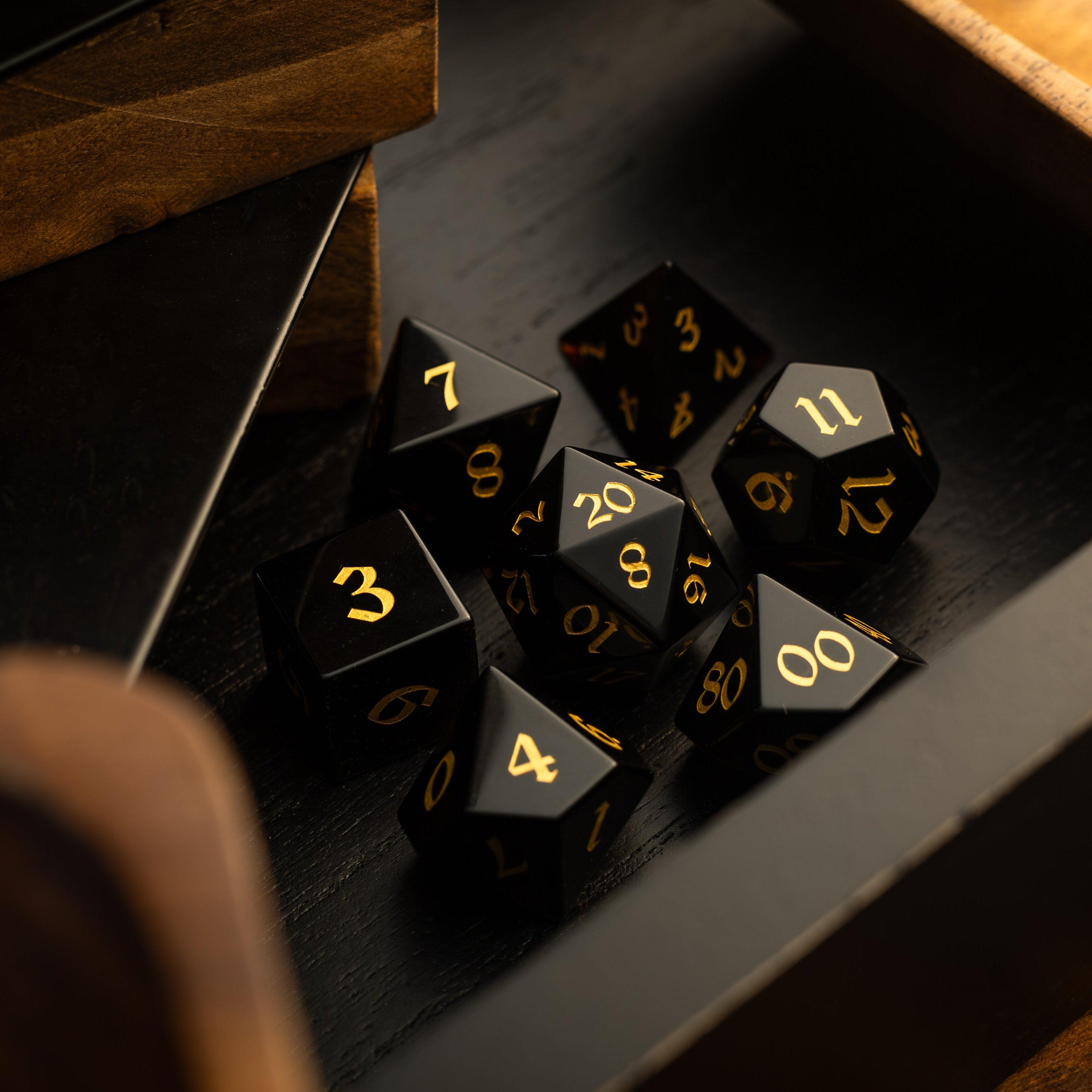
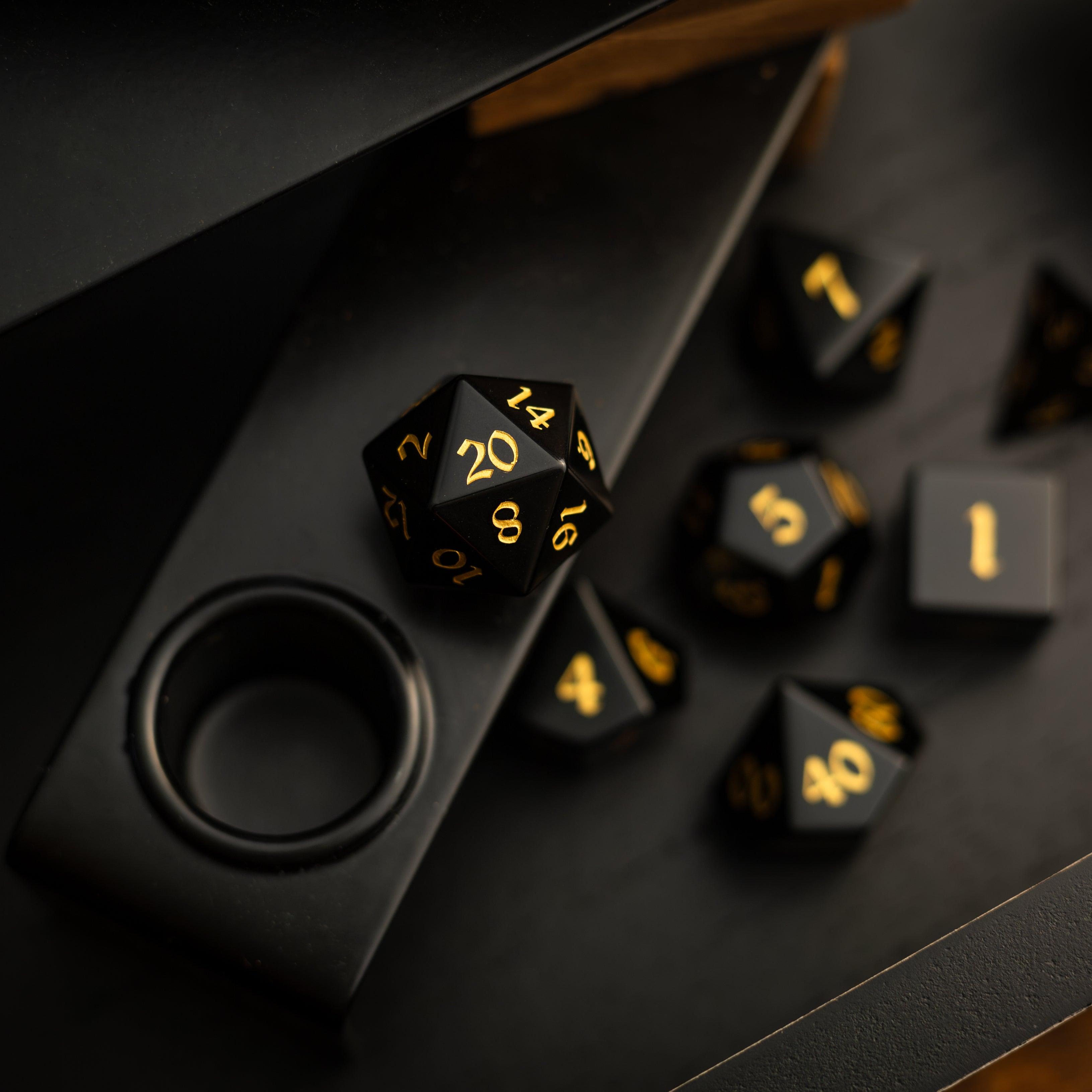
Many players gravitate toward darker gemstone dice for these characters, especially sets with smoky patterns, deep purples, obsidian tones, or ghostly inclusions that reflect eerie magical energy.
Divination & Knowledge-Based Paths
Some spellcasters do not seek power through destruction or fear.
Instead, they seek understanding.
Divination and knowledge-focused subclasses embody the classic fantasy of ancient scholars uncovering secrets hidden from the rest of the world.
The Fantasy of the Arcane Scholar
These characters often feel:
-
Calm and observant
-
Highly intelligent
-
Spiritually curious
-
Quietly mysterious
Diviners are less about overwhelming force and more about subtle influence. They predict danger before it appears. They uncover hidden truths others miss.
These subclasses often create some of the most immersive roleplay experiences because their magic naturally connects to prophecy, research, libraries, dreams, and ancient history.
Best For Players Who Enjoy:
-
Strategic thinking
-
Investigation
-
Lore-heavy campaigns
-
Mystery and prophecy
-
Supportive spellcasting
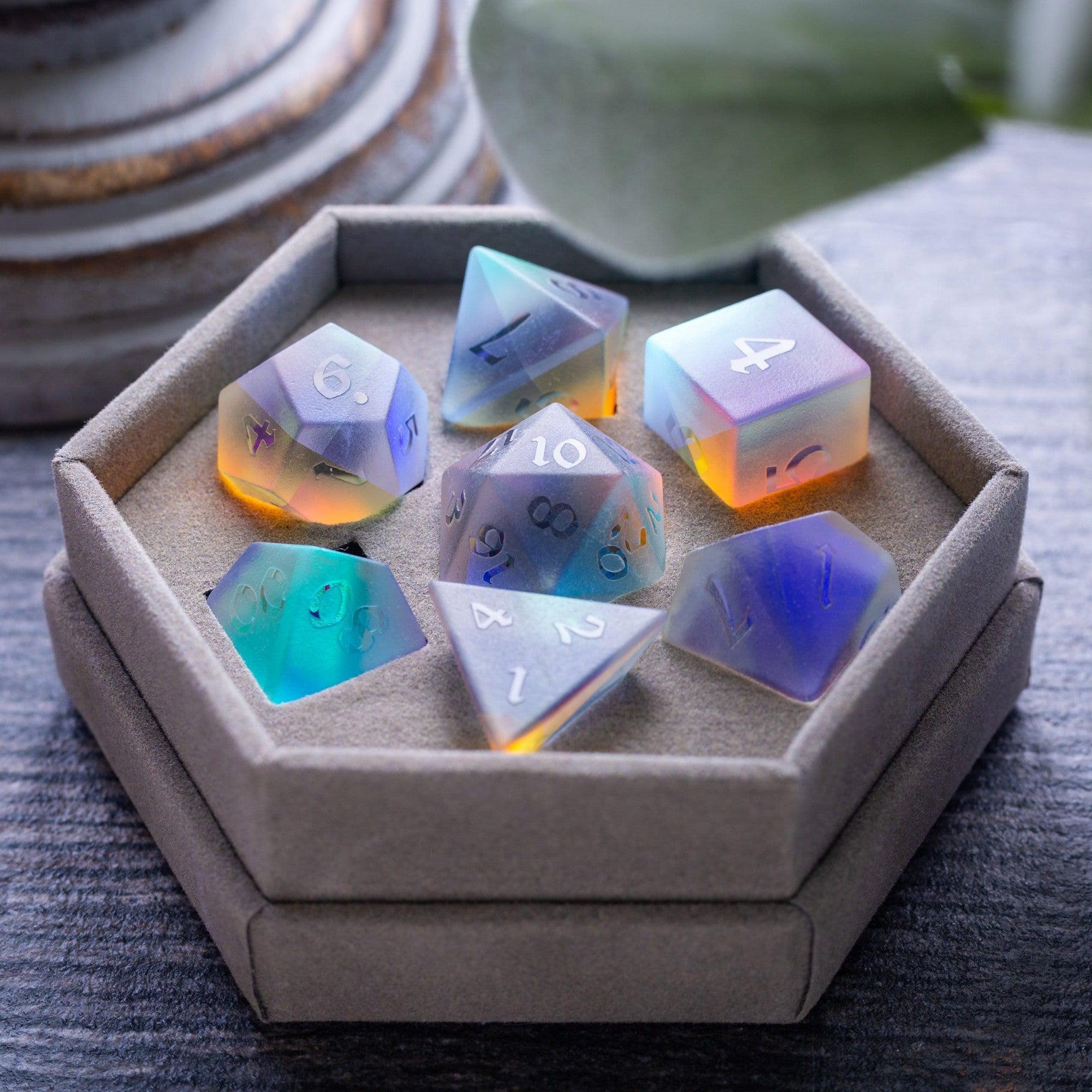
Elegant gemstone dice often pair beautifully with scholarly spellcasters. Crystal-clear stones or celestial-inspired designs can reinforce the feeling of refined arcane mastery and ancient wisdom.
Arcane Path Comparison Table
|
Subclass Type |
Fantasy Style |
Playstyle Feel |
Best Roleplay Theme |
|
Evocation |
Explosive elemental magic |
Aggressive and dramatic |
Heroic battle mage |
|
Illusion |
Trickery and altered perception |
Creative and unpredictable |
Arcane performer or manipulator |
|
Necromancy |
Forbidden dark magic |
Atmospheric and intense |
Morally complex scholar |
|
Divination |
Knowledge and prophecy |
Strategic and mysterious |
Ancient seeker of truth |
|
Shadow Magic |
Fear and darkness |
Subtle and eerie |
Haunted wanderer |
|
Enchantment |
Emotional influence |
Social and manipulative |
Charismatic magical diplomat |
Choosing a Path That Fits Your Personality
One of the best ways to approach a dnd spellcaster guide is to ask yourself what fantasy experience excites you most.
Do You Want to Feel Powerful and Dramatic?
You may enjoy:
-
Evocation
-
Storm magic
-
Elemental subclasses
These characters often command attention and thrive in large combat moments.
Do You Prefer Mystery and Subtlety?
You may enjoy:
-
Illusion
-
Enchantment
-
Shadow-themed magic
These subclasses focus more on manipulation, secrecy, and creativity.
Do You Love Ancient Knowledge and Lore?
You may enjoy:
-
Divination
-
Knowledge-focused wizard subclasses 5e offers
-
Rune or ritual-based magic
These characters fit players who enjoy storytelling, investigation, and discovery.
Do You Want Emotionally Complex Storytelling?
You may enjoy:
-
Necromancy
-
Dark pact magic
-
Shadow magic
These subclasses often create compelling internal conflicts and memorable character arcs.
Roleplay Tips for Arcane Characters
A strong magical identity goes beyond spells alone.
Small details make arcane characters feel alive.
Create Magical Habits
Your spellcaster might:
-
Whisper old incantations before sleeping
-
Collect strange magical artifacts
-
Write constantly in enchanted journals
-
Avoid touching objects with bare hands
-
Light candles before preparing spells
Describe Your Magic Differently
Instead of saying, “I cast magic missile,” describe:
-
Threads of glowing energy
-
Spectral ravens carrying arcane bolts
-
Floating geometric runes
-
Shimmering illusion fragments
-
Shadowy hands emerging from darkness
These descriptions make your character feel unique even when using familiar spells.
Tie Magic to Motivation
Ask yourself:
-
Why did your character study magic?
-
What do they fear?
-
What knowledge are they chasing?
-
What magical event changed their life?
These questions help your subclass feel deeply personal.
Common Mistakes When Picking a Subclass
Choosing Only for Power
Many new players worry too much about optimization.
But the subclasses players remember most are usually the ones tied to strong stories and emotional investment.
Ignoring Roleplay Potential
A subclass is not just a list of abilities.
It is a fantasy identity.
The best arcane characters feel distinct both mechanically and narratively.
Overcomplicating Your First Spellcaster
Some players try to memorize every spell and mechanic immediately.
You do not need to master everything on day one.
Start with a magical fantasy that excites you. The rules become easier to learn when you genuinely love the character you are playing.
Making Your Arcane Path Feel Personal
One of the most rewarding parts of building dnd magic builds is customizing how your magic looks and feels.
Maybe your frost magic resembles shattered glass drifting through the air. Maybe your illusion spells appear as watercolor paintings suspended in motion. Perhaps your necromantic energy manifests as flickering candle smoke and distant whispers.
Even your table accessories can reinforce that atmosphere. A set of liquid core dice might reflect unstable cosmic energy, while polished gemstone dice can make scholarly spellcasters feel ancient and refined. Some players even reserve large resin chonk dice for legendary spell moments, turning important rolls into dramatic rituals of their own.
These small details create immersion not just for you, but for everyone at the table.
Conclusion
The best arcane path is not necessarily the strongest one.
It is the one that makes you excited to step into your character’s shoes.
Whether you dream of commanding storms, unraveling forbidden secrets, manipulating illusion, or peering into the future, your subclass shapes the emotional heart of your spellcaster’s story.
Magic in D&D is more than combat. It is identity, mystery, ambition, fear, wonder, and transformation.
So follow the path that sparks your imagination most strongly. Somewhere beyond the candlelit libraries, ancient ruins, and glowing circles of forgotten power, your arcane destiny is waiting.


Leave a comment
This site is protected by hCaptcha and the hCaptcha Privacy Policy and Terms of Service apply.