
Ravenloft Horror Toolkit: Builds, Tools, and Essentials

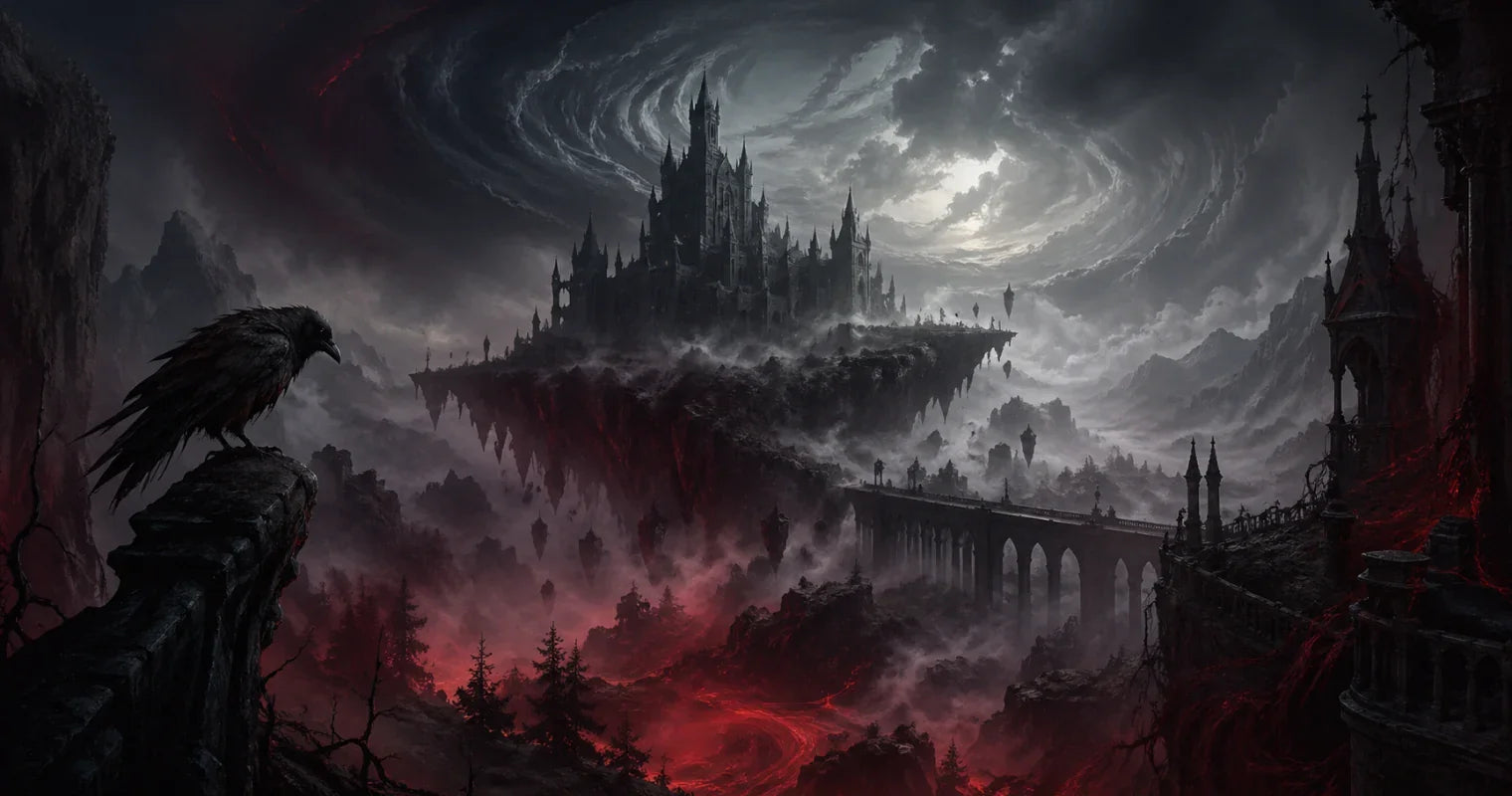
There’s something unforgettable about a good gothic horror campaign. The distant howl of wolves beyond the tree line. A flickering lantern struggling against endless fog. The uneasy feeling that the villagers know far more than they’re willing to say.
That atmosphere is what makes Curse of Strahd and other ravenloft dnd adventures stand apart from traditional fantasy campaigns. In most D&D stories, heroes march toward glory. In Ravenloft, survival itself can feel like a victory.
A great dnd horror campaign is not about constant combat or shocking violence. It’s about tension, mystery, paranoia, and the creeping sense that something ancient is watching from the darkness.
For players and Dungeon Masters alike, gothic horror dnd games thrive when every detail supports the mood. Character choices matter. Light sources matter. Even the dice rolling across the table can feel like part of the story.
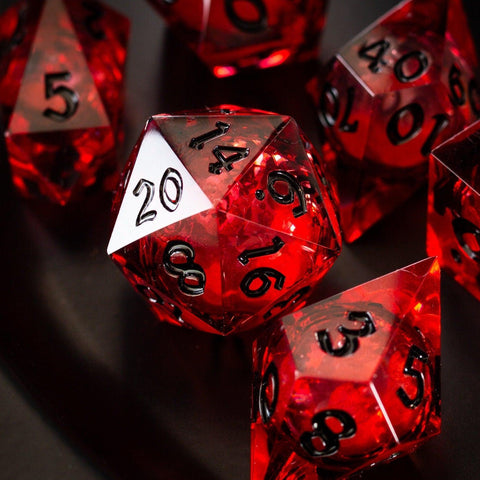
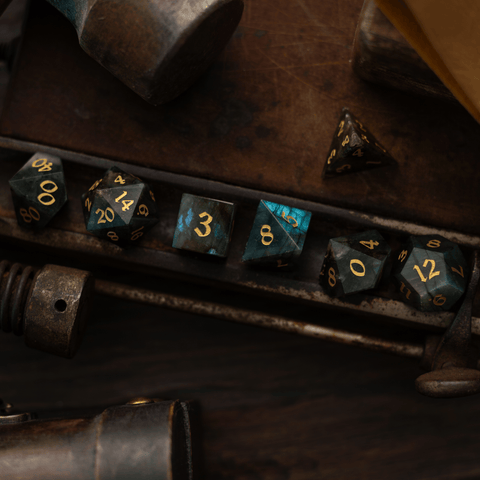
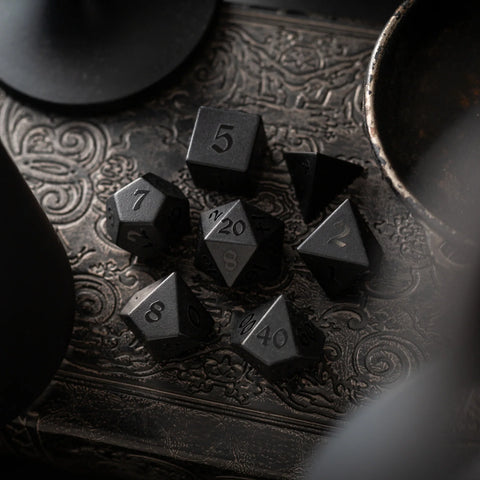
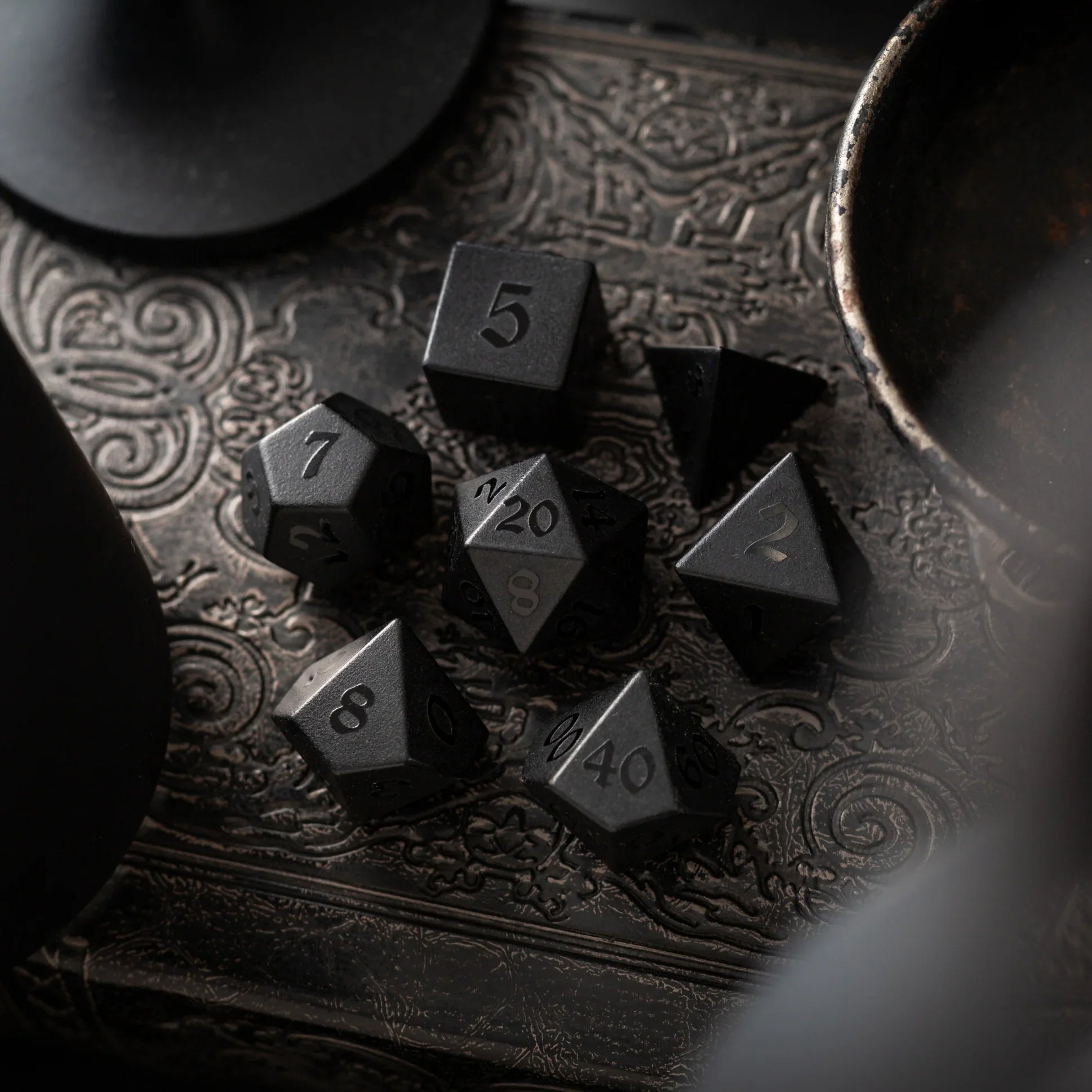
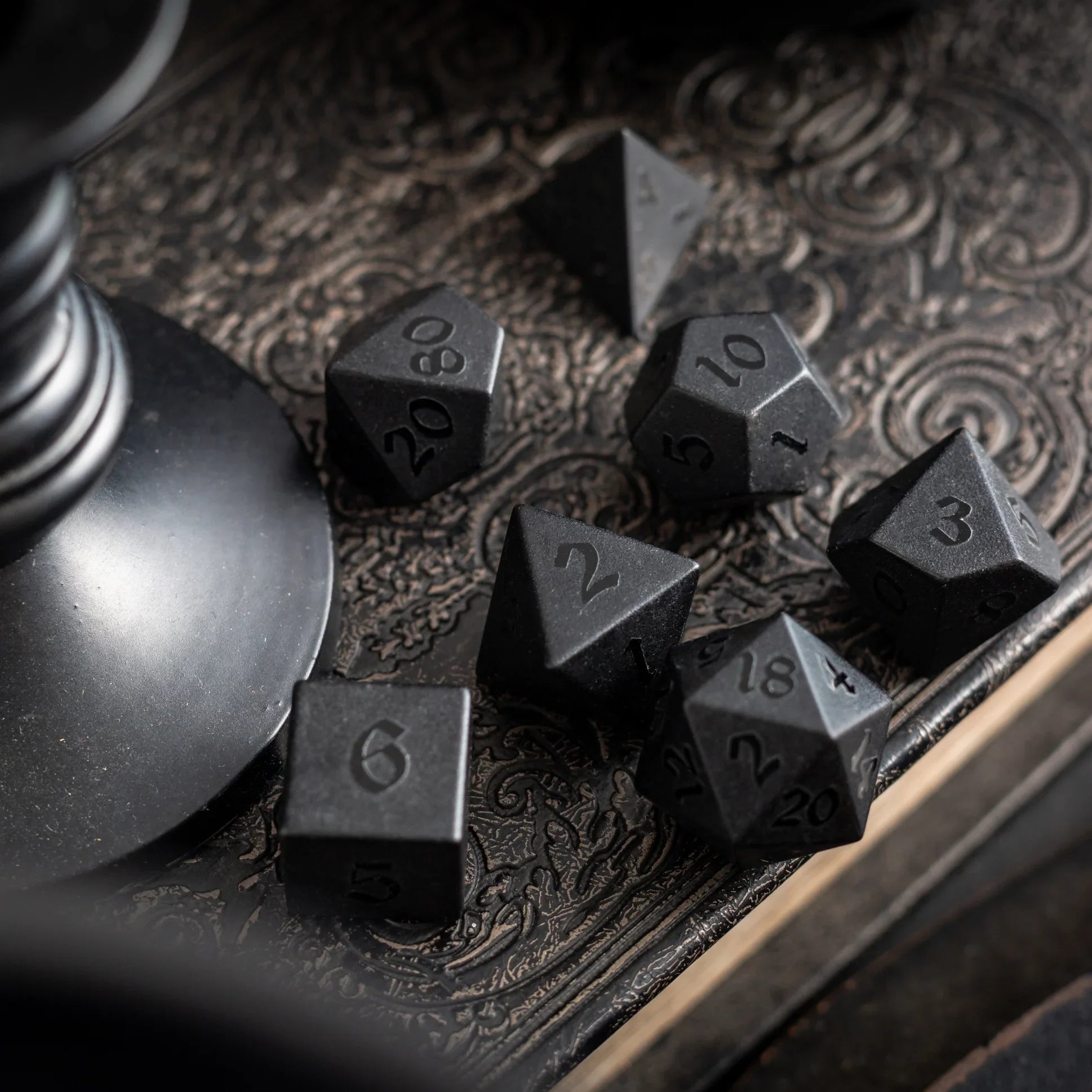
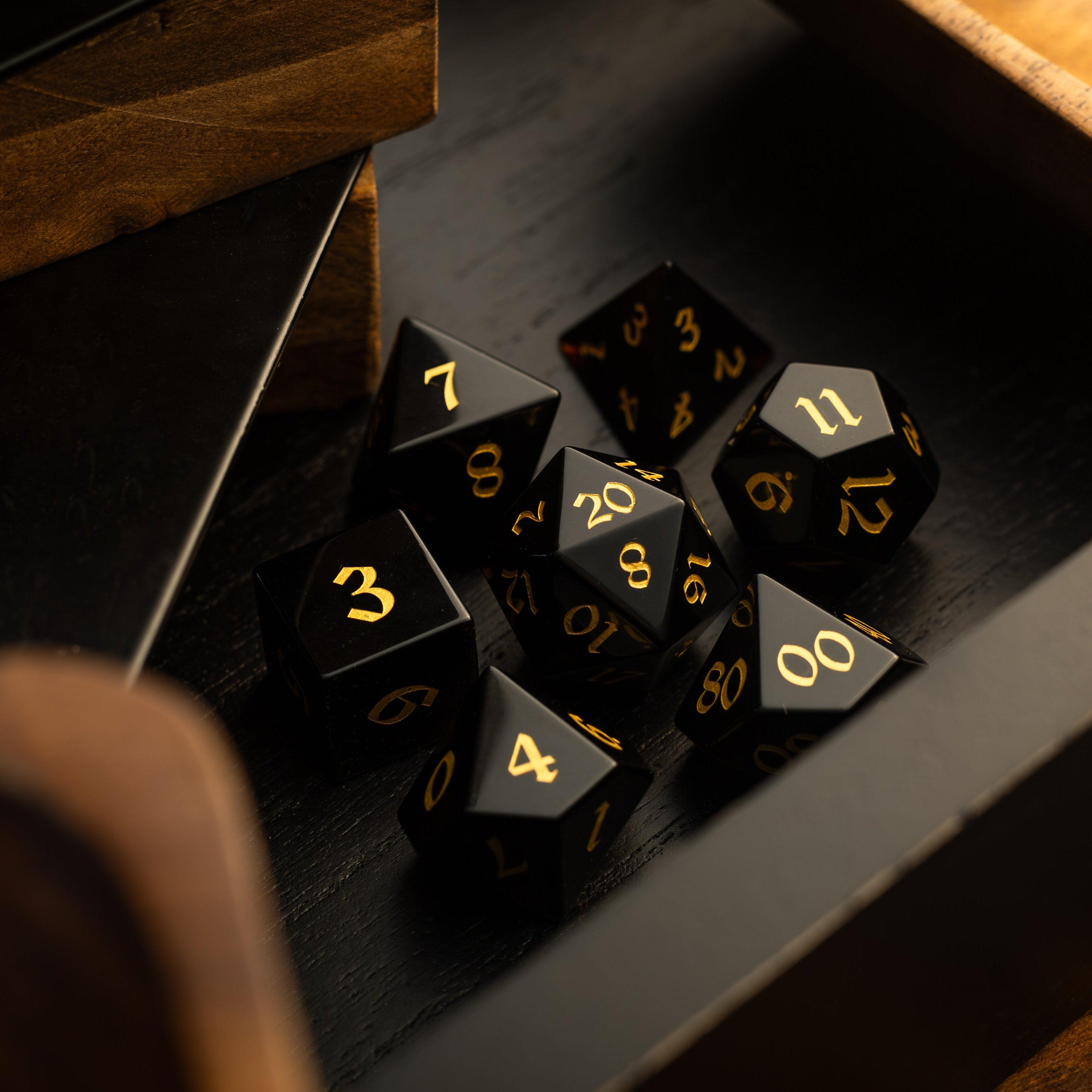
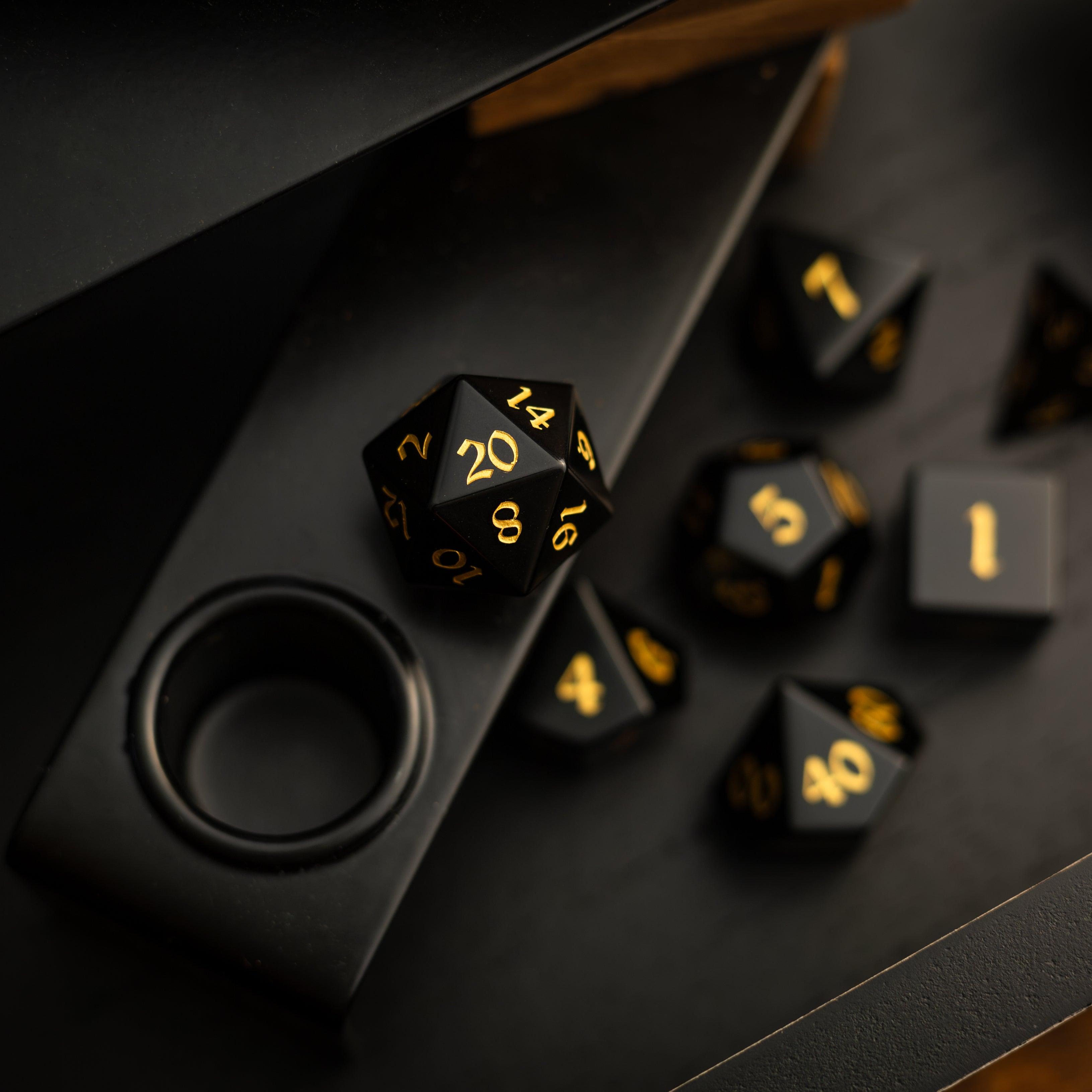
A smoky set of resin dice inspired by moonlit forests can instantly fit the tone of a wandering monster hunter. Swirling liquid core dice feel strangely perfect for cursed magic and supernatural bargains. Dark gemstone dice can reflect the cold elegance of vampire nobility or ancient haunted bloodlines. Even oversized resin chonk dice can become dramatic centerpieces during climactic encounters with terrifying foes.
The best Ravenloft adventures feel less like action movies and more like stepping into an old legend whispered beside candlelight.
What Makes Ravenloft Different?
Many D&D settings focus on heroism, exploration, and power progression. Ravenloft shifts the focus toward emotional tension and uncertainty.
Psychological Tension
In gothic horror, fear often comes from what players don’t know.
A locked room.
A missing villager.
Footsteps in the attic above the inn.
The unknown becomes more frightening than any monster stat block.
Moral Choices Matter
Ravenloft stories often challenge players with difficult decisions:
-
Save one innocent person or protect the entire town
-
Trust a suspicious ally
-
Use cursed magic for survival
-
Bargain with dangerous powers
These moments create memorable roleplay far beyond combat encounters.
Atmosphere Over Raw Combat
In many ravenloft dnd adventures, even simple enemies can feel dangerous because of the atmosphere surrounding them.
A single vampire spawn stalking the party through abandoned hallways can feel more terrifying than fighting an army in broad daylight.
That slower pacing is what gives gothic horror dnd campaigns their unique identity.
Best Character Builds for Gothic Horror Campaigns
Some characters naturally thrive in horror-focused adventures. The key is choosing builds that support investigation, survival, and emotional storytelling.
Monster Hunter Paladin
Paladins fit Ravenloft perfectly when played as grim protectors rather than shining superheroes.
Why it works:
-
Strong defenses against undead
-
Healing and support magic
-
Built-in moral conflict
-
Excellent frontline presence
Roleplay angle:
A weary hunter carrying the burden of failed vows or lost companions.
Dark gemstone dice work beautifully for these characters, especially sets with deep crimson, black, or smoky gray tones that match the gothic atmosphere.
Knowledge Cleric
Knowledge-focused clerics shine in dnd horror campaign settings because information is often more valuable than damage output.
Why it works:
-
Investigation and lore skills
-
Protective magic
-
Ritual spells
-
Strong support utility
Roleplay angle:
A scholar uncovering forbidden truths they may wish they had never learned.
Gloom Stalker Ranger
Ravenloft campaigns often involve dark forests, ruined villages, and dangerous wilderness travel.
Why it works:
-
Excellent stealth and survival skills
-
Ambush potential
-
Strong thematic fit
-
Great exploration utility
Roleplay angle:
A wandering tracker who knows the woods better than civilization.
Fog-inspired resin dice or muted forest-colored resin sets can subtly reinforce that haunting wilderness identity.
Cursed Warlock
No class captures gothic horror quite like the Warlock.
Why it works:
-
Built-in supernatural themes
-
Moral ambiguity
-
Strange magical abilities
-
Excellent storytelling hooks
Roleplay angle:
A desperate survivor bound to an entity they barely understand.
Liquid core dice feel especially fitting here. Their shifting interiors can resemble trapped souls, arcane energy, or unstable magic flickering beneath the surface.
Phantom Rogue
Rogues excel in mystery-heavy campaigns where stealth and information gathering matter.
Why it works:
-
Investigation utility
-
Mobility
-
Social manipulation
-
Fear-based flavor
Roleplay angle:
A thief haunted by the spirits of past victims or companions.
Horror Toolkit Table
|
Build / Tool |
Why It Works in Ravenloft |
Best Roleplay Angle |
|
Monster Hunter Paladin |
Strong against undead and corruption |
Grim protector seeking redemption |
|
Knowledge Cleric |
Investigation and protective support |
Scholar obsessed with forbidden lore |
|
Gloom Stalker Ranger |
Survival and wilderness expertise |
Haunted tracker of supernatural creatures |
|
Cursed Warlock |
Fits gothic supernatural themes |
Desperate pact-maker hiding dark secrets |
|
Phantom Rogue |
Stealth and eerie roleplay potential |
Spirit-touched wanderer |
|
Lanterns & Torches |
Light becomes survival itself |
Fear of darkness and isolation |
|
Holy Symbols |
Symbolic protection against evil |
Faith tested by impossible horrors |
|
Journals & Maps |
Encourage mystery solving |
Piecing together forgotten tragedies |
Essential Gear & Tools for Survival
In a traditional fantasy campaign, players often rush toward treasure and magical weapons. In gothic horror dnd adventures, simple tools can become lifelines.
Light Sources
Darkness should feel oppressive in Ravenloft.
Important supplies include:
-
Lanterns
-
Oil flasks
-
Candles
-
Torches
-
Magical light spells
Limited light naturally increases tension and forces players to stay alert.
Protective Magic
Spells that normally feel situational become incredibly valuable:
-
Protection from Evil and Good
-
Detect Magic
-
Lesser Restoration
-
Remove Curse
Survival often depends on preparation rather than raw damage.
Investigation Tools
Knowledge matters enormously in horror settings.
Useful skills include:
-
Investigation
-
Insight
-
Religion
-
Arcana
-
Survival
Players who gather information carefully often avoid deadly mistakes.
Roleplay Tips for Horror Campaigns
The best dnd horror tips usually involve roleplay rather than mechanics.
Let Fear Exist
Characters do not need to act fearless all the time.
Moments of hesitation, panic, or uncertainty make brave actions feel more meaningful later.
Keep Secrets Carefully
Not every character should fully trust each other immediately.
Small mysteries between party members can enhance the atmosphere without creating destructive conflict.
React Like Real People
If the party discovers an abandoned village filled with strange symbols, characters should respond emotionally.
Fear, suspicion, curiosity, and denial all create memorable scenes.
Building Atmosphere at the Table
Atmosphere is everything in a ravenloft dnd campaign.
Use Slow Pacing
Do not rush through descriptions.
Let silence exist occasionally.
Let players wonder what happens next.
Focus on Sensory Details
Describe:
-
Creaking floorboards
-
Rain against stained glass
-
The smell of old dust and candle wax
-
Distant bells in the fog
These details build immersion more effectively than constant combat.
Music and Lighting
For in-person sessions:
-
Low lighting
-
Candlelight
-
Ambient gothic music
-
Quiet background sounds
Even a dark tabletop setup with maps, journals, and thematic dice can help players settle into the world emotionally.
Resin chonk dice can also become fun storytelling props during major moments. Rolling a massive die for a final confrontation with a vampire lord instantly raises tension around the table.
Making Combat Feel Dangerous
One mistake many DMs make is treating horror combat exactly like heroic fantasy combat.
Limit Resources
Rest opportunities should feel uncertain.
Healing supplies, spell slots, and ammunition become more meaningful when players cannot easily replenish them.
Powerful Enemies Feel Scarier
Not every fight should feel fair.
Sometimes the correct choice is:
-
Running away
-
Hiding
-
Negotiating
-
Surviving long enough to escape
That sense of vulnerability is central to gothic horror dnd storytelling.
Use Environment as a Threat
Combat becomes more memorable when:
-
Visibility is poor
-
The battlefield changes
-
Doors lock unexpectedly
-
Shadows conceal movement
The environment itself should feel hostile.
Tips for Dungeon Masters
Keep Suspense Alive
Do not reveal every mystery immediately.
Players enjoy slowly piecing together clues.
Balance Horror With Fun
Fear works best when mixed with:
-
Small victories
-
Humor between tense scenes
-
Emotional character moments
-
Occasional relief
Constant darkness becomes exhausting if there are no moments of hope.
Let Players Influence the Story
Horror becomes more engaging when players feel their choices matter.
Avoid forcing outcomes whenever possible.
Common Mistakes in Horror Campaigns
Too Much Combat
Endless battles reduce tension.
Mystery and uncertainty should remain central.
Overexplaining Everything
Sometimes unanswered questions are more powerful.
Leaving room for imagination often creates better horror.
Removing Player Agency
Players should feel vulnerable, but never powerless.
Fear comes from difficult choices, not from losing control entirely.
Making Horror Too Graphic
The strongest gothic horror usually relies on atmosphere and suspense rather than graphic content.
A shadow at the window is often scarier than explicit violence.
Why Ravenloft Works So Well for Storytelling
Ravenloft succeeds because it focuses so heavily on character emotion.
Heroes are tested emotionally, morally, and psychologically. Characters confront:
-
Guilt
-
Fear
-
Temptation
-
Isolation
-
Obsession
That emotional pressure creates stories players remember for years.
Even simple moments become powerful:
-
Sharing quiet conversation beside a dying fire
-
Hearing footsteps echo through empty halls
-
Rolling dice with trembling hands before opening a cursed door
That combination of atmosphere, survival, and emotional storytelling is what makes ravenloft dnd adventures so enduring.
Conclusion
Gothic horror campaigns offer something different from traditional fantasy adventures. They trade constant heroics for uncertainty, tension, mystery, and emotional stakes.
Whether you are building a haunted monster hunter, guiding players through fog-covered villages, or preparing curse of strahd tips for your next session, the true power of Ravenloft lies in atmosphere.
The creak of old wood.
The flicker of candlelight.
The silence before a dangerous choice.
Those details create unforgettable stories.
And somewhere beyond the mist, beneath the distant thunder and the glow of lantern light, another dark road waits to be traveled.













Leave a comment
This site is protected by hCaptcha and the hCaptcha Privacy Policy and Terms of Service apply.