
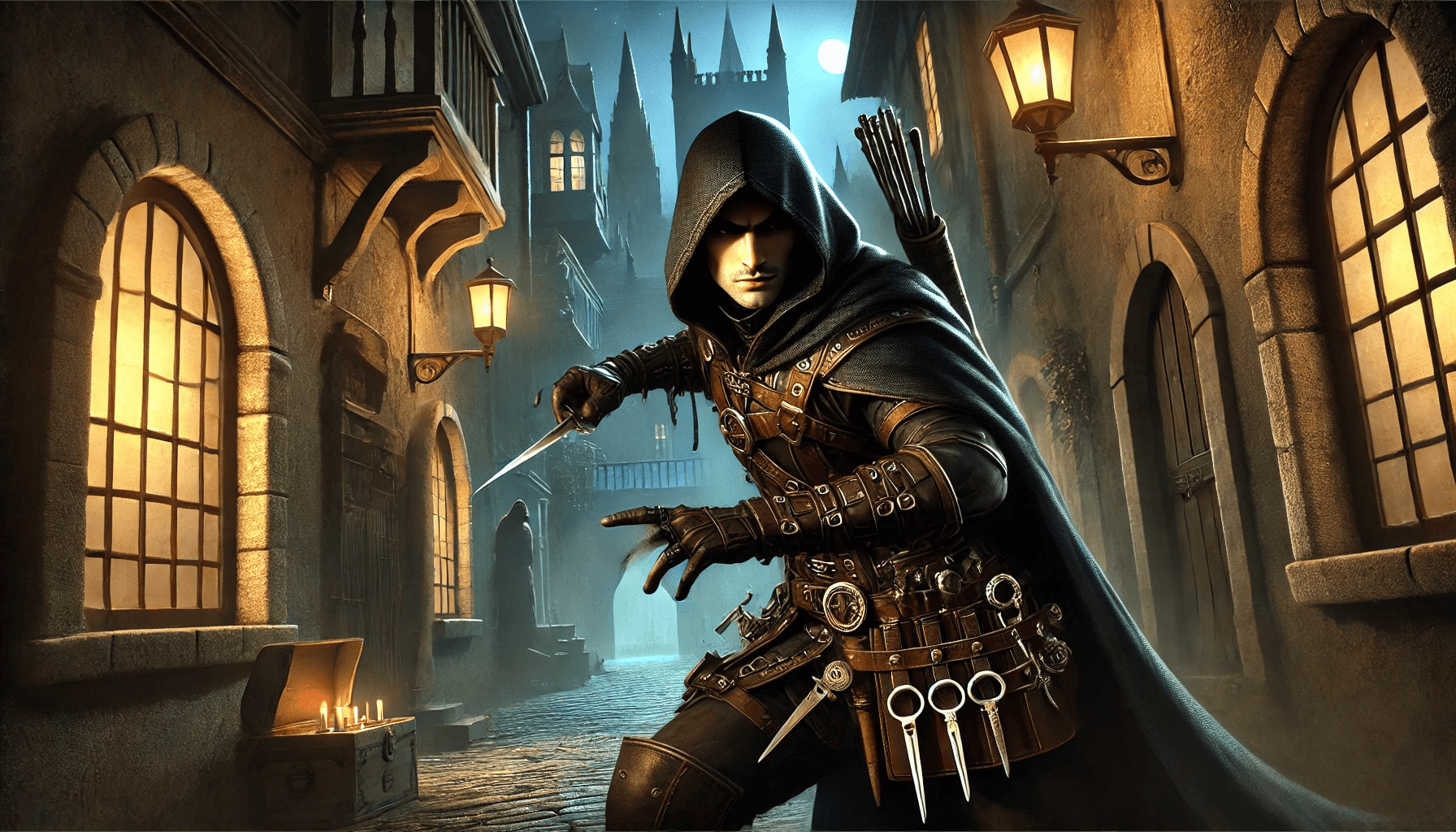
Rogue Guide for Beginners: Mastering the Rogue in D&D 5e

The Rogue in Dungeons & Dragons (D&D 5e) is a skilled scout, precise attacker, and problem-solver. Rogues rely on stealth, positioning, and expertise rather than brute force. This D&D Rogue guide covers class features, Sneak Attack, subclasses, and character builds using the 2024 Player's Handbook rules, labeled 5.5e on D&D Beyond in 2026.
Why Play a Rogue?
- Reliable Damage: Sneak Attack rewards smart positioning and adds extra damage to qualifying hits.
- Stealth and Utility: Explore dangerous areas, uncover traps, and handle locks with the right skills and tools.
- Skill Expertise: Excel at selected ability checks, whether sneaking past guards or reading someone's intentions.
Core Features
Key Mechanics and Abilities
- Sneak Attack (Level 1): Once per turn, add damage when you hit with a Finesse or Ranged weapon and have Advantage. You can also qualify without Advantage when a non-Incapacitated ally is within 5 feet of the target and your attack has no Disadvantage. Sneak Attack starts at 1d6 and reaches 10d6 at level 19. You need not be hidden. A qualifying Opportunity Attack on another creature's turn can also trigger Sneak Attack.
- Expertise and Weapon Mastery (Level 1): Double your proficiency bonus in two chosen proficient skills, then two more at level 6. Choose mastery properties for two weapon types you are proficient with, and change your choices after a Long Rest. You also learn Thieves' Cant and another language.
- Cunning Action (Level 2): Dash, Disengage, or Hide as a Bonus Action. You can escape a dangerous position without giving up your attack.
- Steady Aim (Level 3): Use a Bonus Action to gain Advantage on your next attack roll that turn, provided you have not moved. Your Speed then becomes 0 for the rest of the turn.
- Cunning Strike and Uncanny Dodge (Level 5): Sacrifice 1d6 of Sneak Attack damage to attempt to poison an enemy, trip a Large or smaller target, or retreat up to half your Speed without provoking Opportunity Attacks. Poison requires a Poisoner's Kit. Uncanny Dodge lets you halve damage from a hit by an attacker you can see using your Reaction.
- Evasion and Reliable Talent (Level 7): Against effects allowing a Dexterity save for half damage, Evasion lets you take none on success and half on failure, unless Incapacitated. Reliable Talent raises d20 results below 10 to 10 on proficient skill or tool checks. It previously arrived at level 11.
Improved Cunning Strike (level 11) allows two effects at their combined cost. Devious Strikes (level 14) adds Daze, Knock Out, and Obscure. At level 15, Slippery Mind grants Wisdom and Charisma saving throw proficiency.
Suggested Ability Scores
- Dexterity (Primary): Improve Finesse and ranged attacks, Armor Class, Initiative, and Stealth.
- Constitution (Secondary): Support your hit points when enemies close the distance.
- Intelligence, Charisma, or Wisdom: Choose based on your subclass and preferred skills. Arcane Tricksters benefit from Intelligence.
Recommended Species
In 5.5e, backgrounds determine ability score increases, not species. Criminal is a useful background for Dexterity and Constitution, with the Alert Origin feat.
- Halfling: Luck and Naturally Stealthy suit a careful infiltrator.
- Human: An extra Origin feat and skill proficiency provide flexibility.
- Elf: Darkvision and lineage features suit scouting and exploration.
- Tabaxi or Half-Elf: Options from older books may be used with your DM's approval; check which version of their rules your table allows.
Playing as a Rogue
Role in a Party
Rogues serve as scouts, focused attackers, and skill specialists. Spot hidden passages, open locks, or distract guards during heists. In combat, aim for a meaningful hit each turn while staying within reach of your party's support.
Tips for New Players
- Plan for Sneak Attack: Coordinate with melee allies. For example, a level 3 Rogue hitting with a shortbow while an ally stands next to the target can add 2d6 damage if the Sneak Attack conditions are met.
- Manage Your Bonus Action: Choose between Cunning Action and Steady Aim. You normally have only one Bonus Action each turn.
- Know When to Hide: The Hide action normally requires a DC 15 Stealth check, suitable cover or heavy obscurity, and being outside enemy sight. Attacking ends hiding.
- Use Your Skills: Ask about clues, obstacles, and useful tools. Rogues contribute even when nobody is fighting.
Roleplay Suggestions
- Charming Thief: A smooth talker who relies on persuasion more than violence.
- Vengeful Assassin: A patient hunter whose personal mission shapes their choices.
- Clever Trickster: A resourceful problem-solver who prefers misdirection to confrontation.
Subclasses Overview
Choose your Rogue subclass at level 3. The 2024 Player's Handbook includes Arcane Trickster, Assassin, Soulknife, and Thief. Additional Rogue subclasses appear in other books.
- Arcane Trickster Rogue: Mix spellcasting with stealth, using illusions and Mage Hand to solve problems.
- Assassin Rogue: Focus on striking early, infiltration, and precise opening attacks.
- Swashbuckler Rogue: Play a confident duelist who moves freely around opponents.
- Phantom Rogue: Draw on supernatural connections to souls and the dead.
- Soulknife Rogue: Create Psychic Blades and use psionic abilities for attacks and skill checks.
- Thief Rogue: Excel at climbing, stealing, and using objects creatively.
- Inquisitive Rogue: Spot deception, investigate mysteries, and study opponents.
- Scout Rogue: Combine survival skills with quick movement in the wilderness.
- Mastermind Rogue: Use deception, planning, and teamwork to influence encounters.
The 2025 Forgotten Realms: Heroes of Faerûn introduced Scion of the Three. The November 2026 D&D: World of Warcraft expansion updated Swashbuckler. Phantom, Inquisitive, Scout, and Mastermind use older rules; confirm allowed versions with your DM.
Gear and Dice Recommendations
Suggested Equipment
- Weapons: Daggers, shortswords, rapiers, and shortbows qualify for Sneak Attack. Shortbow's Vex mastery helps set up your next hit; dagger's Nick mastery can free your Bonus Action when using two Light weapons.
- Armor: Start with light armor and upgrade to studded leather when practical.
- Tools: Carry Thieves' Tools for locks and traps. Ball bearings and caltrops can help control narrow passages.
Dice Recommendations from Runic Dice
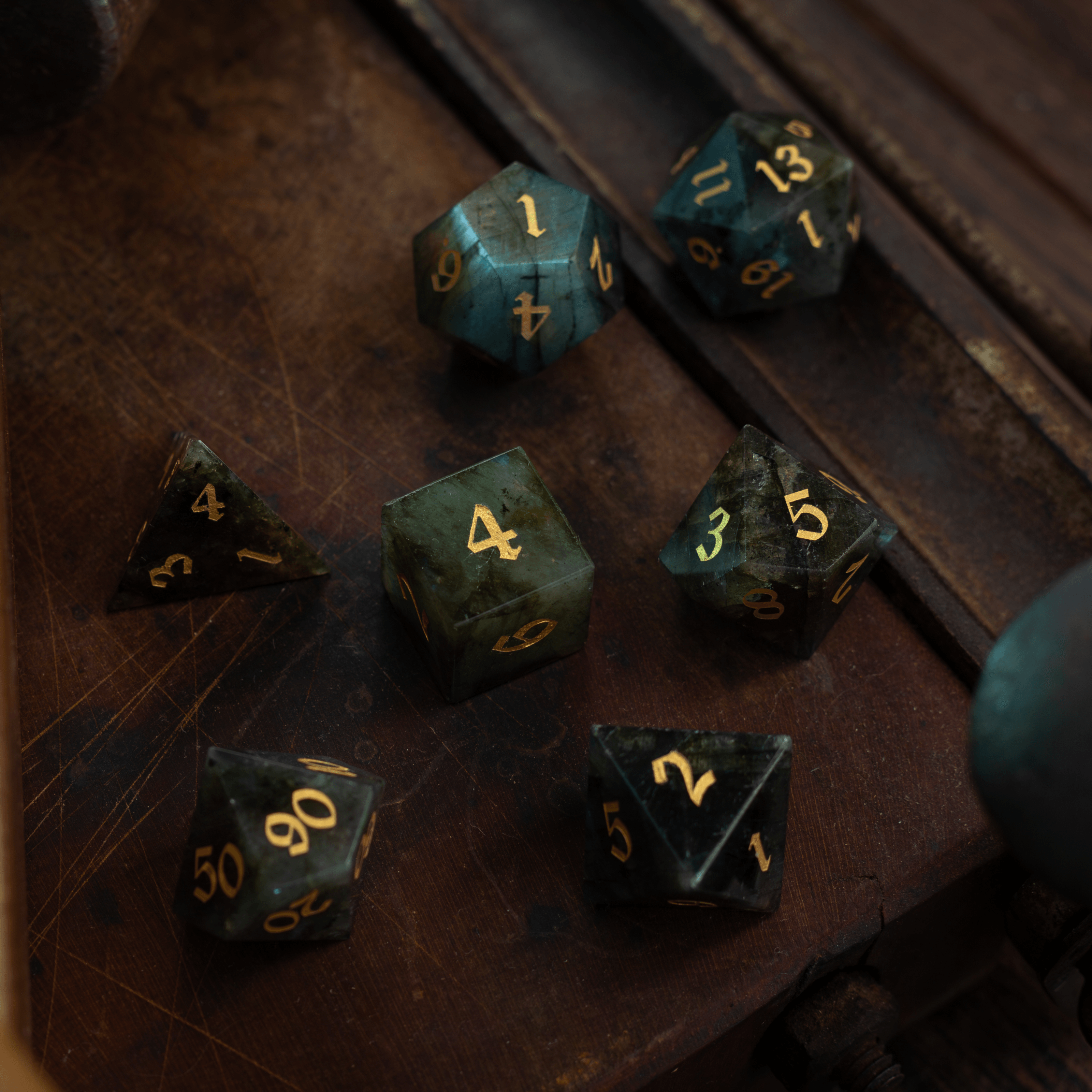
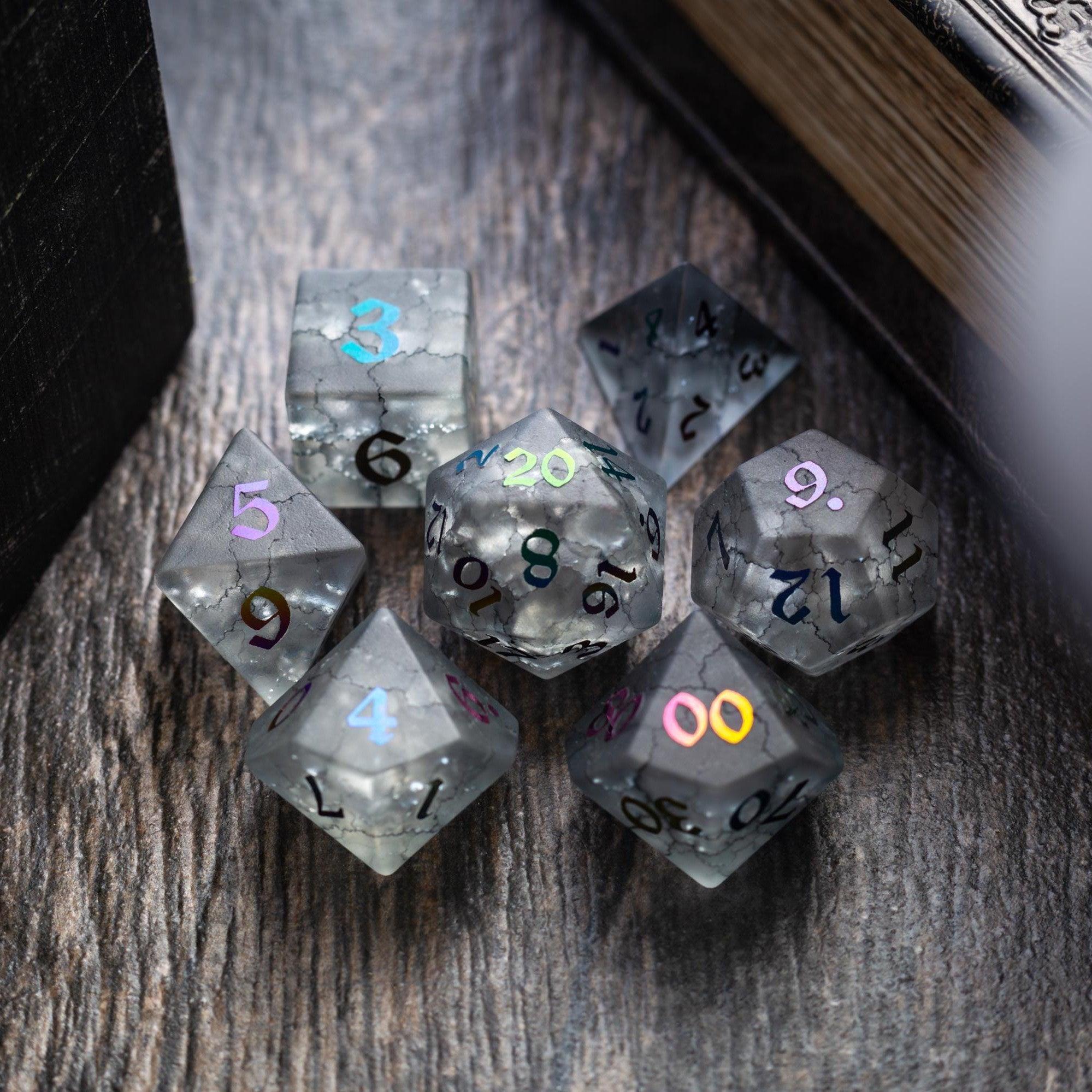
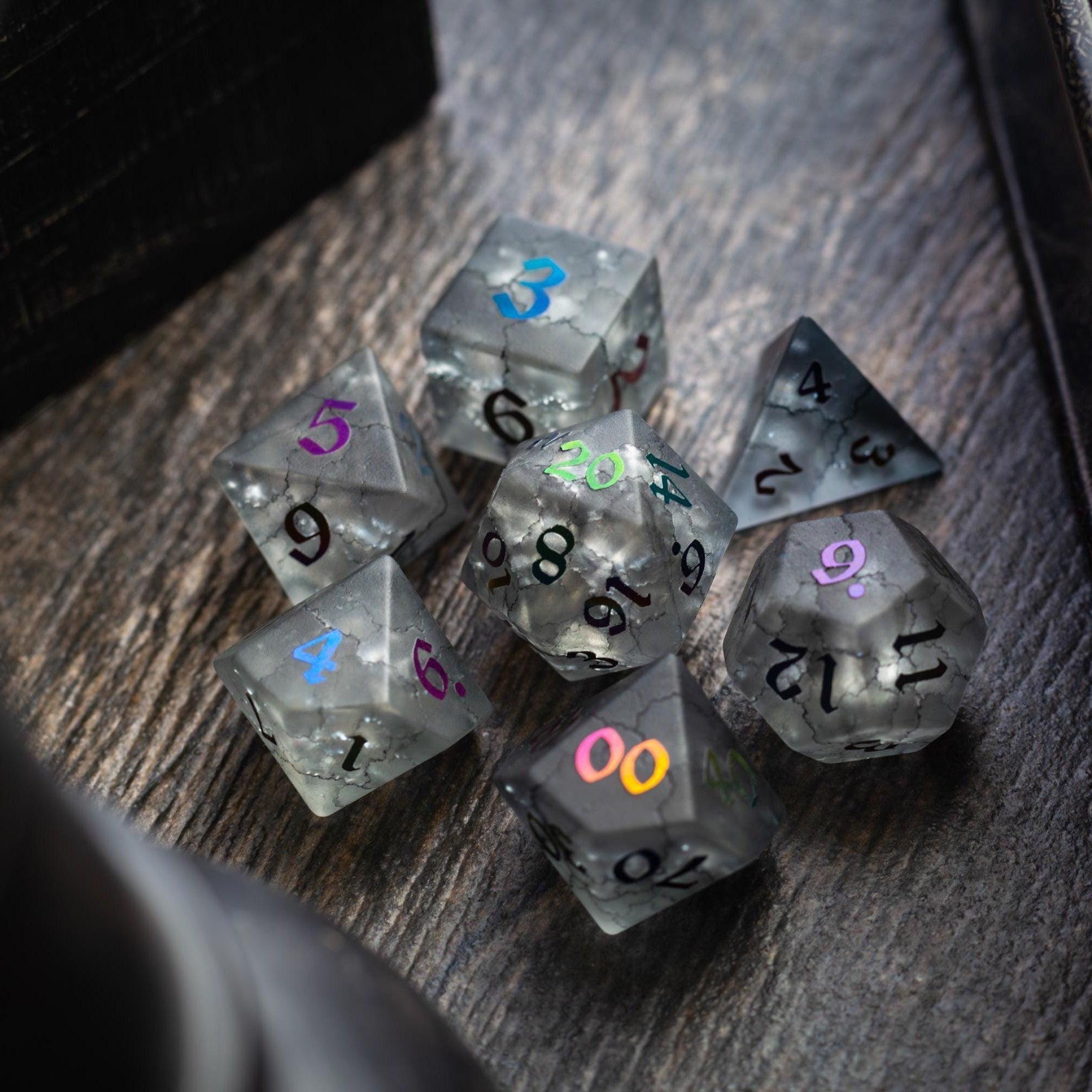
Looking for the perfect set? Browse the full Rogue Dice collection — every set hand-picked to match the class.
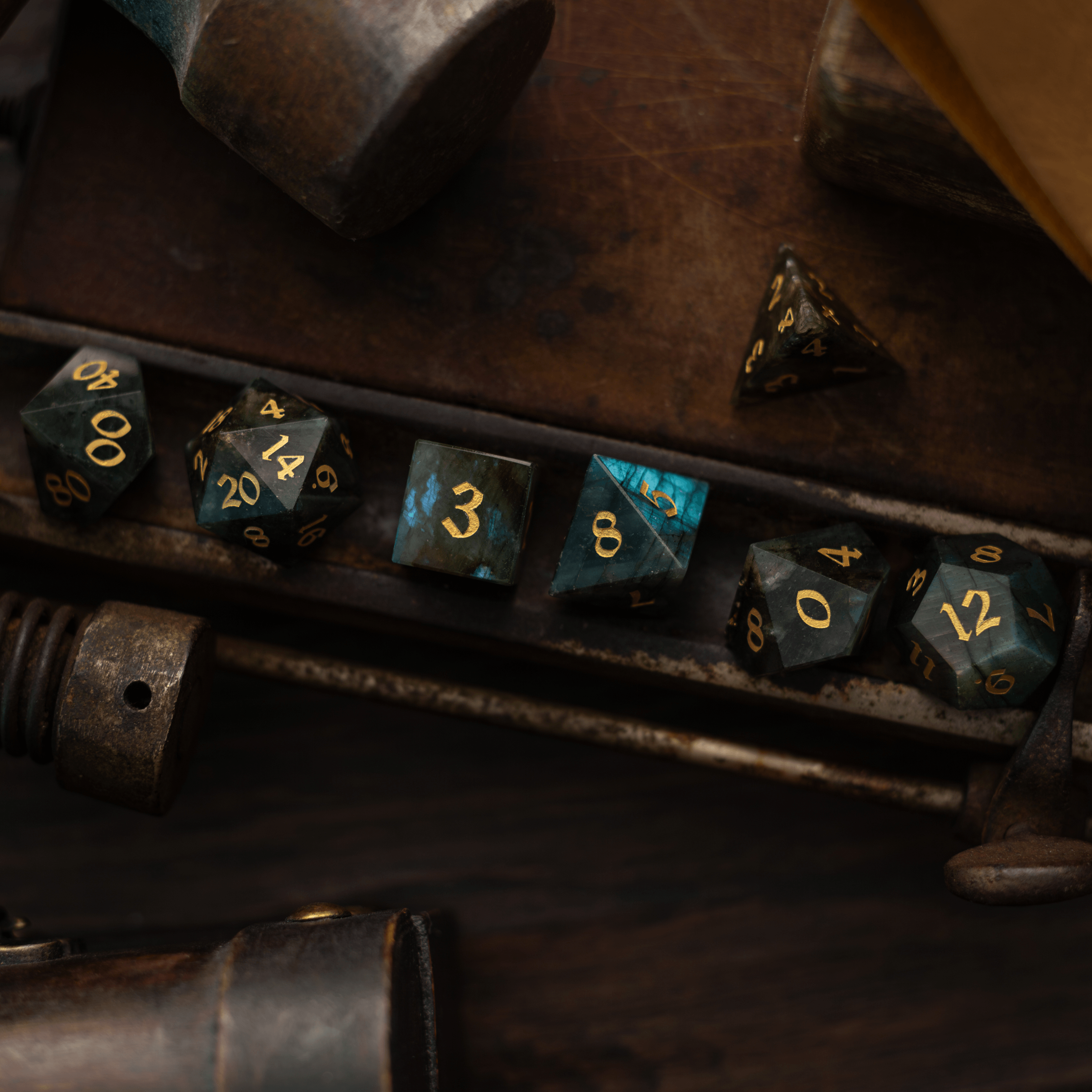
Rogues thrive in precision, agility, and cunning, and their DND dice sets, gemstone dice, and resin dice should reflect that same sleek mastery. Every roll counts for a rogue, whether it’s landing a critical Sneak Attack or slipping away unseen. At Runic Dice, you can find dice that capture the elegance, danger, and quiet confidence of the rogue’s path.
- Arcane Trickster: For a mystical and vibrant aesthetic, consider the Purple Gemstone Amethyst DND Dice Set. Hand-carved from genuine amethyst, these dice exude a rich purple hue, capturing the arcane essence of an Arcane Trickster.
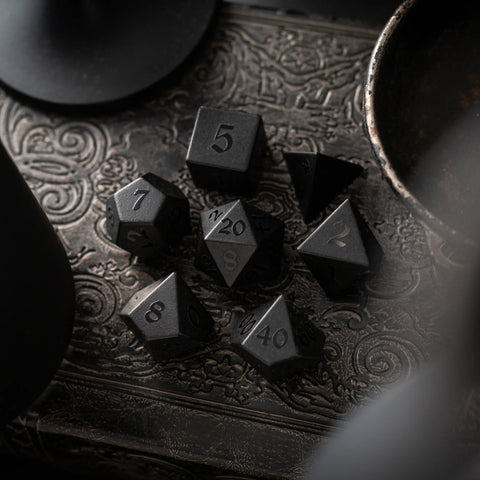
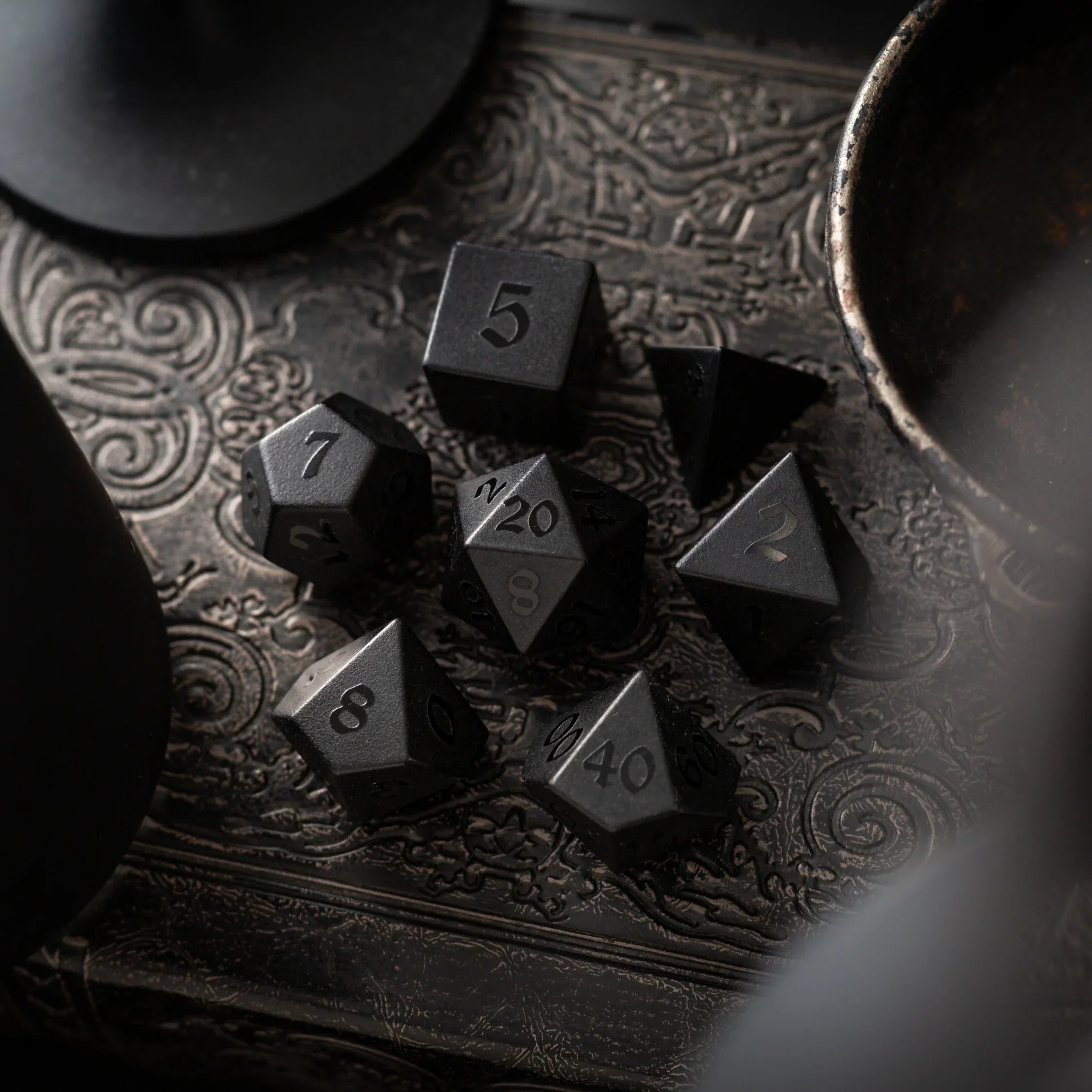
- Assassin: Embrace a sleek and deadly design with the Black Obsidian Gemstone DND Dice Set. Crafted from genuine black obsidian, these dice feature sharp edges and a deep, dark luster, embodying the precision and lethality of an Assassin.
- Swashbuckler: For an elegant and polished flair, the Gemstone Raised Dichroic Glass DND Dice Set offers a shimmering, multi-colored appearance with a smooth finish, reflecting the charismatic and daring nature of a Swashbuckler.
- Phantom: Capture an eerie, ghostly vibe with the Opalite Gemstone DND Dice Set. These dice, made from opalite, have a translucent, ethereal quality that complements the mysterious presence of a Phantom.
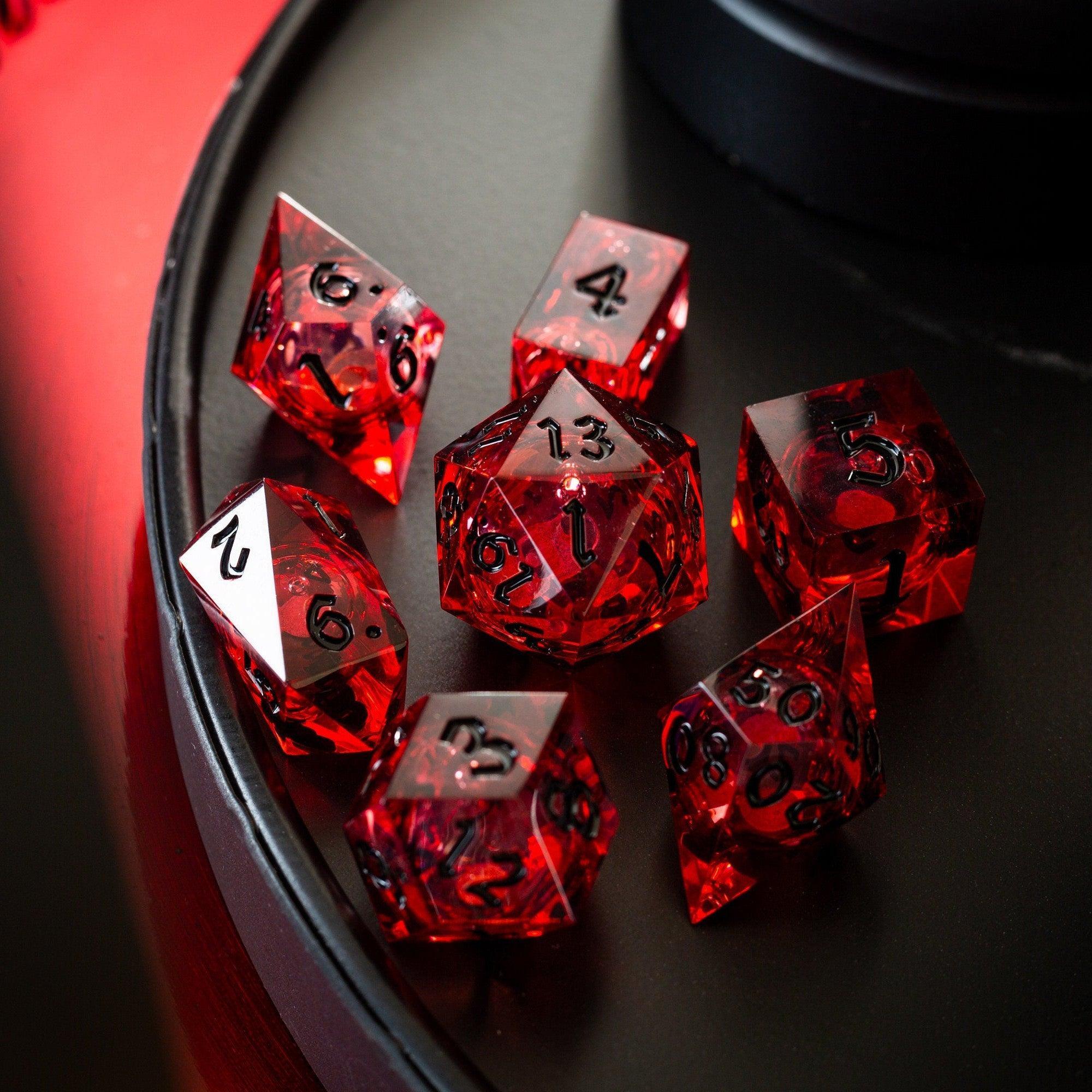
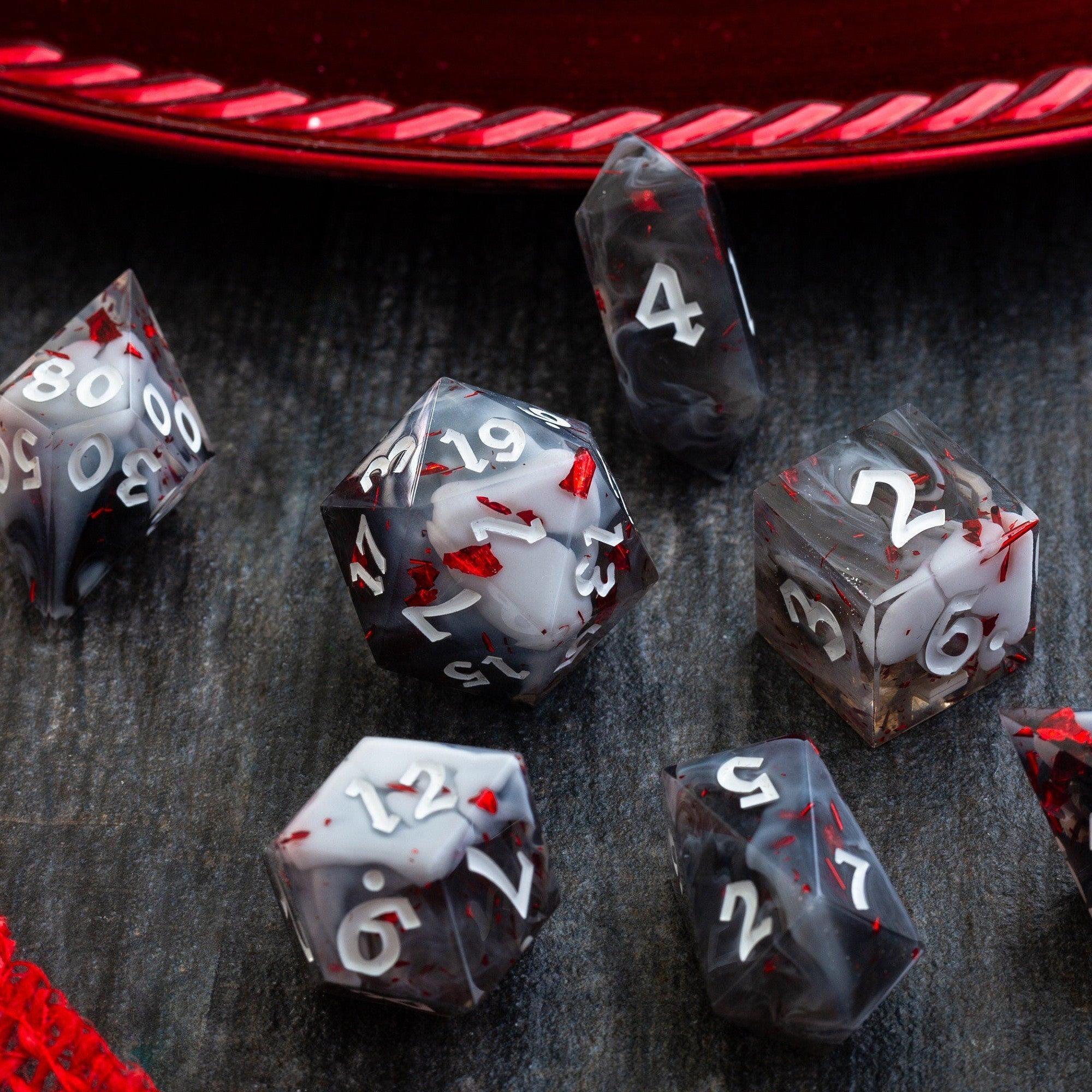
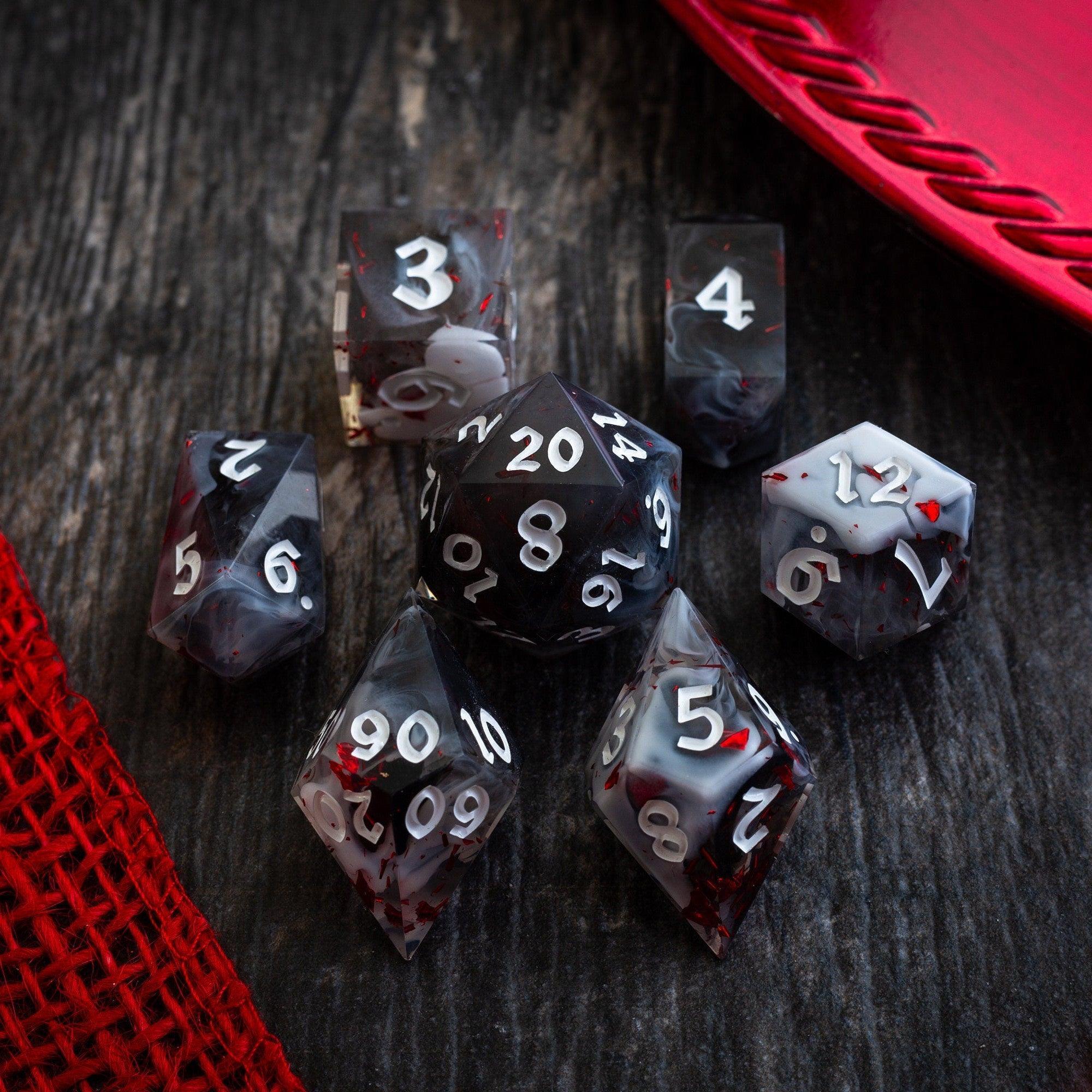
- General Rogue: For a minimalist and stealthy design, the Smoke and Blood Resin DND Dice Set features muted tones with subtle swirling patterns, embodying the cunning and subtlety characteristic of Rogues.
Every rogue knows that luck and timing can make or break a heist. With gemstone dice for a heavier, tactile feel or resin dice for sharp clarity and speed, your DND dice sets from Runic Dice bring finesse to every roll. Whether you’re unlocking doors or striking from the shadows, your dice should feel as dangerous as your next move.
Advanced Tips and Tricks
Optimization Strategies
- Feats: Alert adds proficiency to Initiative; Skulker supports stealth-focused play from level 4 if you meet its Dexterity prerequisite.
- Multiclassing: Fighter adds combat options, while Bard supports skill-heavy characters. Multiclassing delays Rogue features and requires meeting ability score prerequisites.
- Combat Combos: Team up with an ally next to your target, or use Steady Aim when staying in place is safe. At level 5, choose Trip or Withdraw when control matters more than one Sneak Attack die.
Advanced Builds
- Sniper Rogue: Use a shortbow, cover, and ranged-friendly feats to land consistent Sneak Attacks.
- Duelist Rogue: Pair a rapier with Swashbuckler features if that subclass is allowed.
- Support Rogue: Choose Mastermind for tactical teamwork or Inquisitive for investigation-heavy adventures.
For a beginner-friendly Rogue build, try a level 3 Human Thief with the Criminal background. Using the standard array, assign 15 Dexterity and 14 Constitution, then add +2 and +1 from your background respectively. Choose Stealth and Perception Expertise, a shortbow and dagger for Weapon Mastery, and use Cunning Action to retreat when enemies approach. For official feature details, see D&D Beyond's updated Rogue rules.











Leave a comment
This site is protected by hCaptcha and the hCaptcha Privacy Policy and Terms of Service apply.