

Phantom Rogue Guide for Beginners: Mastering the Ghostly Trickster in D&D 5e

The Phantom Rogue is a death-touched Dungeons & Dragons subclass that draws on departed spirits to gain skills, damage multiple enemies, and eventually move like a ghost. It's a strong choice for players who enjoy stealth, investigation, and a supernatural backstory without playing a spellcaster.
First introduced in Tasha's Cauldron of Everything, the Phantom received updated rules in Ravenloft: The Horrors Within in June 2026. This guide uses that newer version alongside the revised Rogue class from the 2024 Player's Handbook, often called D&D 5.5e. If your group uses the original 2014 rules, check which version your DM allows because several Phantom abilities now work differently.
Why Play a Phantom Rogue?
Key Benefits
- Flexible skills: Borrow a skill or tool proficiency from the dead after a rest.
- Damage against two enemies: Wails from the Grave spreads necrotic damage when you land Sneak Attack.
- Useful investigation: Soul trinkets and Speak with Dead help uncover clues.
- Survival and movement: Later features protect you from attacks and let you pass through obstacles.
- Distinct roleplaying: Play a haunted investigator, grave robber, spirit guide, or reluctant messenger for the dead.
Unlike an Assassin, who focuses on dangerous opening attacks, a Phantom combines regular Rogue tactics with extra damage and information gathering. Its most distinctive defenses arrive at higher levels, so expect to fight like a typical Rogue early on.
Core Features
Key Mechanics and Abilities (2026 Rules)
Whispers of the Dead (Level 3)
After a Short or Long Rest, gain one skill or tool proficiency you don't already have. You replace it the next time you use this feature. For example, take Investigation when searching an abandoned manor, then switch to a forgery-related tool proficiency before creating false travel papers.
Wails from the Grave (Level 3)
Immediately after dealing Sneak Attack damage on your turn, choose a second creature you can see within 30 feet of the first target. It takes necrotic damage equal to a roll of half your Rogue level's Sneak Attack dice, rounded up. No second attack roll is required. In the 2026 version, you can use this feature a number of times equal to your Dexterity modifier (minimum once), recovering uses after a Long Rest. Older guides that say proficiency bonus are describing the previous version.
Tokens of the Departed (Level 9)
You gain two soul trinkets, small objects carrying spiritual energy, and a Long Rest restores your supply to at least two. You can use a Reaction to gain another when a creature you see dies within 30 feet. Your maximum is two at level 9, three at level 13, and four at level 17.
- Death's Knell: Destroy a trinket after dealing Sneak Attack damage to activate Wails from the Grave without spending a normal use.
- Life Essence: With at least one trinket, gain Advantage on Constitution and Death Saving Throws.
- Spirit Query: Destroy a trinket using a Magic action to cast Augury without components, or ask its associated spirit one question if you know who it belonged to.
Voice of Death (Level 9)
Cast Speak with Dead once without a spell slot or components, regaining this use after a Short or Long Rest. You can target an associated soul trinket instead of a corpse, giving you another way to question someone who has died. Answers still depend on what the spirit knew.
Ghost Walk (Level 13)
As a Bonus Action, become spectral for up to 10 minutes. You can fly and hover at 10 feet, attacks against you have Disadvantage, and you can move through creatures and solid objects as Difficult Terrain. Ending your turn inside something deals 1d10 Force damage to you. You can use Ghost Walk again after a Long Rest, or restore its use by destroying a soul trinket.
Death's Friend (Level 17)
Wails from the Grave now deals its necrotic damage to both your original Sneak Attack target and the second creature. Also, when you roll Initiative with no soul trinkets remaining, you gain one. This keeps your signature abilities useful in long adventuring days.
Suggested Ability Scores
- Dexterity: Your top priority for weapon attacks, Armor Class, Stealth, and additional Wails from the Grave uses.
- Constitution: Important for hit points and survival when you get caught.
- Wisdom: Useful for Perception and Insight; Intelligence or Charisma may be better for a detective or social infiltrator.
Recommended Species
Under the updated rules, species generally don't provide the old fixed ability-score boosts; your background helps determine those. Consider these choices for their features and story possibilities:
- Reborn: An especially fitting Ravenloft option with past-life knowledge and death-related resilience.
- Dhampir: A sinister, mobile character with a vampiric theme.
- Shadar-kai Elf: A shadow-themed option with supernatural movement if your DM permits its earlier sourcebook.
- Kenku: Useful for an unsettling mimic or secretive investigator, subject to your table's available books.
- Tiefling: A strong choice for an eerie character who wants fiendish flavor and magical options.
Playing as a Phantom Rogue
Role in a Party
- Scout and infiltrator: Use Stealth, thieves' tools, and later Ghost Walk to reach difficult places.
- Mobile damage dealer: Trigger Sneak Attack regularly, then punish another nearby enemy with Wails from the Grave.
- Investigator: Swap proficiencies before a mission and use your spirit-related features when witnesses are dead.
Tips for New Players
- Plan for Sneak Attack: Look for Advantage or an ally next to your target, while following the normal Sneak Attack restrictions.
- Use your Bonus Action wisely: Cunning Action helps you Hide, Dash, or Disengage; Steady Aim offers Advantage when you can stay still.
- Save one trinket: Keeping a soul trinket maintains its saving throw benefits until spending it becomes worthwhile.
- Remember Cunning Strike: The revised Rogue gets it at level 5. You can trade Sneak Attack dice for control effects, such as Trip or Withdraw, while Wails still uses the Sneak Attack dice listed for your Rogue level.
Beginner build example: Start with high Dexterity, good Constitution, proficiency in Stealth and Perception, a shortbow, and a rapier or dagger. Fight from a safe position and use Wails when enemies group together. At level 9, keep track of your trinkets separately from your normal Wails uses.
Gear and Dice Recommendations
Suggested Equipment
Weapons
- Rapier: A dependable Finesse weapon for melee. Its weapon die is larger than a dagger's, but Sneak Attack damage follows your Rogue level.
- Shortbow: An effective ranged option for fighting from cover.
- Dagger: Handy as a backup Finesse and thrown weapon.
Armor and Magic Items
- Studded Leather Armor: Good protection for a Dexterity-focused Rogue without hurting Stealth.
- Cloak of Displacement: Makes you harder to hit while its effect remains active.
- Ring of Evasion: Helps with dangerous Dexterity saving throws.
- Weapon of Warning: A useful magic weapon for spotting trouble before it starts, if your DM makes one available.
Dice Recommendations from Runic Dice
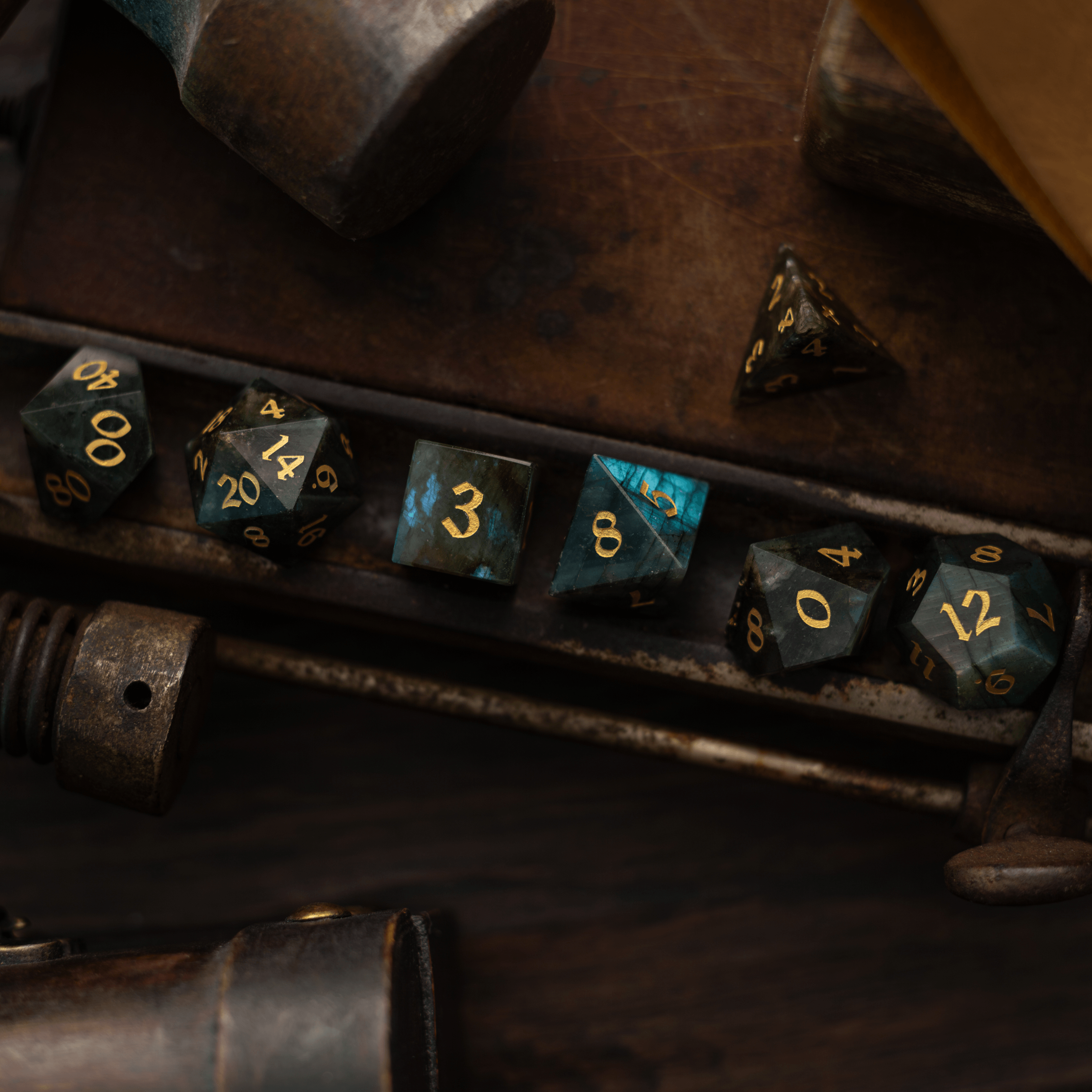
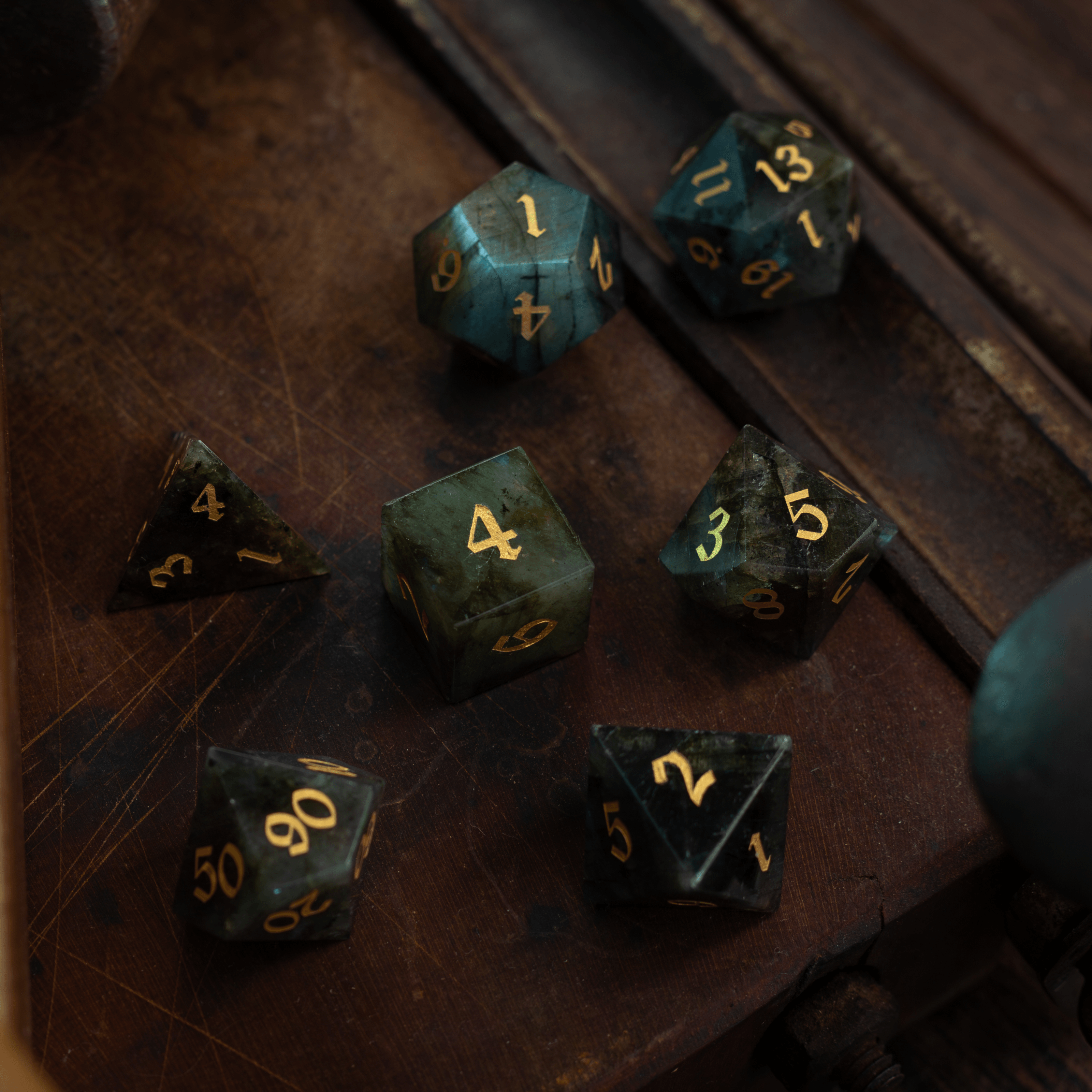
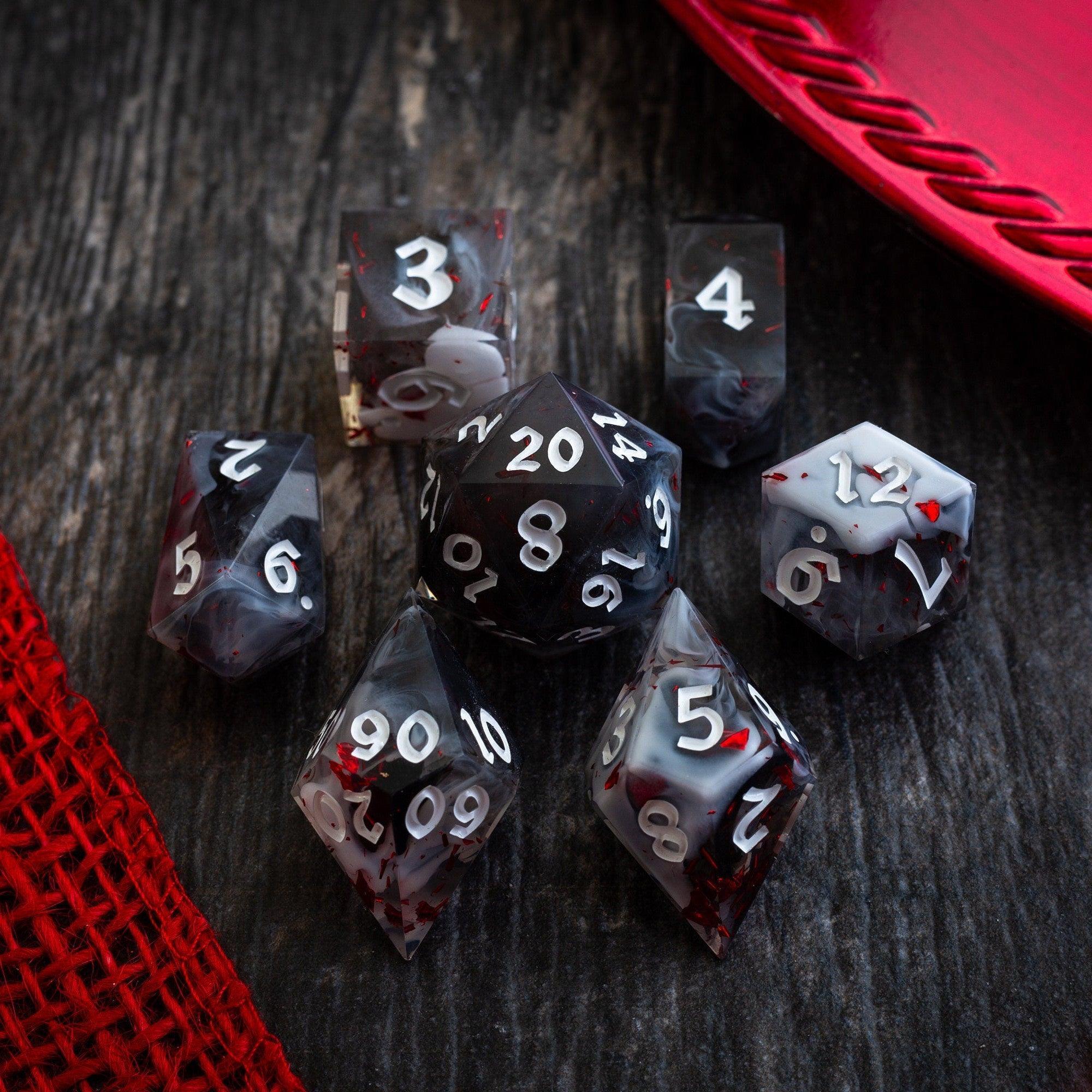
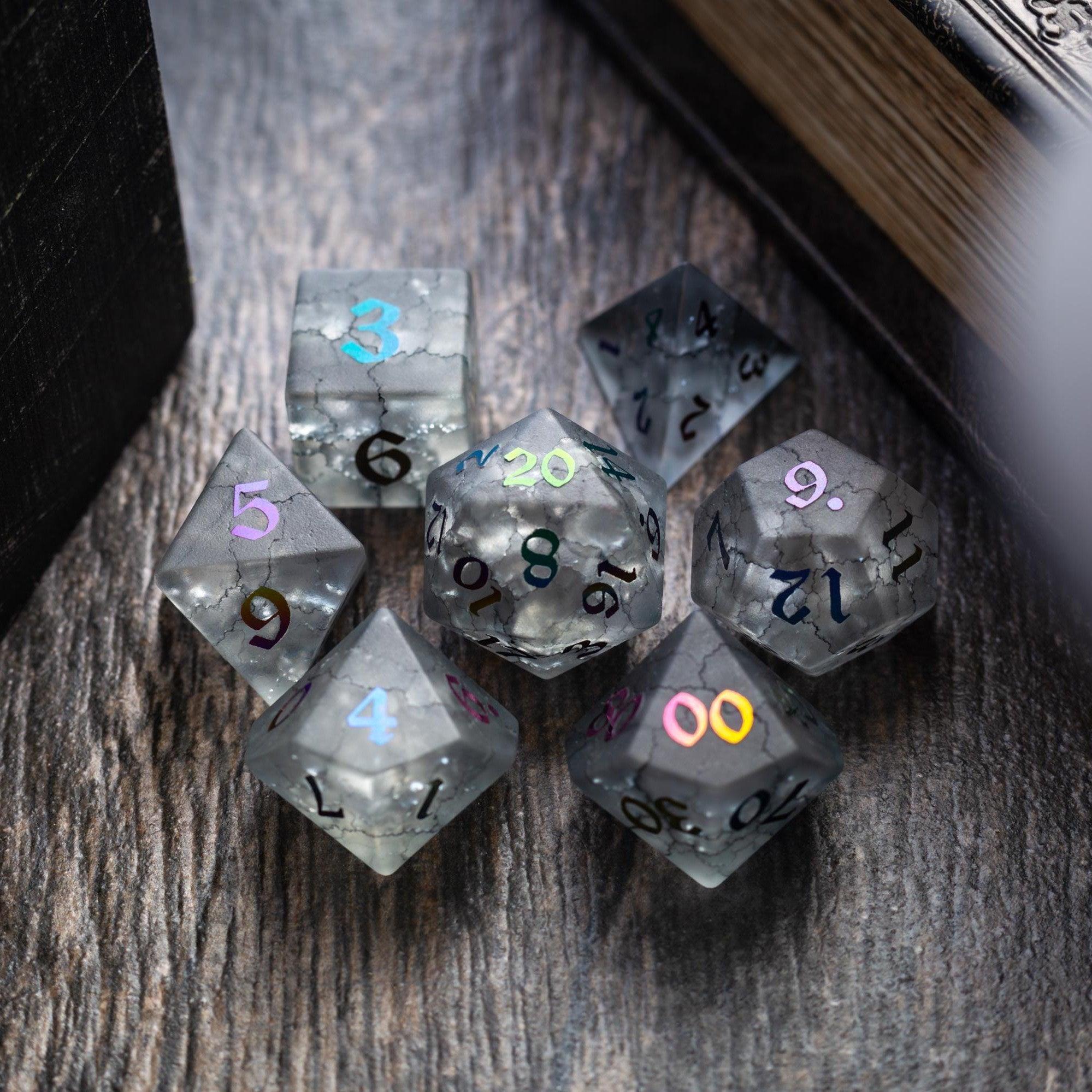
If you like matching your dice to your character's story, these three existing Runic Dice picks suit the Phantom's ghostly look:
- Black and Silver Glitter Liquid Core Resin DND Dice Set: Dark glitter and a moving liquid core fit a Phantom Rogue, Shadow Sorcerer, or spooky Warlock.
- Purple Gemstone Amethyst DND Dice Set: Deep purple stone works for a spirit-touched Rogue, Cleric, or Wizard.
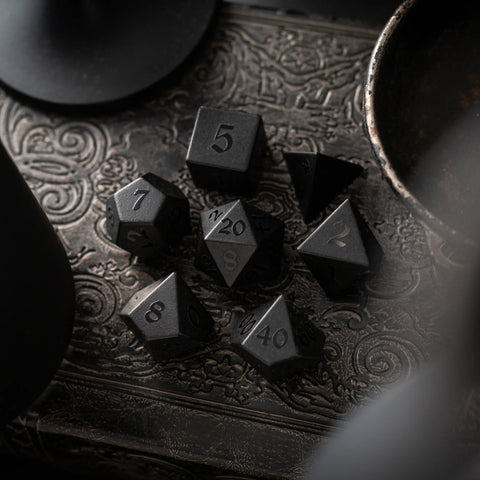
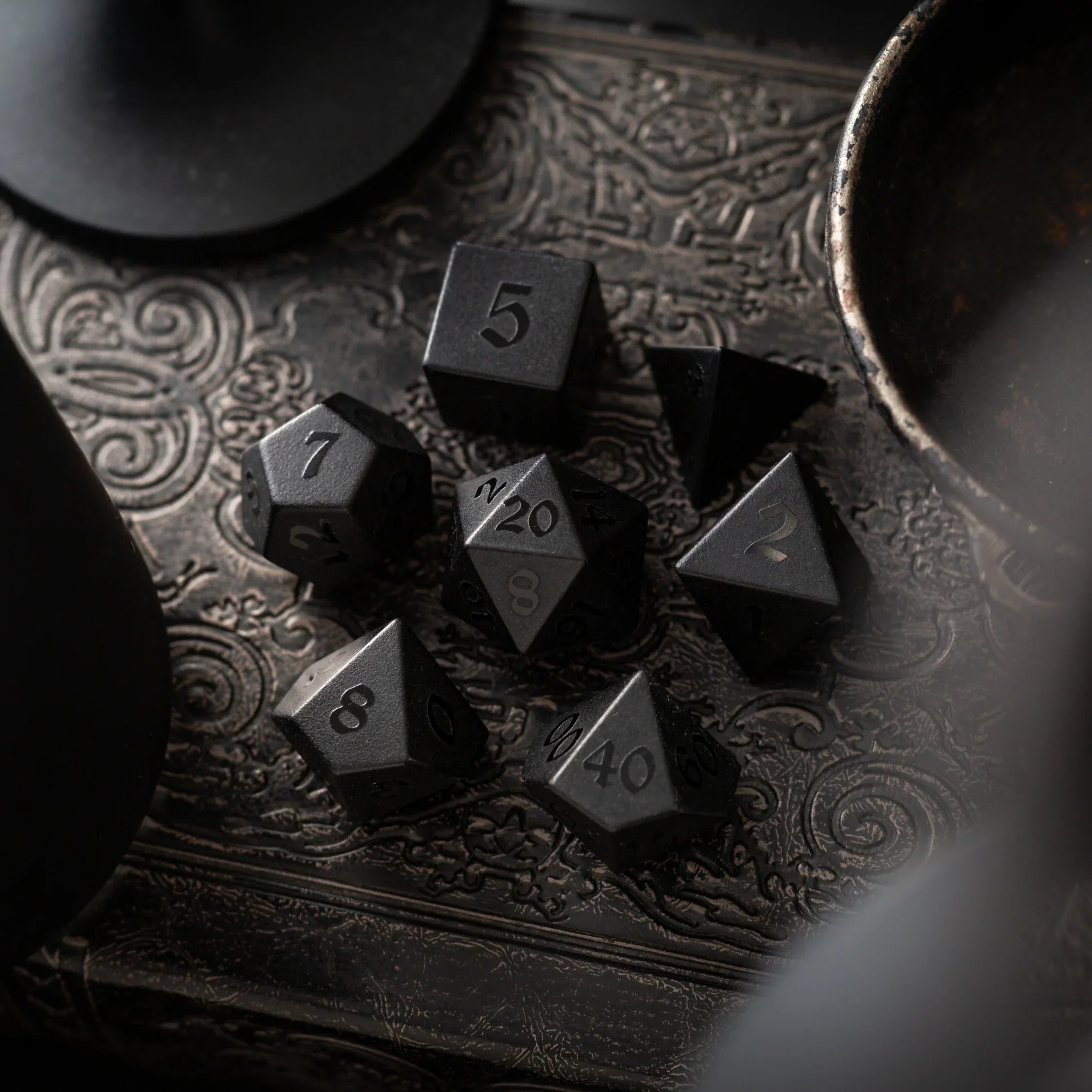
- Black Gemstone Eagle Eye DND Dice Set: Its dark stone appearance suits a stealthy Rogue, Ranger, or Fighter.
Advanced Tips and Tricks
Optimization Strategies
Best Feats for a Phantom Rogue
- Speedy: More movement and safer escapes, making it a useful updated alternative to the older Mobile feat.
- Lucky: An Origin feat that helps important rolls when used at the right time.
- Shadow Touched: Adds Invisibility and another spell for supernatural infiltration.
- Skulker: Helps characters who rely on hiding and fighting from the shadows.
- Tough: Extra hit points are useful if your Rogue gets cornered.
Best Multiclass Options
- Fighter: A small investment can add combat options, but delays Phantom features.
- Warlock: Offers occult magic and a fitting story, provided you meet its Charisma requirement.
- Cleric or Wizard: Adds spells and investigation options if you meet the required Wisdom or Intelligence score.
Staying single-classed is often the simplest route: Ghost Walk at level 13 and Death's Friend at level 17 are major reasons to keep advancing as a Rogue. If you want a clever, unsettling character who gathers secrets and fights with help from the dead, the updated Phantom Rogue in D&D has plenty to offer.














Leave a comment
This site is protected by hCaptcha and the hCaptcha Privacy Policy and Terms of Service apply.