

Mastermind Rogue Guide for Beginners: Mastering the Tactical Schemer in D&D 5e

The Mastermind Rogue is a Dungeons & Dragons 5e subclass built for spies, schemers, negotiators, and players who enjoy helping the party succeed. Introduced in Xanathar's Guide to Everything, it combines disguise skills, battlefield support, and a talent for reading people.
Rather than relying on surprise attacks alone, a Mastermind creates openings for teammates and gathers information before trouble starts. This guide covers its features, a beginner-friendly build, combat tactics, and how the subclass works with the D&D rules used in 2026.
Why Play a Mastermind Rogue?
Key Benefits
- Social skills: Disguises, accents, and languages help with infiltration and negotiation.
- Tactical support: Use the Help action as a bonus action to give an ally advantage on an attack.
- Information gathering: Learn how a suspect or rival compares with you in certain abilities.
- Flexible combat: Keep using Sneak Attack while choosing when to assist someone else.
- Strong roleplay: Play an investigator, political agent, informant, or calculating adventurer.
Mastermind suits campaigns involving mysteries, rival factions, or conversations with important characters. It still works in a dungeon, but much of its personality comes from the choices you make between fights.
Core Features
Key Mechanics and Abilities
Master of Intrigue (Level 3)
You gain proficiency with a disguise kit, a forgery kit, and one gaming set of your choice. You also learn two languages. After hearing someone speak for at least one minute, you can copy their speech patterns and accent, provided you know the language. This does not automatically copy their handwriting or guarantee that every impersonation succeeds.
Master of Tactics (Level 3)
You can take the Help action as a bonus action. When helping an ally attack, the enemy can be within 30 feet of you rather than the usual 5 feet, as long as the enemy can see or hear you. The next qualifying allied attack against that enemy gains advantage before your next turn.
This is your signature combat feature. For example, you could distract a guard from across a room, giving your Fighter a better chance to land their next strike. Remember that Help does not give every teammate advantage, and it does not automatically add Sneak Attack damage to your own attack.
Insightful Manipulator (Level 9)
After observing or interacting with a creature for at least one minute outside combat, choose two categories: Intelligence, Wisdom, Charisma, or class levels. The DM tells you whether the creature is your equal, superior, or inferior in each category compared with you. You do not learn exact scores, and the DM may optionally reveal something about its history or personality.
Misdirection (Level 13)
When a creature within 5 feet of you is providing cover against an attack aimed at you, you can use your reaction to redirect that attack toward the creature providing cover. Positioning matters: this does not work against every attack or against spells that only require saving throws.
Soul of Deceit (Level 17)
Your thoughts cannot be read unless you permit it, and you can feed false thoughts to a mind reader through a contested Deception check. Magic used to determine whether you are truthful can register your statements as true if you choose, and magic cannot force you to tell the truth. This is powerful protection for a spy, not blanket immunity to charm or other mental effects.
Mastermind Rogue and the 2026 D&D Rules
The Mastermind comes from an older fifth-edition supplement, not the 2024 Player's Handbook. In 2026, D&D Beyond labels the updated 2024 core rules as 5.5e and older material as 5e. The rules remain compatible, so ask your DM whether your campaign uses the older Rogue class or the updated one with the Mastermind subclass.
With the updated Rogue rules, you still select a subclass at level 3. You also gain Weapon Mastery, Steady Aim at level 3, and Cunning Strike at level 5. Cunning Strike lets you trade some Sneak Attack damage for effects such as Trip or Withdraw.
Watch your bonus action: Master of Tactics competes with Cunning Action and Steady Aim. On a dangerous turn, hiding or disengaging may be more useful than helping. Decide based on where your allies and enemies are standing.
Best Mastermind Rogue Build for Beginners
Suggested Ability Scores
- Dexterity first: Helps weapon attacks, Armor Class, Stealth, and several Rogue skills.
- Charisma next: Useful for Deception, Persuasion, and the social side of your character.
- Constitution: Gives you more staying power when negotiations turn into combat.
- Intelligence or Wisdom: Choose based on whether you prefer Investigation or Insight and Perception.
Recommended Species and Skills
A Human makes a versatile agent, while an Elf fits a patient investigator. A Tiefling can support a memorable diplomat or undercover operative. If your DM allows older species options, a Changeling is especially fitting for disguises. Species no longer dictate the same ability-score bonuses in the updated character-building rules, so choose one you want to roleplay.
For skills, prioritize Deception, Persuasion, Insight, Perception, and Stealth. Consider Expertise in Deception and Stealth early, then add Persuasion or Insight as the campaign develops. Expertise improves checks; it does not make a lie automatically believable.
Playing as a Mastermind Rogue
Role in a Party
- In combat: Attack with a finesse or ranged weapon when you can qualify for Sneak Attack, or help the ally whose next hit matters most.
- During exploration: Study guard routines, collect documents, and identify people who might know more.
- In conversations: Ask careful questions and use disguises when you have a believable reason to be somewhere.
Tips for New Players
Before a fight, ask who would benefit most from advantage. A Paladin preparing a major attack or another Rogue seeking Sneak Attack may appreciate your Help action. If you're the party's main damage dealer, attacking yourself may be the better option. Advantage helps an allied Rogue meet one Sneak Attack requirement, but their other rules still apply.
Outside combat, share clues with teammates rather than keeping every secret to yourself. A Mastermind is more fun when their planning gives the whole table something useful to do.
Gear and Dice Recommendations
Suggested Equipment
- Rapier: A strong finesse weapon for a Dexterity-based melee Rogue.
- Shortbow: A practical ranged option when you want some distance from danger.
- Daggers: Easy to carry and useful for close combat or throwing.
- Studded leather: Reliable light armor that does not impose disadvantage on Stealth checks.
- Disguise kit and forgery kit: Put your subclass proficiencies to work during investigations.
If your DM awards magic items, a Hat of Disguise helps with false appearances, while Gloves of Thievery support delicate handwork. An Amulet of Proof Against Detection and Location is worth considering in a campaign full of magical surveillance.
Dice Recommendations from Runic Dice
A Mastermind can use any standard DND dice set. If you like matching your dice to your character, these styles suit a subtle, calculating Rogue:
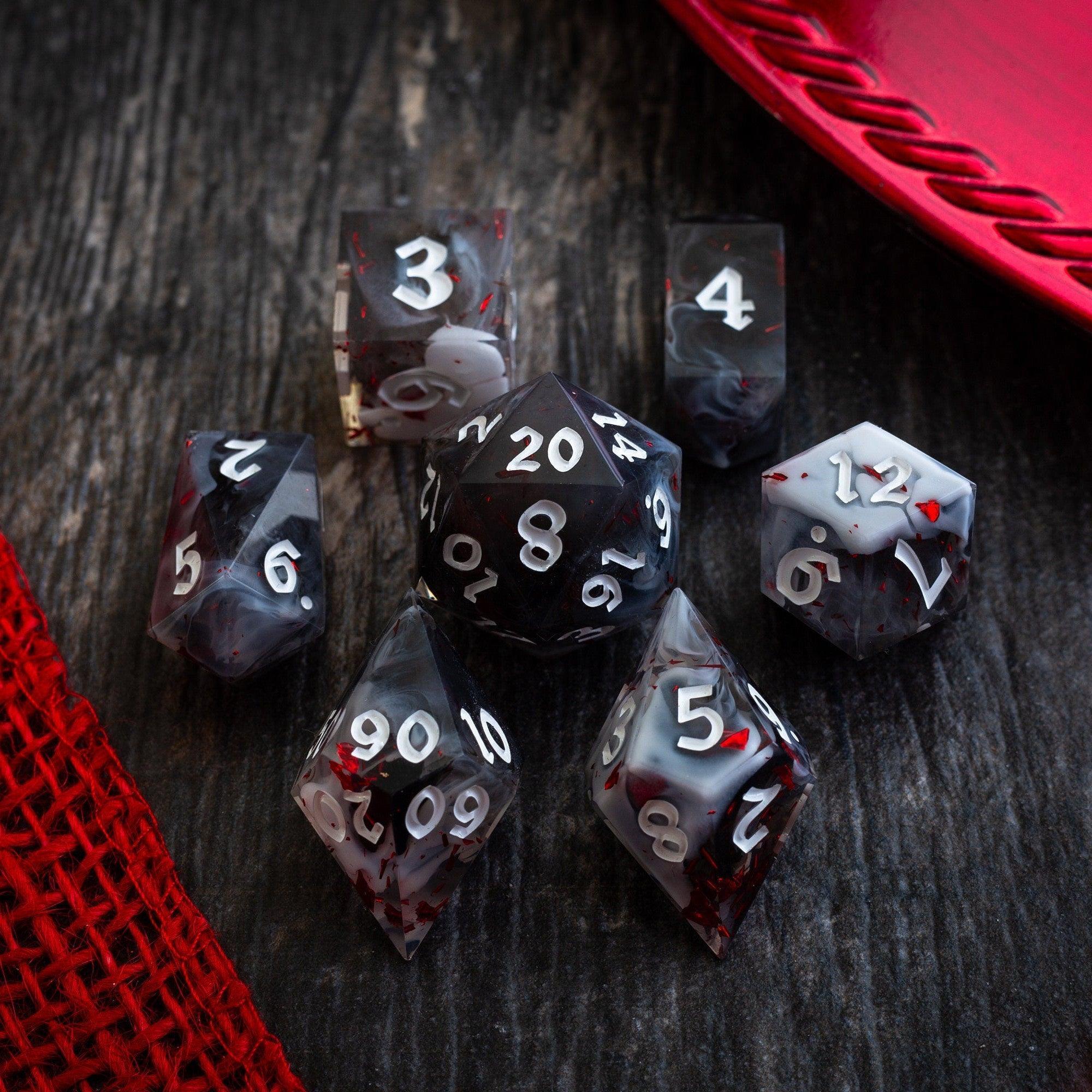
- Blue Smoke Handmade Resin DND Dice Set: Swirling blue resin suits an undercover agent or information broker.
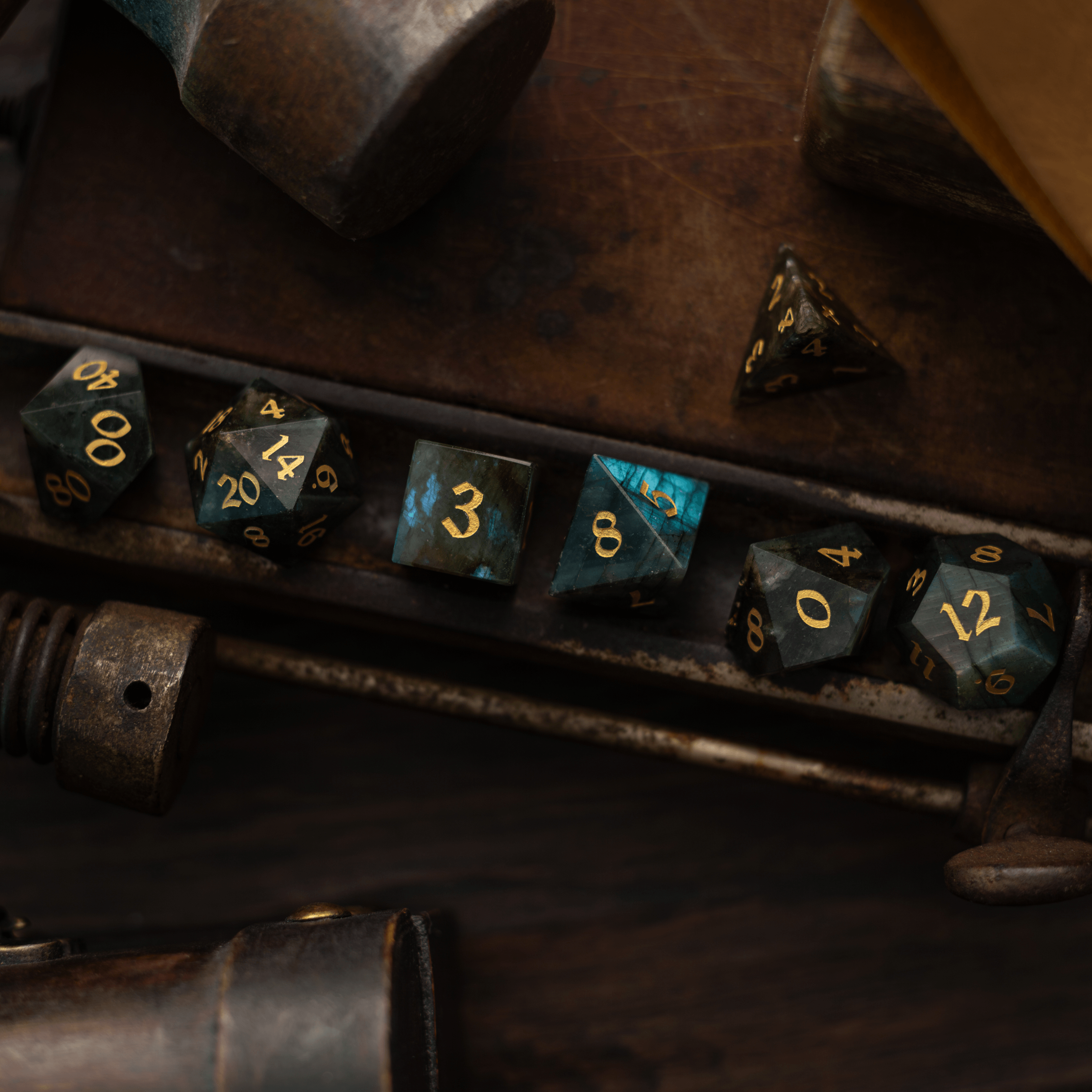
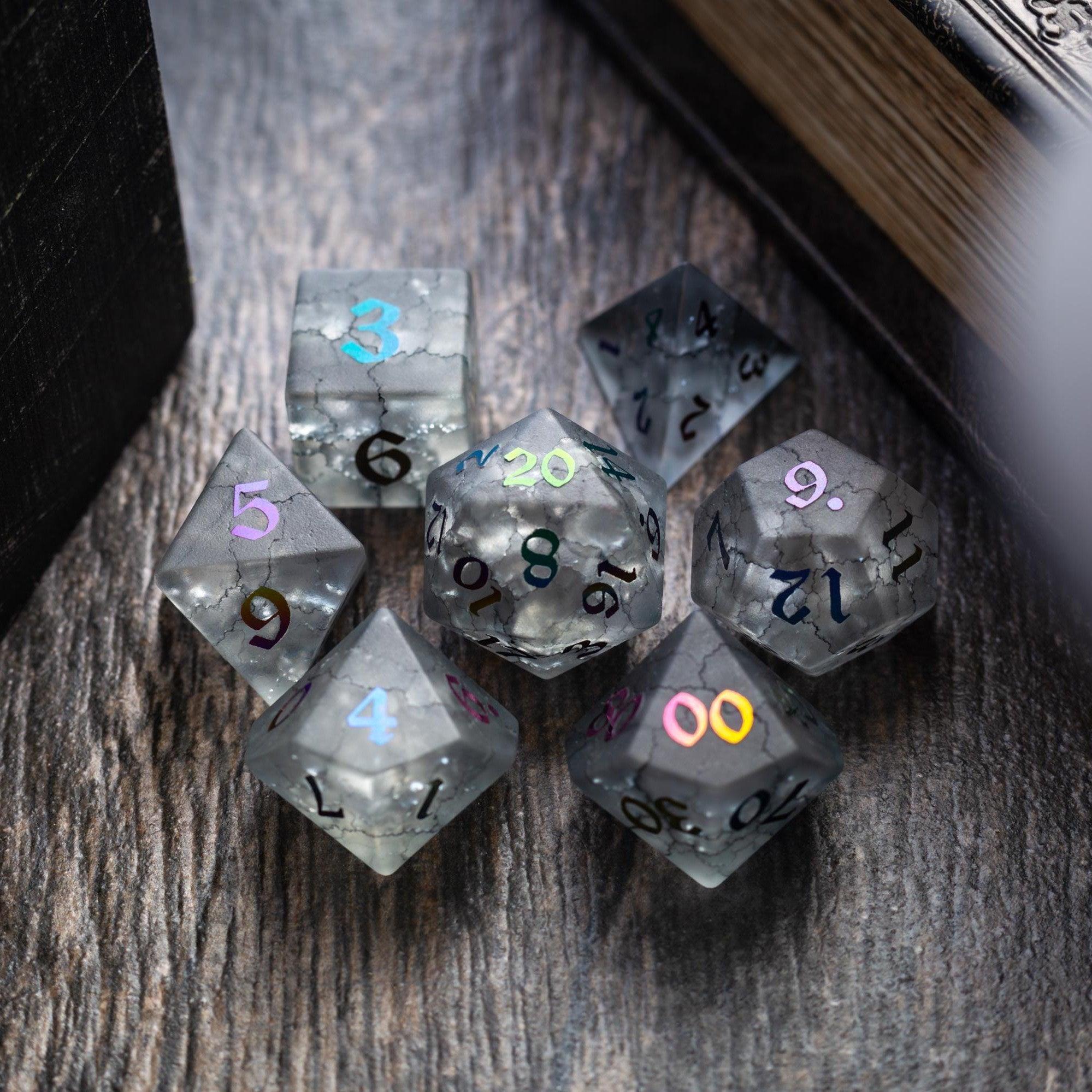
- Gemstone Gray Cats Eye Stone DND Dice Set: A muted gray look for a restrained diplomat or investigator.
If you choose gemstone dice, a padded dice tray can help protect the dice and your tabletop.
Advanced Tips and Tricks
Optimization Strategies
Useful Feats
- Actor: Helpful for an impersonator who regularly adopts new identities.
- Observant: Fits a character who collects clues and watches for suspicious behavior.
- Skilled: Adds proficiencies to broaden your practical options, not additional Expertise by itself.
- Resilient (Wisdom): Can strengthen an important saving throw if you qualify for it.
Feat prerequisites and benefits vary between the 2014 and updated rules, so use the version your table has chosen.
Multiclass Options
Bard adds spells and social support, making it attractive for a diplomatic spy. Warlock can provide magic for deception or escape, depending on the patron and spells selected. However, multiclassing delays Rogue features and Sneak Attack progression. New players can comfortably stay single-classed and develop their strategy through skills, equipment, and teamwork.
Mastermind Rogue FAQ
Is the Mastermind Rogue good in combat? Yes, especially when the party can make use of advantage. Its level 3 support ability is useful from the start, but it does not replace normal Rogue damage or careful positioning.
Can Master of Tactics help an ally 30 feet away? The extended distance concerns the enemy being attacked, not every type of Help action. That enemy must be able to see or hear you.
Is Mastermind beginner-friendly? It is approachable if you enjoy making decisions about allies' turns. Players who want a simpler damage-focused Rogue might prefer another subclass.
The Mastermind Rogue rewards patience, observation, and teamwork. Whether you're running an undercover investigation or calling out openings in a fight, the best strategy is often the one that helps your entire party succeed.

















Leave a comment
This site is protected by hCaptcha and the hCaptcha Privacy Policy and Terms of Service apply.