
Way of the Astral Self Monk Guide for Beginners: Mastering the Astral Self Monk in D&D 5e

The Way of the Astral Self Monk summons spectral arms, a mystical visage, and eventually an astral body. Introduced in Tasha's Cauldron of Everything, this D&D 5e subclass suits spiritually focused martial artists.
Astral Self Monks use Wisdom for spectral-arm attacks and strike from farther away. Success still requires positioning and resource management. This guide covers the published subclass and revised 2024 Monk rules.
WHY PLAY A WAY OF THE ASTRAL SELF MONK?
Key Benefits
- Wisdom-Based Combat: Use Wisdom for attack and damage rolls with your spectral arms, letting you emphasize a key Monk ability.
- Extended Striking Reach: Hit creatures up to 10 feet away with astral-arm unarmed strikes on your turn.
- Useful Exploration Features: See through magical darkness and improve Insight and Intimidation checks with your astral visage.
- Reliable Force Damage: Your astral-arm strikes deal force damage from level 3, which can help against certain resistances.
- Distinctive Character Concept: Make your astral form resemble a guardian spirit or ancestor.
Your extra striking reach does not make you untouchable or grant additional attacks.
Core Features
Key Mechanics and Abilities
Arms of the Astral Self (Level 3)
- Spend 1 ki point and a bonus action to summon spectral arms for 10 minutes. Chosen creatures you can see within 10 feet make a Dexterity save or take force damage equal to two Martial Arts dice.
- While active, the arms can make unarmed strikes using Wisdom instead of Strength or Dexterity for attack and damage rolls. These strikes deal force damage.
- Your reach increases by 5 feet for unarmed strikes made with the arms on your turn. This does not automatically extend the reach of opportunity attacks.
- You can substitute Wisdom for Strength when making Strength checks and Strength saving throws.
Example: Strike an enemy 10 feet away without approaching. Since activation uses your bonus action, you cannot also use Flurry of Blows that turn.
Visage of the Astral Self (Level 6)
- Spend 1 ki point to summon a spectral mask for 10 minutes, either as a bonus action or when activating your arms. Summoning both costs 2 points total.
- Astral Sight: See normally in magical and nonmagical darkness within 120 feet.
- Wisdom of the Spirit: Gain advantage on Wisdom (Insight) and Charisma (Intimidation) checks.
- Word of the Spirit: Speak so only one creature you can see within 60 feet hears you, or project your voice to creatures within 600 feet. This is not telepathy.
Example: Warn a teammate privately or navigate a magically dark passage.
Body of the Astral Self (Level 11)
- When your arms and visage are both active, you can manifest your astral body without spending an action.
- Deflect Energy: When you take acid, cold, fire, force, lightning, or thunder damage, use your reaction to reduce it by 1d10 plus your Wisdom modifier, with a minimum reduction of 1.
- Empowered Arms: Once on each of your turns, add one Martial Arts die to the damage of a hit made with your astral arms.
Example: Reduce an elemental attack while keeping pressure on an enemy.
Awakened Astral Self (Level 17)
- Spend 5 ki points as a bonus action to manifest your arms, visage, and body together for 10 minutes.
- Armor of the Spirit: Gain a +2 bonus to Armor Class while awakened.
- Astral Barrage: When Extra Attack would let you make two attacks, make three instead if every attack uses your astral arms.
This feature arrives late, making early resource management especially important.
2014 and 2024 Monk Rules
This 2014-era subclass can accompany the revised 2024 Monk. Its original ki points are called Focus Points in revised rules. Martial Arts and grappling also differ. Check the official Monk rules comparison.
Suggested Ability Scores
- Primary: Wisdom improves astral-arm attacks, your Monk save DC, and Unarmored Defense.
- Secondary: Dexterity supports initiative, Armor Class, and combat before your arms are active.
- Tertiary: Constitution provides hit points for encounters where you cannot avoid taking damage.
Recommended Races and Species
- Githzerai: A natural thematic fit for a disciplined, spiritually focused warrior.
- Shadar-Kai Elf: Teleportation offers flexible positioning when enemies close the distance.
- Variant Human (2014 rules): An early feat gives you extra flexibility.
- Owlin: Flight can help you approach encounters from unexpected angles when space allows.
Species bonuses differ by ruleset, so check your chosen character-building rules.
Playing as a Way of the Astral Self Monk
Role in a Party
- Mobile Striker: Use your movement and 10-foot striking reach to pressure vulnerable enemies.
- Battlefield Support: Watch enemy positioning, protect teammates, and take advantage of the Monk's control options.
- Scout and Negotiator: Combine your astral visage with Wisdom-based skills and thoughtful roleplay.
Tips for New Players
- Choose when to activate your arms. Spending points on easy fights may leave you short later.
- Respect your reach. Enemies can still approach or attack from range.
- Save your reaction when necessary. At level 11, Deflect Energy competes with other features that also use your reaction.
- Check grappling rules. Wisdom helps Athletics checks under 2014 rules, but 2024 grappling works differently. Extra striking reach does not extend grappling reach.
Beginner-Friendly Build Example
For a level 5 Monk using 2014 rules, aim for Wisdom 16, Dexterity 16, and Constitution 14 if possible. Raise Wisdom, carry a quarterstaff for times without astral arms, and use Extra Attack after summoning them. Plan your escape routes.
Roleplay Suggestions
- The Spiritual Warrior: Your astral arms resemble an honored mentor who taught you patience.
- The Lost Soul: Your spectral form carries memories you do not fully understand.
- The Mystic Guardian: Your astral body appears whenever someone nearby needs protection.
Gear and Dice Recommendations
Suggested Equipment
Weapons
- Quarterstaff: A practical Monk weapon for moments when you have not summoned your arms.
- No Weapons Needed: Astral-arm unarmed strikes can handle your main combat role once activated.
Armor
- No Armor (Unarmored Defense): Your Dexterity and Wisdom contribute to AC while you are not wearing armor or carrying a shield.
Magic Items
- Bracers of Defense: Grant +2 AC while you wear no armor and use no shield.
- Cloak of Protection: Adds +1 to AC and saving throws.
- Ring of Free Action: Helps you move through difficult terrain and resist certain magical movement restrictions.
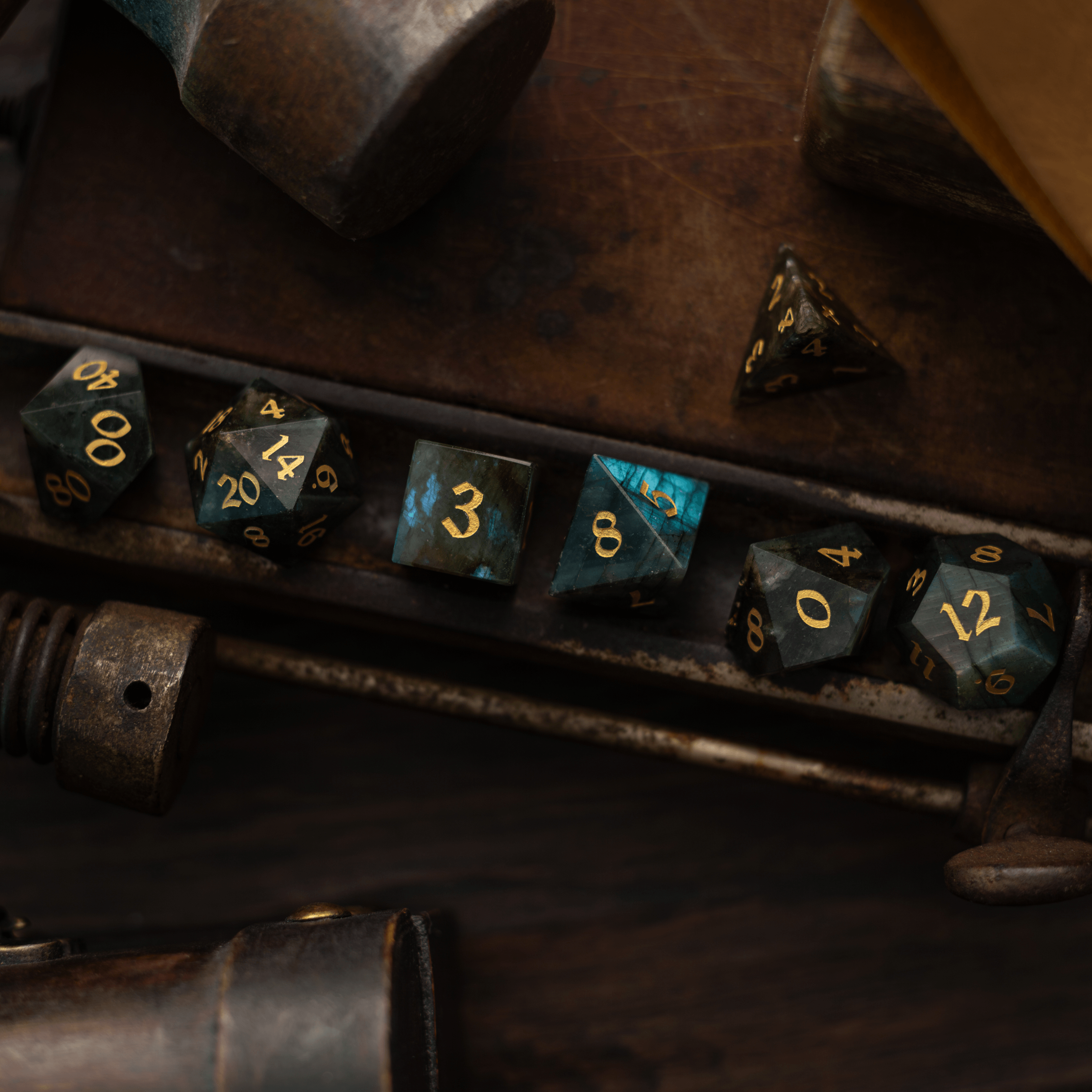
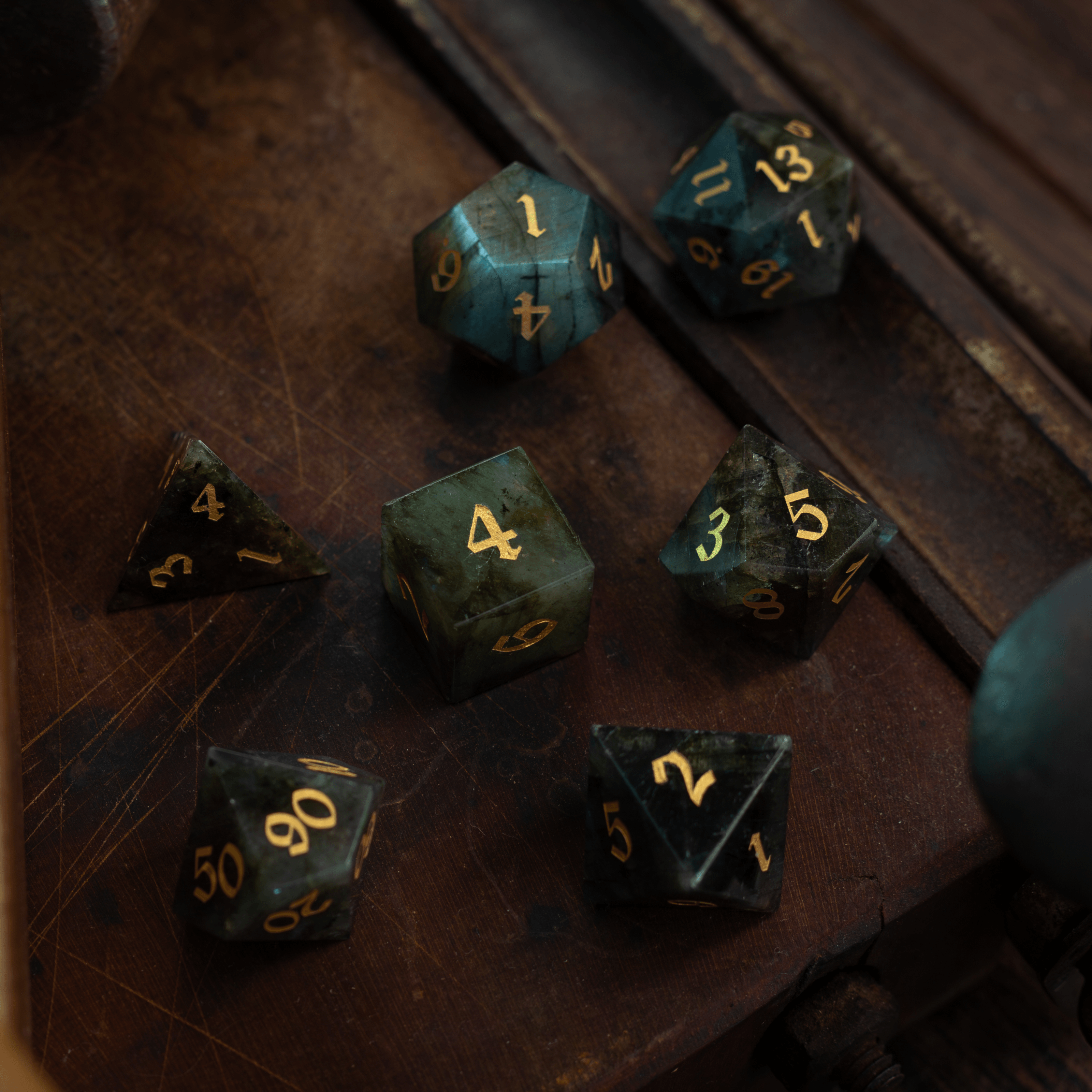
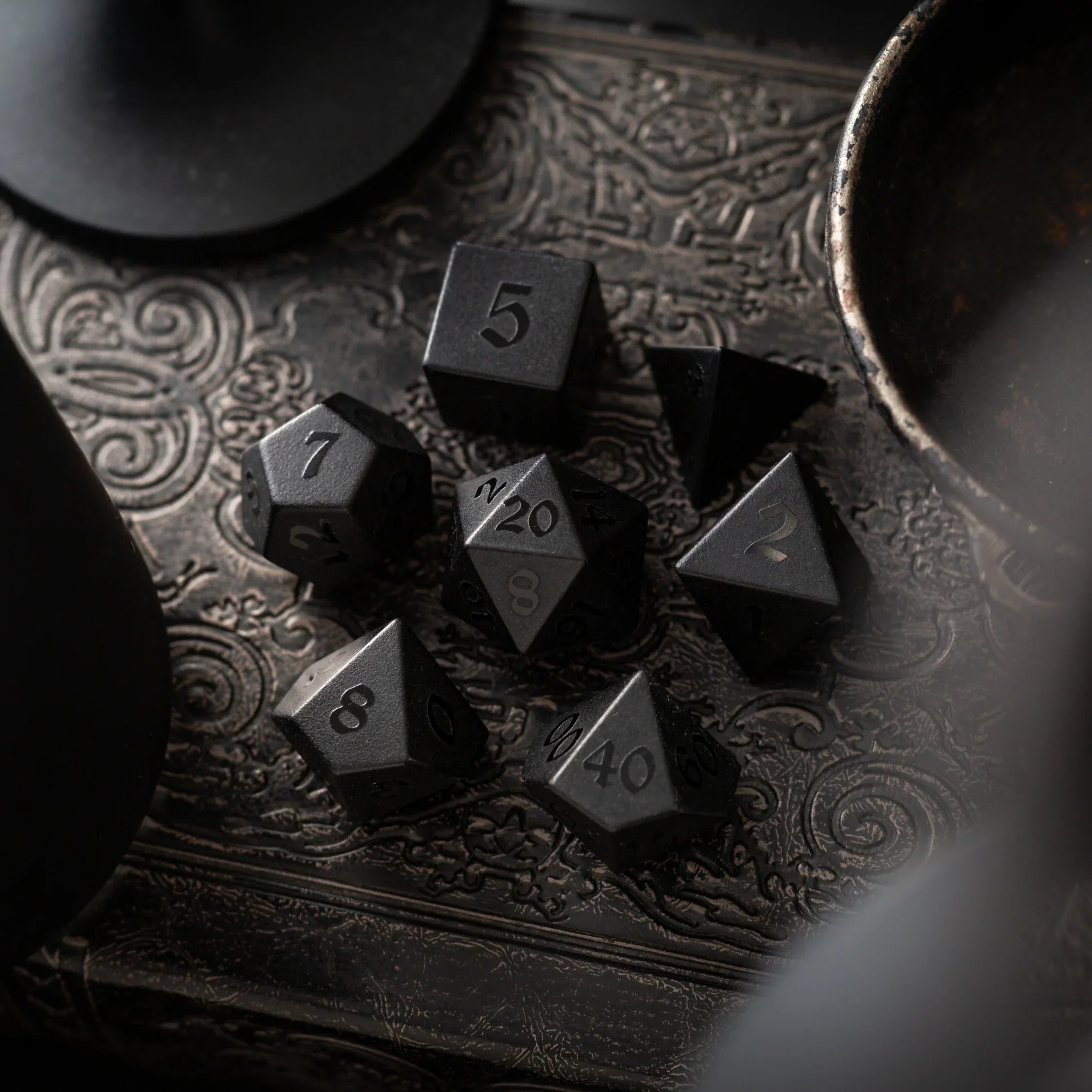
Dice Recommendations from Runic Dice
The right DND dice set helps capture the mystical, otherworldly power of an Astral Self Monk. These sets reflect radiant energy, spiritual forms, and the cosmic essence that defines this subclass:
- Spirit Warrior: For blue and silver hues representing astral energy, consider the Blue Glitter Liquid Core Sharp Edge Resin DND Dice Set. This set features vibrant blue tones with a dynamic liquid core, capturing the essence of ethereal power.
- Celestial Harmony: For radiant energy with fiery undertones, the Gemstone Raised Dichroic Glass DND Dice Set showcases shimmering colors that shift in the light, symbolizing the transcendence and enlightenment of a monk who channels their inner astral self.
- Soulbound: For swirling white and gold colors perfect for a spirit-infused fighter, the Gemstone Opalite (Gold Font) DND Dice Set offers a luminous quality with gold numbering, symbolizing the connection between the physical and spiritual realms.
These gemstone dice and resin dice sets fit the Astral Self Monk's mystical theme and make a distinctive addition to the gaming table.
Advanced Tips and Tricks
Optimization Strategies
- Feats: Tough improves survivability, while Lucky can help with important rolls. Mobile is useful under 2014 rules; the revised 2024 rules offer different feat choices, including Speedy.
- Multiclassing: Cleric offers support spells, Druid brings extra utility, and Rogue can support a stealth-focused concept. Each dip delays your Monk abilities and may compete for bonus actions, so staying single-classed is often simpler.
- Resource Management: Summon the visage when its benefits matter.
Way of the Astral Self Advanced Build Ideas
- The Soul Reaper: Focus on Wisdom and force-damage strikes against enemies resistant to ordinary physical attacks.
- The Phantom Striker: Use mobility and astral reach to attack without staying beside your target.
- The Cosmic Warrior: Balance Wisdom, Dexterity, and Constitution to survive longer encounters.
The Way of the Astral Self Monk rewards tactical movement, spiritual roleplay, and careful resource use. Learn the limits of each astral feature and use it when your party needs it.

















Leave a comment
This site is protected by hCaptcha and the hCaptcha Privacy Policy and Terms of Service apply.