
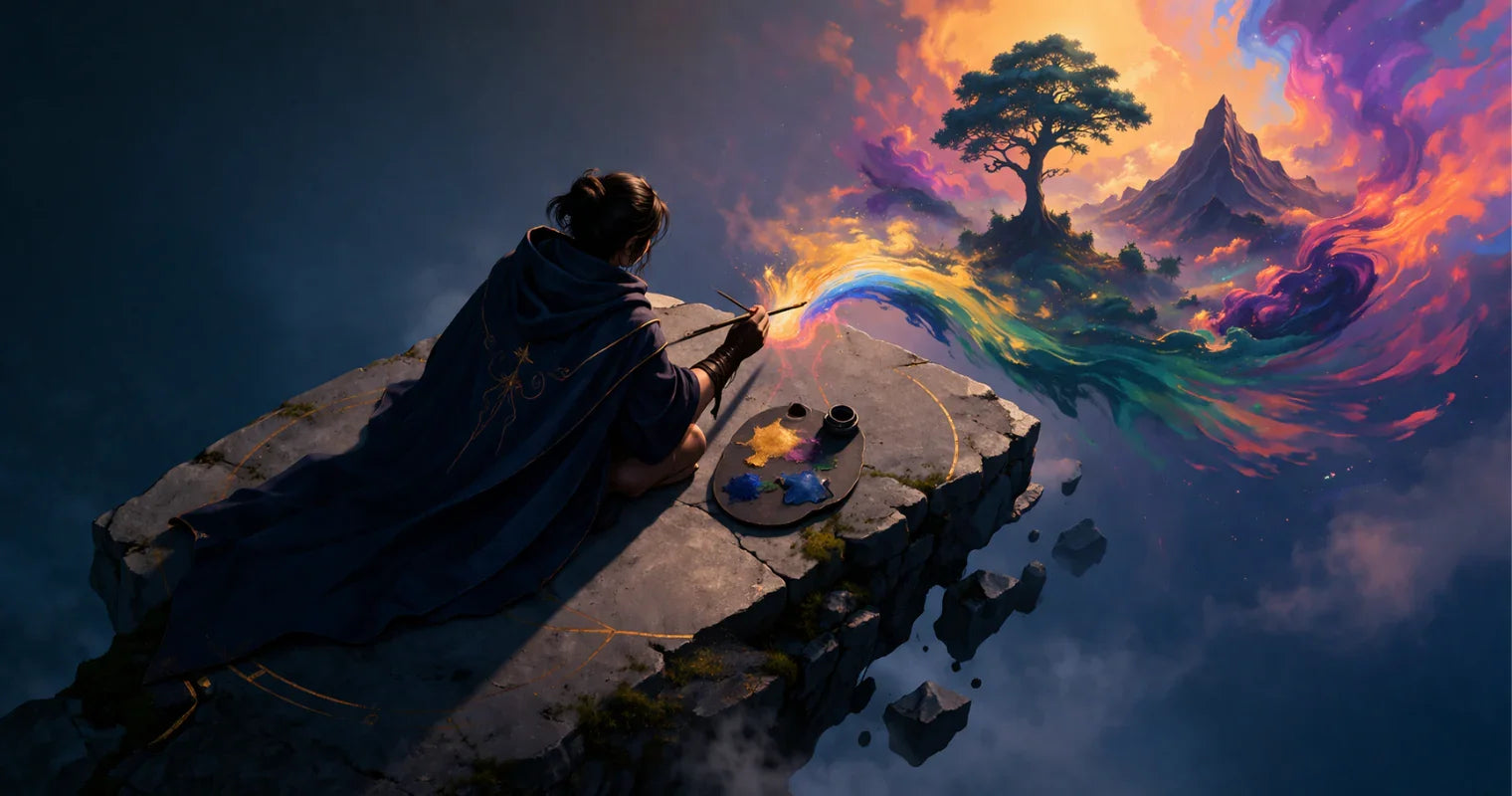
How to Design Better D&D Encounters That Players Actually Remember

Every Dungeon Master remembers the moment a table truly comes alive. Maybe it was the desperate battle atop a collapsing bridge. Maybe it was the tense negotiation with a dragon who knew more than the players expected. Or maybe it was a simple dungeon room that somehow turned into an unforgettable story because the players made a wild, brilliant decision nobody saw coming.
Great D&D encounters are not just fights. They are moments that create tension, excitement, creativity, and emotional investment. They make players lean forward in their chairs and start talking about the session days later.
Good encounter design sits at the heart of every memorable campaign. Whether you are building dangerous dungeon crawls, political intrigue, or wilderness survival adventures, learning how to create engaging encounters can completely transform your game.
This guide explores practical and beginner-friendly ways to improve your Dungeons & Dragons 5th Edition encounter design through storytelling, atmosphere, player choice, and cinematic gameplay.
What Makes a Great D&D Encounter?
A memorable encounter usually combines several important elements:
-
Meaningful player choices
-
Clear stakes
-
Strong atmosphere
-
Interesting enemies or NPCs
-
Creative opportunities
-
Unexpected complications
The biggest mistake many new Dungeon Masters make is treating encounters as simple combat exercises. Players rarely remember “the room with six goblins.” They remember the goblins attacking during a thunderstorm while villagers fled through burning streets.
A great encounter gives players something to care about beyond reducing hit points.
Ask Yourself These Questions
Before building an encounter, think about:
-
What emotions should this encounter create?
-
What makes this different from previous encounters?
-
Can players solve this in multiple ways?
-
Does the environment matter?
-
What story does this moment tell?
Even a small change can dramatically improve an encounter’s impact.
For example:
Instead of:
-
“Fight skeletons in a crypt.”
Try:
-
“Protect a frightened priest while cursed skeletons emerge from cracked tombs during a ritual gone wrong.”
Same enemies. Completely different energy.
Balancing Combat, Roleplay, and Exploration
One reason long campaigns sometimes lose momentum is repetition. If every session becomes combat after combat, players can start feeling disconnected from the world.
The best Dungeons & Dragons 5th Edition encounters mix different gameplay styles naturally.
Combat Encounters
Combat creates tension, urgency, and dramatic action.
Social Encounters
Negotiation, deception, intimidation, and diplomacy allow roleplay-focused players to shine.
Exploration Encounters
Ancient ruins, magical forests, dangerous traps, and mysterious locations create wonder and curiosity.
A strong session often rotates between all three.
For example:
-
Explore forgotten catacombs
-
Negotiate with suspicious survivors
-
Fight corrupted guardians
-
Escape flooding tunnels
This variety keeps players engaged while making the campaign world feel alive.
Creating Better Combat Encounters
Combat encounters become far more memorable when the battlefield itself matters.
Use Interesting Environments
Avoid flat empty rooms whenever possible.
Instead, add:
-
Collapsing bridges
-
Flooded chambers
-
Moving platforms
-
Arcane crystals
-
Lava vents
-
Dense fog
-
Vertical terrain
-
Dangerous weather
Environmental elements force players to adapt instead of standing still and trading attacks.
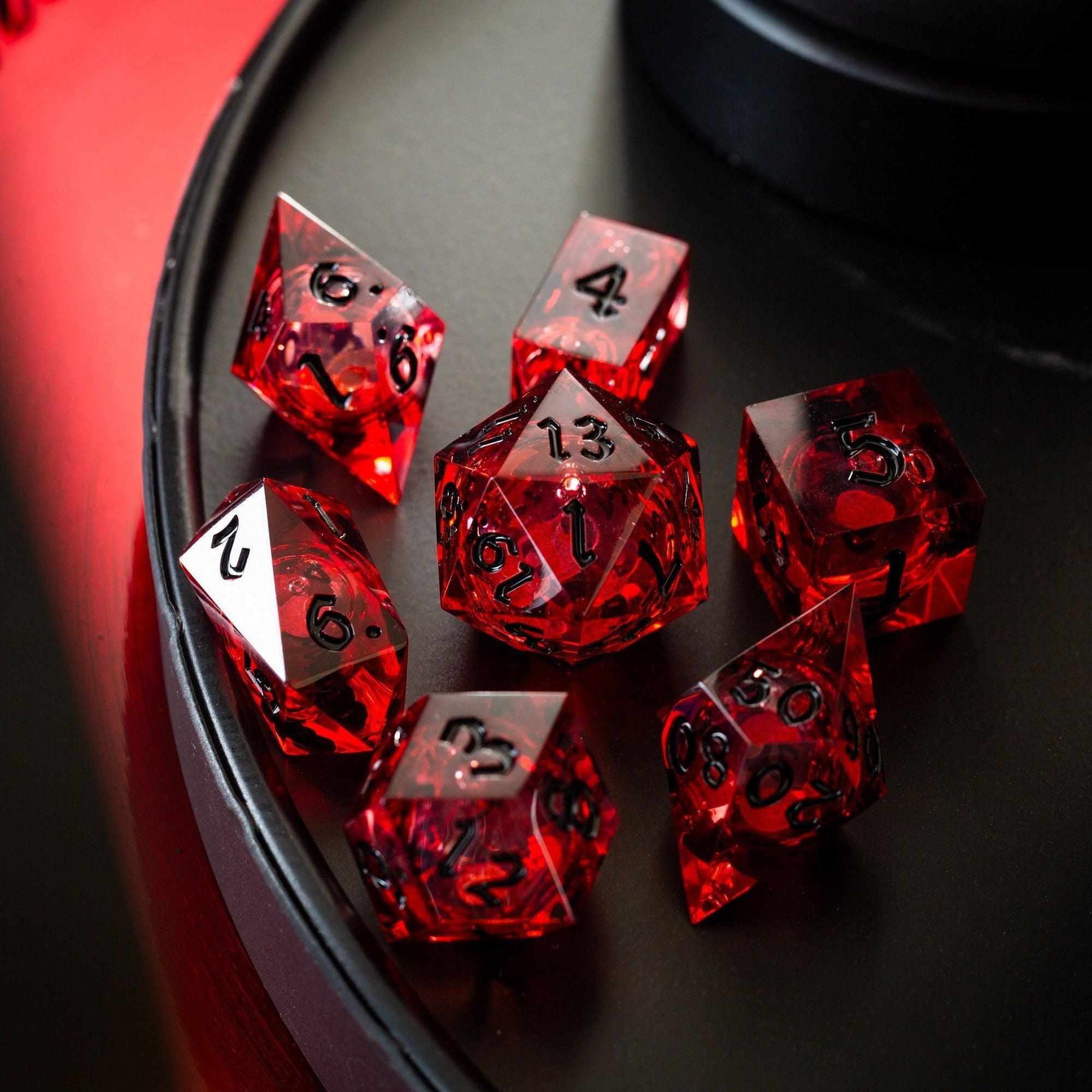
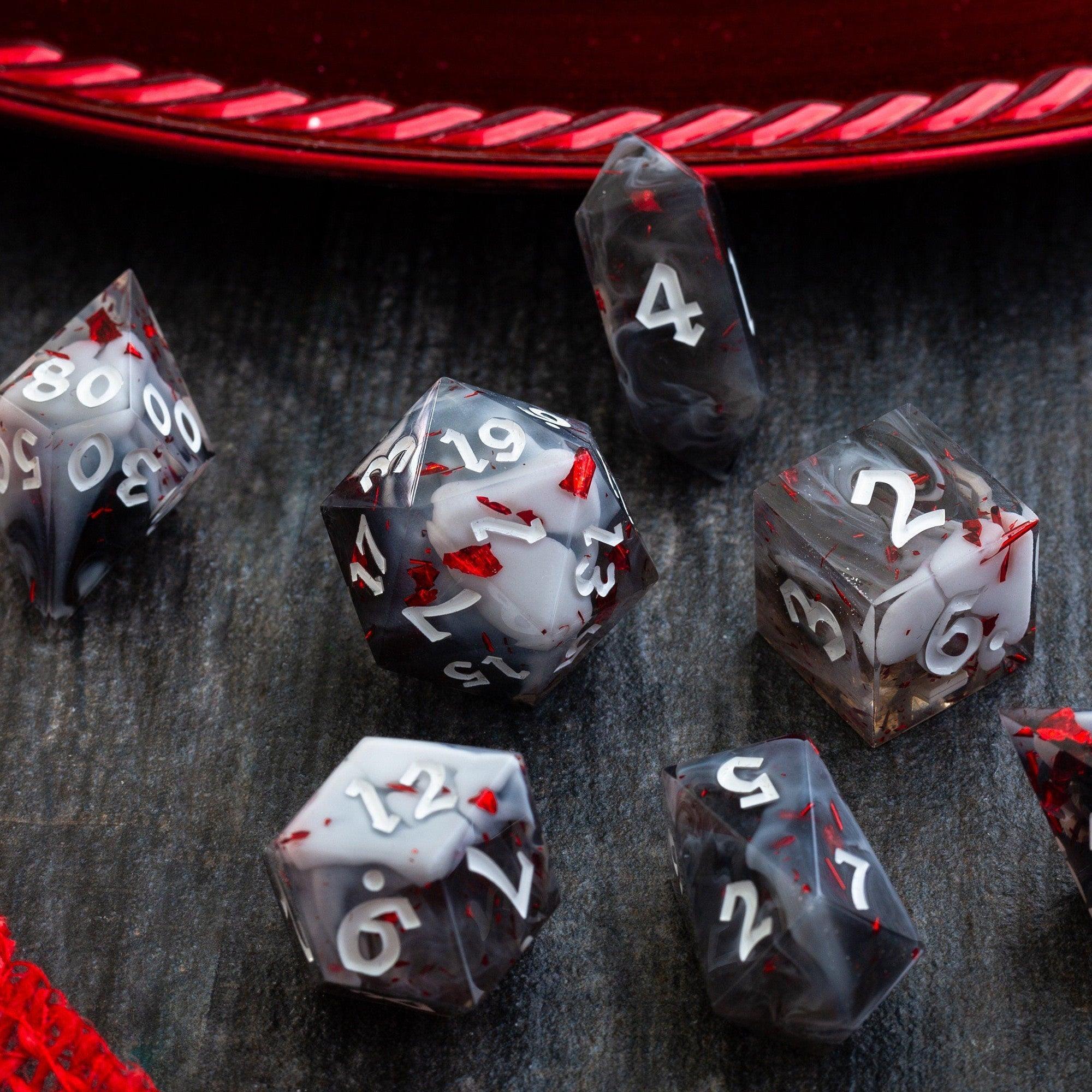
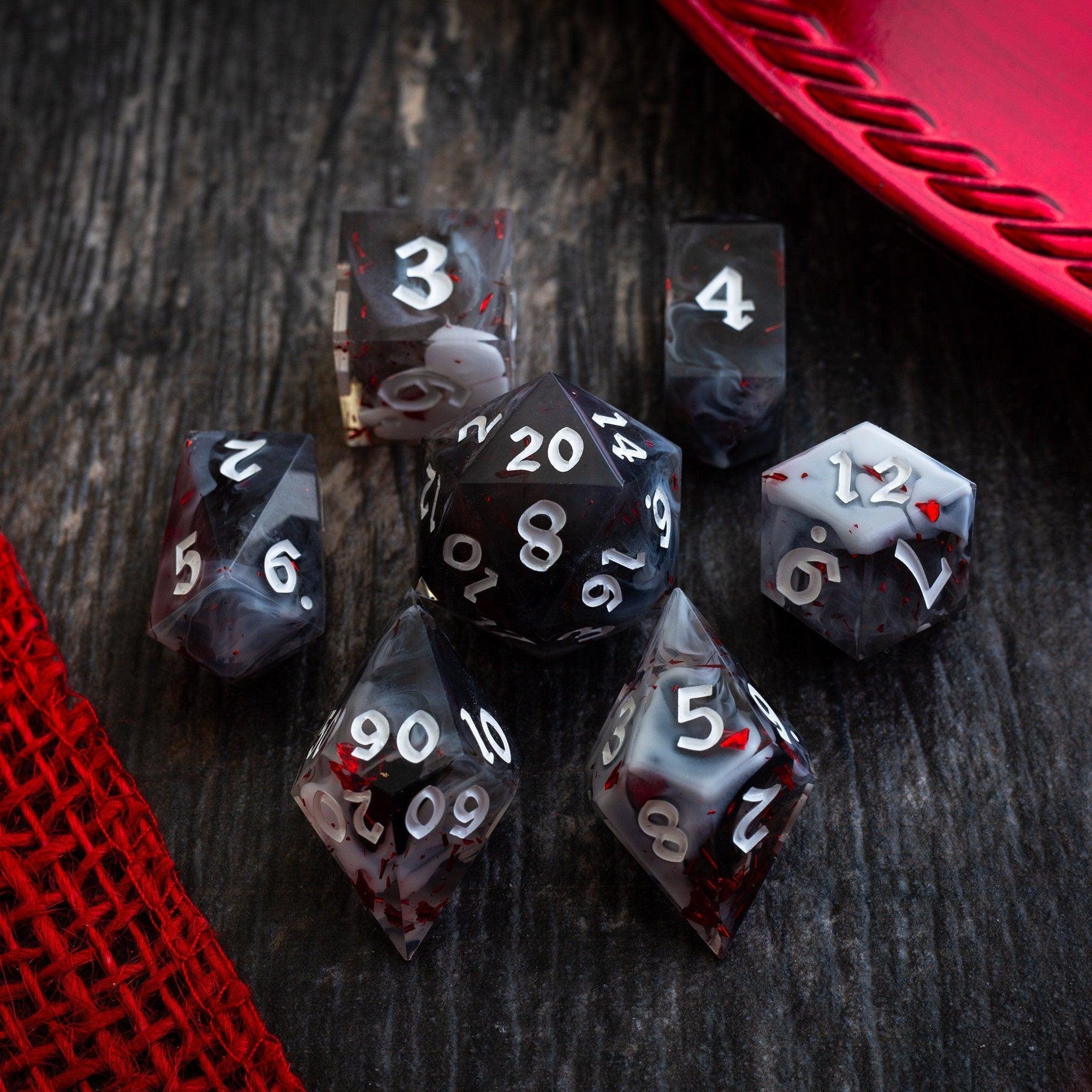
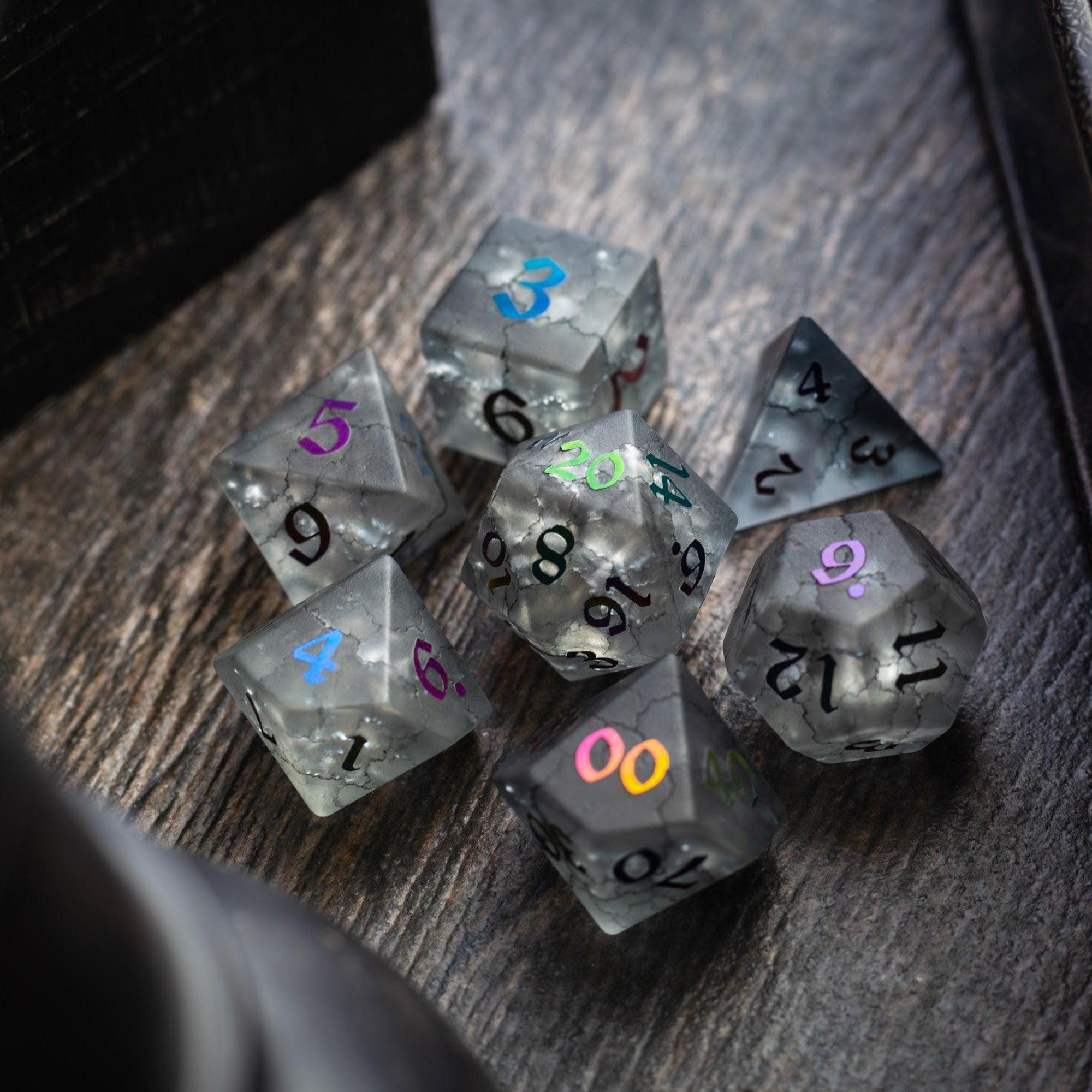
A wizard using liquid core dice during a chaotic magical battle can make those critical spell moments feel even more cinematic at the table. The swirling colors inside the dice naturally fit high-energy encounters filled with arcane explosions and dangerous magical effects.
Give Enemies Personality
Enemies should feel like characters, not hit point containers.
Consider:
-
Cowardly bandits who retreat
-
Fanatics willing to sacrifice themselves
-
Clever assassins targeting spellcasters
-
Monsters defending territory rather than fighting to the death
Even simple dialogue can make enemies memorable.
A goblin shouting warnings to allies instantly feels more alive than silent enemies standing in formation.
Create Objectives Beyond Defeat
Not every combat should end with “kill everything.”
Alternative objectives might include:
-
Survive until reinforcements arrive
-
Rescue prisoners
-
Stop a ritual
-
Escape collapsing ruins
-
Protect civilians
-
Steal an artifact
-
Close a magical portal
Objectives create urgency and force creative decisions.
Encounter Design Comparison Table
|
Encounter Type |
Best Features |
Player Experience |
Story Potential |
|
Combat Encounter |
Action, danger, tactical choices |
Excitement and tension |
Heroic victories and dramatic sacrifices |
|
Social Encounter |
Dialogue, negotiation, deception |
Emotional investment |
Alliances, betrayals, political intrigue |
|
Exploration Encounter |
Discovery, puzzles, atmosphere |
Curiosity and immersion |
Ancient mysteries and worldbuilding |
|
Survival Encounter |
Resource management, hazards |
Stress and teamwork |
Harsh wilderness journeys |
|
Horror Encounter |
Fear, uncertainty, vulnerability |
Suspense and emotional tension |
Psychological storytelling |
|
Chase Encounter |
Fast pacing, dynamic movement |
Adrenaline and urgency |
Escape scenes and cinematic action |
Using Environment and Atmosphere
Atmosphere can completely change how players experience a scene.
Weather and Lighting
Simple environmental details create immersion instantly.
Examples:
-
Rain hammering ruined rooftops
-
Flickering torchlight in catacombs
-
Snow reducing visibility
-
Green magical fog creeping through ruins
These details help encounters feel cinematic instead of mechanical.
Environmental Storytelling
Good locations tell stories before players speak to anyone.
A ruined fortress might contain:
-
Broken weapons
-
Barricaded doors
-
Burn marks
-
Old journals
-
Half-finished meals
Players naturally start imagining what happened there.
This technique works especially well during exploration-heavy Dungeons & Dragons 5th Edition campaigns.
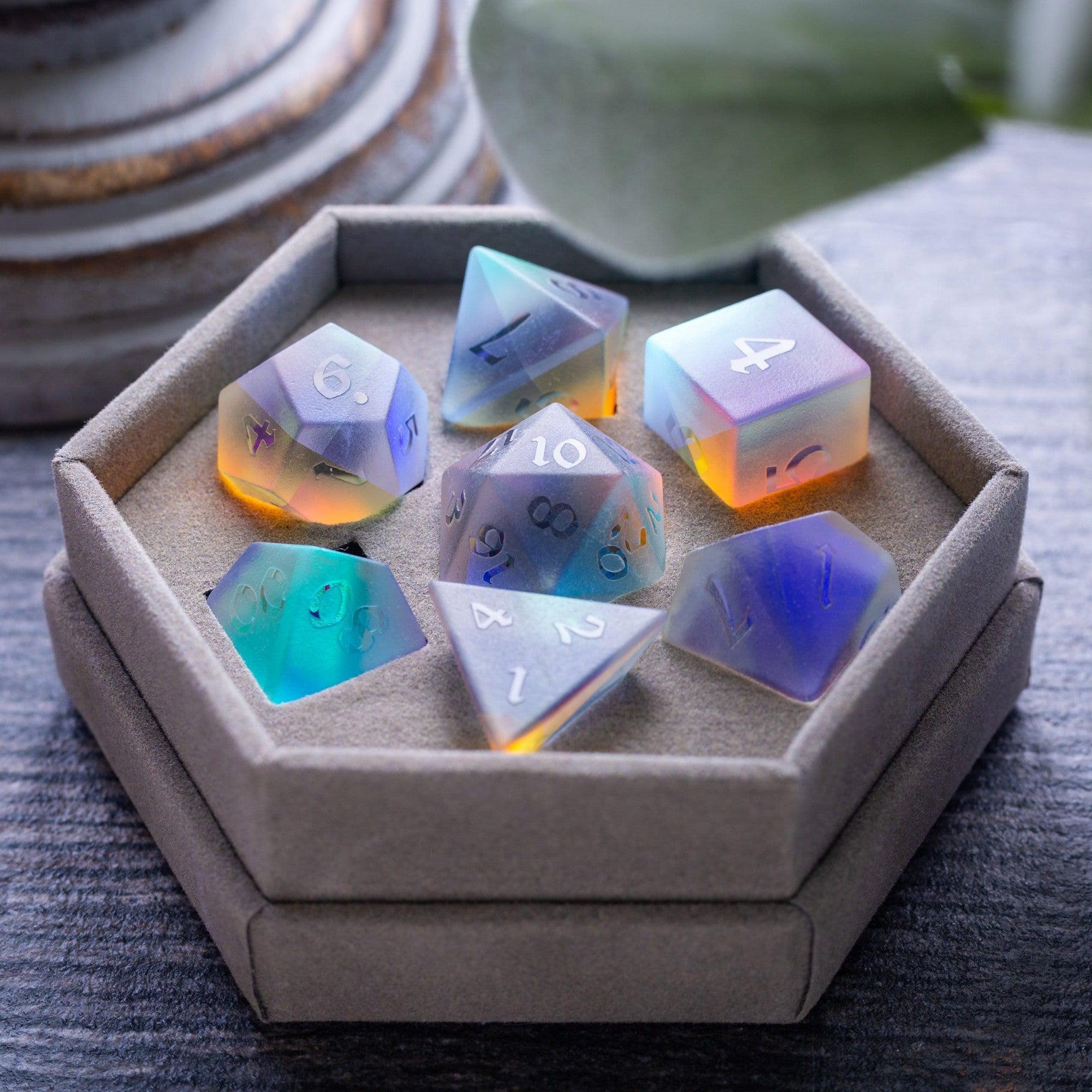
Colorful resin dice can also enhance these atmospheric moments. Bright swirling colors often match magical forests, Feywild adventures, underwater temples, or vibrant fantasy cities, helping players feel more connected to their characters during exploration scenes.
Making Villains and Monsters More Memorable
Great villains are often remembered longer than heroes.
The most memorable enemies usually have:
-
Clear motivations
-
Strong personalities
-
Recognizable tactics
-
Emotional connections to the story
Give Villains Goals
A villain becomes more interesting when players understand what they want.
Examples:
-
A necromancer trying to resurrect family members
-
A dragon protecting sacred territory
-
A corrupt noble desperate to maintain power
Motivation creates depth.
Let Villains Speak
Short conversations can dramatically improve encounters.
A villain taunting the party during combat instantly creates more emotional engagement than silent enemies.
Use Recurring Rivals
Players love recurring enemies.
An escaped assassin, rival adventurer, or manipulative cult leader creates long-term storytelling opportunities that build naturally across multiple sessions.
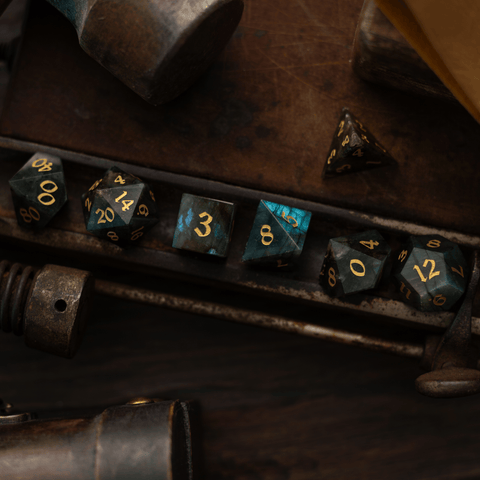
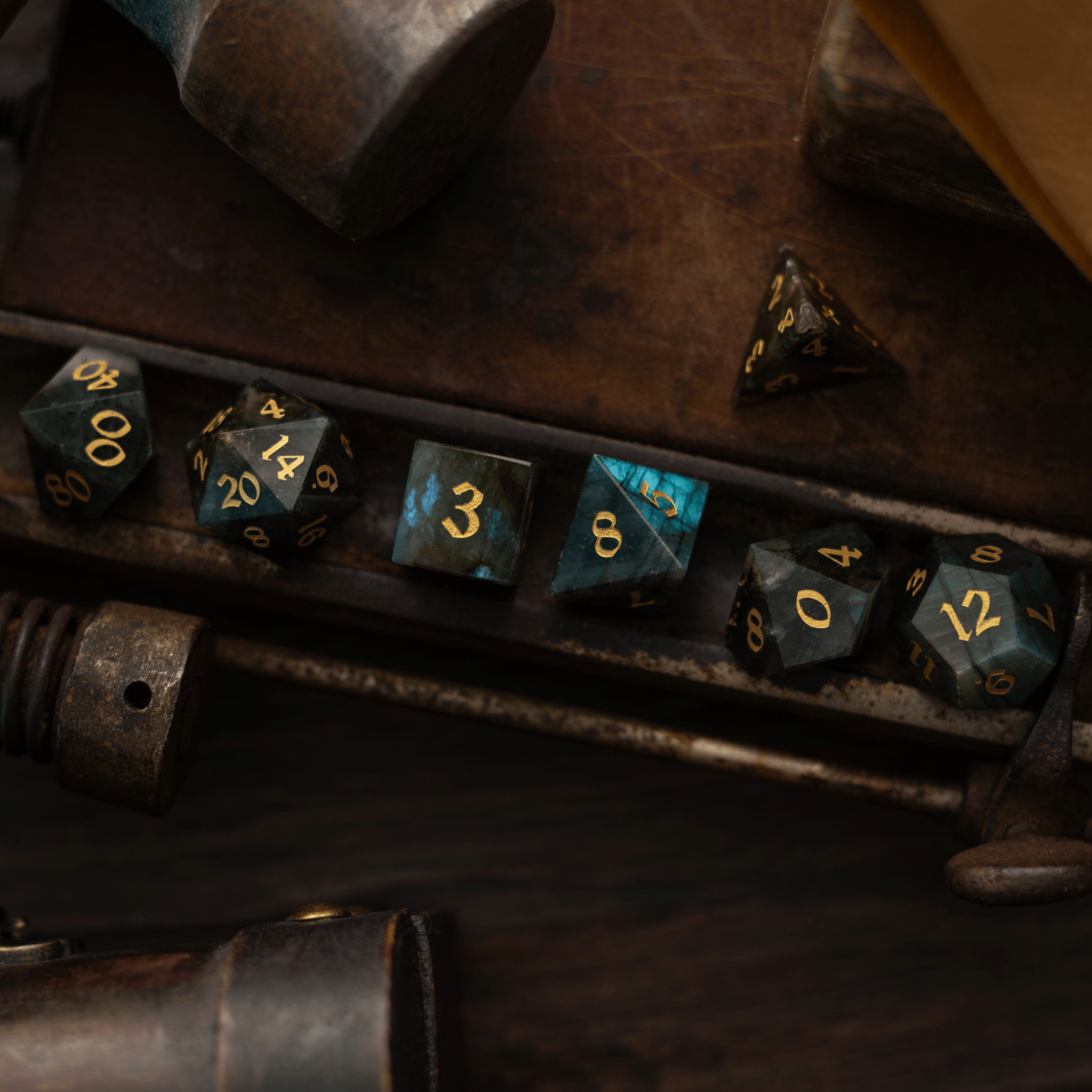
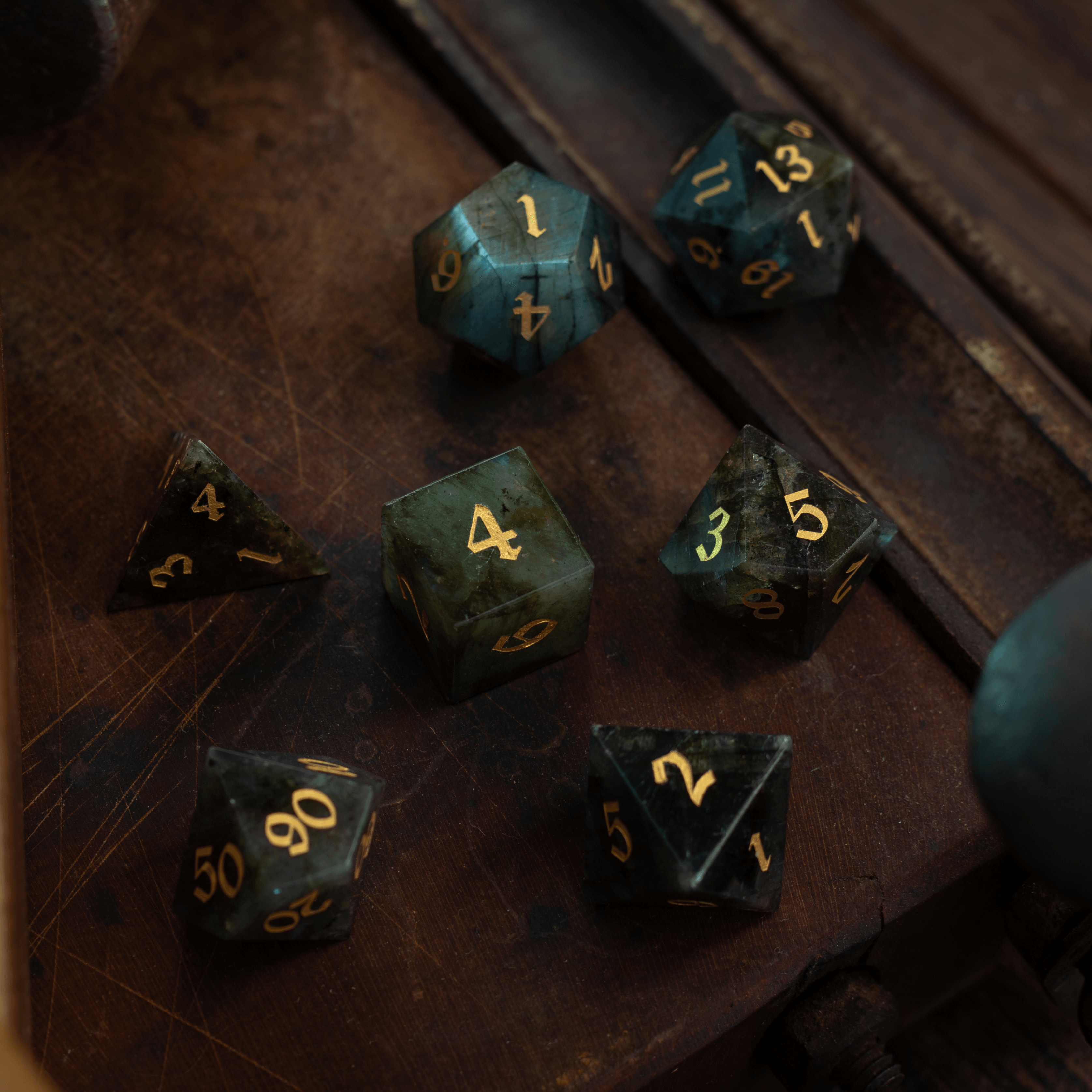
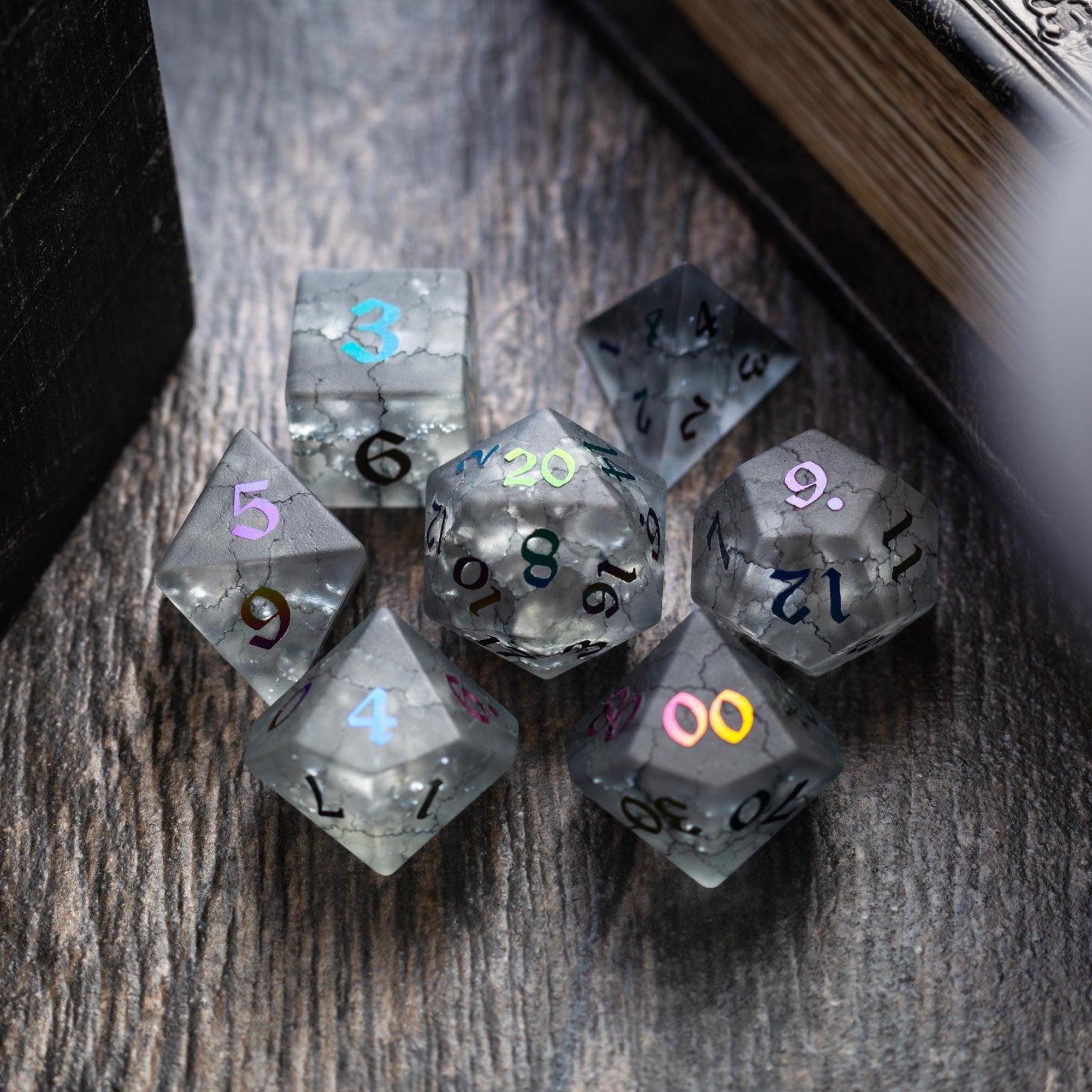
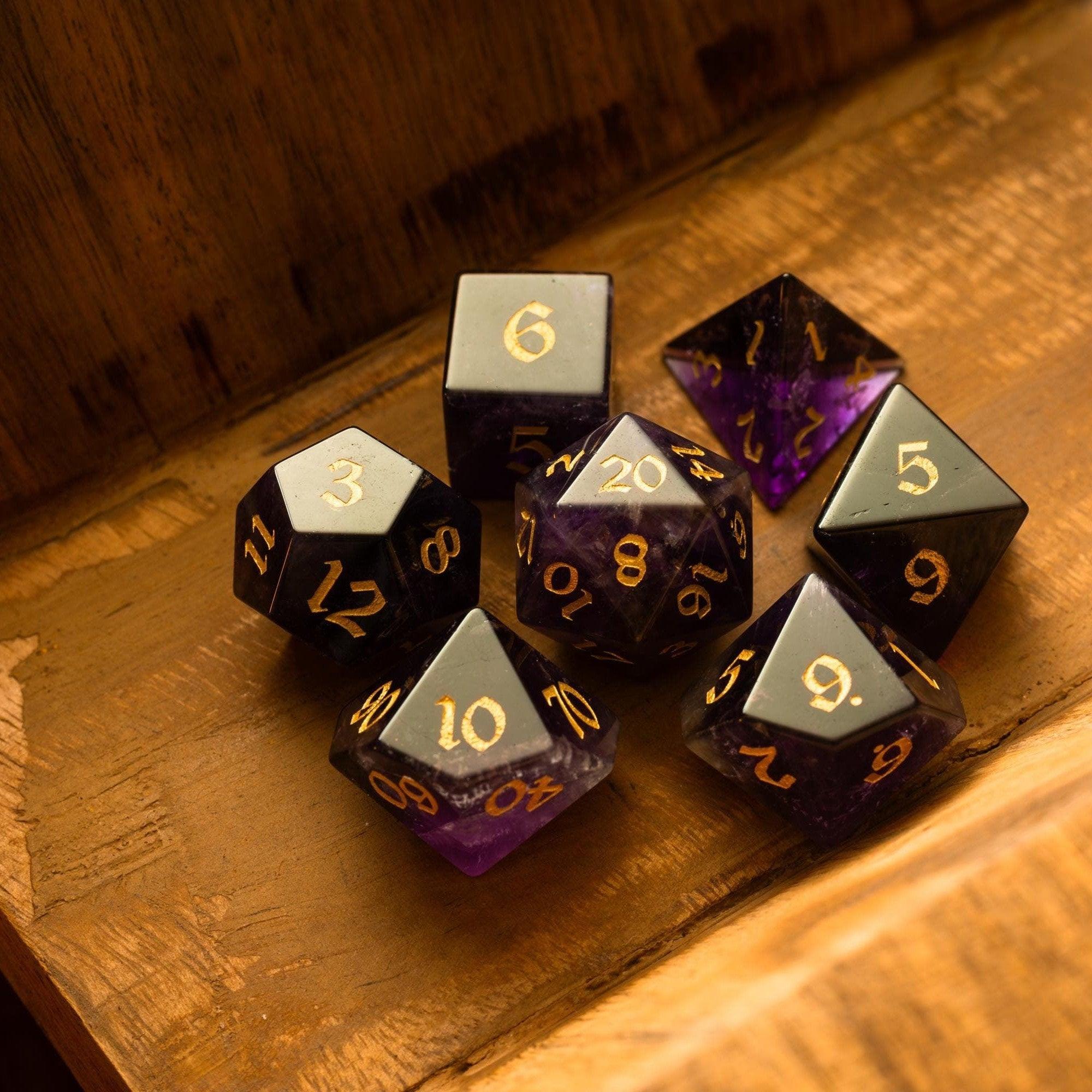
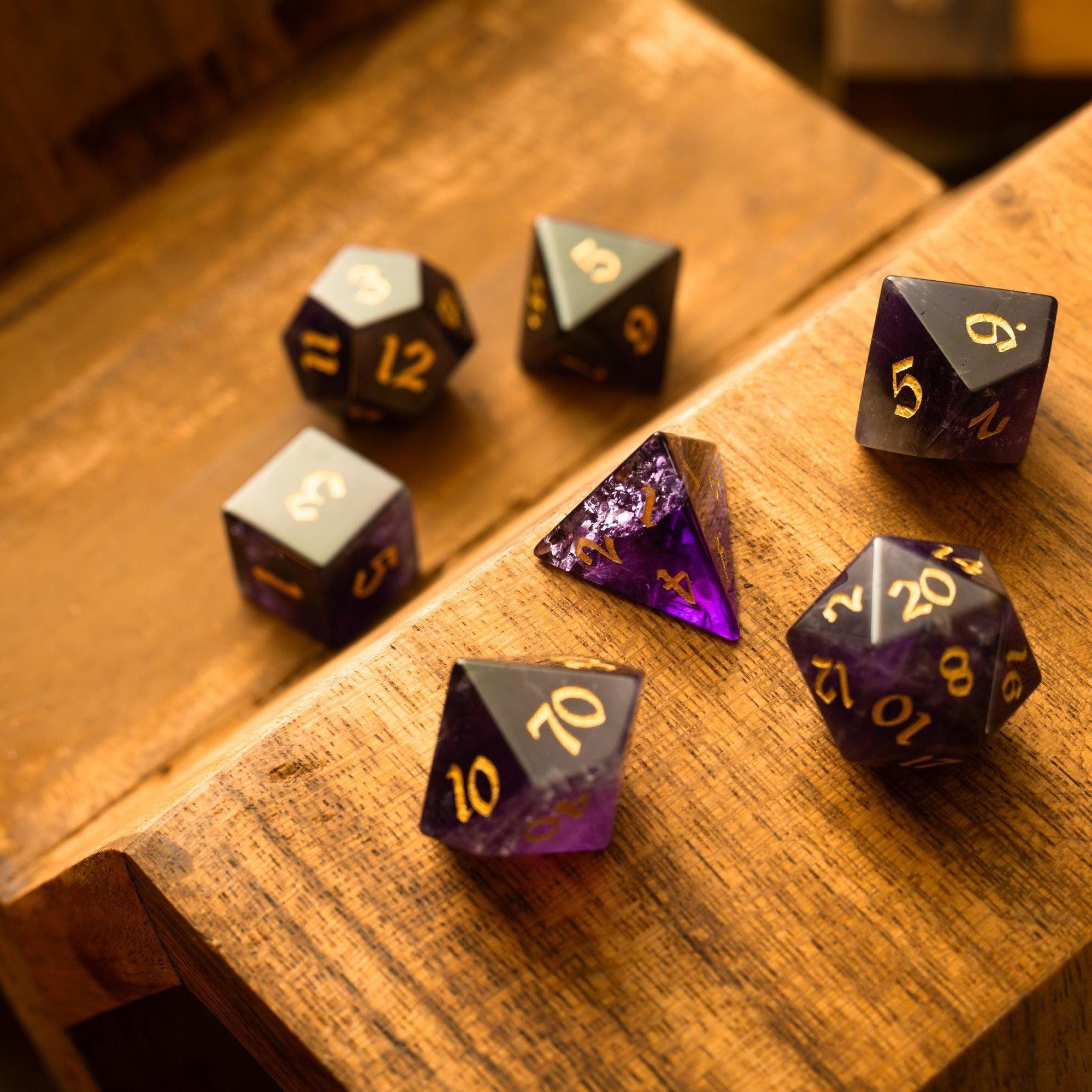
Gemstone dice can fit these legendary moments beautifully. Rolling polished gemstone dice during confrontations with ancient dragons, powerful liches, or noble heroes can make major story scenes feel even more dramatic and meaningful.
Common Encounter Design Mistakes
Even experienced Dungeon Masters occasionally fall into these traps.
Overusing Combat
Too much combat can make sessions feel repetitive.
Mix in:
-
Mysteries
-
Social tension
-
Exploration
-
Downtime
-
Investigation
Ignoring Pacing
Constant high intensity eventually becomes exhausting.
Campaigns need quieter moments between major conflicts.
Overcomplicating Mechanics
New Dungeon Masters sometimes add too many custom rules at once.
Simple encounters with strong storytelling are often more memorable than complicated mechanics.
Removing Player Agency
Players should feel like their choices matter.
Avoid forcing:
-
Single solutions
-
Unavoidable outcomes
-
Over-scripted scenes
D&D works best when players surprise the Dungeon Master.
Building Encounters Around Player Choices
The best encounters reward creativity.
Players love discovering solutions the Dungeon Master never planned.
Allow Multiple Approaches
Instead of requiring combat, allow:
-
Negotiation
-
Stealth
-
Trickery
-
Magic
-
Alliances
-
Environmental manipulation
This encourages experimentation and roleplay.
Let Consequences Matter
Player choices should affect the world.
Examples:
-
Saving villagers earns allies
-
Sparing enemies creates future storylines
-
Destroying relics changes regional magic
-
Failed diplomacy causes political tension
Consequences make the campaign feel alive.
Reward Creative Thinking
If players attempt clever ideas, encourage them.
Some of the most unforgettable tabletop RPG encounters happen because players tried something unexpected and the Dungeon Master embraced the chaos.
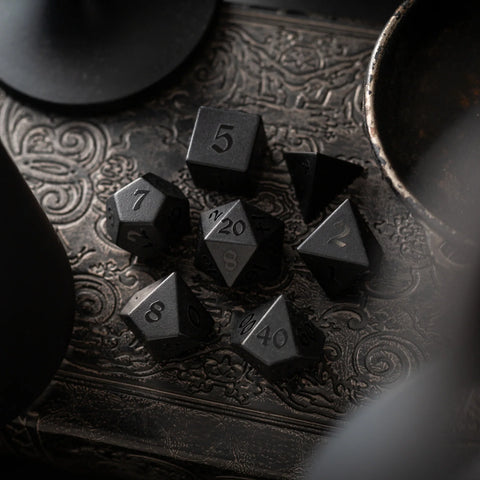
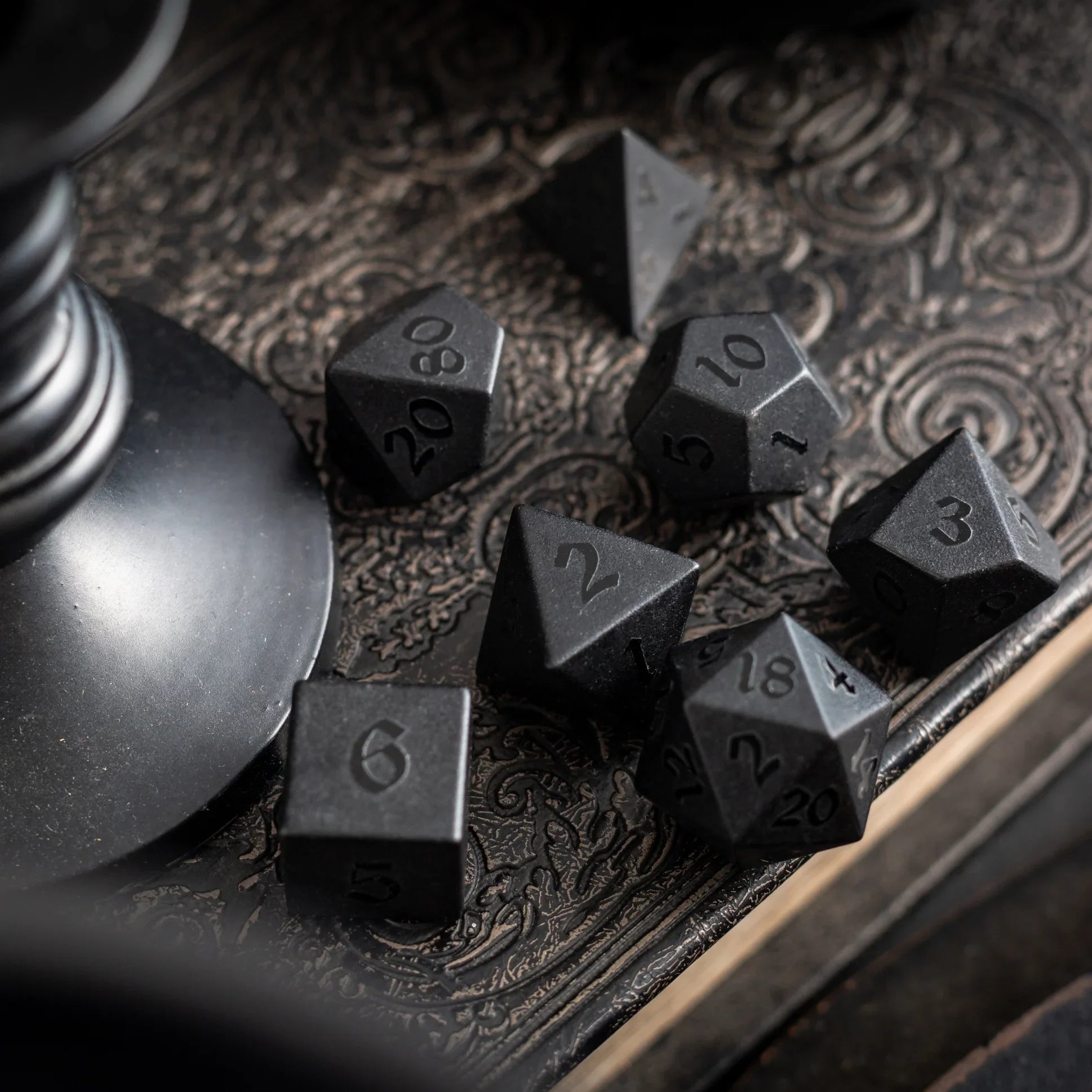
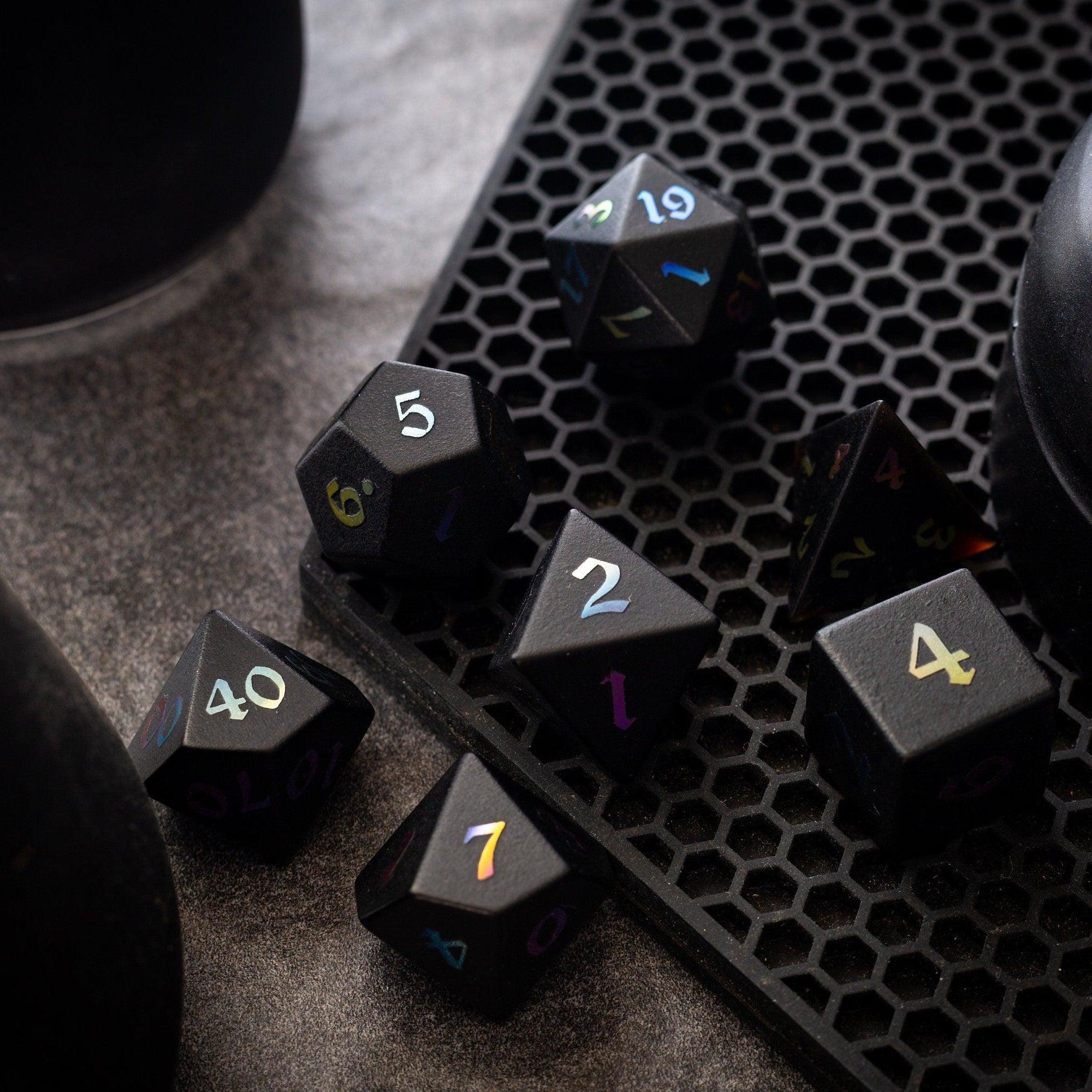
Large resin chonk dice can add extra tension during these dramatic moments. Big saving throws, final attacks, or desperate persuasion checks feel especially satisfying when everyone at the table hears that heavy roll land during a critical encounter.
Encounter Ideas for Different Campaign Styles
Dungeon Crawls
-
Shifting corridors
-
Ancient curses
-
Rival treasure hunters
-
Trap-filled chambers
Urban Intrigue
-
Political conspiracies
-
Assassination attempts
-
Secret cult meetings
-
Black market negotiations
Horror Adventures
-
Haunted villages
-
Isolation and paranoia
-
Unkillable monsters
-
Psychological manipulation
Wilderness Exploration
-
Dangerous storms
-
Territorial monsters
-
Survival challenges
-
Hidden ruins
Epic Fantasy Warfare
-
Massive battlefield objectives
-
Siege defenses
-
Dragon attacks
-
Chaotic large-scale battles
Different campaign styles naturally create different encounter rhythms.
Why Players Remember Great Encounters
Players rarely remember encounters because they were mathematically balanced.
They remember:
-
Emotional stakes
-
Heroic sacrifices
-
Terrifying close calls
-
Clever solutions
-
Unexpected twists
-
Strong atmosphere
The most memorable encounters create stories players want to retell.
A near-fatal escape through collapsing ruins often becomes more legendary than a perfectly balanced random fight.
That emotional connection is what transforms a good campaign into an unforgettable one.
Final Thoughts
Designing better Dungeons & Dragons 5th Edition encounters is not about perfect balance charts or complicated mechanics. It is about creating moments that feel alive.
Focus on:
-
Player choice
-
Strong atmosphere
-
Memorable characters
-
Creative environments
-
Emotional stakes
-
Dynamic storytelling
The best encounters invite players to think creatively, take risks, and become emotionally invested in the world around them.
Sometimes the most unforgettable session comes from a desperate last stand in a burning tower. Sometimes it comes from a quiet conversation with a lonely monster deep beneath ancient ruins.
Those are the moments players carry with them long after the campaign ends.





Leave a comment
This site is protected by hCaptcha and the hCaptcha Privacy Policy and Terms of Service apply.