
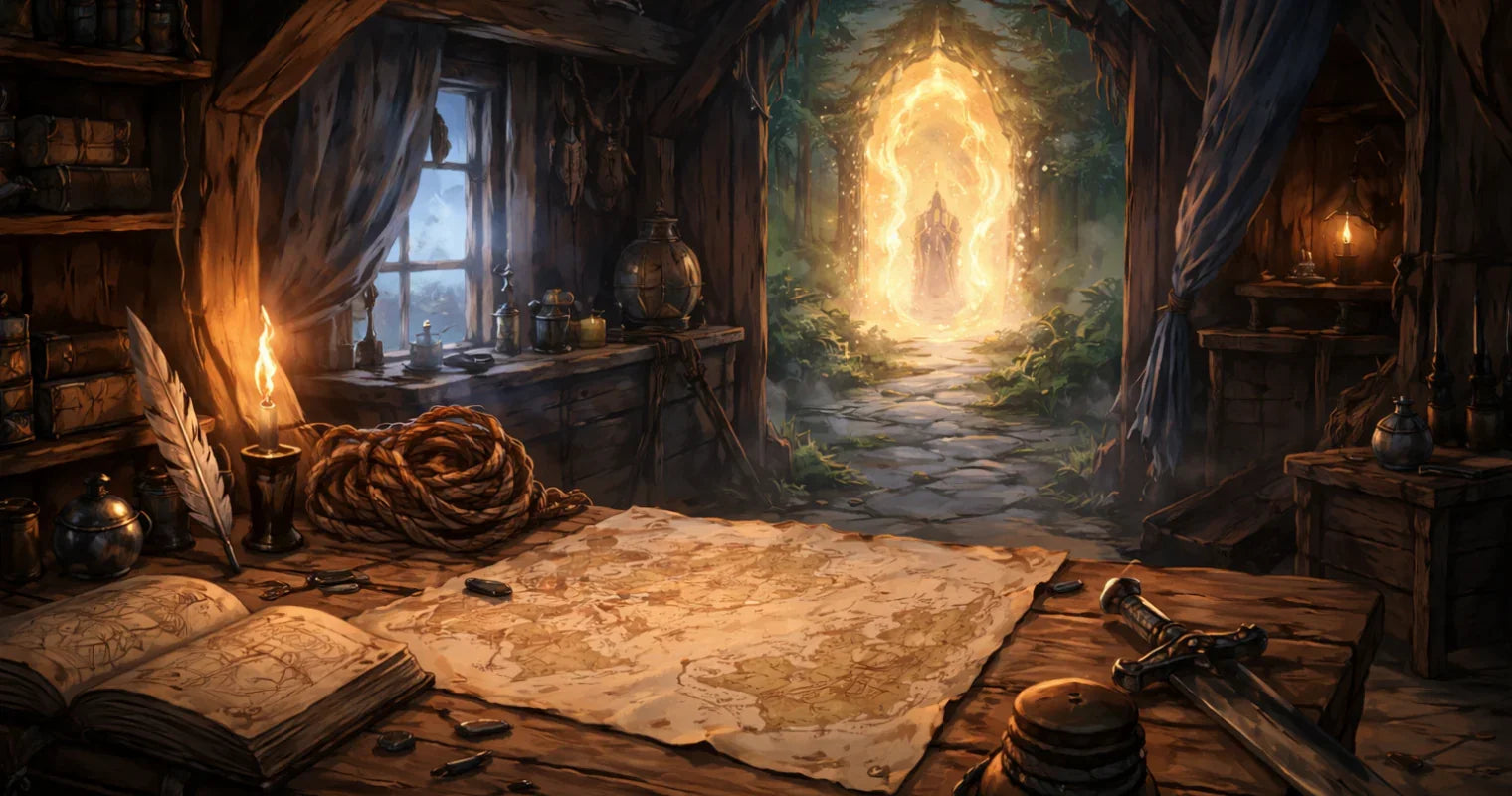
D&D Adventure Packs: Quick Campaign Hooks for Busy Dungeon Masters

Every Dungeon Master knows the feeling. Game night is coming fast, your players are excited, and your notes are still a messy pile of names, monster ideas, and half-finished maps.
That is where D&D adventure packs can be a huge help.
Adventure packs are not meant to replace your creativity. They are there to spark it. They give you quick dnd adventure ideas, useful encounter seeds, and flexible dnd campaign hooks you can shape around your players. For busy Dungeon Masters, they can turn a blank page into a playable session without draining the magic out of the game.
Whether you are planning a one-shot, a side quest, or the opening chapter of a larger campaign, adventure resources can help you spend less time stressing and more time running exciting tabletop rpg adventures.
What Are D&D Adventure Packs?
D&D adventure packs are collections of ready-to-use or easy-to-adapt adventure material. They might include:
-
Story hooks
-
Encounter ideas
-
NPC concepts
-
Villain goals
-
Dungeon prompts
-
Location details
-
Treasure ideas
-
One-shot frameworks
-
Side quest seeds
Unlike a full campaign book, an adventure pack usually gives you smaller pieces you can plug into your own world. Think of it like a box of useful ingredients. You still cook the meal, but you do not have to start from nothing.
A good dnd game master guide gives advice. A good adventure pack gives you something you can use at the table tonight.
Why Adventure Packs Are Valuable for Busy DMs
The biggest benefit of dnd adventure packs is simple: they save time.
Not every Dungeon Master has hours to build a town, design a villain, balance encounters, create clues, and write dramatic dialogue before every session. Adventure packs help by giving you a strong starting point.
They are especially useful when you need:
-
A quick one-shot for a last-minute game
-
A side quest between major campaign arcs
-
A backup plan when players go off track
-
Fresh inspiration when your prep feels stale
-
A simple hook you can expand into a bigger story
The best part is flexibility. You can take one idea, change the location, swap the monster, rename the NPC, and suddenly it belongs to your campaign.
That is one of the most useful dungeon master tips: do not treat prebuilt content like a script. Treat it like clay.
Creating Great Campaign Hooks
Strong dnd campaign hooks do not need to be complicated. In fact, the best ones are usually easy to understand right away.
A good hook gives players a reason to care and a reason to act.
Most memorable hooks include a few key ingredients:
-
Mystery: Something strange is happening.
-
Urgency: The problem will get worse if no one acts.
-
Personal stakes: Someone the party cares about is involved.
-
Interesting rewards: Treasure, knowledge, allies, status, or answers.
-
Meaningful choices: The players decide how to solve the problem.
For example, “a monster attacks the village” is fine. But “a monster attacks the village every night, and each time it leaves behind flowers from a graveyard that burned down fifty years ago” is much stronger.
Now the players have questions. Why flowers? Why the graveyard? Is the monster really the villain? That is where dnd storytelling begins.
Adventure Hook Table
| Adventure Hook | Initial Problem | Potential Campaign Expansion |
|---|---|---|
| Missing Caravan | Merchants vanish on a trade road | A regional conspiracy involving corrupt nobles |
| Ancient Relic | A strange artifact is discovered | A world-changing prophecy begins to unfold |
| Haunted Village | Villagers disappear after sunset | A supernatural mystery tied to an old betrayal |
| Monster Hunt | A dangerous creature attacks farms | A larger ecological threat is disturbing the wilds |
| Lost Expedition | Explorers vanish in ancient ruins | The party uncovers a hidden civilization |
These dnd adventure ideas can work as one-shots, side quests, or full dnd adventures depending on how much you want to expand them.
Turning Small Hooks Into Big Stories
A simple hook can become a full campaign if you let the story grow naturally.
Start small. Give the players one clear problem. Then watch what they care about.
If the party becomes attached to a rescued NPC, bring that character back later. If they spare a villain, let that villain return with a new plan. If they ignore a strange symbol on a dungeon wall, let it appear again three sessions later.
To expand a hook, try asking:
-
Who benefits from this problem?
-
Who is hiding the truth?
-
What happens if the party fails?
-
How does this connect to a character’s backstory?
-
What larger danger is just beginning?
This helps turn quick dnd campaign ideas into stories that feel personal and alive.
Using Adventure Packs for One-Shots
D&D adventure packs are perfect for one-shots because they give you structure without requiring a huge campaign setup.
A strong one-shot usually needs four parts:
-
A fast opening: Give the players the problem right away.
-
A clear goal: Rescue someone, recover something, stop something, or escape somewhere.
-
A few meaningful scenes: Include roleplay, exploration, and combat if possible.
-
A memorable ending: Let the players feel like their choices mattered.
For dnd one shot ideas, keep the scope tight. Do not introduce five factions, three villains, and a kingdom-wide political conflict unless you want the session to run for ten hours.
A haunted inn, a cursed mine, a missing child, a broken portal, or a monster in the woods can be more than enough.
The goal is not to explain your whole world. The goal is to create one exciting night of play.
Adapting Adventure Ideas to Your Players
The same adventure hook can feel completely different depending on your group.
For combat-focused players, turn the hook into a tactical challenge. Add dangerous terrain, clever enemies, and big battle moments.
For roleplay-heavy groups, focus on NPCs with secrets, emotional conflicts, and moral choices.
For explorers, build strange locations, hidden paths, old ruins, and environmental clues.
For story-driven players, connect the adventure to character goals, old enemies, family ties, or personal beliefs.
This is where adventure packs become truly useful. They give you the bones of an adventure, but you decide how it speaks to your table.
Using Dice to Build Adventure Atmosphere
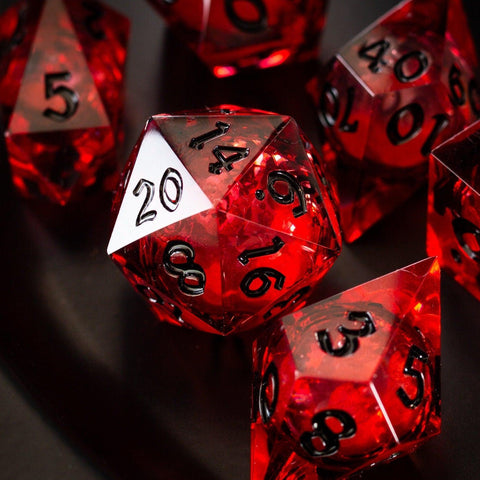
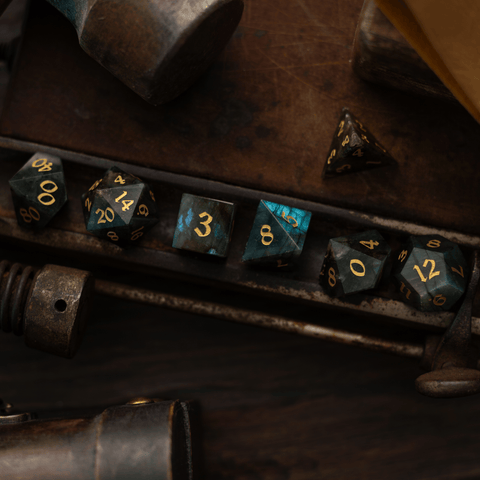
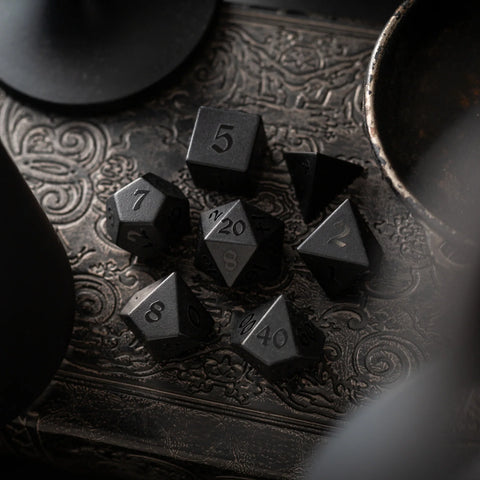
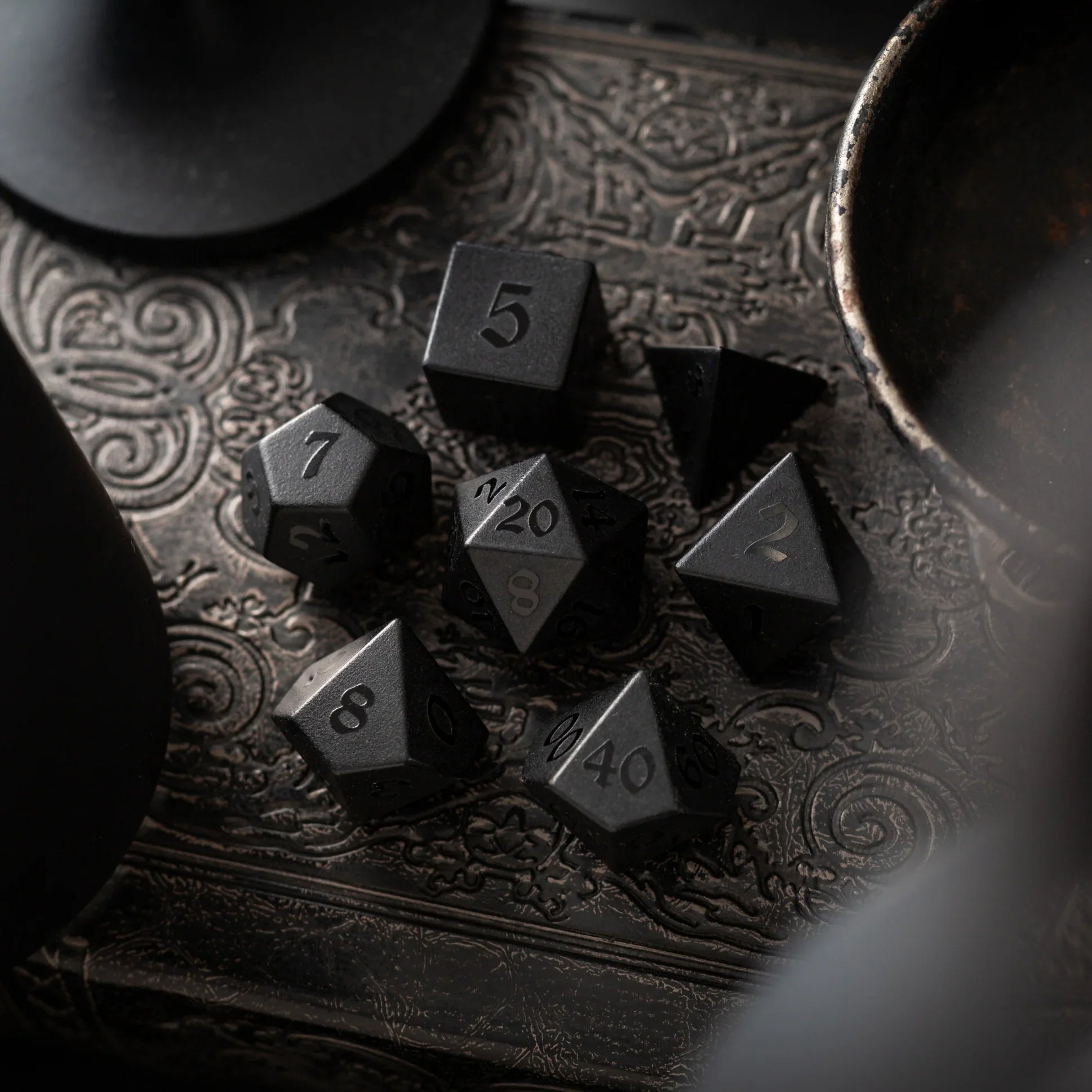
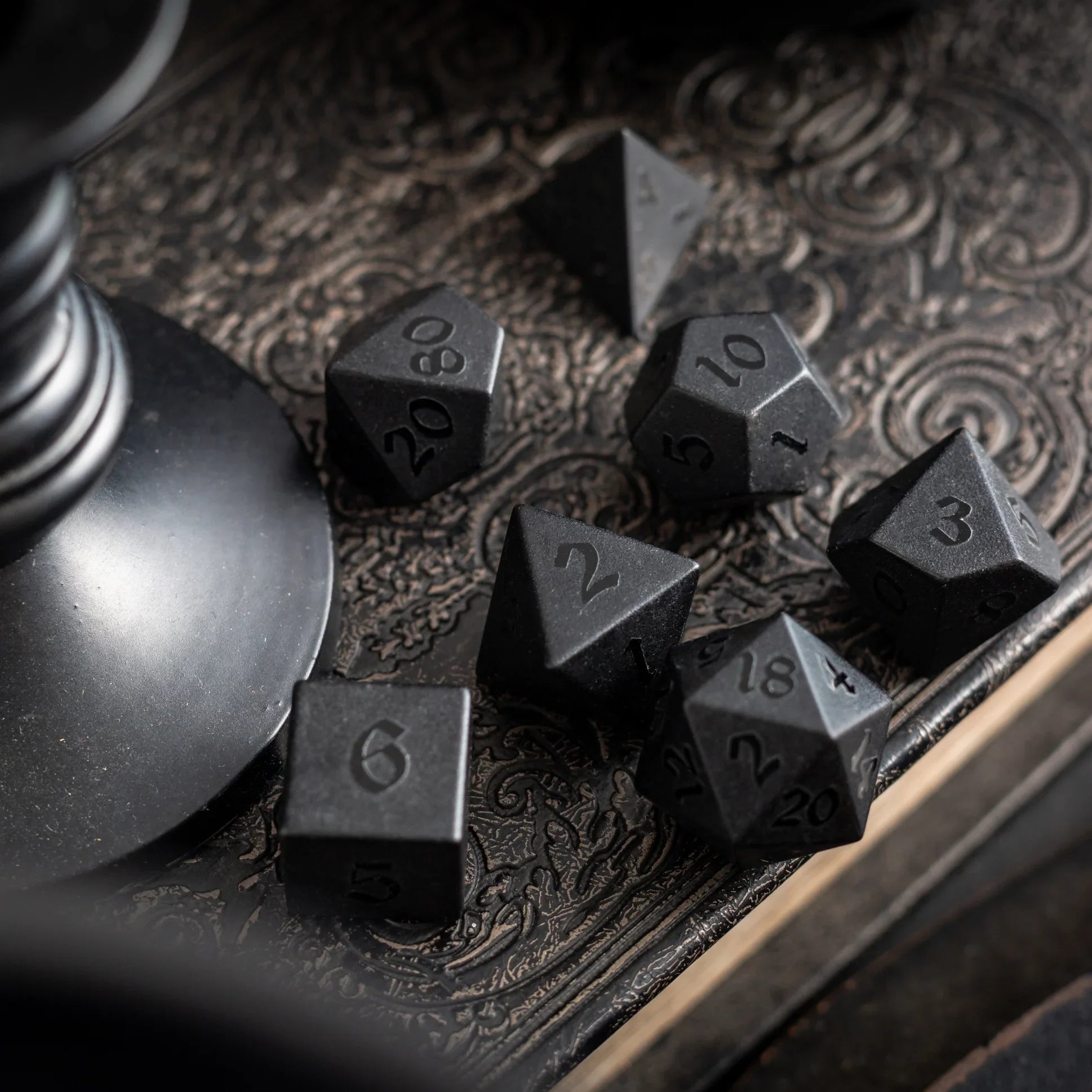
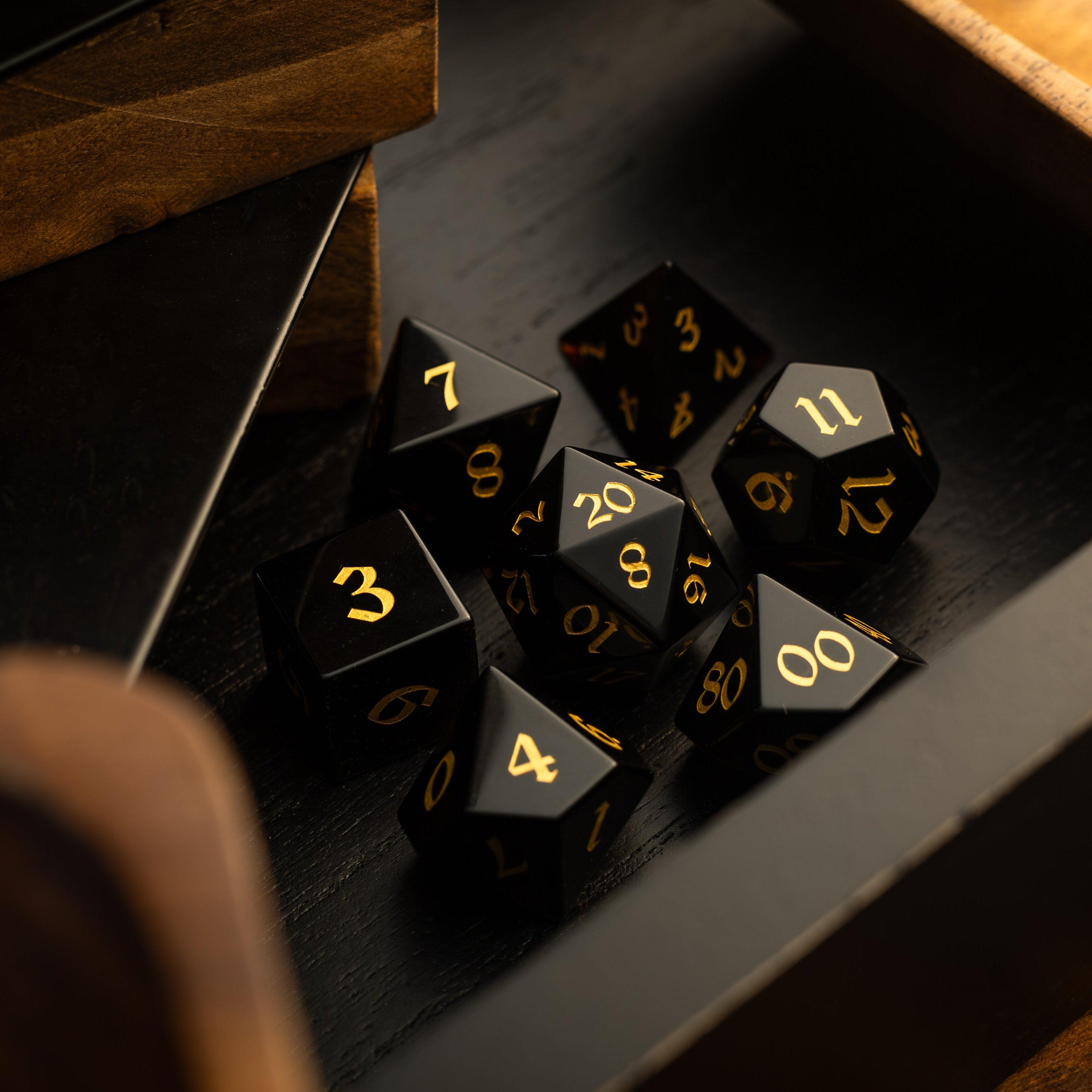
The right dice can add a surprising amount of mood to a session. A set of resin dice works beautifully for versatile adventurers because they feel colorful, accessible, and full of character. Metal dice can make major battles feel heavier and more dramatic, especially when the final attack roll hits the table. Gemstone dice can be a great fit for magical quests, ancient relics, and mysterious story moments.
Runic Dice sets can also help players connect with their characters. A rogue with shadowy dice, a cleric with radiant colors, or a wizard rolling gemstone dice during a spell can make the table feel more immersive without interrupting the game.
It is a small detail, but small details often make game night memorable.
Common Adventure Design Mistakes
Even experienced DMs run into trouble sometimes. Here are a few common mistakes and how to avoid them.
Making the Plot Too Complicated
If your players need a flowchart to understand the quest, simplify it. Start with one clear problem. You can add layers later.
Weak Player Motivation
“Someone offers you gold” works, but it is not always exciting. Add emotional stakes, danger, mystery, or personal connection.
Too Much Exposition
Do not explain everything at once. Let players discover the story through clues, NPCs, locations, and consequences.
No Player Agency
Avoid forcing one solution. Let players sneak, fight, negotiate, investigate, bargain, or surprise you.
Forgetting the Ending
A great adventure needs a satisfying close. Even if the campaign continues, give the session a strong final moment.
Quick Session Planning Tips
When using dnd adventure packs, do not overprep. Focus on what you need to run the next session.
Before game night, write down:
-
The main problem
-
The opening scene
-
Three important NPCs
-
Two possible encounters
-
One secret or twist
-
One strong ending
-
A backup clue if players get stuck
That is often enough.
The best dungeon master tips are not always about doing more. Sometimes they are about knowing what matters most.
Final Thoughts
D&D adventure packs are not shortcuts in a bad way. They are creative tools. They help Dungeon Masters find the spark faster, especially when time is short and game night is close.
A missing caravan can become a regional conspiracy. A haunted village can become a tragic mystery. A monster hunt can reveal a threat spreading through the entire wilderness.
The magic is not just in the hook. It is in what your players do with it.
So grab a simple idea, shape it around your table, roll the dice, and see where the road leads. The next unforgettable campaign might begin with one small problem and a party brave enough to investigate.














Leave a comment
This site is protected by hCaptcha and the hCaptcha Privacy Policy and Terms of Service apply.