
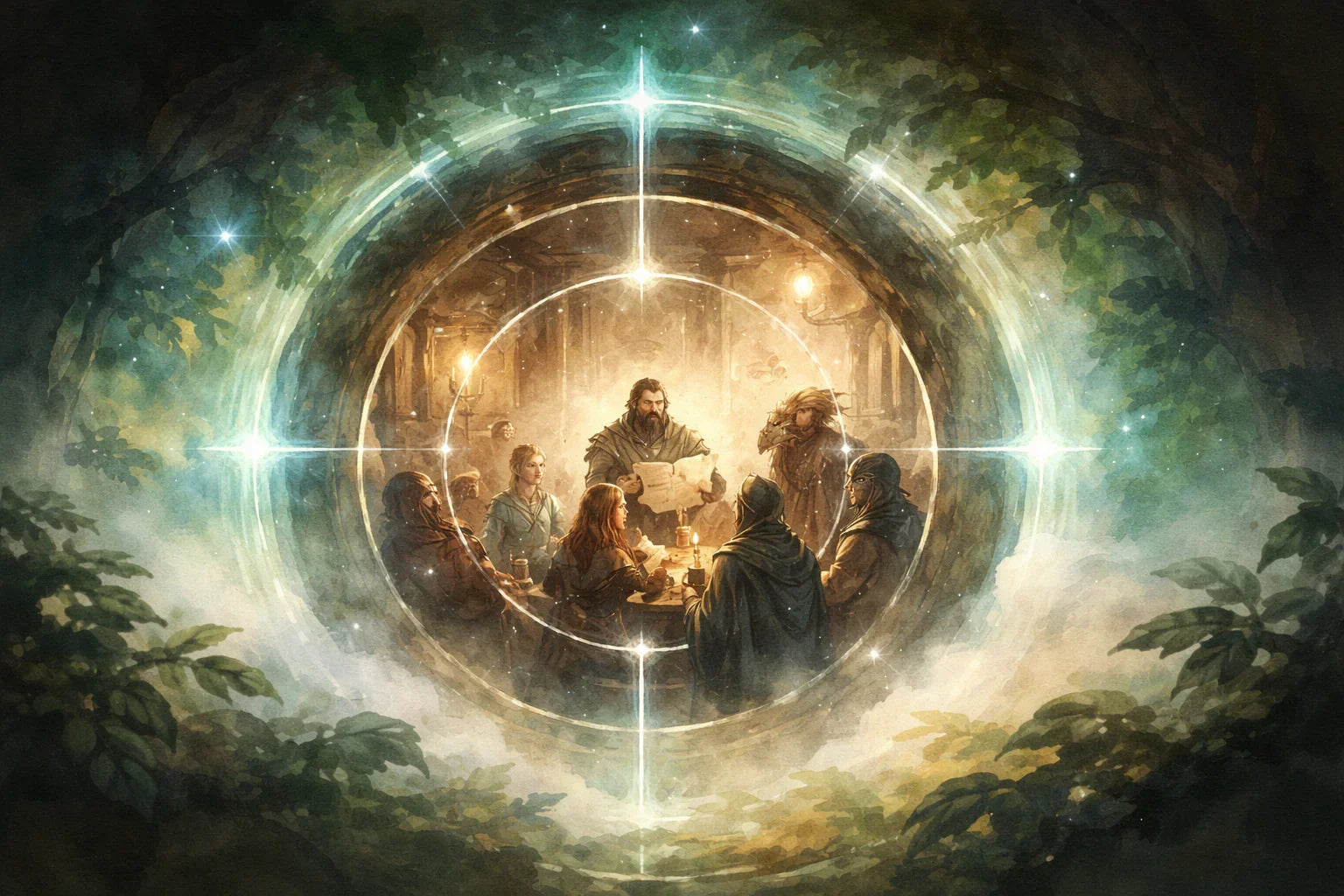
Understanding the D&D Audience: How to Build Better Campaigns for Your Players

Every great D&D campaign starts with a cool idea. Maybe it is a haunted kingdom, a dragon cult, a lost city, or a villain with a tragic backstory. But the real magic does not come from the map, the monsters, or even the treasure.
It comes from the players.
Understanding your D&D audience is one of the most useful skills a Dungeon Master can build. The more you understand what excites your group, the easier it becomes to create sessions that feel fun, personal, and worth remembering.
Some D&D players love tactical combat. Others want emotional character moments. Some want mystery, exploration, puzzles, social scenes, or just a fun night with friends. A strong Dungeon Master does not need to please everyone every second, but they should know what each player hopes to get from the game.
That is where smart dnd campaign design begins.
Why Every D&D Group Is Different
No two Dungeons and Dragons players come to the table for exactly the same reason. One group might love dramatic roleplay and political intrigue. Another might want fast combat, treasure, and hilarious chaos. A third might enjoy a little bit of everything.
This is why copied campaign advice does not always work perfectly. A dungeon master guide can give you helpful tools, but your actual table should shape the final experience.
Your players may differ in:
-
How much they enjoy combat
-
How comfortable they are with roleplay
-
Whether they prefer serious or silly stories
-
How much rules detail they enjoy
-
How invested they are in character backstories
-
How much freedom they want during adventures
Good DMs stay flexible. They watch how their group reacts, listen to feedback, and adjust future sessions based on what actually works.
Common Types of D&D Players
Player types are not strict boxes. Most tabletop RPG players enjoy a mix of styles. Still, understanding common preferences can help you plan stronger sessions.
The Storyteller
The Storyteller loves character arcs, emotional choices, and meaningful consequences. They care about why things happen, not just what happens.
Give them:
-
Personal stakes
-
Recurring NPCs
-
Moral choices
-
Backstory connections
-
Story consequences that matter
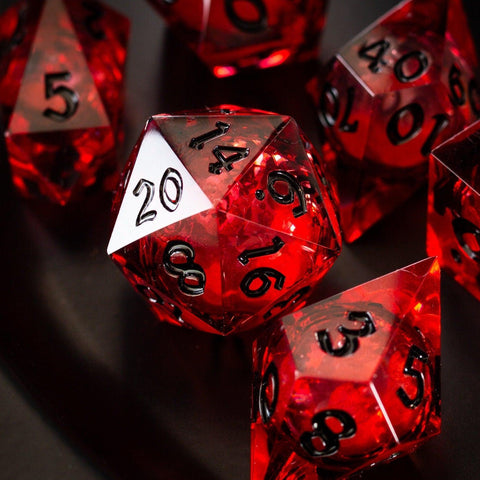
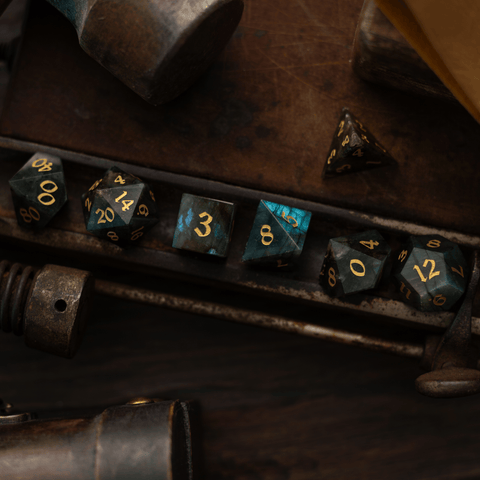
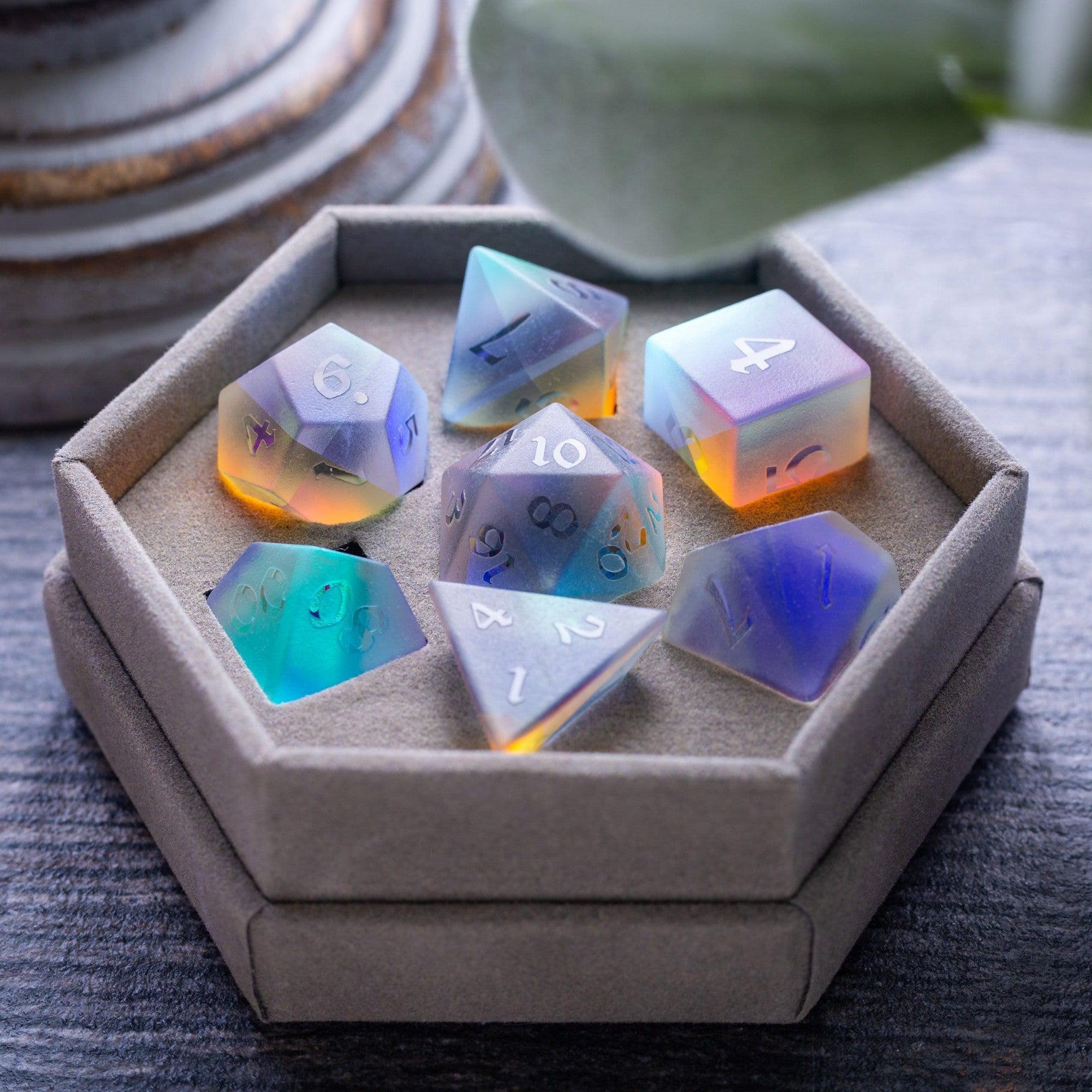
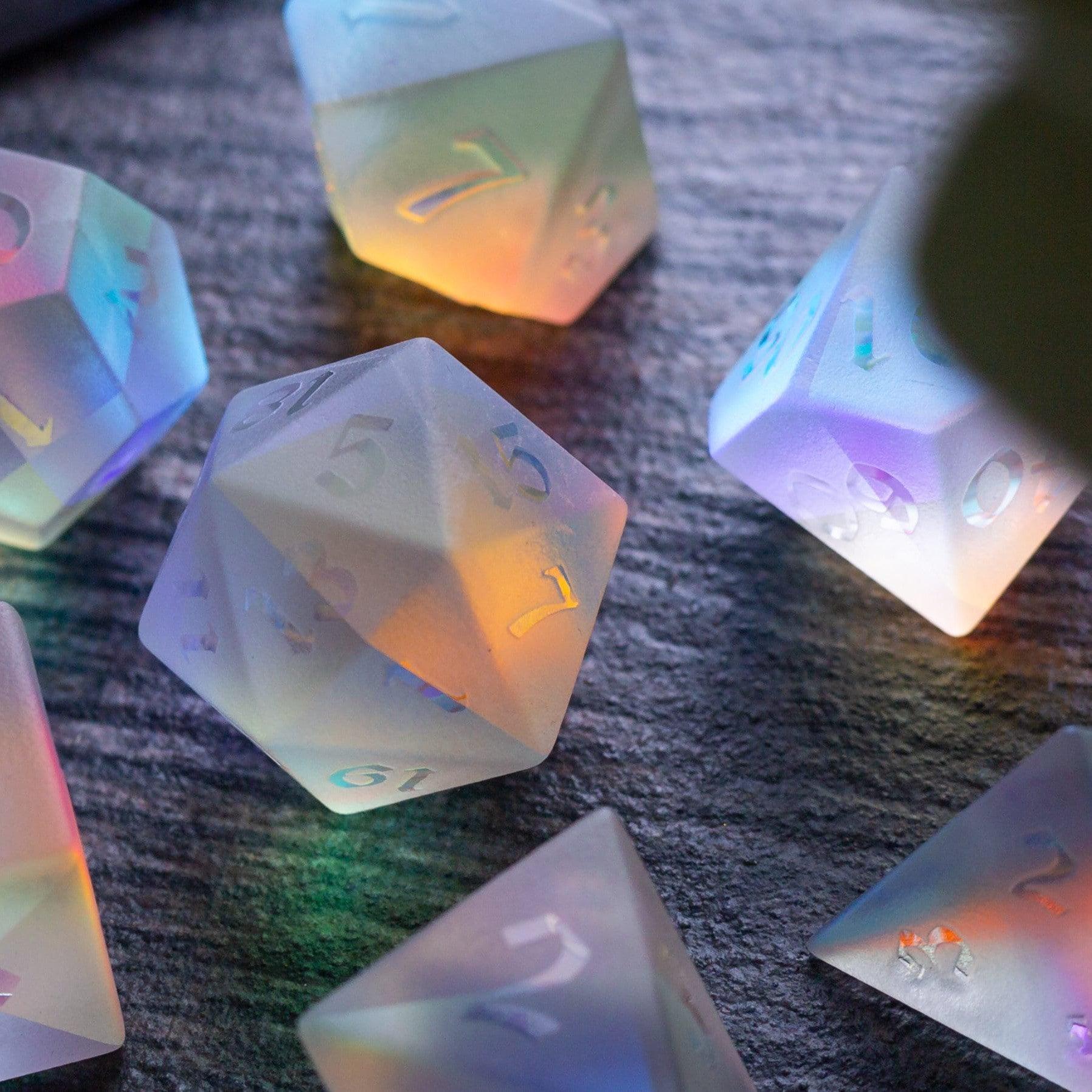
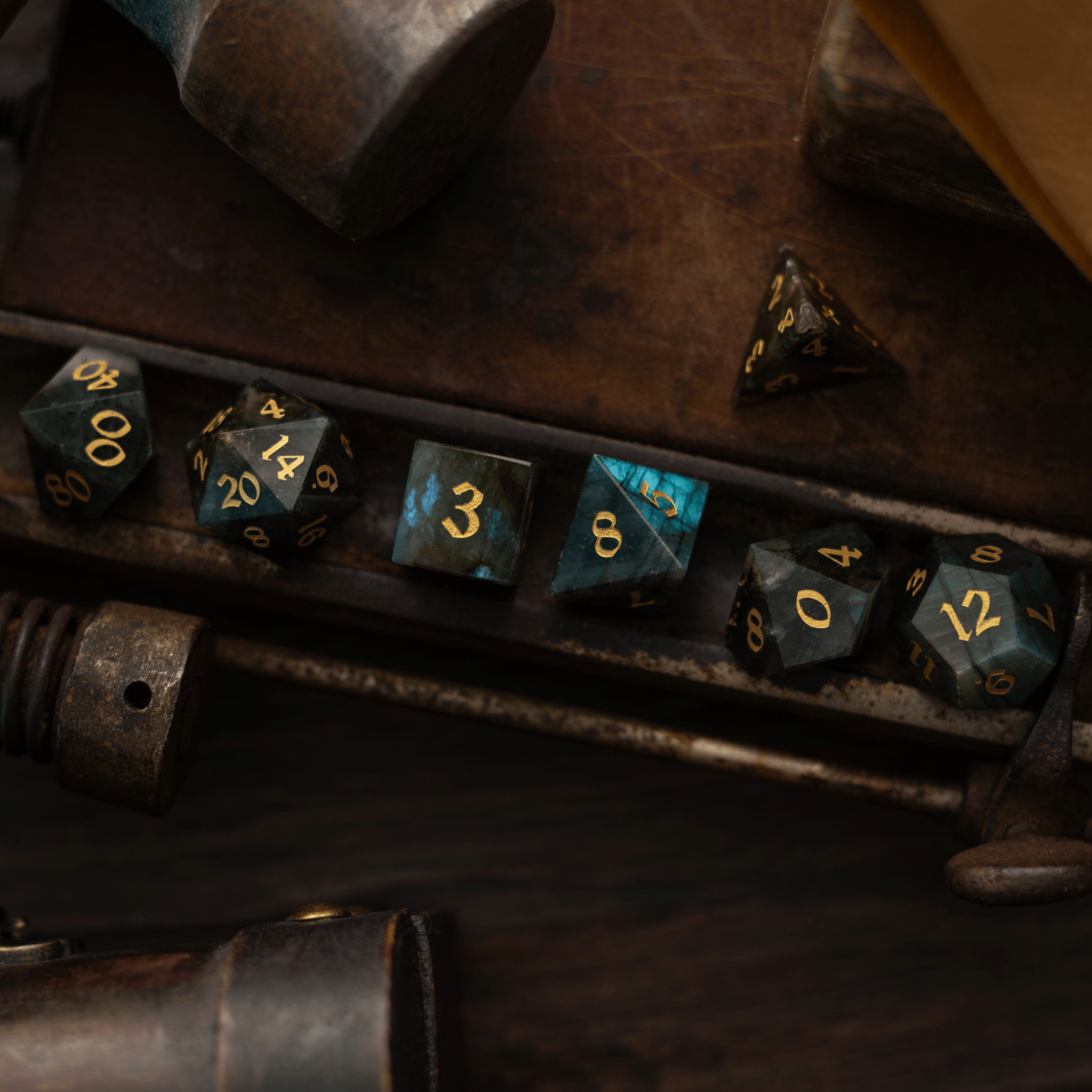
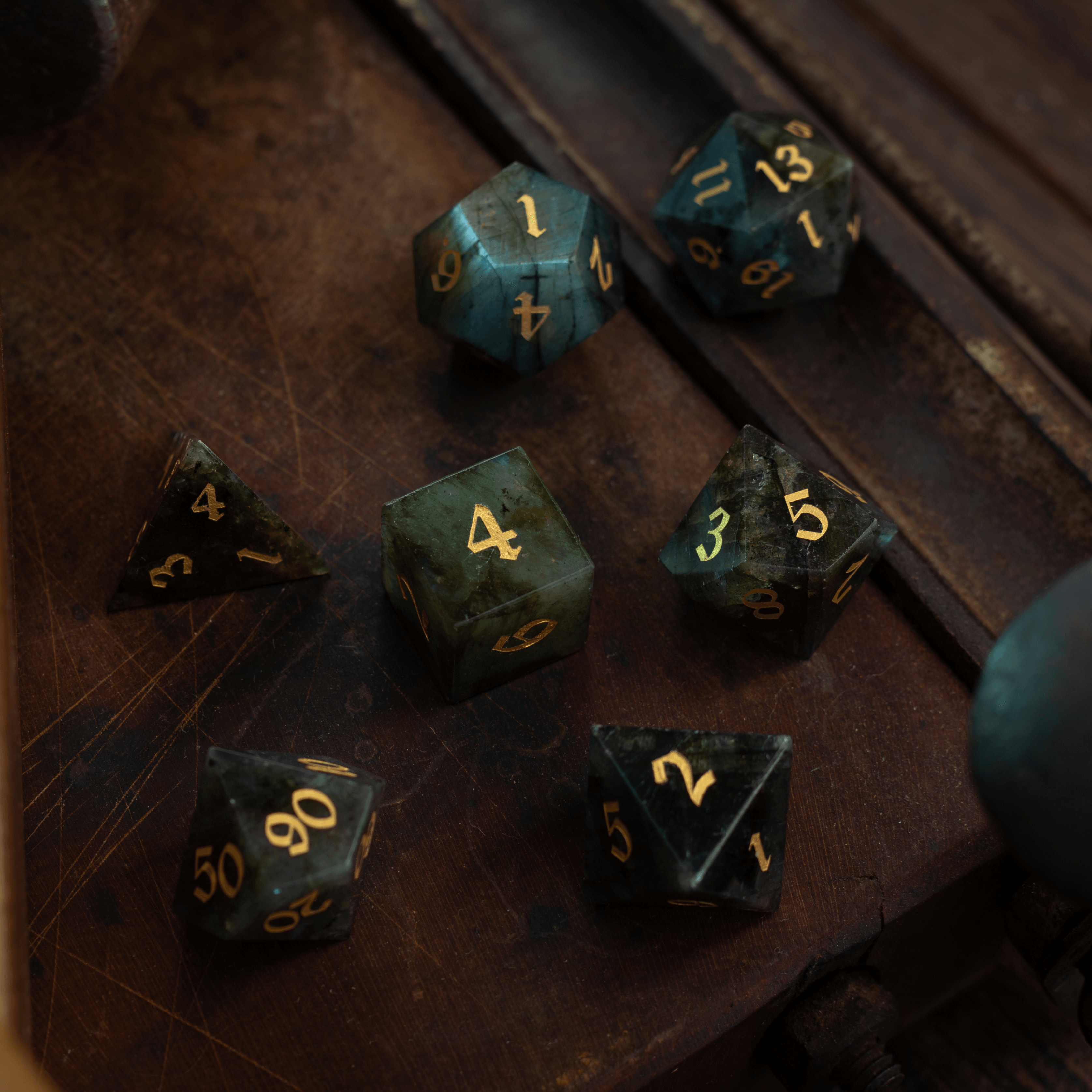
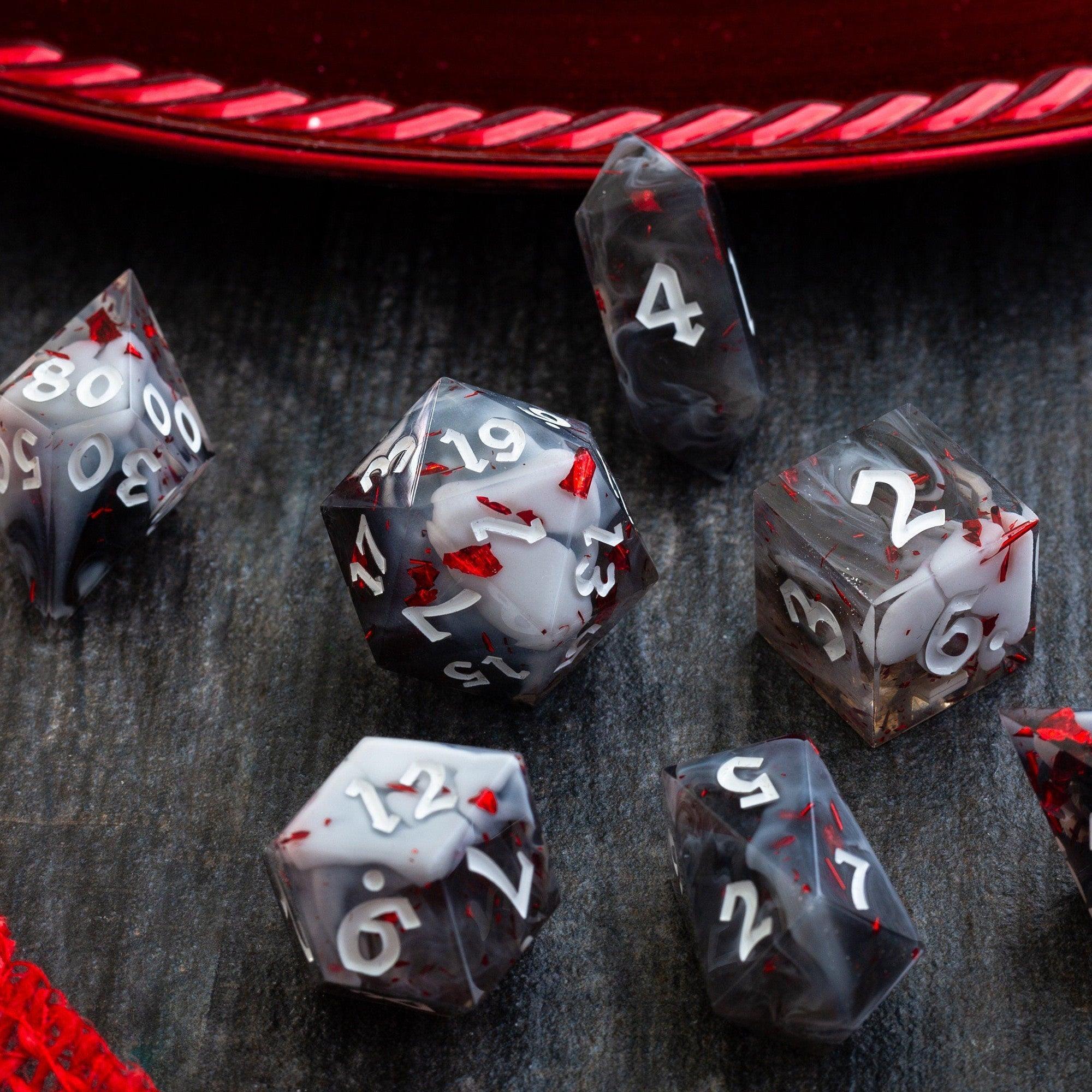
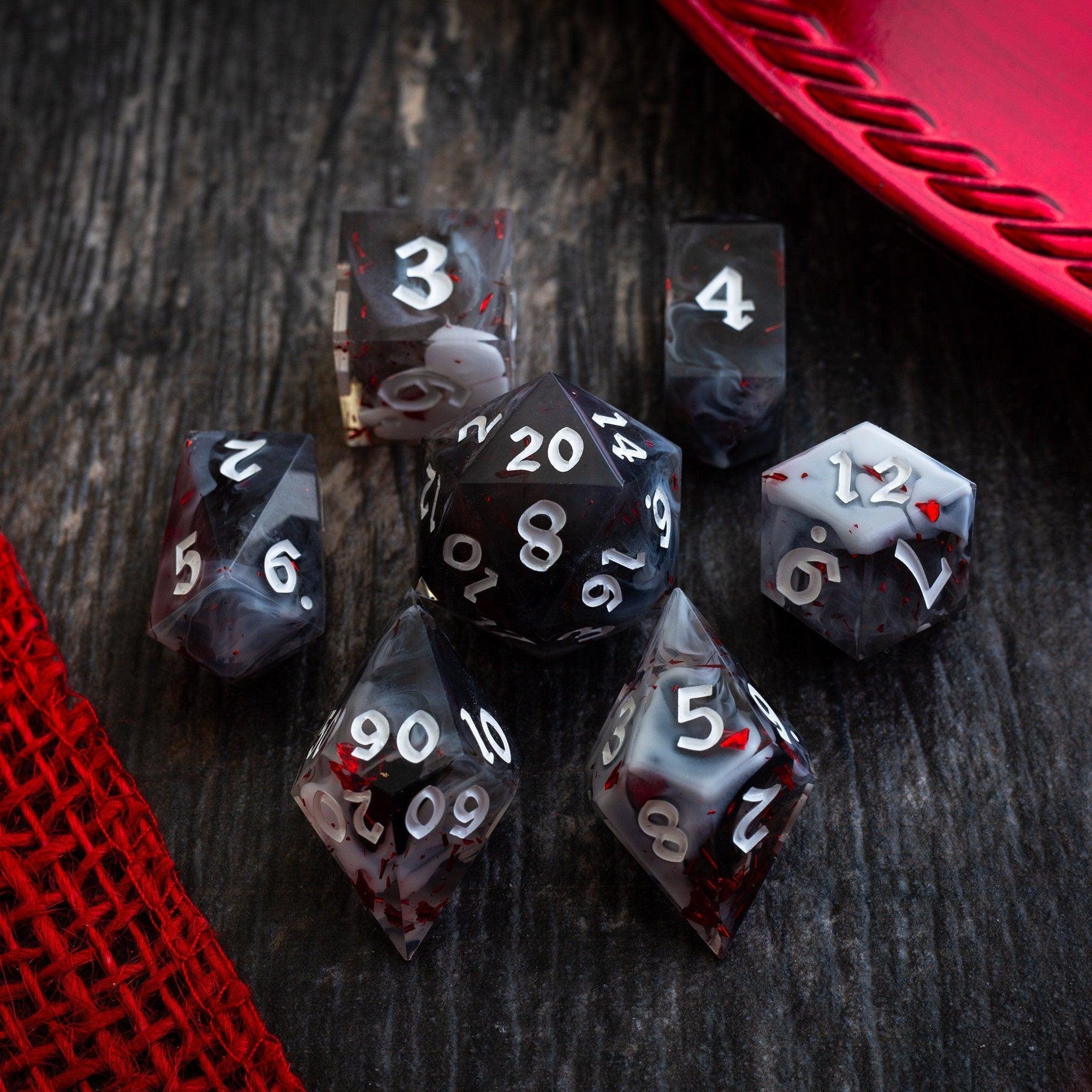
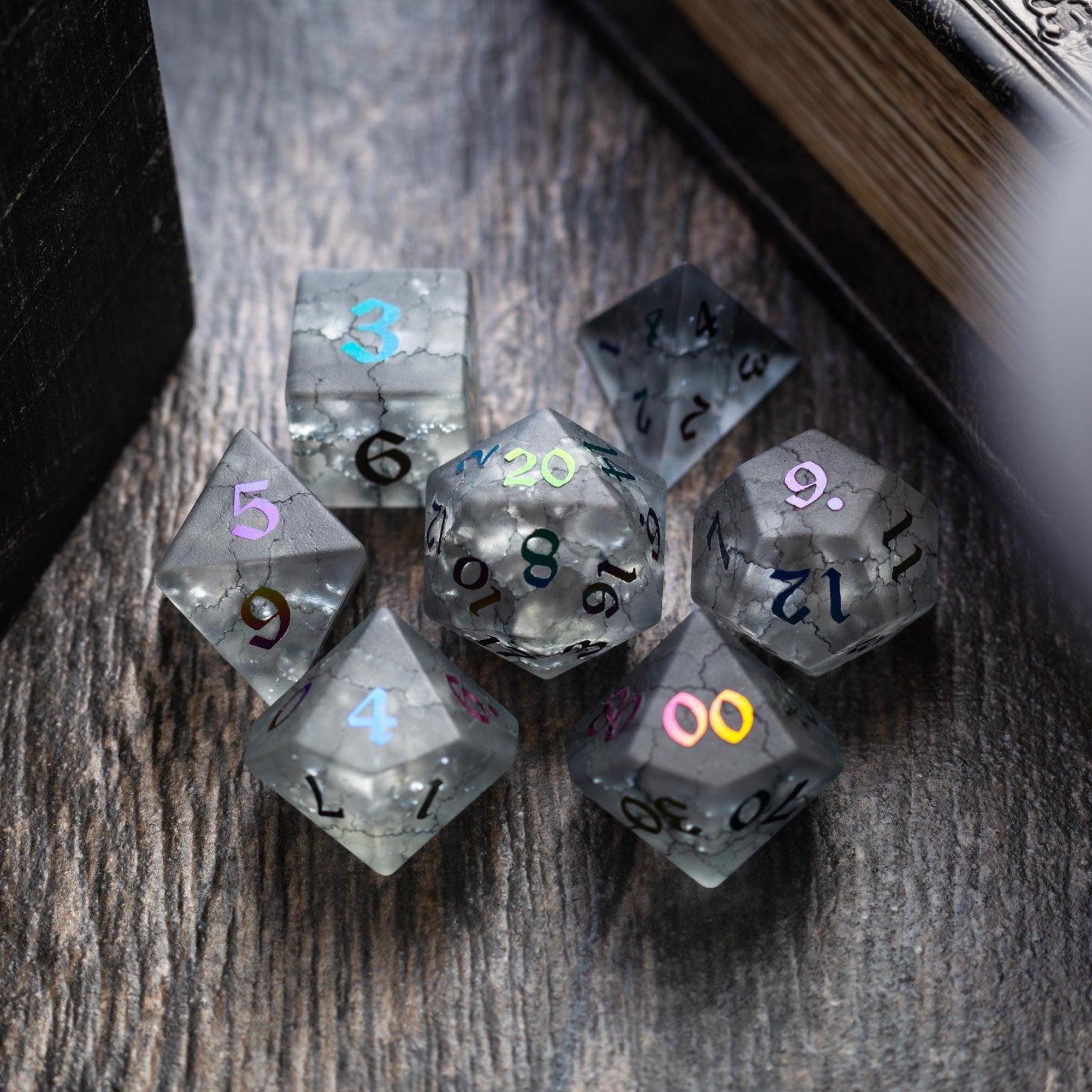
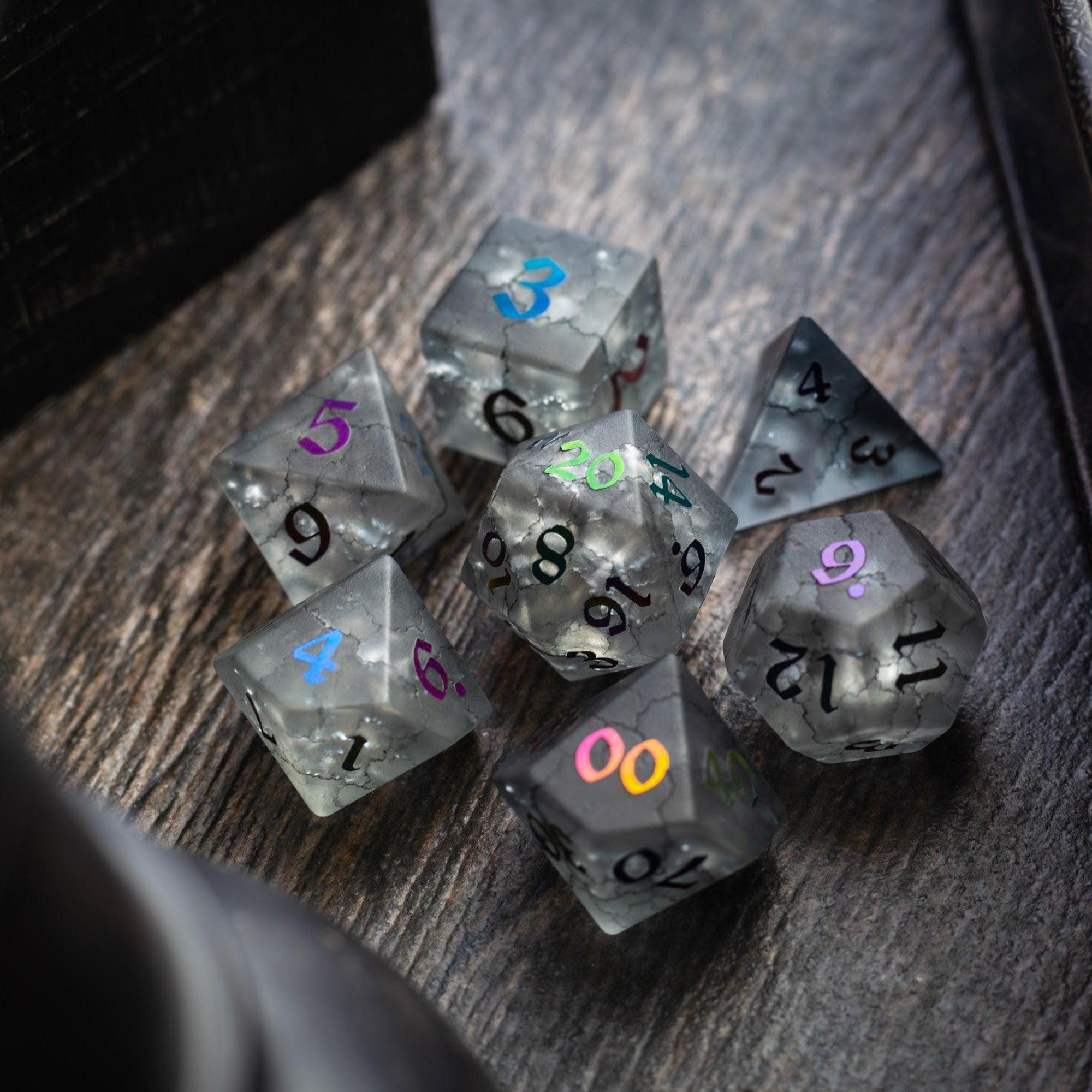
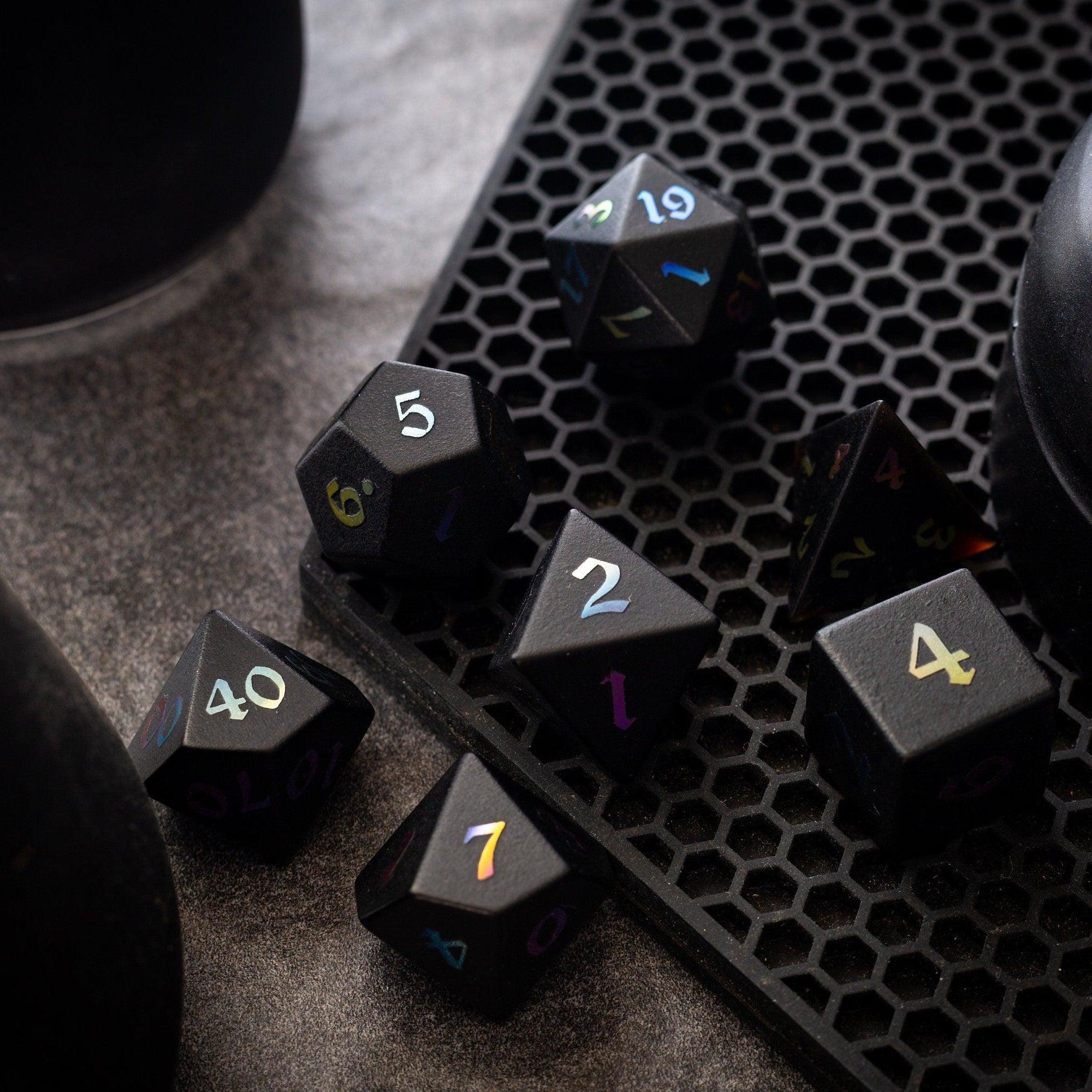
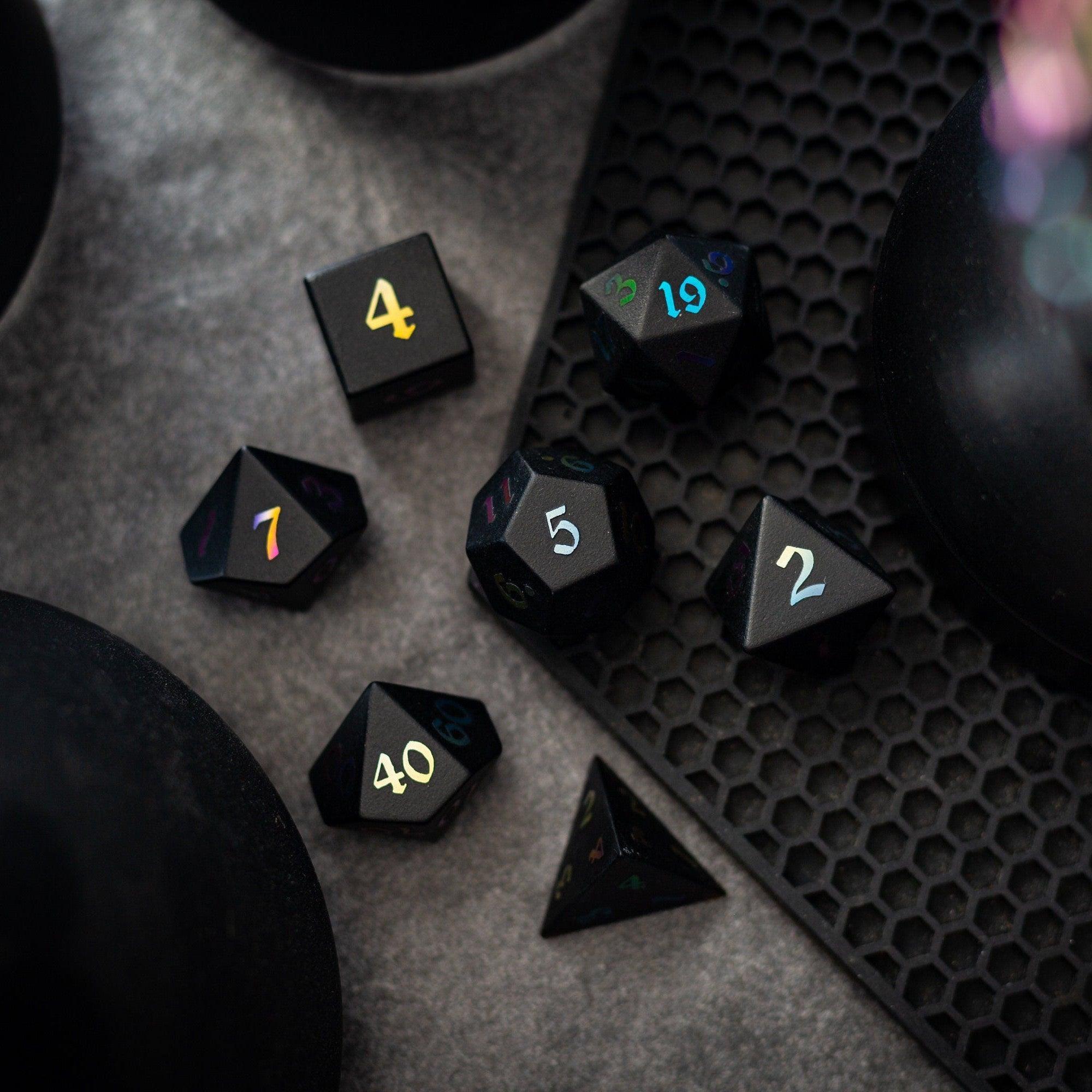
This kind of player often enjoys dice that reflect their character’s theme. A gemstone dice set can feel perfect for a noble cleric, cursed warlock, or ancient-bloodline sorcerer because it adds a little extra identity to every roll.
The Tactician
The Tactician enjoys strategy. They like positioning, smart spell use, teamwork, and challenging encounters.
Give them:
-
Battlefields with terrain
-
Enemies with clear tactics
-
Multiple ways to win
-
Resource management
-
Meaningful combat choices
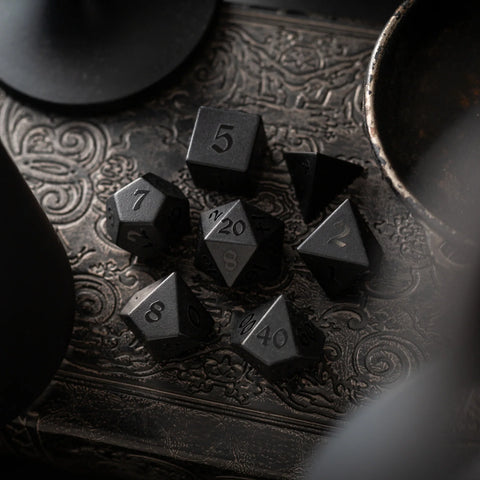
Metal dice can be a fun fit for tactical warriors, paladins, fighters, and battle-focused characters. The weighty feel matches those big combat moments without needing to turn the game into a sales pitch.
The Explorer
The Explorer wants to know what is over the next hill, behind the locked door, or hidden under the ruined temple.
Give them:
-
Secret rooms
-
Strange locations
-
World lore
-
Travel choices
-
Discoveries that reward curiosity
Explorers thrive when the world feels alive. Drop clues, rumors, maps, and mysterious landmarks that invite them to ask questions.
The Roleplayer
The Roleplayer loves speaking in character, building relationships, and reacting emotionally to the world.
Give them:
-
Memorable NPCs
-
Social encounters
-
Personal conversations
-
Rivalries and friendships
-
Moments where words matter as much as weapons
Roleplay scenes do not always need to be long. Even a five-minute campfire conversation can become a favorite memory.
The Character Builder
The Character Builder enjoys abilities, subclasses, feats, spells, gear, and progression. They love seeing a concept grow over time.
Give them:
-
Meaningful rewards
-
Custom magic items
-
Training opportunities
-
Build-related challenges
-
Moments where their abilities shine
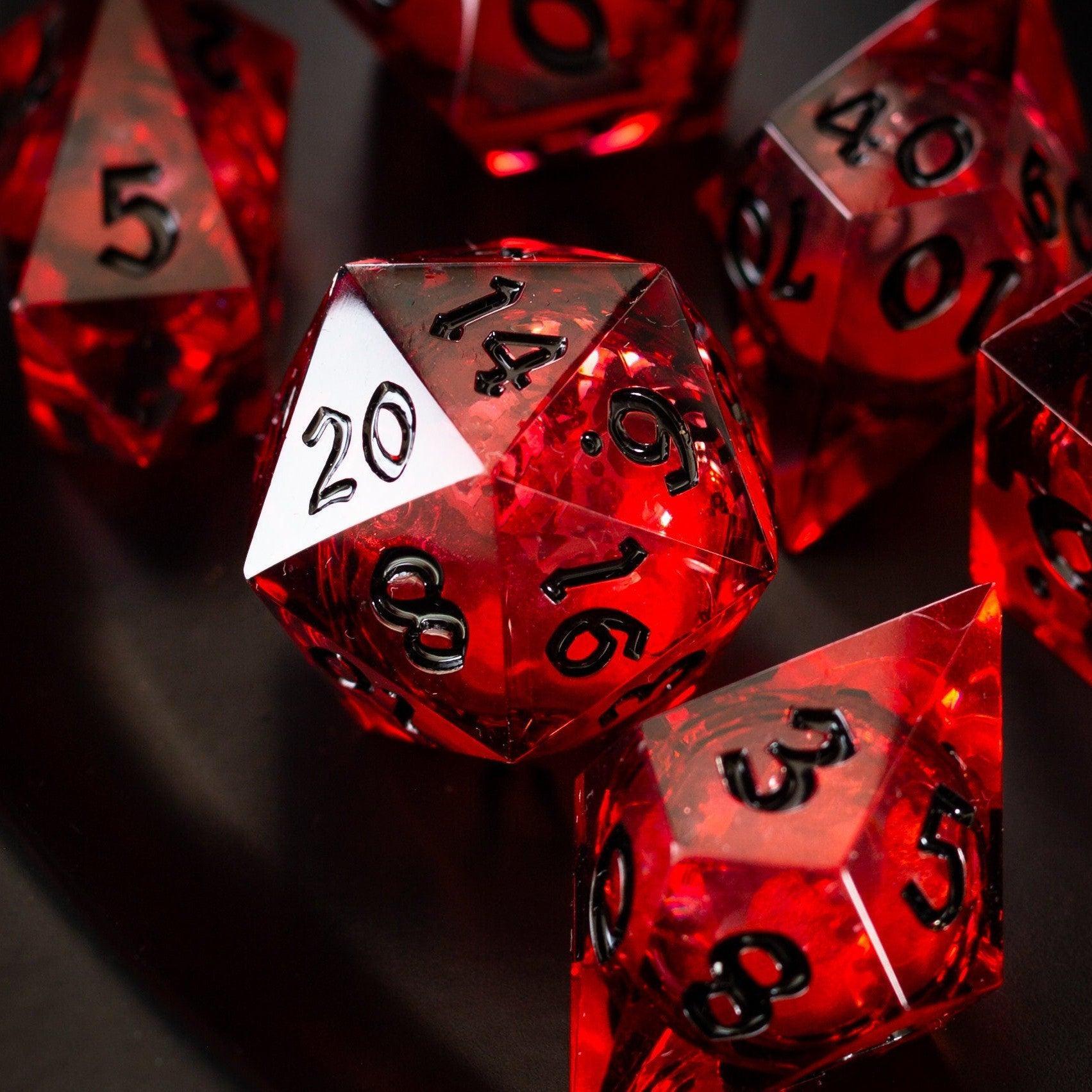
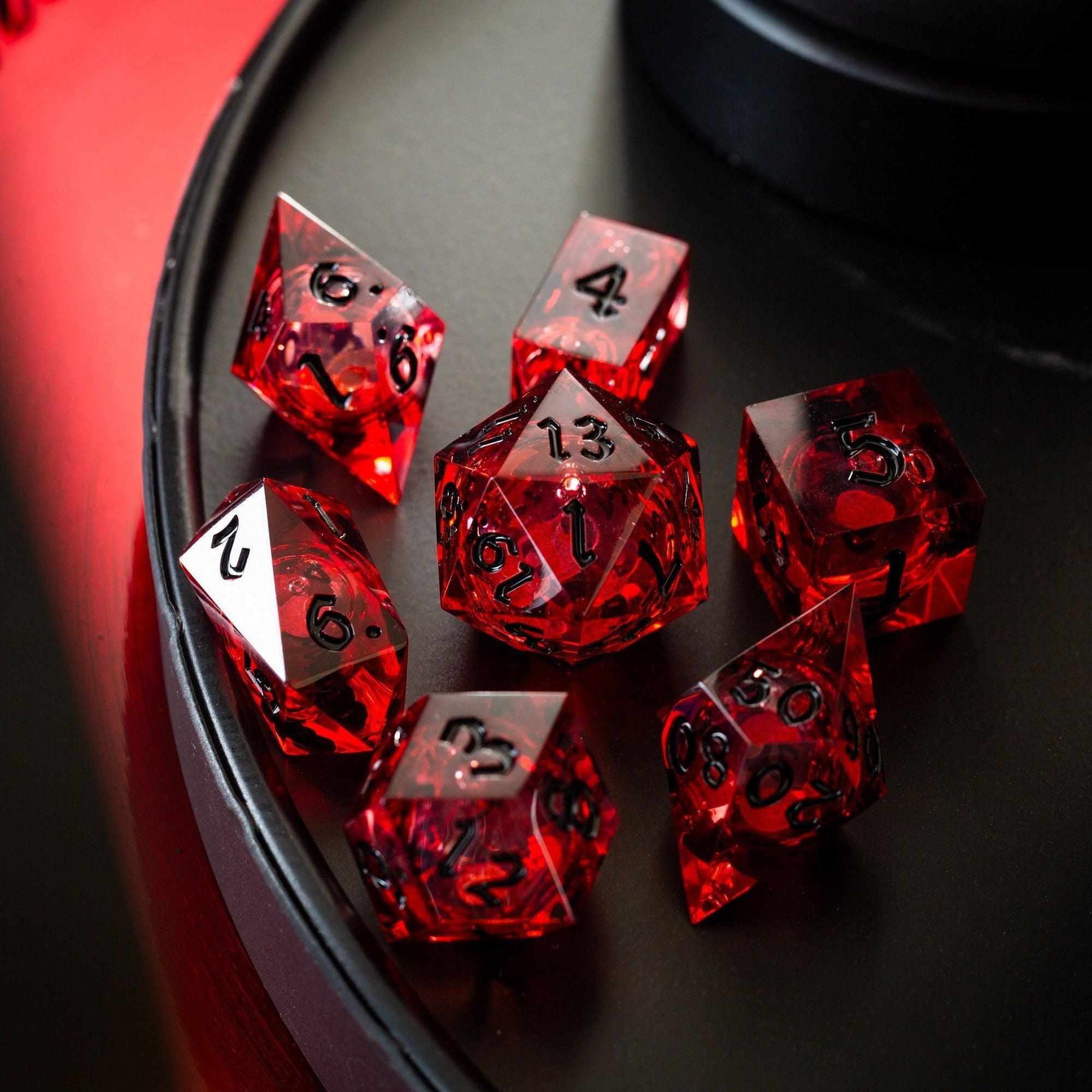
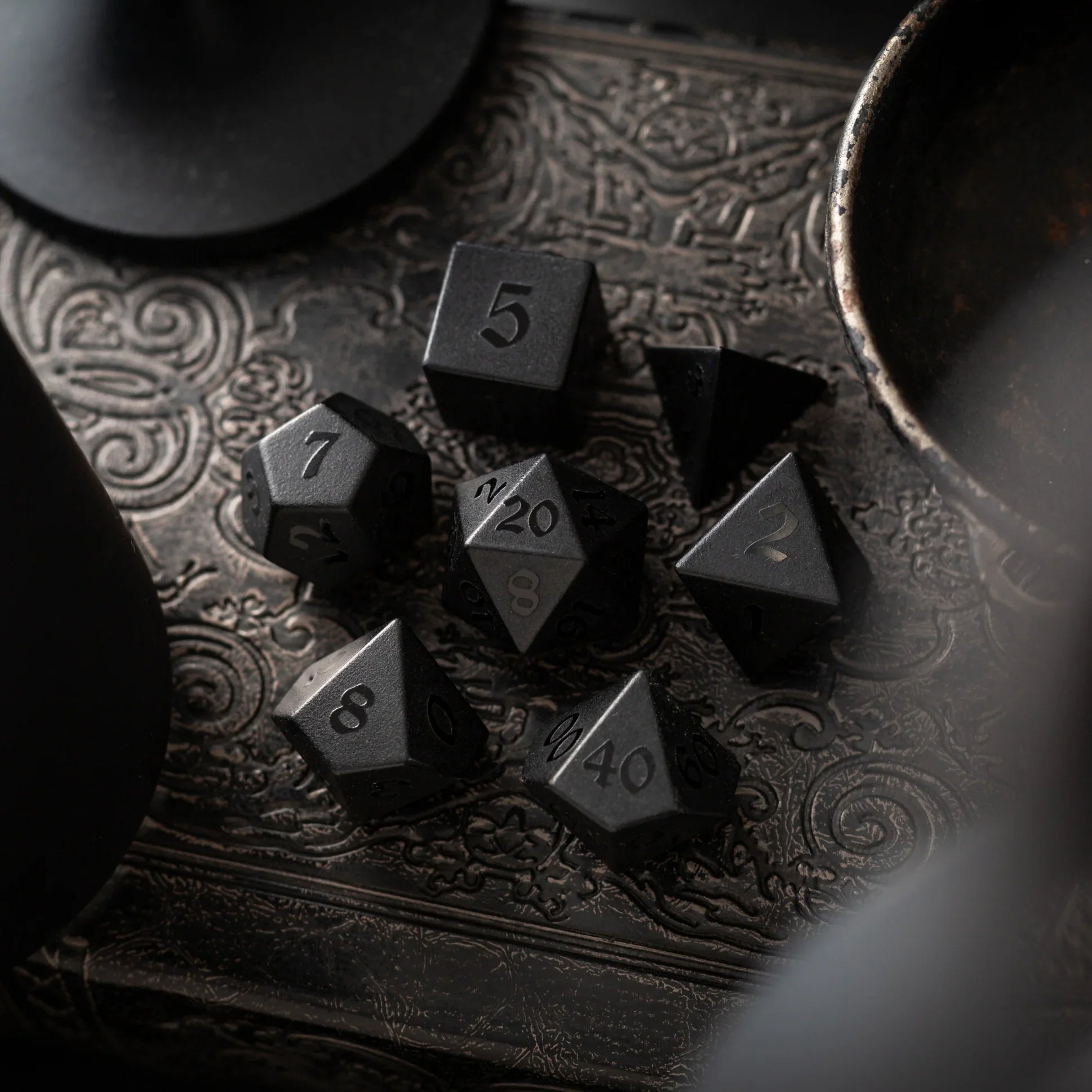
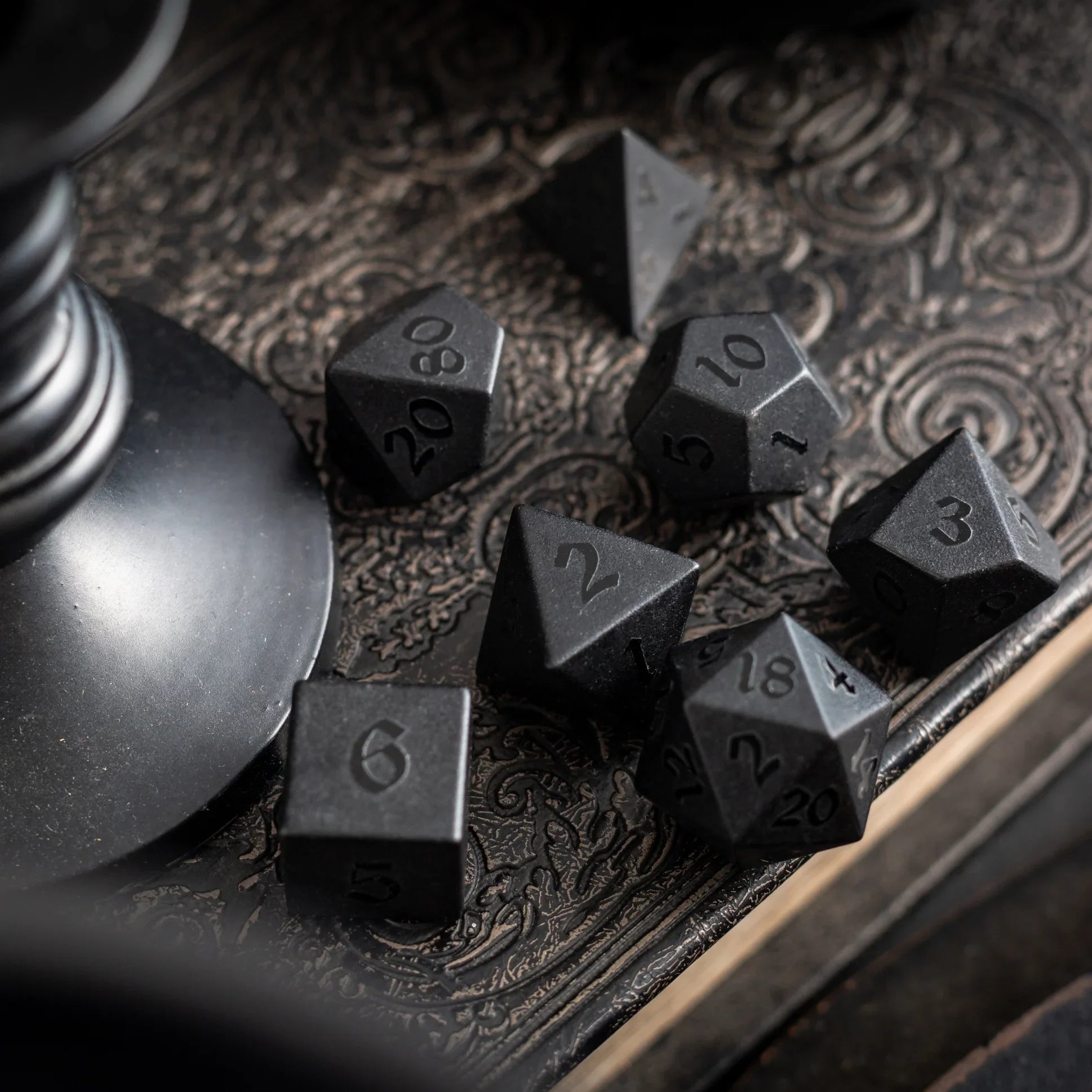
Themed dice sets can support this style well. A storm-themed set for a tempest cleric or a dark resin set for a rogue helps the character feel more complete at the table.
The Social Gamer
The Social Gamer is there for the group experience. They love jokes, teamwork, shared memories, and hanging out.
Give them:
-
Group decisions
-
Funny NPCs
-
Team-based challenges
-
Low-pressure scenes
-
Moments where everyone contributes
These players often help keep the table warm and welcoming. Do not overlook how valuable that is.
D&D Player Type Comparison Table
| Player Style | What They Enjoy | Campaign Elements to Include |
|---|---|---|
| Storyteller | Character arcs and emotional stakes | Narrative choices, consequences, personal quests |
| Tactician | Strategic combat and smart planning | Challenging encounters, terrain, enemy tactics |
| Explorer | Discovery and curiosity | Hidden locations, clues, maps, strange lore |
| Roleplayer | Character interaction | NPC relationships, dialogue, moral choices |
| Character Builder | New abilities and progression | Meaningful rewards, custom items, build moments |
| Social Gamer | Group fun and shared memories | Collaborative scenes, humor, teamwork |
How to Build Campaigns for Mixed Groups
Most D&D groups include several play styles at once. That is a good thing. A mixed group gives your campaign variety, but it also means you need to balance your sessions.
A strong session might include:
-
A roleplay scene with an important NPC
-
A clue or mystery for curious players
-
One meaningful combat encounter
-
A choice that affects the next session
-
A small reward or character moment
You do not need to include every type of content every single night. Instead, rotate the spotlight.
For example, if one session is combat-heavy, make the next one more focused on investigation or character choices. If a roleplay-heavy session leaves your tactician waiting, add a tense encounter or tactical challenge soon after.
Good dnd campaign tips often come back to rhythm. Change the pace before the game feels flat.
Signs Your Players Are Engaged
Player engagement is not always loud. Some players show excitement by acting in character. Others take notes, ask questions, or message you between sessions.
Look for signs like:
-
Players discussing plans without being prompted
-
Characters making personal choices
-
Players remembering NPC names
-
The group asking questions about the world
-
Excitement between sessions
-
Players reacting emotionally to outcomes
-
Everyone getting moments to contribute
If your players are invested, they will usually show it in how they interact with the world.
Common Dungeon Master Mistakes
Even experienced DMs make mistakes. The goal is not to run a perfect game. The goal is to notice what is not working and adjust.
Focusing on Only One Play Style
If every session is combat, your roleplayers may drift. If every session is political drama, your tacticians may lose interest.
Try mixing combat, exploration, roleplay, and problem-solving over time.
Ignoring Player Feedback
Sometimes players will tell you exactly what they want. Other times, they show you through their reactions.
Pay attention to what gets energy at the table.
Overplanning
Planning is helpful, but overplanning can make the campaign feel stiff. Leave room for player choices.
Prepare situations, not just outcomes.
Uneven Spotlight Time
Some players naturally talk more than others. Make sure quieter players still get chances to act, decide, and shine.
A simple “What is your character doing during this?” can bring someone back into the scene.
Using Feedback to Improve Campaigns
Feedback does not need to feel formal. You do not have to hand out surveys after every game. Simple questions work well.
Try asking:
-
“What part of the session was the most fun?”
-
“Do you want more combat, roleplay, or exploration next time?”
-
“Is there anything your character wants to pursue?”
-
“Was the pacing okay tonight?”
These small check-ins give you useful dnd game master tips straight from your own table.
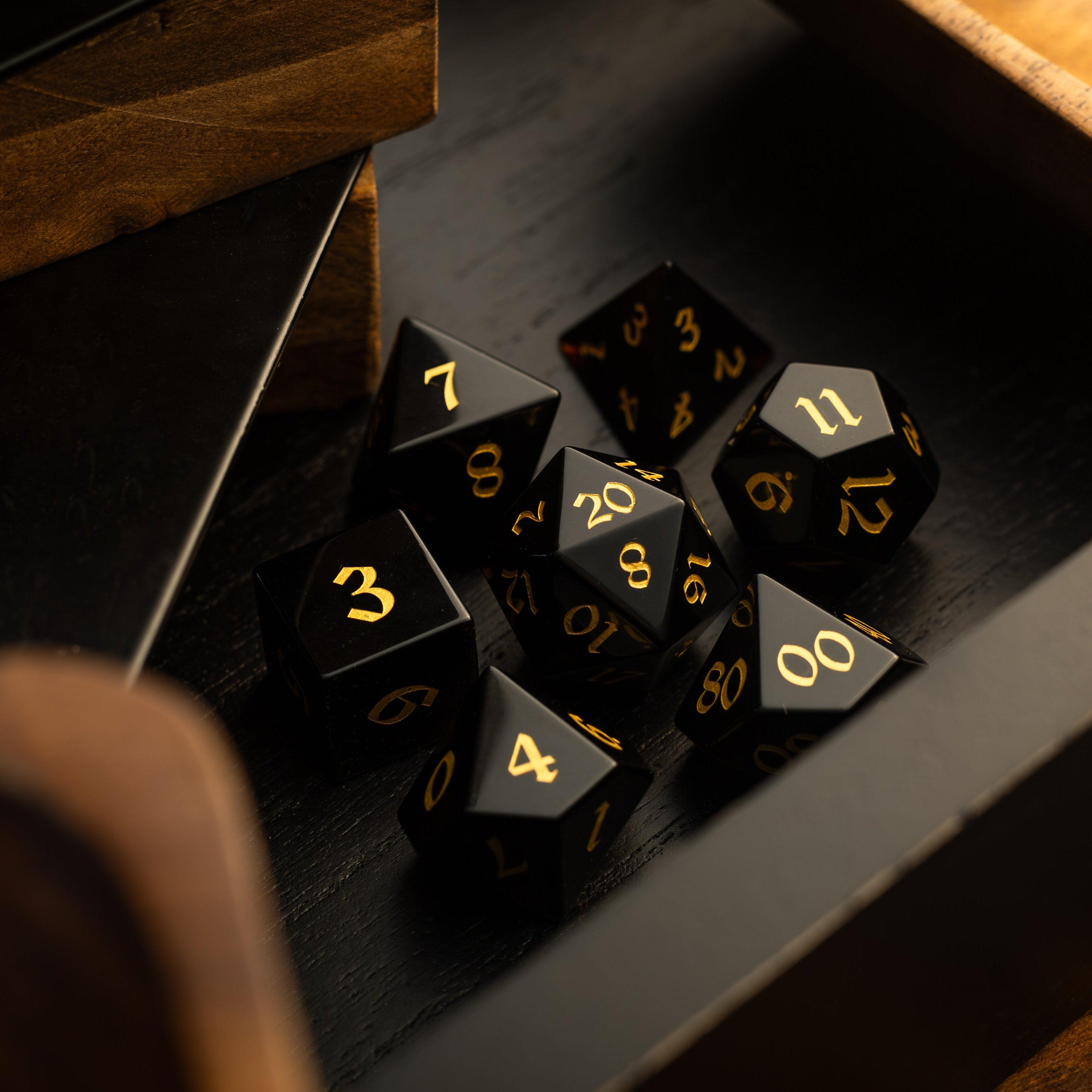
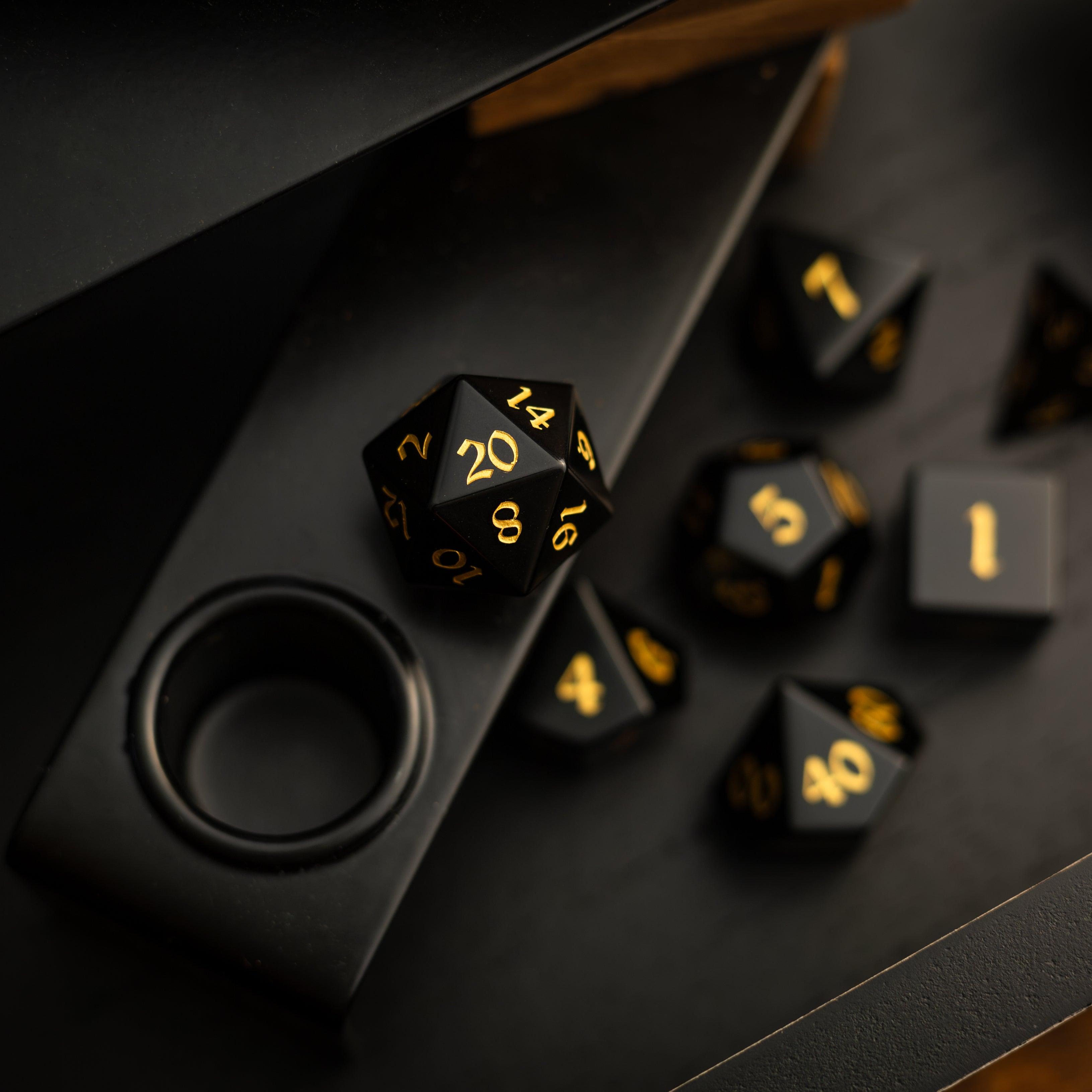
You can also learn by watching. If players light up during NPC conversations, add more social scenes. If they get excited by difficult fights, design smarter encounters. If they love choosing dice that match their characters, encourage that kind of table expression. Runic Dice sets can become part of the ritual, helping players feel connected to the heroes they bring to life.
Building Long-Term Campaign Success
Long campaigns are built on trust. Players need to trust that their choices matter. DMs need to trust players to engage with the world. Everyone needs to understand that D&D is shared storytelling, not a performance by one person.
The strongest campaigns usually have:
-
Clear expectations
-
Open communication
-
Flexible planning
-
Shared respect
-
Room for different play styles
-
A table culture where everyone feels welcome
Rules knowledge matters, but it is not everything. A DM who understands their players will usually run a better game than one who only knows every rule.
Final Thoughts
Understanding your D&D audience is not about labeling people. It is about paying attention.
Your dnd players are telling you what they enjoy through their choices, reactions, jokes, questions, and character moments. When you notice those signals, your campaign becomes easier to shape.
The best adventures are not built from a perfect formula. They are built around the people sitting at the table.
Know your players. Give them reasons to care. Let them surprise you. Whether they are chasing dragons, solving mysteries, testing new builds, or rolling a favorite set of dice during a huge moment, your job is to help create a game they are excited to return to.
That is the heart of great dnd storytelling, and it is what turns a campaign from a series of sessions into a story your group remembers for years.

Leave a comment
This site is protected by hCaptcha and the hCaptcha Privacy Policy and Terms of Service apply.