D&D Character Optimization Guide: Building Stronger and Smarter Characters

Character optimization is one of the most popular topics in Dungeons & Dragons because everyone wants their character to feel useful, exciting, and fun at the table. Whether you are building your first fighter, planning a clever rogue, or trying to make your wizard survive past level one, smart choices during dnd character creation can make a huge difference.
But good optimization is not about turning your character into a spreadsheet. It is not about chasing the “perfect” build or making the rest of the party feel weak. A strong character optimization guide should help you create someone who works well mechanically, fits the campaign, and gives you plenty of fun roleplay moments.
The best dnd builds are not just powerful. They are playable, memorable, and useful to the group.
What Is D&D Character Optimization?
D&D character optimization means making choices that help your character do their job well. That job might be dealing damage, protecting allies, healing the party, solving problems, sneaking through danger, or controlling the battlefield with magic.
In simple terms, character optimization 5e focuses on:
-
Choosing features that work well together
-
Putting your best ability scores where they matter most
-
Picking spells, feats, and skills that support your role
-
Helping the party succeed, not just yourself
-
Making sure your character is still fun to play
A well-optimized character does not need to be the strongest person at the table. They just need to be effective at what they are built to do.
Start With a Clear Character Concept
Before you pick stats or feats, decide what kind of character you actually want to play.
Ask yourself:
-
What fantasy am I trying to capture?
-
What role do I want in the party?
-
Does this character fit the campaign?
-
What will make them fun for me over many sessions?
For example, “I want to play a brave knight” is a good start. But you can make that concept stronger by deciding whether they are a shield-bearing protector, a mounted warrior, a holy champion, or a tactical battlefield leader.
Optimization begins with a clear idea. Once you know the fantasy, the mechanics can support it.
Choosing the Right Class and Race
Your class is the biggest mechanical choice in most dnd character builds. D&D classes shape what your character does every session, from combat style to spellcasting to exploration tools.
Some classes naturally support certain roles:
-
Fighters are reliable weapon users with strong combat options.
-
Rogues shine with skills, stealth, and precision damage.
-
Wizards offer flexible spellcasting and problem-solving.
-
Clerics bring support, defense, and powerful magic.
-
Barbarians are tough front-line warriors.
Race, or species depending on your table’s rules, can add useful traits, movement options, resistances, skills, or ability score bonuses. You do not need the “perfect” class and race pairing, but choosing options that support your concept can make your character feel smoother.
For example, a sneaky rogue benefits from mobility, darkvision, or extra skills. A front-line paladin appreciates durability and strong ability scores. A wizard usually wants anything that helps with survival, concentration, or utility.
There is no single correct choice. The goal is synergy, not limitation.
Prioritizing Ability Scores
Ability scores are one of the easiest places for new players to make mistakes. Most characters have one primary ability score that fuels their best features.
Common examples include:
-
Strength for many melee fighters, barbarians, and paladins
-
Dexterity for rogues, rangers, monks, and ranged builds
-
Intelligence for wizards and artificers
-
Wisdom for clerics, druids, and many ranger features
-
Charisma for bards, sorcerers, warlocks, and paladins
-
Constitution for hit points and concentration checks
Your primary stat should usually be your highest score. Constitution is also valuable for almost everyone because staying alive matters.
A common mistake is spreading scores too evenly. A character with decent numbers everywhere may sound flexible, but they can feel weak when important rolls come up. It is usually better to be great at your main job and acceptable at a few supporting tasks.
Feats vs Ability Score Improvements
Feats can be exciting because they give your character new tricks. But ability score improvements are often stronger than they look, especially for beginners.
Increasing your main stat can improve:
-
Attack rolls
-
Damage
-
Spell save DCs
-
Skill checks
-
Important class features
Feats are best when they clearly support your build. A defensive character may enjoy a feat that improves survivability. A spellcaster may want help maintaining concentration. A weapon-focused build may benefit from a feat that improves combat consistency.
Good beginner-friendly feat choices usually do one of three things:
-
Make you better at your main role
-
Protect you from common problems
-
Give you useful options every session
Avoid choosing a feat just because it sounds cool. Cool is good, but cool and useful is even better.
Optimization Comparison Table
| Character Goal | Focus Areas | Example Priorities |
|---|---|---|
| Damage Dealer | Primary attack stat, combat feats | Strength or Dexterity, reliable weapons, damage features |
| Tank | Constitution, defense features | Armor, hit points, saving throws, positioning |
| Support | Utility abilities, team buffs | Healing, protection spells, helpful class features |
| Skill Expert | Relevant skills and expertise | Dexterity, Intelligence, Wisdom, social or scouting tools |
| Spellcaster | Casting stat and spell selection | Intelligence, Wisdom, or Charisma, strong spell choices |
This table is not a strict formula. It is a simple way to think about what your character needs most.
Optimize for the Party, Not Just Yourself
A strong Dungeons and Dragons character guide should always consider the party. D&D is a team game. A build that looks amazing alone may struggle if it ignores what the group needs.
Before finalizing your character, think about:
-
Who can stand on the front line?
-
Who can heal or stabilize allies?
-
Who handles traps, locks, or scouting?
-
Who has social skills?
-
Who can deal with magical problems?
-
Who has area damage or crowd control?
You do not need to cover every gap, but knowing the party’s strengths helps you make smarter choices. Sometimes the best optimization move is not adding more damage. Sometimes it is choosing a spell, skill, or tool that saves the group when things go sideways.
Common Character Optimization Mistakes
New players often run into the same issues when building dnd character builds.
Spreading Ability Scores Too Thin
Trying to be good at everything can make you less effective at your main role. Focus first, then add flavor.
Choosing Feats Without Synergy
A feat should support what your character actually does. If it rarely comes up, it may not be worth the choice.
Ignoring Party Needs
If everyone builds for damage and nobody can scout, heal, or handle social scenes, the group may struggle.
Building for Rare Situations
Do not spend major character choices on something that might happen once. Build around the challenges you expect to face often.
Forgetting Defense
Damage is fun, but unconscious characters do not get turns. Armor, hit points, saving throws, and positioning all matter.
Strong Builds Still Need Roleplay
The best dnd character optimization does not replace personality. It supports it.
A great character has:
-
A clear combat role
-
A personality beyond the character sheet
-
Goals that matter in the story
-
Strengths and weaknesses
-
Reasons to care about the party
For example, a highly optimized ranger can still be a nervous runaway, a monster hunter with regrets, or a cheerful guide who names every trail snack. Mechanics help you succeed, but roleplay makes people remember you.
The most satisfying characters usually have both.
Optimizing for Your Campaign
Not every campaign rewards the same choices. A dungeon-heavy game may favor combat durability, trap detection, healing, and resource management. A political campaign may reward insight, persuasion, deception, languages, and subtle magic. An exploration campaign may make survival skills, mobility, rituals, and utility spells incredibly valuable.
Before you build, ask your Dungeon Master what kind of game they are planning. You do not need spoilers. Just knowing the general style can help you avoid building a character who feels out of place.
Why Readable Dice Matter During Gameplay
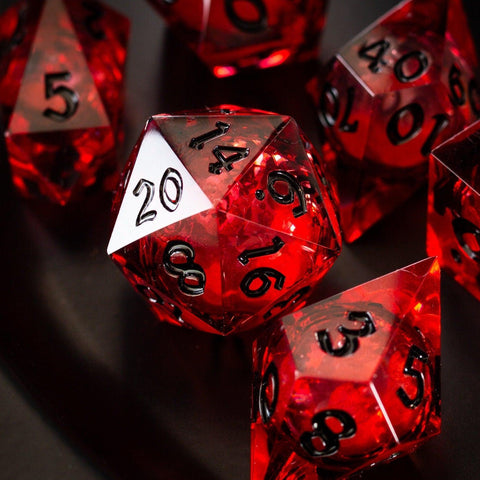
Every optimized build still comes down to actual rolls at the table. Attack rolls, saving throws, skill checks, damage rolls, and concentration checks happen constantly, so readable dice matter more than many players realize.
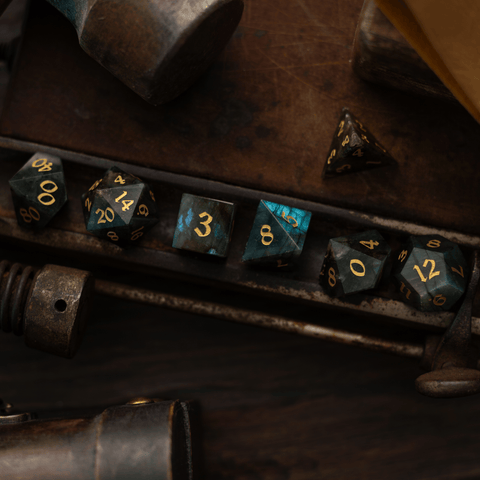
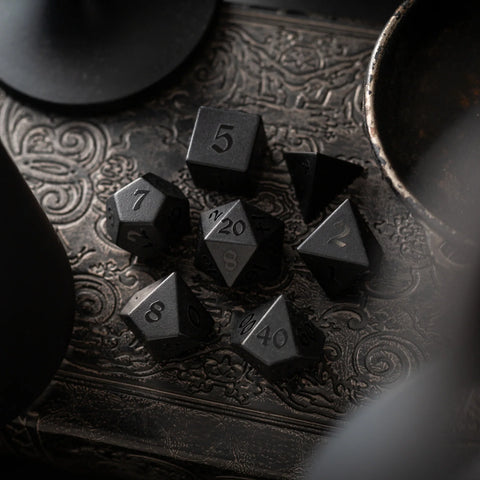
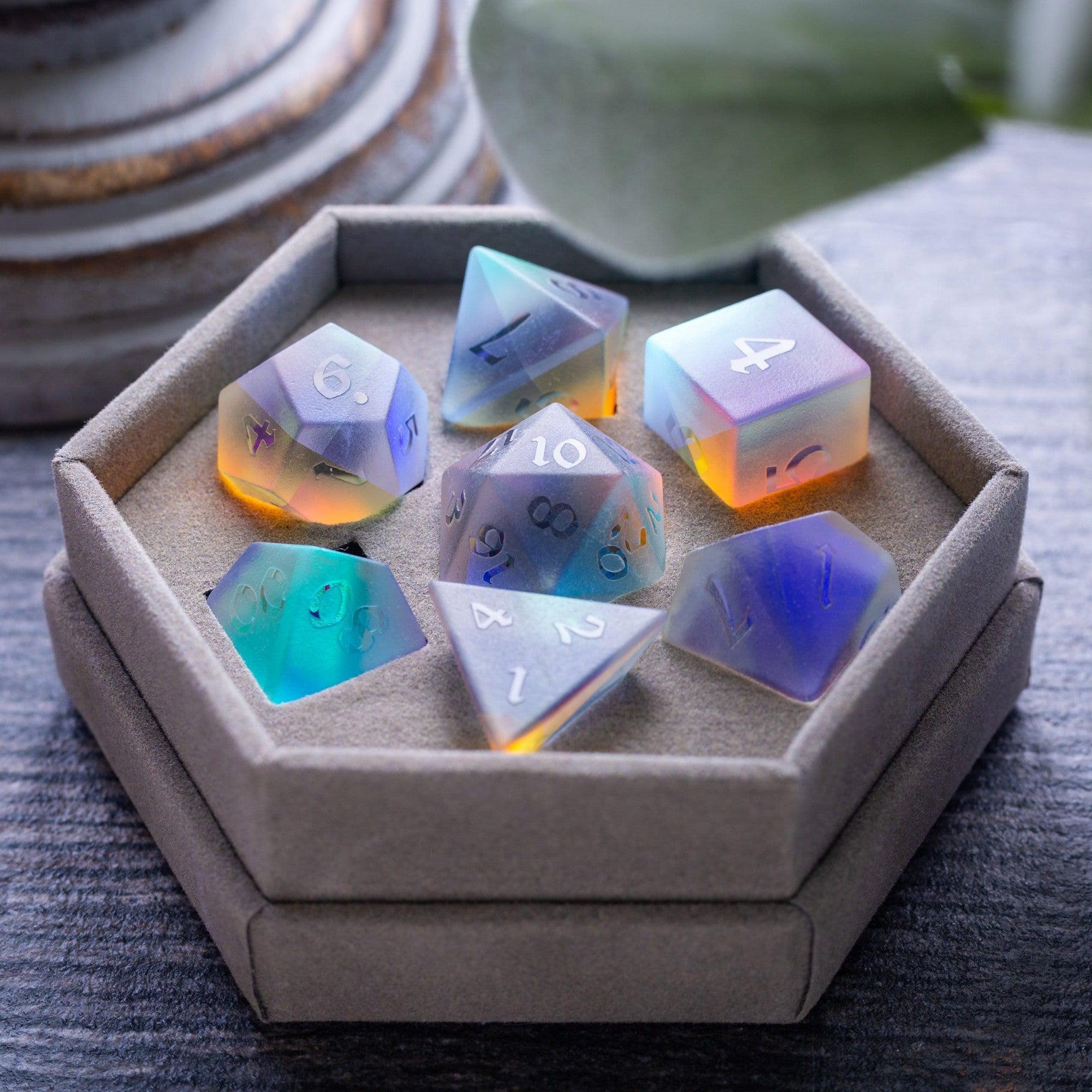
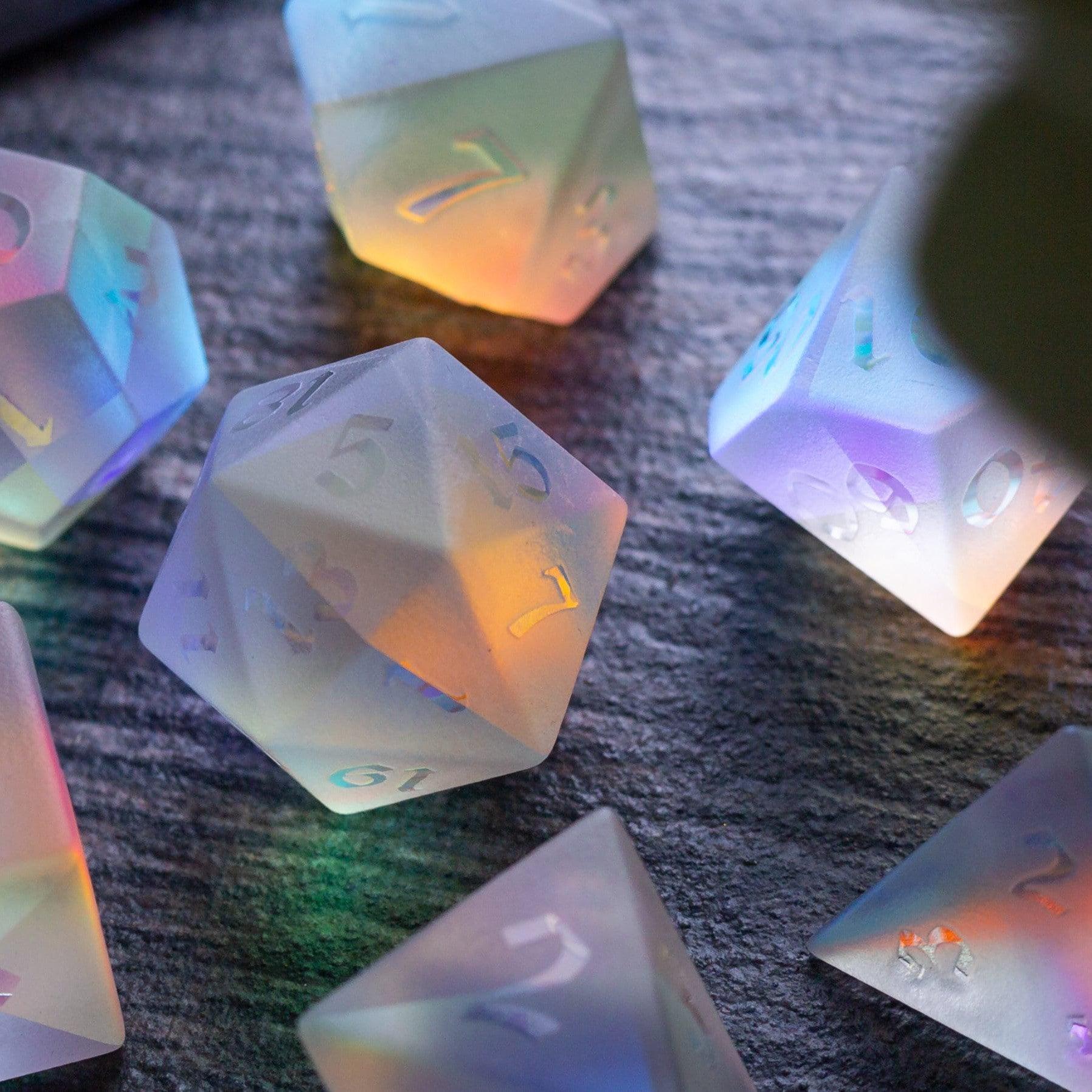
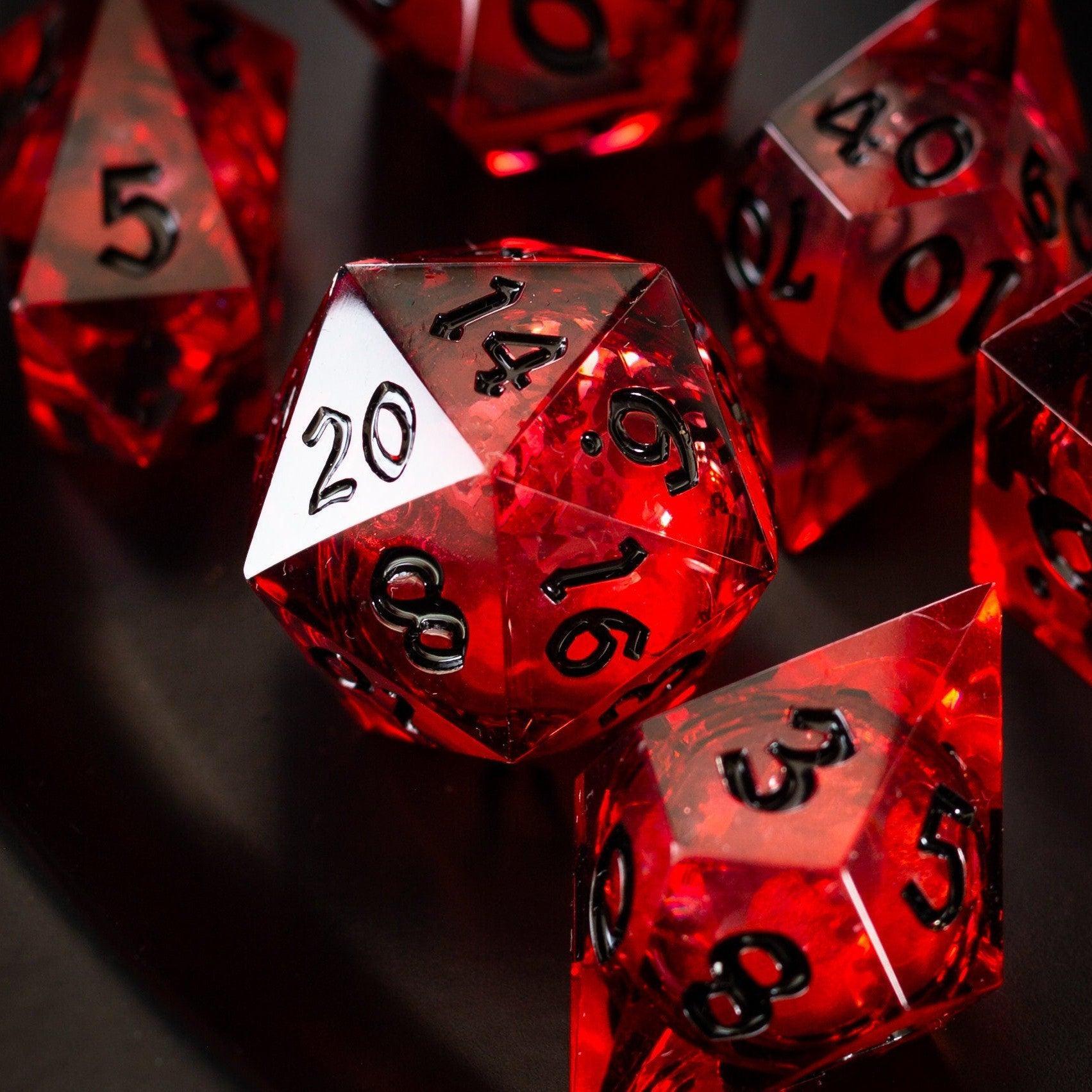
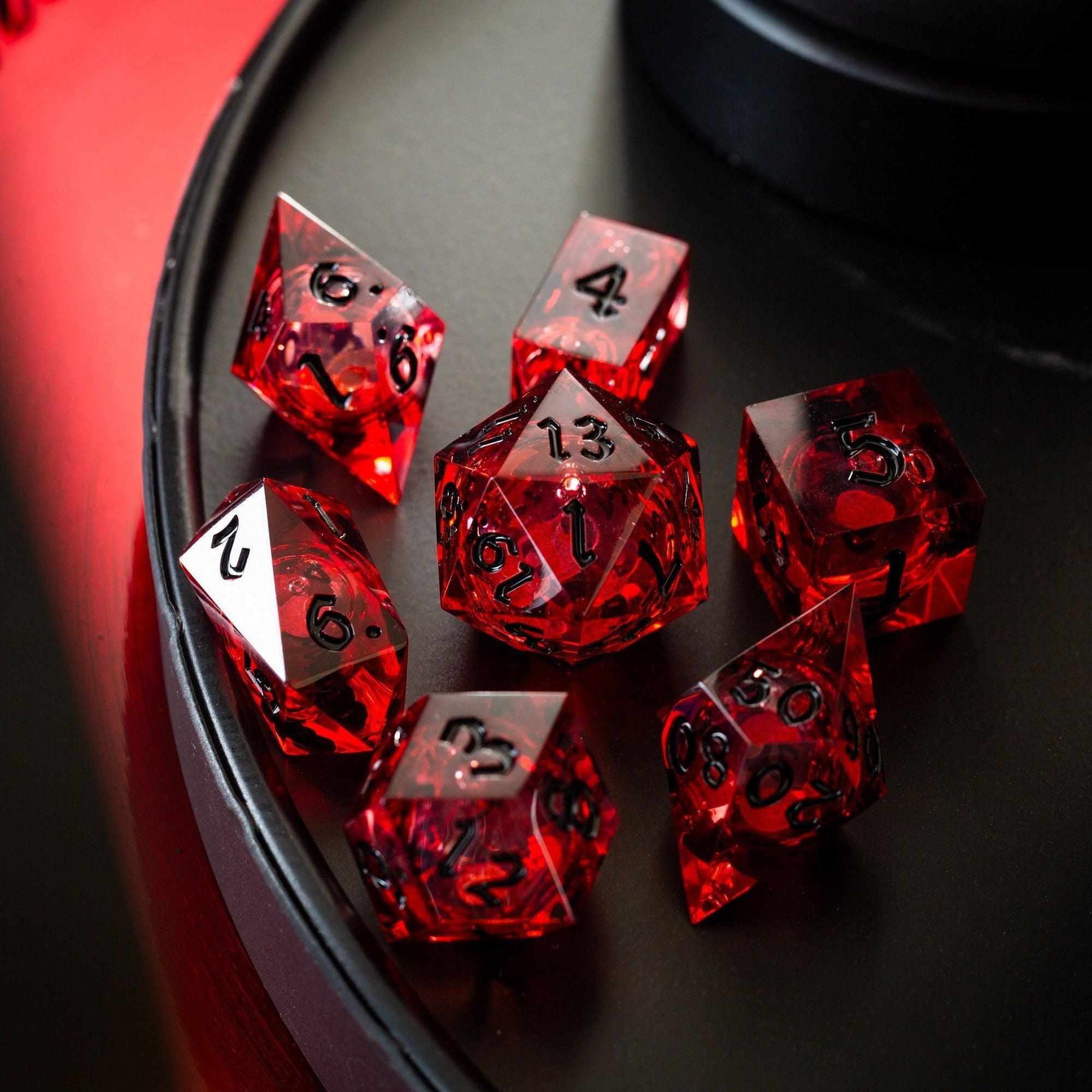
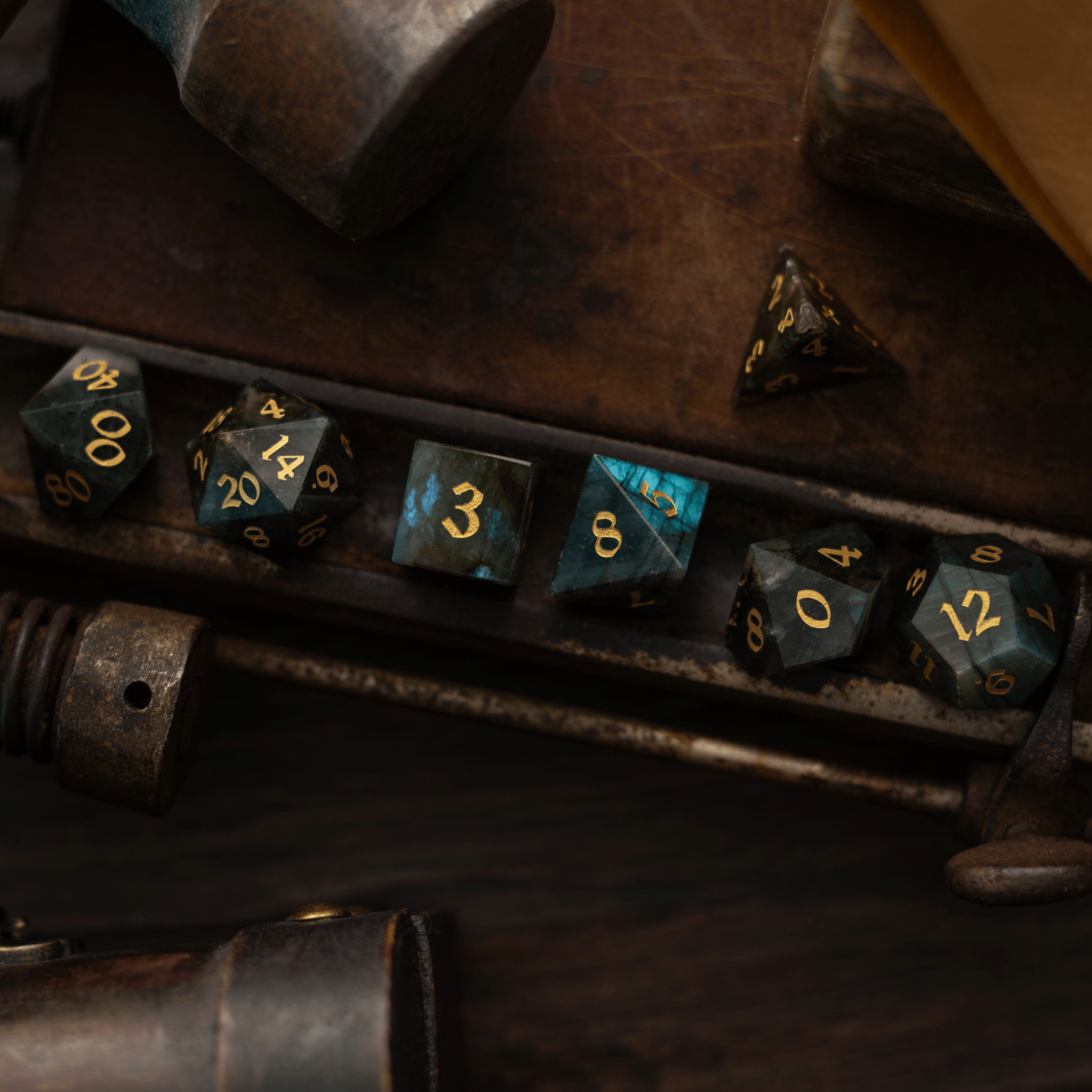
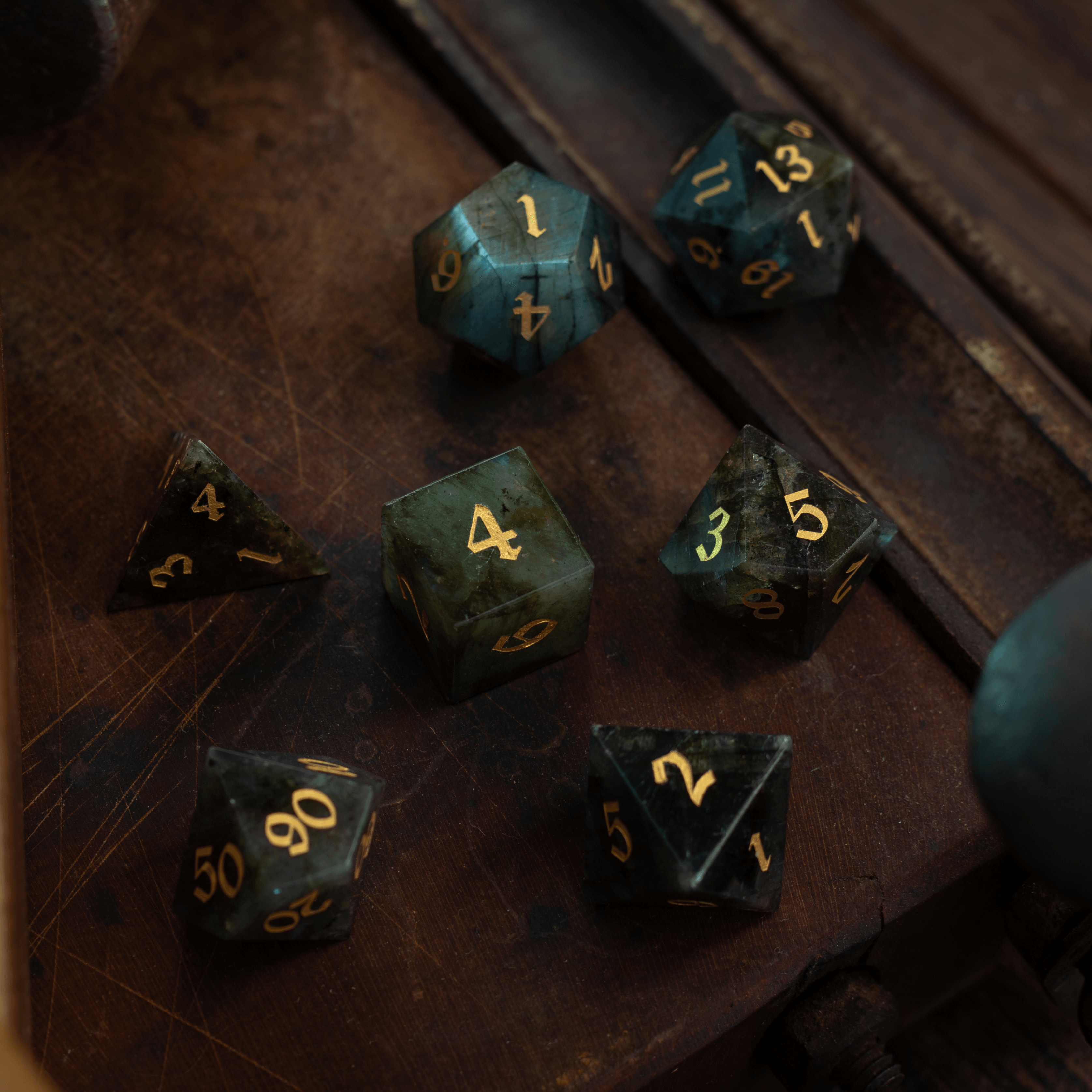
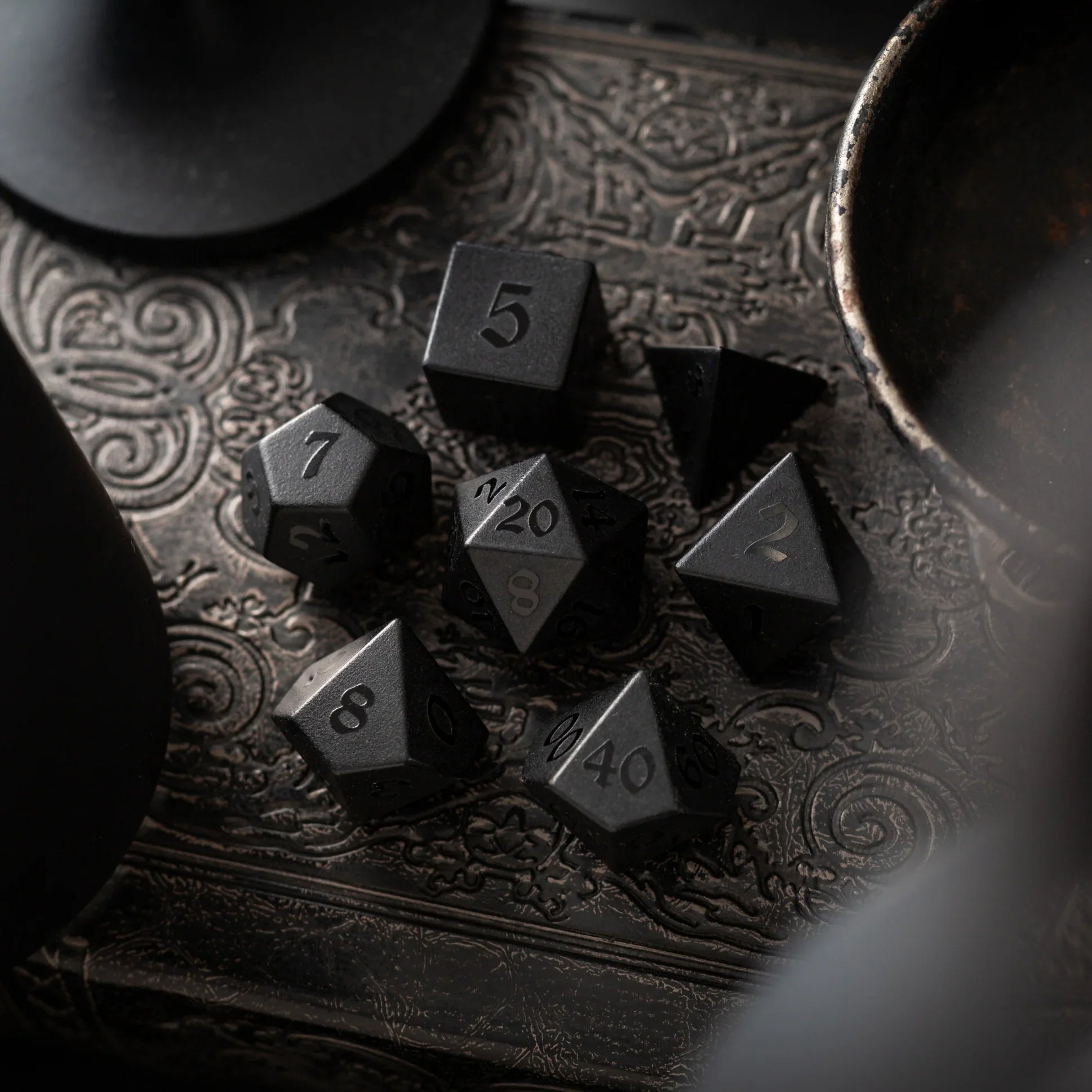
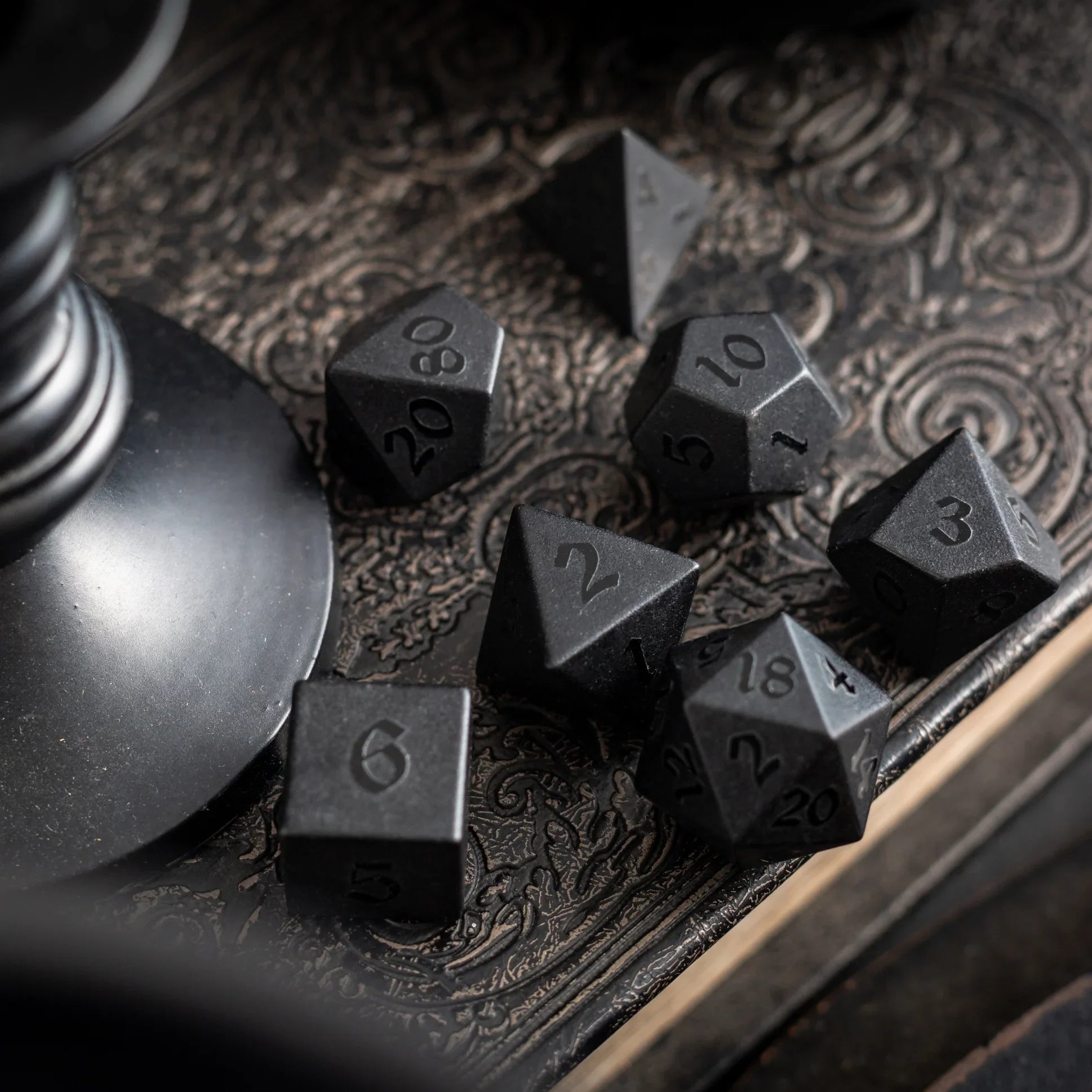
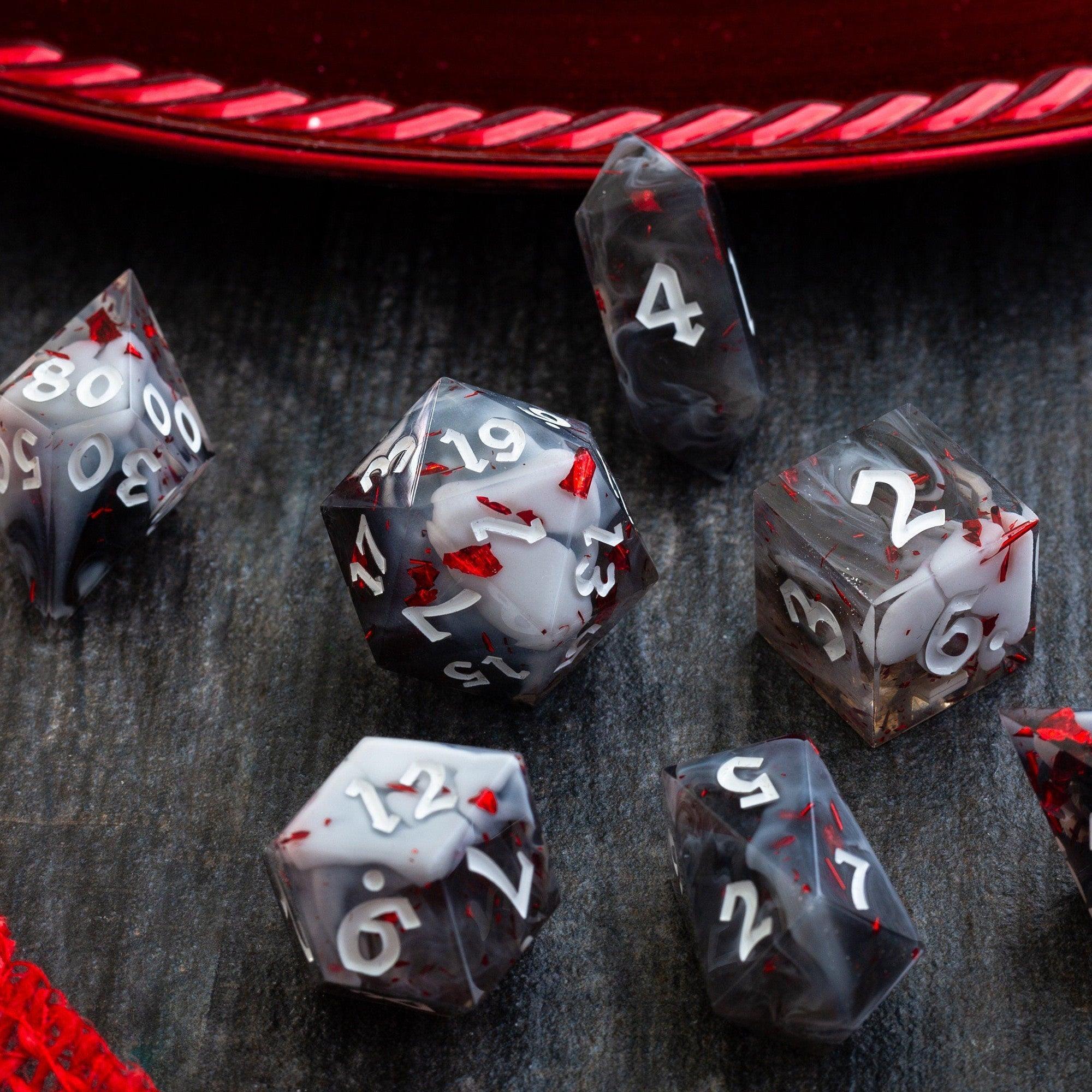
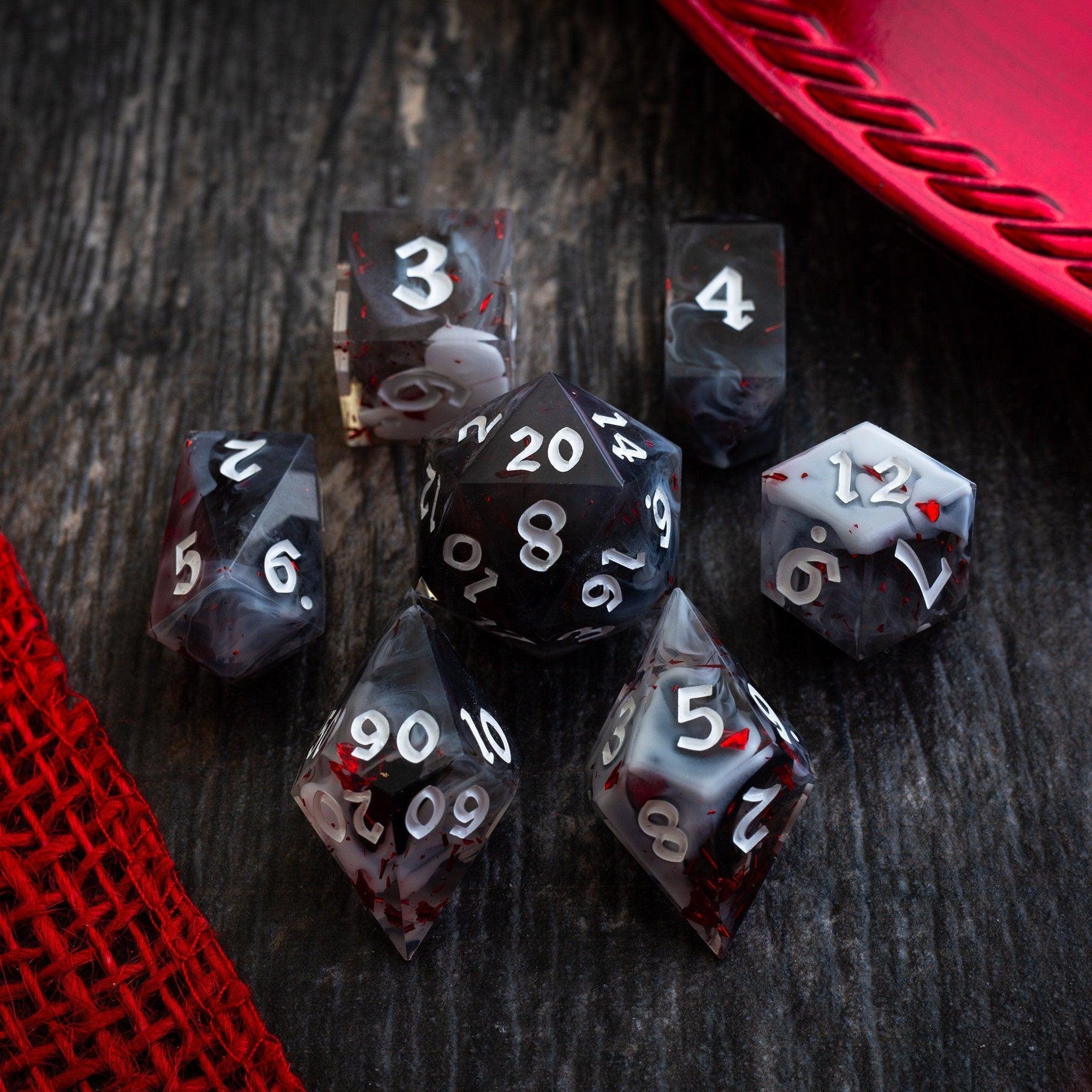
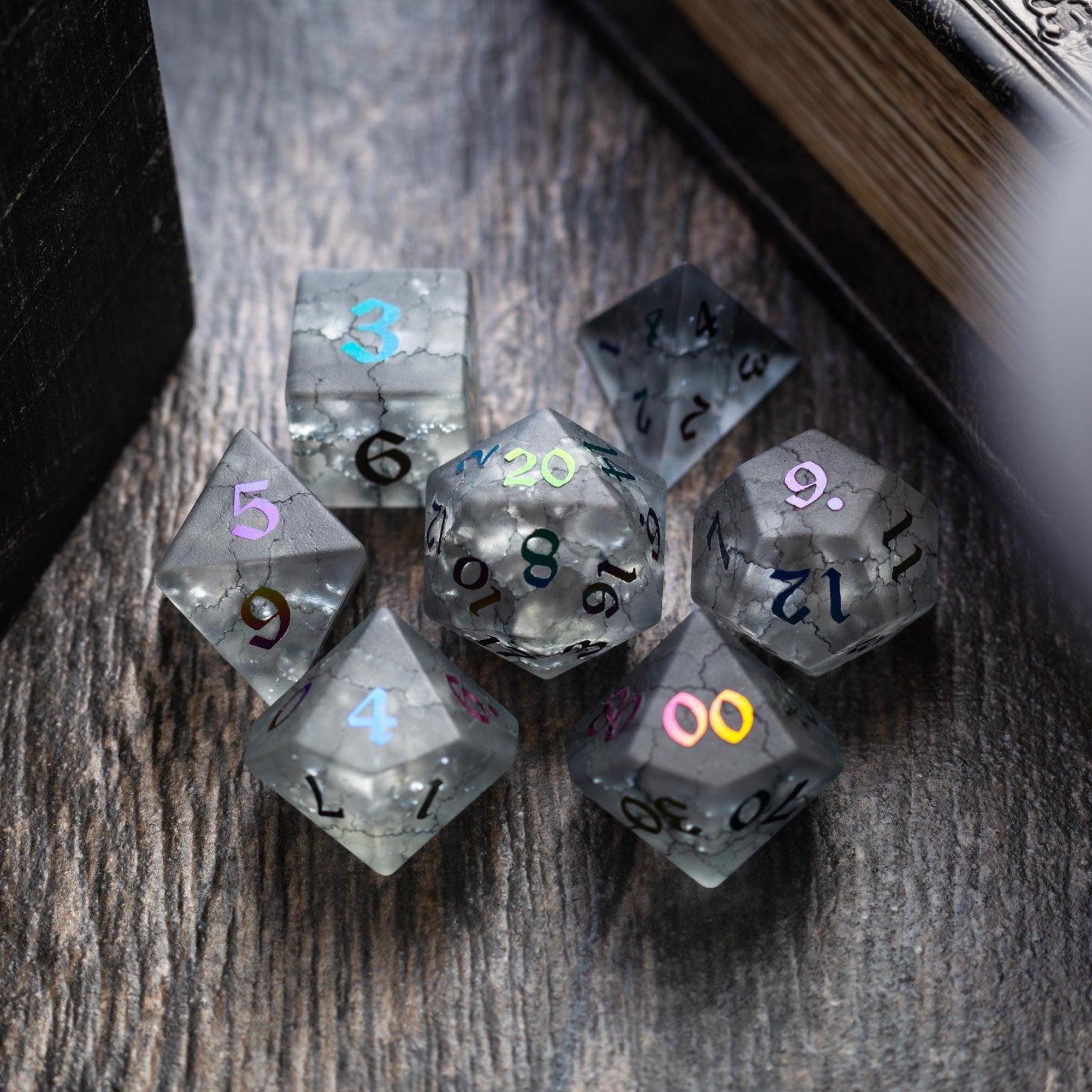
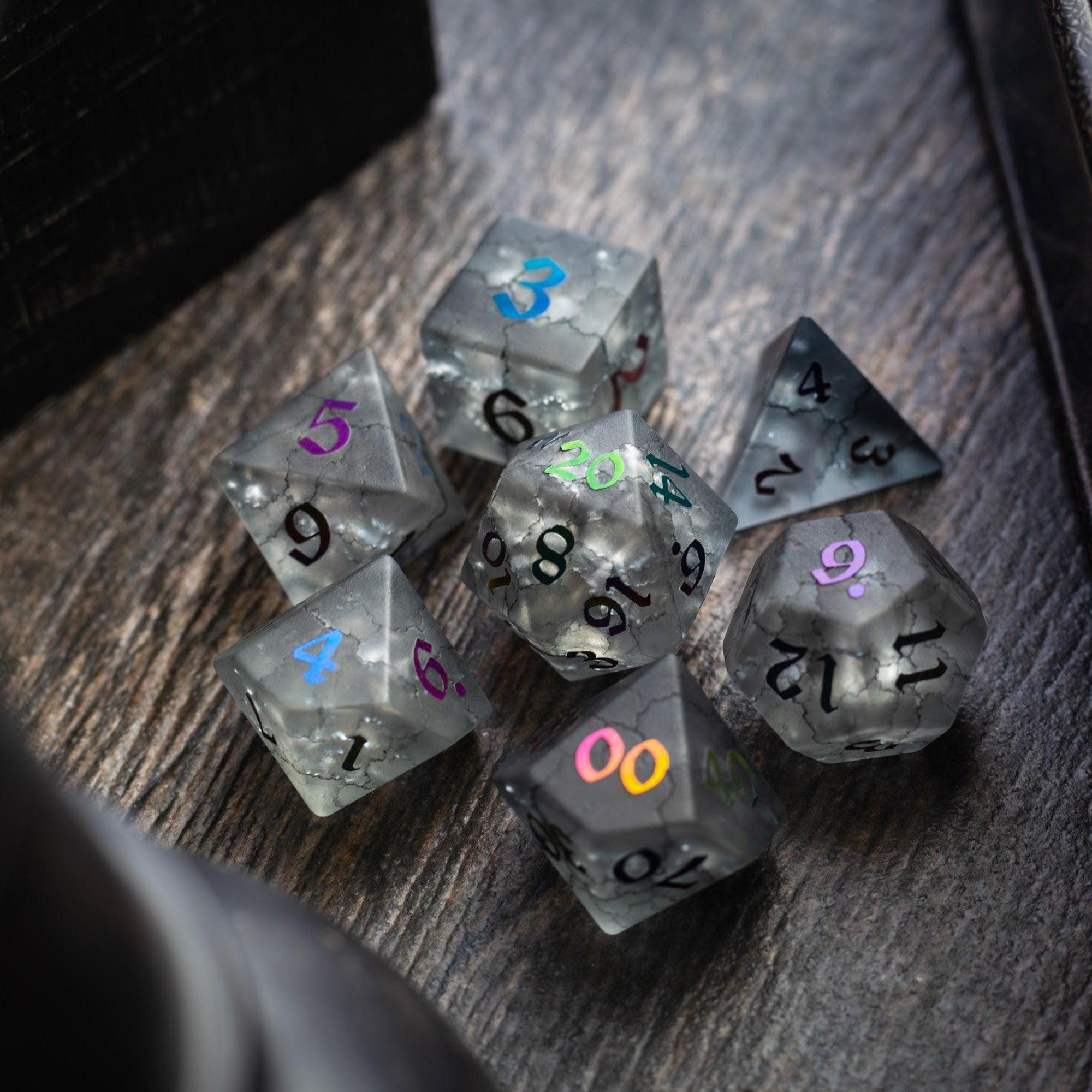
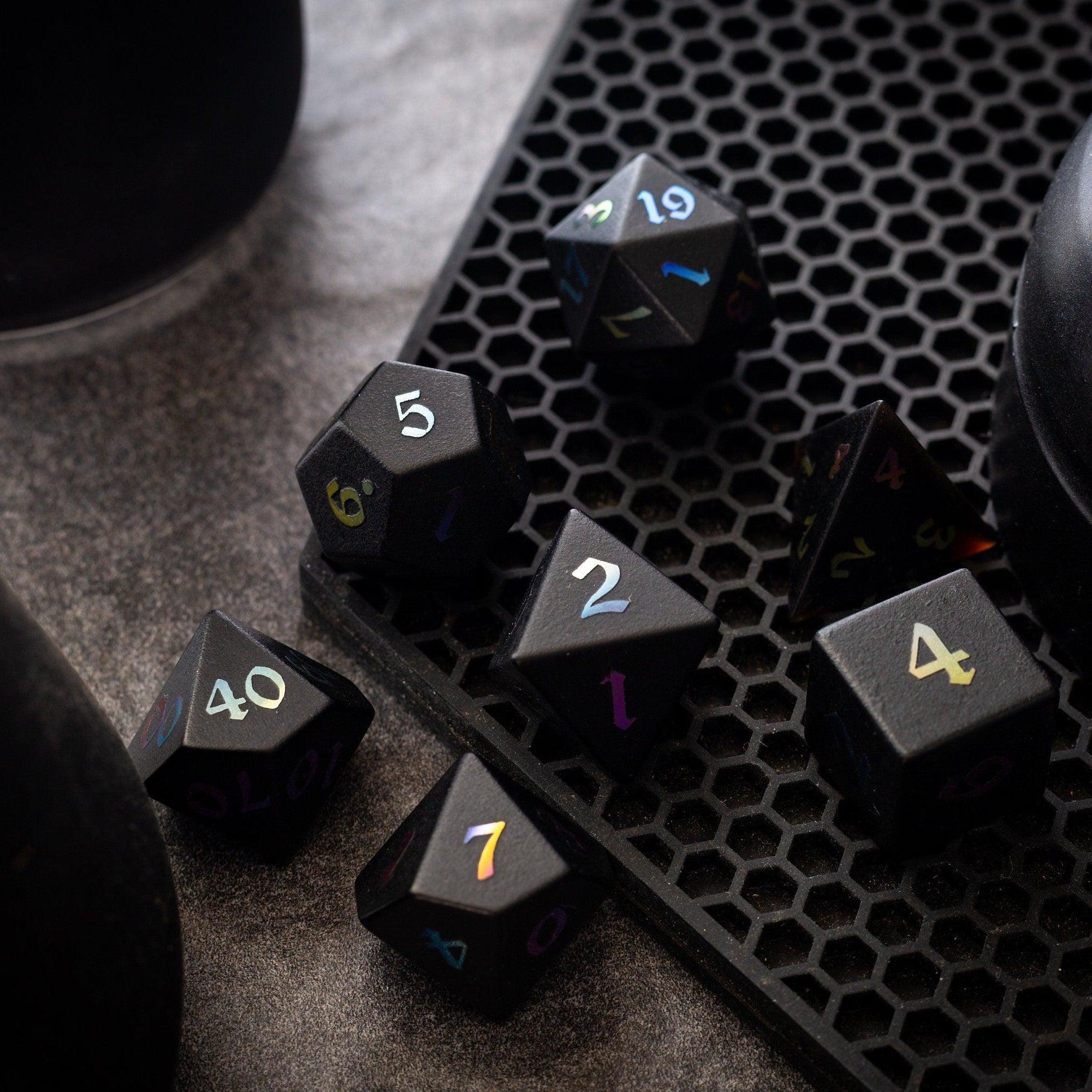
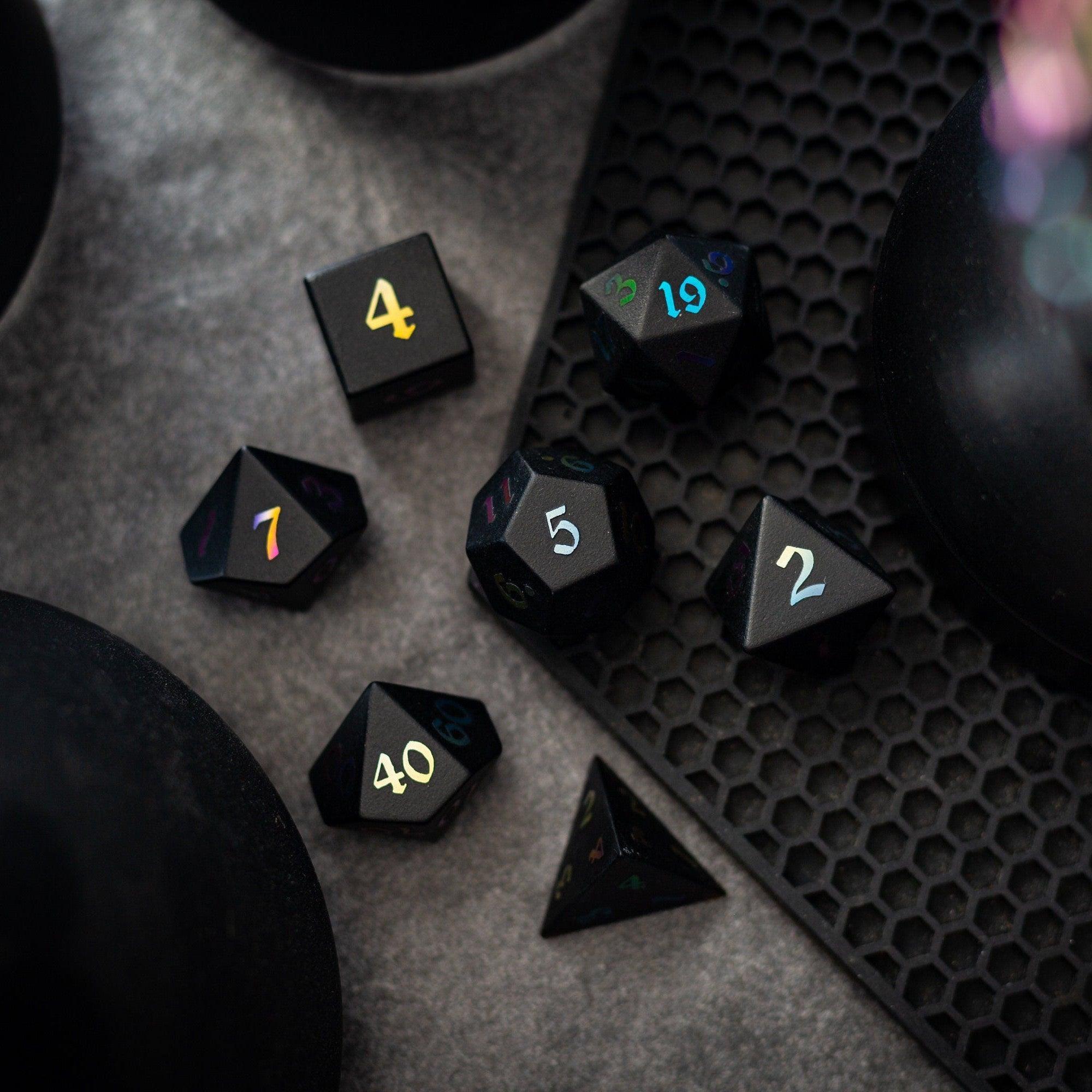
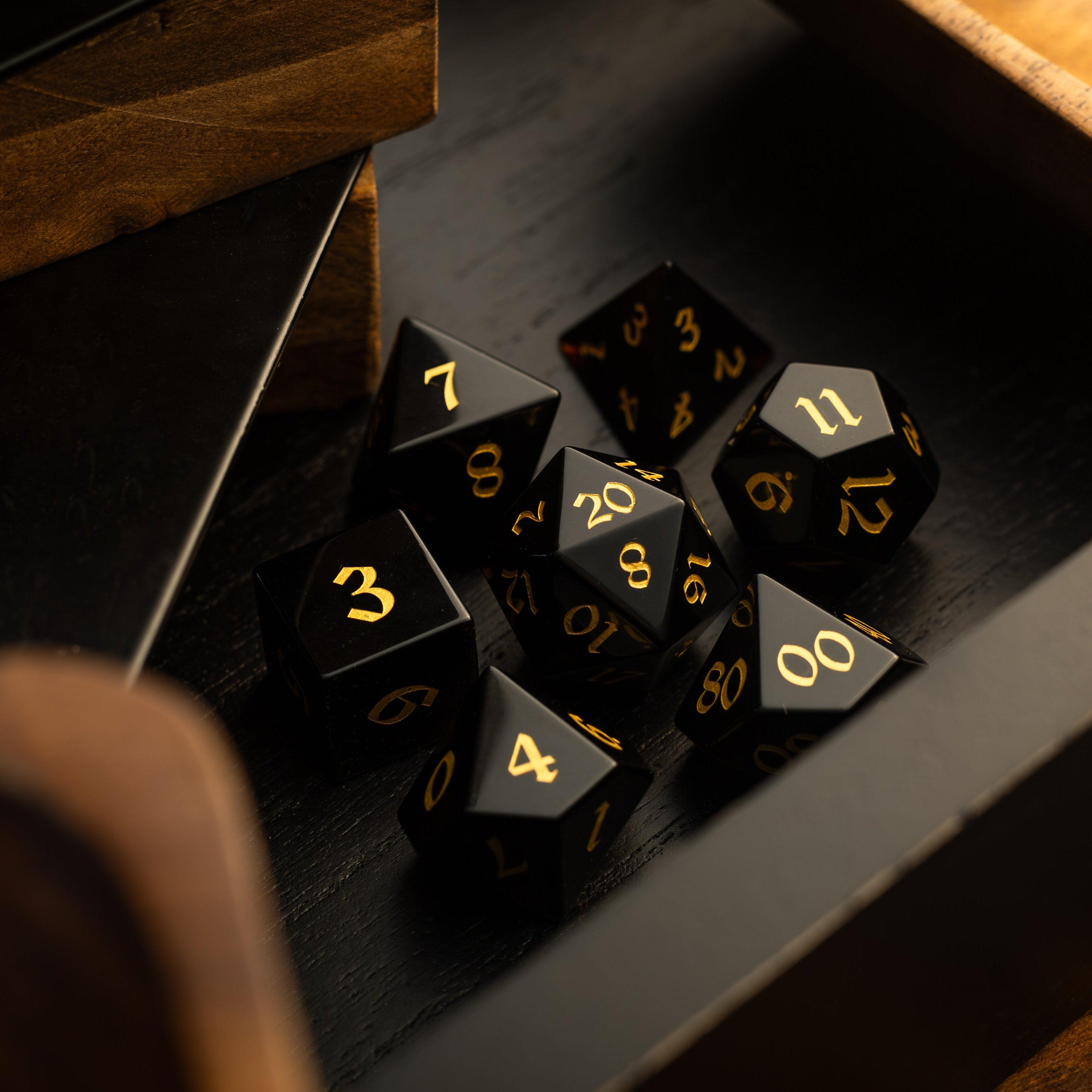
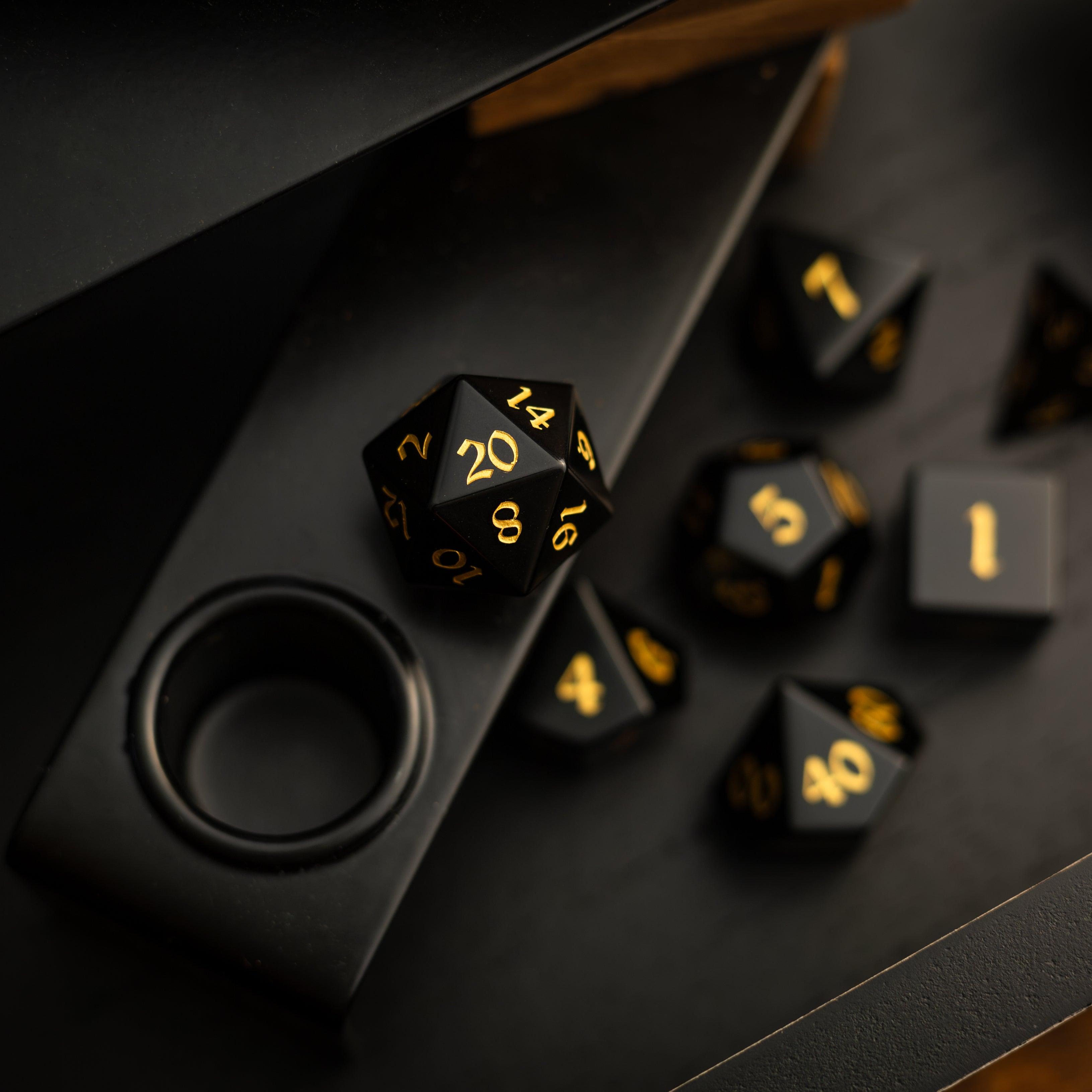
Resin dice are lightweight and colorful, making them easy to use for long sessions. Metal dice have a satisfying weight and feel great for important rolls. Gemstone dice bring a beautiful, premium feel to special characters, especially when rolled carefully on a tray. Liquid core dice add movement and personality, which can make big moments feel even more exciting.
Premium dice are not what make a character strong, but reliable, readable dice help keep gameplay smooth. When you are tracking a smart build with spells, features, and attacks, the last thing you want is to squint at unclear numbers.
Final Character Optimization Tips
Here are a few simple dnd player tips to keep in mind:
-
Start with a character concept before choosing mechanics.
-
Put your best score in your main ability.
-
Make Constitution a priority, especially for front-line characters and spellcasters.
-
Choose feats that help you often.
-
Pick spells you will actually use.
-
Talk to your party about roles.
-
Build for the campaign you are playing.
-
Leave room for personality, flaws, and story growth.
Good optimization should make the game more fun, not more stressful.
Conclusion
D&D character optimization is about building stronger and smarter characters, but it should never erase creativity. The best optimized characters are effective in real sessions, useful to their party, and enjoyable to roleplay.
You do not need extreme min-maxing to create a great adventurer. You just need clear goals, smart choices, and a build that supports the fantasy you want to play.
Focus on what makes your character exciting. Build them well enough to shine. Then bring them to the table ready to grow, fail, win, and become part of a story your group will remember.

Leave a comment
This site is protected by hCaptcha and the hCaptcha Privacy Policy and Terms of Service apply.