Lore of Eberron: A Comprehensive Guide to Shattered Realms
Eberron is a world shaped by war, invention, mystery, and uncertainty. The Last War has ended, but peace remains fragile. Nations that fought for generations now share borders, trade routes, and diplomatic tables while quietly preparing for the possibility that conflict could begin again.
At the same time, magic is part of everyday civilization. Lightning rails carry passengers across Khorvaire. Airships cross the skies. Magewrights provide specialized magical services, while the dragonmarked houses influence transportation, communication, healing, banking, security, and industry.
Yet progress has not solved the world's greatest problems. Warforged search for lives beyond the battlefields they were created to serve. Cyran refugees live without a homeland. Ancient powers remain imprisoned beneath the world. No one knows what truly caused the Mourning.
The lore of Eberron is built around these unresolved questions. The setting provides a rich history, but it also leaves room for players and Dungeon Masters to decide what certain mysteries mean in their own campaigns.
What Makes Eberron Different?
The Eberron campaign setting is not simply traditional medieval fantasy with more magic. Its identity comes from the way magic, politics, war, and ancient history interact.
Several themes define the Eberron world:
-
Magic used as practical technology
-
Nations recovering from a century of war
-
Powerful organizations operating across national borders
-
Pulp adventure and dangerous exploration
-
Noir mysteries involving corruption and divided loyalties
-
Religions built on faith rather than regular appearances by confirmed gods
-
Ancient threats hidden beneath modern civilization
-
Questions about identity, responsibility, and power
Good and evil are rarely determined by nationality, ancestry, or membership in an organization. A respected institution may contain corrupt leaders and sincere heroes. A criminal organization might protect one neighborhood while exploiting another.
This moral complexity does not mean heroism is meaningless. Instead, it makes heroic choices matter.
The Three Dragons and the Shape of the World
One of the central creation myths in Eberron lore tells of three legendary progenitor dragons: Siberys, Eberron, and Khyber.
According to the myth, the three struggled at the beginning of creation. Their conflict became connected to the structure of the world itself.
Siberys is associated with the great ring surrounding the world and celestial power. Eberron is associated with the surface world where most mortal civilizations exist. Khyber is associated with the dangerous depths below.
Their names continue to influence cosmology, dragonshards, ancient prisons, magical traditions, and religious beliefs. However, as with many parts of the setting, creation stories should not automatically be treated as objectively proven history.
Khorvaire and the Legacy of the Five Nations
Khorvaire is the main continent for many campaigns in the D&D Eberron setting. Much of its modern political history grew from the Kingdom of Galifar, which once united the lands that became the Five Nations.
Aundair
Aundair is known for arcane education, fertile lands, noble traditions, and confidence in magical learning. The nation also carries resentment over territories lost during the Last War.
Breland
Breland is associated with industry, cultural diversity, political debate, and Sharn. Questions about monarchy and political reform create opportunities for intrigue.
Cyre
Cyre was once celebrated for art, wealth, culture, and refinement. The Mourning destroyed the nation, leaving its surviving people scattered across Khorvaire.
Karrnath
Karrnath is known for military discipline, strong traditions, and the controversial use of undead soldiers during the war. Its wartime decisions continue to shape its politics and reputation.
Thrane
Thrane is strongly influenced by the Church of the Silver Flame. Tension between religious authority and the traditional monarchy creates political complexity within the nation.
These descriptions are starting points, not complete definitions. Every nation contains competing beliefs, social classes, political movements, and opinions about the war.
The Last War
The Last War in Eberron began as a succession conflict following the death of the last ruler of Galifar. What followed was a struggle that lasted for generations and transformed Khorvaire.
The war involved national armies, mercenaries, magical weapons, spies, dragonmarked industries, undead troops, Warforged soldiers, shifting alliances, and enormous civilian suffering.
For most characters, the Last War should not feel like distant Eberron history. A character might have:
-
Served in an army or intelligence service
-
Lost family members or a home
-
Worked for a dragonmarked house with military contracts
-
Fled a battlefield or occupied territory
-
Profited from wartime trade
-
Become a refugee
-
Resented the Treaty of Thronehold
-
Feared that another war was inevitable
A Brelish adventurer and a Karrnathi veteran may now fight beside each other, but that does not erase decades of propaganda, grief, or suspicion.
The Mourning and the Destruction of Cyre
The greatest mystery of modern Eberron history is the Mourning.
Cyre was destroyed in a magical catastrophe, and the ruined territory became known as the Mournland. Dead-gray mist surrounds its borders. Inside are abandoned cities, battlefields, magical dangers, strange phenomena, lost treasures, and unanswered questions.
The cause of the Mourning remains uncertain. That uncertainty is intentional and gives Dungeon Masters room to connect the disaster to their own campaigns.
Possible explanations might involve a secret weapon, planar forces, a magical experiment, political deception, the Draconic Prophecy, or another cause created for the campaign. None needs to become the truth until the Dungeon Master decides it should.
A Concise Eberron History Timeline
| Event | General Significance |
|---|---|
| Age of Demons | Ancient fiendish powers dominate the world before being imprisoned |
| Rise of Giant Civilizations | Powerful civilizations develop on Xen’drik |
| Destruction of Giant Empires | Conflict and magical catastrophe reshape Xen’drik |
| Rise of Galifar | The Five Nations are united under one kingdom |
| Beginning of the Last War | A succession crisis divides Galifar |
| Expansion of Warforged | Constructed soldiers become central to the war |
| The Mourning | Cyre is destroyed and becomes the Mournland |
| Treaty of Thronehold | The Last War officially ends |
| Present Era | Peace remains fragile while old conflicts continue |
The Treaty of Thronehold and the Fragile Peace
The Treaty of Thronehold officially ended the Last War. It recognized a new political order, addressed the legal status of Warforged, and restricted the creation of new Warforged.
But the treaty ended open warfare, not conflict.
The Eberron nations still use spies, saboteurs, propaganda, economic pressure, proxy groups, and political manipulation. Governments remember lost territory. Veterans remember old enemies. Military leaders may still maintain secret plans for the next war.
This fragile peace makes political intrigue a natural foundation for an Eberron campaign.
Warforged and the Question of Identity
Warforged were created as soldiers and became central to the Last War. After the Treaty of Thronehold, they received legal recognition as people, but freedom did not automatically provide them with a clear place in society.
A Warforged character can explore difficult questions:
-
What does freedom mean to someone created for war?
-
What purpose comes after military service?
-
Can Warforged create traditions of their own?
-
How should former soldiers understand actions they performed under orders?
-
Why does society fear the people it created?
Warforged are individuals. They can be emotional, spiritual, humorous, ambitious, compassionate, angry, curious, or uncertain.
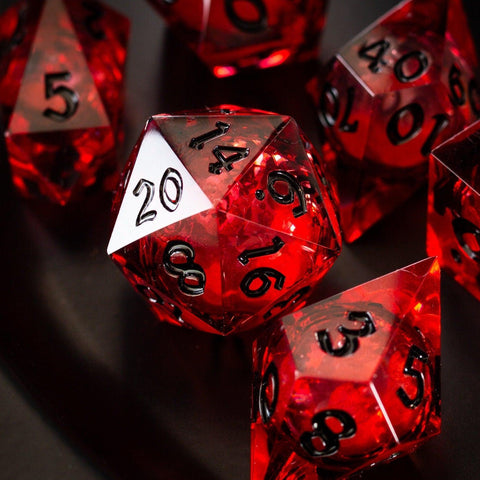
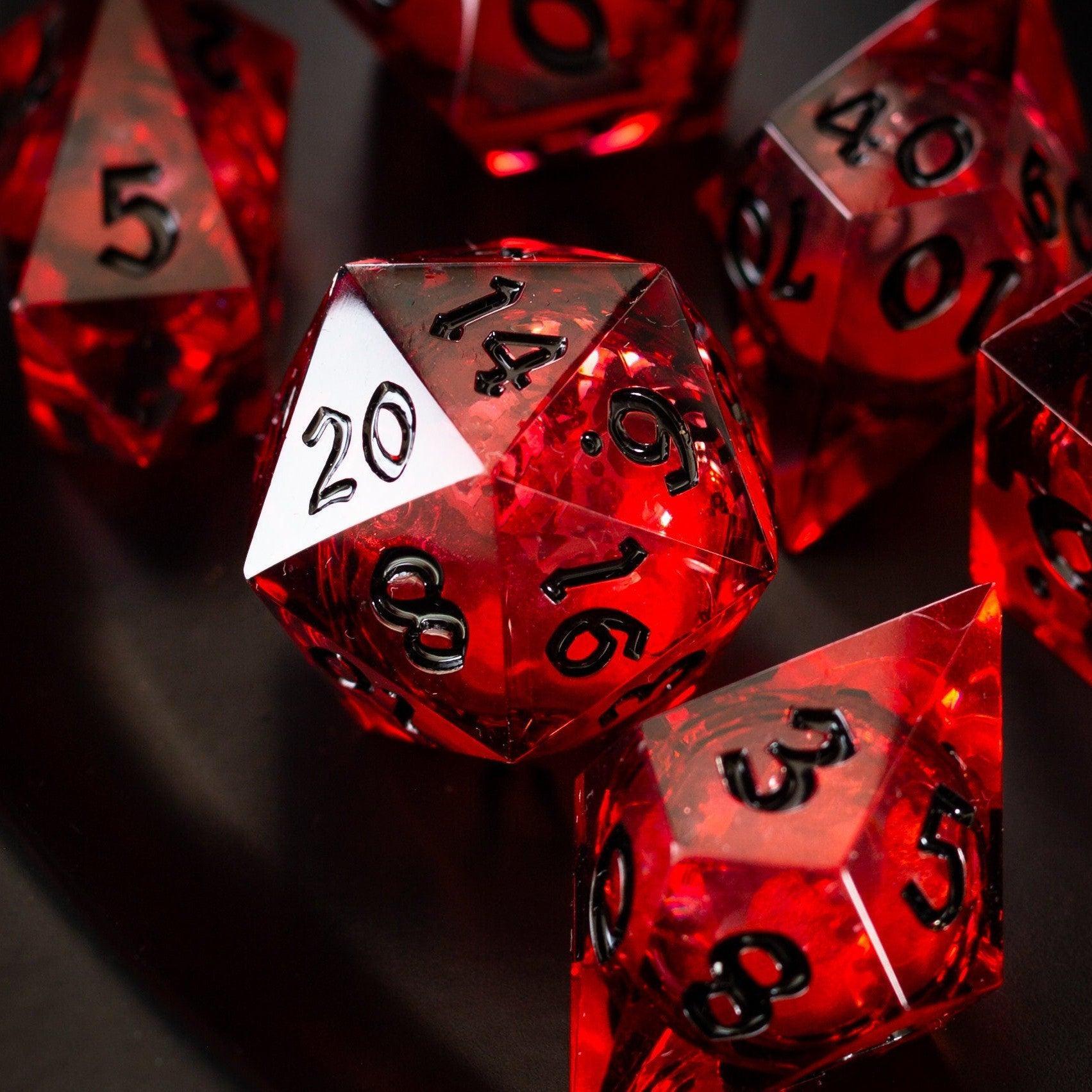
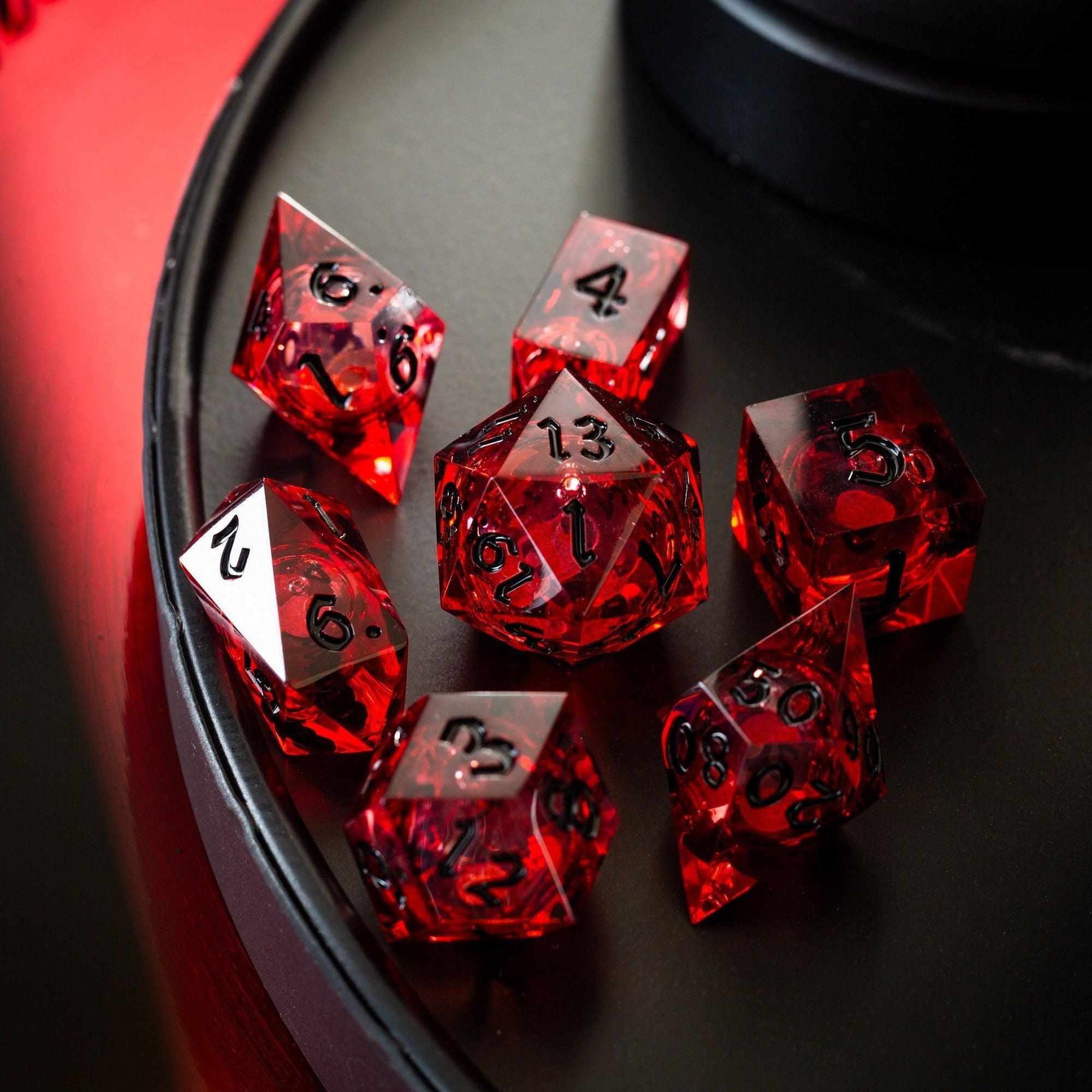
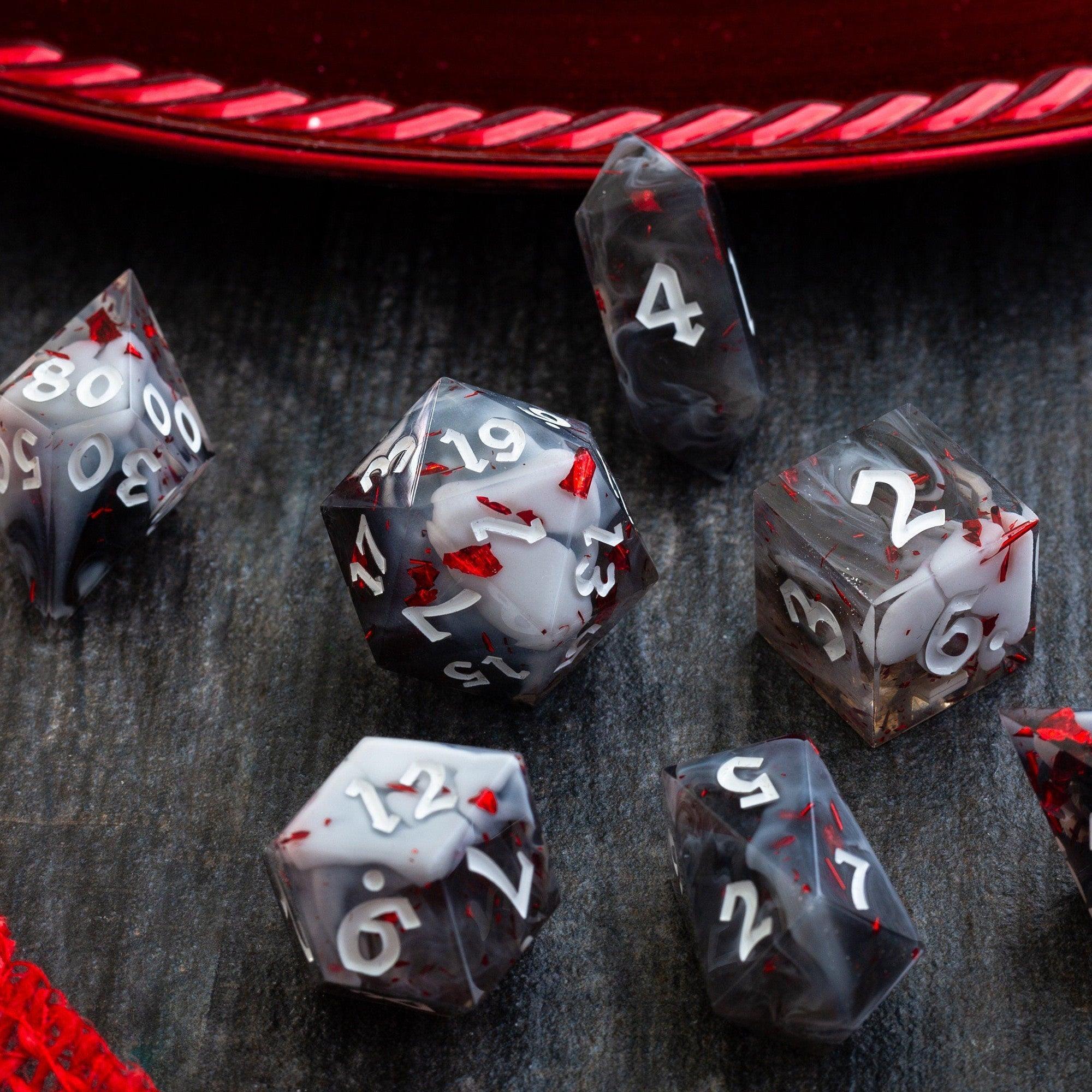
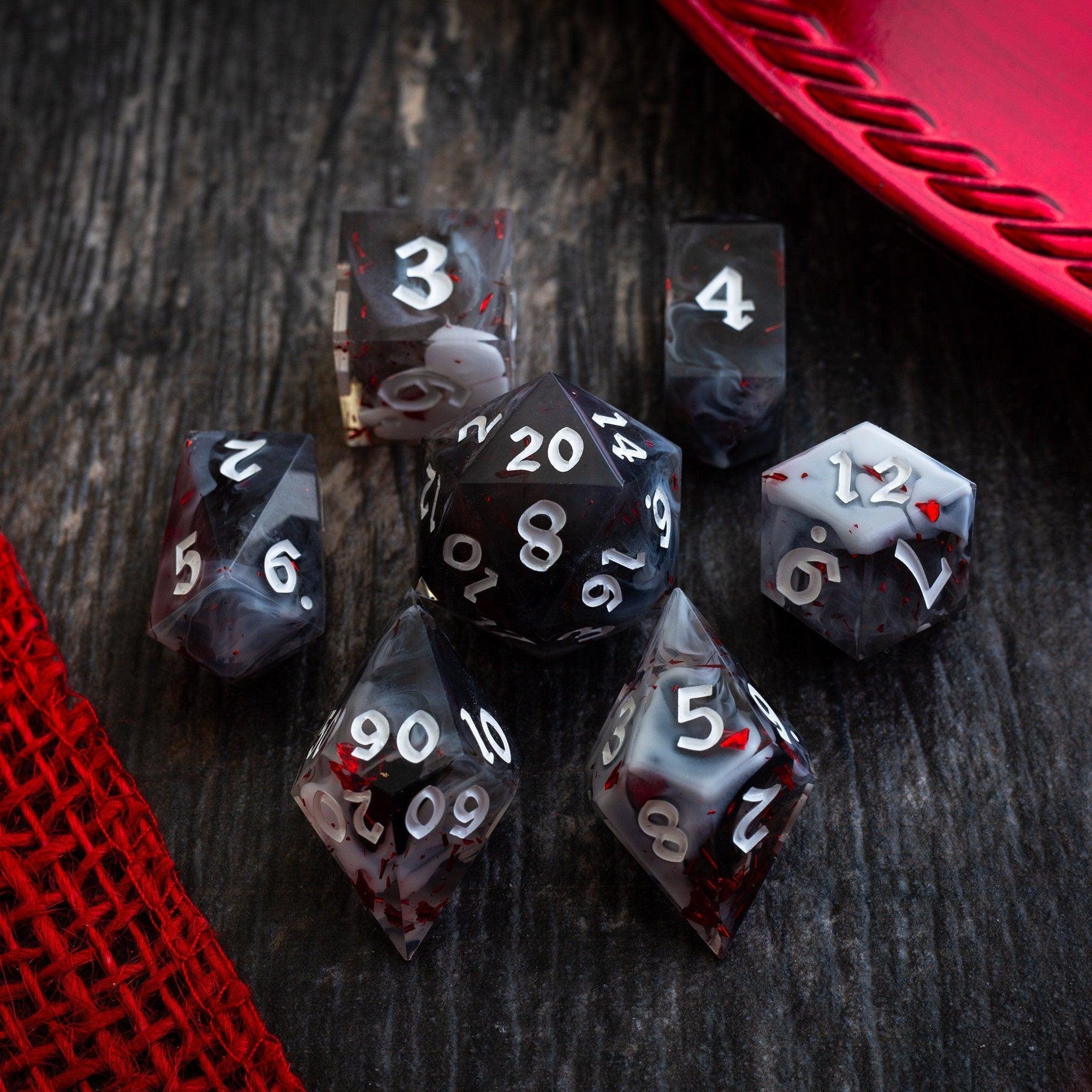
A Warforged Artificer connected to wartime foundries might use a Dark Nox Forge Fire Glass set as part of a character theme, but the deeper identity comes from deciding what that character wants now that the war is over.
Dragonmarked Houses and Economic Power
The dragonmarked houses are powerful organizations connected to hereditary magical marks. Their influence reaches across national borders.
Their services touch transportation, communication, healing, hospitality, banking, security, construction, manufacturing, investigation, animal handling, and exploration.
The houses are not nations, yet they can possess enormous influence over governments and economies. Peace benefits many of them because international travel and trade become easier.
That creates an important question: what happens when organizations providing essential services become powerful enough to pressure the governments that depend on them?
Magic as Technology
Eberron often uses the idea of wide magic. Low-level magic can be applied repeatedly and practically without making every citizen a powerful spellcaster.
Lightning rails connect distant regions. Magical services support communication and healing. Elemental vessels improve transportation. Magewrights use specialized magical skills as trades.
This affects nearly every part of society, including:
-
Travel
-
Employment
-
Warfare
-
Crime
-
Trade
-
Government
-
Social class
Powerful spellcasters and legendary magic can still be rare. Eberron's magical society is built less around everyone becoming a high-level Wizard and more around specialized magic becoming part of civilization.
Sharn, the City of Towers
Sharn is one of the most recognizable locations in the setting. Its enormous towers, bridges, airships, businesses, temples, criminal organizations, noble estates, and buried ruins create a city built for adventure.
Vertical geography matters. Wealth, safety, political influence, and access can change depending on where someone lives within the city.
A Sharn campaign might involve solving a murder across multiple districts, protecting a witness, investigating corruption inside a dragonmarked business, exploring ruins beneath the city, or chasing a thief across towers and bridges.
Religion and Uncertain Faith
The Eberron gods and religious traditions are often approached differently from settings where deities regularly appear and confirm exactly what they want.
Major traditions include the Sovereign Host, the Dark Six, the Silver Flame, the Blood of Vol, the Path of Light, and the Undying Court.
Divine magic exists, but it does not automatically prove every religious doctrine. People can disagree about the meaning of faith while still wielding divine power.
This creates room for sincere devotion, doubt, corruption, reform, conflict, and competing interpretations.
The Draconic Prophecy
The Draconic Prophecy is not simply a book containing a fixed prediction of the future. It is an enormous pattern that can appear through celestial movements, dragonmarks, natural events, ancient ruins, magical phenomena, and historical cycles.
Dragons, fiends, scholars, and secret organizations may interpret or manipulate parts of the Prophecy.
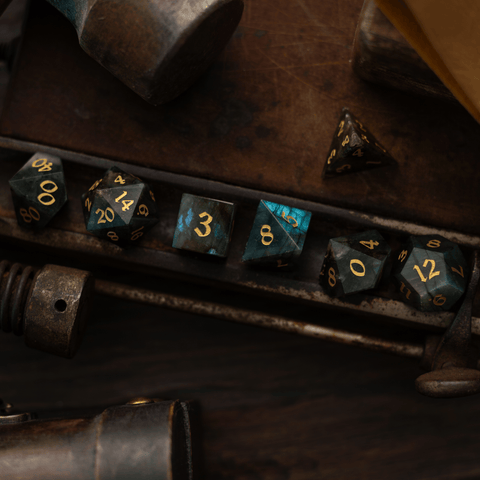
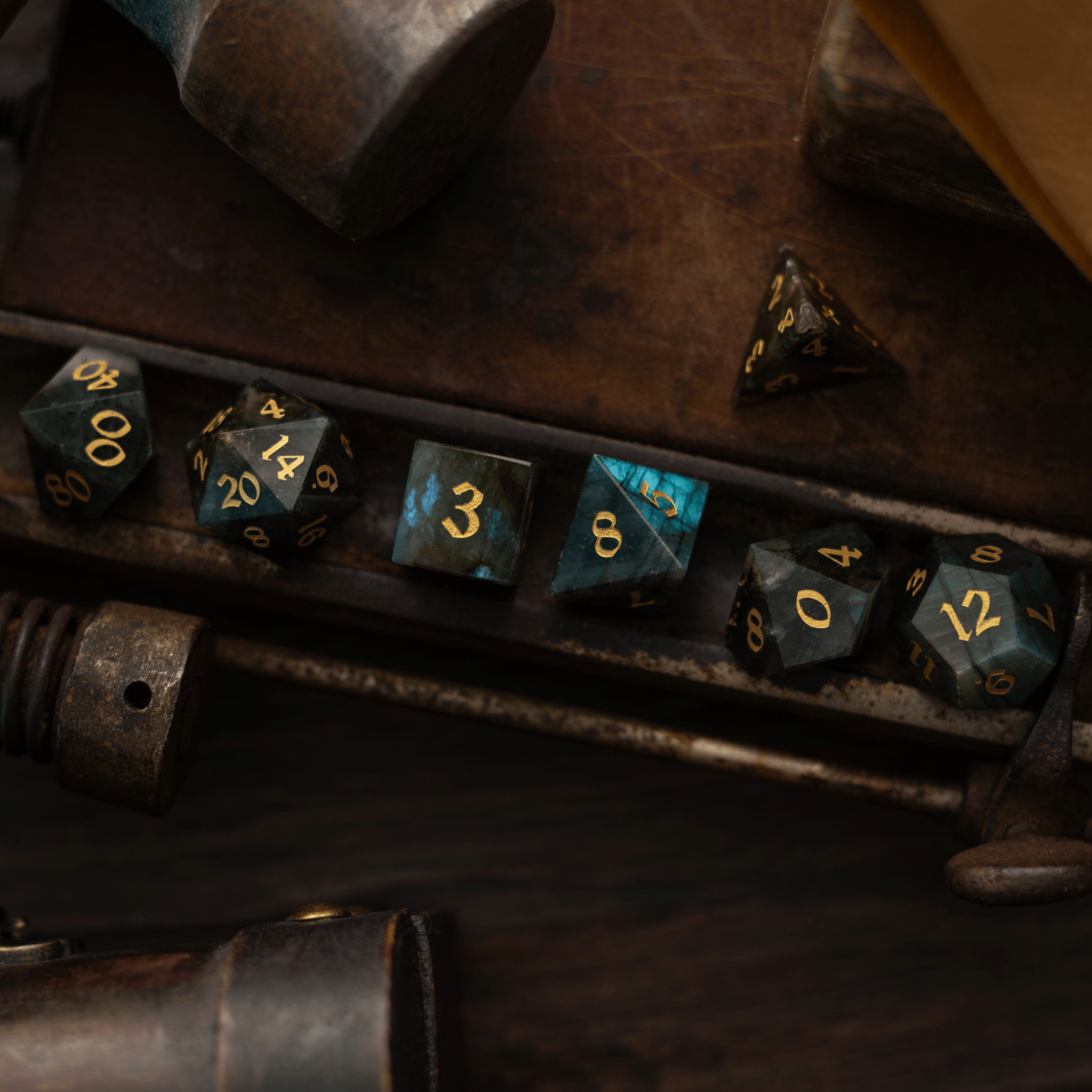
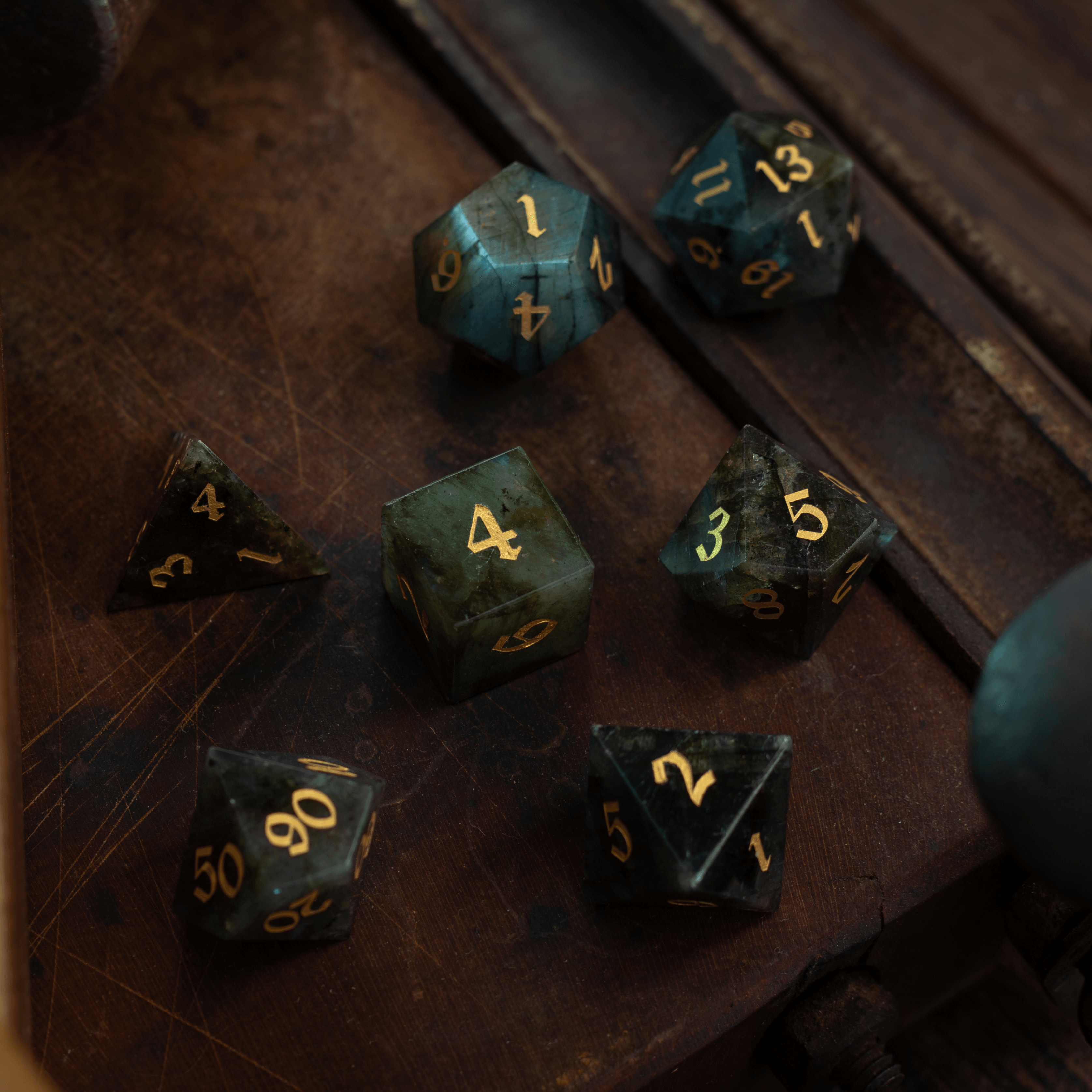
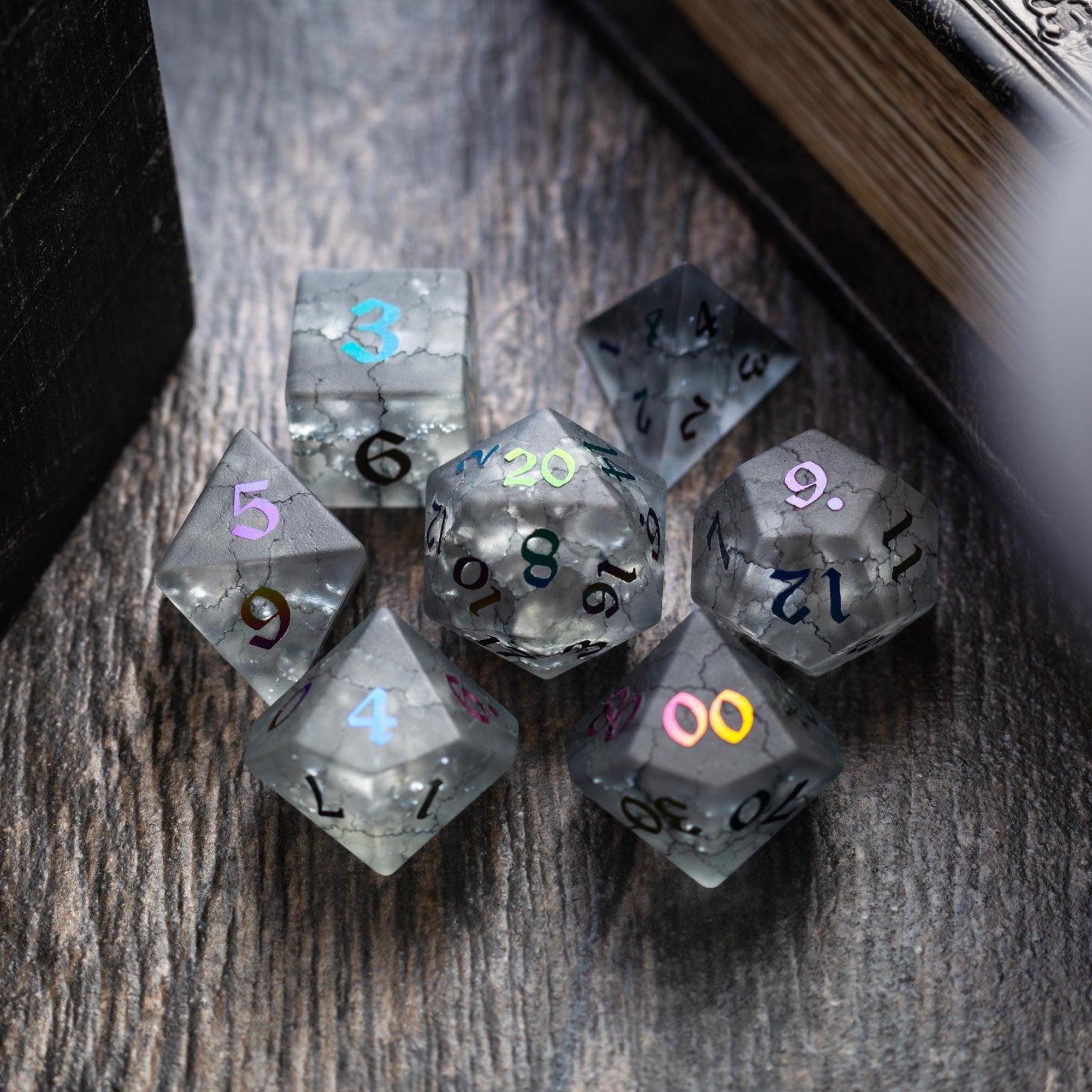
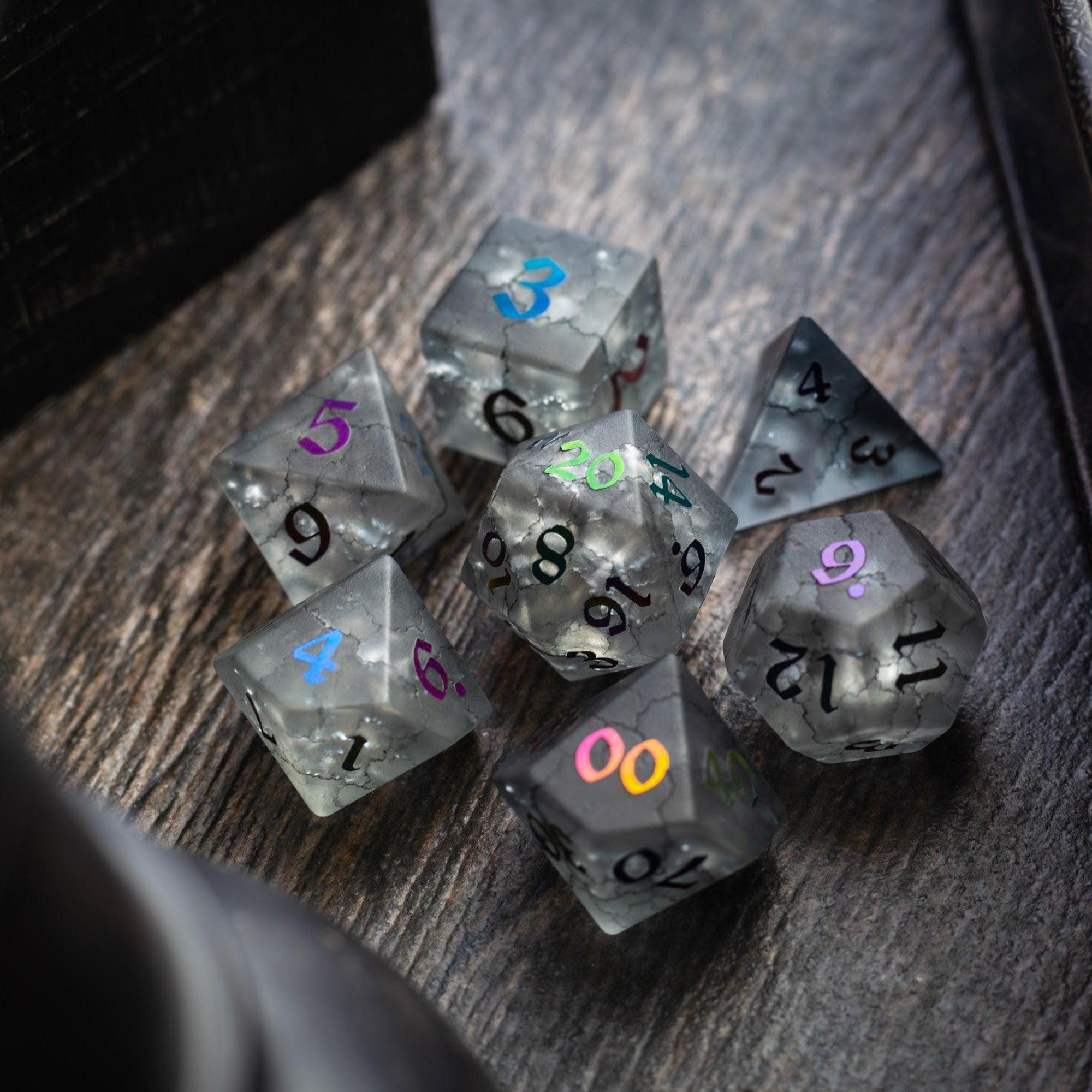
A prophecy-focused character could be an Aundairian scholar following a pattern no one else believes is important. Labradorite or Mystic Violet Resin dice might complement that character's visual theme, but the real hook is the question driving the investigation: what happens if the scholar is right?
The Prophecy works best when it creates choices rather than removing them.
Ancient Threats Beneath the Modern World
Modern magical civilization exists above dangers far older than the nations of Khorvaire.
The Eberron factions and threats operating in the shadows can include the Lords of Dust, rakshasa agents, imprisoned Overlords, daelkyr corruption, Cults of the Dragon Below, quori influence, the Dreaming Dark, ancient weapons, lost giant magic, and secrets buried in Khyber.
These forces create a powerful contrast. A campaign might begin with a missing person in a modern city and eventually reveal a conspiracy connected to something imprisoned since the earliest ages of the world.
Beyond Khorvaire
Xen’drik
Xen’drik is a continent of giant ruins, dangerous wilderness, magical disasters, and lost civilizations. It supports pulp expeditions and adventures built around discovery.
Aerenal
Aerenal is an elven nation shaped by ancient traditions, ancestor reverence, and the Undying Court.
Argonnessen
Argonnessen is the homeland of dragons and a major center of study surrounding the Draconic Prophecy.
Sarlona
Sarlona is connected to Riedra, the Inspired, psionic power, and the hidden influence of the Dreaming Dark.
These regions have their own histories and cultures. They should not feel like empty extensions of Khorvaire waiting to be explored.
Eberron Nation and Power Comparison Table
| Nation or Power | Core Identity | Current Tension | Campaign Potential |
|---|---|---|---|
| Aundair | Arcane learning and noble tradition | Territorial resentment | Magical intrigue and border conflict |
| Breland | Industry and political debate | Monarchy versus reform | Urban mystery and espionage |
| Karrnath | Military discipline and tradition | Undead legacy | War secrets and political tension |
| Thrane | Faith and the Silver Flame | Religious and royal authority | Moral conflict and supernatural threats |
| Cyran Survivors | Displaced people of Cyre | Loss of homeland | Refugee stories and Mournland expeditions |
| Dragonmarked Houses | International economic power | Profit versus responsibility | Economic intrigue and hidden monopolies |
| The Mournland | Ruined magical wasteland | Unknown dangers | Exploration and lost secrets |
| The Dreaming Dark | Hidden psychic influence | Secret manipulation | Espionage and psychological mystery |
Major Themes for Eberron Campaigns
Postwar intrigue: Former enemies cooperate while preparing for the possibility of another conflict.
Noir mystery: Characters uncover corruption, but the truth may implicate powerful institutions or trusted allies.
Pulp exploration: Adventurers travel to ruins, remote regions, and lost civilizations in search of knowledge.
Identity and purpose: Warforged, changelings, veterans, refugees, and dragonmarked heirs decide who they want to become.
Magic and responsibility: Characters confront the consequences of magical industry, warfare, experimentation, and economic power.
Uncertain truth: Official histories, religious claims, political statements, and eyewitness accounts may disagree.
Creating an Eberron Character Connected to the Setting
A strong Eberron character does not need to know every detail of the setting. Start with a few meaningful connections.
Choose a homeland, a wartime experience, an opinion about the Treaty of Thronehold, a faction connection, a religious belief, and something the character hopes to achieve.
Possible concepts include:
-
A Cyran refugee searching for family records inside the Mournland
-
A Warforged veteran building a life beyond military service
-
A Brelish investigator uncovering corruption in Sharn
-
A dragonmarked heir questioning the goals of their house
-
A Karrnathi veteran hiding a wartime secret
-
An Aundairian scholar studying the Draconic Prophecy
These connections turn setting lore into personal motivation.
Using Eberron Lore Without Overwhelming Players
Dungeon Masters do not need to explain the entire setting before the first session.
Begin with one city or region. Choose two or three important factions. Explain only the history that affects the current adventure.
Reveal lore through newspapers, NPCs, contracts, ruins, rumors, and recovered intelligence reports. Allow different sources to disagree.
Most importantly, connect history to decisions. The Last War matters more when a former enemy asks for help. The Mournland matters more when something a character lost may still be inside.
Adventure Ideas Inspired by Eberron Lore
Possible Eberron campaign ideas include a lightning rail robbery involving a stolen Cannith prototype, a murder investigation tied to a wartime intelligence network, or a Mournland expedition searching for evidence about the Day of Mourning.
A Warforged settlement might face agents seeking an illegal creation forge. A dragonmarked heir could uncover a conspiracy within their own house. Shared nightmares might point toward the Dreaming Dark. A border dispute could threaten the fragile peace.
Other adventures could involve an expedition to Xen’drik for lost giant magic, a cult attempting to release an ancient Overlord, or a prophetic mark appearing on someone with no known dragonmarked bloodline.
For complex encounters involving strange magical effects, condition rings can help keep ongoing effects visible. A dice tray can also keep rolls organized when an investigation fills the table with maps, clues, and notes.
Common Mistakes When Running Eberron
Avoid treating Eberron like ordinary medieval fantasy or reducing entire nations to stereotypes. Magic should shape civilization without making every mystery trivial.
The dragonmarked houses should not all be openly evil. Warforged should not automatically be emotionless. Faith should still matter even when divine truth remains uncertain.
The Last War should influence characters and politics, while the Mourning should remain meaningful to the campaign rather than becoming trivia with a quick answer.
Noir also does not require every NPC to be corrupt, and moral complexity does not mean heroes are powerless. Difficult choices become interesting because characters can still choose courage, loyalty, compassion, or sacrifice.
A World Built from Broken Alliances and Unanswered Questions
The lore of Eberron is shaped by the tension between progress and destruction.
Magic transformed civilization, but it also helped fuel a devastating war. The Treaty of Thronehold created peace, but mistrust remains. Warforged gained freedom, but many still search for purpose. The dragonmarked houses provide essential services while accumulating extraordinary influence.
Cyre is gone, and no one knows why.
Ancient powers remain hidden, imprisoned, or active beneath the modern world.
Eberron works best when history creates present-day choices. Players should not simply hear stories about the Last War, the Mourning, or the dragonmarked houses. Their characters should confront the consequences of those events and decide what happens next.
For a new campaign, begin with one mystery, one faction, one location, and one personal connection.
The world may be shattered, but that gives its heroes room to decide how the pieces should be rebuilt.










Leave a comment
This site is protected by hCaptcha and the hCaptcha Privacy Policy and Terms of Service apply.