
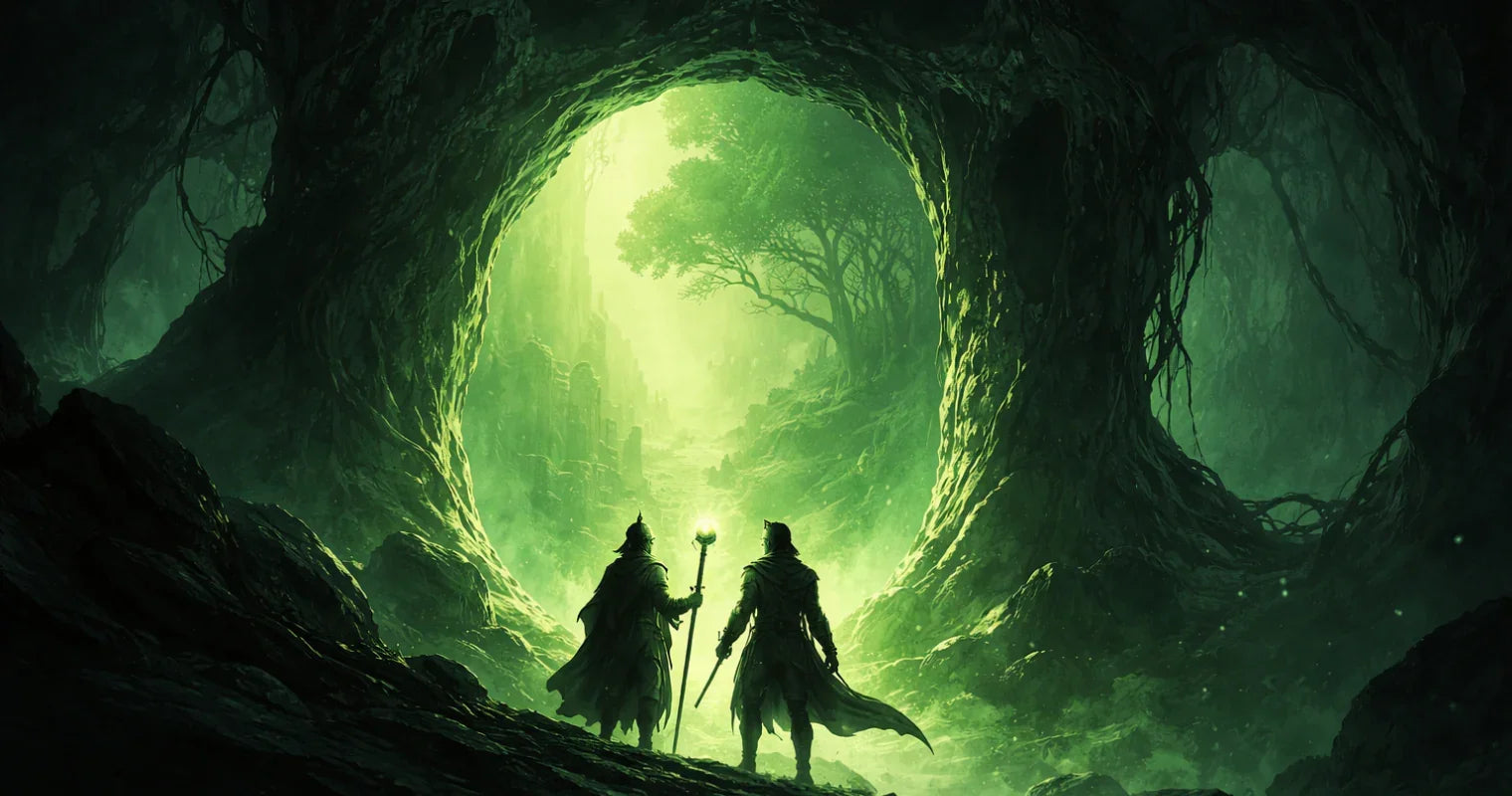
DnD Setting Content: Craft Immersive Worlds for Campaigns
A great Dungeons & Dragons campaign begins with a world worth exploring. That does not mean a Dungeon Master needs to write a thousand-year timeline, name every monarch, or map an entire planet before Session 1.
An immersive setting is more than a map filled with kingdoms and city names. It gives players places to care about, conflicts to influence, mysteries to investigate, and people whose lives can change because of the party’s actions.
Effective dnd setting content supports actual play. The goal is to create enough meaningful detail for the world to feel consistent and alive while leaving space for new ideas to emerge during the campaign.
What Is DnD Setting Content?
DnD setting content is the collection of details that defines where a campaign takes place and how that world functions. It includes obvious elements such as geography and settlements, but it also covers the forces that shape everyday life.
Important setting elements can include:
-
Geography and climate
-
Cities, villages, and wilderness regions
-
Cultures and governments
-
Factions and organizations
-
History and major past events
-
Religion, myths, and beliefs
-
Magic and magical institutions
-
Monsters and supernatural threats
-
Trade and local economies
-
Current conflicts
-
Adventure opportunities
The strongest D&D worldbuilding connects these elements instead of treating them as isolated pieces of lore.
Consider a mountain range between two kingdoms. It might create a natural border, limit trade, protect an isolated culture, contain abandoned ruins, and become the center of a political dispute over a newly discovered pass. One geographic feature can influence politics, culture, economics, and adventure design at the same time.
Start with the Core Idea of Your Campaign Setting
Every memorable campaign setting benefits from a clear central concept. This is the idea that helps you decide what belongs in the world and what does not.
Your concept might be:
-
A kingdom rebuilding after a magical catastrophe
-
A chain of islands controlled by rival merchant houses
-
A frontier surrounded by unexplored wilderness
-
A fallen empire whose ruins still shape modern politics
-
A world where powerful magic is tightly controlled
Try describing your setting in one or two sentences.
For example: A frontier kingdom is expanding into lands once ruled by an ancient magical empire, but every new ruin uncovered brings forgotten dangers back into the world.
That single concept immediately suggests locations, factions, monsters, political disagreements, and adventures. When you add new dnd setting content, you can ask whether it supports or expands that central idea.
Build the Parts of the World Players Will Actually See
One of the most useful principles in Dungeon Master worldbuilding is simple: start small and expand outward.
Before the first session, you may only need:
-
One starting settlement
-
One nearby wilderness region
-
Two or three important factions
-
One current local problem
-
Several adventure locations
-
A few rumors about the wider world
A frontier fort, city district, isolated island, or small valley can support several sessions of play. Players might investigate disappearances, negotiate with local leaders, explore nearby ruins, and become involved in faction conflicts before they ever travel beyond the region.
This approach also gives you flexibility. Instead of deciding everything before the campaign begins, you can develop new areas when the party becomes interested in them.
Create Memorable Locations with Purpose
A memorable location should do more than look interesting. It should have a role in the world and create opportunities for interaction.
For each important location, consider five questions:
-
What gives this place a clear identity?
-
Why do people live here or travel here?
-
What problem is happening right now?
-
What can the characters discover?
-
How does this place connect to the wider setting?
Imagine a mining town built above a cavern filled with glowing crystals. The crystals support the local economy, attract magical researchers, and provide work for hundreds of miners. Unfortunately, recent excavation has opened tunnels leading to something ancient beneath the mountain.
That location now supports exploration, politics, mystery, combat, and social encounters.
Make Cultures Feel Distinct and Believable
Good fantasy worldbuilding creates cultures with depth rather than reducing entire societies to one personality trait.
Think about values, customs, architecture, food, clothing, celebrations, laws, family structures, and attitudes toward magic. Ask what people in a society admire, fear, remember, and argue about.
Internal disagreement is especially important.
Two people from the same kingdom may have completely different opinions about the monarchy. Members of one religious tradition may disagree about doctrine. A society that values magical knowledge may still debate whether dangerous spells should be restricted.
These differences make cultures feel populated by individuals rather than copies of the same character.
Build Factions That Want Something
Factions are among the most useful tools in DnD worldbuilding because they create movement within the setting. A good faction does not simply exist. It wants something and takes action to get it.
Every major faction should have:
-
A clear goal
-
A reason for pursuing that goal
-
Resources it can use
-
Rivals or obstacles
-
Internal disagreements
-
Something the player characters can influence
A merchant guild might want control of a mountain trade route. A religious order may be trying to contain forbidden magic. A rebel movement could agree that the king must be removed while disagreeing over whether violence is acceptable.
When faction goals collide, adventures appear naturally. The characters may need to choose allies, negotiate compromises, expose secrets, or deal with the consequences of supporting one side.
Connect History to the Present
History matters most when the players can still see its consequences.
Instead of writing long timelines filled with events that never affect the campaign, focus on a few moments that continue to shape the present.
Useful historical events might include:
-
A war that created modern borders
-
A fallen empire whose ruins contain dangerous artifacts
-
A magical disaster that changed the landscape
-
A broken alliance that still causes political tension
-
A legendary hero whose reputation hides an uncomfortable truth
A ruined fortress is more interesting when descendants of the soldiers who fought there still argue about what happened. An ancient artifact matters more when several modern factions believe they have a right to possess it.
History can become a source of dungeons, mysteries, political conflicts, and character backstories.
Decide How Magic Changes Everyday Life
Magic should have consequences for the world around it.
When building a homebrew D&D setting, ask practical questions:
-
How common are spellcasters?
-
Can ordinary people access magical healing?
-
Does magic change travel or communication?
-
Are magic items rare, common, regulated, or feared?
-
Who teaches arcane magic?
-
Are certain spells illegal?
-
How do rulers respond to powerful spellcasters?
A world where teleportation circles connect major cities will develop differently from one where travel takes weeks. A kingdom with accessible magical healing may have different attitudes toward injury and disease.
You do not need an answer for every spell in the game. Establishing a few consistent principles is usually enough to make magic feel like part of society rather than something that only exists during combat.
Use Geography to Create Adventures
Geography is not just decoration on a map. Mountains, rivers, forests, deserts, islands, swamps, coastlines, and underground regions influence how people travel, trade, fight, and survive.
A dangerous mountain pass might control trade between two nations. A river could form a disputed border. An ancient forest might prevent a kingdom from expanding. A chain of islands may create cultures built around sailing and maritime commerce.
Use geography as an adventure generator.
Make Settlements Feel Lived-In
You rarely need pages of description to make a settlement memorable. A few specific details can do more.
Ask:
-
What do people eat?
-
How do they earn money?
-
What are they afraid of?
-
What do they celebrate?
-
Who holds power?
-
What do outsiders notice first?
-
What problem is everyone discussing?
A coastal village where every doorway has a bell to ward off spirits immediately suggests local beliefs. A city where merchants close their shops at sunset because something hunts the streets creates instant tension.
Small details give players something they can notice, remember, and investigate.
Reveal the Setting Through Play, Not Lectures
Players often remember lore better when they discover it.
Instead of explaining an ancient war in a long speech, let the characters explore a ruined fortress where both armies carved conflicting accounts into the walls.
Setting information can appear through:
-
Rumors
-
Local customs
-
Environmental details
-
NPC opinions
-
Ruins and monuments
-
Festivals
-
Political conflicts
-
Character backstories
-
Treasure and artifacts
This approach turns lore into part of the adventure. Players learn because they are curious, not because they are required to memorize a history lesson.
Let Player Characters Become Part of the Setting
An immersive D&D campaign becomes stronger when the characters have meaningful connections to the world.
Ask players about their:
-
Hometown
-
Family or mentors
-
Organizations
-
Rivals
-
Beliefs
-
Personal goals
-
Important past experiences
Then connect those ideas to the setting.
A character’s mentor might belong to an existing faction. A player’s hometown could sit near the disputed border. A family heirloom might connect to the fallen empire.
The world should also respond to what the party does. Towns may remember their victories and failures. Factions may change their strategies. Enemies may prepare for their arrival. Political relationships may shift because of their decisions.
That responsiveness makes the world feel alive.
DnD Setting Content Planning Table
Use this table as a starting framework for your D&D campaign setting:
| Setting Element | Key Question | Example |
|---|---|---|
| Core Concept | What makes this setting unique? | A kingdom rebuilding after a magical disaster |
| Starting Location | Where does the campaign begin? | A frontier city beside forbidden ruins |
| Major Conflict | What is changing right now? | Rival factions compete for ancient artifacts |
| Factions | Who wants power or influence? | Merchant guild, royal army, secret magical order |
| History | What past event still matters? | A war that shattered an old alliance |
| Magic | How does magic affect daily life? | Arcane magic requires government registration |
| Geography | How does the land shape adventure? | Mountains isolate the northern settlements |
| Player Connection | Why do the characters care? | Their homes are threatened by the growing conflict |
You do not need complete essays for every row. A few strong answers can provide enough direction to begin building adventures.
Avoid Overbuilding Your World
Worldbuilding can become a hobby separate from running the campaign. That is perfectly fine if you enjoy it, but preparation becomes a problem when it prevents the game from reaching the table.
Common mistakes include:
-
Writing extensive lore that never affects gameplay
-
Creating dozens of kingdoms before the campaign begins
-
Designing every historical era in detail
-
Giving players too much information at once
-
Refusing to change the setting when players introduce good ideas
-
Focusing on realism at the expense of adventure
Prepare details that support upcoming sessions. Leave other areas flexible.
Blank spaces are useful. They give you room to respond when a player asks an unexpected question or becomes fascinated by something you originally considered unimportant.
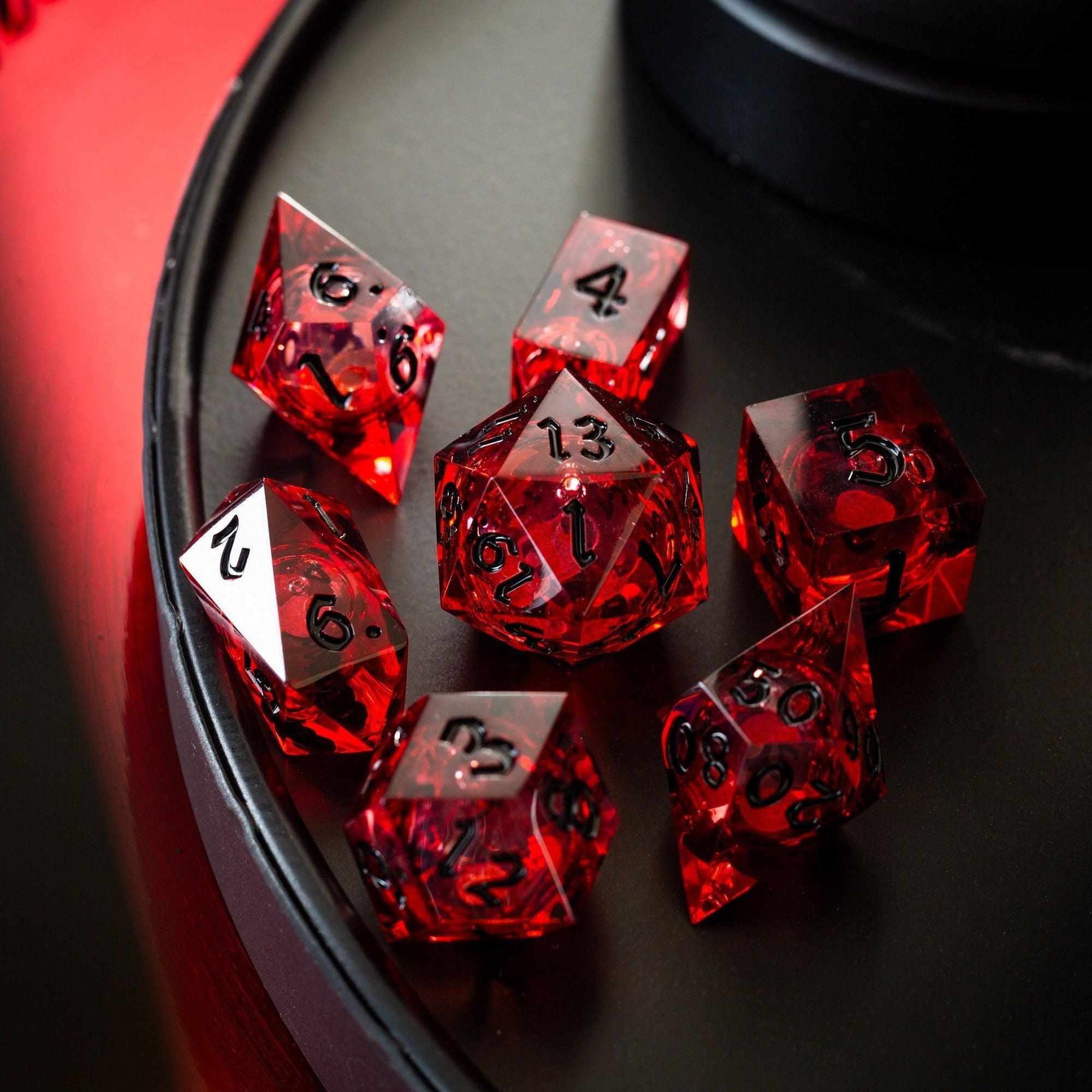
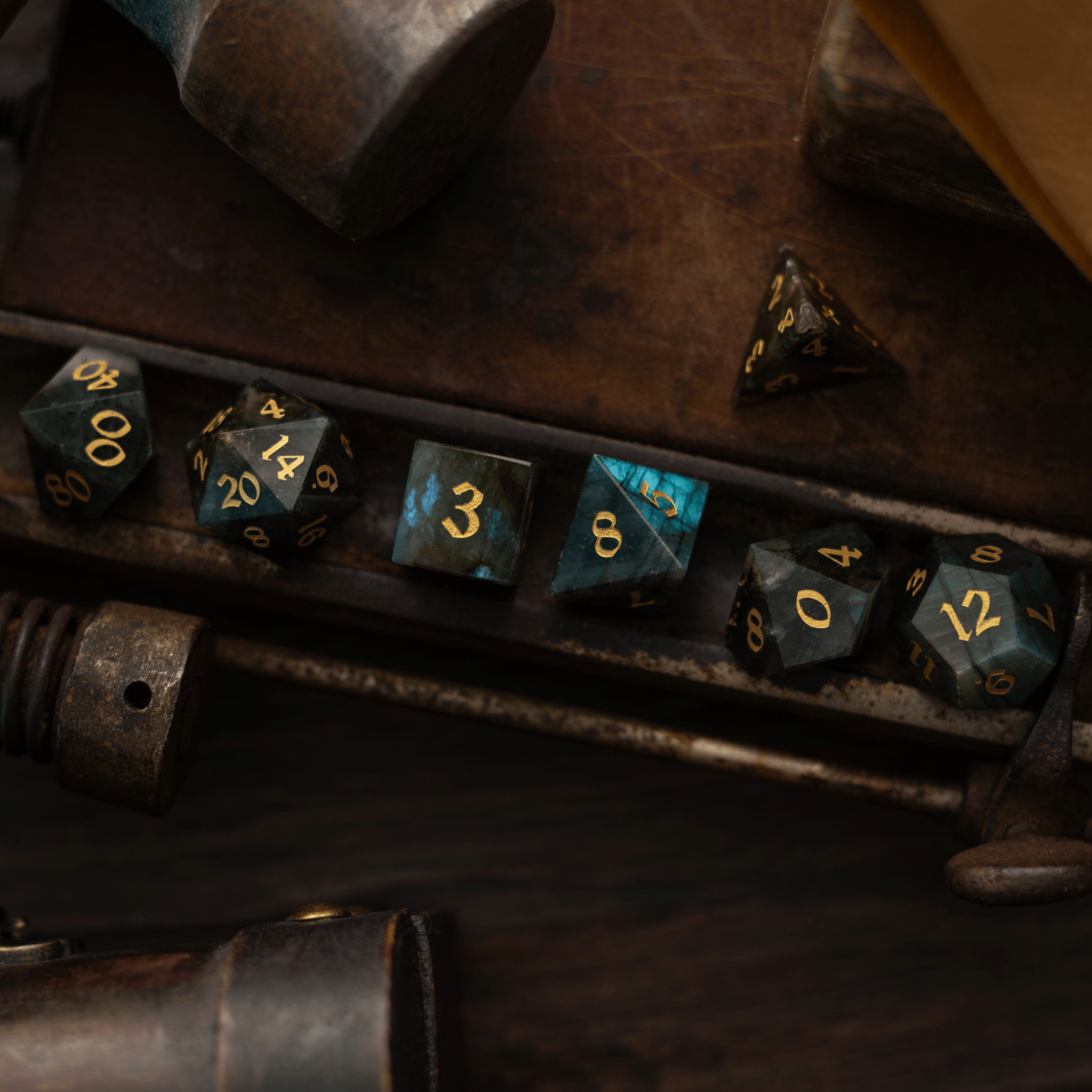
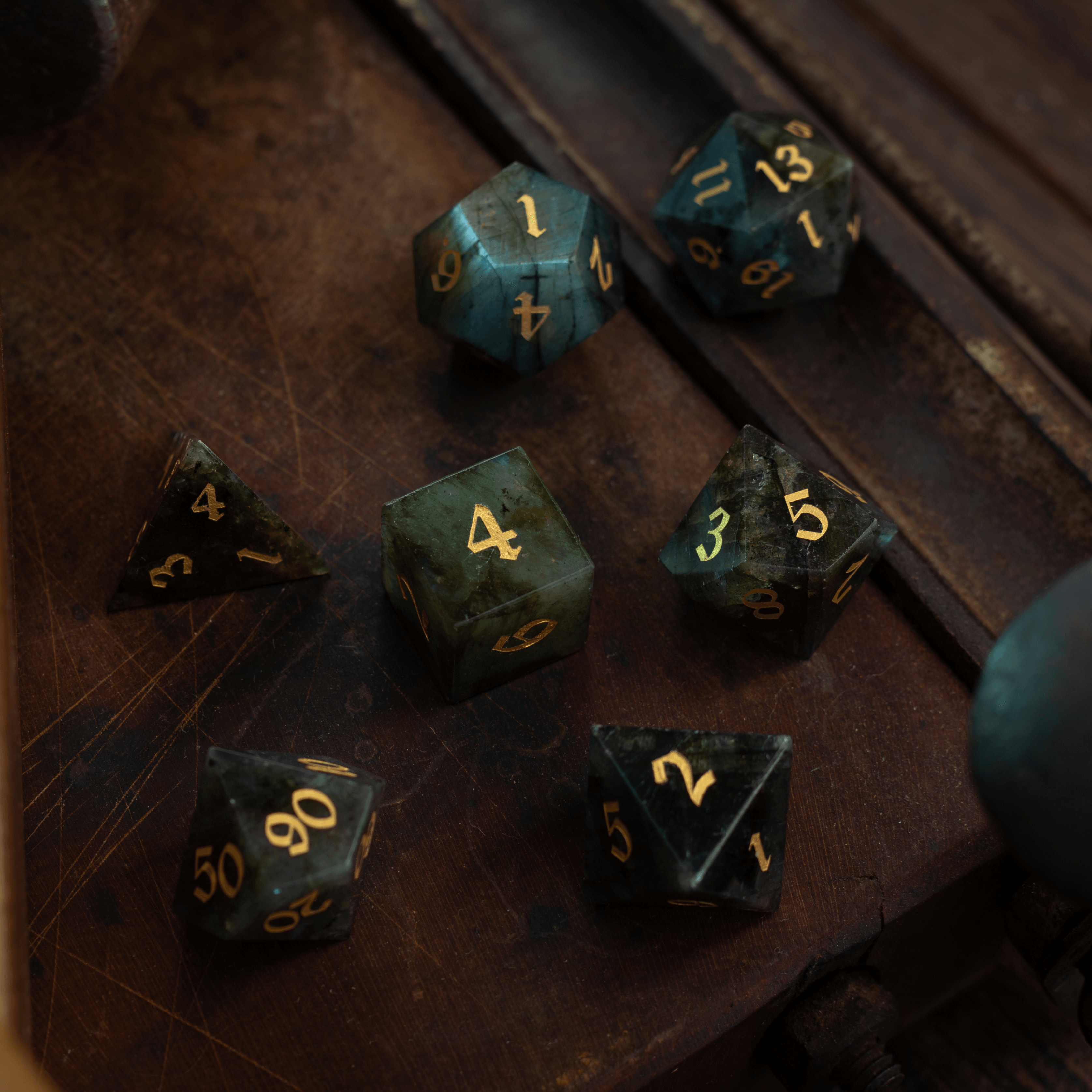
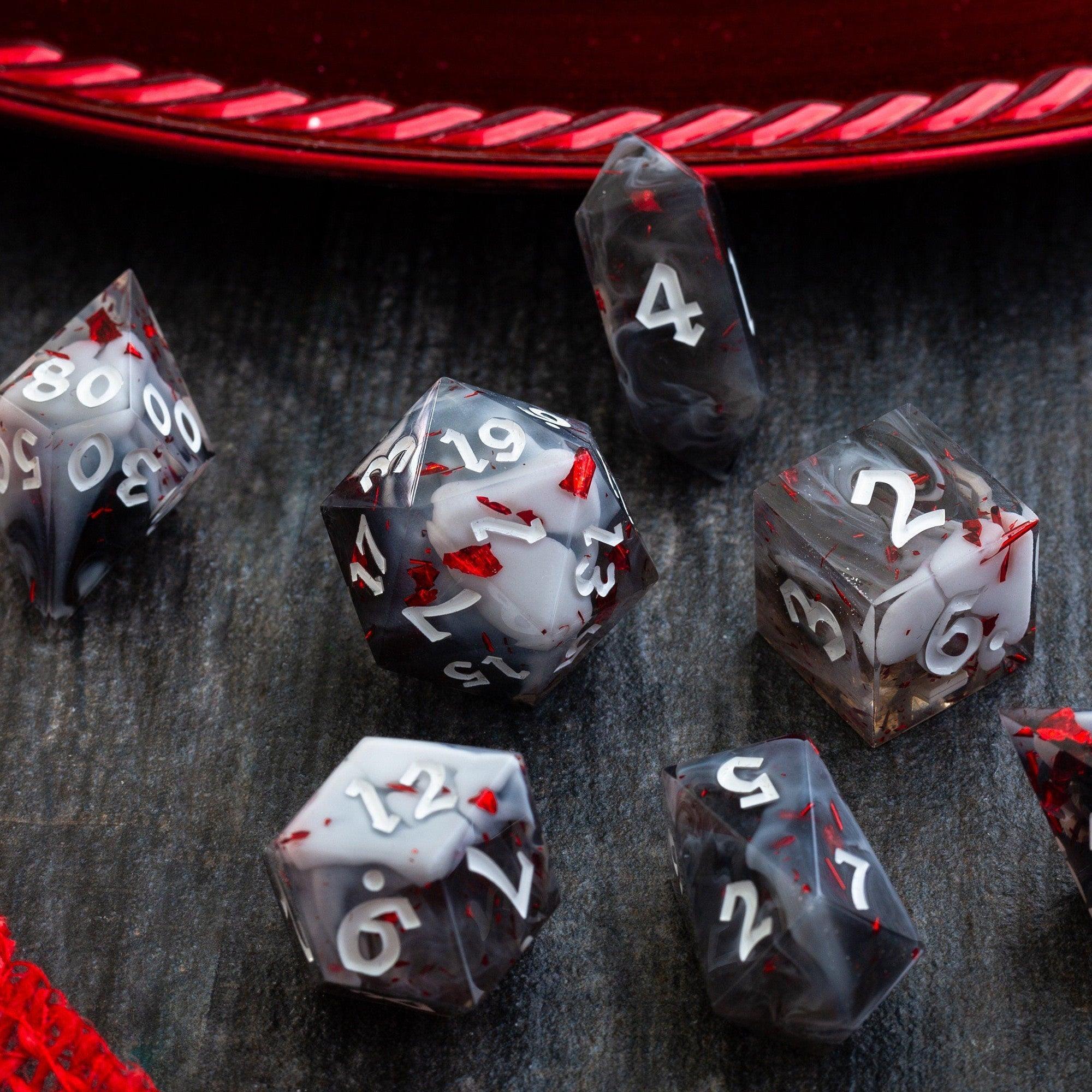
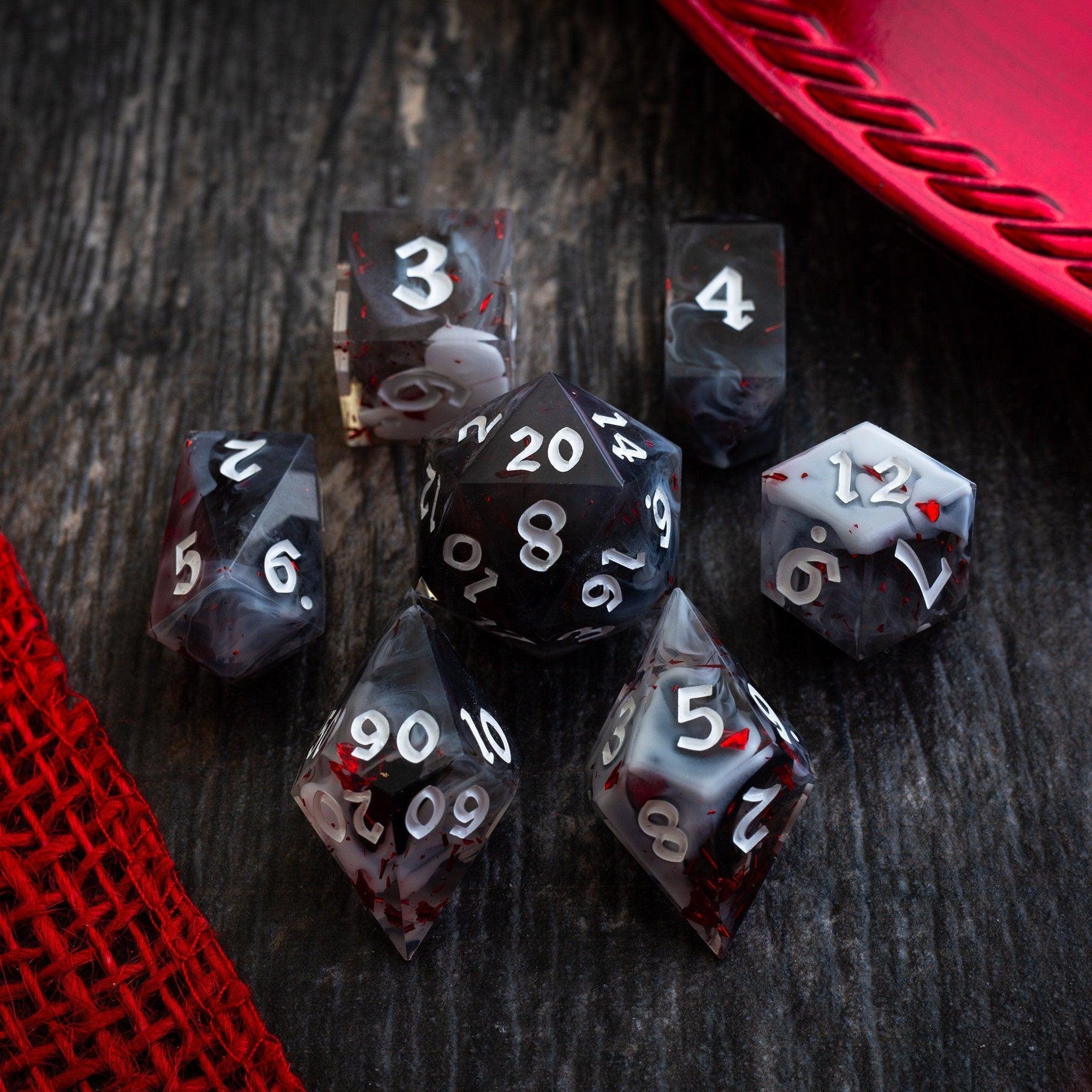
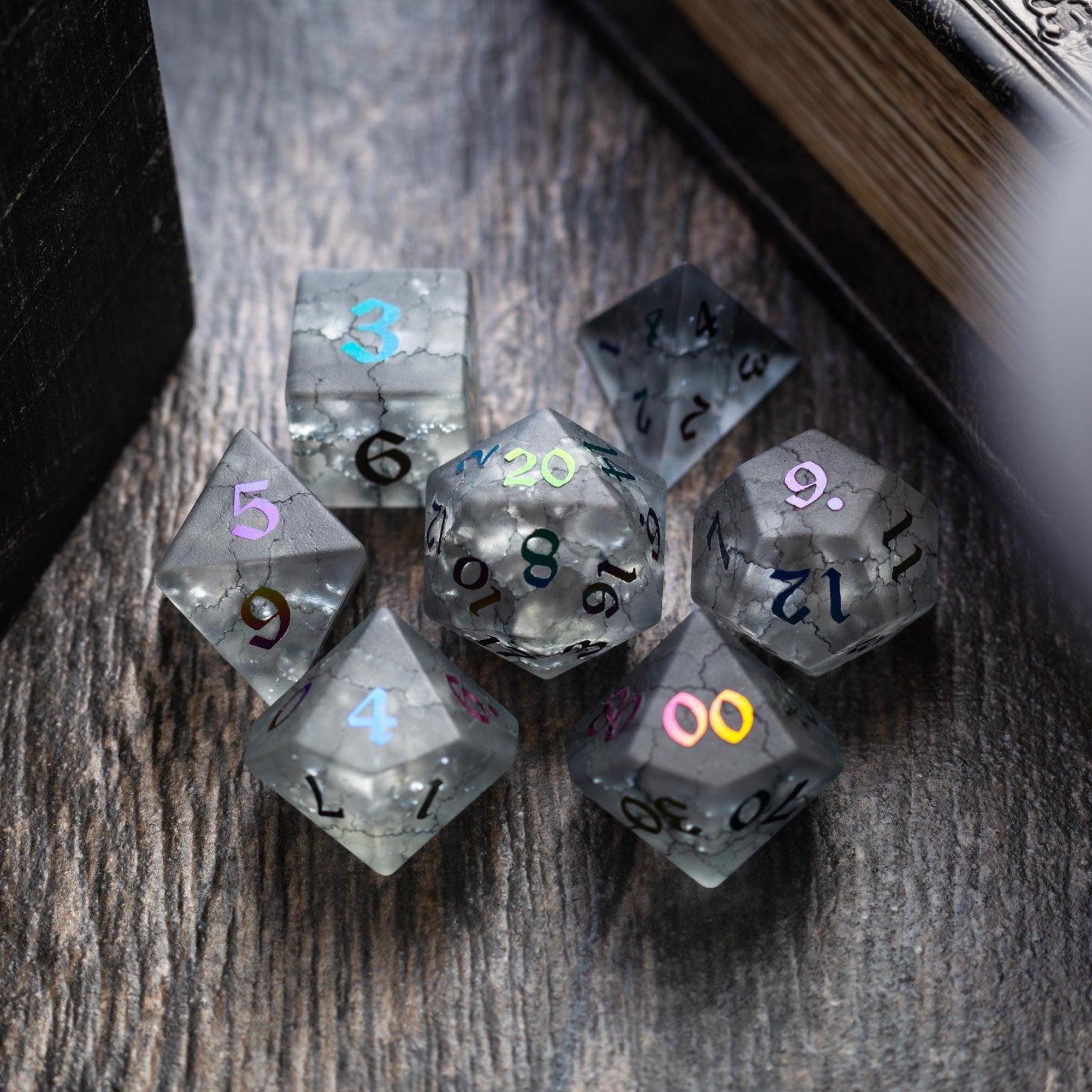
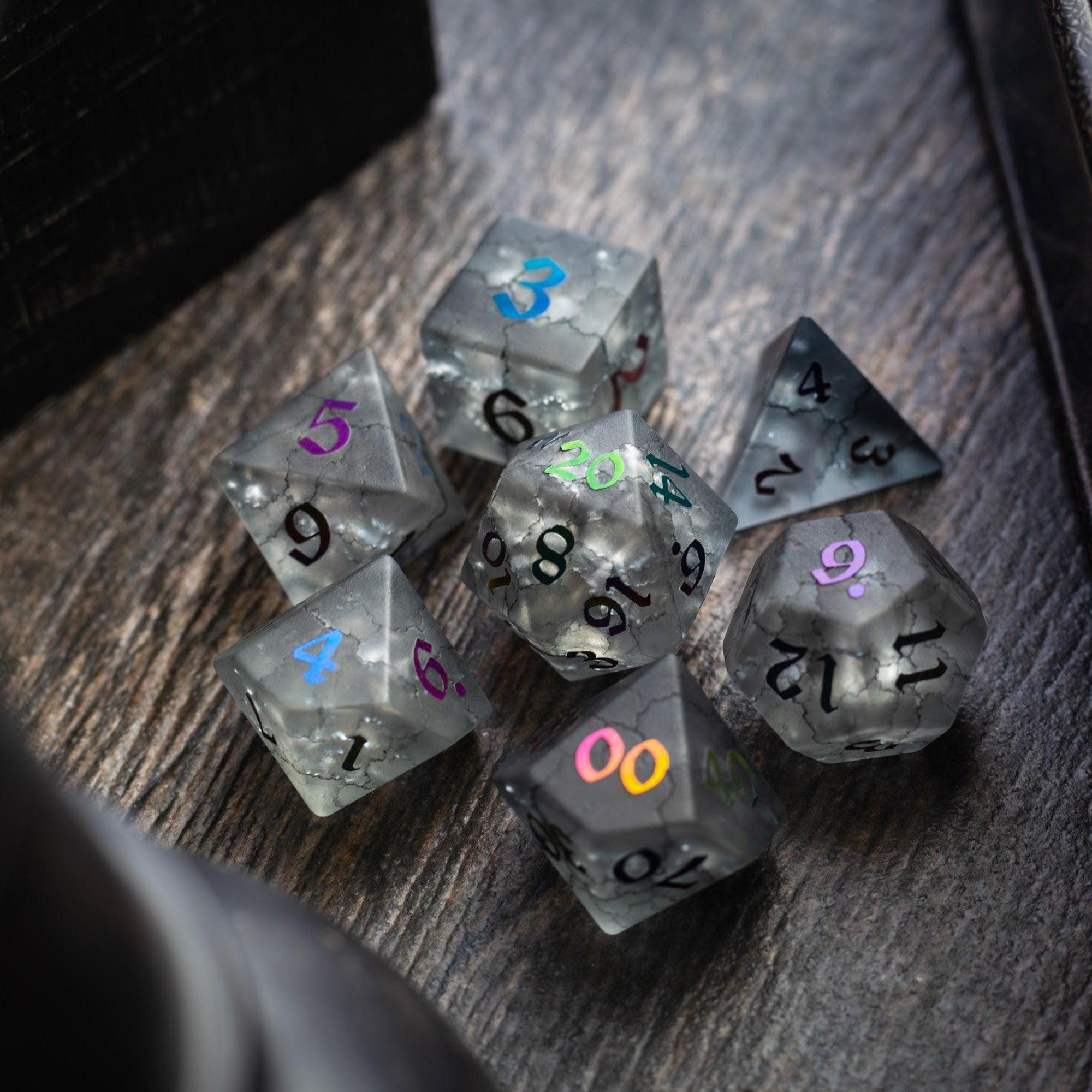
An organized tabletop setup can also help keep active campaign material manageable. Maps, session notes, miniatures, dice trays, condition rings, and other gaming accessories are most useful when they support the information currently reaching the table rather than adding more clutter.
A Simple Checklist for Building an Immersive D&D Setting
Before beginning your campaign, make sure you can:
-
Define the setting’s core concept
-
Create the starting region
-
Add several memorable locations
-
Build two or three active factions
-
Establish one important historical event
-
Decide how magic works in society
-
Create a current conflict
-
Connect player characters to the world
-
Prepare rumors and adventure hooks
-
Leave blank spaces for future ideas
This is enough to begin. The rest can grow through play.
Build a World That Changes with the Players
Great dnd setting content is not measured by the number of pages in a worldbuilding document.
The best settings give players meaningful places to explore, people to care about, conflicts to influence, and mysteries to uncover. A strong D&D campaign setting feels alive because actions have consequences and the world changes as the characters become part of it.
Begin with a clear concept. Build the places the party is likely to visit. Create factions that want something, history that still matters, and conflicts that demand attention. Then allow the setting to expand naturally as the campaign continues.
The goal is not to finish the entire world before the adventure begins.
The goal is to create a world that gives your players a reason to keep exploring.










Leave a comment
This site is protected by hCaptcha and the hCaptcha Privacy Policy and Terms of Service apply.