

Paladin Divine Spells Guide: Master Holy Magic and Sacred Power in D&D 5e
Paladins stand at the crossroads of martial strength and divine magic. While many players picture the class as a heavily armored warrior who defeats enemies through Divine Smite, a Paladin's spellcasting offers far more than extra radiant damage. Well-chosen Paladin divine spells protect allies, strengthen the party, heal the wounded, and help overcome challenges both on and off the battlefield.
Learning when to cast a spell and when to save that spell slot for a devastating smite is one of the biggest steps toward mastering Paladin 5e gameplay. This Paladin spell guide explores the practical side of divine magic, helping new players understand their options while offering experienced adventurers tactical ideas they can use throughout an entire campaign.
Understanding Divine Magic
Unlike full spellcasters, Paladins combine weapon mastery with carefully prepared holy magic. Their spells exist to enhance their role as frontline protectors instead of replacing swords and shields.
How Paladin Spellcasting Works
Paladins prepare spells after finishing a long rest. Rather than permanently learning a fixed list, they can change their prepared spells to match upcoming adventures.
Your spellcasting depends on:
-
Charisma
-
Available spell slots
-
Your Paladin level
-
Your Sacred Oath
Because preparation is flexible, a Paladin can focus on healing one day and defensive magic the next.
How Paladins Differ from Other Spellcasters
Wizards
Wizards rely on arcane knowledge and enormous spell variety. They usually avoid direct melee combat.
Paladins instead use divine power to support weapon combat rather than replace it.
Clerics
Clerics are often full-time divine spellcasters capable of healing and casting throughout nearly every round.
Paladins cast fewer spells but excel at combining melee attacks with divine abilities.
Druids
Druids draw power from nature, emphasizing battlefield control, summoning, and elemental magic.
Paladins focus on protection, radiant energy, and righteous justice.
Rangers
Like Paladins, Rangers are half-casters who mix weapons with magic.
Rangers specialize in mobility and wilderness survival, while Paladins concentrate on defense, leadership, and holy power.
The Role of Divine Spells in Combat
One of the biggest misconceptions in any D&D Paladin guide is that every spell slot should become a Divine Smite.
While smiting is powerful, your spell list provides many ways to influence a battle.
Your spells help with:
-
Protecting allies
-
Increasing damage
-
Healing emergencies
-
Improving mobility
-
Controlling enemy movement
-
Solving exploration challenges
A balanced Paladin attacks with weapons every round while choosing the right moments to cast spells that benefit the entire party.
Recommended Ability Scores
Strong spellcasting begins with solid character building.
Strength or Dexterity
Choose one as your primary combat ability.
-
Strength works best with heavy armor.
-
Dexterity supports lighter builds and finesse weapons.
Charisma
Charisma determines:
-
Spell save DC
-
Spell attack bonus
-
Many class features
-
Social interaction
Even a weapon-focused Paladin benefits greatly from investing in Charisma.
Constitution
More hit points mean you stay in the fight longer.
Constitution also improves concentration checks, helping maintain important buffs during combat.
Wisdom
Wisdom supports valuable saving throws and perception but isn't central to D&D spellcasting for Paladins.
Intelligence
Usually the lowest priority unless it supports your character concept.
Choosing the Right Spell for the Right Situation
| Spell Category | Primary Purpose | Best Situation |
|---|---|---|
| Smite Spells | Burst damage | Boss encounters |
| Healing | Party support | Emergencies |
| Buffs | Strengthen allies | Before combat |
| Protection | Defense | Difficult battles |
| Utility | Exploration | Outside combat |
| Control | Positioning | Challenging encounters |
Thinking about spells by purpose instead of level makes preparation much easier.
Essential Paladin Spells by Level
Rather than memorizing every spell available, focus on understanding what each stage of the campaign demands.
Early Game
Early adventures reward reliability.
Excellent choices often include:
-
Bless
-
Shield of Faith
-
Cure Wounds
-
Command
-
Wrathful Smite
At low levels, Bless can improve the entire party's accuracy more than another single attack ever could.
Mid-Level Adventures
As enemies become stronger, versatility becomes increasingly valuable.
Useful options include:
-
Lesser Restoration
-
Aid
-
Find Steed
-
Magic Weapon
-
Branding Smite
This is often when Paladins begin balancing offensive and defensive casting more carefully.
High-Level Campaigns
Experienced Paladins gain access to impressive support and defensive magic.
Consider preparing spells like:
-
Death Ward
-
Staggering Smite
-
Circle of Power
-
Holy Weapon
-
Banishing Smite
These spells often influence an entire encounter rather than simply increasing one attack's damage.
Divine Smite vs. Spellcasting
Every Paladin eventually faces the same question:
Should this spell slot become a smite?
The answer depends on the situation.
Divine Smite Is Best When
-
Landing a critical hit
-
Fighting dangerous bosses
-
Eliminating a priority target
-
Ending combat quickly
Casting a Spell Is Better When
-
Several allies need support
-
Accuracy matters more than damage
-
The party expects multiple encounters
-
Defensive buffs prevent incoming damage
Example
Imagine facing a powerful undead knight.
Option one:
Spend a spell slot on Divine Smite for immediate radiant damage.
Option two:
Cast Bless, increasing the attack rolls of three party members.
Over several rounds, Bless may contribute far more total damage while helping allies succeed on saving throws.
Resource management often matters more than maximizing one turn.
Best Combat Strategies
Paladins thrive when they think one or two rounds ahead.
A typical combat rhythm might look like this:
Round One
-
Cast Bless
-
Move to protect vulnerable allies
-
Draw enemy attention
Round Two
-
Attack normally
-
Save spell slots if the fight appears manageable
Round Three
-
Use Divine Smite after landing an important hit
-
Heal an ally if circumstances change
Successful Paladins constantly evaluate whether offense or support offers the greatest benefit.
Positioning also matters.
Stand where enemies must pass through you before reaching fragile allies. Your heavy armor, shield, and defensive abilities make you an excellent frontline anchor.
An organized rolling area also helps keep combat moving. A quality dice tray prevents dice from scattering across the table during intense encounters, while a dice tower provides consistent rolls when critical attacks and saving throws determine the outcome of a battle.
Sacred Oaths and Spell Selection
Every Sacred Oath encourages a slightly different approach to Paladin divine spells.
Oath of Devotion
Devotion Paladins emphasize protection, radiant magic, and honesty.
Supportive buffs and defensive spells fit naturally.
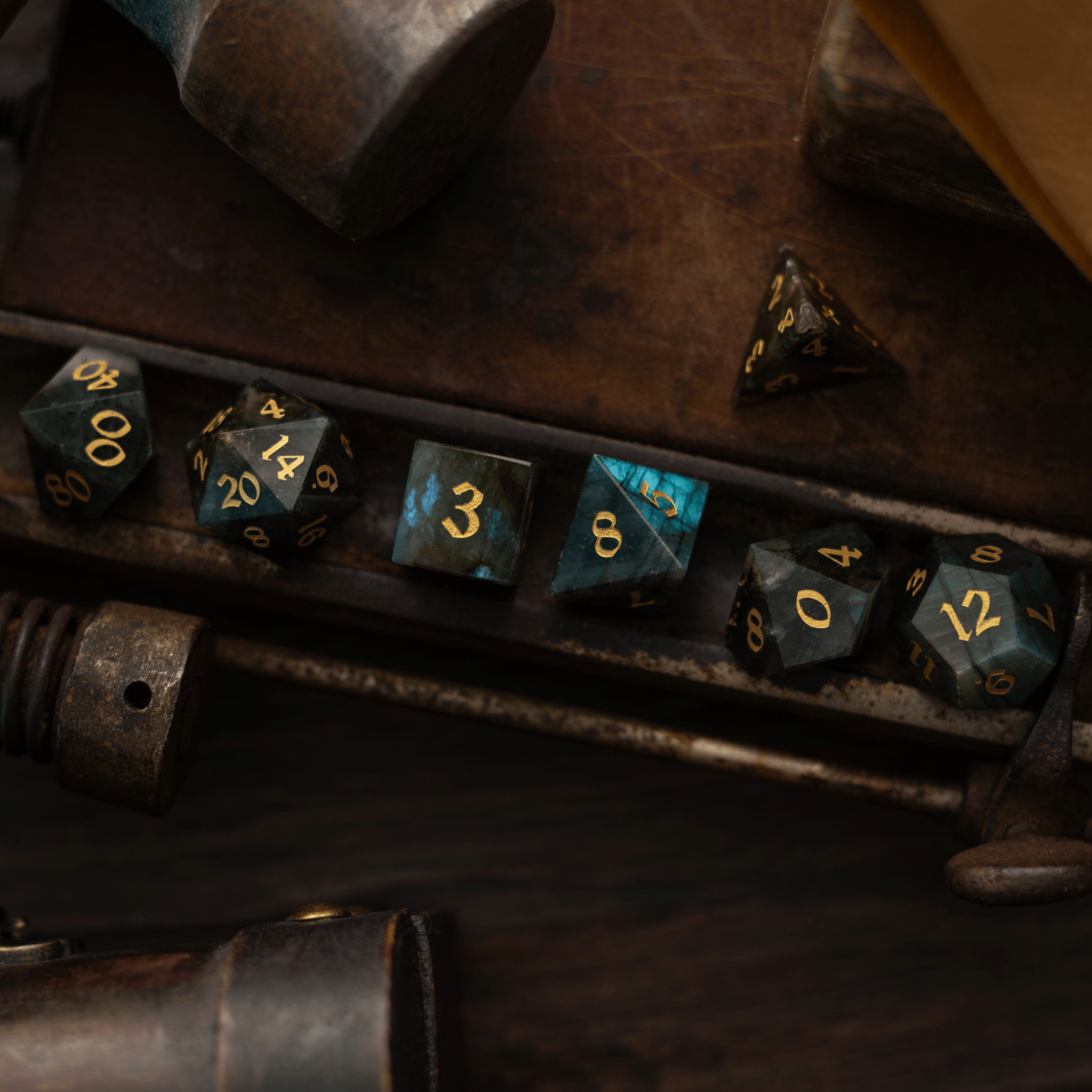
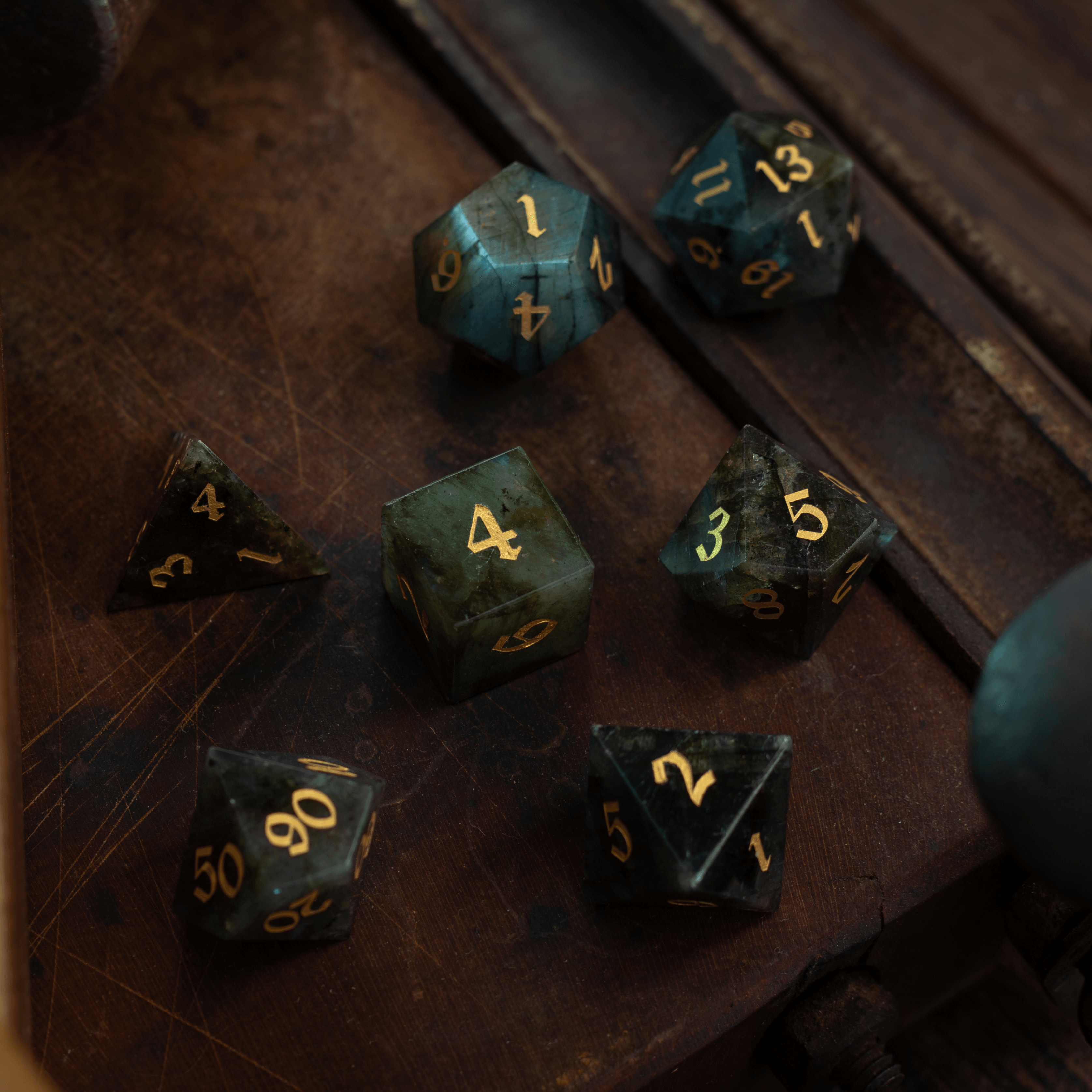
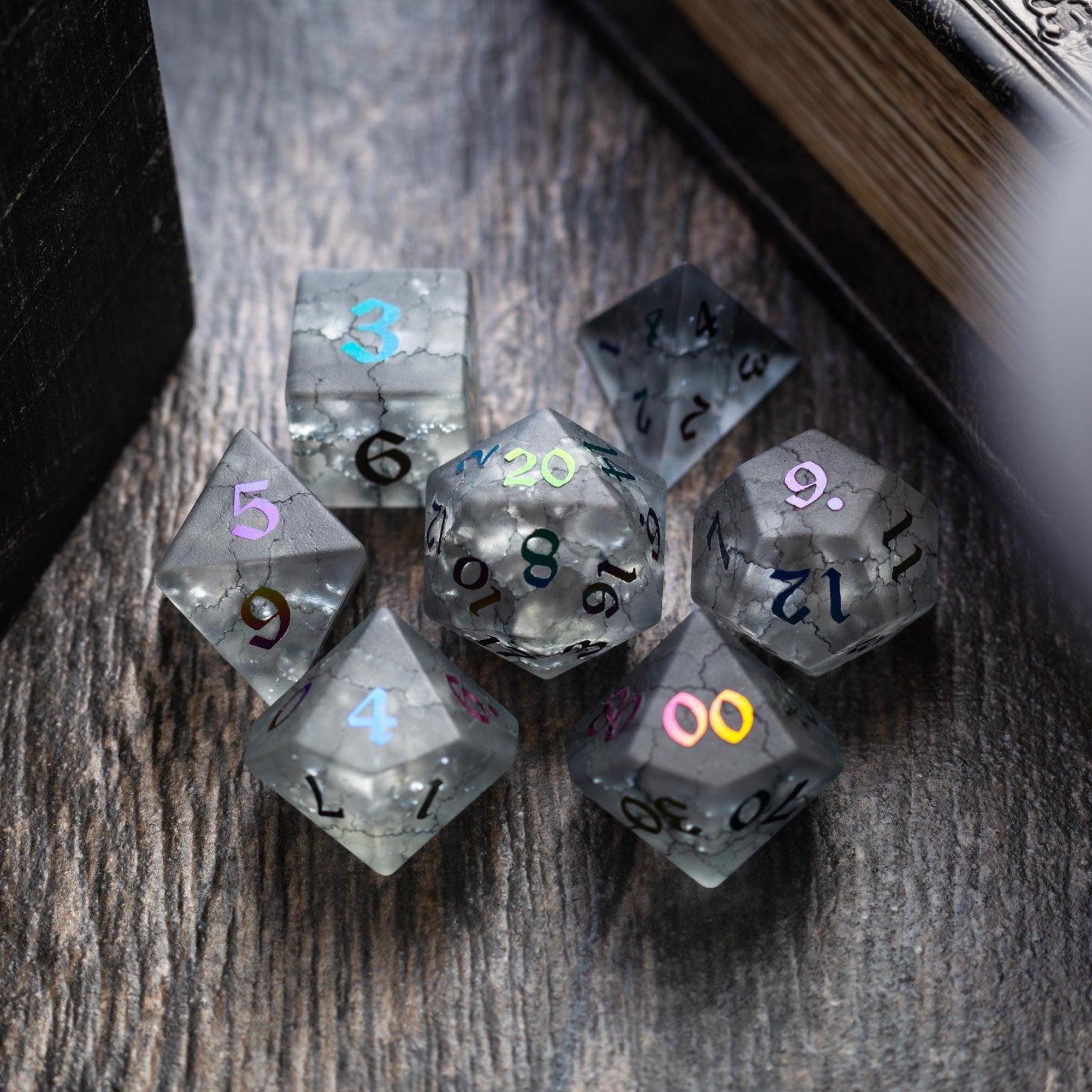
Many players enjoy pairing this noble style with elegant Gemstone Dice, reflecting the radiant symbolism of their holy calling.
Oath of Vengeance
These relentless hunters often prepare offensive and mobility-focused spells.
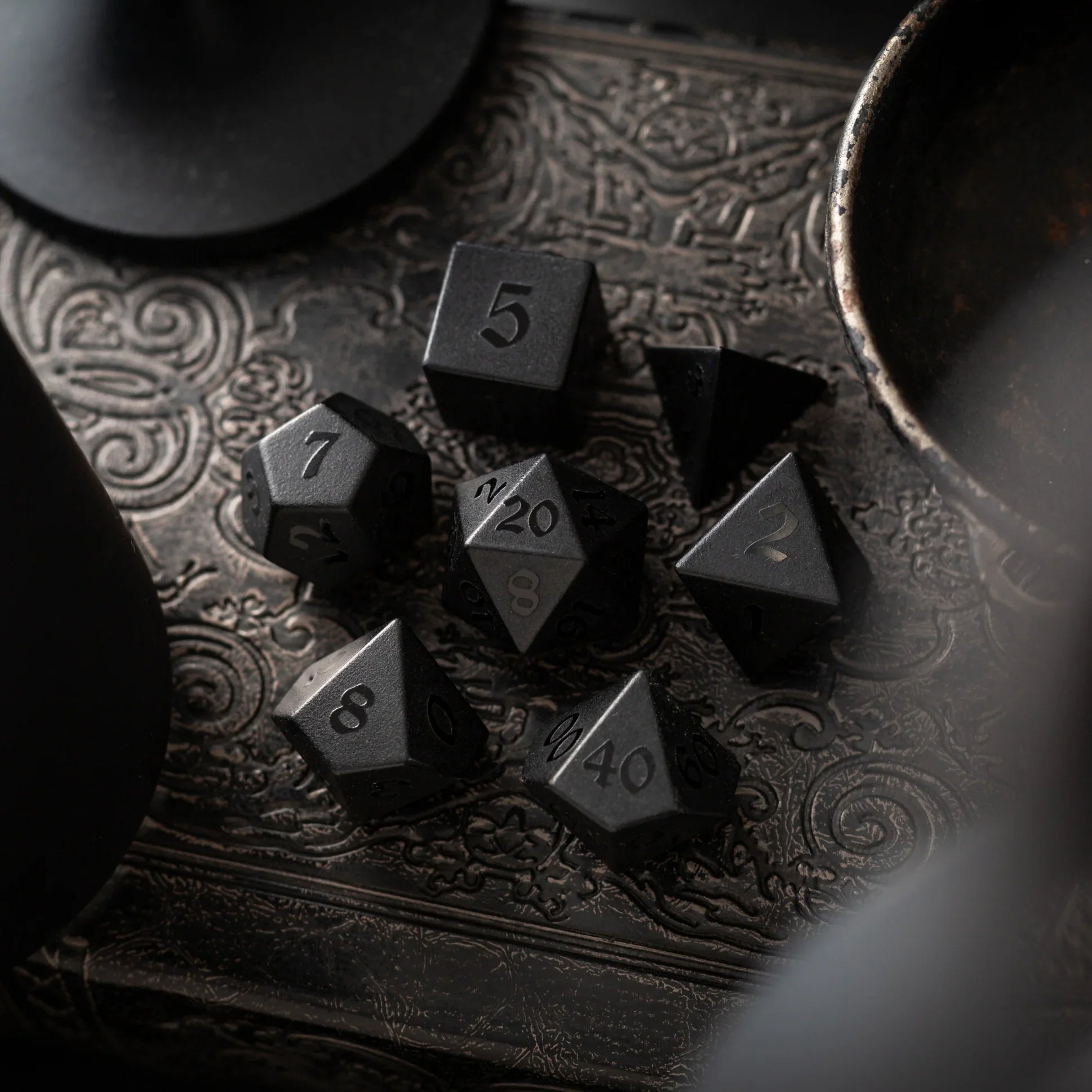
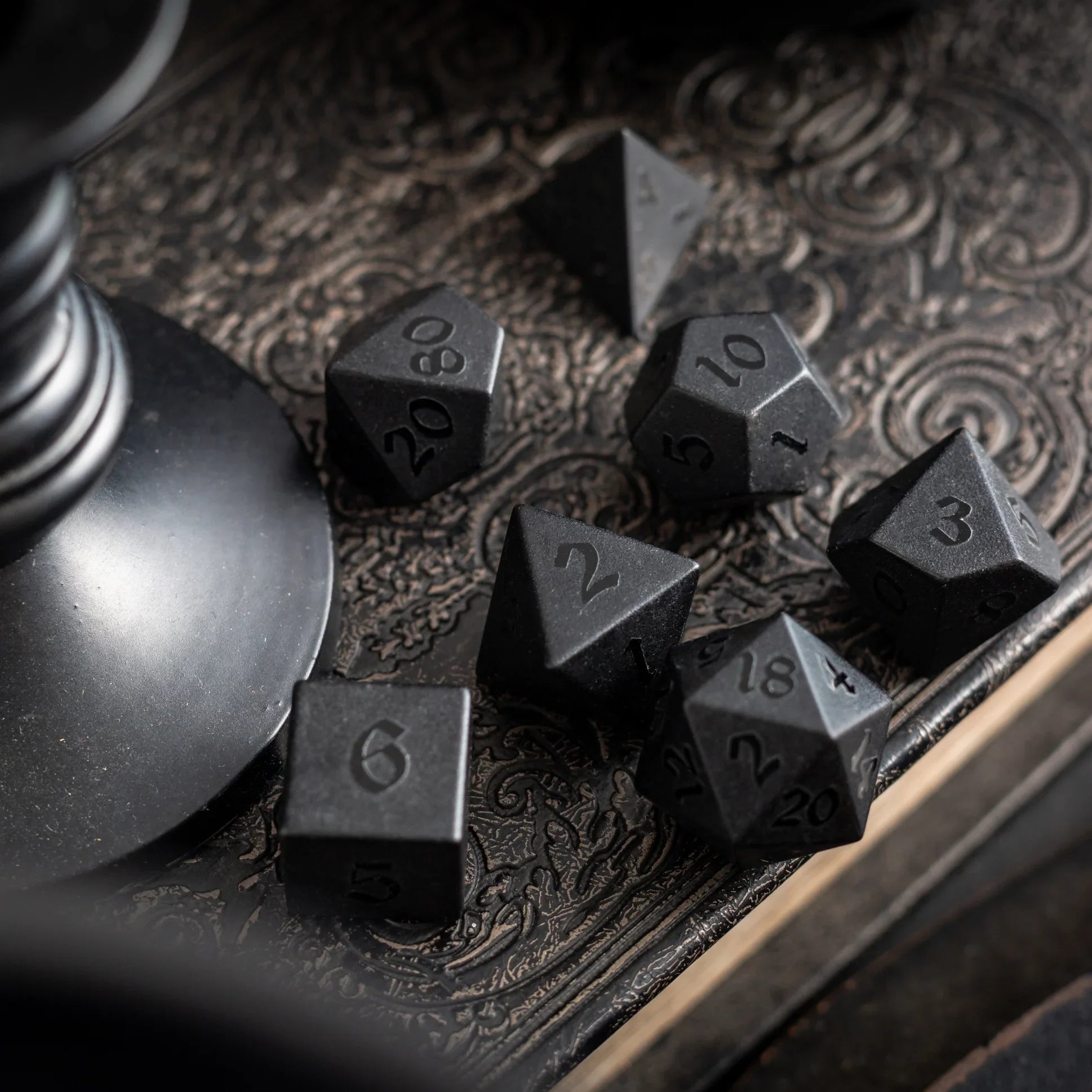
Durable Metal Dice complement their determined personality and aggressive combat style.
Oath of the Ancients
Ancients Paladins protect life and nature.
Defensive magic, resilience, and battlefield support define their spell choices.
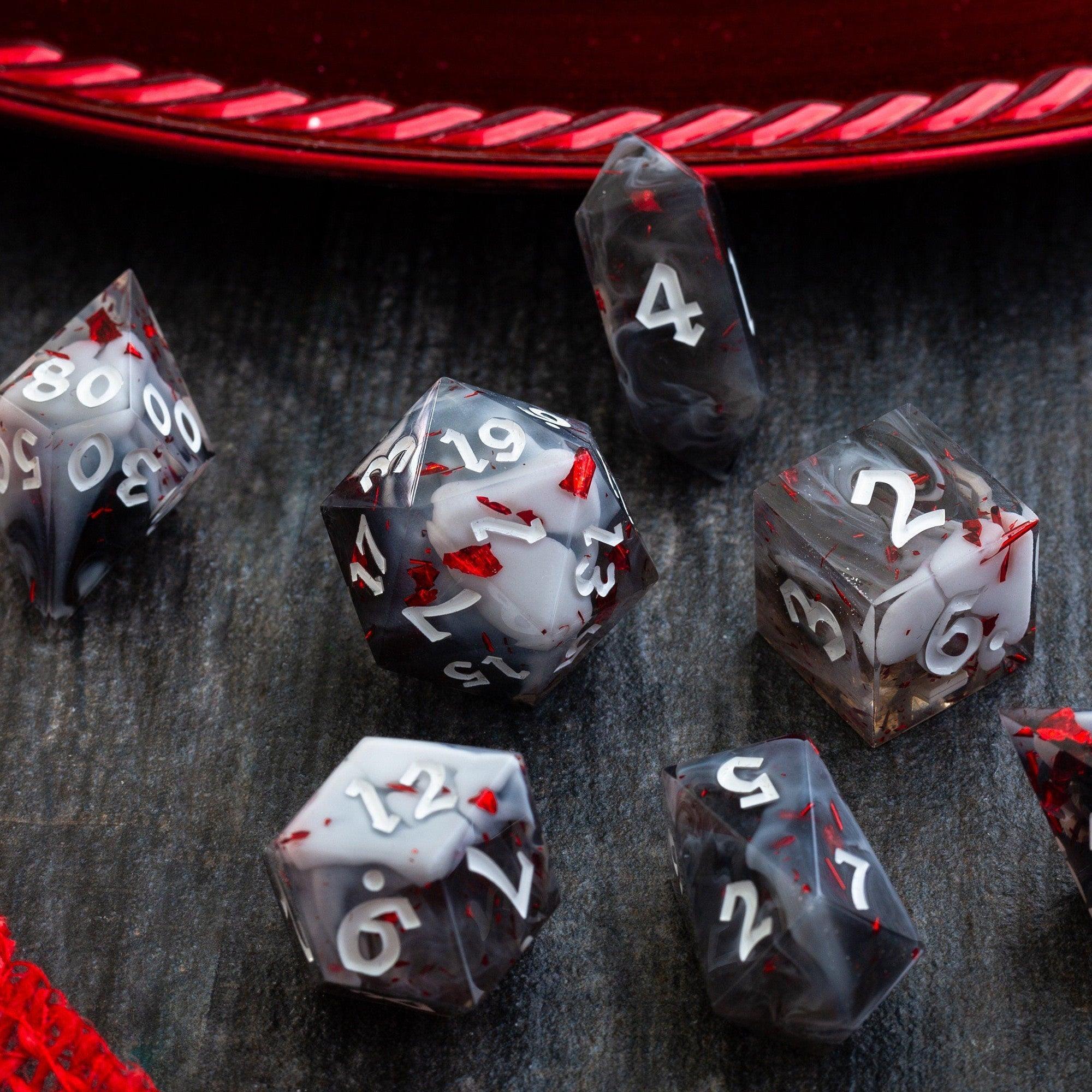
Beautiful Glass Dice or vibrant Resin Dice can reflect the natural beauty associated with this oath.
Oath of Glory
These champions inspire allies through courage and heroic action.
Buffs, mobility spells, and teamwork become central parts of combat.
Oath of Redemption
Redemption Paladins solve problems through mercy whenever possible.
Their spell selection often emphasizes defense, healing, and conflict resolution over raw damage.
Equipment That Supports a Divine Champion
Your equipment supports both survival and spellcasting.
Prioritize:
-
Heavy armor
-
Reliable shield
-
Holy symbol
-
Quality melee weapon
As magical equipment becomes available, look for items that improve survivability rather than simply increasing damage.
Many players also appreciate tabletop accessories that make long campaigns easier to manage.
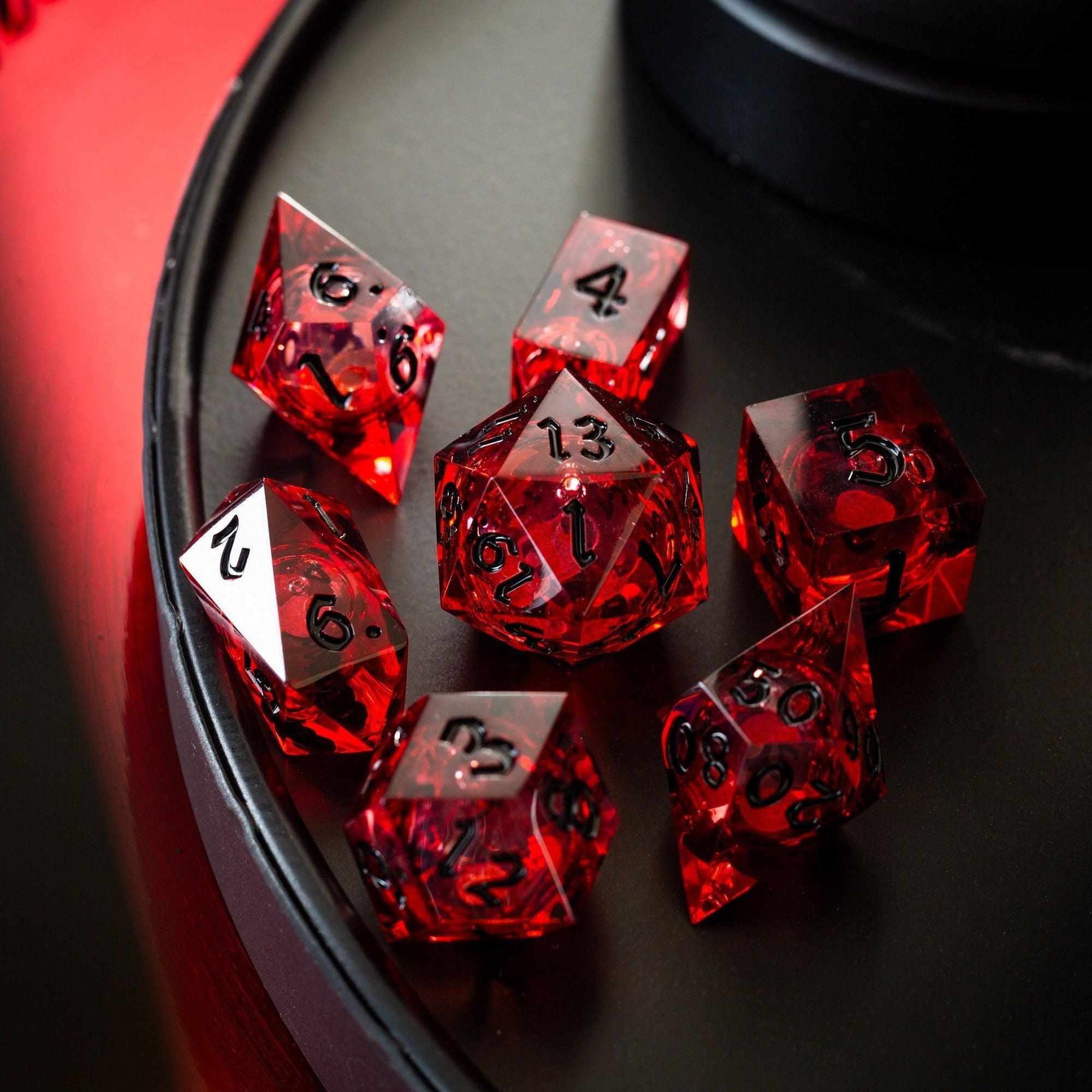
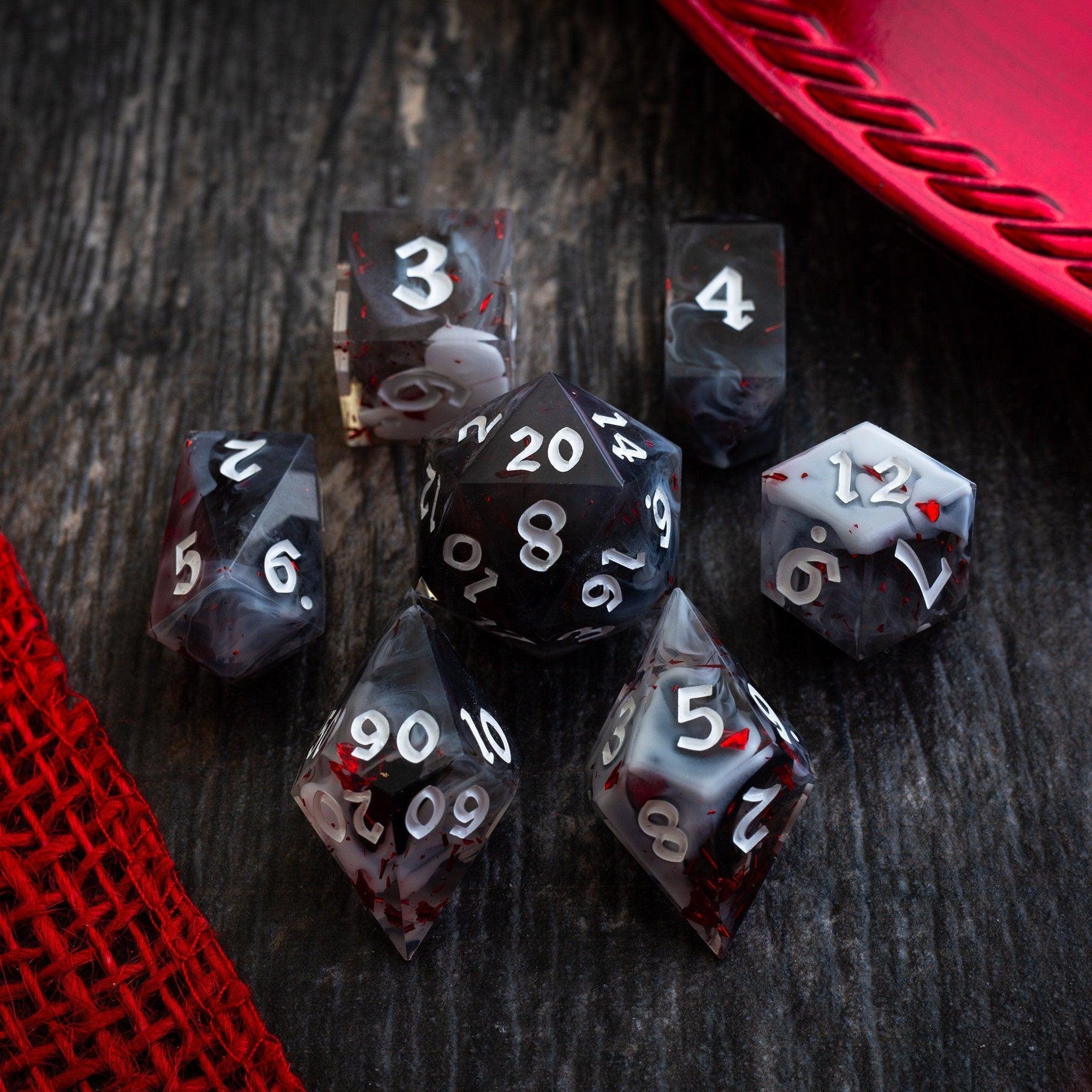
Highly readable Sharp-Edge Dice help distinguish important rolls during dramatic encounters, while colorful Liquid Core Dice bring extra visual excitement to moments like a perfectly timed Divine Smite. Protective storage keeps premium dice safe between adventures, especially for players who enjoy collecting different materials for different characters.
Common Mistakes New Paladins Make
Every Paladin makes mistakes while learning the class.
Fortunately, most are easy to fix.
Spending Every Spell Slot on Divine Smite
Smite is exciting.
But sometimes Bless prevents more damage than another burst attack ever could.
Forgetting Support Spells
Your party benefits enormously from healing, buffs, and protection.
Remember that victories often come from teamwork rather than individual damage.
Ignoring Concentration
Many excellent Paladin spells require concentration.
Casting another concentration spell ends the first one immediately.
Always keep track of which spell you're maintaining.
Neglecting Charisma
High Strength alone doesn't create an effective Paladin.
Charisma improves both spellcasting and many signature class features.
Saving Spell Slots Too Long
Some players finish difficult encounters with unused spell slots.
Resources exist to help your party survive today's adventure, not tomorrow's hypothetical battle.
Developing Your Holy Champion
As your campaign progresses, your relationship with divine magic changes.
Early on, spells mainly support your weapon attacks.
Later, they become powerful tactical tools capable of protecting entire parties, strengthening allies, countering dangerous magic, and changing the flow of difficult encounters.
Experienced Paladins recognize that spell slots represent choices rather than simply extra damage. Some battles call for radiant smites, while others reward careful preparation, defensive buffs, or timely healing.
Mastering Paladin spells means learning to recognize those moments. Over time, you'll discover that the strongest divine spellcaster isn't the one who casts the most spells, but the one who chooses the right spell when it matters most.
Carry the Light into Every Adventure
The best Paladins balance faith, steel, and strategy. They know when to charge into battle, when to shield an ally, and when to unleash radiant judgment with a perfectly timed Divine Smite. By preparing the right Paladin divine spells for each adventure and managing spell slots wisely, you'll become a steadfast protector who contributes far more than damage alone.
Whether you're defending companions from overwhelming odds, leading the charge against undead horrors, or offering hope in the darkest dungeon, your divine magic is a versatile companion throughout every stage of the journey. Learn its strengths, adapt your spell preparation to the challenges ahead, and let both your martial skill and sacred power define the legend of your holy champion.












Leave a comment
This site is protected by hCaptcha and the hCaptcha Privacy Policy and Terms of Service apply.