
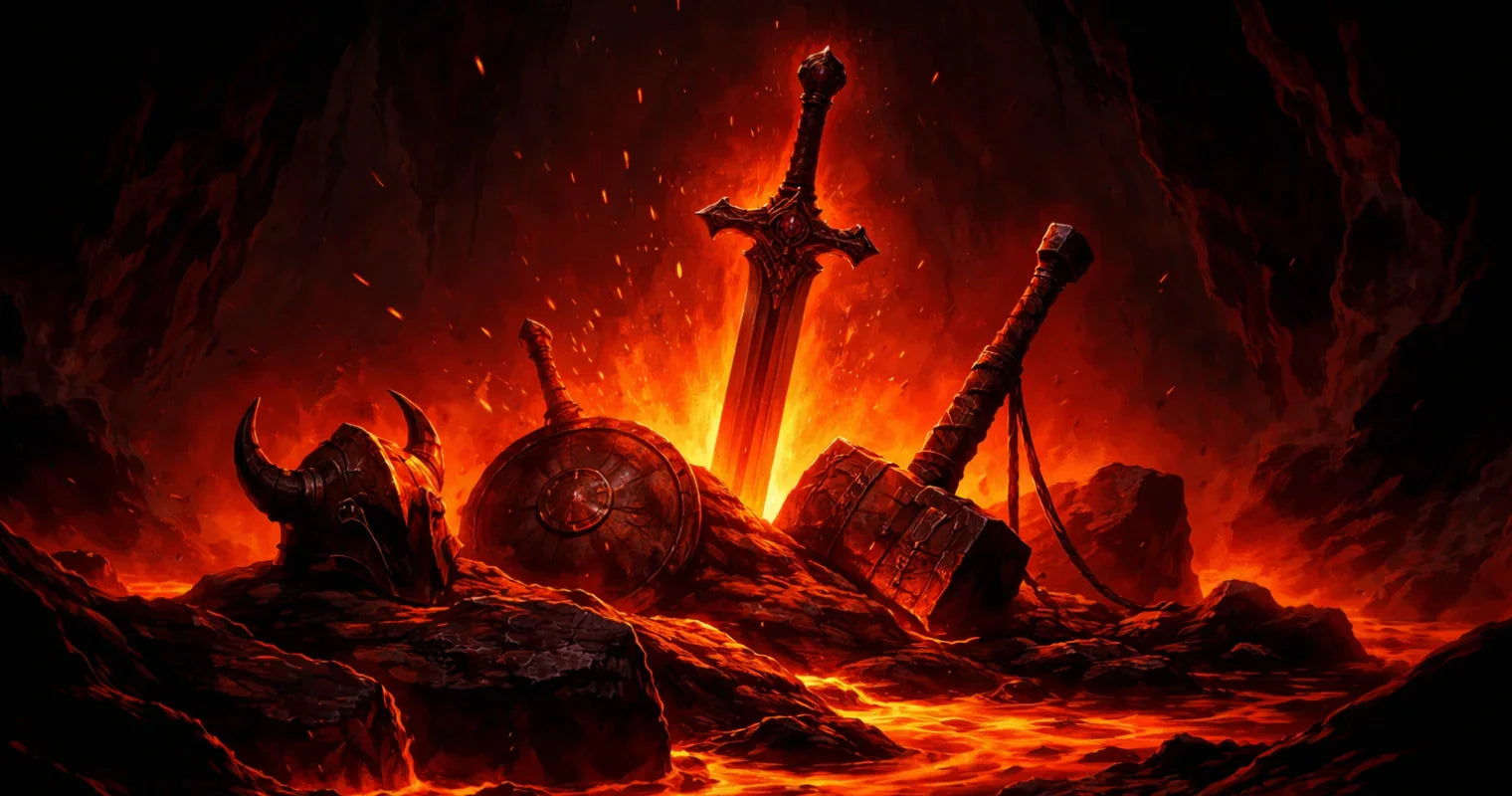
Mastering D&D Gear: A Complete Guide to Weapons and Equipment
Every legendary adventure begins long before the first initiative roll. A well-equipped adventurer is prepared to fight monsters, navigate dangerous terrain, survive harsh environments, and solve unexpected problems with confidence.
Many new players focus almost entirely on finding the biggest weapon or the strongest armor. While those choices matter, D&D gear is much more than attack bonuses and Armor Class. The right collection of D&D weapons, D&D armor, and D&D adventuring gear often determines whether a party escapes a collapsing dungeon, crosses a raging river, or survives a deadly ambush.
This guide explores how thoughtful equipment choices improve every stage of a campaign while helping you build a practical loadout that complements your character and your party.
Why Equipment Matters in Every Adventure
Equipment influences nearly every aspect of a campaign, including:
-
Combat effectiveness
-
Exploration
-
Survival
-
Resource management
-
Character identity
A fighter carrying a shield can hold a narrow hallway while allies regroup. A rogue with thieves' tools may bypass a deadly trap without anyone drawing a weapon. A wizard carrying extra spell components or a reliable spellcasting focus avoids unnecessary complications when magic becomes essential.
Good equipment often solves problems before combat begins.
Experienced players learn to ask questions like:
-
What dangers are likely ahead?
-
What tools might solve problems without fighting?
-
Do I have backup options if my primary strategy fails?
Thinking ahead usually pays off.
Understanding Weapon Categories
A useful D&D weapon guide starts by understanding broad weapon categories instead of memorizing every individual weapon.
Simple Weapons
Simple weapons are easy to learn and available to many classes.
Examples include clubs, spears, maces, and handaxes.
They offer dependable performance without requiring specialized training.
Ideal for:
-
Clerics
-
Druids
-
Wizards needing emergency protection
-
Beginning characters
Martial Weapons
Martial weapons require greater training but reward skilled users with more specialized combat options.
These include swords, battleaxes, warhammers, polearms, and many advanced ranged weapons.
Ideal for:
-
Fighters
-
Paladins
-
Barbarians
-
Rangers
Melee vs. Ranged Weapons
Melee weapons dominate close combat, allowing characters to protect allies and control battlefield positioning.
Ranged weapons let characters contribute safely from a distance, making them valuable against flying enemies, dangerous spellcasters, or creatures that punish close engagement.
Even dedicated melee characters benefit from carrying at least one ranged option.
One-Handed vs. Two-Handed Weapons
One-handed weapons provide flexibility.
They leave a hand free for:
-
Shields
-
Spellcasting focuses
-
Torches
-
Grappling
Two-handed weapons generally deliver greater damage but sacrifice defensive options.
Characters focused on offense often prefer greatswords, greataxes, or mauls, while defensive warriors may favor a longsword paired with a shield.
Reach, Light, and Heavy Weapons
Different weapon traits create unique tactical opportunities.
Reach weapons help control enemy movement and attack from safer positions.
Light weapons allow agile fighting styles, including dual wielding.
Heavy weapons reward characters built around strength and raw power.
Rather than searching for a universally "best" weapon, choose one that complements your class, abilities, and preferred combat style.
Choosing Armor for Your Character
Armor protects you, but every category comes with trade-offs.
Light Armor
Light D&D armor offers mobility while allowing Dexterity to play a major defensive role.
Best suited for:
-
Rogues
-
Rangers
-
Bards
-
Dexterity-based Fighters
Advantages include:
-
High mobility
-
Strong Stealth potential
-
Excellent for agile builds
Medium Armor
Medium armor balances defense with flexibility.
It works well for characters who value both protection and mobility without investing heavily in Strength.
Popular users include:
-
Rangers
-
Clerics
-
Many Fighters
Heavy Armor
Heavy armor provides exceptional protection for frontline defenders.
It excels at absorbing attacks but usually limits Stealth and often requires higher Strength to avoid movement penalties.
Ideal for:
-
Paladins
-
Heavy Fighters
-
Some Clerics
Shields
Shields remain one of the simplest ways to improve survivability.
A modest Armor Class increase can prevent numerous attacks throughout an adventure.
Spellcasters should remember that shields may affect spellcasting depending on class features and equipment choices.
Comparing Common Equipment Choices
| Equipment Type | Best For | Main Advantage |
|---|---|---|
| Heavy Armor | Frontline tanks | Maximum protection |
| Medium Armor | Flexible warriors | Balanced defense |
| Light Armor | Rogues and Rangers | High mobility |
| Two-Handed Weapons | Damage dealers | High damage output |
| Sword and Shield | Defensive fighters | Better survivability |
| Ranged Weapons | Backline attackers | Safe positioning |
Essential Adventuring Gear
Some of the most valuable D&D equipment rarely appears during dramatic combat scenes.
Instead, these items quietly solve everyday challenges.
Experienced adventurers often carry:
-
Rope
-
Torches or lanterns
-
Rations
-
Waterskins
-
Bedrolls
-
Crowbars
-
Grappling hooks
-
Healing kits
-
Thieves' tools
-
Holy symbols
-
Spellcasting focuses
Imagine arriving at a collapsed bridge.
The party carrying rope and grappling hooks crosses safely.
The party without them begins searching for another route while monsters close in.
The same principle applies throughout a campaign.
Simple tools frequently prevent dangerous situations before combat ever begins.
Matching Equipment to Character Roles
Different heroes rely on different fantasy RPG equipment.
Fighter
Fighters benefit from versatile weapon options.
Many carry:
-
Primary melee weapon
-
Shield
-
Backup ranged weapon
-
Extra ammunition
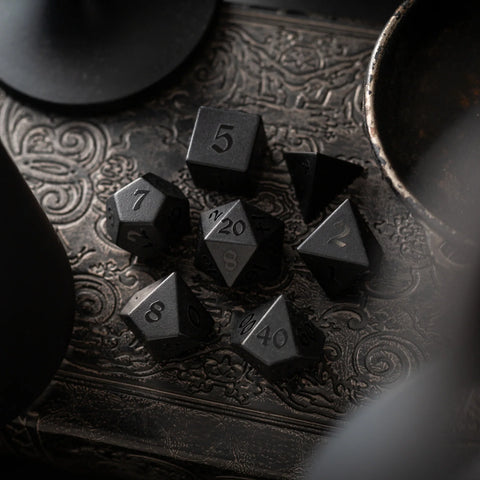
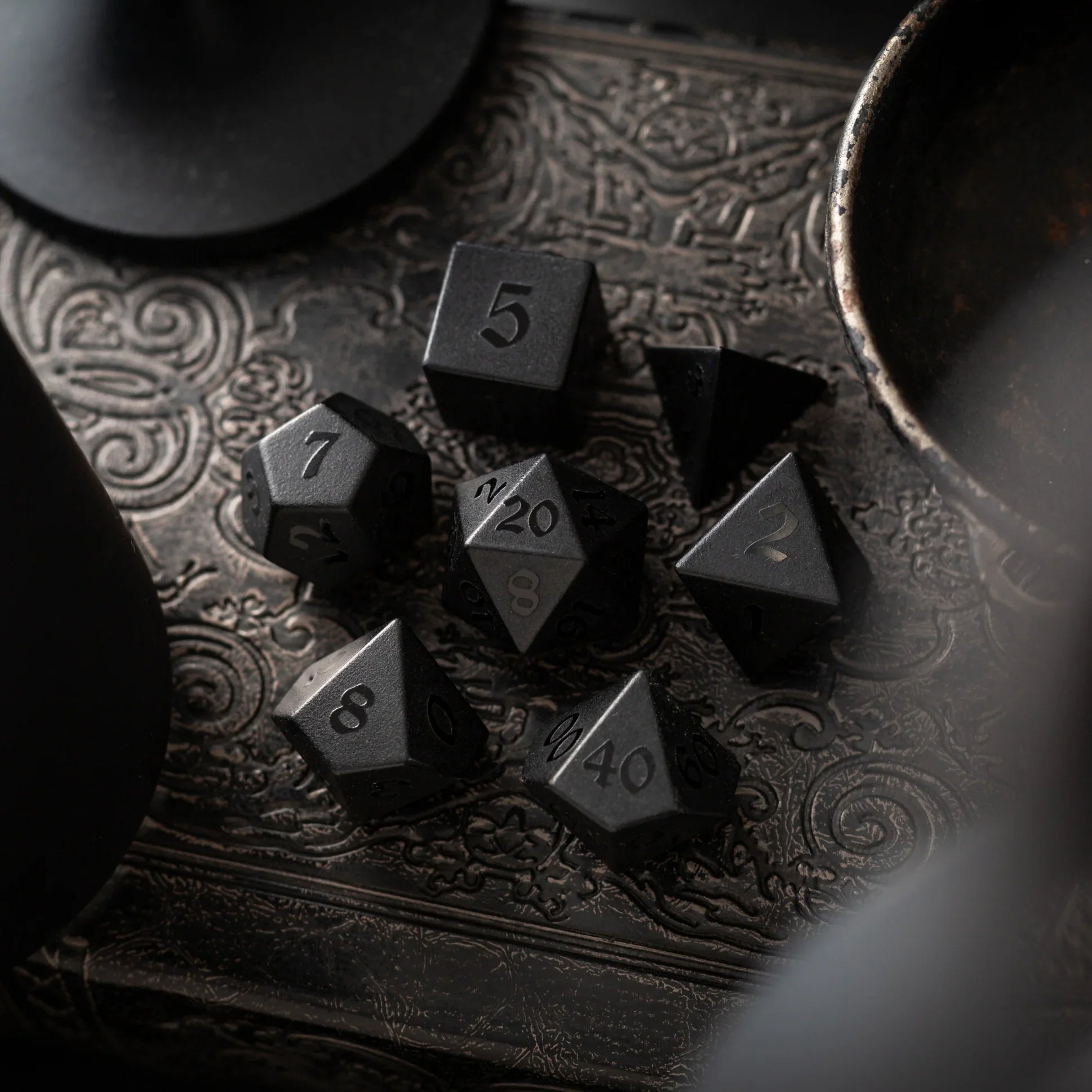
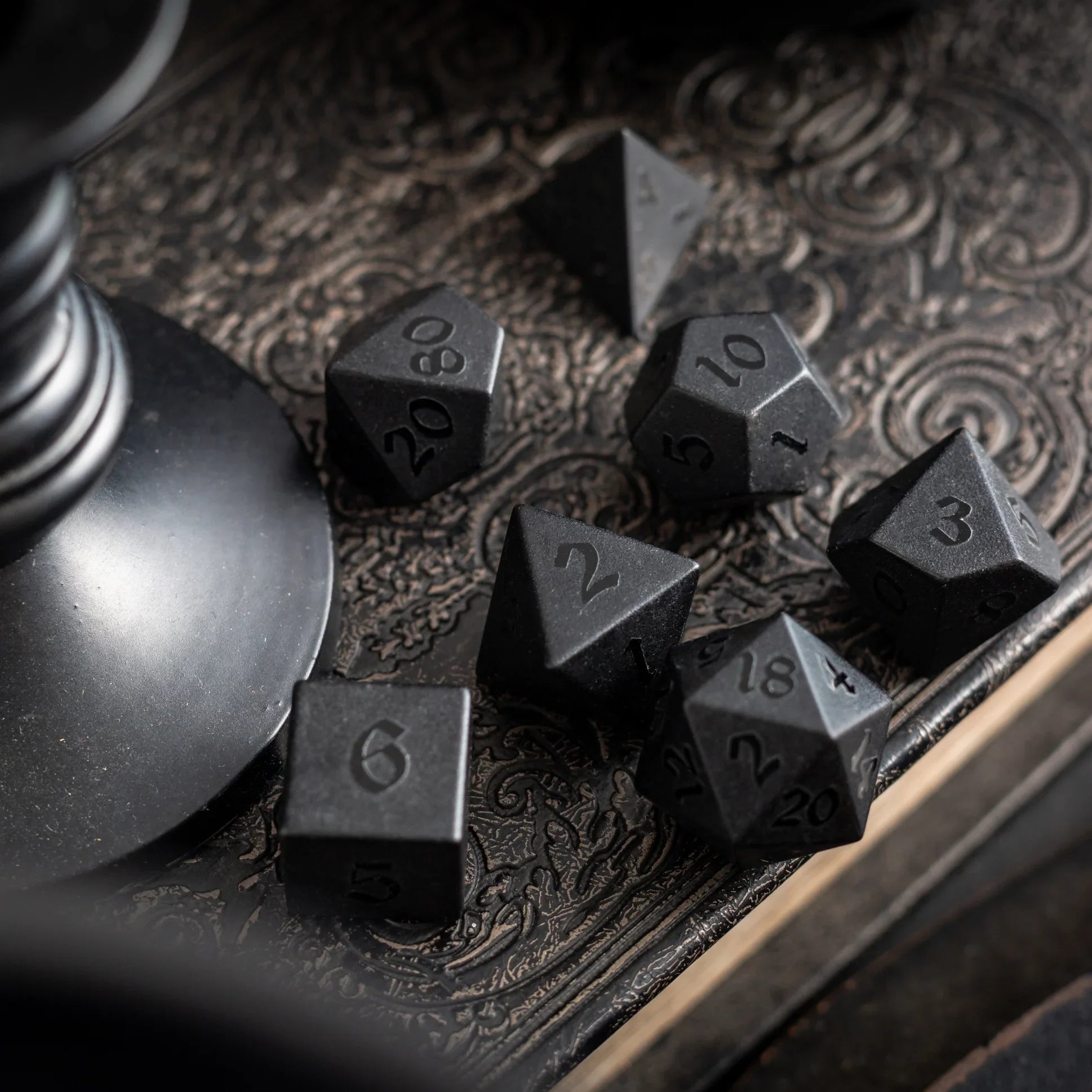
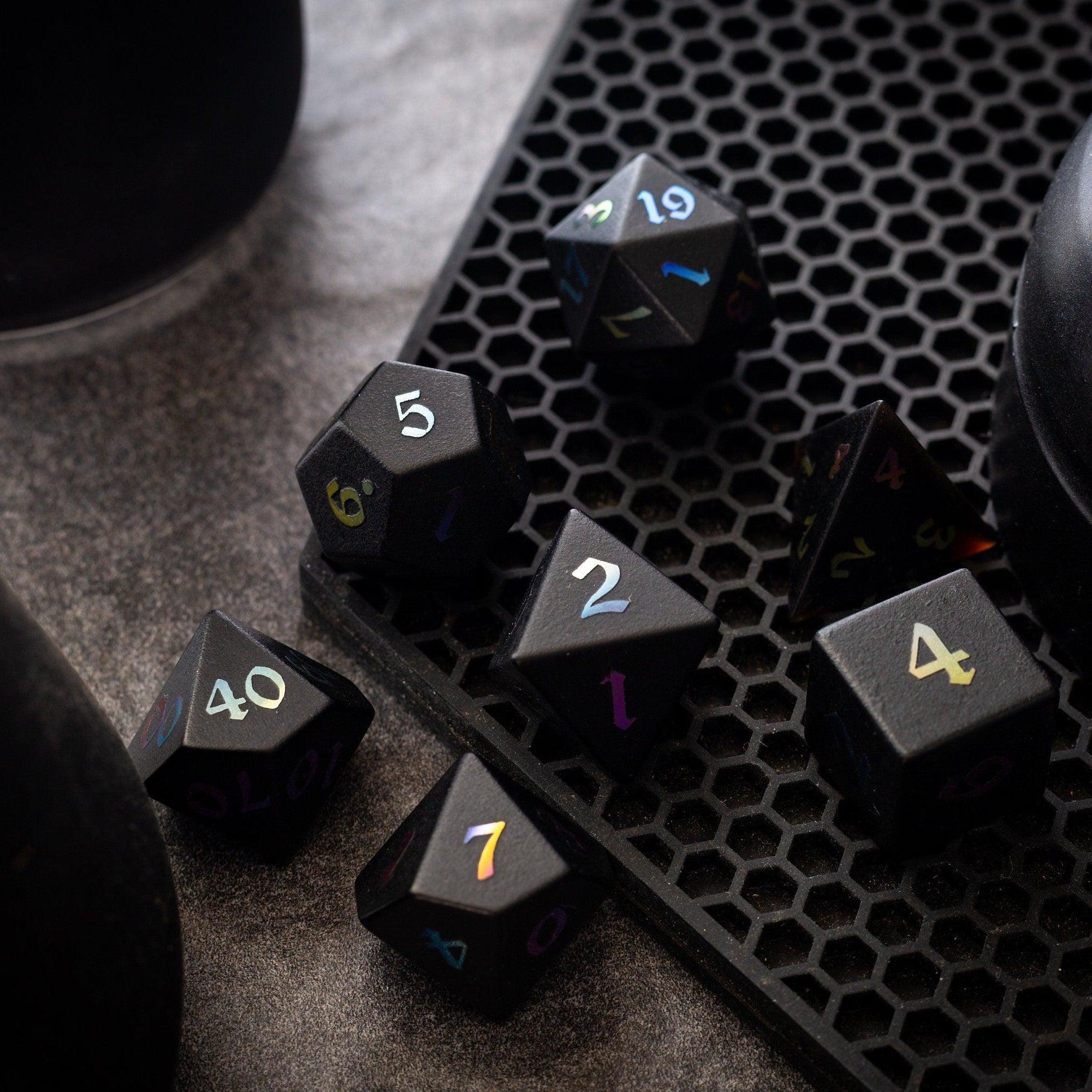
Players who enjoy the satisfying weight of dramatic attack rolls may appreciate Metal Dice, especially during critical hits against powerful enemies.
Paladin
Paladins often combine heavy armor, shields, and dependable martial weapons.
A durable defensive loadout allows them to remain beside allies throughout difficult encounters.
Rogue
Rogues value mobility over raw defense.
Light armor, finesse weapons, lockpicks, climbing tools, and ranged backup weapons help them adapt to changing situations.
Many players enjoy colorful Sharp-Edge Dice whose crisp edges and clear numbering match the precision of a careful rogue.
Ranger
Rangers balance ranged combat with wilderness exploration.
Their gear often includes:
-
Bows
-
Survival supplies
-
Rope
-
Hunting equipment
-
Travel essentials
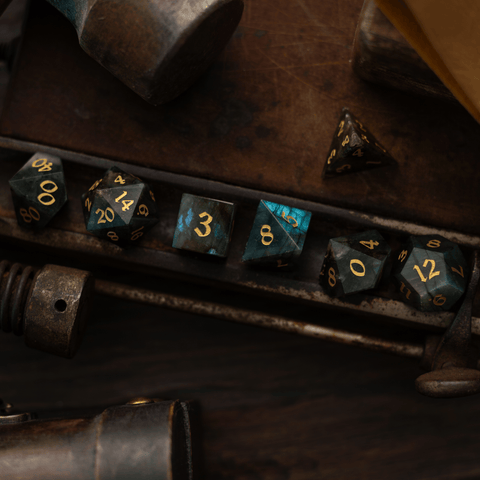
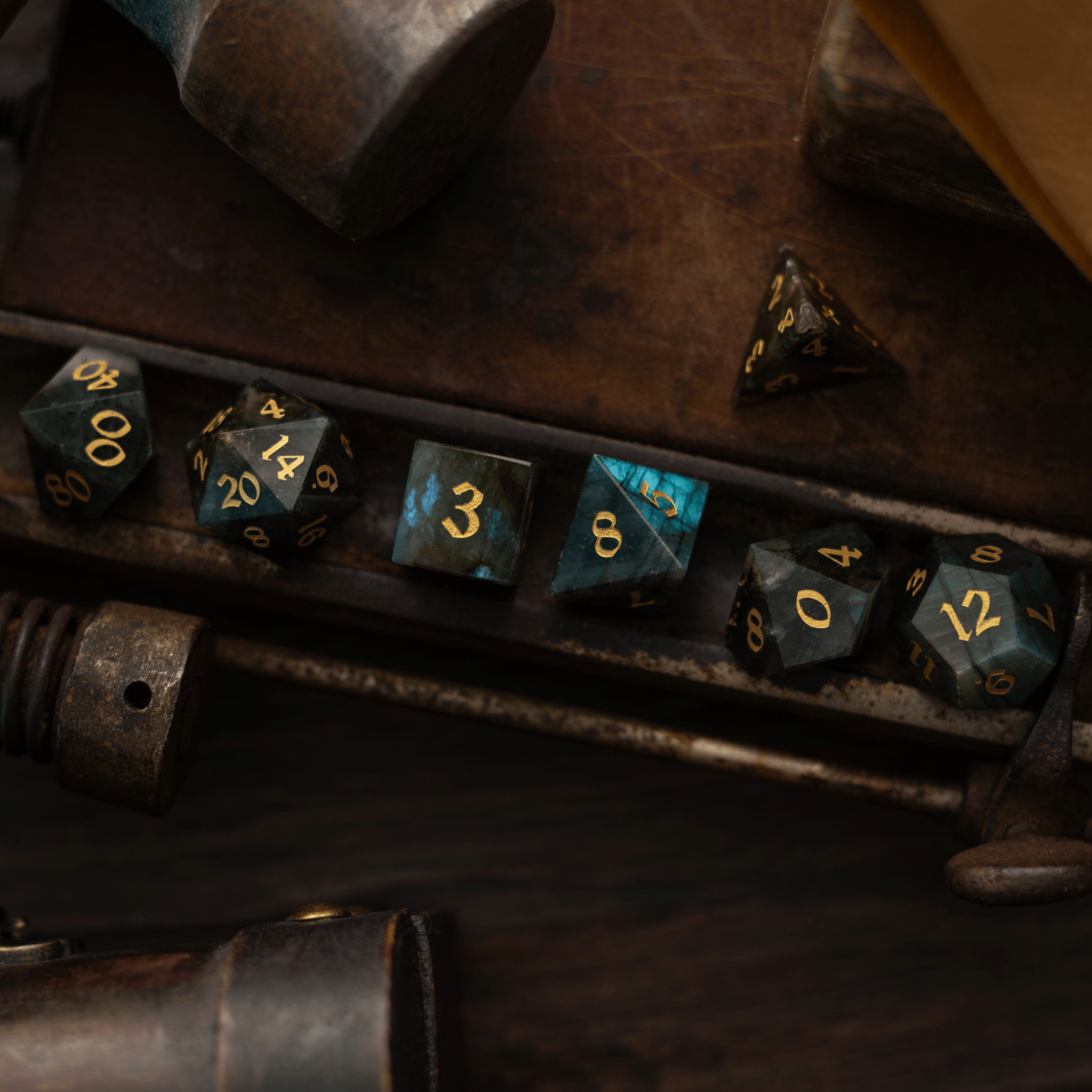
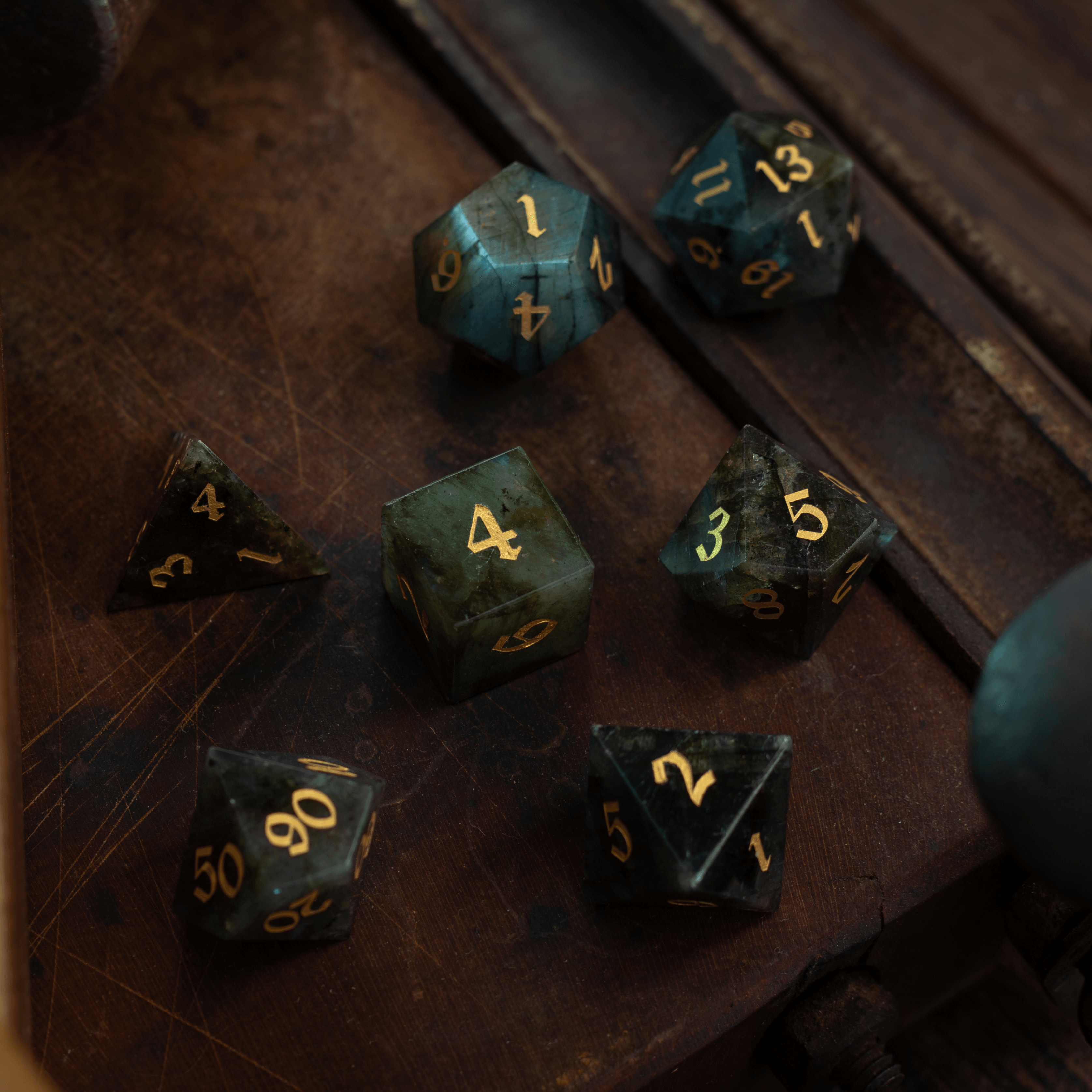
Nature-inspired Gemstone Dice or vibrant Resin Dice can complement the adventurous spirit of wilderness characters without distracting from gameplay.
Wizard
Wizards prioritize spellcasting tools over heavy armor.
A spellbook, spellcasting focus, backup dagger, and practical travel supplies usually provide everything needed for long expeditions.
Cleric
Clerics often balance armor with supportive equipment.
Healing kits, holy symbols, shields, and reliable weapons allow them to protect both themselves and the party.
Barbarian
Barbarians favor straightforward equipment focused on durability and offense.
Large weapons, backup handaxes, and practical survival supplies keep them prepared for prolonged adventures.
Bard
Bards frequently carry musical instruments alongside versatile weapons and utility gear.
Their equipment reflects flexibility rather than specialization.
Combat Equipment Strategy
Effective D&D combat equipment goes beyond carrying one favorite weapon.
Think in layers.
Carry Backup Weapons
Your primary weapon may be lost, broken, or ineffective against certain enemies.
Having a secondary option prevents unpleasant surprises.
Prepare Multiple Damage Types
Some creatures resist particular forms of damage.
A varied arsenal gives you more tactical choices.
Always Have a Ranged Option
Even heavily armored warriors eventually face enemies beyond melee reach.
A few javelins or a crossbow can make an enormous difference.
Know When to Use a Shield
A shield may slightly reduce offensive potential, but surviving longer often produces more total damage across an encounter.
Manage Carrying Weight
Packing every interesting item eventually becomes a burden.
Carry equipment that regularly solves problems instead of preparing for every imaginable situation.
Common Equipment Mistakes
Even experienced adventurers occasionally overlook important details.
Common mistakes include:
-
Carrying far too much gear
-
Forgetting backup weapons
-
Ignoring exploration equipment
-
Wearing armor without proficiency
-
Running out of ammunition
-
Forgetting consumable items like healing supplies
Fortunately, these mistakes are easy to avoid.
Before leaving town, review your equipment list and ask yourself:
-
Can I fight?
-
Can I travel?
-
Can I survive?
-
Can I help my party?
If the answer is yes to all four, you're probably well prepared.
Equipment Progression Throughout a Campaign
Equipment naturally evolves as characters grow stronger.
Early Levels
Most characters rely on practical, affordable gear.
Simple armor and dependable weapons matter more than expensive equipment.
Mid-Campaign
Characters gradually improve their loadouts through better craftsmanship and specialized gear.
At this stage, replacing weaker equipment becomes more valuable than collecting unnecessary items.
Magical Equipment
Magic weapons and armor expand tactical possibilities rather than simply increasing numbers.
Some improve mobility.
Others enhance survivability or provide entirely new abilities.
Rare Treasures
Legendary equipment often becomes part of a character's story.
A famous sword or enchanted shield may represent years of adventuring rather than a simple reward.
Viewing equipment as part of your character's personal journey makes every upgrade feel meaningful.
Supporting Your Adventure at the Table
Good organization keeps adventures moving smoothly.
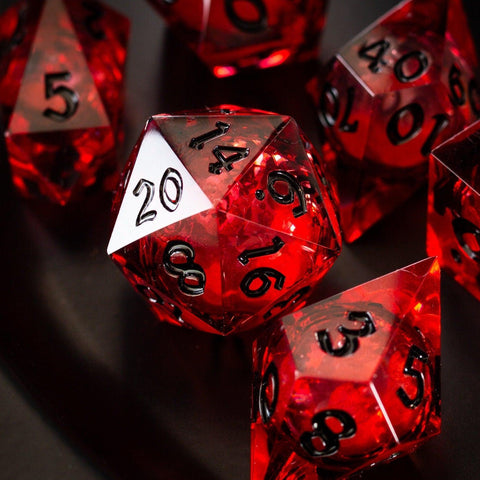
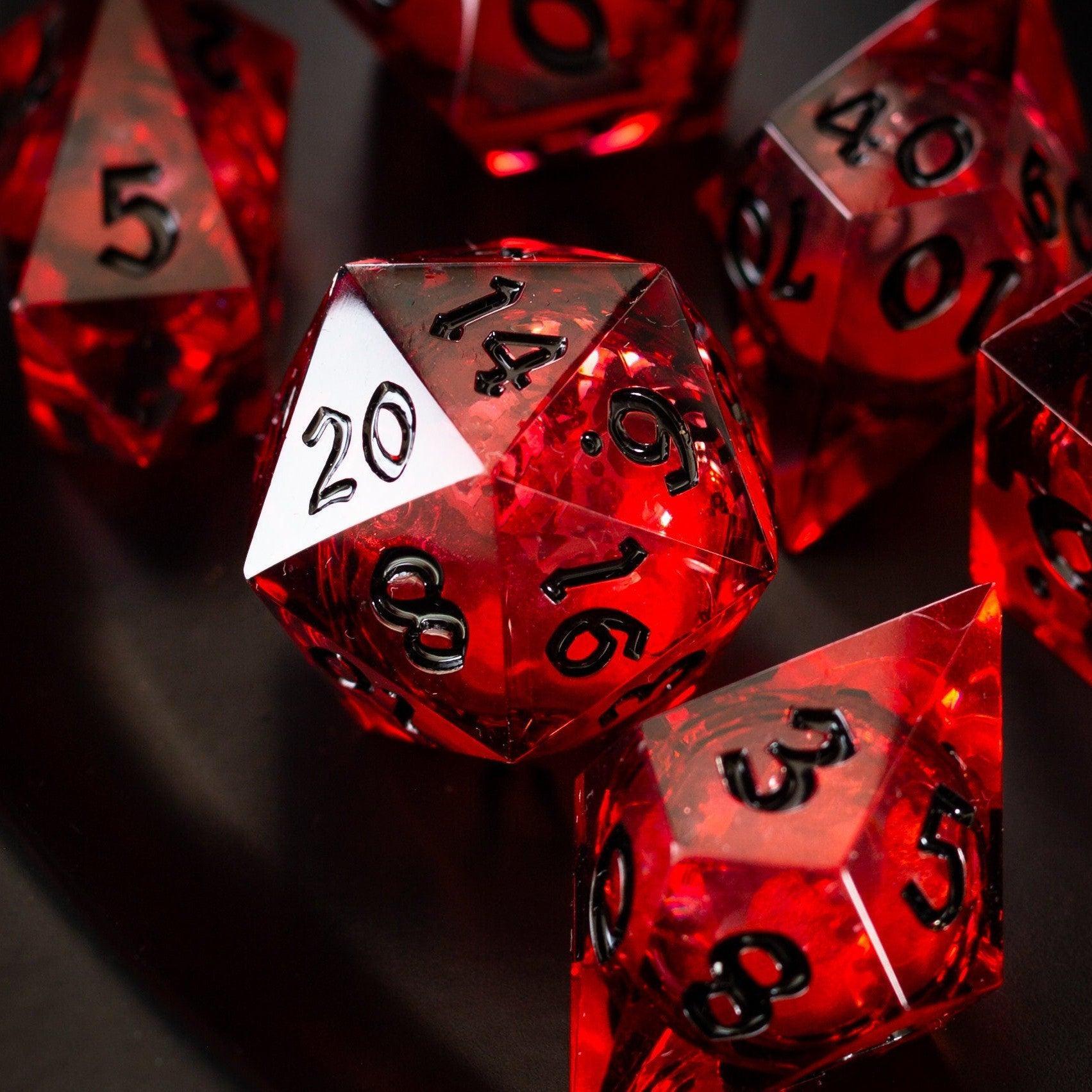
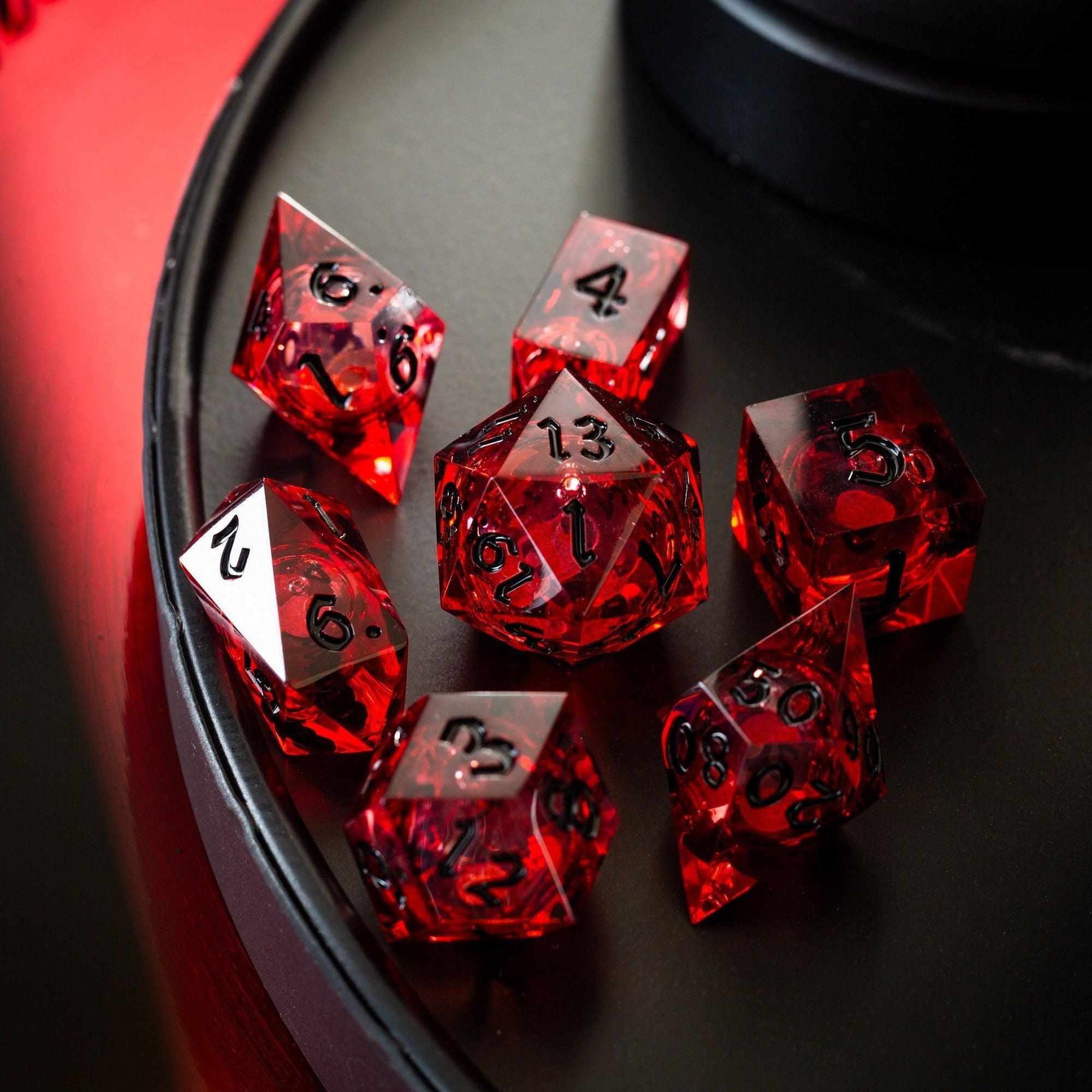
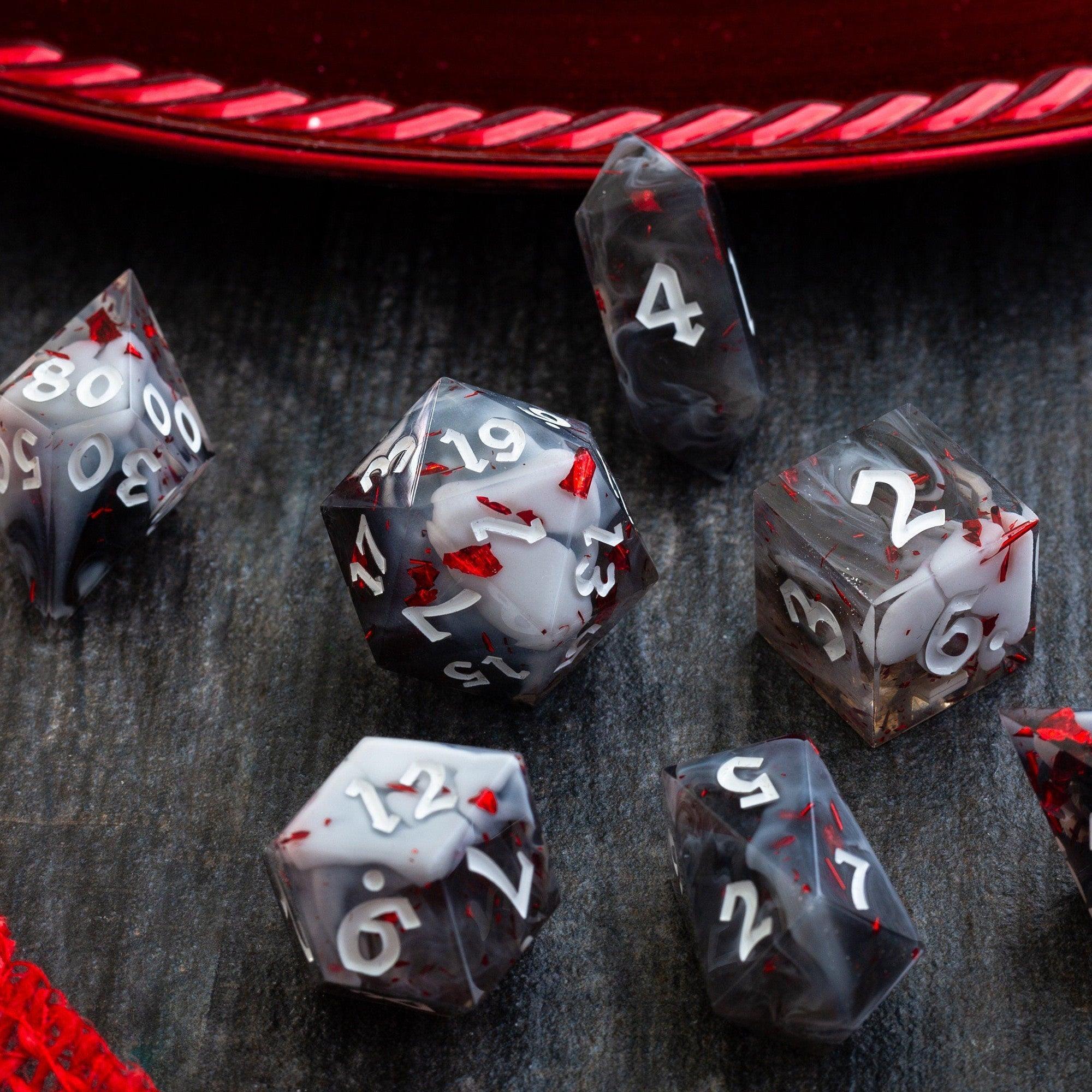
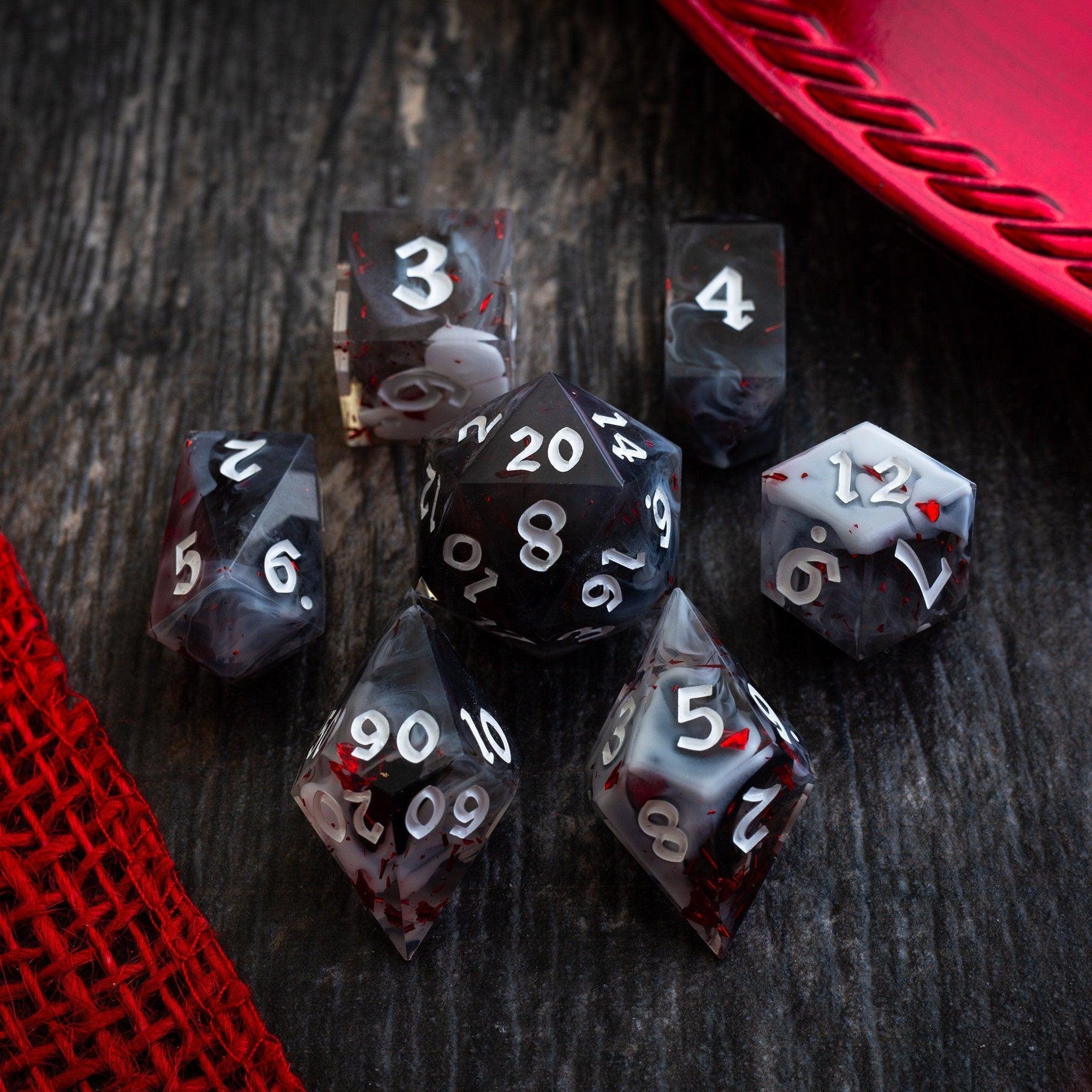
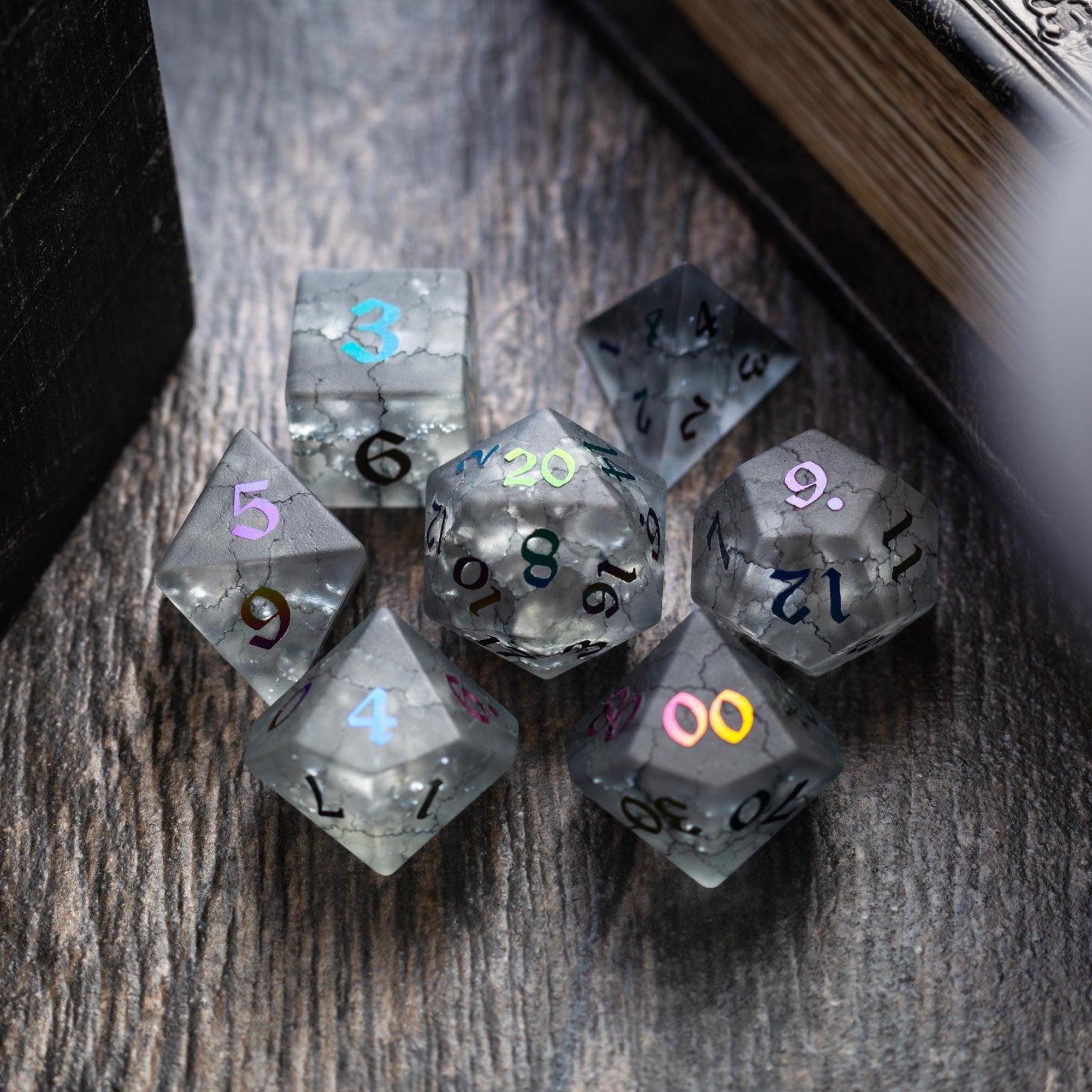
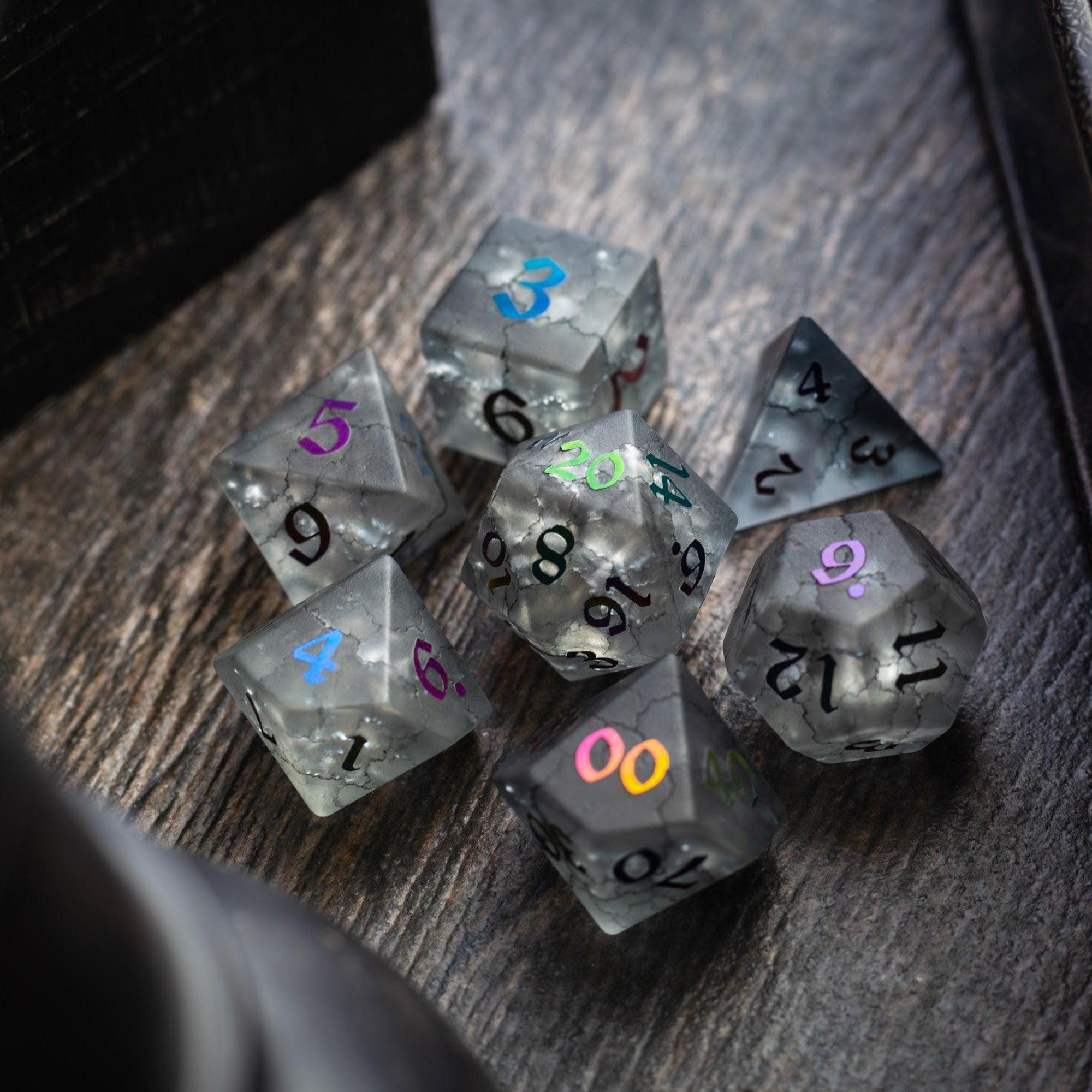
Highly readable Glass Dice make attack rolls easier to recognize during fast-paced encounters, while striking Liquid Core Dice add visual excitement during memorable story moments.
A quality dice tray helps contain attack rolls, damage rolls, and saving throws without scattering dice across maps or character sheets.
During large encounters involving many creatures, dice towers provide consistent rolling while reducing interruptions around the table.
As collections grow, protective storage helps keep premium dice organized between sessions, whether you favor resin, gemstone, glass, sharp-edge, or metal sets.
These accessories don't change the rules of the game, but they make every session feel more organized and enjoyable.
Practical Equipment Tips for New Players
Building an effective equipment list doesn't have to be complicated.
Keep these guidelines in mind:
-
Build a balanced loadout instead of focusing only on combat.
-
Always carry a backup weapon.
-
Pack exploration tools alongside your weapons.
-
Keep essential supplies easy to reach.
-
Coordinate equipment with your party to avoid unnecessary duplication.
-
Upgrade thoughtfully rather than replacing everything at once.
-
Consider how your equipment supports your character's personality and role in the story.
Good preparation allows every member of the party to contribute when unexpected challenges appear.
Adventure Begins with Preparation
The best adventurers rarely succeed because they carry the biggest weapon or the most expensive armor. They succeed because they prepare for the unknown.
Thoughtful D&D gear choices strengthen every part of the game, from surviving dangerous combat encounters to overcoming environmental obstacles and supporting memorable roleplaying moments. Whether you're selecting Dungeons & Dragons weapons, upgrading your D&D armor, or organizing reliable D&D adventuring gear, each decision shapes how your character approaches the world.
As your campaign grows, your equipment should grow with it. A balanced collection of weapons, armor, tools, and travel supplies gives you the confidence to face new challenges, protect your companions, and turn unexpected obstacles into unforgettable adventures.






Leave a comment
This site is protected by hCaptcha and the hCaptcha Privacy Policy and Terms of Service apply.