

Dungeons and Dragons Gifts That Elevate Any Campaign
Shopping for a Dungeons & Dragons player can seem easy at first. Find something with a dragon on it, wrap it up, and hope for the best.
But the best Dungeons and Dragons gifts are often the ones that become part of the game itself. A new set of dice might follow a character through an entire campaign. A dice tray can make a crowded table easier to manage. Condition rings can help a Dungeon Master keep a complicated battle under control.
A thoughtful gift does not need to be expensive or elaborate. It simply needs to fit the way the recipient enjoys the game.
Whether you are shopping for a first-time adventurer, an experienced Dungeon Master, a dedicated dice collector, or someone whose gaming shelf is rapidly running out of space, this guide will help you choose D&D gifts that are personal, practical, and genuinely useful.
Start with How the Recipient Plays D&D
Before choosing between different D&D gift ideas, think about what the recipient actually does at the table.
A player creating their first character has different needs from a Dungeon Master running a three-year campaign. Someone who loves miniature combat may appreciate battlefield accessories, while a roleplay-focused player might enjoy a special dice set connected to their character.
If you know a little about the recipient, ask yourself:
-
Are they a player or a Dungeon Master?
-
Are they new to D&D or experienced?
-
Do they play in person, online, or both?
-
Do they use miniatures and battle maps?
-
Do they collect dice?
-
Do they travel to game sessions?
-
Do they already own a large collection of Dungeons and Dragons accessories?
You do not need to understand every rule of the game. Even knowing that someone "runs the game," "loves collecting dice," or "just made a new wizard" can point you toward a much better gift.
Quick D&D Gift Comparison Guide
If you are unfamiliar with tabletop gaming, this table offers a simple starting point.
| Recipient | Useful Gift Ideas | Why They Work |
|---|---|---|
| New player | D&D dice set, dice tray | Provides useful tools for their first sessions |
| Dice collector | Gemstone, glass, metal, or liquid core dice | Adds something distinctive to an existing collection |
| Dungeon Master | Dice tower, condition rings, campaign accessories | Helps manage busy sessions and complex encounters |
| Miniature combat fan | Condition rings, dice tray, battlefield accessories | Keeps the table organized during combat |
| Traveling player | Protective dice storage, compact tray | Makes transporting gaming gear easier |
| Character-focused player | Themed dice set | Creates a personal connection between the gift and their character |
| Long-term group member | Durable tabletop accessories | Can be used throughout many future sessions |
The best choice depends less on what looks impressive and more on what fits the recipient's habits.
D&D Dice Sets for New Characters and New Adventures
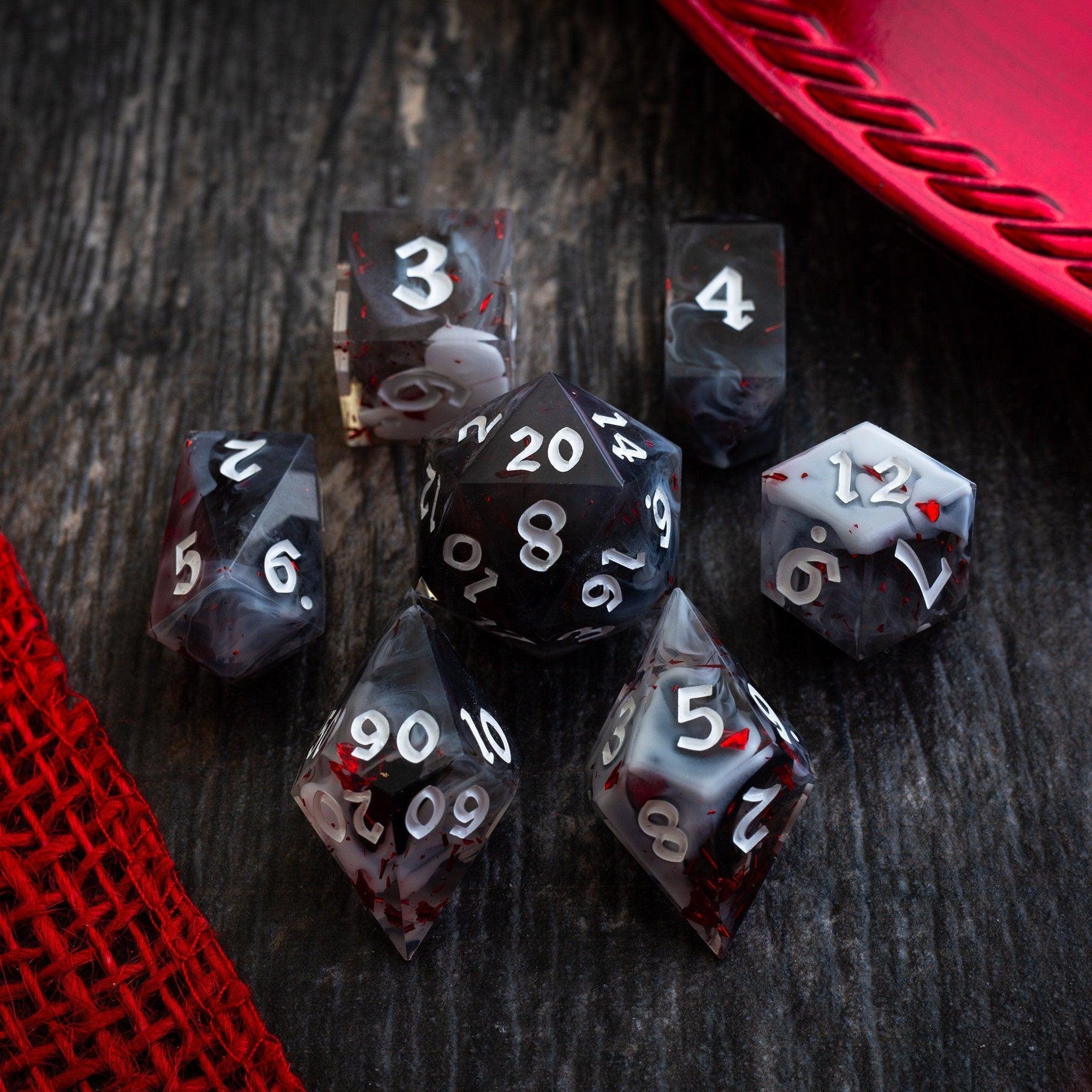
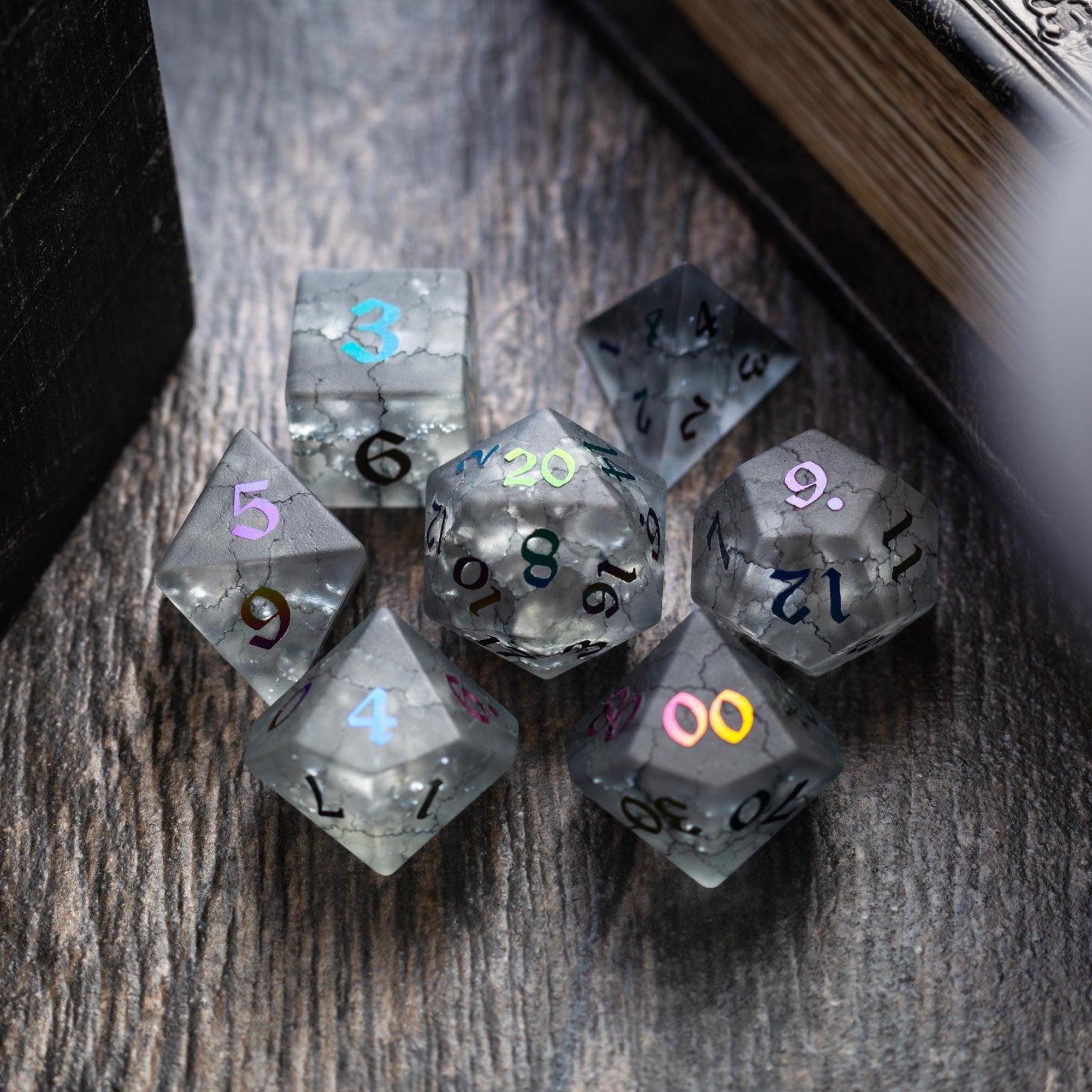
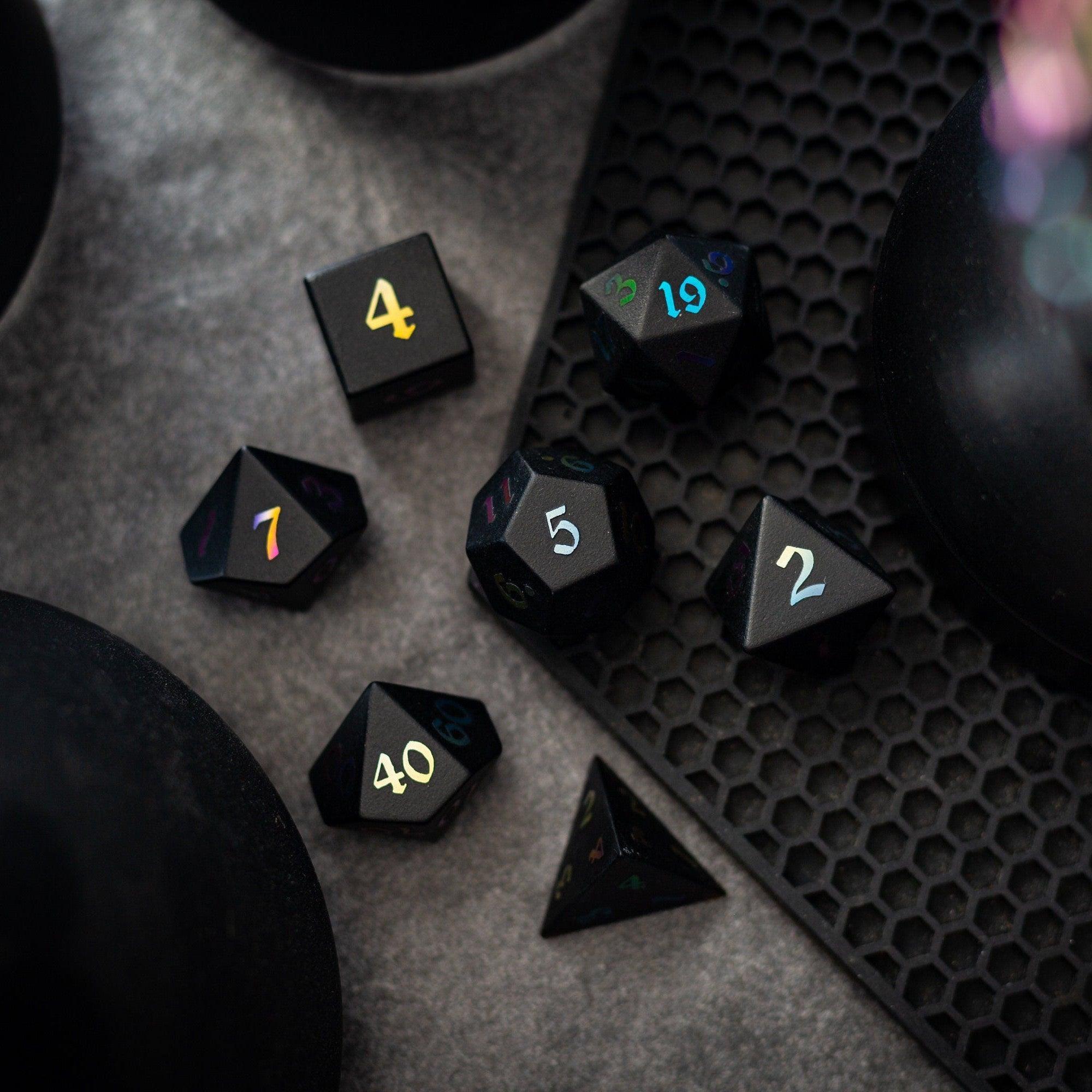
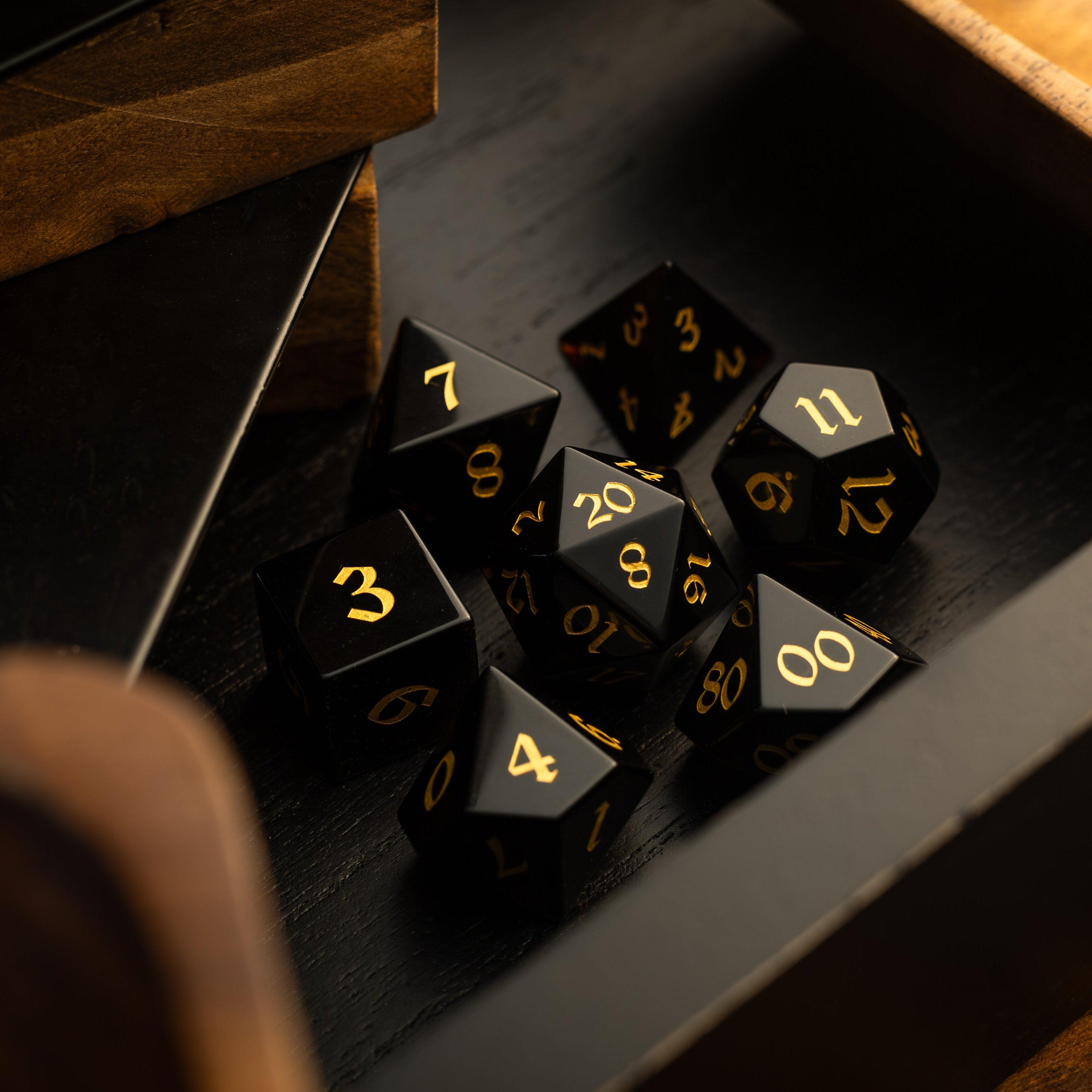
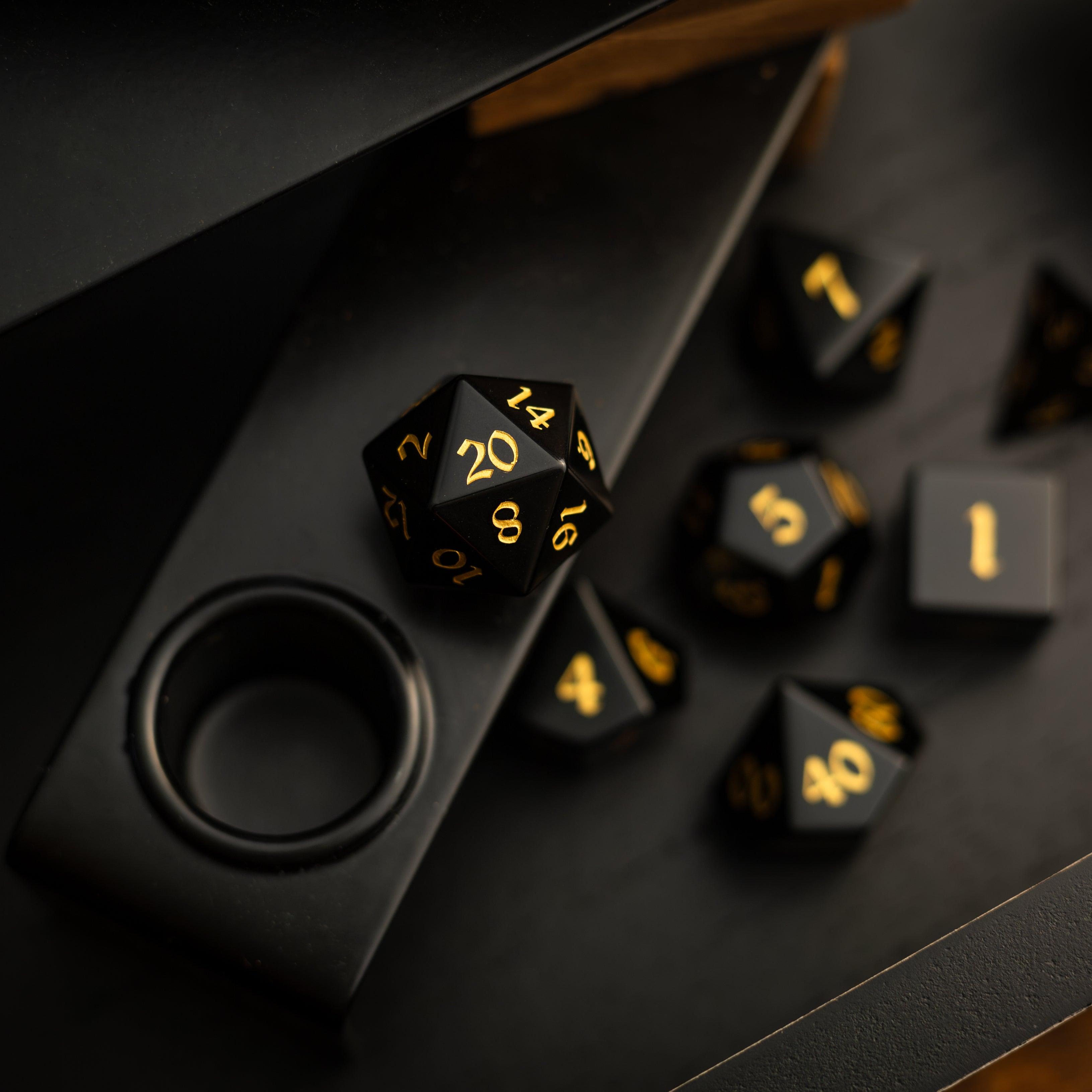
Dice are one of the most recognizable gifts for D&D players, and there is a good reason for that. Players use them constantly.
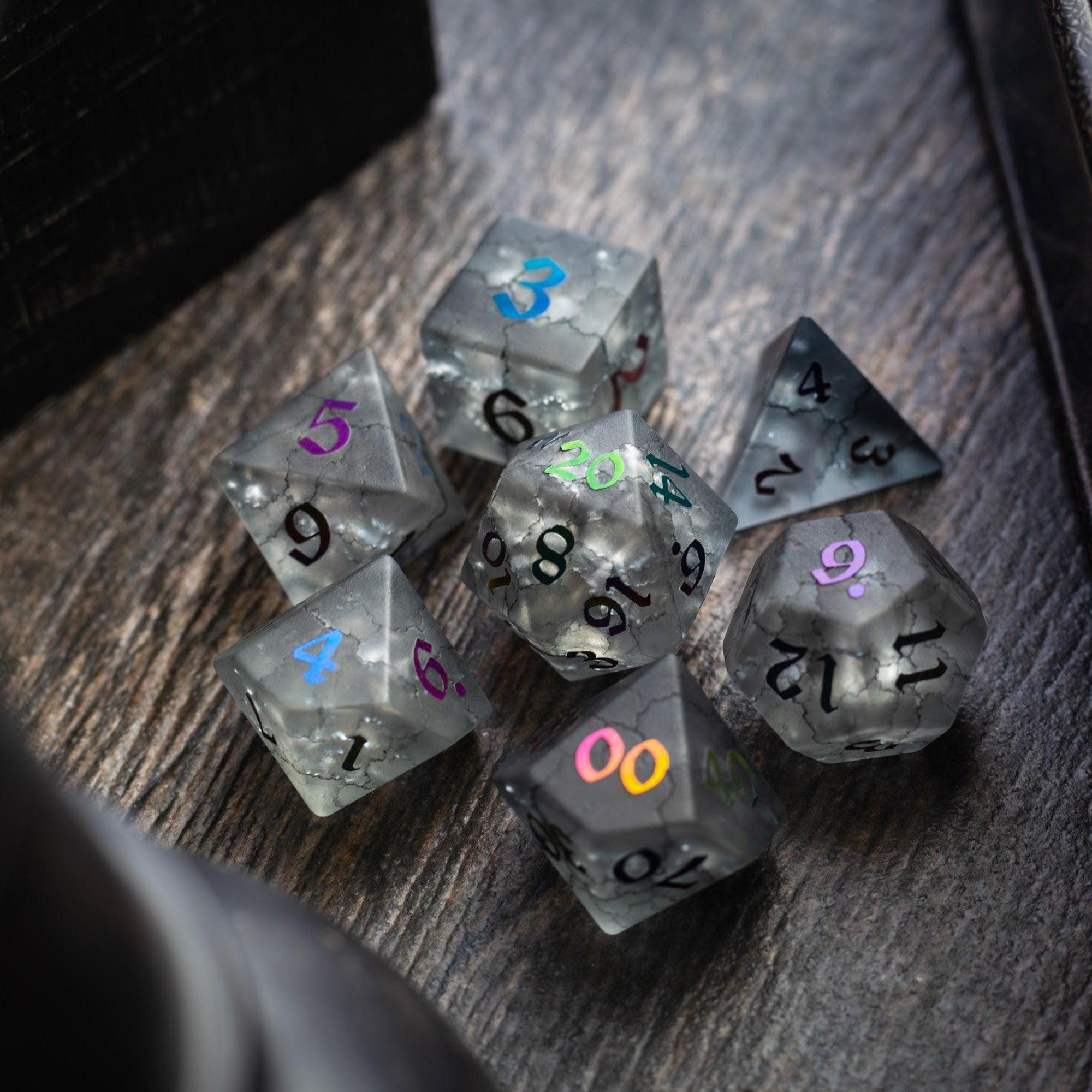
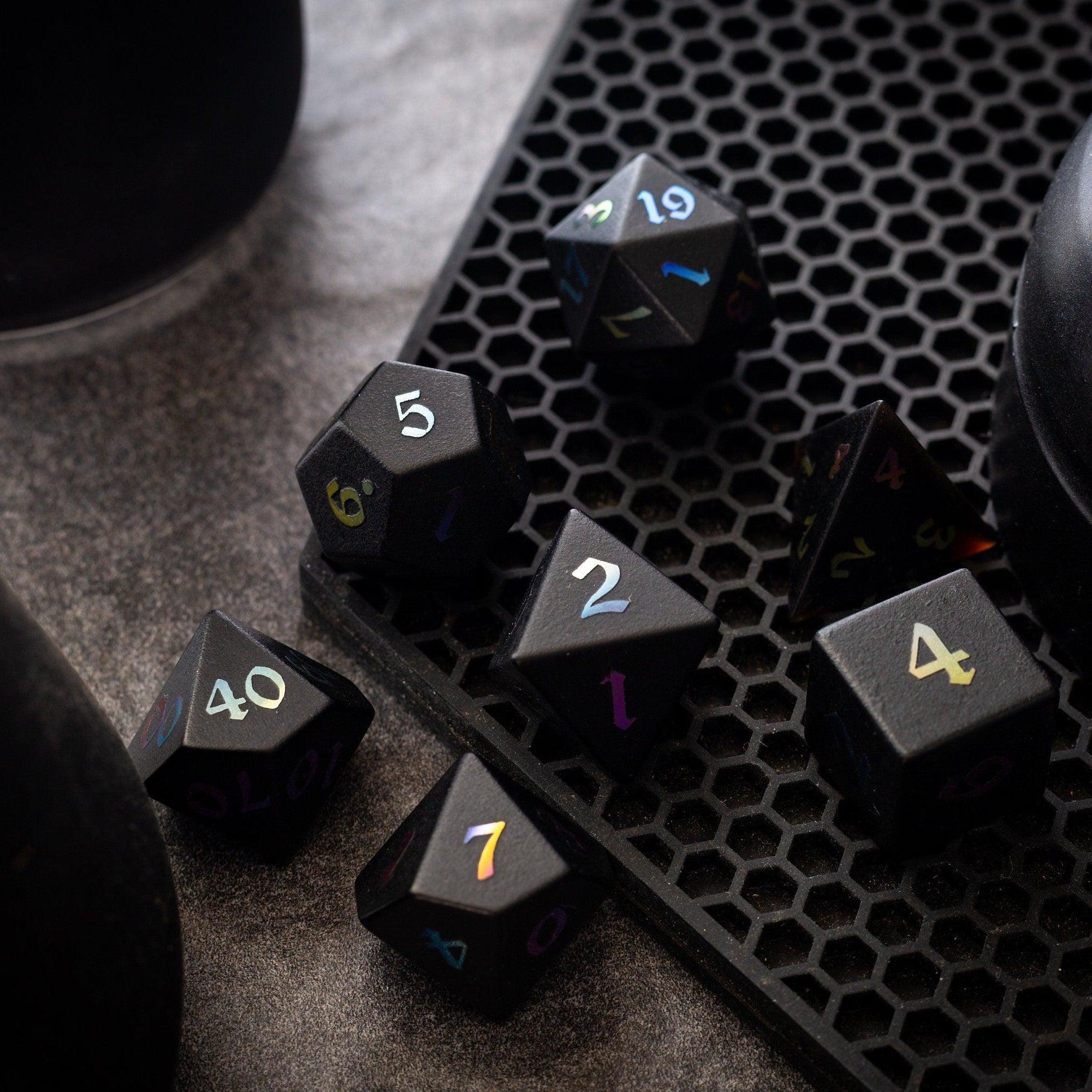
A standard polyhedral set includes the dice needed for attacks, ability checks, saving throws, damage, healing, and many other parts of the game. For a new player, a first complete set gives them their own essential gaming tool. For an experienced player, a distinctive set can become connected to a particular character or campaign.
Match the Dice to the Player
Instead of choosing a random color, consider the recipient's character or personal style.
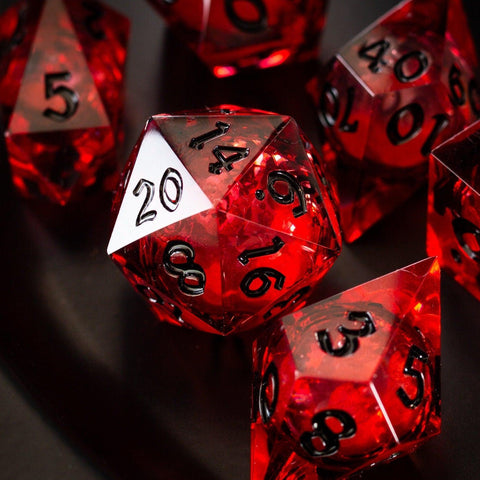
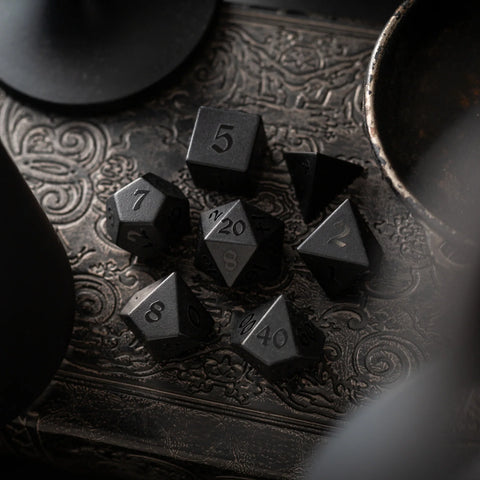
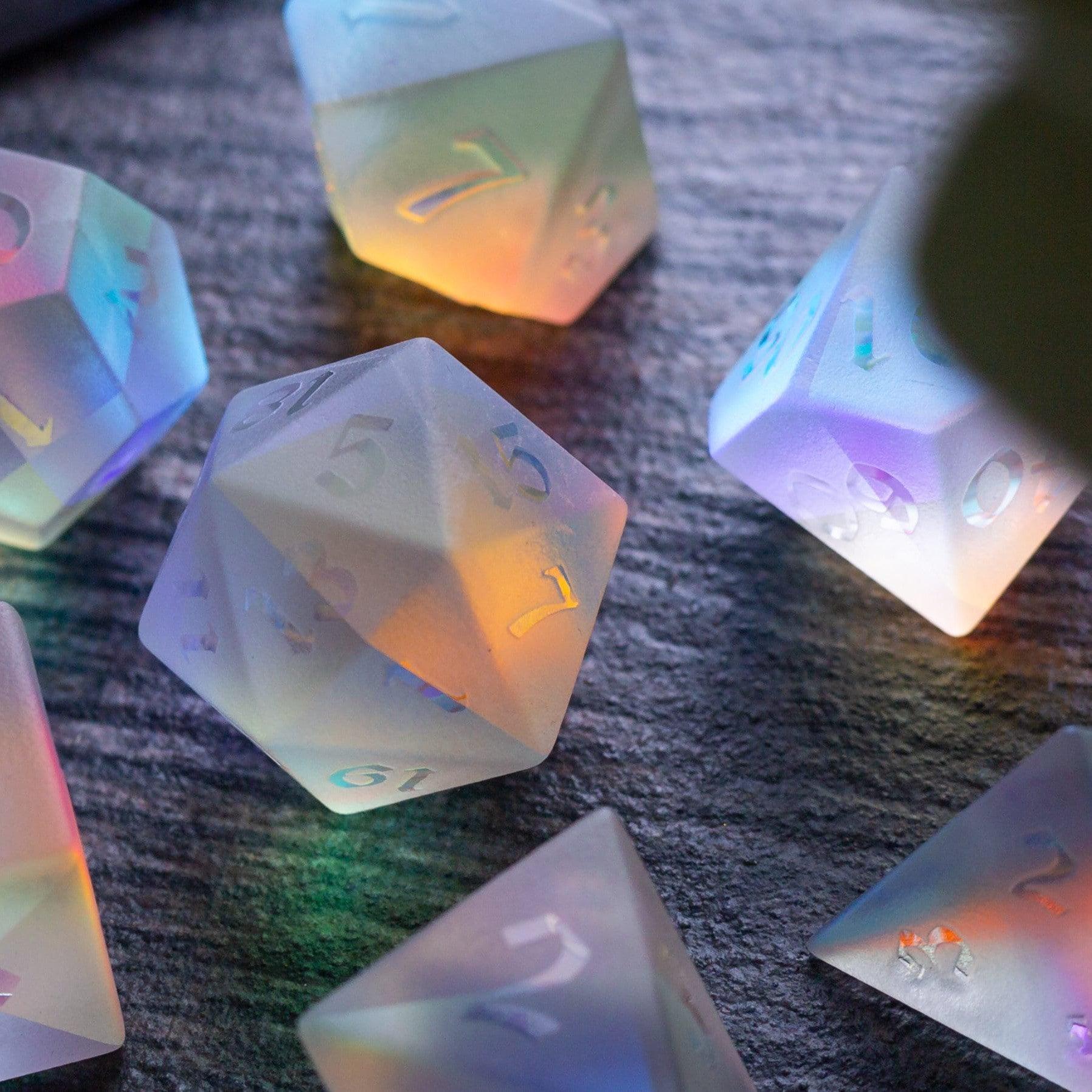
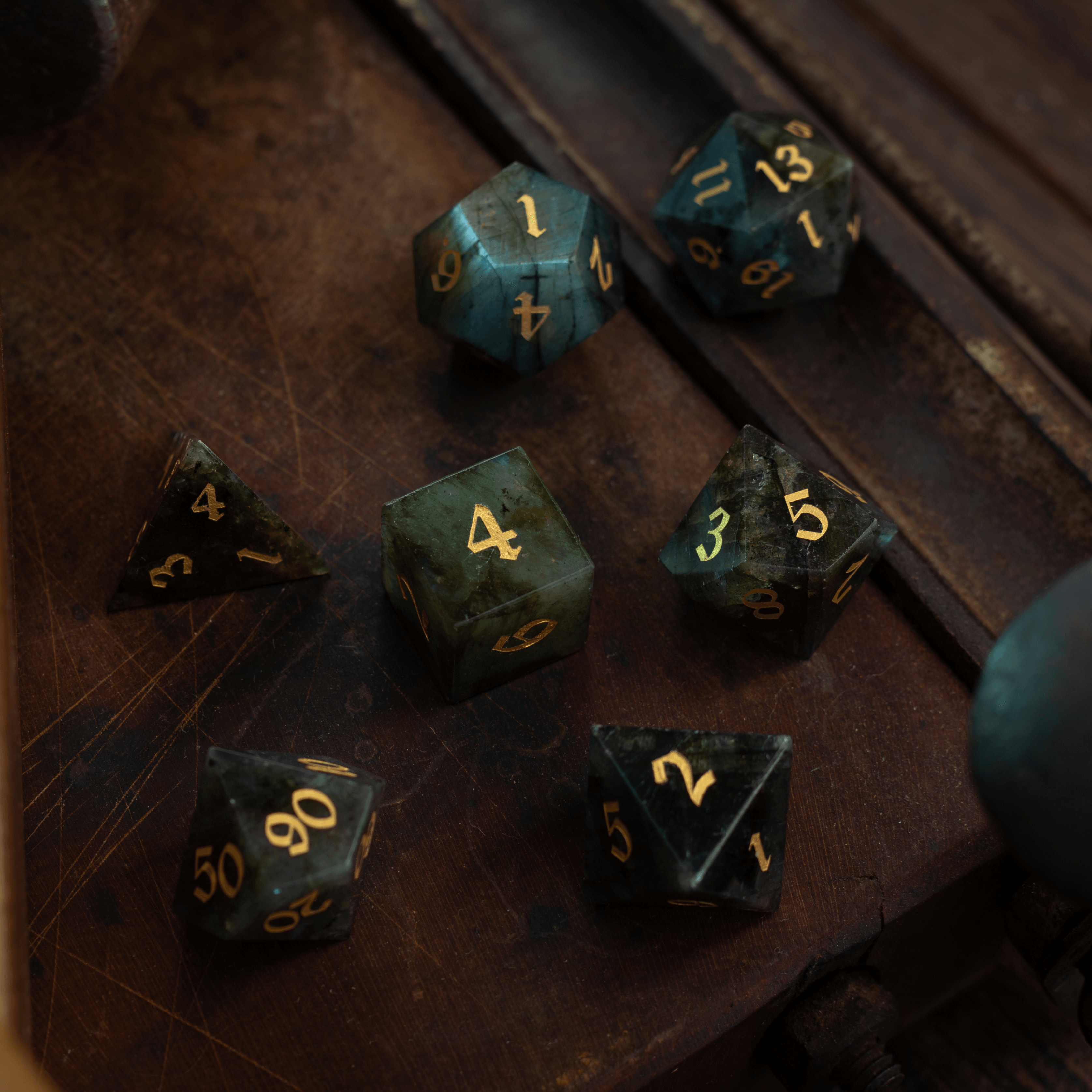
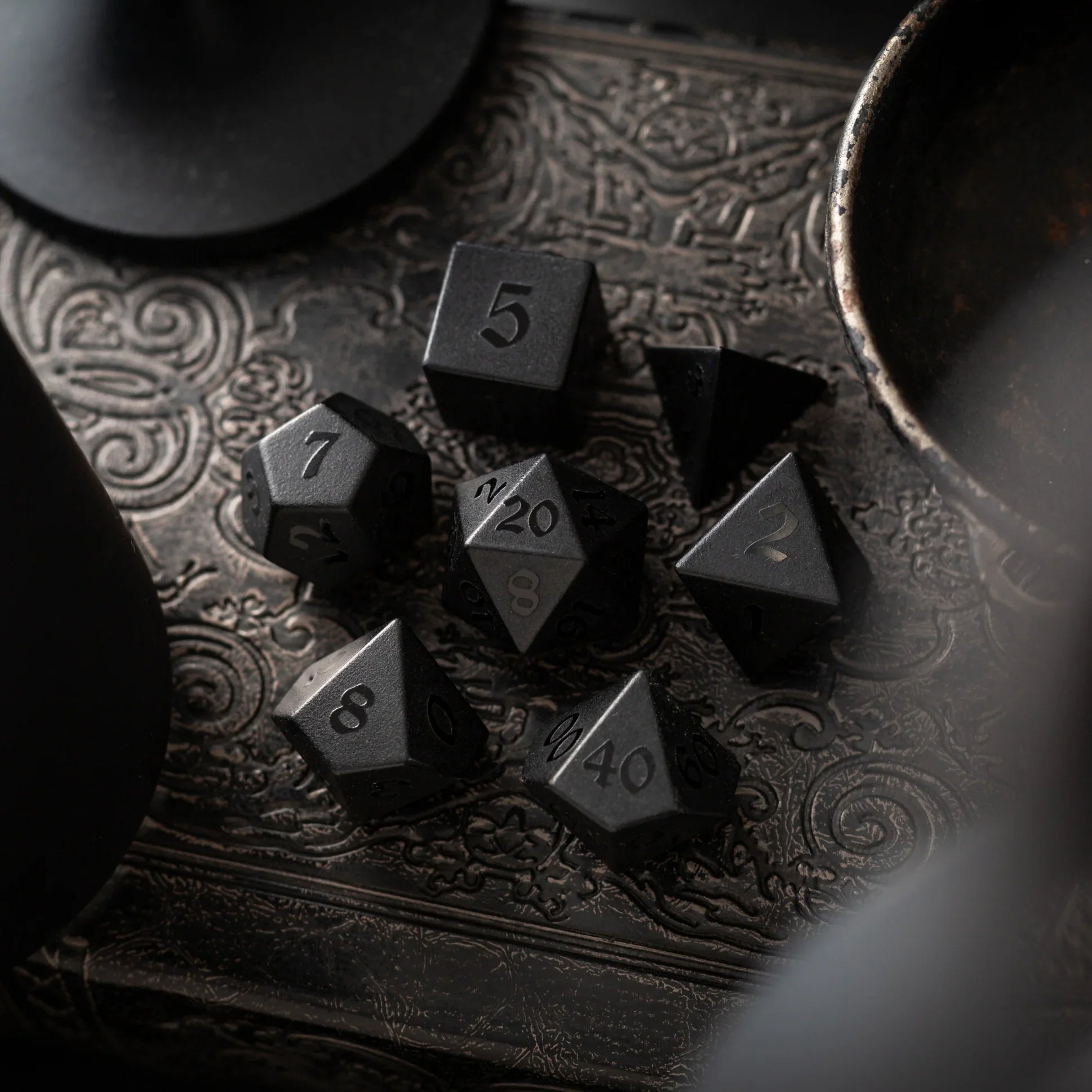
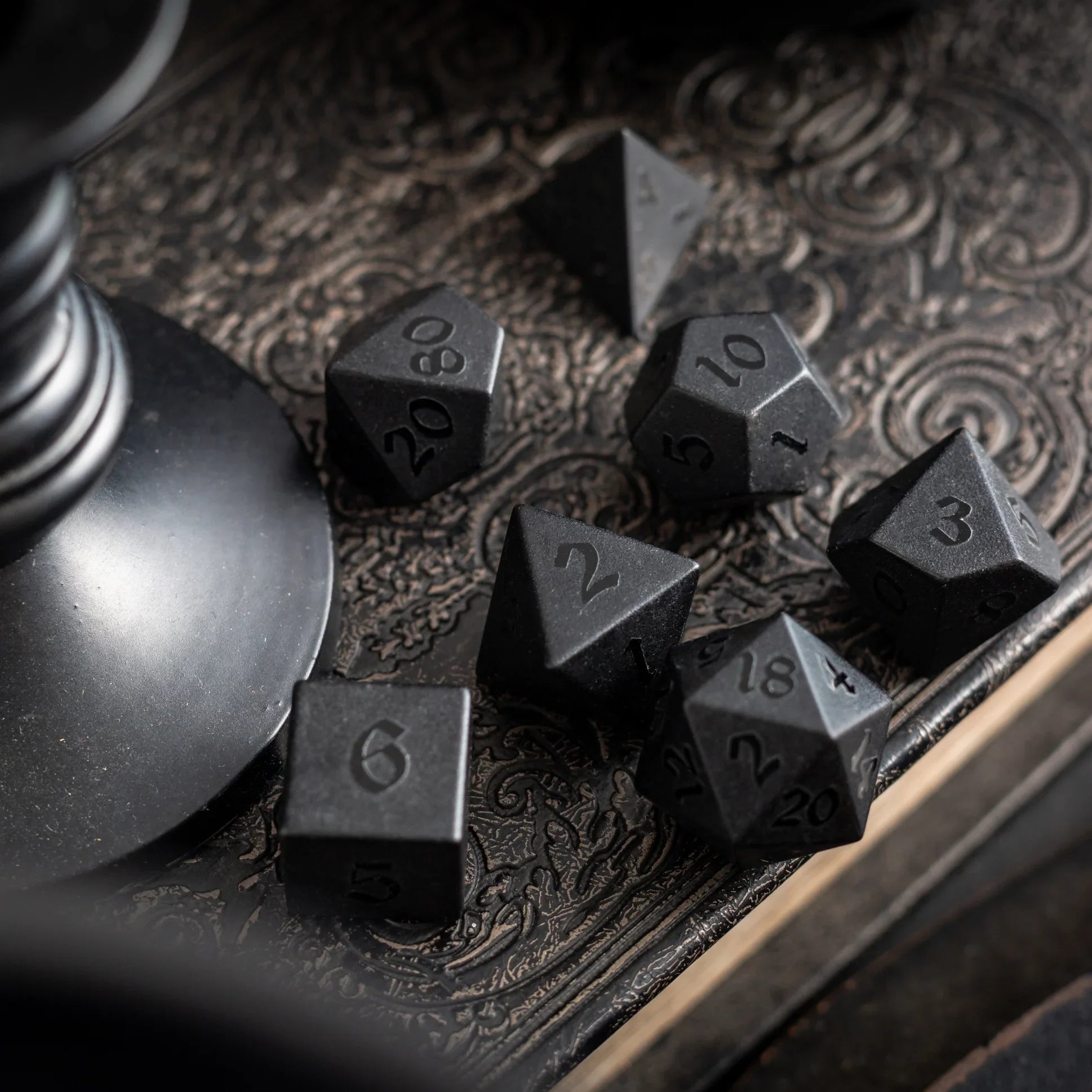
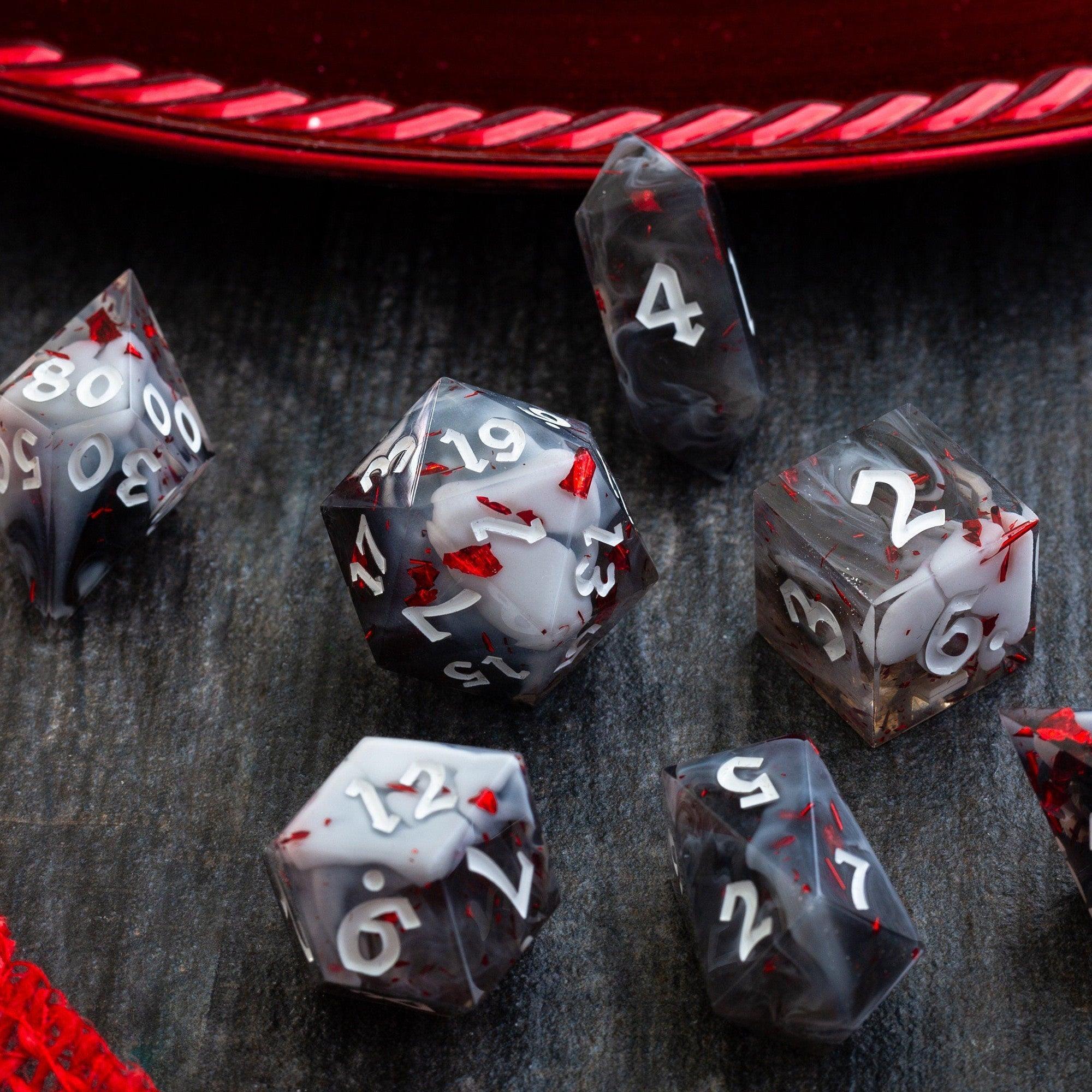
A Paladin might suit a bright gemstone or glass set. A Warlock could feel at home rolling dark obsidian or smoky resin dice. A Druid may appreciate natural colors, while a Wizard might enjoy something with a magical shimmer.
Different materials also create different experiences:
-
Resin dice offer a huge range of colors, patterns, and visual effects.
-
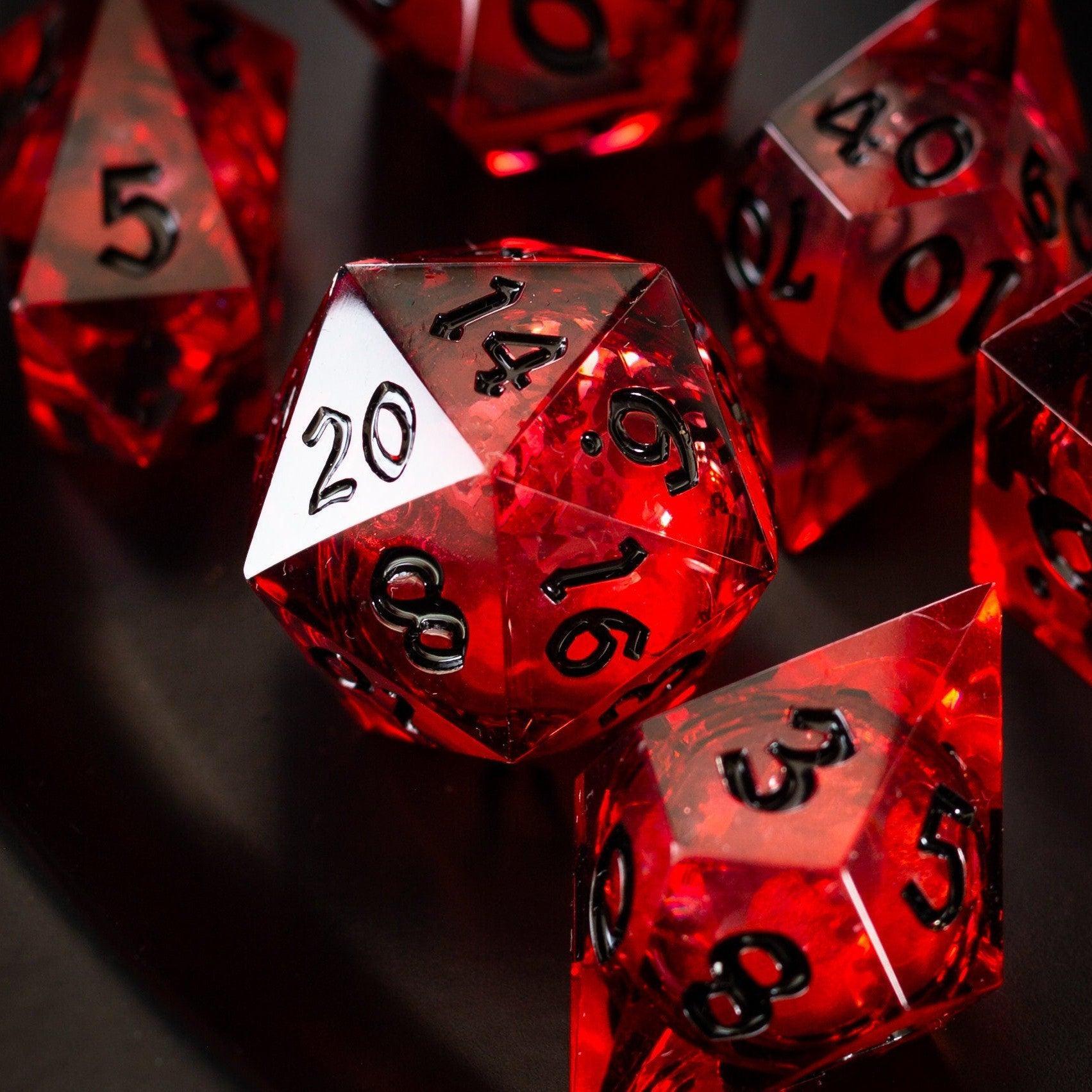
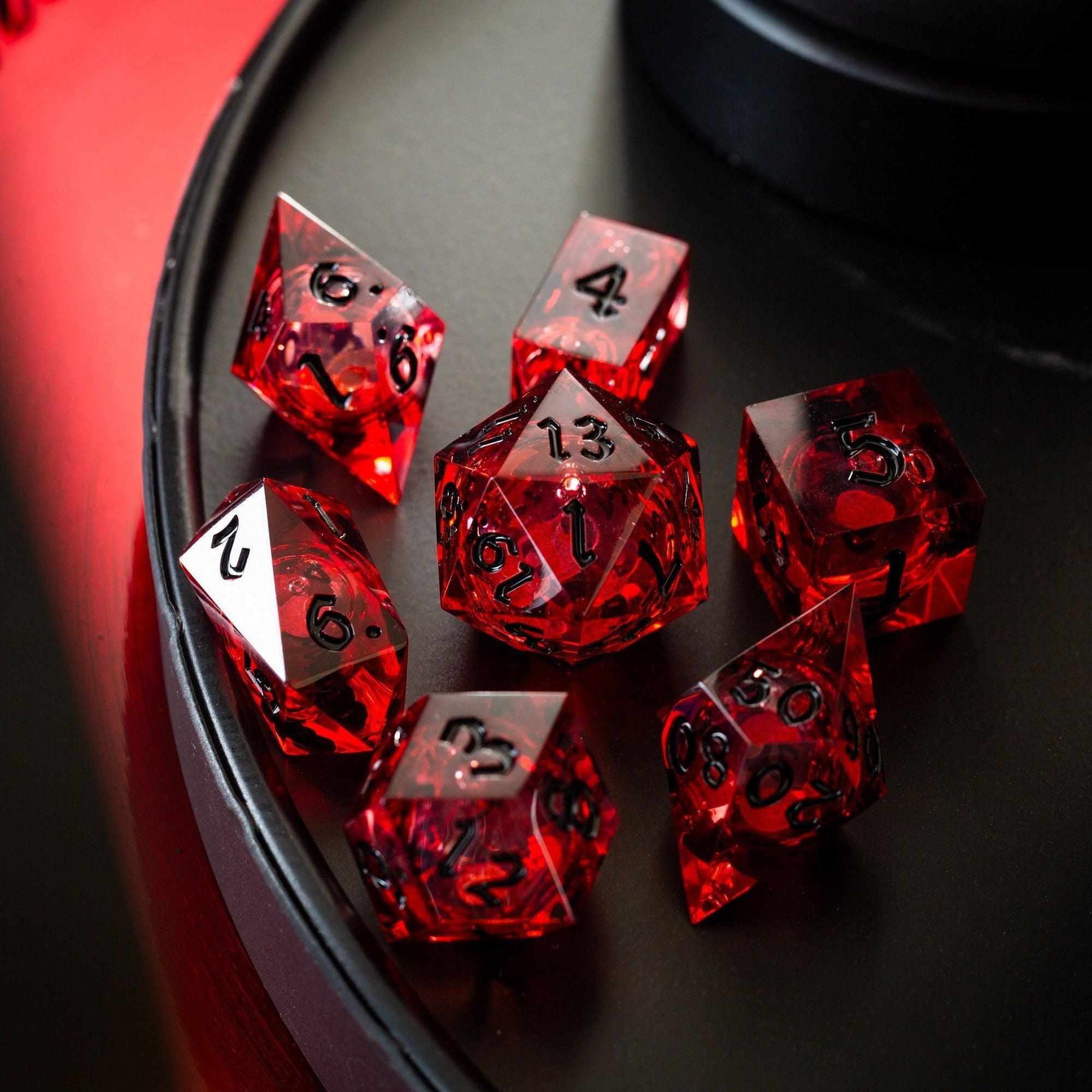
Liquid core dice contain moving internal elements that create a dramatic effect when rolled.
-
Metal dice have noticeable weight and a substantial feel.
-
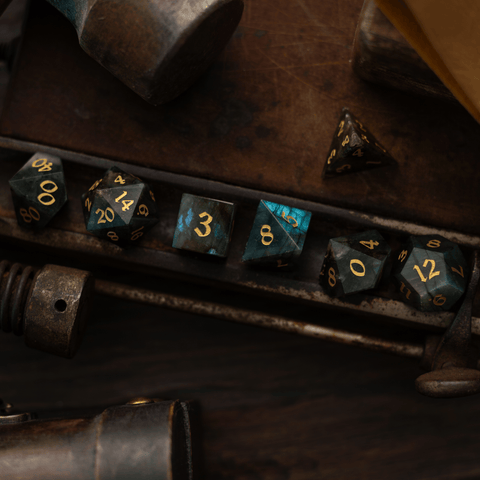
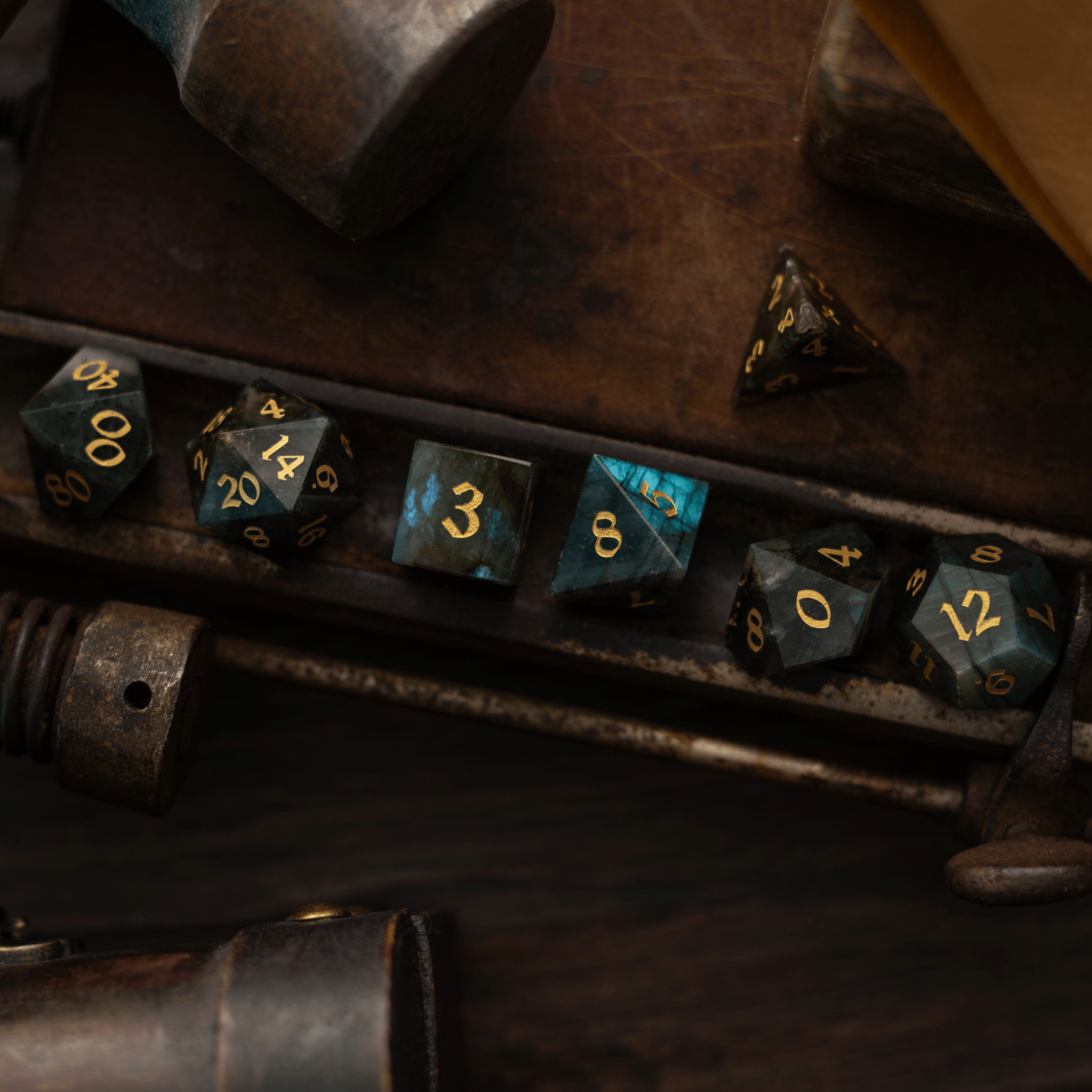
Gemstone dice have natural variations that make each set visually distinctive.
-
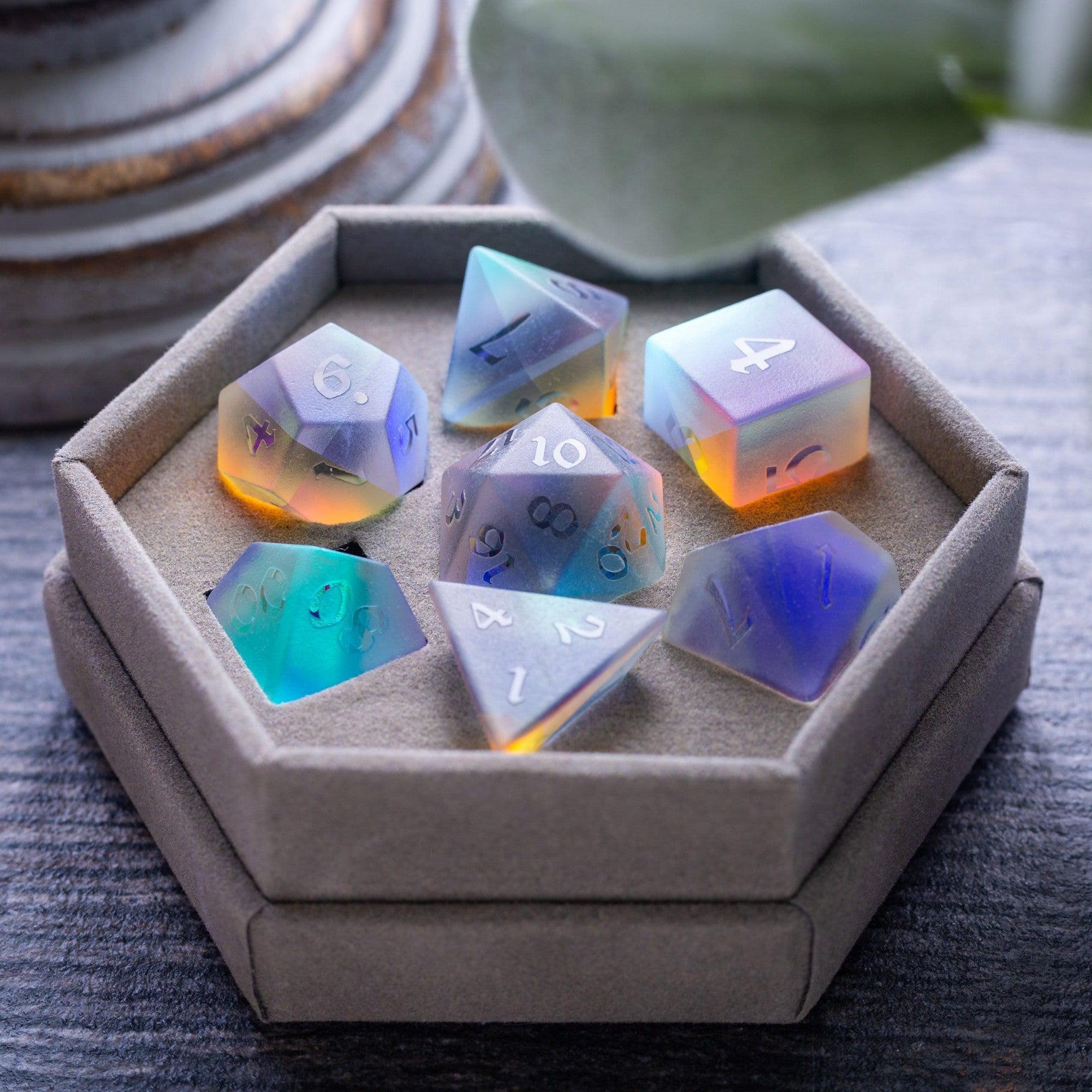
Glass dice can offer clarity, depth, and sharp visual details.
-
Sharp-edge dice are popular with collectors who enjoy crisp geometry and detailed inclusions.
For someone who already owns several D&D dice sets, choosing a material they do not have can make the gift feel more thoughtful.
Dice Trays for Players Who Want a More Organized Table
A dice tray may not be the first gift that comes to mind, but it is one of the more practical RPG accessories for regular in-person play.
Dice have a habit of rolling into miniatures, character sheets, drinks, terrain, and other players' carefully arranged equipment. A tray creates a dedicated rolling area and helps contain each roll.
Dice trays are especially useful for:
-
Players using heavy metal or gemstone dice
-
Groups playing on crowded tables
-
Players who want to protect delicate dice
-
Anyone who frequently loses dice under furniture
-
Gamers who like keeping their play area organized
When giving a tray alongside a set of dice, consider whether the materials work well together. Harder dice materials may benefit from a tray with a softer rolling surface.
This kind of pairing makes a practical gift because both pieces serve a clear purpose during play.
Dice Towers for Players Who Enjoy the Ritual of Rolling
A dice tower guides dice through an internal path before releasing them into a tray or catch area. It adds a physical ritual to important rolls while helping keep dice contained.
Some players enjoy rolling by hand, so a tower is not automatically the right gift for everyone. However, it can be an excellent choice for someone who enjoys physical tabletop accessories or likes a more dramatic gaming setup.
Dice towers can be especially enjoyable for:
-
Dungeon Masters making important rolls
-
Players with limited rolling space
-
Groups using detailed battle maps
-
Gamers who enjoy fantasy-themed table setups
-
Players who want more consistent containment for their dice
As with any gift, consider the recipient's available space. A compact tower may be more useful for someone who travels to sessions, while a larger setup may suit a dedicated home gaming table.
Condition Rings for Miniature-Based Combat
Combat can become difficult to track when several creatures are affected by different conditions at the same time.
One monster is poisoned. Another is stunned. The Fighter is restrained. The Wizard is concentrating on a spell. Someone was frightened two turns ago, but nobody remembers whether the effect has ended.
Condition rings provide a visible reminder directly on the battlefield. They can be placed around or near miniatures to show active effects without requiring everyone to repeatedly ask what is happening.
For groups that regularly use miniatures and battle maps, condition rings can help:
-
Reduce forgotten status effects
-
Make battlefield information easier to understand
-
Help players plan their turns
-
Support the Dungeon Master during complicated encounters
-
Reduce repeated questions during combat
These are particularly useful gifts for Dungeon Masters, but players who host games or maintain the group's shared accessories may appreciate them as well.
A gift like this works best when you know the recipient enjoys tactical, miniature-based combat. A group that plays entirely through theater of the mind may have less use for physical condition markers.
Storage for the Player Whose Collection Keeps Growing
Many tabletop gamers begin with one dice set.
Then they acquire another.
Then a special set for a new character. Then a metal set. Then a gemstone set. Eventually, the original dice bag is performing heroic feats of structural engineering.
Storage can be one of the most useful gifts for tabletop gamers who have been playing for a while.
The right storage option depends on what they collect. A player with several dice sets may need organized compartments. Someone with delicate gemstone or glass dice may value individual protection. A traveling player may prefer something compact and secure.
Before buying storage, try to estimate the size of the recipient's collection. A small case can be perfect for a newer player but frustrating for someone who already owns dozens of sets.
Storage is not the flashiest gift category, but for the right person, organization can make preparing for game night much easier.
Gifts for Dungeon Masters Who Run the Whole Adventure
Dungeon Masters have a different relationship with tabletop equipment. They are often managing monsters, maps, initiative, rules, notes, dice, and player questions at the same time.
That means the best gifts for Dungeon Masters often help reduce friction.
Useful options may include:
-
Condition rings for tracking effects
-
A dice tower for contained rolling
-
A dedicated dice tray
-
Organized dice storage
-
Miniature and battle map accessories
-
Campaign organization tools
-
A distinctive dice set for important rolls
The key is to avoid assuming that every Dungeon Master needs more equipment. Experienced DMs may already have strong preferences about how they run games.
If possible, pay attention to what slows them down during sessions. Do they constantly search for condition markers? Are their dice scattered behind the screen? Do they transport supplies in several different containers?
A gift that solves a small recurring problem can become surprisingly valuable.
Gifts for New D&D Players
New players usually benefit from simplicity.
Someone joining their first campaign does not necessarily need a huge collection of specialized accessories. Too much equipment can be more confusing than helpful.
A practical beginner gift might include a complete dice set and a simple dice tray. Those two items are easy to understand and useful from the first session onward.
If you know their character, you can make the gift more personal by choosing dice that fit the character's theme.
For example:
-
A nature-inspired set for a Druid
-
A dark or mysterious set for a Rogue or Warlock
-
A bright, radiant set for a Cleric or Paladin
-
An arcane-looking set for a Wizard or Sorcerer
-
A rugged or metallic set for a Fighter or Barbarian
The connection does not need to be perfect according to D&D lore. What matters is that the recipient understands why you chose it for them.
Build a Gift Around a Campaign Moment
Some of the most memorable tabletop RPG gifts are connected to a specific story.
Maybe a player just finished their first campaign. Perhaps they are starting a new character after years of playing the same hero. Maybe a Dungeon Master is preparing a major new adventure for the group.
These moments create opportunities for more personal gifts.
You could choose a dice set inspired by a beloved character, give a tray to celebrate a player's first long-term campaign, or put together a small collection of accessories for a new Dungeon Master.
The item itself becomes more meaningful because it represents something that happened at the table.
D&D is built around shared memories. A thoughtful gaming gift can become part of those memories rather than simply sitting on a shelf.
When a Gift Bundle Makes More Sense
Sometimes two smaller items work better together than one larger gift.
A few practical combinations include:
-
Dice set + dice tray: A useful pairing for new players
-
Premium dice + protective storage: A thoughtful choice for collectors
-
Condition rings + combat accessories: Helpful for miniature-focused groups
-
Dice tower + rolling tray: Creates a contained rolling setup
-
Character-themed dice + a personal note: Connects the gift to the recipient's hero
The goal is not to create the largest bundle possible. Choose items that naturally support one another.
How to Choose D&D Gifts When You Know Nothing About D&D
If you are shopping for a D&D fan but do not play the game yourself, you can still choose a good gift.
You only need a few clues.
Ask what role they usually play. Find out whether they are a player or the Dungeon Master. Notice whether they collect dice, paint miniatures, use battle maps, or travel to someone else's house for game night.
If you can ask without spoiling the surprise, simple questions work well:
-
"What kind of character are you playing?"
-
"Do you use miniatures in your game?"
-
"How many dice sets do you have now?"
-
"Are you the person who runs the game?"
Their answers can quickly narrow the possibilities.
When in doubt, avoid highly specialized accessories unless you know they fit the recipient's playstyle. A versatile dice set, tray, or storage solution is often easier to use than a tool designed for a very specific type of campaign.
Choose a Gift That Belongs at the Table
The best Dungeons and Dragons gifts are not necessarily the biggest, rarest, or most expensive. They are the ones that fit naturally into the recipient's adventures.
For one player, that might be a new set of dice chosen for a beloved character. For another, it could be a tray that keeps every roll under control. A Dungeon Master might appreciate condition rings that make a complicated battle easier to manage, while a collector may value safe storage for a growing collection.
Think about how the recipient plays, what they already own, and what could make their sessions a little smoother or more enjoyable.
A useful D&D gift can become part of hundreds of future rolls, battles, character moments, and shared stories. In a game built around imagination and adventure, that is what makes a gift truly memorable.

Leave a comment
This site is protected by hCaptcha and the hCaptcha Privacy Policy and Terms of Service apply.