Creative Class Options in DnD for Unique Character Builds
Some of the most memorable Dungeons & Dragons characters are not the ones with the highest damage numbers or the most perfectly planned abilities. They are the strange, heartfelt heroes who feel like they stepped out of a half-forgotten legend.
A fighter who studies battle philosophy between duels. A barbarian who avoids violence until friends are threatened. A wizard who reads the future in cracked mirrors and falling leaves. These are the kinds of creative DnD builds that stay with a party long after the campaign ends.
Building a unique character is less about finding the “best” option and more about creating a fantasy identity that is fun to play. Class mechanics provide the foundation, while personality, goals, and choices make the character feel alive.
What Makes a Character Build Feel Unique?
A creative character does not need a complicated backstory or unusual multiclass combination. Some of the best fun DnD character concepts begin with one question: what makes this hero different from the version people expect?
- Roleplay theme: A clear belief, fear, obsession, duty, or dream.
- Class flavor: A fresh way to describe familiar abilities without changing the rules.
- Strong identity: A memorable appearance, fighting style, magical aesthetic, or habit.
A ranger could be a cheerful naturalist who records monster behavior instead of a grim wilderness scout. A cleric might be a wandering keeper of roadside shrines rather than a temple priest.
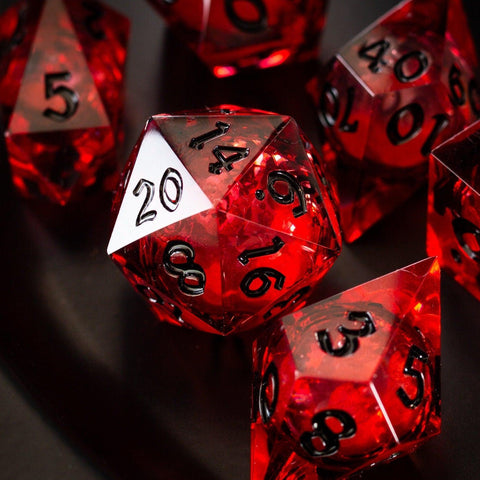
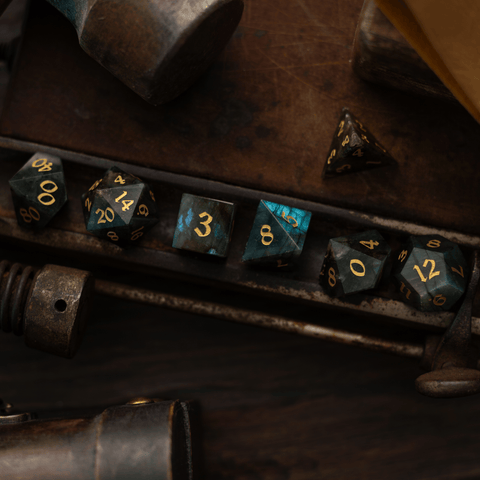
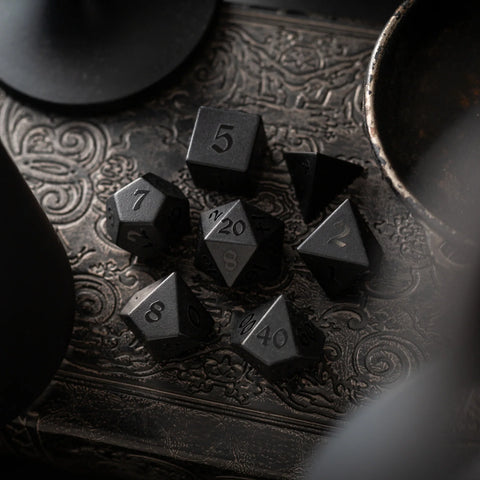
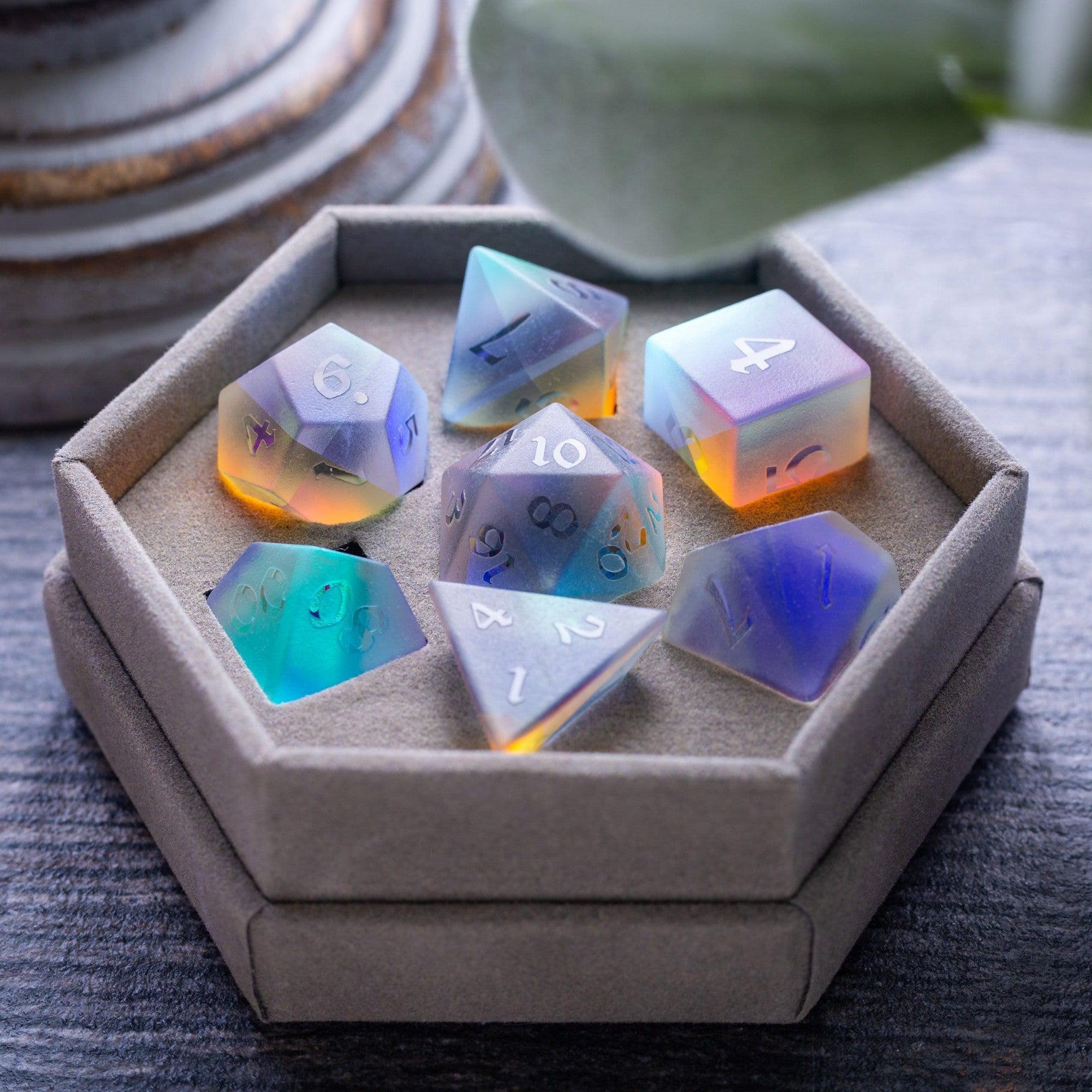
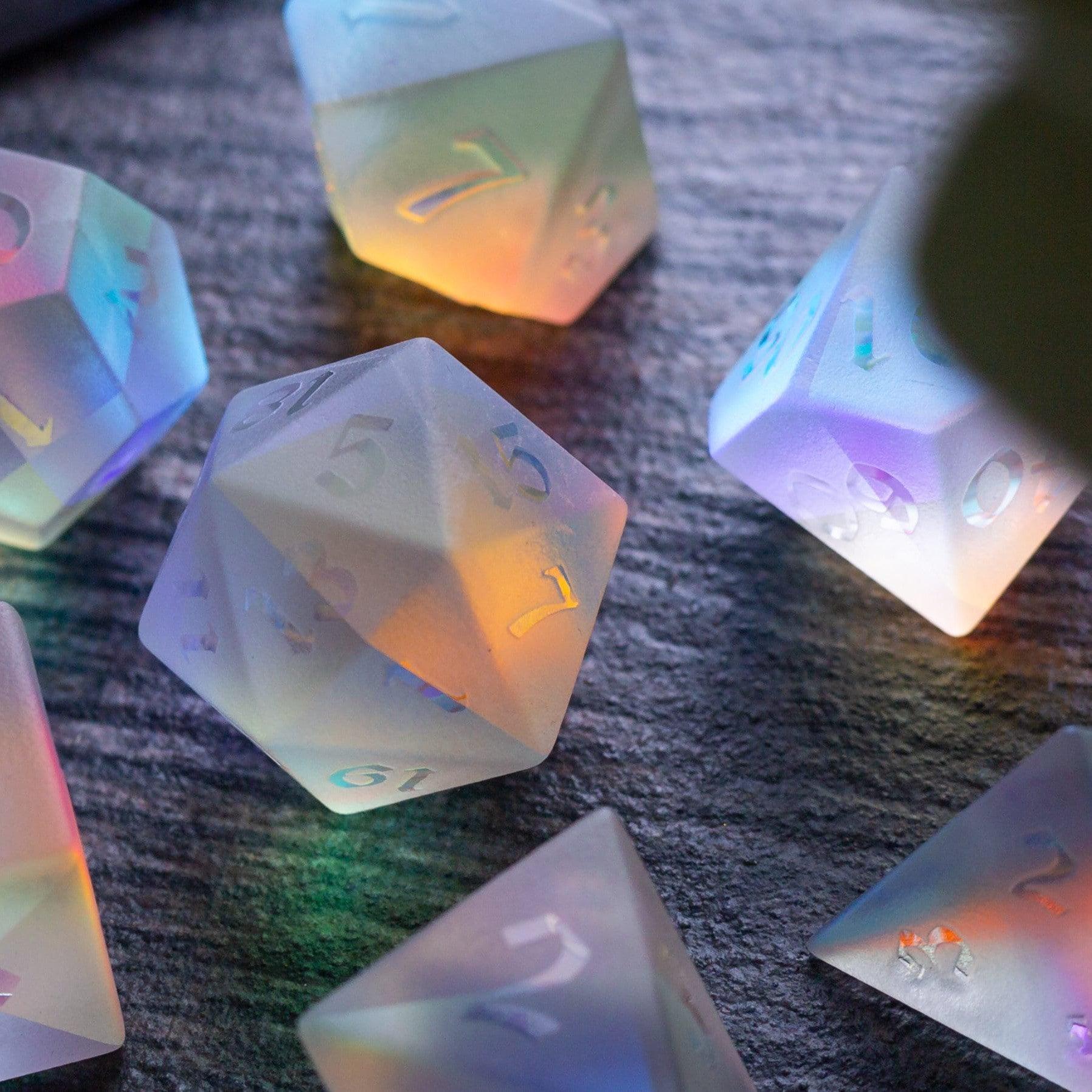
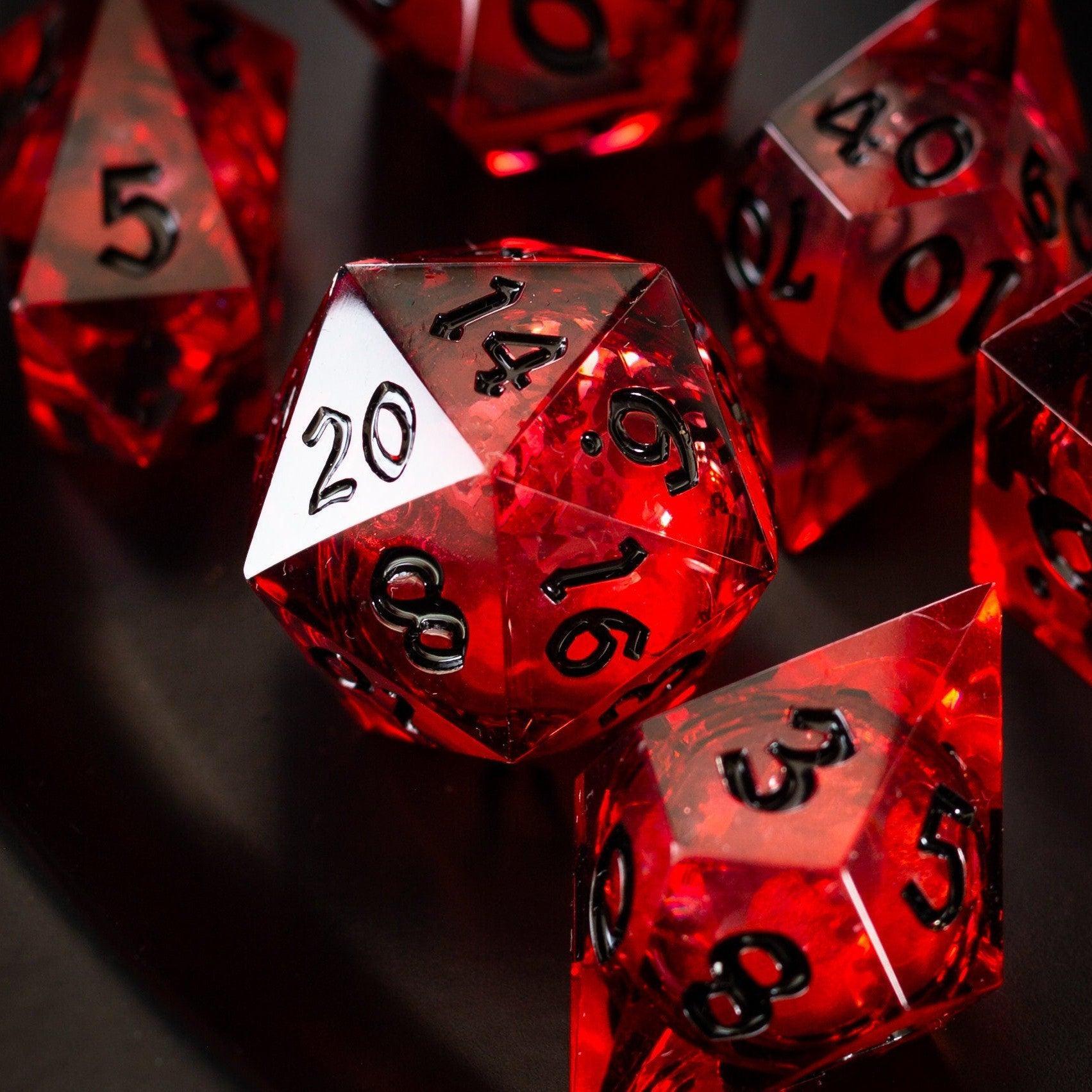
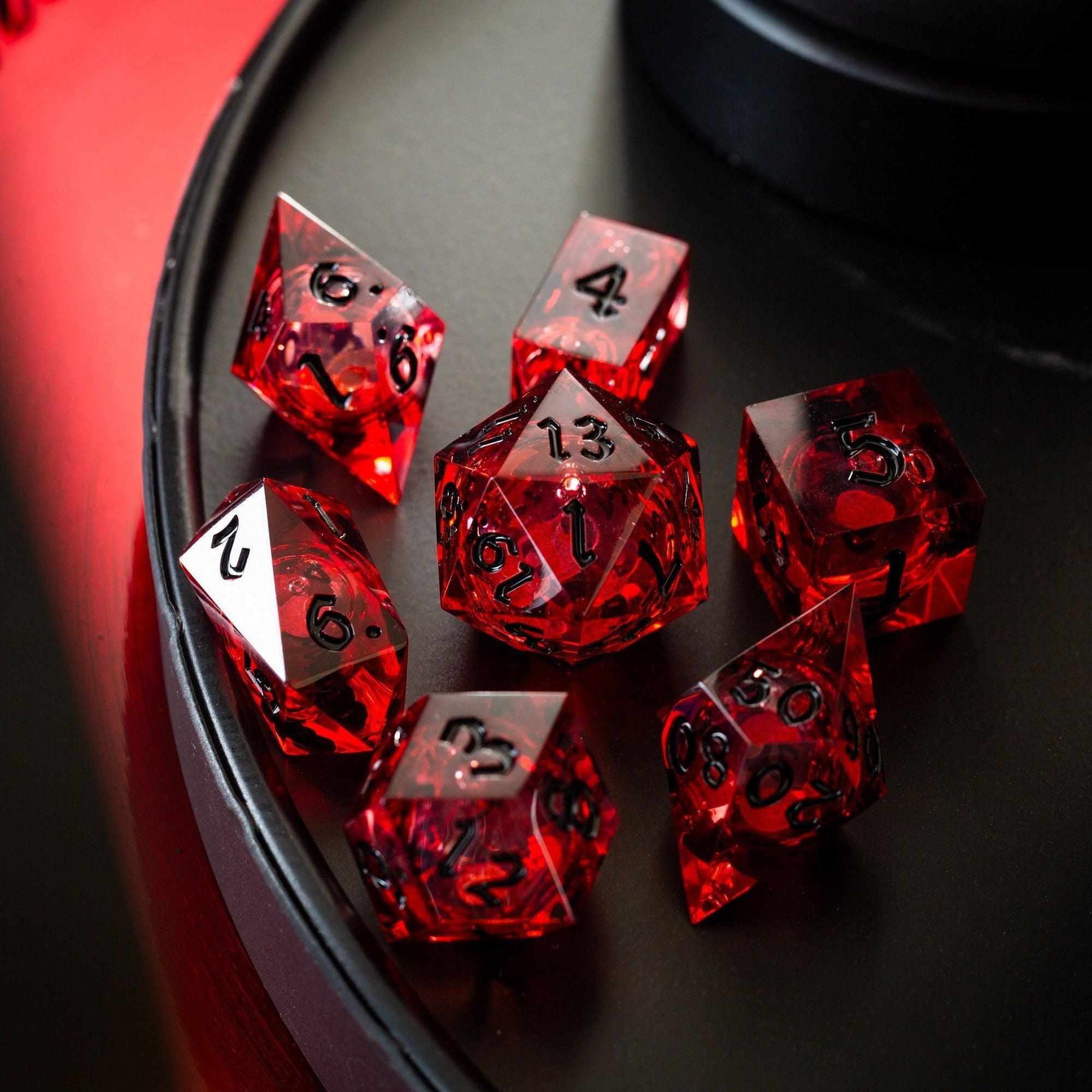
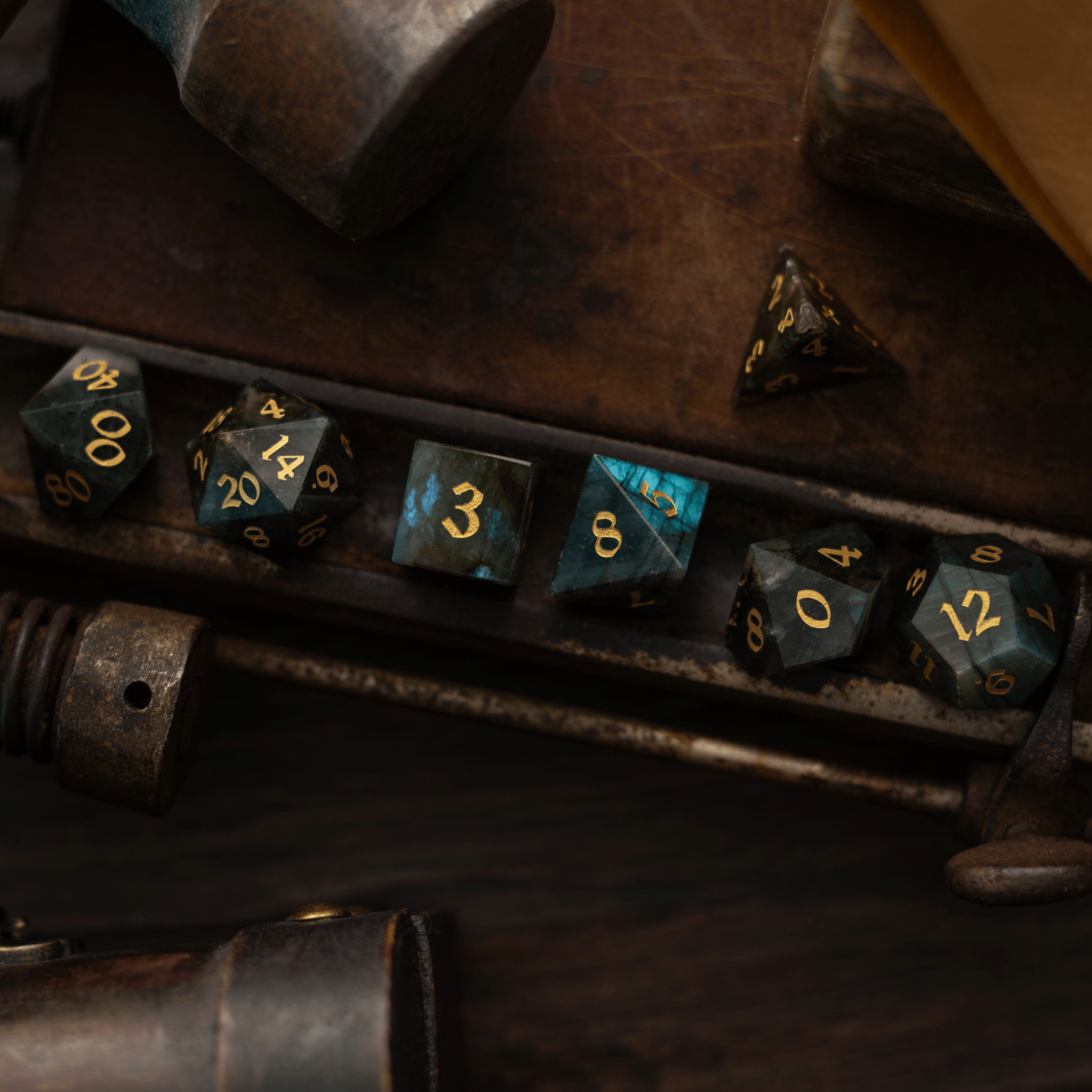
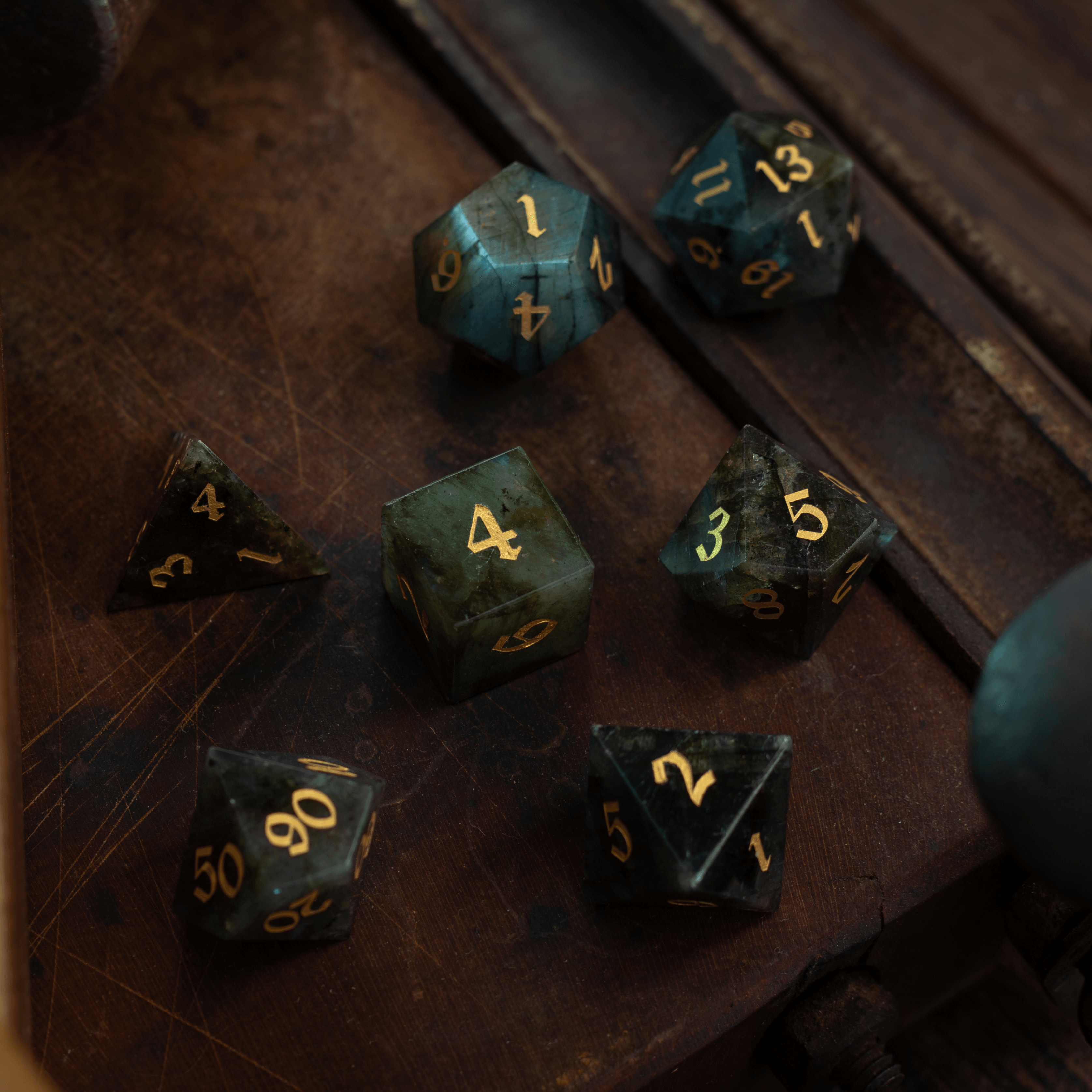
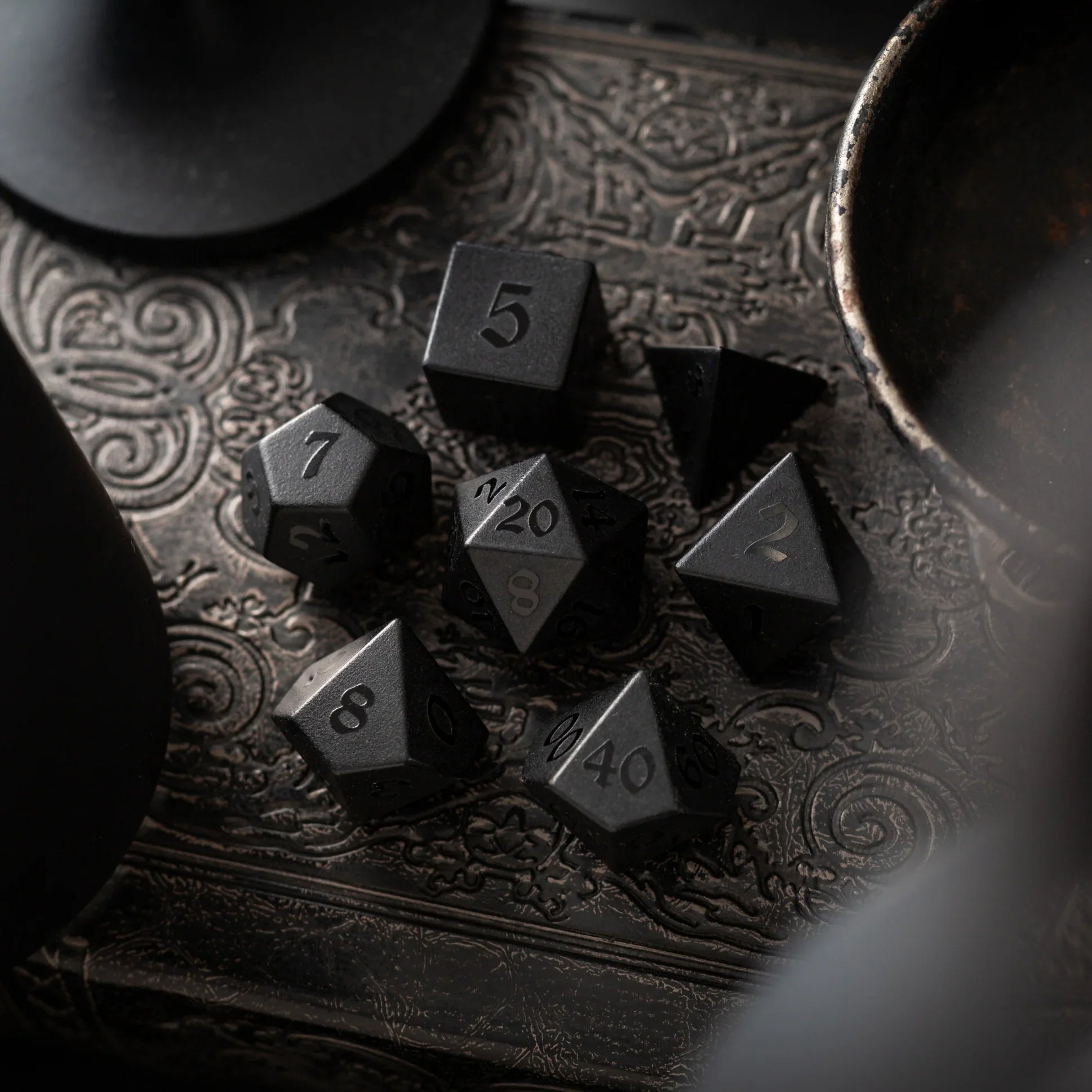
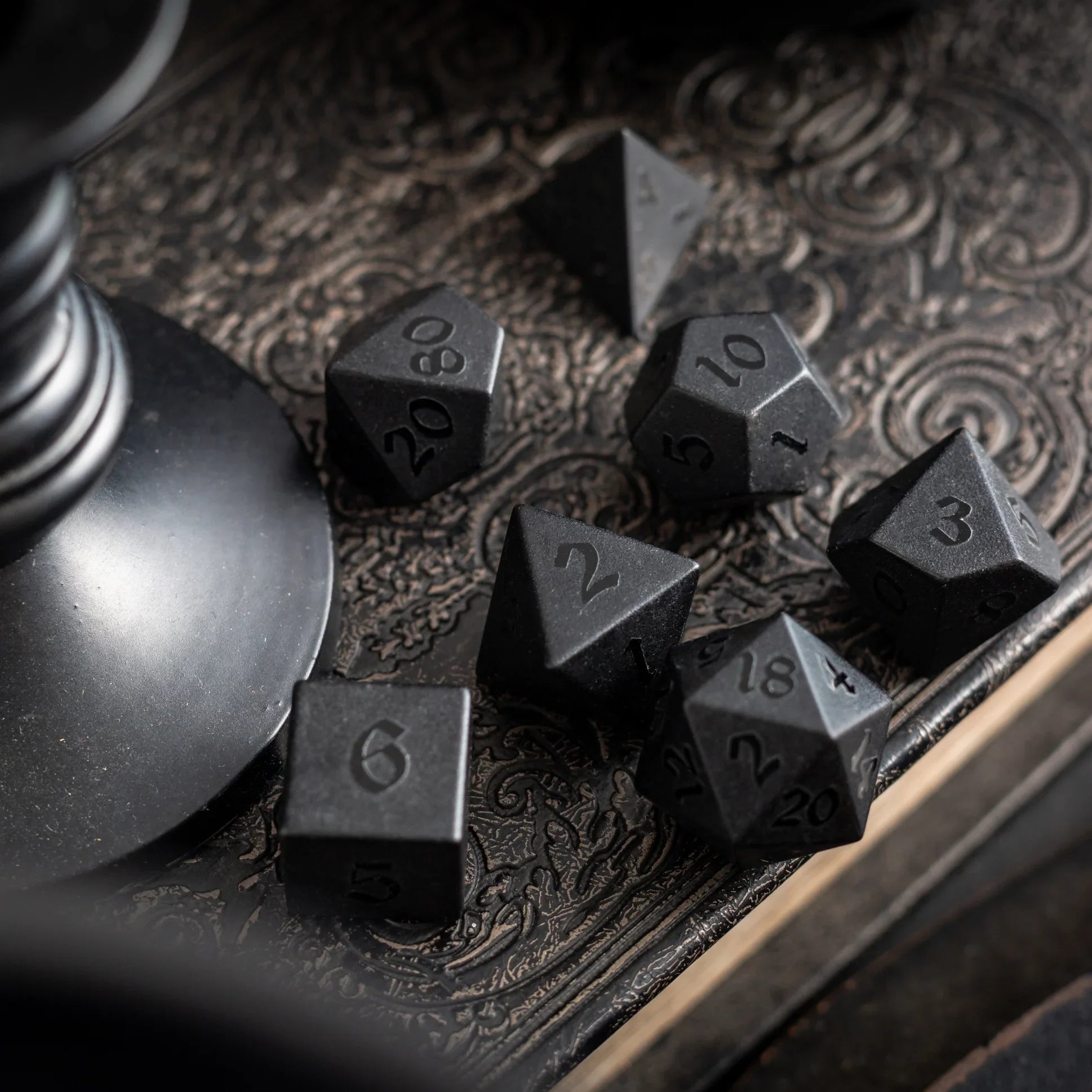
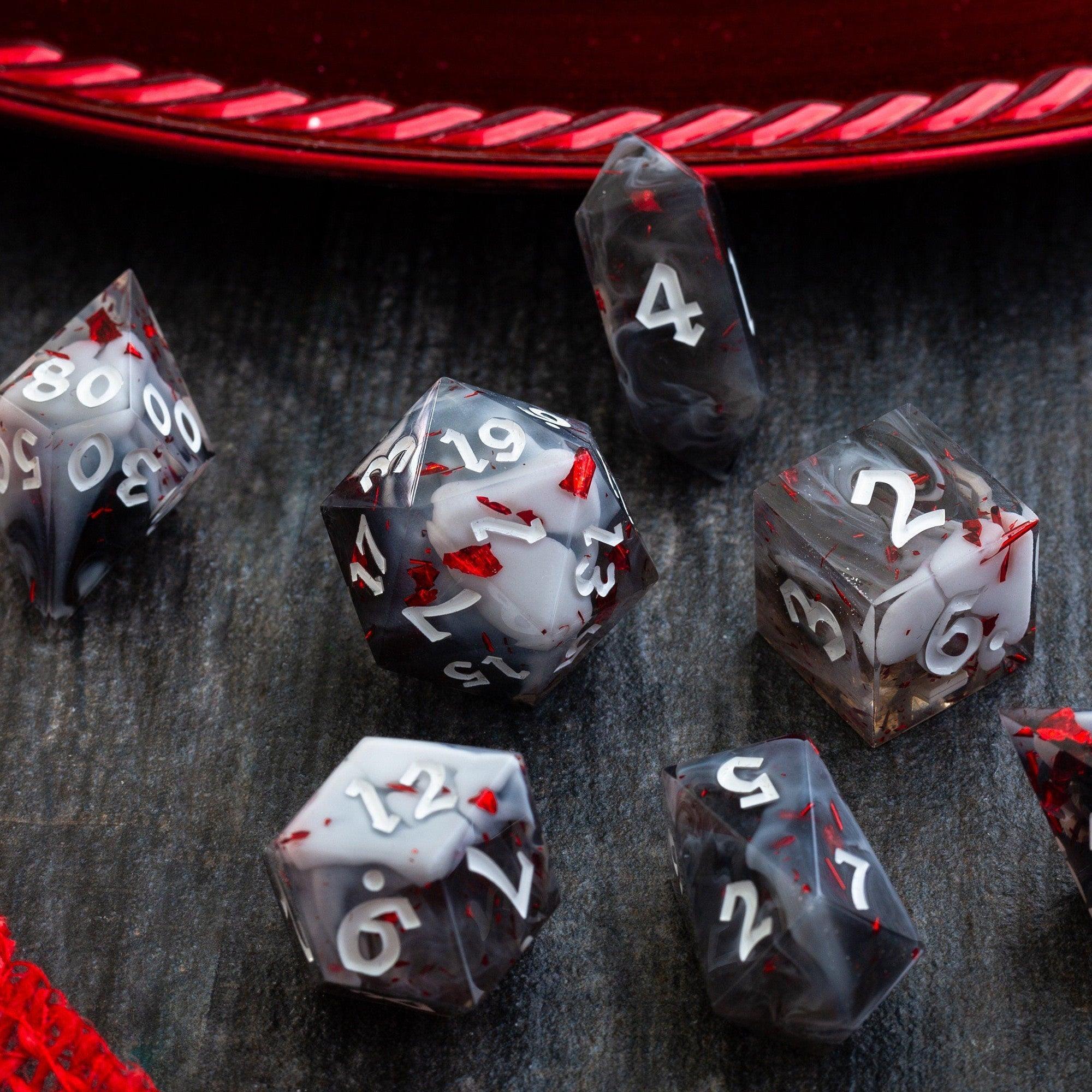
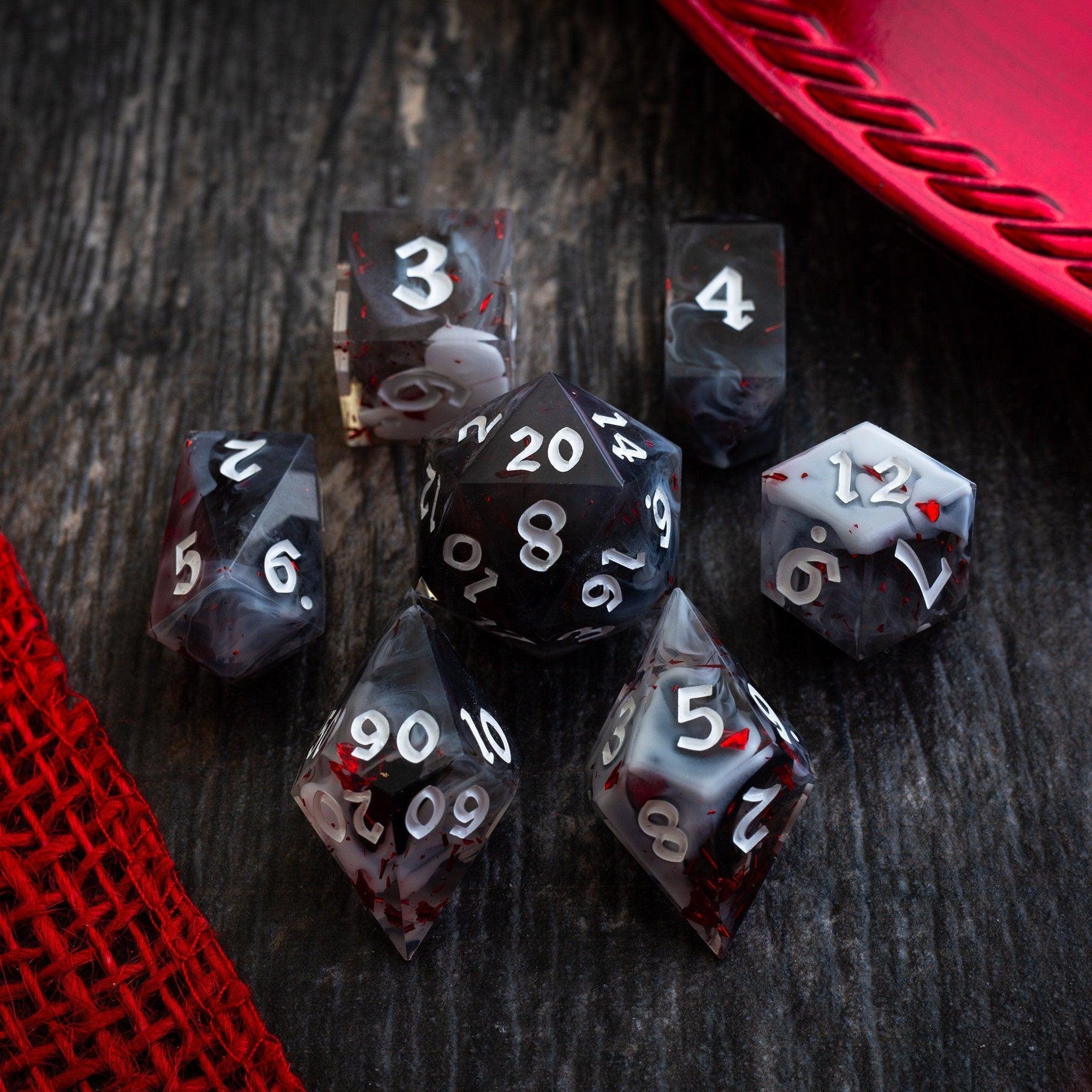
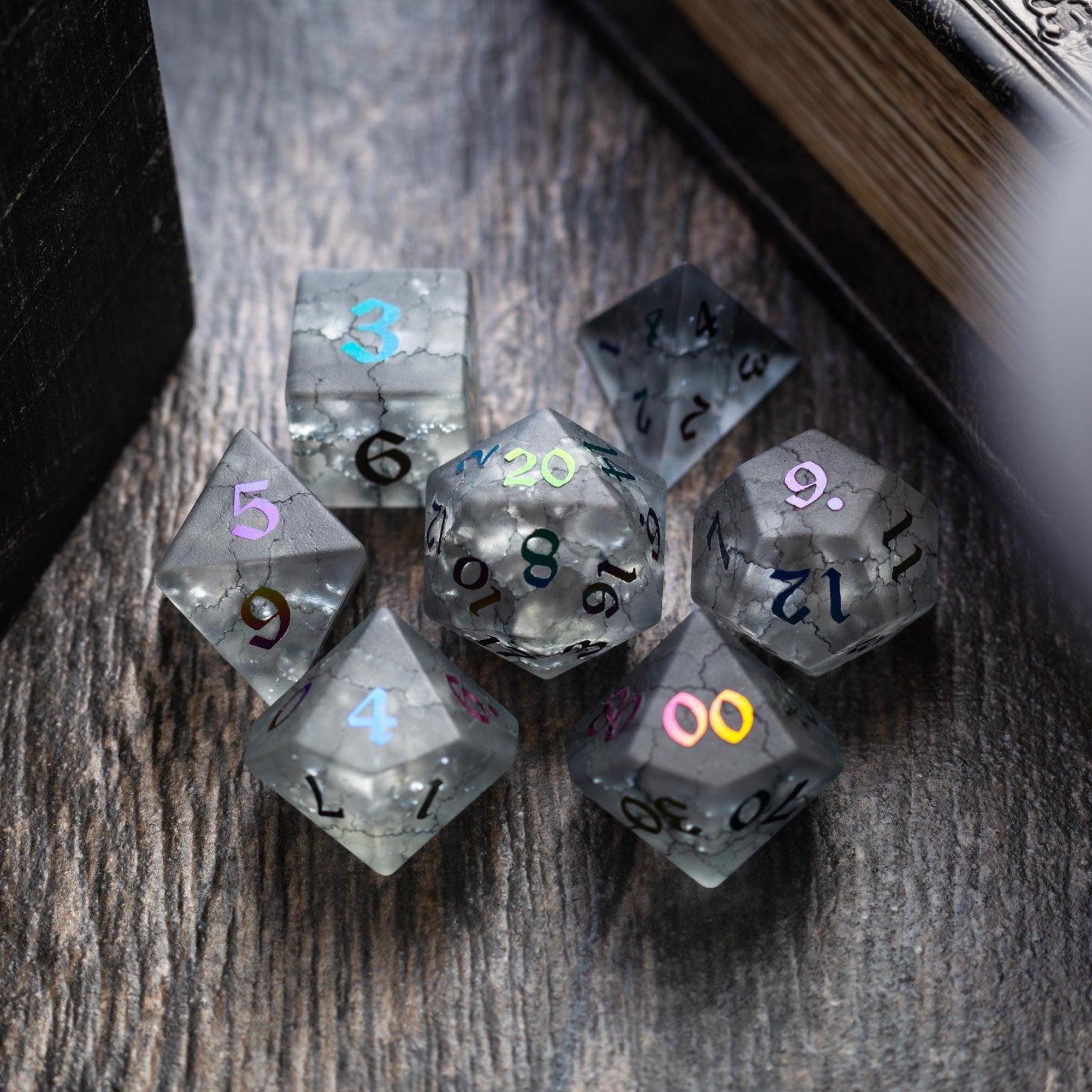
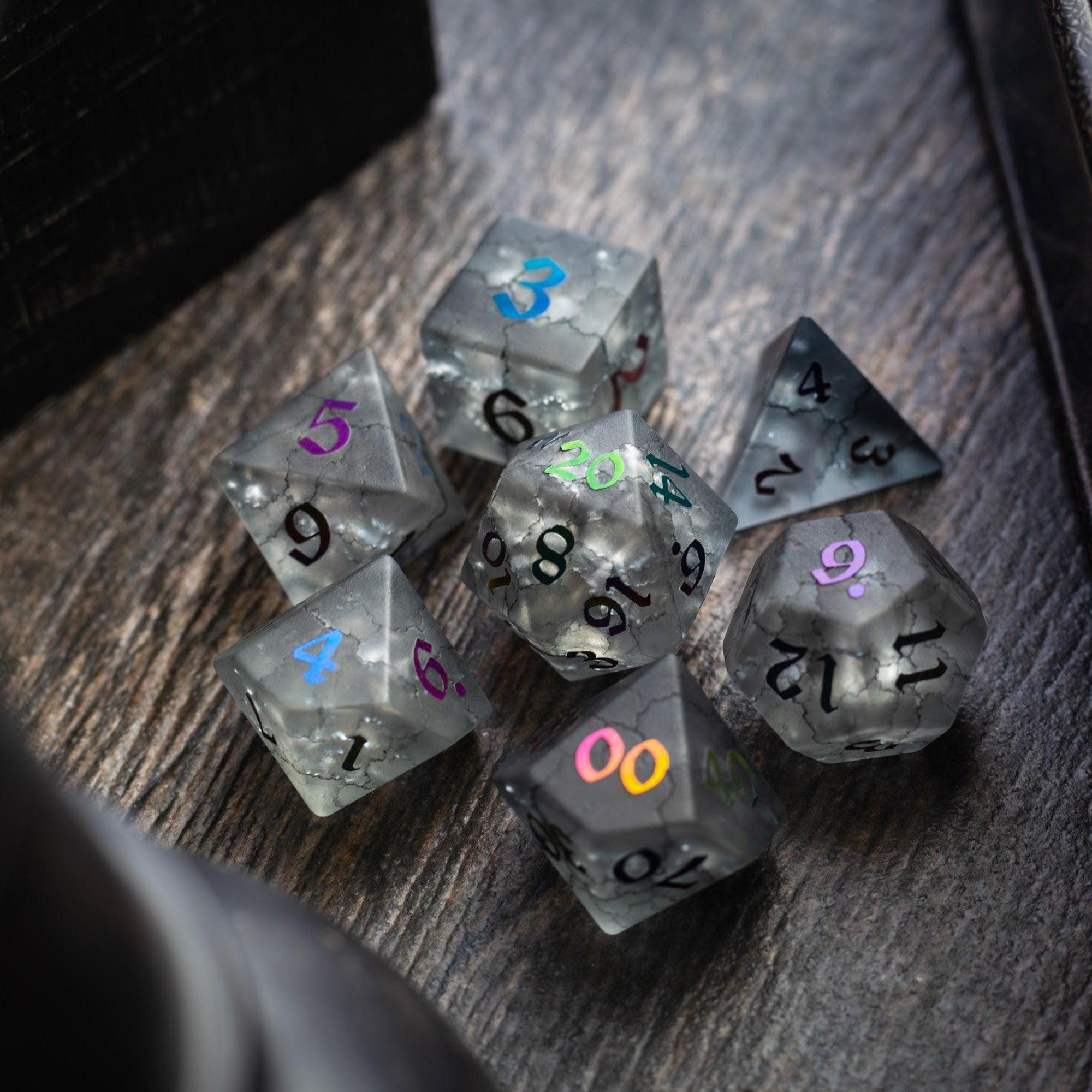
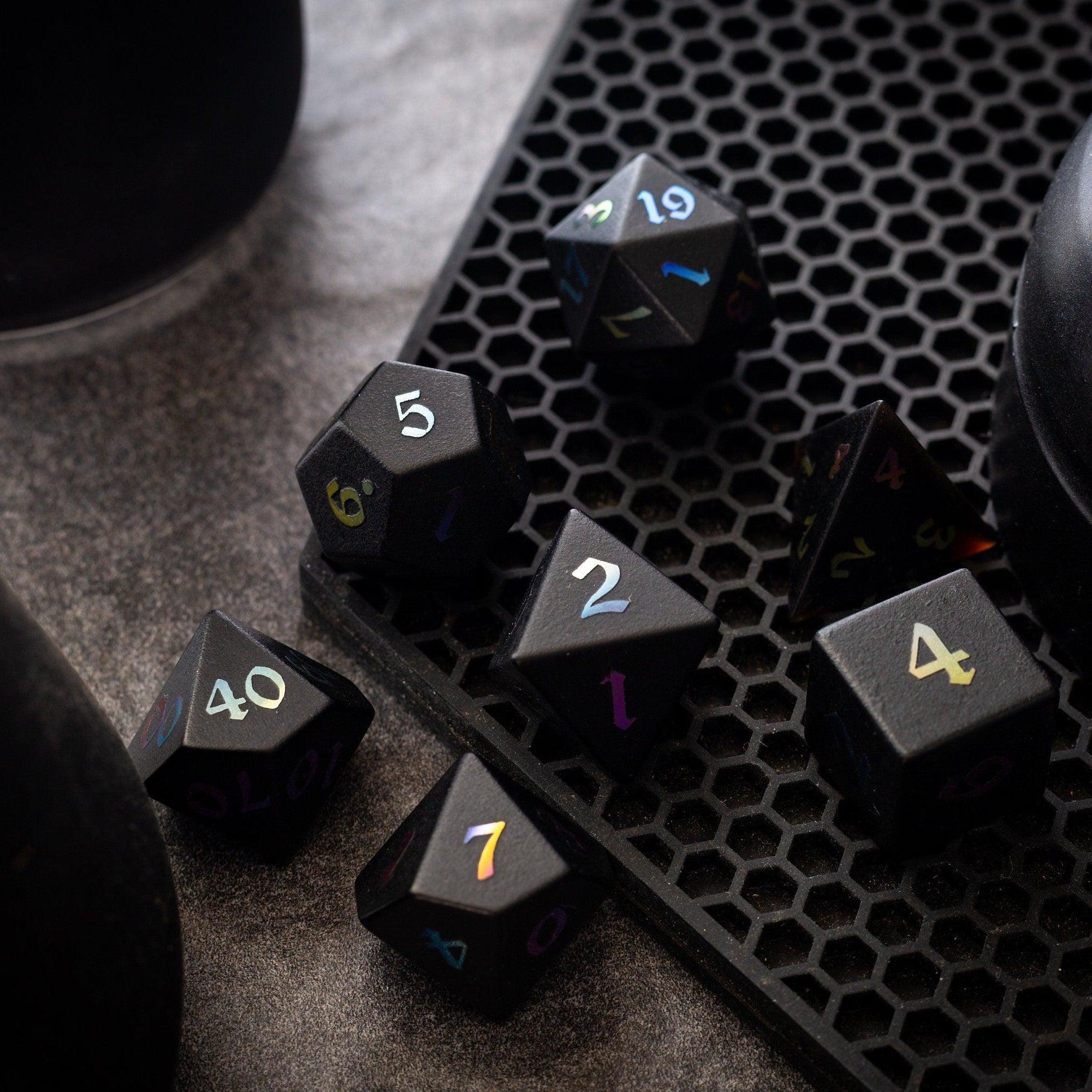
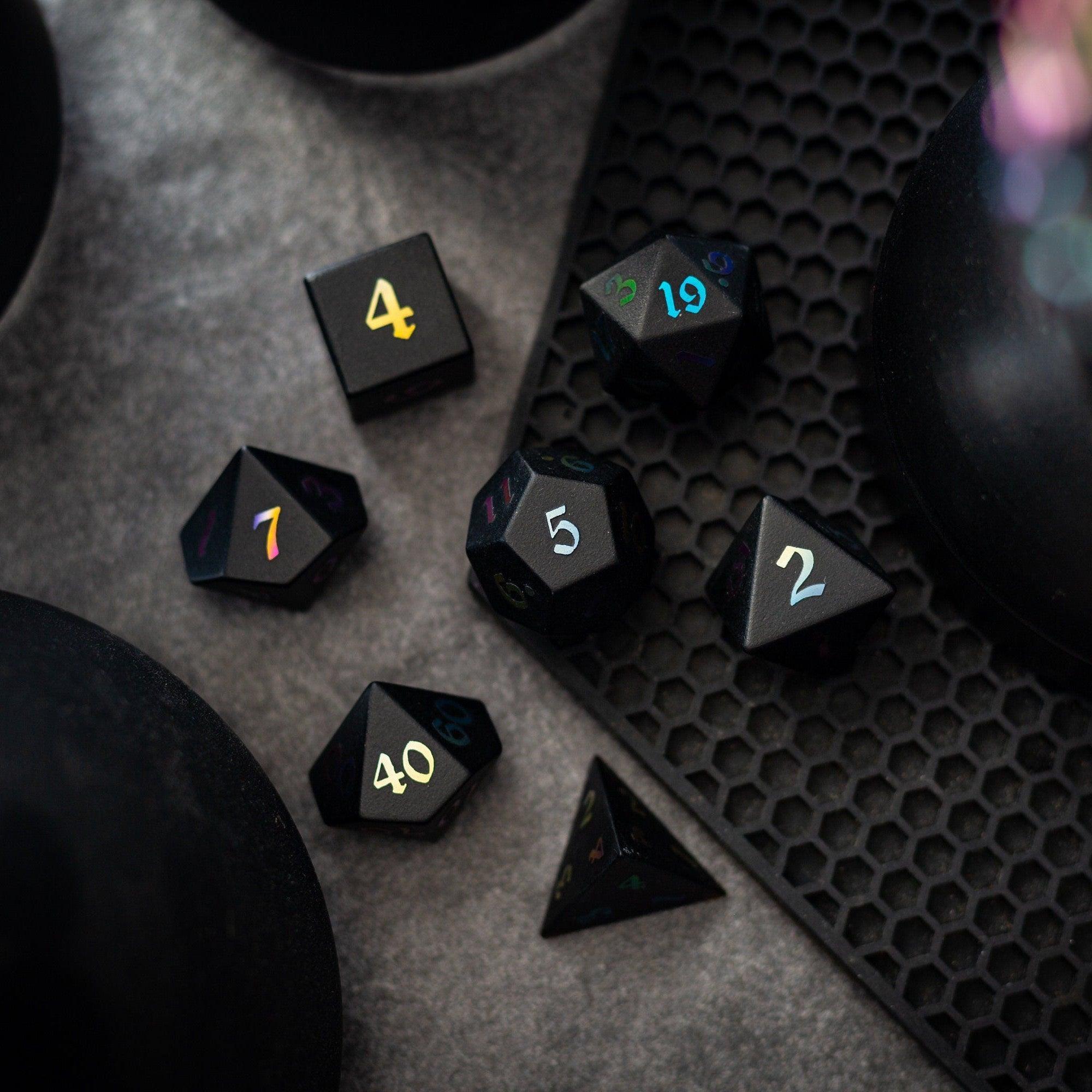
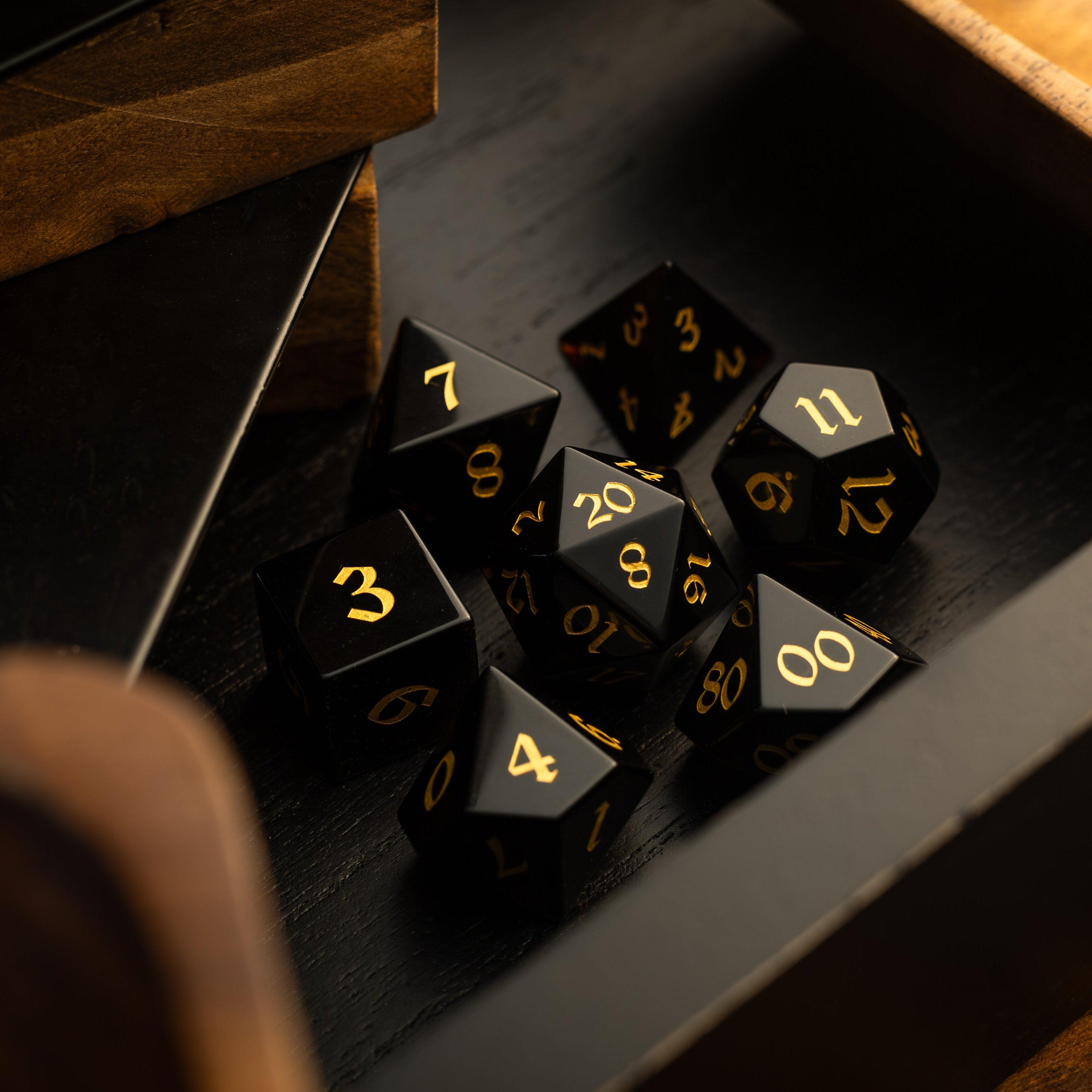
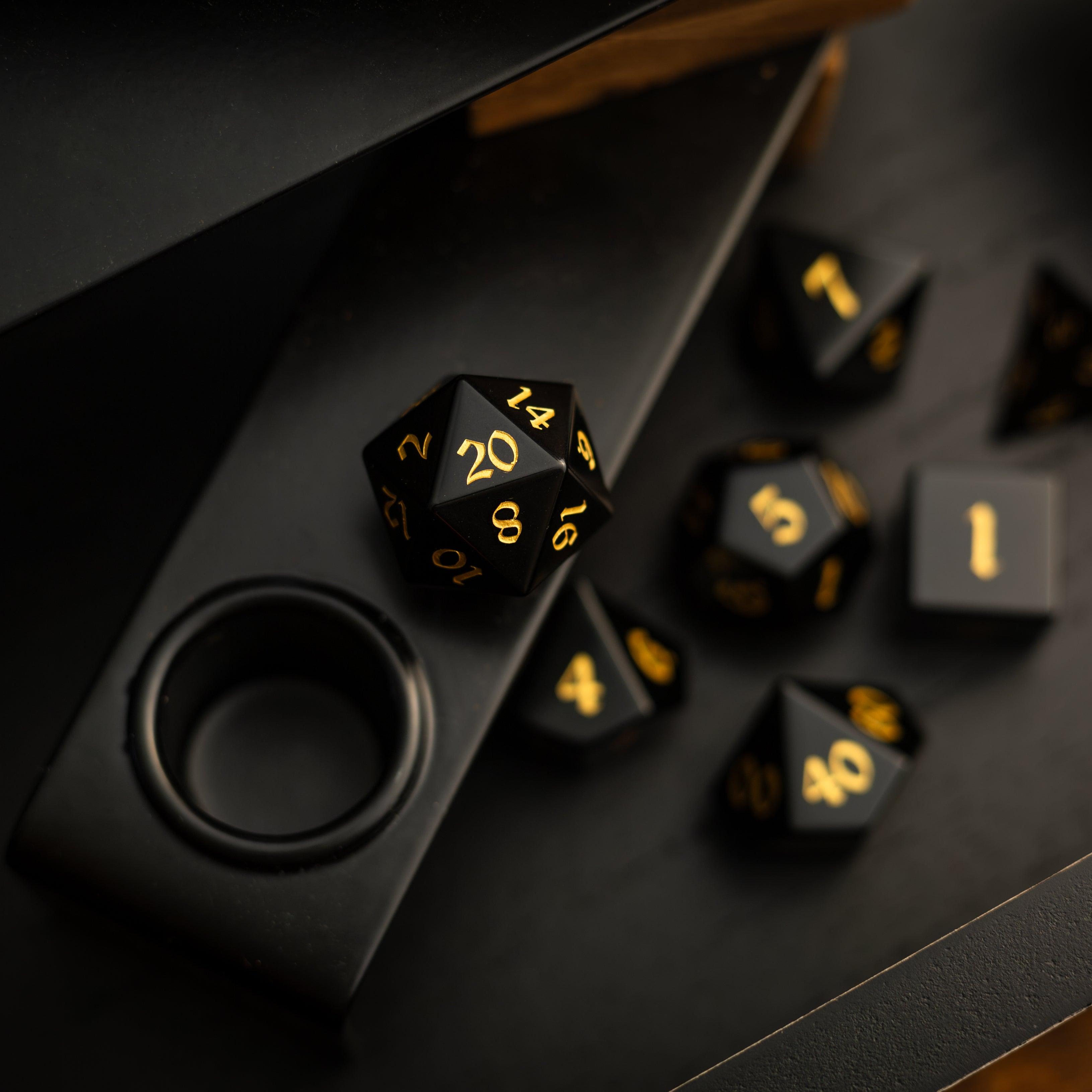
Even dice can support that identity. A precise duelist may suit polished gemstone dice, while an unpredictable spellcaster might use colorful resin or liquid core dice that match the character’s magical style.
Creative Martial Character Ideas
Scholarly Battle Master Fighter
A scholarly fighter can treat combat as an academic discipline, keeping notes on enemy tactics, collecting old manuals, and debating the theories of famous generals.
The Battle Master Fighter supports this concept well because its maneuvers can feel like techniques learned through study and practice. Skills such as History, Investigation, or Insight can reinforce the idea of a thoughtful battlefield scholar.
Reluctant Path of the World Tree Barbarian
A barbarian who dislikes violence creates immediate roleplay tension. Their Rage does not have to represent joy in battle. It might be a protective state that appears when someone they care about is in danger.
The Path of the World Tree Barbarian fits a guardian-style character especially well. Its theme centers on drawing power from the World Tree, and its features can protect allies and influence movement on the battlefield. Give the character a rule such as never starting a fight, protecting travelers, or refusing to leave an ally behind.
Wandering Monster Hunter Monk
A monk can be more than a quiet temple student. Imagine a traveler who studies monsters, learns how they move, and turns discipline into a practical survival method.
The current Warrior of the Open Hand Monk works well because its identity focuses on physical mastery and controlled martial technique. The character might map claw marks, copy beast movements during training, and keep a journal of creatures encountered on the road.
Creative Spellcaster Concepts
Fortune-Teller Diviner Wizard
A wizard does not need to be a tower-bound bookworm. A fortune-teller might interpret magic through cards, constellations, spilled ink, dreams, or a cracked crystal lens.
The Diviner Wizard gives this concept a natural foundation. Present some magic as glimpses of possible futures. The character might record dreams every morning or become uneasy around repeated symbols.
A set of liquid core dice can fit the visual theme, with moving centers that echo shifting possibilities.
Haunted Great Old One Warlock
A warlock’s relationship with a patron can be frightening, mysterious, tragic, or uncertain. A haunted warlock may hear thoughts that are not their own, recognize places they have never visited, or receive knowledge through dreams they cannot explain.
The Great Old One Patron supports this eerie concept through psychic and otherworldly themes. The central question may be what the presence wants and whether it can be trusted.
Nature-Touched Wild Magic Sorcerer
A sorcerer’s magic is innate, which makes the class a natural fit for characters tied to storms, flowers, stone, fire, or seasonal change. A Wild Magic Sorcery character could describe magical surges as the environment reacting to their emotions.
Lightning might flicker when they are angry, frost could form on cups when they are afraid, or flower petals might appear during relief. These descriptions do not change the rules, but they make familiar mechanics feel personal.
Illusion-Focused College of Glamour Bard
Not every bard needs to be a singing tavern performer. A College of Glamour Bard could be a masked storyteller, stage magician, traveling puppeteer, or performer who uses enchantment and illusion to shape an audience’s emotions.
Perhaps they preserve forgotten stories, hide painful truths behind performance, or use spectacle to distract enemies while allies act.
Character Build Comparison Table
| Build Concept | Class/Subclass | Fantasy Vibe | Roleplay Hook |
|---|---|---|---|
| Scholarly Fighter | Battle Master Fighter | Battlefield philosopher | Studies enemies and combat theory |
| Reluctant Barbarian | Path of the World Tree Barbarian | Gentle guardian | Fights mainly to protect others |
| Monster Hunter Monk | Warrior of the Open Hand Monk | Disciplined traveler | Learns from creatures and the road |
| Fortune-Teller Wizard | Diviner Wizard | Omen-reader | Interprets dreams and possible futures |
| Haunted Warlock | Great Old One Patron | Otherworldly wanderer | Questions strange knowledge and influence |
| Nature-Touched Sorcerer | Wild Magic Sorcery | Unstable magic | Emotions shape magical effects |
| Illusion Bard | College of Glamour Bard | Magical performer | Uses spectacle and misdirection |
How to Mix Flavor and Mechanics
The strongest DnD roleplay builds make abilities and personality feel connected. Every choice does not need to be mechanically perfect, but your abilities should help express the fantasy you want to play.
When choosing skills, spells, feats, or equipment, ask:
- What does this character do when combat is not happening?
- How do their abilities look and feel in the story?
- Which choices reinforce their identity without weakening the party on purpose?
- What can this character contribute to other players’ memorable moments?
A fortune-teller wizard might favor spells tied to information or prediction. A scholarly fighter might choose research-focused skills. The mechanics stay recognizable, but the presentation becomes specific to the hero.
Roleplay Tips for Unique DnD Characters
Give Them One Repeatable Habit
Choose one small habit that appears naturally during play. The character might sketch unusual monsters, polish a family weapon before resting, or write down every dream.
Give Them a Clear Goal
Goals create direction. A character might want to prove a forgotten fighting style still matters, discover the source of their magic, break a family curse, protect travelers from a danger they once survived, or become worthy of an inherited title.
Give Them a Flaw That Creates Choices
A useful flaw should create decisions rather than simply annoy the group. The reluctant barbarian may suppress anger until it becomes difficult to control. The bard may panic when a performance fails. The fighter may overthink situations that demand quick action.
Making Unusual Builds Work in a Party
Creative characters are most enjoyable when they add to the group. A strong concept still needs a reason to join the adventure, cooperate with allies, and support shared goals.
- Share the spotlight: Let other characters have important scenes and victories.
- Stay useful: A roleplay concept should not require refusing every sensible action.
- Talk with the group: Make sure unusual traits are fun for the people playing with you.
- Leave room to change: Characters become more interesting when the campaign affects them.
A reluctant barbarian can still defend the party. An illusion bard can support a stealth plan without taking it over. A haunted warlock can bring mystery without turning every scene into a personal subplot.
Common Mistakes When Building Creative Characters
Choosing a Gimmick Instead of a Personality
“Barbarian who hates fighting” is a hook, not a complete character. Ask why they hate violence, what would make them fight anyway, and how they feel afterward.
Overcomplicating the Backstory
You do not need twelve secret bloodlines and three missing kingdoms. A clear emotional core is often more useful than a huge lore document. Start with enough history to explain the character’s choices, then let the campaign add the rest.
Ignoring the Rest of the Party
Being unusual can be fun. Refusing every plan because “my character would not do that” usually is not. The best unique DnD characters create opportunities for other players to react, contribute, and build relationships.
Build the Hero You Want to Remember
When exploring DnD class ideas, start with what excites you. Maybe it is a wandering philosopher with a blade, a storm-hearted sorcerer, a protective barbarian connected to an ancient cosmic tree, or a bard who tells stories through illusions instead of songs.
Let the class support the fantasy and the subclass sharpen the theme. Use goals, flaws, habits, and small table details to make the character feel personal.
The most creative build is not necessarily the strangest or strongest. It gives you interesting decisions and gives the table someone worth adventuring beside.

Leave a comment
This site is protected by hCaptcha and the hCaptcha Privacy Policy and Terms of Service apply.