Villainous Subclasses: Balanced Antagonists for Campaigns

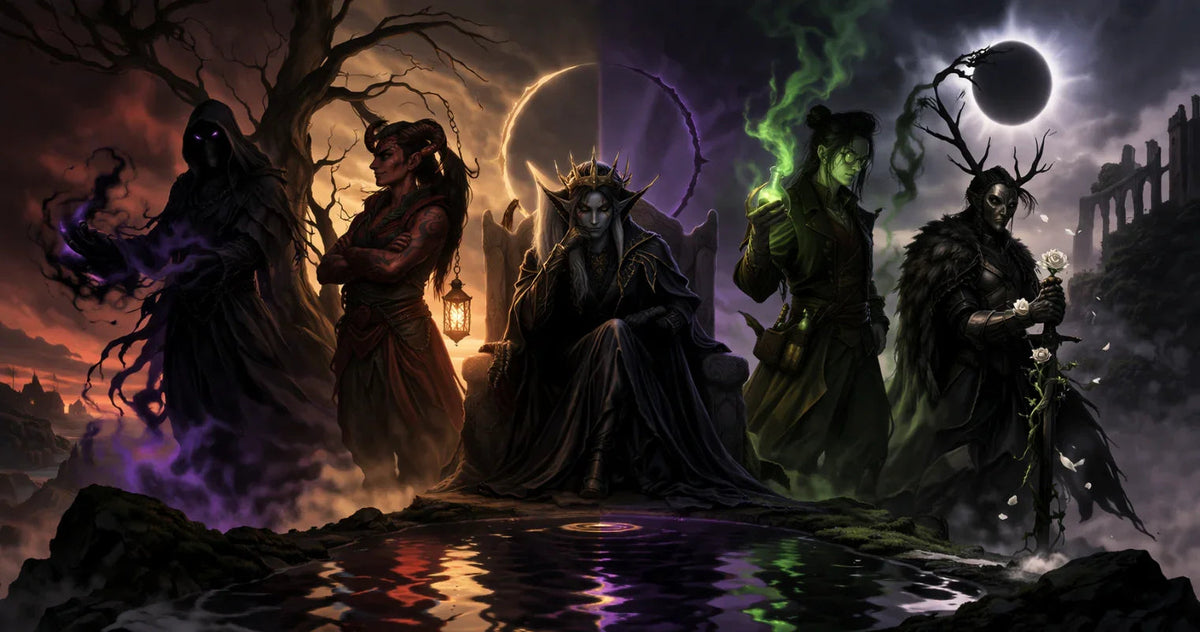
A great villain does more than wait at the end of a dungeon for initiative to be rolled. They leave fingerprints on the world. Their choices frighten villages, divide allies, reshape kingdoms, and turn ordinary quests into stories players remember long after the campaign ends.
The best D&D campaign villains are not always the strongest enemies. They are the ones with clear motives, personal stakes, recognizable methods, and a presence the party feels before the final confrontation.
This D&D villains guide uses subclass themes as inspiration for memorable antagonists. D&D Beyond now labels the updated 2024 rules content as 5.5e, while 2014 content is labeled 5e. For a 5.5e campaign, do not build a villain exactly like a player character. Borrow a subclass's identity and tactics, then use an appropriate monster or NPC stat block for the encounter.
What Makes a Great D&D Villain?
Clear Motivation
A villain needs a reason to act. They might restore a fallen bloodline, protect a homeland through cruel methods, stop a prophecy, avenge a betrayal, or escape death at any cost. Ask: What does the villain want, and what are they willing to sacrifice to get it? That answer gives the antagonist direction and helps you decide how they react when the party interferes.
Personal Stakes and Real Weaknesses
The villain's actions should threaten something the characters care about, such as a hometown, mentor, faction, sacred place, or ally. Give the antagonist weaknesses the party can discover. Pride, grief, obsession, loyalty, fear, or dependence on an artifact can all create openings.
A believable villain does not need to be secretly good. They need a worldview that explains their choices, even if the players reject it completely.
Using D&D Subclasses to Inspire Villains
Subclasses suggest more than powers. They imply habits, symbols, environments, allies, and ways of approaching conflict. A Warrior of Shadow villain feels different from an Illusionist because one uses darkness and movement while the other attacks certainty and perception.
- Use the subclass as a story prompt, not a complete player character sheet.
- Choose two or three signature ideas that define the villain.
- Build encounters around tactics, objectives, allies, and terrain.
- Use an existing monster or NPC stat block as the mechanical foundation when possible.
Player subclasses and monster stat blocks serve different purposes, so copying every player feature can make encounters harder to run.
Villainous Subclass Concepts
Warrior of Shadow: The Silent Hand
Warrior of Shadow is a current Monk subclass in 5.5e. Its themes of darkness, stealth, and sudden movement suit an assassin, rebel leader, secret enforcer, or leader of a hidden order.
Villain theme: Assassin or covert operative
Combat feel: Mobile, elusive, disruptive
Story angle: They believe fear and secrecy are necessary to prevent greater chaos
Foreshadow them through extinguished lamps, missing messengers, coded warnings, and witnesses who never saw the attacker.
Illusionist: The Architect of Doubt
Illusionist is a current Wizard subclass in 5.5e. It fits mysteries, court intrigue, and campaigns where the party cannot immediately trust what they see.
Villain theme: Court mage, spy master, or cult leader
Combat feel: Misdirection, false targets, uncertainty
Story angle: Their real weapon is controlling what people believe
Give players fair clues that something is wrong. Illusion-based plots are more satisfying when investigation and preparation can reveal the deception.
Oath of Vengeance: The Unforgiving Judge
Oath of Vengeance remains a Paladin subclass in 5.5e. It suits a villain who began with a legitimate grievance but allowed justice to become obsession. Eventually, anyone standing in the way becomes guilty in their eyes.
Villain theme: Fallen protector or relentless hunter
Combat feel: Focused pressure and pursuit
Story angle: Justice has narrowed into obsession
Fiend Patron: The Bargainer
Fiend Patron is a current Warlock subclass in 5.5e. Its lower-planar bargain theme works for stories about temptation, corruption, desperate choices, and power that comes with a cost.
Villain theme: Occult broker, ambitious noble, or desperate scholar
Combat feel: Dangerous magic backed by followers
Story angle: Every favor creates another debt
Let the party discover contracts, compromised officials, or people who accepted help before understanding the price.
Circle of the Sea: The Drowned Prophet
Circle of the Sea is a Druid subclass introduced in the updated Player's Handbook. Its ocean and storm themes fit coastal campaigns, drowned ruins, island settlements, and conflicts with nature.
Villain theme: Storm prophet or radical guardian
Combat feel: Forced movement, hazards, environmental pressure
Story angle: A real grievance has become an excuse for indiscriminate destruction
Use flooded tunnels, rising tides, wrecked ships, and dangerous weather to show their influence before the party meets them.
Balancing D&D Villains for Fair Gameplay
A villain can feel overwhelming in the story without being unfair at the table. Strong D&D villain design depends on clear threats, readable tactics, meaningful choices, and consequences rather than a huge pile of abilities.
Avoid Giving Them Everything
Pick a few signature tools and let those define the encounter. A shadow-themed enemy might excel at movement and concealment but struggle at long range. An illusionist may control perception but become vulnerable when cornered. A warlock-inspired villain may be dangerous behind followers but easier to handle once isolated.
Use Objectives Beyond Hit Points
Not every boss scene needs to end with the villain reduced to 0 Hit Points. The party might interrupt a ritual, expose an impostor, rescue captives, survive a flooding chamber, or stop the villain from escaping with an artifact. Objectives create tension while giving different characters useful jobs.
Foreshadow Their Strengths
Rumors, victims, agents, damaged locations, and failed schemes can reveal how the antagonist operates. A final battle feels fairer when players recognize the villain's methods and can act on what they learned.
Roleplay Tips for Memorable Villains
Great villain roleplay does not require a long speech. Give the antagonist a clear speaking style, one or two emotional pressure points, and a recognizable attitude toward the party. Small personal details can make them feel like a person instead of a quest marker without excusing harmful actions.
Players should remain free to reject, expose, bargain with, redeem, capture, or destroy the antagonist depending on what happens at the table.
Building Atmosphere Around Antagonists
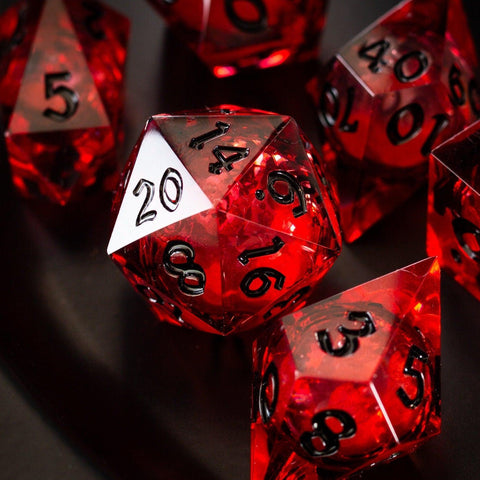
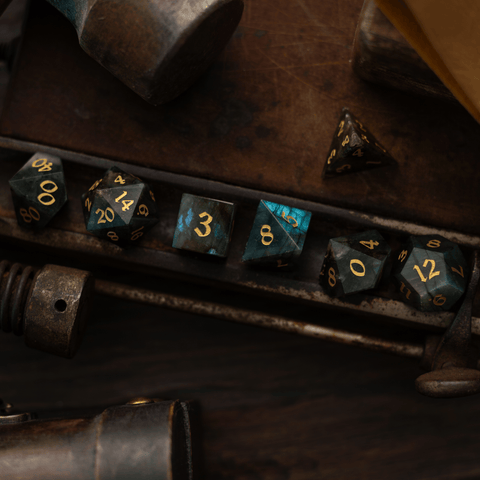
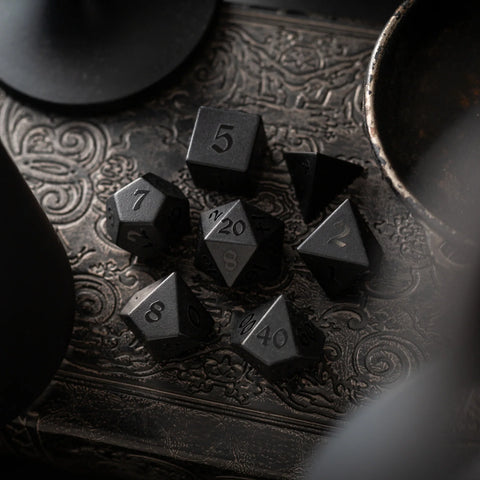
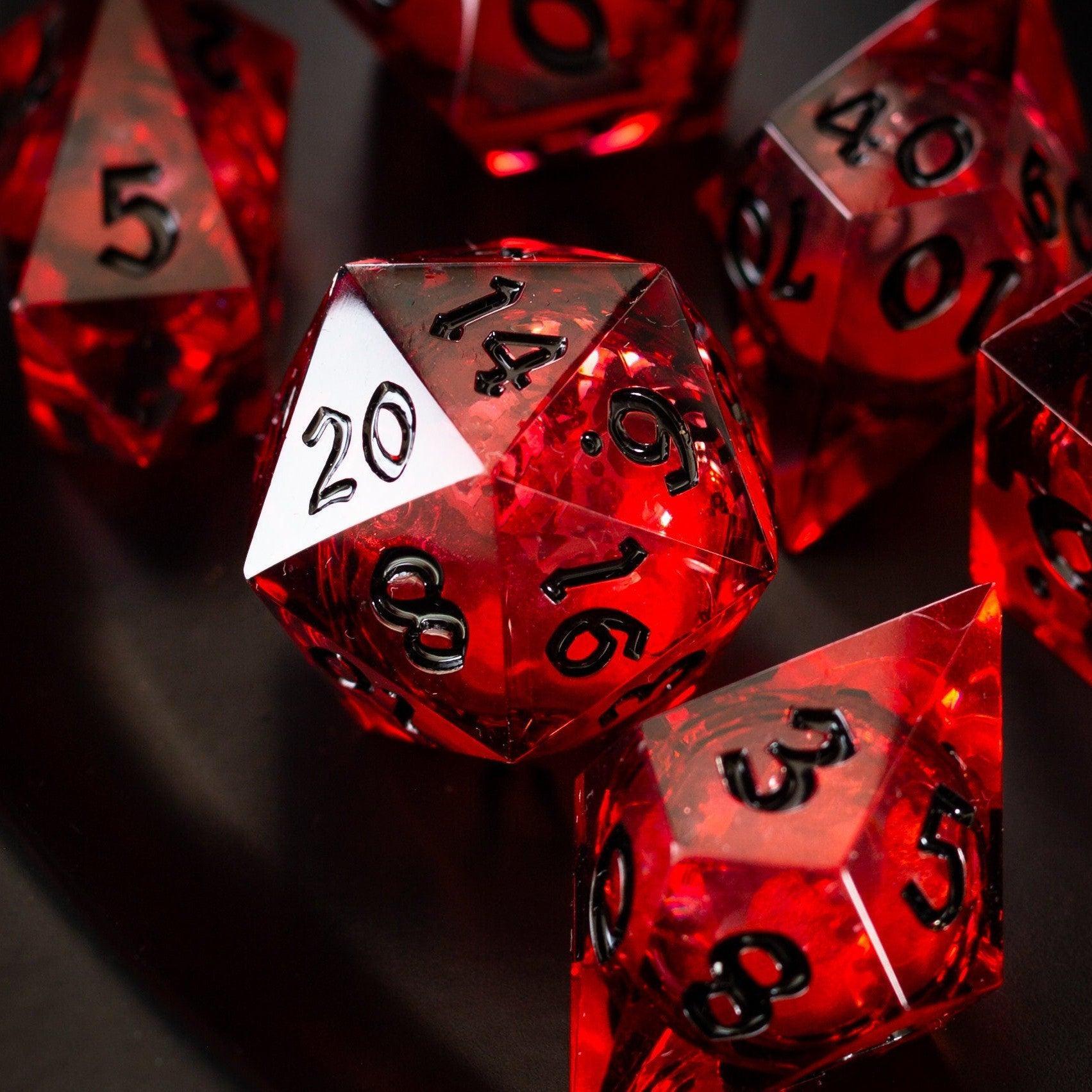
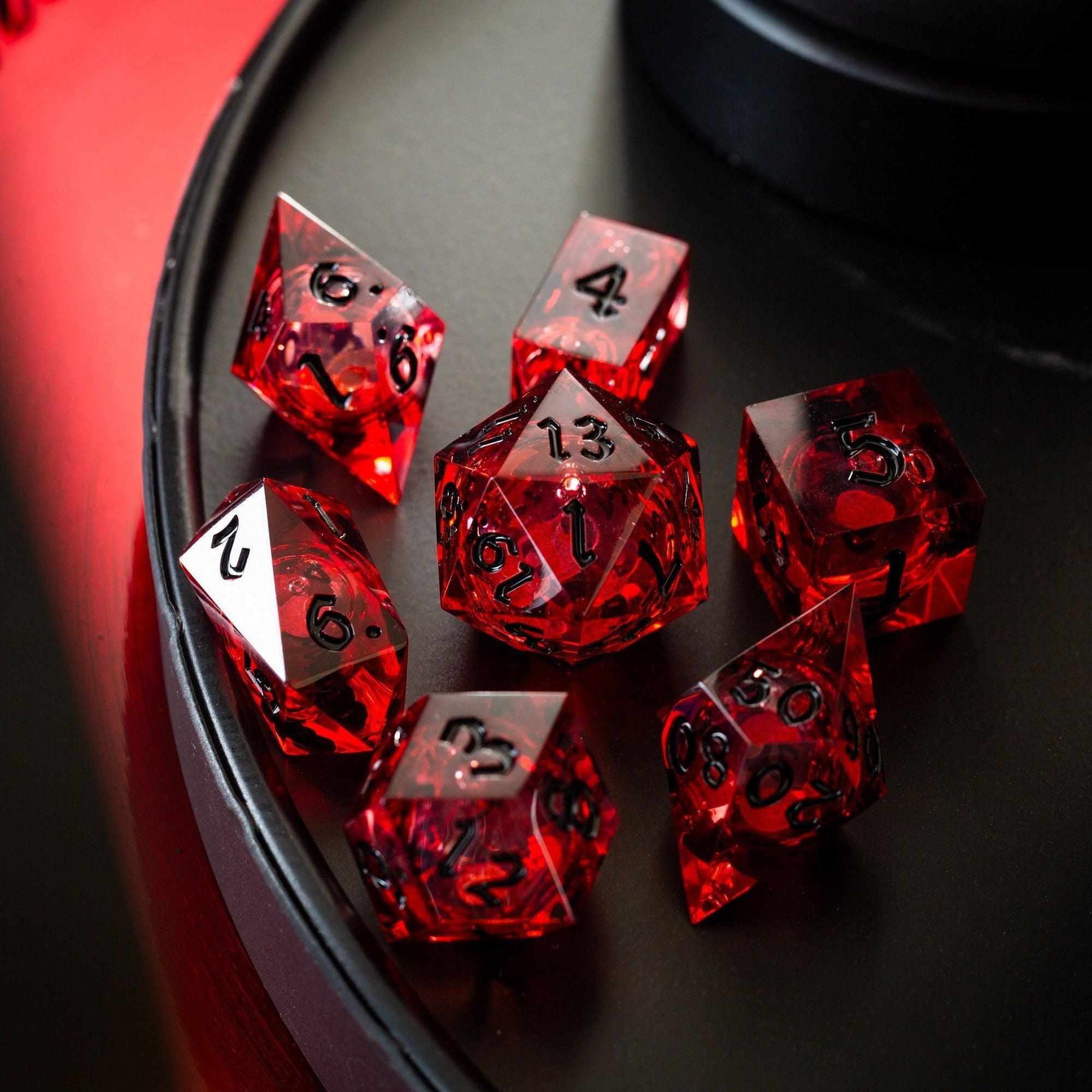
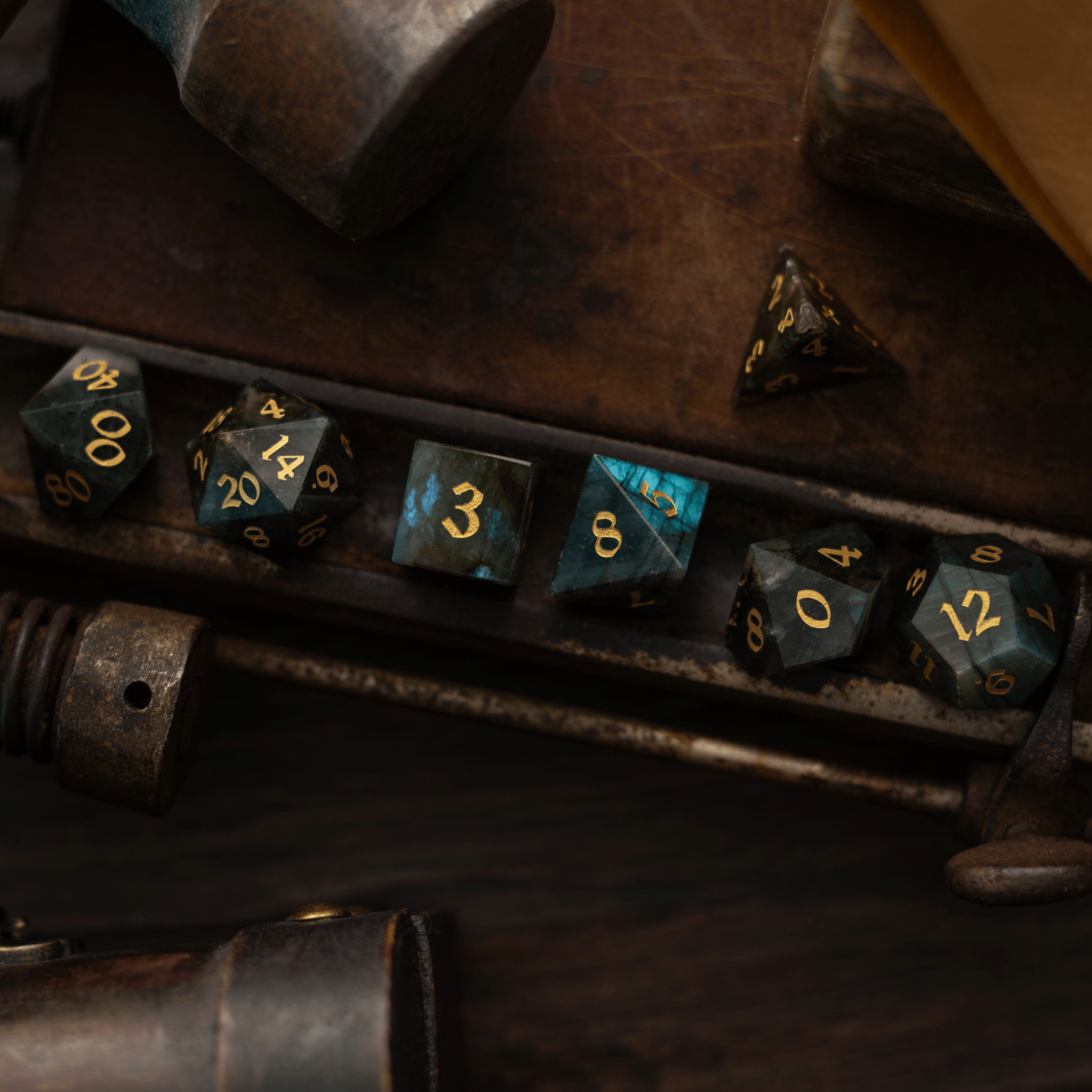
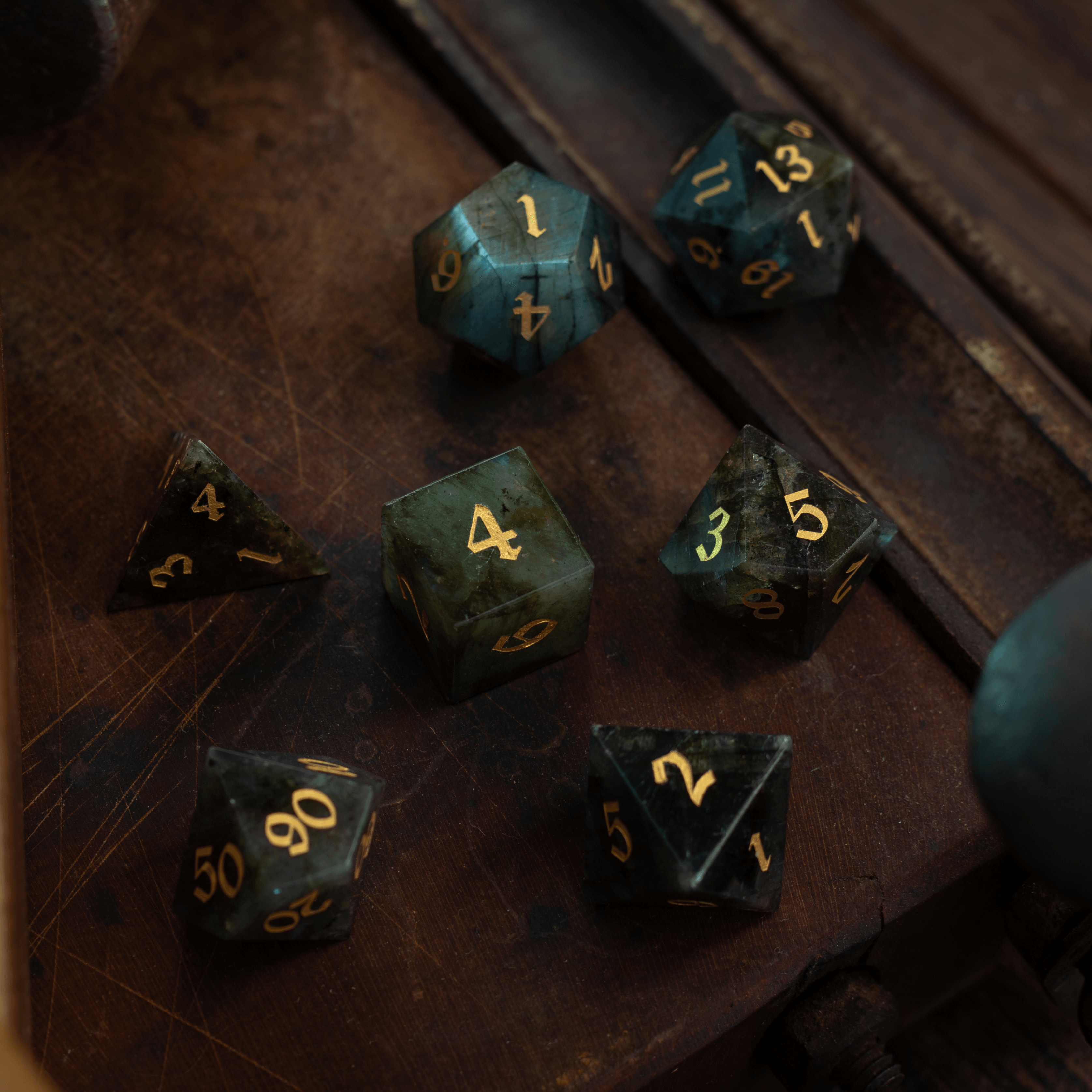
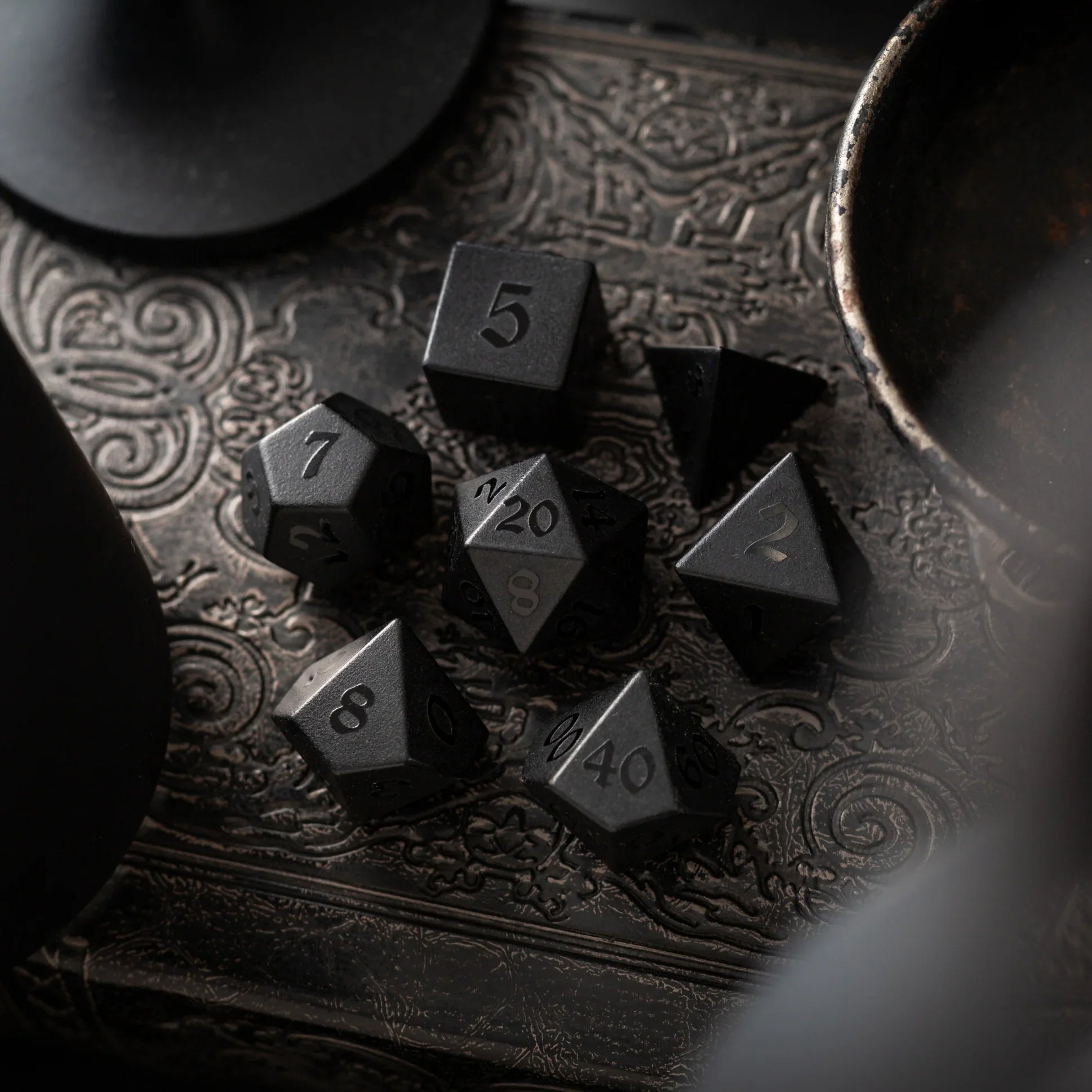
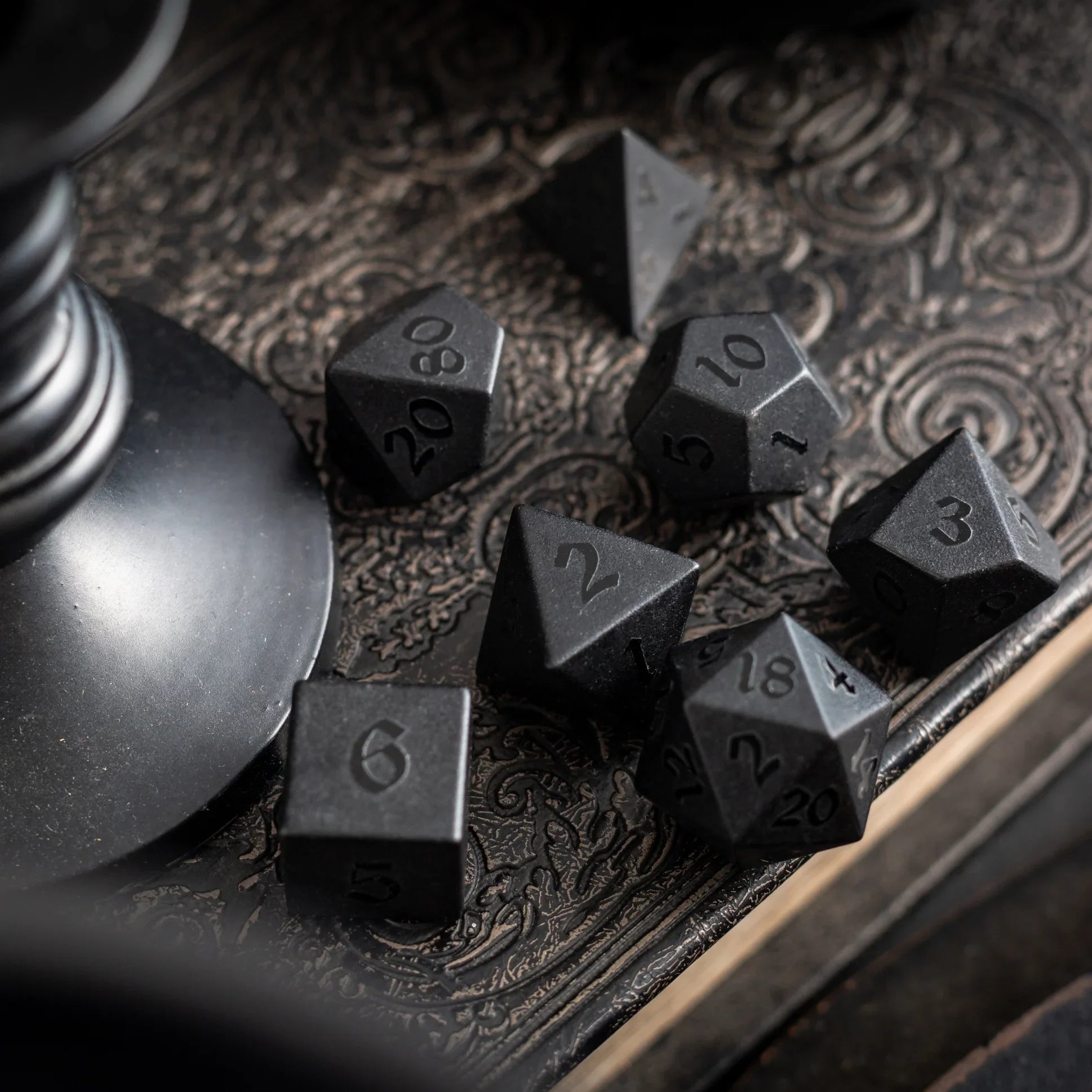
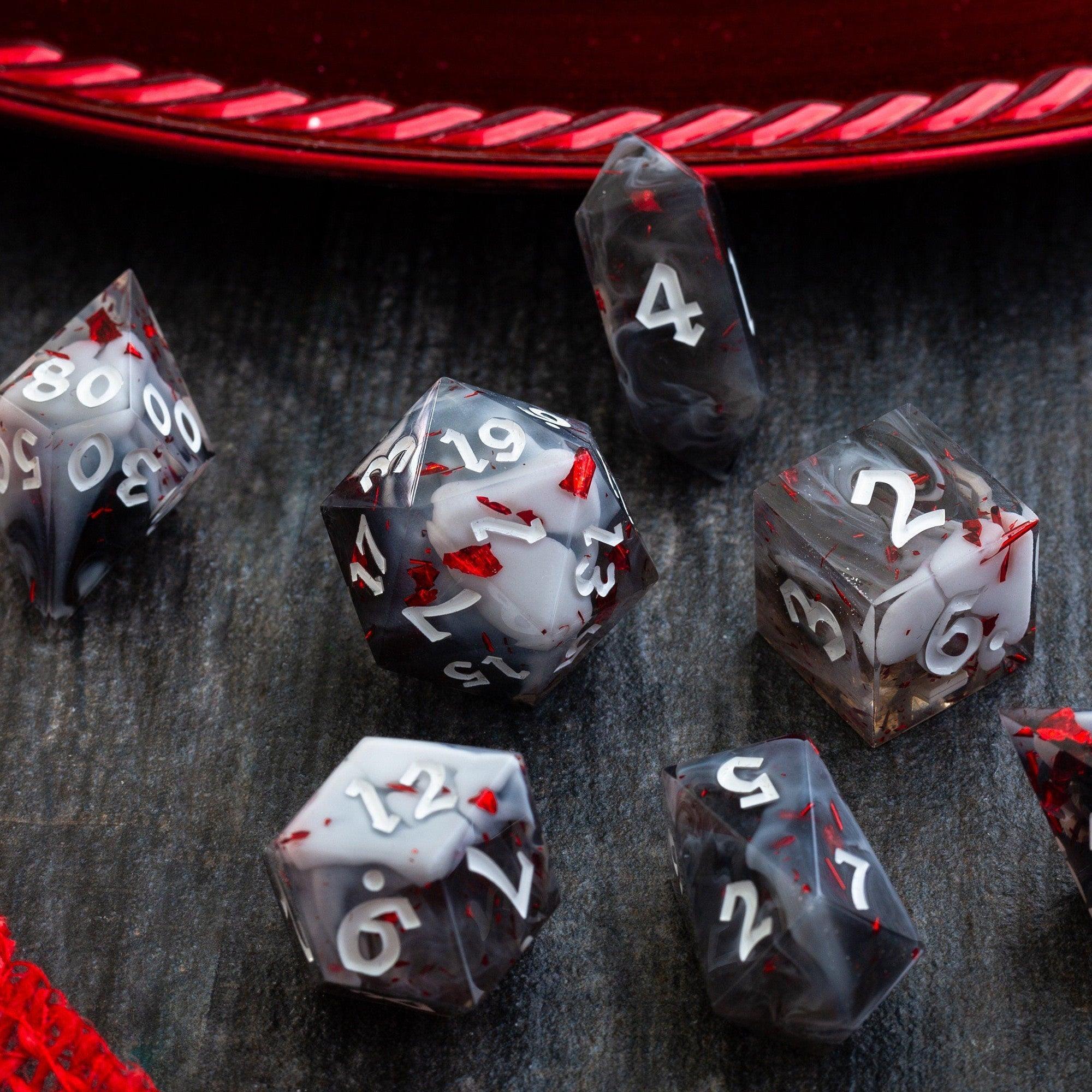
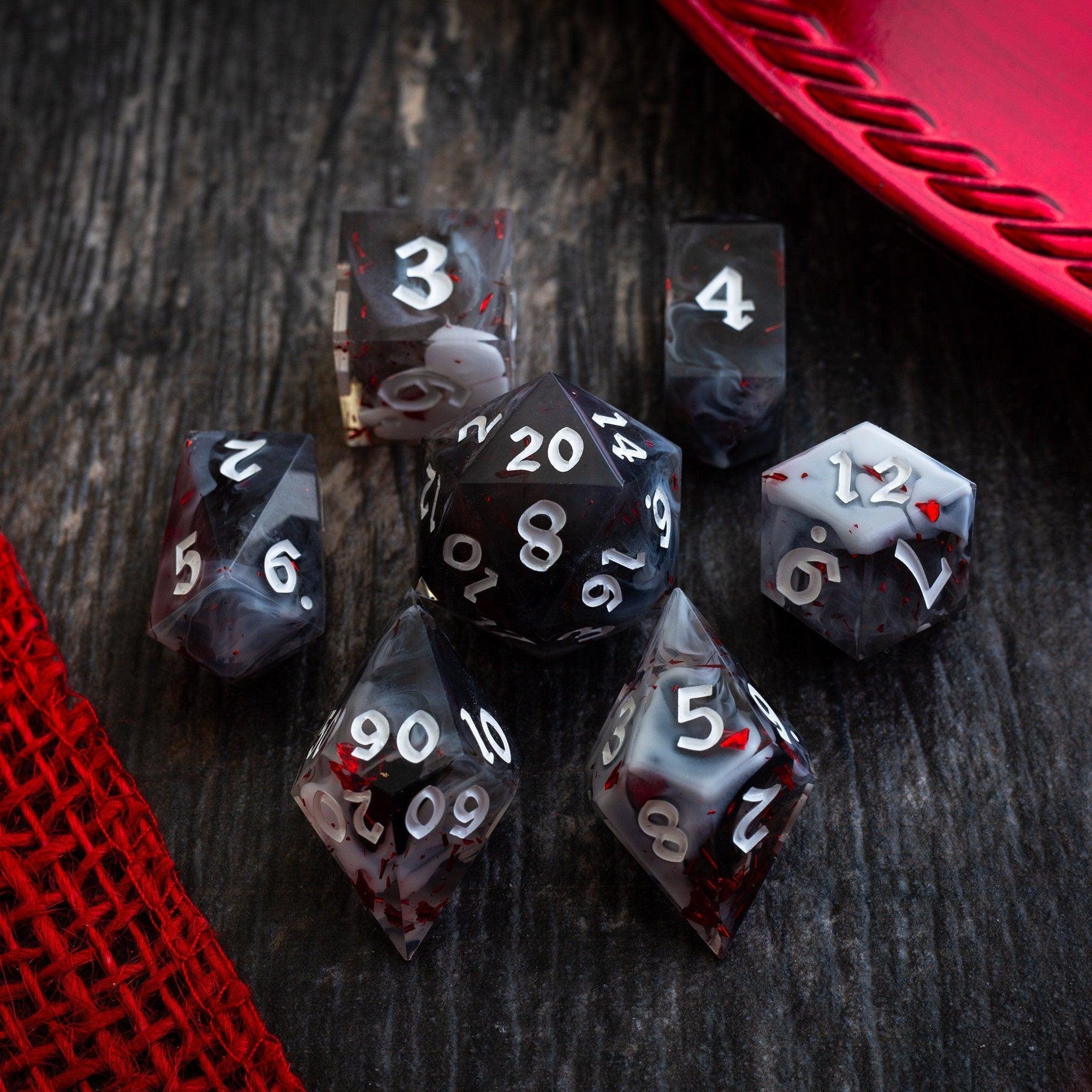
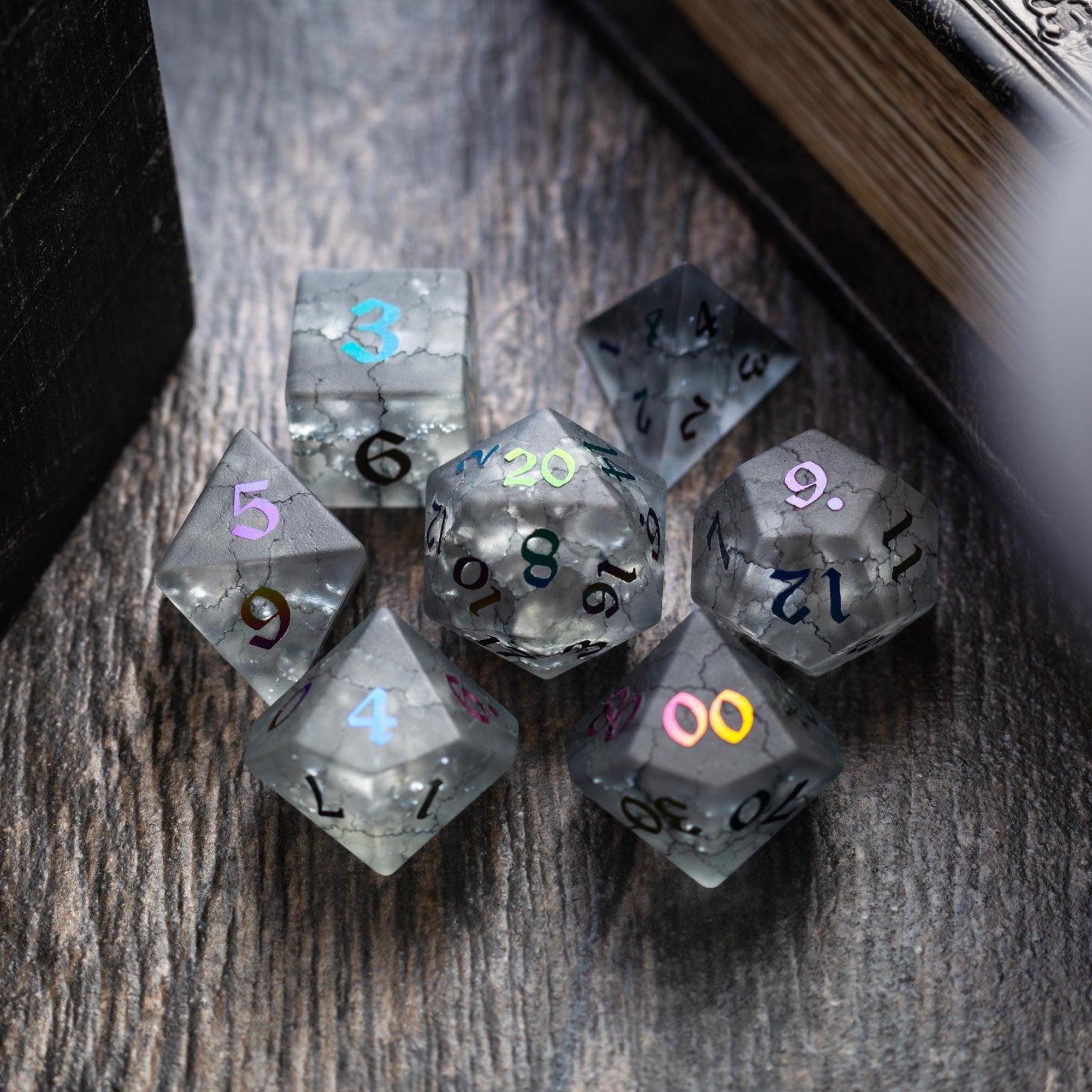
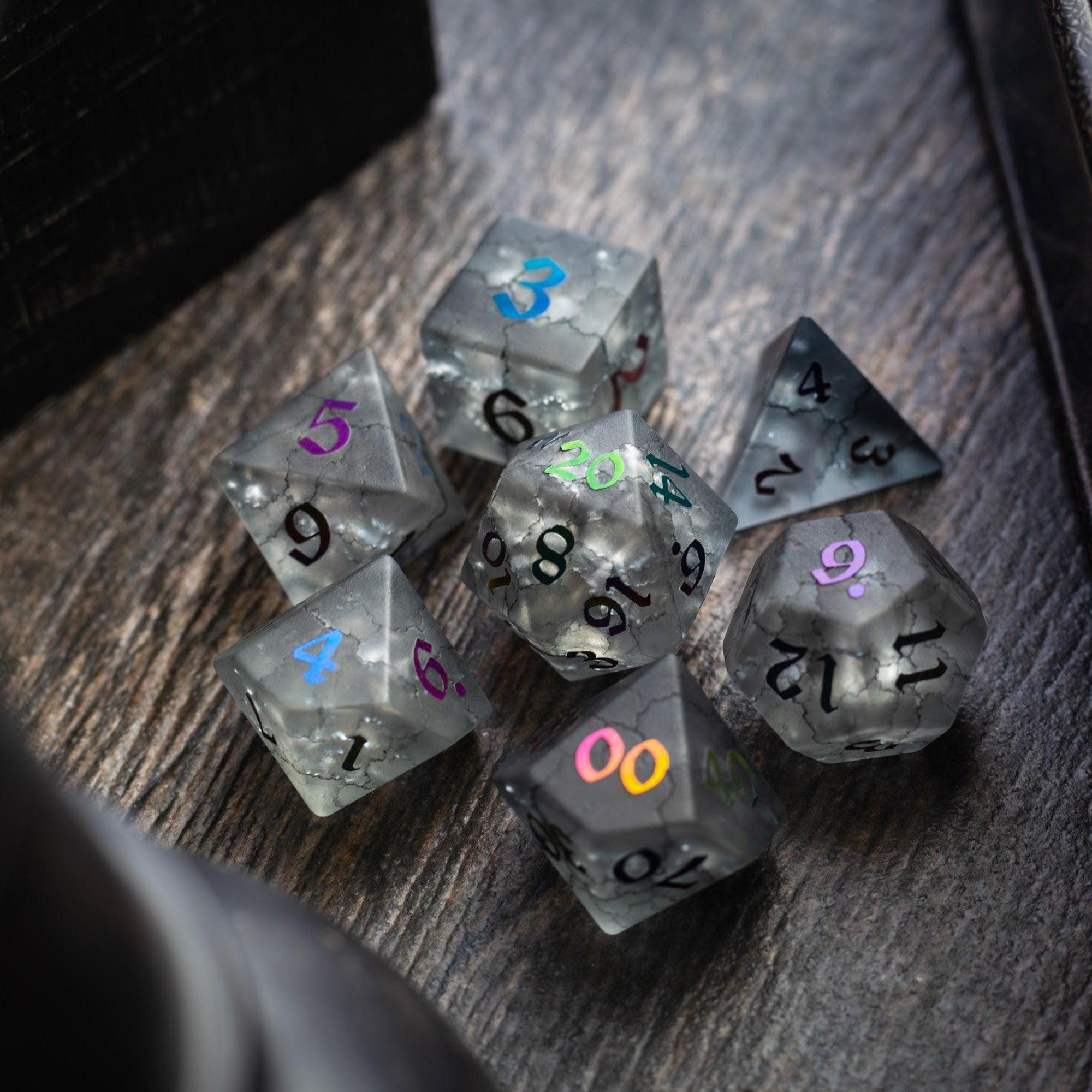
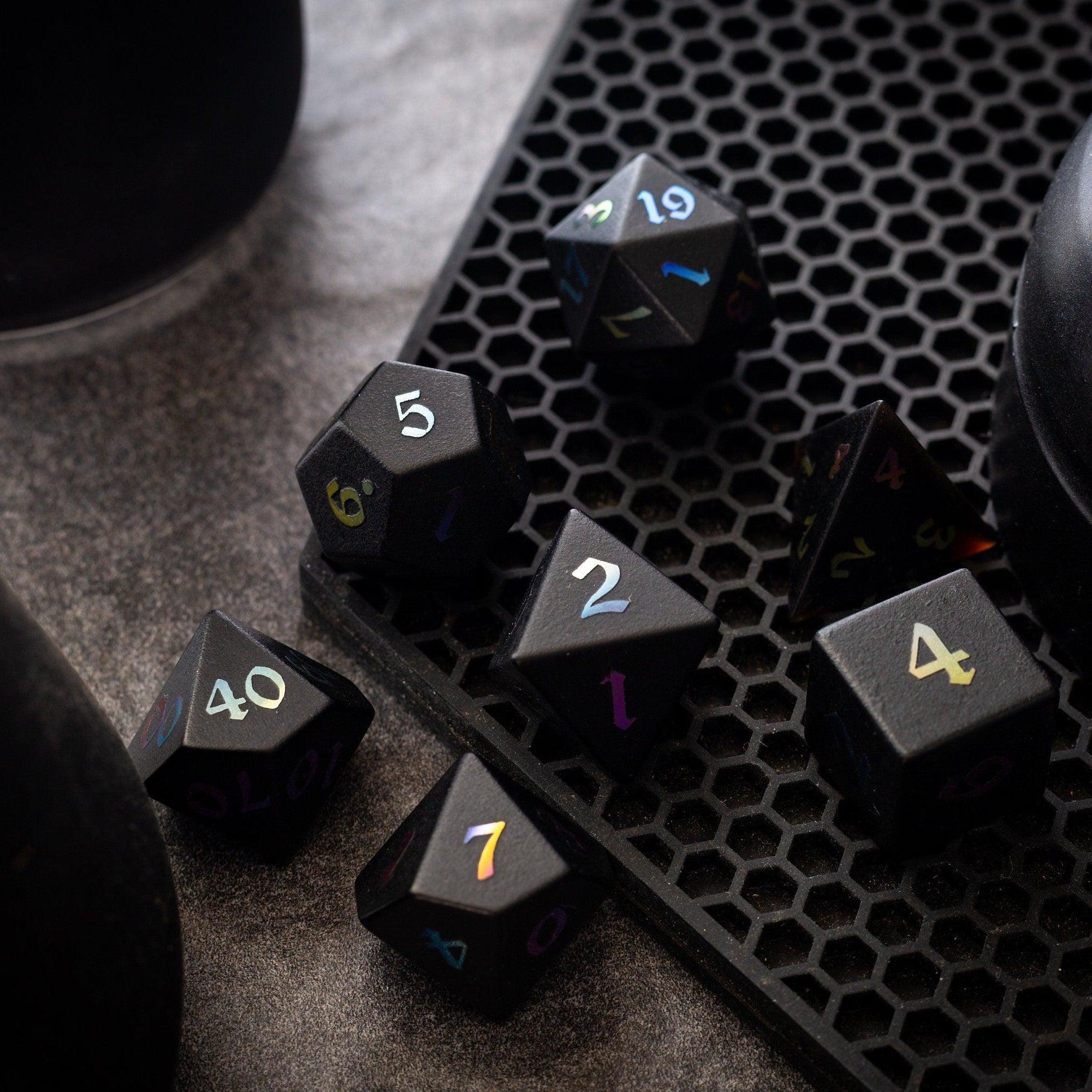
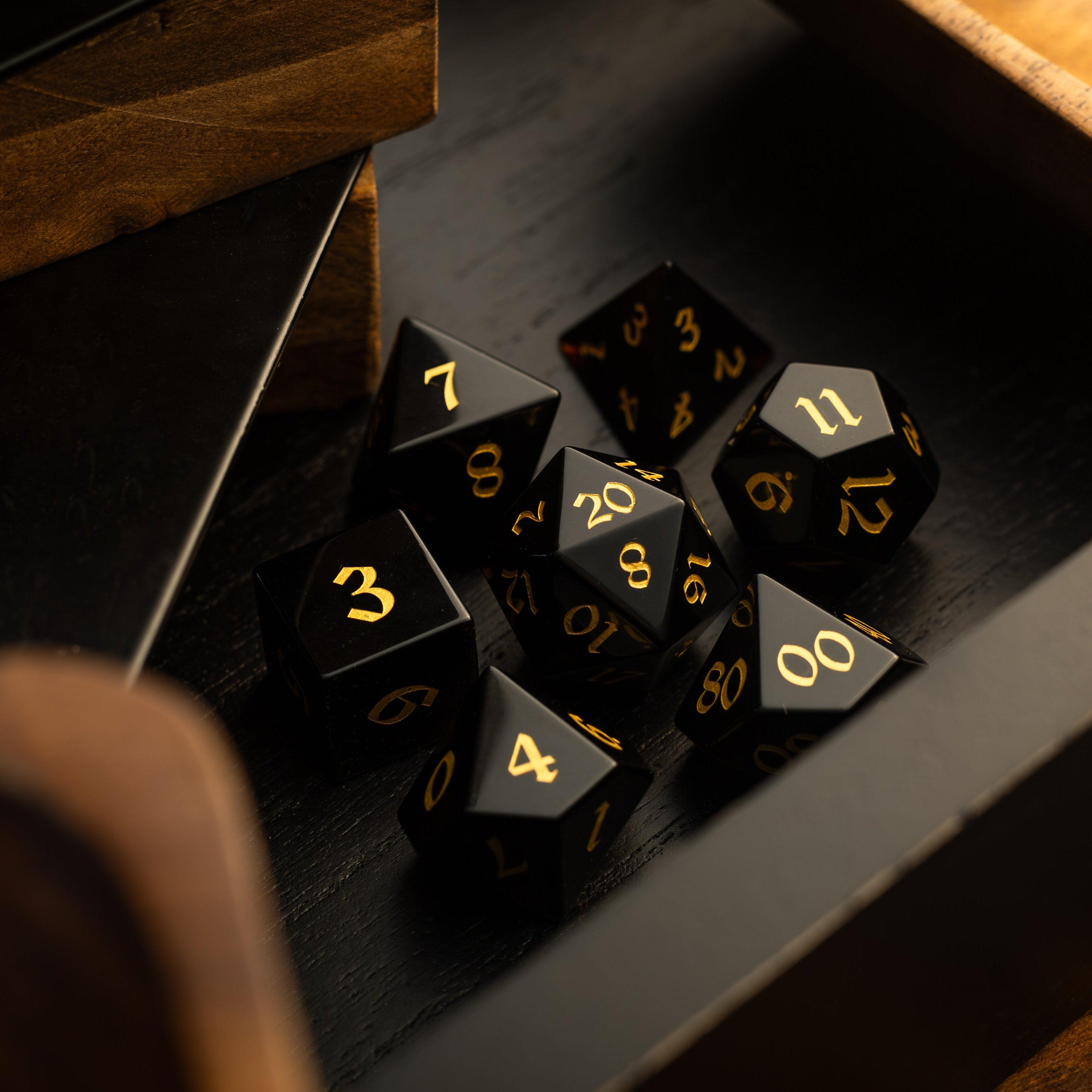
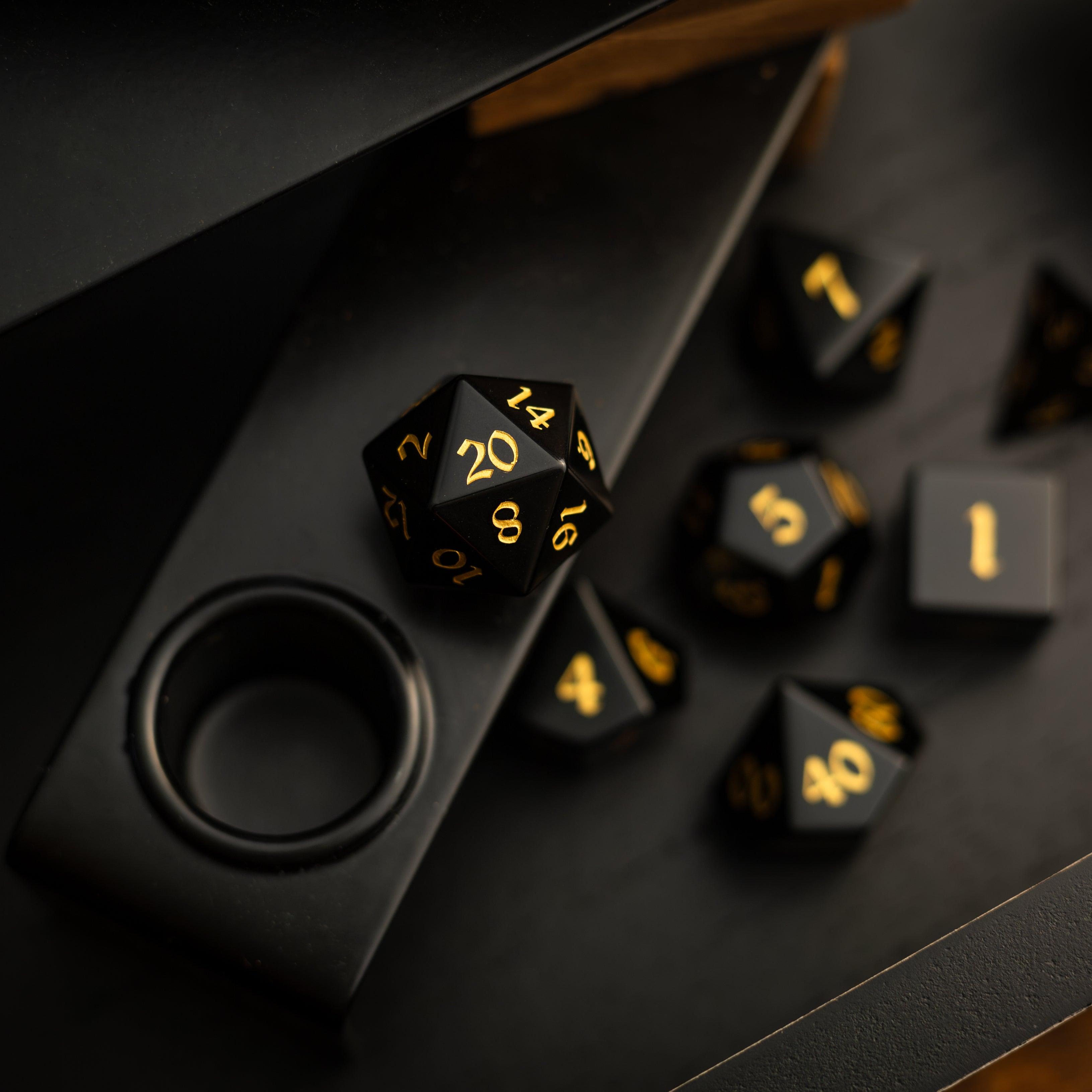
Use repeated symbols, rumors, damaged communities, and distinctive locations to show the villain's influence even when they are absent. A gemstone dice set can fit prophecies or ancient curses, while liquid core dice can suit unstable magic. Consistent table details can help recurring villains feel distinct from ordinary encounters.
Common Mistakes When Designing D&D Villains
- Making them untouchable: Let players damage the villain's network, steal resources, expose allies, or force retreats.
- Removing player agency: Do not script scenes so tightly that clever decisions cannot change the outcome.
- Using cruelty as a substitute for depth: Shock value alone rarely creates a memorable antagonist. Motive and consequence matter more.
- Forgetting the motive: Even a mysterious villain should eventually reveal a clear logic behind their choices.
- Copying a full player build: Borrow the subclass identity, then use encounter-ready monster or NPC mechanics.
Practical Villain Creation Template
You do not need pages of backstory to create a memorable D&D villain. Start with a few choices that explain who the antagonist is, what they want, how they operate, and how the players can affect the plan.
- Villain concept: Describe the antagonist in one sentence.
- Main goal: What are they actively trying to accomplish?
- Motivation: Why does this goal matter so much?
- Subclass inspiration: Choose a theme that matches the villain's identity.
- Signature tactics: Pick two or three recognizable powers or methods.
- Greatest strength: Decide what makes confronting them difficult.
- Important weakness: Give players something they can discover and exploit.
- Personal connection: Link the villain to something the party cares about.
- Foreshadowing clue: Decide what the characters encounter before meeting the villain.
- Encounter objective: Give the confrontation a purpose beyond simply dealing damage.
Once these pieces are in place, choose an appropriate monster or NPC stat block and present its abilities in a way that matches the concept. This keeps preparation manageable while giving the villain enough personality and recognizable tactics to feel connected to the campaign.
Let Villains Cast Long Shadows
The most memorable D&D campaign villains are not memorable because they have the highest numbers. They want something fiercely, change the world around them, and force the party to make meaningful choices.
Subclass-inspired villain design gives Dungeon Masters a useful shortcut. Warrior of Shadow suggests secrecy and pursuit. Illusionist creates doubt. Oath of Vengeance turns justice into obsession. Fiend Patron introduces bargains and corruption. Circle of the Sea brings storms and environmental pressure.
Use those themes as a foundation, then build the encounter around a manageable stat block, clear objectives, discoverable weaknesses, and clues the players can act on. When the heroes finally confront the antagonist, the battle should feel like the result of everything they learned and changed along the way.




Leave a comment
This site is protected by hCaptcha and the hCaptcha Privacy Policy and Terms of Service apply.