
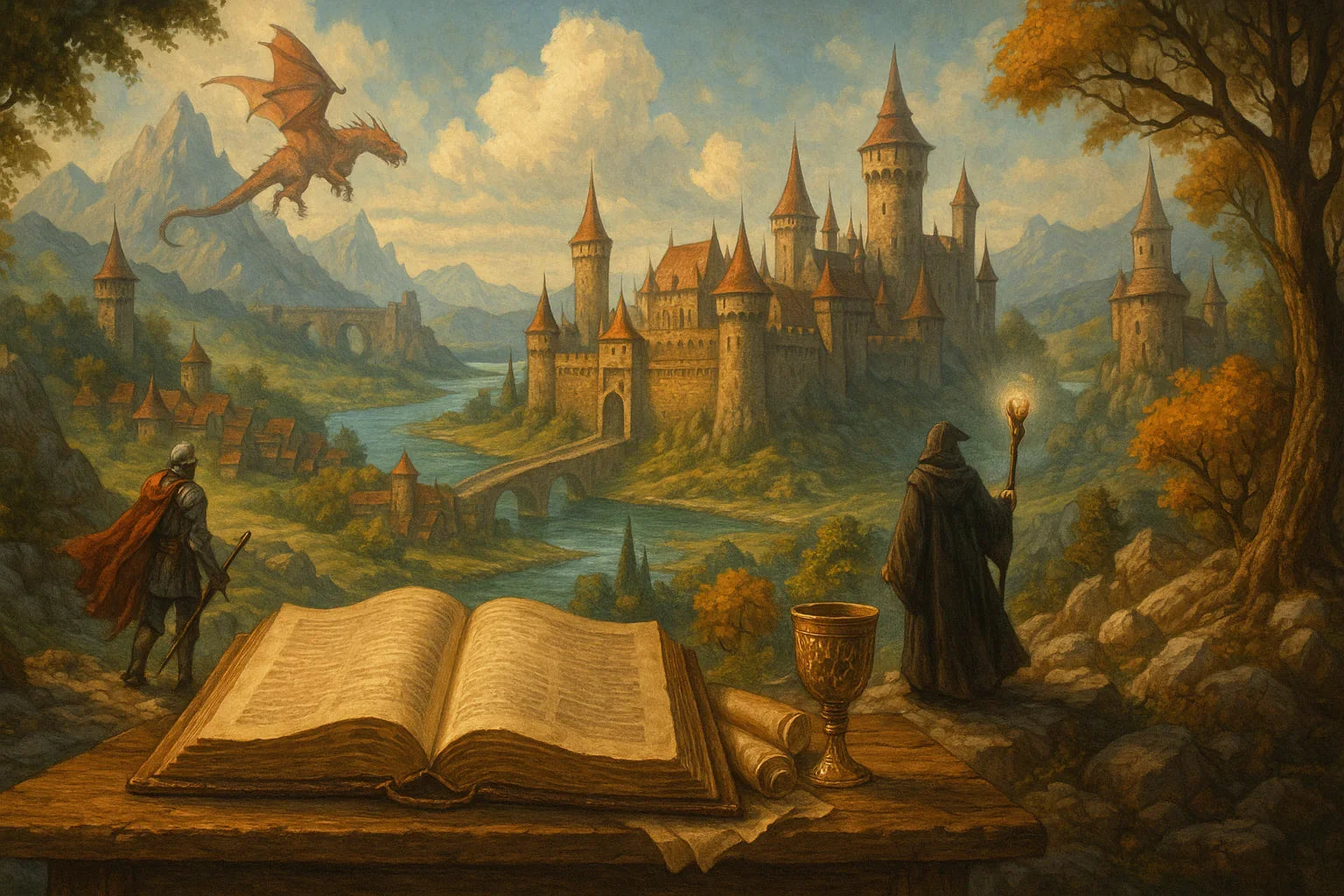
Worldbuilding and Lore Guides for Role Playing Games
Updated on: 2025-12-11
Building believable worlds for your tabletop adventures doesn’t have to be overwhelming. This guide shows you how to go from vague ideas to a living setting using simple, repeatable steps. You’ll learn what to avoid, how to balance creativity with practicality, and ways to keep players engaged through compelling lore. We’ll also share quick tips, curated prompts, and tools that help you stay organized and inspired.

If you’ve ever stalled out before a campaign because your setting felt too big to wrangle, you’re not alone. Many GMs and storytellers want structure without stifling their creativity. That’s where thoughtful resources, including worldbuilding and lore guides for role playing games, can help you turn scattered ideas into a cohesive, playable world. In this post, we’ll walk through the most common pitfalls, highlight benefits and trade-offs, then finish with actionable tips you can use tonight. Think of it like a friendly checklist for your next session.
Common Mistakes to Avoid in worldbuilding and lore guides for role playing games
Great settings grow from clarity and consistency. Here are the missteps that can slow you down:
- Starting with a megascope. Trying to define every continent, era, and god on day one is a recipe for burnout. Begin with the first adventure region, a few factions, and one mystery that ties them together.
- Writing novel-length history. Long timelines can be fun to craft, but players usually care about what affects them now. Keep backgrounds short and focus on consequences felt at the table.
- Ignoring player goals. If your group loves heists, give them vaults, syndicates, and consequences. Align lore with the stories your players want to tell, not just the ones you want to write.
- Overcomplicating names and calendars. Difficult terms can make your setting feel distant. Use clear naming patterns and simple timekeeping unless the detail serves a purpose in play.
- Inconsistent tone. Mixing grim horror with slapstick whimsy can work, but it needs a plan. Define your tone in a sentence and stress-test each new element against it.
- Hidden information overload. Secret histories are exciting, but if they never surface, they don’t matter. Design clues, rumors, and encounters that reveal your canon at the table.
- One-note cultures. Avoid stereotypes by giving each culture at least three distinct traits, internal tensions, and unique everyday details (foods, slang, jobs).
- Forgetting sensory anchors. Players remember what they can see, hear, and smell. Give each location a sensory “hook” in one sentence.
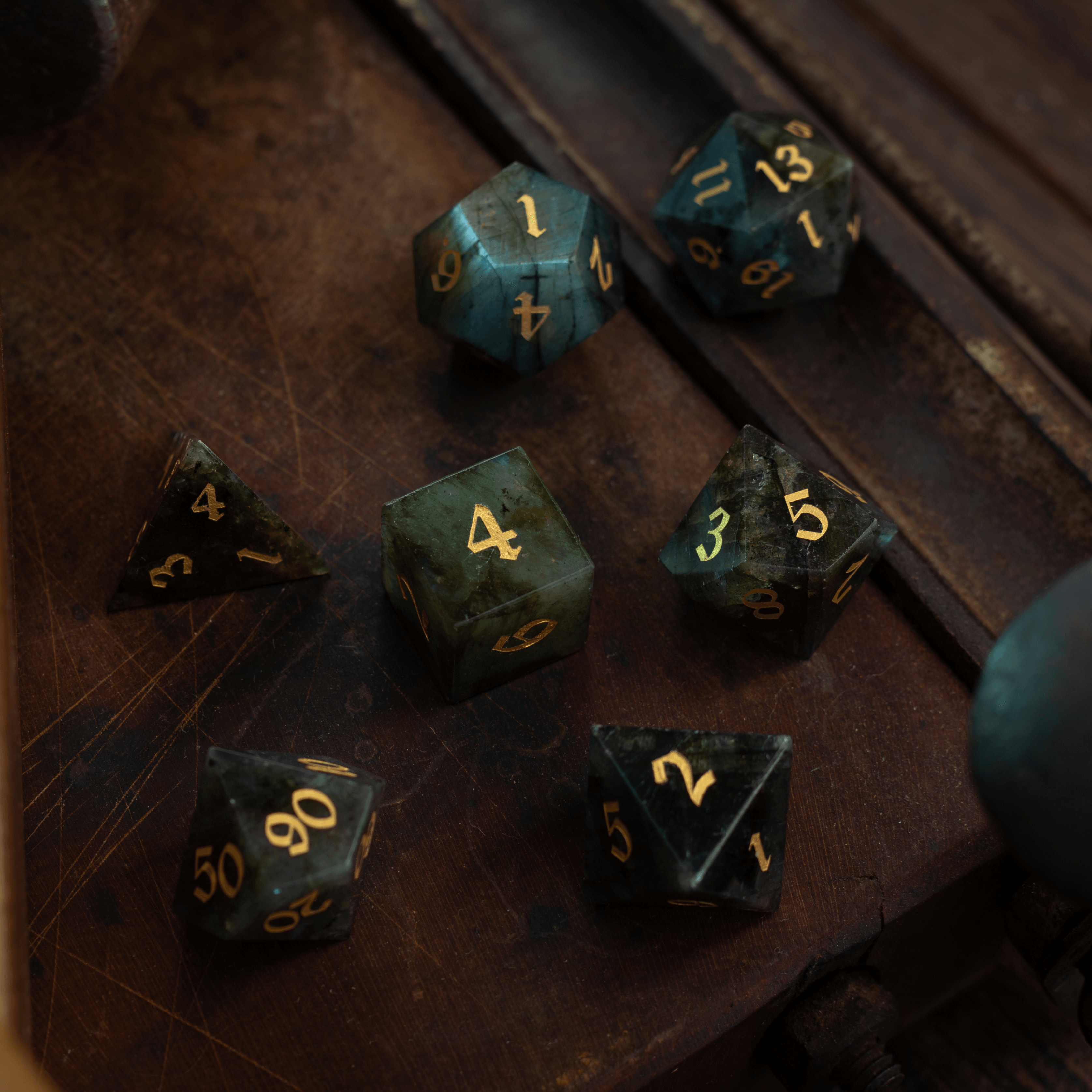
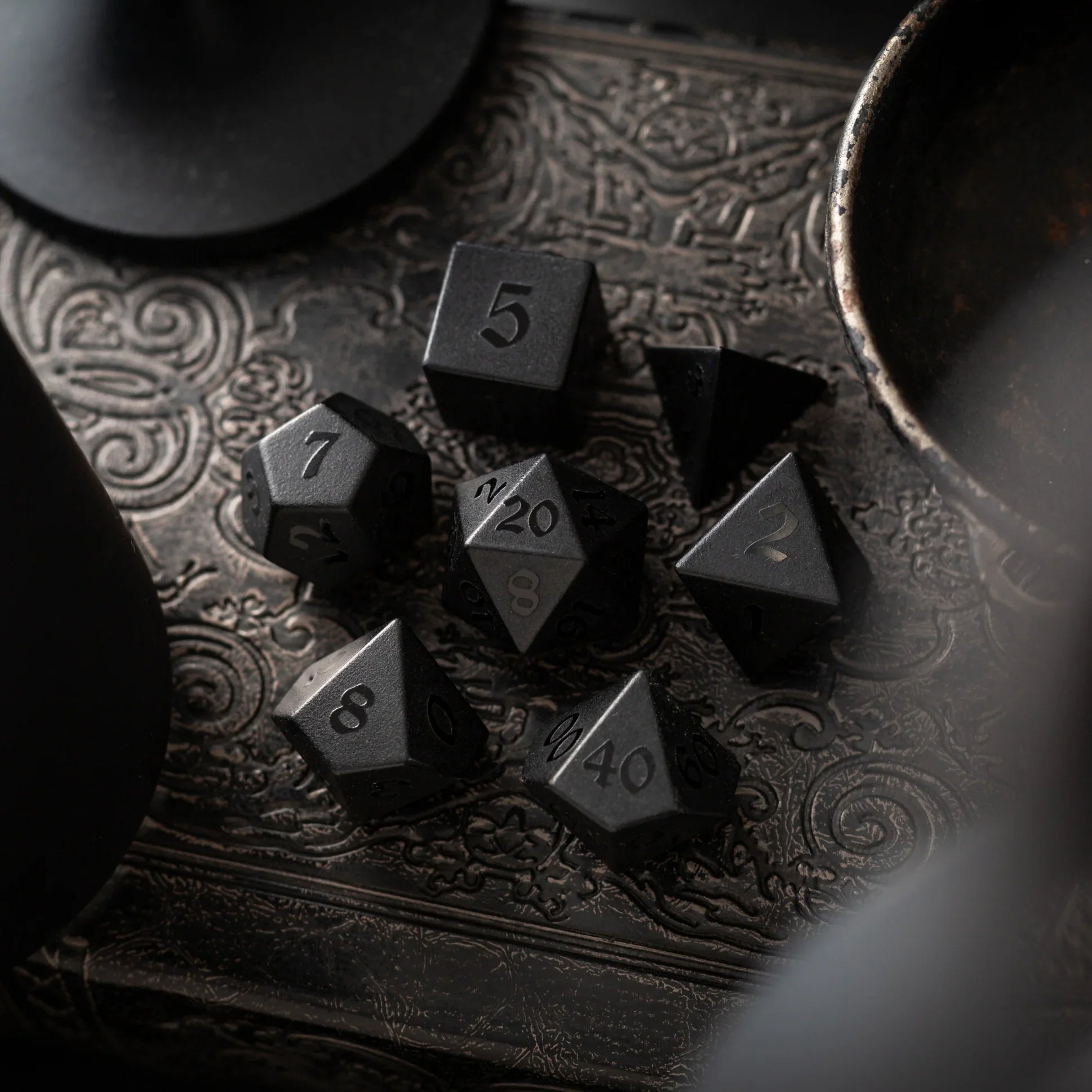
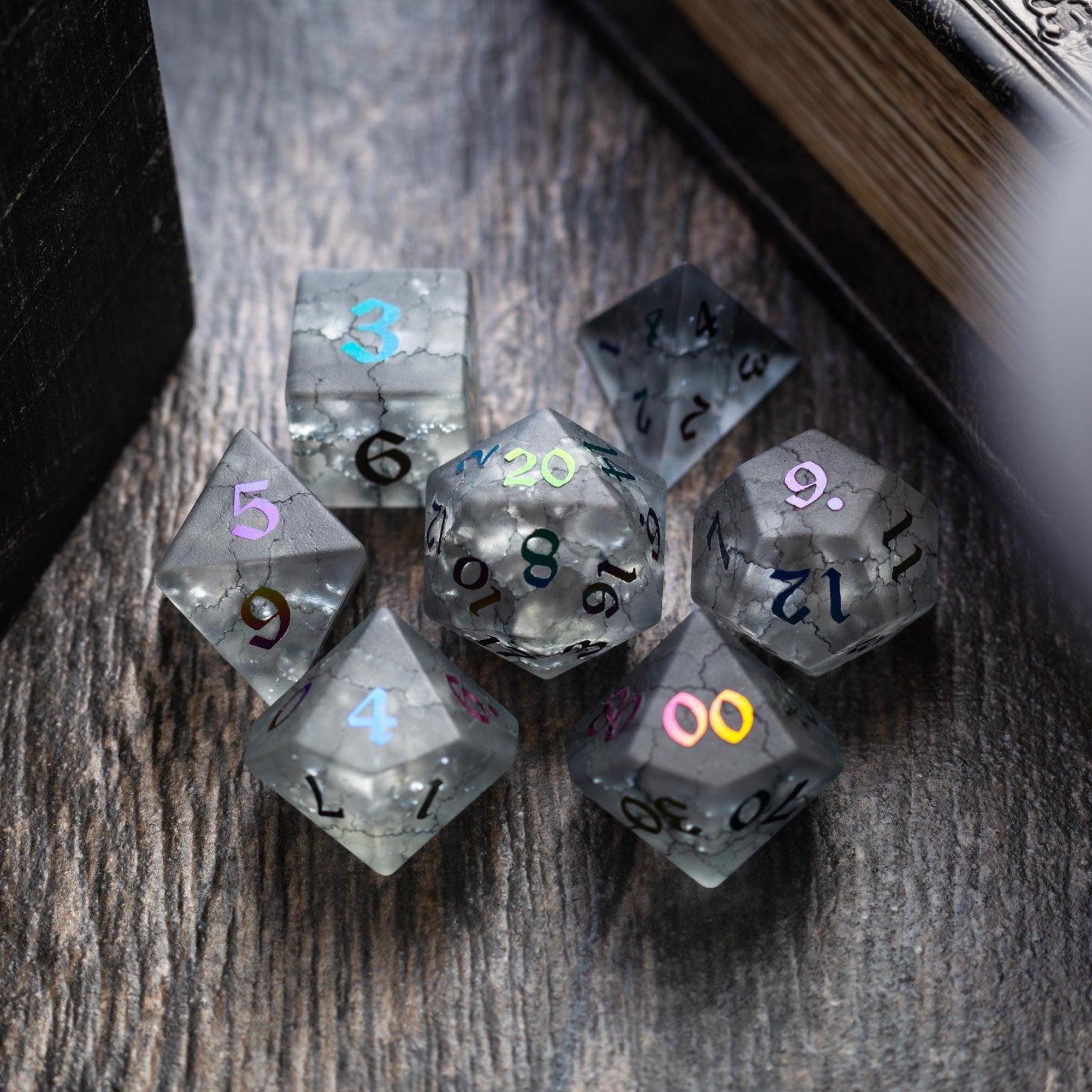
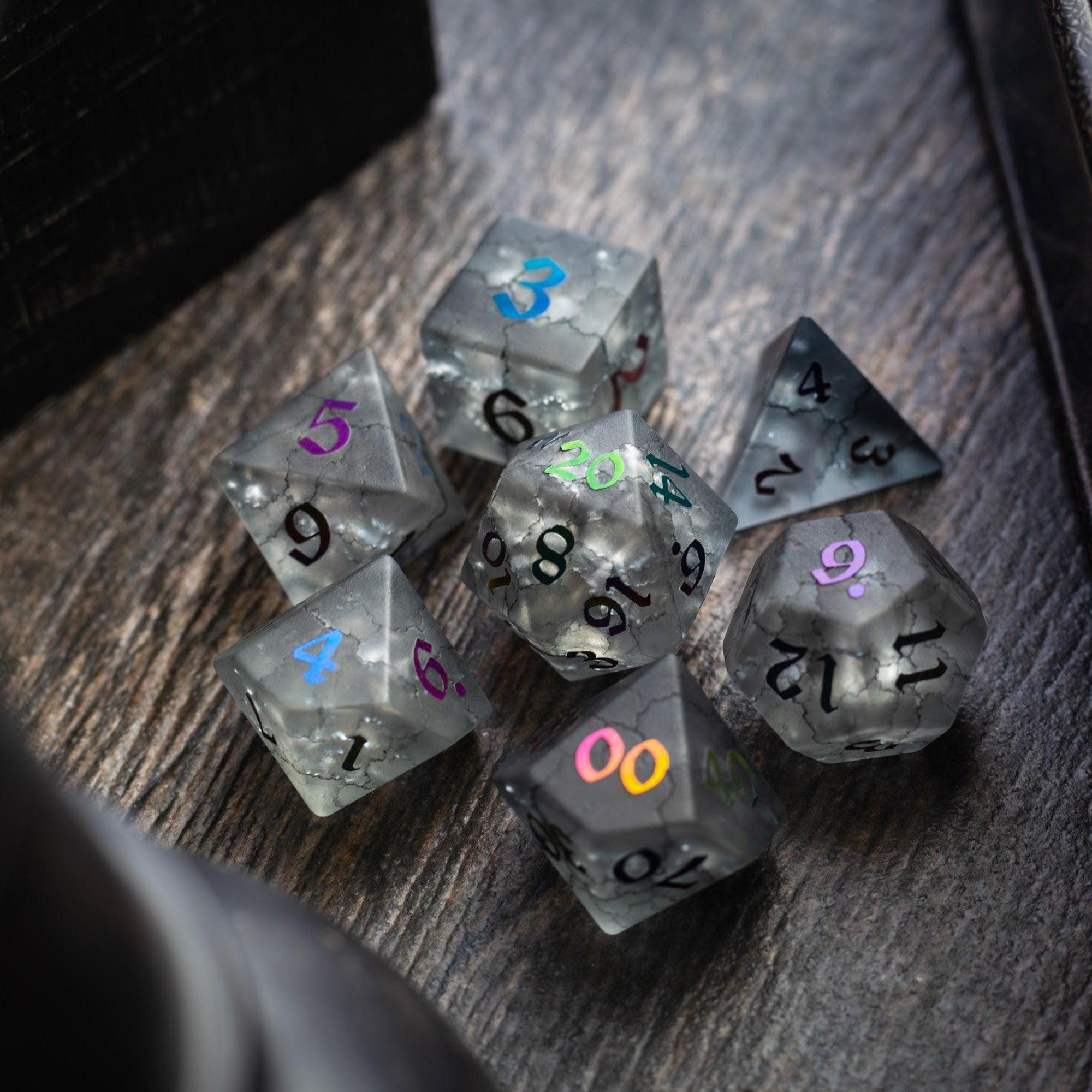
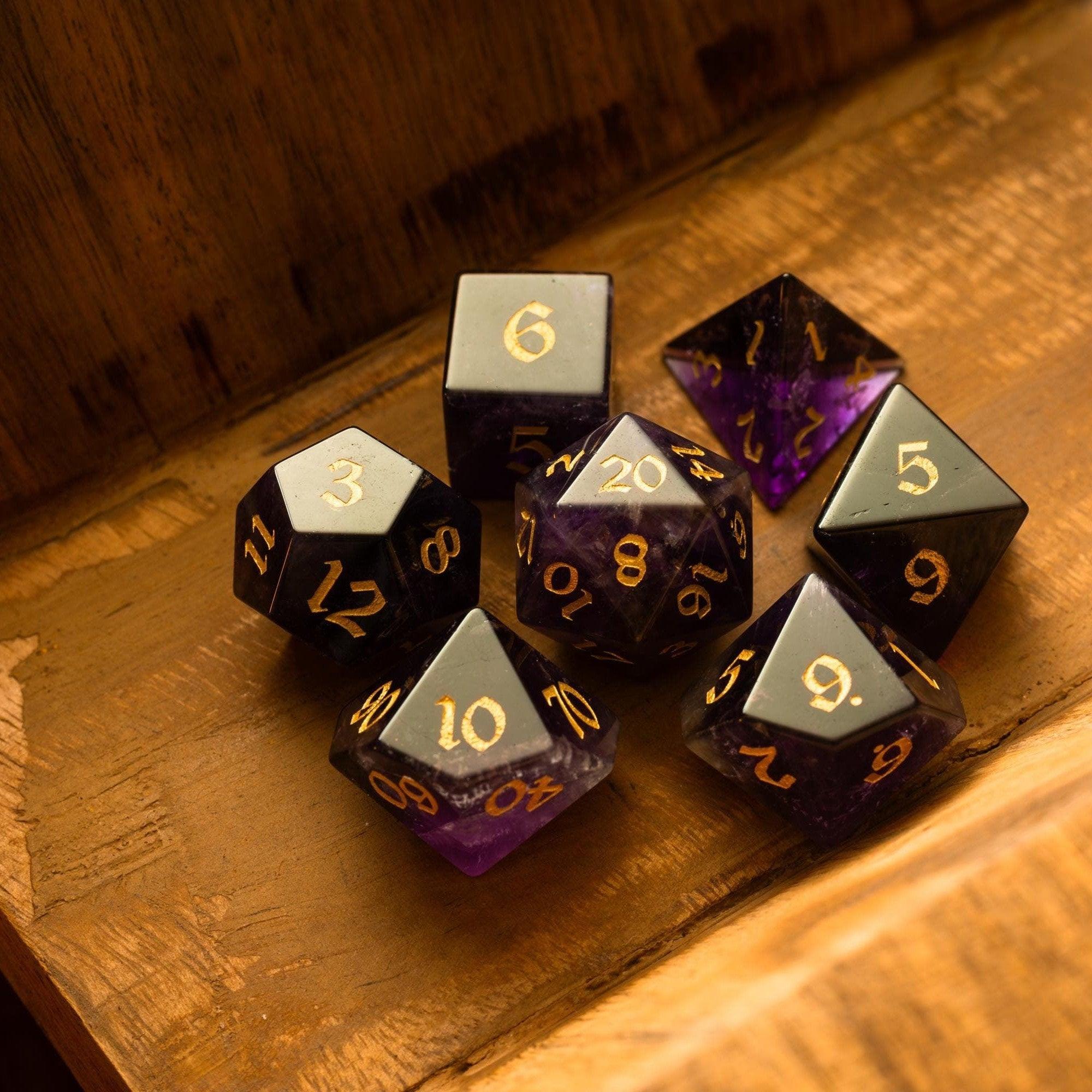
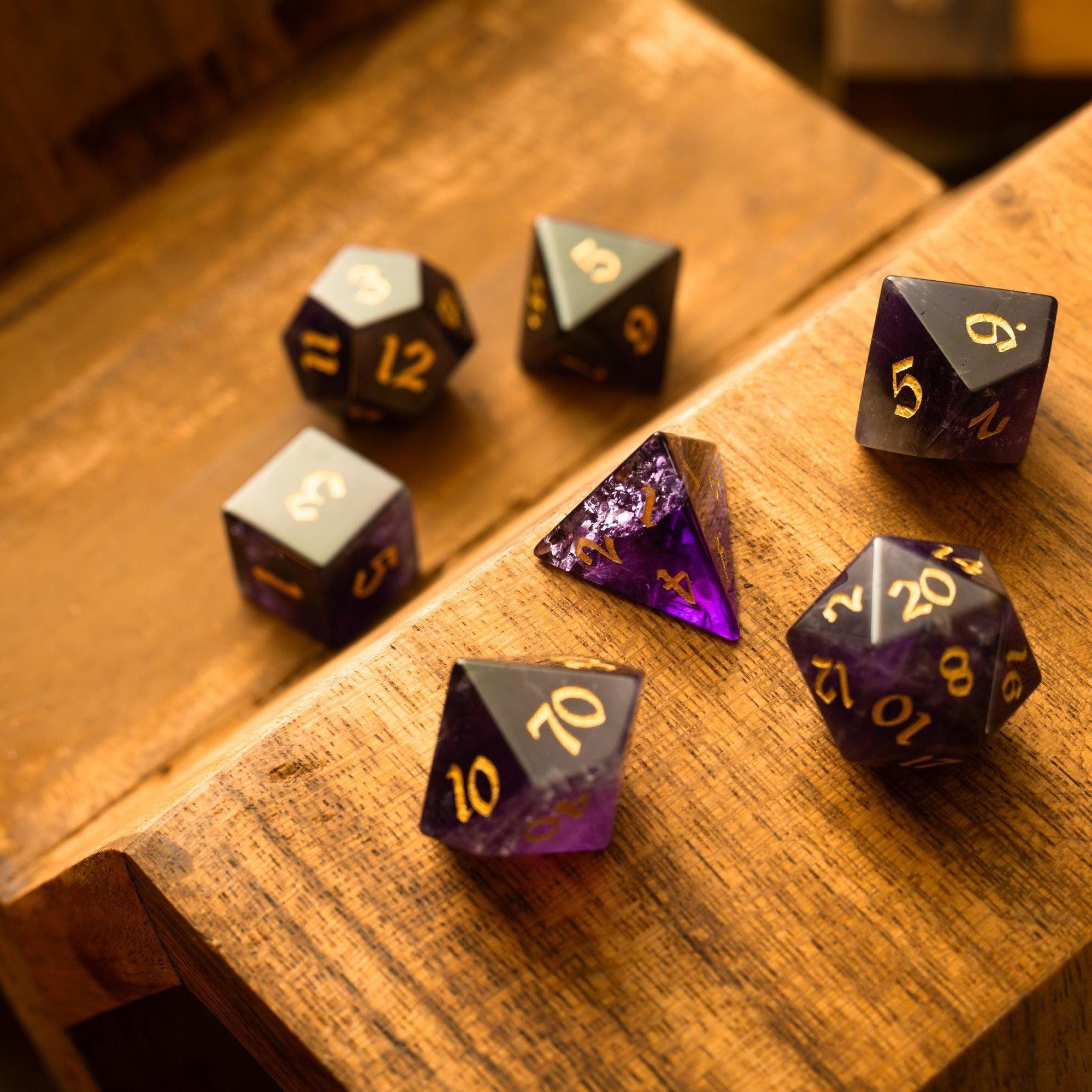
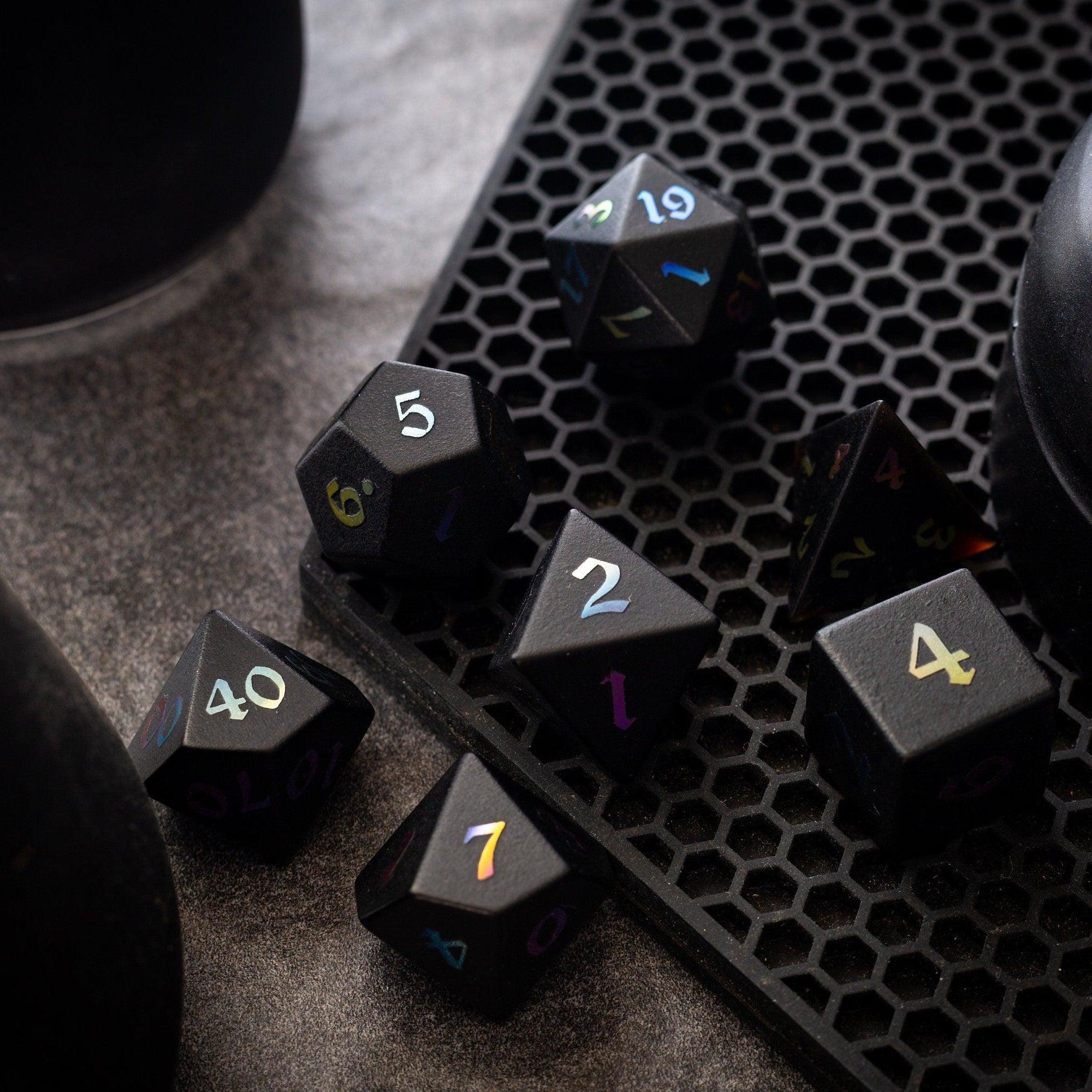
- Letting gear and loot feel generic. The right tactile prop can reinforce your theme. If your world leans arcane or crystalline, even your dice can echo the vibe. For example, consider rolling with gemstone dice to match a mystic, high-fantasy tone.
- Not documenting decisions. If your table plays monthly, memory fades. Capture changes after each session so your setting stays consistent over time.
Pros & Cons Analysis
Using structured resources and curated frameworks can accelerate your prep. Here’s what to weigh:
-
Pros:
- Speed and clarity. Frameworks help you focus on what players will touch in the next 1–3 sessions.
- Consistency. Templates and checklists prevent continuity errors and keep tone aligned.
- Player engagement. Prompt-driven lore makes it easy to build NPC motives and meaningful conflicts.
- Replay value. Modular tools can be reused for new regions, factions, or eras with minimal changes.
- Easy onboarding. New players get a concise “world snapshot,” so they feel confident making choices.
-
Cons:
- Risk of sameness. If you follow a template too closely, worlds can feel similar across campaigns. Add at least one surprising convention-breaker per region.
- Overfitting the framework. Real play is messy. Leave space for improvisation and emergent lore from player choices.
- Time sink if misused. Spending hours on lore not tied to upcoming scenes can lead to prep you never use.
- Temptation to frontload. It’s easy to info-dump. Instead, reveal details through clues, consequences, and rewards.
Bottom line: tools are best when they remove friction and highlight the next decision, not when they dictate every detail.

Quick Tips
- Start with a hub-and-spoke map. Sketch one safe hub, three nearby points of interest, and a rumor that connects them.
- Use the “3-1-1” rule. For each location, write 3 sensory hooks, 1 NPC motive, and 1 conflict that can escalate.
- Create a rumor clock. List five rumors; each session, tick one forward so the world evolves even off-screen.
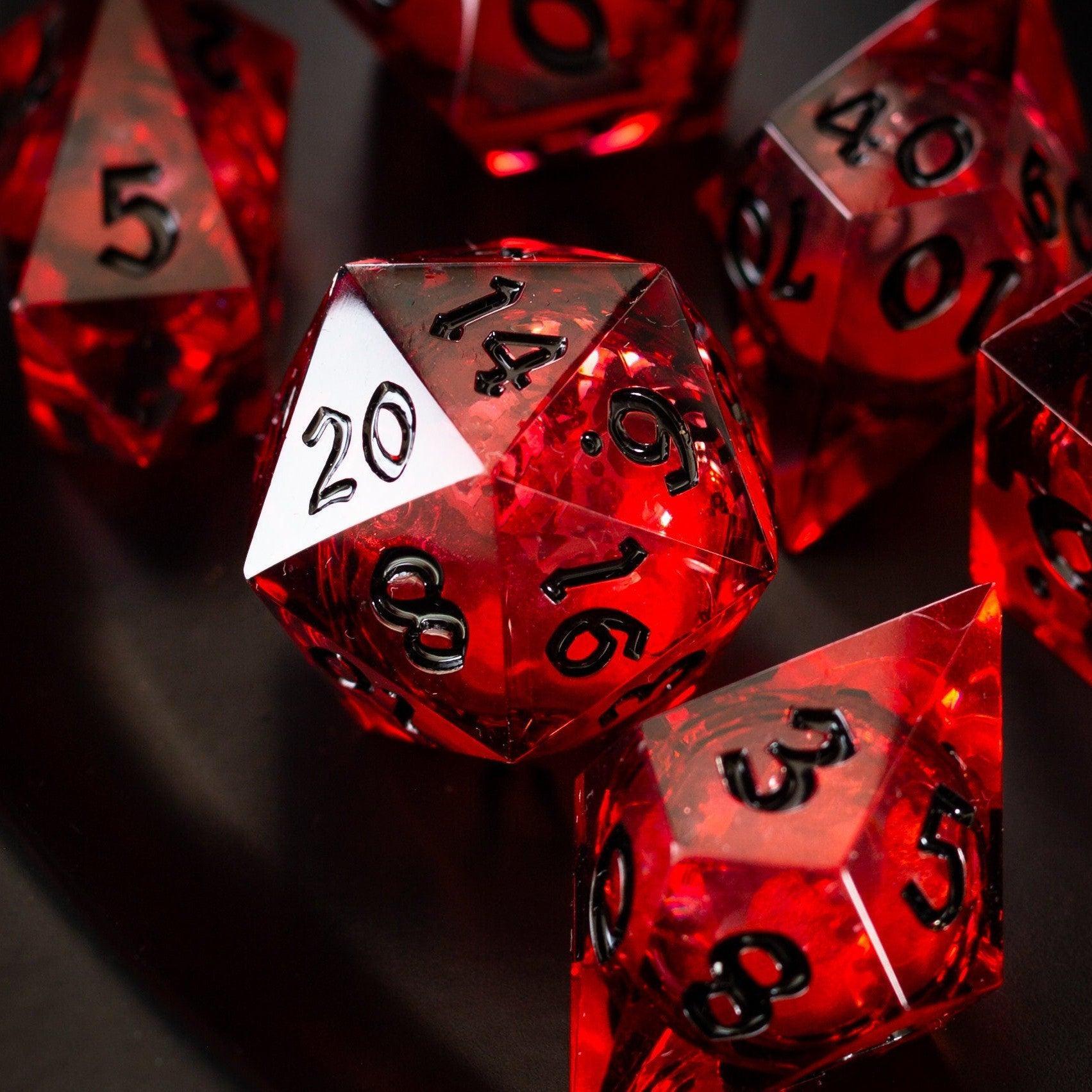
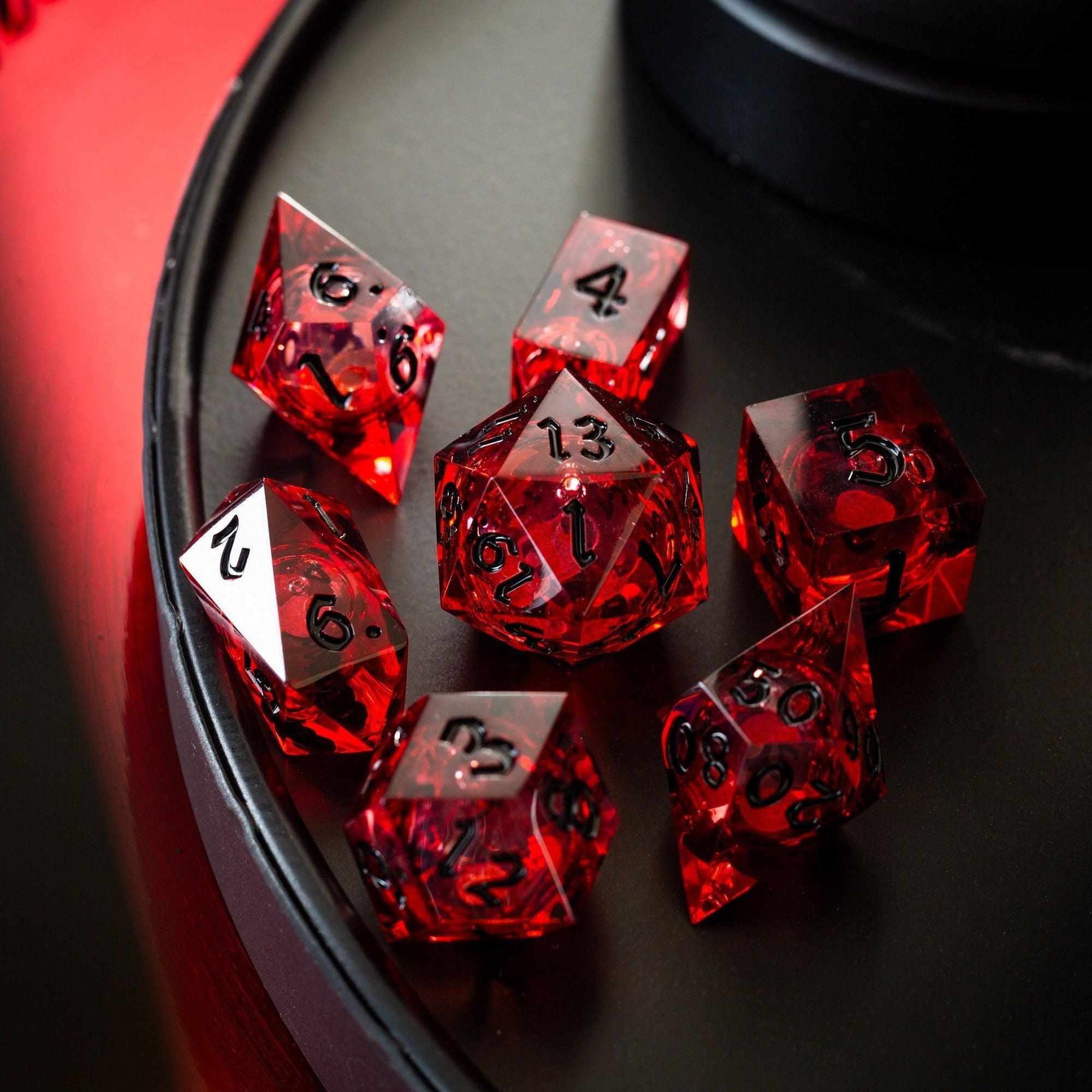
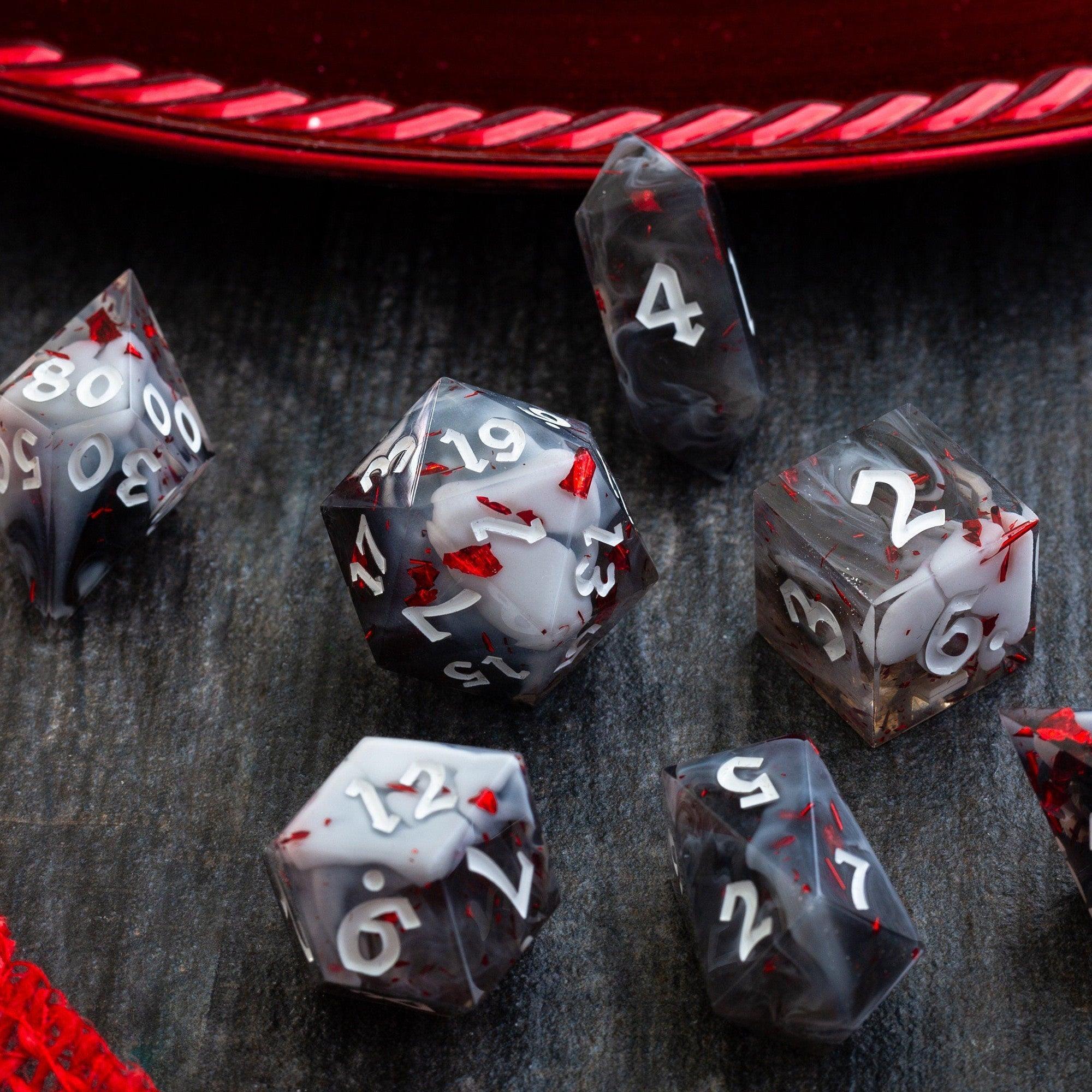
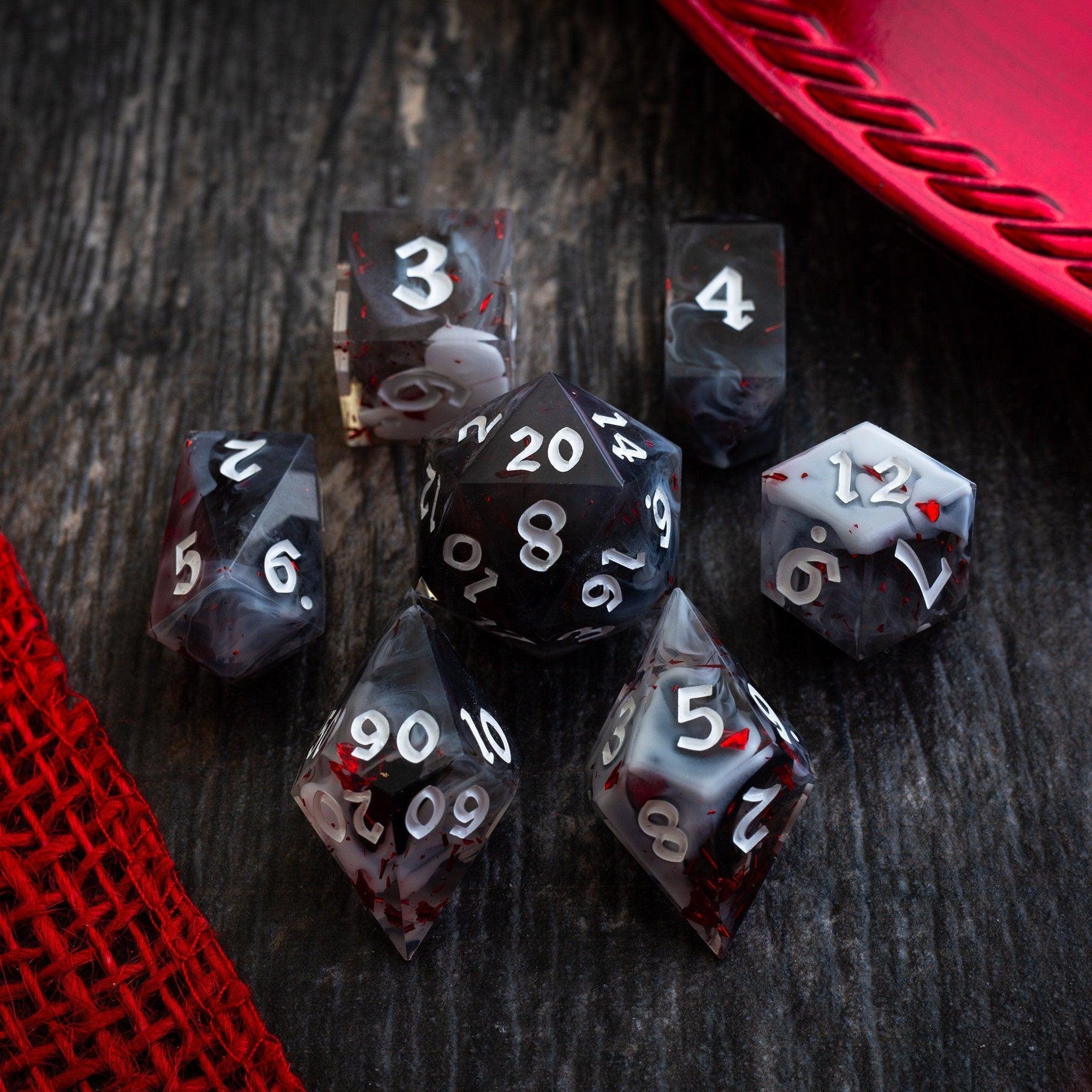
- Let your dice inspire tone. Choosing a set that matches your theme keeps the table immersed. A moody, volcanic setting pairs beautifully with sharp-edge resin, while eldritch vibes sing with a shimmering liquid core dice roll.
- Factions over nations. Groups with clear goals are easier to write than entire countries. Give each faction a slogan and a signature move.
- Steal from your players. Ask for one detail on their backstory or hometown every session and fold it into the world.
- Prep questions, not speeches. “What rumor brought you here?” opens scenes better than a long monologue.
- Limit your lore pages. Cap any handout at one screen or one printed page. Hide deeper secrets behind missions.
- Make magic tangible. Give spells and relics physical quirks: flickering runes, humming metal, or prismatic dust.
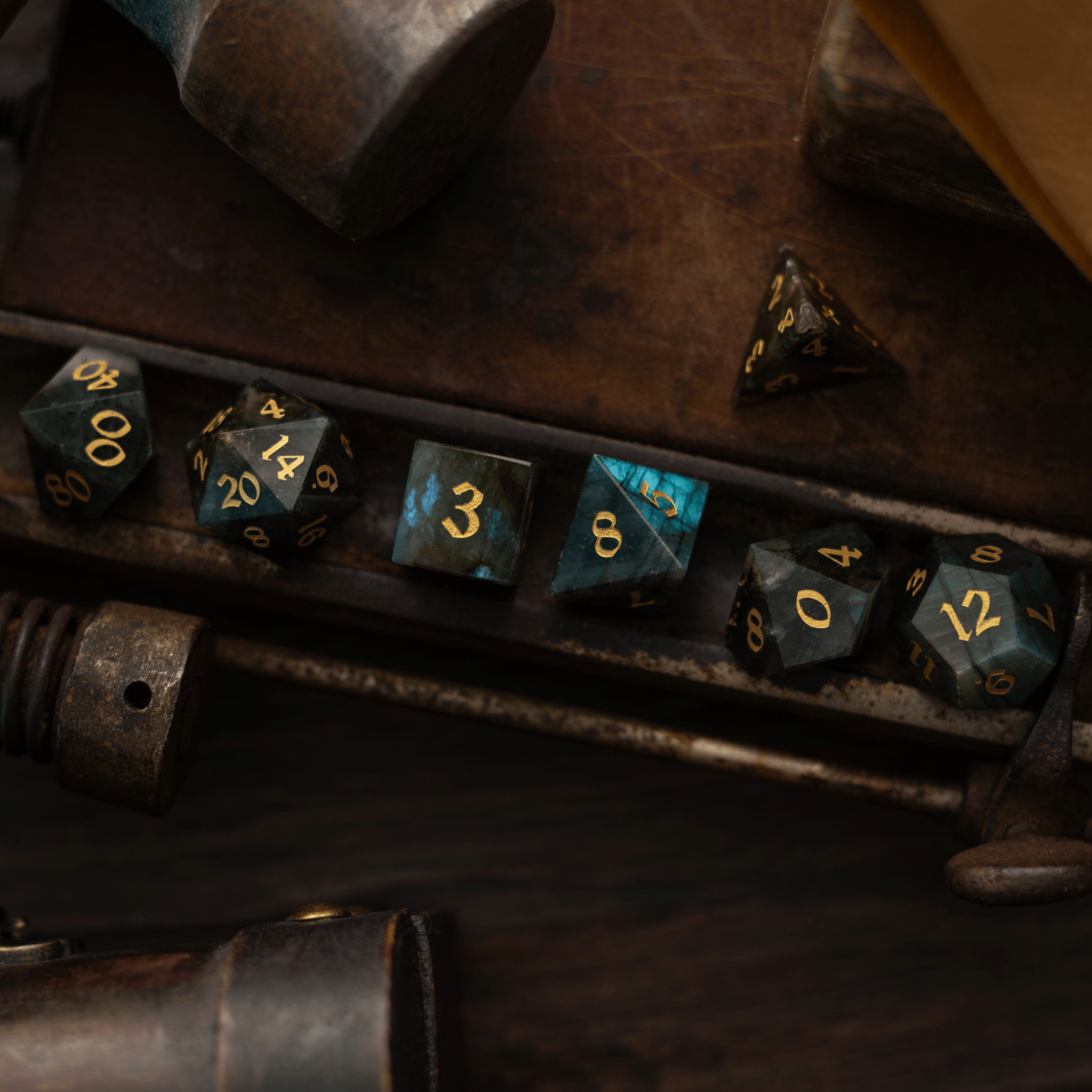
- Tie treasure to history. When a reward references a legend you teased earlier, it feels earned. A themed set like a luminous labradorite set can become an in-world relic your party “claims.”
- Close each session with changes. Spend five minutes noting what shifted: maps, alliances, rumors, and unresolved threads.
- Build a “palette.” List what belongs (crystal ruins, storm temples) and what doesn’t (sci-fi gadgets). Share it with your group.
Wrap-Up & Key Insights
Big settings are less about encyclopedic lore and more about confident choices that serve the next scene. Focus on player-facing details, keep your tone consistent, and let the world change visibly as a result of actions at the table. Tools and frameworks are there to guide, not constrain, your creativity.
Most importantly, curate what your players actually touch: the hub, a few factions in motion, and a mystery that rewards exploration. That mindset turns worldbuilding and lore guides for role playing games into a steady, enjoyable habit rather than a mountain to climb. And whenever you want a physical anchor for your theme, consider weaving your dice into the fiction—like discovering a relic set hidden in a vault or gifted by a patron spirit. For a shimmering artifact vibe, browse our curated gemstone dice for inspiration.
Q&A
How much lore do I need before session one?
Think “pilot episode,” not full series bible. Prep a small home base, three nearby points of interest, two named NPCs with motives, and one escalating problem. Give each location a single sensory hook and one rumor that points to the next choice. That’s enough scaffolding for meaningful decisions while leaving room for improvisation. If you’re worried about gaps, draft five lines of flexible truths such as “Magic is scarce and costly” or “Storms reveal ancient ruins.” You can add deeper history between sessions as player choices clarify priorities. When in doubt, set an hour timer, prep only what the party can see in the first session, and stop when it rings.
What’s the best way to keep track of my setting?
Use a lightweight, living document. Create a single page for your region with sections for People, Places, and Pressures (events that keep the world in motion). After each session, add three bullet points: what changed, what escalated, and what the players care about now. Color-code factions and mark their current “clock” position if you like tracking progress. Keep handouts short and player-facing, but maintain a GM-only notes section for secrets and unused hooks. If you’re a tactile organizer, a small binder with pocket dividers works great—tuck in maps, rumor cards, and even a themed dice set like a glittering liquid core dice piece as an in-world prop.
How do I adapt published material to my table?
Start by defining your table’s tone and pace. Then strip any module down to its core beats: the hook, three scenes, and a finale. Replace any NPC or faction with equivalents that match your setting’s style. Reskin names to your world’s language and tweak treasure to reflect your lore. Finally, map the adventure’s conflicts onto your existing factions so outcomes ripple through the region. One small swap—like turning a generic artifact into a crystalline totem—can align everything. If your world favors luminous, arcane aesthetics, consider props that reinforce that identity, such as a radiant set from our gemstone dice lineup for a diegetic reward or symbol.





Leave a comment
This site is protected by hCaptcha and the hCaptcha Privacy Policy and Terms of Service apply.