
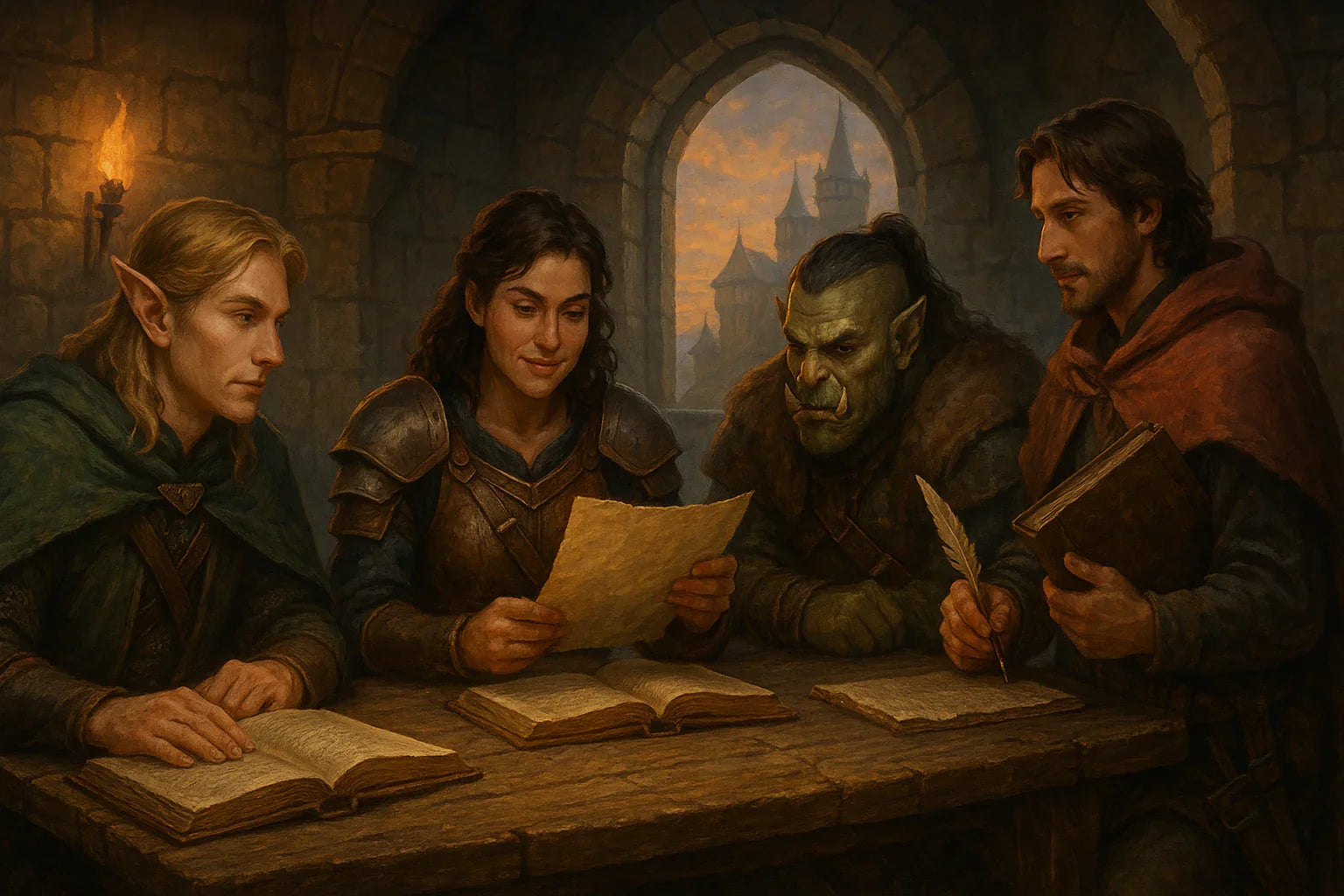
Crafting Rich Character Backgrounds for Tabletop RPGs
Updated on: 2025-12-11
This guide offers a gentle, practical approach to building compelling backstories that enrich every tabletop session. You will find simple steps, helpful prompts, and common myths debunked—so your character’s past supports the story at the table. Whether you are new to role‑playing or a seasoned GM, these ideas aim to make creation easier, clearer, and more collaborative. A short Q&A at the end addresses frequent concerns and provides quick solutions.
- Building character backgrounds for tabletop role-playing
- Myths vs. Facts
- Personal Experience
- Final Thoughts & Takeaways
- Q&A

Backstories can be exciting, yet they sometimes feel overwhelming. If you have ever struggled to write character backgrounds for tabletop role-playing, you are in good company. A thoughtful origin can offer motives, relationships, and hooks that invite the game master and other players to weave your character into the ongoing narrative.
This article focuses on clarity and collaboration. It encourages concise ideas that invite table play rather than lengthy histories that remain off‑screen. You will find practical prompts, pacing tips, and ways to connect your origin to the setting so it supports the story session after session.
Building character backgrounds for tabletop role-playing
When you draft character backgrounds for tabletop role-playing, consider a few gentle principles: keep it playable, invite collaboration, and make room for growth. The goal is a backstory that inspires scenes at the table, not just paragraphs on a page.
Start with a spark
Begin with a simple core idea—one sentence you can remember and play. For example: “A former courier who fears bridges,” or “An apprentice healer searching for the mentor who vanished.” This short spark is enough to guide choices and prompt questions in early sessions.
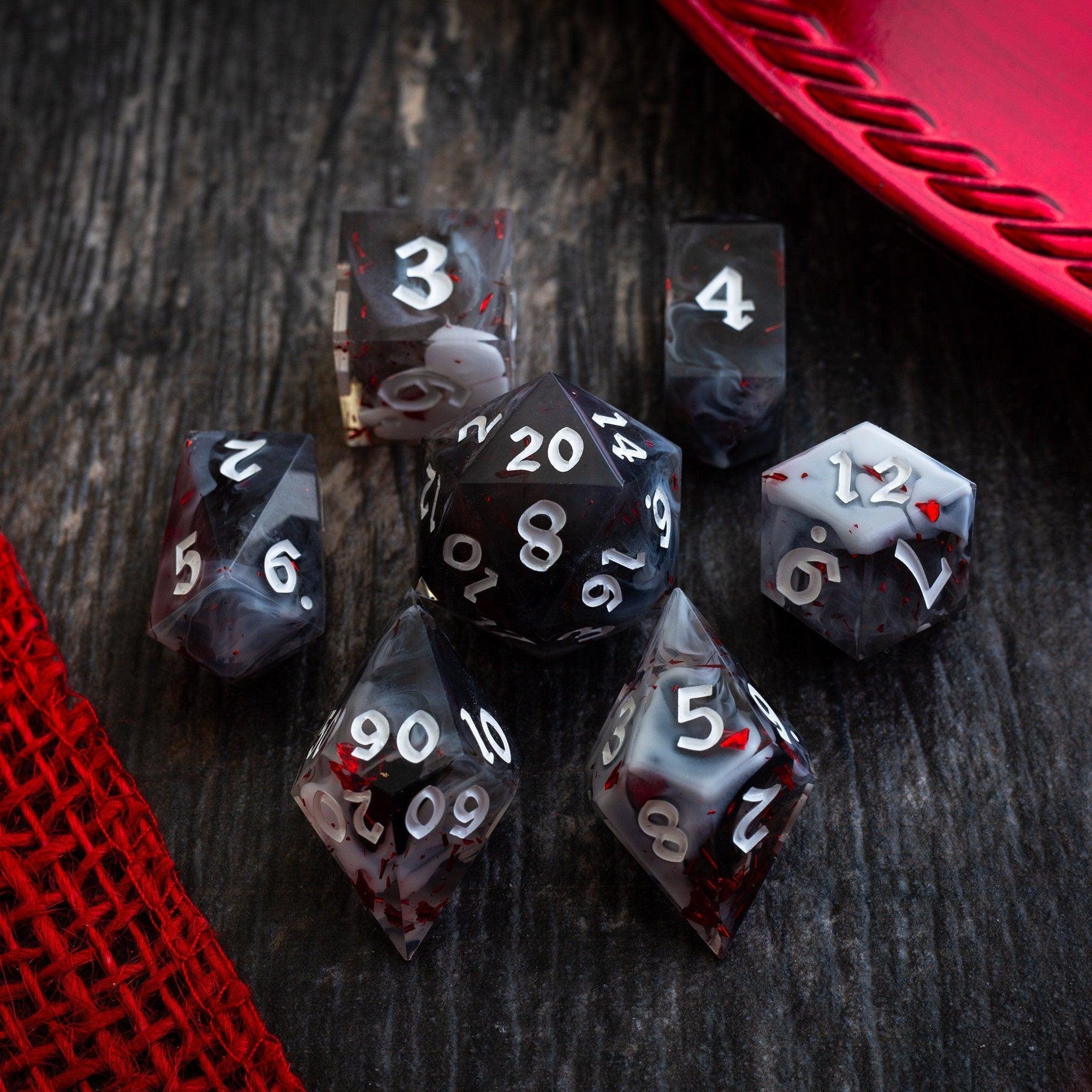
If a physical token helps you get in character, some players enjoy matching a tactile theme to their concept. For inspiration, you might explore luminous sets like liquid core dice or the striking clarity of sharp-edge resin sets to reflect a character’s tone—mysterious, refined, or bold. A small ritual, such as choosing a favorite set, can gently anchor your role at the table.
Connect to the world
Backstories shine when they attach to places, groups, and people in the setting. Consider one hometown, one organization, and one person your character cares about or has history with. This gives the game master easy hooks to bring your past into the plot. If your GM offers a campaign primer, look for existing factions or locations and link yourself to one of them.
Try answering: What did I protect or defy? Who remembers me and why? What is one rumor about me that is not entirely true? These concise details can spark scenes without overcomplicating the narrative.
Bonds, flaws, and growth
Growth is more engaging when it is clear and manageable. Choose one bond (a person or cause), one flaw (a fear, blind spot, or habit), and one hope (a belief worth testing). These three pieces keep role‑play focused and improve decisions in tense moments.
Helpful prompts:
- Bond: Who do I trust even when I should not?
- Flaw: What do I avoid that I must eventually face?
- Hope: What future do I quietly imagine for myself?
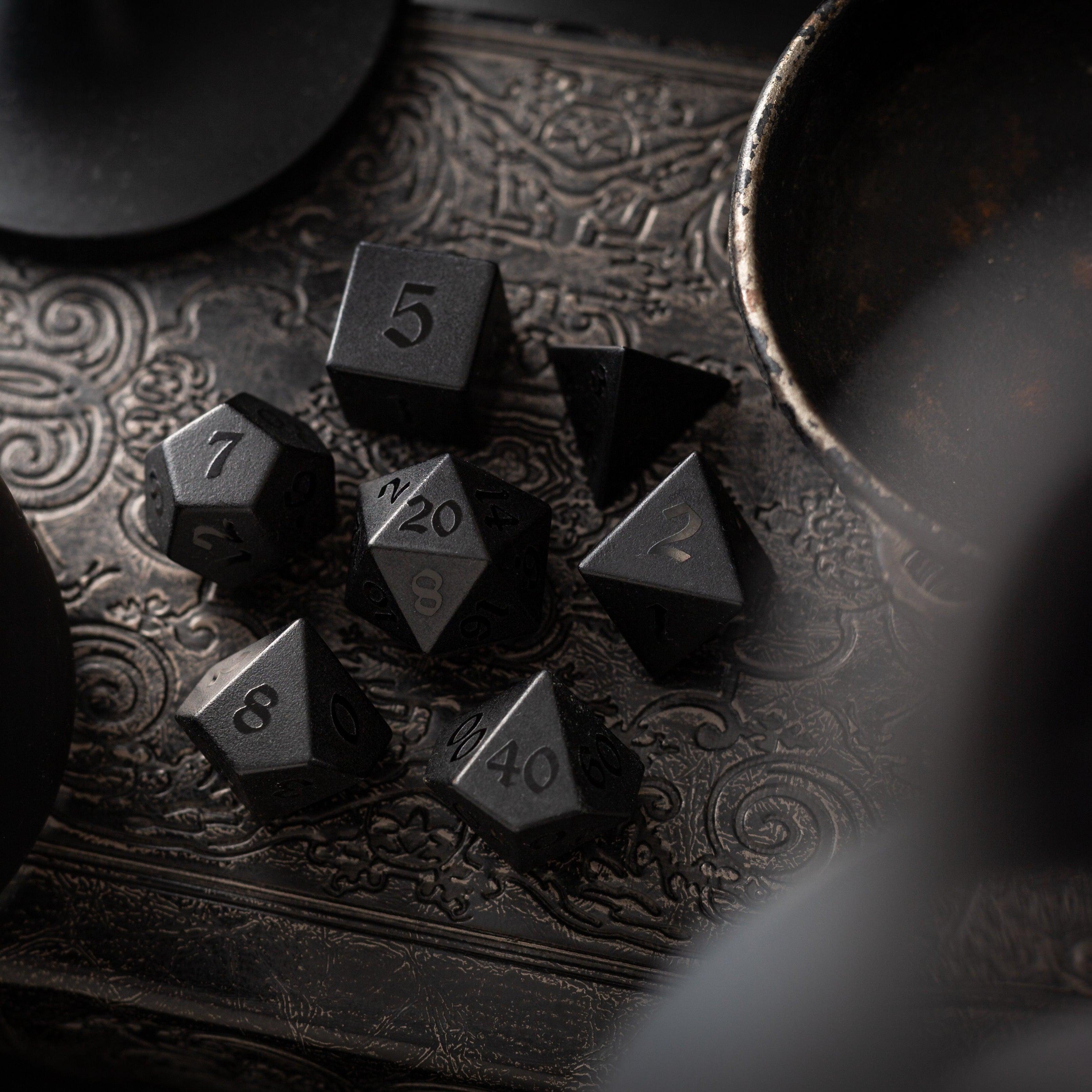
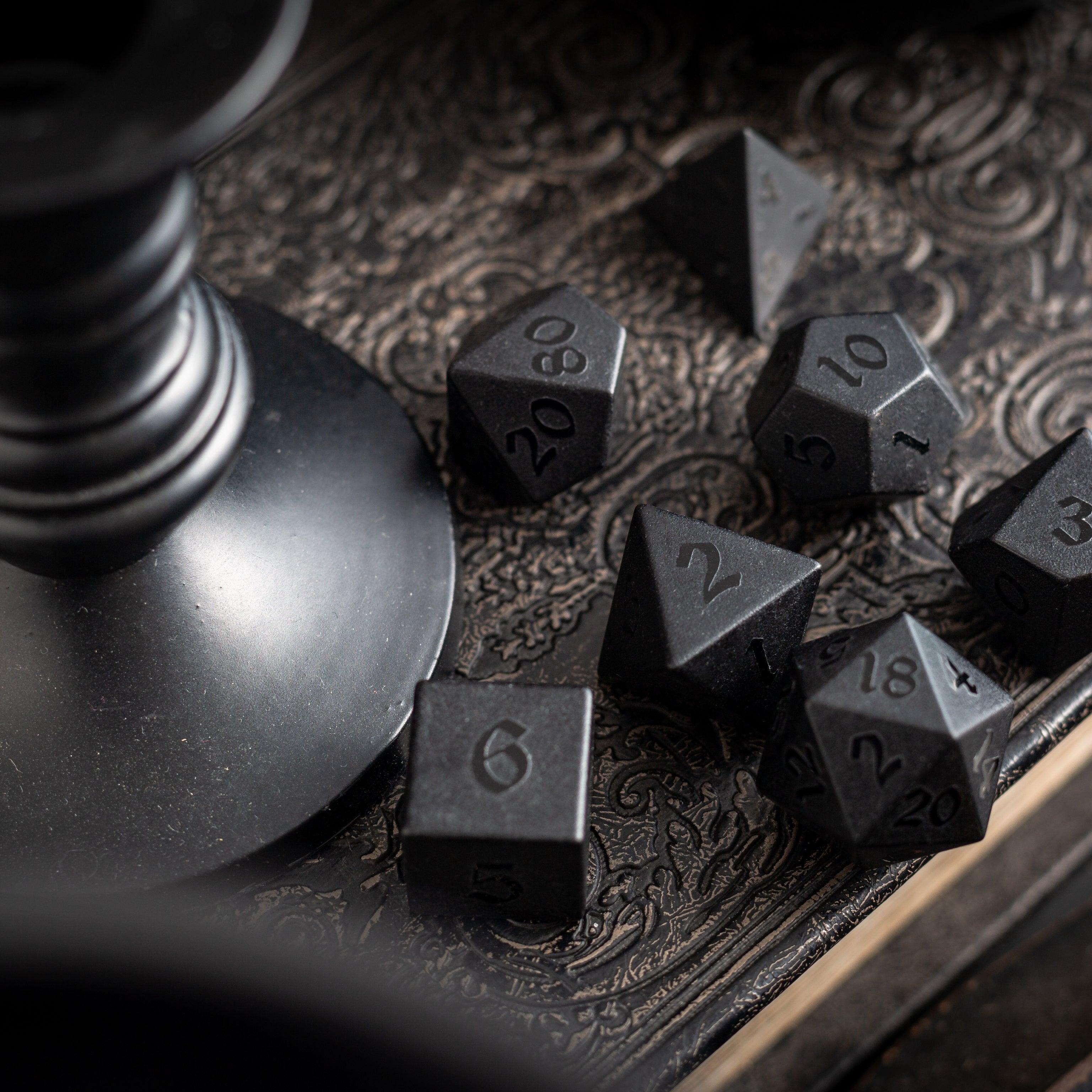
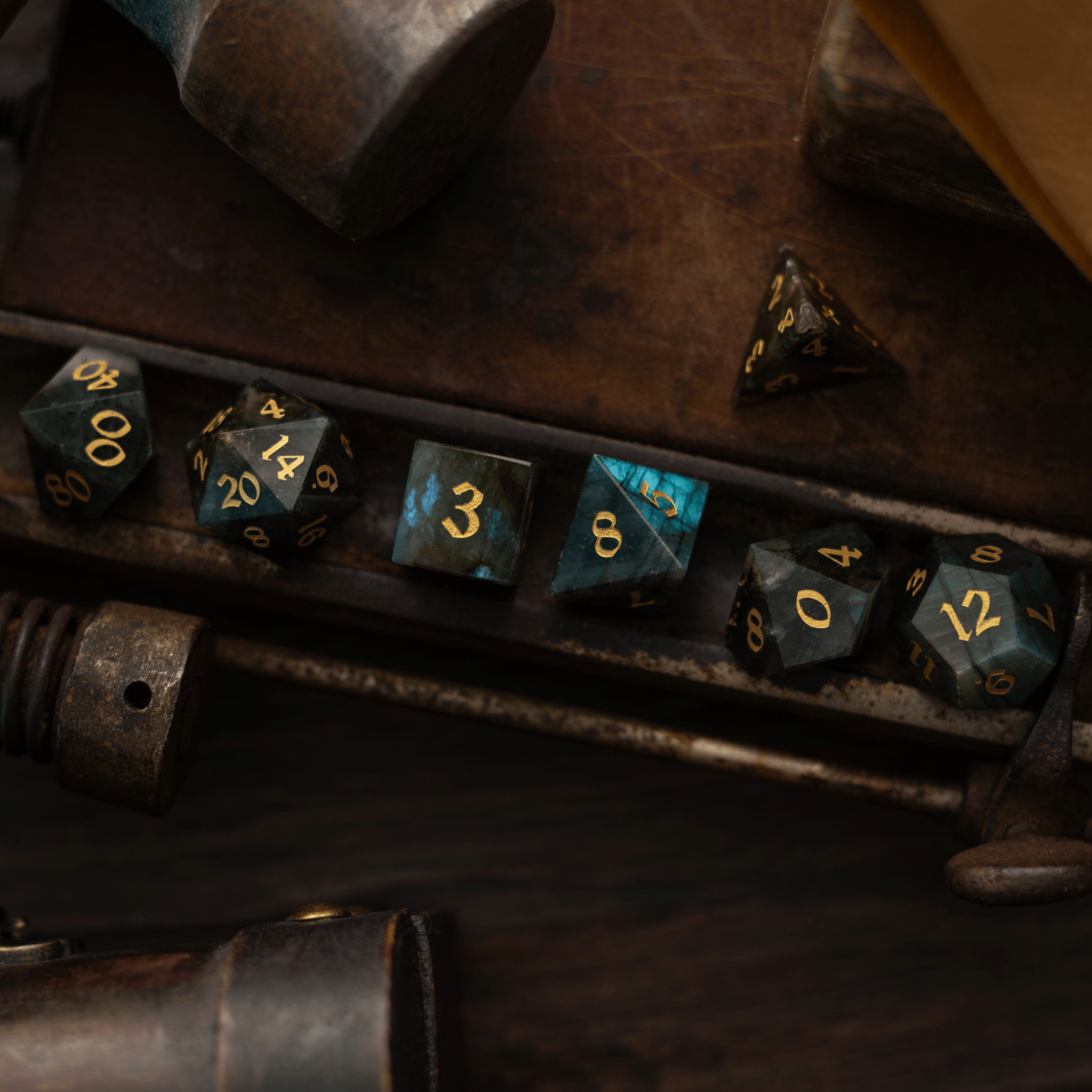
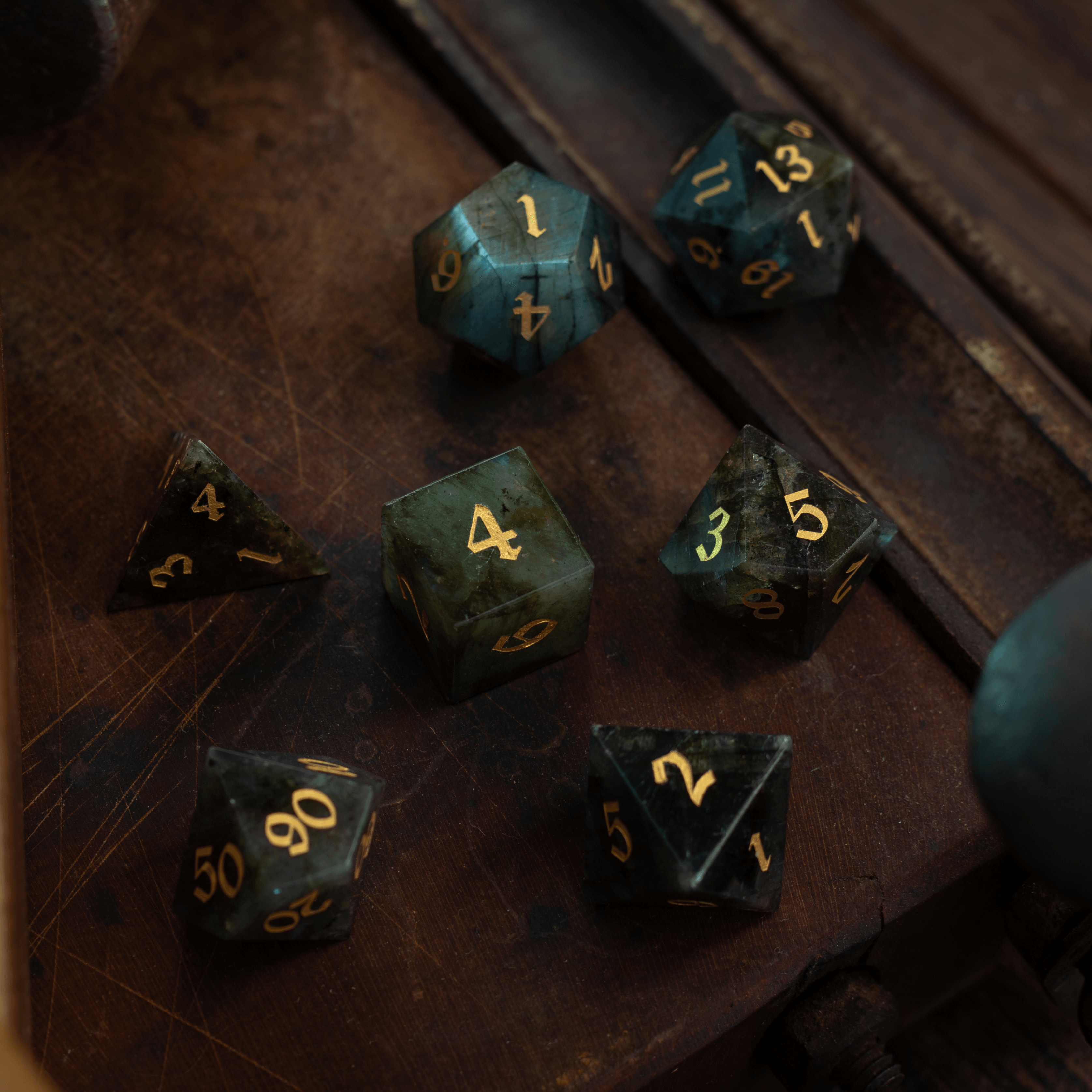
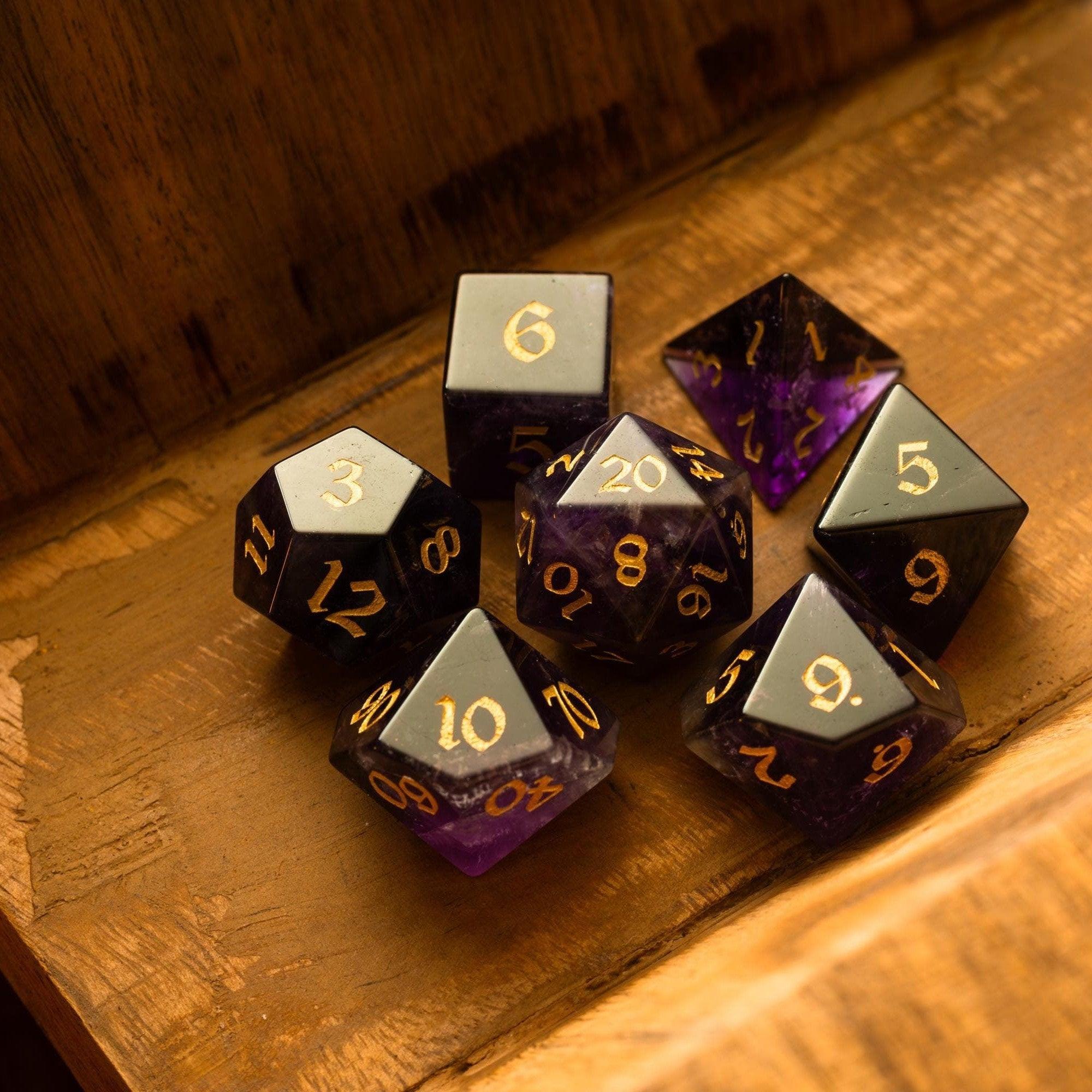
If you like tying aesthetics to story, the polished weight of gemstone dice can symbolize a character’s steadiness or legacy, while a shimmering set might fit an illusionist or a star‑eyed seeker.
Session zero alignment
A short conversation with your group—often called session zero—can save a great deal of confusion. Share your one‑sentence spark, your bond/flaw/hope trio, and any taboo topics you prefer to avoid. Invite the GM to suggest an NPC or location that links to your past. This cooperation ensures your origin offers useful threads rather than isolated lore.
It may also feel kind to discuss spotlight preferences. Some players enjoy frequent callbacks to their history, while others prefer subtle nods. Stating this early helps your group set gentle expectations together.

Myths vs. Facts
- Myth: A great backstory must be long. Fact: One clear paragraph can be more playable than ten pages.
- Myth: You need tragic trauma to be interesting. Fact: Curiosity, duty, or delight can be just as compelling.
- Myth: You should finish every detail before session one. Fact: Leaving space lets the table discover history together.
- Myth: The GM alone uses your backstory. Fact: Fellow players can build bonds and scenes from your notes.
- Myth: Changing your origin breaks continuity. Fact: Gentle revisions can support character growth and group fun.
Personal Experience
In one cozy home game, our GM asked for a single sentence and three bullet points before session one. I wrote: “A traveling scribe who collects last words.” My bullets were a bond with a retired knight, a flaw about avoiding conflict, and a hope of starting a small press. During play, the GM introduced letters from the knight, and another player decided their character once printed a broadsheet with me. The story grew naturally because the pieces were simple and open. Later, after a tense arc, I amended the flaw into a gentler one—still cautious, but now willing to speak up when it truly mattered. That small shift felt earned and respectful of the table’s story.
Final Thoughts & Takeaways
A kind backstory invites collaboration, not control. Consider these gentle reminders as you write:
- Begin with one sentence you can play, not just write.
- Anchor your character to at least one place, one group, and one person in the setting.
- Pick a bond, a flaw, and a hope to guide choices at the table.
- Talk with your group during session zero to align tone and expectations.
- Leave room for surprises; they are the heart of tabletop storytelling.
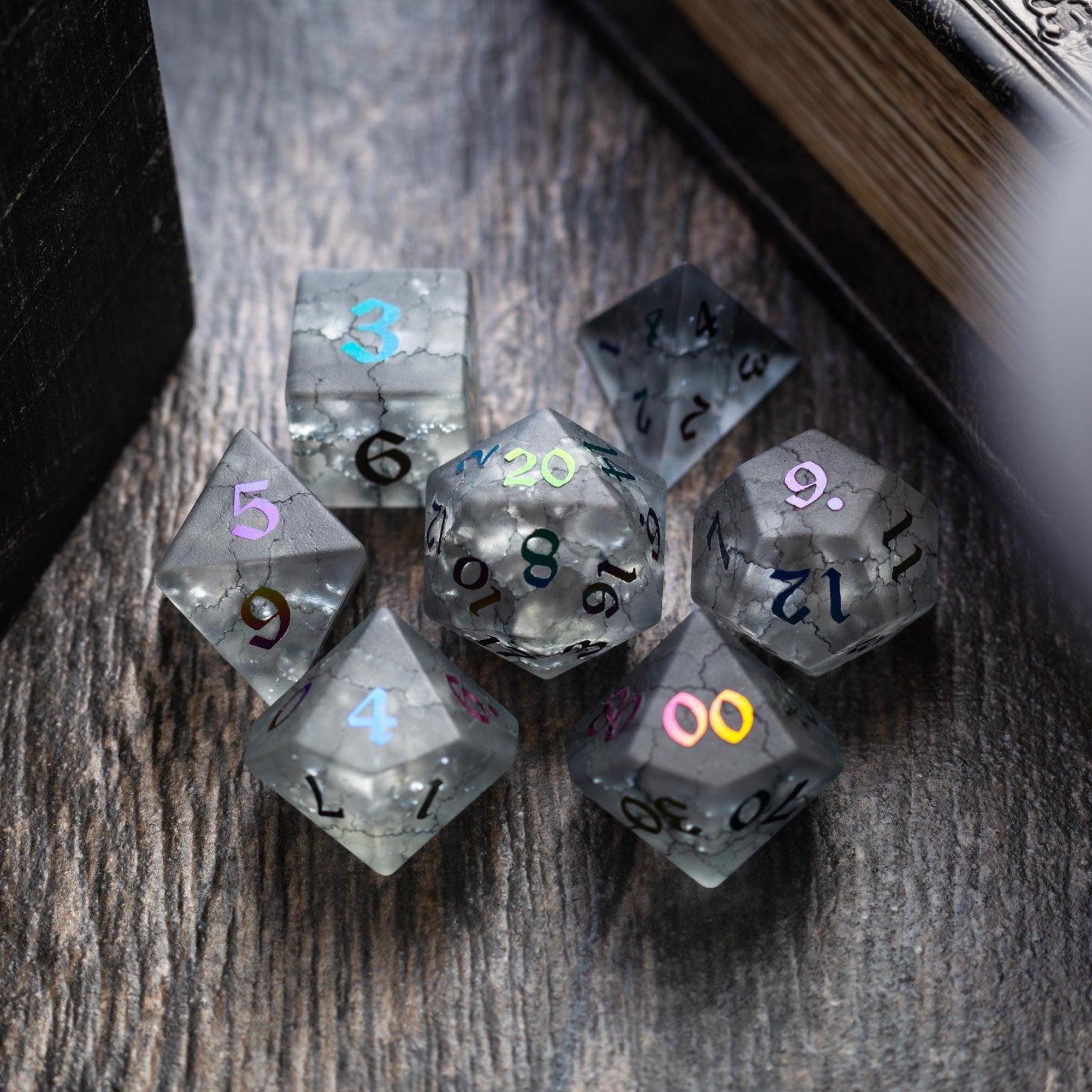
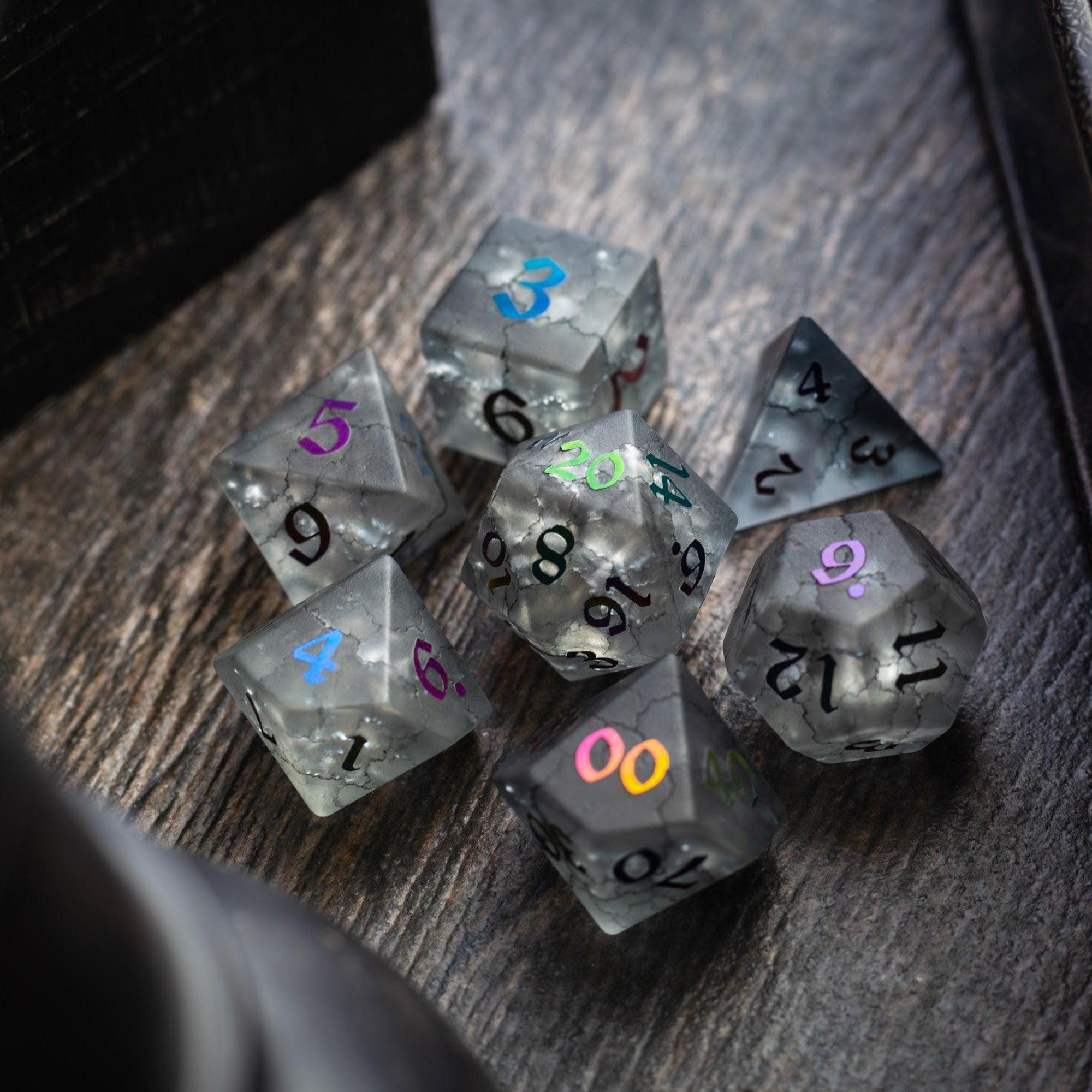
If you like tangible inspiration, browsing the broader Runic Dice collections can be a pleasant pre‑game ritual. Many players enjoy choosing a set that echoes their hero’s journey—perhaps liquid shimmer for arcane wonder or the gravitas of stone for a storied lineage. Select whatever feels welcoming to your style and table.
Q&A
How long should a backstory be?
Many tables do well with about 150–300 words, plus a few bullet points. That length offers enough detail for hooks while staying flexible. If you enjoy writing more, you might keep a private document for personal flavor and share a shorter, table‑ready version with your group.
What if my group ignores backstories?
It may help to share two or three clear hooks the GM can easily use: a friend who needs help, an unpaid debt, or a place you must visit soon. You could also invite fellow players to connect to your history—shared mentors or a past adventure can create instant reasons to engage.
Can I change my backstory mid‑campaign?
Yes, small adjustments can feel natural, especially if they reflect in‑game events. Consider presenting changes as revelations, clarifications, or growth moments. A quick check‑in with your GM keeps everyone comfortable and ensures continuity feels smooth.
As your character evolves through sessions, you may find a favorite set becoming part of the ritual—rolled before big speeches, held during key reveals, or used to mark milestones. If that idea appeals, exploring items such as liquid core dice or the timeless presence of gemstone dice can be a pleasant way to celebrate character growth.










Leave a comment
This site is protected by hCaptcha and the hCaptcha Privacy Policy and Terms of Service apply.