
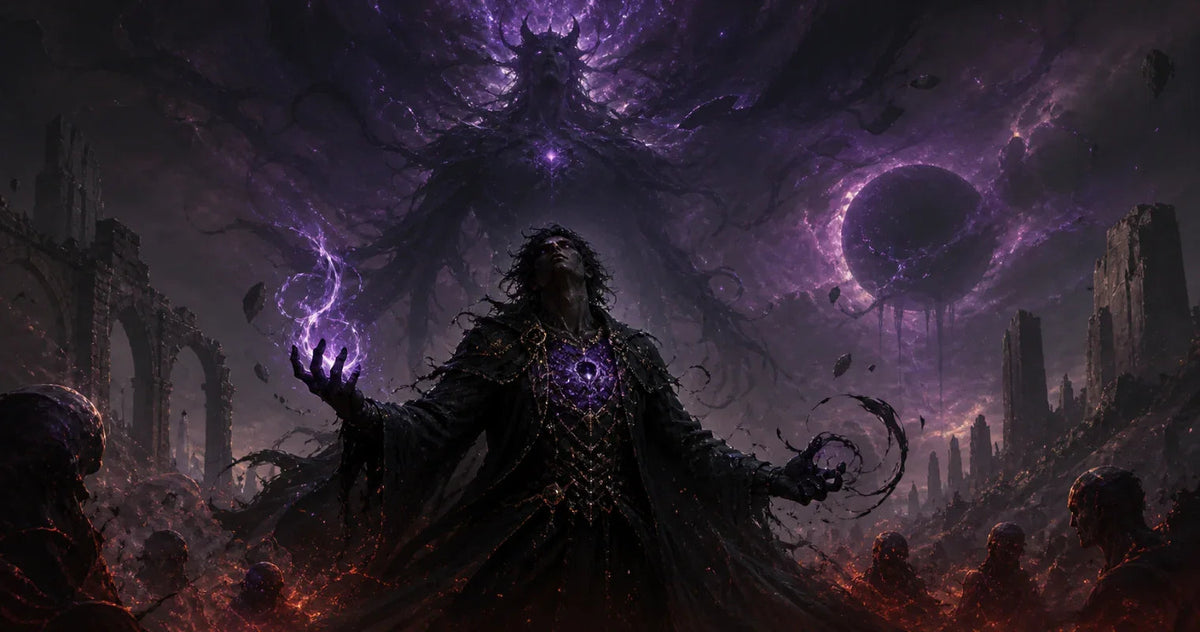
Vestige Patron Warlock Guide to Dark Pact Mastery

Warlocks have always stood apart from other spellcasters in Dungeons & Dragons. Wizards study. Clerics channel divine power. Sorcerers wield magic that is part of them. Warlocks make pacts, and the Vestige Patron turns that bargain into something unusually personal.
The Vestige Patron Warlock draws power from a dying or forgotten god that wants a path back to influence. The subclass first appeared in the January 2026 Unearthed Arcana: Mystic Subclasses playtest and was later published in Arcana Unleashed, released on September 15, 2026. The Vestige Patron is now an official published subclass rather than a playtest concept.
For players who enjoy gothic fantasy D&D, supernatural bargains, companion-focused mechanics, and characters caught between curiosity and fear, this patron has a strong identity both in combat and roleplay.
What Is a Vestige Patron?
A vestige is the remnant of a god whose worship and influence have faded. It may once have been benevolent, cruel, or simply strange, but now it survives with only part of its former power. Your Warlock becomes one of the mortals helping that being endure, recover, or return.
That setup gives a Vestige Patron Warlock a built-in question: what does the patron actually want from you? It might seek lost relics, restored temples, or simply the return of its forgotten name. The pact can feel threatening without forcing the character to be evil.
A Warlock might first encounter a vestige through a forbidden manuscript, ruined shrine, inherited curse, or dreams about a god that history forgot. A simple hook gives the Dungeon Master room to develop the mystery during play.
How the Vestige Patron Warlock Works in 2026
Under the current 2024 Warlock rules, often informally called D&D 5.5e, subclasses begin at level 3. The Vestige Patron follows that structure and centers its features on the bond between the Warlock and a manifested Vestige Companion.
Level 3: Vestige Companion and Vestige Spells
Your patron manifests as a companion that can be Celestial, Fiend, or Undead. Its type affects its damage Resistance and Divine Power, and you can use a Bonus Action to command it to take an action in combat. That makes Bonus Action planning important for builds that already rely on spells or features using the same part of your turn.
You also gain Vestige Spells. Choose the Life, Light, Trickery, or War Cleric domain and gain its Domain Spells as Warlock spells at the appropriate levels. This adds divine flavor without turning the Warlock into a Cleric.
Level 6: Vestige Power
At level 6, the bond becomes stronger. The companion can recover its Divine Power more often, including after a Short Rest, and the Warlock gains the same damage Resistance as the companion while within 30 feet of it. This rewards positioning and makes the choice between Celestial, Fiend, and Undead matter beyond appearance.
Level 10: Vestige Recovery
Vestige Recovery helps keep the subclass's central companion in the fight. When the companion would drop to 0 Hit Points, the Warlock can use a Reaction and spend a Pact Magic spell slot to restore it and teleport it away from immediate danger. Because Pact Magic slots are limited, this works best as an emergency option rather than a routine use of resources.
Level 14: Semblance of Life
Semblance of Life lets the vestige temporarily take on a far more powerful form based on whether it is Celestial, Fiend, or Undead. The transformation uses the matching spirit stat block associated with Summon Celestial, Summon Fiend, or Summon Undead, and its power scales with the Warlock. It turns the companion from a strange supernatural partner into a major battlefield presence.
The Fantasy of a Dark Pact
The heart of the dark pact Warlock fantasy is temptation. Your character receives real power, but the source of that power has needs of its own. A vestige does not have to issue obvious commands. It can whisper, bargain, reveal truths, or ask for favors that sound reasonable at first.
That creates useful roleplay questions: Is the patron telling the truth? What happens if it regains its old strength? Does the Warlock believe in the forgotten god, or are they using each other? What would finally make the character refuse a request?
Vestige Warlock Character Concepts
The Forbidden Scholar
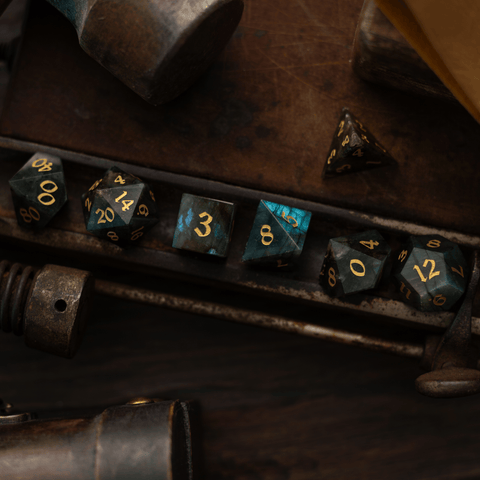
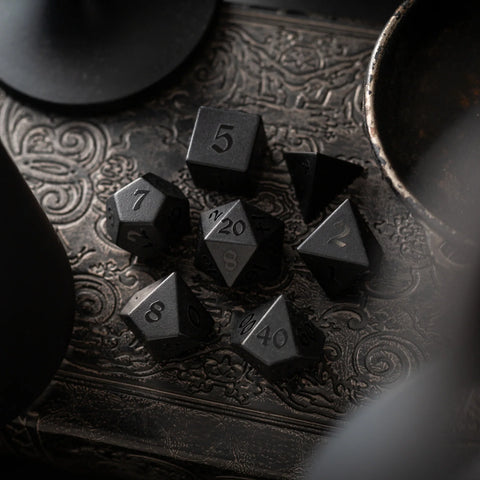
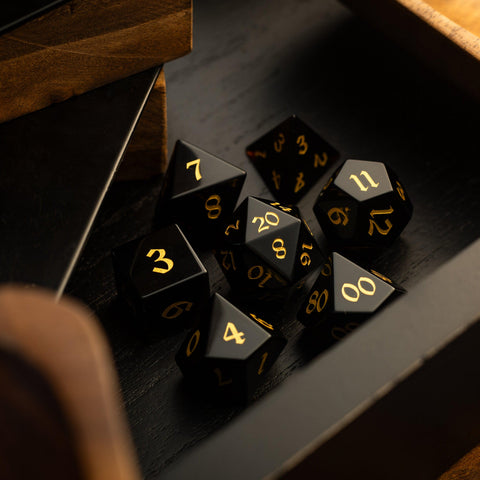
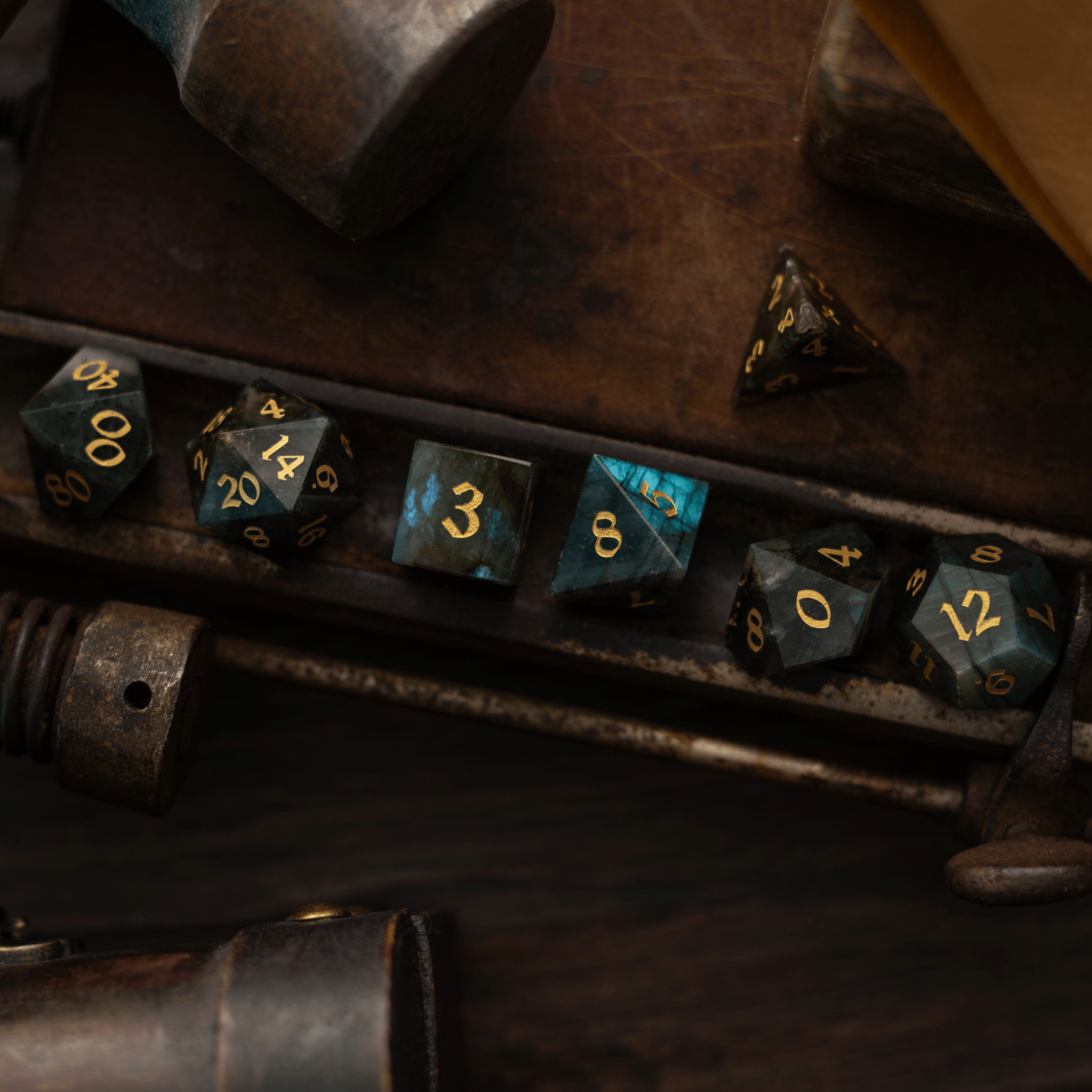
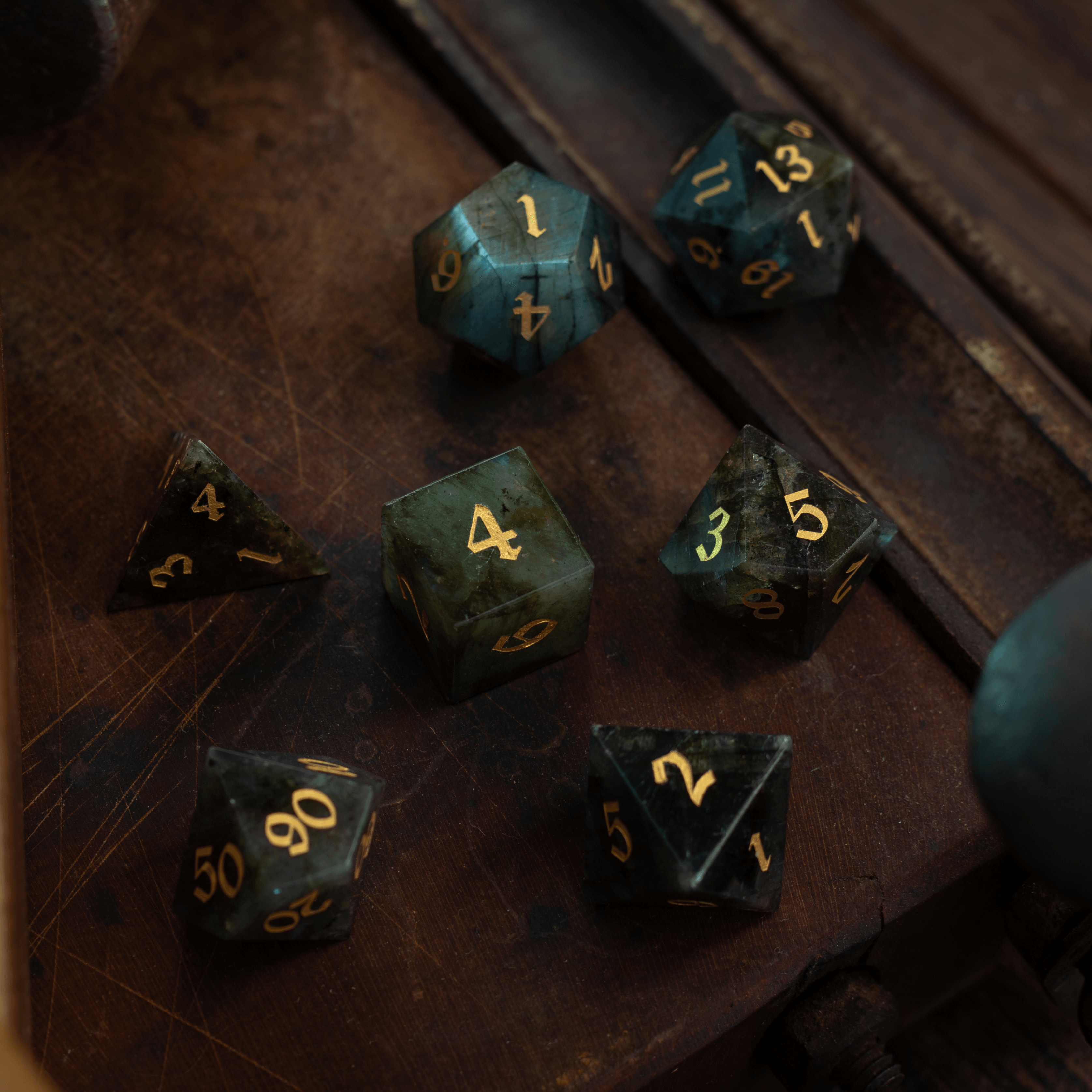
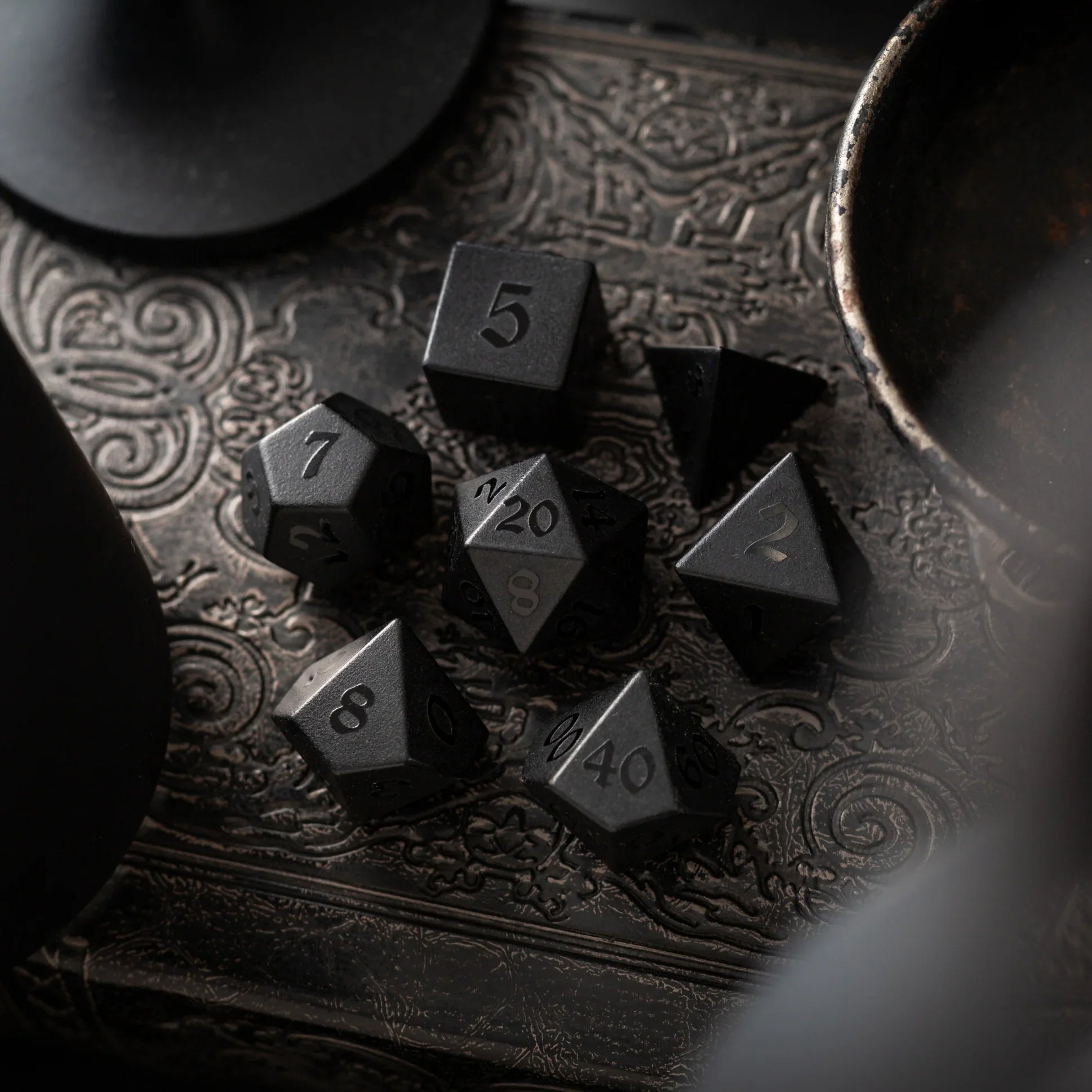
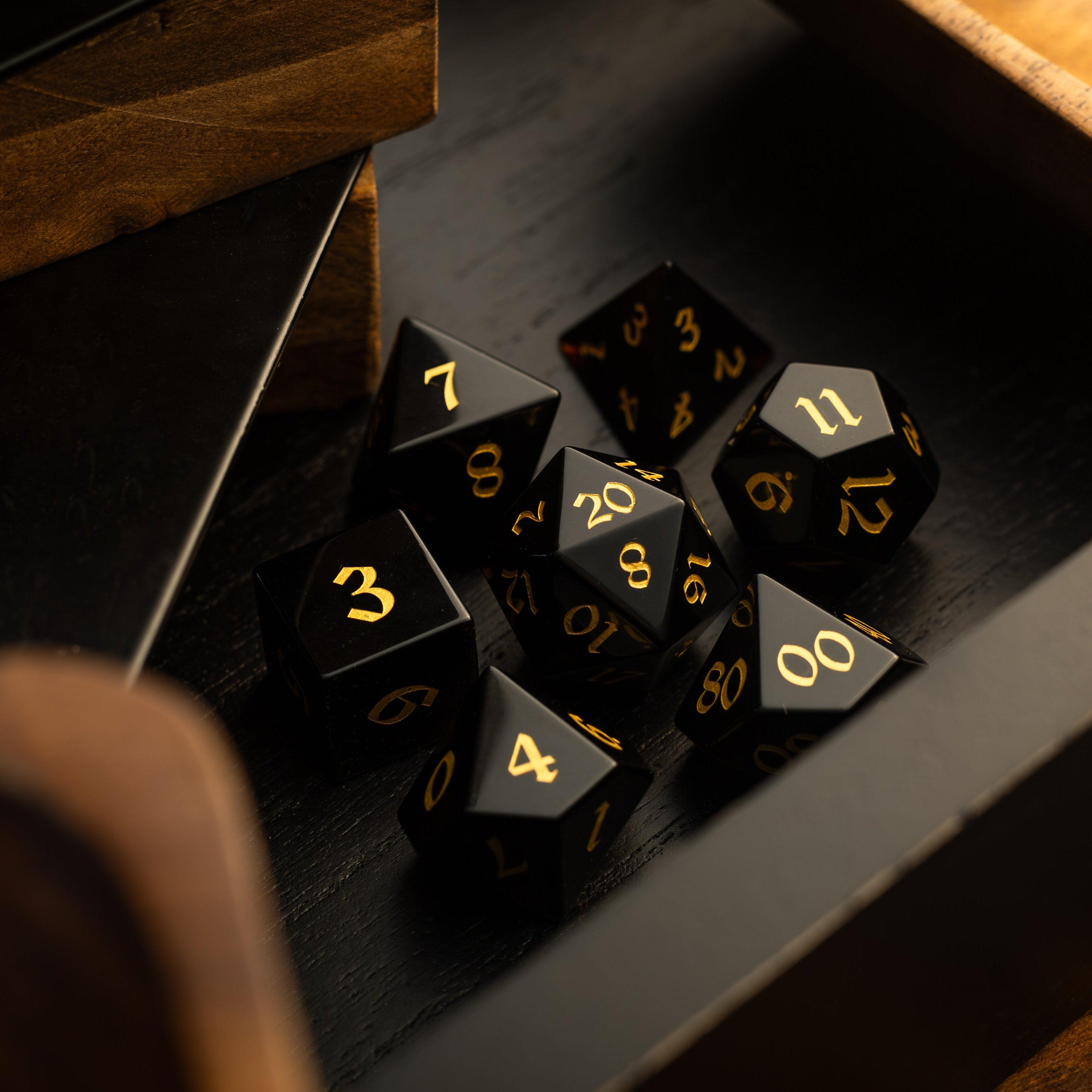
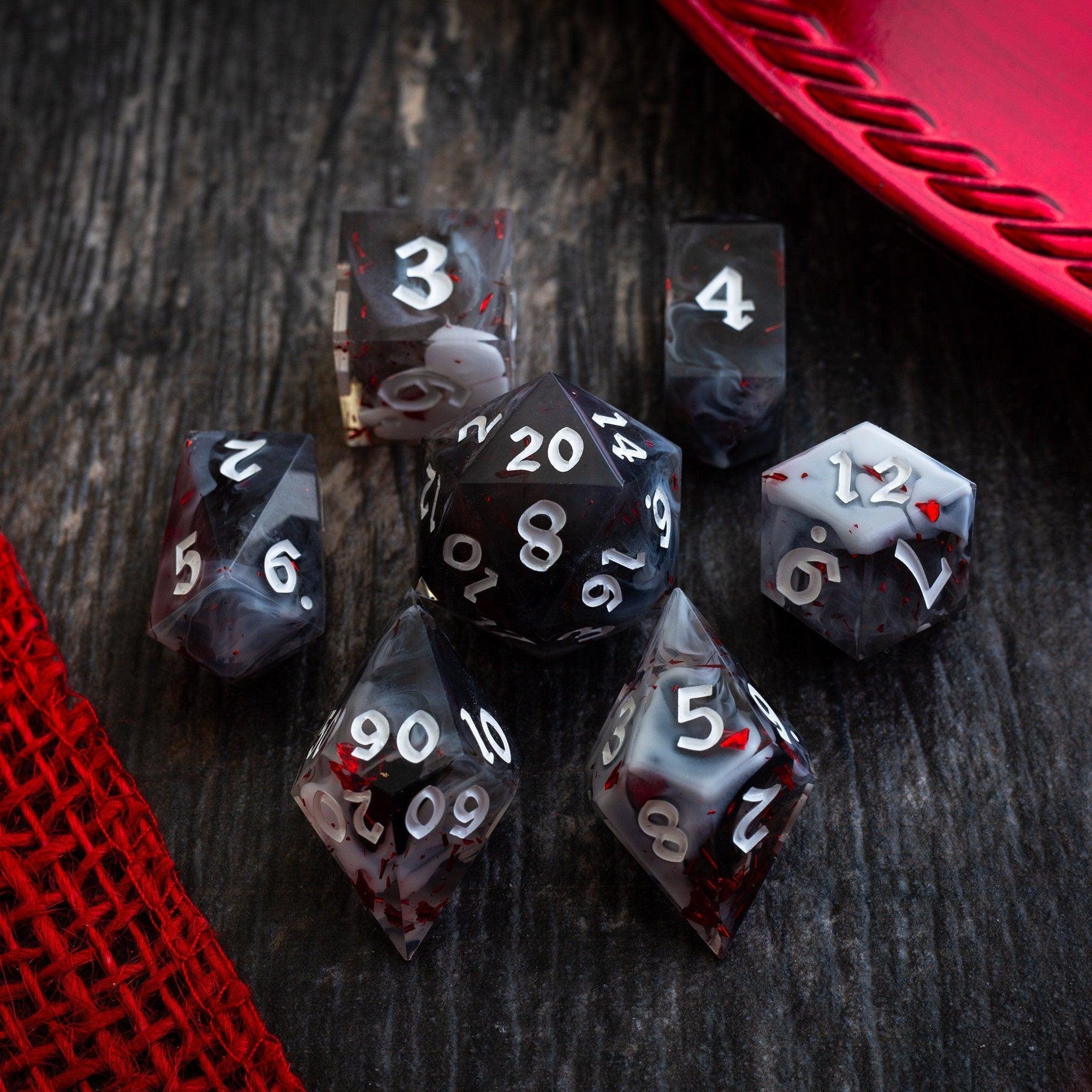
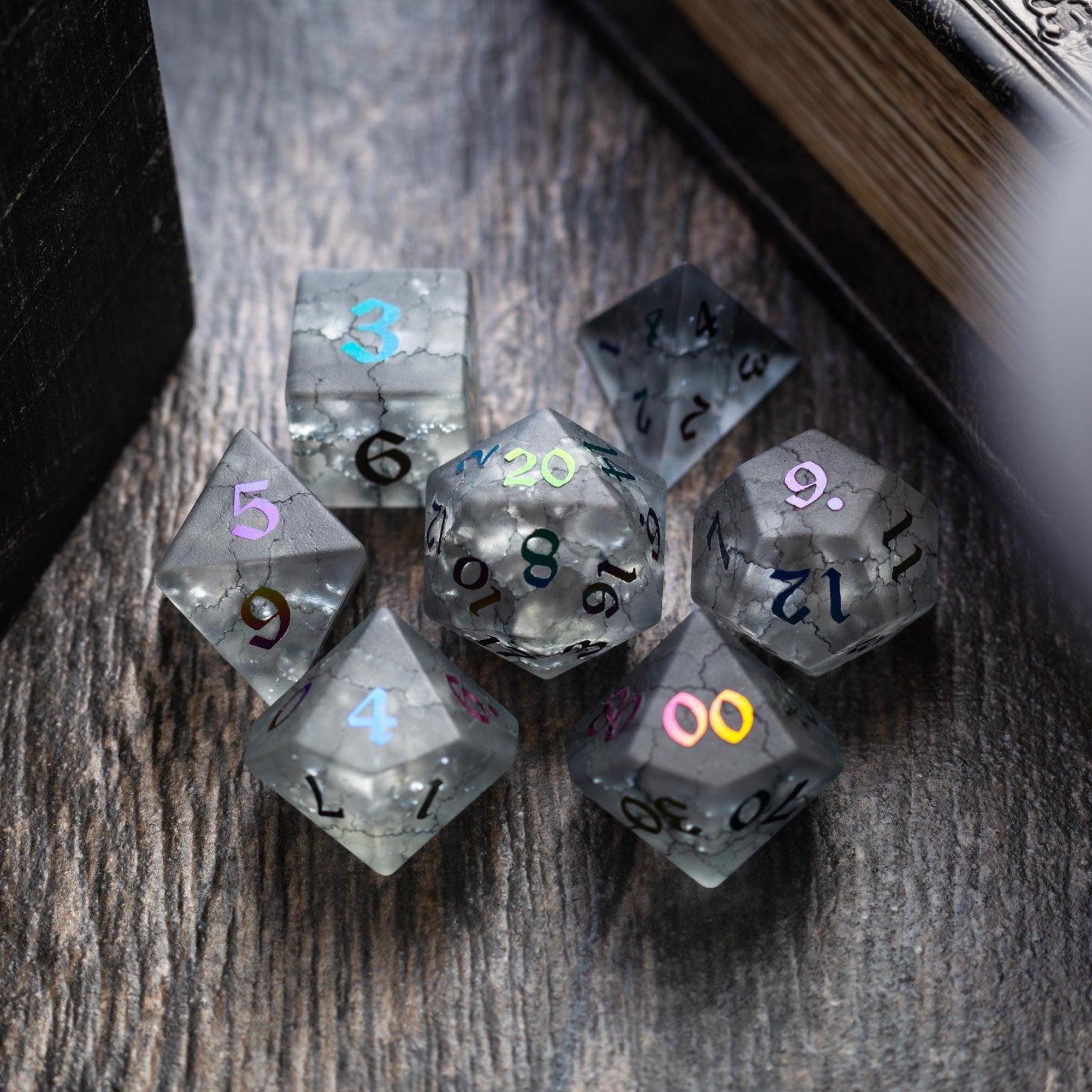
A historian finds a divine name deliberately erased from surviving records, and the whispers grow clearer with every discovery. This works well for investigations and occult mysteries. Dark gemstone dice or obsidian dice fit the ritual-heavy theme naturally.
The Cursed Noble
Your family prospered because an ancestor made a bargain that everyone else forgot. Now the patron has returned to collect what it was promised, tying the character to inheritance, shame, and old secrets.
The Wandering Occult Hunter
You hunt supernatural threats, but the power that lets you defeat them comes from something equally unsettling. This concept creates a practical reason to travel with the party while leaving plenty of room for moral conflict and gradual revelations.
The Living Vessel
The vestige feels less like a distant god and more like a presence that is always nearby. Maybe it appears in reflections, speaks through dreams, or manifests as the character's strange companion. Swirling liquid core dice can match the unstable, shifting feel of this character without becoming part of the story itself.
Vestige Warlock Themes Table
| Theme | Roleplay Style | Magic Flavor |
| Forgotten Scholar | Curious and obsessive | Runes, whispers, floating script |
| Haunted Noble | Controlled but anxious | Spectral crests and family symbols |
| Dream-Touched Wanderer | Distant and thoughtful | Mist, shadows, half-heard voices |
| Living Vessel | Conflicted and intense | Energy moving beneath the skin |
| Occult Hunter | Practical and wary | Wards, sigils, cold flame |
Spells for a Dark Pact Feel
Several current Warlock spells already support an eerie Vestige Patron style.
- Eldritch Blast: Flavor each beam as a burst of shadow, a broken divine symbol, or a flash of forgotten scripture.
- Minor Illusion: Useful for whispers, fleeting images, phantom footsteps, and other subtle supernatural effects.
- Hex: An easy fit for a curse delivered through the patron's influence.
- Arms of Hadar: Works well when you want the vestige's presence to erupt around the Warlock in a frightening physical form.
- Hunger of Hadar: A strong choice for cosmic horror imagery, supernatural darkness, and areas that feel hostile to reality itself.
- Summon Undead: Already on the current Warlock list and especially fitting for an Undead-flavored pact.
Your Vestige Spells can also shape the character's identity. Life leans toward protection and recovery, Light adds radiant power, Trickery supports deception and misdirection, and War pushes the character toward a more martial divine theme.
Roleplay Tips for Vestige Warlocks
Keep the Patron Mysterious, Not Constant
Strong D&D Warlock roleplay does not require ominous speeches every few minutes. A brief pause before touching a relic or a private reaction to an ancient symbol can do more than constant brooding.
Let Fear Exist Alongside Power
Your character can enjoy their abilities and still worry about where they came from. That mixed reaction makes the pact feel personal instead of turning the Warlock into a one-note horror character.
Stay Cooperative
A mysterious character still needs reasons to care about the group. Give your Warlock friendships, loyalties, humor, or shared goals. Secretive does not have to mean disruptive.
Tips for Dungeon Masters
Vestige patrons work best when their requests connect to the campaign instead of interrupting it. Tie the patron to forgotten temples, lost faiths, rival cults, relics, or historical events the party is already investigating. That makes the pact feel like part of the world rather than a separate personal storyline.
Not every vision needs an immediate answer, but each mystery should lead somewhere. Give the Warlock clues they can act on and let the rest of the party participate.
Common Mistakes to Avoid
- Making the character too edgy: Balance darkness with curiosity, loyalty, humor, or vulnerability.
- Ignoring the companion: The Vestige Companion is central to the subclass, so give it a clear look, voice, behavior, or presence.
- Overcomplicating the backstory: One unanswered question is often more useful than pages of finished lore.
- Treating the patron as the DM's character: The vestige should create choices and tension without taking control away from the player.
- Forgetting Bonus Action pressure: The companion often competes for your Bonus Action, so consider that when choosing spells, invocations, and combat habits.
Playing a Vestige Patron Warlock
The Vestige Patron Warlock makes the patron physically present in the adventure, supporting gothic horror, divine mystery, occult investigation, or a story about rebuilding a forgotten faith.
The mechanics and roleplay point in the same direction. Your patron travels with you, grows with you, and becomes harder to ignore as your power increases.
Whether you play a cursed noble, obsessive scholar, reluctant believer, or supernatural hunter, the most interesting question is not simply what the vestige gives you. It is what happens when the forgotten god finally becomes strong enough to ask for something in return.











Leave a comment
This site is protected by hCaptcha and the hCaptcha Privacy Policy and Terms of Service apply.