

D&D Magical Schools Guide to Casting Styles

Magic is one of the reasons Dungeons & Dragons feels so unforgettable. A fighter may swing a sword and a rogue may vanish into shadows, but spellcasters reshape reality itself. One wizard bends fire into roaring explosions while another quietly whispers visions of the future through drifting candle smoke.
The schools of magic in D&D 5e are more than categories for spells. They represent entire philosophies of power. Every school carries its own personality, aesthetics, and emotional energy. Some feel elegant and scholarly. Others feel dangerous, chaotic, or deeply mysterious.
For many players, choosing a magical school is the moment their character truly comes alive.
The dnd schools of magic divide spells into different magical disciplines. Each school represents a unique approach to arcane power and helps define how a spellcaster interacts with the world.
In most campaigns, especially for wizards, these schools become part of a character’s identity. Two wizards can stand side by side and feel completely different simply because of the magic they practice.
The eight schools are:
-
Evocation
-
Illusion
-
Necromancy
-
Abjuration
-
Divination
-
Enchantment
-
Conjuration
-
Transmutation
Some spellcasters master one school. Others borrow from many. Either way, understanding these magical traditions can completely change how you roleplay your character.
A fiery evoker may stride confidently into battle like a living storm. A diviner might speak softly, always distracted by half-seen futures. An illusionist may treat every conversation like a stage performance.
That’s the heart of a great dnd spellcasting guide. Magic should feel personal.
Evocation: Raw Arcane Power
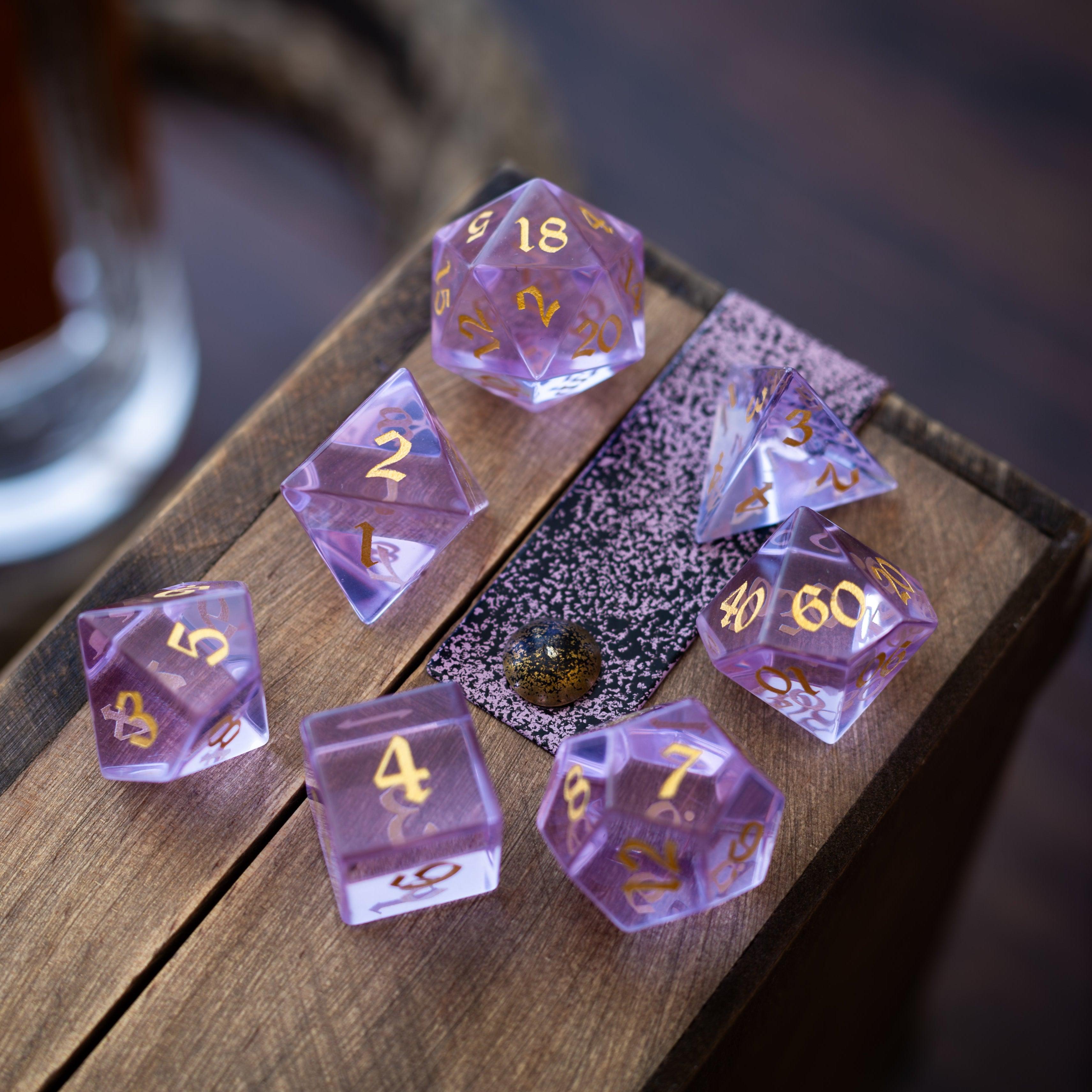
Evocation is the school most players imagine first when they think about fantasy magic.
This is lightning crashing from the sky. Fireballs erupting through castle halls. Walls of ice. Explosive magical force. Evocation is dramatic, loud, and impossible to ignore.
Popular evocation spells include:
-
Fireball
-
Lightning Bolt
-
Magic Missile
-
Cone of Cold
-
Scorching Ray
Evocation spellcasters often feel bold and emotionally intense. Their magic reflects action and confidence. They may see magic as a weapon, an art form, or even a natural force flowing through them.
In roleplay, evokers often:
-
Speak with certainty
-
Solve problems directly
-
Leave visible magical effects behind
-
Treat spellcasting like performance art
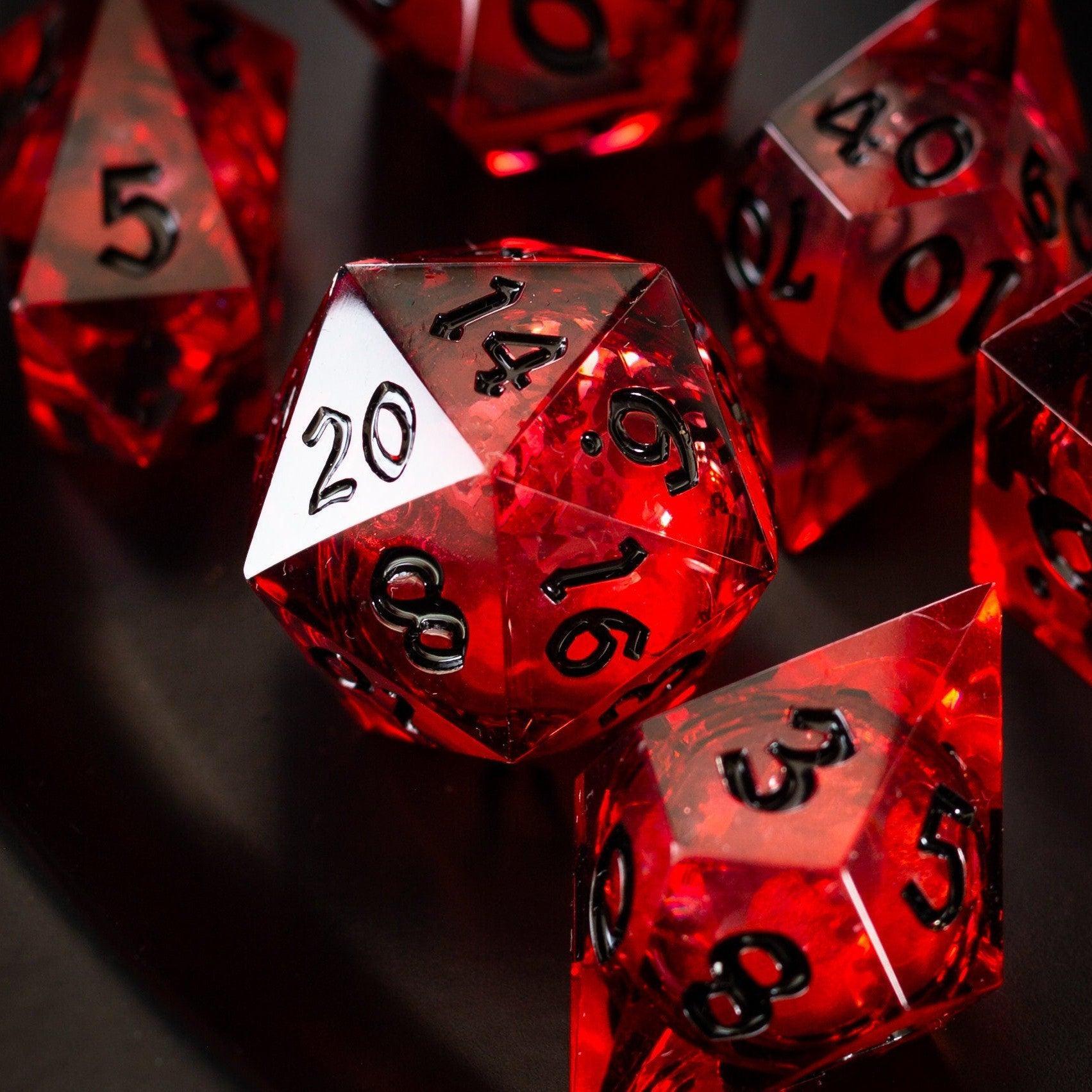
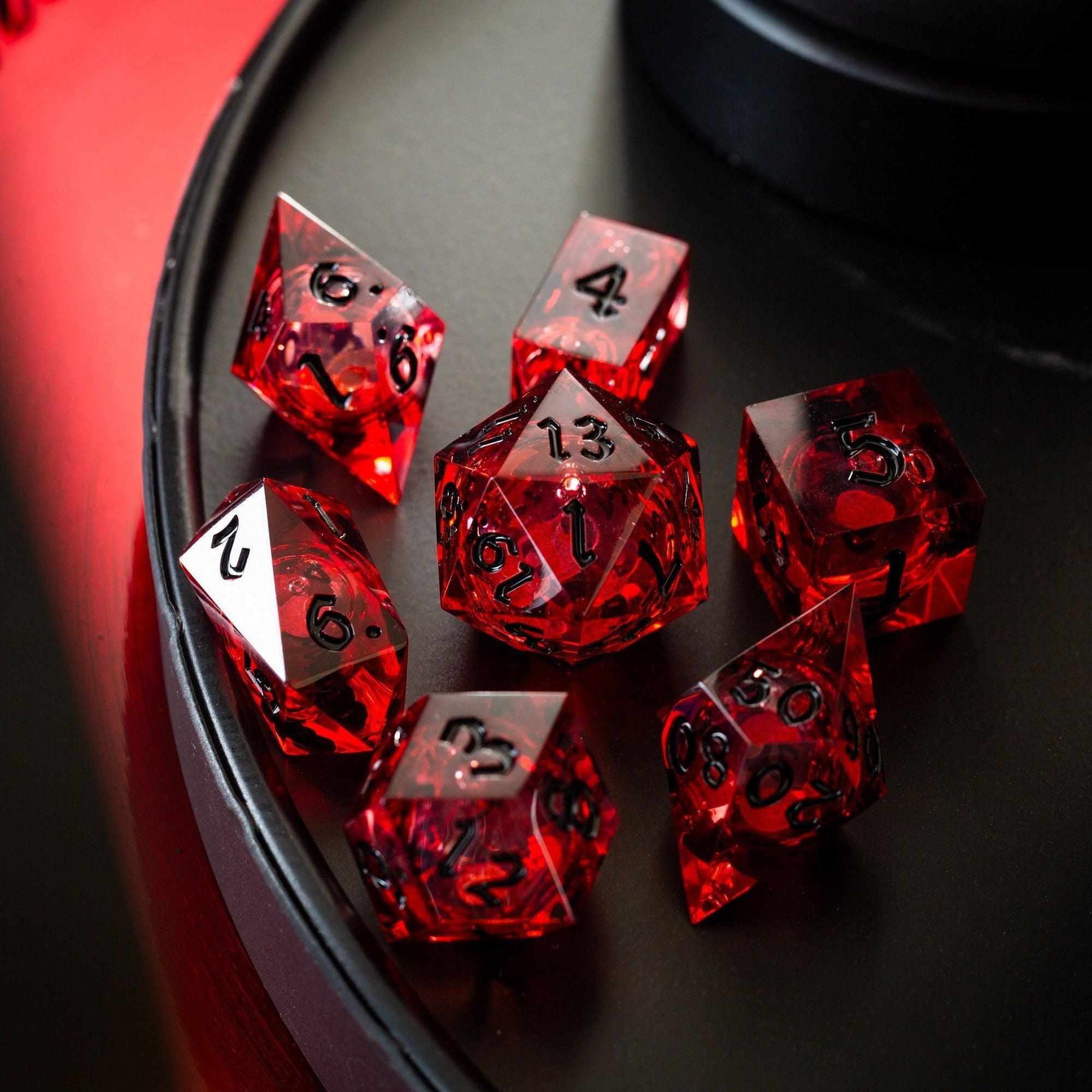
An evocation wizard using swirling red-and-gold resin dice or fiery liquid core dice can make those dramatic casting moments feel even more cinematic at the table. Watching glowing dice tumble across the map right before a massive spell lands adds to the atmosphere in a surprisingly immersive way.
Illusion: Trickery and Deception
Illusion magic is one of the most creative casting styles in D&D.
Instead of overpowering enemies, illusionists manipulate perception. They create false sounds, phantom creatures, fake terrain, or terrifying visions. An illusion spellcaster wins through confusion, misdirection, and imagination.
Illusion magic rewards players who enjoy:
-
Clever problem solving
-
Social manipulation
-
Storytelling
-
Unpredictable tactics
Common illusion spells include:
-
Minor Illusion
-
Silent Image
-
Mirror Image
-
Phantasmal Force
-
Invisibility
Illusionists often feel theatrical and mysterious. Some are playful pranksters. Others are eerie manipulators who blur the line between truth and reality.
This style of magic pairs beautifully with colorful resin dice that shift tones under the light. Swirling purples, smoky blues, and translucent effects can reflect the dreamlike nature of illusion magic without overwhelming the table.
Necromancy: Forbidden Power
Necromancy carries one of the strongest fantasy identities in all of D&D.
This school explores life, death, spirits, decay, and the manipulation of mortal energy. Necromancers are often misunderstood characters, feared even when their intentions are good.
Some pursue forbidden knowledge. Others believe death is simply another force to study.
Necromancy spells include:
-
Animate Dead
-
Blight
-
Speak with Dead
-
Vampiric Touch
-
Danse Macabre
The beauty of necromancy roleplay comes from moral tension. Your character may genuinely believe they are helping the world while everyone around them sees only darkness.
Necromancers fit wonderfully into gothic fantasy campaigns filled with candlelit crypts, ruined cathedrals, and haunted libraries.
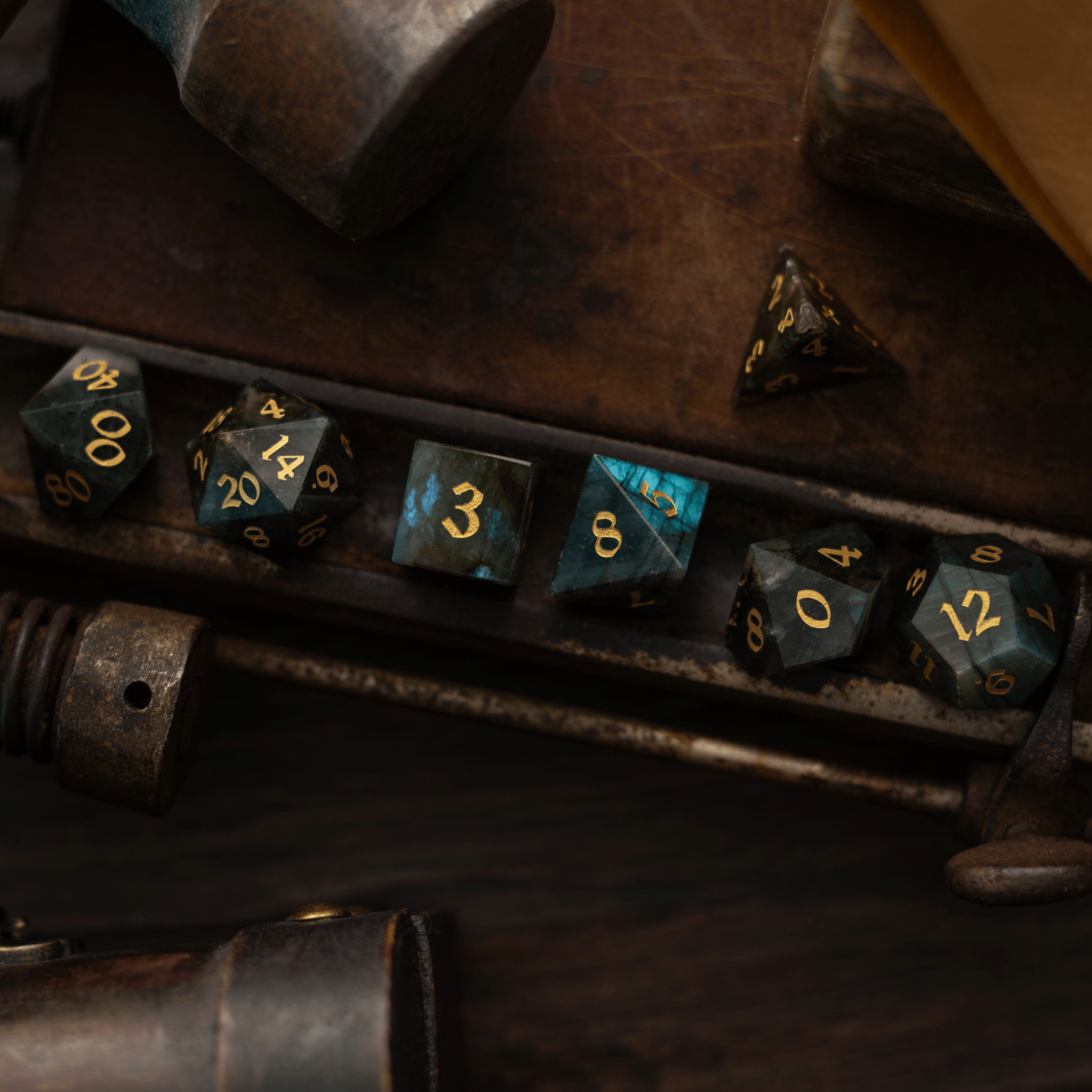
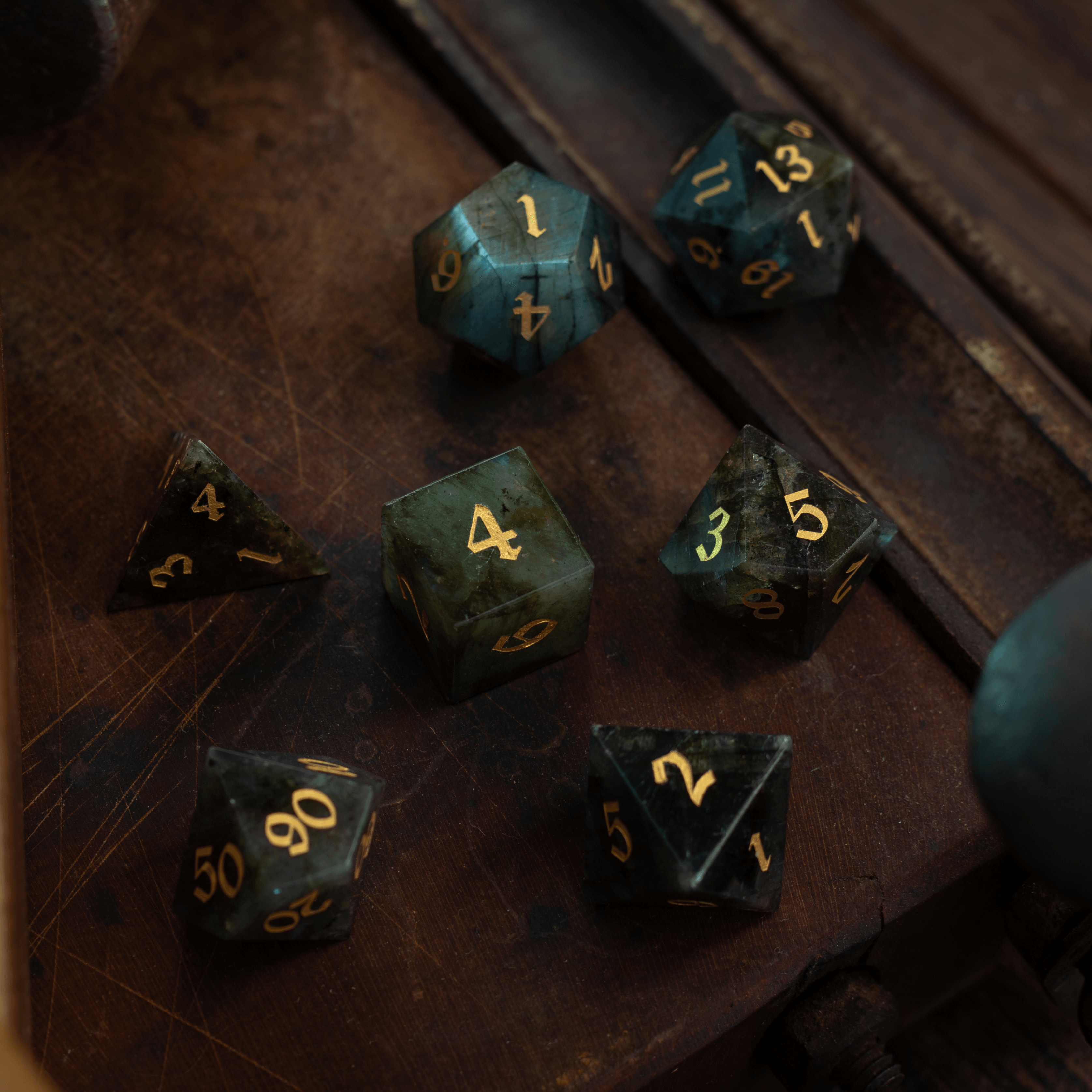
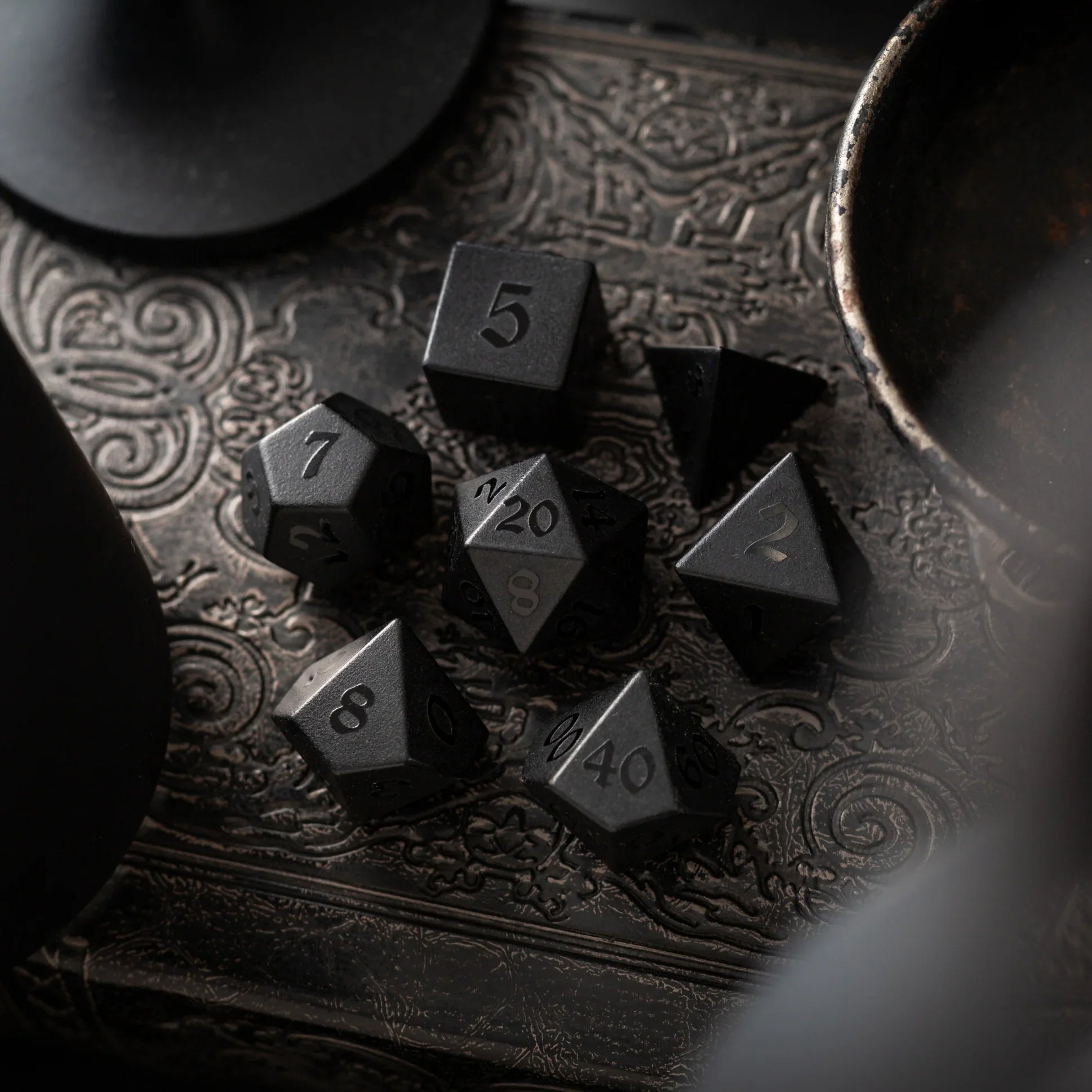
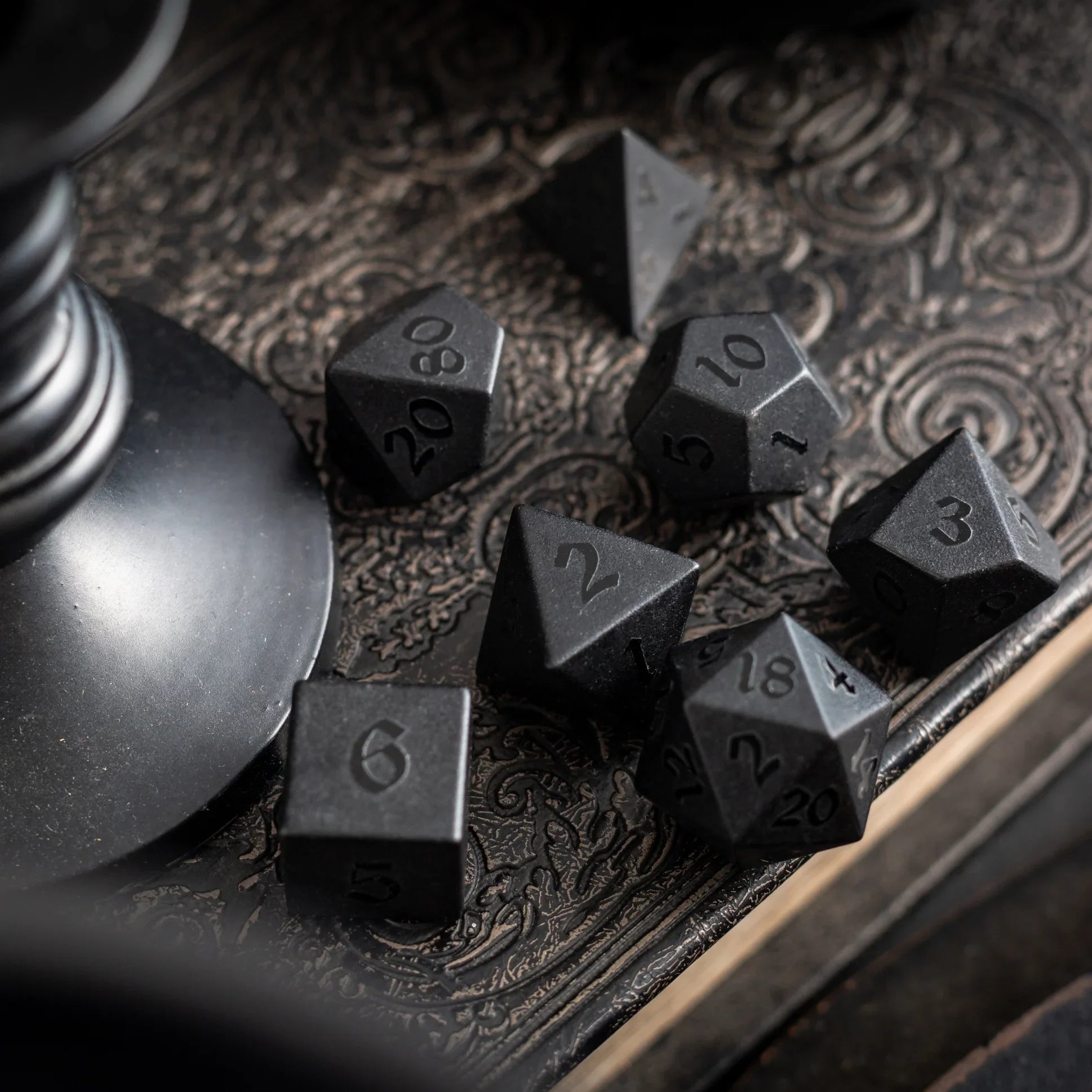
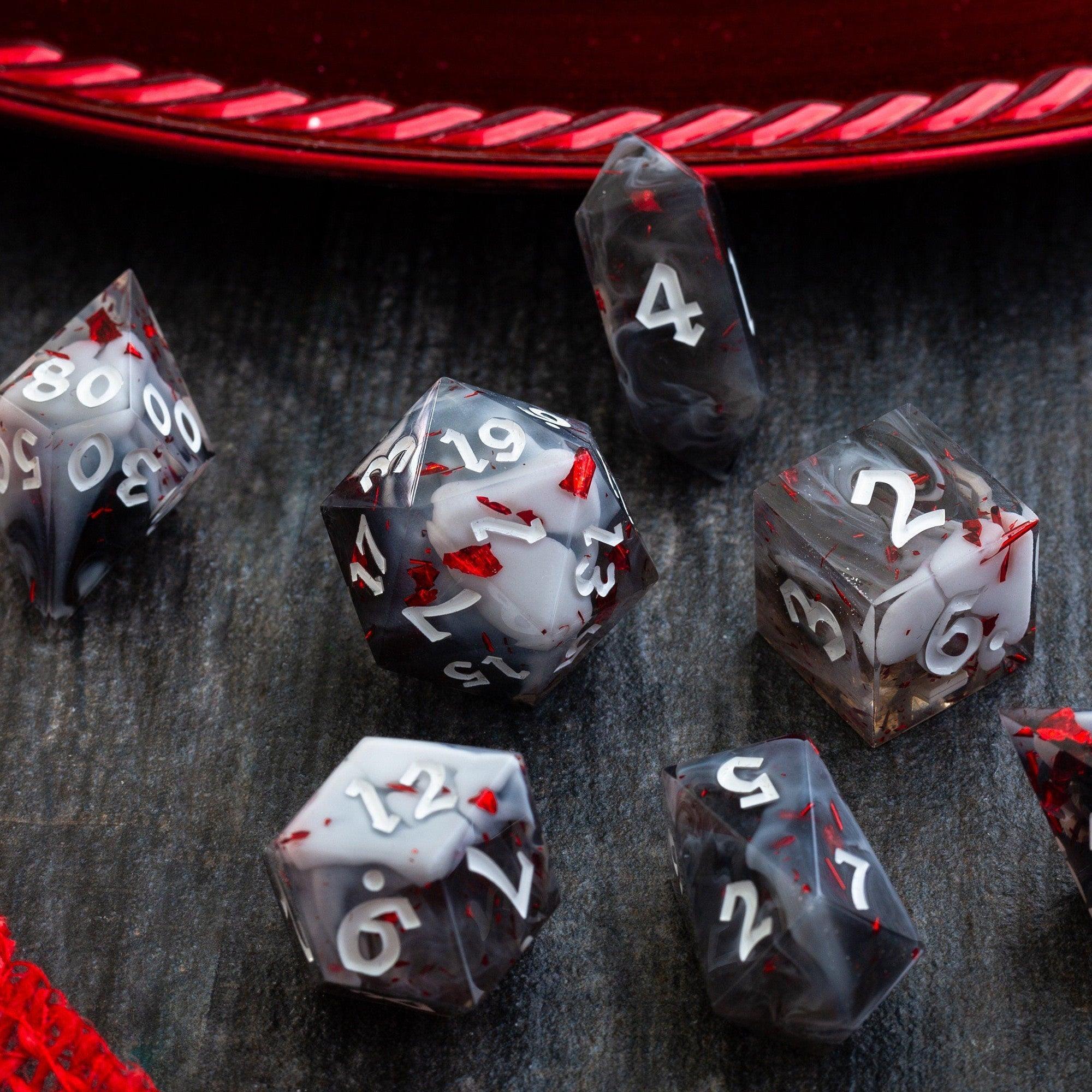
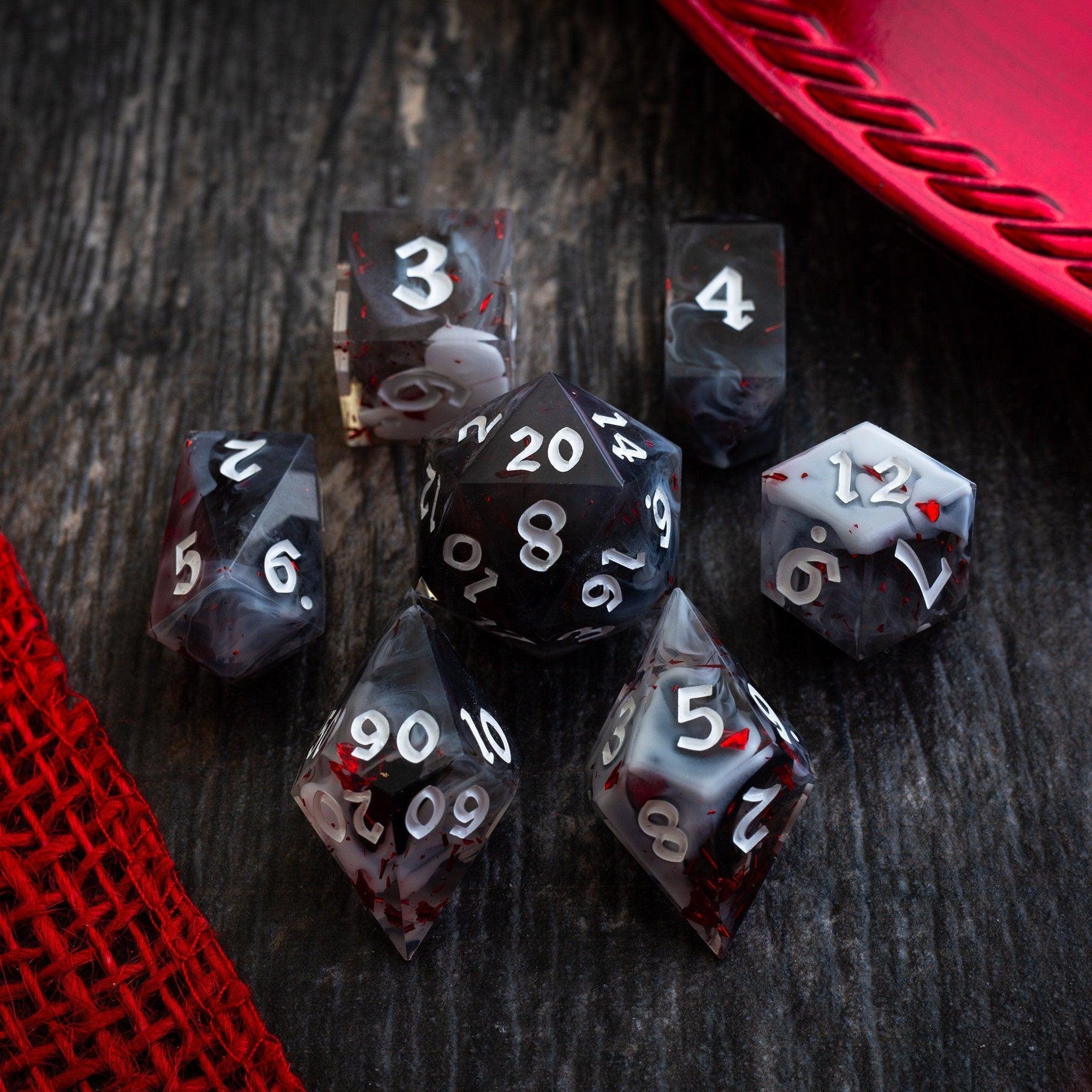
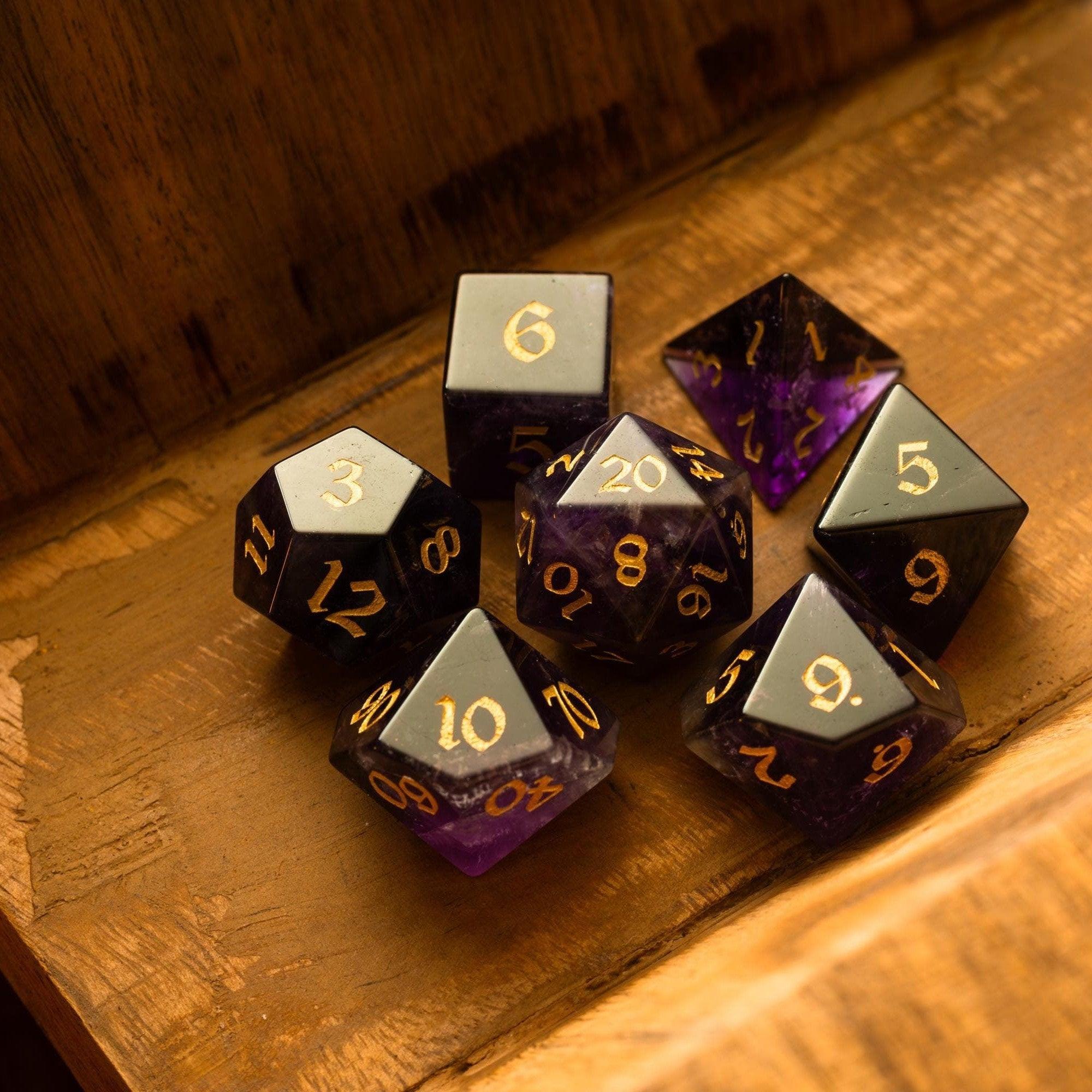
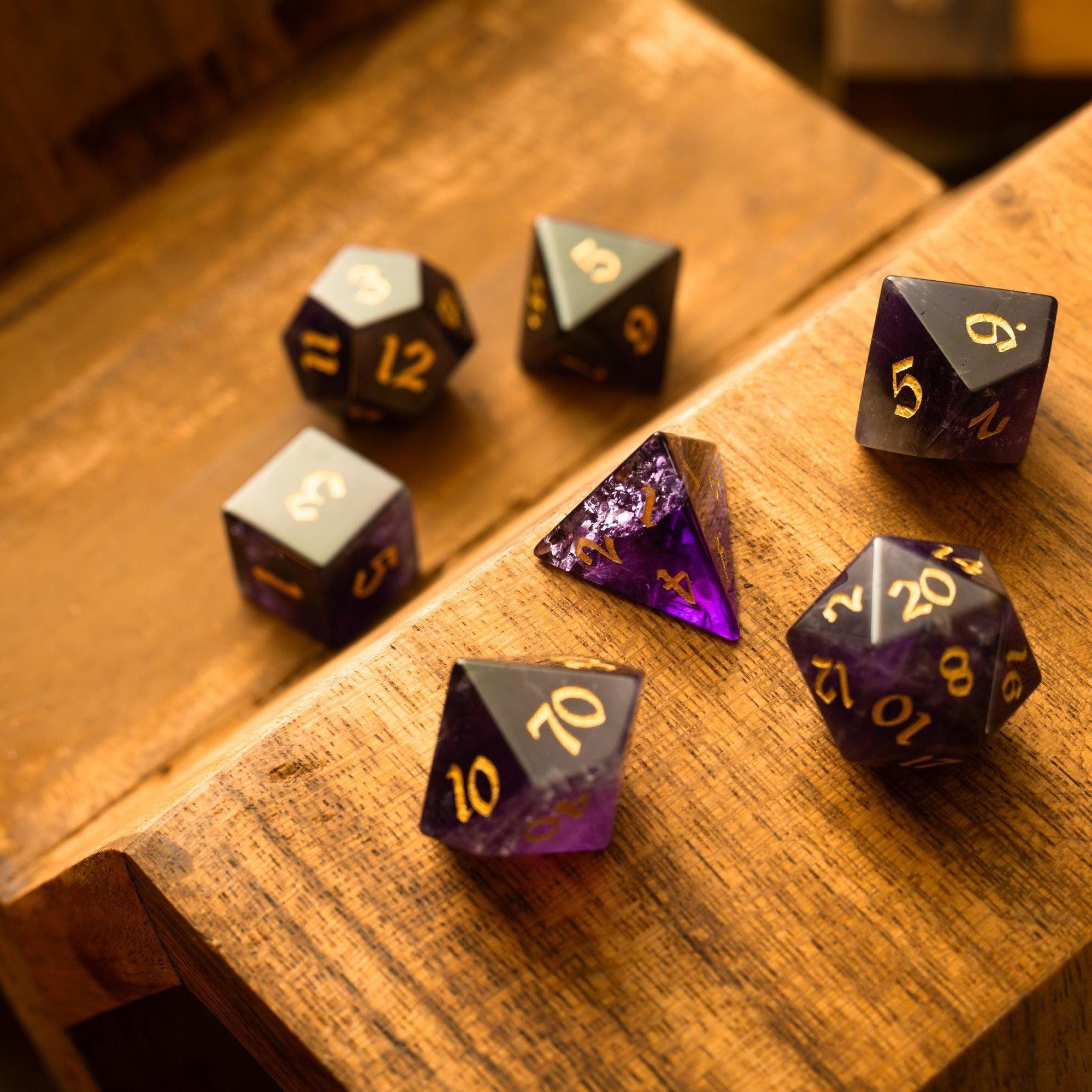
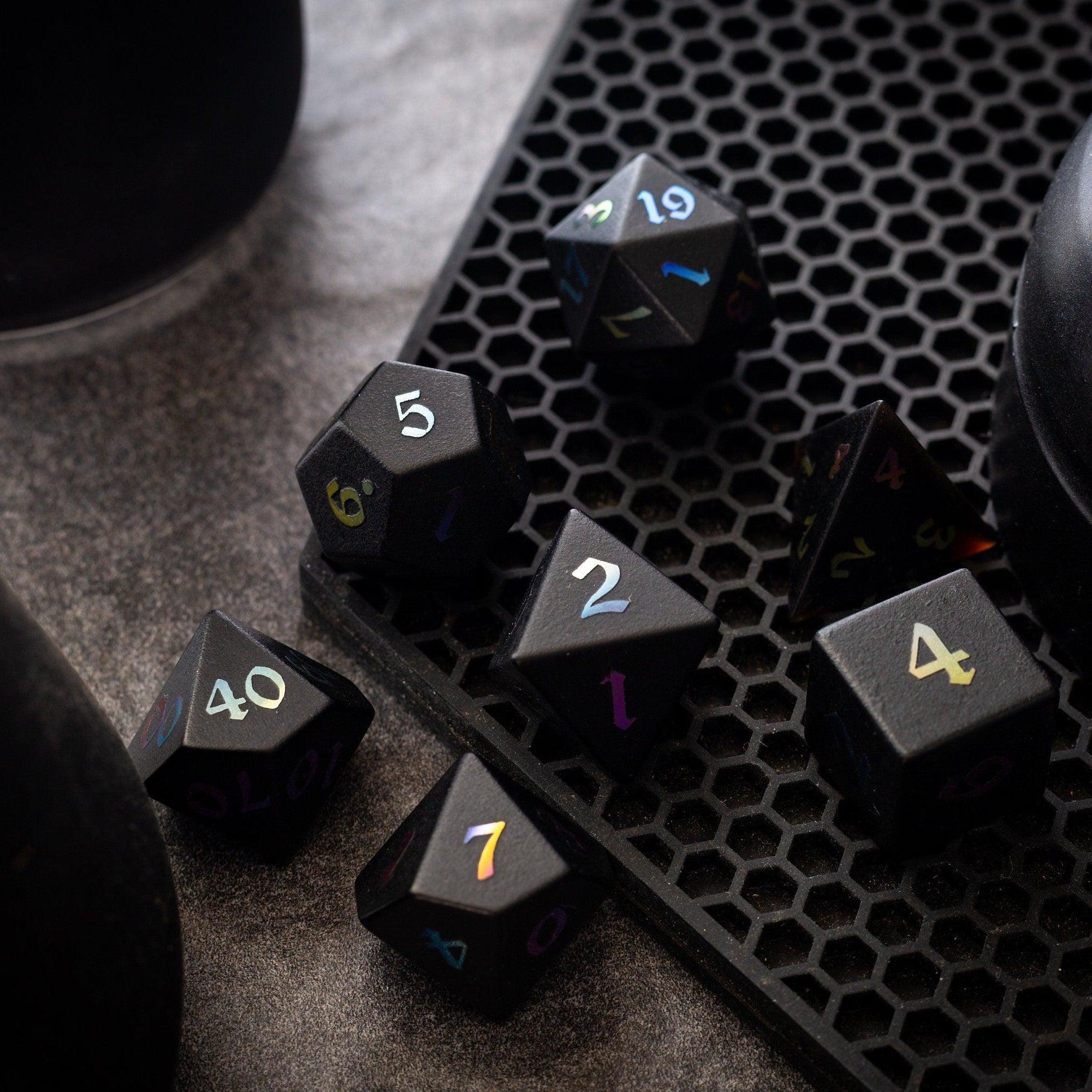
Dark gemstone dice with smoky textures or shadowy liquid core designs can help reinforce that haunting atmosphere during play. Even oversized resin chonk dice feel fitting for necromancers casting powerful high-level rituals with dangerous consequences.
Abjuration: Defensive Magic
Not every spellcaster seeks destruction.
Abjuration focuses on protection, wards, magical barriers, and defensive enchantments. These spellcasters often feel calm, disciplined, and deeply responsible.
Abjurers protect allies from curses, block enemy magic, and create magical shields against danger.
Important abjuration spells include:
-
Shield
-
Counterspell
-
Mage Armor
-
Protection from Evil and Good
-
Globe of Invulnerability
Players who enjoy support roles often love abjuration because it makes them feel like guardians rather than artillery.
An abjurer might:
-
Carefully prepare rituals before battle
-
Draw glowing protective sigils in the air
-
Treat magic as sacred responsibility
-
Speak cautiously and strategically
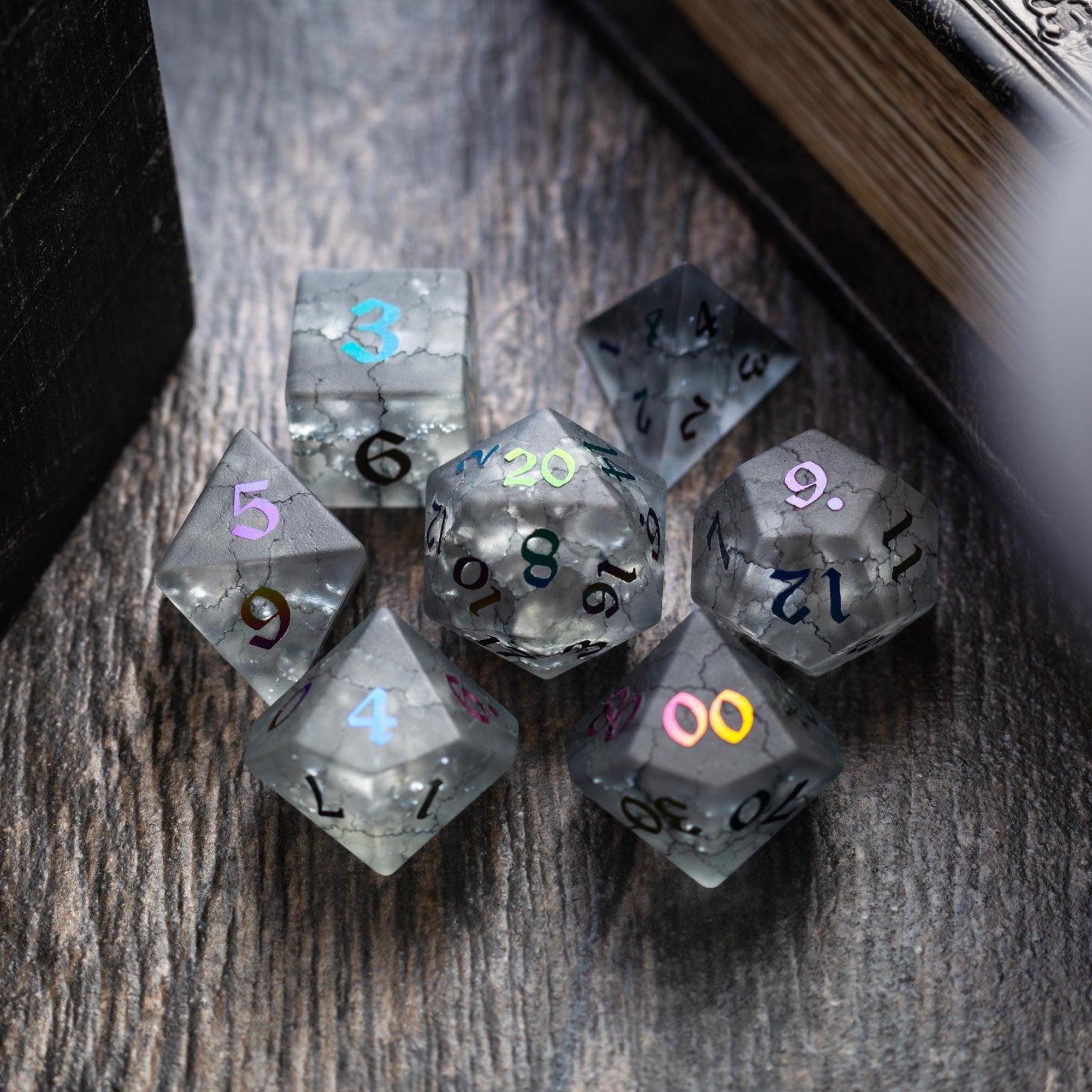
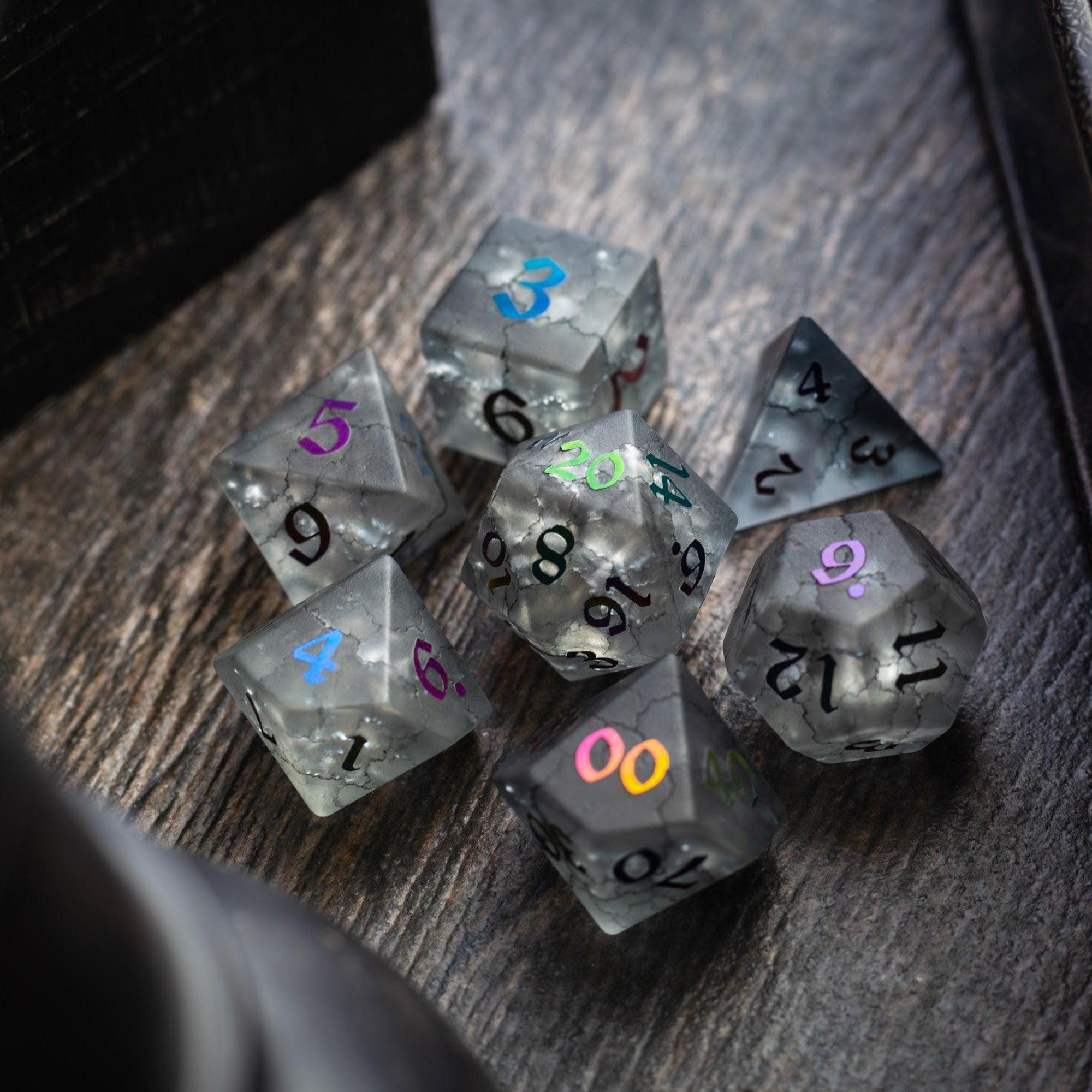
Elegant gemstone dice work beautifully for abjuration-themed characters, especially pale crystal styles or icy blue tones that resemble protective magical energy.
Divination: Knowledge & Fate
Divination is one of the most atmospheric dnd magic types because it focuses on secrets, prophecy, and hidden truths.
Diviners peer into possible futures. They read omens in tea leaves, stars, smoke, or dreams. Their magic often feels quiet compared to explosive schools like evocation, but it carries incredible narrative power.
Popular divination spells include:
-
Detect Magic
-
Clairvoyance
-
Arcane Eye
-
Scrying
-
Foresight
Diviners tend to feel:
-
Thoughtful
-
Detached
-
Curious
-
Mystical
Many players enjoy portraying diviners as strange scholars obsessed with patterns and fate.
A diviner’s table setup can become part of the roleplay itself. Pale gemstone dice, softly glowing candles, spell cards, and journals full of cryptic notes can make every casting scene feel like an ancient prophecy unfolding.
Enchantment: Influence & Charm
Enchantment magic focuses on emotion, persuasion, and mental influence.
Enchanters rarely dominate the battlefield with explosions. Instead, they subtly shape conversations and relationships. Their magic feels elegant, manipulative, and sometimes unsettling.
Key enchantment spells include:
-
Charm Person
-
Suggestion
-
Hold Person
-
Hypnotic Pattern
-
Dominate Person
Enchantment roleplay can go in many directions:
-
A charming diplomat
-
A seductive court mage
-
A manipulative villain
-
A magical performer
This school works especially well for players who enjoy social encounters and layered character interactions.
Soft pastel resin dice, shimmering liquid core dice, or elegant gemstone sets can enhance the graceful aesthetic many enchantment characters embody.
Conjuration & Transmutation
Some schools of magic thrive on flexibility and creativity.
Conjuration
Conjuration focuses on summoning creatures, teleportation, and bringing objects into existence.
Conjurers often feel adventurous and unpredictable. Their magic constantly changes the battlefield.
Popular conjuration spells:
-
Misty Step
-
Find Familiar
-
Dimension Door
-
Summon Elemental
-
Teleport
Conjurers tend to feel curious and experimental, like magical explorers testing the limits of reality.
Transmutation
Transmutation focuses on changing the physical world itself.
These spellcasters reshape matter, alter bodies, and transform environments.
Popular transmutation spells:
-
Polymorph
-
Fly
-
Haste
-
Stone Shape
-
Alter Self
Transmuters often feel inventive and adaptable. They see magic as a tool for evolution and transformation.
These creative schools pair wonderfully with colorful resin dice that feature layered textures or shifting patterns, reinforcing the feeling of constant magical change.
Magical Schools Comparison Table
|
School of Magic |
Casting Style |
Fantasy Vibe |
Best Roleplay Theme |
|
Evocation |
Explosive and direct |
Elemental destruction |
Arcane battlemage |
|
Illusion |
Creative and deceptive |
Dreamlike mystery |
Trickster or performer |
|
Necromancy |
Dark and atmospheric |
Gothic fantasy |
Forbidden scholar |
|
Abjuration |
Protective and disciplined |
Arcane guardian |
Magical protector |
|
Divination |
Thoughtful and mystical |
Fate and prophecy |
Seer or oracle |
|
Enchantment |
Elegant and manipulative |
Court intrigue |
Charismatic influencer |
|
Conjuration |
Adaptive and adventurous |
Portal magic |
Arcane explorer |
|
Transmutation |
Inventive and flexible |
Magical transformation |
Experimental alchemist |
Choosing a Casting Style for Your Character
One of the best parts of building a spellcaster is realizing you are not just choosing spells. You are choosing how your character experiences magic.
Ask yourself:
-
Does your character see magic as dangerous or beautiful?
-
Is spellcasting emotional, scholarly, or spiritual?
-
Does their magic feel controlled or chaotic?
-
Are they feared, admired, or misunderstood?
A quiet diviner and a reckless evoker may both be wizards, but they can feel like characters from completely different fantasy stories.
That’s why many players love exploring different spellcasting styles dnd offers. Every school creates a different fantasy identity.
Roleplay Tips for Spellcasters
Magic becomes far more memorable when you describe how it looks and feels.
Try adding small details like:
-
Arcane runes appearing during spells
-
Unique gestures or chants
-
Strange magical side effects
-
Ritual habits before casting
-
Personal spellbooks filled with sketches or notes
Maybe your illusionist smells faintly of lavender smoke whenever they cast magic. Perhaps your necromancer’s candle flames briefly turn green. Your diviner might constantly shuffle tarot-like cards before making decisions.
Even your dice can become part of the character fantasy. Some players keep separate gemstone dice for prophecy spells or oversized resin chonk dice for major magical moments like casting Wish or opening a portal between worlds.
Those tiny rituals make spellcasters feel alive.
Conclusion
The magic schools of D&D are more than spell categories. They are windows into entirely different fantasy experiences.
An evoker commands storms and flame. An illusionist reshapes reality through deception. A necromancer walks beside death itself while a diviner searches endlessly for hidden truths.
Every school tells a different story about what magic means.
The best spellcasters are not always the strongest mechanically. They are the ones whose magic feels personal, vivid, and unforgettable at the table.
Whether your character studies ancient tomes beneath candlelight, summons creatures from distant planes, or whispers forbidden prophecies into the dark, the schools of magic offer endless ways to shape your own arcane legend.




Leave a comment
This site is protected by hCaptcha and the hCaptcha Privacy Policy and Terms of Service apply.