Unlocking D&D feats and abilities for better builds
Updated on: January 22, 2026
Understanding character progression in tabletop role-playing games requires knowledge of game mechanics that define your hero's capabilities. This guide explores the distinction between character powers and special abilities, helping you make informed choices during character creation and advancement. Learn how these mechanical elements interact, common misconceptions about their functionality, and practical steps to optimize your character build for your campaign.
- Myths vs. Facts About Game Mechanics
- Understanding Character Powers and Special Abilities
- Step-by-Step Guide to Selecting Powers for Your Character
- Frequently Asked Questions
- Summary and Key Takeaways
Myths vs. Facts About Game Mechanics
When discussing character development in tabletop gaming, several misconceptions circulate among both new and experienced players. Let us address these thoughtfully and provide clarity.
Myth: All Special Abilities Require Special Preparation
Fact: Many abilities function passively and require no preparation. Some grant constant benefits, while others activate only when specific conditions are met. Understanding which abilities are passive versus active helps you plan your turns more effectively.
Myth: You Should Always Select the Strongest Power Available
Fact: The most powerful option may not suit your playstyle or party composition. Consider synergies with your character's existing abilities, your role in the group, and your preferred combat approach. A well-chosen power that complements your strategy often outperforms a raw power option that feels disconnected from your character.
Myth: Powers and Special Abilities Serve the Same Purpose
Fact: While related, these mechanics function differently. Powers typically represent learned techniques or innate magical abilities, while special abilities often provide passive bonuses or unique mechanics that modify how you interact with game rules. Both contribute to character effectiveness, but through distinct mechanisms.
Myth: Your Selection is Permanent and Cannot Change
Fact: Most game systems allow retraining and modifications during level advancement or during character development phases. Discussing changes with your Game Master ensures everyone feels comfortable with adjustments to your character build.
Understanding Character Powers and Special Abilities
Character progression in tabletop games revolves around acquiring powers and special abilities that define how your hero interacts with challenges. These two categories represent distinct mechanical systems that work together to create a comprehensive character.
What Are Powers?
Powers represent specific techniques, spells, or trained abilities your character can execute during gameplay. These are typically learned through class selection, leveling up, or choosing from available options. A power might grant you the ability to cast a spell, perform a special combat maneuver, or activate a supernatural effect. Powers often have usage limitations, such as being usable once per day or requiring a resource like spell slots or action points. Understanding when and how to use your powers effectively separates successful characters from ineffective ones.
What Are Special Abilities?
Special abilities represent inherent traits, racial characteristics, or class features that modify how your character functions within the game world. Unlike powers that you activate, many special abilities work constantly or trigger under specific circumstances. These might increase your damage, improve your defenses, grant additional skills, or provide immunity to certain effects. Special abilities often feel more integrated into your character's identity because they reflect fundamental aspects of who your character is rather than what they do.
How They Work Together
Powers and special abilities complement each other to create your complete character expression. Your collection of character options might include a racial special ability that provides bonus damage with certain weapon types, paired with a power that lets you attack multiple enemies. Together, these create powerful synergies that make your character feel unique and effective.
Step-by-Step Guide to Selecting Powers for Your Character
Building a character involves thoughtful selection of options that reflect both your desired playstyle and your group's needs. This guide walks you through the process systematically.
Step One: Understand Your Role
Before selecting any powers, clarify your character's role within the party. Are you the primary damage dealer, the defensive protector, the healer, or the support specialist? Understanding your position helps you prioritize which powers serve your fundamental purpose. A damage-focused character should prioritize offensive powers, while a support character benefits more from abilities that enhance allies.
Step Two: Review Your Base Class Features
Your class determines your foundational abilities and available options. Carefully read your class description and understand which powers come automatically and which you choose. Many systems grant several free selections at character creation, so ensure you understand these before allocating additional choices.
Step Three: Consider Synergies
The most effective characters combine powers and abilities that work together. If your character has a special ability that applies to ranged attacks, selecting ranged powers amplifies that advantage. If you possess mobility enhancements, powers that benefit from movement become significantly more valuable. Mapping out these connections before finalizing selections creates a cohesive build.
Step Four: Discuss with Your Game Master
Communicate your character concept with your Game Master before locking in selections. They can offer guidance on whether your selections align with the campaign's tone and whether they see potential problems or wonderful opportunities you might have missed. This conversation often leads to creative solutions and better character experiences.
Step Five: Document Your Choices
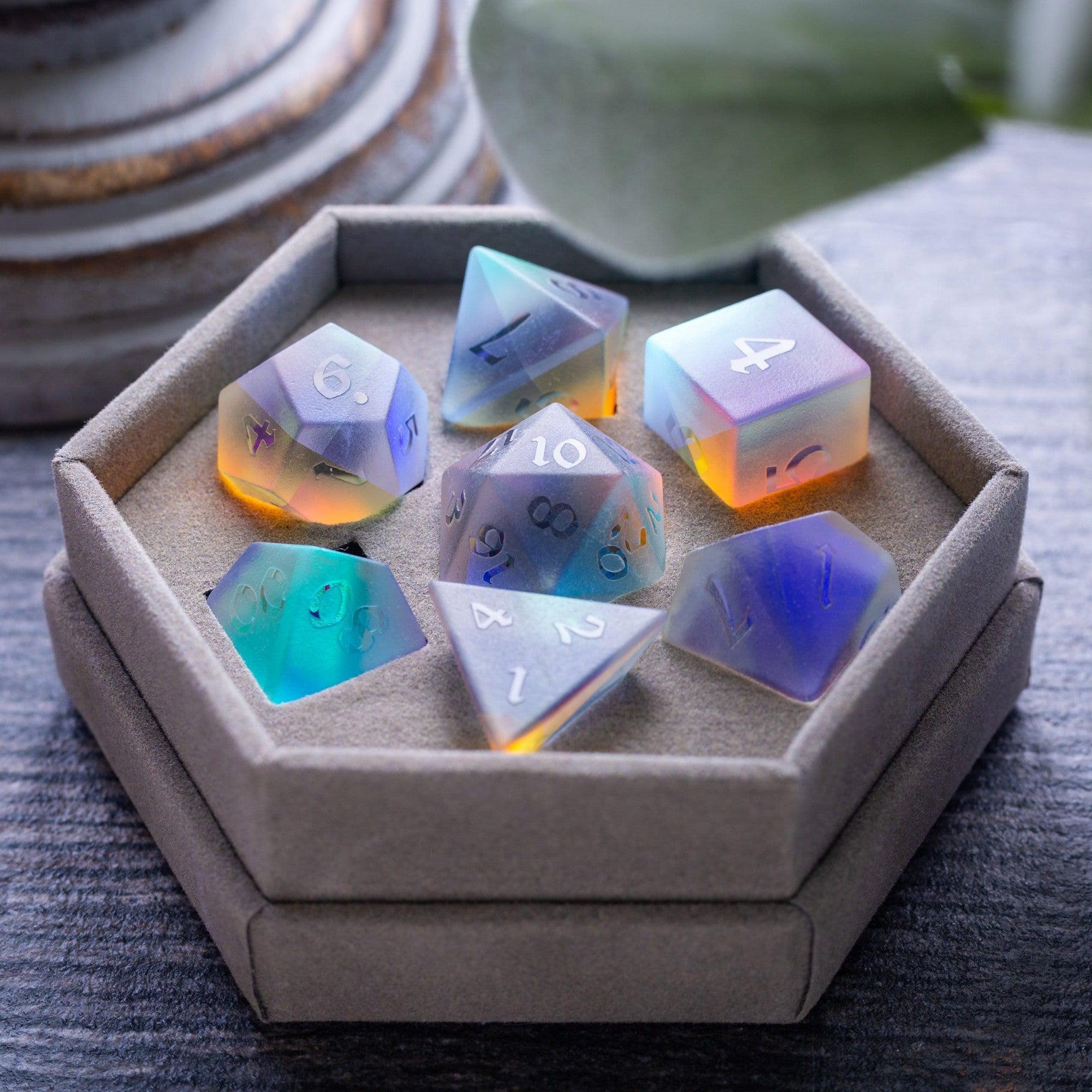
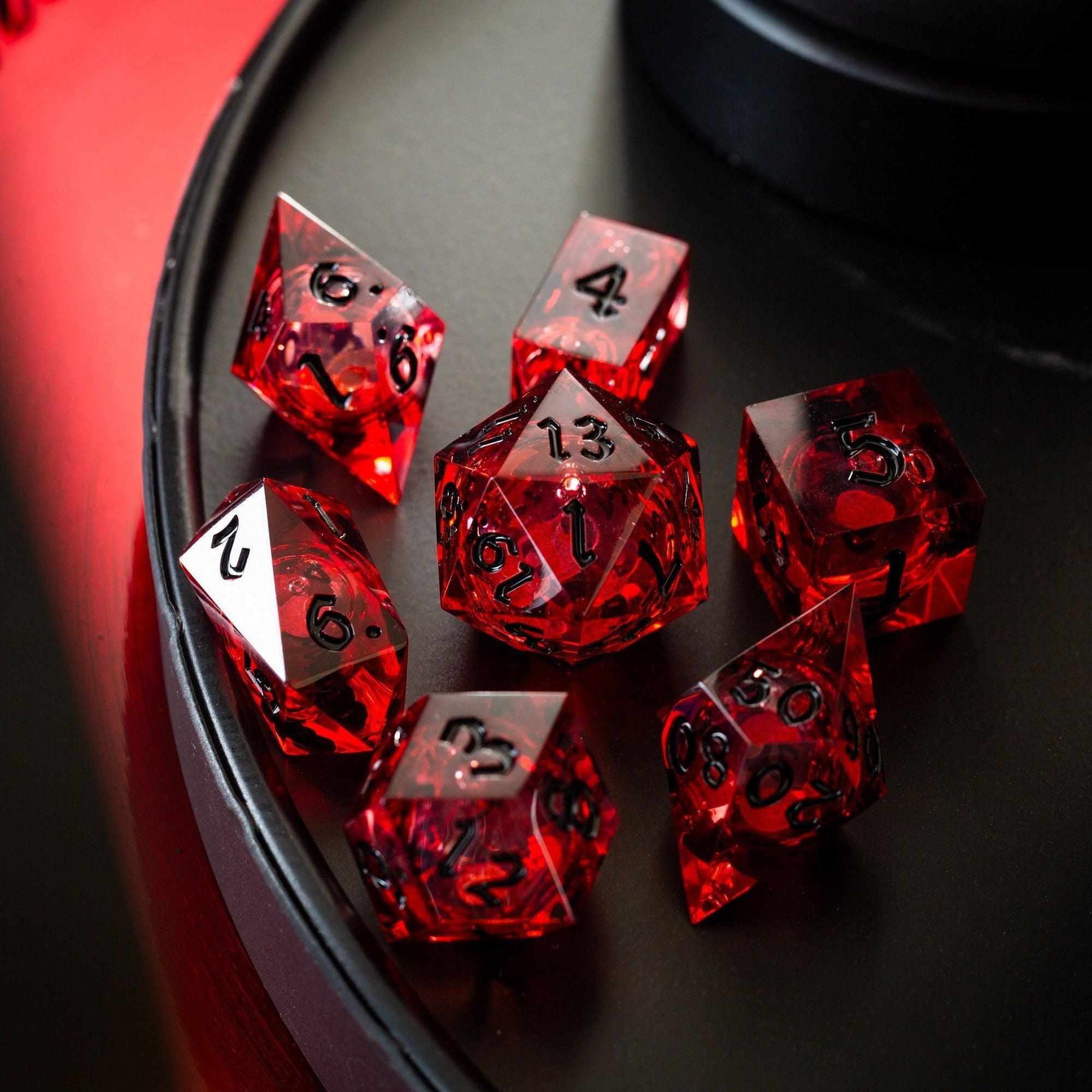
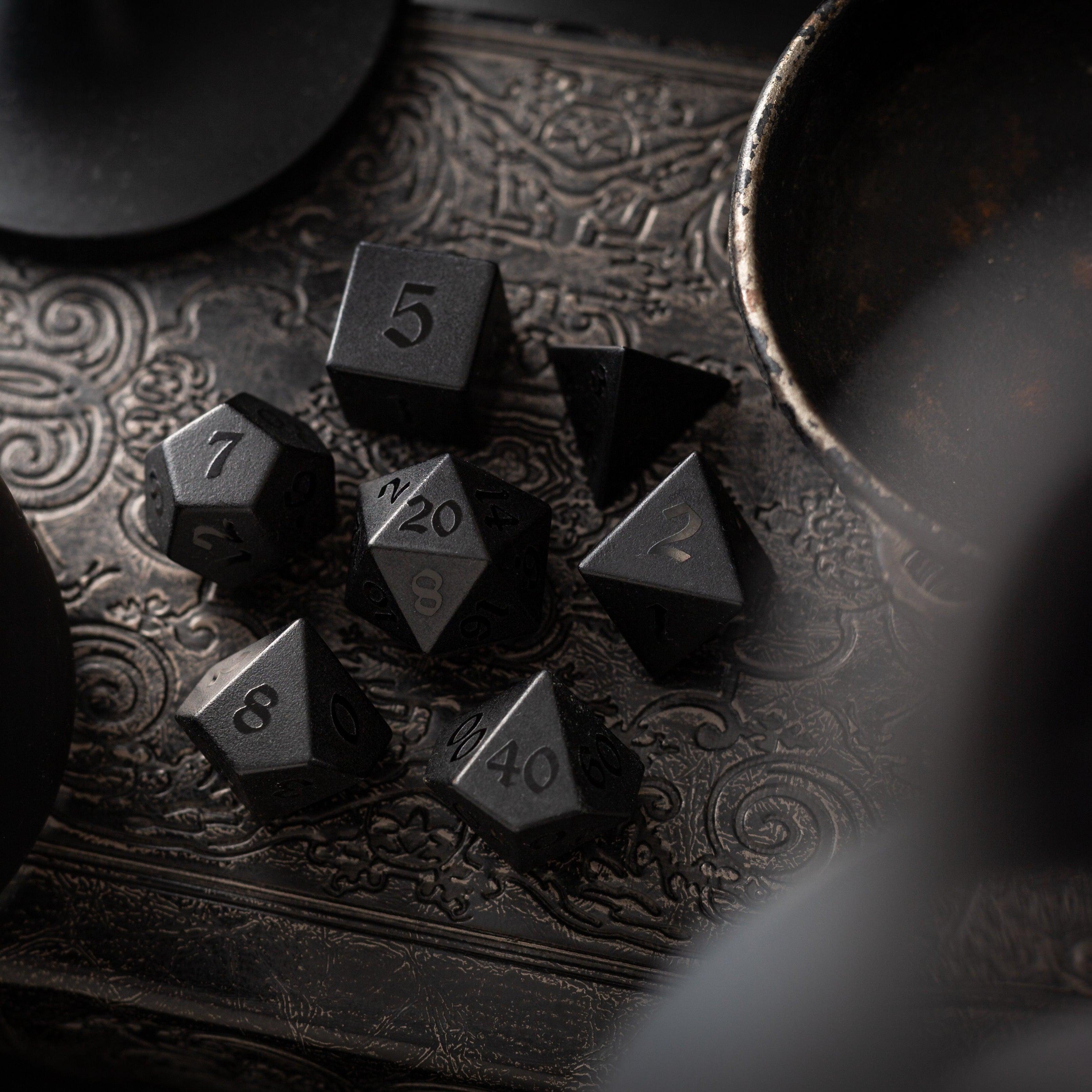
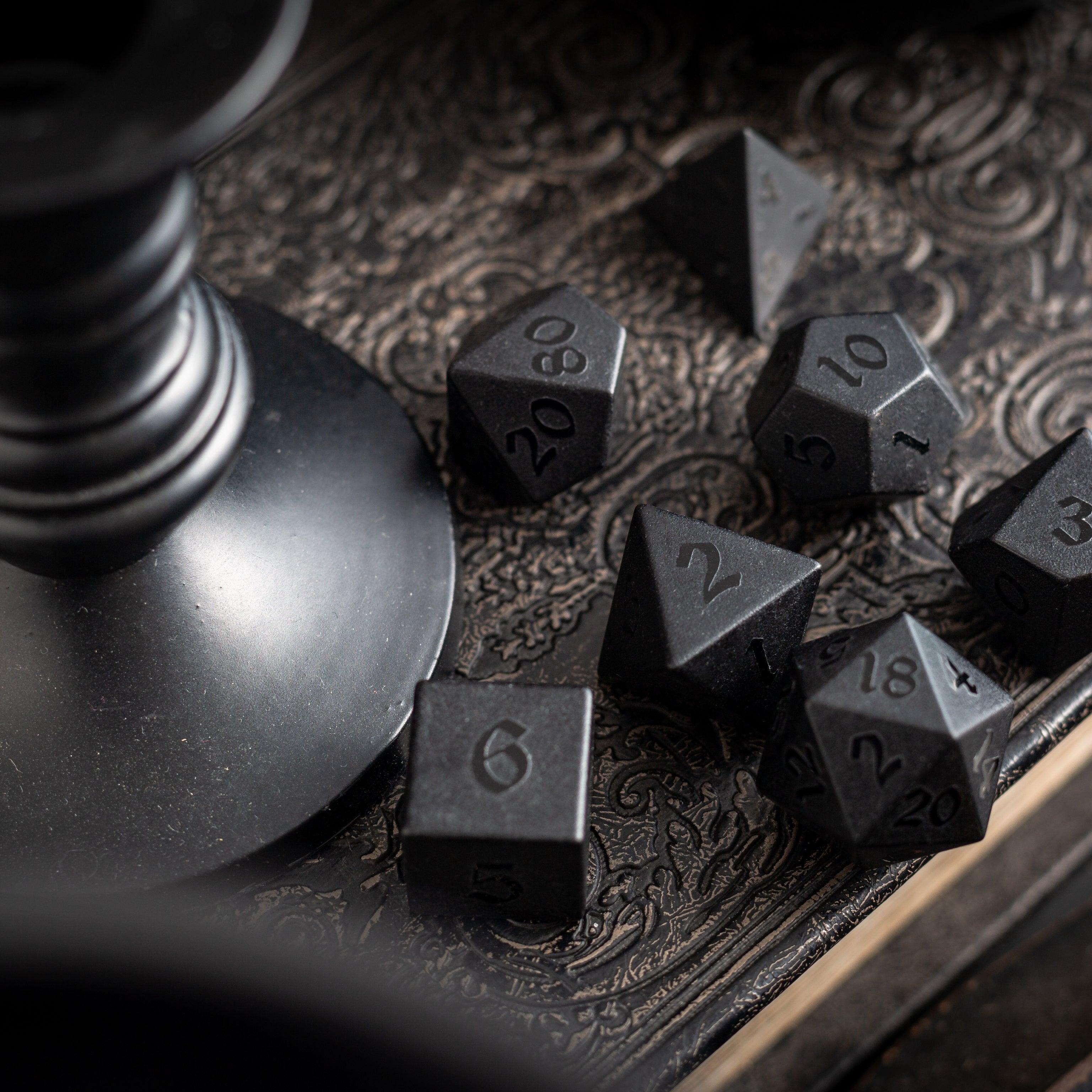
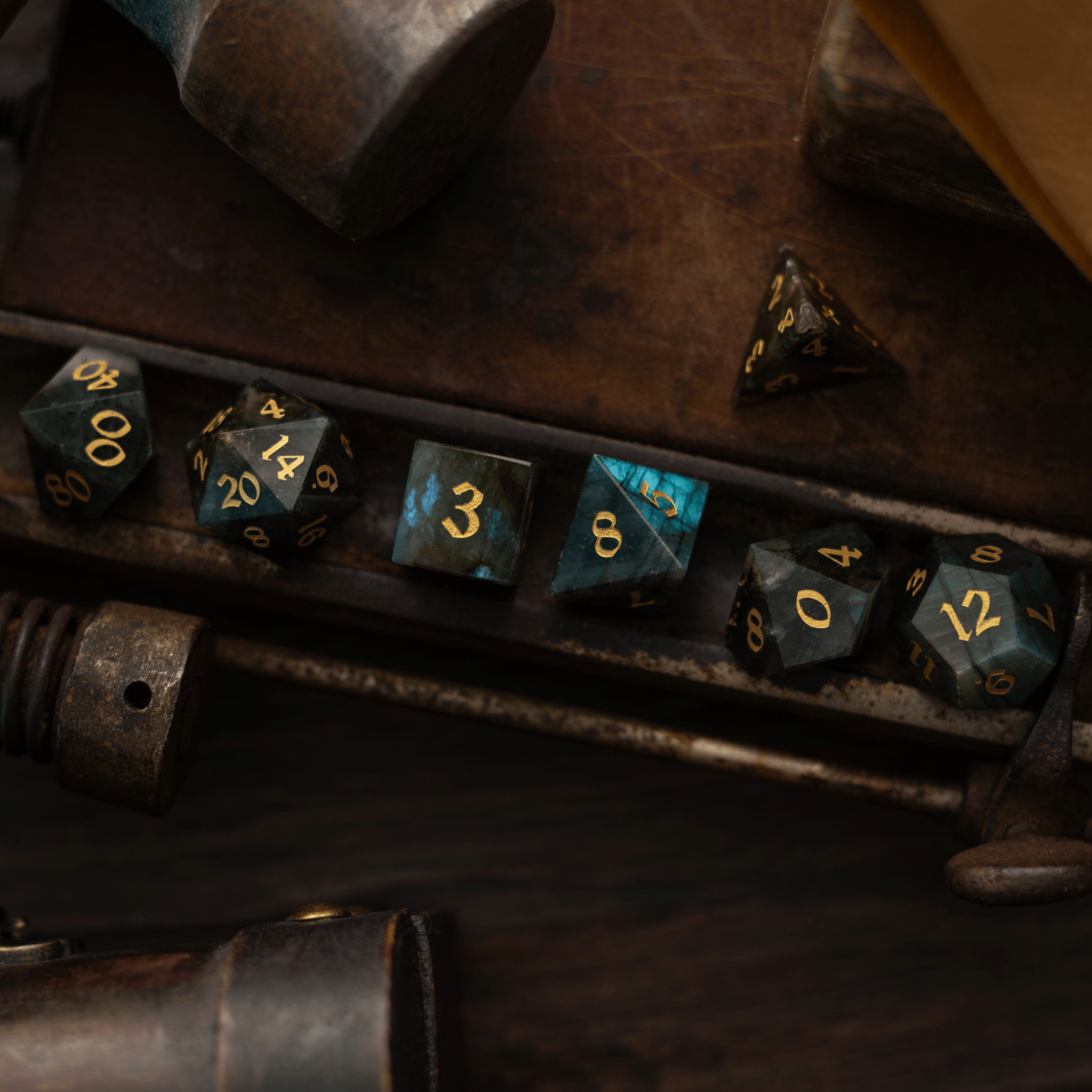
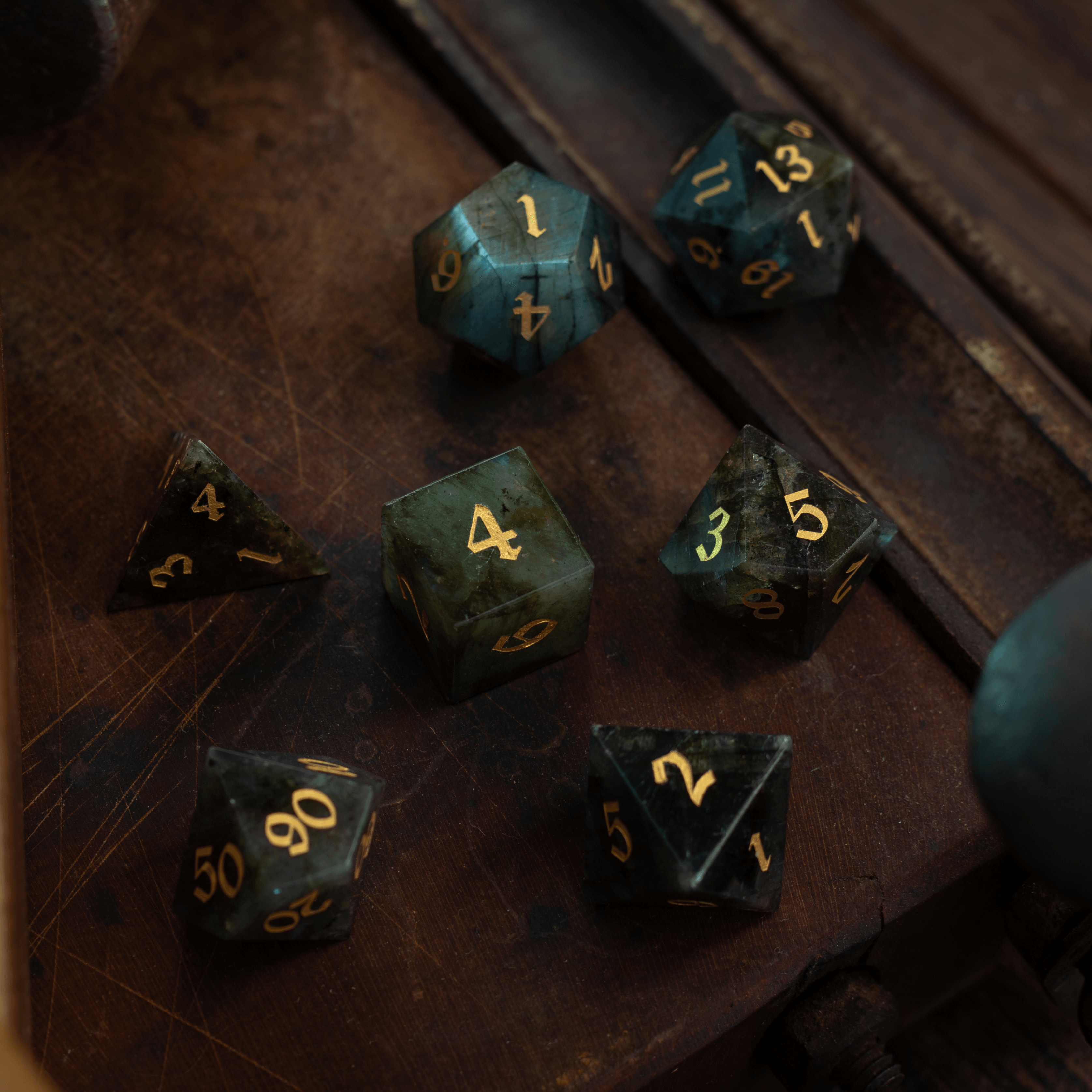
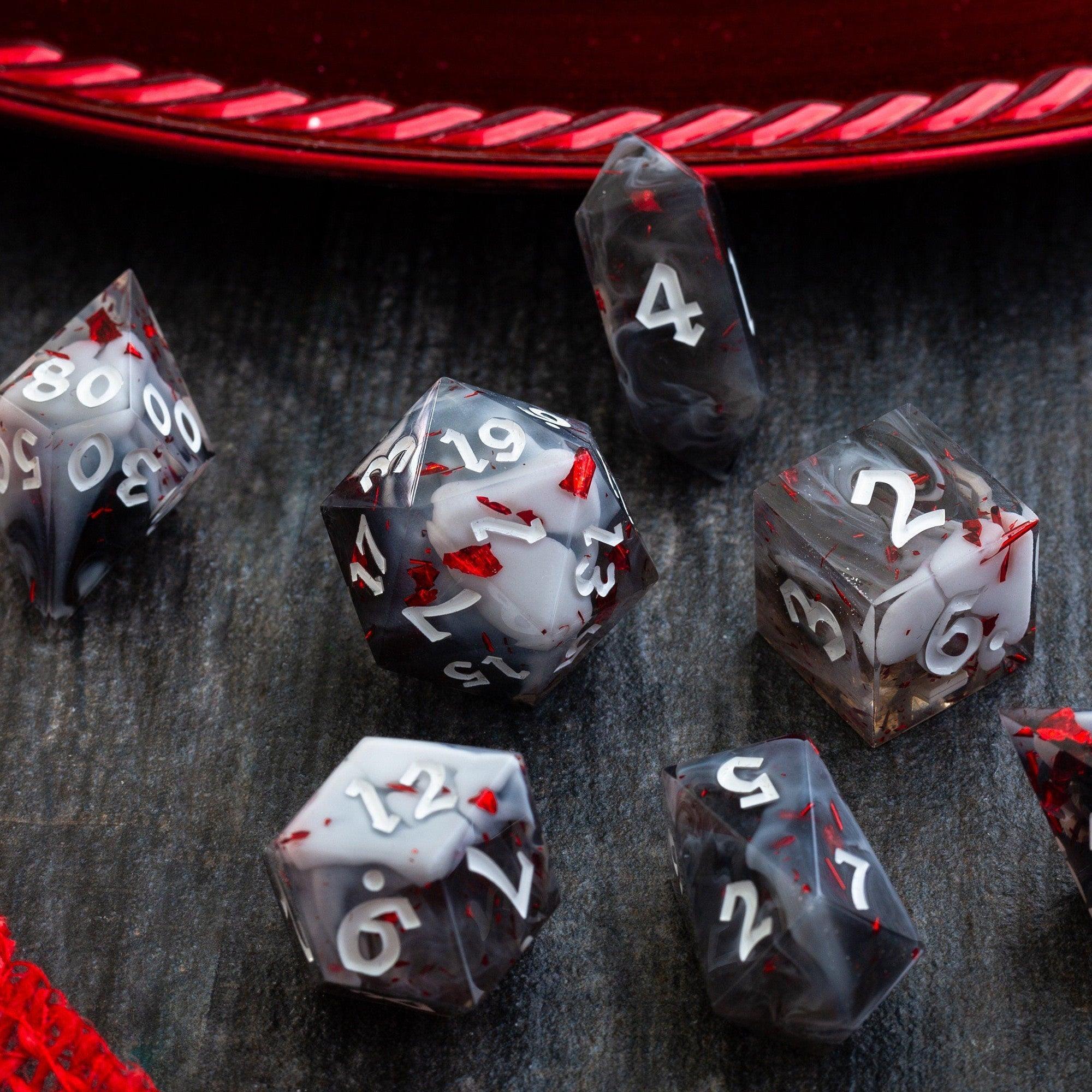
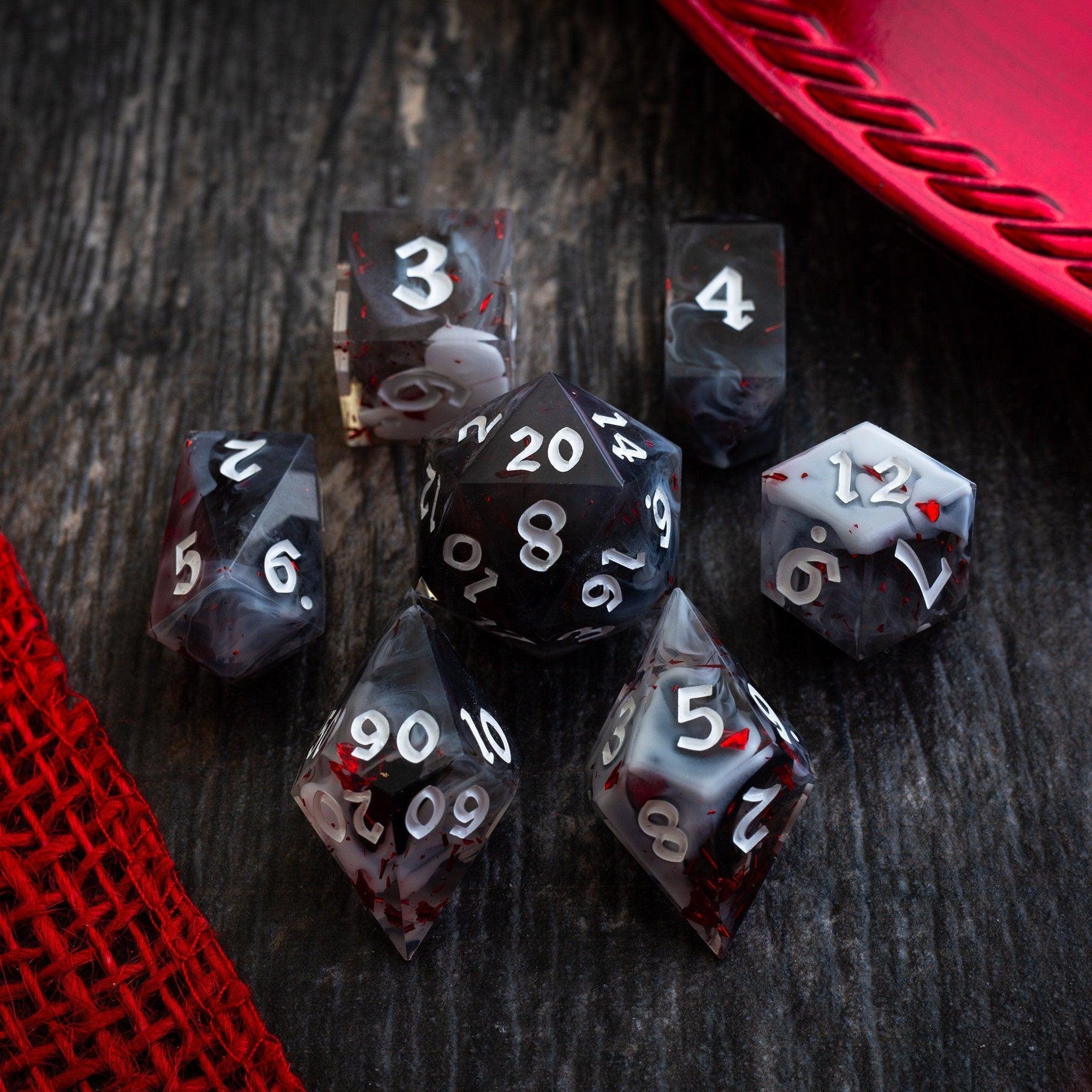
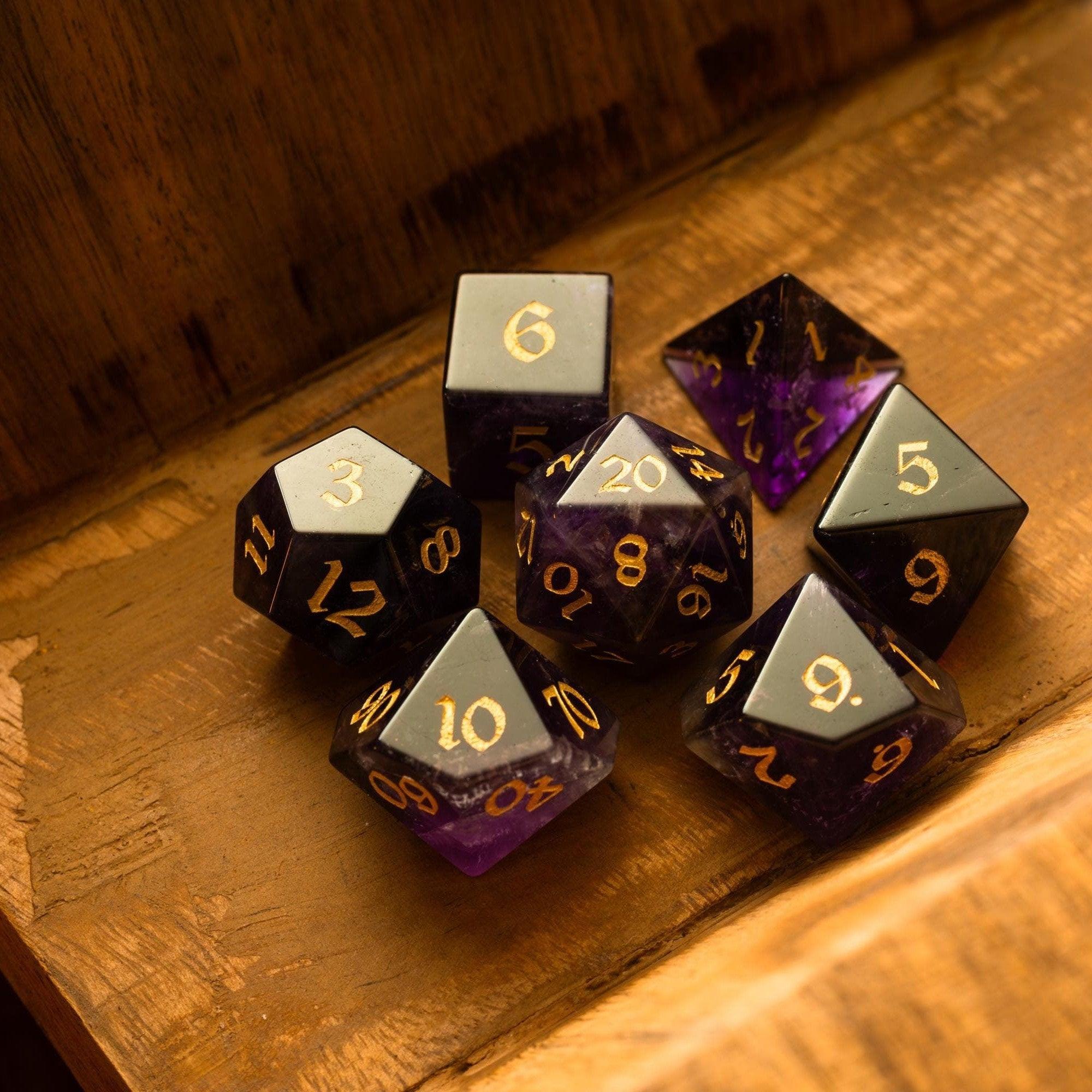
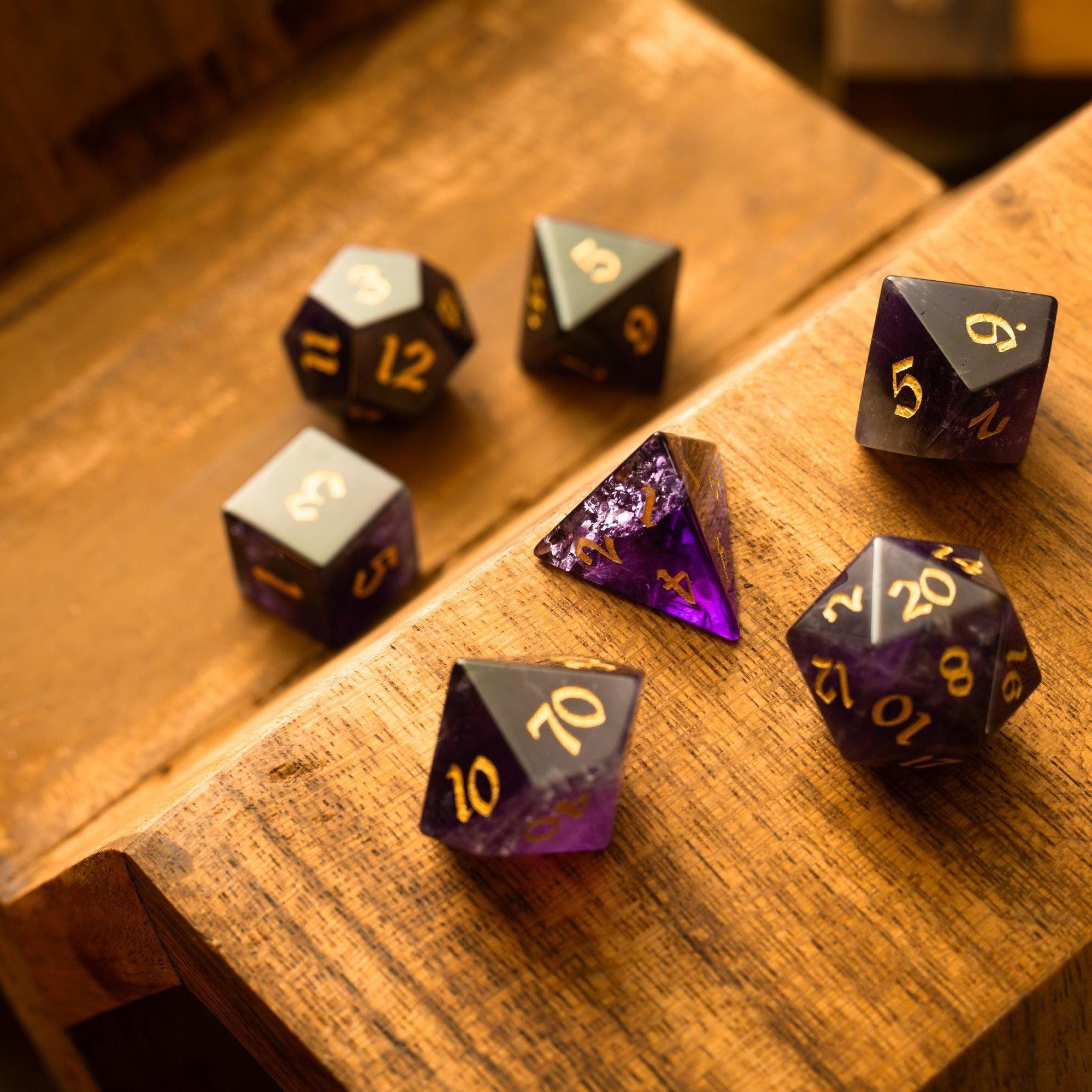
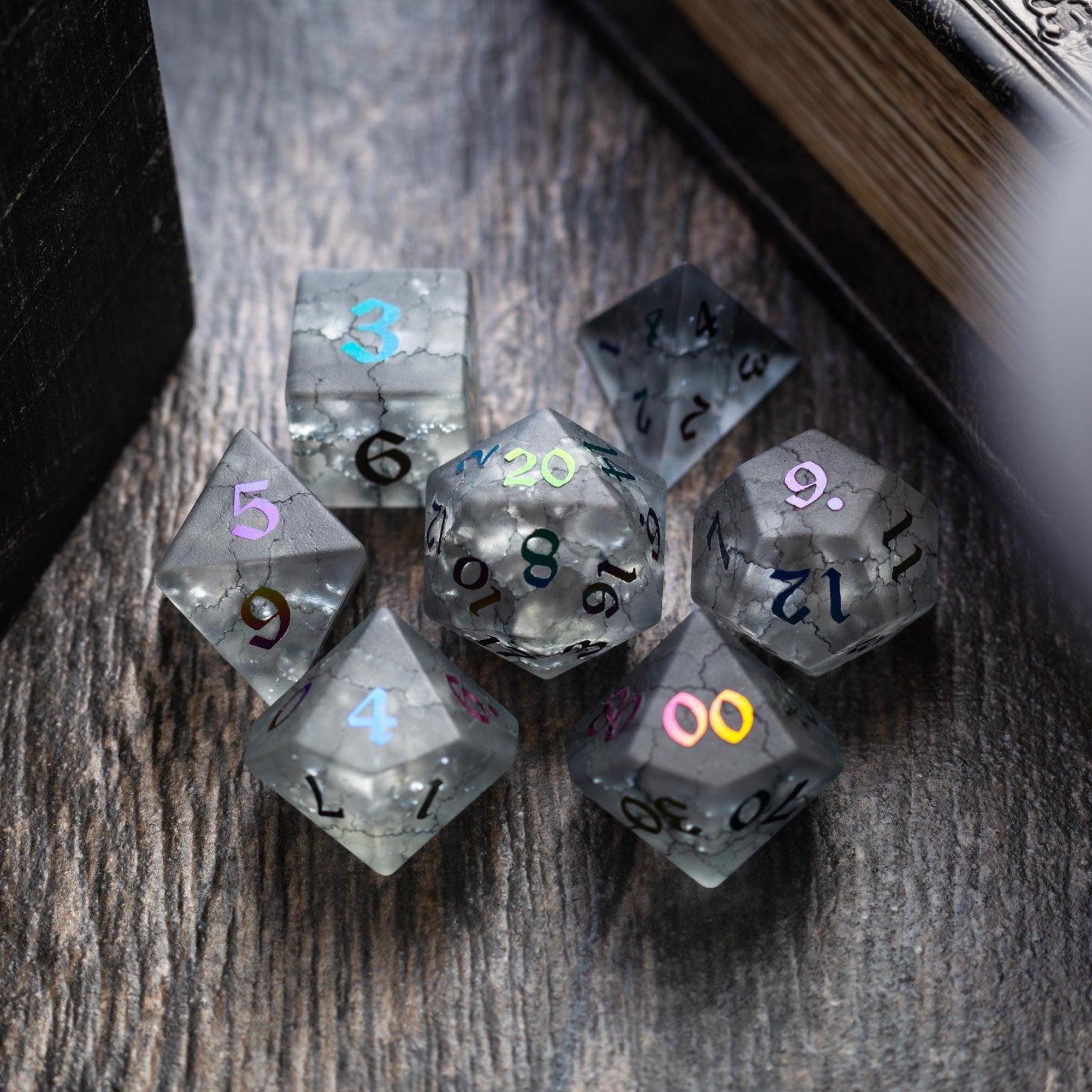
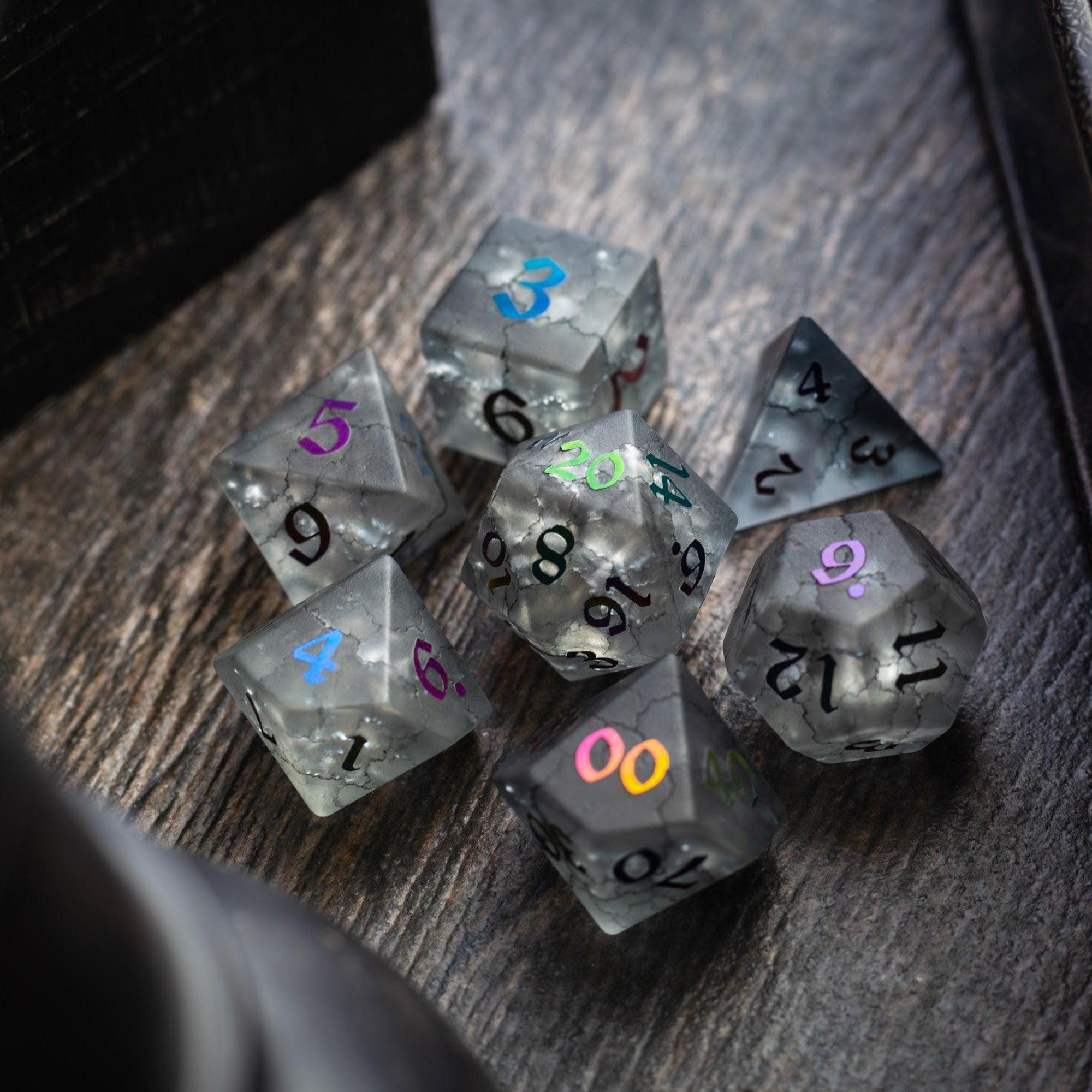
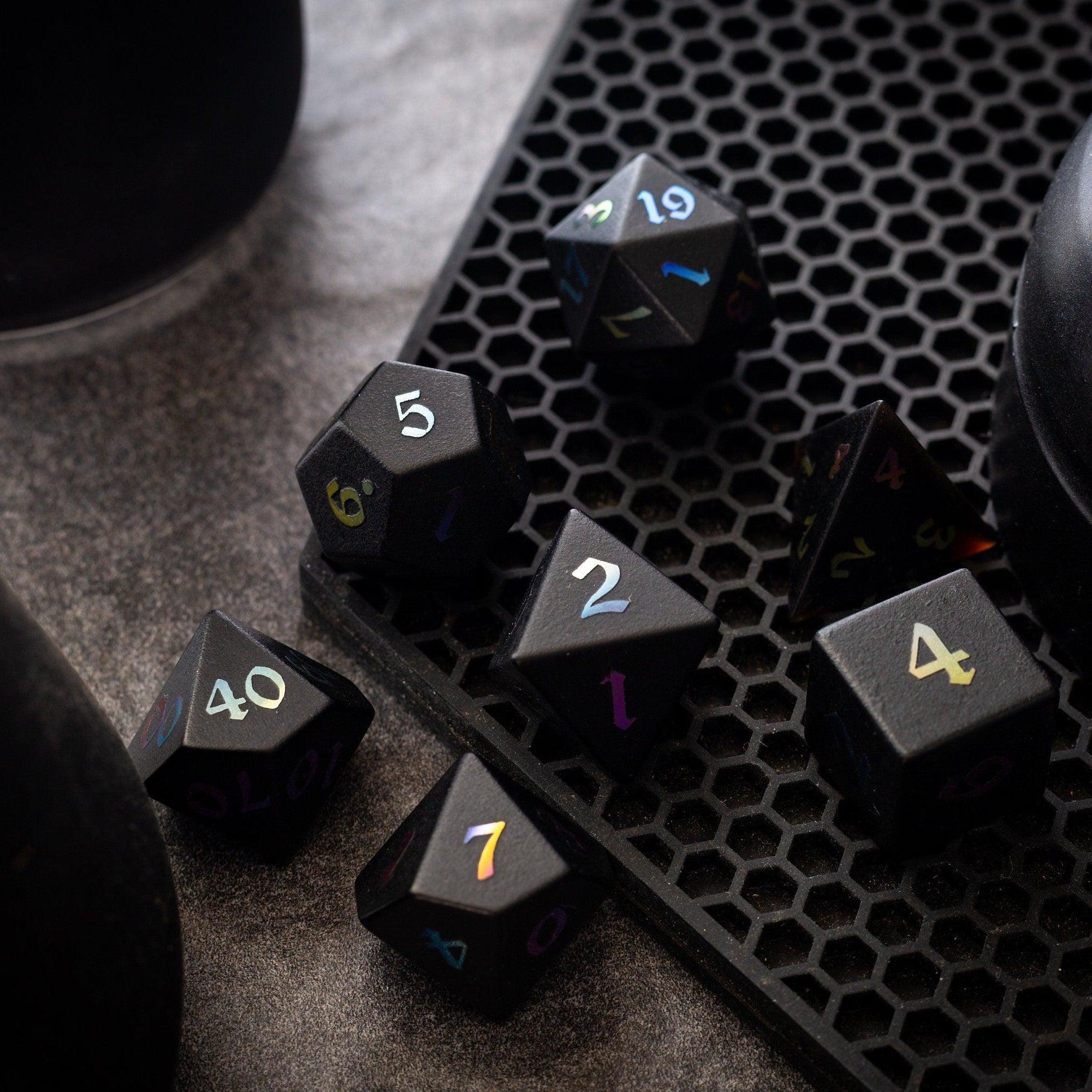
Write down your selected powers and abilities with their descriptions and mechanics. Having quick reference materials during gameplay prevents confusion and keeps sessions moving smoothly. Many players maintain digital or physical character sheets specifically for this purpose, sometimes enhanced with custom dice from premium gemstone collections to make rolling feel special.
Step Six: Review and Adjust During Play
Your first few sessions reveal whether your selections feel good in actual gameplay. If certain powers feel underwhelming or if you rarely use specific abilities, this feedback helps you request modifications during the next advancement opportunity. Games are meant to be enjoyable, and most Game Masters accommodate reasonable adjustments.
Frequently Asked Questions
Can I Change My Powers and Special Abilities Later?
Most game systems allow changes during character advancement or at specific story moments. The exact rules depend on your game system and your Game Master's preferences. Some systems offer retraining options, while others require waiting until level advancement. Always check your system's rules and discuss with your Game Master if you wish to make adjustments to your character build.
What If My Powers Feel Too Weak or Too Strong?
Communication with your Game Master is essential. If you feel your character is underperforming compared to party members, or if you feel overpowered, discuss this honestly. Your Game Master can offer guidance, suggest alternative selections, or provide context for why certain powers seem less impactful. Sometimes perceived weakness reflects misunderstanding the power's mechanics rather than actual balance issues. Taking time to fully understand your abilities often reveals hidden effectiveness.
How Do I Know Which Powers Work Best Together?
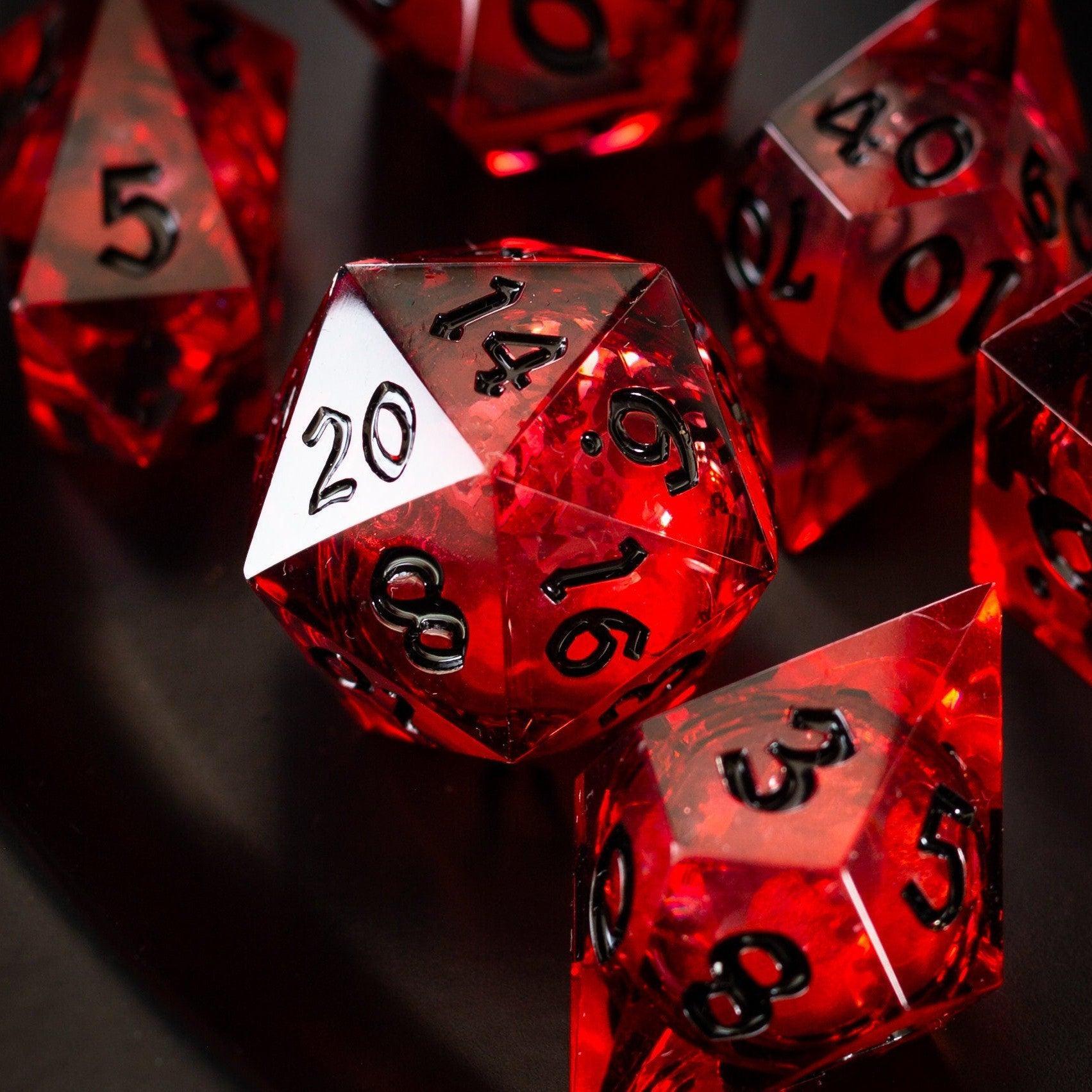
Review your selected abilities and identify which ones support each other. Look for powers that trigger additional effects when used together, abilities that extend the benefits of other powers, or mechanics that multiply each other's effectiveness. Community forums and experienced players often discuss synergies, and your Game Master can point out combinations you might have missed. Rolling quality dice from specialty dice sets adds excitement to using these powerful combinations.
Should I Prioritize Offense or Defense?
Your character's role determines this balance. Damage-focused characters need offensive powers, but not exclusively—some defensive abilities help you survive longer and deal more total damage through extended combats. Support characters might prioritize defensive and utility powers. Most effective characters balance multiple aspects rather than maximizing one dimension entirely.
How Many Powers Should My Character Have?
Your game system specifies how many powers characters possess at each level. Rather than focusing on quantity, prioritize quality and synergy. A few well-chosen, complementary powers often outperform numerous unrelated options. Your character sheet shows exactly how many you should have, and your Game Master can clarify any questions about your specific progression path.
Summary and Key Takeaways
Mastering character powers and special abilities significantly improves your gameplay experience and effectiveness. These mechanical elements represent the foundation of character progression in tabletop gaming, and understanding their distinctions helps you make informed decisions.
Remember that powers and special abilities serve different purposes but work together toward a unified character concept. Powers represent specific techniques you activate, while special abilities provide constant benefits or situational triggers. Neither is inherently superior—the best approach combines both thoughtfully.
When building your character, consider your role within the party first, then select powers and abilities that support that role. Look for synergies between different mechanics that amplify each other's effectiveness. Most importantly, communicate openly with your Game Master and fellow players about your selections and how they feel during actual gameplay.
Character building is an iterative process. Your first selections may not feel perfect, but this simply provides information for future adjustments. Every campaign teaches you more about effective character construction and personal preferences. Embrace the learning process, remain open to discussion with your group, and remember that the goal is creating a character you enjoy playing.
Whether you're selecting powerful offensive abilities, defensive enhancements, or support-focused powers, approach each choice thoughtfully. Consider your playstyle, your party's composition, and the campaign's tone. With careful attention to these factors, you'll create characters that feel effective, enjoyable, and integral to your group's adventures. Enhance your experience with quality gemstone dice collections that make every roll feel meaningful, and continue learning throughout your gaming journey.




Leave a comment
This site is protected by hCaptcha and the hCaptcha Privacy Policy and Terms of Service apply.