
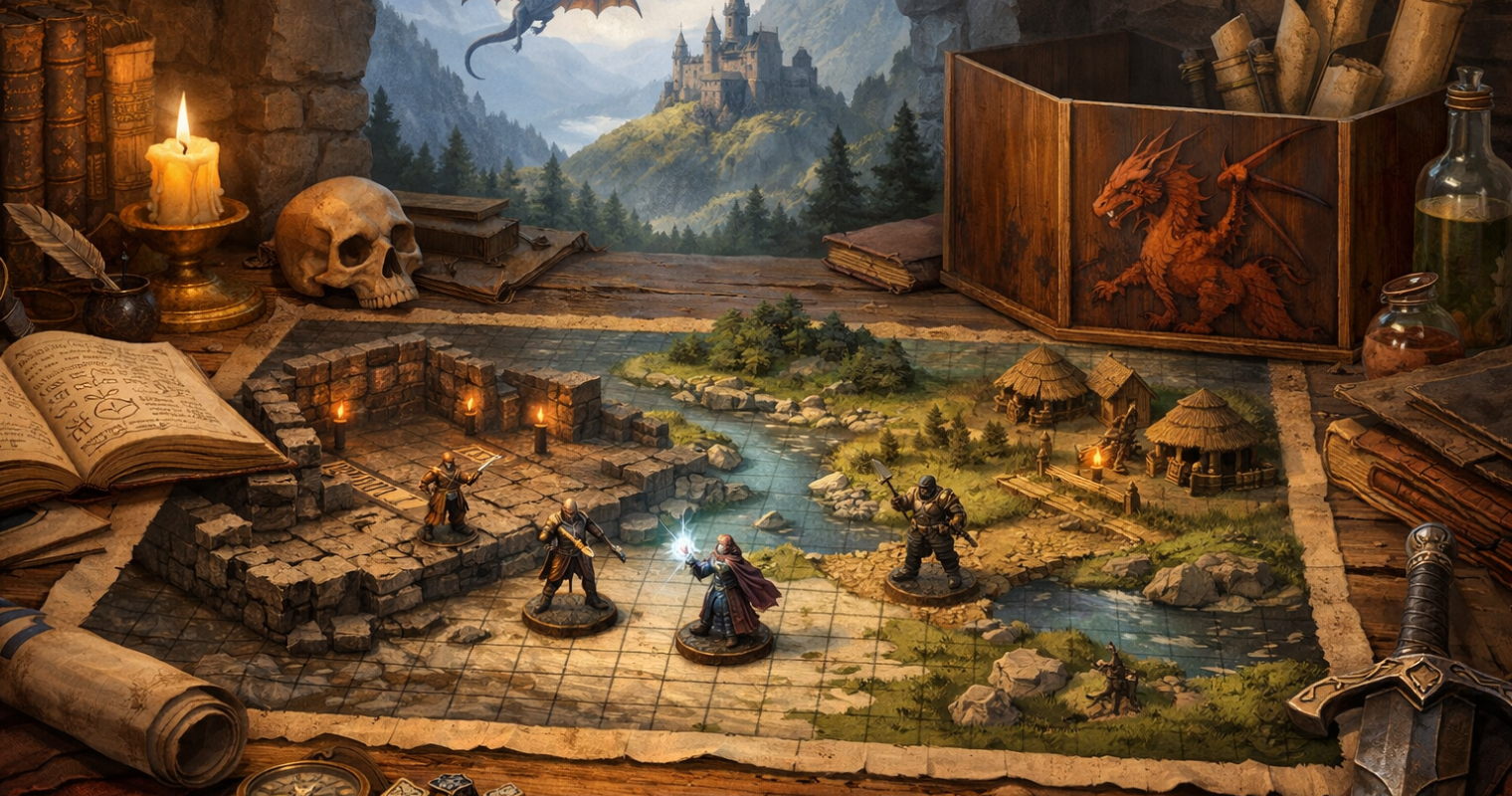
Quickplay Maps for D&D: Faster Combat and Better Encounters

Combat is one of the most exciting parts of Dungeons & Dragons, but it can also be one of the easiest places for a session to slow down. Players ask where enemies are standing. The Dungeon Master pauses to sketch a room. Someone misjudges distance. Another player forgets what terrain matters. Before long, a dramatic fight against goblin raiders or a raging owlbear turns into twenty minutes of measuring, erasing, and explaining.
That is where quickplay maps come in.
Quickplay maps are simple, ready-to-use layouts that help DMs run dnd combat encounters faster without losing the fun of tactical choices. They are not about making the most beautiful map possible. They are about making the battlefield clear, useful, and exciting enough that everyone knows what is happening.
For busy Dungeon Masters, quickplay maps can save prep time, improve pacing, and make combat feel smoother at the table.
What Are Quickplay Maps?
Quickplay maps are simplified dnd battle maps designed for fast setup and easy play. Instead of spending hours drawing every stone, table, root, and torch sconce, you build or choose a map that gives the encounter exactly what it needs.
A good quickplay map usually includes:
- A clear combat area
- A few interesting terrain features
- Obvious enemy and player positions
- Simple movement paths
- Tactical choices that are easy to understand
These maps can be printed, drawn on a dry-erase grid, built in a virtual tabletop, or sketched quickly on paper. The format matters less than the function. If your players can understand the battlefield quickly, the map is doing its job.
Quickplay maps are especially useful for random encounters, travel scenes, dungeon rooms, ambushes, and short combat sessions where you want action without heavy prep.
Why Quickplay Maps Improve Combat
The best dnd combat maps help players make decisions faster. When the battlefield is clear, players spend less time asking basic questions and more time making fun choices.
Quickplay maps improve combat because they:
- Reduce confusion about distance and positioning
- Make enemy threats easier to understand
- Help players plan movement and attacks
- Keep turns moving
- Give the DM fewer things to explain
- Make encounters feel more physical and memorable
This does not mean every fight needs a grid. Theater of the mind can still work beautifully, especially for quick scenes or roleplay-heavy groups. But when positioning matters, a simple map can prevent a lot of back-and-forth.
For DMs looking for practical dungeon master tips, the goal is not to use maps all the time. The goal is to use maps when they make combat easier, faster, and more fun.
Essential Features of Effective Combat Maps
Strong dnd map design starts with purpose. Before drawing anything, ask yourself: what makes this fight interesting?
A flat empty room can work once in a while, but most memorable dnd combat encounters give players something to react to. That does not mean every map needs lava pits, swinging bridges, and collapsing statues. A few meaningful features are usually enough.
Clear Objectives
Not every fight should be “defeat all enemies.” Quickplay maps work well when the battlefield supports a goal.
Examples include:
- Protect the ritual circle
- Escape across the bridge
- Stop enemies from reaching a door
- Rescue a captured NPC
- Hold the line for three rounds
A clear objective gives players direction and keeps combat from feeling like a slow exchange of attacks.
Interesting Terrain
Terrain is one of the easiest ways to make dnd combat tactics more exciting. Add features that change how players move, hide, or choose targets.
Useful terrain can include:
- Trees, pillars, crates, or walls for cover
- Stairs, ledges, balconies, or cliffs for elevation
- Mud, rubble, roots, or snow for difficult movement
- Fire, spikes, acid pools, or unstable floors for hazards
- Doors, windows, wagons, bridges, or tunnels for tactical movement
The trick is to keep it readable. If players need a long explanation before every turn, the map may be too busy.
Combat Map Design Table
| Map Type | Best Use | Key Features |
|---|---|---|
| Forest Ambush | Early encounters | Trees, cover, elevation, hidden enemies |
| Dungeon Room | Close combat | Chokepoints, traps, pillars, doors |
| Bridge Battle | Tactical movement | Limited space, falling danger, ranged threats |
| Ruined Temple | Boss encounters | Multiple elevations, broken walls, ritual zones |
| City Street | Dynamic fights | Buildings, carts, alleys, crowds, obstacles |
This table is a great starting point for building reusable dnd encounter maps. You can take the same layout and reskin it for different scenes. A forest ambush can become a swamp attack. A ruined temple can become a shattered throne room. A bridge battle can become a rooftop chase.
Physical vs. Digital Quickplay Maps
Quickplay maps can work in almost any format. The best option depends on your table, budget, and style of play.
Printed Maps
Printed tabletop battle maps are great for in-person games. They look polished, require little setup during the session, and can be reused if stored well.
They are best when you already know the encounter is coming.
Dry-Erase Grid Maps
Dry-erase maps are perfect for flexible DMs. You can sketch a dungeon room, cave, road, or tavern in a few minutes. They are not always fancy, but they are fast and practical.
They work especially well when players surprise you.
Digital Battle Maps
Virtual tabletops are useful for online games or DMs who like prepared visuals. Digital dnd combat maps can include lighting, tokens, fog of war, and layered terrain.
The downside is that digital tools can become time-consuming if you overbuild. Keep the same quickplay mindset: clear, simple, and useful.
Theater of the Mind
You do not always need a map. Theater of the mind is great for short fights, loose scenes, or groups that prefer fast narration. You can still use quickplay thinking by describing just a few important details: distance, cover, danger, and objective.
Common Combat Map Mistakes
Even experienced DMs can overcomplicate maps. A battlefield should support the encounter, not fight against it.
Here are a few common mistakes and how to fix them.
Empty Battlefields
A blank room with enemies on one side and players on the other can feel repetitive.
Fix it by adding one or two tactical features, such as pillars, fallen furniture, a raised platform, or a dangerous pit.
Too Much Clutter
A map packed with tiny details can slow down turns. Players may wonder what matters and what is only decoration.
Fix it by making important features obvious. If something affects movement, cover, line of sight, or damage, describe it clearly.
Overly Large Maps
Huge maps can make combat drag, especially if melee characters spend several turns just trying to reach enemies.
Fix it by shrinking the active combat area. Most quickplay maps work best when action starts quickly.
Confusing Terrain
If players cannot tell whether something is climbable, passable, dangerous, or decorative, they may hesitate.
Fix it by explaining the map in one quick overview before initiative begins.
Speeding Up Combat with Better Map Design
A good dnd combat guide should always come back to pacing. The map should help the table make decisions, not slow everyone down.
Try these quick techniques:
- Start enemies close enough that action begins early
- Use clear sight lines for ranged characters
- Place cover where players and monsters can both use it
- Add one main hazard instead of five minor ones
- Give players a visible objective
- Keep enemy positions easy to track
- Use terrain that creates choices, not confusion
For example, instead of designing a massive cave with ten tunnels, create a smaller cavern with two ledges, one underground stream, and a narrow stone bridge. That gives players movement choices, danger, and positioning without overwhelming the table.
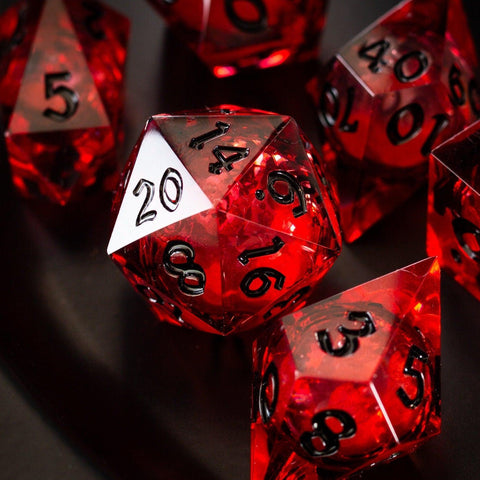
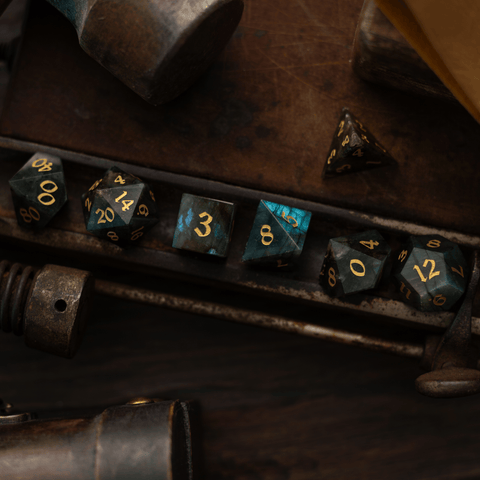
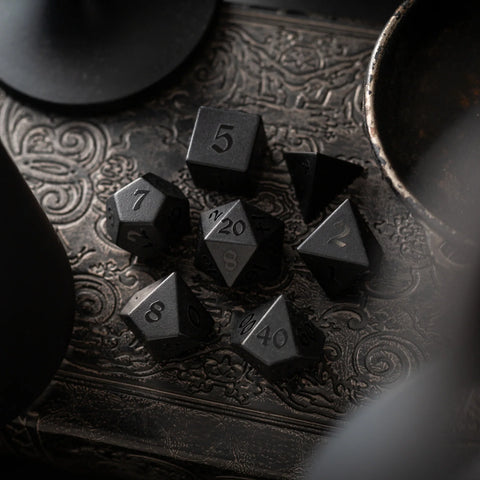
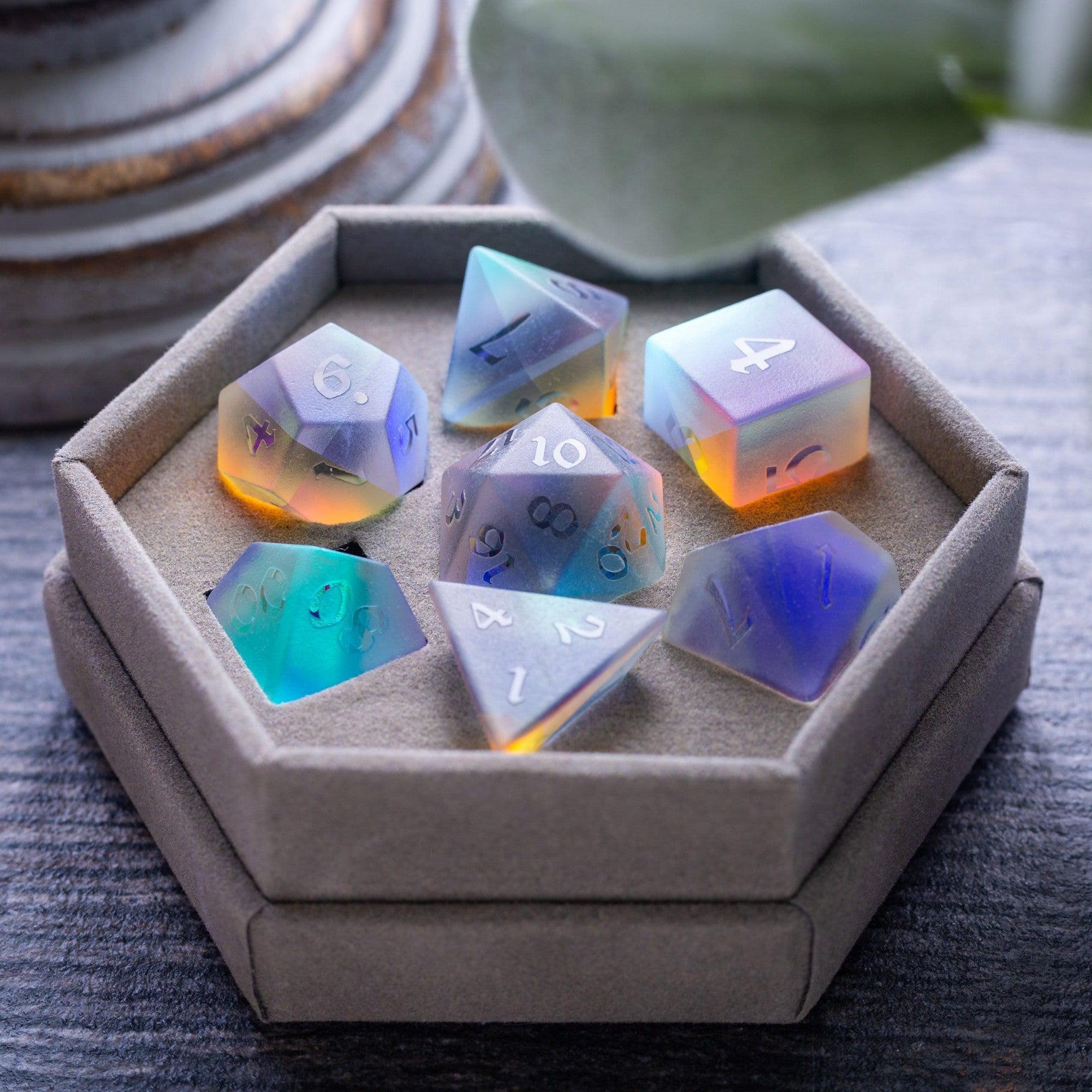
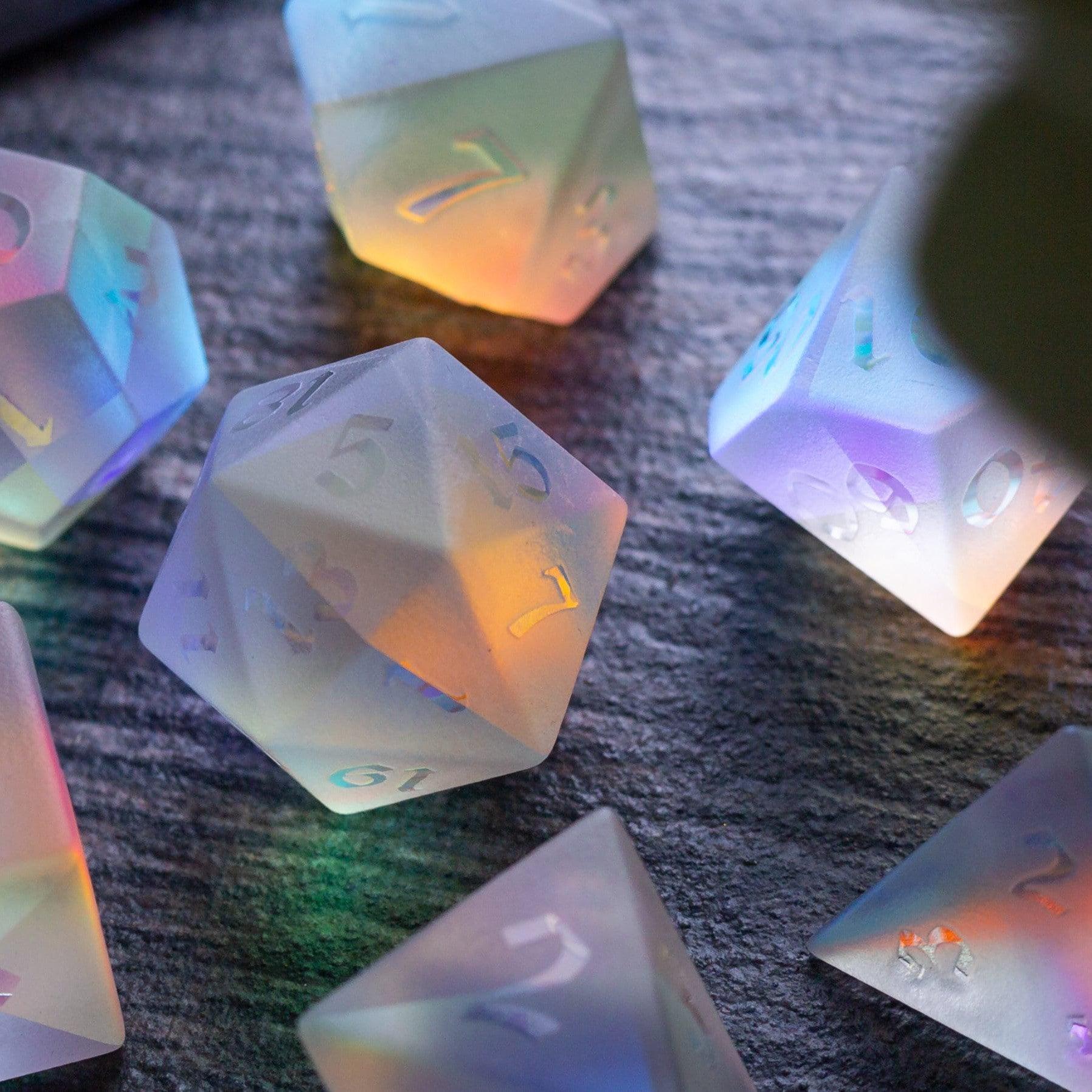
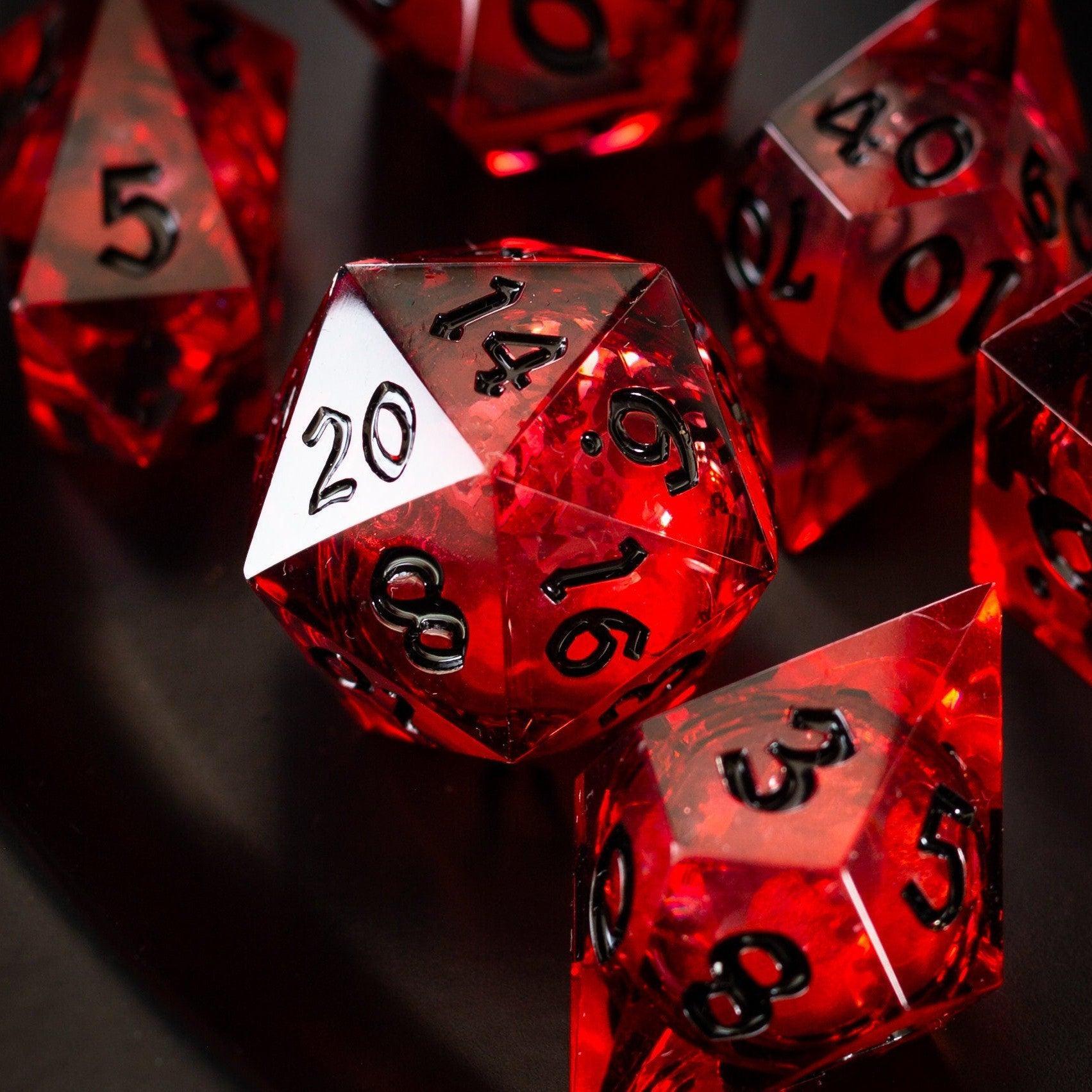
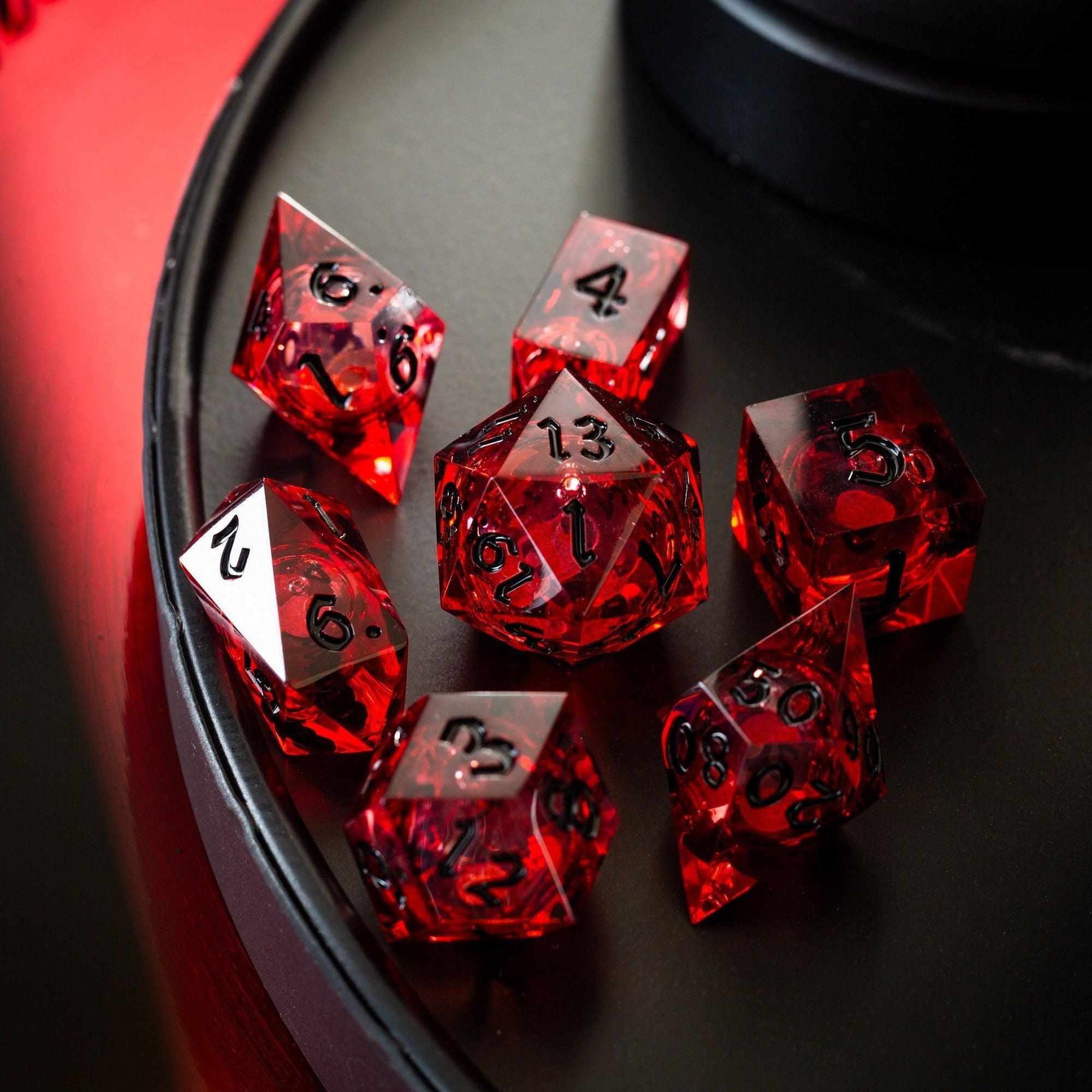
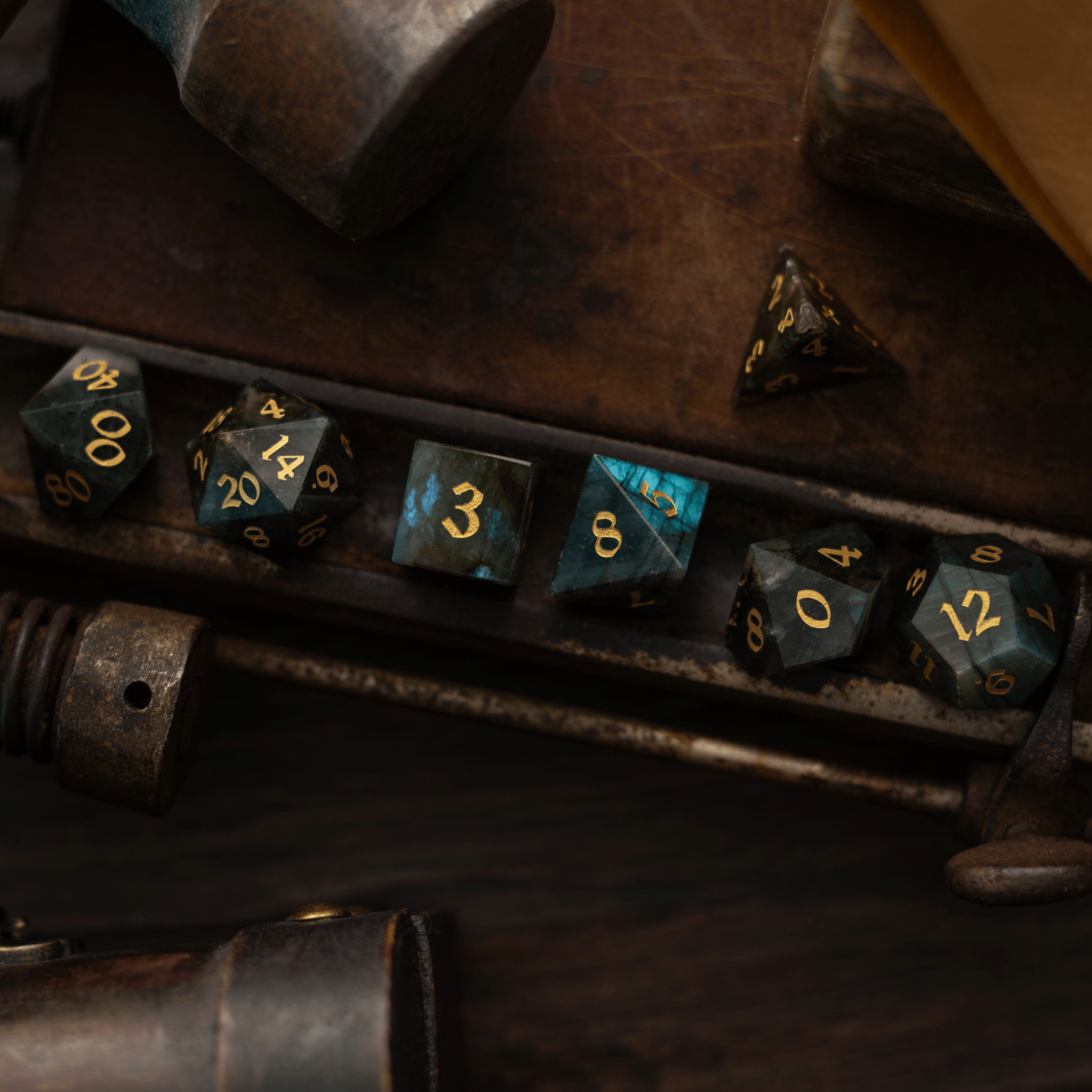
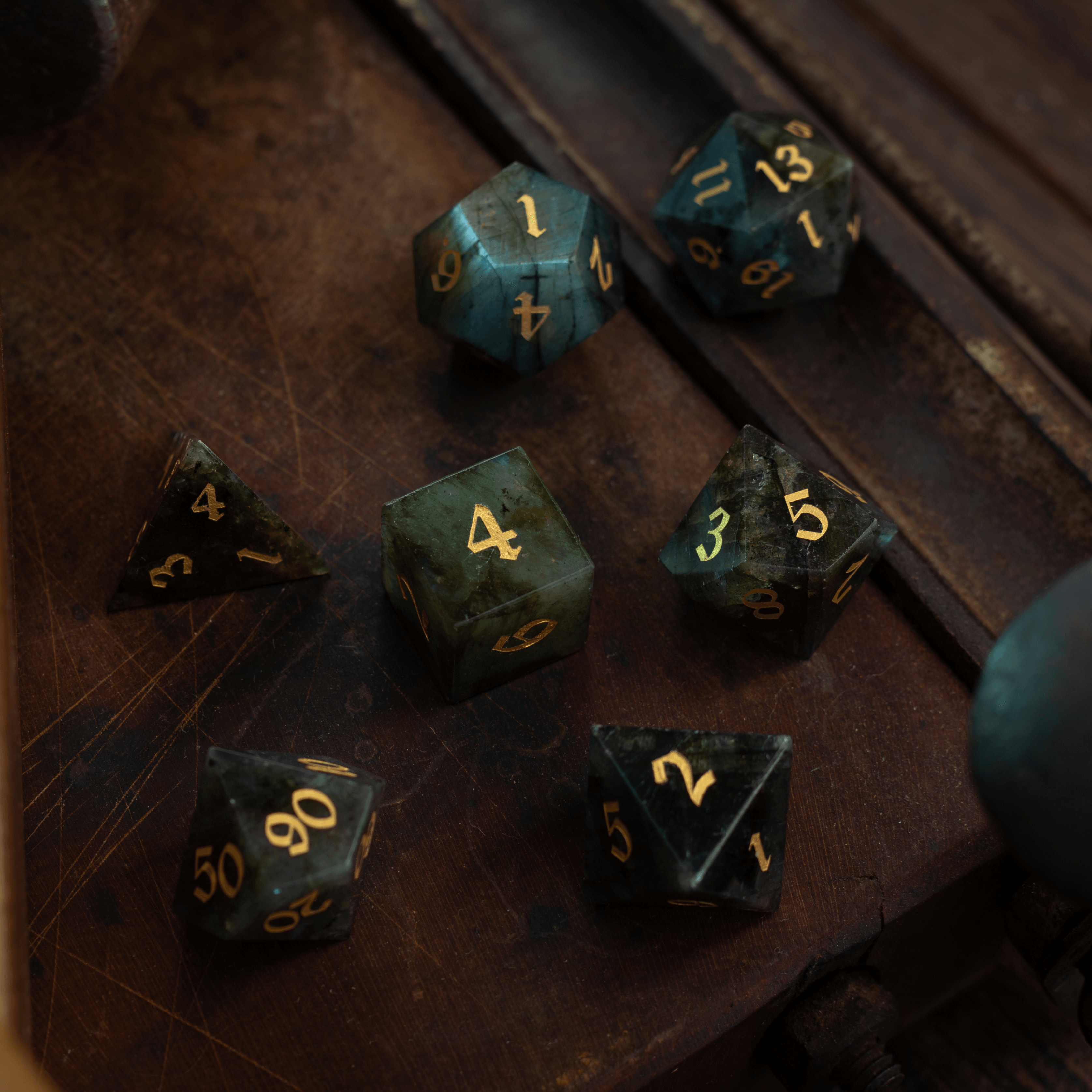
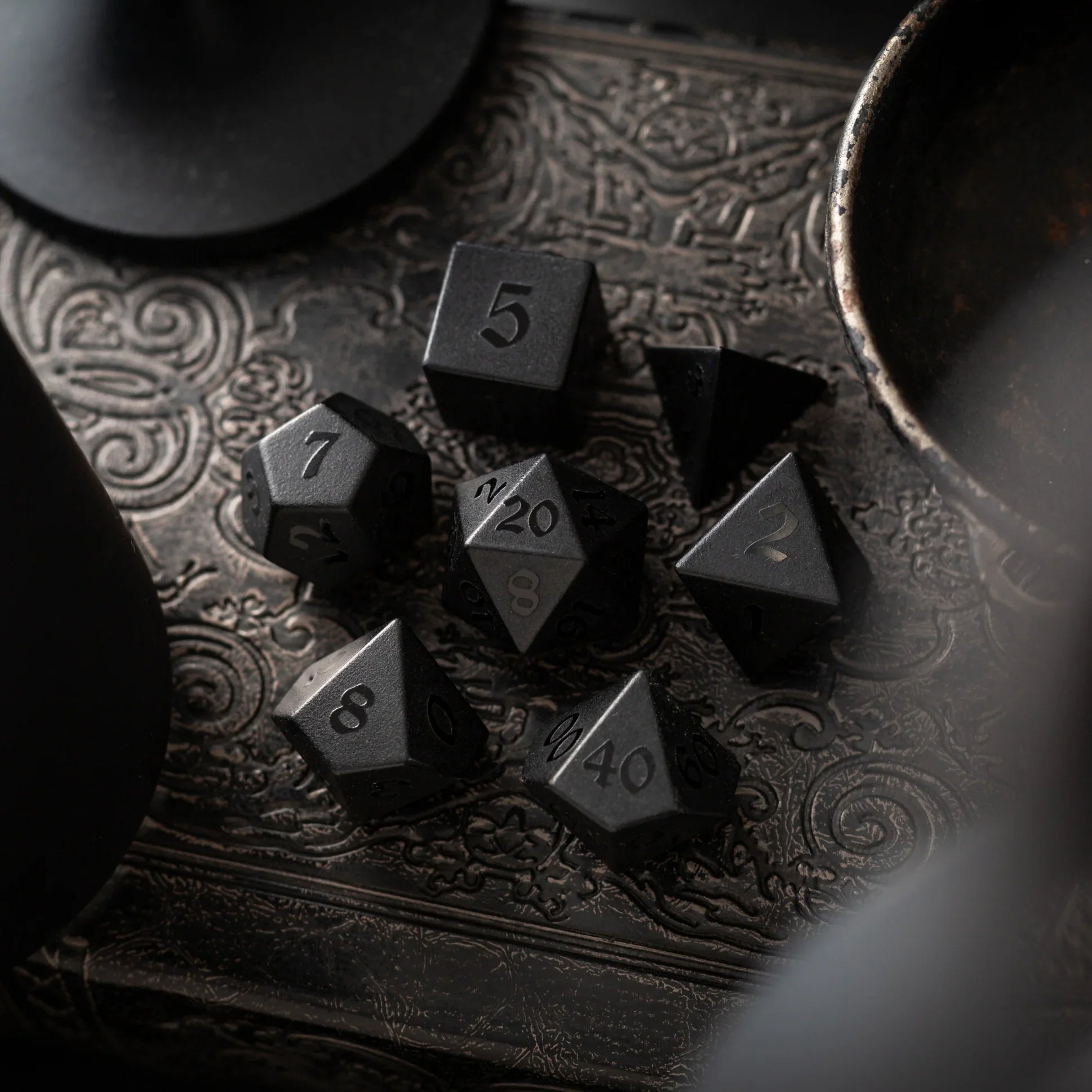
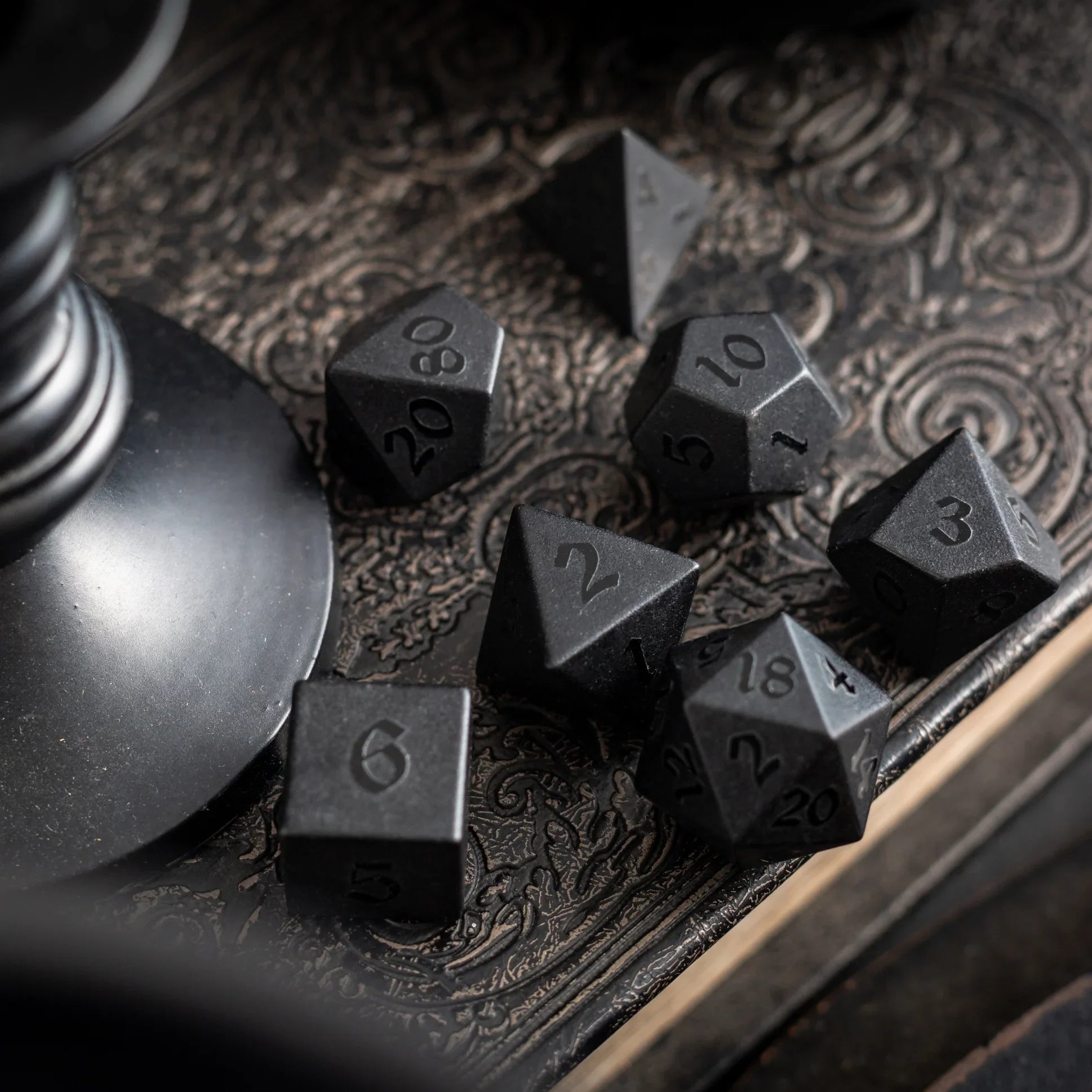
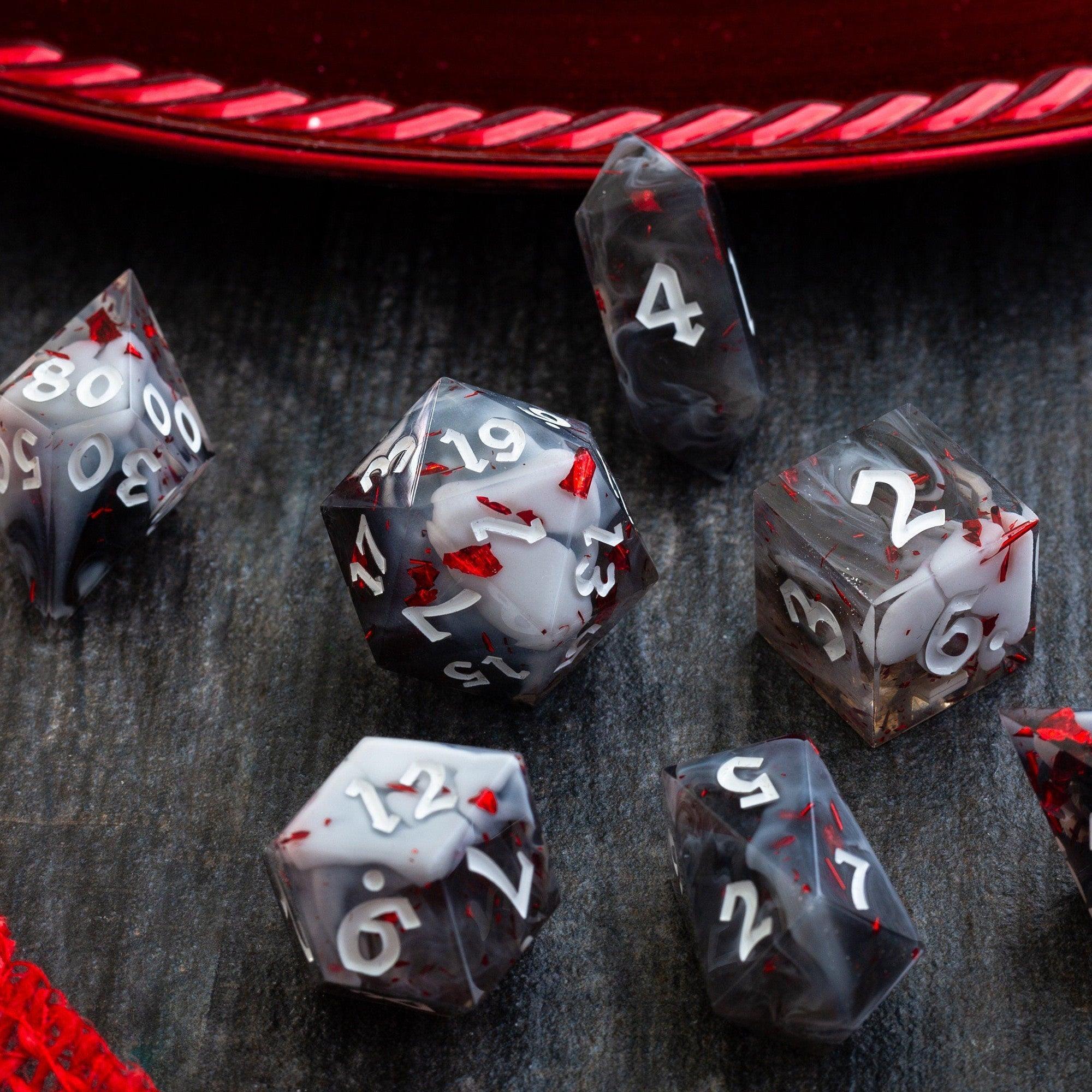
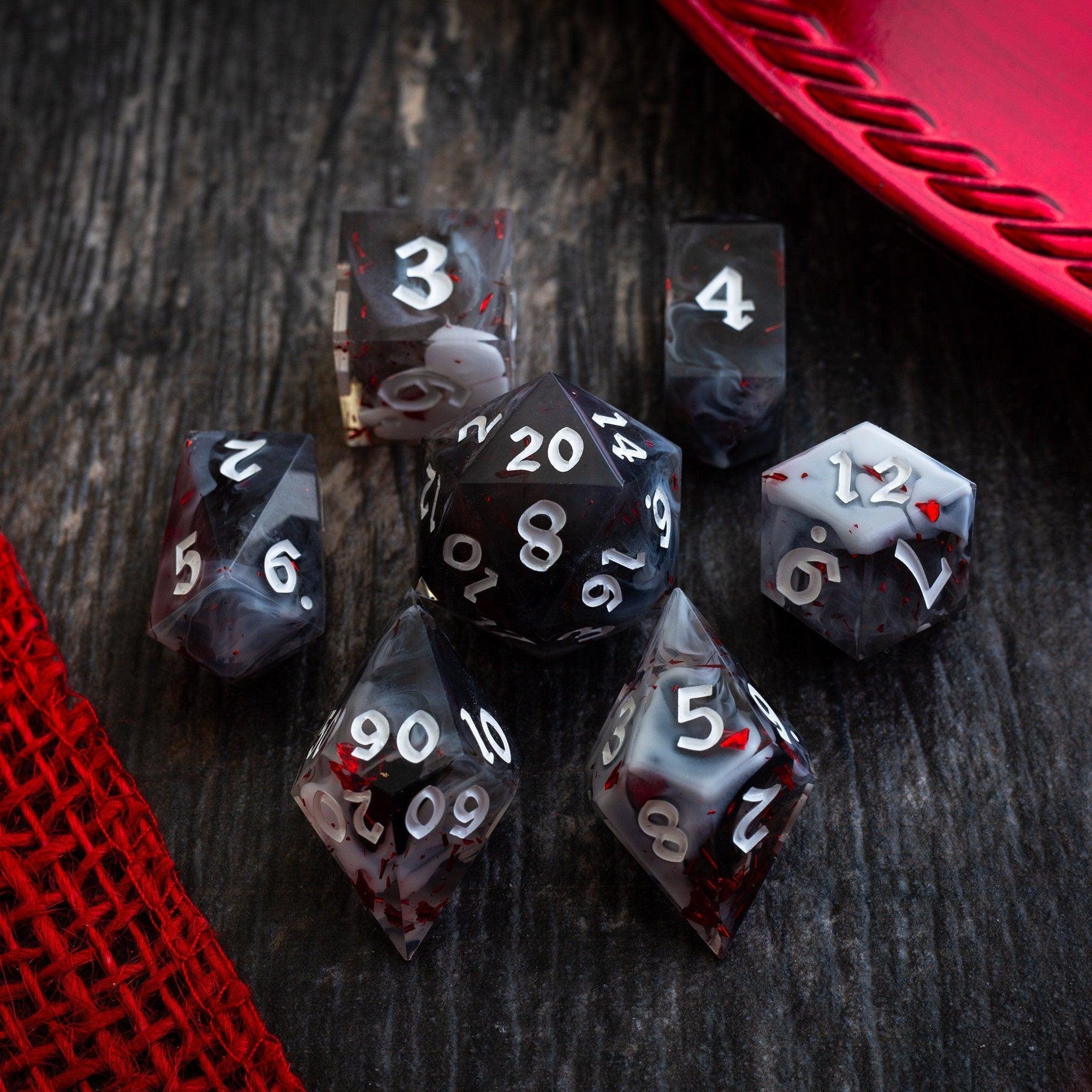
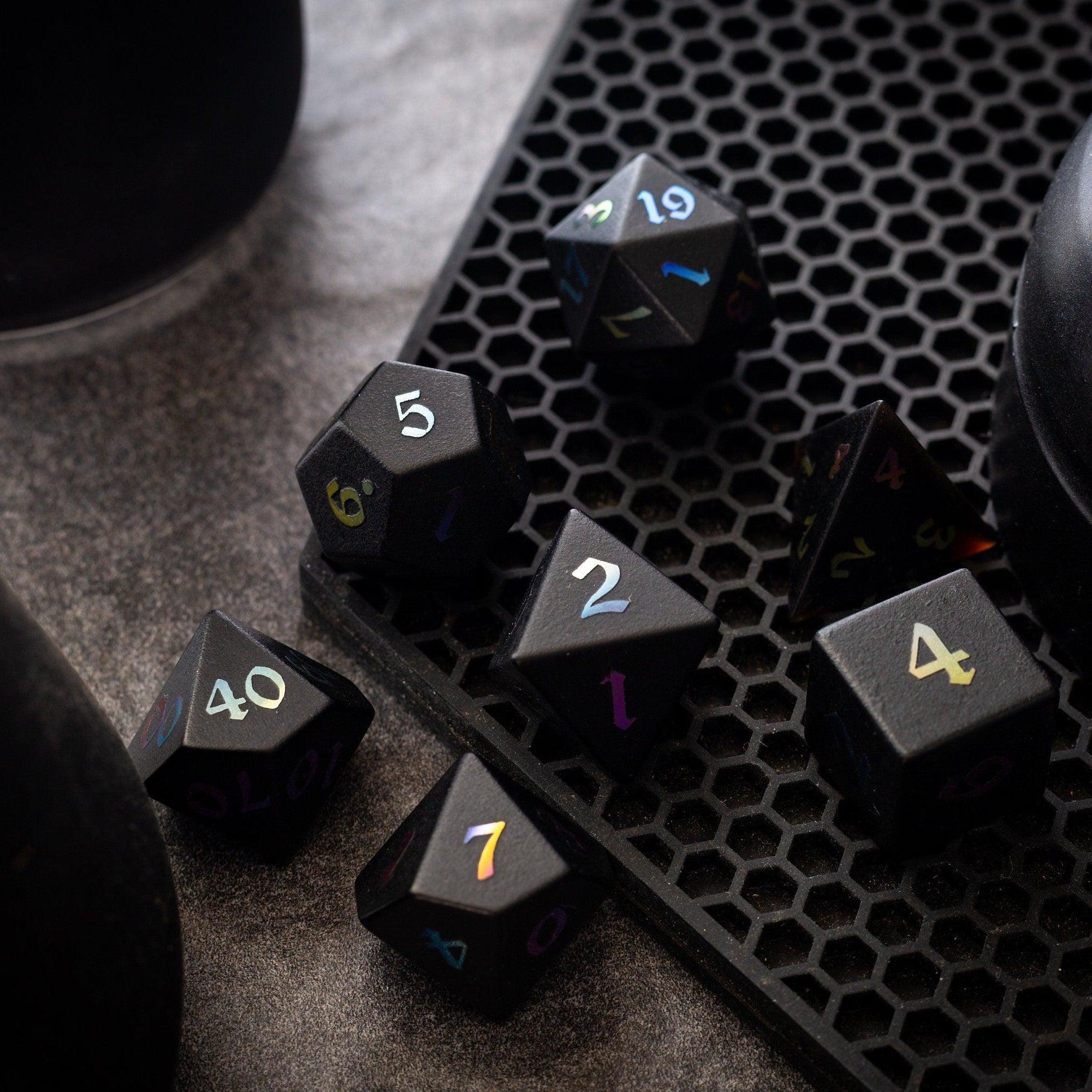
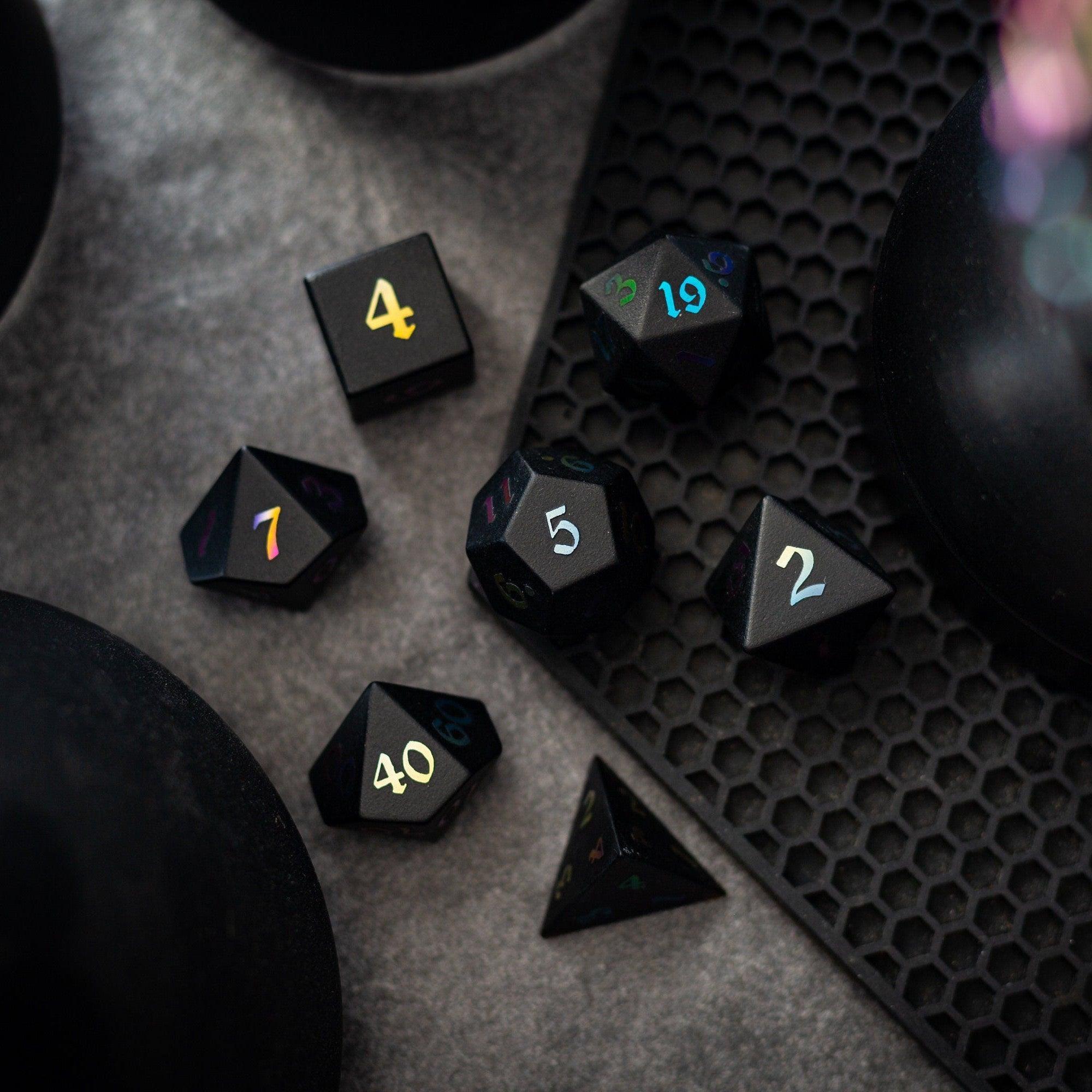
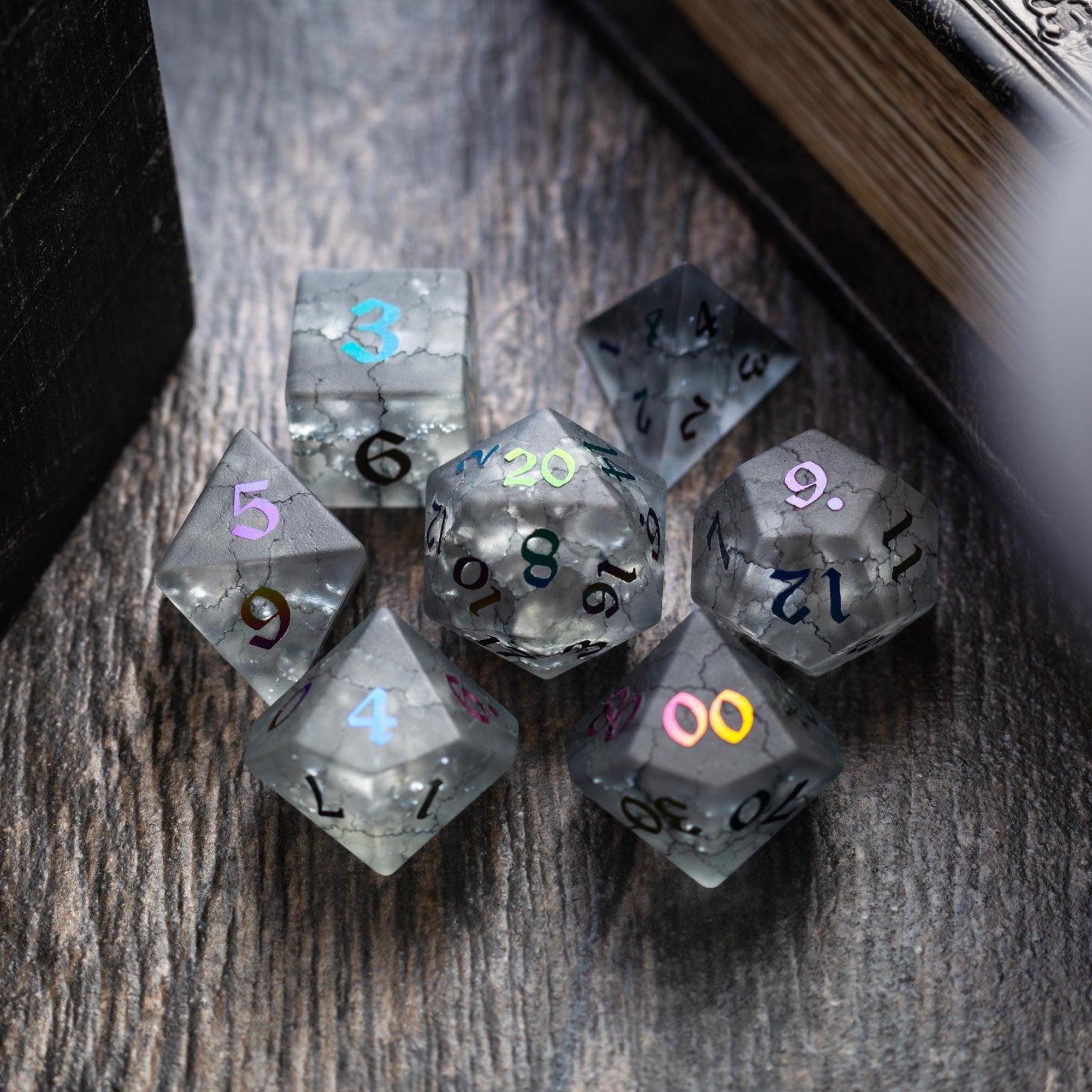
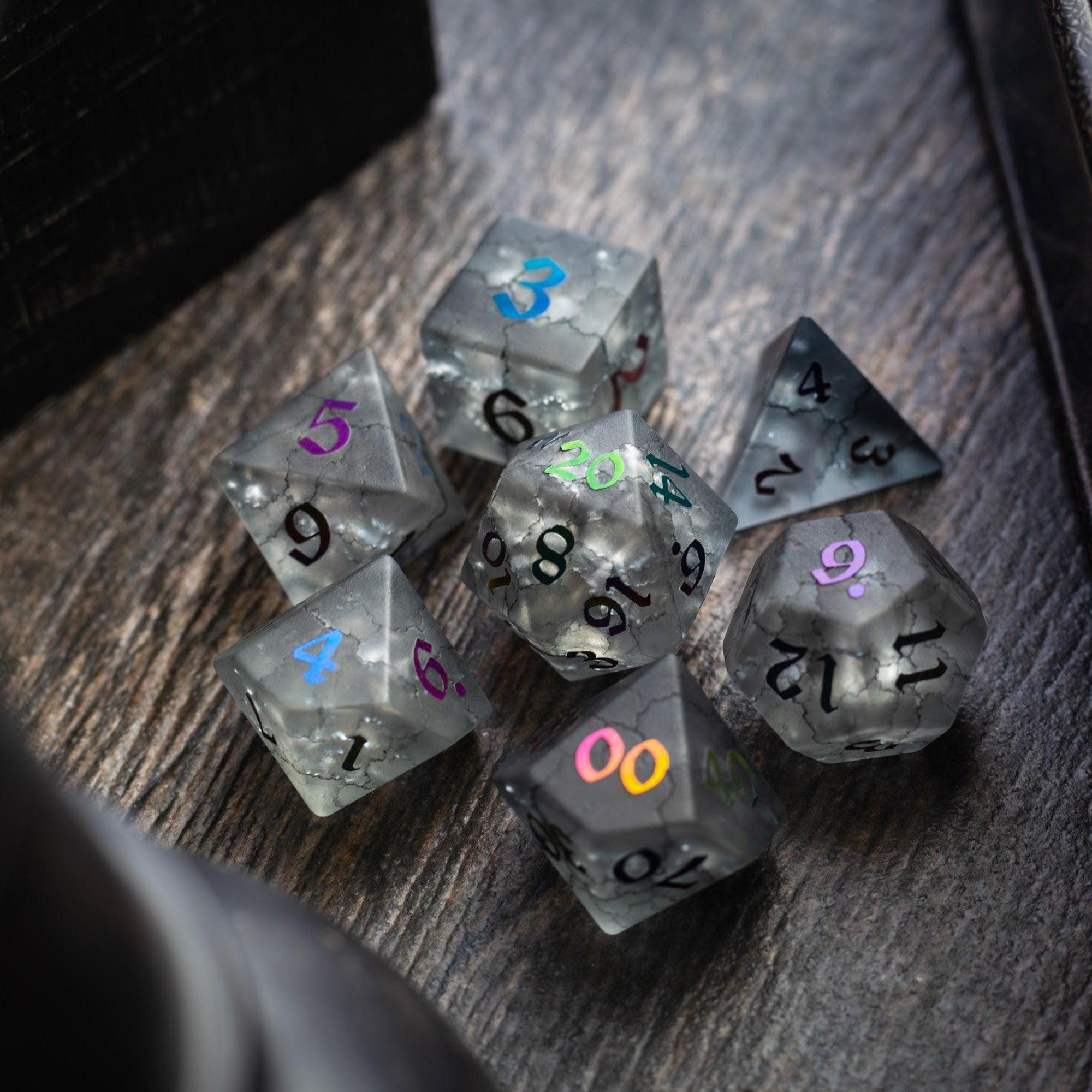
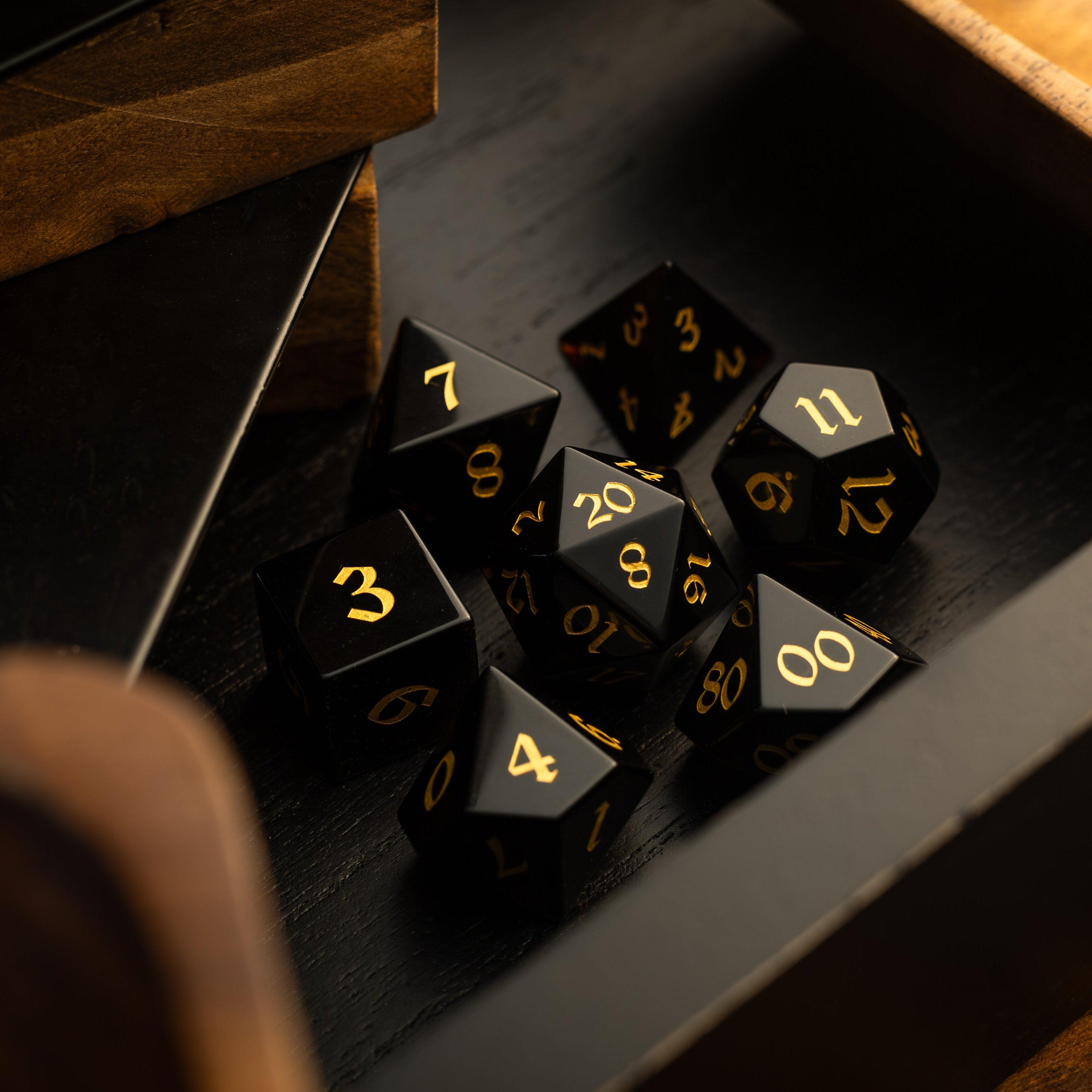
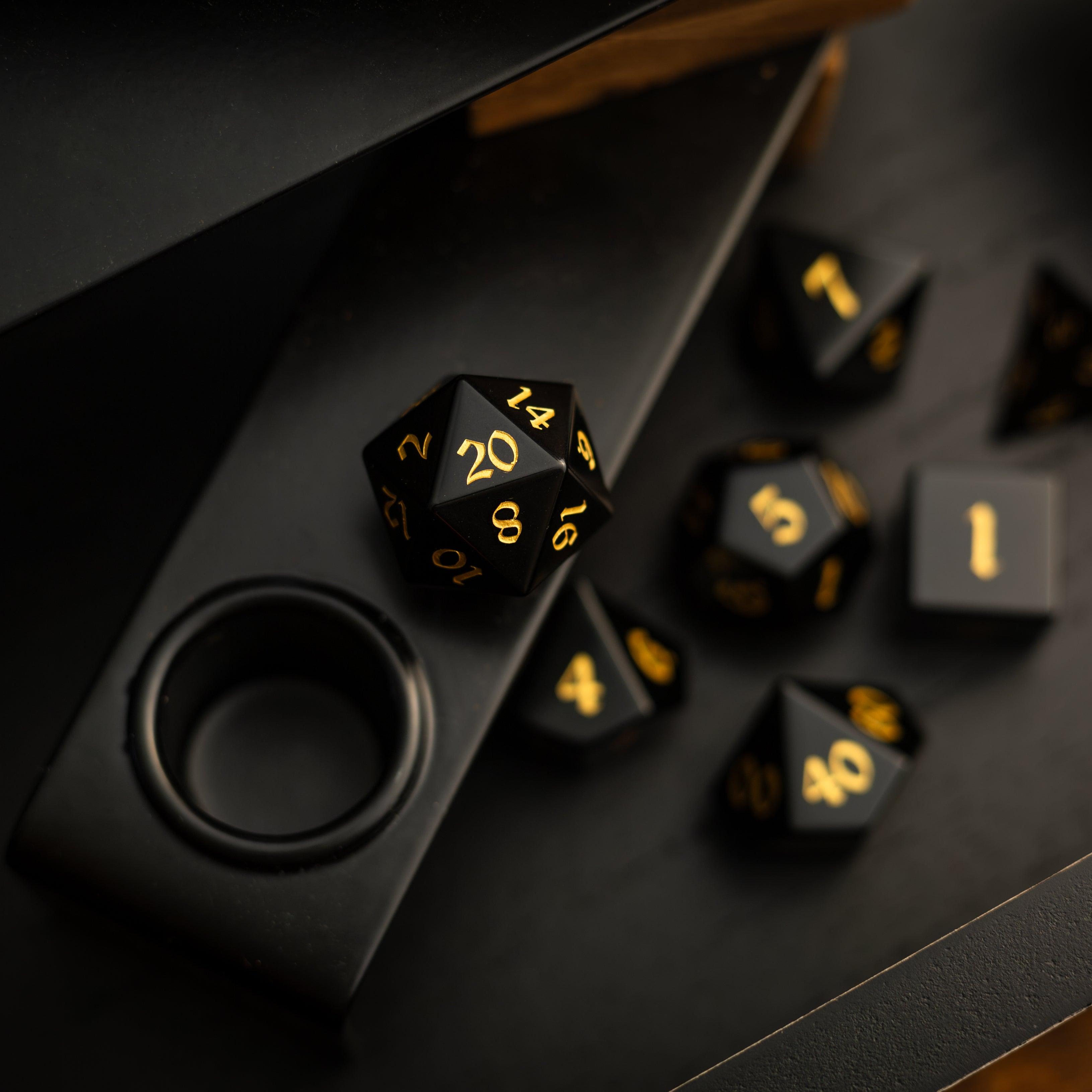
This is also where table presence matters. A dramatic boss fight feels even better when the table has the right energy. Rolling heavy metal dice for a villain’s devastating attack, using resin dice for everyday encounters, or giving a spellcaster a gemstone dice set can add a little extra ritual to the moment. It is not required, but those small details can make combat feel more memorable.
Building a Library of Reusable Maps
One of the best dungeon master tips for saving prep time is to build a small library of reusable quickplay maps.
You do not need dozens of layouts. Start with a few dependable options:
-
Forest path
-
Cave chamber
-
Dungeon room
-
Bridge or crossing
-
Tavern interior
-
City street
-
Ruined shrine
-
Boss arena
Then reskin them as needed.
A cave chamber can become an icy dragon lair, an underground mushroom grove, or a bandit hideout. A city street can become a market chase, a nighttime ambush, or a festival gone wrong. A ruined shrine can become a necromancer’s ritual site, a haunted chapel, or an ancient elven sanctuary.
This approach keeps your prep light while still giving players varied encounters.
Quickplay Maps and Player Decision-Making
Good maps help players understand their options. When players see cover, hazards, doors, ledges, and objectives, they start thinking creatively.
A fighter might block a doorway. A rogue might climb to higher ground. A wizard might push enemies into a hazard. A cleric might protect allies near a choke point.
That is the real strength of quickplay maps. They do not just make combat faster. They make combat clearer. And when combat is clearer, players feel more confident making bold choices.
Final Thoughts
Quickplay maps are not about replacing detailed dnd battle maps or removing imagination from the game. They are about giving Dungeon Masters a faster, cleaner way to run exciting dnd combat encounters
The best maps are not always the prettiest. They are the ones that help players understand the battlefield, make interesting choices, and stay engaged from the first round to the last.
Focus on clear objectives, purposeful terrain, readable layouts, and smooth pacing. Whether you use printed maps, dry-erase grids, digital tools, or theater of the mind, the goal is the same: create encounters that are easy to run and fun to remember.
A great battle map does not need to be complicated. It just needs to give the fight a place to come alive.

Leave a comment
This site is protected by hCaptcha and the hCaptcha Privacy Policy and Terms of Service apply.