
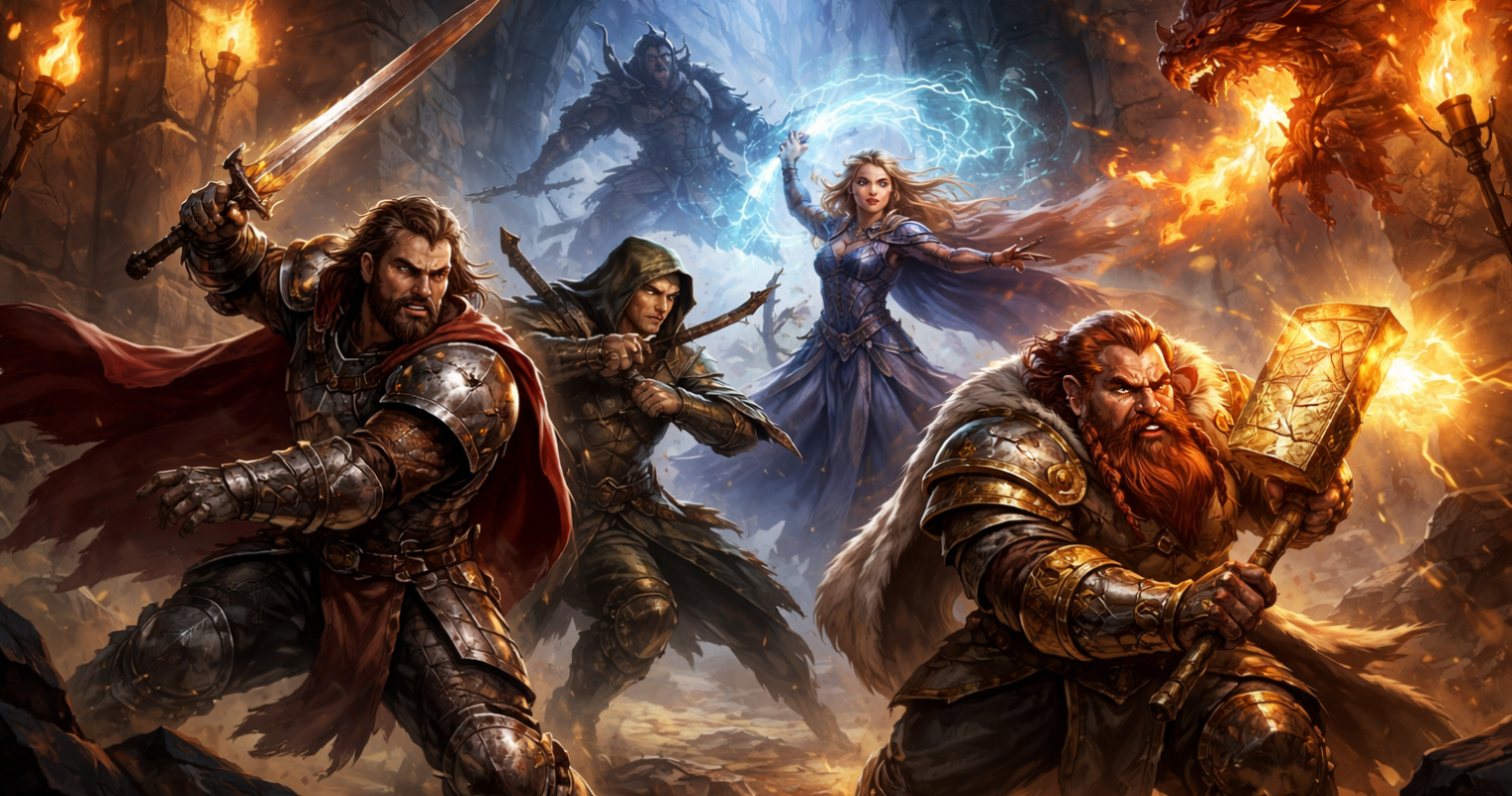
Streamlining D&D Combat: Faster Tactics for Clear Turns
Updated on: January 22, 2026
Running Dungeons & Dragons combat can feel overwhelming, especially when battles drag on for hours. Learn practical techniques to speed up encounters while keeping the excitement alive. We'll walk you through proven methods that help dungeon masters maintain momentum, reduce decision fatigue, and get everyone back to the action they love. Whether you're a seasoned GM or running your first campaign, these strategies will transform your gameplay experience.
- Why Combat Streamlining Matters in Your Campaign
- Step-by-Step Guide to Faster Combat
- Expert Tips for Smoother Encounters
- Frequently Asked Questions
Why Combat Streamlining Matters in Your Campaign
You're sitting at the table with your friends, everyone's excited, and combat kicks off. Then thirty minutes later, you're still resolving the second round. Sound familiar? This is where combat streamlining becomes your best friend. When battles drag on unnecessarily, player engagement drops, tension deflates, and what should be thrilling becomes tedious.
The good news? You don't need complicated house rules or fancy software to fix this. Streamlining D&D encounters is about making smart choices before the action starts and keeping things moving once initiative hits. It's about respecting everyone's time while keeping the adventure compelling. Think of it like this: a tense, quick fight is way more memorable than a sloggy battle that takes forever.
Many dungeon masters struggle with pacing because they're juggling too many details at once. Monster stats, player actions, environmental effects—it all piles up. But here's the thing: most of that complexity doesn't serve the story or excitement. By removing unnecessary friction, you'll find that combat becomes more dynamic, more fun, and honestly, way less stressful to run.
Step-by-Step Guide to Faster Combat
1. Prep Your Encounter Details Before the Game
The number one way to slow down combat? Making decisions on the fly. Before your players even sit down, know exactly what you're throwing at them. Write down monster stats, abilities, and AC on index cards. Don't flip through the Monster Manual during the fight—have everything ready and visible. When you're not scrambling for information, combat moves at lightning speed.
Create a simple combat tracker on paper or digitally. List each combatant's initiative, AC, and current hit points in one place. You'll reference this constantly, so make it easy to read at a glance. Some GMs even use visual aids like miniature figurines or tokens to track positioning, which helps everyone understand the battlefield instantly.
2. Set Clear Initiative and Turn Order
Don't waste time recalculating initiative mid-combat. Roll once at the start, and keep that order consistent. Use a visible tracker everyone can see—even a simple whiteboard works. When players know exactly when their turn comes, they'll prepare their actions faster. No one's caught off guard, and momentum never stops.
Consider having players roll initiative as soon as combat seems likely. If trouble's brewing, call for initiative rolls before the first sword swings. This gives everyone time to think about their first action while you're setting the scene.
3. Simplify Monster Actions and Abilities
Your boss monster doesn't need seventeen special abilities. Pick three or four that matter and use those consistently. Complex monsters slow everything down because you're always remembering what they can do. Simpler creatures fight faster, and your players won't notice the difference—they'll just feel the pacing improvement.
For particularly complex creatures, write their abilities in plain language on a note card. Skip the flowery descriptions during combat; save those for narration afterward. During the battle, everyone just needs the mechanics.
4. Use Average Damage Instead of Rolling Dice
Here's a game-changer: when monsters attack, use the average damage listed in the stat block instead of rolling. A greatsword does 2d6+2? That's 9 damage every time, no rolling. This eliminates tons of die rolls and makes combat more predictable. Your players will appreciate the consistency, and you'll burn through rounds much faster.
This applies to player characters too—offer them the option to take average damage instead of rolling. Most will appreciate the speed, especially in longer battles.
5. Establish a Strict Turn Time Limit
Give each player a reasonable time window to take their turn—maybe sixty to ninety seconds. Set a phone timer if you need to. When the timer goes off, they roll with what they've decided, even if they're still thinking. This sounds harsh, but it works. Players will actually prep their actions instead of daydreaming, and nobody resents it because the rule applies to everyone equally.
Make exceptions for complex turns that genuinely need more thought, but in general, this approach keeps things moving. Your table's rhythm will improve noticeably.
6. Minimize Unnecessary Skill Checks During Combat
Combat's not the time for lengthy ability checks or roleplay detours. Keep those for before and after the fight. During combat, stick to what matters: damage, AC, and hit points. Every check you call for slows everything down. Ask yourself: does this check change the outcome of combat? If not, skip it or handle it narratively.
Expert Tips for Smoother Encounters
- Batch similar rolls together: If five goblins are attacking, roll once and apply the result to multiple enemies. It's faster and still feels fair.
- Use visual battlefield maps: Even a basic grid drawn on paper helps everyone see the action. Less time explaining positions means more time fighting.
- Pre-roll enemy initiative: Before your game night, roll initiative for all enemies. When combat starts, you already have their numbers. This shaves minutes off the process.
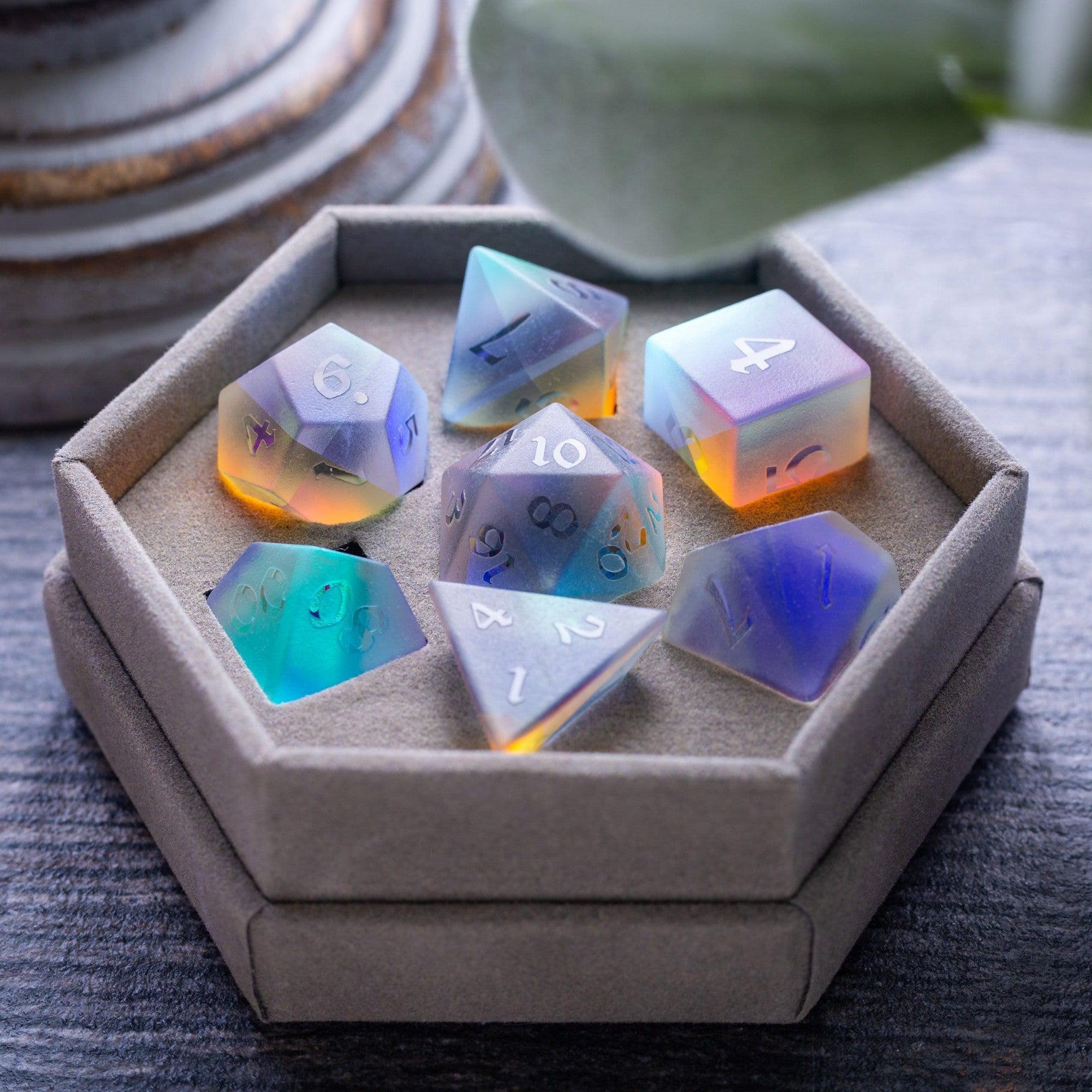
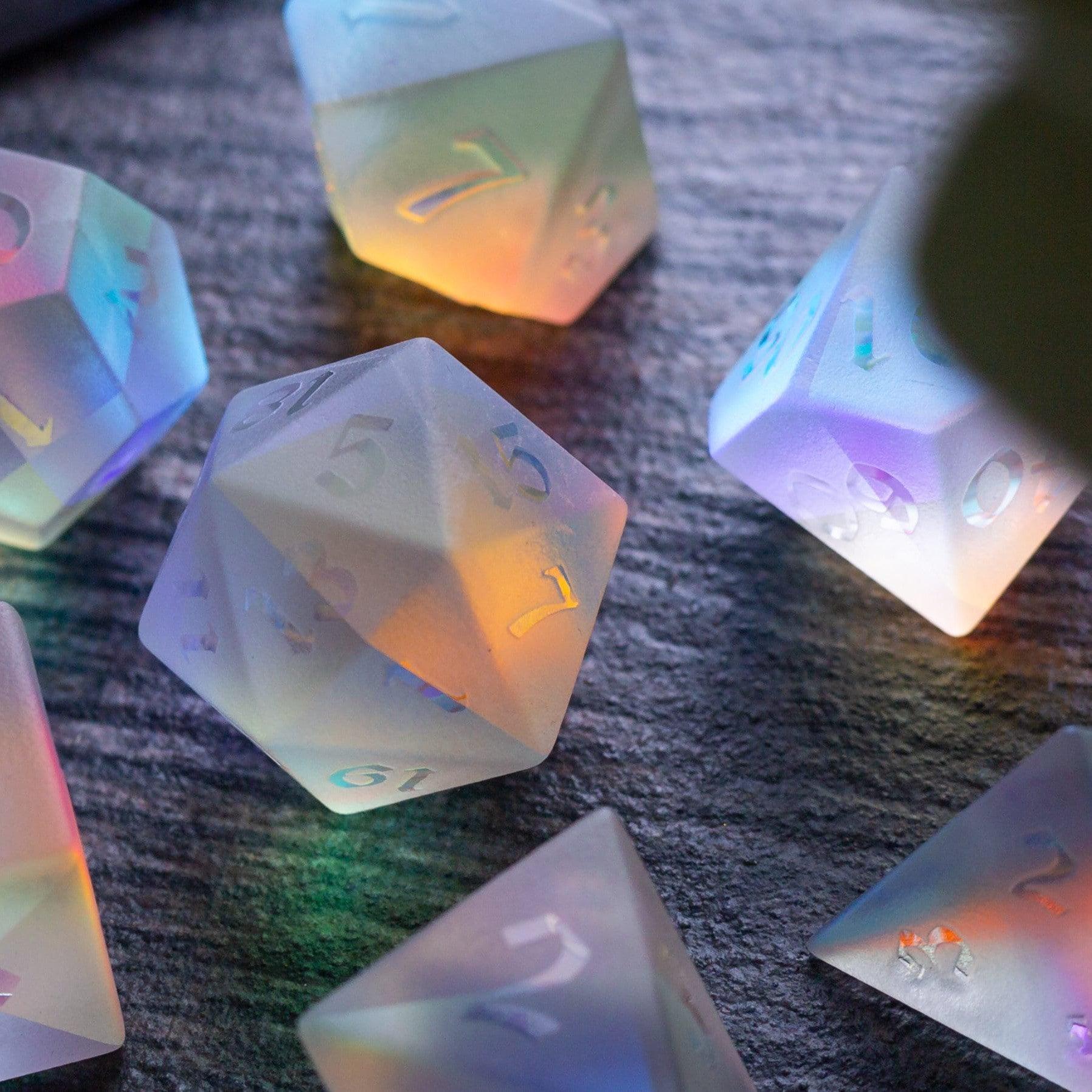
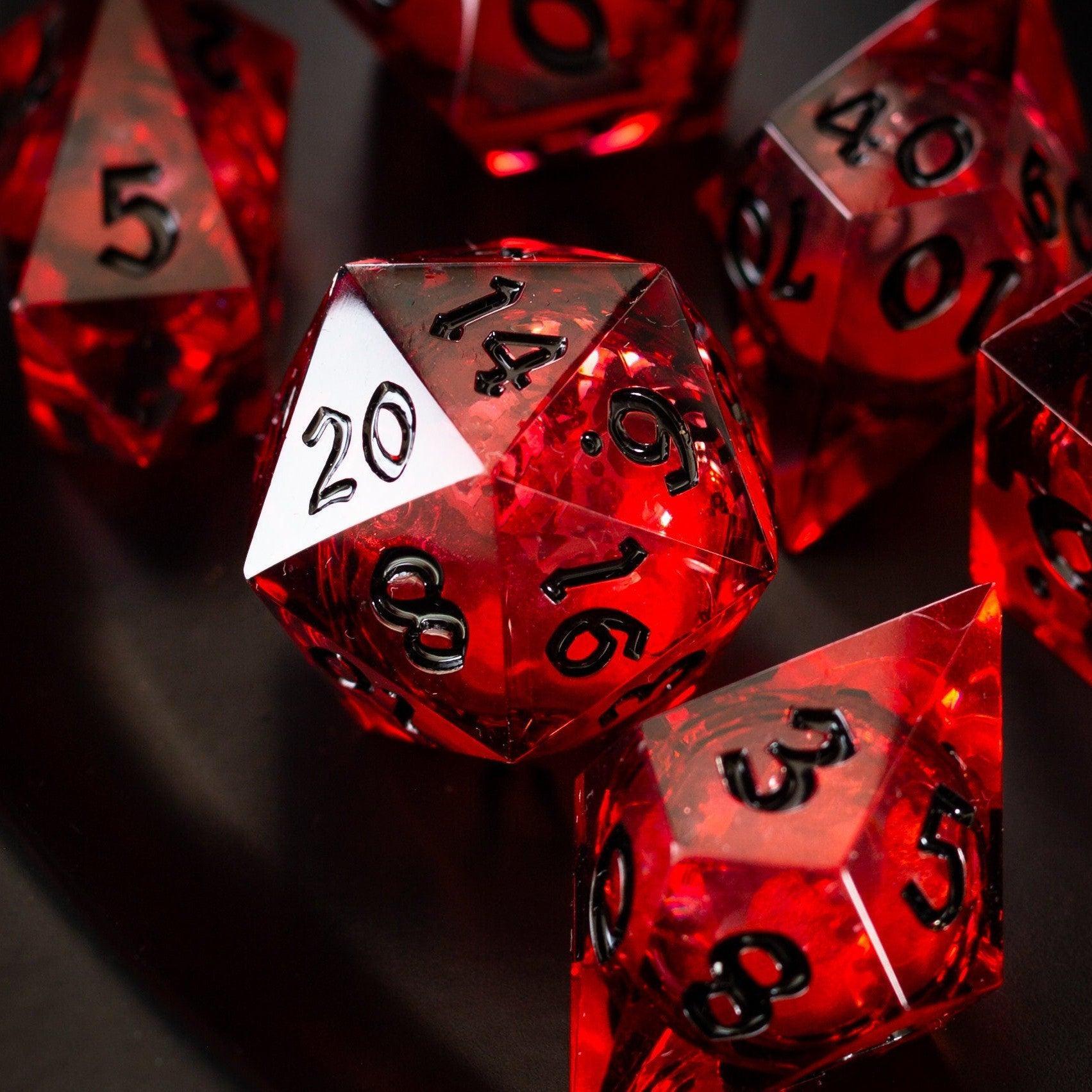
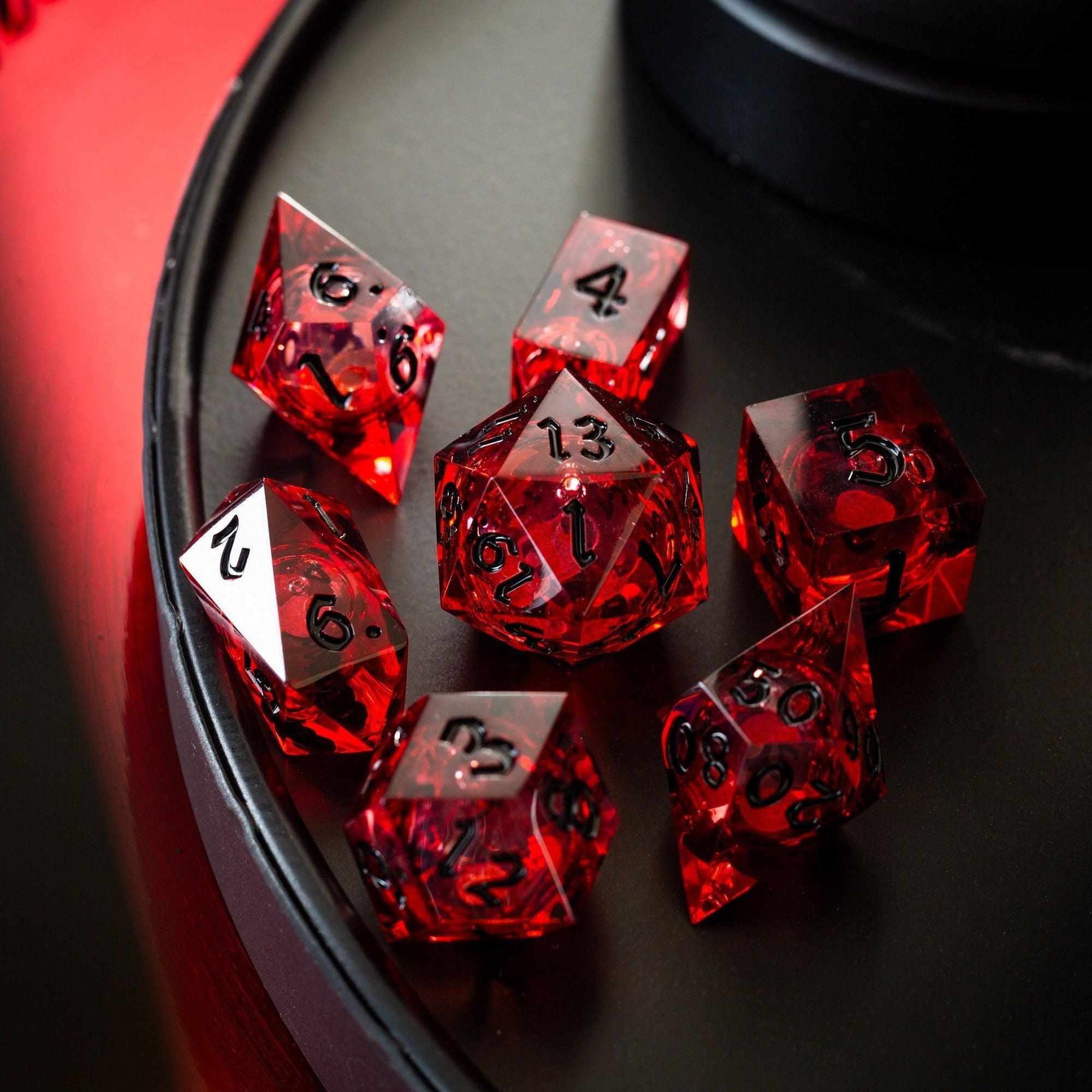
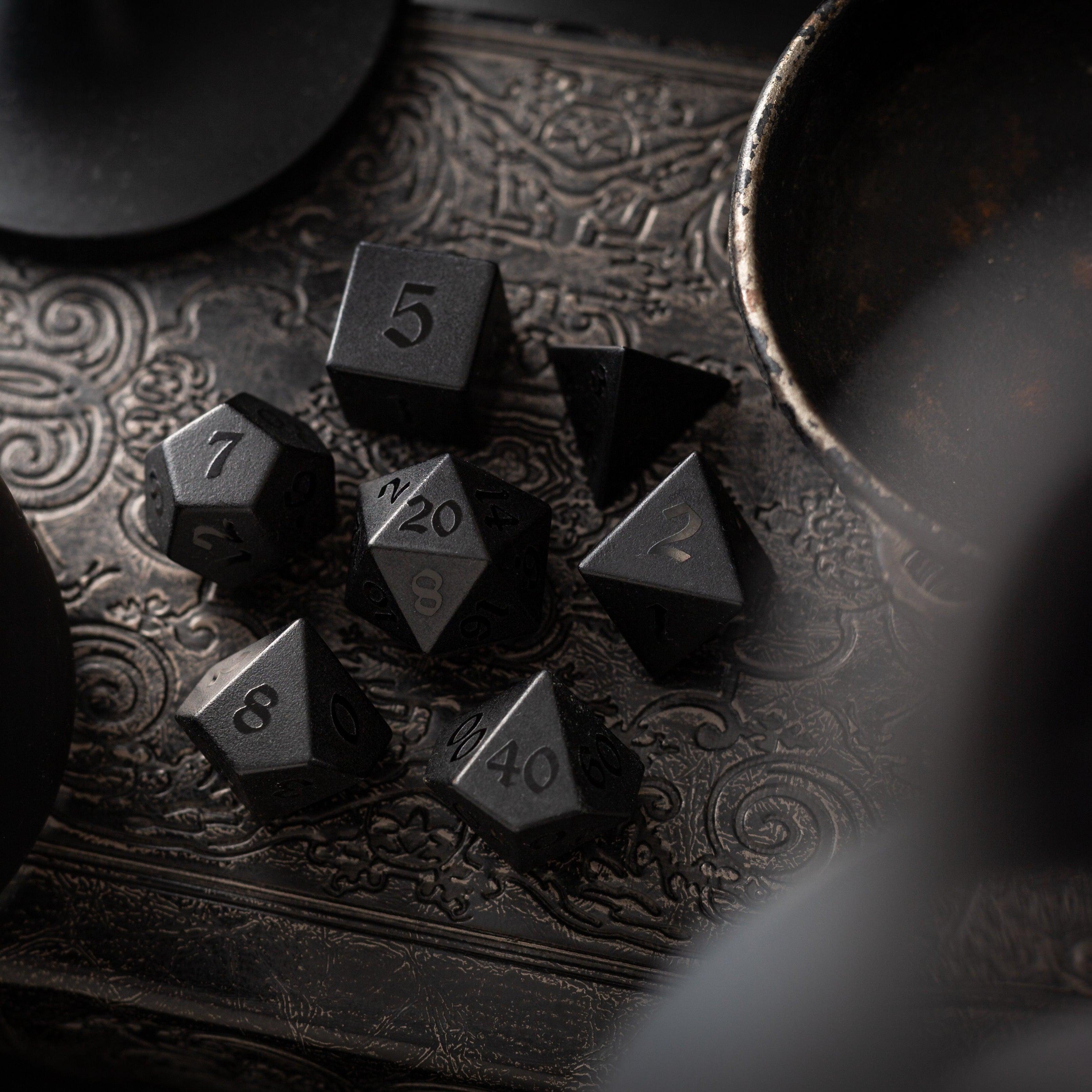
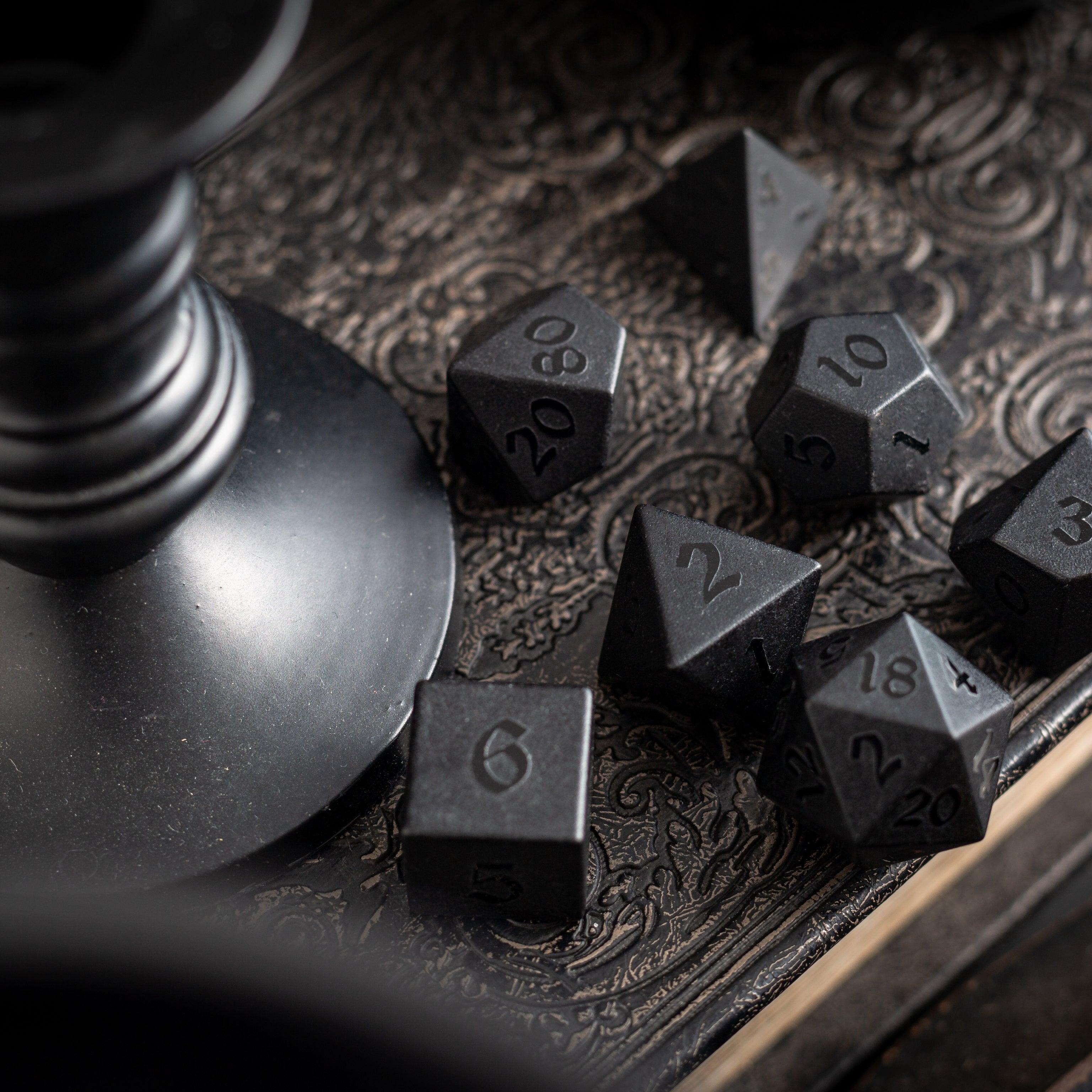
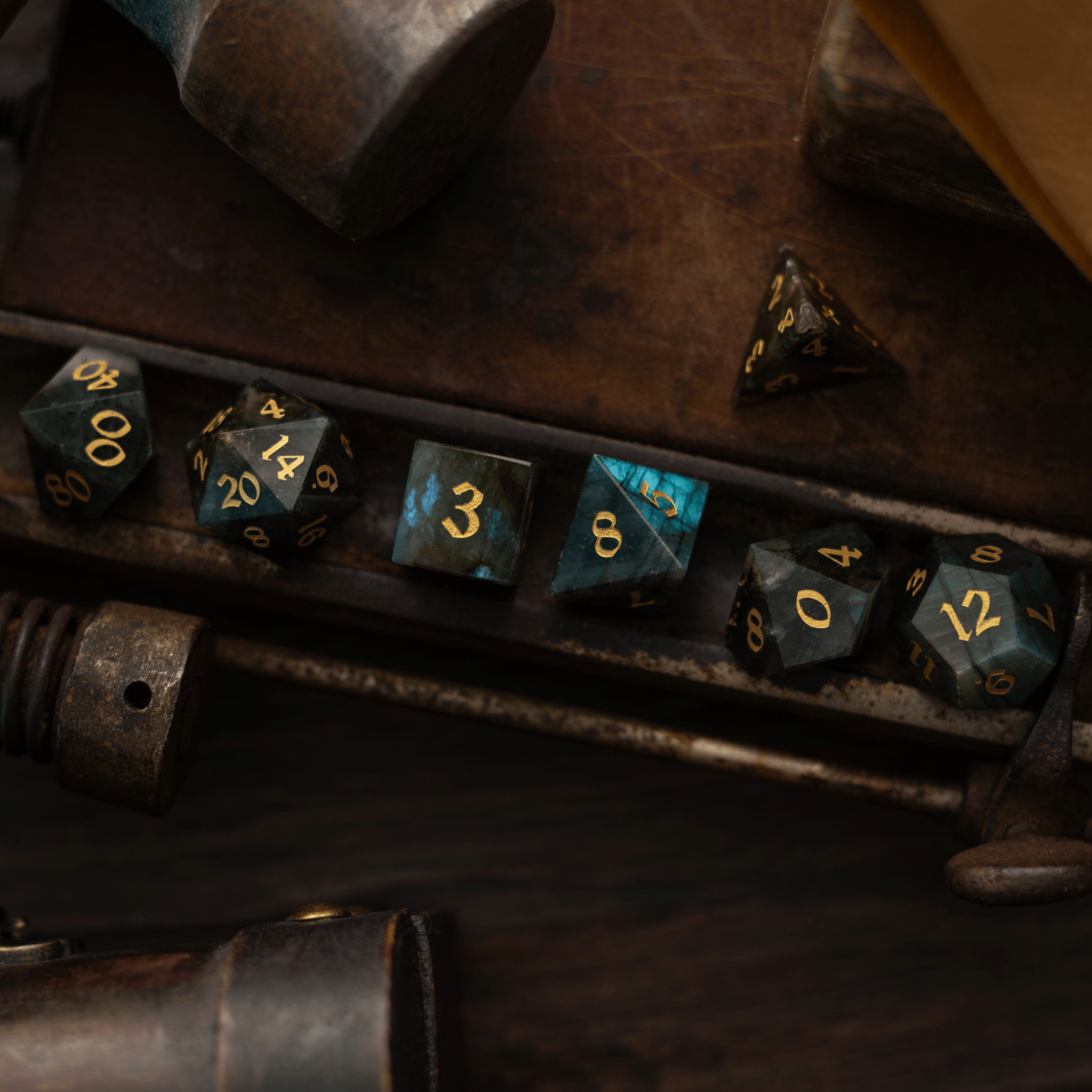
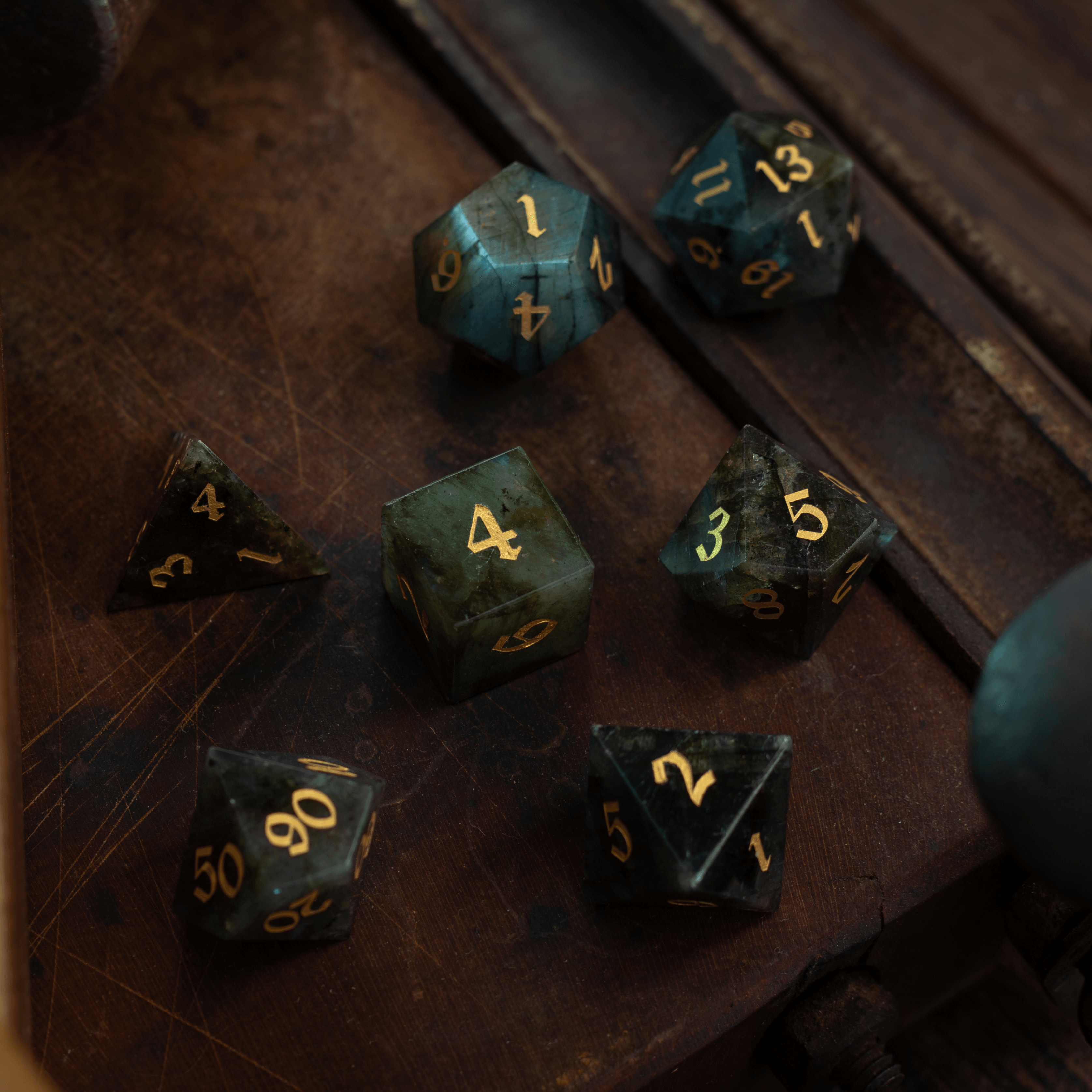
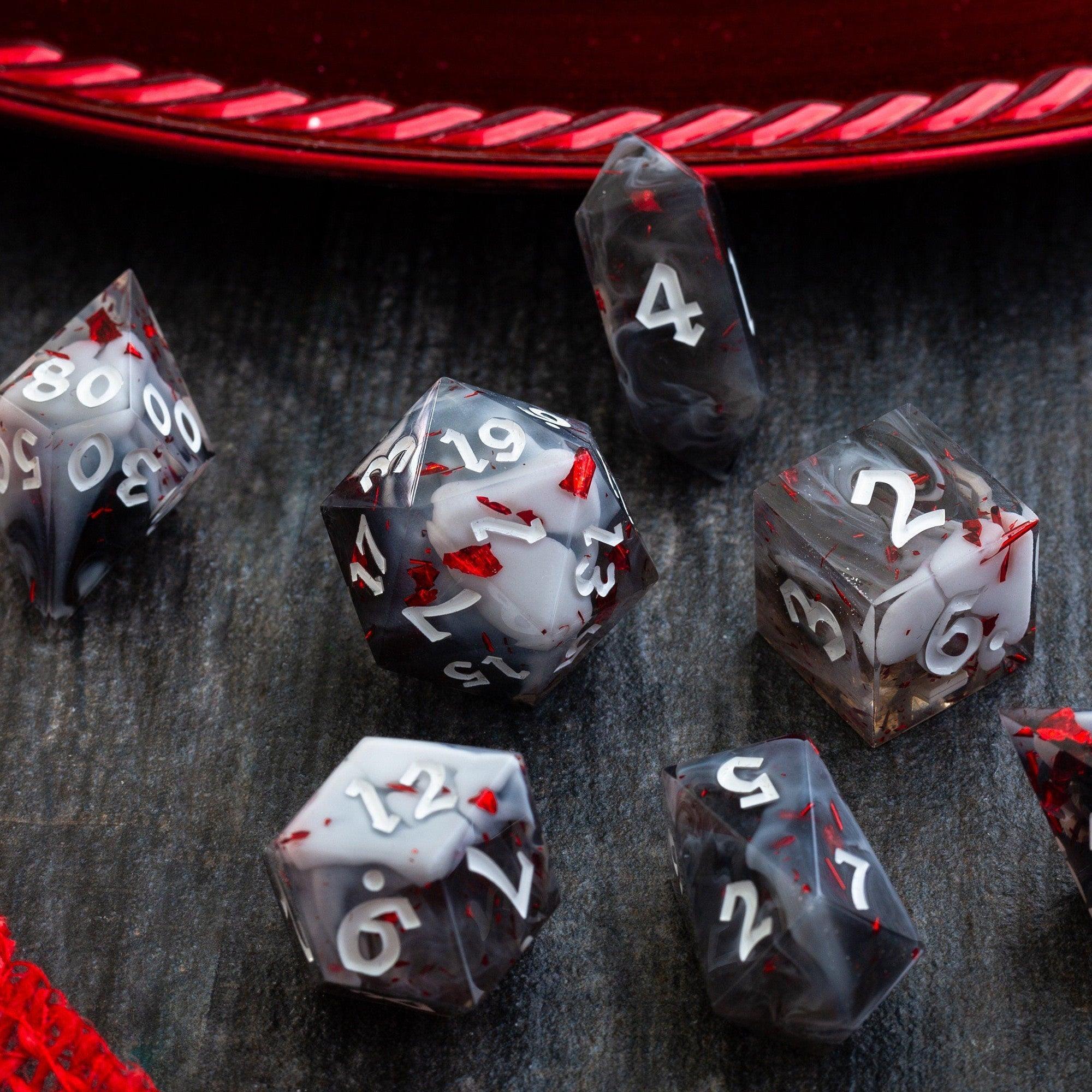
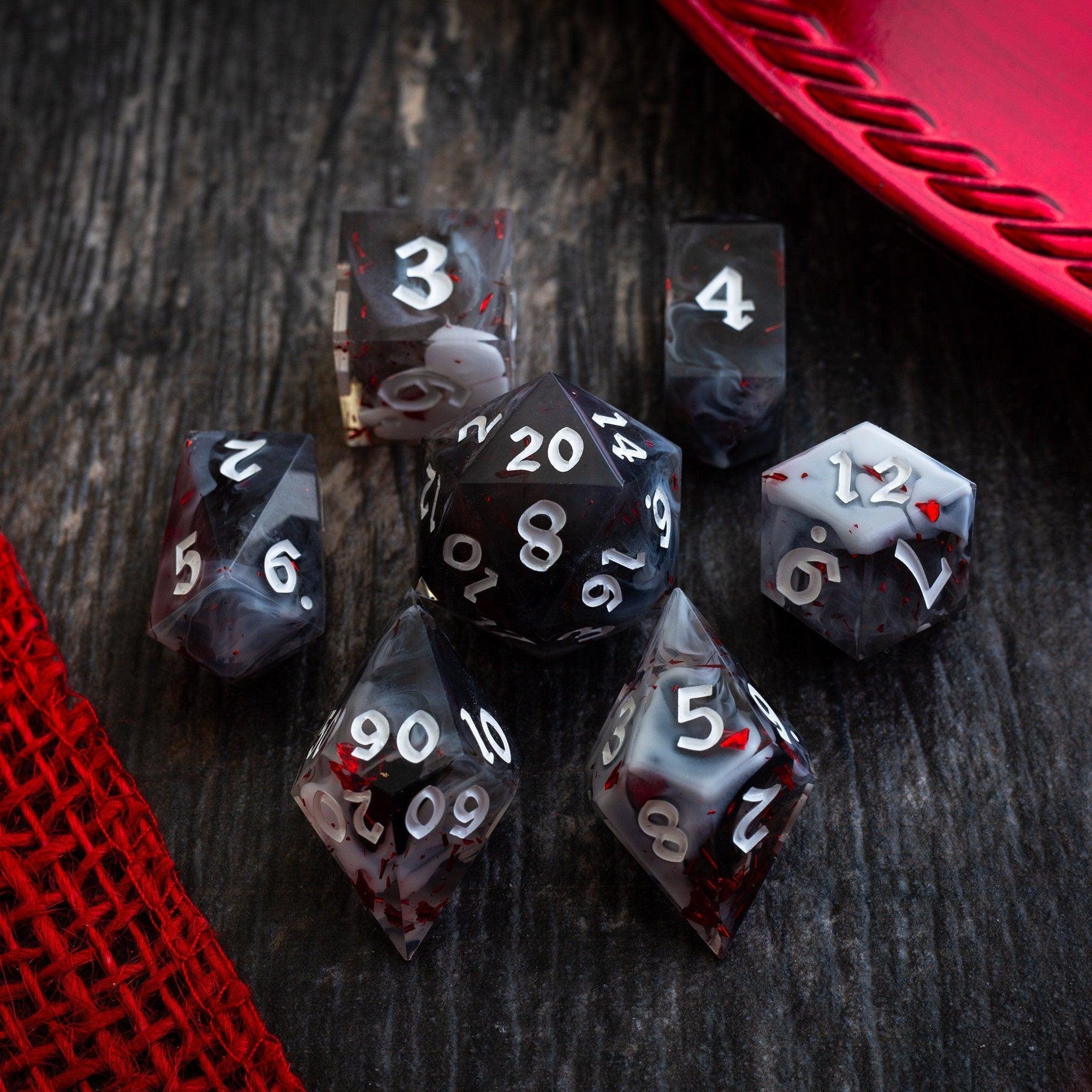
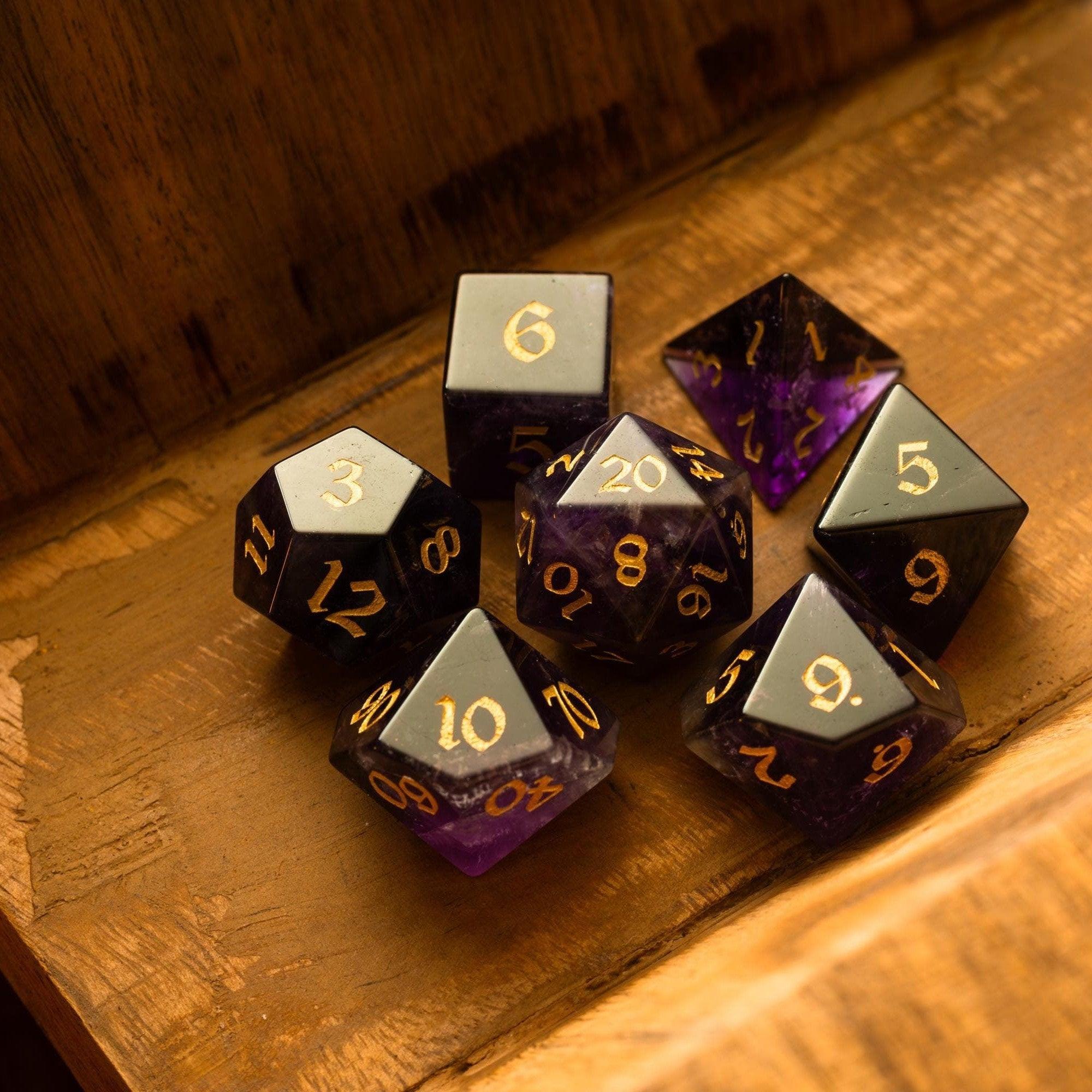
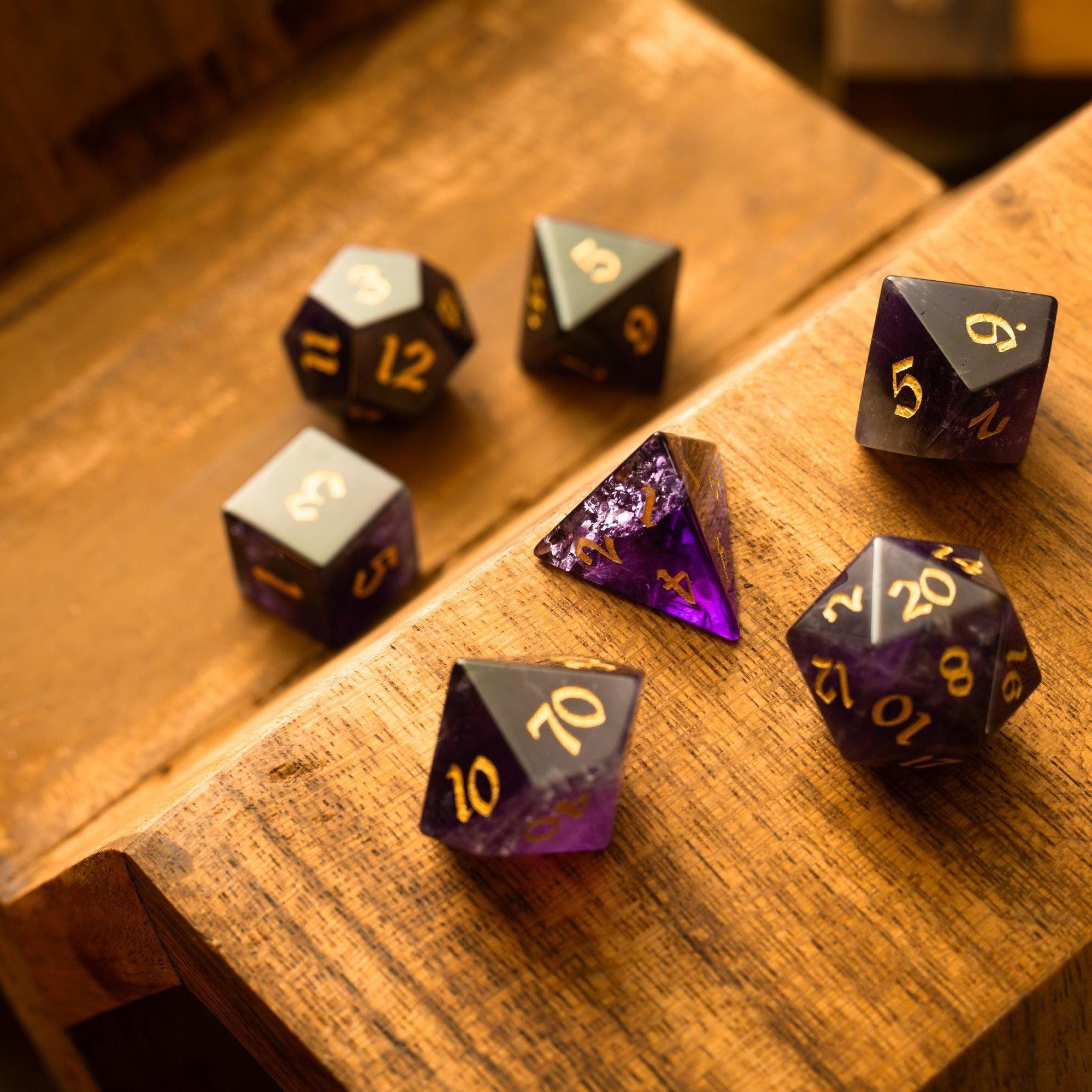
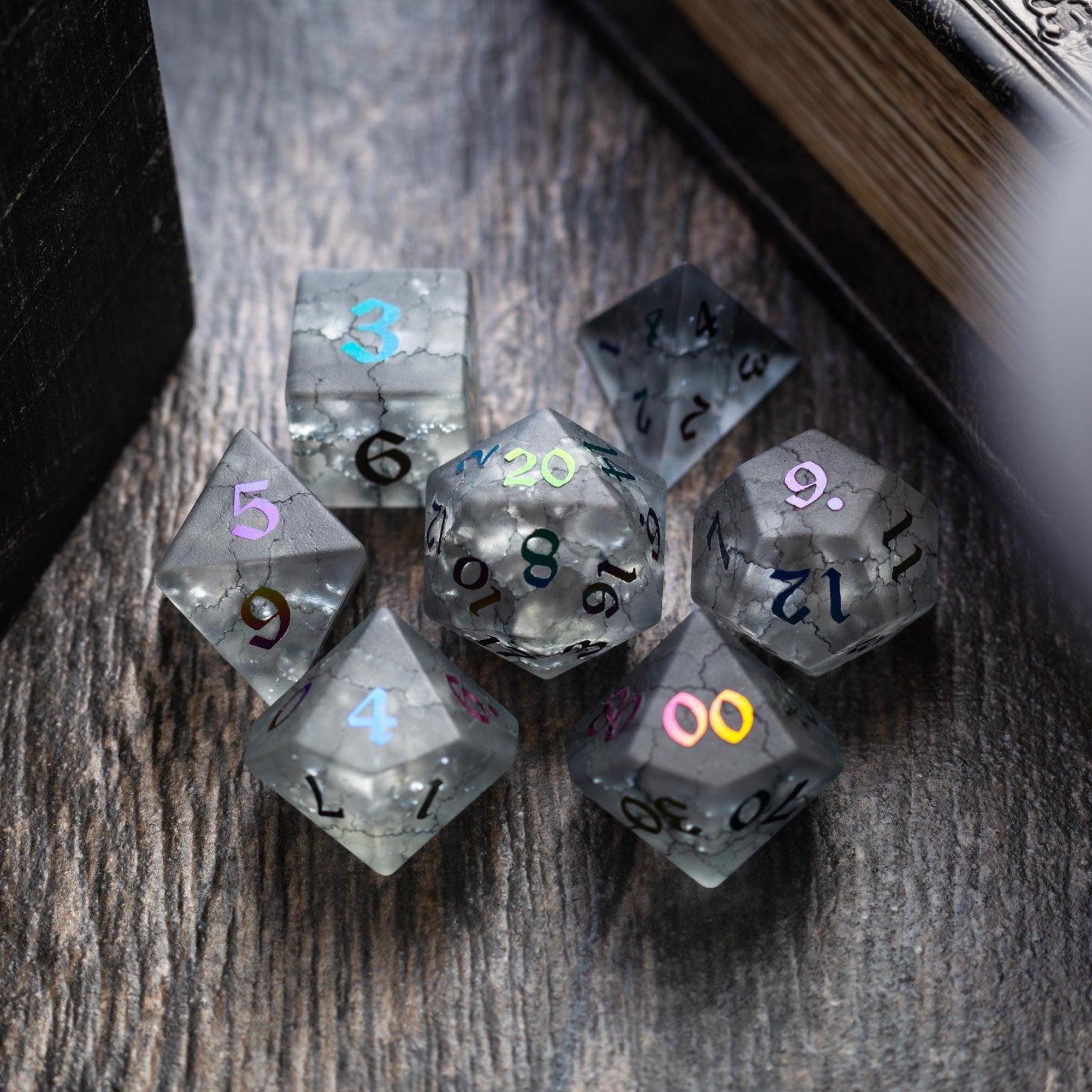
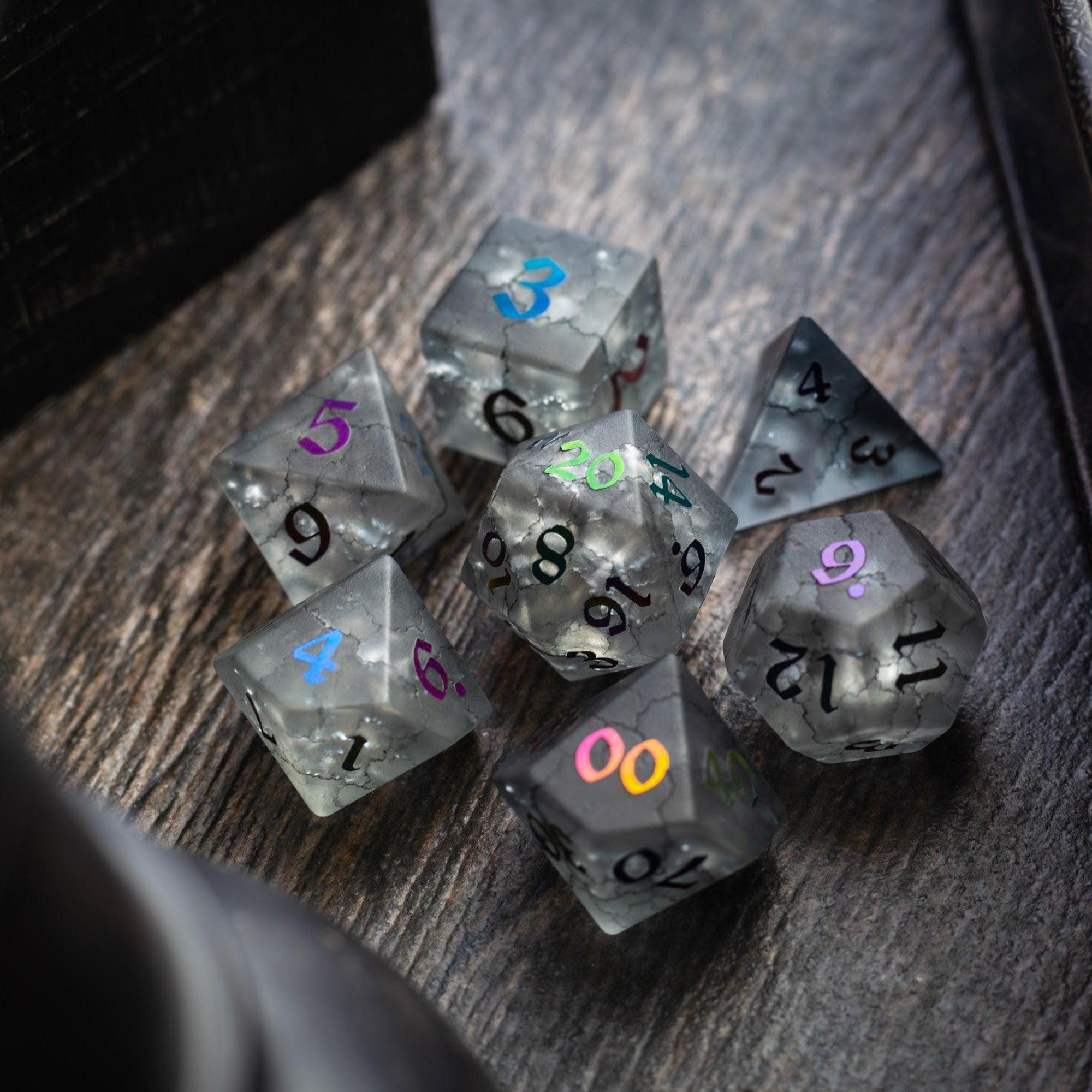
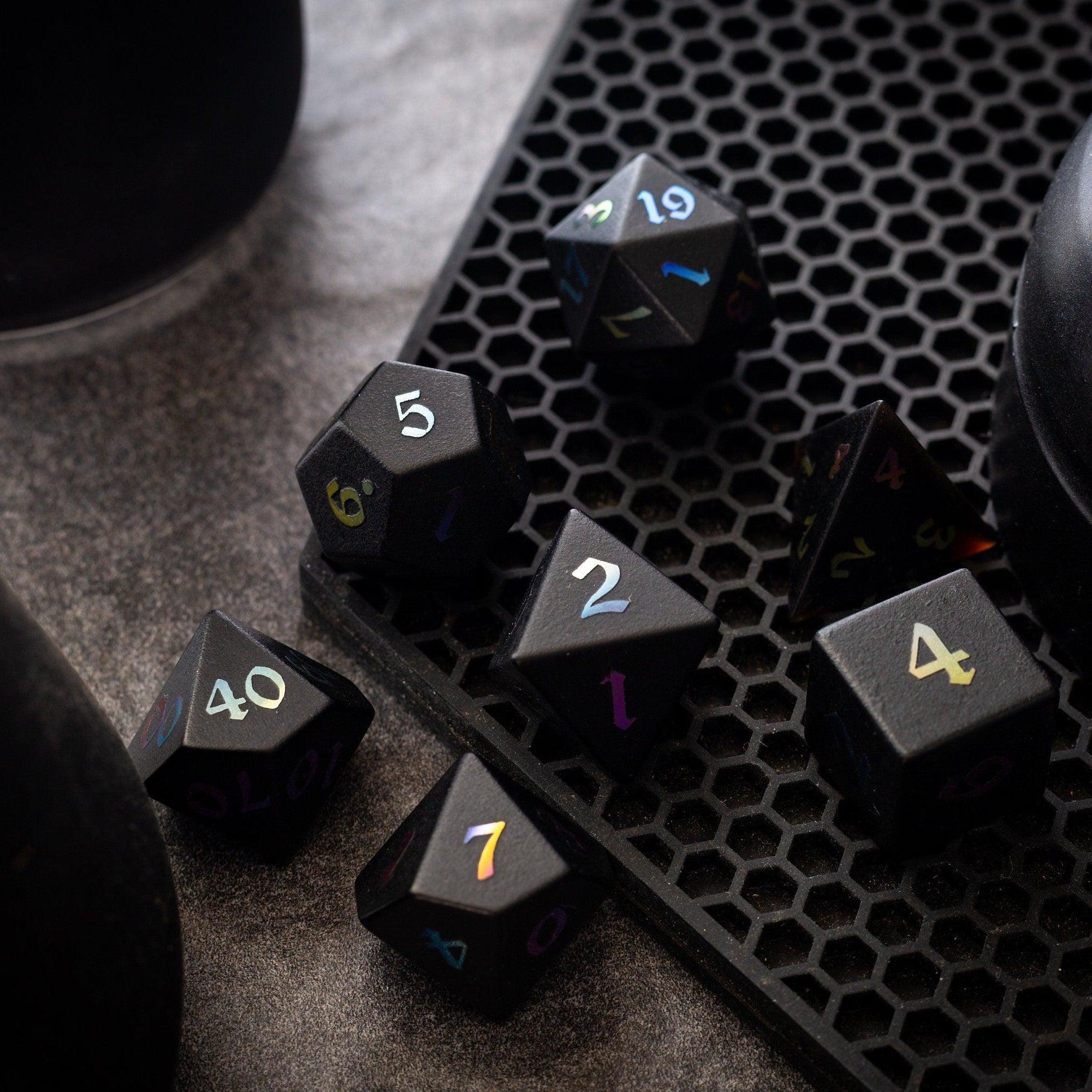
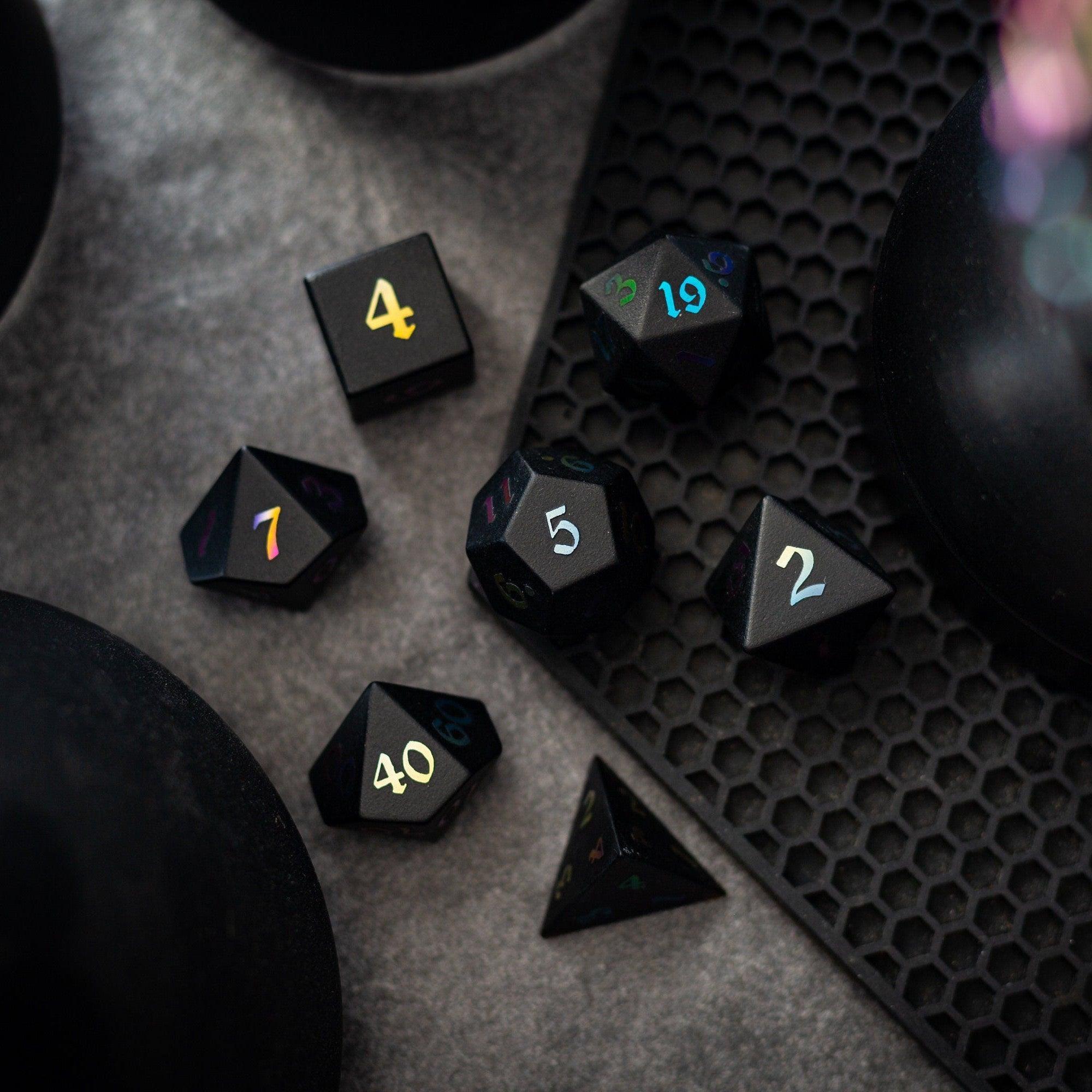
- Invest in quality dice for atmosphere: A beautiful set like dwarf-cut green glass gemstone dice or blood-red glitter liquid-core resin dice makes rolling faster because everyone actually wants their turn. Good dice spark excitement, and excited players move quicker.
- Describe monster actions quickly: Your goblin doesn't need a Shakespearean monologue before it swings. "It lunges with a dagger" works perfectly and takes two seconds.
- Keep a decision aid handy: Write common actions (Attack, Dash, Dodge, Help, Hide) on a laminated card for new players. They'll pick their action faster when options are right in front of them.
- Use standardized templates: Create monster stat cards using the same format every time. Your brain will process them faster, and you'll make fewer mistakes.
- Declare spell effects instantly: When a wizard casts a spell, tell them the result immediately instead of debating mechanics. You can check the rules later if needed, but never pause combat to argue about spell wording.
- Reduce enemy count strategically: Sometimes one powerful enemy is more interesting than six weak ones, and it definitely moves faster. Fewer combatants mean fewer turns overall.
- Use liquid-core dice collections to keep your table engaged: Beautiful components keep everyone's attention on the game instead of phones or side conversations, which naturally speeds everything up.
Frequently Asked Questions
How do I streamline combat without losing tension or excitement?
Streamlining is about removing boring parts, not the thrilling ones. You're cutting down on mechanical delays, not dramatic moments. In fact, faster combat often feels more intense because there's less downtime. The key is keeping stakes high and descriptions vivid while handling mechanics efficiently. Your players will feel more tension when they're constantly engaged, not sitting around waiting for monster calculations.
What if my players feel like I'm rushing them?
Communicate why you're making changes. Explain that you're trying to keep everyone engaged and make sure everyone gets plenty of action time. Most players love faster combat once they experience it. You're not cutting their agency—you're just making sure they get to use it more often because turns come around quicker. If someone genuinely needs extra time for a complex turn, let them have it. The turn timer is a guideline, not a prison sentence.
Can I use streamlining techniques in ongoing campaigns?
Absolutely, and you should. Start implementing these strategies mid-campaign if your current pacing feels slow. Your players will immediately notice combat flows better, and nobody will miss the old way of doing things. You can even introduce new techniques gradually—try one or two and see how they feel before adding more. Explore different dice styles to keep the experience fresh while you're optimizing your system.
Should I eliminate monster abilities to speed things up?
No—simplify, don't eliminate. A monster's abilities are part of its character. Instead of giving it seven abilities, pick the three that make it distinctive and use those. Your bugbear doesn't need every variant listed in the manual; it needs to feel dangerous and different from the goblins. Focus on abilities that create interesting decisions for your players, and skip the ones that just add complexity without payoff.
How do I handle spell resolution faster?
Know the spell effects before combat starts. When a caster declares a spell, you should know what it does without looking it up. Have common spells written down beforehand. For unusual spells, make a quick ruling during combat and look it up after the session ends. Never let a single spell lookup hold up the entire table. Quick, consistent rulings beat perfect accuracy every time.
Is it okay to use average damage for players too?
Totally. Offer it as an option, but don't force it. Some players love the randomness of damage rolls, and that's fine. Others prefer consistency and speed. Let your table decide based on what feels right for your group. Most players appreciate the option to skip rolling on certain turns or in certain situations.
Getting your table to embrace faster combat takes a bit of adjustment, but the payoff is huge. You'll run better sessions, your players will stay more engaged, and everyone will actually remember the fights fondly instead of remembering them as the part where everyone scrolled on their phones. Try these techniques, see what clicks with your group, and watch your games transform. When combat moves smoothly, the entire campaign feels better. And quality dice collections can help maintain that energy and excitement throughout every encounter.


Leave a comment
This site is protected by hCaptcha and the hCaptcha Privacy Policy and Terms of Service apply.