TTRPG Community Resources: A Practical Guide for GMs
Common Challenges in Finding Quality Community Resources
When you're diving into tabletop role-playing games, the sheer volume of available information can feel overwhelming. There's Discord servers, Reddit communities, dedicated websites, YouTube channels, and podcasts all competing for your attention. How do you know which TTRPG community resources are actually worth your time?
The first challenge is quality control. Not every online community maintains the same standards. Some groups are incredibly welcoming and well-moderated, while others might feel toxic or unhelpful. You'll want to spend time observing a community before fully committing, checking how members interact and whether the moderators actively manage discussions.
Another common pain point is finding resources tailored to your specific game system. Are you playing Dungeons and Dragons Fifth Edition, Pathfinder, Vampire the Masquerade, or something more niche? A general gaming forum might not have the specialized knowledge you're seeking. This is why many experienced players recommend joining system-specific communities where members understand the intricacies of your chosen ruleset.
Accessibility is also worth considering. Some platforms require invitations, paid memberships, or have steep learning curves. You might feel discouraged before you even get started. The best community resources should welcome newcomers and provide clear onboarding, even if they're exclusive or specialized.
Finally, there's the time investment factor. Building relationships and staying engaged with multiple communities takes effort. Finding one or two solid communities that genuinely resonate with your play style is far better than spreading yourself thin across ten mediocre groups.
Popular Platforms and Where to Start
Let's talk about the major platforms hosting vibrant tabletop RPG communities. Each has distinct strengths, and understanding them helps you pick what works for you.
Discord servers remain the gold standard for real-time community interaction. Thousands of TTRPG communities operate through Discord, offering voice channels for live sessions, text channels for discussions, and organized spaces for resources like character sheets and campaign notes. Many groups have turned Discord into their complete gaming hub, managing everything from scheduling to rule clarifications there.
Reddit continues to be a powerhouse for tabletop gaming discussions. Subreddits like communities dedicated to specific games have thousands of active members sharing homebrew content, asking rules questions, and showcasing creative projects. The threaded format works brilliantly for deep conversations and searchable archives mean you can find answers to questions that've been asked before.
Dedicated forums and websites still thrive despite being older platforms. Sites focused on specific game systems often have more seasoned players and deeper rule discussions than general social media. These communities sometimes feel quieter than Discord or Reddit, but the member quality can be exceptional.
YouTube and streaming platforms have revolutionized how people consume and share tabletop gaming content. Actual-play shows let you watch experienced groups in action, teaching you new techniques and storytelling styles. This resource category is invaluable for learning through observation.
We recommend starting with one platform that matches your communication style. If you prefer quick, real-time chat, Discord is your answer. If you like written discussions you can return to and search, Reddit makes sense. Prefer longer-form content? YouTube or dedicated blogs might be better for you.
Comparing Different Resource Types
Not all tabletop RPG community resources serve the same purpose. Let's break down the major types and what they offer:
Discussion Communities
Pros: Direct interaction with other players, real-time feedback on questions, diverse perspectives and experiences shared freely, built-in social accountability that keeps you engaged.
Cons: Quality varies wildly depending on moderation, can feel chaotic with too many simultaneous conversations, misinformation sometimes spreads before being corrected.
Content Libraries and Tools
Pros: Curated resources save tremendous time, character builders and campaign generators speed up preparation, spell databases and monster manuals keep everything accessible, many are free or affordable.
Cons: Some tools have learning curves, free versions often have limitations, quality depends on who created and maintains them.
Actual-Play Content
Pros: Learn by watching experienced groups, discover new storytelling techniques, incredibly entertaining and inspiring, accessible on-demand without scheduling conflicts.
Cons: Very time-consuming to watch, may showcase styles that don't match your preferences, sometimes focuses more on entertainment than instruction.

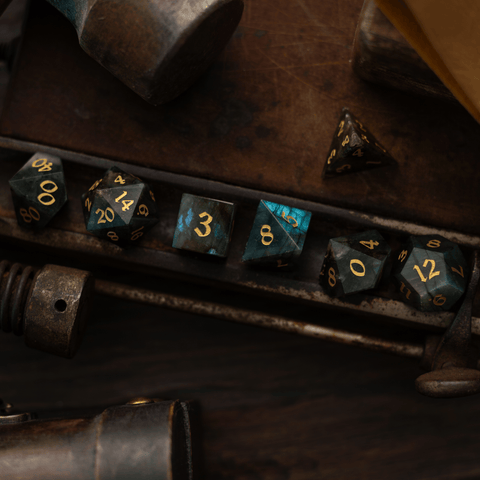
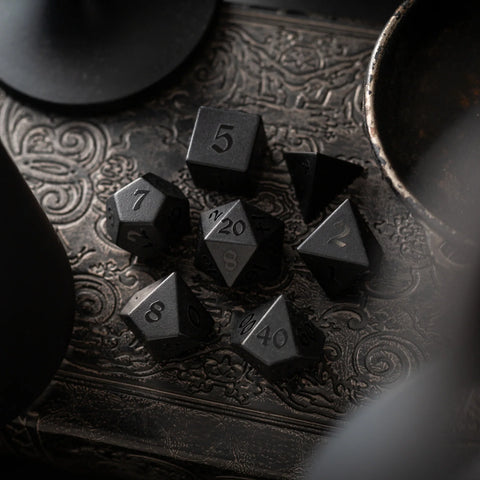
Various gaming resources displayed together: character sheets, rule books, and digital tools
One-On-One Coaching and Mentorship
Pros: Personalized feedback tailored to your specific situation, accelerated learning from experienced mentors, accountability through direct relationships, confidence-building support.
Cons: Often requires payment, availability may be limited, requires initiative to find and contact mentors, can feel intimidating for some people.
The most successful players we've seen typically use multiple resource types. They might watch actual-play shows for inspiration, participate in Discord communities for regular engagement, use online character builders for faster preparation, and occasionally get advice from experienced friends or mentors. This layered approach covers all their needs without overwhelming them.
Summary and Recommendations
Finding quality TTRPG community resources doesn't need to be complicated. Start by identifying what you actually need right now. Are you looking for rules clarification? Join a system-specific community. Want inspiration and creative ideas? Watch actual-play content. Need regular people to play with? A Discord server focused on finding players might be perfect.
Here's our practical recommendation process: First, pick one platform and spend two weeks exploring it consistently. Observe how people interact, whether questions get answered respectfully, and if the community culture matches yours. Second, identify one resource type beyond discussion, whether that's a character builder tool or actual-play podcast. Third, commit to shallow engagement rather than deep engagement across too many places. It's better to be an active, known member of two communities than a ghost in six.
Consider exploring specialized communities around specific game systems first, as they typically have higher signal-to-noise ratios than general gaming spaces. As you grow more confident, branch out to broader communities and different resource types.
Remember that community resources aren't just functional tools. They're places where people gather because they share your passion. The relationships you build there often become the best part of tabletop gaming. Be patient, be kind, ask good questions, and contribute what you can. Good communities thrive when everyone participates authentically.
One final thought: the best resource is the one you'll actually use consistently. Don't feel pressured to access every major community or try every tool. Focus on what genuinely enhances your game and brings you joy. Everything else is bonus content.
Frequently Asked Questions
Where should a complete beginner start looking for tabletop RPG communities?
Start with Reddit's main tabletop gaming communities or Discord servers specifically labeled for beginners. These spaces expect questions from newcomers and have FAQ sections and pinned guides. They're forgiving places to learn the basics without feeling rushed. Many experienced players volunteer in these beginner-focused spaces specifically because they remember how overwhelming it felt to start.
How do I know if a community is actually welcoming or just claims to be?
Spend time lurking and reading past conversations before posting anything. Do people greet newcomers warmly? When someone asks a basic question, do they get helpful responses or sarcasm? Are conversations generally respectful even when people disagree? Read the community rules and check if moderators are actively enforcing them. Trust your instincts about whether you feel welcomed, because good communities have a distinct welcoming energy.
Is it okay to be part of multiple tabletop RPG communities at once?
Absolutely, but be intentional about it. Many players successfully maintain membership in a system-specific community, a general tabletop community, and a community around a particular actual-play show they love. The key is not trying to be equally active everywhere. Focus your energy on one or two core communities while casually participating in others. This prevents burnout and keeps you genuinely engaged rather than constantly switching between spaces.
What if I can't find a community for the specific game I want to play?
Consider looking at broader communities around the game system's parent company or similar rule systems. You might also check specialty retailers and communities that cater to niche games. Finally, consider starting your own small community. Sometimes the best experiences come from building something with people who share your specific gaming interests.
Are paid communities better than free ones?
Not necessarily better, but sometimes different. Paid communities often have better moderation, more vetted members, and higher commitment levels from participants. However, many exceptional free communities exist with fantastic moderation and engaged players. The price point doesn't determine quality. Instead, evaluate each community on its specific merits, rules, activity level, and culture regardless of cost.
How much time do I need to invest in community resources to see benefits?
Honestly, even fifteen minutes daily in a community can yield real benefits. You'll pick up rules clarifications, discover new ideas, and feel connected to other players. The magic happens with consistency rather than duration. It's better to spend fifteen minutes daily in an engaged way than three hours weekly while distracted. Many players find that their most valuable community interactions happen through brief daily check-ins rather than intensive sessions.



Leave a comment
This site is protected by hCaptcha and the hCaptcha Privacy Policy and Terms of Service apply.