

Top Tips for Choosing Tabletop RPG Games for Better Campaigns
A strong tabletop campaign begins before the first character is created, the first map is drawn, or the first dice hit the table. It begins with choosing a game that fits what the group actually wants to play.
Different tabletop RPG games support different experiences. One system may focus on heroic battles and steady character advancement, while another makes investigation, survival, political conflict, or personal drama the center of play. The rules affect how dangerous combat feels, how quickly scenes move, how much preparation the Game Master needs, and what kinds of choices players make.
There is no single best system for every table. Choosing a tabletop RPG is about finding the right match between the game, the players, and the campaign everyone wants to create.
Start with the Campaign Everyone Wants
Before comparing rulebooks, discuss the campaign concept.
Ask the group:
-
What genre do we want?
-
Should characters feel heroic, vulnerable, or somewhere in between?
-
How much combat, mystery, exploration, politics, or character drama do we want?
-
Should the tone be serious, lighthearted, or mixed?
-
Do we want an established setting or a world we create ourselves?
-
Are we planning a one-shot, a short series, or a long campaign?
These questions matter because RPG game mechanics influence what happens naturally during play.
A heroic fantasy campaign may benefit from strong character progression and detailed combat options. A horror investigation may need mechanics that support fear, uncertainty, limited information, or personal consequences. A political campaign may work better when relationships and factions receive meaningful attention.
Define the campaign first. Otherwise, the group may spend months forcing a tabletop game system to support an experience it was never designed to handle comfortably.
Match the Game to the Genre
Most tabletop roleplaying games emphasize certain types of stories.
Common genres include heroic fantasy, dark fantasy, cosmic horror, science fiction, superheroes, post-apocalyptic survival, mystery, historical adventure, urban fantasy, and space exploration.
[Image: fantasy, horror, science fiction, and mystery RPG settings represented side by side]
Genre support matters because the rules determine which parts of the story receive the most attention. Depending on the game, mechanics might cover:
-
Magic and supernatural powers
-
Fear, stress, or sanity
-
Starships and space travel
-
Survival and limited resources
-
Reputation and social influence
-
Factions and political relationships
-
Investigation and clue gathering
-
Superpowers and extraordinary abilities
You can adapt almost any system, but extensive changes create more work. If your campaign requires replacing major rules or inventing entire subsystems, another game may already provide a better foundation.
Decide How Much Rules Complexity the Group Wants
Complexity is not a measure of quality. It is a question of preference.
Rules-Light Games
Rules-light games often provide faster character creation, fewer rules to reference, and more freedom for improvisation. They can work well for short sessions and groups that want to focus on conversation and quick decisions.
The tradeoff may be fewer mechanical character options and greater reliance on Game Master rulings.
Medium-Complexity Games
These systems often balance defined abilities with room for improvisation. Players have meaningful mechanical choices without needing to track a large number of separate rules.
For many groups, this middle ground provides enough structure to make decisions clear while keeping sessions moving.
Rules-Heavy Games
Rules-heavy RPG campaign systems may offer detailed character building, tactical combat, extensive equipment, and many progression choices.
That detail can be rewarding for players who enjoy system mastery. It can also require more reading, preparation, tracking, and table time.
The right question is not, “Which game has the best rules?” Ask, “How many rules does our group enjoy using?”
Consider the Players’ Experience
A beginner tabletop RPG does not necessarily need to be the simplest game available. It needs to make sense to the people who are excited to play it.
Consider whether players:
-
Have played tabletop RPGs before
-
Enjoy reading rules between sessions
-
Want detailed character creation
-
Are comfortable tracking abilities and resources
-
Will have help learning from an experienced Game Master
New players often benefit from clear core mechanics, readable character sheets, useful examples, and a manageable number of early decisions.
Enthusiasm also matters. A slightly more complex fantasy game may be easier to learn for a group excited about fantasy roleplaying games than a simpler system built around a genre nobody wants to play.
Think About the Game Master’s Preparation Time
Preparation requirements can determine whether a campaign remains enjoyable for the person running it.
A Game Master might need to prepare maps, enemies, clues, NPCs, factions, locations, equipment, encounters, or campaign notes.
[Image: Game Master discussing campaign ideas with players around a table]
Before choosing a system, ask:
-
How much preparation time is available between sessions?
-
Does the game provide ready-to-use adventures?
-
Can enemies and encounters be created quickly?
-
Does the system support improvisation?
-
How difficult is it to adjust challenges during play?
A detailed tactical game can be satisfying for a Game Master who enjoys building encounters. The same game may become exhausting for someone with only an hour to prepare each week.
One of the most useful Game Master tips is simple: choose a system you can run consistently, not just one you enjoy reading.
Choose Between Tactical and Narrative Play
Many tabletop RPG games combine tactical and narrative elements, but the balance varies.
Tactical Games
Tactical play often emphasizes positioning, movement, range, equipment, turn order, resource management, and character abilities.
These games can suit groups that enjoy maps, miniatures, coordinated combat, and carefully planned turns. Games with frequent status effects may also benefit from practical table tools such as condition rings.
Narrative-Focused Games
Narrative-focused play often gives more attention to relationships, consequences, shared worldbuilding, story complications, and flexible scene resolution.
These games may appeal to players who enjoy improvisation and character-driven stories more than detailed battlefield decisions.
Neither approach is automatically better. The best RPG for a campaign is the one that gives mechanical attention to what the group wants to spend its sessions doing.
Examine the Core Dice System
Dice systems shape how uncertainty feels at the table.
A game might use:
-
A d20 plus modifiers
-
Percentile dice
-
Dice pools
-
Multiple polyhedral dice
-
Success-counting mechanics
-
Narrative or specialized dice
-
A single primary die
Consider how quickly players can understand a result. Are high or low rolls better? Are modifiers frequently added? Does the game require special dice? Can a new player quickly recognize success or failure?
A familiar d20 mechanic may feel comfortable to some players. Percentile systems can make probability easier to visualize because a skill value often communicates a direct percentage chance. Dice pools create a different physical experience as players gather more dice for stronger abilities or favorable circumstances.
Physical organization can help as well. A dice tray can keep larger pools from scattering across maps and character sheets, while clearly distinguished dice can make different roll types easier to identify.
Compare Character Creation and Advancement
Character creation determines how quickly play begins and how closely players can match their ideas.
Ask whether characters are created through classes, skills, playbooks, careers, templates, or flexible choices. Then consider:
-
How long does character creation take?
-
Can new players make useful choices?
-
Does the system support the intended character concepts?
-
How much customization is available?
-
Can early mistakes be corrected?
-
Does advancement remain meaningful?
Progression might come through levels, improved skills, milestones, equipment, reputation, relationships, or new narrative permissions.
For a long roleplaying game campaign, advancement should provide enough growth to remain satisfying without becoming difficult for the group to manage.
Think About Campaign Length
Not every game is equally suited to every campaign length.
One-shot friendly games often use quick character creation and limited bookkeeping. Short campaigns can support focused character arcs and clear endings. Long campaigns may benefit from deeper advancement, expanding factions, lasting consequences, and broader setting support.
A system that works beautifully for a three-session mystery may not provide the progression a group wants from a two-year heroic adventure.
Before searching for the best tabletop RPG games, decide how much time everyone is realistically willing to commit.
Check Group Size and Session Length
A system that moves quickly with three players may become much slower with seven.
Larger groups often benefit from fast turn resolution, clear initiative procedures, simple resource tracking, and strong spotlight management.
Short sessions also change what works. If the group only has two hours, a system with lengthy setup and complex combat may leave little time for exploration or roleplaying.
Consider attendance too. Some campaign structures can easily explain a missing character, while others depend heavily on every participant being present.
Evaluate Setting Support
Some tabletop game systems provide detailed worlds filled with nations, factions, gods, maps, conflicts, monsters, and published adventures. Others provide flexible frameworks for groups that prefer creating their own settings.
Strong setting support can reduce preparation, but only when the group actually enjoys that world.
Ask whether players like learning lore, whether the setting inspires character ideas, and whether the Game Master wants ready-made material or a blank canvas.
Tabletop RPG Comparison Table
Use this table as a quick decision-making tool:
| Selection Factor | Questions to Ask | Good Match When |
|---|---|---|
| Genre | What kind of story do we want? | The rules support the intended experience |
| Complexity | How many rules do we enjoy tracking? | The structure feels useful rather than tiring |
| Combat Style | Do we want tactical maps or fast scenes? | Combat matches the preferred pace |
| Character Creation | How much customization do we want? | Players can build concepts without confusion |
| Preparation | How much time can the Game Master spend? | Sessions can be prepared consistently |
| Campaign Length | Are we playing once or for many months? | Advancement fits the expected duration |
| Dice System | Is the core mechanic easy to understand? | Results are quick to read and resolve |
| Setting | Do we want a detailed world or blank canvas? | The setting supports the campaign idea |
| Group Size | How many players attend regularly? | Everyone receives meaningful spotlight |
| Tone | Should the game feel heroic, grim, funny, or tense? | The rules reinforce the desired mood |
Test the Game with a One-Shot
Before committing to a long campaign, run a test session.
A one-shot can reveal whether the core mechanic feels enjoyable, combat moves at the right speed, character sheets make sense, and preparation demands are reasonable.
Use pregenerated characters, a simple objective, a limited selection of mechanics, and a clear ending. Afterward, ask everyone what felt exciting, confusing, slow, or restrictive.
One session will not reveal everything, but it can expose a poor system match before the group commits months of time.
Ask the Group the Right Questions
A short pre-campaign discussion can prevent major expectation problems.
Ask:
-
What genre excites us most?
-
How serious should the tone be?
-
How much combat do we want?
-
Do we prefer tactical rules or flexible storytelling?
-
How long should the campaign last?
-
How often can we meet?
-
How much preparation can the Game Master handle?
-
Do we want an official setting or a homebrew world?
-
Are there themes we want included or avoided?
-
Are we willing to learn unfamiliar RPG game mechanics?
Consider Safety, Comfort, and Tone
Campaign quality depends on more than mechanics.
Discuss sensitive themes, horror intensity, character conflict, romance, graphic violence, player-versus-player actions, permanent character loss, and boundaries before play begins.
The group should also agree on a simple way to pause, redirect, or skip scenes that become uncomfortable.
A horror RPG may have excellent mechanics for fear and tension, but it is still a poor choice if the group does not want disturbing themes. The right system match includes emotional comfort as well as mechanical preference.
Do Not Choose a Game Only Because It Is Popular
Popular games often have useful advantages. They may have larger communities, more published adventures, more online explanations, and more examples of play.
Popularity, however, does not guarantee suitability.
A less familiar system may support a specific genre, campaign structure, or preferred pace more effectively. Compare what the group needs instead of assuming the most famous option is automatically the best RPG for a campaign.
Match Tabletop Tools to the System
Different systems require different physical tools.
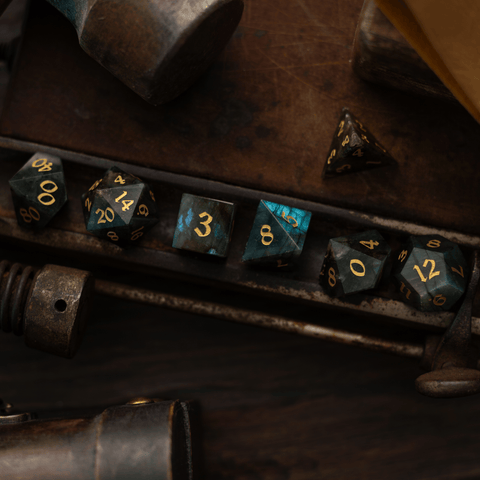
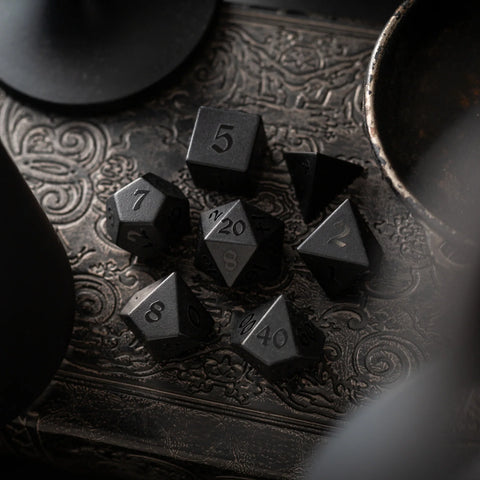
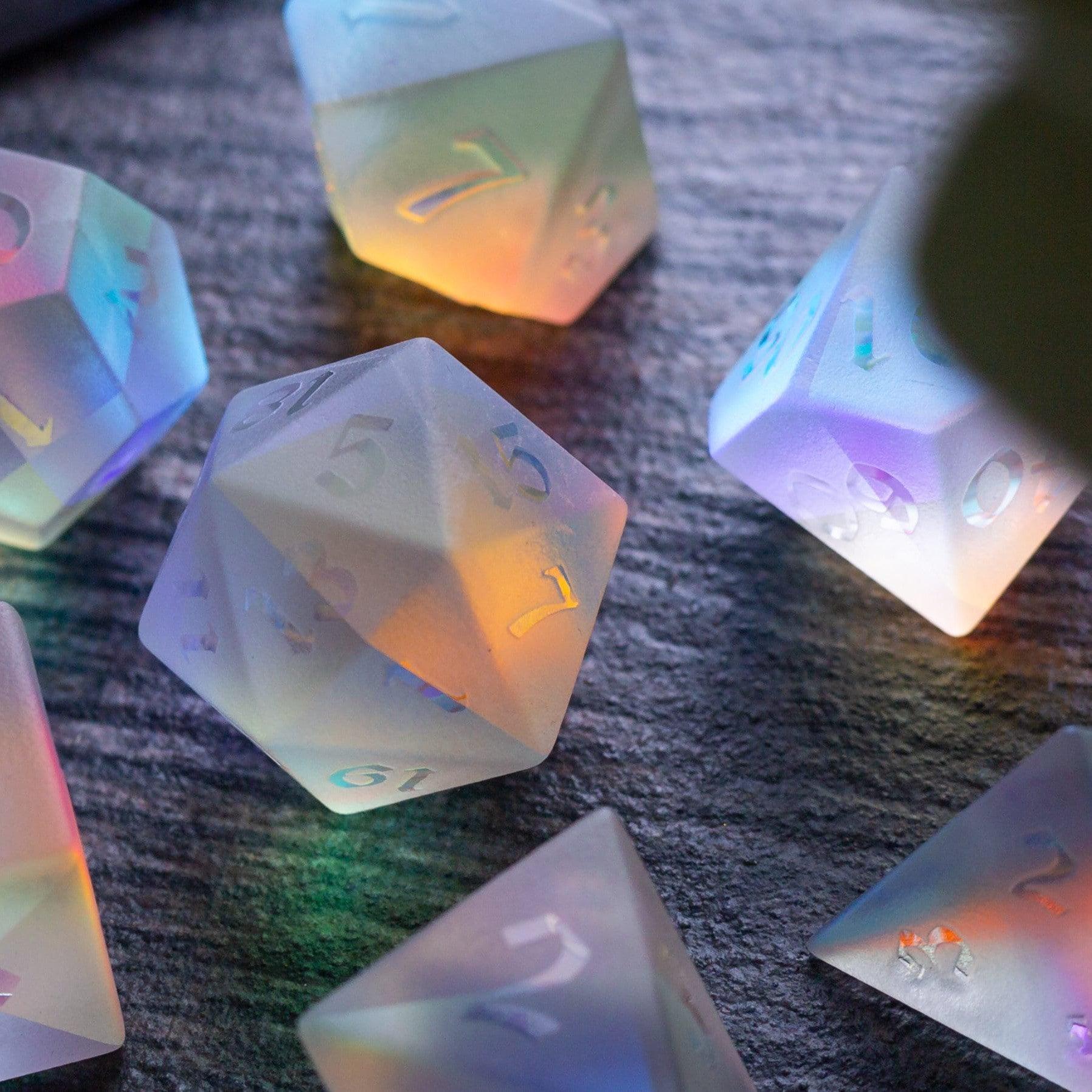
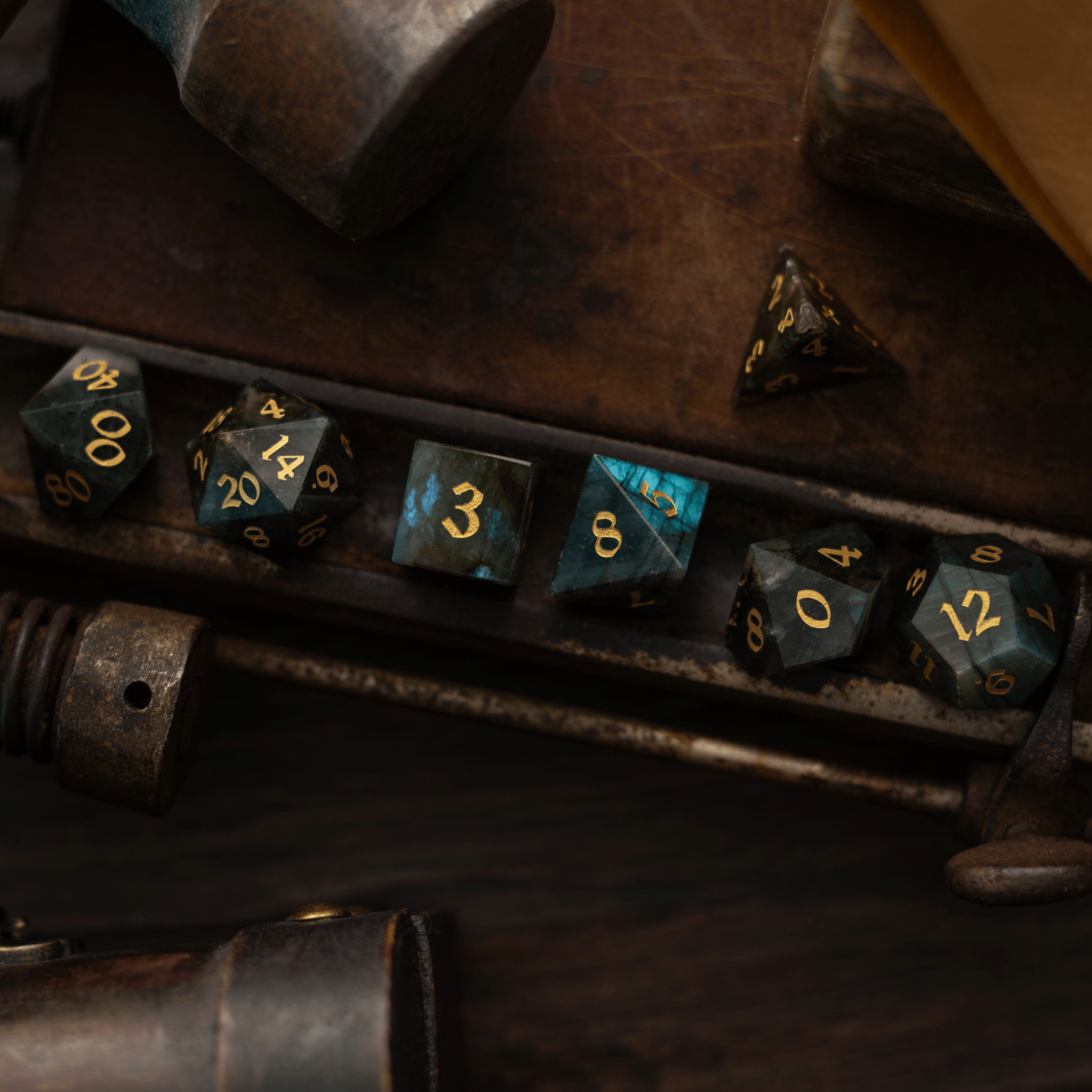
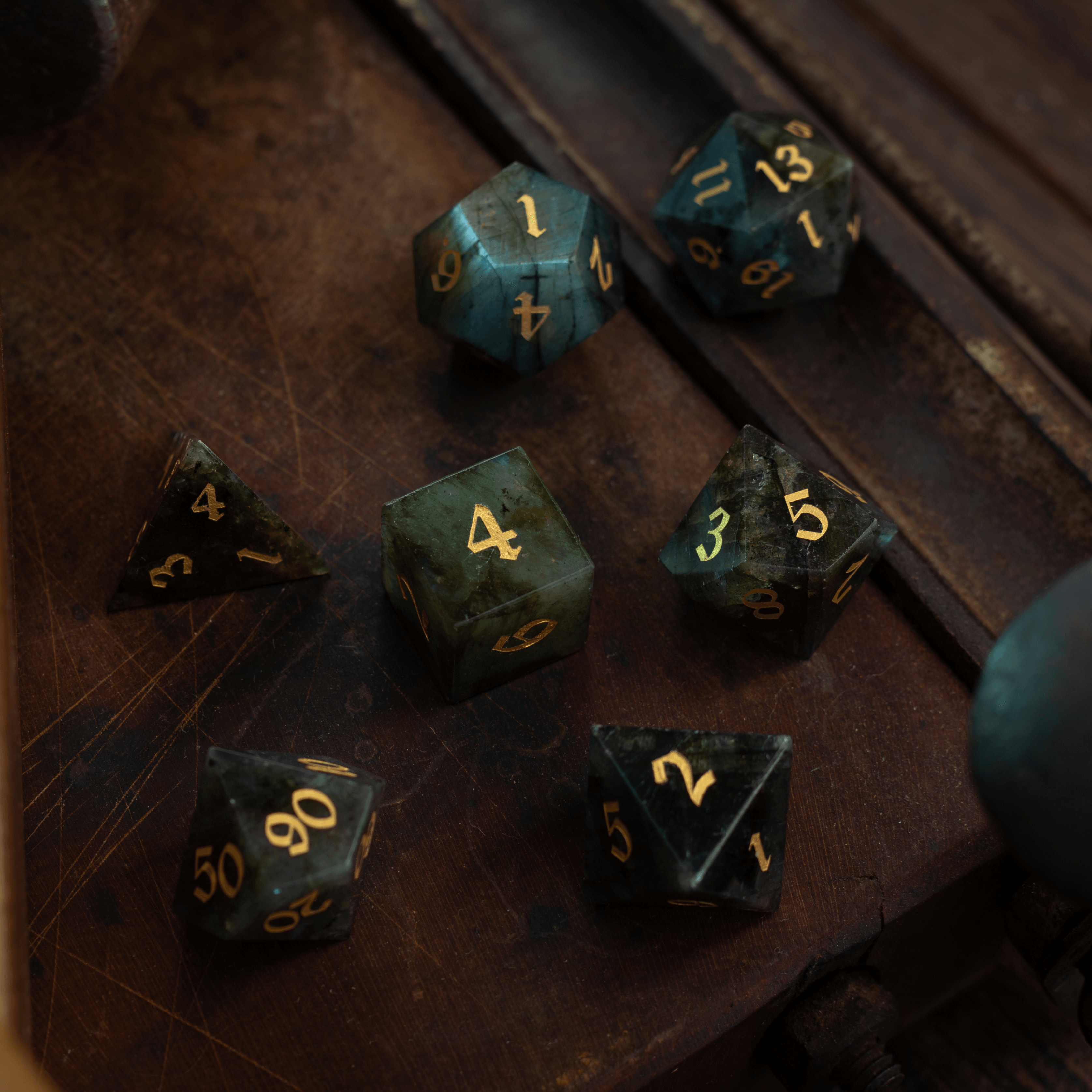
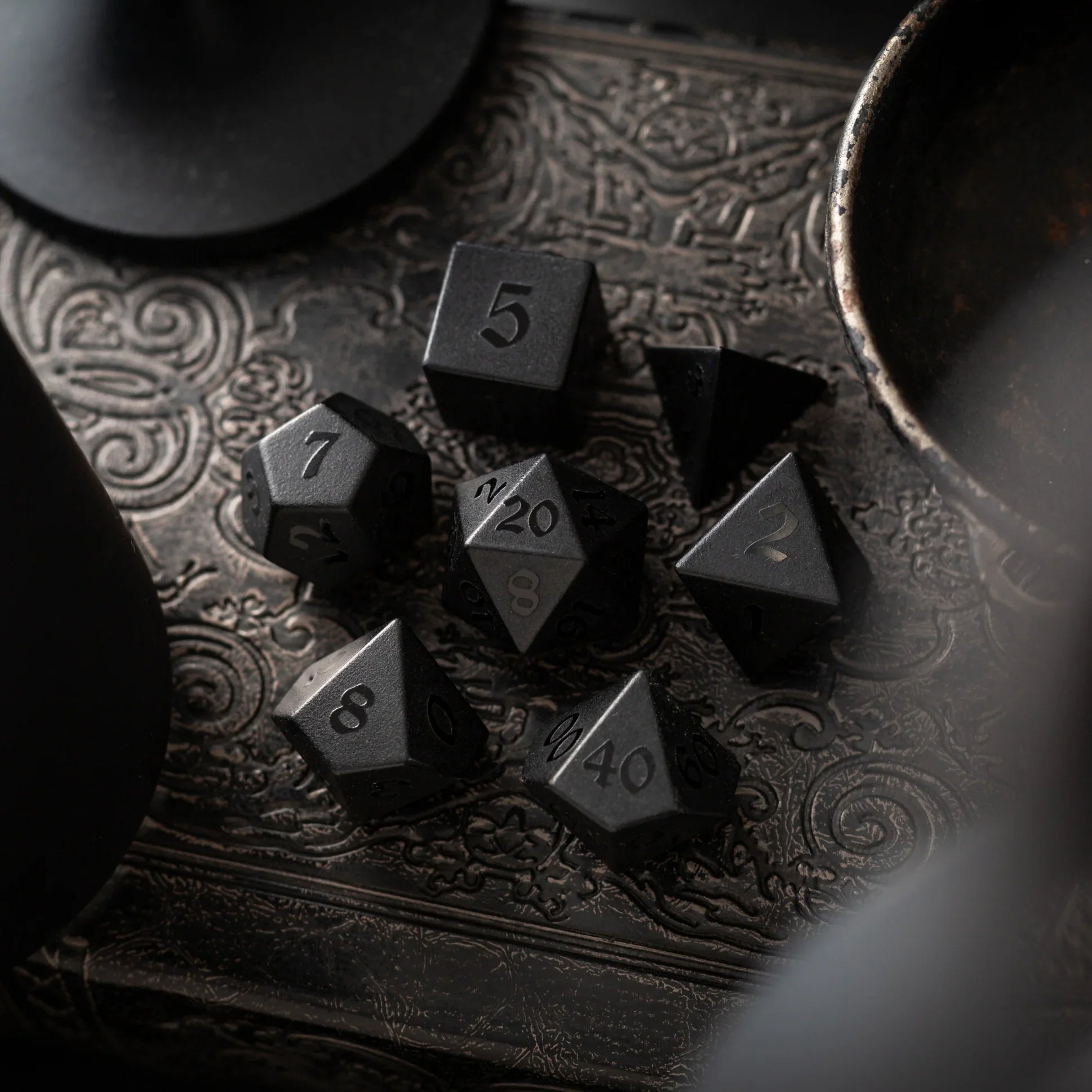
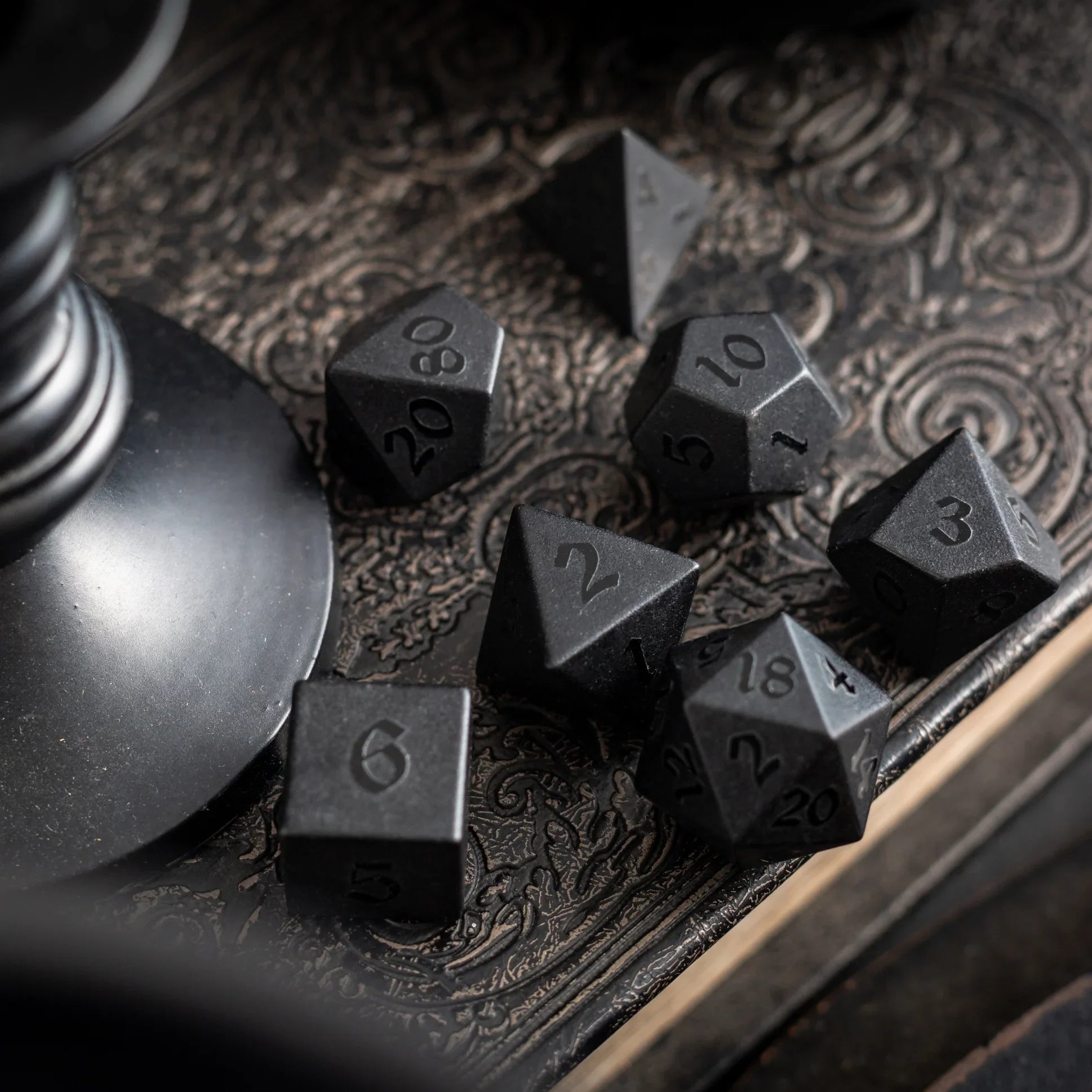
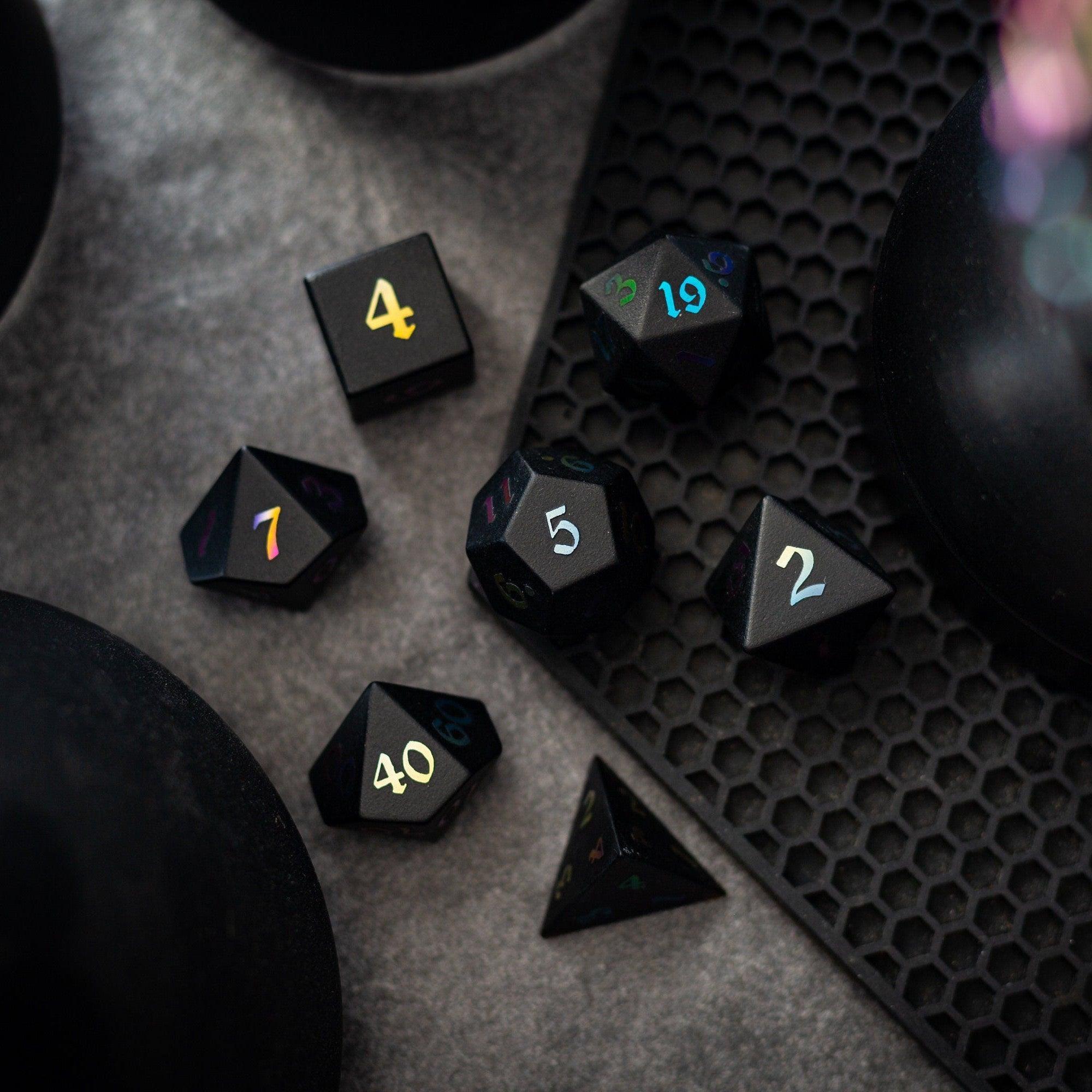
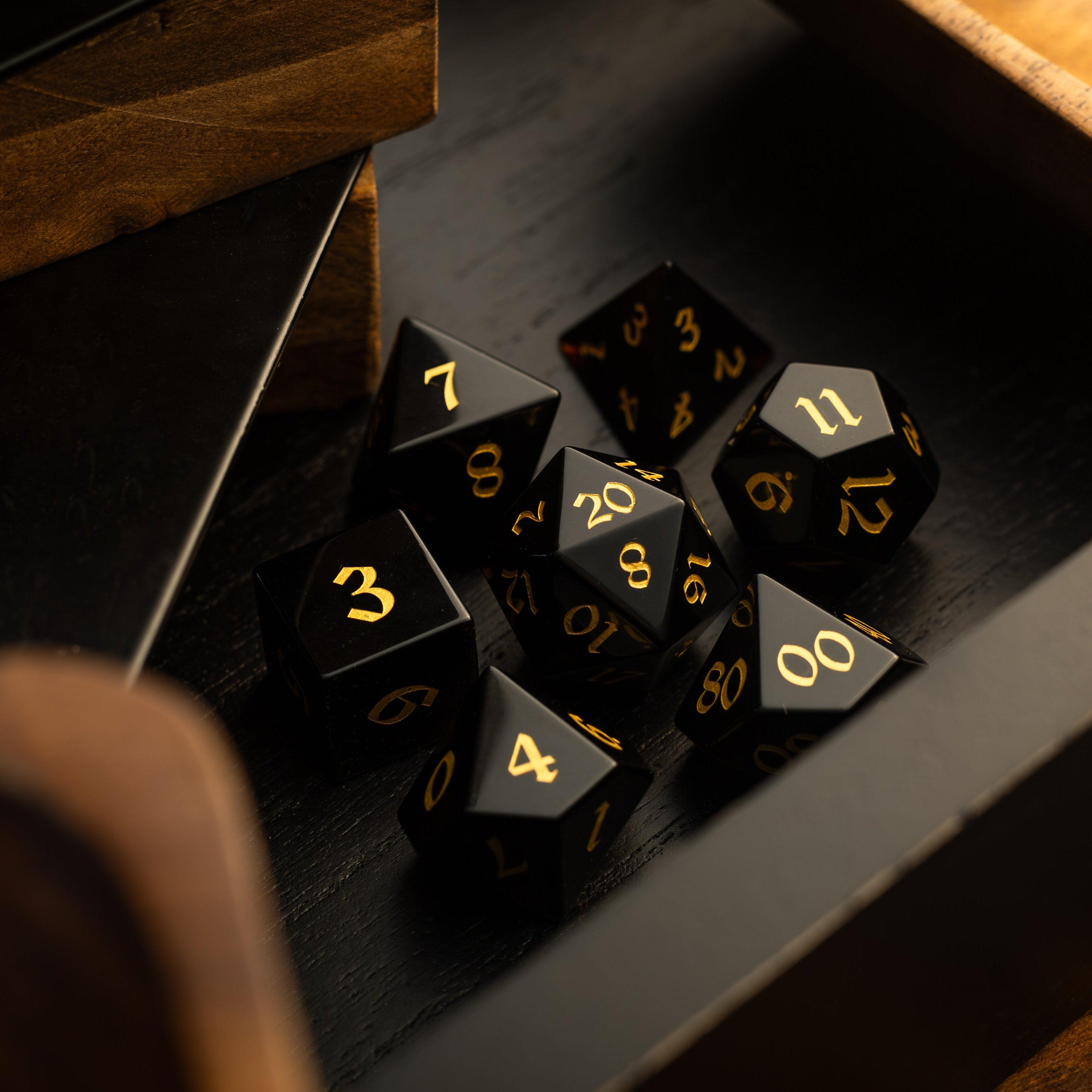
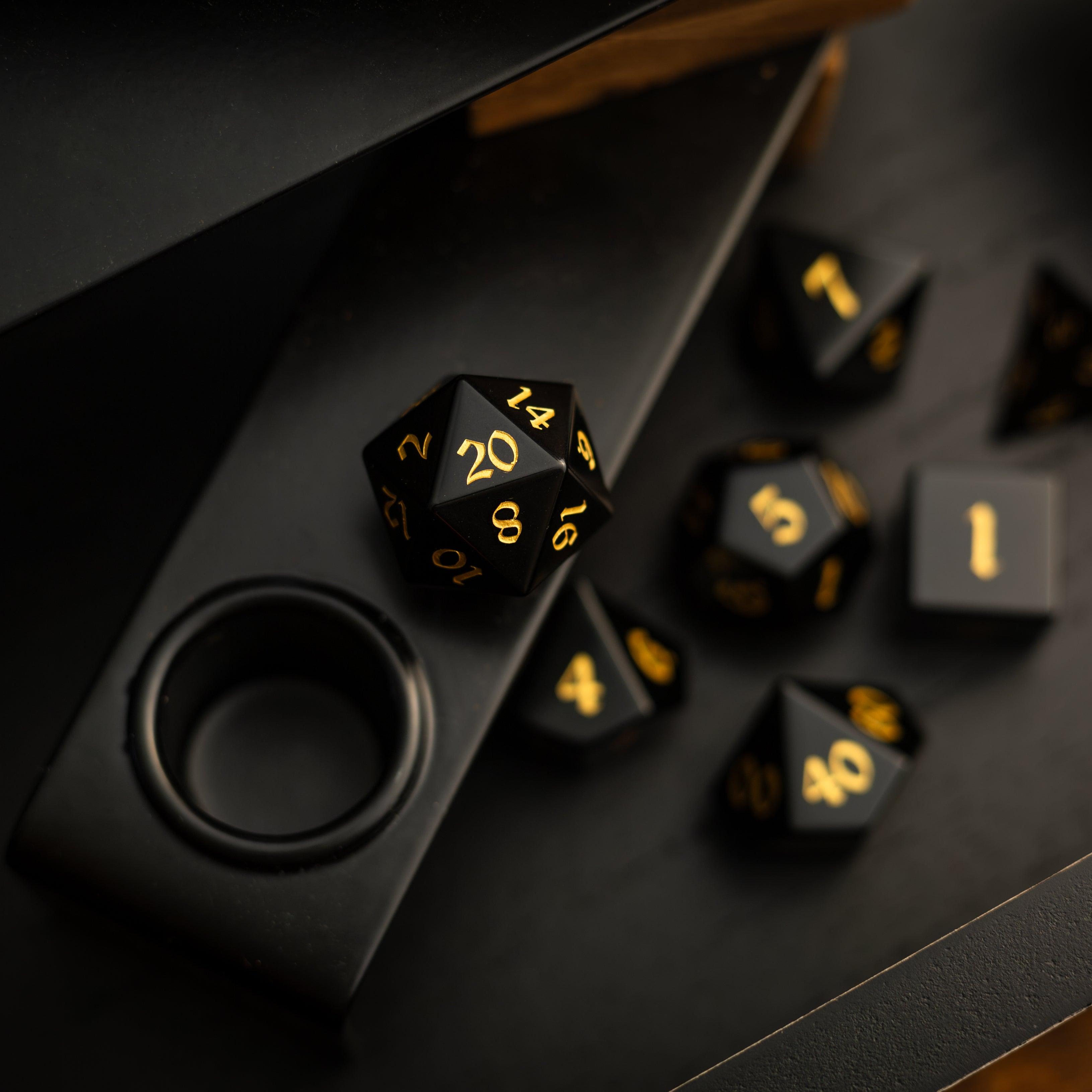
Fantasy roleplaying games may use full polyhedral sets, while investigative horror games may rely heavily on percentile dice. Dice-pool systems may require several matching dice, and tactical games may benefit from maps, miniatures, tokens, or condition rings.
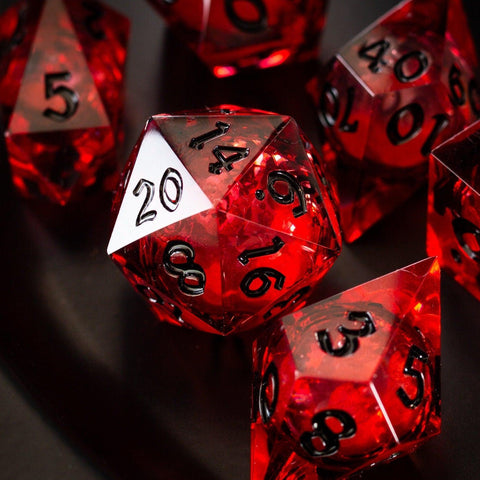
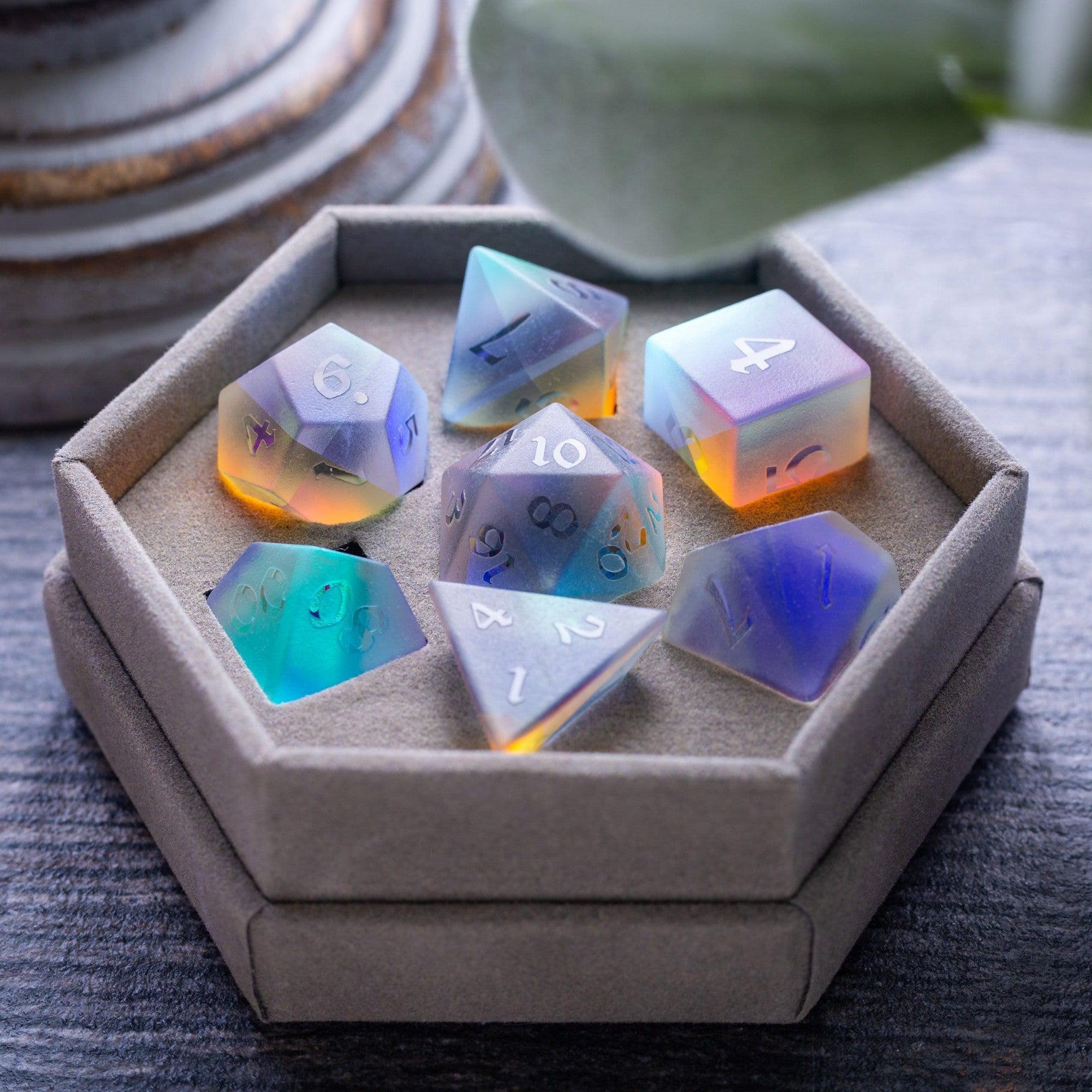
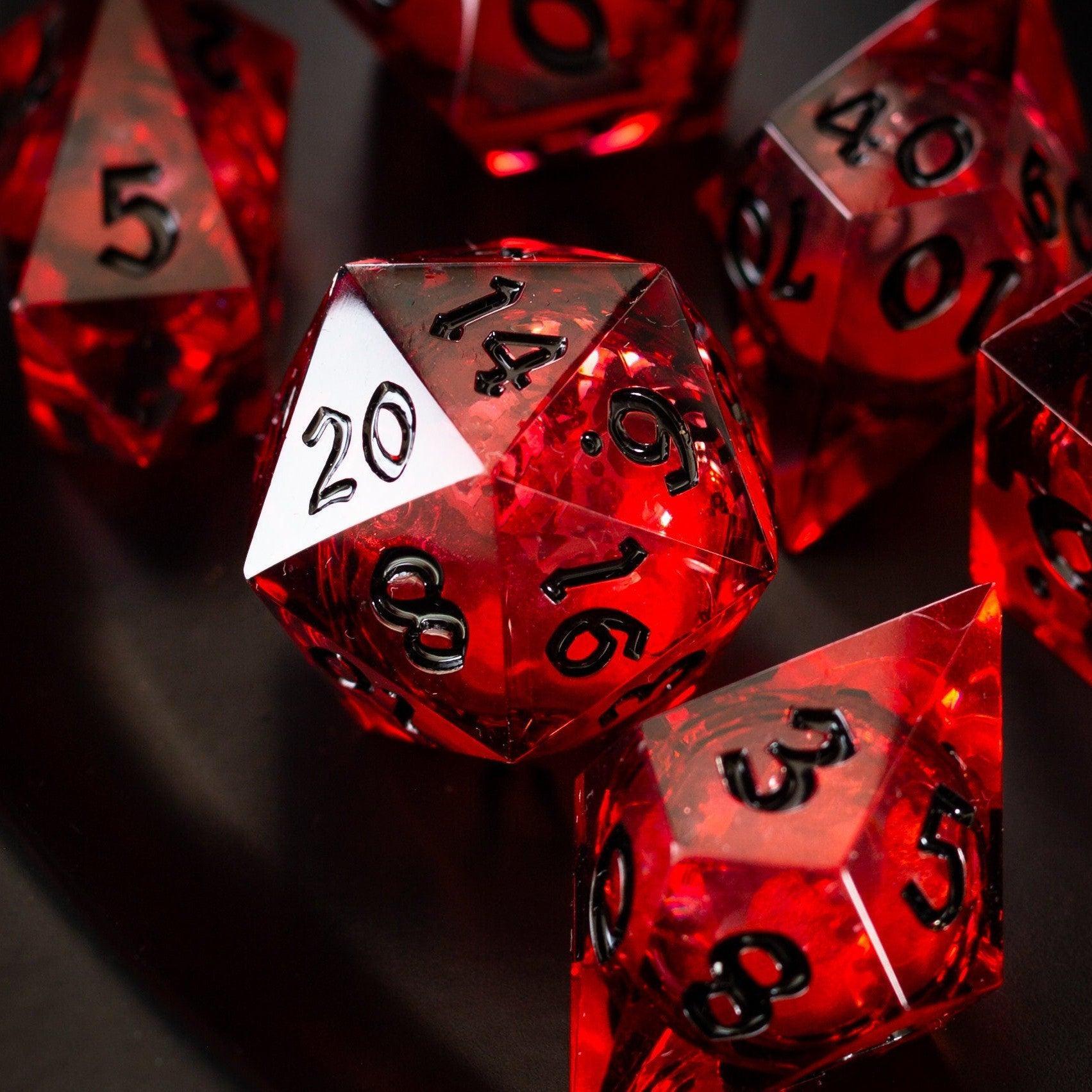
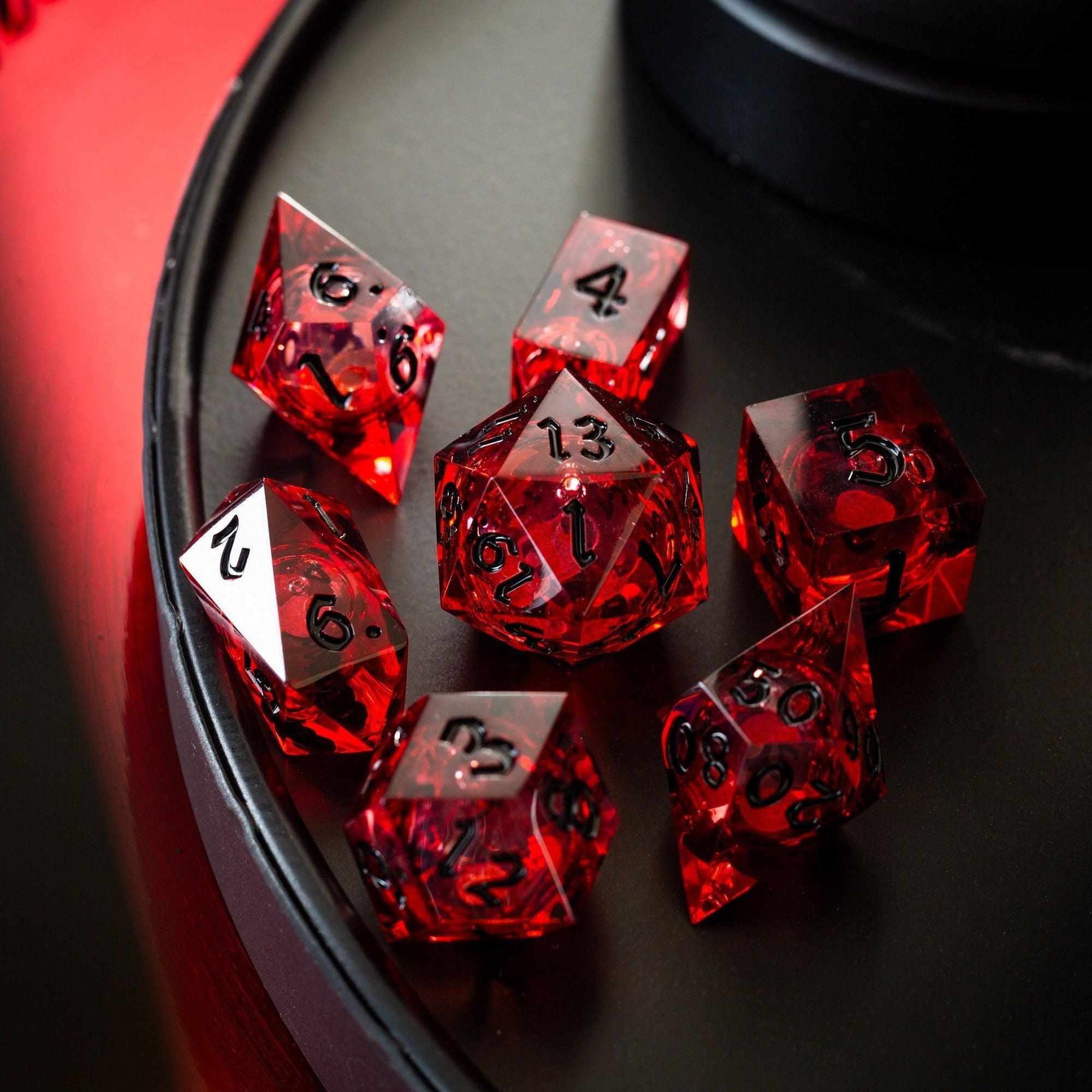
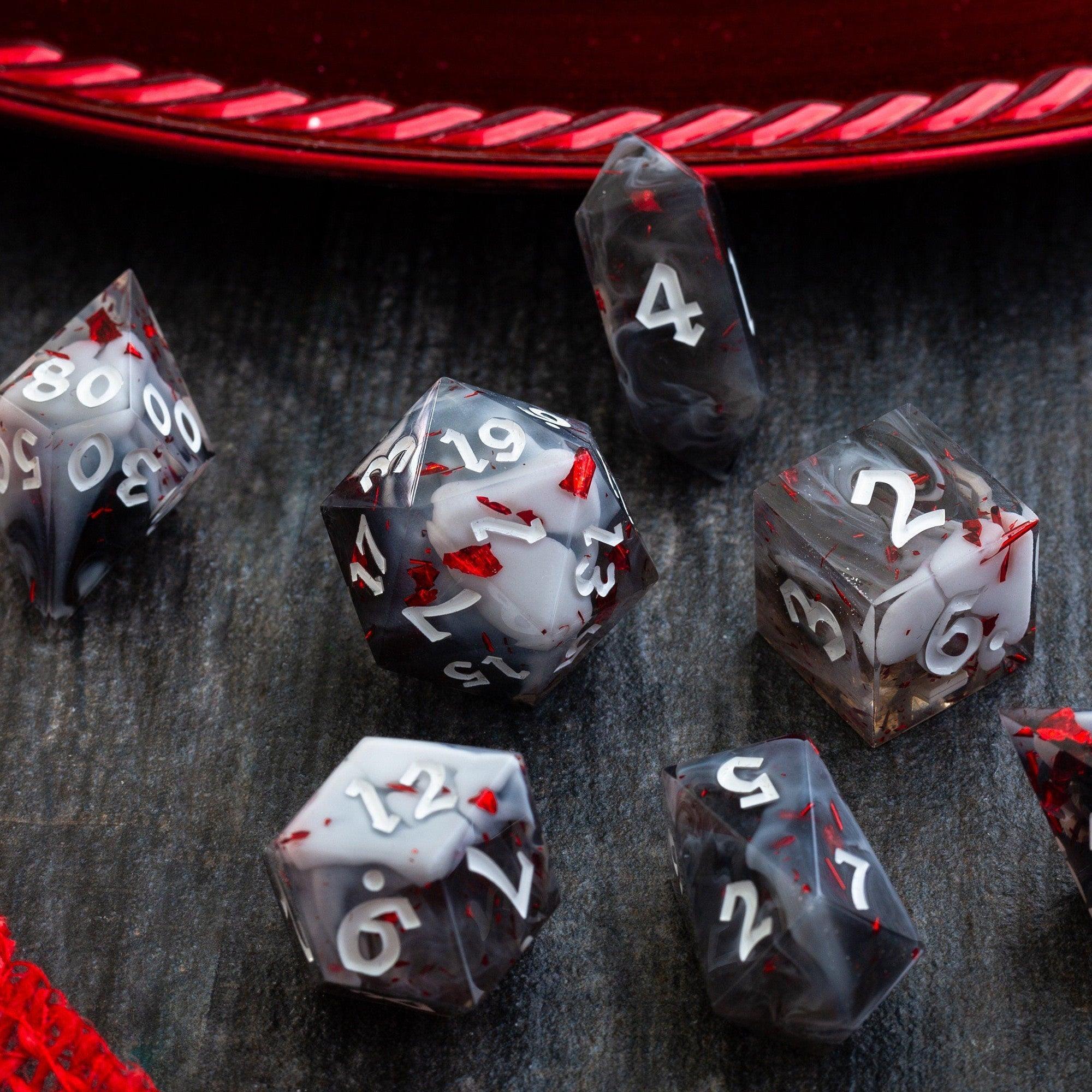
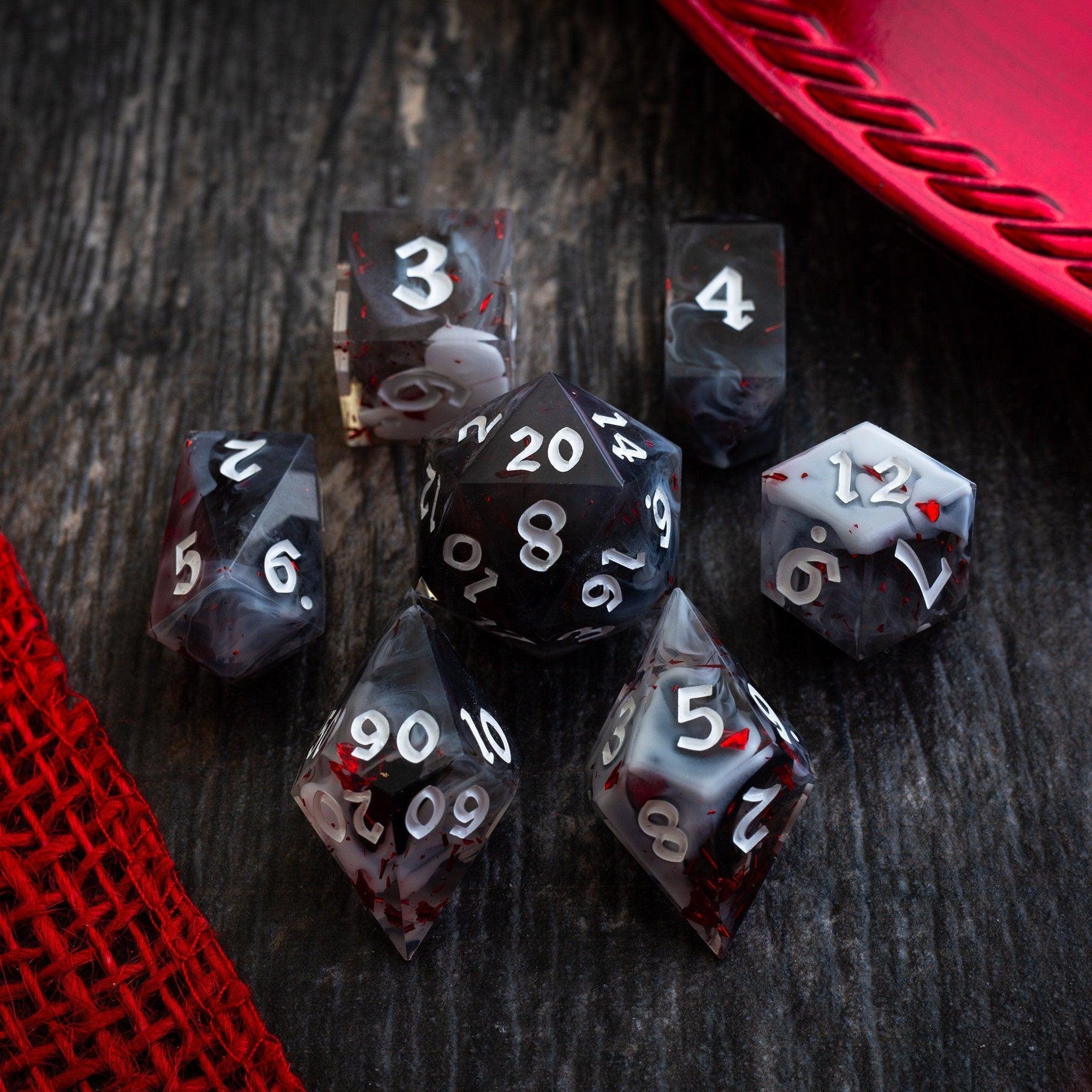
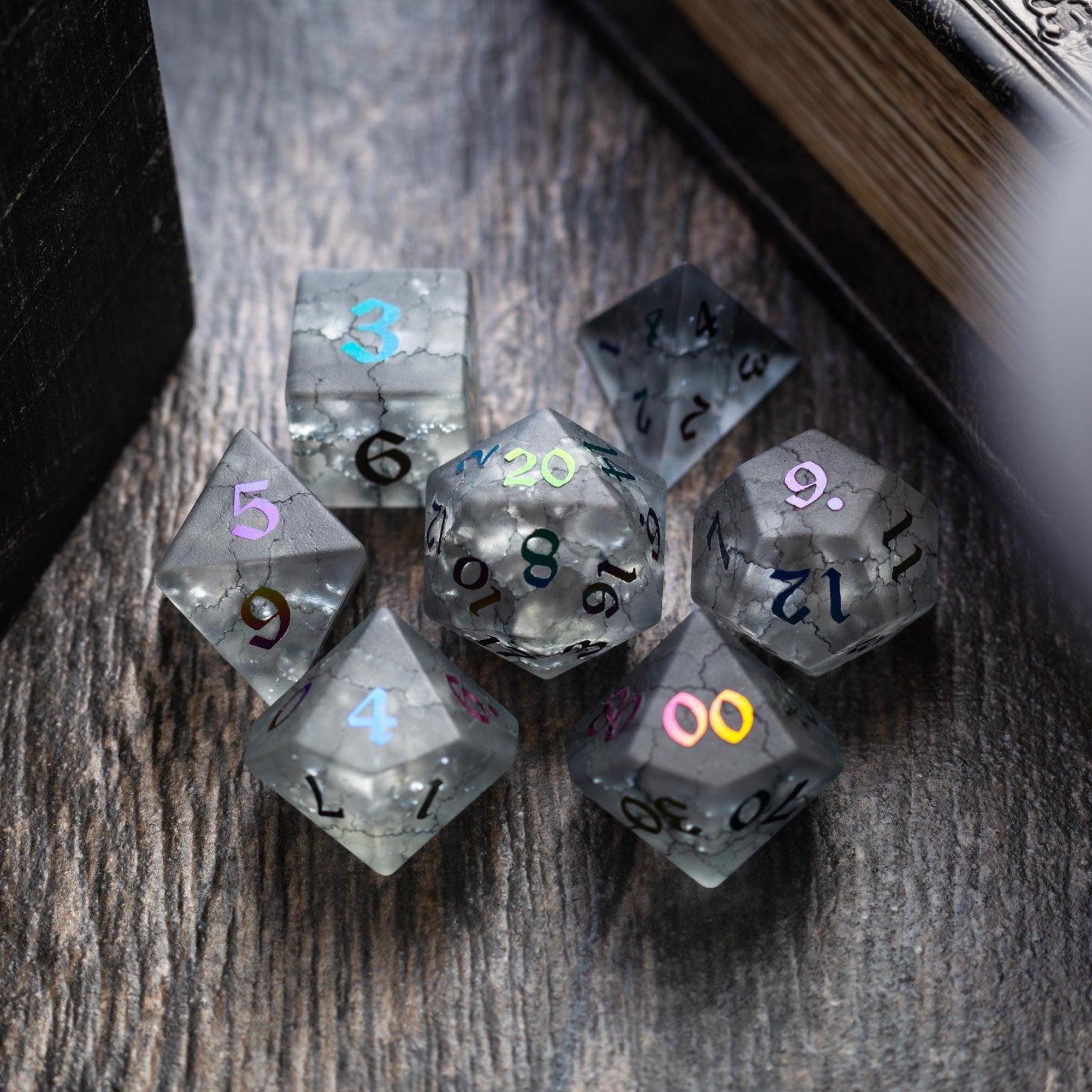
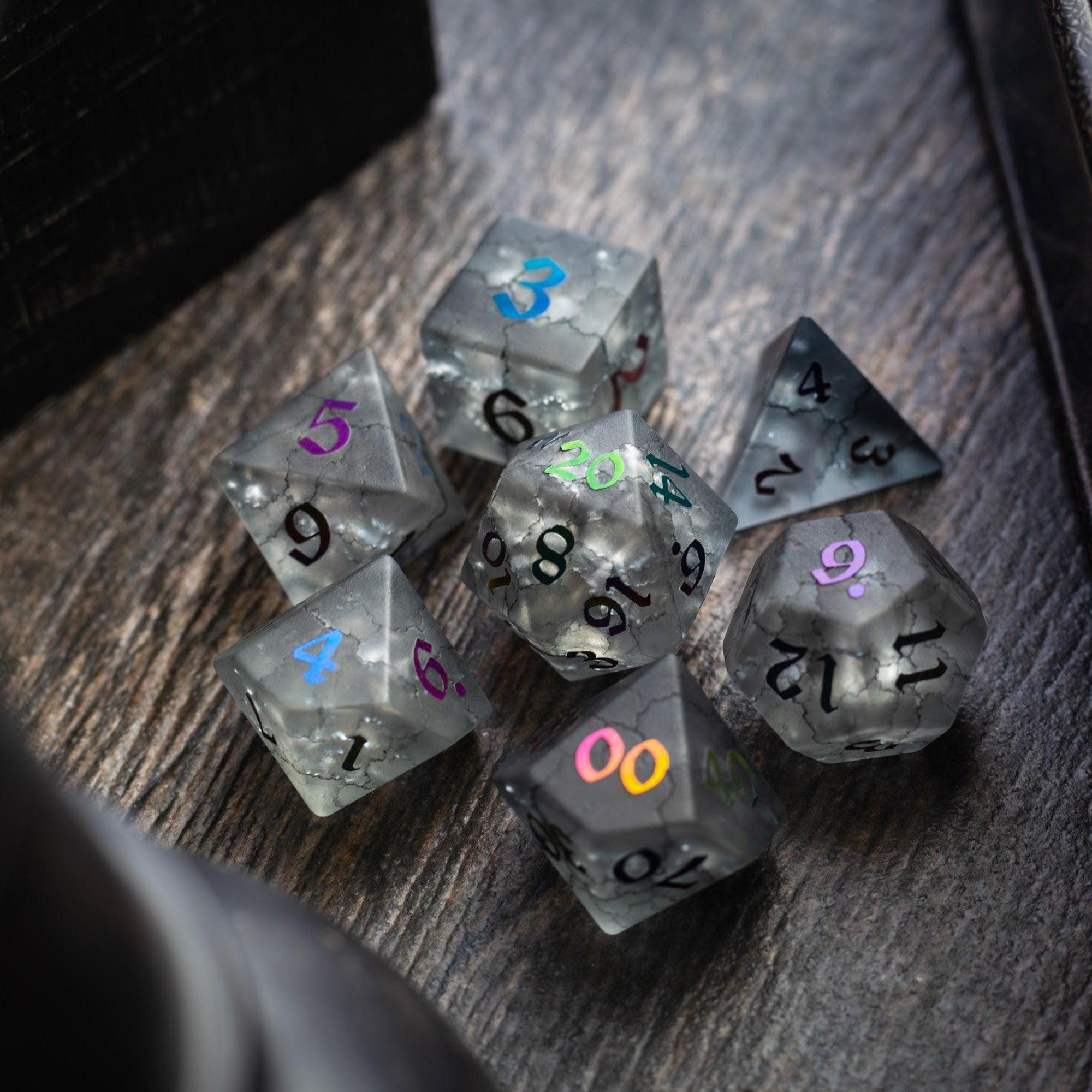
A readable resin set such as Starlit Rift Resin can fit naturally into a science-fantasy setup, while Smoke and Blood Resin can complement the visual atmosphere of a horror campaign. These choices are about readability, organization, and table atmosphere, not changing the odds of a roll.
Understand the system first. Then choose the dice and accessories that make its mechanics easier to manage.
Common Mistakes When Choosing an RPG
Groups often run into trouble when they:
-
Choose a system before agreeing on the genre
-
Assume all fantasy RPGs play the same way
-
Ignore the Game Master’s preparation time
-
Select more complexity than the group enjoys
-
Choose a rules-light game when players want detailed builds
-
Commit to a long campaign without testing the system
-
Ignore campaign length or group size
-
Focus only on combat rules
-
Assume popular means suitable
-
Buy accessories before understanding the dice system
-
Ignore sensitive themes and boundaries
-
Expect one system to handle every genre equally well
Honest discussion prevents most of these problems.
A Step-by-Step RPG Selection Process
Step 1: Define the Campaign Idea
Choose the genre, tone, and central style of play.
Step 2: Set the Expected Length
Decide whether this will be a one-shot, short arc, or long campaign.
Step 3: Identify the Preferred Complexity
Discuss how much reading, tracking, and tactical detail everyone enjoys.
Step 4: Review the Core Mechanic
Make sure players understand how the game resolves success, failure, and risk.
Step 5: Check Game Master Preparation
Estimate the work required between sessions.
Step 6: Compare Character Options
Confirm that players can create the kinds of characters they want.
Step 7: Check Setting and Adventure Support
Decide whether the group needs published material or prefers homebrew content.
Step 8: Run a Test Session
Try a one-shot or starter adventure before making a long commitment.
Step 9: Gather Feedback
Ask what felt exciting, confusing, slow, or restrictive.
Step 10: Commit or Keep Looking
Choose the game when the group feels confident about the match.
A Practical Campaign Selection Checklist
Before starting your next campaign:
-
Define the genre.
-
Agree on the tone.
-
Decide the campaign length.
-
Consider the group’s experience.
-
Choose the preferred rules complexity.
-
Compare tactical and narrative emphasis.
-
Review the dice system.
-
Estimate Game Master preparation.
-
Check character creation and advancement.
-
Confirm setting support.
-
Consider group size and session length.
-
Discuss safety and boundaries.
-
Test the game with a one-shot.
-
Gather feedback before committing.
Choose the Game That Supports the Campaign
The best tabletop RPG games are the ones that help a specific group create the campaign they actually want to play.
A strong match supports the preferred genre, intended tone, group’s rules comfort, available preparation time, campaign length, character choices, session pacing, and style of conflict resolution.
A detailed tactical system may be ideal for one table and exhausting for another. A flexible narrative game may feel freeing to some players and too undefined to others.
Discuss expectations before choosing. Compare RPG campaign systems based on how they actually play. Test promising options with a short session before committing to a long campaign.
The right tabletop RPG does not create a great campaign by itself. It does something equally important: it gives the group rules that support the stories, challenges, and choices everyone is excited to explore.

Leave a comment
This site is protected by hCaptcha and the hCaptcha Privacy Policy and Terms of Service apply.