
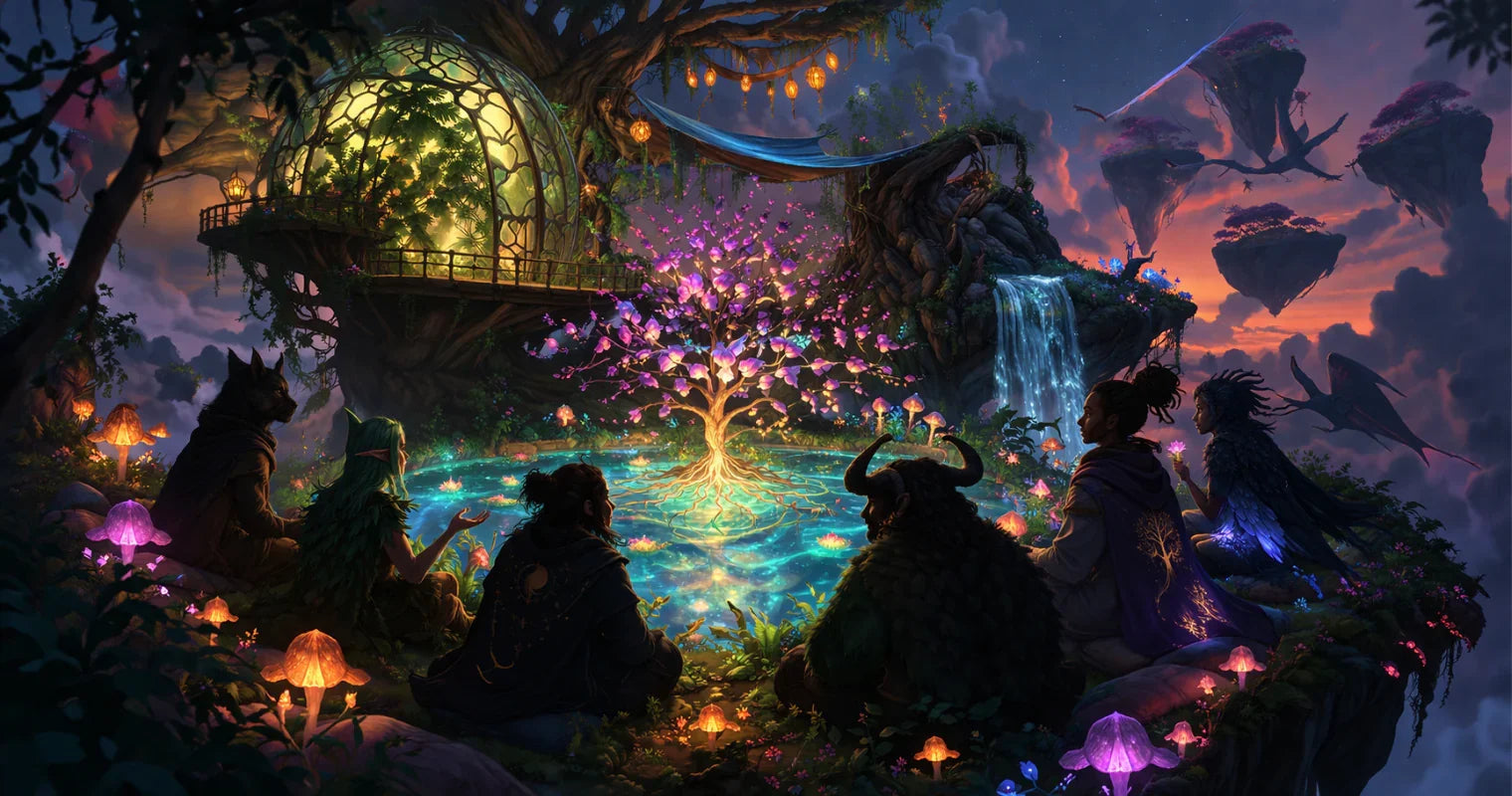
How to Make TTRPG Campaigns Thrive: Community Tips for Better Games

Tabletop RPG campaigns can become some of the most memorable stories people ever share together. A great campaign is not just about defeating dragons, uncovering ancient ruins, or collecting magical treasures. It is about the group sitting around the table, laughing through unexpected moments, building friendships, and creating stories that players remember years later.
Some campaigns last for years because players feel invested, welcomed, and excited to return every week. Others slowly fade away after only a few sessions. The difference usually has less to do with rules or mechanics and more to do with communication, collaboration, and group energy.
Healthy group dynamics matter just as much as storytelling. When players feel heard and Game Masters feel supported, tabletop RPG campaigns become more creative, immersive, and enjoyable for everyone involved.
What Makes a TTRPG Campaign Successful?
Every gaming group is different, but thriving tabletop RPG campaigns often share a few important qualities.
Strong Communication
Good communication helps prevent misunderstandings before they become problems. Players should feel comfortable discussing what they enjoy, what frustrates them, and what kind of experience they want from the campaign.
Simple conversations can solve many common issues:
-
How serious should the tone be?
-
Is the campaign combat-heavy or roleplay-focused?
-
How often will sessions happen?
-
What themes should be avoided?
Groups that communicate openly tend to stay together longer.
Shared Expectations
One player may want an intense political fantasy story while another hopes for lighthearted dungeon adventures. Neither approach is wrong, but mismatched expectations can create tension.
Successful tabletop RPG campaigns usually begin with everyone agreeing on the type of experience they want to build together.
Player Investment
Campaigns thrive when players care about the world and their characters. Personal goals, emotional connections, and meaningful choices help players feel like active participants instead of passive observers.
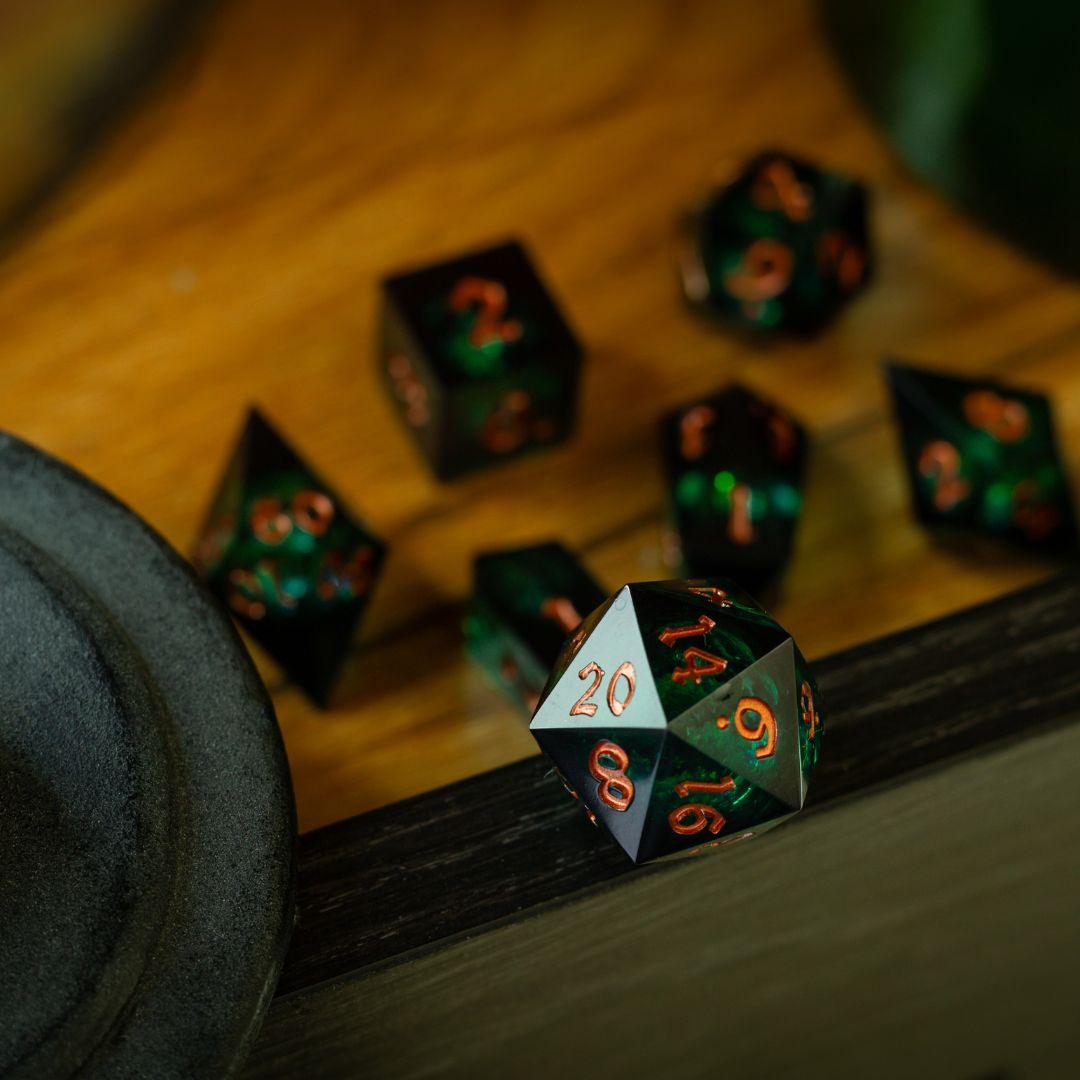
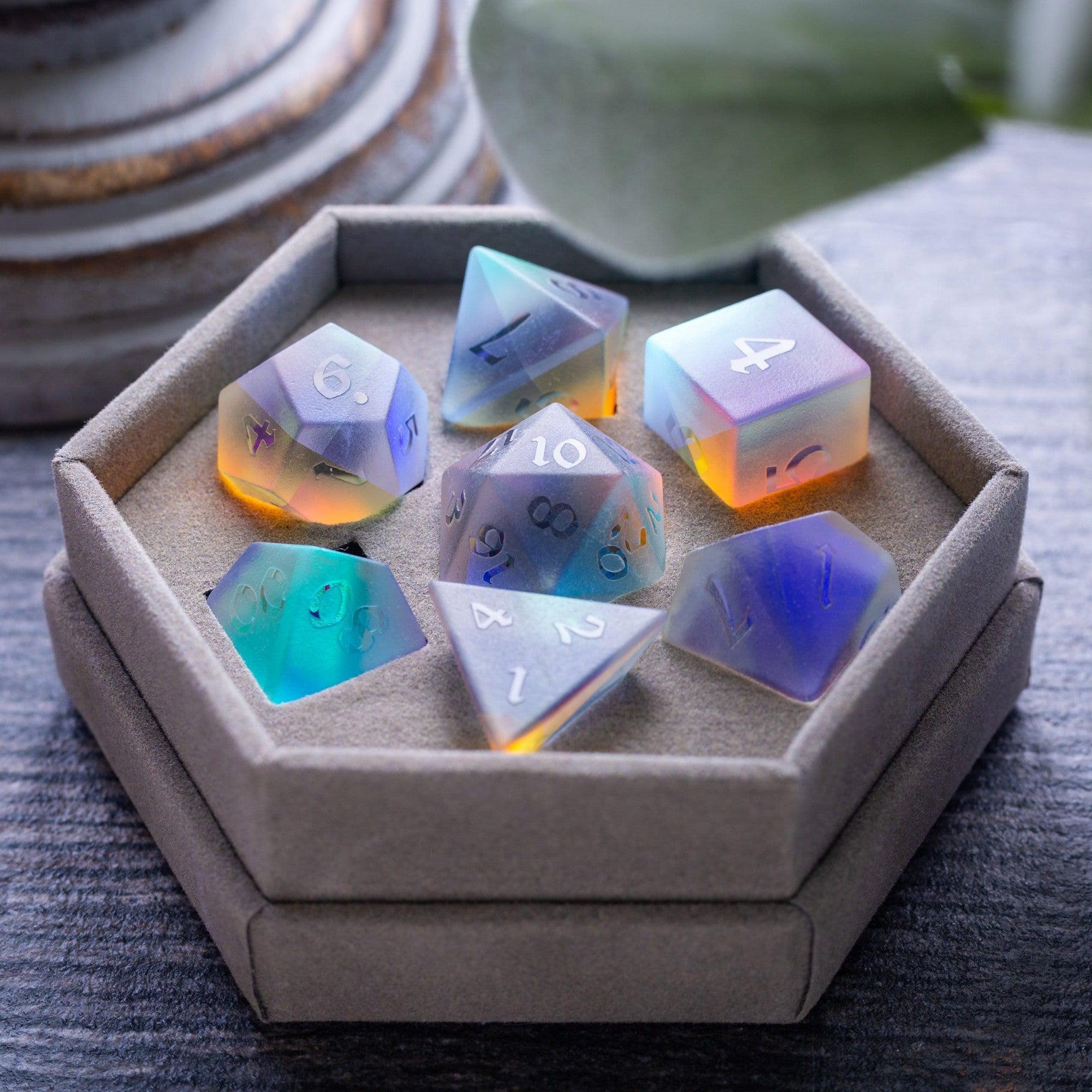
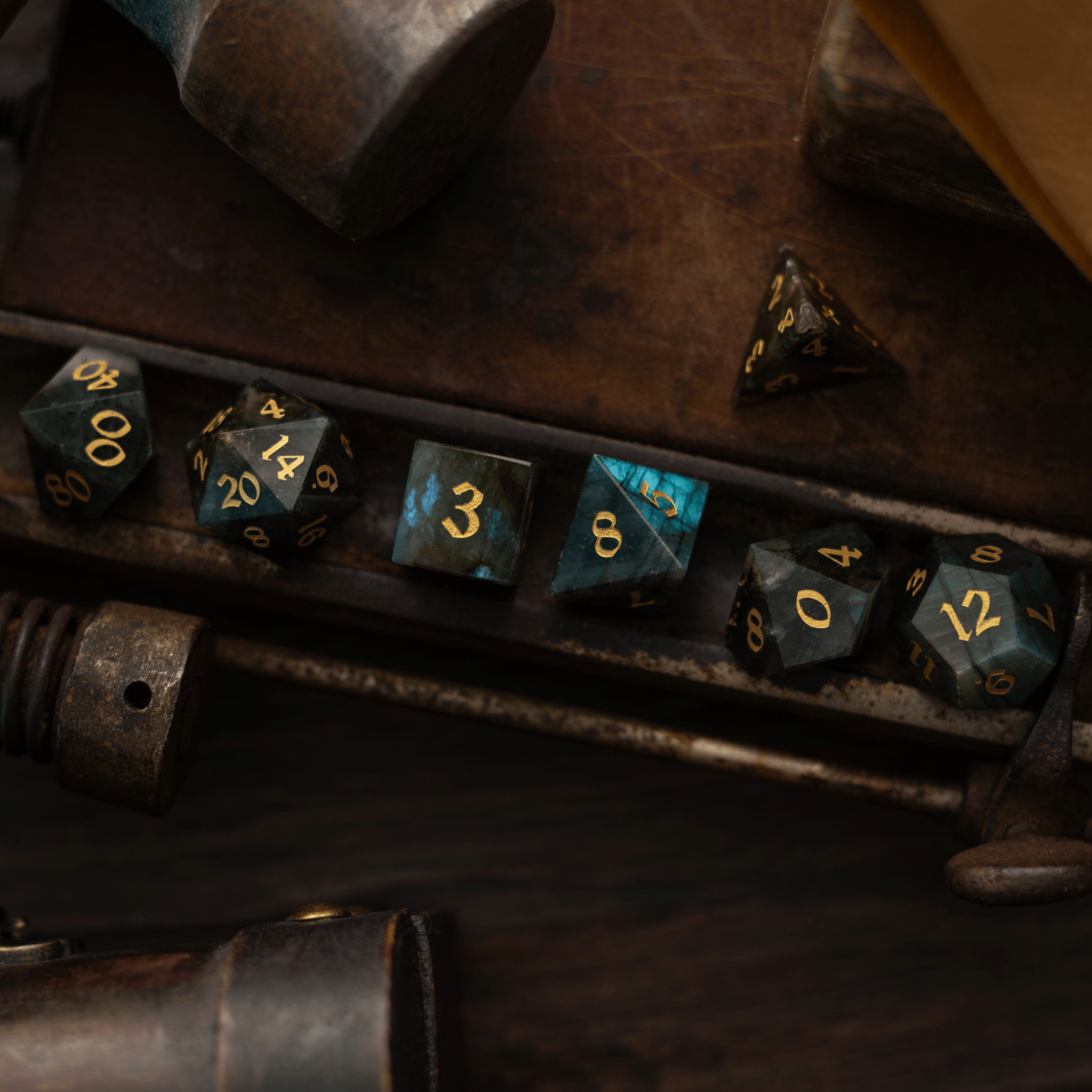
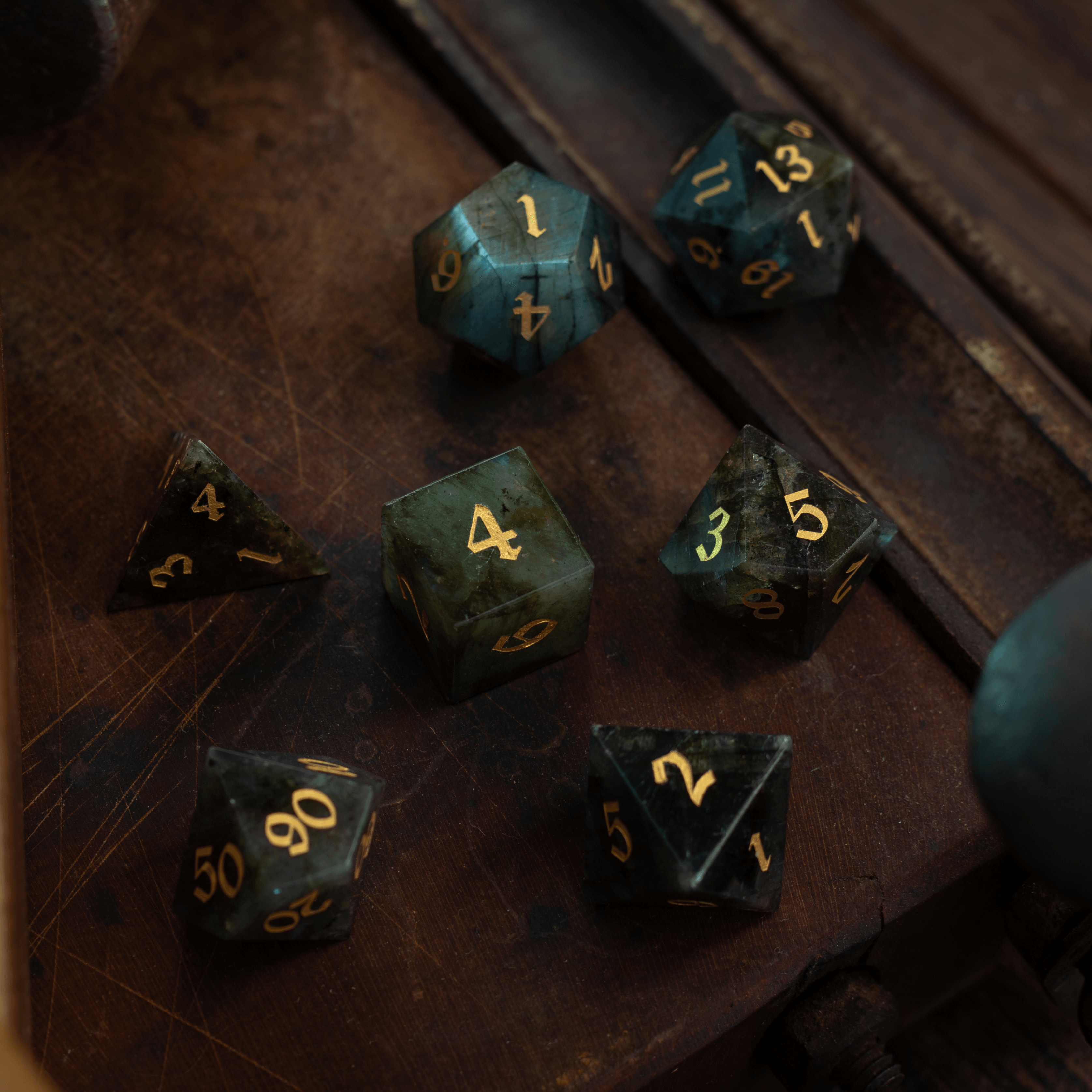
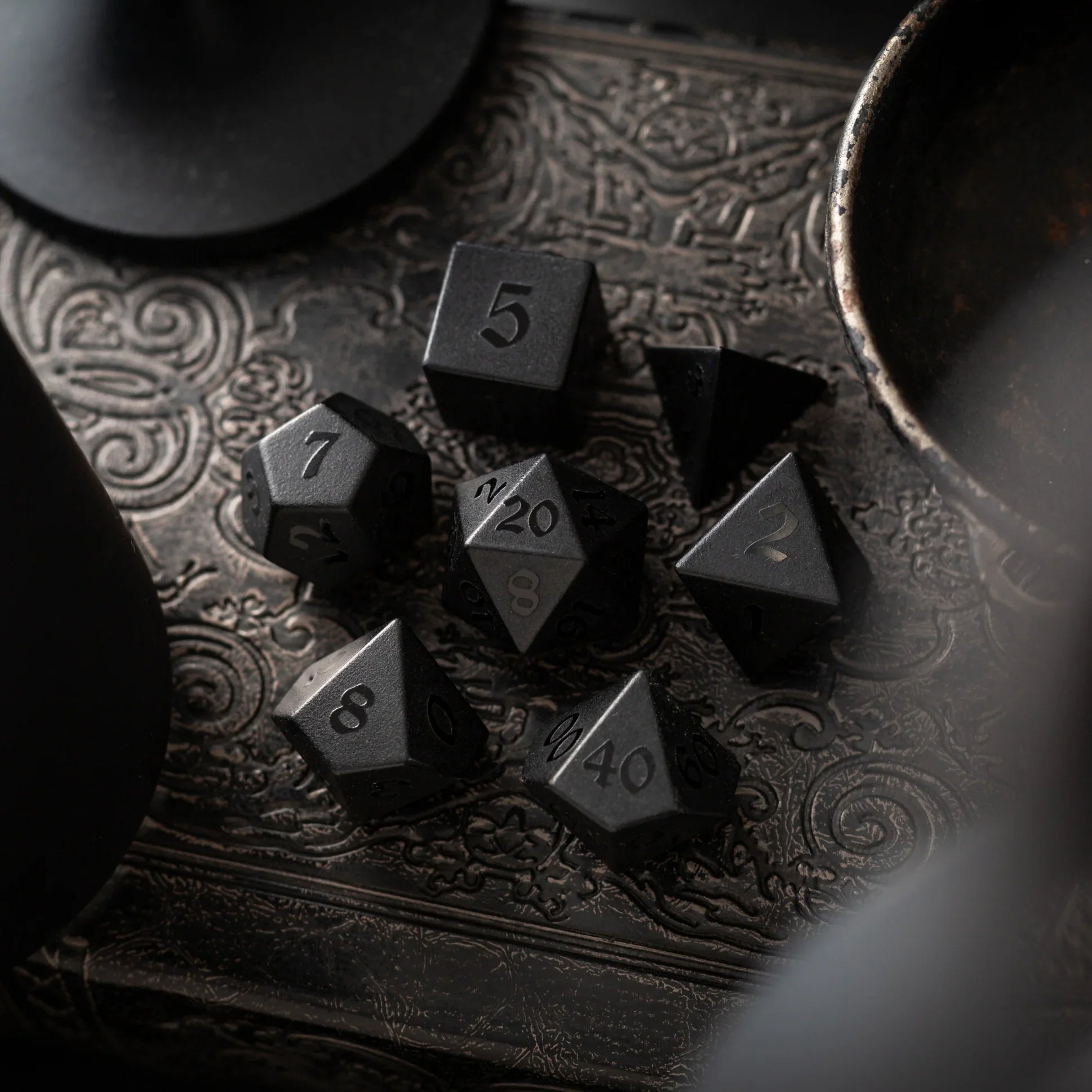
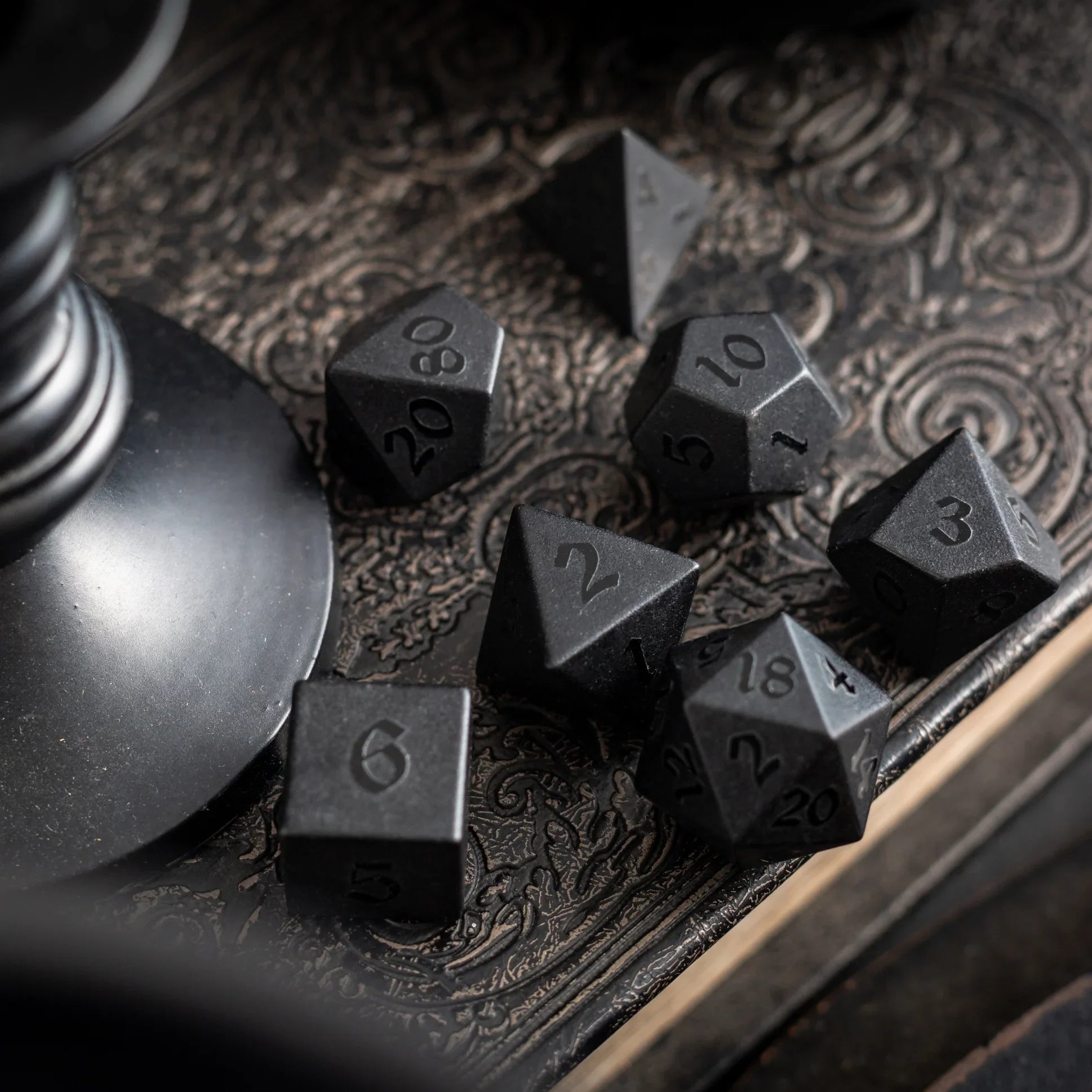
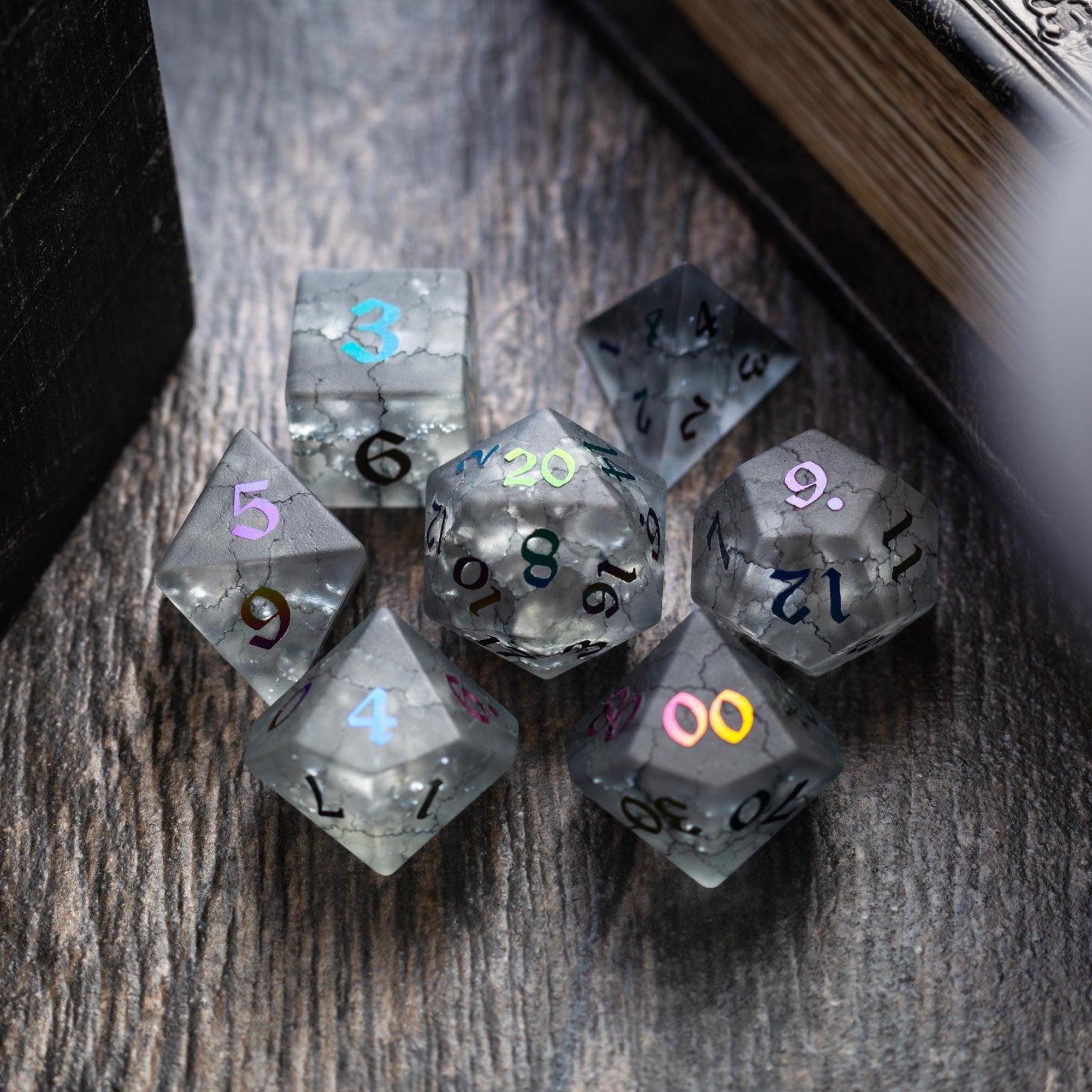
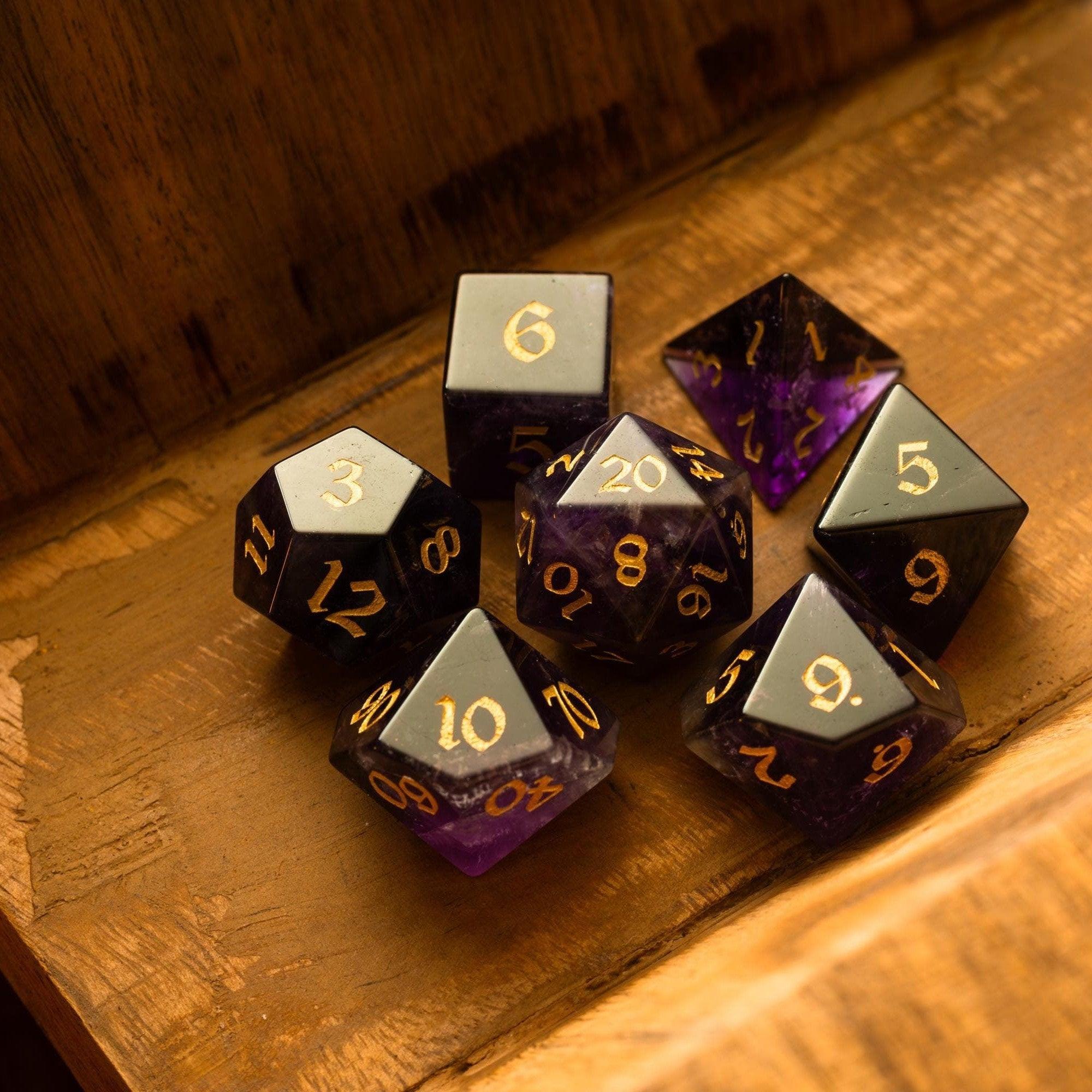
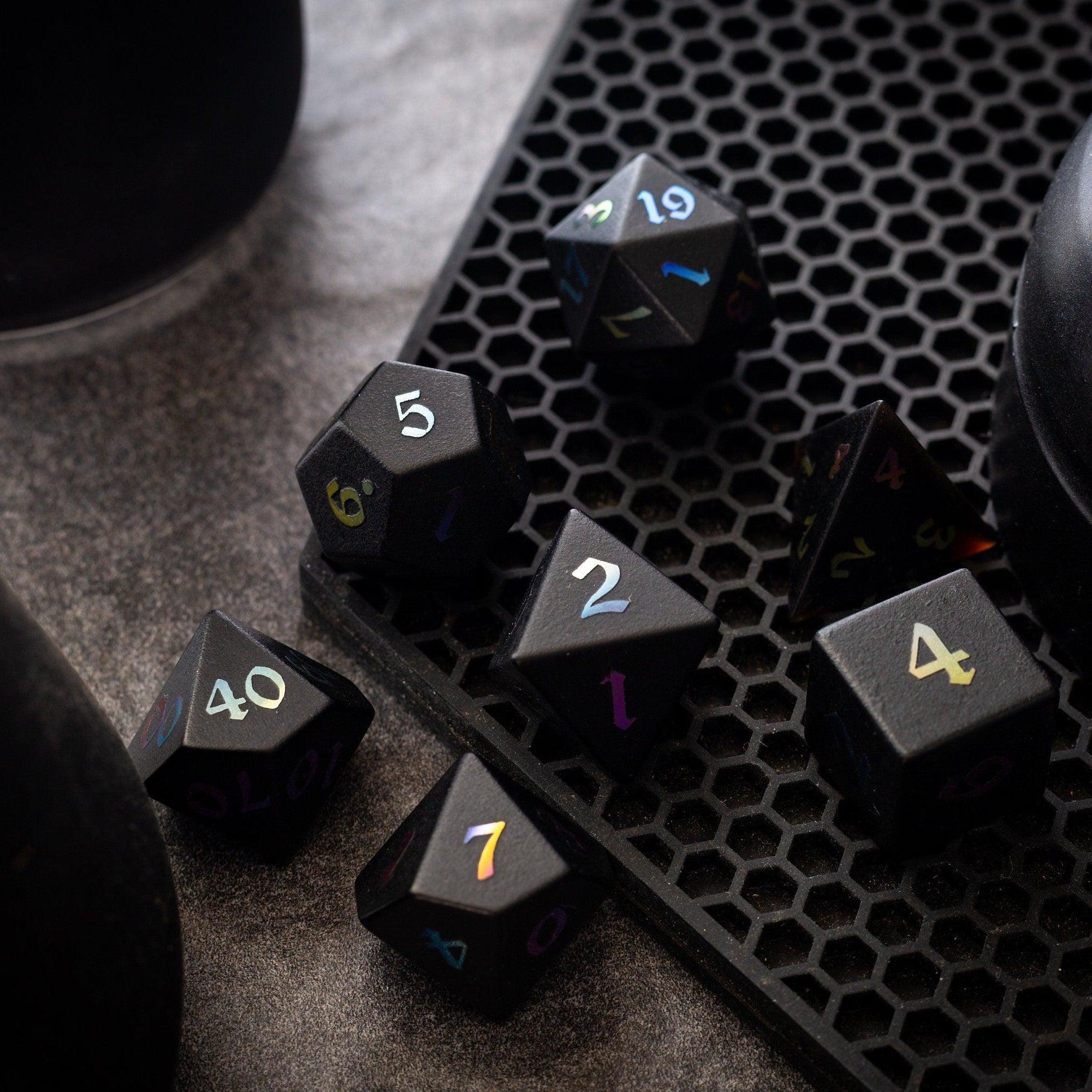
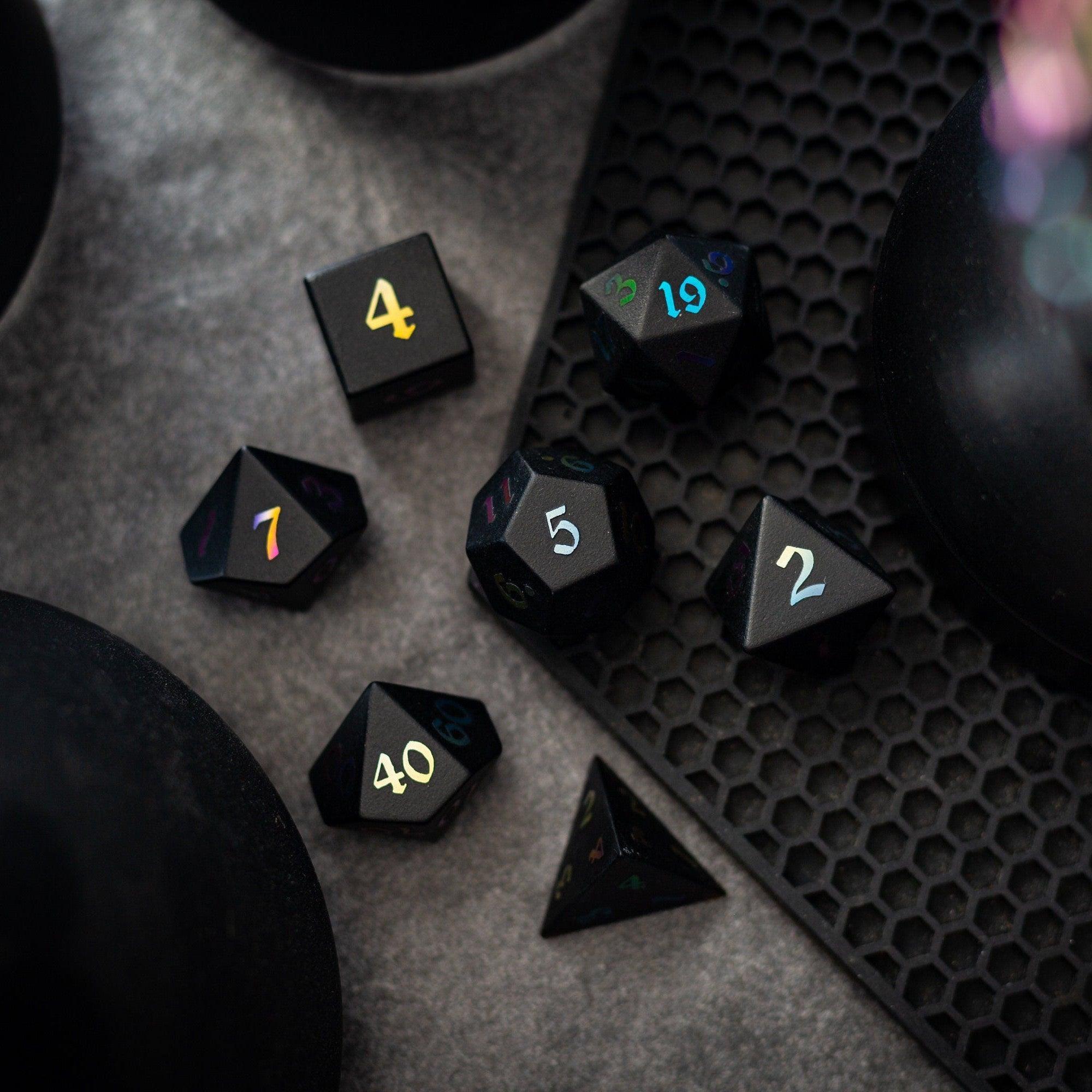
Sometimes even small details create strong emotional attachment. A player rolling beloved gemstone dice during a character’s biggest story moment can turn an ordinary encounter into a treasured memory connected to the campaign itself.
Consistent Scheduling
Scheduling may not sound exciting, but consistency keeps momentum alive. Long gaps between sessions often make players lose track of storylines, character motivations, and emotional investment.
Even monthly sessions can work well if the group treats them as important commitments.
Creative Collaboration
The best ttrpg storytelling feels collaborative. Players contribute ideas, relationships, and unexpected choices that help shape the world alongside the Game Master.
A thriving campaign feels less like a lecture and more like a shared adventure.
Session Zero Matters More Than Most Players Realize
One of the best ways to improve rpg group dynamics is through a Session Zero before the campaign officially begins.
A Session Zero is a planning session where everyone discusses expectations, themes, boundaries, and character ideas before the story starts.
Setting Tone and Expectations
Not every group wants the same style of game.
Some players love dark fantasy survival stories. Others prefer heroic adventures full of humor and cinematic action. Talking about tone early helps avoid disappointment later.
This is also the perfect time to discuss:
-
Character creation rules
-
Homebrew content
-
Session length
-
Attendance expectations
-
Safety tools and boundaries
Creating Party Connections Early
Many campaigns struggle because characters feel disconnected from one another at the beginning.
Encourage players to build shared history:
-
Former mercenary partners
-
Siblings or cousins
-
Rival students from the same magical academy
-
Survivors of the same disaster
Party bonds make roleplay feel natural from the very first session.
Discussing Playstyles
Some players enjoy tactical combat. Others love mystery-solving or emotional roleplay scenes.
When groups understand what excites each player, it becomes easier to create balanced sessions where everyone has fun.
Encouraging Better Group Communication
Strong communication is one of the most important tabletop gaming tips for maintaining long-term campaigns.
Listen to Quieter Players
Not every player naturally grabs attention. Some people need direct invitations to participate.
Dungeon Masters can encourage quieter players by asking questions like:
-
“What does your character think about this?”
-
“How are you reacting to the situation?”
-
“Do you want to investigate anything?”
Small moments of inclusion can dramatically improve group engagement.
Resolve Disagreements Respectfully
Disagreements happen in almost every campaign eventually. The important thing is addressing them respectfully instead of letting resentment grow.
Good groups focus on solving problems together instead of “winning” arguments.
Share the Spotlight
Every player deserves memorable moments.
If one player constantly dominates conversations or decision-making, others may begin to feel disconnected from the story. Great Game Masters intentionally create scenes that allow different characters to shine.
Sometimes that spotlight comes through roleplay. Other times it comes from dramatic dice rolls that everyone at the table remembers.
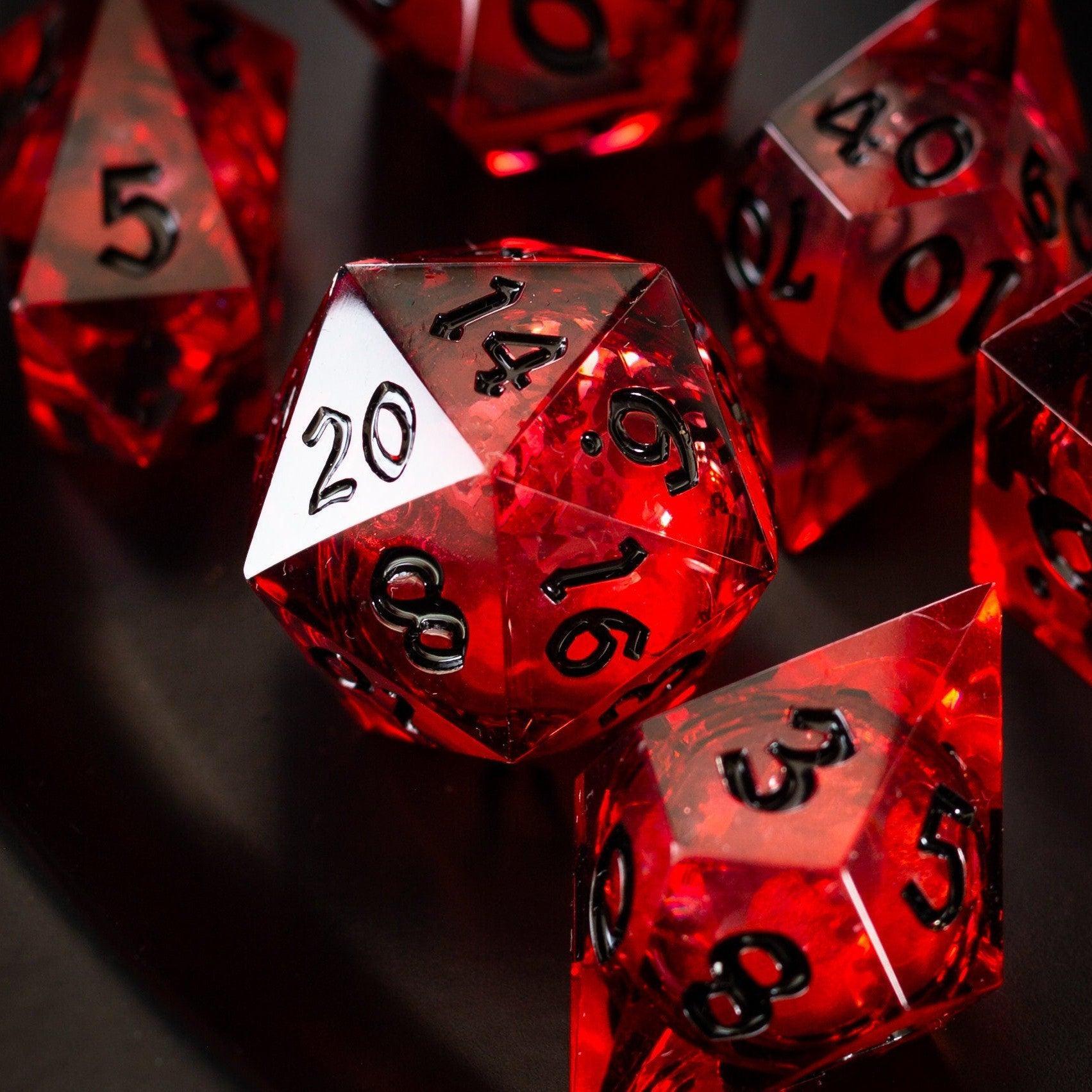
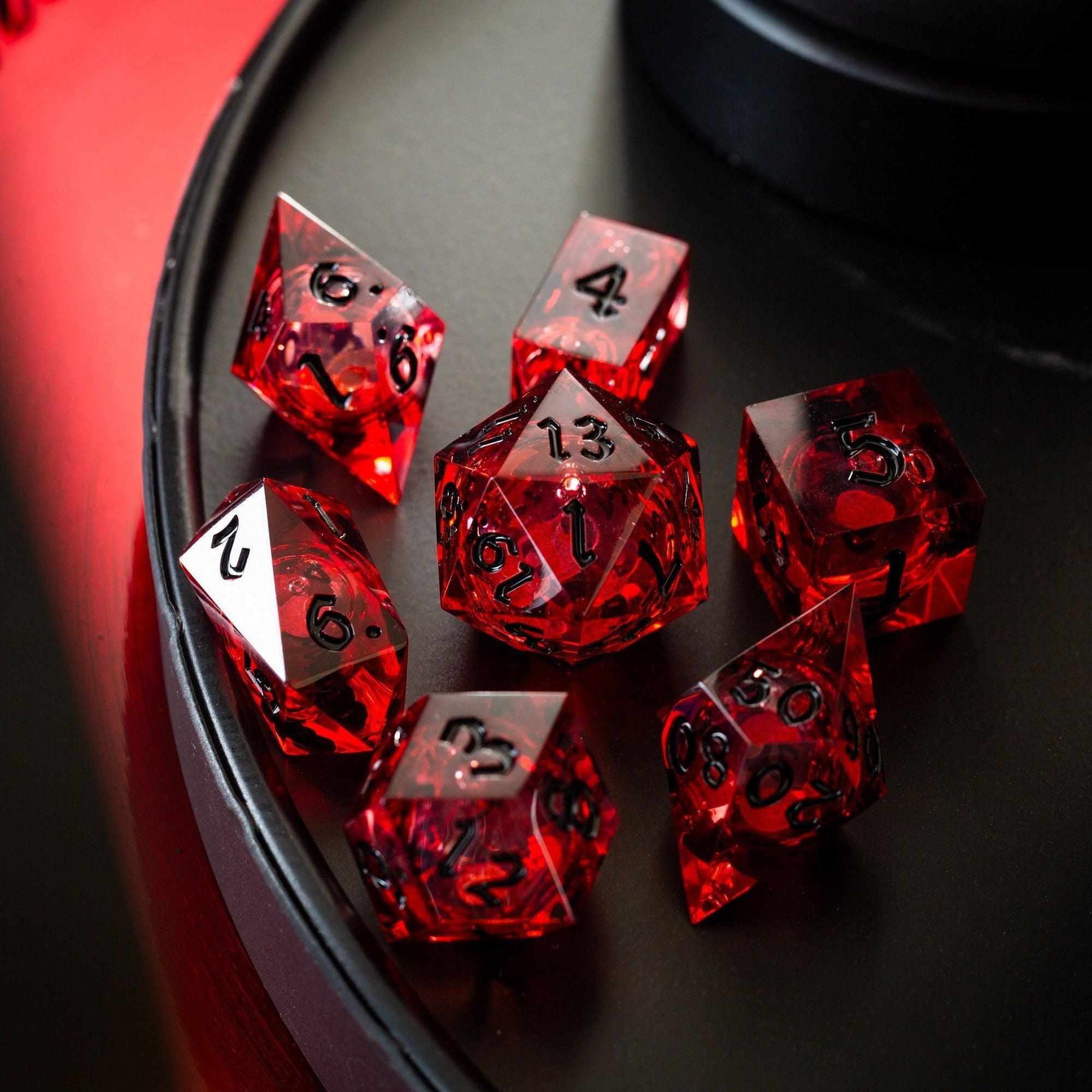
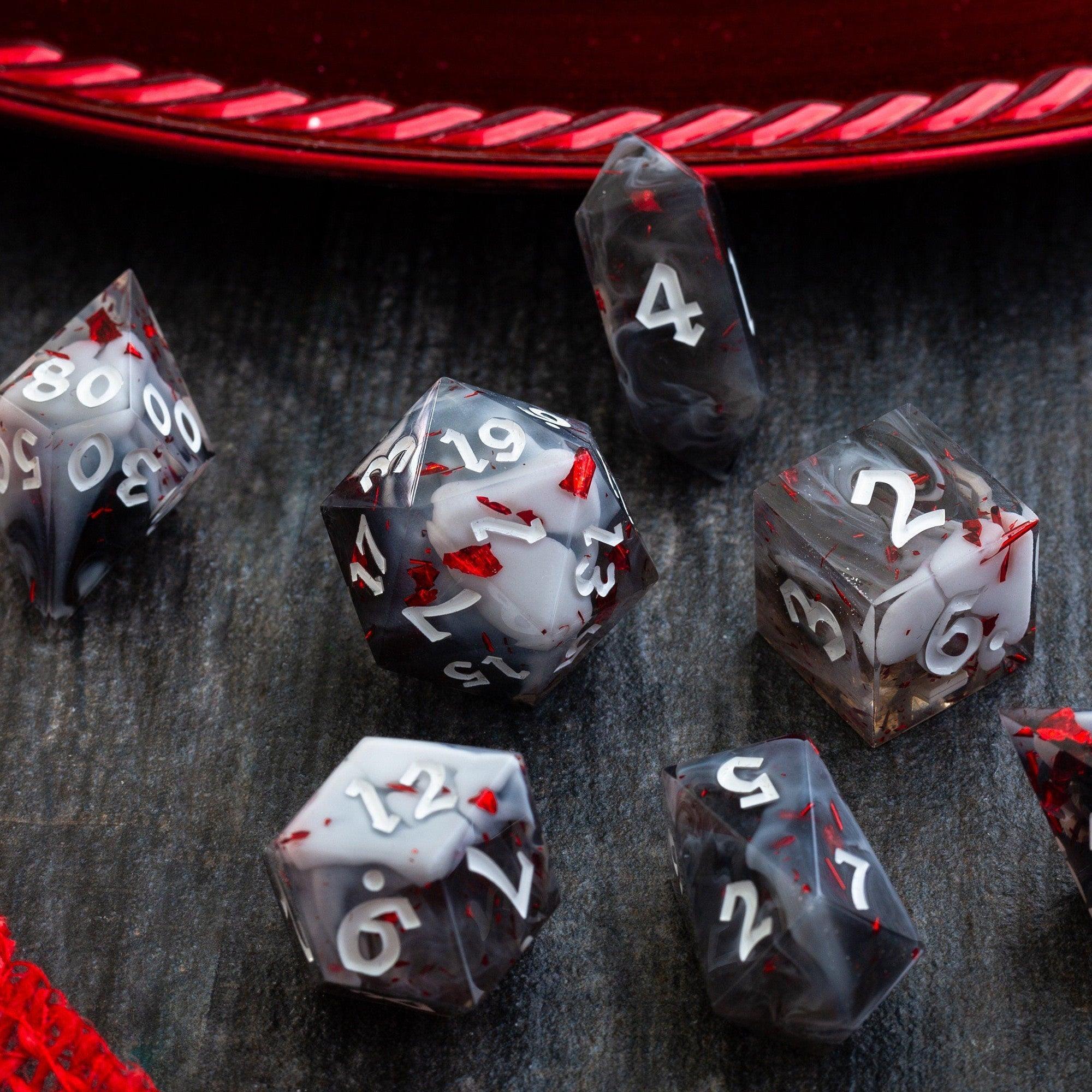
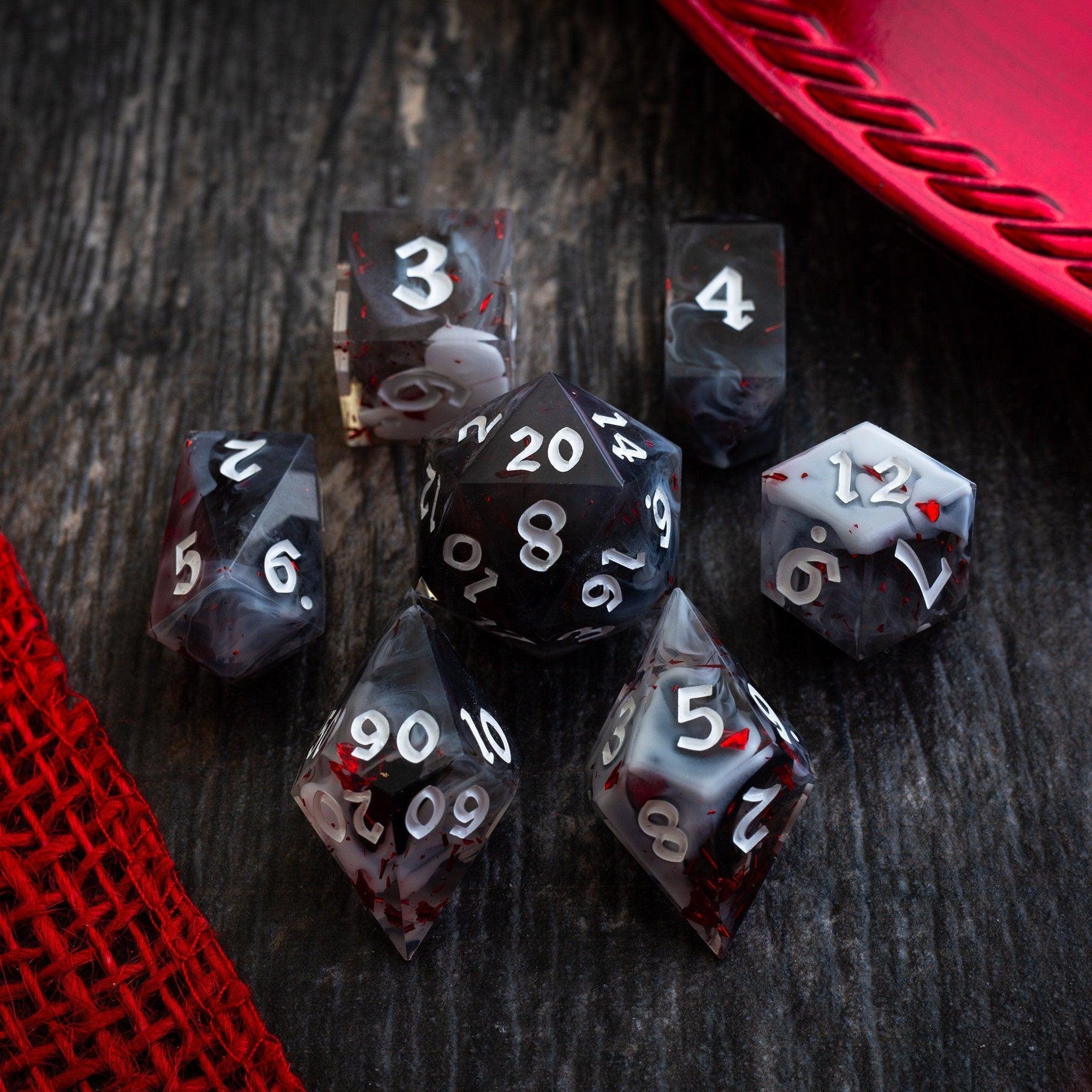
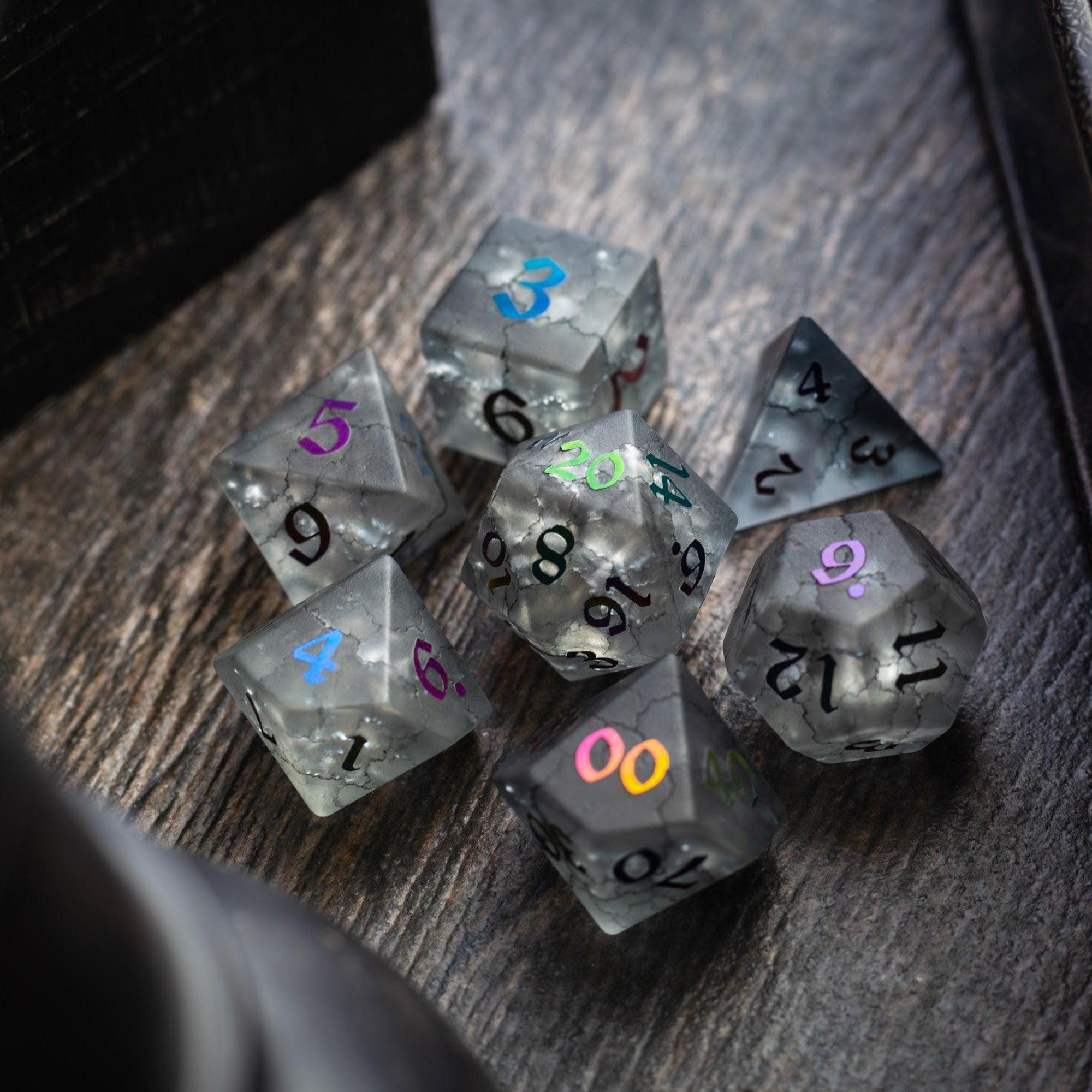
A wizard using swirling liquid core dice during a climactic magical ritual can instantly heighten the atmosphere around an important scene, making the moment feel even more cinematic for the entire table.
Campaign Success Table
|
Campaign Habit |
Why It Helps |
Long-Term Benefit |
|
Regular scheduling |
Builds consistency and momentum |
Better campaign longevity |
|
Session Zero planning |
Aligns expectations early |
Fewer group conflicts |
|
Shared character connections |
Encourages roleplay naturally |
Stronger party chemistry |
|
Rotating spotlight moments |
Keeps everyone engaged |
Improved player investment |
|
Open communication |
Solves issues before frustration grows |
Healthier group dynamics |
|
Flexible storytelling |
Allows player creativity to matter |
More memorable campaigns |
|
Celebrating player moments |
Builds excitement and positivity |
Stronger table culture |
Keeping Players Invested in the Story
Long-running tabletop RPG campaigns succeed because players feel emotionally connected to the world.
Character-Driven Plots
Players become deeply invested when stories involve their characters personally.
Examples include:
-
A lost family member returning unexpectedly
-
A rival from a character’s past
-
A hometown threatened by danger
-
A forgotten oath coming back to haunt the party
Personal stakes make adventures feel meaningful.
Recurring NPCs and Mysteries
Players love familiar faces and unresolved questions.
A recurring tavern owner, mysterious traveler, or rival adventuring group can help the world feel alive. Long-running mysteries also encourage players to stay curious and engaged between sessions.
Meaningful Rewards
Not every reward needs to be powerful magic items.
Sometimes sentimental objects become the most treasured parts of a campaign. Many players eventually associate specific resin dice or favorite character-themed sets with unforgettable adventures and emotional story arcs.
Those physical objects can become reminders of the friendships and stories shared around the table.
Balancing Combat, Roleplay, and Exploration
Variety is one of the biggest secrets behind how to run better campaigns.
If every session feels identical, players may eventually lose excitement.
Why Variety Matters
Different players enjoy different parts of tabletop RPG campaigns.
Some love tactical battles. Others care more about roleplay conversations or uncovering hidden lore. A balanced campaign gives everyone something to enjoy.
Avoid Repetitive Session Structure
Campaigns can feel stale if every session follows the same formula:
-
Enter dungeon
-
Fight monsters
-
Collect loot
-
Repeat
Mix things up with:
-
Political intrigue
-
Travel encounters
-
Festivals and downtime
-
Mysteries
-
Moral dilemmas
-
Exploration-focused adventures
Match Gameplay to Player Interests
Pay attention to what excites the group most.
If players constantly engage with NPC conversations, lean into roleplay opportunities. If they love dangerous boss fights, create dramatic encounters that feel earned and meaningful.
Large resin chonk dice can make those major encounters feel especially satisfying, turning huge damage rolls and final boss moments into exciting table-wide celebrations.
Helping Dungeon Masters Avoid Burnout
Dungeon Masters often carry a heavy creative workload. Burnout is one of the biggest reasons campaigns end early.
Simplify Prep Work
Not every session needs elaborate worldbuilding or perfectly balanced encounters.
Sometimes simple adventures become the most memorable because players drive the story in unexpected directions.
Learn to Improvise
Improvisation becomes easier with practice.
Players rarely follow plans exactly, so flexibility matters more than perfection. Many experienced Game Masters prepare situations instead of rigid story paths.
Share Responsibility with Players
Players can help maintain campaign energy too.
Encourage them to:
-
Track notes
-
Recap previous sessions
-
Help schedule games
-
Create world details tied to their backstories
Campaigns feel healthier when everyone contributes.
Common Problems That Hurt Campaigns
Even strong groups encounter challenges occasionally.
Scheduling Conflicts
Real life schedules are often the biggest enemy of tabletop RPG campaigns. Flexible planning and realistic expectations help groups adapt.
Poor Communication
Unspoken frustrations can slowly damage group morale. Honest but respectful conversations prevent many long-term problems.
Spotlight Imbalance
If one player dominates constantly, others may disengage.
Balanced storytelling helps everyone feel included.
Overcomplicated Stories
Complex lore is exciting, but too much information can overwhelm players. Clear goals and emotional stakes are often more engaging than massive encyclopedic worldbuilding.
Competitive Player Behavior
TTRPGs work best as collaborative storytelling experiences, not competitions between players.
Groups that celebrate teamwork usually create stronger stories and better memories.
Building Memorable Table Culture
The most beloved ttrpg community experiences often come from small traditions and shared moments.
Inside Jokes and Traditions
Every long-running campaign develops its own personality.
Maybe the group always visits the same tavern chain in every city. Maybe one terrible stealth roll becomes legendary. These shared jokes strengthen group identity over time.
Celebrate Dramatic Moments
Players remember emotional scenes, heroic sacrifices, and miraculous dice rolls for years.
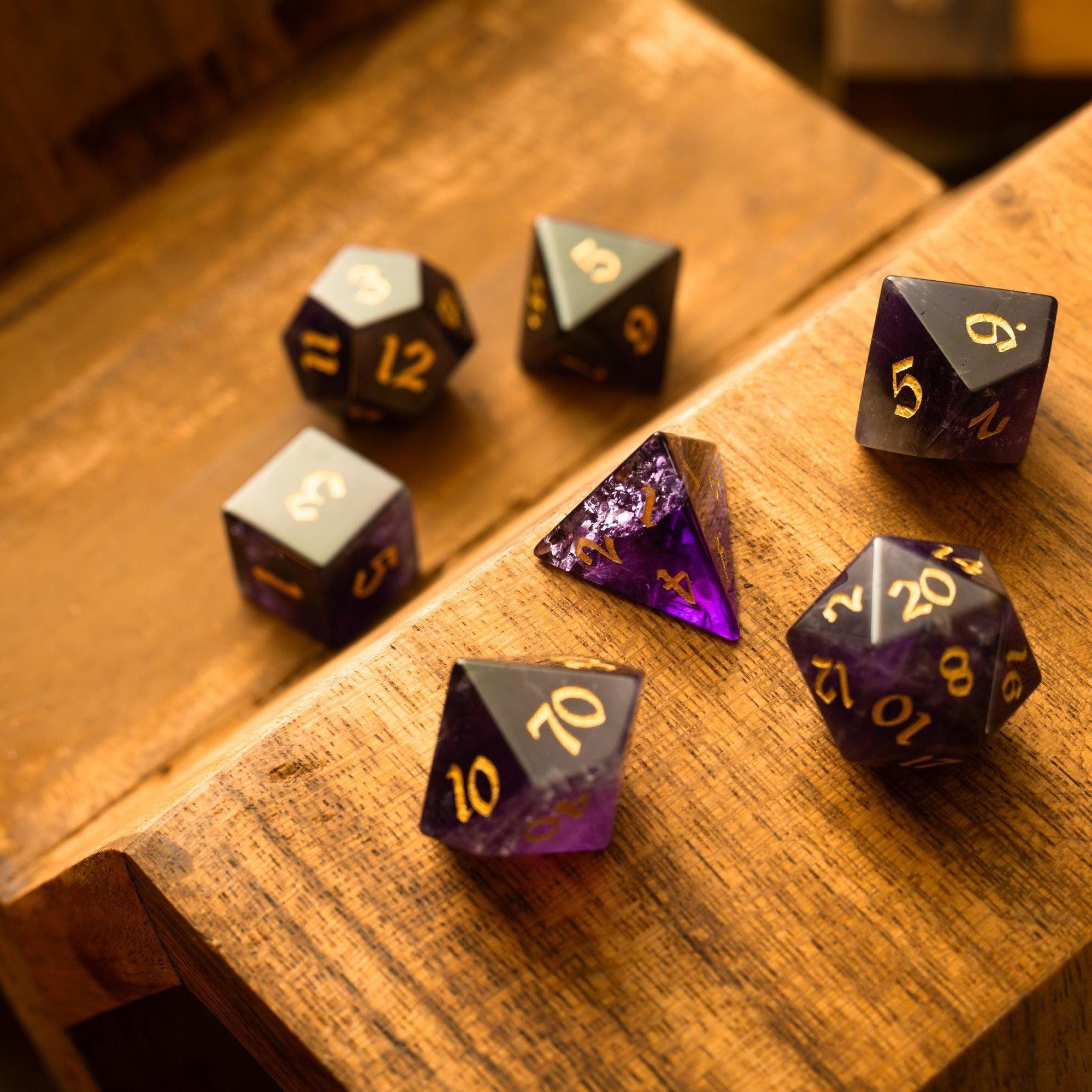
Special dice often become tied to those moments emotionally. A cherished gemstone dice set used during a campaign finale can feel almost like part of the story itself.
Encourage Creativity Instead of Perfection
Players should feel comfortable experimenting, roleplaying boldly, and making mistakes.
The goal is not flawless storytelling. The goal is shared fun.
Some of the best campaign memories come from unexpected failures and chaotic improvisation.
Why Community Matters in TTRPGs
The ttrpg community continues growing because tabletop games create meaningful human connection.
People gather together to imagine worlds, solve problems, laugh through disasters, and tell stories collaboratively. That experience builds friendships in a way few hobbies can match.
Players also learn constantly from one another:
-
New storytelling techniques
-
Creative character ideas
-
Better Game Master habits
-
Different roleplay approaches
-
Improved group communication
Welcoming communities help new players feel comfortable joining the hobby, which keeps tabletop gaming healthy and thriving for future generations.
The best gaming groups are not defined by perfect rules knowledge or flawless storytelling. They are defined by trust, creativity, and the willingness to build something memorable together.
Conclusion
Thriving tabletop RPG campaigns are built through collaboration, communication, and shared excitement.
Strong group dynamics matter just as much as exciting adventures. When players support one another, respect different playstyles, and contribute creatively to the story, campaigns become far more immersive and rewarding.
The most unforgettable tabletop RPG campaigns are rarely remembered because of perfect combat balance or complicated mechanics. They are remembered because of friendships formed around the table, dramatic moments shared between characters, and stories that grew naturally through teamwork and imagination.
Whether your group gathers around hand-drawn maps, glowing liquid core dice, treasured gemstone sets, colorful resin dice, or oversized resin chonk dice during climactic battles, the real magic always comes from the people telling the story together.
A welcoming table, a shared adventure, and a group willing to create something together can turn ordinary game nights into legendary campaigns remembered for years.

Leave a comment
This site is protected by hCaptcha and the hCaptcha Privacy Policy and Terms of Service apply.