How to Build a Great D&D Character with Smart Choices

Creating a hero in Dungeons & Dragons is one of the most exciting parts of the game. Before the first goblin ambush, before the first dragon fight, and before the party shares stories around a tavern fire, every adventure begins with a character sheet and a simple question:
Who do you want to become?
A great D&D character is not just powerful in combat. The heroes players remember for years are the ones with strong personalities, clear goals, memorable flaws, and meaningful connections to the world around them.
The good news is that building a strong and immersive hero does not require complicated math or expert-level optimization. Smart choices during dnd character creation can help you create a character that feels fun to roleplay, useful to the party, and exciting to grow over a long campaign.
Whether you dream of becoming a fearless knight, a mysterious spellcaster, or a wandering rogue with a hidden past, this dnd hero guide will help you build a character ready for unforgettable adventures.
Start with the Fantasy You Want to Play
One of the biggest mistakes new players make is choosing mechanics before choosing imagination.
Before you think about stats or subclasses, picture the kind of fantasy hero you want to experience.
Ask yourself:
-
Do you want to charge into battle with a giant sword?
-
Sneak through shadows and outsmart enemies?
-
Cast powerful spells that reshape reality?
-
Protect allies with healing and support magic?
-
Explore ancient ruins and uncover lost secrets?
When you focus on the fantasy first, the mechanical choices become much easier.
Here are a few classic character fantasies:
Heroic Warrior
Perfect for players who enjoy direct combat, bravery, and leadership.
Good classes:
-
Fighter
-
Paladin
-
Barbarian
Clever Rogue
Ideal for stealth, trickery, exploration, and fast thinking.
Good classes:
-
Rogue
-
Ranger
-
Bard
Mysterious Mage
A strong choice for players who love magic, strategy, and dramatic storytelling.
Good classes:
-
Wizard
-
Sorcerer
-
Warlock
Supportive Healer
Excellent for players who enjoy teamwork and helping allies succeed.
Good classes:
-
Cleric
-
Druid
-
Bard
Wild Adventurer
Great for players who enjoy survival, exploration, and flexible gameplay.
Good classes:
-
Ranger
-
Monk
-
Druid
Starting with a strong fantasy identity makes your dnd character build feel more personal from the very beginning.
Picking the Right Class for Your Playstyle
A good dnd class guide should focus on playstyle, not just raw power.
Every class in D&D 5e offers a different experience at the table. Some classes are simple and beginner-friendly, while others reward planning and creativity.
Martial Classes
Martial characters focus on weapons, toughness, and frontline combat.
Examples:
-
Fighter
-
Barbarian
-
Monk
These classes are often easier for beginners because they rely less on complicated spell management.
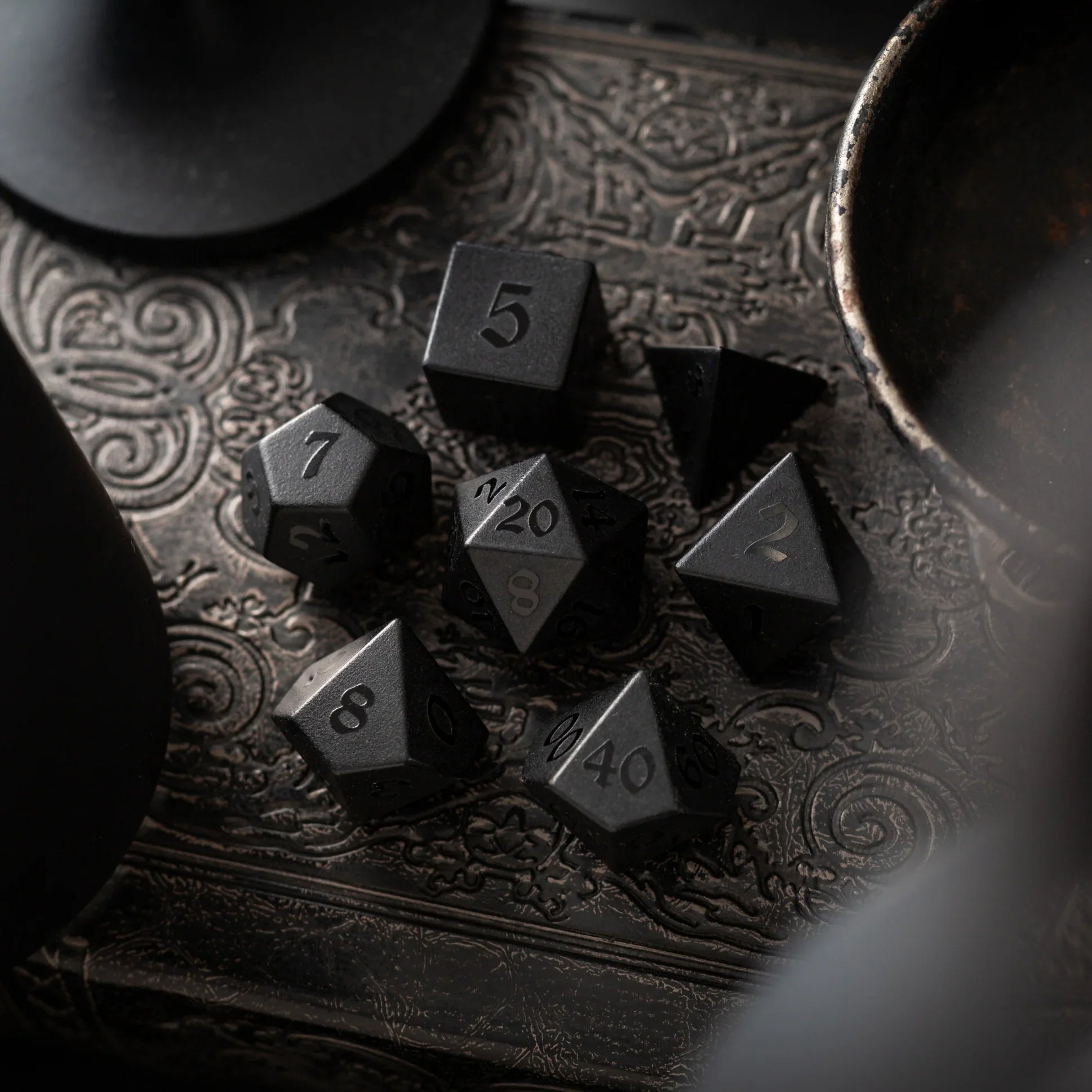
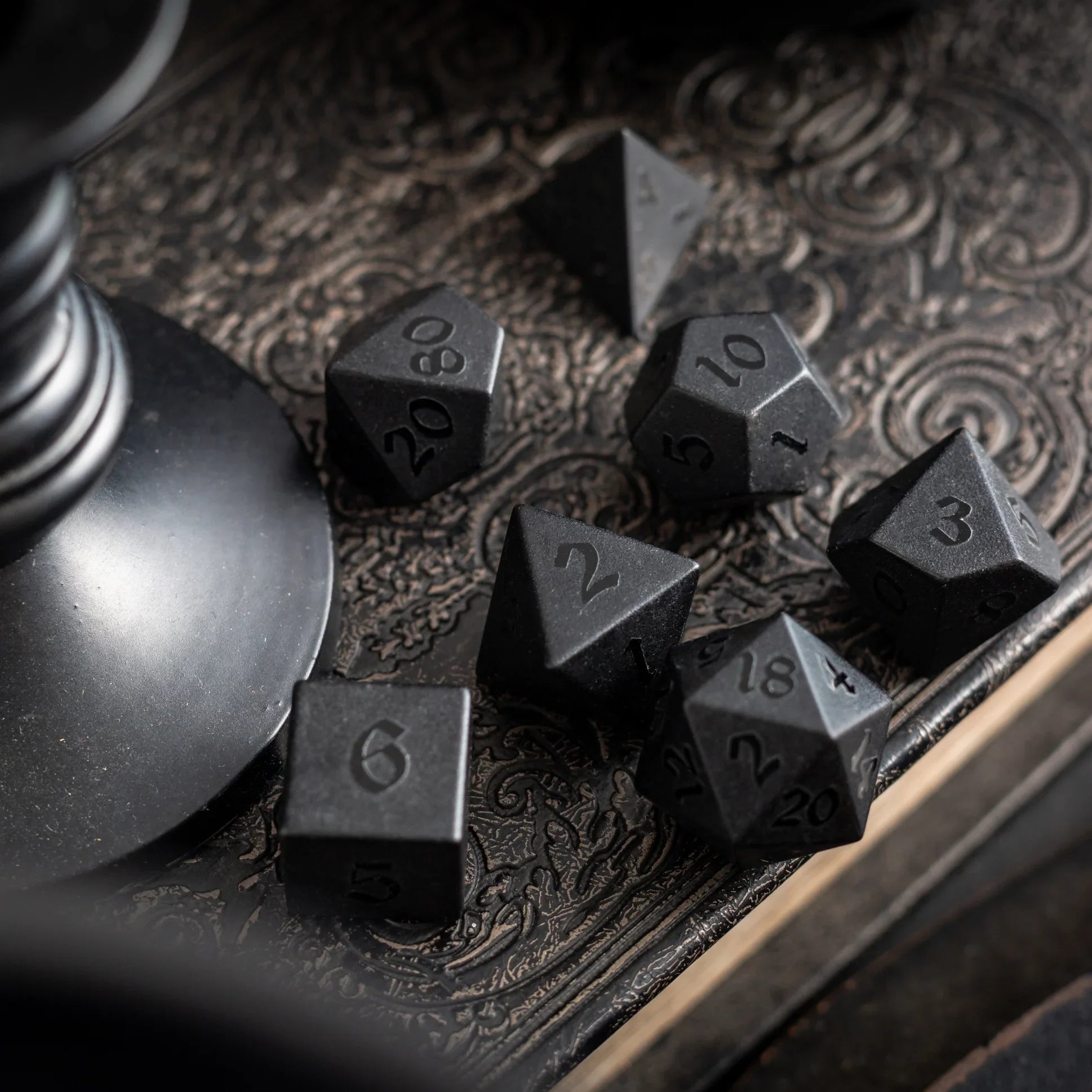
A barbarian using oversized resin chonk dice during critical hits can make combat moments feel especially dramatic at the table. Big rolls naturally become part of the character’s identity and energy.
Spellcasters
Spellcasters use magic to solve problems, deal damage, and shape encounters.
Examples:
-
Wizard
-
Sorcerer
-
Warlock
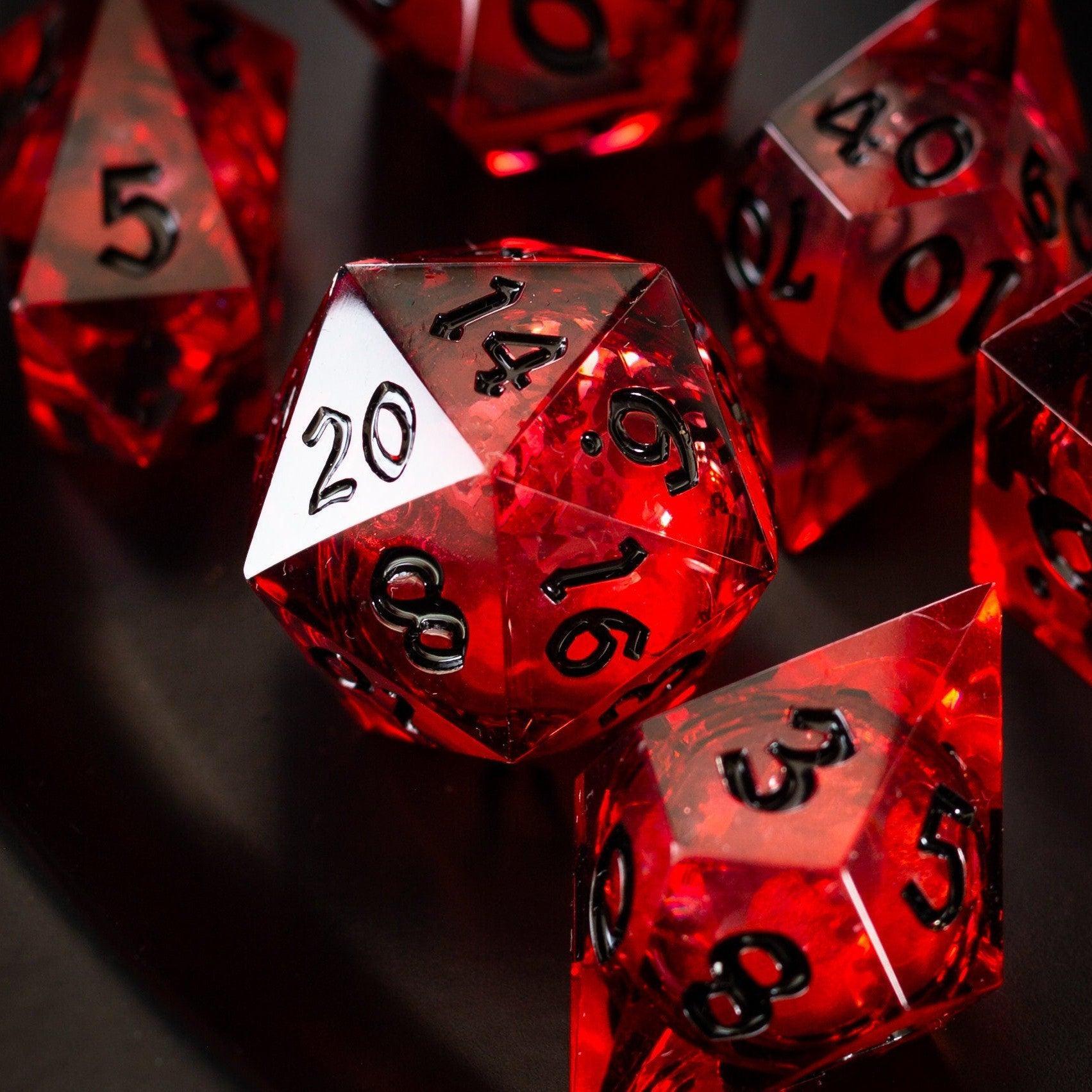
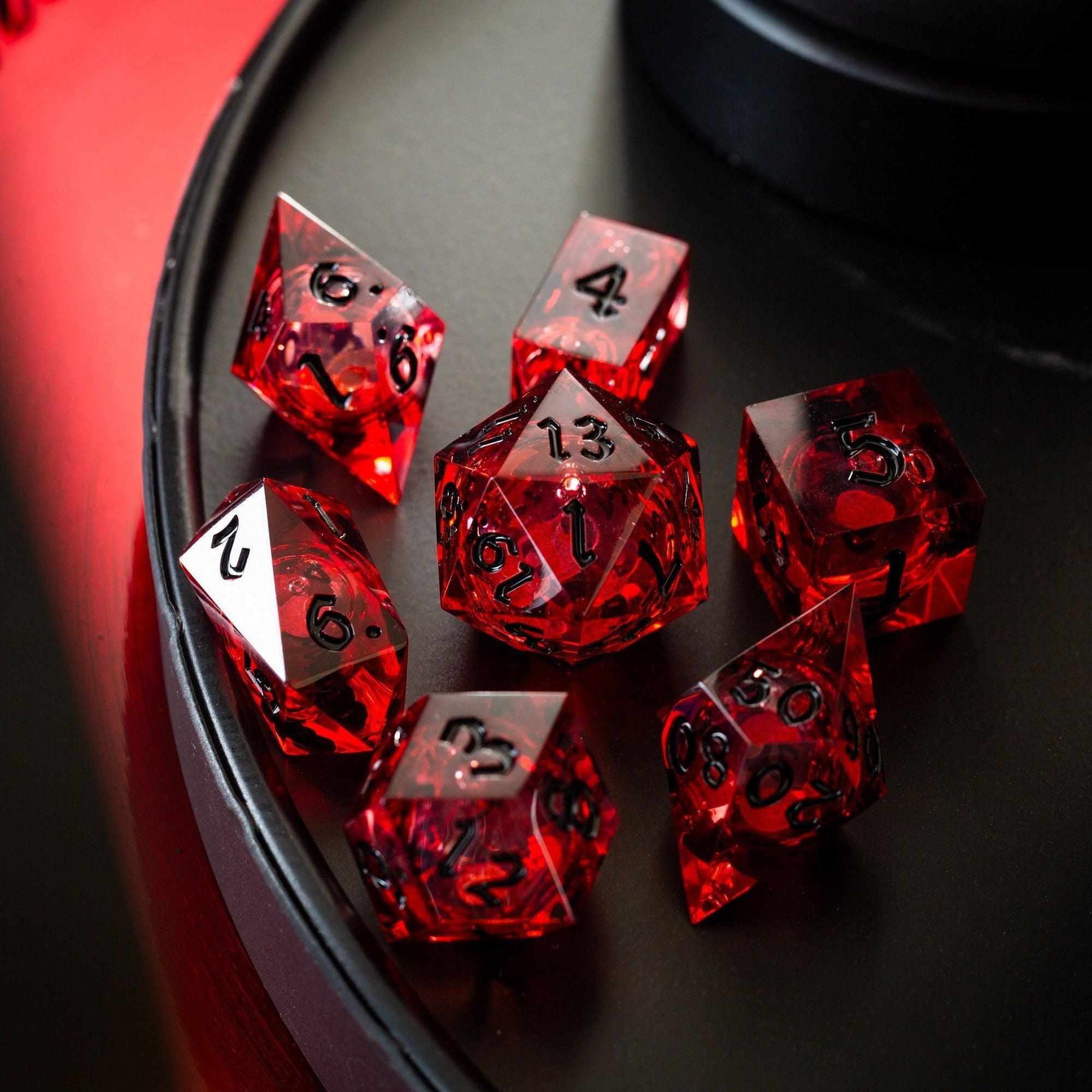
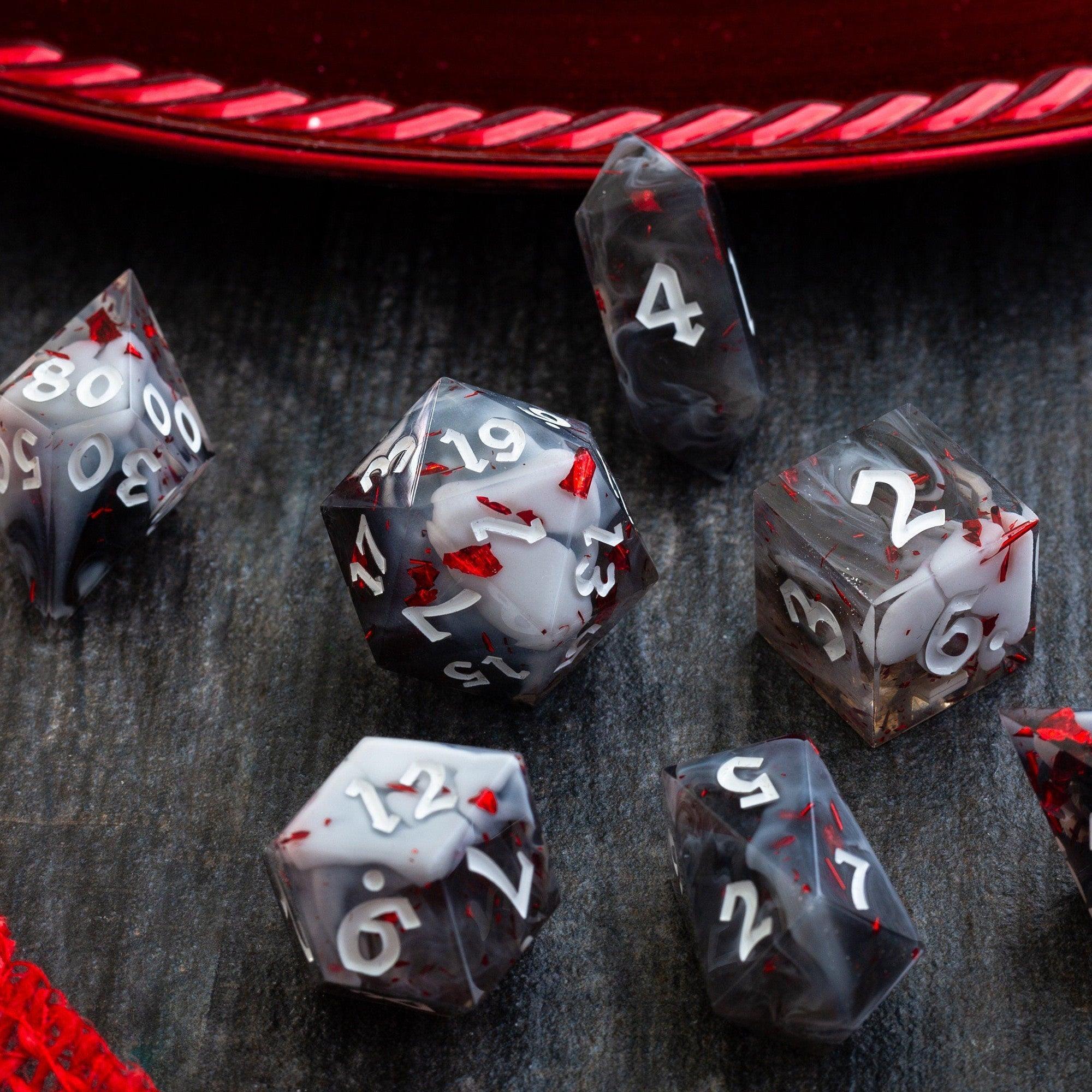
These classes can feel incredibly rewarding for creative players. A wizard rolling swirling liquid core dice during major spell moments can add a sense of mystery and arcane power that fits the character beautifully.
Support Characters
Support-focused heroes strengthen allies and control the battlefield.
Examples:
-
Cleric
-
Bard
-
Druid
Support characters often become the emotional center of the party because they help everyone succeed.
Hybrid Classes
Some classes blend multiple playstyles together.
Examples:
-
Paladin
-
Ranger
-
Artificer
These flexible characters can fight, support, and explore depending on the situation.
The best class is usually the one that sounds exciting to you, not the one internet rankings call “optimal.”
Understanding Ability Scores
Ability scores shape nearly everything your character can do.
A major part of how to build a dnd character is understanding what each score represents both mechanically and narratively.
Strength
Measures physical power.
Useful for:
-
Heavy weapons
-
Athletics
-
Physical intimidation
Great for:
-
Fighters
-
Barbarians
-
Paladins
Dexterity
Measures agility, reflexes, and coordination.
Useful for:
-
Stealth
-
Ranged attacks
-
Initiative
-
Light armor
Great for:
-
Rogues
-
Rangers
-
Monks
Constitution
Measures toughness and endurance.
Useful for:
-
Hit points
-
Surviving damage
-
Concentration spells
Important for nearly every class.
Intelligence
Measures reasoning and knowledge.
Useful for:
-
Investigation
-
Arcane studies
-
Planning
Great for:
-
Wizards
-
Artificers
Wisdom
Measures awareness and intuition.
Useful for:
-
Perception
-
Survival
-
Healing magic
Great for:
-
Clerics
-
Druids
-
Rangers
Charisma
Measures confidence and presence.
Useful for:
-
Persuasion
-
Leadership
-
Social encounters
Great for:
-
Bards
-
Sorcerers
-
Warlocks
-
Paladins
Even low ability scores can create fun roleplay moments. A brilliant wizard with terrible social skills or a brave fighter who struggles with book knowledge often feels more believable and memorable.
Character Build Comparison Table
|
Class |
Playstyle |
Strengths |
Roleplay Flavor |
|
Fighter |
Frontline combat |
Reliable damage and survivability |
Veteran soldier, mercenary, knight |
|
Rogue |
Stealth and precision |
Mobility and skill expertise |
Spy, thief, treasure hunter |
|
Wizard |
Powerful spellcasting |
Versatile magic options |
Scholar, arcane researcher |
|
Cleric |
Support and healing |
Strong utility and defense |
Priest, prophet, guardian |
|
Ranger |
Exploration and ranged combat |
Tracking and survival |
Hunter, scout, wanderer |
|
Bard |
Social support and magic |
Inspiration and versatility |
Performer, storyteller, diplomat |
|
Barbarian |
Aggressive melee combat |
Durability and raw power |
Tribal warrior, fearless champion |
|
Paladin |
Holy warrior |
Defense and burst damage |
Oath-bound hero, divine knight |
Why Backgrounds Matter
Backgrounds are often overlooked during dnd character creation, but they help characters feel alive.
A background answers important questions:
-
Where did your character come from?
-
What shaped their personality?
-
Why did they become an adventurer?
A simple background can create endless roleplay opportunities.
Examples:
-
A former sailor terrified of deep water after surviving a shipwreck
-
A noble paladin trying to restore their family’s honor
-
A rogue who steals only from corrupt officials
-
A druid protecting a sacred forest from expansion
Backgrounds also provide:
-
Skill proficiencies
-
Tool proficiencies
-
Languages
-
Roleplay hooks
For many players, this is where a character truly starts to feel real.
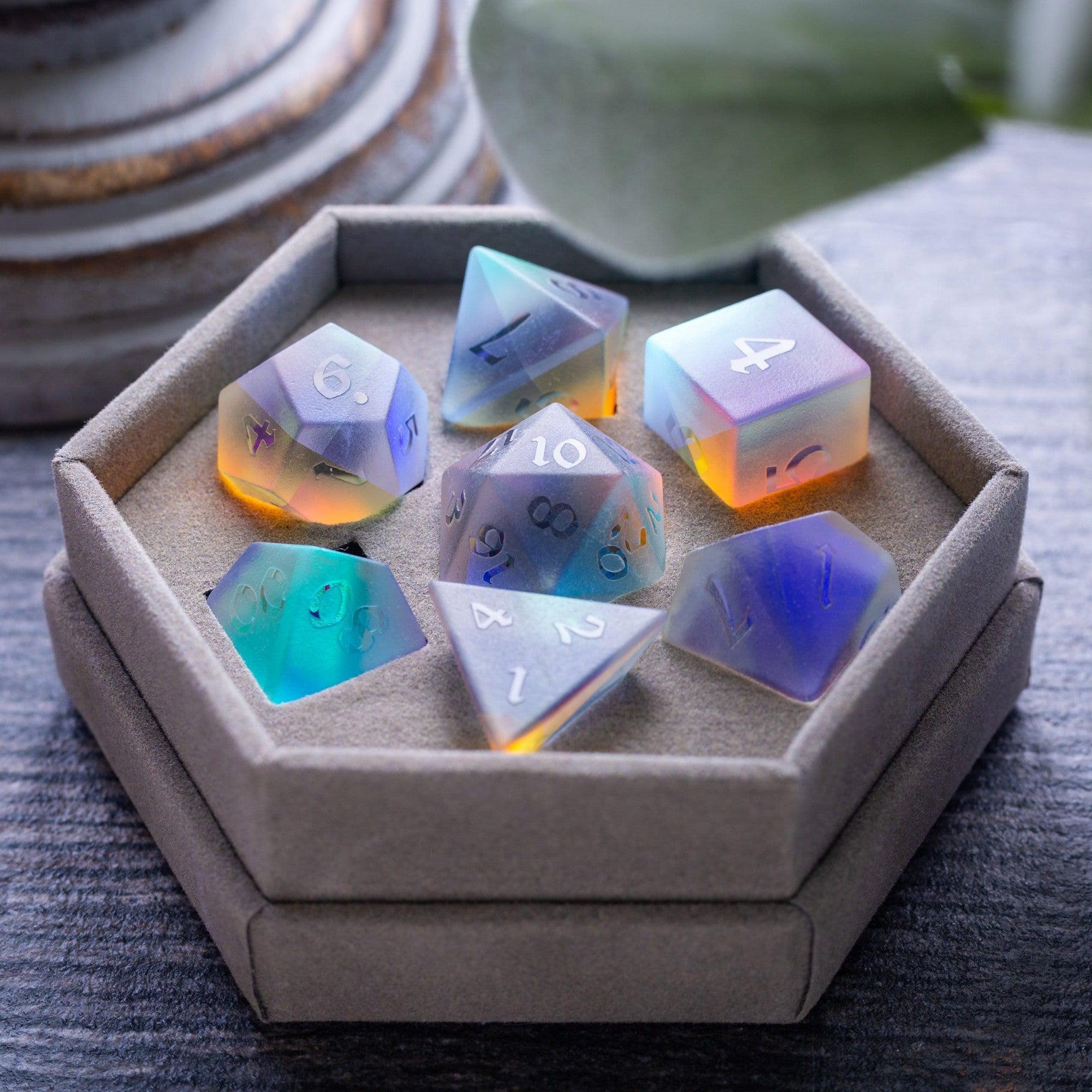
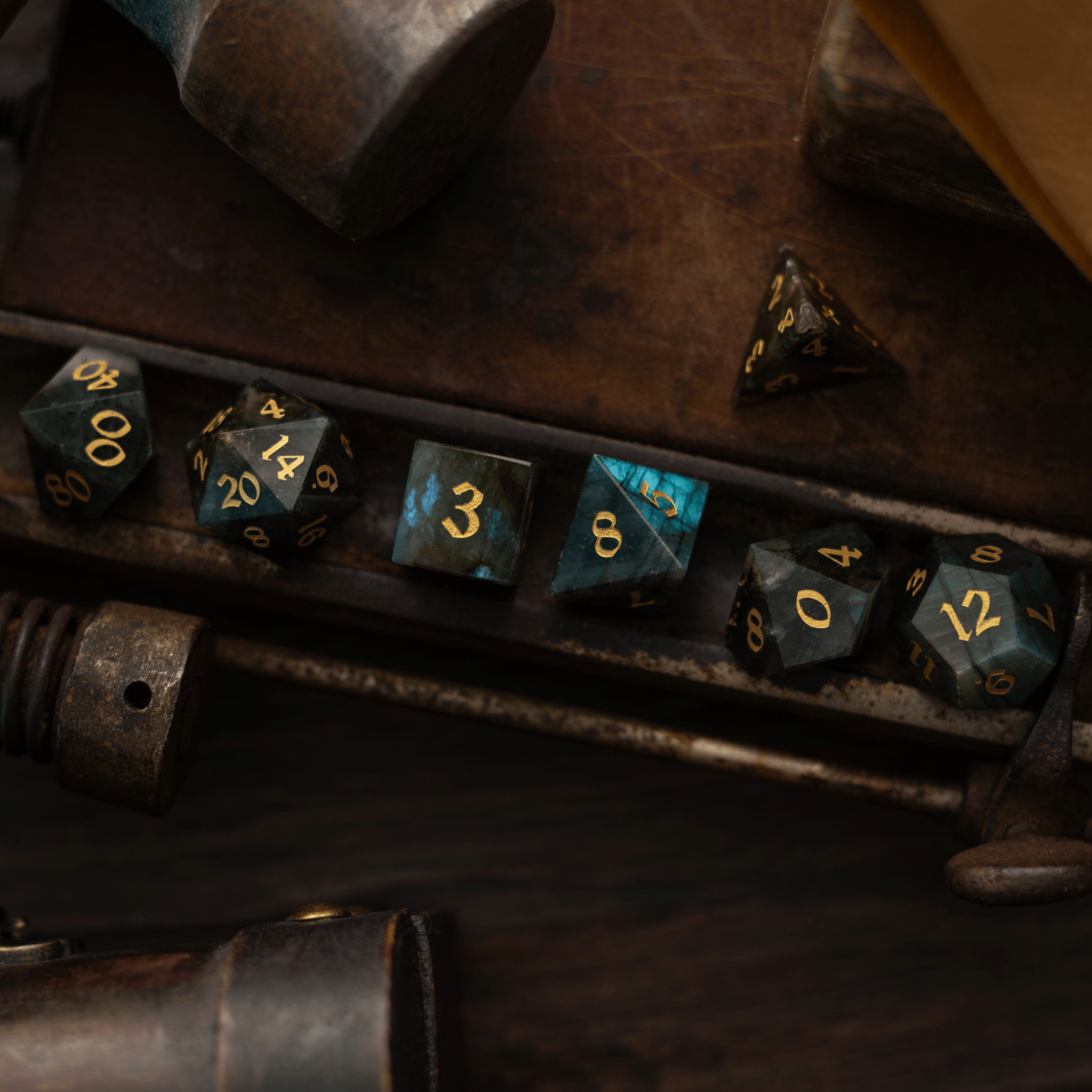
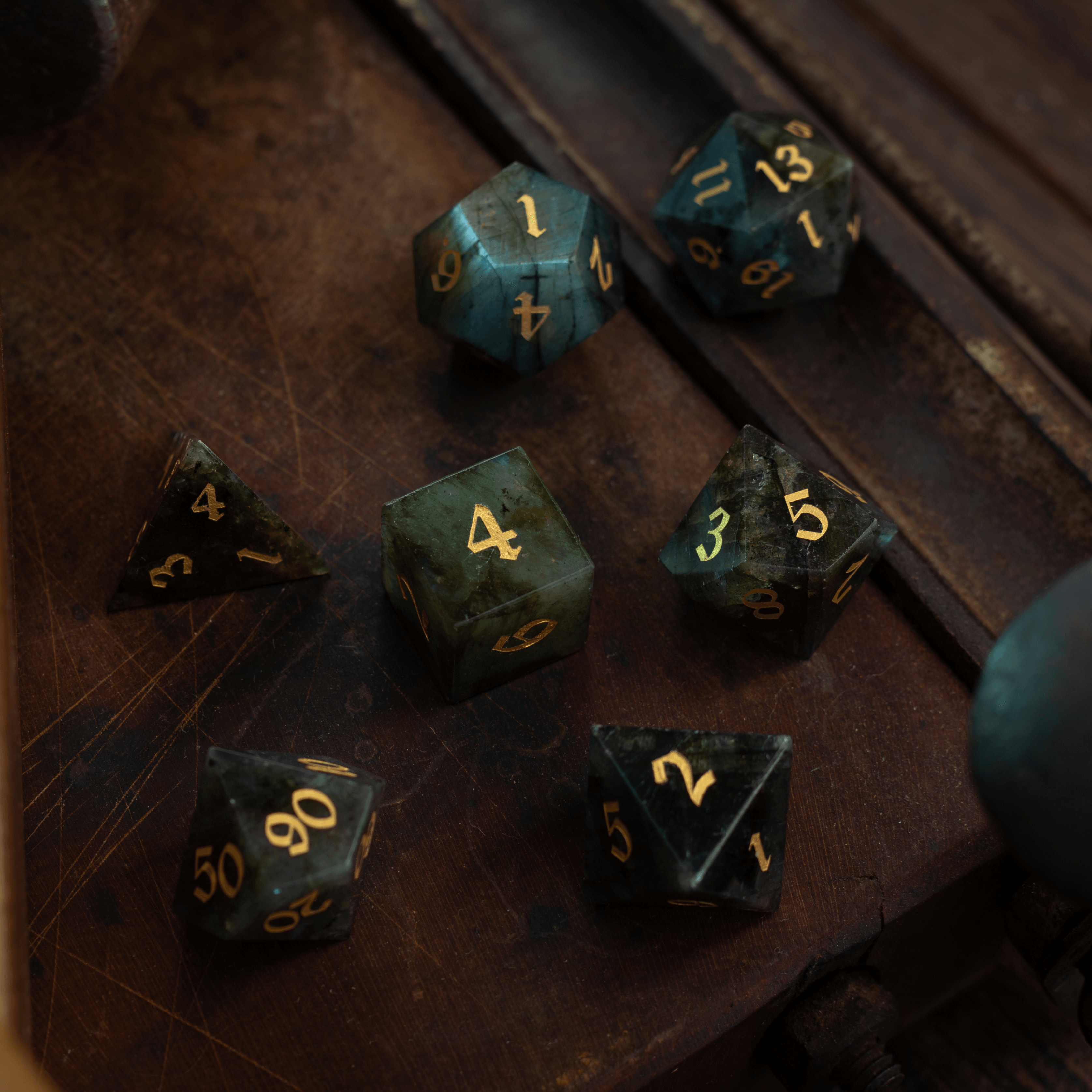
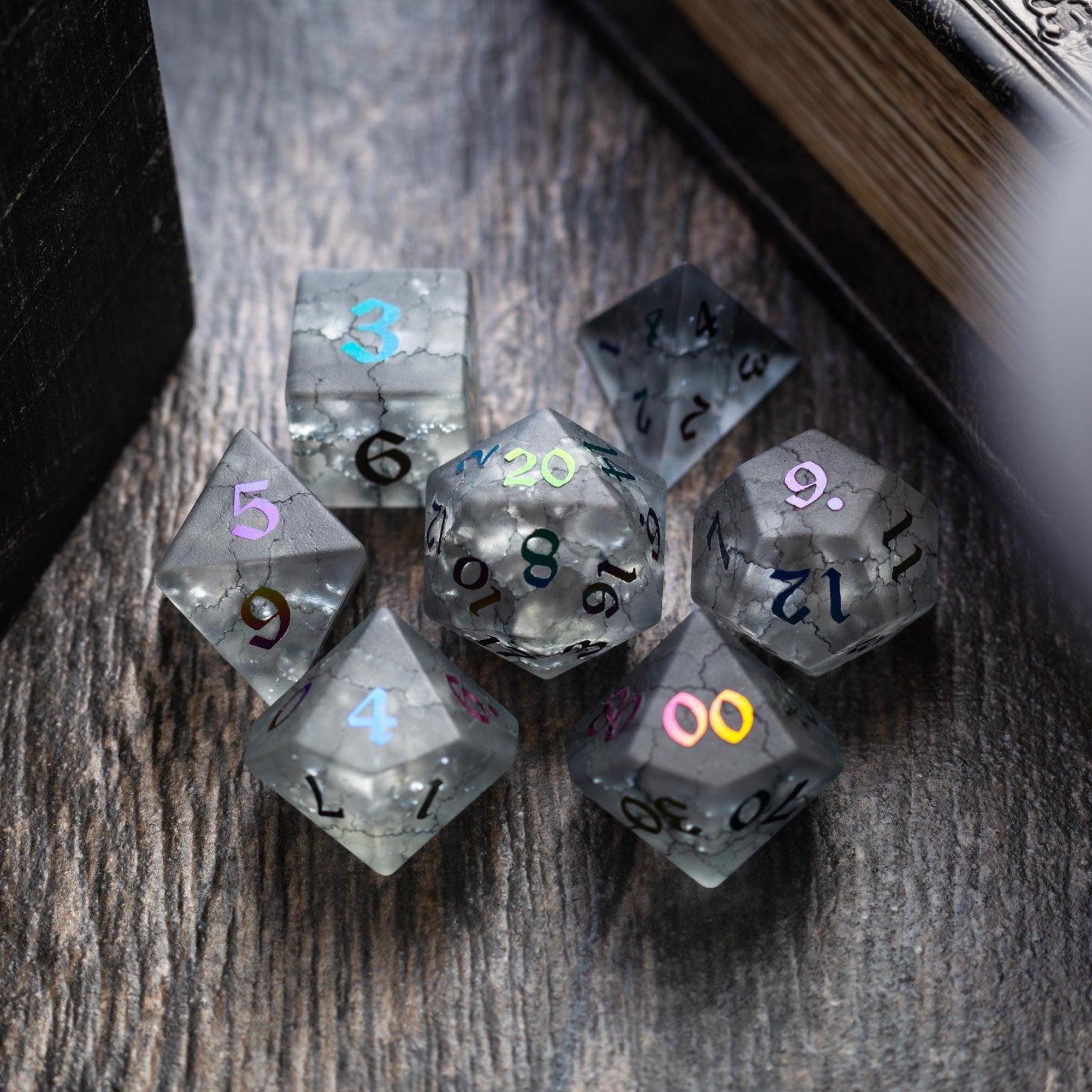
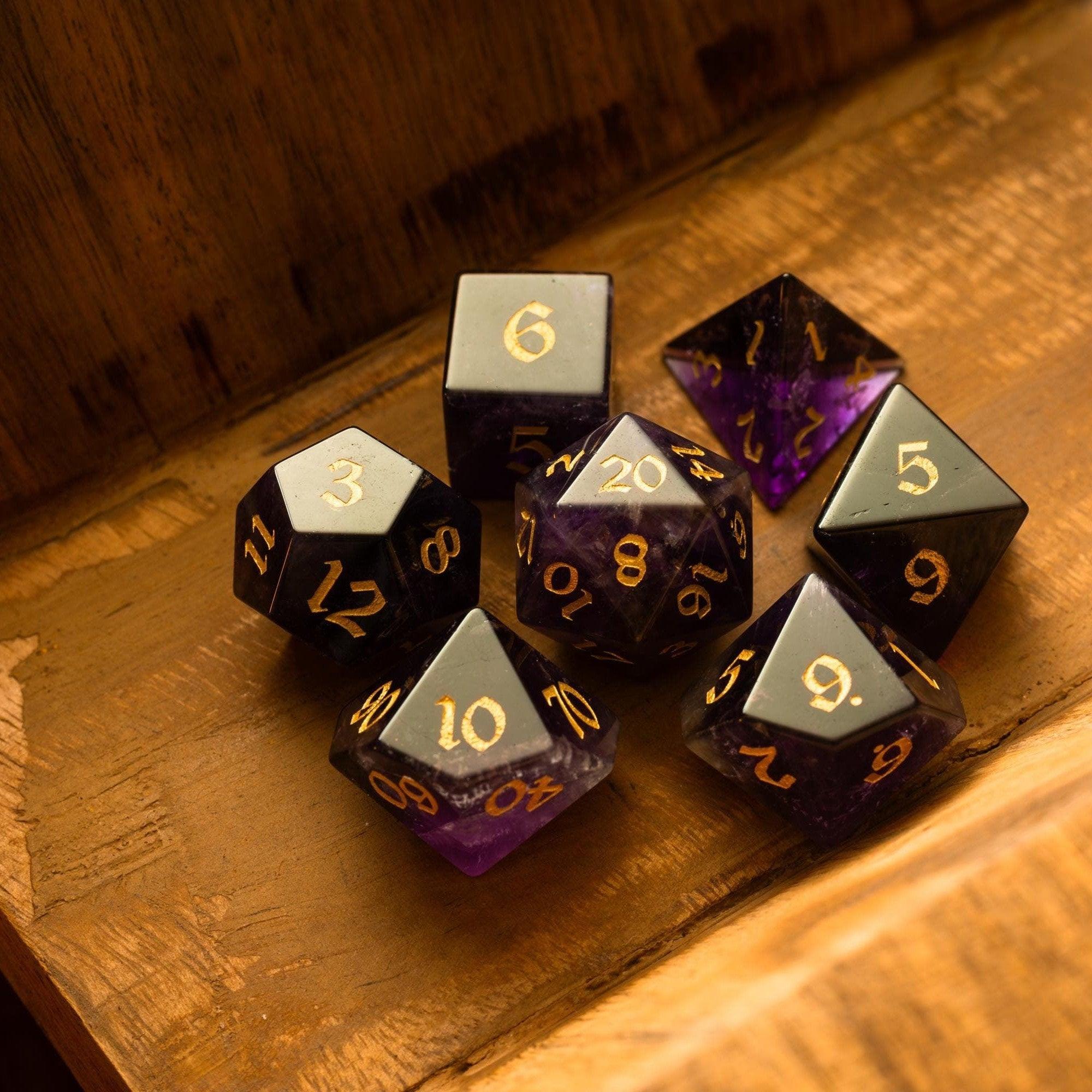
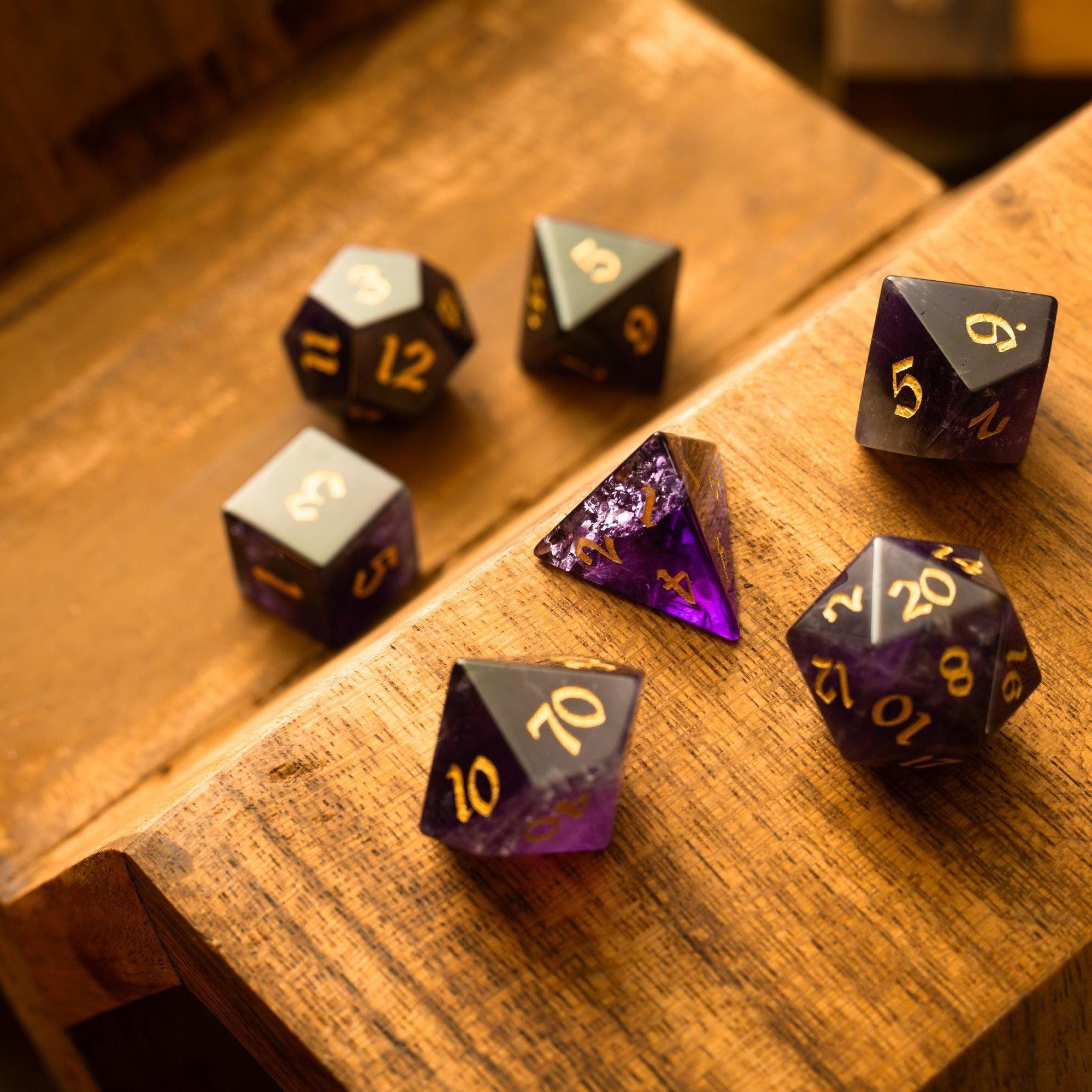
A noble cleric using polished gemstone dice during important healing or divine moments can reinforce the feeling of carrying sacred responsibility and ancient power into battle.
Smart Teamwork Decisions
D&D works best when the party feels balanced and cooperative.
You do not need every possible role covered perfectly, but teamwork matters.
Try to think about:
-
Who handles frontline combat?
-
Who scouts dangerous areas?
-
Who supports the party?
-
Who talks during social encounters?
-
Who understands magic or lore?
Avoiding complete overlap helps everyone feel useful.
For example:
-
Four stealth-focused rogues may struggle in direct combat.
-
A party with no healing may face difficult survival challenges.
-
Too many highly similar characters can reduce spotlight moments.
At the same time, imperfect groups can still create amazing stories. Some of the most memorable campaigns come from unusual combinations and creative problem-solving.
Roleplay Tips for Better Characters
Great roleplay does not require acting experience or complicated voices.
Small details often matter more.
Give Your Character Simple Personality Traits
Examples:
-
Always optimistic
-
Distrustful of authority
-
Obsessed with ancient history
-
Constantly hungry
-
Protective of children
Add a Meaningful Flaw
Flaws make characters human.
Examples:
-
Pride
-
Fear of failure
-
Greed
-
Recklessness
-
Difficulty trusting others
Create Clear Goals
Goals help drive the story forward.
Examples:
-
Find a lost sibling
-
Master forbidden magic
-
Defeat a legendary monster
-
Earn recognition from a kingdom
Develop Small Habits
Little habits help characters stand out.
Examples:
-
Sharpening weapons during conversations
-
Collecting trophies from monsters
-
Writing notes about every town visited
-
Speaking in formal language
These simple dnd roleplay tips can make even beginner characters feel memorable.
Colorful resin dice are especially popular with players creating adventurous rogues, cheerful bards, curious druids, or first-time heroes because the bright styles often reflect the personality and energy of the character itself.
Common Character Building Mistakes
Even experienced players sometimes fall into these traps.
Trying to Optimize Everything
A perfectly optimized character is not always the most fun.
Characters become memorable through personality and story, not just damage numbers.
Ignoring Roleplay Opportunities
Combat matters, but emotional moments often define campaigns.
Friendships, rivalries, fears, and mistakes create lasting memories.
Creating Characters Without Goals
Without motivations, characters can feel disconnected from the story.
A simple goal gives your hero direction.
Writing Overly Complicated Backstories
New players sometimes write pages of history before session one.
Usually, a few strong ideas work better than an entire novel.
Leave room for the campaign itself to shape your hero over time.
Growing Your Character Over Time
Some of the best moments in D&D happen months after the campaign begins.
A strong dnd character build should leave room for growth.
Characters evolve through:
-
Victories
-
Failures
-
Friendships
-
Betrayals
-
Sacrifices
-
Difficult choices
Maybe your reckless rogue slowly becomes a responsible leader. Maybe your frightened wizard learns confidence after surviving dangerous battles.
Character growth is one of the reasons long campaigns feel so rewarding.
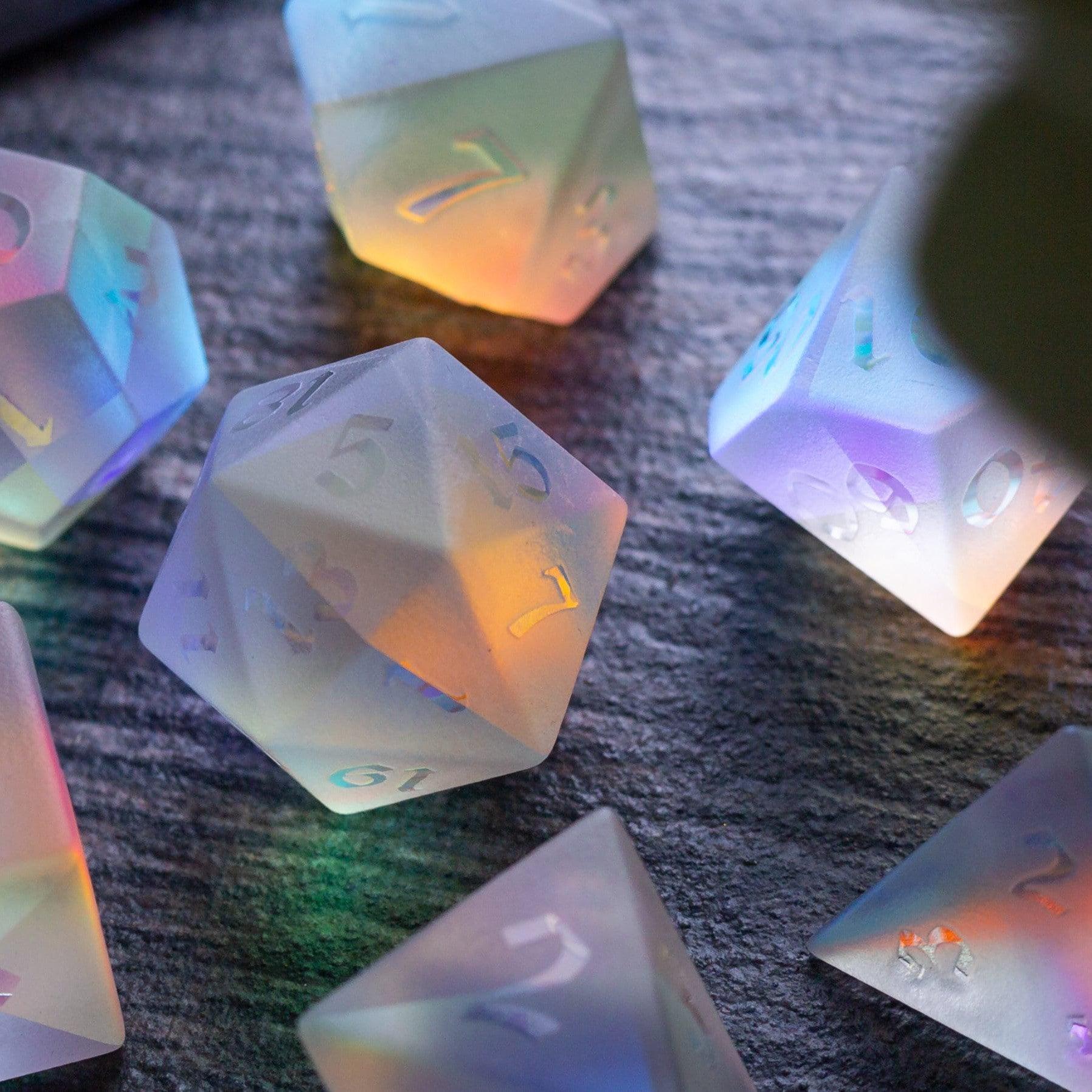
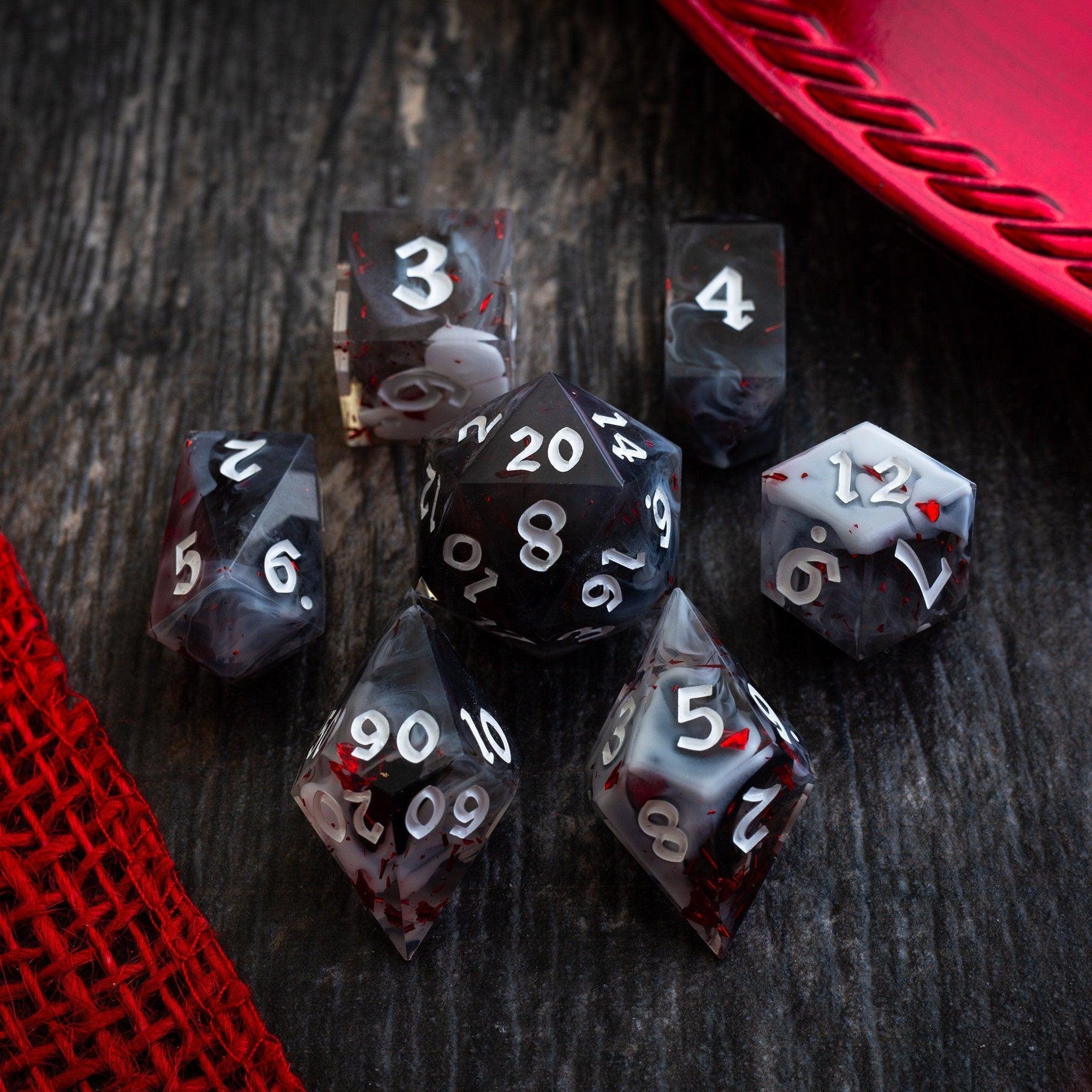
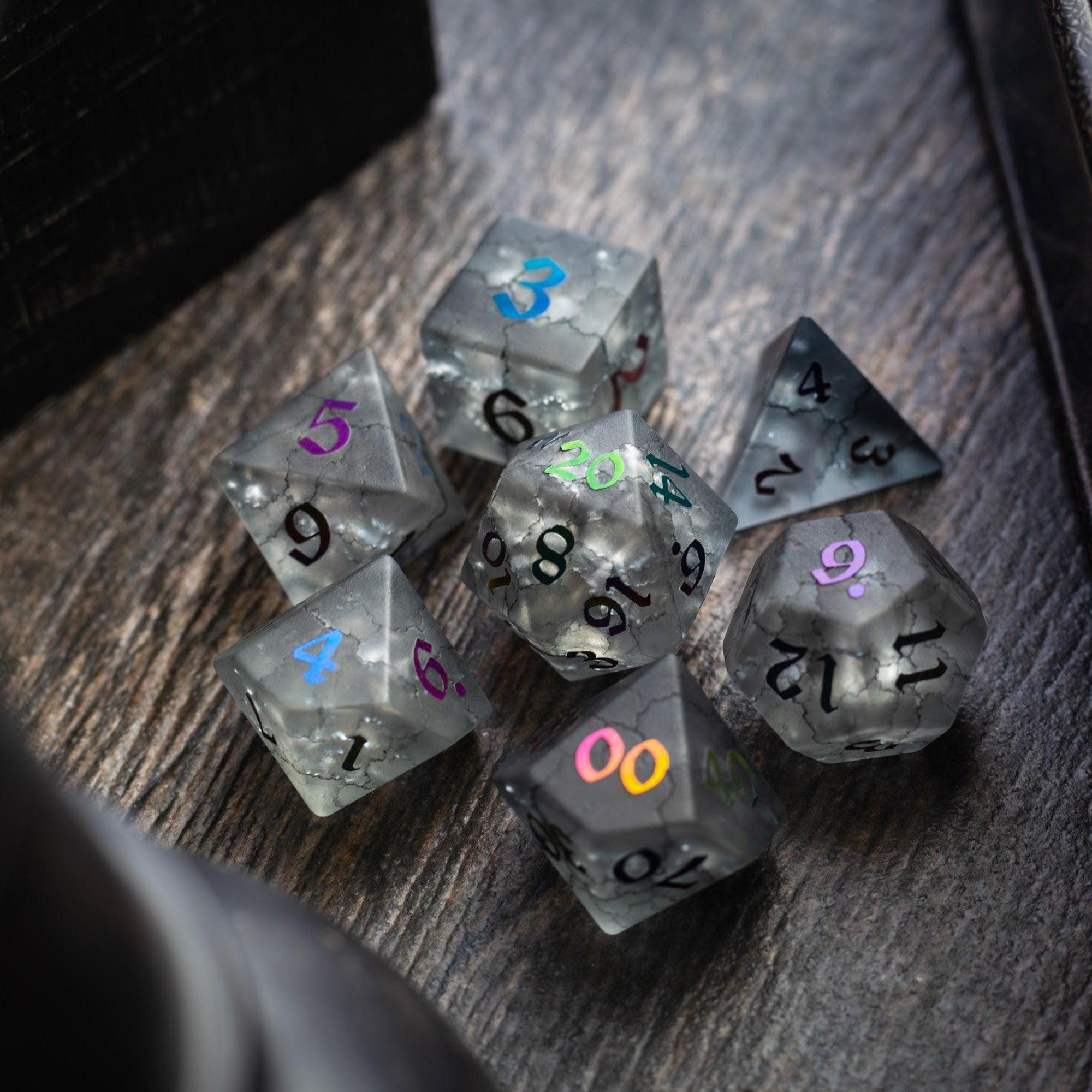
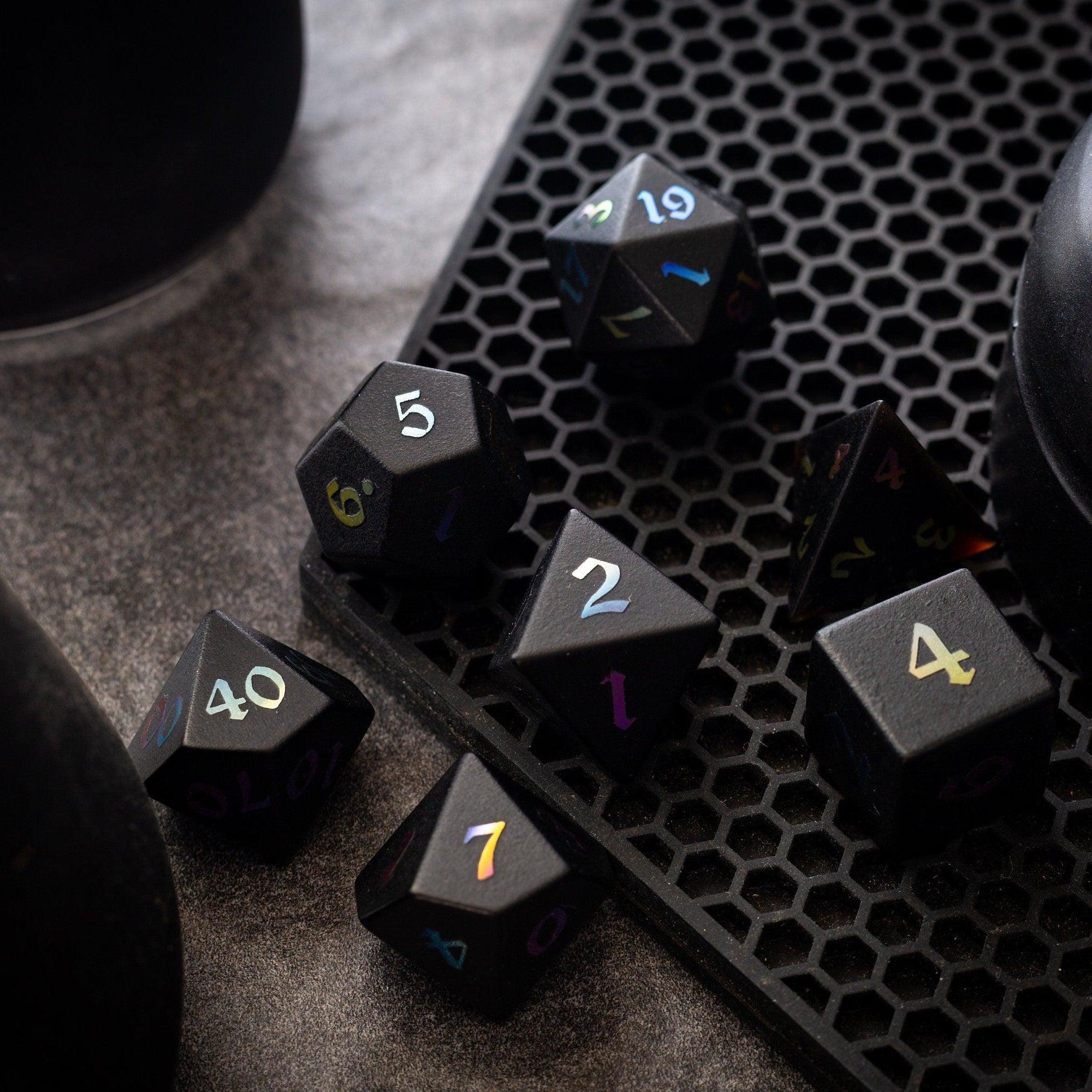
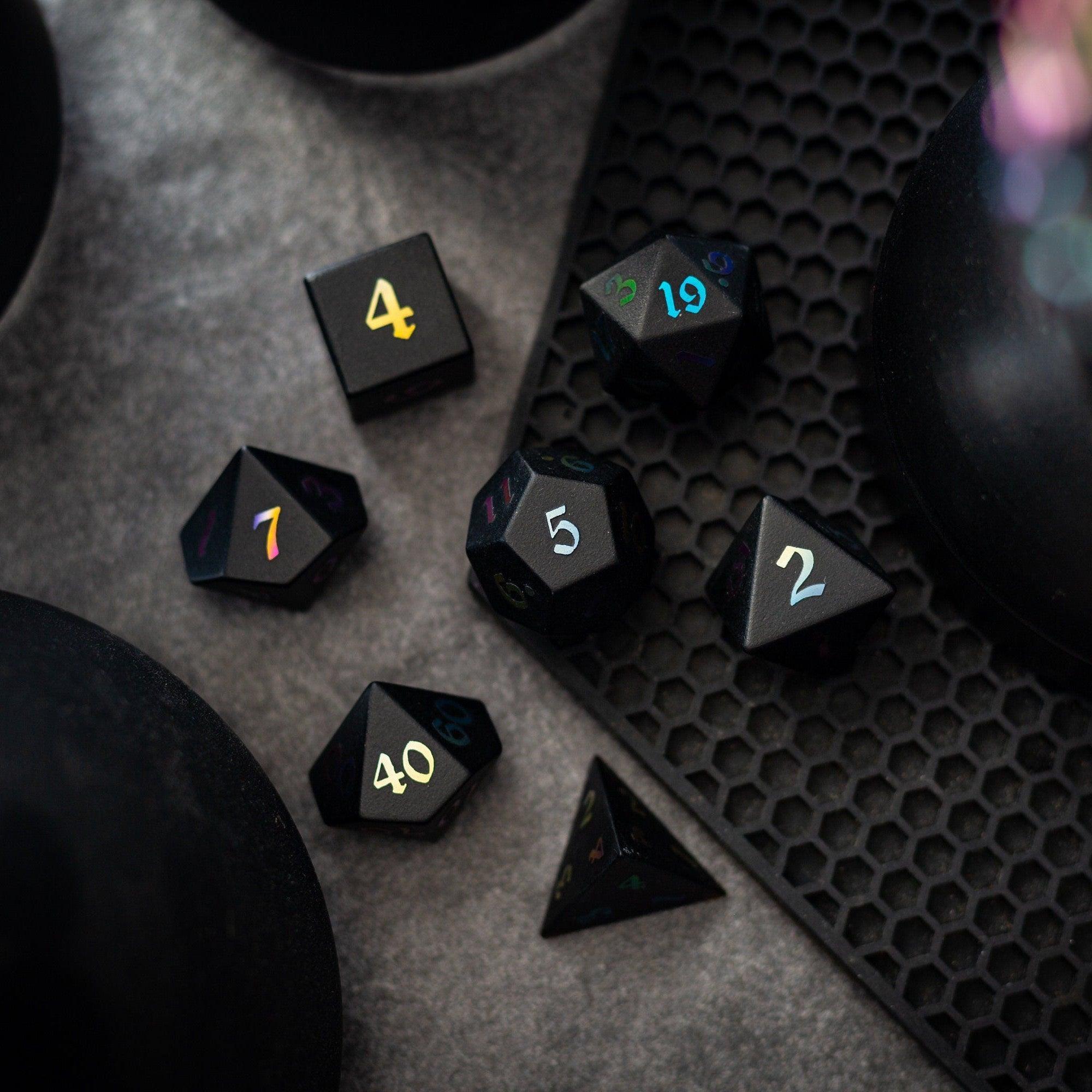
Players often grow emotionally attached not only to their heroes but also to the objects associated with them. Certain dice sets become tied to unforgettable moments:
-
The natural 20 that saved the party
-
The failed stealth roll that started chaos
-
The final spell cast against a legendary villain
Over time, even a simple set of dice can start feeling like part of the story itself.
Why Great Characters Create Better Campaigns
Strong characters improve the game for everyone at the table.
They create:
-
Better roleplay
-
Stronger teamwork
-
Emotional investment
-
More memorable stories
-
Meaningful decisions
When players care about their heroes, every battle feels more exciting and every victory feels more earned.
The most beloved D&D campaigns are rarely remembered because of perfect optimization. They are remembered because players laughed together, survived impossible odds, and watched their characters change over time.
That emotional connection is what transforms a simple game night into a legendary adventure.
Conclusion
Learning how to build a dnd character is really about learning how to create someone worth remembering.
Smart choices during dnd character creation can absolutely make your hero stronger, but the best characters are built through imagination, teamwork, personality, and storytelling. A brave fighter with a loyal heart, a nervous wizard chasing forbidden knowledge, or a wandering ranger searching for purpose can all become unforgettable heroes when given room to grow.
Focus on creating a character you genuinely want to spend time with across many adventures. Choose a class that excites you, give your hero meaningful goals, and allow both triumphs and mistakes to shape the journey ahead.
Because in the world of Dungeons & Dragons, the greatest heroes are not always the strongest.
They are the ones players still talk about years after the campaign ends.

Leave a comment
This site is protected by hCaptcha and the hCaptcha Privacy Policy and Terms of Service apply.