
Best RPG Character Builder Tips for Creating Stronger Heroes

Creating a new hero is one of the best parts of any tabletop RPG campaign. Before the first battle begins or the party steps into a haunted ruin, players get the chance to imagine who their character is, what drives them, and how they fit into the world around them.
Some players love building fearless warriors. Others enjoy clever rogues, mysterious spellcasters, or wandering healers with tragic pasts. No matter the system, smart character creation can turn a simple stat sheet into a hero your group remembers for years.
This guide will walk through practical RPG character builder tips that help create stronger, more enjoyable heroes without overwhelming new players with complicated rules or optimization jargon. Whether you are building your first adventurer or refining your latest idea, the goal is the same: create a character that feels exciting to play during every session.
Start with the Fantasy You Want to Play
One of the biggest mistakes new players make is focusing too heavily on mechanics before deciding what kind of hero they actually want to become.
Before choosing stats or abilities, imagine the fantasy first.
Ask yourself questions like:
-
Do you want to charge into battle with a massive weapon?
-
Do you want to outsmart enemies with stealth and clever tricks?
-
Do you imagine controlling dangerous magic?
-
Do you want to protect allies and keep the party alive?
-
Do you prefer a chaotic wildcard who improvises everything?
Starting with a strong fantasy identity helps every future decision feel easier. Your class, abilities, equipment, and even personality traits will naturally fall into place once you understand the type of hero you want to roleplay.
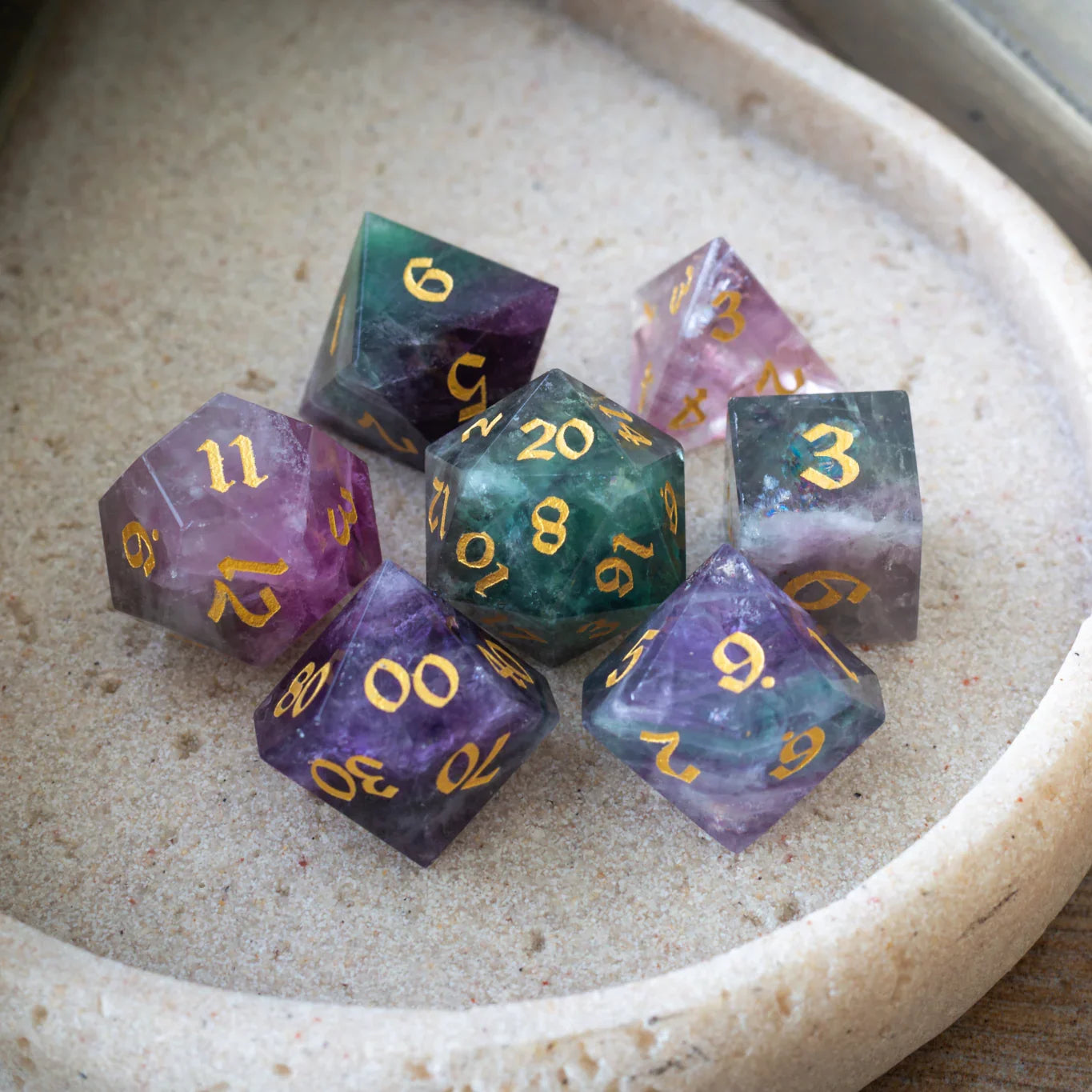
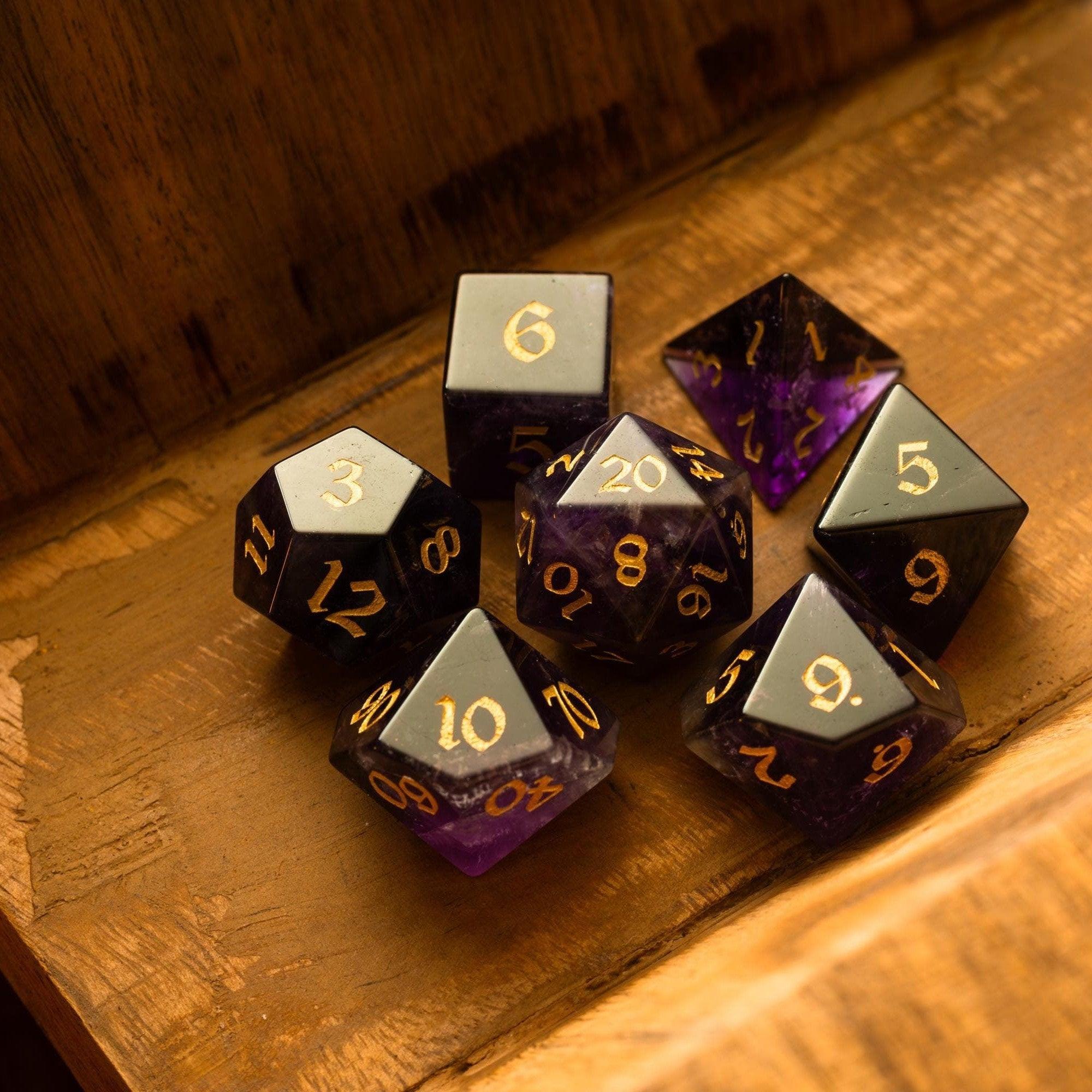
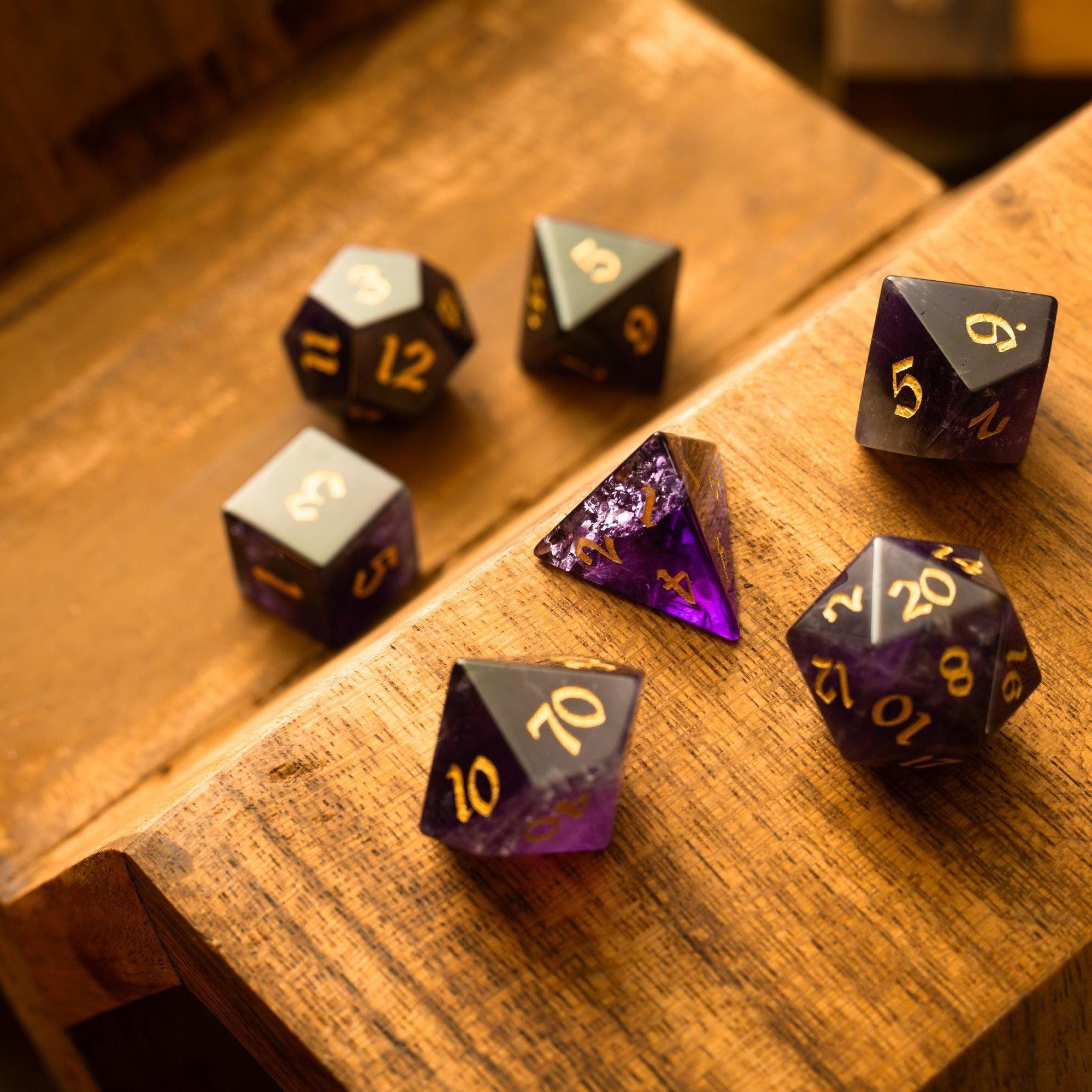
A noble knight might feel perfect with elegant gemstone dice that match their refined personality and heroic ideals. Meanwhile, a mysterious mage or warlock can feel even more immersive when rolling swirling liquid core dice during dramatic spellcasting moments.
The best tabletop RPG characters feel connected to both the world and the player behind them.
Understanding Character Roles
Most fantasy RPG parties work best when players naturally fill different roles. You do not need perfect balance, but having a variety of strengths makes campaigns more enjoyable for everyone.
Here are the most common character roles found in tabletop RPG characters:
Frontline Fighter
These heroes protect allies and hold the line during combat.
Examples include:
-
Knights
-
Barbarians
-
Paladins
-
Heavy warriors
They usually focus on defense, durability, and melee combat.
Support and Healing
Support characters strengthen the party and help teammates survive difficult encounters.
Examples include:
-
Clerics
-
Bards
-
Alchemists
-
Healing mages
Support characters often become the emotional center of a group.
Damage Dealer
These characters specialize in ending fights quickly.
Examples include:
-
Rangers
-
Rogues
-
Assassins
-
Offensive spellcasters
Damage-focused heroes often rely on positioning, timing, or high-risk abilities.
Skill Specialist
These characters solve problems outside combat.
Examples include:
-
Scouts
-
Detectives
-
Thieves
-
Diplomats
They shine during exploration, investigation, and social encounters.
Magic and Battlefield Control
These characters manipulate the battlefield using spells, traps, illusions, or crowd control abilities.
Examples include:
-
Wizards
-
Druids
-
Sorcerers
-
Psionic characters
Their abilities often create memorable story moments beyond simple damage numbers.
Smart Ability Score Decisions
A good character creation guide should always include one important lesson: your core stats matter more than trying to be good at everything.
Most RPG character builds become stronger when players focus on the abilities that support their main role.
For example:
-
Warriors usually benefit from Strength or Constitution
-
Rogues often rely on Dexterity
-
Spellcasters commonly need Intelligence, Wisdom, or Charisma
-
Support characters may focus on survivability and utility
Trying to spread points evenly across every stat usually creates weaker heroes.
Instead:
-
Prioritize your most important ability first
-
Choose one or two secondary strengths
-
Accept a weakness or flaw somewhere else
Weaknesses actually make characters more interesting.
A brilliant wizard with terrible social skills can create hilarious roleplay moments. A fearless fighter with low intelligence may become lovable because of reckless decisions. Flaws create personality.
This is one reason many players enjoy using colorful resin dice during campaigns. Different sets can reflect different aspects of a character’s identity and growth over time. A cheerful bard may use bright, vibrant resin dice, while a darker antihero might choose smoky or shadowy styles that fit their story arc.
Character Build Comparison Table
|
Build Type |
Playstyle |
Strengths |
Roleplay Flavor |
|
Noble Knight |
Frontline defender |
Durable, protective, reliable |
Honorable hero seeking glory |
|
Arcane Scholar |
Tactical spellcaster |
Utility, battlefield control |
Curious seeker of forbidden knowledge |
|
Wandering Rogue |
Agile skill expert |
Stealth, scouting, precision |
Charming drifter with hidden motives |
|
Wild Berserker |
Aggressive damage dealer |
High damage, fearless combat |
Untamed warrior driven by emotion |
|
Traveling Healer |
Support and recovery |
Healing, buffs, protection |
Compassionate guide helping others |
|
Chaos Trickster |
Unpredictable utility |
Creativity, deception, improvisation |
Mischievous adventurer who bends rules |
Why Background and Personality Matter
Strong RPG character builds are not only about combat effectiveness. Personality and backstory matter just as much.
A simple but meaningful background creates emotional investment in the campaign.
You do not need a ten-page history. Sometimes a few small details are enough:
-
What does your character fear?
-
What motivates them?
-
Who did they leave behind?
-
What are they trying to prove?
-
What mistake still haunts them?
These details help transform numbers on a page into believable heroes.
Simple roleplay habits also help tremendously:
-
A cleric who always offers blessings before battle
-
A rogue who constantly flips coins during conversations
-
A warrior who keeps trophies from defeated monsters
-
A wizard obsessed with collecting strange books
Tiny habits create memorable personalities.
For especially dramatic heroes, oversized resin chonk dice can make huge combat moments feel even more satisfying. Rolling a massive die during a climactic battle naturally adds excitement to the table and reinforces the larger-than-life feeling of heroic fantasy.
Creating Characters That Work Well in Groups
A tabletop RPG campaign is a shared story. Even the coolest character concept can struggle if it constantly disrupts the group.
Strong party chemistry matters more than individual power.
Good group-focused character design includes:
-
Supporting teammates during important moments
-
Leaving room for other players to shine
-
Creating reasons to cooperate
-
Avoiding unnecessary conflict every session
-
Building connections with other party members
Instead of asking, “How powerful is my hero?” try asking:
“How does my character make the group more fun?”
That mindset improves nearly every campaign.
Common Character Building Mistakes
Even experienced players sometimes fall into bad habits during character creation.
Here are a few common mistakes to avoid.
Trying to Optimize Everything
Perfect optimization often creates bland characters.
The most memorable heroes usually have flaws, strange habits, or unusual choices that make them feel human.
Ignoring Roleplay Potential
A powerful build becomes forgettable if the personality feels empty.
Roleplay creates emotional investment.
Writing Overly Complicated Backstories
New players sometimes write epic histories before the campaign even starts.
Keep it simple at first. Let the campaign shape your character naturally.
Creating Characters with No Weaknesses
Invincible characters rarely feel believable.
Weaknesses create tension, growth, and storytelling opportunities.
Making Characters Fun Long-Term
Long campaigns reward heroes who can evolve over time.
Instead of planning every detail from level one, leave room for growth.
Think about:
-
How your character changes after failure
-
Which relationships matter most
-
What beliefs might evolve
-
How victories or losses shape personality
-
What kind of legacy your hero wants to leave behind
The best tabletop RPG characters feel different by the end of the campaign than they did at the beginning.
That emotional progression is part of what makes tabletop storytelling special.
Many players even enjoy collecting different dice sets that reflect those character changes. A hopeful young sorcerer might begin with colorful resin dice before eventually switching to elegant gemstone dice that symbolize mastery, wisdom, or transformation later in the story.
Tools and Resources That Help Character Creation
Modern RPG players have more character-building tools than ever before.
Helpful resources include:
-
Printable character sheets
-
Digital RPG character builder tools
-
Campaign journals
-
Note-taking apps
-
Session recap trackers
-
Worldbuilding notebooks
-
Character portrait creators
These tools help players stay organized while developing stronger roleplay habits.
Physical tabletop accessories can also make the experience feel more immersive. Many players enjoy building a personal connection to their characters through themed dice, journals, spell cards, or miniature collections.
Why Great Characters Improve Every Campaign
A strong character improves far more than combat encounters.
Well-designed heroes create:
-
Better party chemistry
-
More emotional storytelling
-
Stronger roleplay scenes
-
More memorable adventures
-
Higher player investment
-
Greater campaign immersion
Game Masters often build better stories when players bring interesting personalities to the table. Character goals, fears, rivalries, and friendships naturally create story hooks that feel personal and exciting.
That is why learning how to build an RPG character matters so much. Great heroes help entire campaigns thrive.
Conclusion
The best RPG character builder tips are not really about chasing perfect stats or building unstoppable heroes. They are about creating characters that feel alive.
A memorable tabletop RPG character combines smart gameplay decisions with personality, teamwork, flaws, creativity, and emotional investment. Whether you are building a fearless warrior, a chaotic trickster, a wise healer, or a mysterious spellcaster, the goal is to create someone you genuinely enjoy playing session after session.
Start with the fantasy you want to experience. Build around strengths without fearing weaknesses. Support your party. Embrace roleplay opportunities. Most importantly, allow your hero to grow naturally as the adventure unfolds.
Because long after the campaign ends, players rarely remember the exact numbers on a character sheet. They remember the desperate final battles, impossible dice rolls, emotional sacrifices, hilarious mistakes, and legendary stories shared around the table.













Leave a comment
This site is protected by hCaptcha and the hCaptcha Privacy Policy and Terms of Service apply.