
The Ultimate Guide to Balanced Dice Sets for Tabletop Games
Updated on: 2025-12-05
Choosing the right dice sets for tabletop games can feel overwhelming, but it doesn’t have to be. This guide breaks down materials, fairness, sizing, and care so you can shop with confidence and roll with joy. You’ll learn how to pick sets that match your style, budget, and table needs, plus quick tips to keep them looking great for years. I’ll also share a short personal story and debunk common myths players hear all the time.
- How to Select the Right Set
- Myths vs. Facts
- Personal Experience
- Care and Maintenance
- Q&A
- Final Thoughts & Takeaways

There’s a special thrill when a new set hits the table. The weight in your palm, the click on a rolling tray, the glint of glitter or gemstone—these little details shape the mood of every session. Whether you’re just starting your first campaign or adding to a growing hoard, it pays to know what affects durability, readability, balance, and table safety. Below, you’ll find a simple, no-stress breakdown to help you make a choice you’ll love from session one to session one hundred.
Choosing dice sets for tabletop games
Before you fall in love with a colorway (and you will), think through how the set will feel and perform at your table:
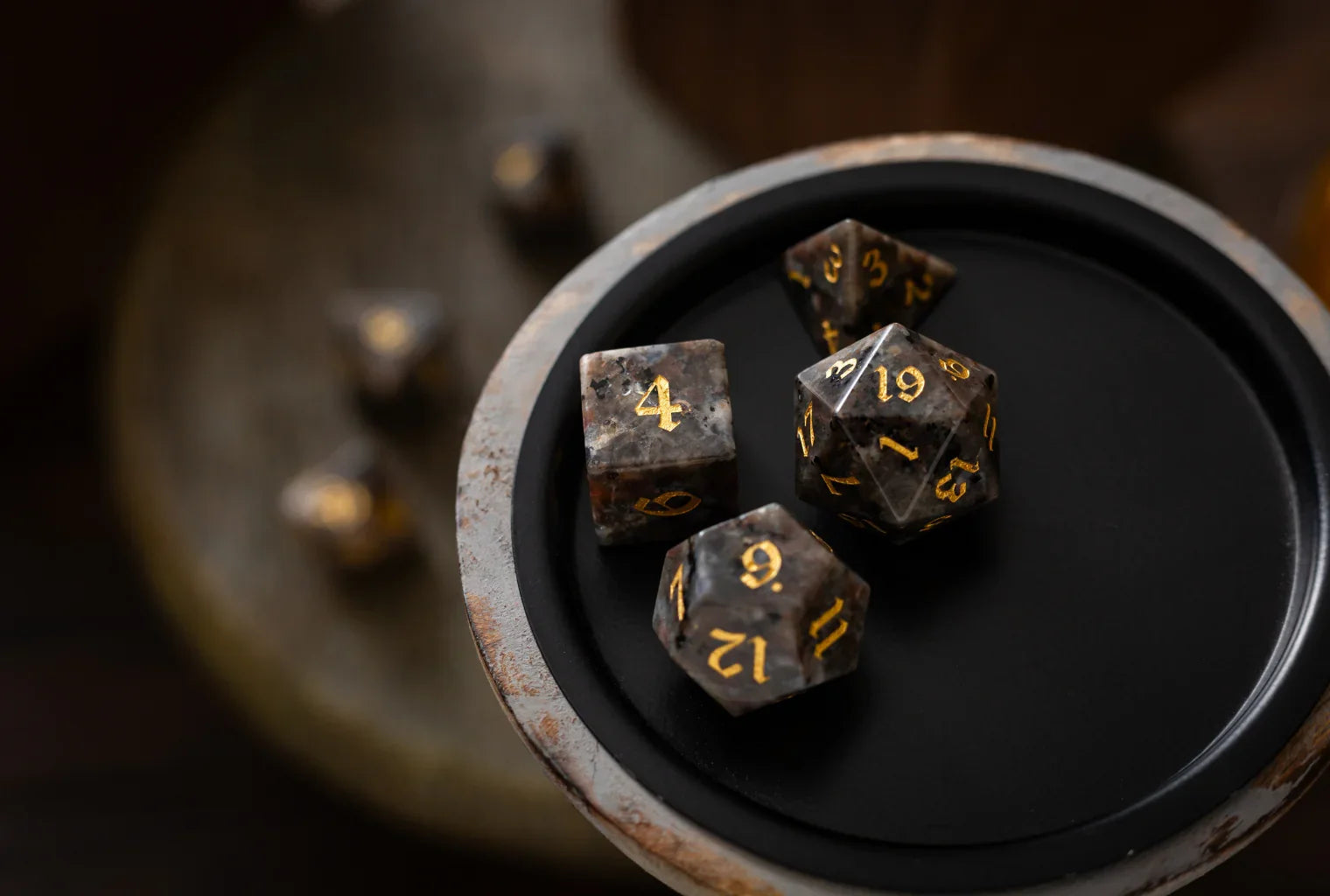
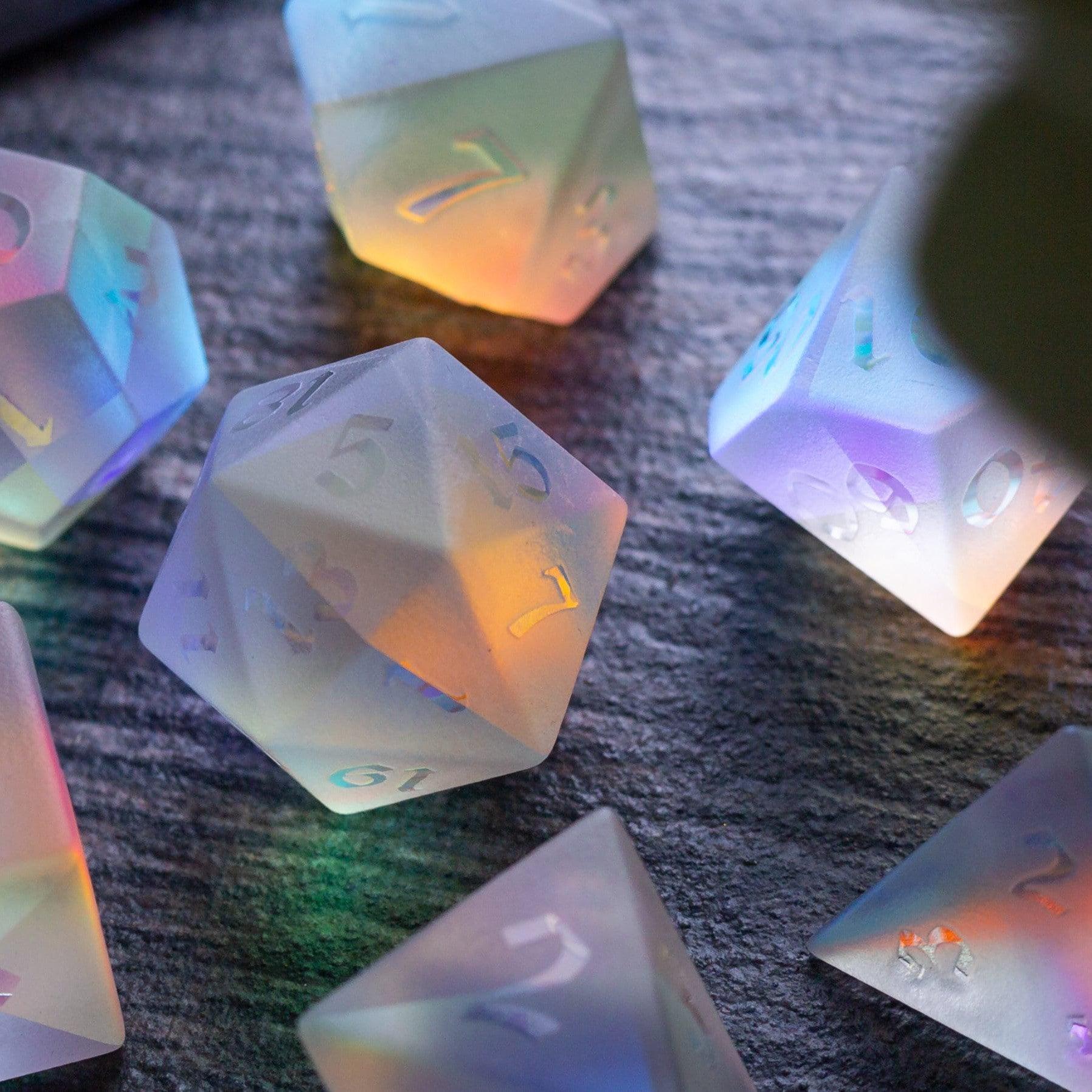
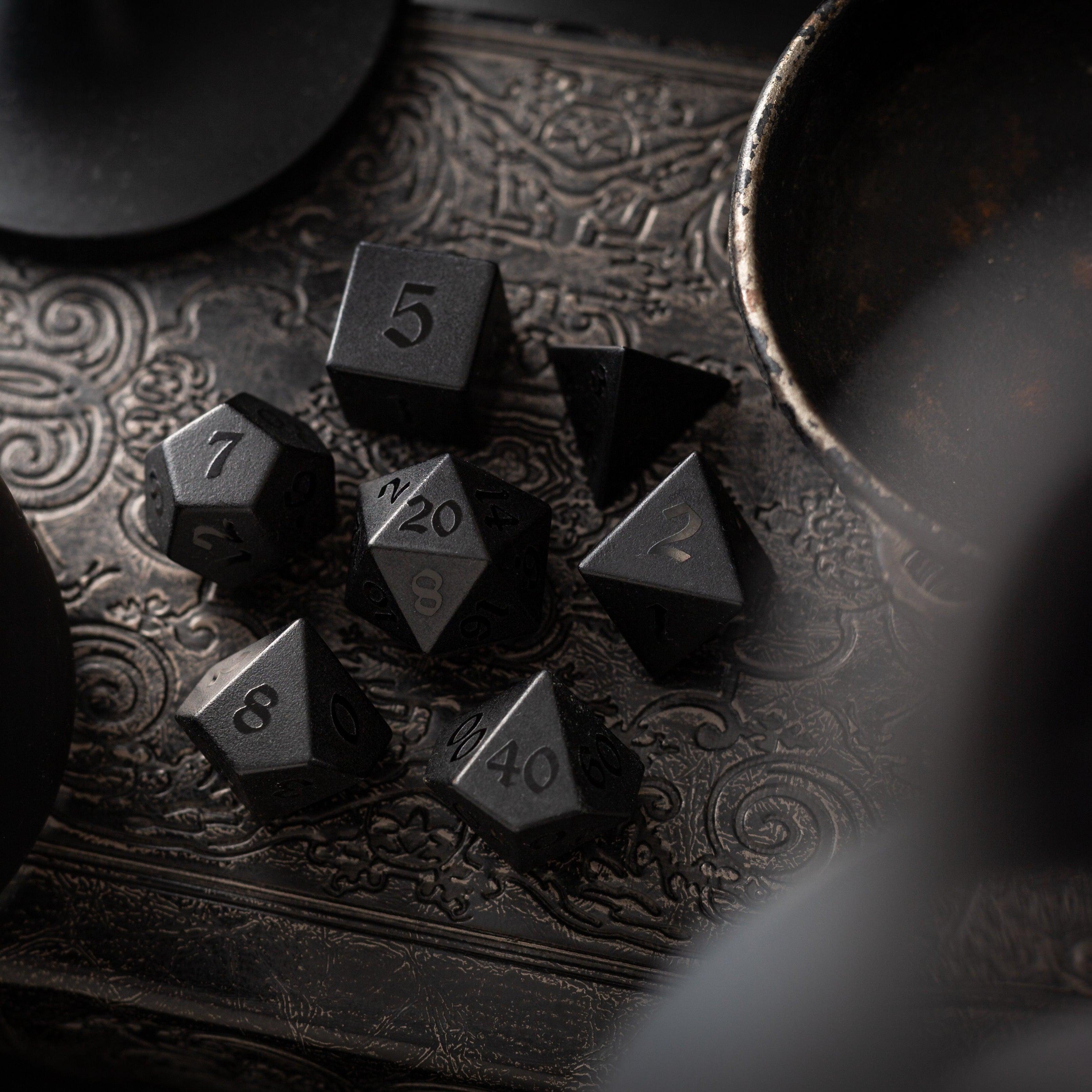
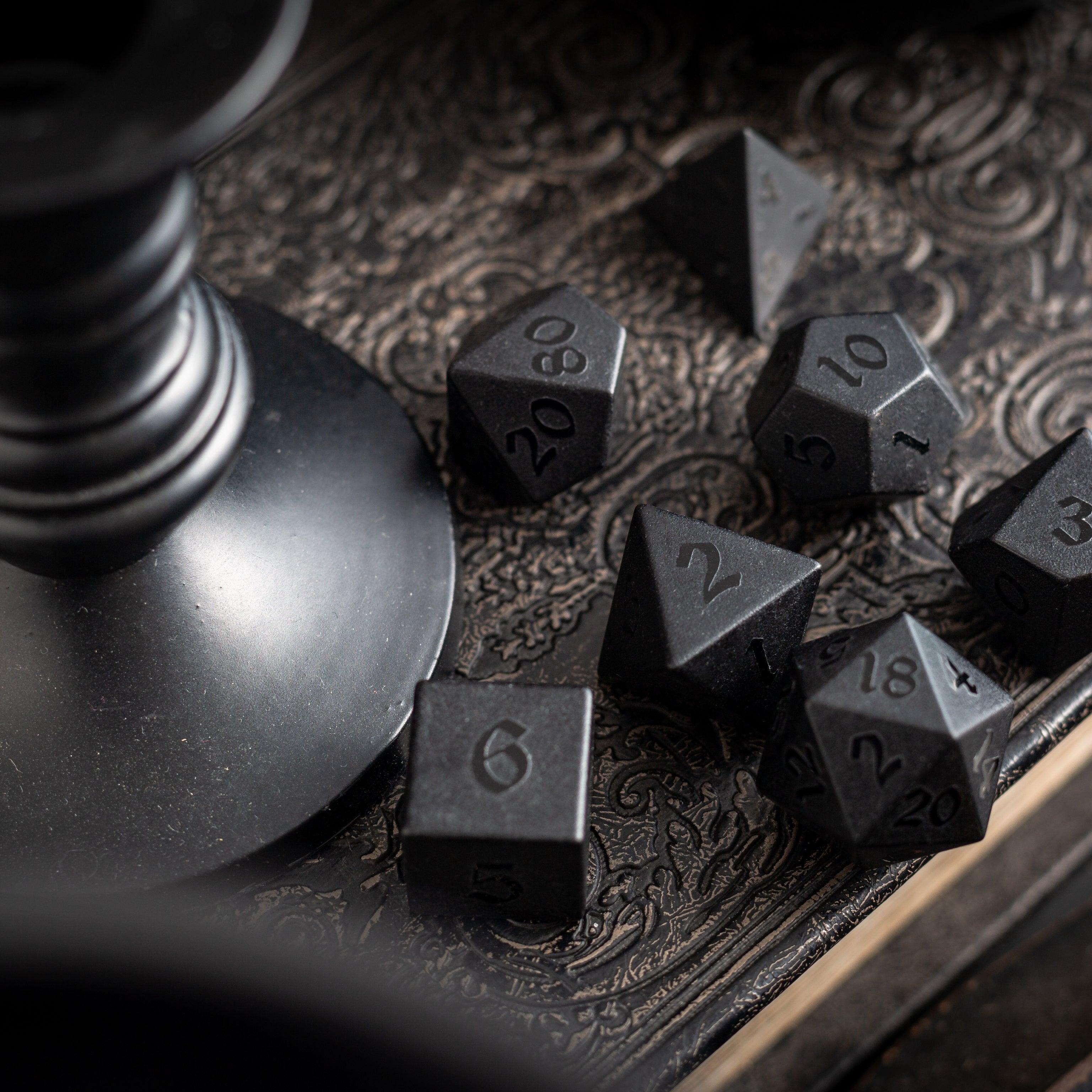
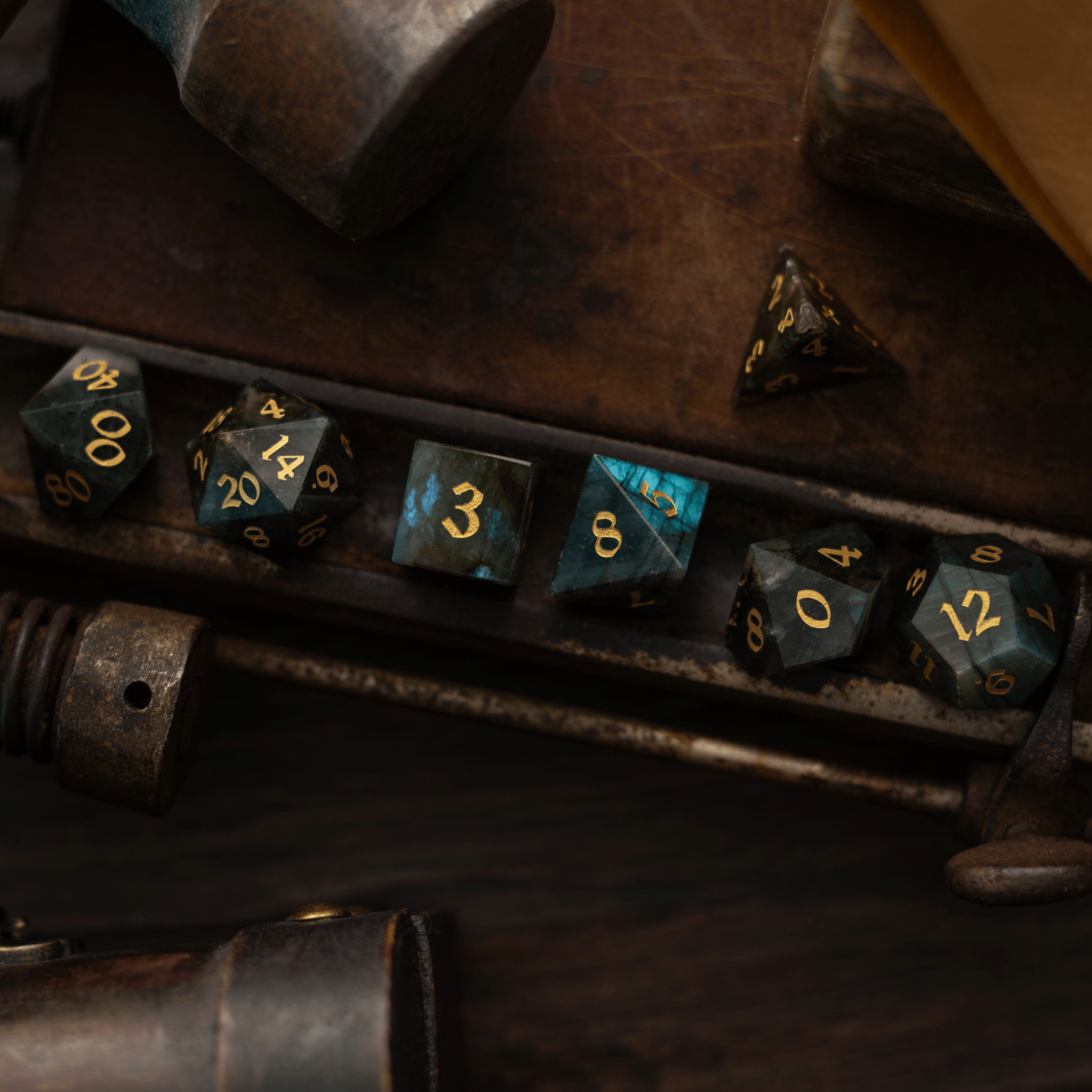
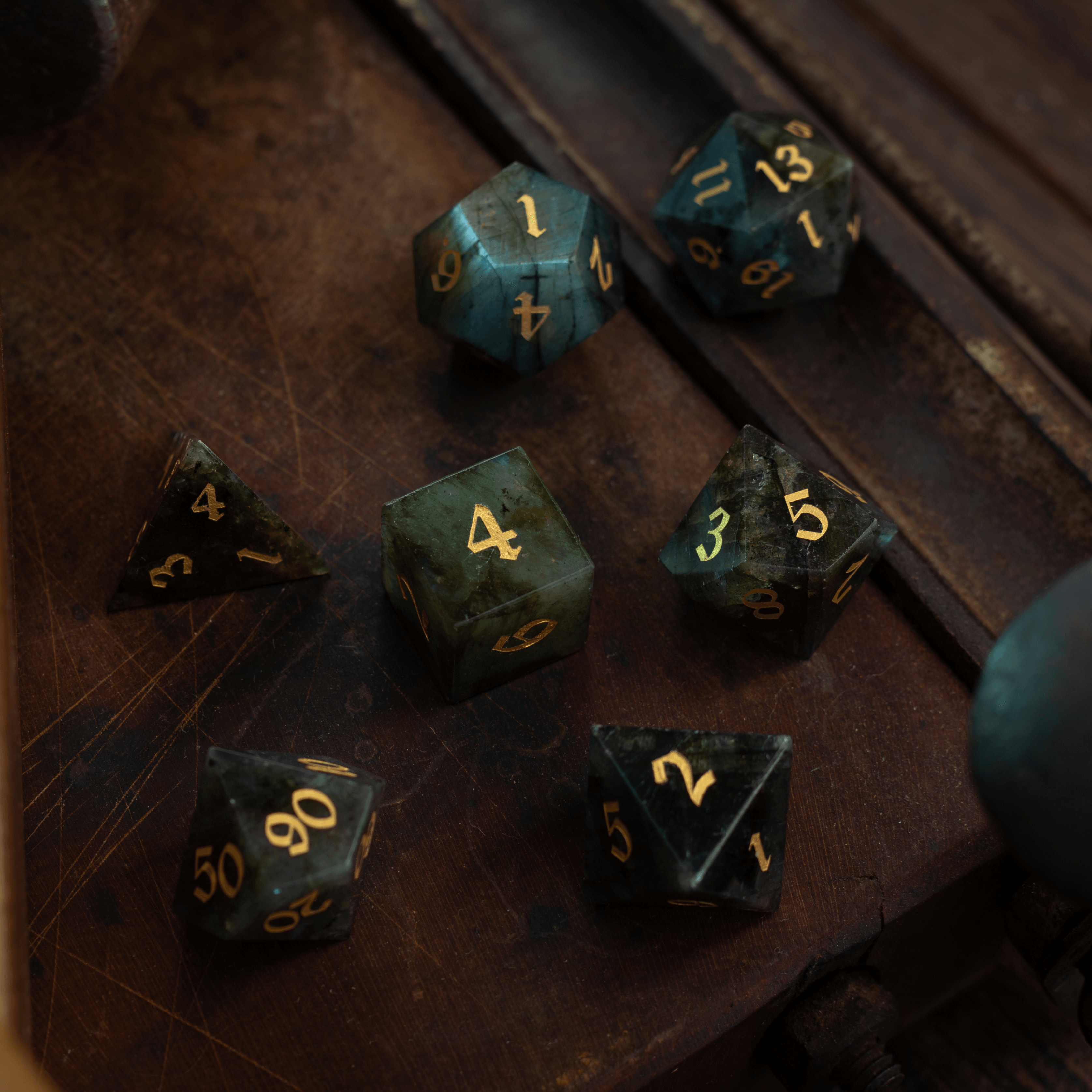
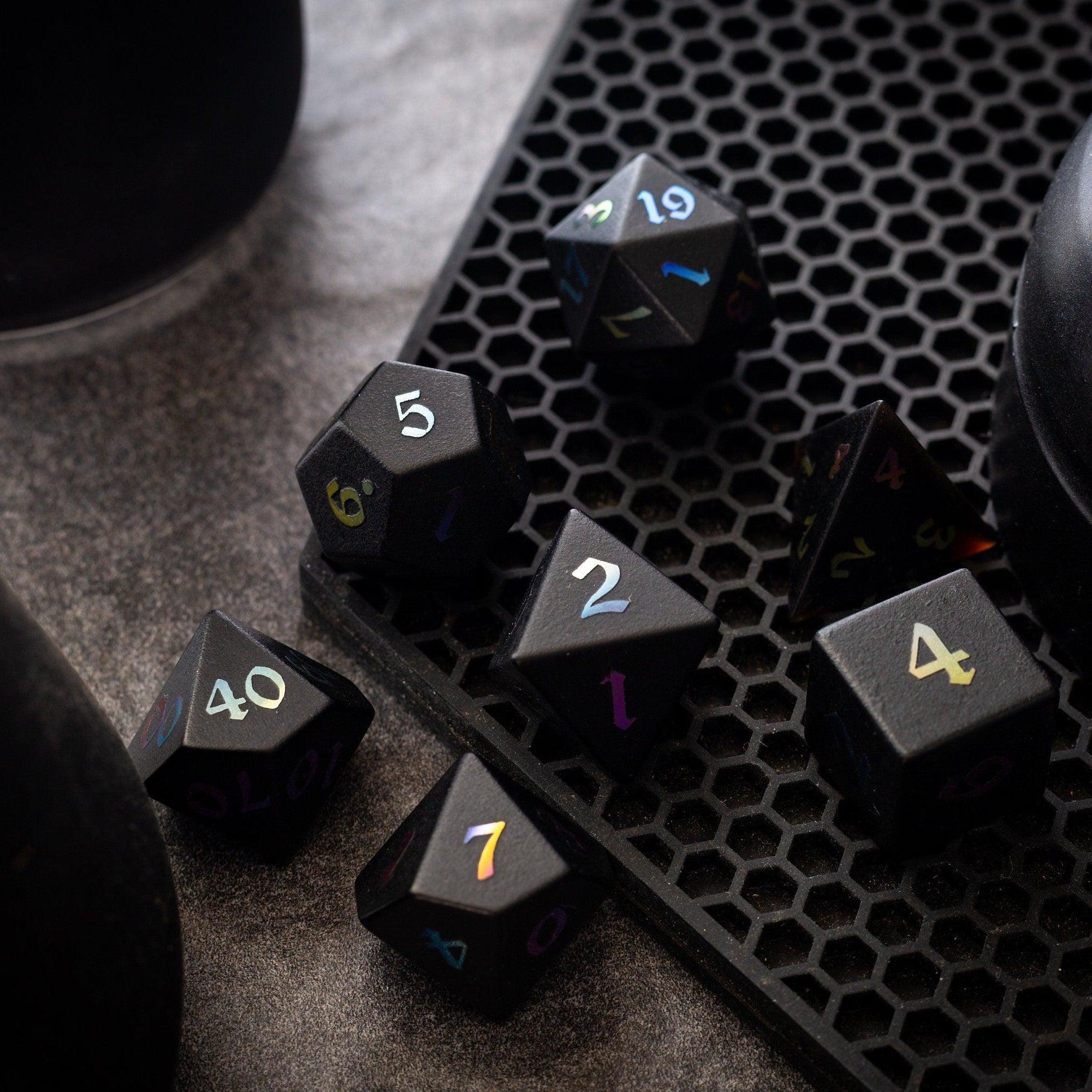
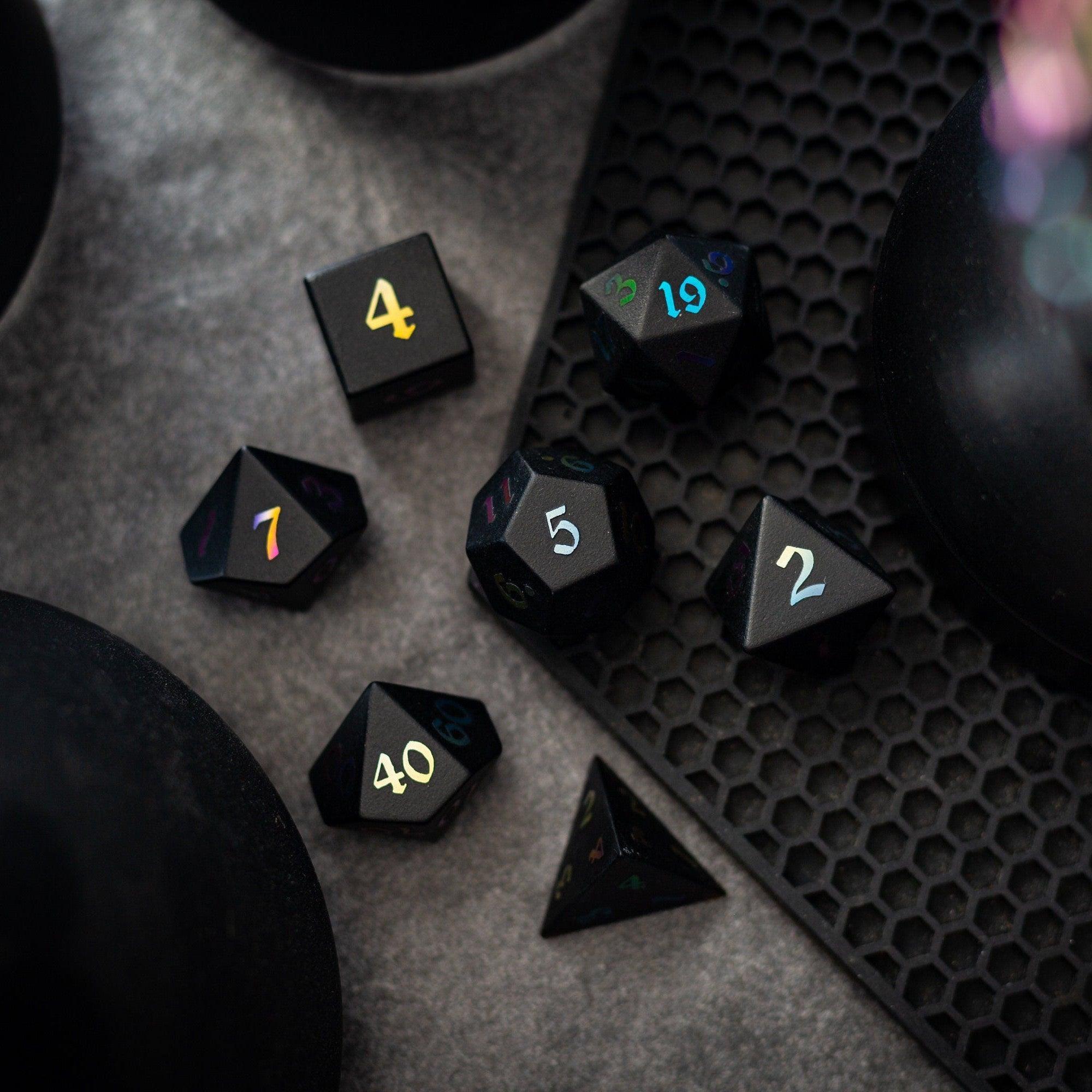
- Material: Resin is versatile and budget-friendly, often with crisp edges and dazzling inclusions. Metal brings heft and drama but needs a mat. Glass and gemstone look premium and feel smooth, but deserve gentle rolling and proper storage to avoid chips.
- Edge style: Sharp-edge sets look modern and precise. Rounded-edge sets feel classic and are a bit more forgiving on softer surfaces. If you enjoy a firm, consistent tumble, sharp-edge resin is a great pick.
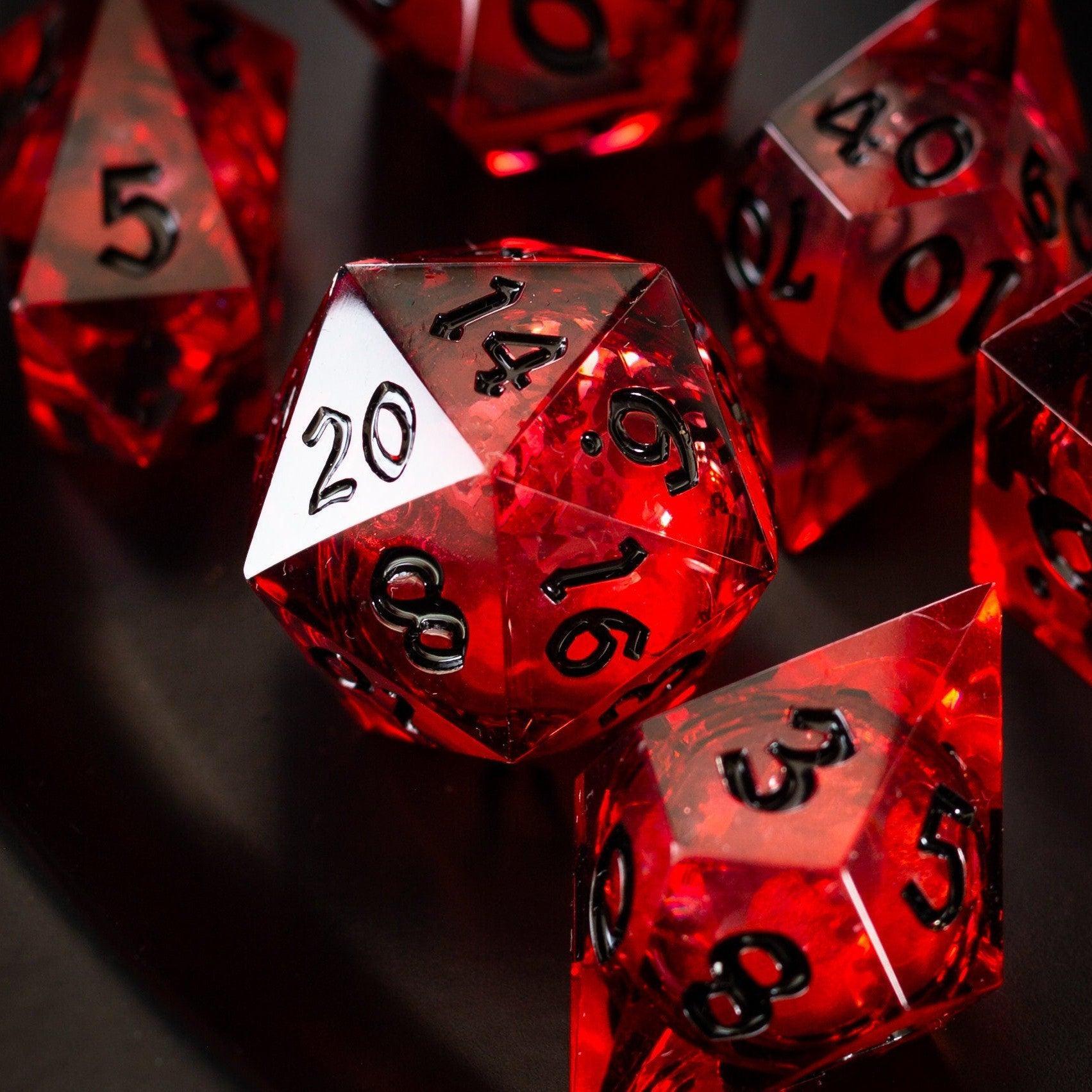
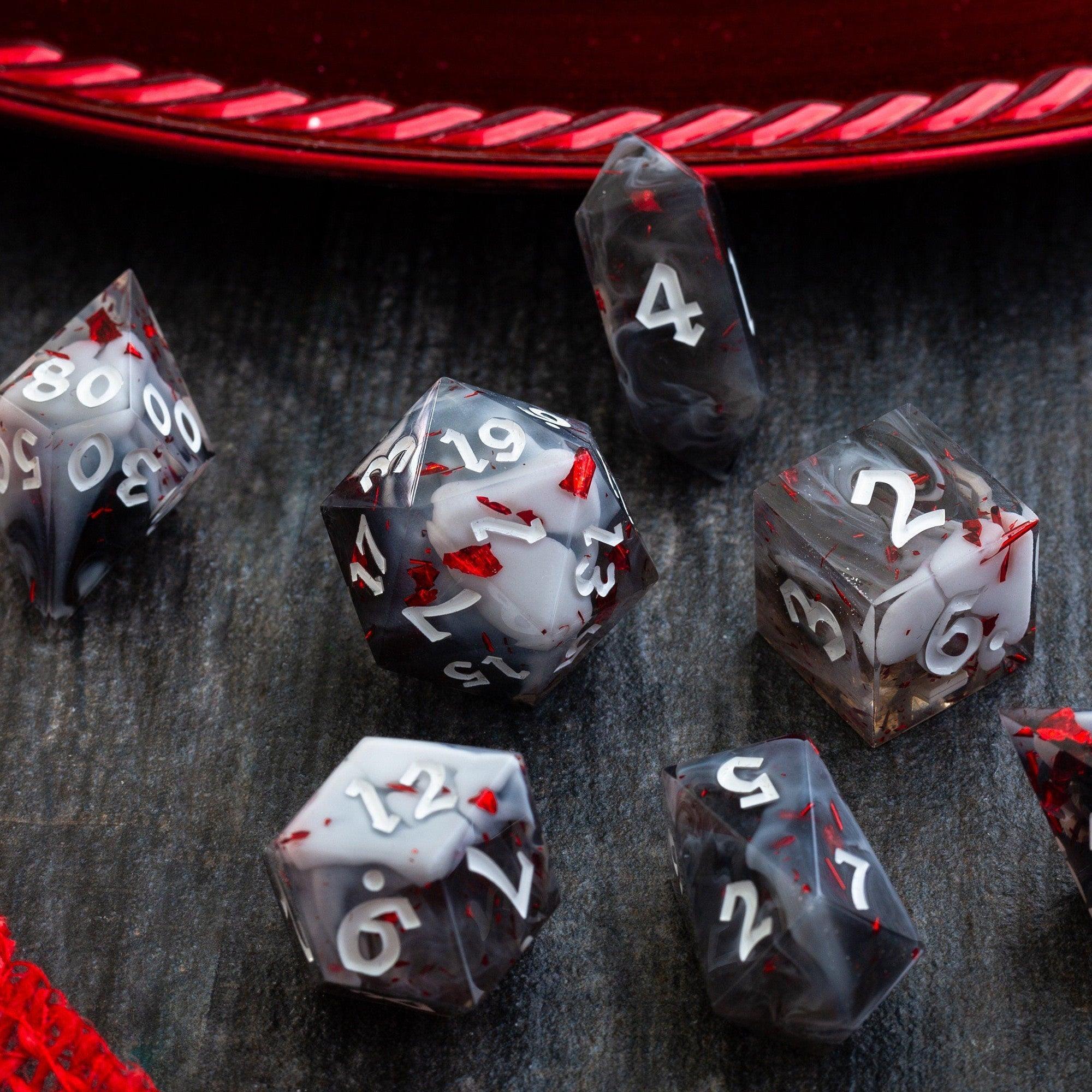
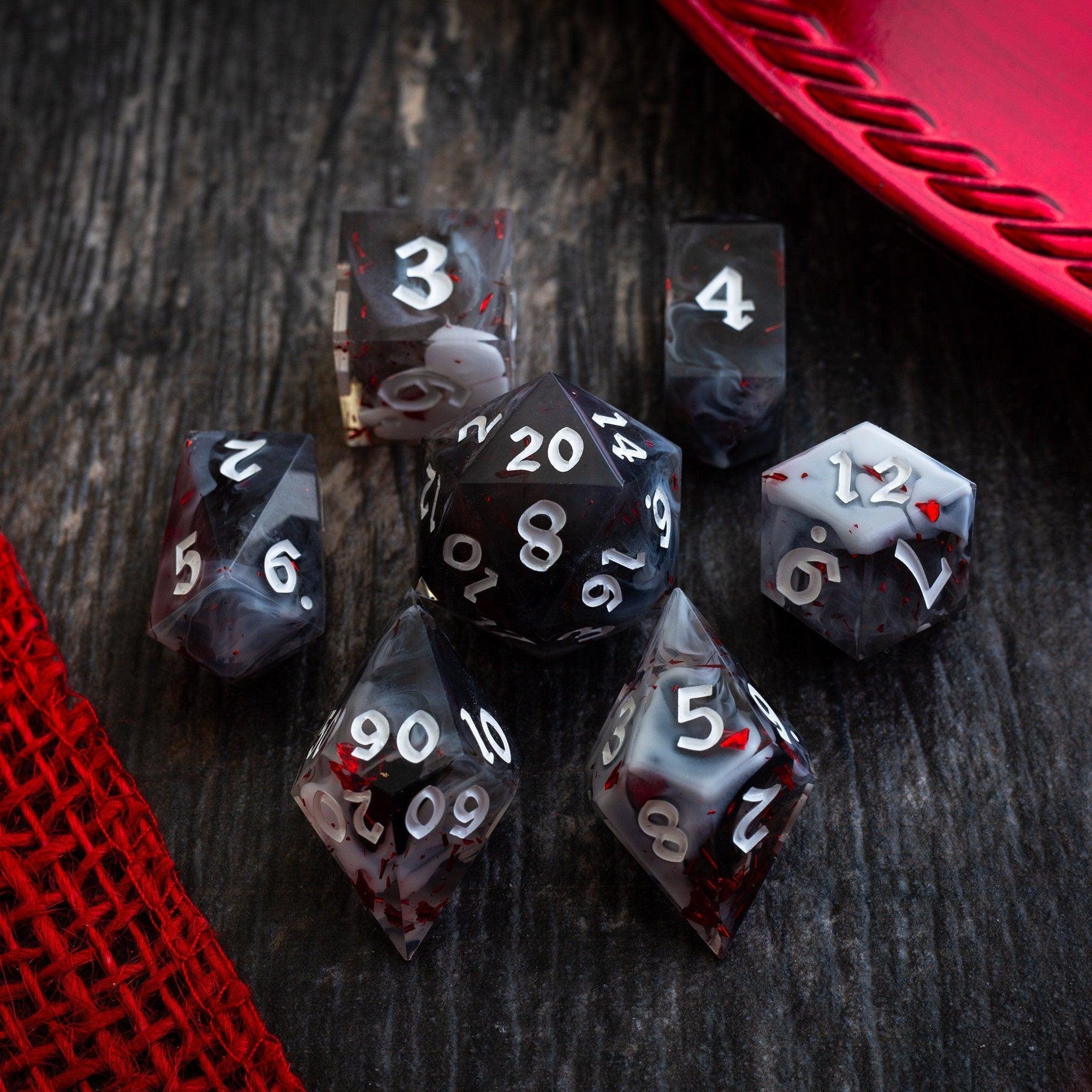
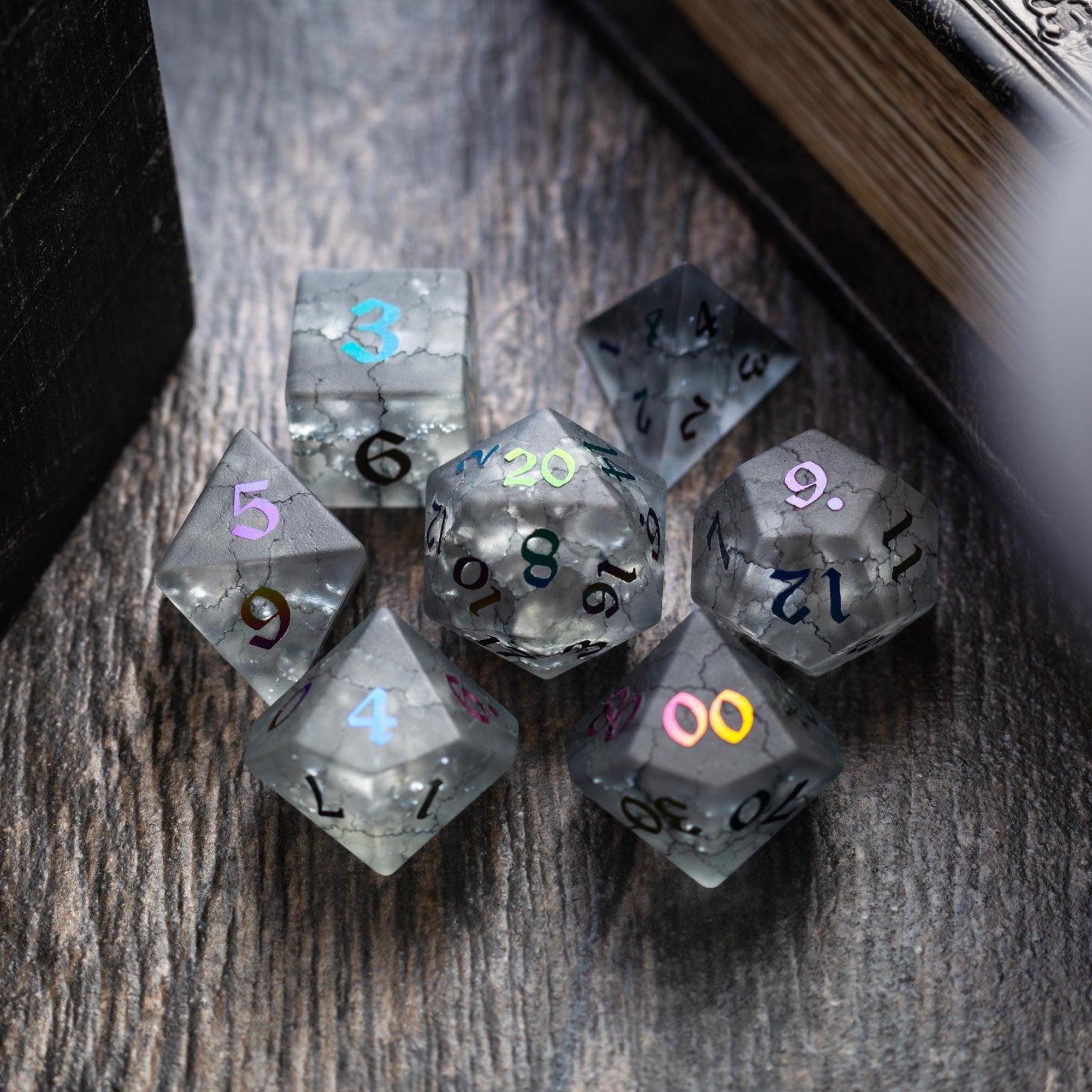
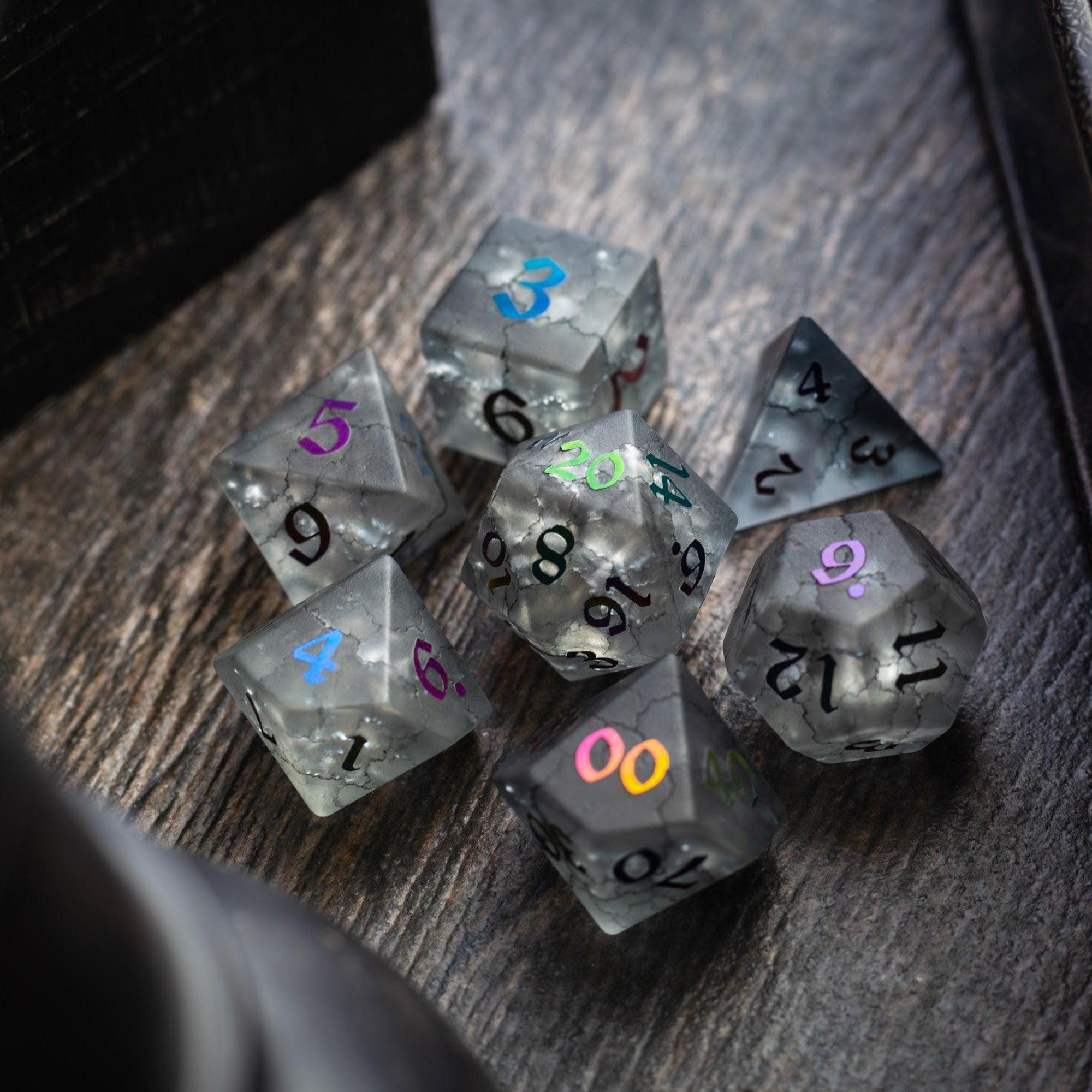
- Readability: Contrast is king. Dark numbers on light faces (or the reverse) help you parse results fast. Glitter, liquid cores, and reflective layers are stunning; just check that the numerals pop under your table’s lighting.
- Weight and hand feel: Metal and gemstone have satisfying heft. Resin is light, easy to toss, and great for long sessions. If you roll frequently (casters, we see you), lighter sets can reduce hand fatigue.
- Table safety: Use a mat, tray, or tower—especially for metal, glass, or gemstone. It protects your table and keeps rolls contained.
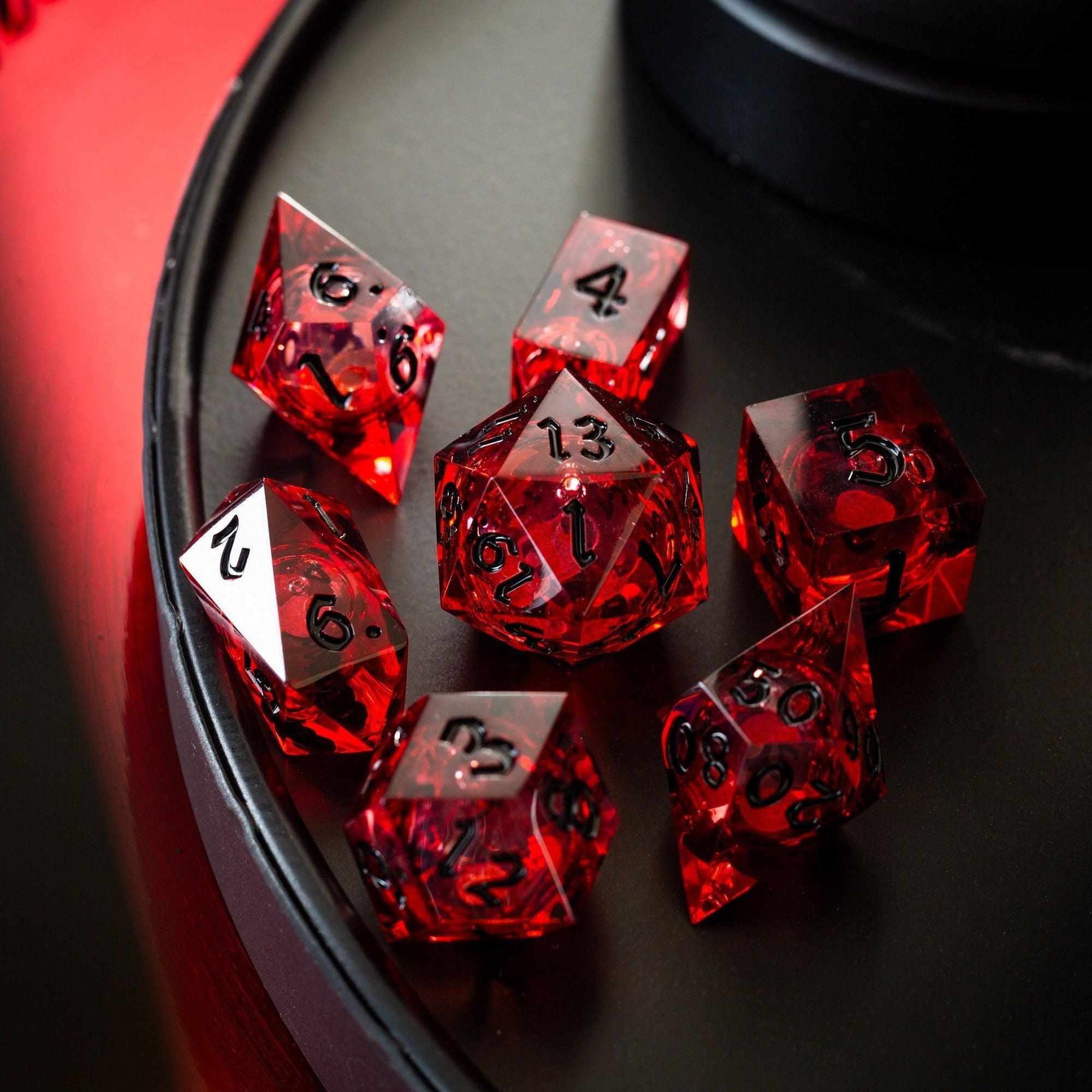
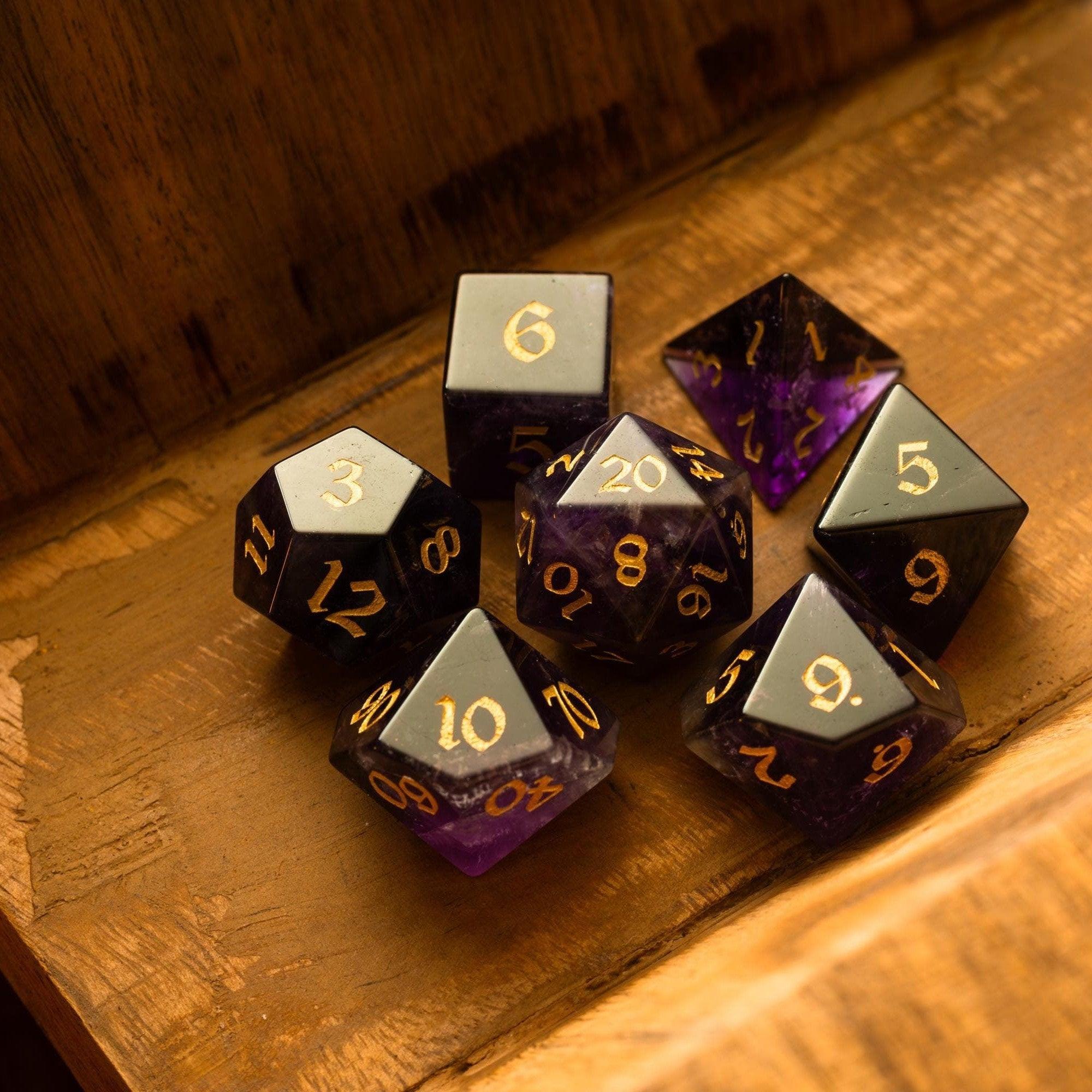
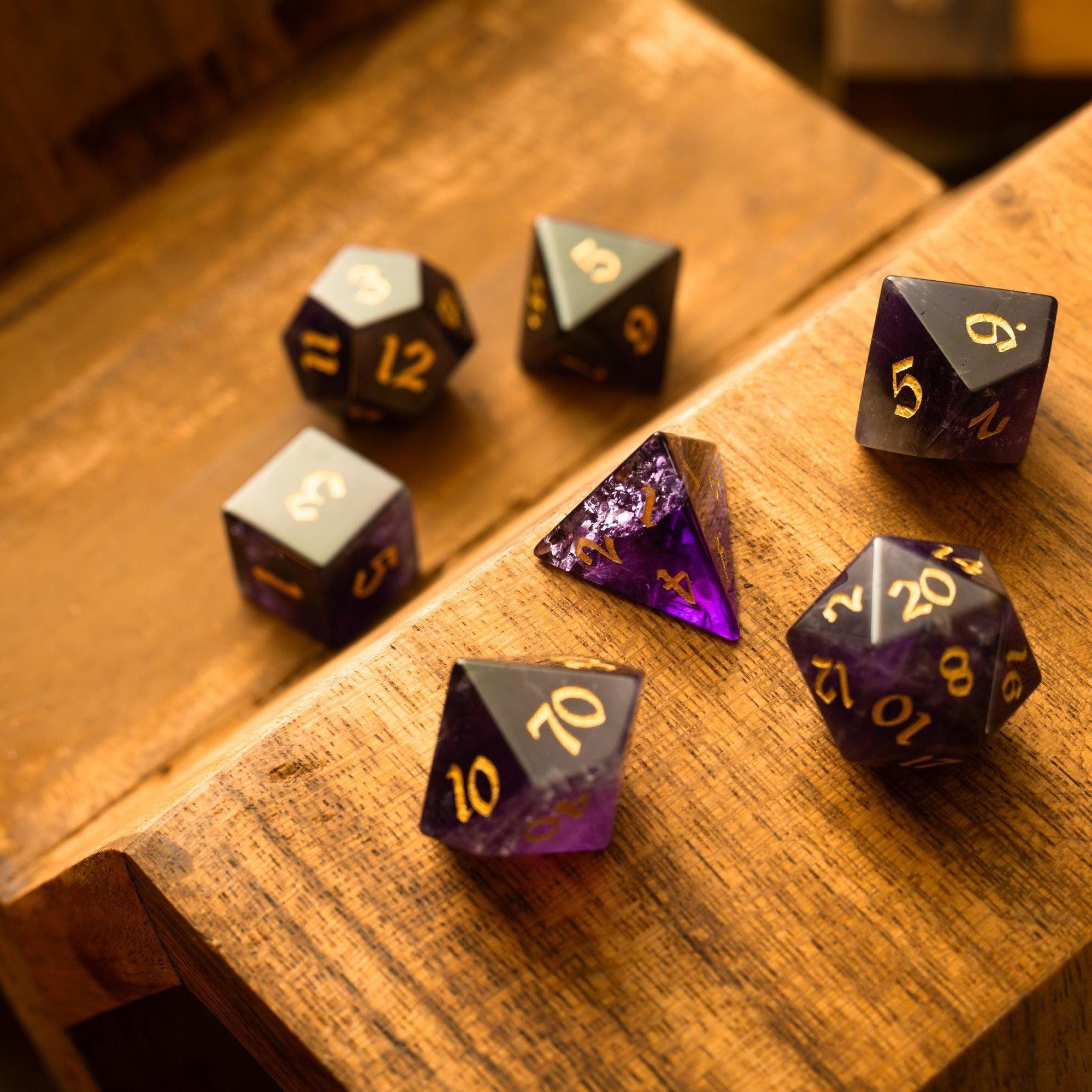
When you’re browsing options, try comparing across materials. If you want a luxury look with natural inclusions, explore gemstone dice. For eye-catching movement and an almost hypnotic roll, check out liquid core dice. If you love the richness of purple and want a premium feel, an amethyst set delivers both beauty and gravitas on the table. And if you want to protect any premium set, a simple habit is to roll in a tray or use dice towers for controlled, satisfying tumbles.
Finally, consider your character and campaign tone. A brooding warlock might pair well with darker palettes and metallic inks; a druid or ranger looks great with earthy greens and stone textures; a high-fantasy cleric or bard might enjoy pearlescent or glassy finishes. Matching theme to character adds personality without sacrificing readability.
Myths vs. Facts
- Myth: “Heavy dice always roll better.”
Fact: Weight changes feel, not fairness. Balance depends on manufacturing quality and geometry. - Myth: “Sharp-edge sets chip immediately.”
Fact: With a mat or tray and normal use, sharp-edge resin holds up well. Chips usually come from hard, uneven surfaces. - Myth: “Gemstone is too fragile to play.”
Fact: Many players use gemstone weekly without issues—just roll gently on a soft surface and store securely. - Myth: “All glitter dice are hard to read.”
Fact: High-contrast numbering and smart color combos can be extremely legible, even with glitter or inclusions. - Myth: “Liquid core sets are only for show.”
Fact: They’re gorgeous, sure, but they’re built to be played. Use a tray and you’ll enjoy both looks and performance. - Myth: “More expensive means perfectly fair.”
Fact: Price reflects materials and craftsmanship, but no physical dice are mathematically perfect. Quality control matters more than price alone.
Personal Experience
My first “premium” set was a deep purple stone beauty. I brought it to a new campaign, rolled on a soft tray, and instantly felt more connected to my character. The weight changed my rhythm—I tossed fewer nervous micro-rolls and took my time with each check. My table loved it too; the set became a little ritual, the final flourish before a big decision. Later, I rotated in a glittery resin set for one-shots because it was bright, lightweight, and easy to read at a crowded game store. That mix taught me a simple lesson: keep one set that feels timeless and one that’s pure fun. Both earn their place in the dice bag.

Care and Maintenance
Good care protects your investment and keeps rolls consistent.
- Roll on something soft. A felt mat, tray, or tower is your best friend—especially for metal, glass, or gemstone.
- Store separately. Use a pouch or a lined box so sets don’t clack against each other in transit.
- Clean gently. A microfiber cloth removes dust and fingerprints. For resin, a slightly damp cloth is fine; avoid harsh chemicals. For metals, dry thoroughly to prevent moisture spots.
- Mind the heat. Don’t leave any dice in a hot car or under direct sunlight for long periods.
- Check for wear. If inking fades, many players re-ink with paint pens—just test on a small area first and clean the excess carefully.
If you’re worried about fairness, do a quick home check. Roll each die 100 times and jot results; you’re looking for clear outliers, not perfection. You can also try a light saltwater float on a d20 to see if any face consistently turns upward. Slight variation is normal; wild swings could mean it’s time to retire that die for important rolls.
Q&A
Are metal dice bad for wooden tables?
Not inherently, but they’re heavy. Use a mat, tray, or tower to protect surfaces and edges. Avoid rolling onto raw wood, glass, or tile. If you like big, dramatic throws, a padded tray keeps the clatter fun without risking dents or chips.
How many dice do I really need for a new campaign?
Start with one standard polyhedral set (d20, d12, 2×d10, d8, d6, d4). If you play classes that roll lots of the same die—like rogues with multiple d6s—add a few extras to speed things up. Many players keep a second full set for advantage/disadvantage rolls and quick comparisons.
What size dice are easiest to read and handle?
Standard 16 mm dice are a sweet spot for most players. If you prefer compact sets, 14 mm minis save space but can be trickier to read in low light. Larger “chonk” d20s are great for dramatic moments, but pair them with a tray for control and table safety.
Final Thoughts & Takeaways
Great dice make every roll feel intentional. Focus on readability, surface safety, and material care—then pick the look that lights you up. Whichever dice sets for tabletop games you settle on, build a simple habit loop: roll on something soft, store with care, and rotate sets to keep your favorites fresh. That’s how you turn a pretty purchase into a long-term companion for campaigns to come. If you’re ready to explore, compare a classic resin set with a premium stone or a mesmerizing liquid core option—then choose the one that makes you excited to play next session.


Leave a comment
This site is protected by hCaptcha and the hCaptcha Privacy Policy and Terms of Service apply.